



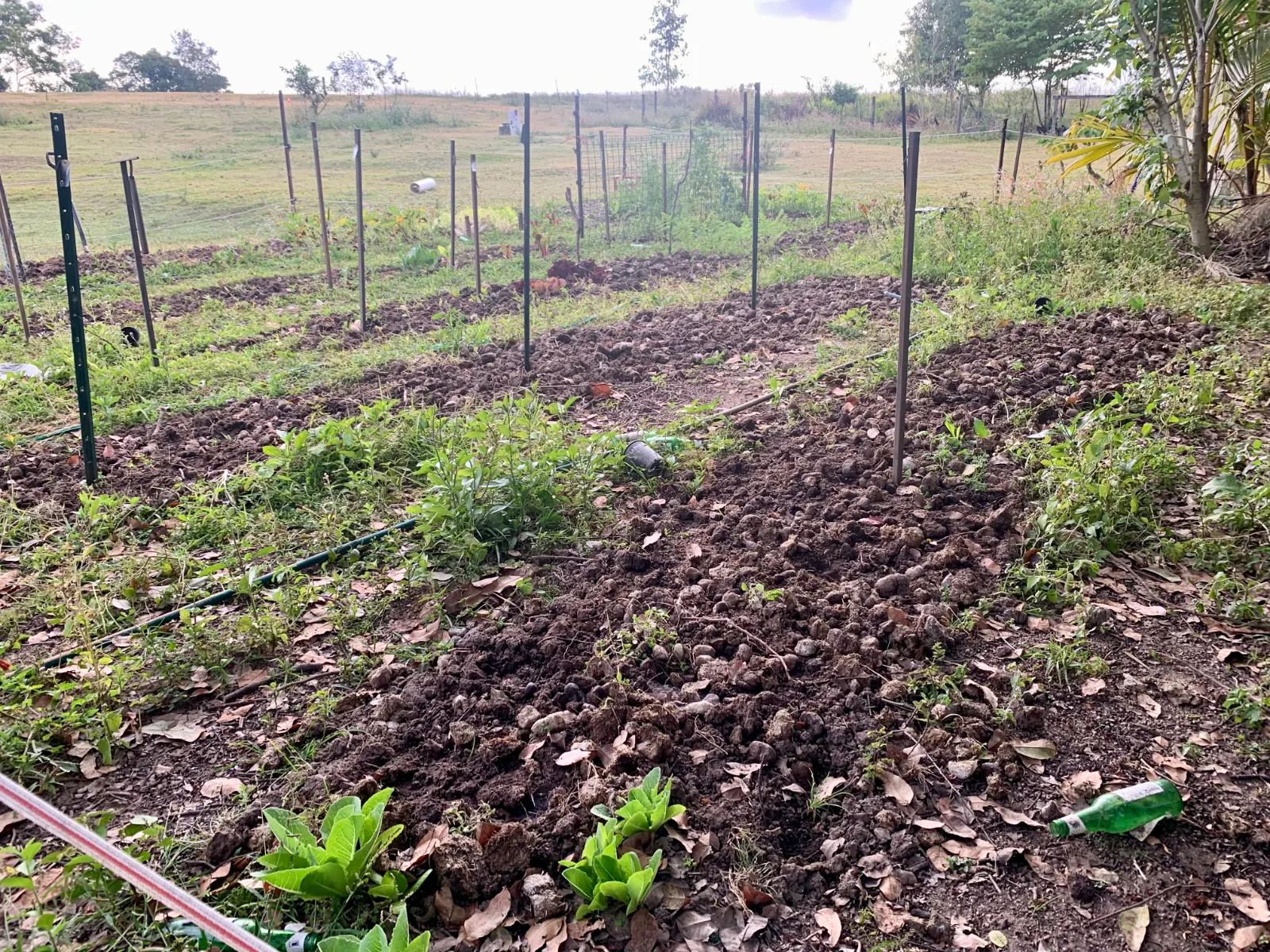

You can water a garden thoroughly and still leave much of the root zone dry. If water beads on the surface, runs sideways, disappears down cracks or rushes straight through a pot without soaking the mix, the problem may not be a lack of water at all. The soil may have become water repellent, or hydrophobic.
A soil wetting agent helps water spread through that dry soil instead of being pushed away by it. They can be particularly useful in sandy soils, lawns, older potting mixes and garden beds that have dried hard between rain or watering.
They are not something every garden needs on a schedule, though. If your soil already absorbs water evenly, adding a wetter is unlikely to improve anything. The useful part is knowing how to recognise water repellence, choose the right treatment, and stop the same problem returning.
What Is a Soil Wetting Agent?
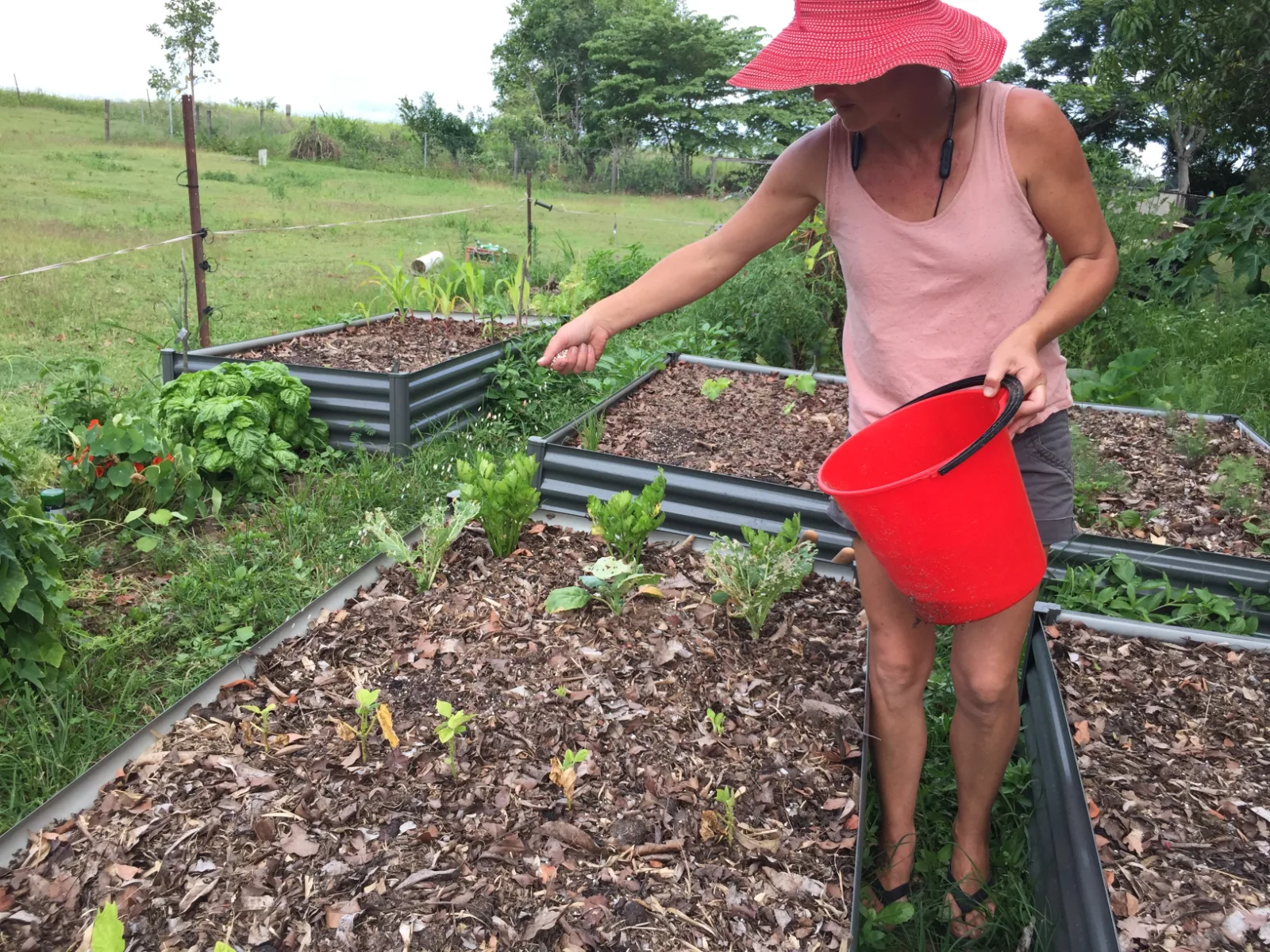
A soil wetting agent is a surfactant. It changes the way water behaves at the surface of soil particles, making it easier for water to spread and soak into material that would otherwise repel it.
Water-repellent soil often develops when waxy compounds from decomposing plant material coat soil particles. This is particularly common in sandy soils because sand has relatively little surface area, so it does not take much of that waxy material to coat individual grains.
Instead of water spreading through the spaces between them, it can bead on top or find a few narrow pathways down through the soil, leaving large areas dry. CSIRO describes exactly this sort of uneven wetting in Australian sandy soils.
Old potting mix can behave in much the same way. Bark, peat and other organic ingredients can become difficult to rewet once they have dried severely. Water then races down the gap between the potting mix and the side of the pot while the centre of the root ball remains dry. Gardening Australia discusses this problem in ageing potting mixes.
A wetting agent does not create more water. It helps the water you apply reach more of the soil.
How Can You Tell If Your Soil Is Water Repellent?
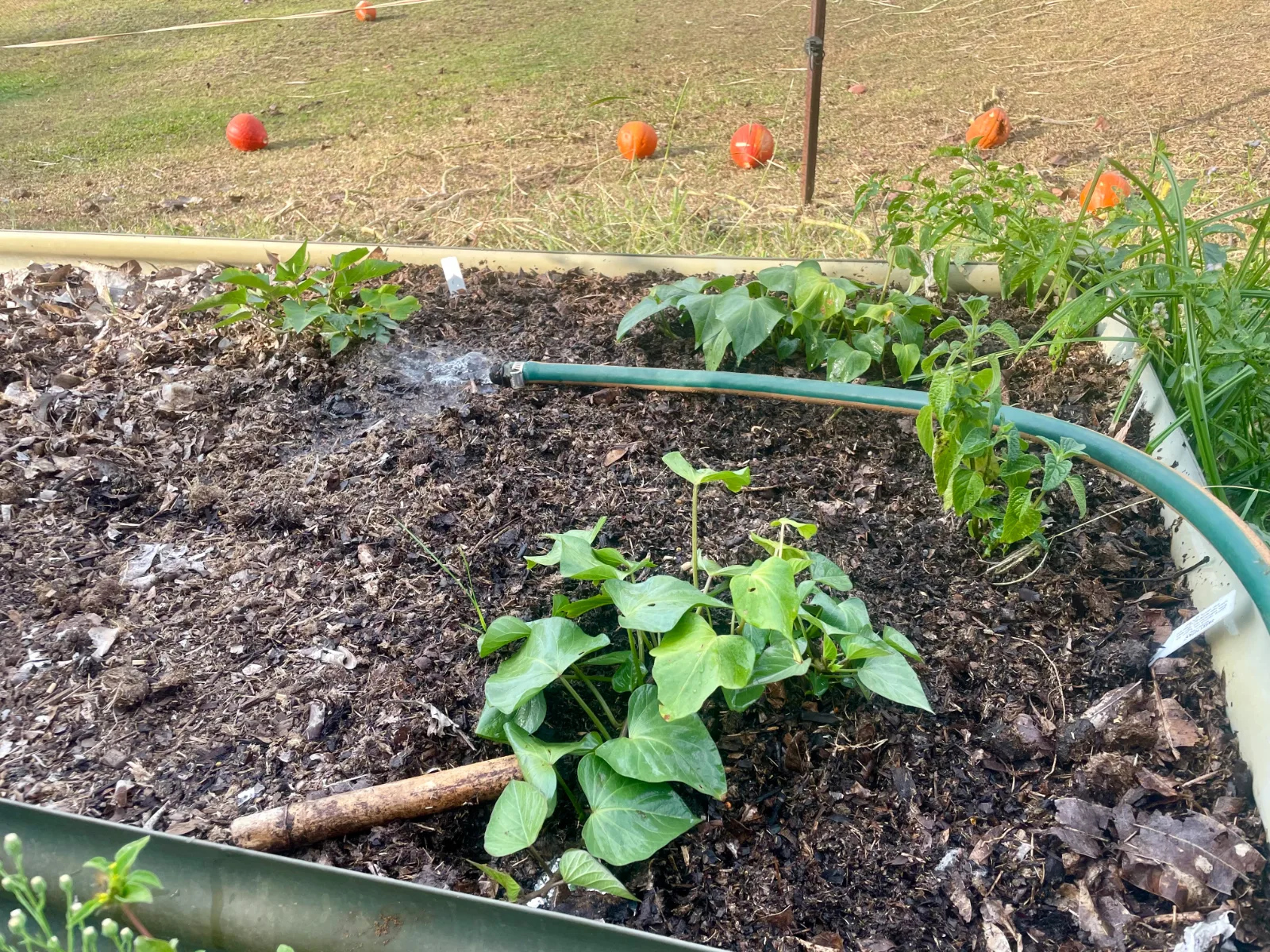
The easiest test is to watch what happens when you water. Put a small amount of water onto a patch of dry soil. Healthy, readily wettable soil should begin drawing it in.
Hydrophobic soil often holds the water as shiny beads or a little puddle on the surface instead. Gardening Australia uses a similar simple water-drop test for identifying water-repellent soil.
An even better test is to water normally, wait a few minutes and then dig down with your fingers or a trowel. The top centimetre may look dark and damp while the soil immediately underneath is still dusty and dry.
Other clues include:
- water running away from plants rather than soaking around them
- irrigation producing dry and wet patches across a lawn
- potting mix shrinking away from the side of a pot
- water pouring through a pot almost immediately
- seedlings wilting despite regular watering
- fertiliser seeming ineffective because very little moisture is reaching the active roots
Patchy wetting is particularly common in sandy ground, but water repellence and poor water movement are not limited to sand.
Make Sure Hydrophobic Soil Is Really the Problem
Not every watering problem needs a wetting agent. If water sits on the surface because heavy clay drains slowly, that is different from water sitting in beads because the soil is repelling it. Compaction, poor drainage and water repellence can look similar from above but need different treatment.
Pots can be misleading too. If water disappears straight through, check whether the plant is badly root-bound. A dense mass of roots can leave very little potting mix to hold moisture. In that case, repotting may help far more than repeatedly adding soil wetter.
Also check the obvious things: blocked drippers, uneven sprinklers, broken irrigation fittings and mulch that has formed a dry mat can all prevent water reaching the soil properly. I would use a soil wetter when I can see that the growing medium itself is resisting water, rather than treating every dry plant with one.
Where Are Soil Wetting Agents Most Useful?
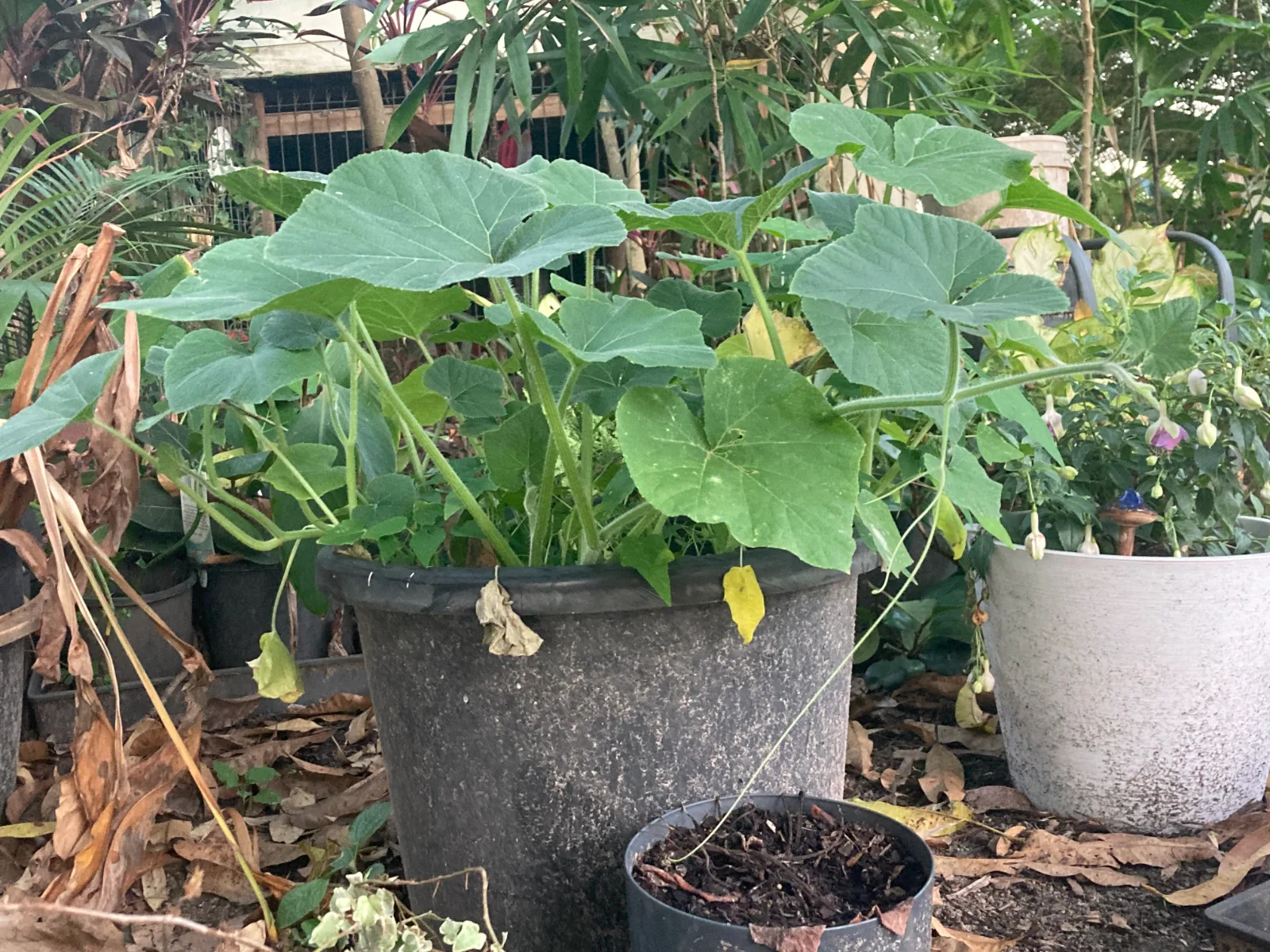
They can be useful almost anywhere hydrophobic soil develops, but some situations are much more prone to it than others. Pots and hanging baskets are high on the list. Potting mix can dry rapidly in Australian summers, especially in small or exposed pots. Once it becomes very dry, repeated light watering may simply run around the root ball instead of rewetting it.
Sandy garden soils are another obvious candidate, particularly in coastal areas and much of southern and western Australia. Water repellence is a major soil issue in parts of Western Australia, where hydrophobic compounds can coat sandy particles and cause rainfall or irrigation to move through only a few preferred pathways.
Lawns commonly show the problem as irregular dry or brown patches even though the whole lawn receives the same irrigation. Vegetable beds and newly planted areas can also suffer because seedlings have small root systems and cannot chase isolated pockets of moisture very far.
Established trees and shrubs do not automatically need a soil wetter simply because the weather is hot. Test the soil first. If water is already moving through the root zone evenly, normal deep watering and mulch are more useful.
Which Plants Benefit Most?
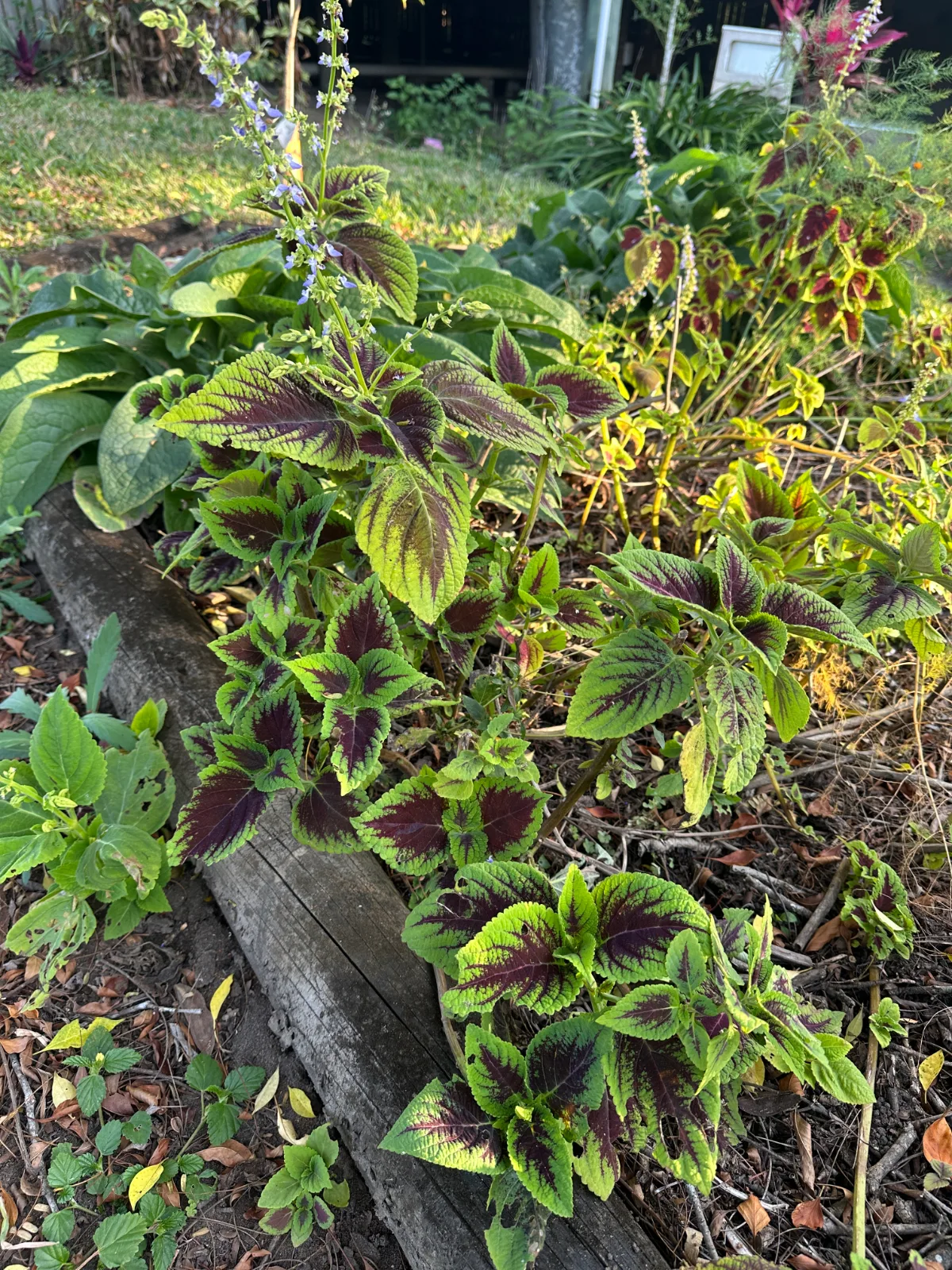
A wetting agent treats the soil rather than the plant, so there is no special list of species that inherently require one. The plants that gain the most are those growing in a water-repellent root zone.
Young seedlings, vegetables, strawberries and other shallow-rooted crops can respond quickly because they rely heavily on moisture near the surface. Lawns also benefit where sandy soil has developed patchy water repellence.
Plants in pots are another big group. Indoor foliage plants, herbs, flowering pots, hanging baskets and large outdoor pots can all end up sitting in a dry root ball while water escapes around the outside. Fruit trees can benefit where the surrounding soil has become repellent, especially young trees whose root systems are still concentrated close to the planting area.
For cacti, succulents and other plants grown deliberately in fast-draining mixes, be more conservative. You still want water to wet the mix evenly, but you do not want to turn a deliberately free-draining medium into something that remains saturated for too long. Likewise, if you grow phosphorus-sensitive Australian natives, check combined products carefully. A plain wetting agent is different from a soil wetter bundled with fertiliser or other nutrients.
Types of Soil Wetting Agents
There are several ways to deal with water-repellent soil, and they are not all the same.
| Method | Best use | How quickly it works | Main limitation |
|---|---|---|---|
| Liquid soil wetter | Pots, beds, lawns, badly dry soil | Fast | Usually needs repeating |
| Hose-on soil wetter | Larger beds and lawns | Fast | Less precise for small areas |
| Granular wetter | Lawns and larger areas | Fast once watered in | Must be spread evenly and watered |
| Plant-based or organic-approved wetter | Organic-style gardens, pots, edible beds | Fast to moderate | Check certification and label rather than assuming “natural” |
| Compost or soil conditioner | Long-term soil improvement | Gradual | May not rescue severely hydrophobic soil immediately |
| Soaking or pulse watering | Dry pots and small areas | Immediate | Labour-intensive |
| Fresh potting mix | Old or degraded pots | Immediate reset | Requires repotting |
| Clay incorporation into very sandy soil | Long-term improvement of suitable sandy soils | Long-term | Major soil work rather than a quick garden treatment |
Shop-bought Soil Wetters
The simplest option for a badly hydrophobic bed or lawn is generally a purpose-made soil wetter. Liquid concentrates can be applied with a watering can, while hose-on products are convenient for lawns and larger beds. Granular wetters are spread over the soil and activated with irrigation.
Some products contain only the wetting component. Others combine a wetter with humic substances, seaweed, compost extracts or other soil conditioners.
For example, Seasol Super Soil Wetter & Conditioner combines a wetting agent with humic conditioners and is intended to improve water penetration as well as the soil's ability to retain moisture. Its label calls for watering-can or hose-on application and repeat treatment according to soil condition.
I would choose based on what the soil needs rather than the longest ingredient list. If the problem is simply an old potting mix that will not absorb water, a straightforward wetter may be enough. A sandy garden that repeatedly becomes hydrophobic may benefit from a product that also contributes to longer-term soil conditioning.
Follow the product rate. Surfactants are effective at fairly low concentrations, and adding twice as much does not make them twice as useful. Agricultural research has also found considerable differences between wetting-agent formulations, so the instructions for one product should not be borrowed for another.
Organic and Plant-Based Soil Wetters
If you garden organically, look for a product that is specifically approved or certified for organic production, rather than relying on words such as natural, eco or organic-based on the front label.
Plant-derived saponins can act as surfactants. Yucca extracts are one example used commercially as natural wetting agents because their saponins help reduce surface tension.
There are also organic-style wetters combined with humates, compost extracts or seaweed products. Gardening Australia recommends organic wetting agents for water-repellent potting mixes and has demonstrated using one while rewetting a dry potted plant.
“Organic” does not mean you can ignore the rate. A concentrated plant-derived surfactant is still a surfactant. Use it according to the manufacturer's directions.
Can Compost Fix Hydrophobic Soil?
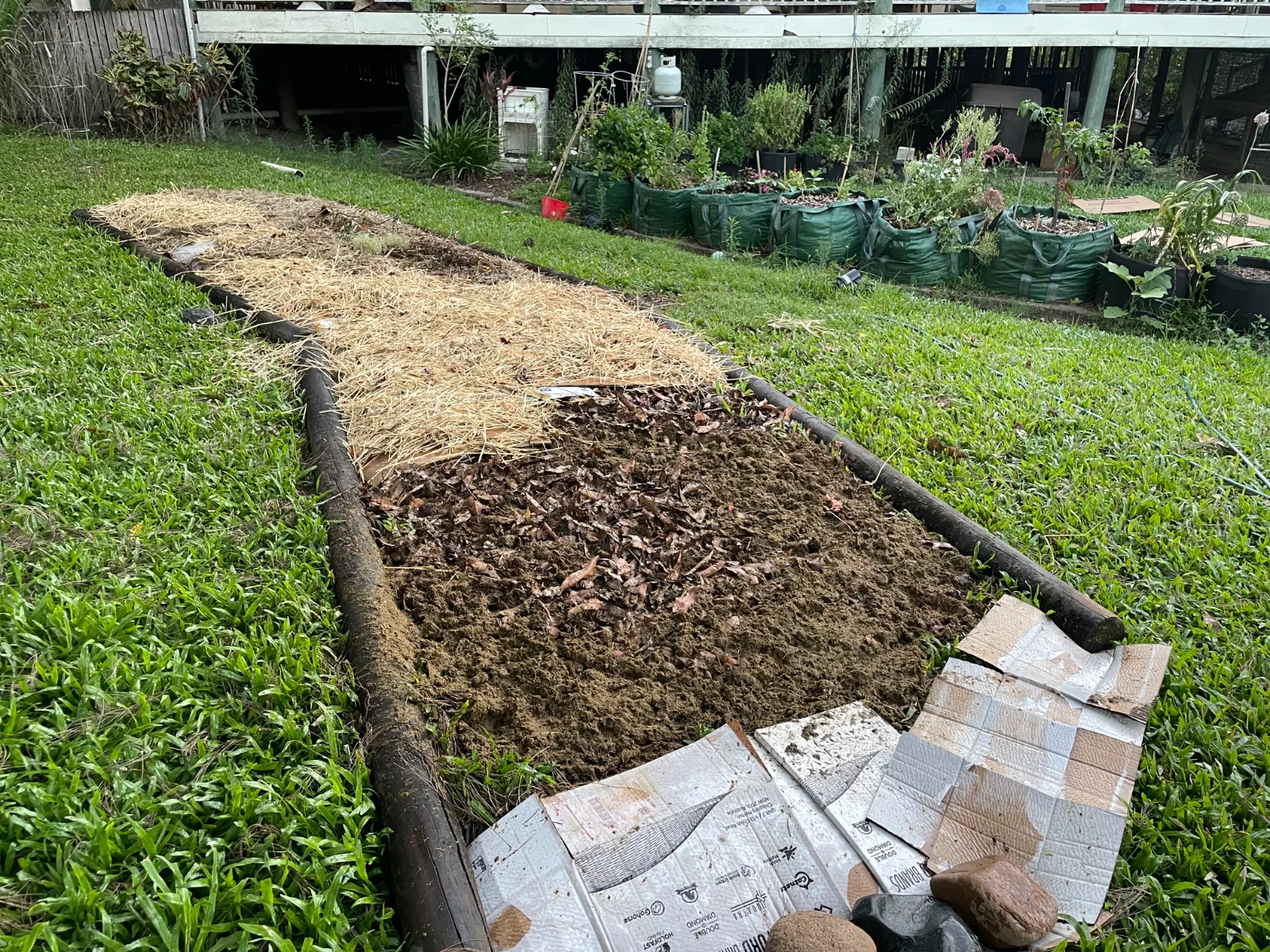
Sometimes, especially where the problem is still mild. This can sound contradictory because water repellence itself can result from waxy compounds produced as plant material decomposes. The difference is that a healthy soil with well-integrated organic matter behaves very differently from dry sand grains coated in hydrophobic compounds.
Mature compost improves soil structure, provides a range of particle sizes and supports soil organisms. Gardening Australia specifically recommends adding compost to ageing potting mix where hydrophobia has not become too severe.
In established beds, I like to treat serious repellence first so water can enter the soil, then work on the longer-term problem with compost, mulch and more consistent moisture. Simply piling compost on top of bone-dry repellent sand and expecting the next watering to soak evenly through it may not be enough.
The Easiest Natural Method for a Dry Pot
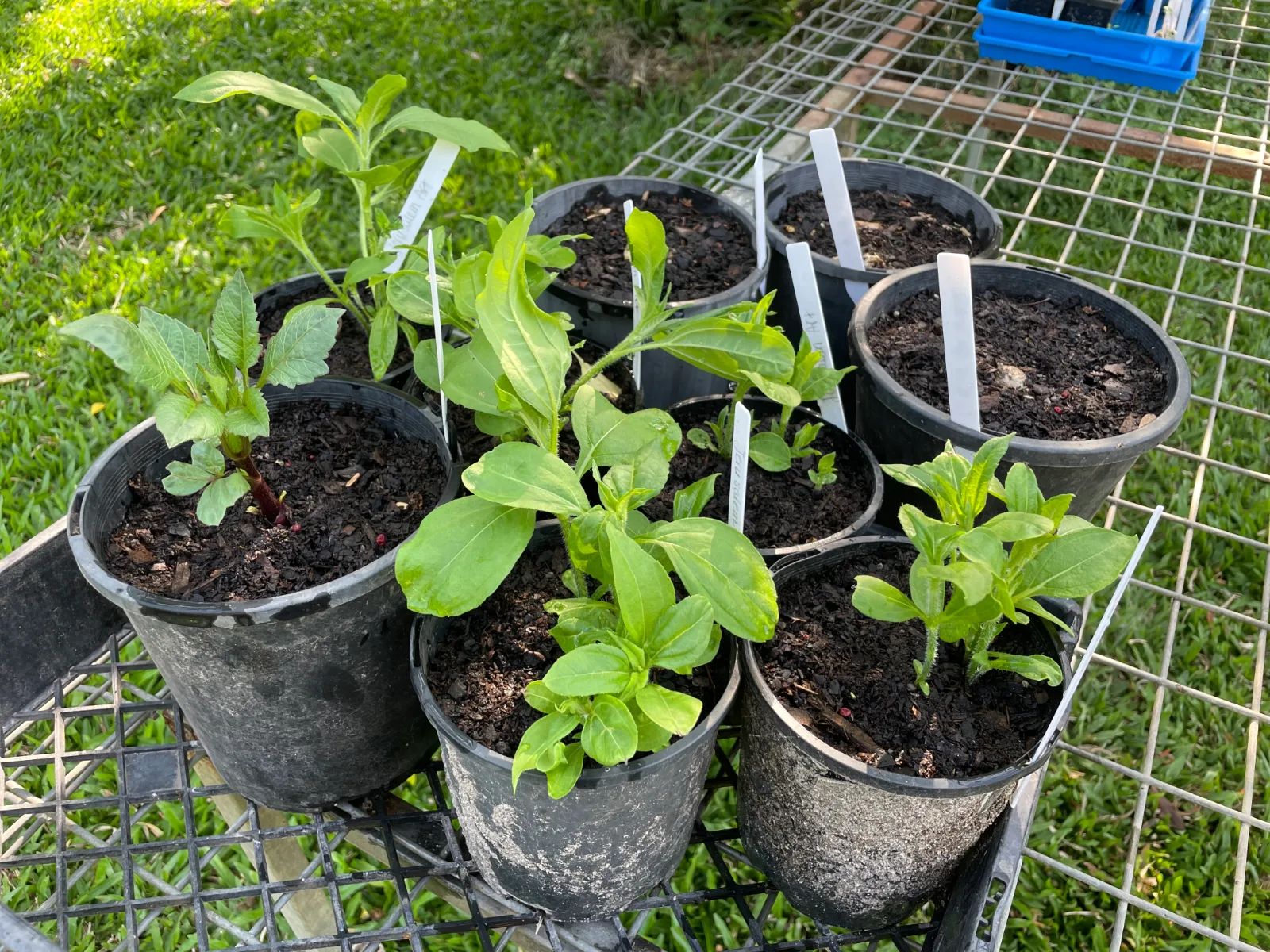
For a small pot, you may not need any product at all. Place the pot in a bucket or tub of water so the potting mix can absorb moisture from below and around the sides. Air bubbles will rise as water moves back into the dry spaces. Remove the pot once the root ball has been thoroughly rewetted and allow it to drain.
Gardening Australia recommends this technique for badly dried potting mix and notes that a pot is evenly moist once the bubbling has stopped.
Once the mix is moist again, avoid repeatedly letting it become bone dry. If it quickly becomes hydrophobic again, either use a proper wetting agent or repot into fresh mix.
Pulse Watering Is Useful Too
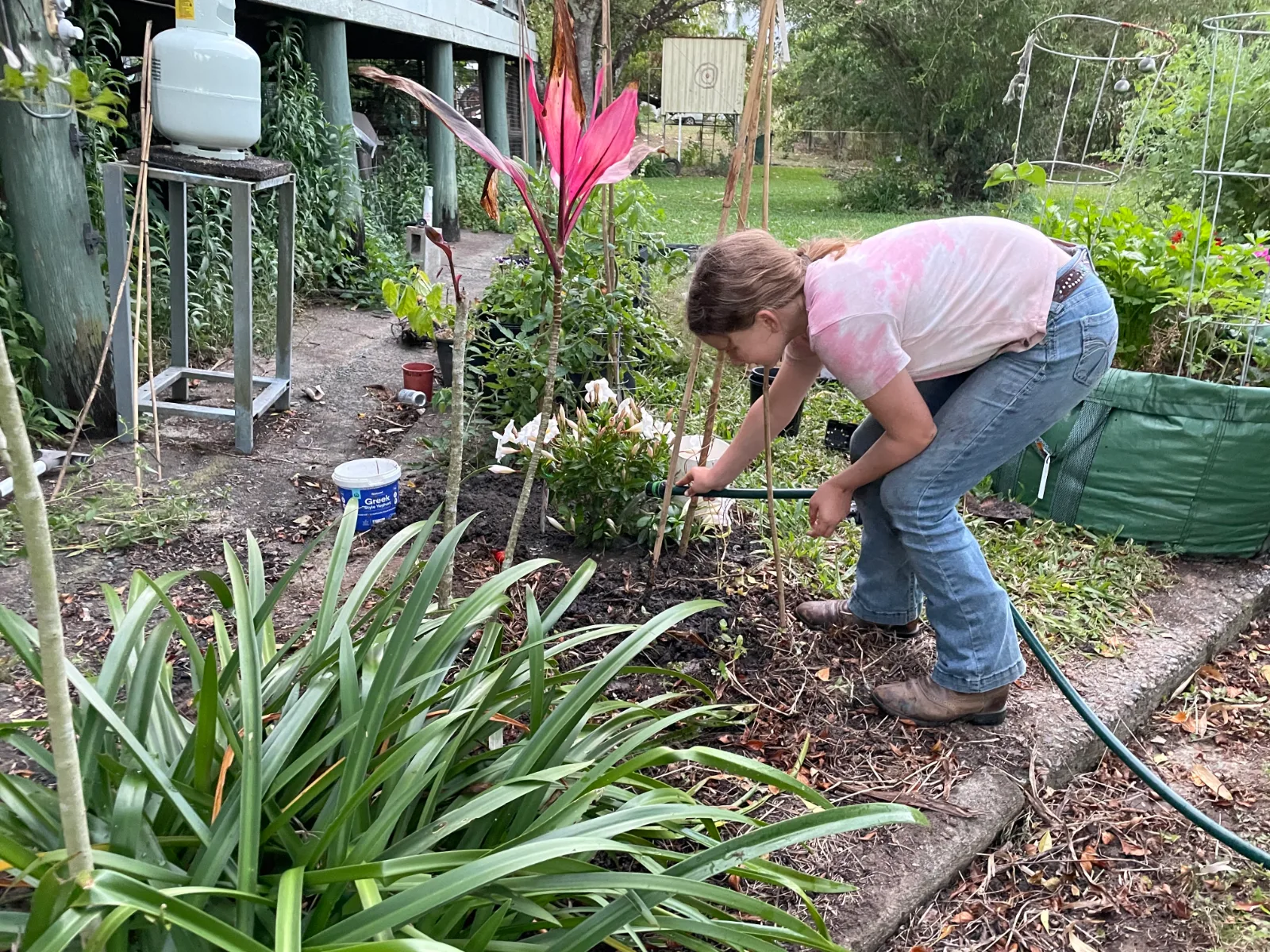
Another simple method is to water in stages. Give the surface a light watering, wait for it to begin penetrating, then return and water again. Once the first moisture has entered the soil, the next application often spreads more readily.
This is particularly handy with large pots that cannot be lifted into a bucket. It also works in small garden beds where a heavy first watering would simply run away. A slow dripper or very gentle sprinkler can achieve the same thing. What you are trying to avoid is applying water faster than the dry soil can accept it.
Should You Make a Wetting Agent With Dishwashing Liquid?
I wouldn't. You will find plenty of home recipes calling for a squirt of dishwashing liquid in a watering can. The logic is understandable: detergent reduces surface tension, which is also what a soil wetter does.
The problem is that household dishwashing liquids are designed to clean plates, not to be repeatedly applied around plant roots. Formulations can contain combinations of surfactants, fragrances, degreasers, preservatives and salts, and their concentrations can change without gardeners knowing. University extension guidance specifically advises against substituting kitchen detergents for products formulated for plants because of the potential for plant injury.
If I wanted the cheapest home solution, I would rather rewet the soil physically with soaking or pulse watering, then improve the soil with compost and mulch. If a surfactant is genuinely needed, a garden product gives you a known rate and instructions.
What About Soapberries, Aloe and Other Homemade Natural Surfactants?
Plants containing saponins can produce foamy extracts, which is why ingredients such as yucca are used in commercial natural wetting agents. That does not automatically make every homemade saponin brew a good soil wetter.
Concentrations are unpredictable, different plants contain different compounds, and there is far less useful garden research behind home recipes than there is behind formulated products. If you specifically want a plant-based wetter, I would buy a saponin-based horticultural product with clear application rates rather than experiment on a productive vegetable bed.
Grow a Little Wild
New plants to try, useful growing tips and a few garden jobs based on what you grow.
How to Apply a Soil Wetting Agent
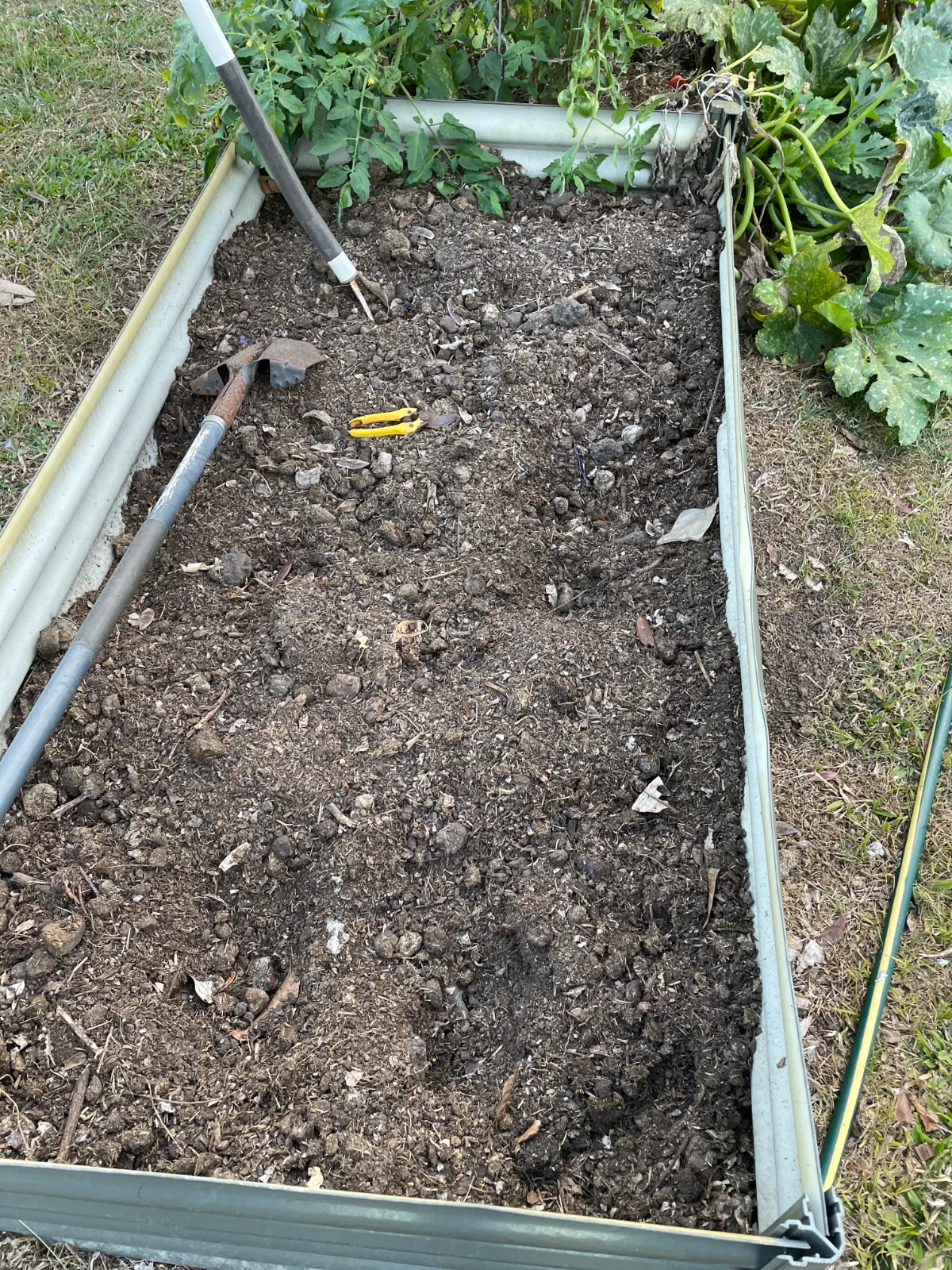
Start by checking the product label because concentrations vary widely. If the soil is extremely dry, lightly dampening it first can help. Seasol, for example, recommends dampening very dry ground before applying its wetter where possible.
Apply the wetter evenly over the area you are treating, concentrating on the soil rather than the foliage. Follow it with enough water to carry the product into the active root zone unless the particular label says otherwise.
Then check your work. Dig into the soil after watering and see whether moisture is now spreading through the profile rather than sitting only on top or travelling through a few channels. Do not judge success solely by how green the plant looks the next morning. The immediate goal is much simpler: does the soil now accept water properly?
Should You Apply Soil Wetter Before or After Watering?
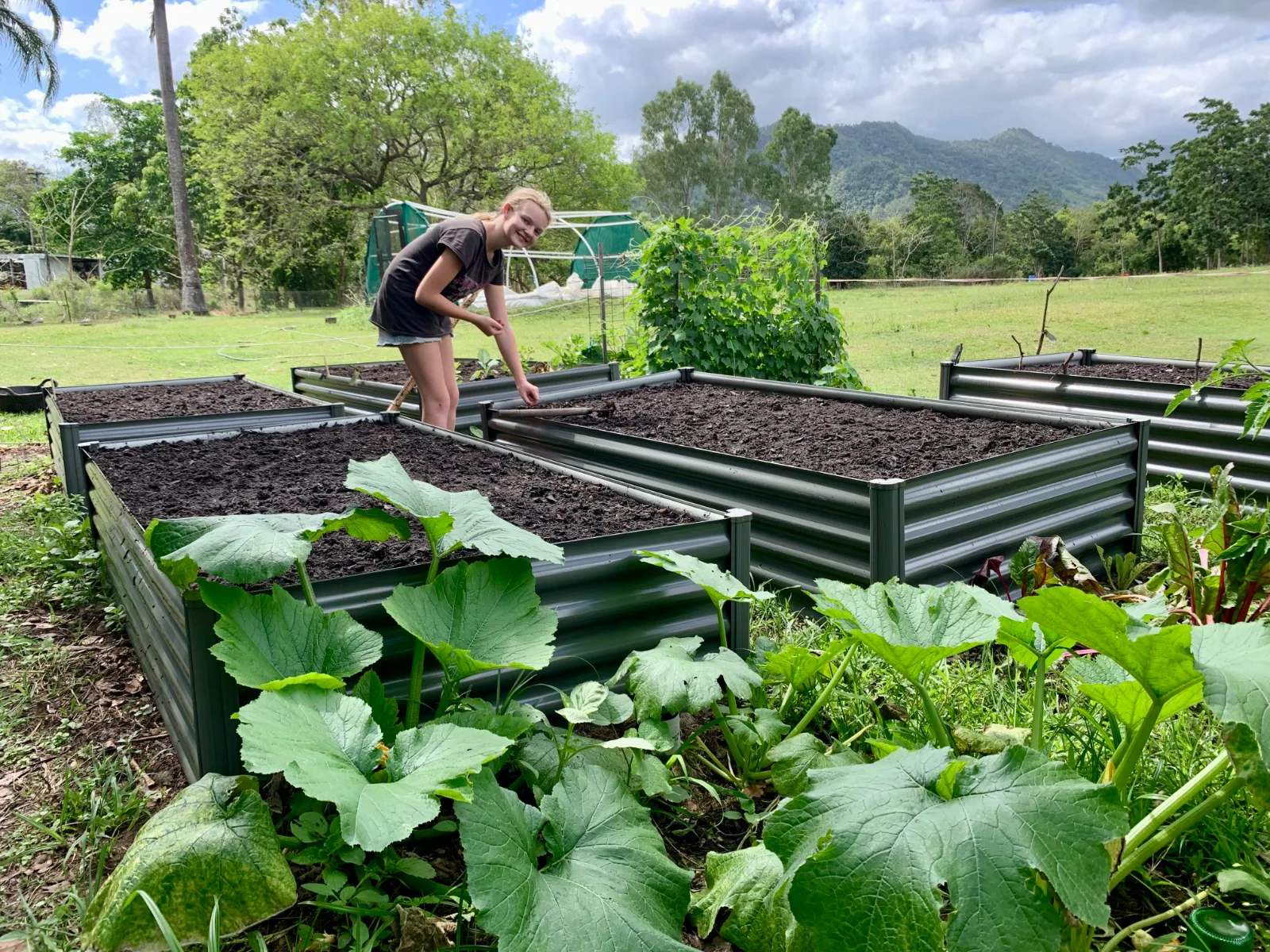
For very dry soil, a small amount of water first can make application easier. The wetter is then applied and watered through according to its label.
With granules, watering after application is normally essential because the product needs to dissolve and move through the soil. For a liquid hose-on product, the water used during application may form part of that process, but I would still follow the specific instructions rather than assuming every product works the same way.
When Is the Best Time to Use One?
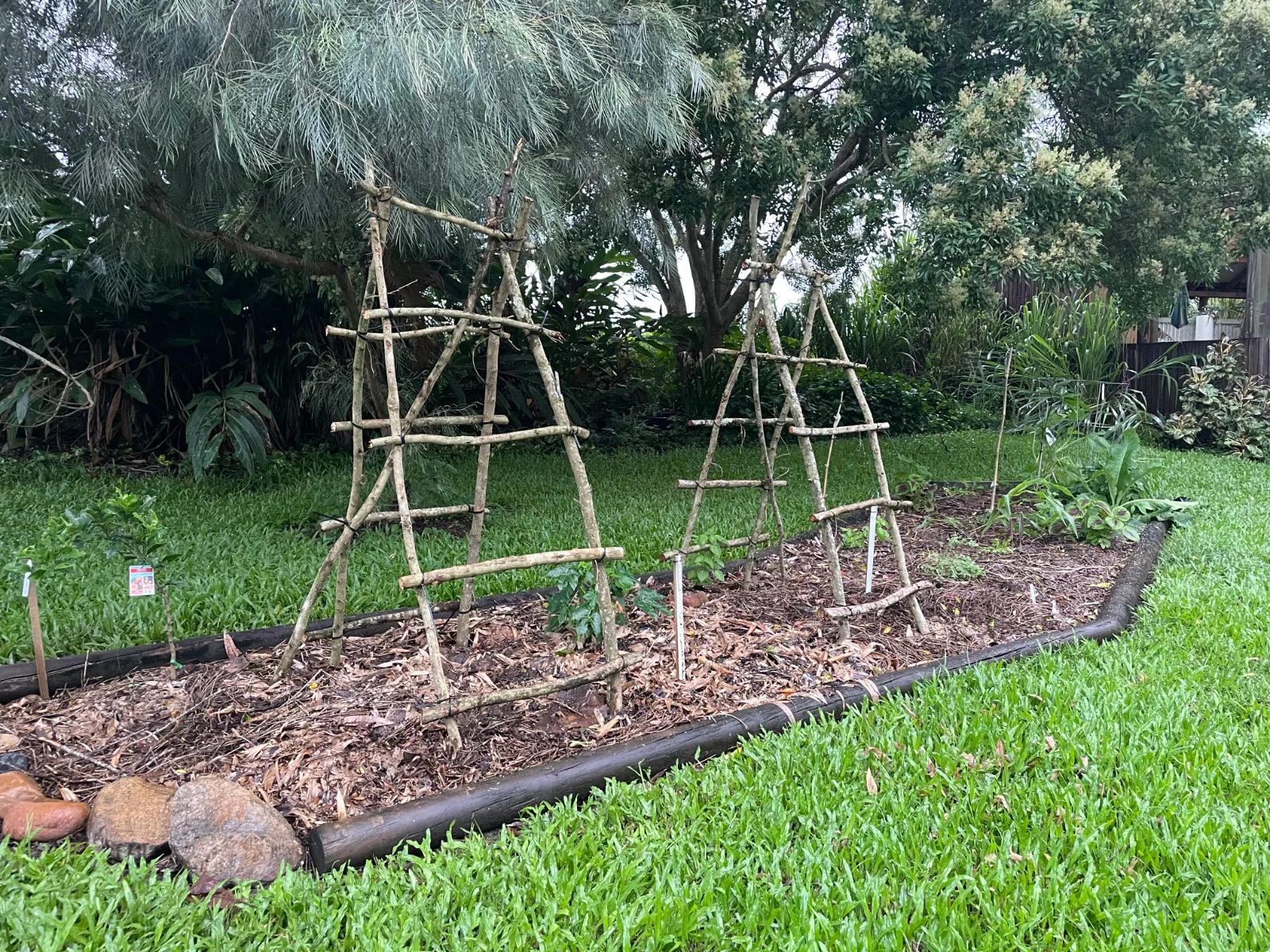
Use a wetting agent when the soil shows signs of becoming water repellent, rather than simply because the calendar says it is spring.
That said, timing can be preventative in gardens where the problem returns every year. In southern and inland Australia, soil repellence often becomes obvious after the long dry part of the year and when rain first returns. In hot climates, pots and exposed beds can develop the problem whenever the growing medium has repeatedly dried hard.
If you know a sandy lawn becomes patchy every summer, applying an appropriate wetter before the worst heat arrives can make irrigation more effective.
In the tropics and humid subtropics, timing is less about a traditional spring treatment and more about soil condition. A bed that stays evenly moist through the wet season may need nothing. Raised beds, pots and sandy areas that become very dry during a rainless period can still turn hydrophobic quickly.
How Often Should You Use a Wetting Agent?
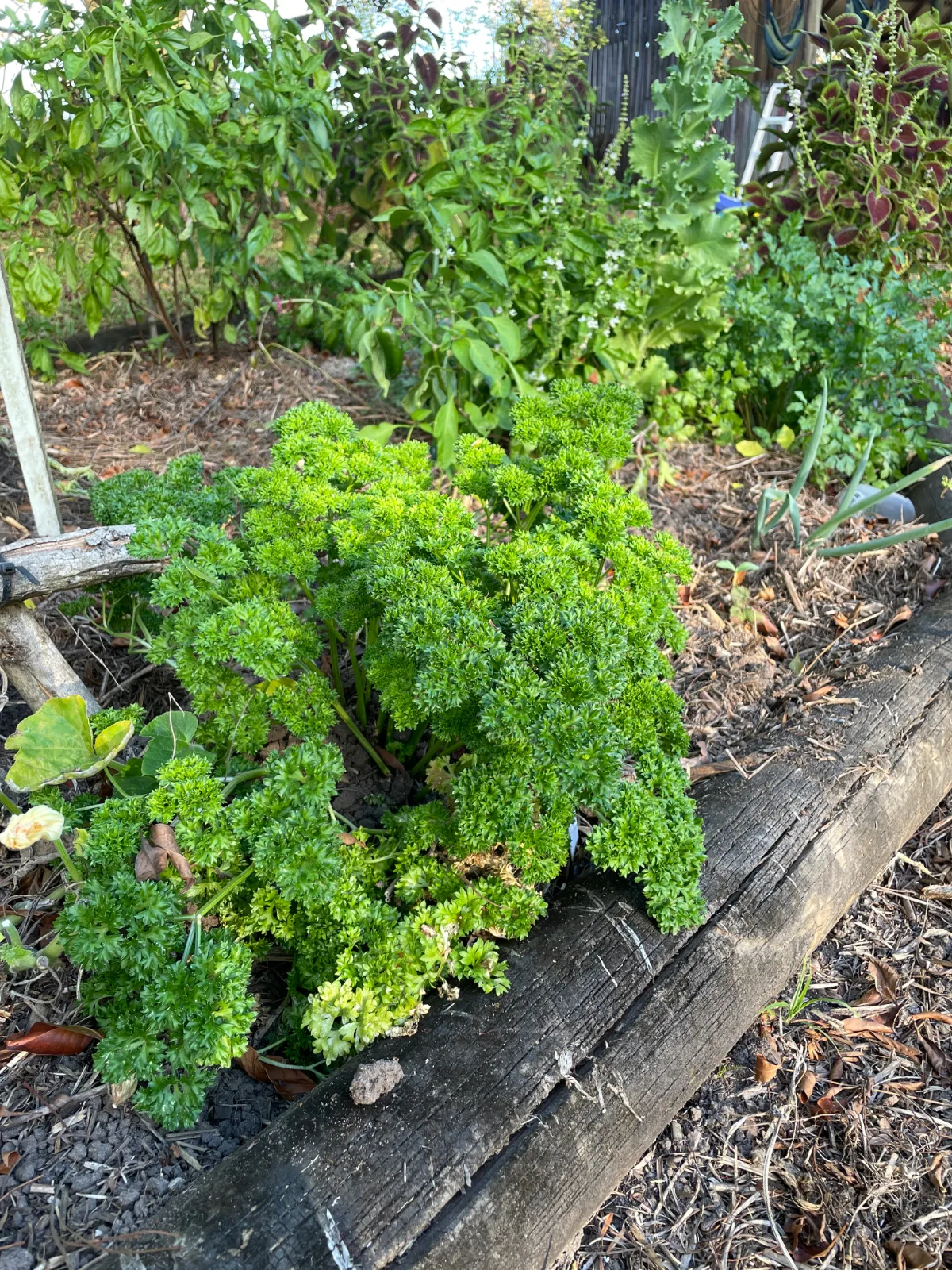
There is no useful universal schedule. Some products are short-lived and need regular treatment. Others claim activity for several months. Seasol's current home-garden product, for example, recommends maintenance applications every three to six months, with more frequent treatment for very poor soil.
Use the label as the starting point, then let the soil tell you whether another application is needed.
If you find yourself treating the same bed every few weeks indefinitely, I would look beyond the wetter. The soil may need more organic matter, better mulch, different irrigation, renovation of old potting mix or, in very sandy ground, a more substantial soil-improvement strategy.
Wetting Agents and Sandy Soil
Sandy soil is where wetting agents often make the most obvious difference. Because sand drains quickly and is particularly susceptible to hydrophobic coatings, water can enter in narrow channels and move below the useful root zone while nearby soil remains dry. Australian research into water-repellent sands has documented this uneven infiltration extensively.
A wetter can restore more even infiltration, but sandy soil still has a low capacity to hold water. That means a soil wetter is only part of the job.
Compost, well-managed organic matter and mulch can improve the root zone over time. In larger-scale sandy-soil renovation, incorporating suitable clay has also been shown to reduce repellence by increasing the amount of fine mineral surface available and diluting the repellent sand. This is a much bigger intervention than adding a bag of compost, though, and needs to suit the particular soil.
Wetting Agents and Clay Soil
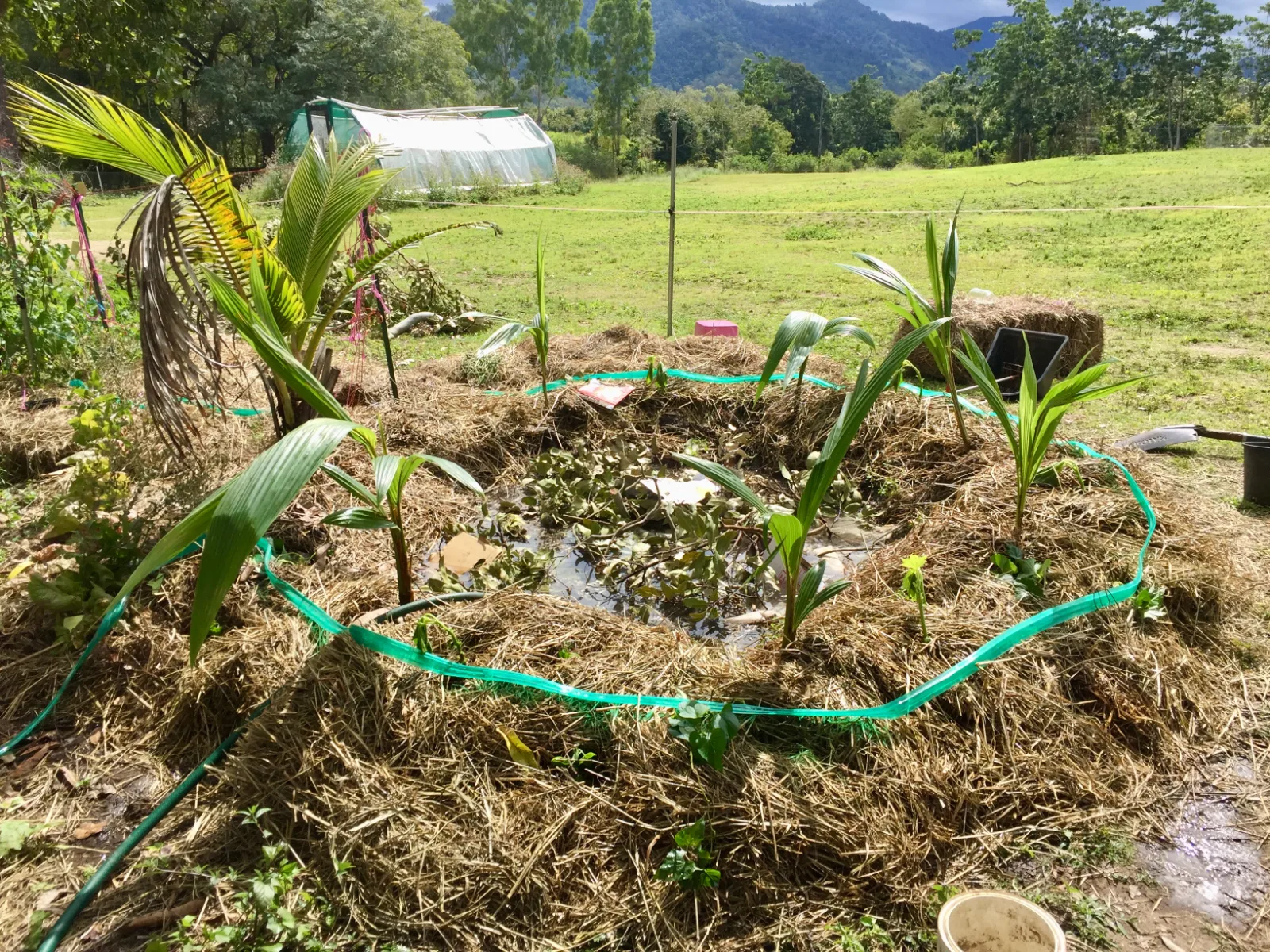
Clay can repel water at the surface, but it can also simply absorb water very slowly because it is compacted or poorly structured. This distinction is important.
If water forms distinct beads on a dry clay surface and runs away, a wetting agent may help. If the soil becomes a sticky puddle and remains saturated for days, the problem is drainage and structure rather than hydrophobicity. A wetting agent cannot turn badly compacted clay into free-draining garden soil.
Work on soil structure instead: keep traffic off wet beds, add mature compost, protect the surface with mulch and deal with sodicity or other specific soil problems only where they have actually been identified.
Wetting Agents for Lawns
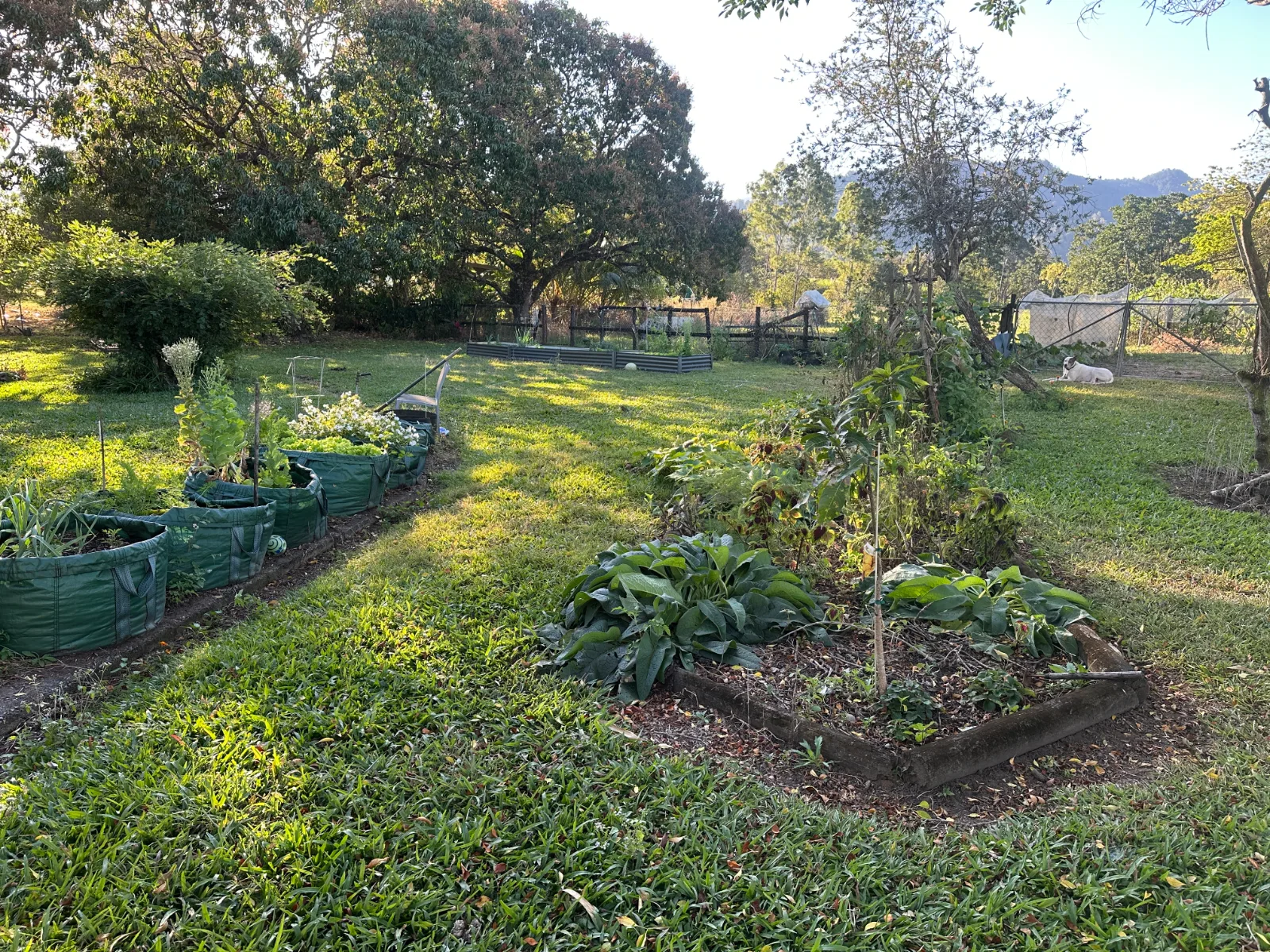
Lawns are one of the easiest places to see water repellence. If the irrigation system is covering the lawn evenly but you still have stubborn dry patches, dig into several areas immediately after watering. If the green sections are damp below the surface while the brown patches remain dusty, the soil may be repelling water.
Apply a lawn-suitable wetter evenly and water it in according to the label. On very sandy lawns, this can dramatically improve how uniformly irrigation spreads through the root zone.
Do not use wetter as a substitute for checking sprinkler coverage. A dry semicircle caused by a blocked nozzle will remain a dry semicircle no matter how good the soil wetter is.
Wetting Agents in Vegetable Gardens
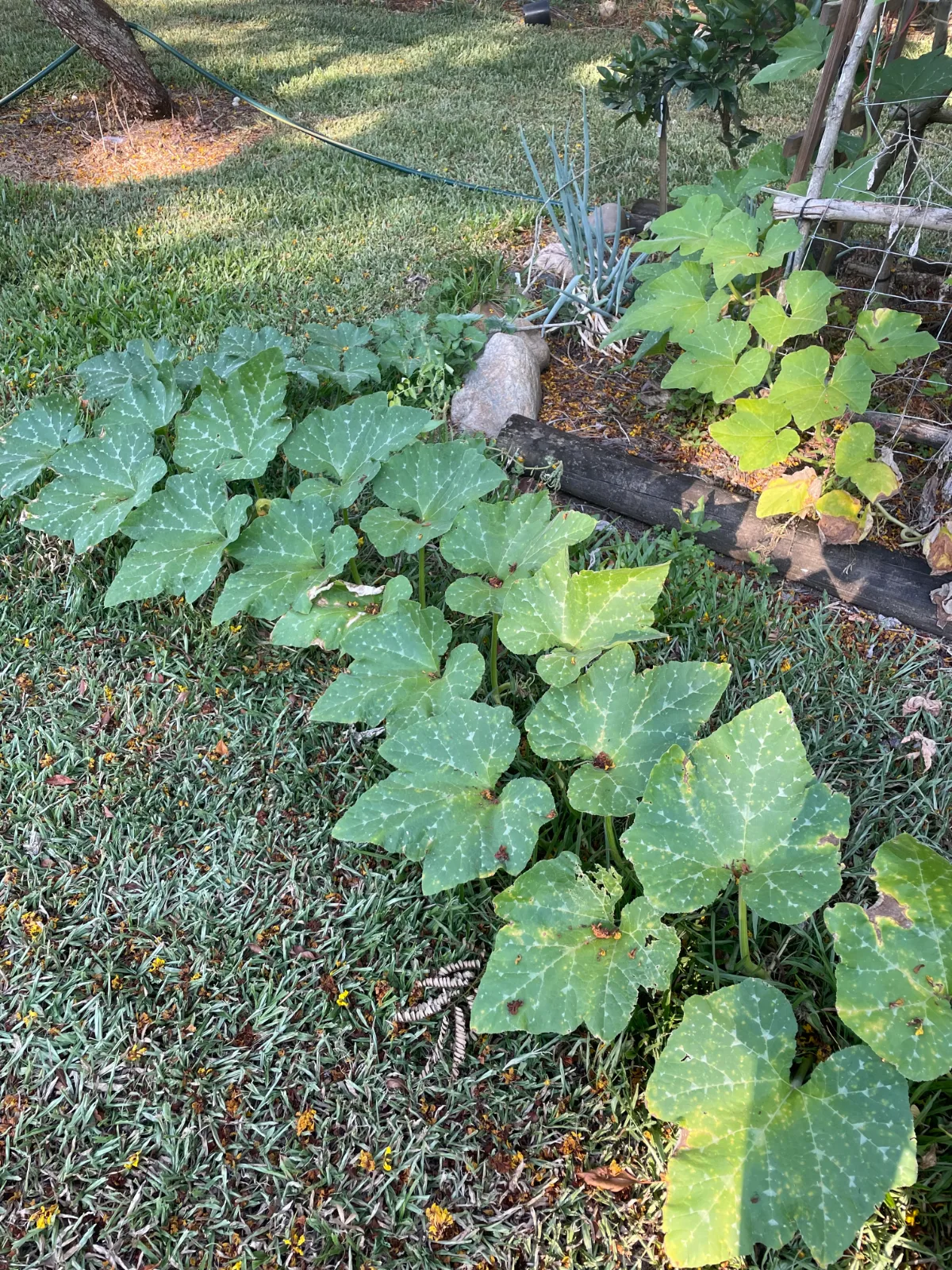
A purpose-made wetting agent can be useful in vegetable beds, particularly in sandy soils and raised beds that have dried severely. I would choose a product clearly labelled for garden and edible-crop use, particularly if you are using a combined wetter/conditioner rather than a plain surfactant.
Once the bed is rewetting normally, add compost and keep the soil covered with mulch. Vegetable roots are concentrated in the cultivated upper soil, so preventing that layer from repeatedly becoming completely dry is usually more useful than constantly treating it after the problem returns.
Soil Wetters in Pots and Indoor Plants
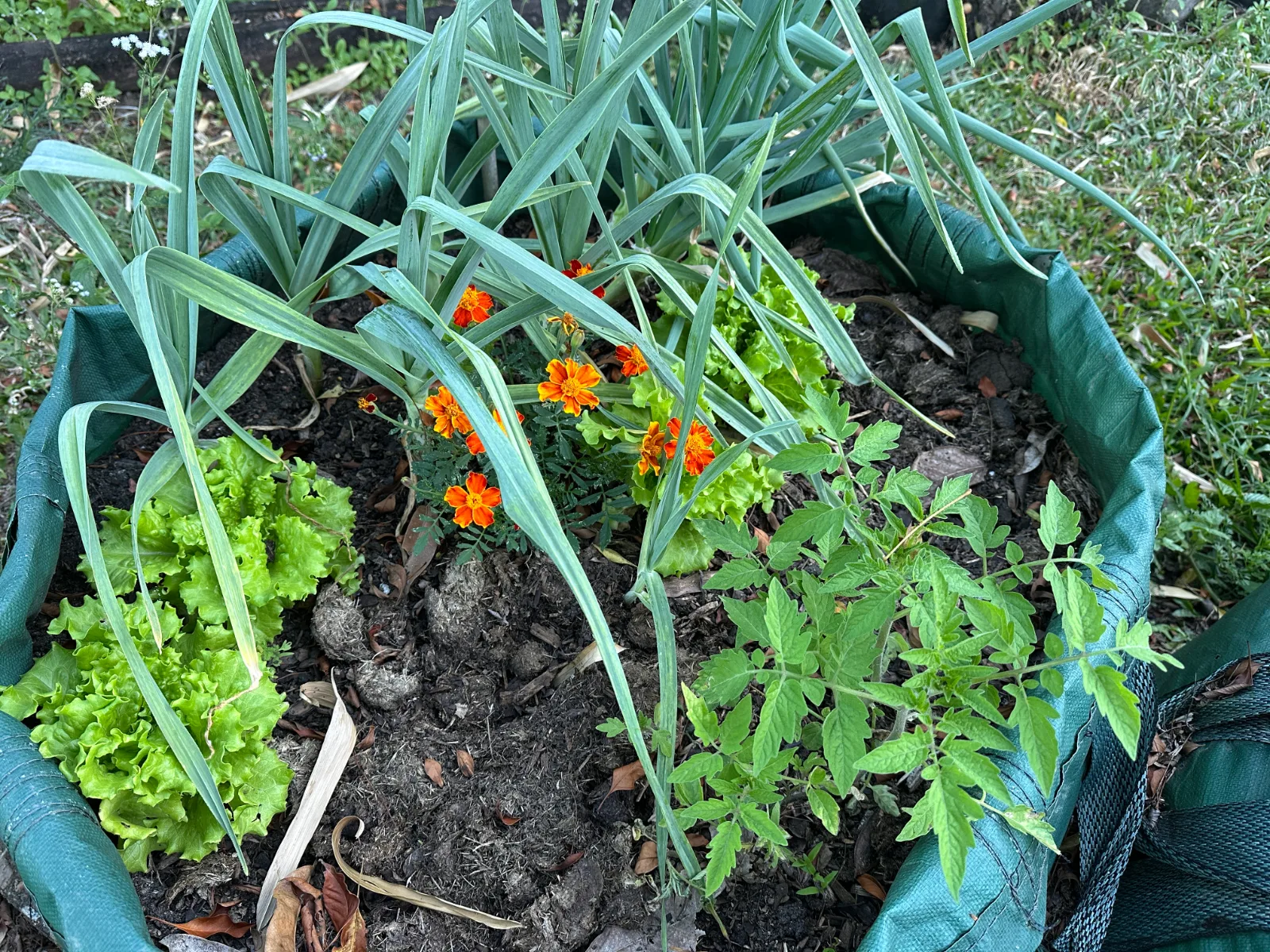
Pots are one of the places where I use the diagnosis very literally: water it and watch. If water slowly moves through the potting mix and wets it evenly, leave it alone.
If it instantly pours out of the drainage holes while the root ball remains light and dry, either soak the pot, use an appropriate wetting agent or repot it.
Repeated hydrophobia can also be a sign that the potting mix is simply old. Organic components break down, particles collapse and roots occupy more of the pot. At some point, refreshing the mix makes more sense than continuing to rehabilitate it. Gardening Australia recommends either rewetting or repotting where potting mix has become strongly water repellent.
Wetting Agent Versus Water-Storing Crystals
These are not the same product. A wetting agent helps water enter and spread through hydrophobic soil. Water-storing crystals or gels hold extra water after it has entered the growing medium. They do not correct the waxy water-repellent behaviour itself.
Gardening Australia's soil-science demonstration made the distinction clearly: water-storing polymers can increase how much water a mix holds, but wetting agents address hydrophobicity. If water cannot get into the soil properly, deal with that first.
Can Mulch Make Soil Water Repellent?
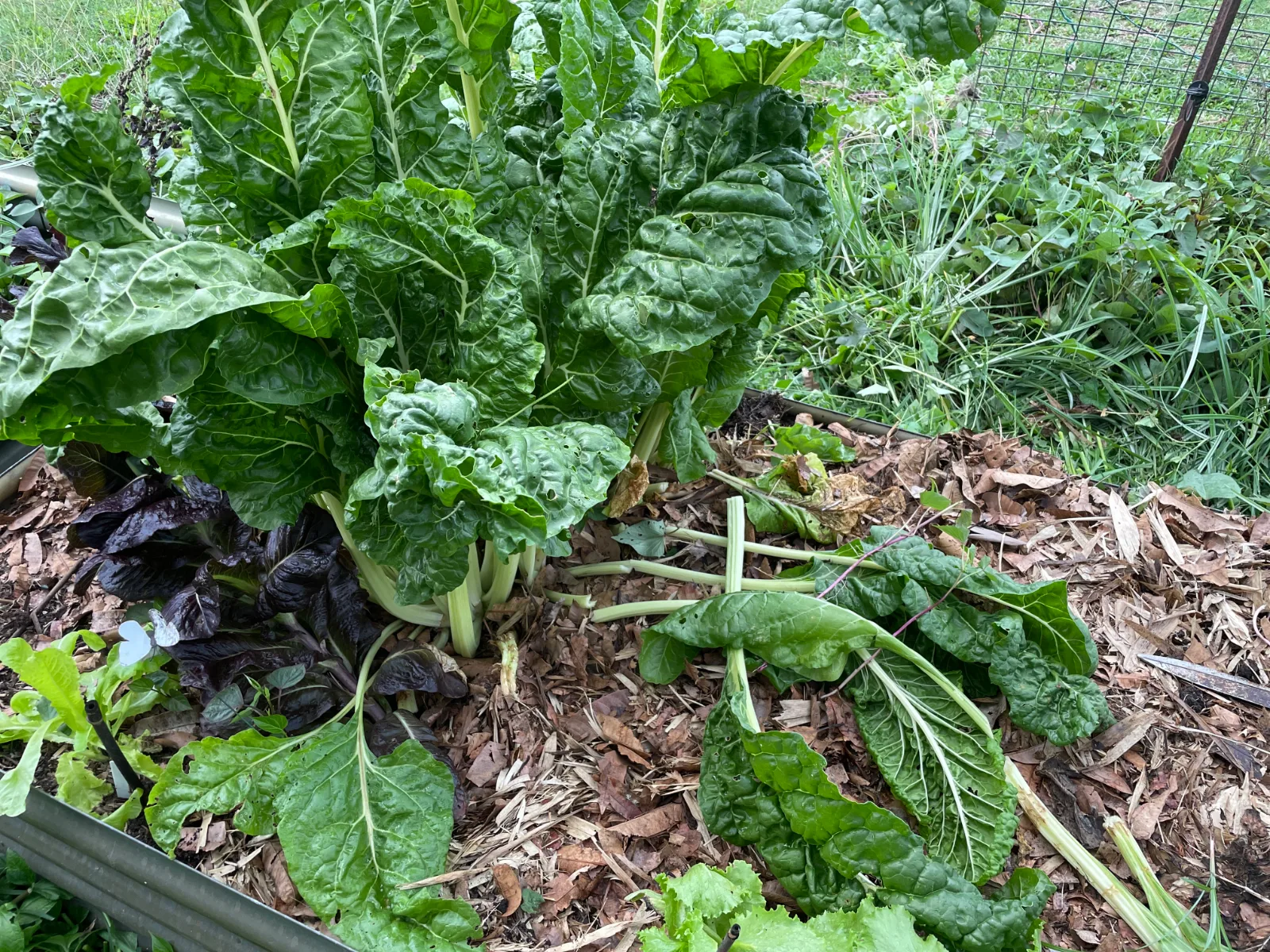
Mulch itself is generally extremely useful for preventing the cycle that leads to hydrophobic soil because it reduces evaporation and keeps the surface cooler. The trick is making sure water is getting through it.
Very dry fine mulch can sometimes intercept the first bit of rainfall or irrigation, and thick matted layers can shed water sideways. Move a little mulch aside occasionally and check the actual soil underneath.
Once you have successfully rewetted a dry bed, an organic mulch is one of the best ways to stop it drying so severely again. It also gradually contributes organic material as it breaks down.
How to Stop Soil Becoming Hydrophobic Again
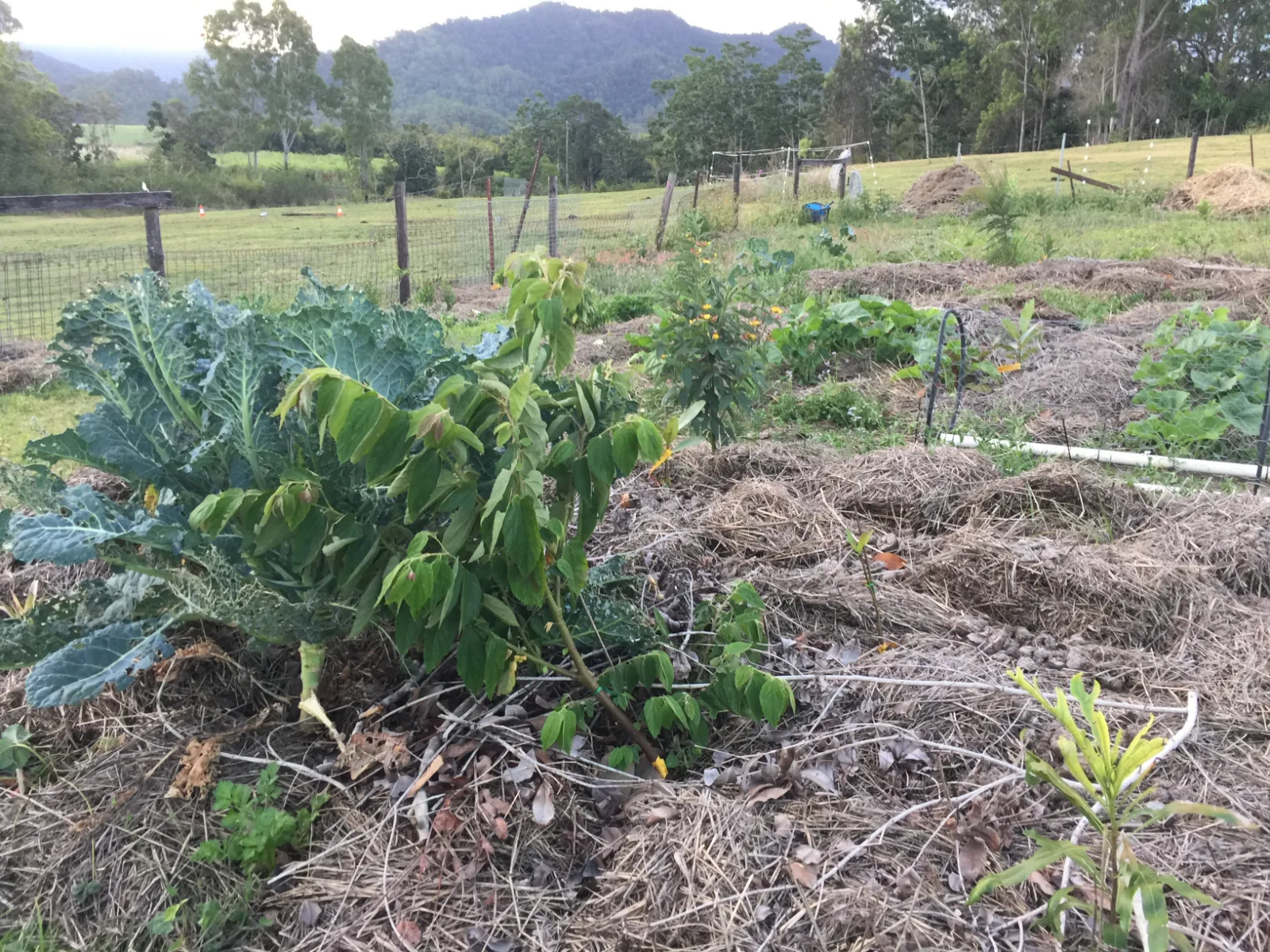
The lasting solution is usually a combination of better water management and better soil. Keep garden beds covered with mulch, but check that irrigation penetrates it. Add mature compost rather than allowing sandy soil to remain almost entirely mineral. Water deeply enough to wet the active root zone rather than repeatedly dampening only the surface.
Pots need a little more attention because their moisture can change so quickly. If a pot repeatedly dries until the mix shrinks from the sides, either water it earlier, move it to a less exposed position, use a larger pot or refresh the potting mix.
Wetting agents are useful tools, but ideally they become less necessary as the soil improves.
The Simple Approach
Before buying anything, water a small area and dig into it. If the soil is wet below the surface, your watering problem lies somewhere else. If the water beads, runs away or leaves dry soil only a few centimetres underneath, a wetting agent can make an enormous difference to how efficiently the garden uses water.
For a pot, start with a thorough soak. For mild garden problems, compost, mulch and slower watering may be enough. For badly repellent soil, use a proper liquid, granular or organic-approved soil wetter and follow the label.
Then work on keeping the soil in better condition. A wetter is excellent at getting water back into hydrophobic soil, but the best result is a garden that does not need rescuing every time the weather turns dry.
Sources Checked
Australian information checked for this guide includes CSIRO research on water-repellent soils, WA Department of Primary Industries and Regional Development soil research, and Gardening Australia guidance on hydrophobic soils, potting mixes and organic wetting agents.
Questions People Ask
- Are soil wetting agents safe for plants?
Products formulated for garden use are designed to be used around plants at their labelled rates. Problems are more likely when concentrates are over-applied, products intended for another purpose are substituted, or a wetter is left concentrated on foliage. More is not better. Apply the recommended amount and water it through as directed.
- Are soil wetting agents safe for vegetable gardens?
Many are suitable for vegetable and edible gardens, but check the individual label. This is particularly important with combination products that contain fertilisers, conditioners or other active ingredients in addition to the wetter.
- Are organic wetting agents effective?
Yes. Plant-derived surfactants such as saponins can reduce surface tension and are used in horticultural products. Organic wetters and soil conditioners are also recommended by Gardening Australia for hydrophobic potting mixes.
For certified organic growing, check the actual product certification rather than assuming anything labelled natural qualifies.
- Can I use dishwashing liquid as a soil wetter?
It can reduce surface tension, but I don't recommend it. Dishwashing liquids are detergents formulated for cleaning and may contain ingredients you do not want repeatedly accumulating around plant roots. Garden-specific wetters have known application rates and are the safer choice.
- Can I use seaweed solution instead?
Seaweed solution and soil wetting agents do different jobs. A seaweed extract may support plant and root health, but it is not automatically a wetting agent. Some commercial products combine seaweed with a genuine wetter, which is why the labels can become confusing.
For a small dry pot, soaking the pot in plain water or a correctly diluted product can physically rewet the root ball even without relying on seaweed as the surfactant.
- Does a wetting agent help compacted soil?
Only if the soil is also water repellent. Compaction reduces pore space and physically restricts the movement of air, water and roots. A soil wetter cannot replace aeration, organic matter or structural improvement where those are the real problems.
- Will a soil wetter stop water running off a slope?
It can help if runoff is being caused by water-repellent surface soil because more water will begin soaking in instead of travelling across the surface. It cannot compensate for very steep ground, heavy rainfall, badly compacted soil or irrigation being applied faster than the ground can absorb it.
- Why is my soil dry underneath even after rain?
Hydrophobic soil can direct water through narrow channels rather than wetting the whole soil profile. The surface may look damp while nearby soil remains completely dry. CSIRO describes this preferential flow as a major effect of water-repellent sandy soils.
Dig down after rain rather than judging moisture from the surface alone.
- Why does water run straight through my pot?
The potting mix may have become hydrophobic, particularly if it has dried severely. Water can then travel between the root ball and the side of the pot without properly soaking the mix.
A root-bound plant can behave similarly, so check the roots as well. Soaking the pot until the root ball is evenly moist is a good first step.
- Should I use a wetting agent every summer?
Not automatically. If your soil absorbs water evenly, you gain little by treating it for a problem it does not have. In a garden with recurring sandy-soil repellence, preventative use before the hottest or driest part of the year may be useful, but follow the product's recommended reapplication interval.
- Can too much wetting agent be harmful?
Yes. Surfactants alter the interaction between water and soil, and excessive concentrations are unnecessary. Research into agricultural soil wetters has found that effects vary with product, soil and application rate, with high surfactant exposure capable of affecting plants or soil physical behaviour.
Stick to the label rather than making a stronger mix.
- What is the best natural way to fix hydrophobic soil?
For a pot, thoroughly soaking the root ball is the simplest immediate treatment. For garden soil, the longer-term approach is to get the soil evenly moist again, add mature compost where suitable, protect it with mulch and avoid repeatedly letting the upper root zone become extremely dry.
If the soil is strongly water repellent and water simply will not enter, an organic-approved or plant-derived horticultural wetter is more predictable than a homemade kitchen mixture.
- Do I need both a wetting agent and compost?
Sometimes. Think of the wetter as opening the door for water now, while compost, mulch and better soil management help create a root zone that behaves better over time.
In mildly affected soil, compost alone may be enough. In severely hydrophobic sand or potting mix, treating the water repellence first usually gives you a much quicker result.