

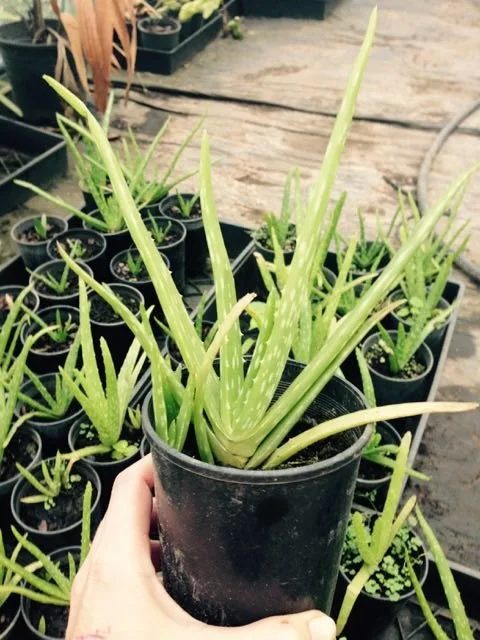

Aloe vera stores water in its thick leaves and grows well in bright, well-drained positions. In wet or humid gardens, drainage matters more than frequent watering, so pots, raised beds and mounded spots are often the easiest places to grow it.
Established plants produce offsets around the base, which gives you new plants to divide and replant once the clump fills out. This guide covers planting, watering, pots, indoor growing, flowering, propagation, safety and the common problems that show up when the root zone stays too wet.
- Botanical name: Aloe vera
- Also known as: Aloe
- Category: Succulent
- Lifecycle: Evergreen clumping succulent
- Climates: tropical, subtropical, temperate, arid inland, Mediterranean
- Position: Full sun to part shade. In very hot dry climates, some afternoon shade can reduce leaf scorch.
Where Does Aloe Vera Grow Best in Australia?
Aloe vera is a warm-climate succulent and does particularly well where it gets plenty of light in well-draining soil.
In much of Australia it can be grown outdoors, although local conditions matter.
- Tropical: Aloe vera can grow well, but excellent drainage and protection from prolonged wet-season saturation are especially important.
- Subtropical: Generally very well suited. Full sun or part shade can work depending on how exposed and hot the position is.
- Temperate: Grow it in a sunny, protected position. Pots are useful where winters are cold or wet.
- Mediterranean: Very well suited to the combination of dry summers and relatively mild winters, provided drainage is good.
- Arid and inland: Aloe vera handles dry conditions well, although extreme sun and heat can stress plants, particularly those moved suddenly from shade.
- Cool climates: A sunny pot that can be protected from hard frost is usually safer than an exposed garden position.
Aloes in general prefer warm, dry conditions and very well-drained soil. Gardening Australia recommends full sun or part shade in hot, dry climates and notes that many aloes do not tolerate heavy frost.
Does Aloe Vera Need Full Sun?
Aloe vera likes a lot of light, but that does not mean it needs to be planted with full exposure to the blazing Australian afternoon sun.
Outdoors, full sun to part shade is a good starting point. In mild weather, a sunny position usually produces strong, compact growth.
In very hot climates, some afternoon shade can be useful, particularly for plants in pots. Pots heat and dry much faster than garden soil.
Aloe plants can also scorch if they have been grown indoors or in shade and are suddenly moved into strong direct sunlight. If you need to move your aloe, make sure you increase its sun exposure gradually.
If your aloe is becoming stretched, floppy or leaning strongly towards the light, it may not be getting enough. Try moving it to a better lit position.
How to Plant Aloe Vera
Choose a position where water drains away quickly after rain. In heavy clay or a low spot that stays wet, use a raised bed, mound or pot rather than creating a wet pocket around the crown. In my tropical garden, aloe performs better in pots because I can control the mix and move plants out of prolonged rain.
Set the plant at roughly the same depth it was growing in its original pot. Keep the central crown above the surrounding soil. If you have just divided a pup or damaged roots during repotting, water lightly at first and give cut tissue time to dry and heal before the next deep watering.
What Is the Best Soil for Aloe Vera?
Aloe vera needs very free-draining soil.
In pots, a commercial cactus and succulent potting mix is the easiest option. The container must also have a proper drainage hole.
In the garden, the exact soil type matters less than what happens after heavy rain. Water should be able to drain away rather than sitting around the roots for days.
If you have heavy soil, consider:
- growing aloe vera in a raised bed
- planting on a mound
- using a container instead
- improving the structure and drainage of the planting area
Aloe vera does not need extremely rich soil to grow well.
How to Grow Aloe Vera in Pots
I prefer growing aloe in pots because I can control the mix, drainage and position. Mine can sit in stronger sun through winter, then move to a spot with afternoon protection in summer.
Choose a pot that:
- has at least one generous drainage hole
- is only moderately larger than the root system
- is stable enough that a mature plant will not tip over
Terracotta is sturdy and lets potting mix dry faster than many plastic pots. Fill the pot with a cactus and succulent mix and plant the aloe at approximately the same depth it was growing previously.
Avoid putting a tiny aloe into an enormous pot. A large volume of unused damp mix stays wet for longer and can rot young roots. Once the plant produces enough pups to crowd the pot, divide the clump instead of moving the whole mass into a much larger pot.
Can You Grow Aloe Vera Indoors?
Yes. Aloe vera can grow well indoors if you give it enough light. Put it in one of the brightest positions you have; a bright window is often a good spot. Mine sits on the veranda where it gets plenty of light.
Indoor plants usually need less water than outdoor plants because there is less heat, wind and evaporation. Wait until the potting mix has dried well before watering again, and never leave the pot standing in a saucer of water.
Signs that an indoor aloe may need more light include:
- stretched or unusually long leaves
- weak, floppy growth
- the plant leaning strongly towards a window
- very slow growth
How Often Should You Water Aloe Vera?
There is no fixed watering schedule for aloe. Temperature, rainfall, humidity, pot size, potting mix and whether the plant is indoors or outside all change how quickly the root zone dries.
Check the soil rather than the calendar. Let it dry well, then water thoroughly and allow the excess to drain away.
Does Aloe Vera Need Fertiliser?
Not much.
Aloe vera is not a plant that needs constant feeding to grow well. I don’t fertilise mine at all.
Plants growing in garden soil can often manage with very little additional fertiliser, especially if the soil is reasonably healthy. Plants grown in pots have access to a limited amount of soil, so an occasional light feed during active growth can be useful once the potting mix has been in use for a while.
Don’t overfeed. Strong, fast growth is not necessarily better growth, and excess fertiliser can contribute to salt build-up in pots.
How to Propagate Aloe Vera
The easiest and most reliable way to propagate aloe vera is from the pups, or offsets, that develop around the base of a mature plant. These baby aloe plants gradually develop their own leaves and roots.
How to separate aloe vera pups
- Remove the parent plant from its pot if necessary so you can see where the pups are attached.
- Gently separate a pup that has developed a reasonable root system.
- Use a clean knife if it will not separate easily by hand.
- Remove badly damaged or dead material.
- Pot the pup into a small container of free-draining succulent mix.
- Give freshly damaged or cut tissue time to dry before you start watering heavily.
Gardening Australia's aloe vera feature shows a heavily crowded pot being pulled apart and replanted using healthy pups. The newly planted aloes were then left for a period before watering to reduce fungal problems while damaged tissue dried.
Can You Grow Aloe Vera From a Leaf?
You will sometimes see advice suggesting that aloe vera can be propagated simply by sticking a cut leaf into a potting mix.
For Aloe vera, division from rooted pups is a much more reliable method.
A detached aloe vera leaf has a lot of moisture and can rot before it grows a viable new plant. If your mature plant is producing pups, there is very little reason to make propagation harder than it needs to be.
Grow a Little Wild
New plants to try, useful growing tips and a few garden jobs based on what you grow.
How to Repot and Divide an Overgrown Aloe Vera
A healthy aloe can eventually fill its entire container with a mixture of the original plant and new pups.
You may notice:
- pups packed tightly around the parent
- very little visible potting mix
- roots filling the pot
- the plant becoming top-heavy
- old central growth declining while younger pups take over
You do not necessarily need to preserve the whole clump exactly as it is. You can pull it apart and get a bunch of free plants! Here’s how to do it:
Remove the plant from the pot, separate the healthiest pups and discard dead or badly deteriorated material.
Replant a few strong plants into fresh, free-draining mix.
The leftovers are bonus aloe plants for another pot, another part of the garden or someone who wants one.
Does Aloe Vera Flower?
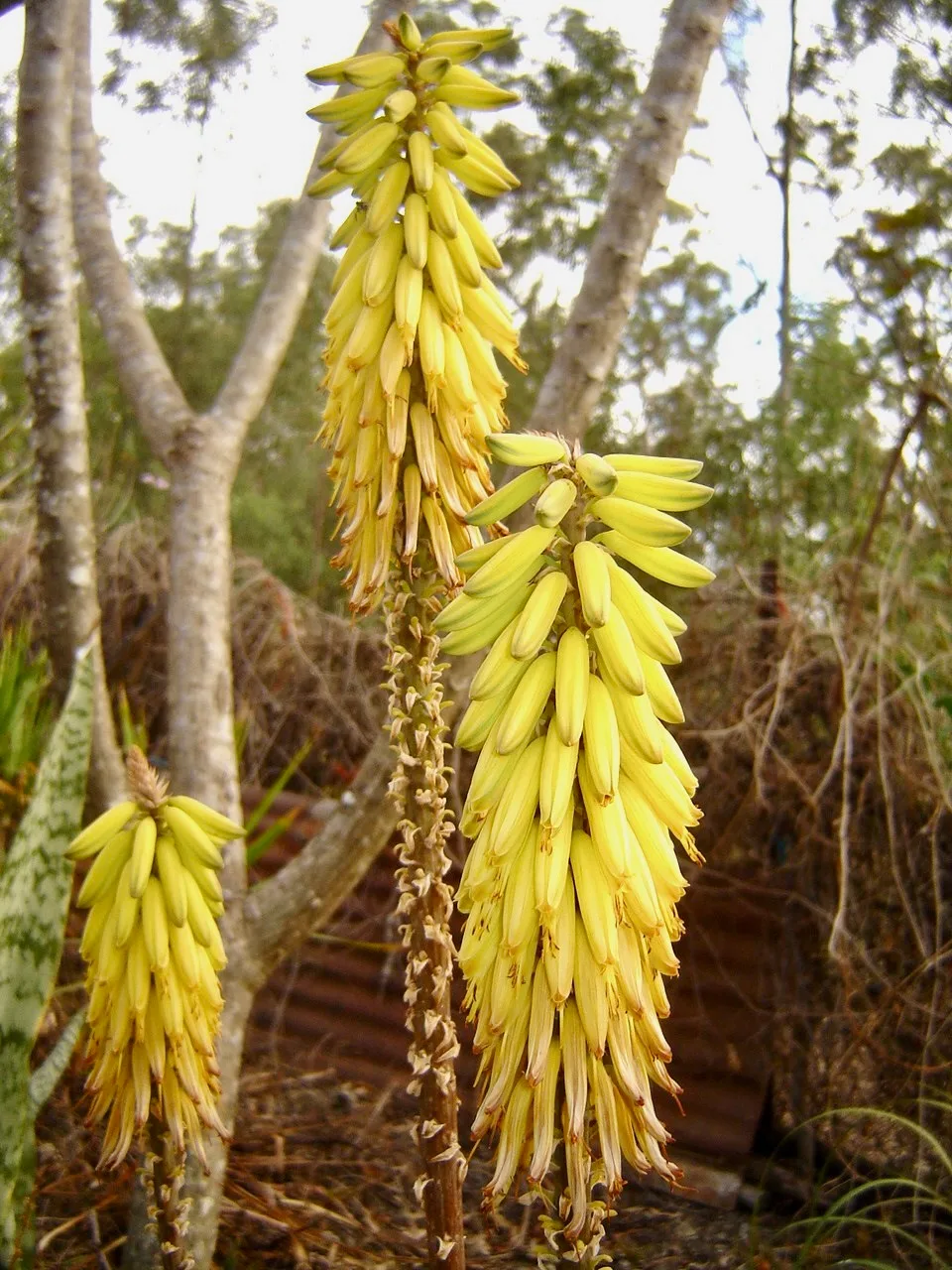
Yes. Mature aloe vera plants can send up tall flower stalks from the centre of the rosette. The yellow to orange flowers open gradually along the spike and can bring birds and insects into the garden.
A plant that has never flowered may simply be too young or growing in lower light. Established outdoor plants in bright positions are more likely to bloom than plants kept indoors.
Once the flowers finish, cut the old stalk off near the base.
Why Is My Aloe Vera Turning Brown or Red?
Your aloe can develop a red, bronze or brownish colour when it is stressed by conditions such as:
- very strong sunlight
- a sudden move into brighter sun
- drought
- cold weather
- temperature extremes
Brown soft or mushy tissue is more concerning, especially when the soil has remained wet.
Why Is My Aloe Vera Turning Yellow?
Yellow leaves can have several causes.
An occasional ageing outer leaf is normal. A whole plant becoming pale or yellow needs looking into.
Check:
- Watering: Is the potting mix staying wet for long periods?
- Drainage: Can water drain freely?
- Light: Is the plant sitting in a very dark position?
- Roots: Does the base feel soft or rotten?
- Insects: Are scale insects or mealybugs feeding on the leaves?
Do not automatically solve a yellow aloe by giving it more water. With succulents, that can make the real problem much worse.
Why Is My Aloe Vera Soft and Mushy?
Aloe leaves should feel fleshy and firm. Soft, translucent or mushy leaves (especially when it also has a soft base or wet soil) often mean too much moisture and rot.
Stop adding water and have a good look at the plant.
If only some parts of the plant are rotting, you can often still save healthy pups. Aloe is quite susceptible to rot, so focus on that drainage!
Common Aloe Vera Problems
Aloe vera is generally fairly easy to grow, but you might come across a few problems:
Root rot
This is the big one.
Constantly damp soil, pots without proper drainage and heavy garden soil can all contribute.
Prevention is much easier than trying to rescue a badly rotted plant.
Mealybugs
Mealybugs can hide around the bases of leaves and between tightly packed growth, particularly on protected or indoor plants.
Look for white, cottony material and small insects tucked into crevices.
Scale
Scale insects can attach themselves to the leaves and stems. Check plants regularly, especially if they are grown indoors or in sheltered areas.
Leaf damage and sunburn
Aloe plants moved suddenly from low light into intense direct sun can develop damaged, bleached or brown areas.
Move them gradually.
How to Harvest Aloe Vera Leaves
If you want to remove a leaf, choose a mature outer leaf rather than cutting into the young centre of the plant.
Use a clean, sharp knife and cut the leaf close to the base. Leave the central growing point untouched to keep the rest of your aloe happily growing.
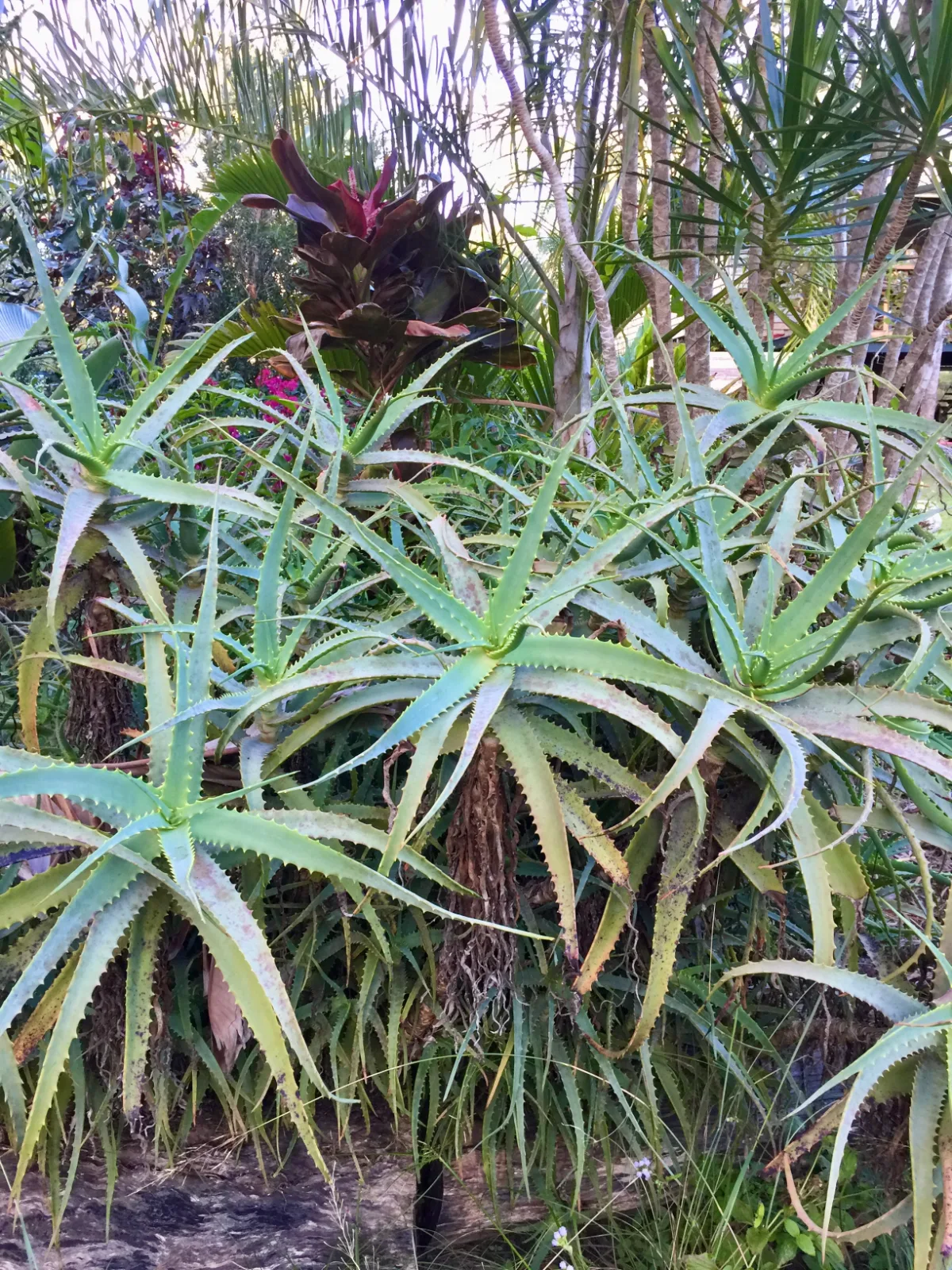
It’s worth double-checking that the plant you’re growing is really Aloe vera. There are hundreds of Aloe species and many can look similar to aloe vera. Some of them also have fantastic benefits, but always make sure you know exactly what you’re harvesting, and that it is suitable for what you’re going to use it for.
Using Aloe Vera Gel From Your Own Plant
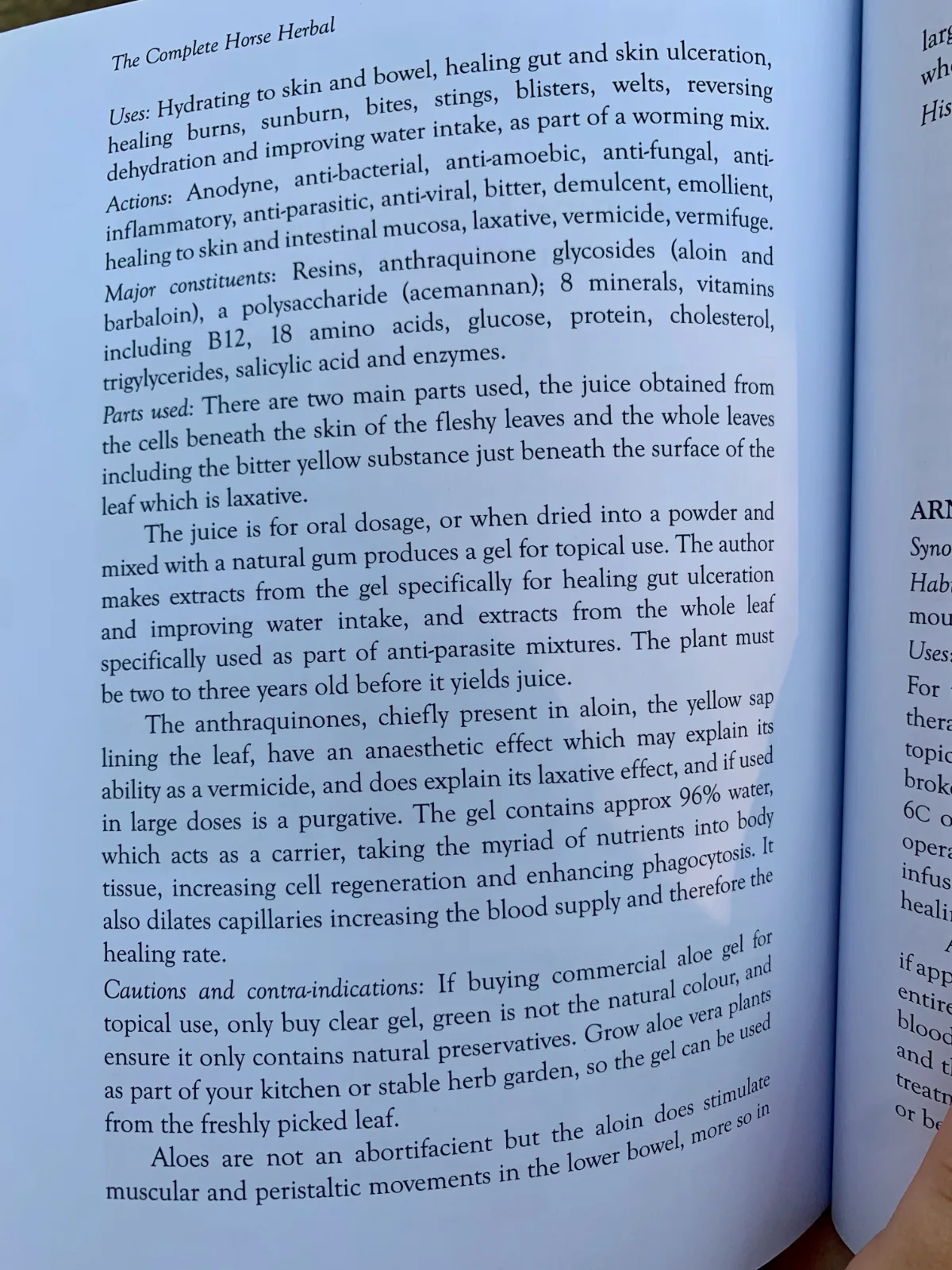
The clear gel inside an aloe vera leaf is one of the reasons people have grown this plant for generations. It’s commonly used topically on minor skin irritation and burns, and research suggests aloe vera preparations can help wound healing in some types of burns.
If you want to use gel from your own plant, the important thing is knowing which part you’re using.
The clear inner gel is different from the yellow latex that sits just beneath the green skin. The latex contains compounds such as aloin and can cause strong gastrointestinal effects if swallowed, so you don’t want to mix the two up.
For topical use, cut a mature outer leaf, let the yellow sap drain away, then remove the green skin and use the clear gel from inside.
If you haven’t used fresh aloe on your skin before, try a small amount first, as some people do react to it.
Can You Eat Aloe Vera?
Yes, but this is where it matters which part of the leaf you’re talking about.
The clear inner gel is not the same thing as the yellow latex just under the skin. Aloe latex contains compounds such as aloin and can cause abdominal pain, cramps and diarrhoea when taken orally.
Short-term oral use of aloe gel appears to be better tolerated, while aloe latex and whole-leaf extracts have more significant safety concerns.
So if you want to use aloe vera from your own plant for food or drinks, the important part is correctly identifying the plant and carefully separating the clear inner gel from the yellow latex and green skin.
Is Aloe Vera Safe for Cats and Dogs?
No - don't assume that because aloe vera products are sold for people, the plant is harmless for pets.
The ASPCA lists Aloe vera as toxic to both dogs and cats when eaten. Compounds in the plant can cause signs including vomiting, diarrhoea and lethargy.
If you have a cat or dog that chews plants, keep aloe vera somewhere they cannot reach it.
Questions People Ask
- How fast does aloe vera grow?
Aloe vera is not usually an especially fast plant, but growth speeds up when it has warmth, strong light and suitable watering.
A well-established plant can gradually fill a pot with pups over several years.
- How big does an aloe vera plant get?
A mature aloe vera is generally a medium-sized clumping succulent rather than a tree-like aloe.
Its eventual size depends on conditions and how many pups you allow to remain around it. A crowded clump can become considerably wider than the original plant.
- How often should you repot aloe vera?
There is no need to repot on a fixed schedule.
Repot when the container is becoming crowded, the roots have filled the pot, drainage has deteriorated or the plant has produced so many pups that division makes sense.
- Can aloe vera grow in shade?
It can tolerate some shade, but deep shade is not ideal.
Aloe vera generally grows more strongly and compactly with plenty of light. Indoors, put it in a very bright position.
- Can aloe vera survive outside in winter?
That depends on your winter.
Mild Australian winters are generally much easier for aloe vera than hard frosts. In cold areas, growing it in a pot gives you the option of moving the plant somewhere protected.
- Can aloe vera grow in tropical Australia?
Yes, but tropical rainfall and humidity mean drainage becomes even more important.
Growing aloe vera in a container or raised position can make it much easier to protect the roots from prolonged wet conditions.
- Can you propagate aloe vera without roots?
A small pup with its own roots has the best head start.
Very small offsets with little root development may survive, but there is no advantage in removing them extremely early if you can leave them attached until they are stronger.
- Should I cut the flower stalk off aloe vera?
You can leave an aloe vera flower stalk while it is flowering.
Once the flowers have finished, cut the spent stalk near the base with clean secateurs or a knife.
- How long does an aloe vera plant live?
Aloe vera is a perennial and can live for many years in suitable conditions.
Because mature plants continually produce pups, an aloe clump can effectively renew itself as younger plants replace old growth.
- Is aloe vera a cactus?
No.
Aloe vera is a succulent, but it is not a cactus. Its thick leaves store water, which is why it shares some of the drought-tolerant characteristics people associate with cacti.
- What are the benefits of growing aloe vera?
As a garden plant, aloe vera has several very practical benefits.
It is drought-tolerant once established, grows well in containers, needs relatively little routine maintenance, produces attractive flowers and creates new plants through pups.
Its clear inner gel is also the reason aloe vera is widely grown commercially, although medicinal and edible uses need more care than simply cutting a leaf and assuming every part is safe.

Grow Aloe Vera
Add it to My Garden for practical jobs matched to your climate and the season.