



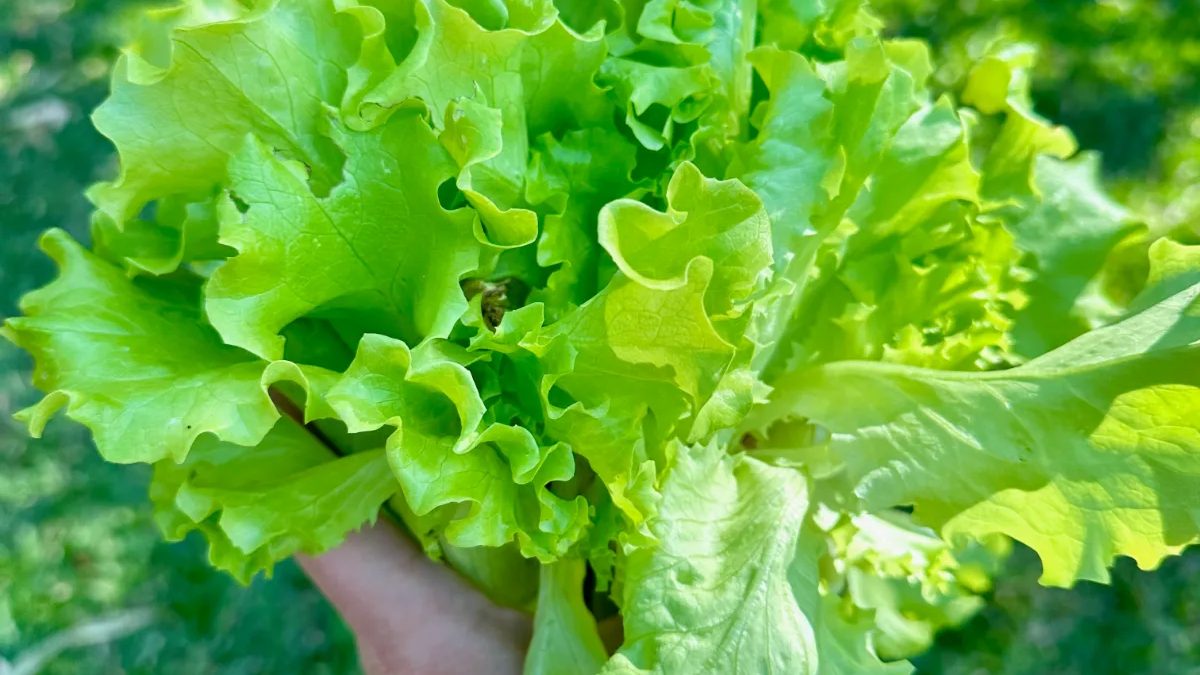

Lettuce grows quickly in cool to mild weather, and the best season depends much more on your climate than the month on the calendar. In tropical and subtropical Australia I grow most lettuce through the cooler months; farther south, the season can stretch across much more of the year.
Loose-leaf types are a good place to start if you want a long harvest or you garden through warm weather. You can pick the outer leaves for weeks. Iceberg needs cooler conditions to form a firm head, and cos and Batavia types can extend the season with the right variety.
For a steady supply, I sow or plant a small batch every few weeks rather than filling a bed all at once. This guide covers timing by climate, varieties, sowing, watering, feeding, harvest and common problems.
- Botanical name: Lactuca sativa
- Also known as: Leaf lettuce
- Category: Veggie
- Lifecycle: Cool-season annual leafy vegetable
- Climates: tropical, subtropical, temperate, cool / mountain, arid inland, Mediterranean
- Position: Full sun in mild weather, with part shade useful in hotter climates and seasons.
Lettuce Growing Conditions at a Glance
- Botanical name: Lactuca sativa
- Also called: Garden lettuce
- Plant type: Fast-growing annual vegetable
- Climates: Tropical, subtropical, temperate, cool / mountain, Mediterranean and arid inland
- Light: Full sun in cool weather; part shade can help in warm weather
- Soil: Fertile, well-drained soil with plenty of organic matter
- Water: Regular and consistent
- Feeding: Moderate
- Harvest: Baby leaves, individual outer leaves or whole heads
- Propagation: Seed or seedlings
- Spacing: Around 15–20 cm for smaller loose-leaf lettuce and 25–30 cm for larger heading types
- Main problems: Heat, bolting, bitter leaves, slugs, snails, aphids and fungal disease
- Best tip: Plant small batches regularly instead of one large crop
When to Plant Lettuce in Australia
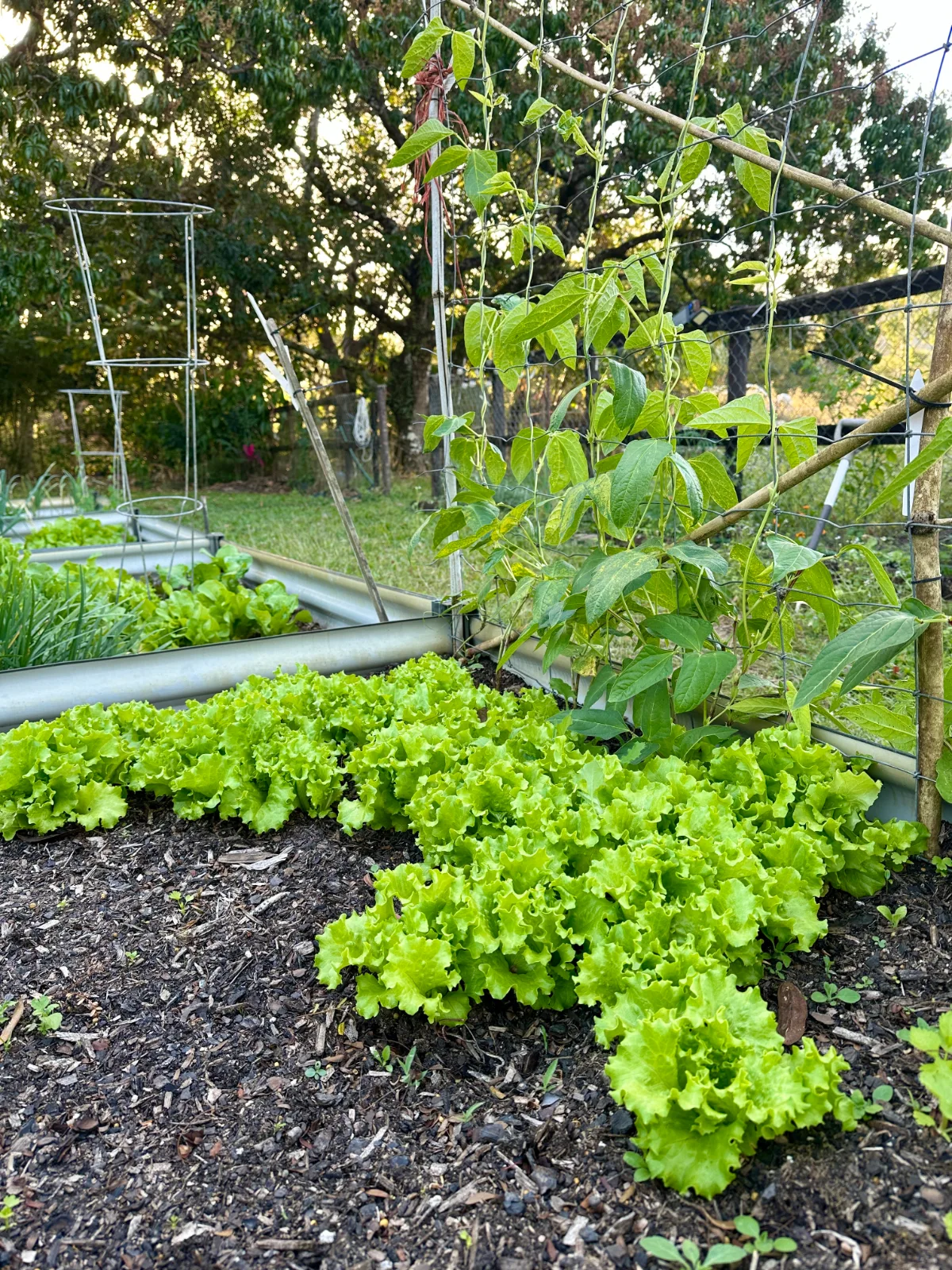
Lettuce is mainly a cool-season vegetable. That doesn't mean you can only grow it in winter. It means lettuce grows best before conditions become very hot. Your climate makes a big difference.
Tropical Australia
I would treat lettuce mainly as a dry-season crop in the tropics. Late autumn, winter and early spring give you the easiest conditions. Summer creates several problems at once:
- hot soil can stop lettuce seed germinating
- plants bolt quickly
- leaves can turn bitter
- heavy rain can rot tightly packed heads
- fungal disease becomes harder to control
If you want lettuce during warmer weather, choose loose-leaf varieties such as oakleaf, coral or heat-tolerant mignonette types. Give them morning sun and afternoon shade. I would not make iceberg my first choice for a tropical summer.
Subtropical Australia
Autumn through spring is the main lettuce season. Winter is particularly good because the cooler, drier weather lets plants make plenty of tender leaves without immediately running to seed. Summer lettuce is possible, but variety choice matters. Loose-leaf lettuce, mignonette, oakleaf and some heat-tolerant cos varieties are much more useful than large dense heads.
In hot weather, I would give them some afternoon shade and keep the soil evenly moist.
Temperate Australia
You can grow lettuce through much of the year. Spring and autumn are easy growing seasons. Winter crops grow well in many temperate areas, although growth slows when the weather gets cold. During summer, choose heat-tolerant varieties and give lettuce some protection from strong afternoon sun.
Succession planting works particularly well here because you can keep small crops coming for most of the year.
Mediterranean Australia
Autumn, winter and spring are excellent for lettuce. Summer is harder because hot, dry weather encourages bolting and dries the shallow root zone quickly. If you grow summer lettuce, use loose-leaf or heat-tolerant varieties and give plants afternoon shade. Mulch helps keep the soil cooler and slows water loss.
Cool and Mountain Climates
Lettuce grows well in cool weather. Spring through autumn gives you a long growing season. You can also grow winter lettuce in some areas, although hard frost and very cold soil slow plants considerably. Start seedlings under protection if outdoor conditions are too cold.
During the warmest part of summer, keep the soil moist and give lettuce some afternoon shade if plants start struggling.
Arid Inland Australia
I would grow most lettuce from autumn through spring. Hot summers are difficult because lettuce has shallow roots and loses water quickly. Use shade cloth or afternoon shade if you want to push the season. A good mulch and reliable irrigation make a big difference.
Types of Lettuce
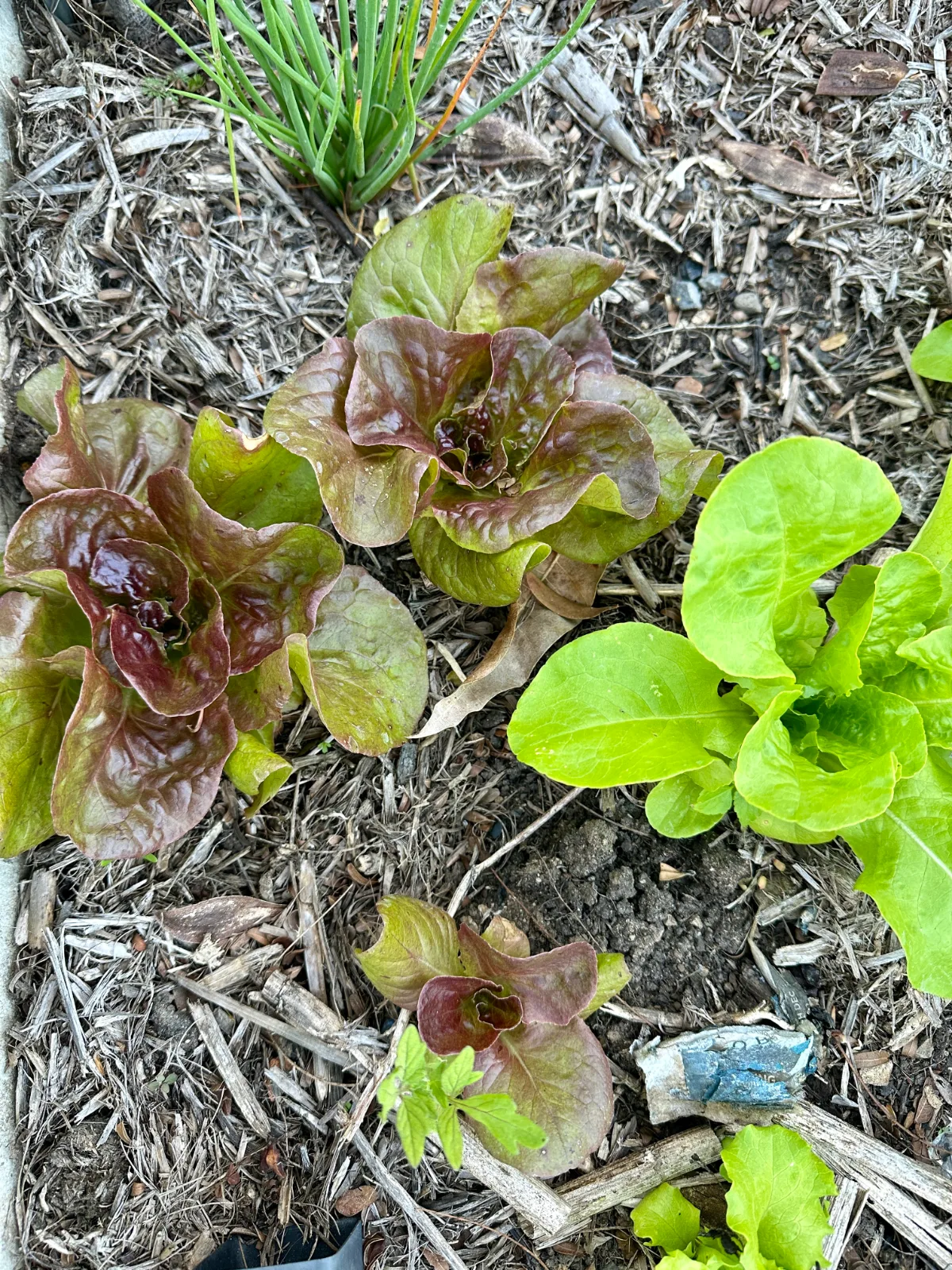
Choosing the right type of lettuce matters, especially if you grow through warm Australian weather. Some lettuces form tight heads and need cooler conditions. Others stay loose and leafy, which makes them easier to grow and harvest over a longer period.
Cos / Romaine Lettuce
- What it is like: Tall, upright leaves with thick, crisp central ribs
- Strong points: Crunchy, productive and easy to harvest leaf by leaf or as a whole head
- Best conditions: Cool to mild weather, although heat-tolerant varieties can extend the season
Cos lettuce and romaine lettuce are the same general type. Australians usually call it cos, while romaine is the more common American name. You can grow large cos varieties or compact types such as baby cos and Little Gem.
Baby Cos / Gem Lettuce
- What it is like: A smaller, compact version of cos lettuce
- Strong points: Quick to grow, space-efficient and well suited to pots
- Best conditions: Cool to mild weather, with some varieties handling warmer conditions
Baby cos is useful if you do not want to wait for a large head. You can also pick the outer leaves while leaving the centre to keep growing.
Iceberg Lettuce
- What it is like: A large, round lettuce with a tight head and crisp leaves
- Strong points: Very crunchy and stores well after harvest
- Best conditions: Cool weather
Iceberg needs cooler conditions than most loose-leaf lettuce. Heat can stop the head forming properly and push the plant into flowering. If you live in tropical or subtropical Australia, I would grow iceberg through your coolest months.
Butterhead / Butter Lettuce
- What it is like: Soft, tender leaves that form a loose head
- Strong points: Mild flavour and softer texture than cos or iceberg
- Best conditions: Cool to mild weather
Butterhead lettuce does not form the hard, compact head you get from iceberg. The leaves overlap loosely around the centre.
Mignonette Lettuce
- What it is like: A small butterhead-style lettuce with soft leaves
- Strong points: Compact, quick-growing and useful in smaller gardens
- Best conditions: Cool to moderately warm weather
Mignonette lettuce is common in Australian gardens. You can find green, red and bronze varieties, and many handle warmer conditions better than large heading lettuces.
Oakleaf Lettuce
- What it is like: Loose leaves with deeply lobed edges that resemble oak leaves
- Strong points: Easy continual harvest and generally better heat tolerance than iceberg
- Best conditions: Mild to warm weather
Oakleaf is one of my favourite lettuce types for home gardens because you do not need to wait for a whole head. Pick the larger outside leaves and leave the centre growing. You can find green, red, bronze and purple oakleaf varieties.
Coral Lettuce
- What it is like: Loose lettuce with heavily frilled or curled leaves
- Strong points: Quick-growing, attractive and good for regular leaf harvesting
- Best conditions: Mild to warm weather
Green coral and red coral lettuce are both common. The open growth gives the leaves more airflow than a dense iceberg head, which can help in humid climates.
Batavia / Summer Crisp Lettuce
- What it is like: Crisp leaves with a looser head than iceberg
- Strong points: More heat tolerant than many crisphead lettuces
- Best conditions: Mild to warm weather
Batavia lettuce is also called summer crisp lettuce. It sits somewhere between loose-leaf lettuce and iceberg. If you like crisp lettuce but struggle to grow iceberg in your climate, I would try a Batavia variety.
Chinese Lettuce / Celtuce
- What it is like: An upright lettuce grown mainly for its thick edible stem
- Strong points: You can eat both the young leaves and the stem
- Best conditions: Cool weather
Chinese lettuce usually refers to celtuce, also called stem lettuce. It starts out looking a little like cos lettuce, then develops a long, thick stem. Harvest the stem before the plant gets too old and starts flowering.
Red and Purple Lettuce
Red lettuce and purple lettuce are not separate types of lettuce. The colour can appear in several groups, including:
- cos
- oakleaf
- butterhead
- mignonette
- coral
- loose-leaf lettuce
If you want more colour in the garden or salad bowl, you can grow red and purple varieties alongside green ones. The growing conditions depend more on the lettuce type than the leaf colour.
What Isn't Lettuce?
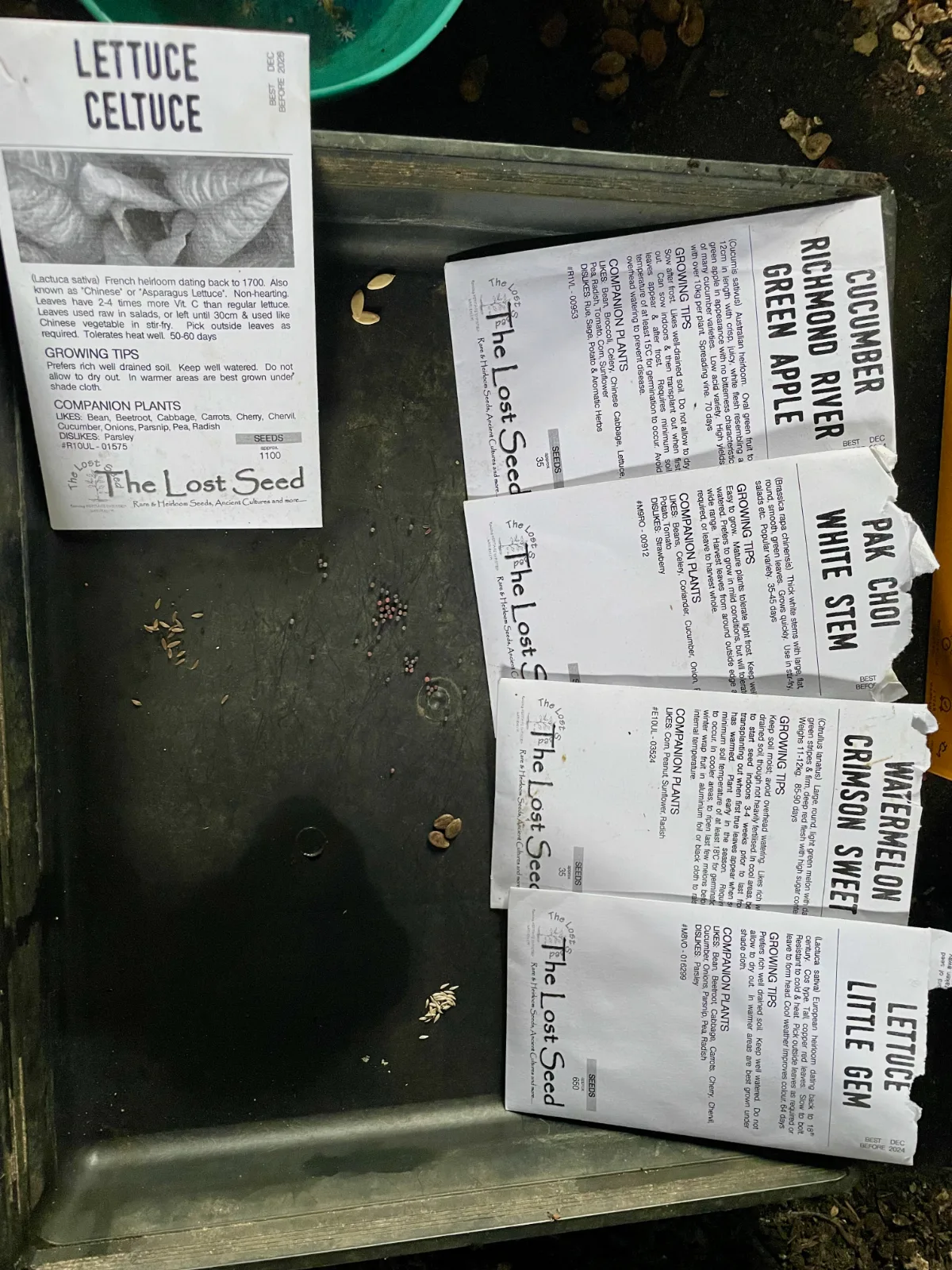
A lot of salad leaves get called lettuce even though they belong to completely different plants. Rocket lettuce usually means rocket or arugula. It is a brassica, not Lactuca sativa. Mizuna is also a brassica.
Endive and frisée belong to the chicory group. Radicchio and witlof are chicories too. Lamb's lettuce, also called corn salad, is another plant entirely.
Water lettuce is an aquatic plant called Pistia stratiotes. It is not garden lettuce and should not be treated as a salad vegetable. Water lettuce can also become a serious aquatic weed. Wild lettuce and prickly lettuce are different Lactuca species and should not be confused with the cultivated lettuce you grow for salads.
Where Should You Plant Lettuce?
Give lettuce plenty of light during cool weather. In winter, I would choose one of the sunnier parts of the vegetable garden. During warm weather, a little shade becomes useful. Morning sun with some afternoon protection can keep the leaves cooler and slow moisture loss.
Lettuce also works well underneath taller vegetables if they provide light summer shade without completely blocking the sun. Avoid spots where tree roots compete heavily for water. Lettuce has a fairly shallow root system and does not compete well with large established plants.
Best Soil for Lettuce
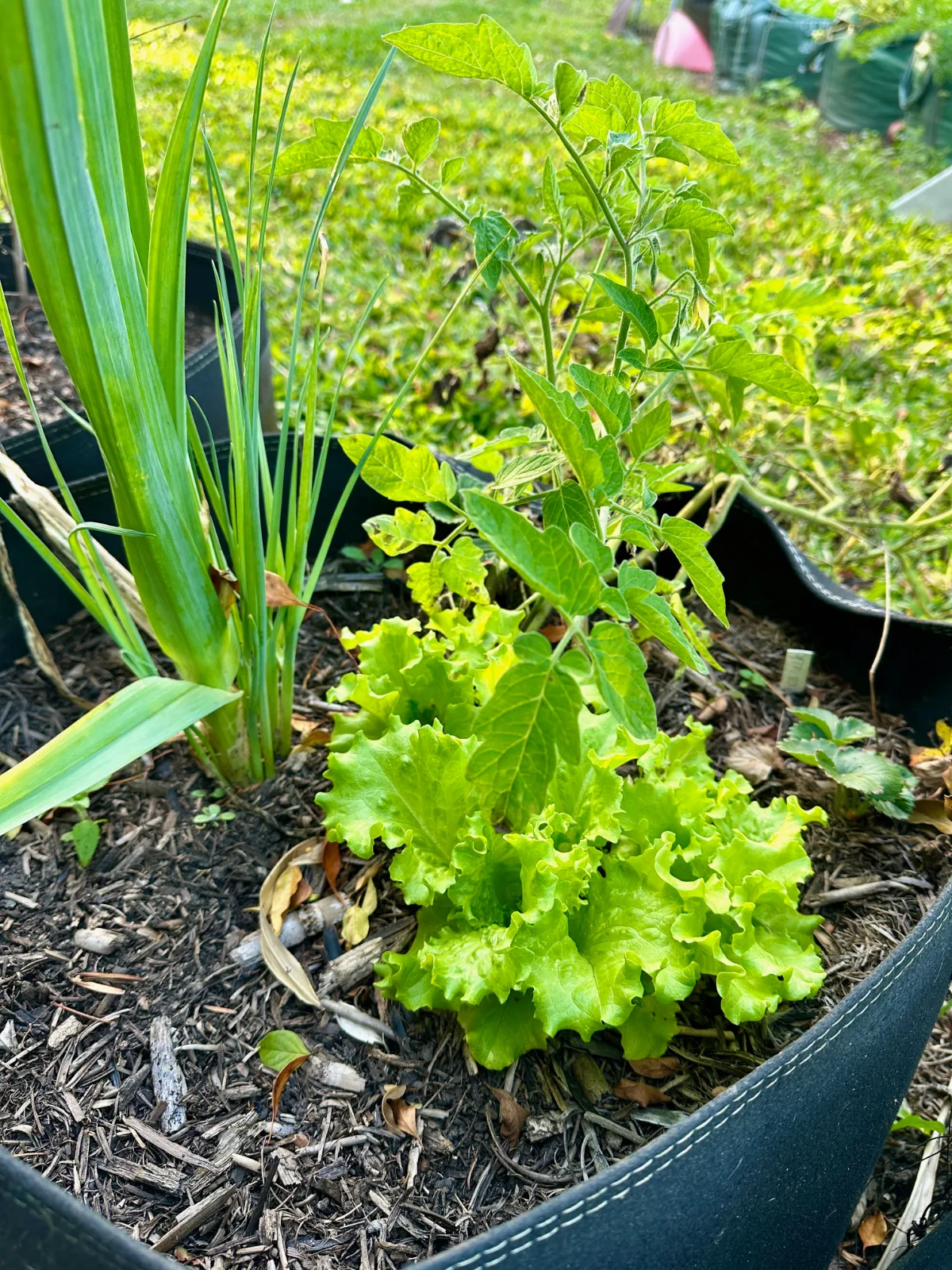
Lettuce grows best in fertile soil that holds moisture without staying waterlogged. Add compost before planting and aim for a loose, easy-to-work bed with enough organic matter to keep shallow roots supplied with water and nutrients.
Improve very sandy soil with compost so it does not dry too quickly. In heavy clay, add organic matter and make sure excess water can drain away. Poor, dry soil tends to give you smaller, tougher leaves.
How to Grow Lettuce From Seed
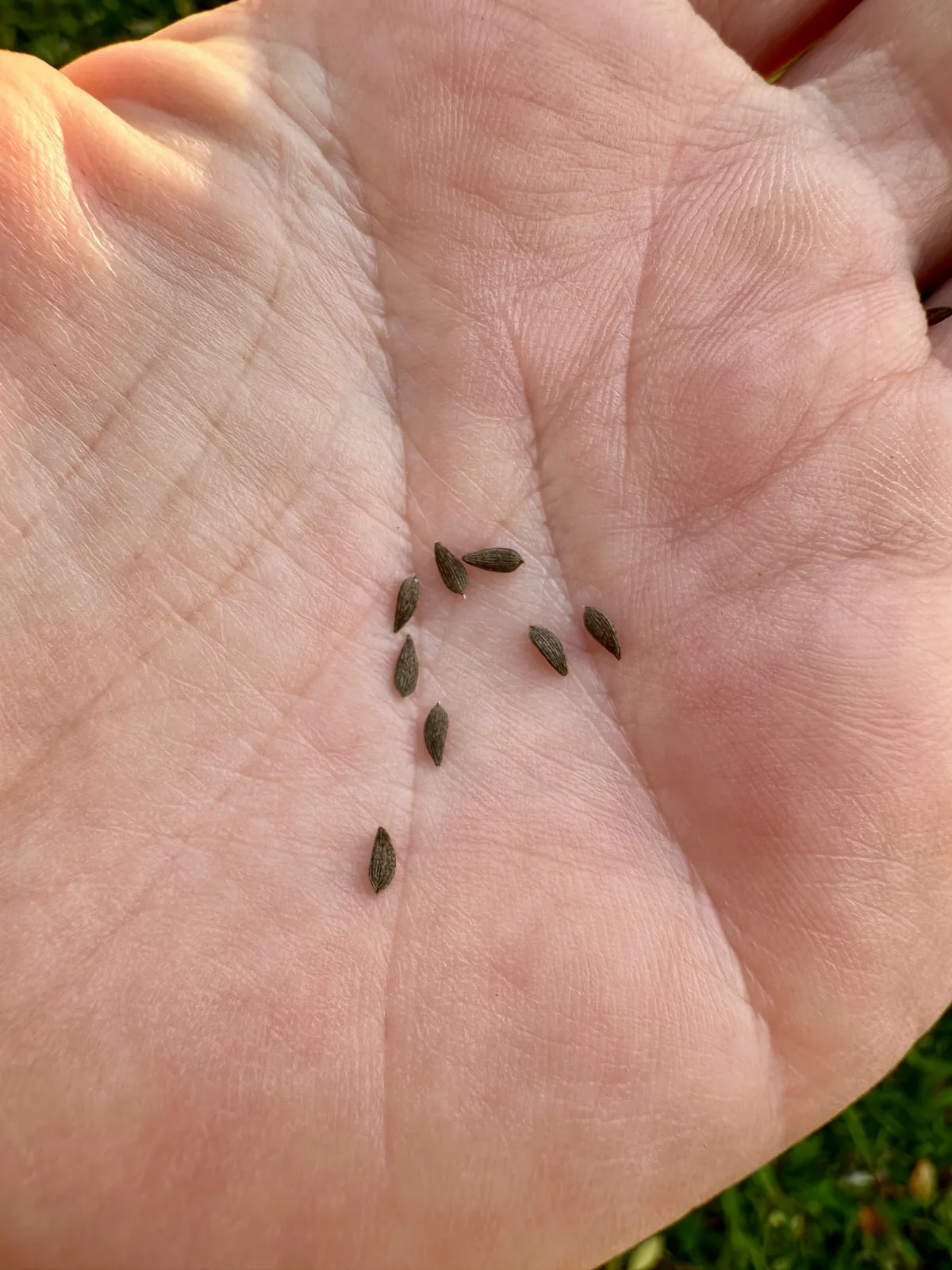
Lettuce seeds are tiny. Do not bury them deeply. Many lettuce seeds germinate best with access to light, so I sow them on the surface and cover them with only a very thin layer of seed-raising mix or vermiculite. To sow lettuce:
- Prepare fine, moist soil or seed-raising mix.
- Scatter the seeds thinly.
- Press them gently against the surface.
- Cover very lightly.
- Water with a gentle spray.
- Keep the surface consistently moist while they germinate.
- Thin crowded seedlings once they start growing.
Seeds often germinate within about 4–10 days under good conditions. Do not let the surface dry completely while the seeds are germinating.
Why Won't My Lettuce Seeds Germinate?
Heat is often the reason. Lettuce seed does not like very hot soil. Germination starts dropping once soil temperatures rise above roughly 24°C, and very little seed may germinate above 30°C. This explains a lot of failed summer sowings in northern Australia.
You can water a hot seed bed every day and still get almost nothing. If you are sowing lettuce during warm weather, I would:
- start the seed in trays somewhere cooler
- keep the trays out of hot afternoon sun
- sow during a cooler spell if possible
- use a light-coloured seed-raising mix rather than a hot exposed garden bed
- choose heat-tolerant varieties
Once the seedlings are growing, you can gradually move them into their final position.
Should You Grow Lettuce From Seeds or Seedlings?
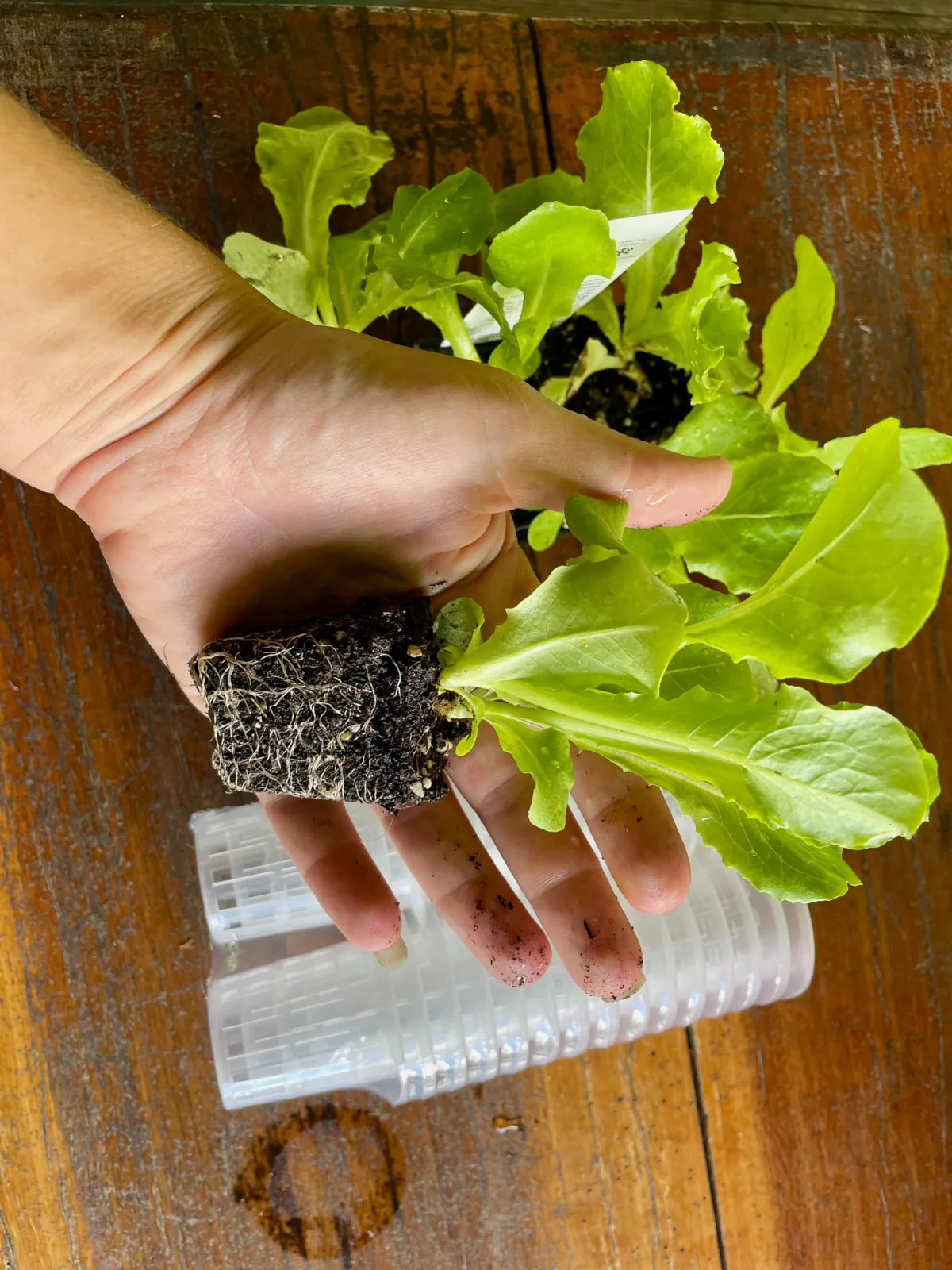
Both work. I prefer seed if I want lots of plants cheaply or want to make regular small sowings. Seed also gives you a much better choice of varieties. Seedlings are useful if:
- you only want a few lettuces
- conditions outside are difficult for germination
- you want to fill an empty space quickly
- you missed your ideal sowing time
Choose small, healthy lettuce seedlings. Avoid badly root-bound punnets with plants that have already been sitting around for weeks. Stress can encourage lettuce to bolt early.
How to Plant Lettuce Seedlings
Water the punnet first. Then:
- Prepare the soil with compost.
- Make a hole large enough for the root ball.
- Remove the seedling gently.
- Plant it at roughly the same depth it was growing in the punnet.
- Firm the soil around the roots.
- Water it immediately.
Try not to badly disturb the root system. Keep the soil moist while the plant settles in.
How Far Apart Should You Plant Lettuce?
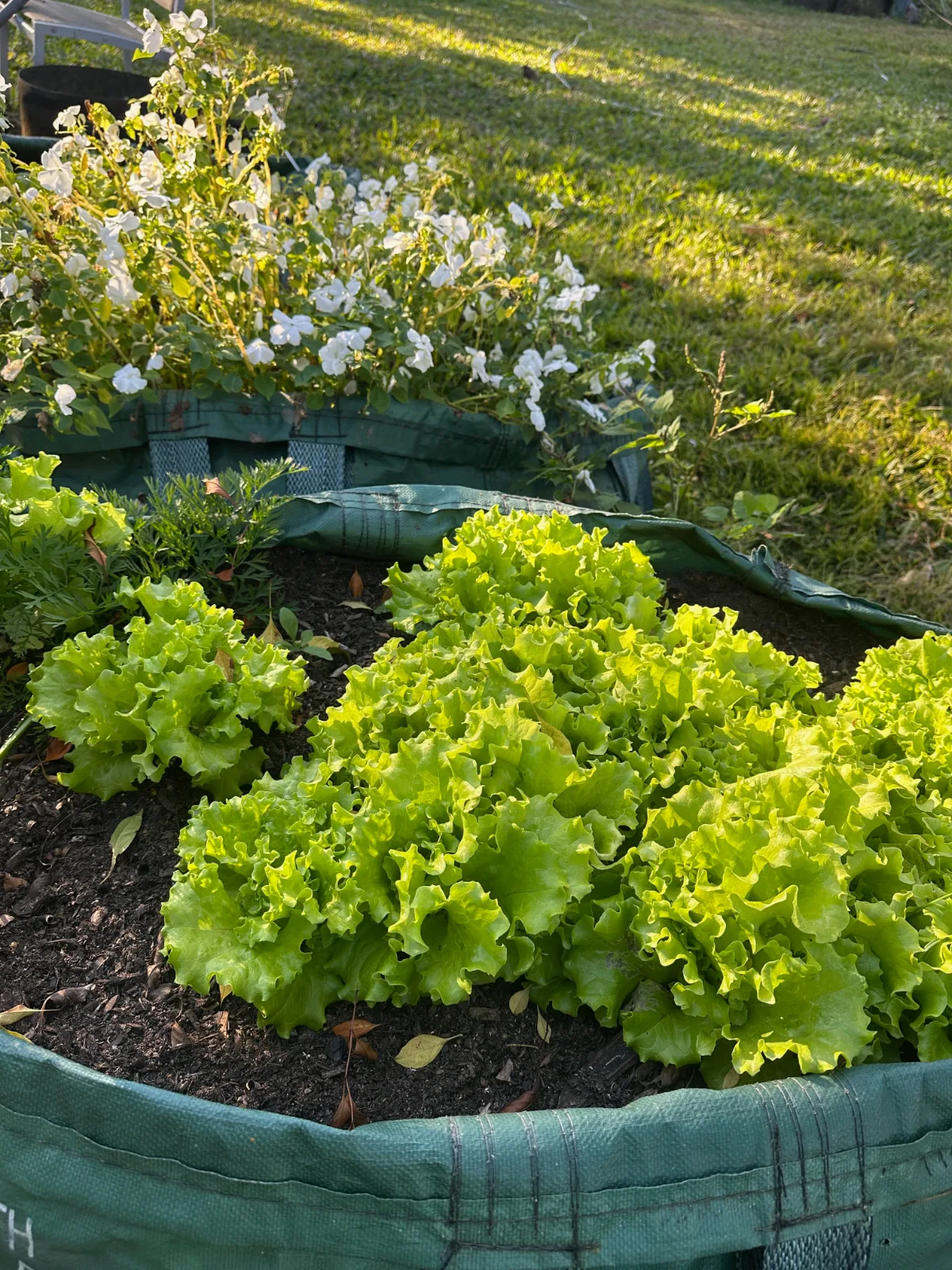
Spacing depends on what you are growing. For small loose-leaf lettuce, 15–20 cm apart can work well. Give larger plants around 20–30 cm. Large heading lettuce such as iceberg generally needs around 30 cm.
If you only want baby leaves, you can sow much more densely and harvest the plants young. Crowding mature lettuce increases competition and reduces airflow. In humid climates, I would give plants a little more room.
Can You Grow Lettuce in Pots?
Yes. Lettuce is an excellent container vegetable. You do not need an exceptionally deep pot because most of the roots stay fairly close to the surface. I would choose a wide container so you can fit several plants.
Make sure it has drainage holes. Use good-quality potting mix. Small pots dry quickly, so a larger container is much easier to manage during warm weather. Loose-leaf, baby cos, oakleaf and mignonette lettuce are particularly useful in pots.
How Often Should You Water Lettuce?
Keep lettuce evenly moist. This is one crop where I do not let the soil repeatedly dry right out. Water stress encourages:
- bolting
- bitter leaves
- poor growth
- smaller heads
- tough leaves
That doesn't mean keeping the roots permanently wet. Check the soil. If the top starts drying, give the plants a proper drink. In hot weather, pots may need checking every day.
Mulch can help hold moisture in the soil, but do not pile thick damp mulch against small lettuce plants where slugs and snails can hide.
Does Lettuce Need Fertiliser?
Lettuce needs fertile soil and enough nutrition to keep growing quickly. Slow, stressed lettuce usually gives you tougher leaves and a greater chance of bolting before you get a useful crop. I would start with compost or aged manure worked into the soil before planting. You can follow with a light liquid feed during active growth if the plants need it.
Nitrogen supports leafy growth, but you don't need to keep adding fertiliser to plants that already look healthy. Container lettuce needs feeding more often because nutrients gradually wash out of the potting mix.
How to Keep Lettuce Growing in Hot Weather
Heat is one of the main limits on lettuce production in Australia. If you want to grow it beyond the normal season:
- Choose heat-tolerant varieties.
- Grow loose-leaf lettuce rather than iceberg.
- Give plants morning sun and afternoon shade.
- Keep the root zone evenly moist.
- Mulch the soil.
- Harvest regularly.
- Sow the next batch before the current one finishes.
In a tropical or subtropical summer, there comes a point where conditions simply suit other leafy greens better than lettuce. I would not fight the climate endlessly. Ceylon spinach, Brazilian spinach, sweet leaf and other warm-climate greens make more sense during the hottest months, then you can go back to lettuce once nights cool.
Why Is My Lettuce Bolting?
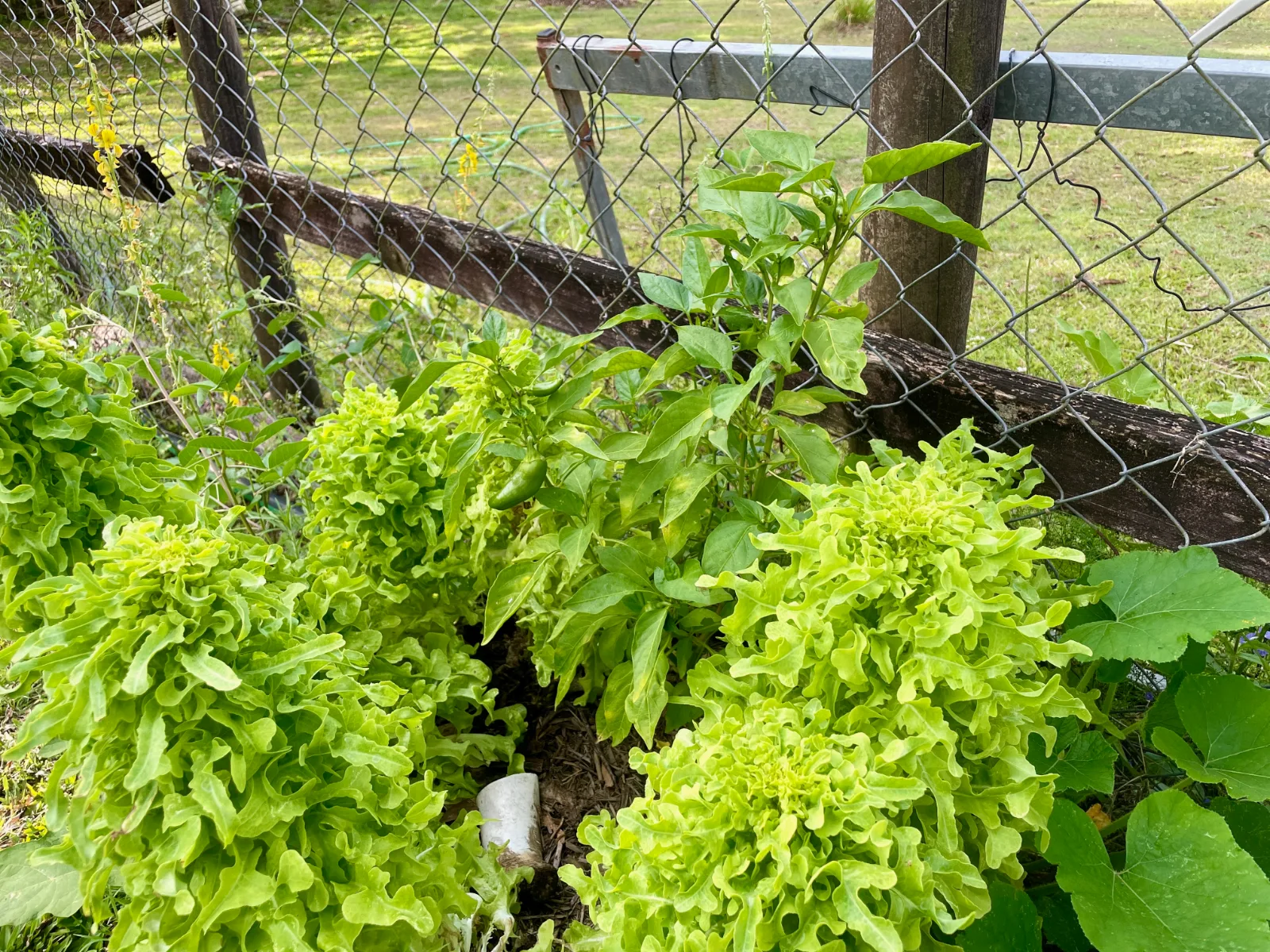
Bolting means the lettuce has stopped concentrating on leaves and started producing a flower stalk. You will see the centre suddenly stretch upward. The leaves usually become more bitter as the plant matures. Common triggers include:
- hot weather
- long days
- dry soil
- transplant stress
- crowded roots
- an old plant reaching the end of its life
You can pinch off the first flower stalk, but you cannot turn an ageing lettuce back into a young plant forever. Once it is determined to flower, I usually harvest what is still useful and replace it.

Grow a Little Wild
New plants to try, useful growing tips and a few garden jobs based on what you grow.
Why Does Lettuce Taste Bitter?
Heat and bolting are common causes. An older lettuce naturally produces more bitter compounds as it prepares to flower. Dry conditions can also make bitterness worse. If your lettuce regularly turns bitter before you harvest it:
- plant earlier in the season
- choose slower-bolting varieties
- water more consistently
- give summer crops some shade
- harvest younger leaves
Early morning is also a good time to harvest during warm weather.
How Long Does Lettuce Take to Grow?
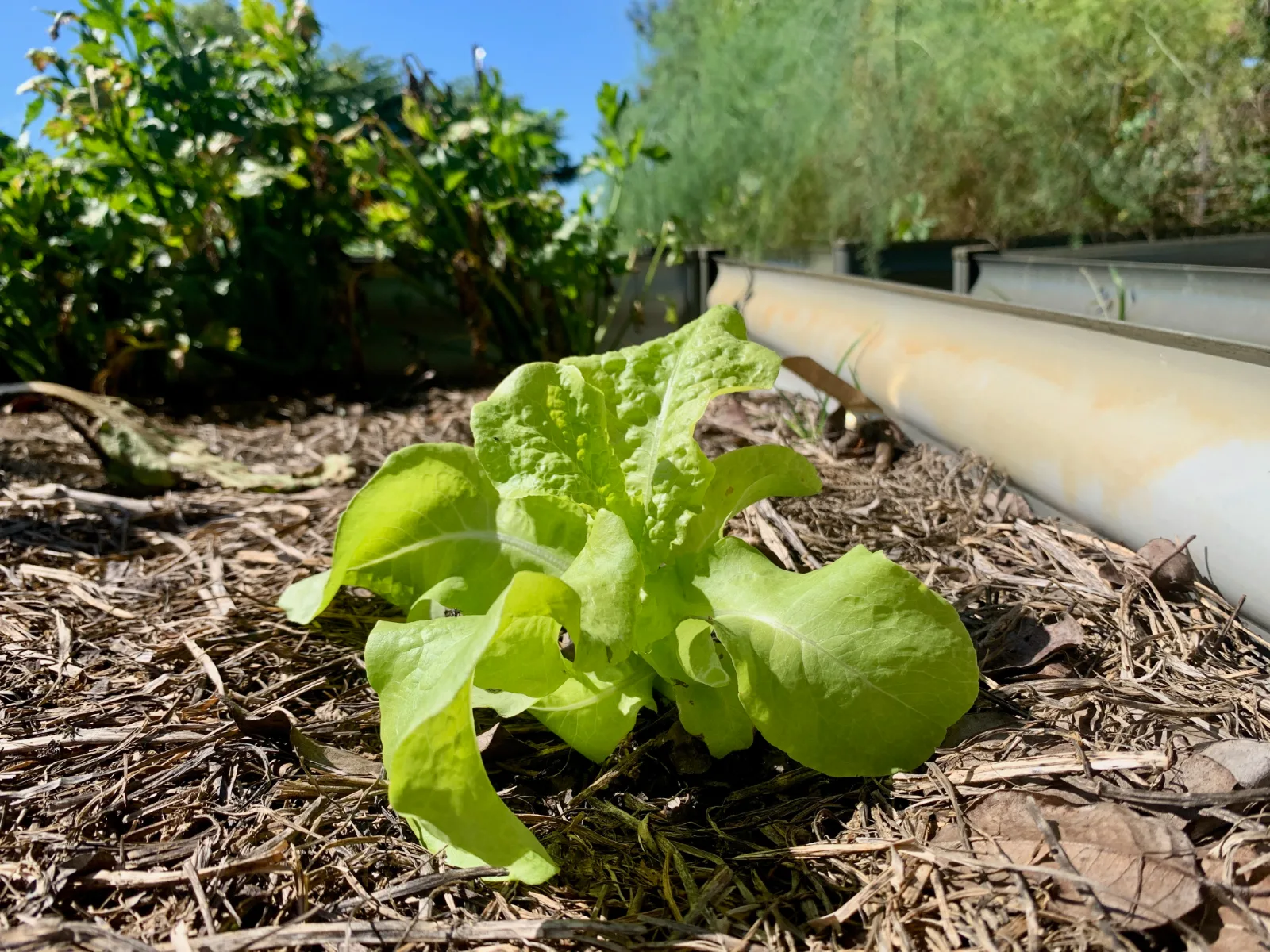
You do not need to wait for a full-sized lettuce. Baby leaves can be ready within a few weeks. Loose-leaf lettuce often gives you a useful harvest from around six weeks, depending on the variety and weather. Full heads generally take longer.
Large iceberg and cos plants may need around 8–12 weeks or more from sowing, particularly during cool weather when growth slows. Check the seed packet because lettuce varieties vary considerably.
How to Harvest Lettuce
You have two main choices.
Pick Individual Leaves
This works well with:
- loose-leaf lettuce
- oakleaf
- coral lettuce
- cos
- baby cos
- some butterhead varieties
Take the largest outside leaves first. Leave the centre intact so the plant keeps producing new leaves. Do not strip every leaf from the plant at once.
Harvest the Whole Head
This works well for:
- iceberg
- mature butterhead lettuce
- mignonette
- full cos heads
Cut the plant just above soil level once the head reaches the size and firmness you want. You do not have to wait until it matches a supermarket lettuce. Home-grown lettuce is often better harvested slightly younger.
How to Grow Cut-and-Come-Again Lettuce
Loose-leaf lettuce is ideal for continual harvesting. Plant several different varieties and start taking outside leaves once they are large enough to use. Leave the growing point in the middle. Come back a few days later and pick again.
This gives you a much longer harvest than cutting every plant at once. You can also sow lettuce densely for baby-leaf production. Cut young leaves a few centimetres above the soil and some varieties will regrow for another harvest.
How to Grow Mesclun Lettuce
Mesclun isn't one variety of lettuce. It is a mixture of young salad leaves. A mesclun seed mix may contain several lettuce varieties plus other greens such as rocket, mizuna, mustard or chicory. Sow the seeds fairly densely.
Harvest the leaves young. You do not need to give each plant enough room to form a mature head because baby leaves are the crop. Mesclun is useful if you have limited space or want a quick harvest.
How to Keep a Continuous Supply of Lettuce

Succession planting is the answer. Instead of planting one large crop, sow another small batch every two to four weeks while your weather suits lettuce. You might have:
- one batch you're harvesting
- one batch growing
- one tray of seedlings
- one freshly sown batch
This works much better than growing thirty lettuces that all become ready on the same Tuesday. You can adjust the gap between sowings. I also love letting mine self-seed, or I walk around with a seeding lettuce head. You'll be surprised where baby lettuces will pop up, and how many grow up to be excellent crops!
Plants grow quickly during mild weather and much more slowly during winter.
Should You Let Lettuce Flower?
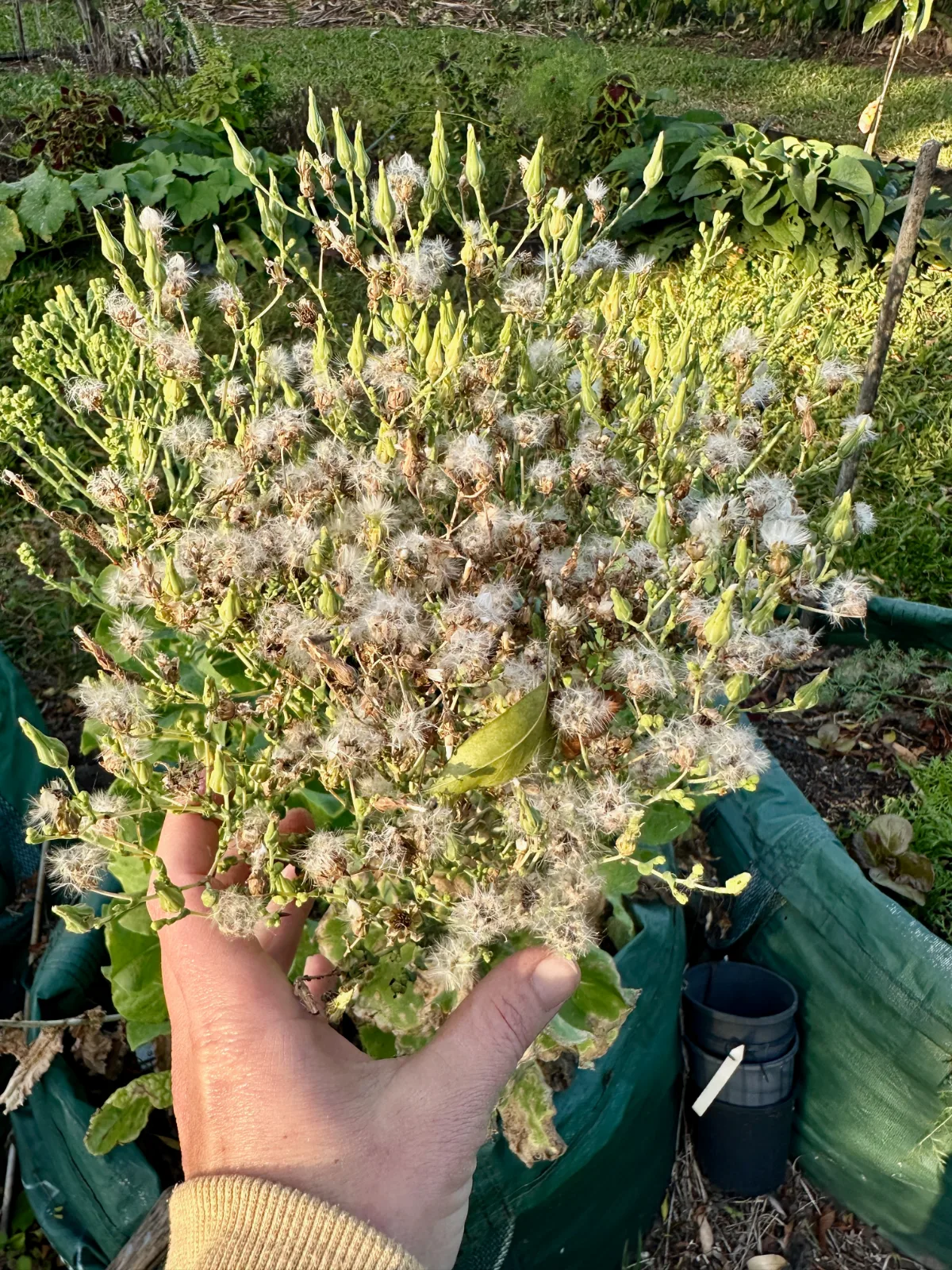
Usually not if you want leaves. Once the flower stalk develops, leaf quality drops.
However, as I mentioned above, I enjoy letting mine flower. For one, insects love them. Two, you get free lettuce plants wherever you spread them. I do not generally let underperforming plants self-seed, at least not on purpose. Some types just bolt immediately and that's not something I want to encourage.
If you want to save seed or work towards lettuce that is conditioned to your climate, choose your best plants and deliberately let them flower. The plant will become tall and produce lots of small yellow flowers. Later, fluffy seed heads develop. Wait for mature seed, collect it during dry weather and store it somewhere cool and dry.
I would save seed from healthy plants that performed particularly well in your climate. Over time, that can give you lettuce better suited to your own garden.
Lettuce Companion Plants
Companion planting is an awesome way to make better use of the space you have. Good neighbours for lettuce include plants that don't immediately swamp its shallow root system. I like combinations such as:
- lettuce beneath a trellis of peas
- lettuce between young tomatoes or chillies before they fill the space
- lettuce with spring onions
- lettuce with radishes
- lettuce along the edge of a vegetable bed
- quick lettuce crops between slower-growing vegetables
Radishes are particularly useful because they grow quickly and come out before the lettuce needs more room. Tall vegetables can also provide useful afternoon shade later in the season. Just make sure the lettuce still gets enough light and water.
Common Lettuce Problems
Slugs and Snails
Slugs and snails often feed on lettuce, especially young seedlings. A small snail can do an impressive amount of damage to a young seedling overnight. Look for:
- irregular holes
- rasped leaf surfaces
- slime trails
- seedlings disappearing completely
Check underneath pots, boards, edging and mulch during the day. Go out after dark with a torch if you can't find the culprit. Barriers, traps and hand collection can all help. Protect young seedlings especially carefully.
Aphids
Aphids can gather between leaves and inside lettuce heads. Check the centre of plants as well as the underside of leaves. Small infestations can often be washed off. Ladybirds, lacewings and hoverfly larvae help control aphids, so I would avoid spraying broad-spectrum insecticides around the whole vegetable garden for a minor infestation.
Caterpillars
Caterpillars chew holes in lettuce leaves. Look underneath damaged leaves and around the centre of the plant. Also look for droppings. Pick off the caterpillars if you only have a few.
Birds
Birds can pull apart young lettuce plants or eat tender leaves. Netting young crops can help. Make sure wildlife-safe netting is stretched tightly rather than left loose where animals can become tangled.
Possums
Possums eat lettuce too. If entire plants disappear rather than developing small holes, look beyond insects. A properly enclosed vegetable garden may be the only reliable solution in areas with heavy possum pressure.
Downy Mildew
Cool, damp conditions can encourage downy mildew. You may see pale or yellow patches on the upper leaves and greyish growth underneath. Give plants enough space for airflow. Avoid keeping leaves wet all night.
Remove badly infected leaves or plants rather than leaving them among healthy crops.
Bottom Rot
Lettuce touching warm, wet soil can rot around the base. Dense heading varieties are particularly vulnerable. Good drainage and airflow help. Do not bury the plant's crown under soil or mulch.
Why Are the Edges of My Lettuce Leaves Turning Brown?
This can be tipburn. You often see it on the inner edges of fast-growing lettuce leaves. Tipburn is associated with the plant not moving enough calcium into rapidly growing leaf tissue. That does not automatically mean your soil lacks calcium.
Heat, fast growth and water conditions can affect calcium movement through the plant. Keep moisture consistent and avoid forcing extremely fast soft growth with excessive fertiliser. Some varieties are more prone to tipburn than others.
Why Is My Lettuce Wilting?
Check the soil first. Dry soil is the obvious cause, especially because lettuce has relatively shallow roots. If the soil is already wet, don't automatically add more water. Wilting in wet soil can point to:
- root damage
- rot
- disease
- transplant shock
- extreme heat
Lettuce can droop during a very hot afternoon and recover when temperatures fall. If the plant stays collapsed overnight, investigate further.
Why Is My Lettuce Not Forming a Head?
First check the type. Loose-leaf lettuce is not supposed to form a firm head. If you are growing iceberg or another heading lettuce, poor head formation can result from:
- hot weather
- overcrowding
- planting at the wrong time
- poor nutrition
- inconsistent water
- bolting
Iceberg needs cooler conditions than loose-leaf types. Grow it during the coolest suitable part of your season.
How to Store Lettuce
Fresh lettuce lasts best if you cool it soon after harvesting. Pick it in the morning if you can. Remove damaged outer leaves.
You can wash it before storing, but dry it thoroughly. Wet lettuce packed into a container deteriorates quickly. I usually keep leaves in a container or bag in the fridge with a piece of clean paper towel to absorb excess moisture. Whole heads generally keep longer than loose leaves.
Fresh home-grown lettuce often keeps for several days to around a week or more, depending on the type and how you store it. Check it rather than relying on an exact number of days.
How to Keep Lettuce Fresh in the Fridge
Moisture control makes the biggest difference once lettuce is harvested. Keep the leaves hydrated without leaving them wet.
For loose leaves:
- Remove damaged leaves.
- Wash them if needed.
- Dry them very well.
- Put them into a sealed box or bag.
- Add a dry paper towel.
- Store them in the crisper.
- Replace the paper towel if it becomes wet.
If freshly harvested lettuce goes limp, a brief soak in very cold water can often crisp the leaves again.
Can You Freeze Lettuce?
Technically yes, but I wouldn't freeze lettuce for salads. Freezing breaks down the leaf structure. Once it thaws, the leaves become soft and limp. If you have a reason to use lettuce later in a cooked soup, sauce or blended dish, freezing is possible.
For normal salad use, grow or store it fresh.
Sources
- Gardening Australia — Lettuce
- Gardening Australia — Sub-Tropical Vegies
- Gardening Australia — Summer Vegies
- Gardening Australia — Seed to Success
- Gardening Australia — Seed Depth for Germination
- Gardening Australia — Lettuce Feast
- Gardening Australia — FAQs: Harvesting Lettuce
- Queensland DPI eResearch Archive — Lettuce Information Kit
- Queensland Drought and Climate Adaptation Program — Lettuce Critical Temperature Thresholds
- ABC Organic Gardener — Lettuces All Year Round
- ABC Organic Gardener — Grow: Celtuce
- The Diggers Club — How to Grow Lettuce
- Weeds Australia — Water Lettuce
Questions People Ask
- Is lettuce easy to grow in Australia?
Yes.
Choose the right season and keep the soil consistently moist.
Heat causes most problems, particularly in tropical and subtropical areas.
- When should you plant lettuce in Australia?
Plant during cool to mild weather.
In tropical and subtropical Australia, autumn through winter is the easiest period.
Temperate and cool regions have a much longer growing season.
- Can you grow lettuce all year in Australia?
In some climates, yes.
You will need to change varieties and growing positions through the year.
Very hot tropical summers and very cold frosty winters can both make lettuce difficult.
- Does lettuce need full sun?
Lettuce grows well in full sun during cool weather.
In warm weather, some afternoon shade can keep plants cooler and slow water loss.
- How often should you water lettuce?
Keep the soil evenly moist.
Do not let lettuce repeatedly dry out and wilt.
Check pots frequently during hot weather.
- Can lettuce grow in shade?
Yes, in part shade.
It may grow more slowly, but some shade can help during hot weather.
Deep shade usually produces weak growth.
- How long does lettuce take to grow?
You can harvest baby leaves within a few weeks.
Loose-leaf lettuce often starts producing useful leaves in around six weeks.
Large mature heads can take around 8–12 weeks or longer depending on the variety and weather.
- How do you harvest lettuce?
Pick the large outside leaves from loose-leaf or cos lettuce and leave the centre growing.
For heading lettuce such as iceberg, cut the whole plant once the head reaches a good size.
- Does lettuce grow back after cutting?
Loose-leaf lettuce can keep producing if you leave the centre of the plant intact.
Baby-leaf crops may also regrow after cutting.
A whole iceberg head cut at soil level will not usually produce another comparable head.
- Why is my lettuce growing tall?
It is probably bolting.
Heat, long days, dry soil and plant maturity can all trigger flowering.
Harvest the leaves while they are still useful and plant another crop.
- Why does my lettuce taste bitter?
Heat, dry conditions and bolting can make lettuce bitter.
Grow it during cooler weather and keep the soil consistently moist.
- What is the best lettuce for hot weather?
I would choose loose-leaf lettuce, oakleaf, coral, mignonette or a heat-tolerant cos or Batavia variety.
Avoid relying on iceberg during very hot weather.
- Is cos lettuce the same as romaine lettuce?
Yes.
They are two common names for the same general lettuce type.
- What is baby cos lettuce?
Baby cos is either a compact cos variety or cos harvested while small.
Little Gem is one well-known compact type.
- Is butter lettuce the same as butterhead lettuce?
Yes.
Butterhead lettuces form soft, tender heads rather than the dense crisp head of iceberg.
- What is mignonette lettuce?
Mignonette is a small butterhead-style lettuce.
It produces soft leaves and compact heads and is widely grown in Australian gardens.
- Is oak lettuce the same as oakleaf lettuce?
Usually yes.
Oakleaf lettuce gets its name from its deeply lobed leaves.
It comes in green, red and bronze forms.
- What is mesclun lettuce?
Mesclun is a mixture of young salad leaves rather than one lettuce variety.
It can contain several lettuces plus rocket, mizuna, mustard and other greens.
- Is rocket a type of lettuce?
No.
Rocket is a brassica.
It is often sold with lettuce and included in salad mixes, which is probably where the confusion comes from.
- Is water lettuce a type of lettuce?
No.
Water lettuce is Pistia stratiotes, a floating aquatic plant.
It is completely different from edible garden lettuce and can become an invasive aquatic weed.
- Is wild lettuce the same as normal lettuce?
No.
Wild lettuce refers to other Lactuca species.
Cultivated garden lettuce is Lactuca sativa.
- What is prickly lettuce?
Prickly lettuce is usually Lactuca serriola.
It is a wild relative of cultivated lettuce, not the type you normally grow for salad.
- Is Chinese lettuce a true lettuce?
Yes. Celtuce, or Chinese stem lettuce, is a form of Lactuca sativa grown mainly for its thick edible stem, although you can also eat the young leaves.
- Are endive and radicchio lettuce?
No.
They are chicories.
They are grown and eaten like salad greens but belong to a different botanical group.
- Is mizuna lettuce?
No.
Mizuna belongs to the brassica family.
It is commonly included in mesclun and salad mixes.
- Can you grow lettuce in pots?
Yes.
Use a wide container with good potting mix and drainage.
Loose-leaf lettuce and baby cos work particularly well.
- What are good lettuce companion plants?
I like spring onions, radishes, peas and taller warm-season vegetables that can provide some afternoon shade.
Choose companions based on compatible growing conditions rather than expecting them to prevent every leaf-chewing insect.
- How do you keep lettuce fresh after picking?
Cool it quickly, keep the leaves dry and store them in the fridge.
A container or bag with a piece of dry paper towel works well.
- How long does lettuce last in the fridge?
Usually several days to around a week, sometimes longer for a fresh intact head.
Loose leaves generally deteriorate sooner than whole lettuce.
- Can you freeze lettuce?
You can, but the texture collapses after thawing.
I would only freeze lettuce if you plan to use it in something cooked or blended rather than a salad.

Grow Lettuce
Add it to My Garden for practical jobs matched to your climate and the season.