

Acerola cherry (Malpighia emarginata) is a fast-growing fruit shrub or small tree that suits tropical and subtropical Australia. Its small red fruit is juicy, tart-sweet and exceptionally rich in vitamin C, but it softens quickly after picking, which is one reason you rarely see good fresh acerola in ordinary shops. In a warm garden the plant can flower and fruit in several flushes, and regular pruning keeps the crop within easy reach.
- Botanical name: Malpighia emarginata
- Family: Malpighiaceae
- Also known as: Barbados cherry, West Indian cherry
- Plant type: Evergreen to semi-evergreen fruit shrub or small tree
- Best climates: Tropical and subtropical; warm sheltered sites in marginal climates
- Typical size: Usually about 2–4 m high and wide, smaller with pruning
- Position: Full sun for best cropping; light part shade tolerated
- Fruit: Small bright red, juicy, tart-sweet fruit with very high vitamin C
- Pollination: A single plant can fruit; insect activity helps flower pollination
- Propagation: Cuttings, grafting or seed; seedlings can vary
What Is Acerola Cherry?
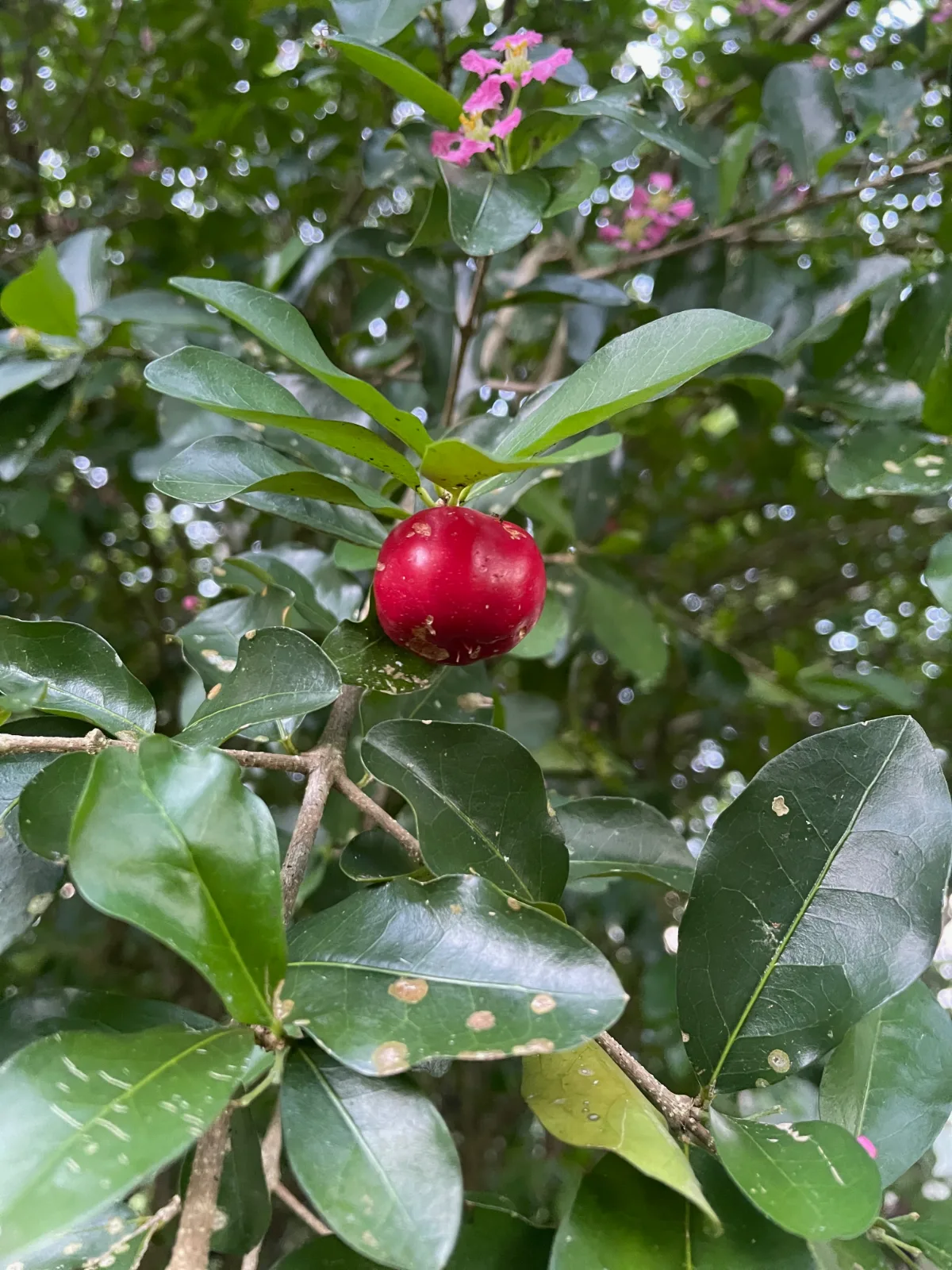
Acerola cherry is Malpighia emarginata, a member of the Malpighiaceae family rather than a true cherry in the genus Prunus. Kew accepts Malpighia emarginata as the botanical name and records its native range from Mexico through Central America to northern South America.
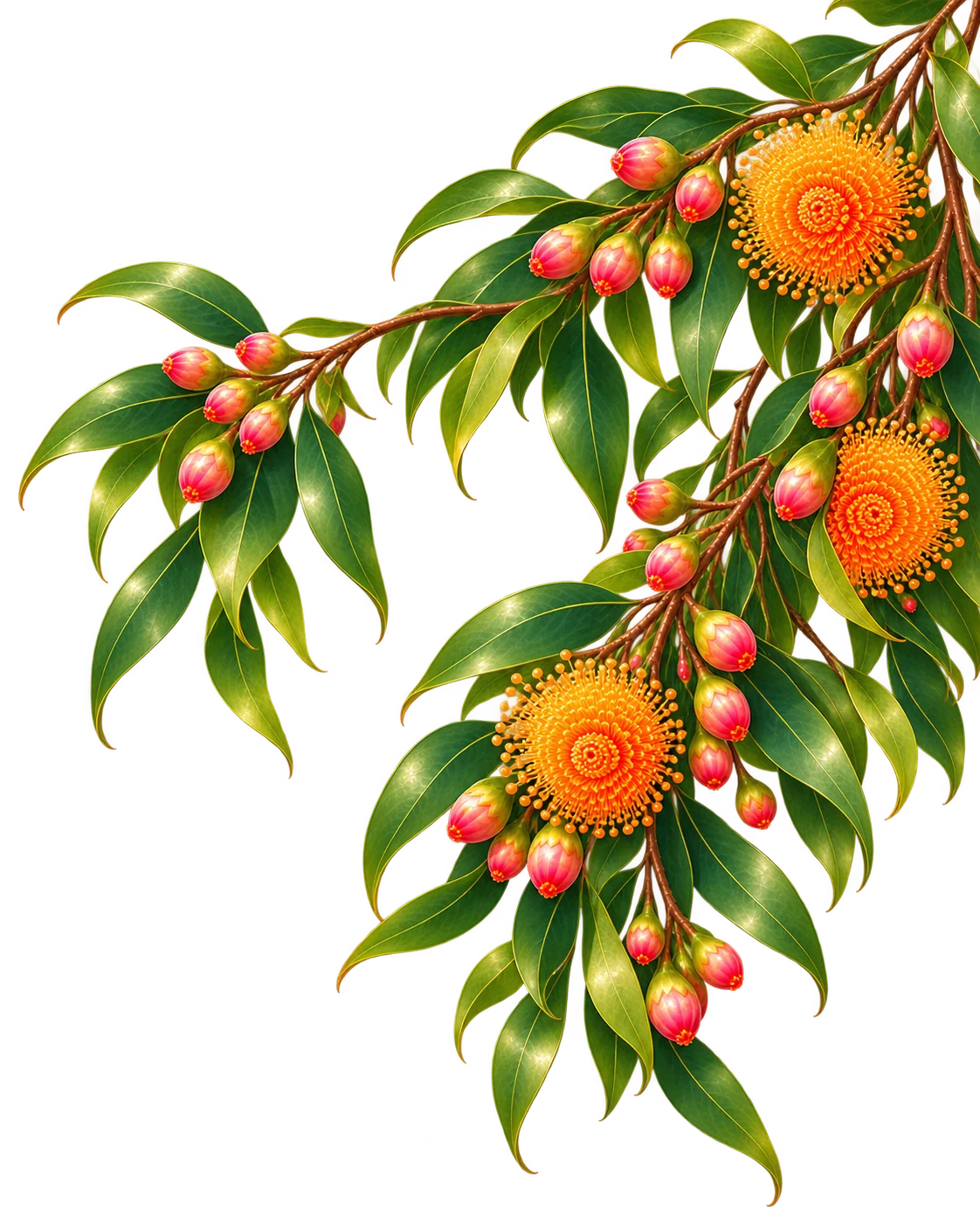
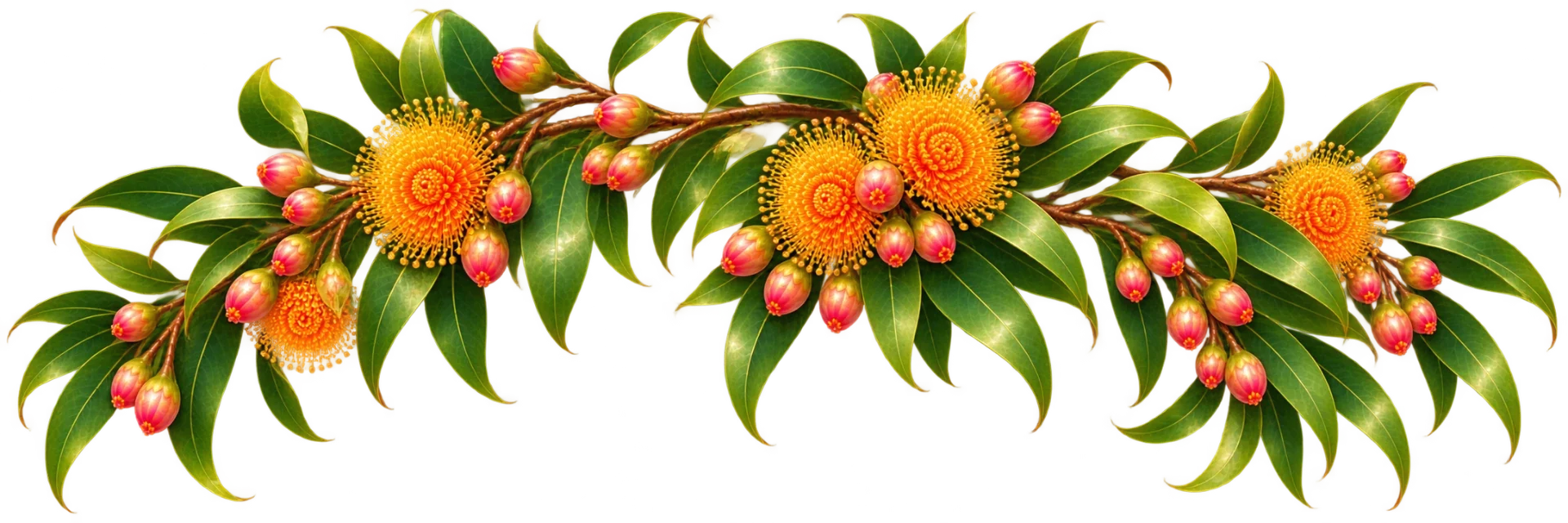
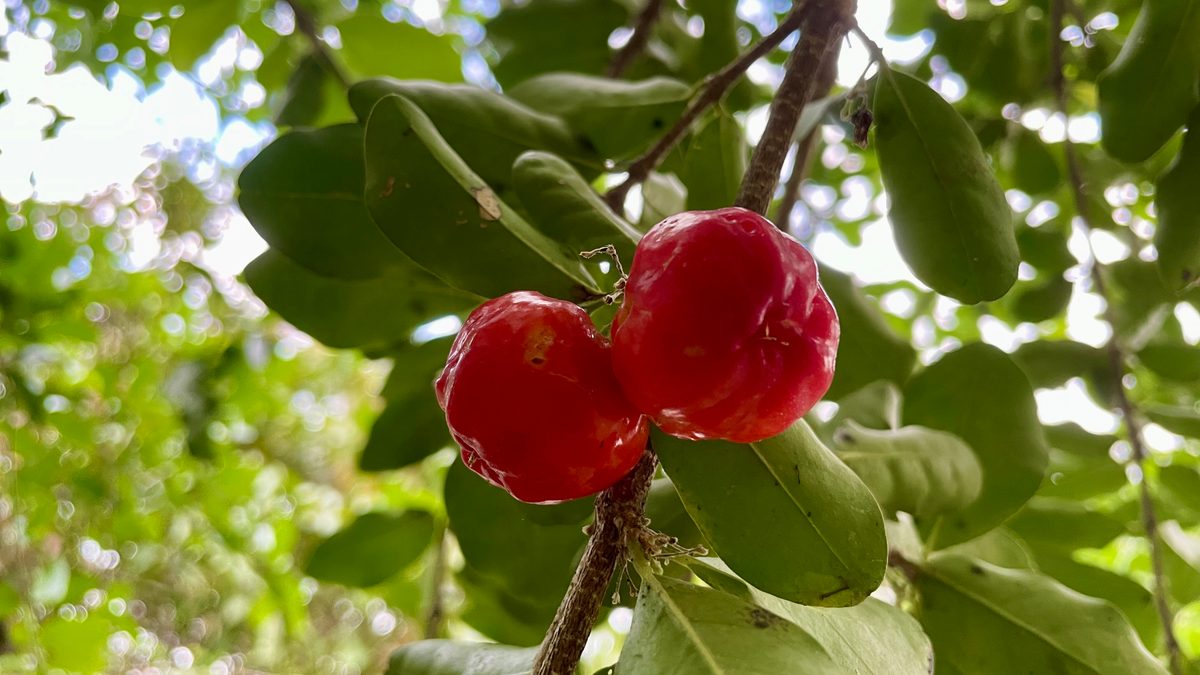
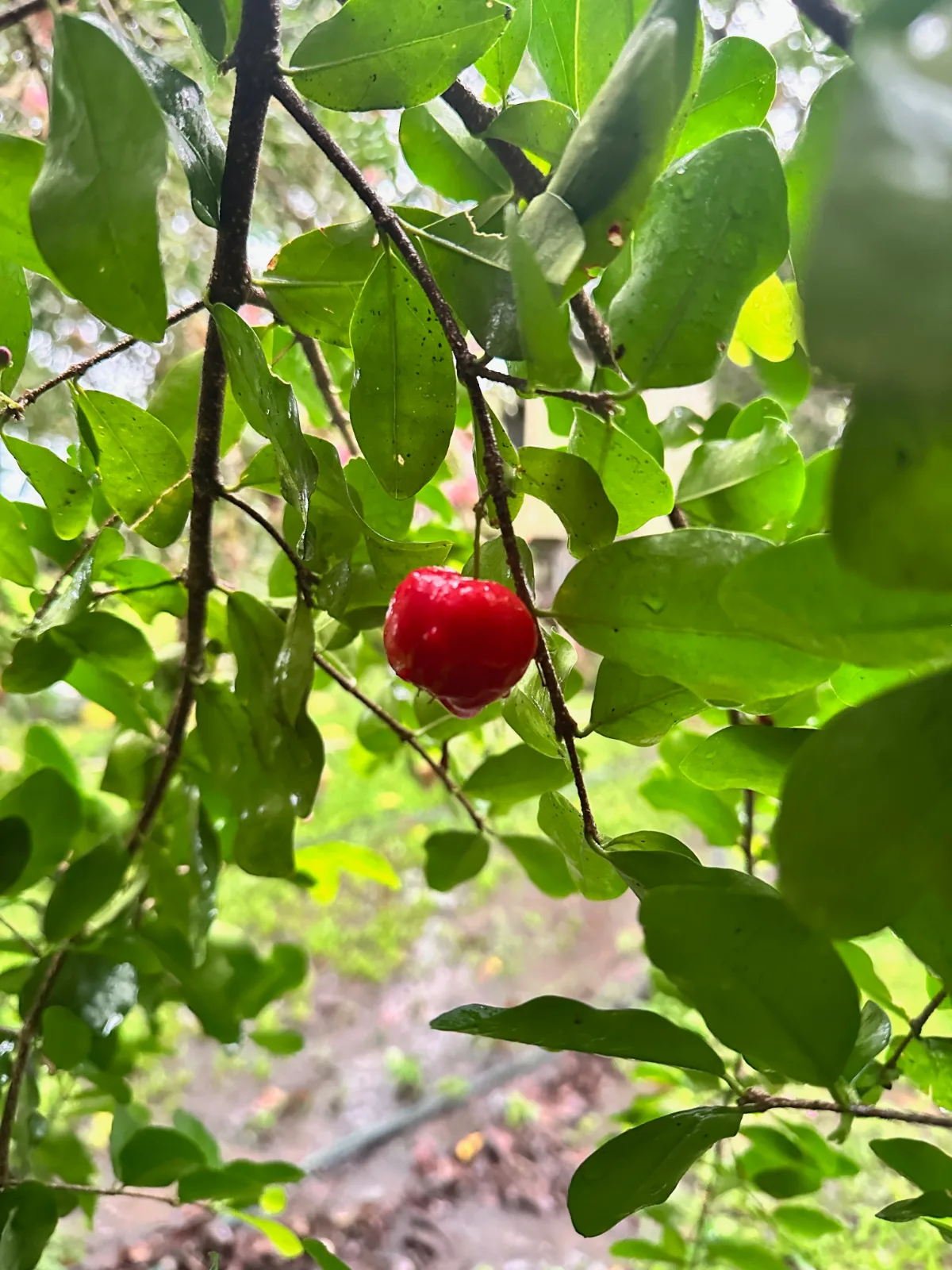
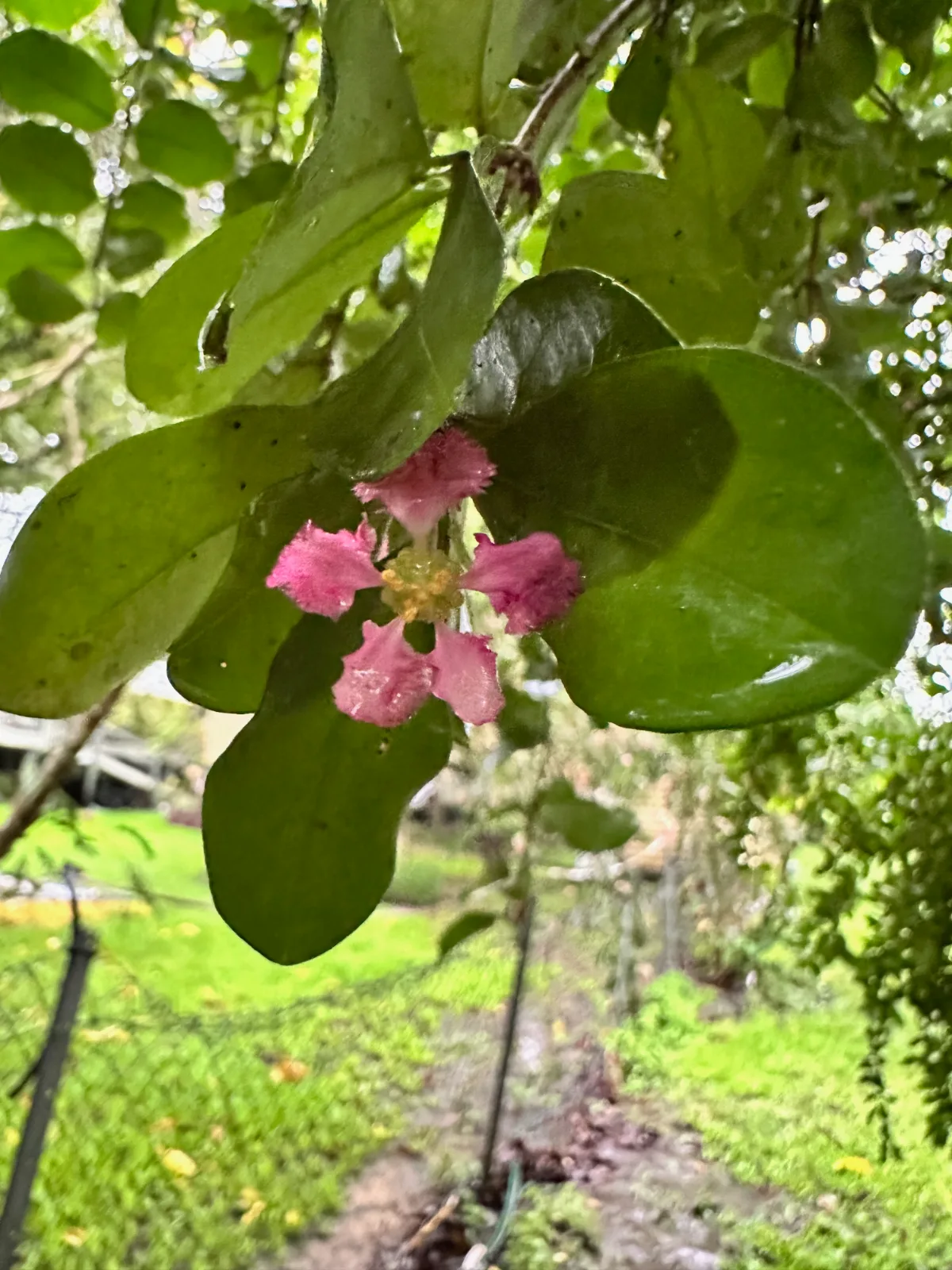
The plant forms a branching shrub or small tree with glossy green leaves, pink to rose flowers and small lobed fruit that ripen to bright red. The soft flesh has a tart-sweet flavour and contains very high levels of vitamin C.
You may see the names Barbados cherry and West Indian cherry used for the same plant. Keep the botanical name in mind when buying because common names involving cherry are used for several unrelated tropical fruit plants.
Where Does Acerola Grow Best in Australia?
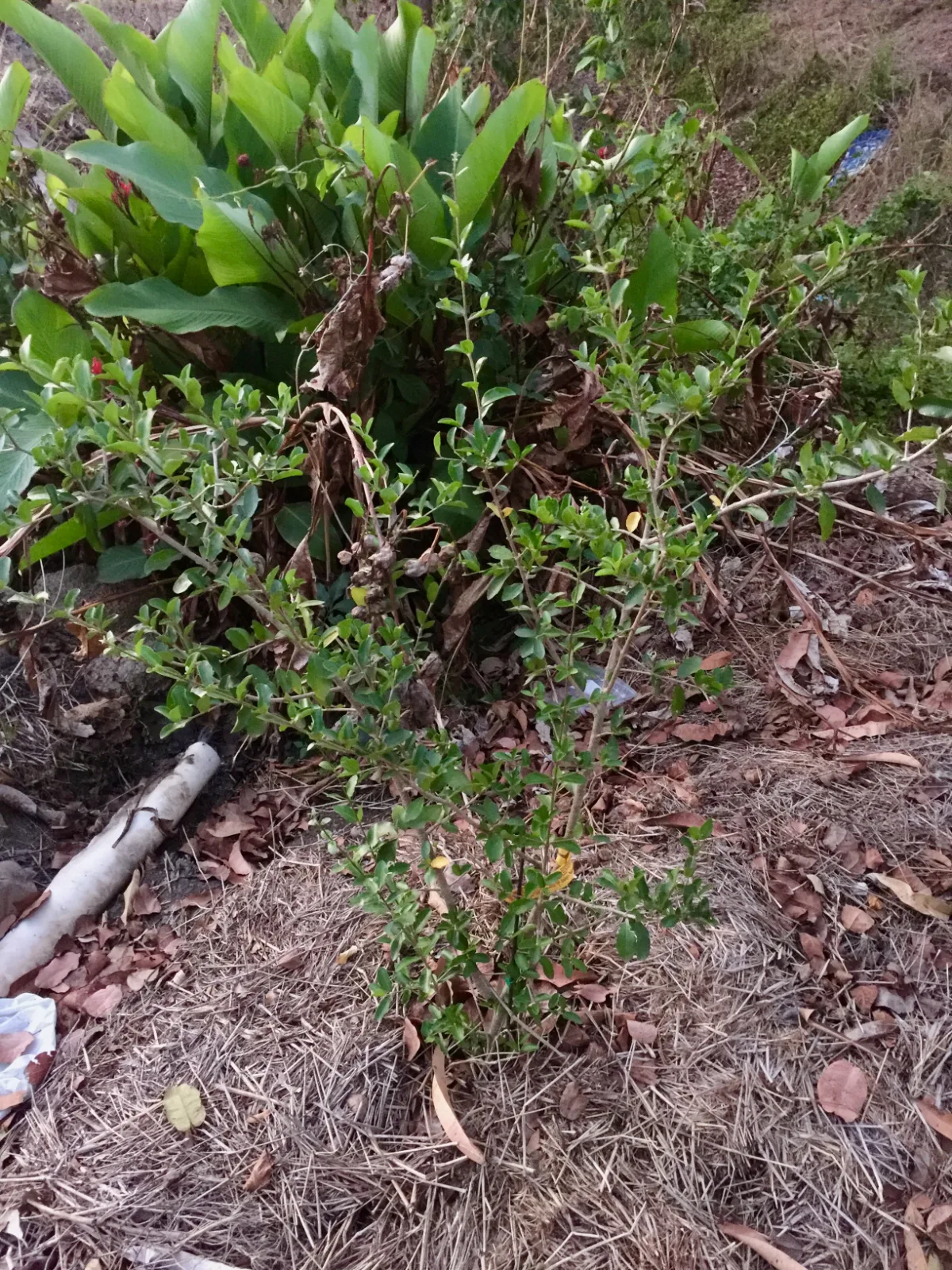
Acerola is best suited to tropical and subtropical Australia. Warm temperatures support repeated growth, flowering and fruit development, and established plants can crop several times across a long warm season when moisture is available.
It can grow in warmer protected parts of temperate Australia, but survival and useful cropping are different questions. Cold weather slows growth and frost can badly damage young plants, flowers and soft new shoots. A plant that survives an occasional cold winter in a sheltered position may still crop far less reliably than one growing in Queensland or another warm frost-free district.
In very hot inland conditions, reliable irrigation and mulch become more important. Near the coast, protection from strong salt-laden wind is useful even though the plant handles general heat well.
How to Plant Acerola Cherry
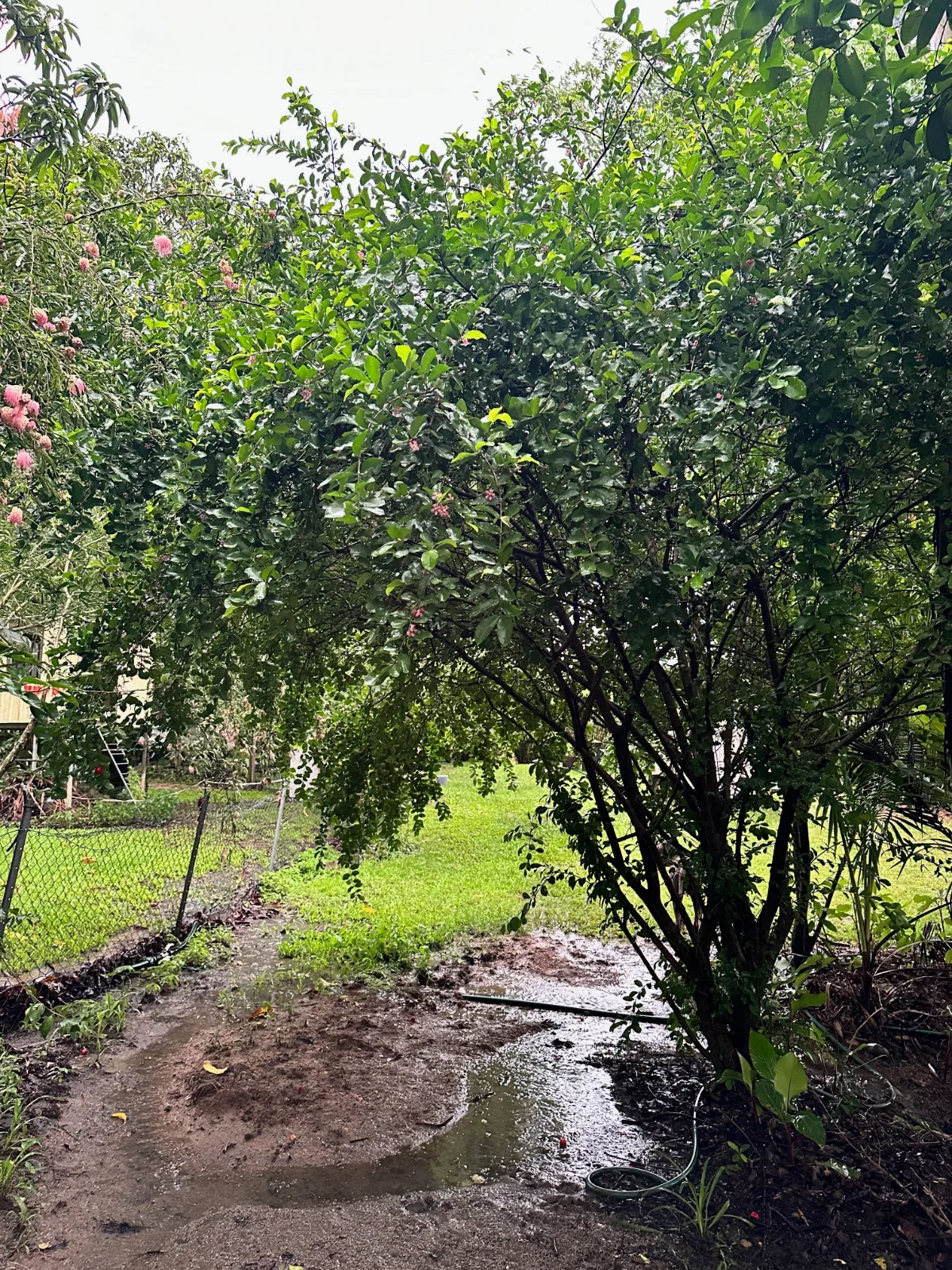
Choose a permanent position with good light and enough room for a shrub several metres across. If you want to keep fruit within arm's reach, allow space around the tree for regular pruning rather than planting it tightly between larger trees.
Plant at the same depth as the root ball, water thoroughly and mulch broadly over the root zone while keeping mulch clear of the trunk. About 2 to 3 metres between plants suits a managed home orchard or hedge. Give unpruned specimens more room.
Acerola grows quickly once established in warm weather, but a newly planted tree still needs protection from drying out while its roots move into the surrounding soil.
How Much Sun Does Acerola Need?
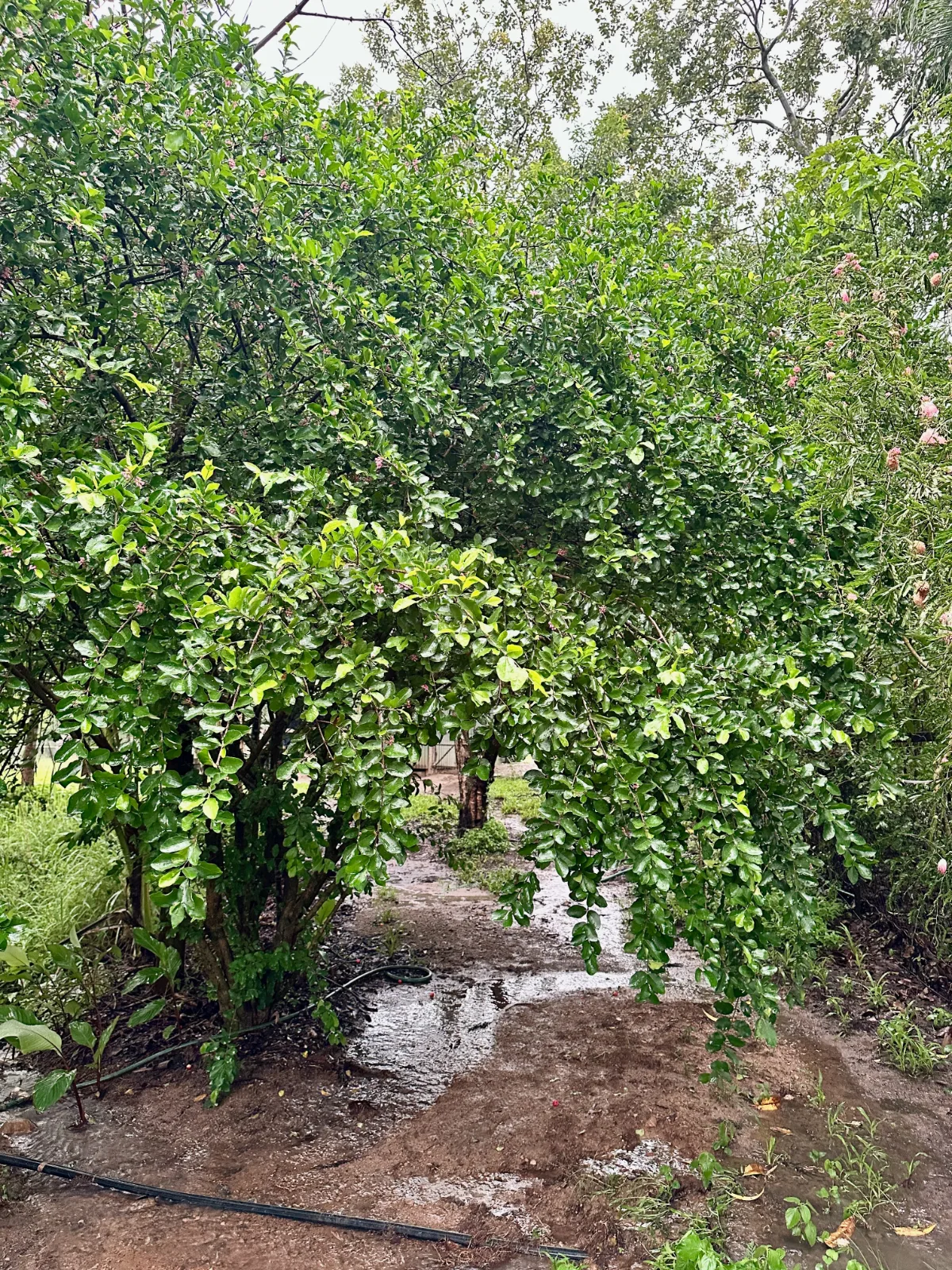
Full sun gives the strongest flowering and heaviest crops. Acerola tolerates light part shade, particularly in hot climates, but fruit production usually falls as shade increases.
A position with at least six hours of direct light is a useful target when fruit is the priority. In exposed tropical gardens, some protection from the fiercest late-afternoon sun can help a newly planted tree while it establishes.
If a nursery plant has been grown under shade cloth, move it into full sun gradually. Tender leaves can scorch when they go straight from protected nursery conditions into intense sun.
What Soil Does Acerola Prefer?
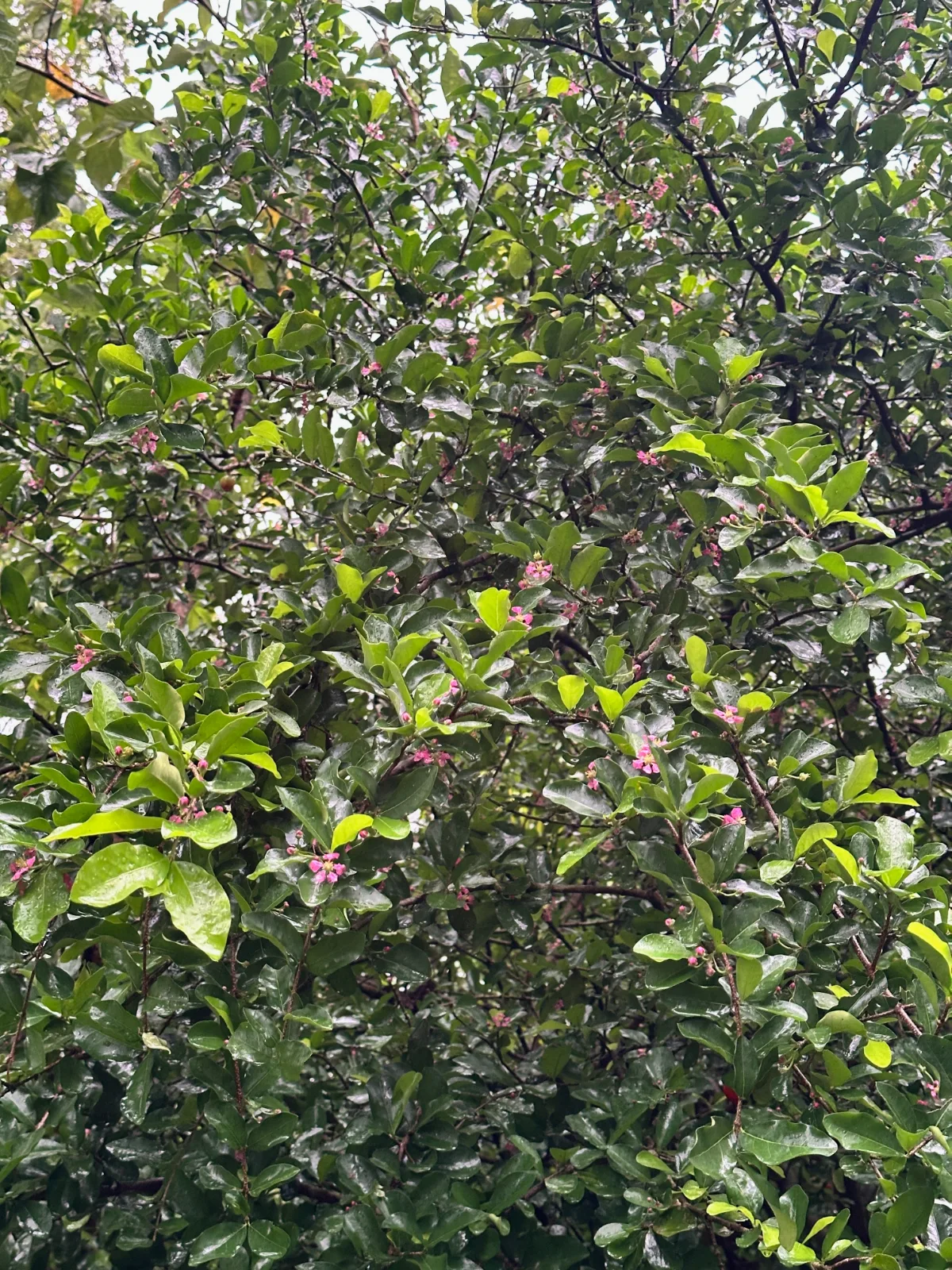
Acerola grows well in free-draining loam and sandy soils with organic matter. Slightly acidic to neutral soil suits it well, but drainage is more important than chasing an exact pH in an otherwise healthy garden.
On sandy ground, compost and surface mulch help hold moisture and nutrients around the active root zone. Heavy clay needs a different approach. Improve drainage across the planting area and use a raised or mounded position where necessary rather than placing the root ball in a deep pocket that fills with water after rain.
Roots need both moisture and air. A site that remains saturated for long periods can cause root decline even in a warm climate.
How Much Water Does Acerola Need?
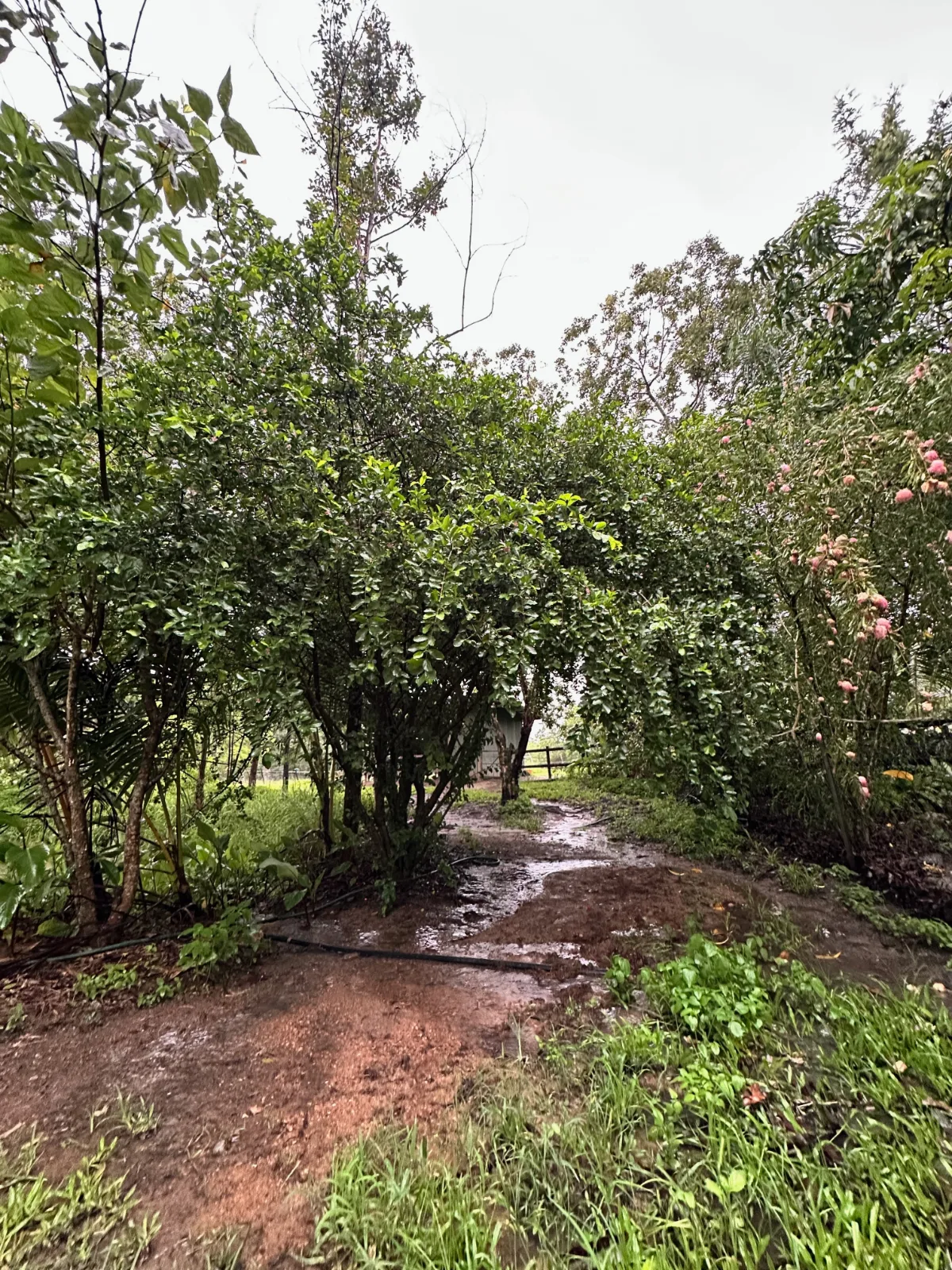
Water regularly while a young acerola establishes. Once the root system is developed, the plant handles short periods with less water, but reliable moisture gives better flowering, fruit set and fruit development.
Pay particular attention when the plant is flowering and carrying young fruit. Repeated water stress at that stage can reduce the crop and increase fruit drop. Deep watering followed by mulch is more useful than frequent light sprinkling.
Container plants need closer monitoring because a fruiting shrub can empty a pot of available water quickly in hot weather. Make sure excess water can still drain freely.
How to Feed Acerola Cherry
Start with compost and organic mulch, then use a modest fruit-tree fertiliser during active growth if the plant needs extra nutrition. A fertiliser containing potassium is useful once the tree is flowering and fruiting.
Split feeding into smaller applications through the warm growing period rather than applying a large amount at once. A useful rhythm in warm climates is a spring feed followed by another modest application after a heavy fruiting flush if the plant is pushing fresh growth.
Avoid heavy nitrogen feeding. It can produce a large amount of leafy growth without giving you a corresponding increase in flowers and fruit.
Acerola Flowers and Fruiting Flushes
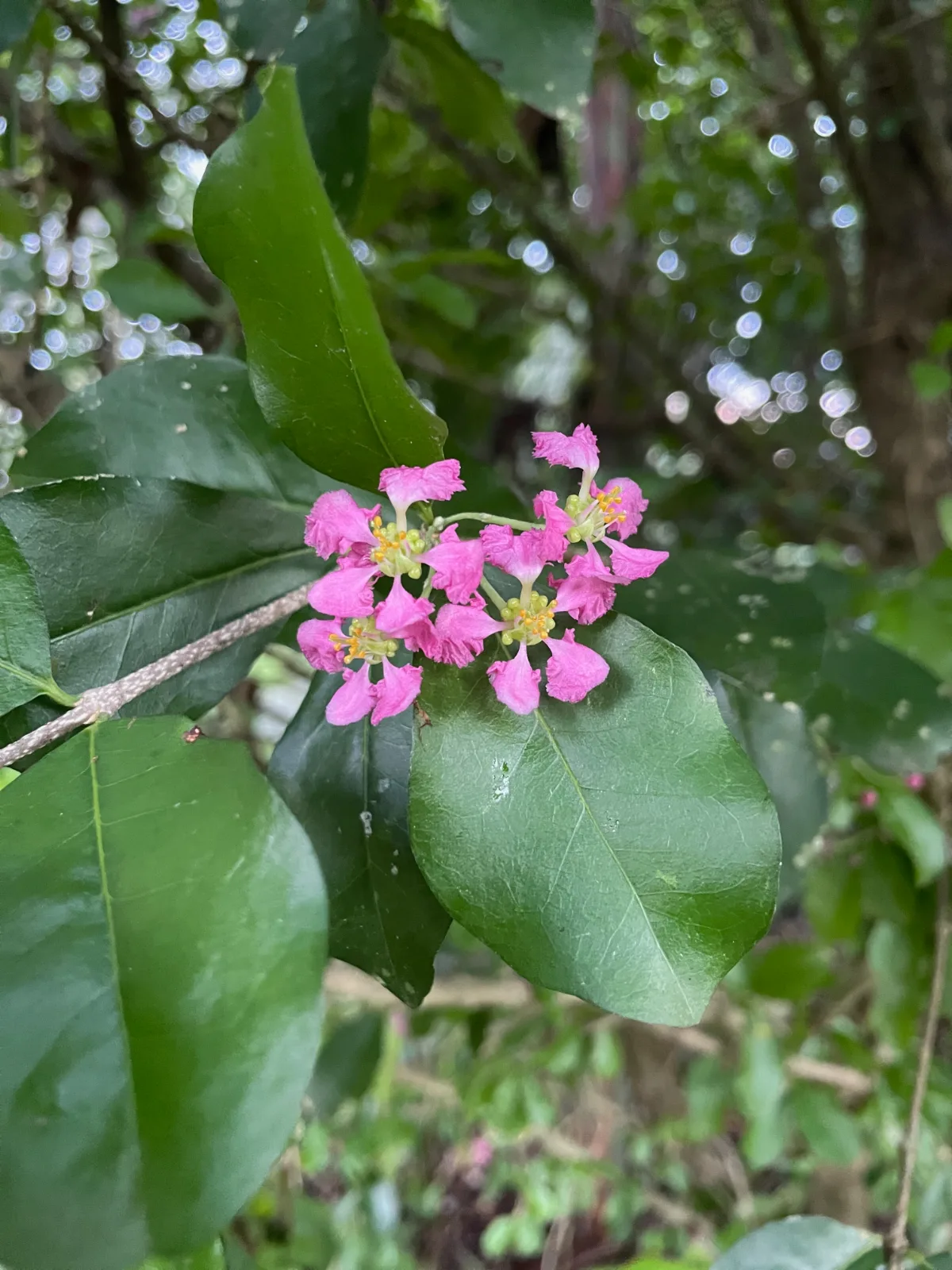
Acerola produces small pink to rose flowers, often in clusters. In warm climates flowering can occur in several flushes rather than one fixed annual bloom. Fruit develops quickly after successful pollination and can follow flowering within a matter of weeks under warm conditions.
Rain, irrigation and a fresh growth flush can influence flowering, which is why a healthy established tree may move through several smaller crops across the warm part of the year. The pattern varies with climate and individual plant.
Do not expect the same schedule from a young newly planted shrub. Early growth often goes into building branches and roots before crops become substantial.
Does Acerola Need Another Tree for Pollination?
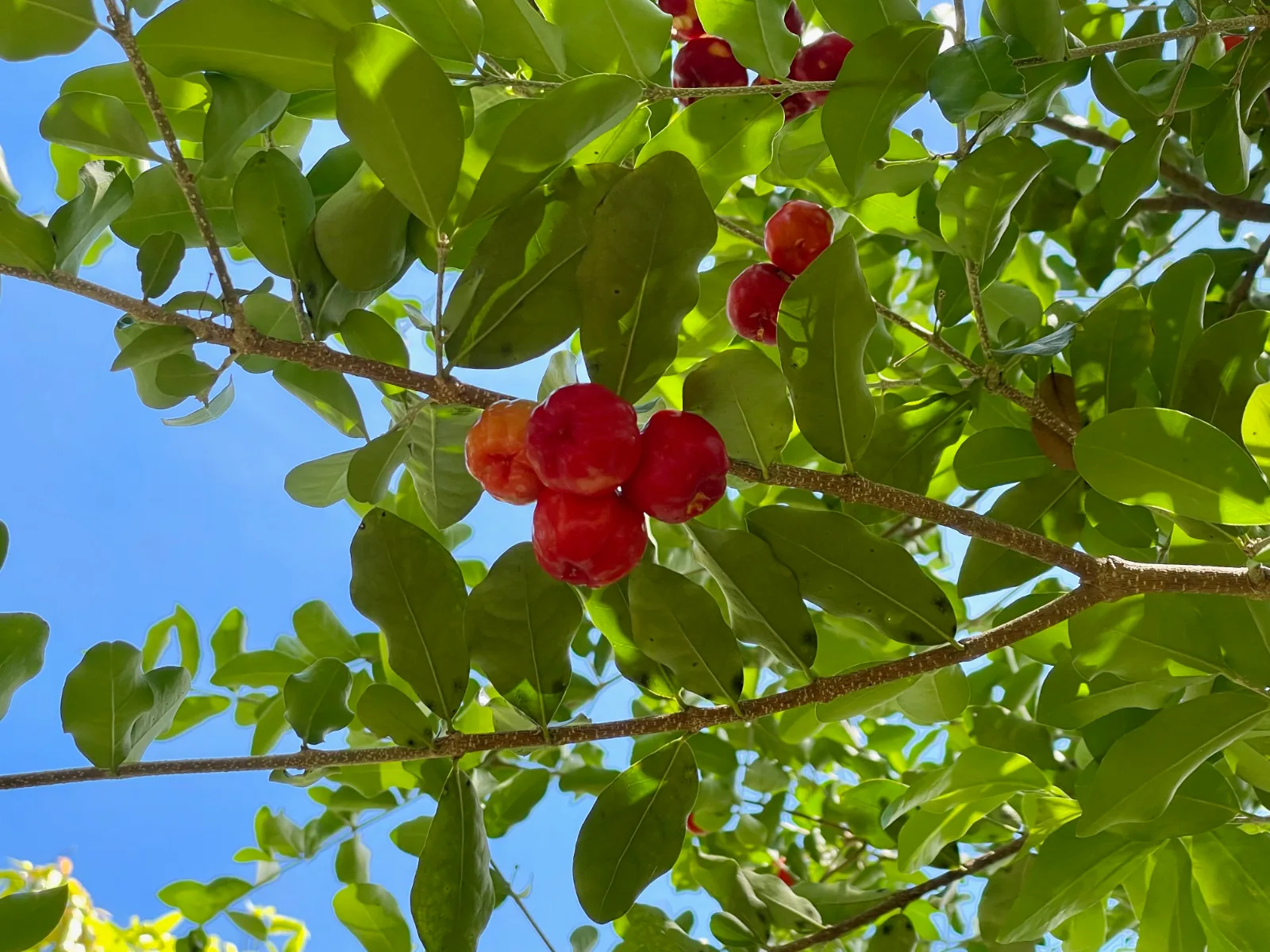
You can obtain fruit from a single acerola plant, so a second tree is not normally required simply to get a crop. The flowers are visited by insects, including bees, and good insect activity helps with pollination.
If a healthy mature plant flowers heavily but sets very little fruit, look at weather and pollinator activity as well as feeding. Very wet conditions during flowering, poor insect activity or plant stress can all affect fruit set.
Avoid broad-spectrum insecticide sprays while flowers are open. Protecting visiting pollinators is more useful than treating minor cosmetic leaf damage during bloom.
Grow a Little Wild
New plants to try, useful growing tips and a few garden jobs based on what you grow.
How to Prune Acerola Cherry
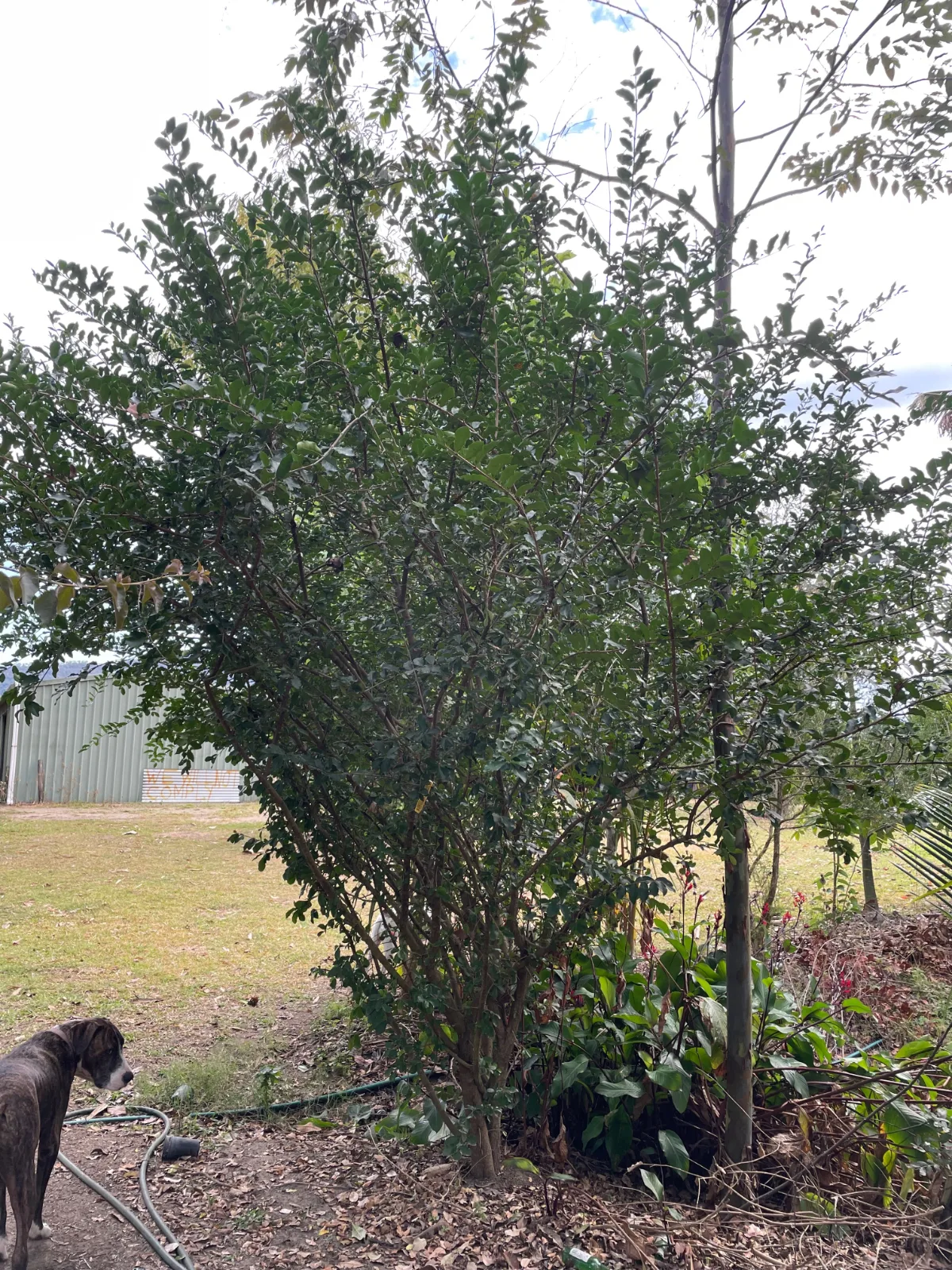
Acerola responds well to pruning, which is useful because an unmanaged shrub can become several metres high and wide. For a home fruit tree, I would start shaping it young rather than waiting until the best fruit is above picking height.
After a heavy crop or growth flush, shorten long shoots and remove crowded, damaged or crossing branches. Aim for a branched open shrub that you can reach from the ground. Avoid removing a large proportion of the canopy immediately before an expected flowering period.
Regular lighter pruning is easier on both you and the plant than occasional severe cutting. It also encourages fresh branching, which gives the plant more sites for future flowers.
What Does Acerola Fruit Taste Like?
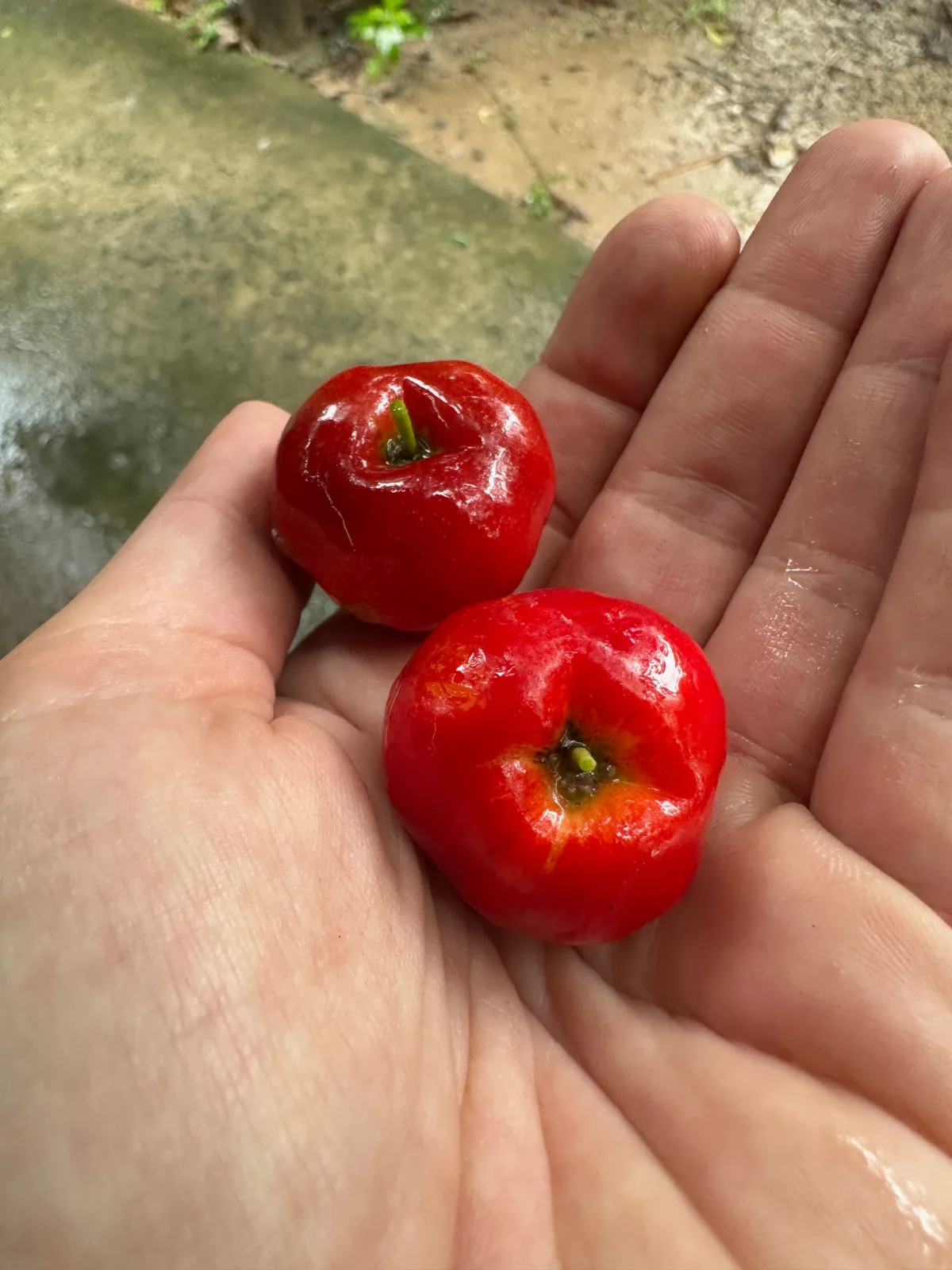
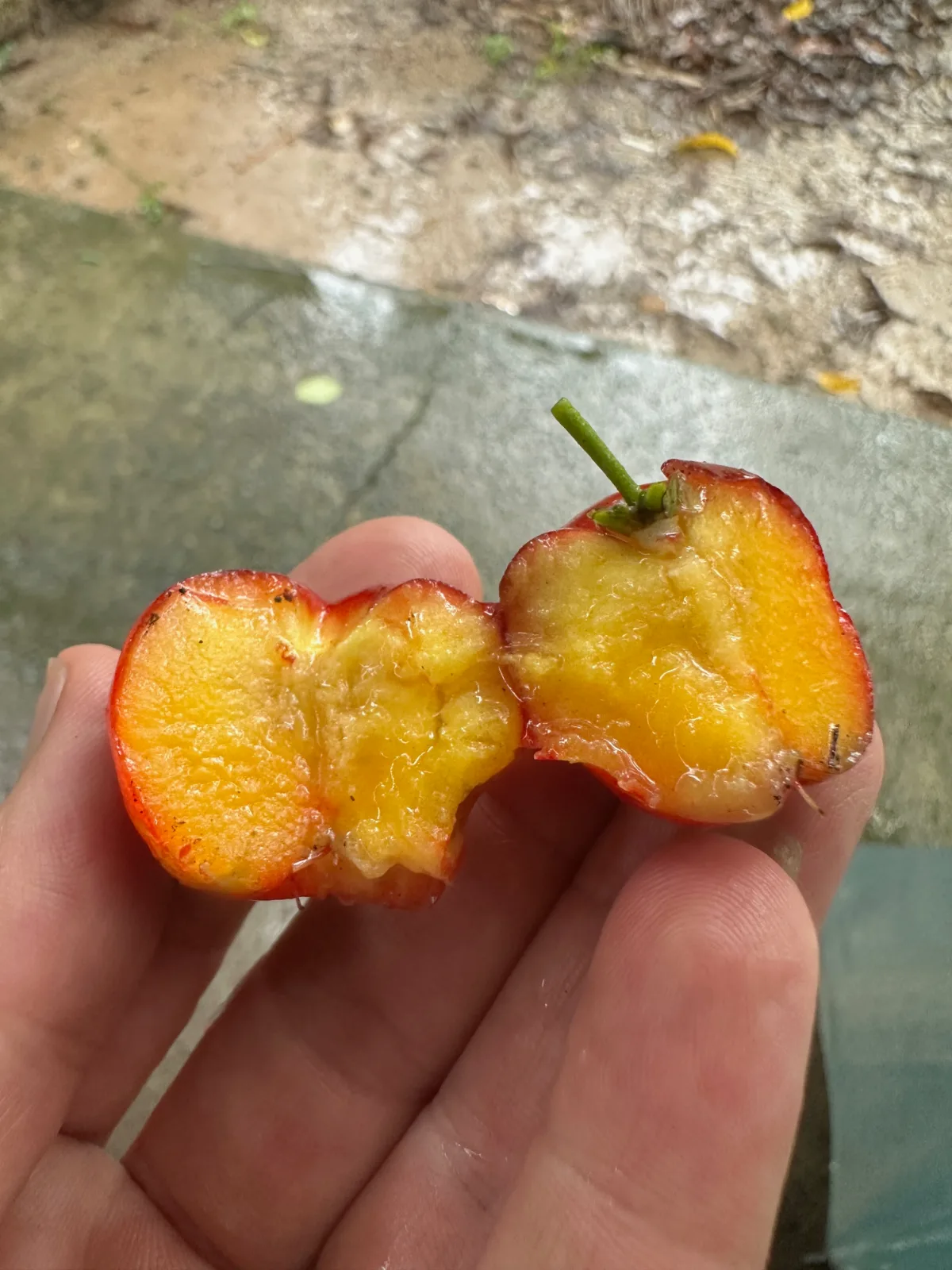
Ripe acerola is juicy and soft with a flavour that ranges from sharply tart to pleasantly tart-sweet. Fruit quality varies between seedlings and named selections, so one tree can taste noticeably different from another.
Each fruit is small and usually has three lobes around its seeds. The skin turns bright red as it ripens and the flesh becomes delicate very quickly.
The fruit is famous for vitamin C. Levels vary with cultivar, ripeness and handling, and vitamin C falls after harvest. That combination of high vitamin C and poor keeping quality explains why acerola is often processed into juice, frozen pulp or powder.
When and How to Harvest Acerola
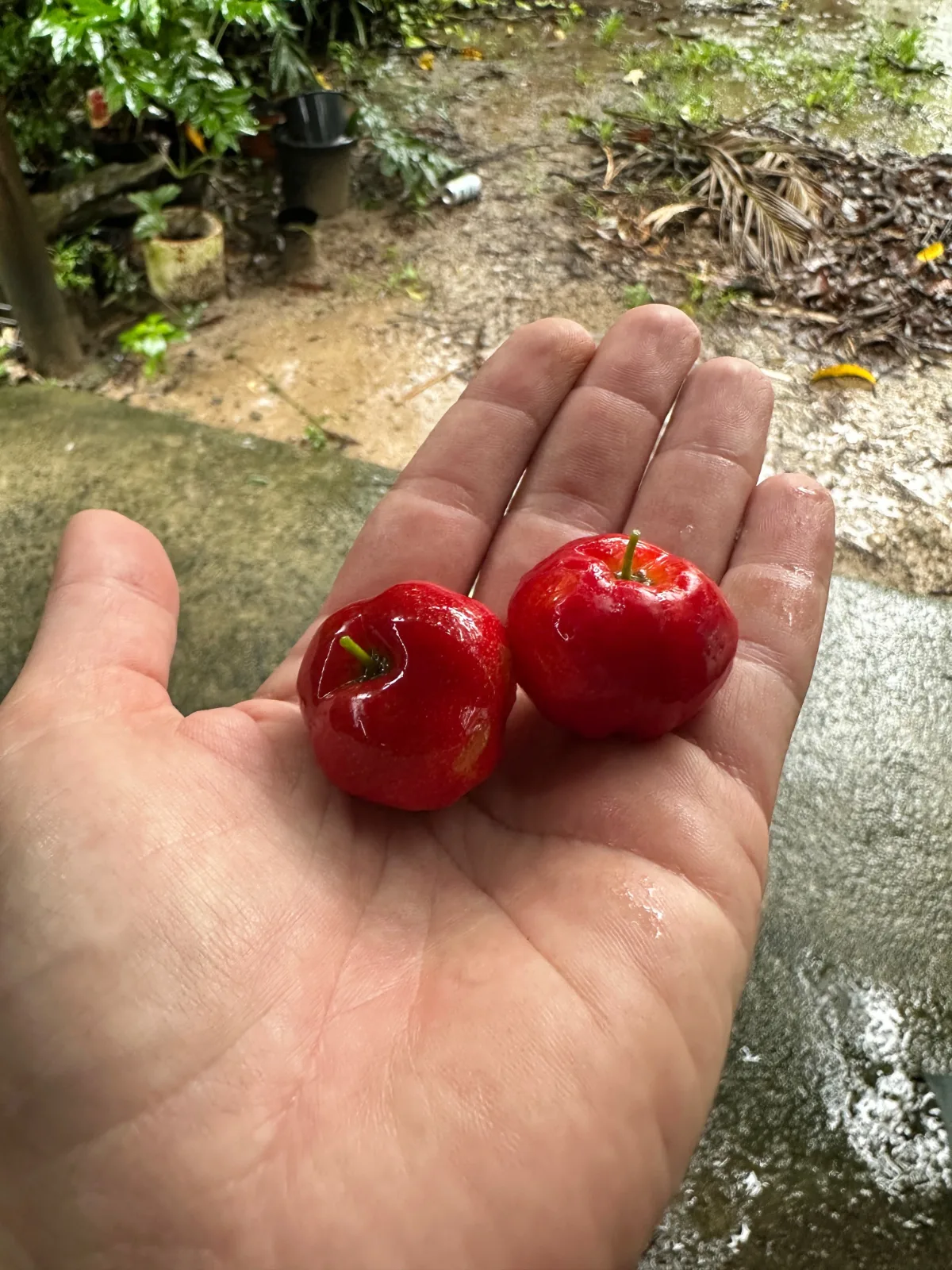
Pick acerola when the fruit is fully coloured and beginning to soften. Fruit intended for immediate eating can be allowed to become deep red on the plant, while fruit for handling or processing can be picked slightly firmer.
Use a gentle hand. Fully ripe acerola bruises easily and does not store like citrus or apples. Put fruit into a shallow container rather than piling a large harvest into a deep bucket.
Cool or process the crop soon after picking. If you have more than you can eat fresh, freezing pulp is a practical way to deal with a heavy flush without expecting the fruit to sit in the fridge for a long period.
How to Propagate Acerola Cherry
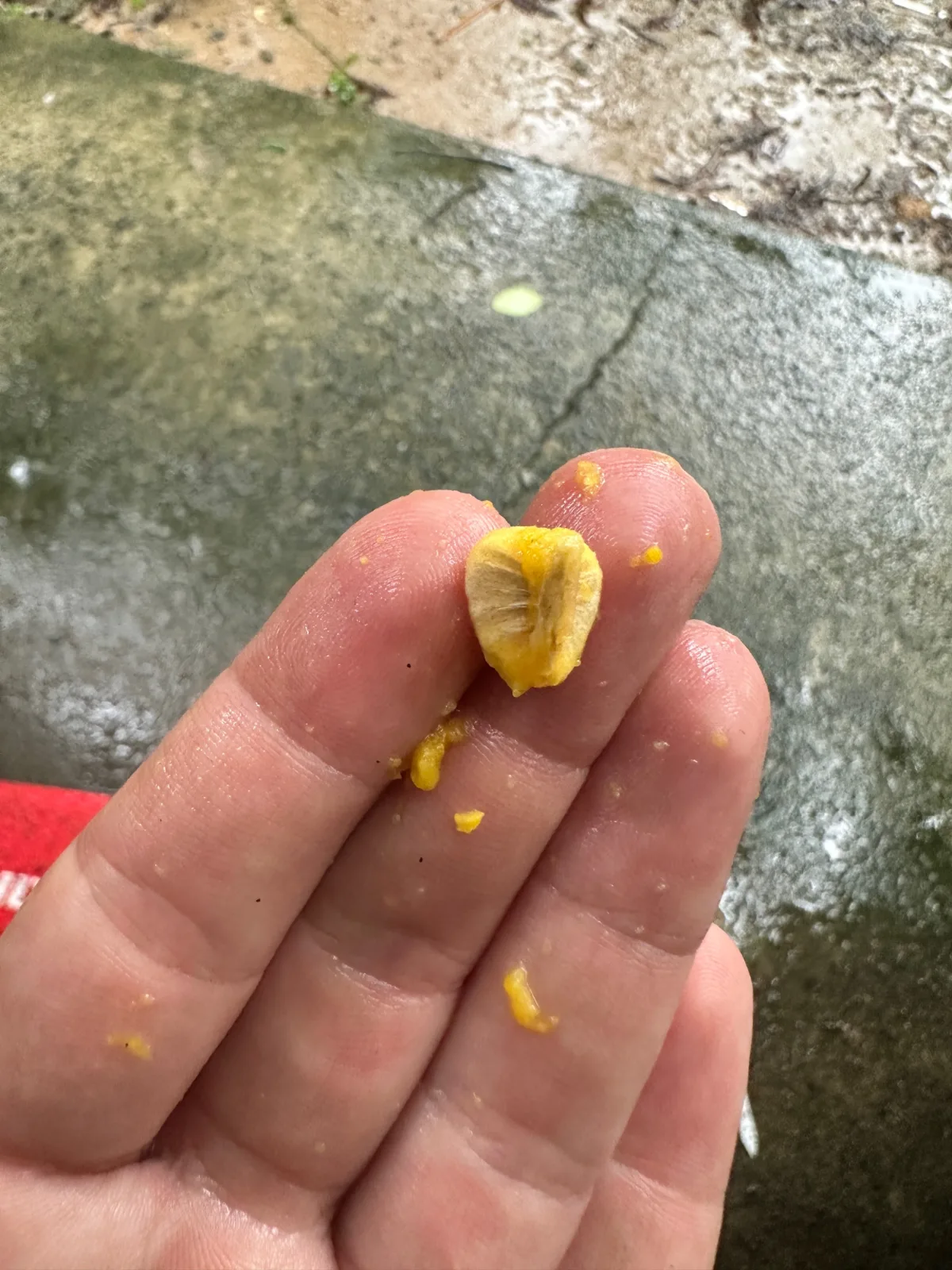
Acerola can be grown from seed, but seedlings are variable. Fruit size, flavour, productivity and growth habit may differ from the parent, so seed is useful for experimentation rather than making an exact copy of a particularly good tree.
Cuttings and grafting are used to preserve selected plants. Semi-hardwood cuttings need warmth, humidity and a clean propagation medium, and rooting success can vary. Buying a named vegetatively propagated plant is the simpler choice if predictable fruit quality matters.
Fresh seed should be cleaned of fruit pulp before sowing. Germination can be uneven, so do not discard the seed tray simply because the first seedlings appear at different times.
Can Acerola Grow in a Pot?
Yes, especially while young or when regularly pruned. Use a substantial container with excellent drainage and a quality potting mix. A pot also lets gardeners in marginal climates move a smaller plant into a protected position during cold weather.
Container acerola needs more regular watering and feeding than a tree with roots in open ground. As the plant grows, root congestion can reduce vigour and make watering difficult, so repot or root-prune before the container becomes a solid mass of roots.
Keep the canopy in proportion to the pot. A top-heavy fruiting shrub in a light container can tip over in wind.
Common Acerola Problems in Australia
Fruit fly is one of the most important crop problems where fruit-fly species are present. Follow the current fruit-fly advice for your state or territory, remove fallen fruit promptly and use appropriate monitoring or exclusion methods. Birds may also take ripe red fruit, and fine netting can protect a small tree if installed so wildlife cannot become trapped.
Scale insects can settle on stems and leaves, while leaf spots may appear in humid weather. Inspect new growth regularly rather than waiting for a large infestation.
Poor flowering or fruit set can come from shade, heavy nitrogen feeding, water stress or a plant that is still juvenile. Root problems are more likely where drainage is poor.
Where Acerola Fits in a Food Forest
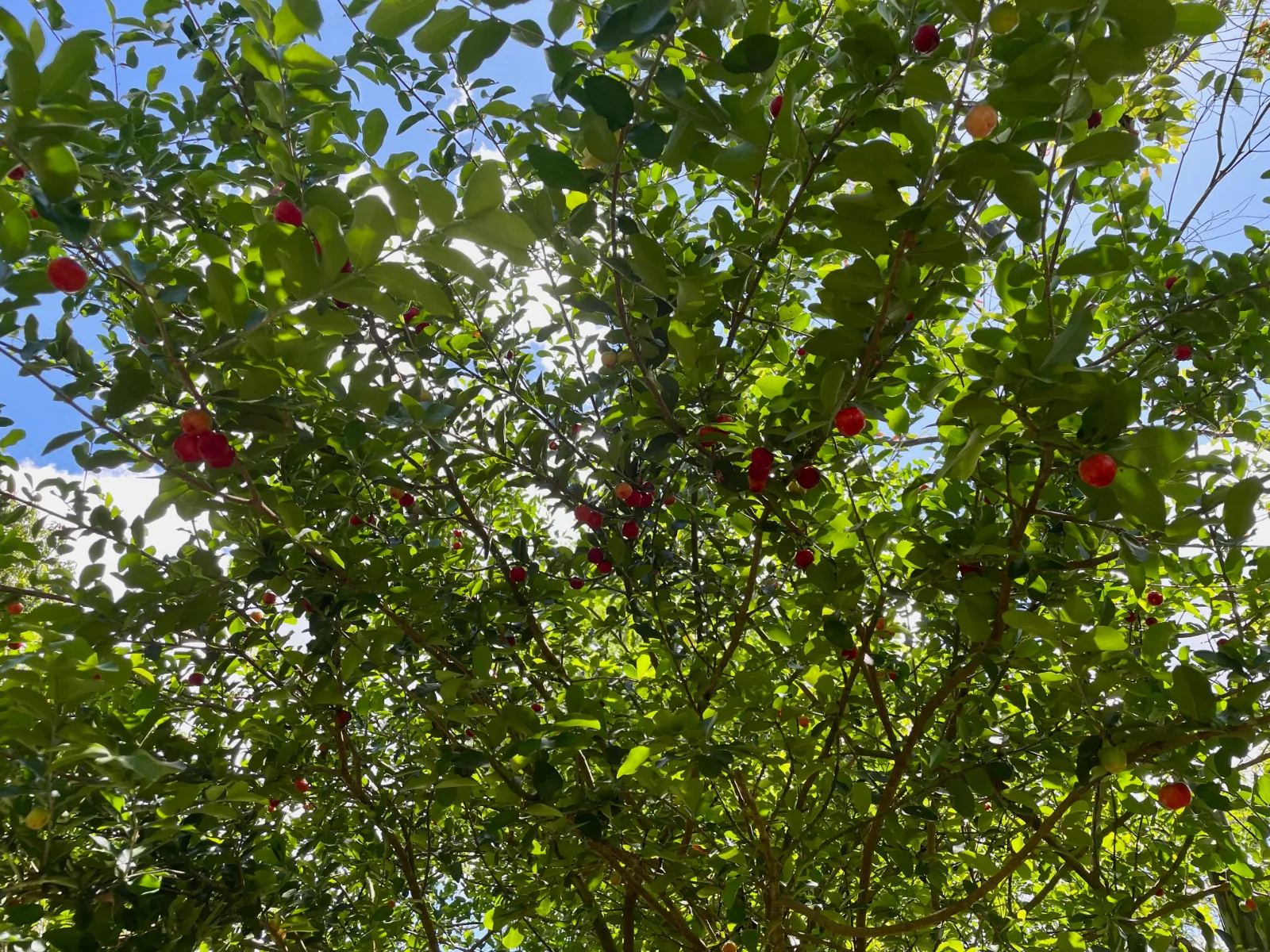
Acerola fits the shrub to small-tree layer of a tropical or subtropical food forest. Its naturally branching habit makes it useful along sunny edges where it can receive enough light to crop without competing directly under a dense upper canopy.
Keep enough access around the plant to harvest soft fruit frequently. A heavily shaded acerola may stay alive but will not give the same crop as a plant receiving good sun.
Because it responds to pruning, you can manage it as a compact fruiting shrub beside taller trees. Use the prunings as ordinary garden biomass only when they are free of serious insect damage or disease.
Is Acerola Cherry Native or Weedy in Australia?
Acerola is not native to Australia. Malpighia emarginata is naturally distributed from Mexico through Central America into northern South America and has been introduced to many warm regions for its fruit.
Brancho's weed review for the exact taxon found no Australian weed warning in the authoritative sources checked. That does not make every introduced plant harmless in every setting, but there is no reason to turn weed status into the focus of normal acerola care advice.
As with any fruit plant, dispose of unwanted seedlings and garden material responsibly rather than dumping them into bushland.
Sources I Checked
- Kew Plants of the World Online: Malpighia emarginata for accepted taxonomy and native range
- Australian botanical and horticultural references for Barbados cherry / acerola cultivation and identification
- Australian state and territory biosecurity and weed resources for exact-taxon weed review
- Australian fruit-fly guidance for crop-protection context
- Horticultural references for flowering, harvest, propagation and post-harvest behaviour
These sources were used to cross-check taxonomy, Australian climate suitability, plant size, flowering and fruiting, harvest, propagation, safety and weed status.
Questions People Ask
- Can acerola cherry grow in Queensland?
Yes. Tropical and subtropical Queensland suit acerola well. Give it good sun, reliable moisture while flowering and fruiting, and protection from frost in cooler inland or elevated districts.
- How big does an acerola cherry tree grow?
It is usually a branching shrub or small tree around 2 to 4 metres high and wide in gardens. Regular pruning can keep it lower and make the soft fruit easier to harvest.
- Does acerola need two trees to fruit?
No. A single acerola plant can produce fruit. Insect pollination helps fruit set, so protect bees and other flower visitors while the plant is blooming.
- How long does acerola take to fruit?
Vegetatively propagated plants can begin fruiting relatively young in warm conditions, while seedlings vary. Establishment, climate and propagation method all affect the time to the first useful crop.
- Can acerola grow in a pot?
Yes. Use a large free-draining container, prune the canopy to a manageable size and water and feed more regularly than you would an established plant in the ground.
- When is acerola cherry ripe?
Fruit is ripe when it has turned bright to deep red and begins to soften. Fully ripe fruit bruises easily, so pick gently and eat, chill or process it soon after harvest.
- Is acerola the same as Barbados cherry?
Yes. Barbados cherry and West Indian cherry are common names used for Malpighia emarginata, the species covered by this guide.
- Is acerola a true cherry?
No. Acerola belongs to the Malpighiaceae family. True cherries belong to the genus Prunus in the rose family.
Keep Acerola Low Enough to Pick
Acerola is at its best when you can reach the crop easily and pick fruit as it colours. Give it plenty of sun, steady moisture through flowering and fruit development, and prune after a heavy crop to keep fresh growth within reach. In a warm Australian garden, a healthy plant can reward you with several fruiting flushes rather than one short annual harvest.