
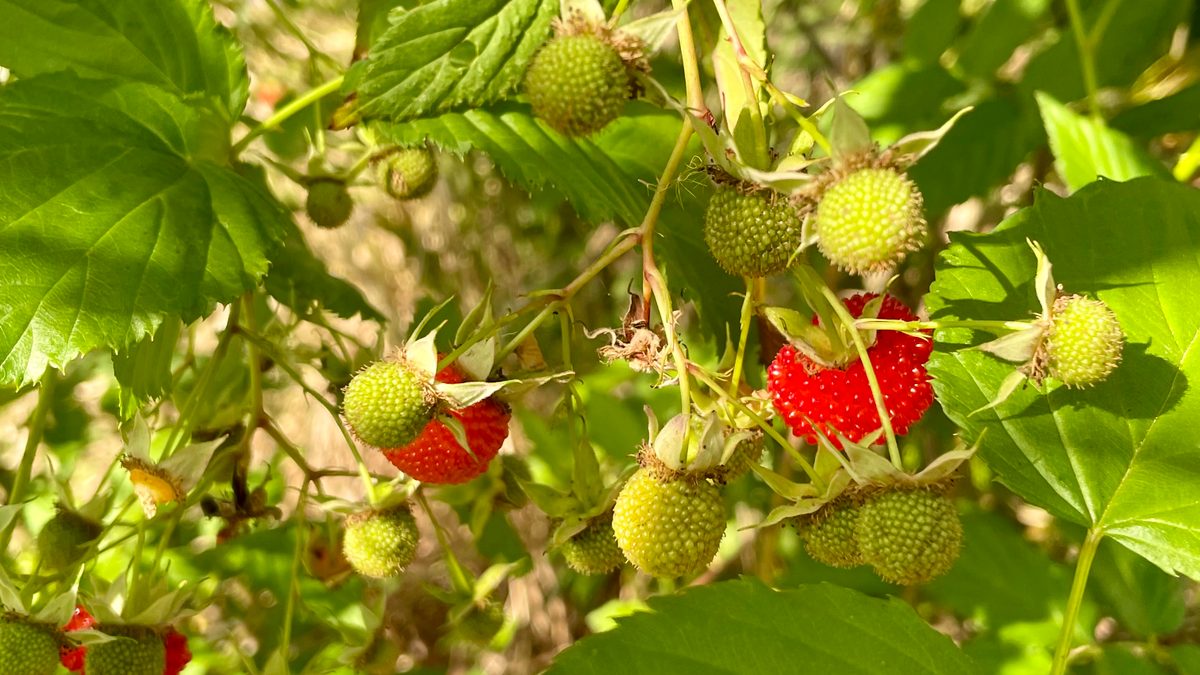

Atherton raspberry (Rubus probus) is a Queensland native raspberry for warm, humid gardens. It occurs naturally in north-east and eastern Queensland and grows well through the heat and humidity of tropical and subtropical districts.
The fruit is bright red with a sharp raspberry flavour. Plants can flower and fruit over a long warm season, and the canes spread by suckers. Give them sturdy support and a clear boundary from the start so picking and pruning stay manageable.
- Botanical name: Rubus probus
- Plant type: Australian native perennial bramble
- Native range: North-east and eastern Queensland
- Climate: Tropical and subtropical; also warm sheltered sites farther south
- Position: Full sun to light part shade
- Size: Around 2–3 m high, with canes spreading several metres if unpruned
- Support: A fence, trellis or strong wires make pruning and harvest much easier
- Fruit: Bright red with a stronger, sharper raspberry flavour than many cultivated raspberries
What Is Atherton Raspberry?
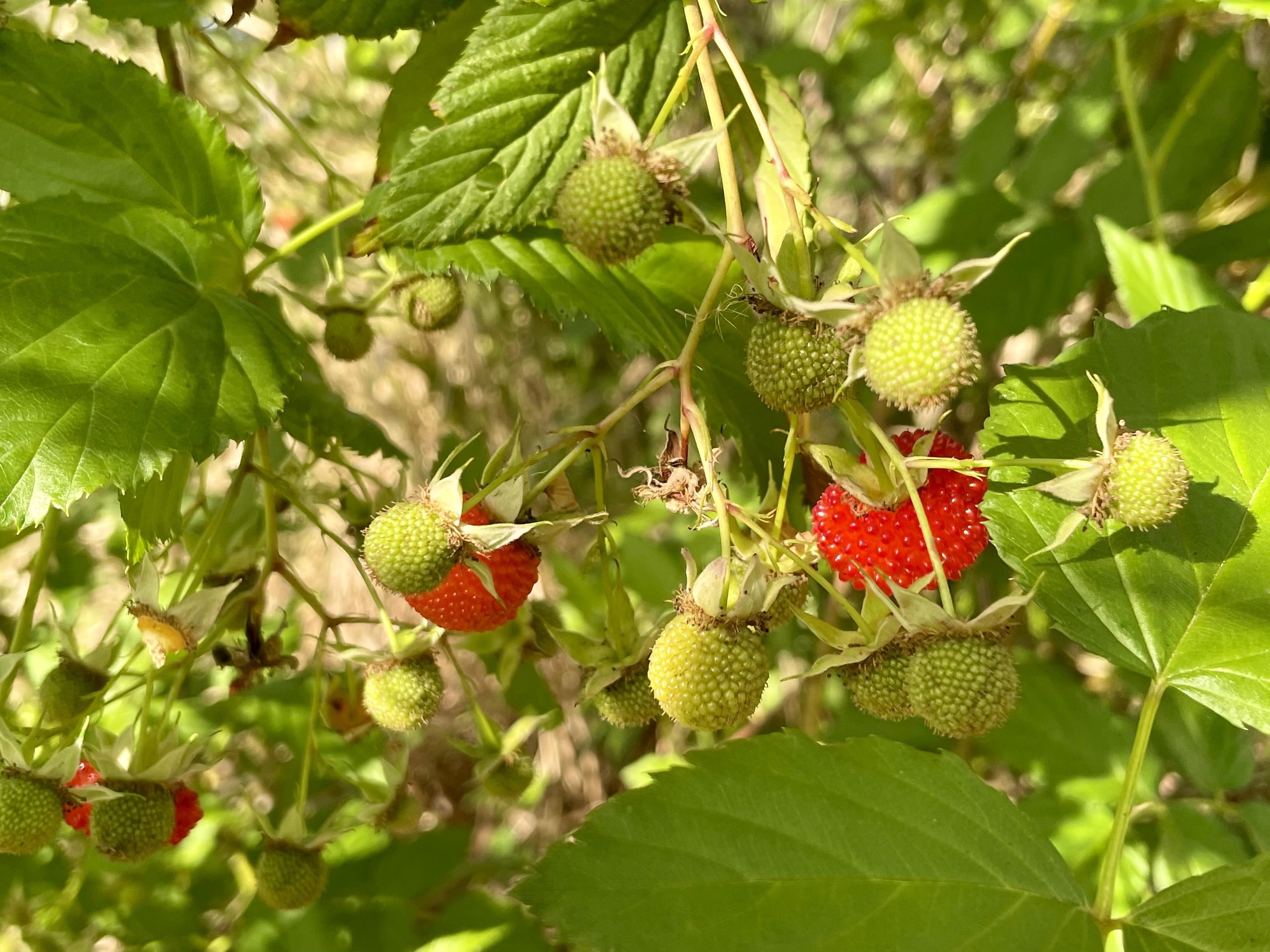
Atherton raspberry is Rubus probus, a native Queensland species rather than a warm-climate cultivar of ordinary raspberry. It makes long prickly canes, white flowers and clusters of red fruit.
The canes can scramble through nearby plants or form a dense thicket if you leave them alone. In a home garden I would grow it more like a managed bramble: give it a fence or wires, keep access open for picking, and remove suckers that appear outside the area you want.
If you are choosing between Atherton raspberry and standard raspberry, climate is the main difference. R. probus is the better fit for warm humid gardens; Rubus idaeus is better in cool and temperate districts.
Where Atherton Raspberry Grows Best
Atherton raspberry is native to Queensland and is well suited to tropical and subtropical gardens. It grows strongly through warm wet summers and does not need the winter chill that ordinary raspberries prefer.
It can also grow farther south in warm sheltered positions. Frost may damage soft new growth, so colder gardens need more protection than the plant needs in Queensland.
Full sun gives the best flowering and fruiting in most gardens. Light afternoon shade can be useful in very hot exposed sites, but deep shade usually gives you longer canes and fewer flowers.
Where to Plant It and What Support to Use
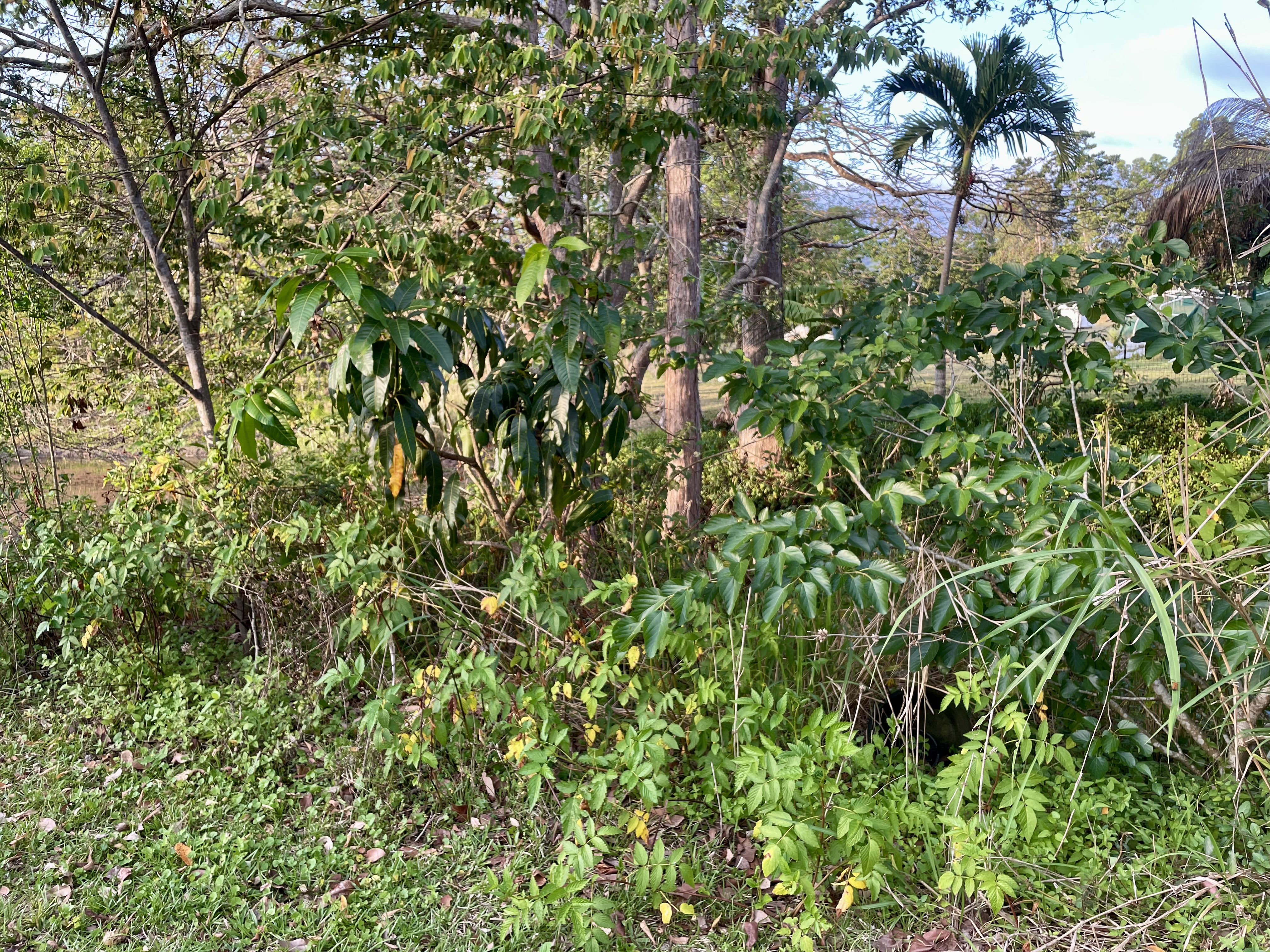
Give Atherton raspberry room. A sturdy fence, two or three horizontal wires, or a strong trellis makes the canes much easier to train and keeps fruit within reach.
Think about access before planting. You do not want to push through mature prickly canes every time you pick fruit, so leave a clear side or path for pruning and harvest.
On a larger property it can work well along an edible boundary or the edge of a food forest. I would not plant it where runners can disappear into an unmanaged bank, creekline or neighbouring garden.
Soil and Planting
Plant Atherton raspberry in fertile soil that holds moisture without staying saturated. Compost before planting if the soil is poor, and mulch after planting to keep the root zone cooler and reduce moisture swings.
Plant at the same depth it was growing in the pot and water it in well. Around 1.5–2 m between plants is a useful starting point if you want separate clumps; allow more room if you plan to let them fill a long fence.
The plant is vigorous once established, but regular water in the first season helps it build a strong root system before you ask it to carry a heavy crop.
How Much Water Does Atherton Raspberry Need?
Keep the soil reasonably even while the plant is establishing, flowering and filling fruit. In tropical wet-season weather you may need very little irrigation, while a hot dry spring can need regular deep watering.
The shallow feeder roots benefit from mulch. Top it up when the soil begins to show through, but keep thick mulch away from the crown.
If berries stay small or canes wilt repeatedly through hot weather, check soil moisture before reaching for fertiliser.
Feeding Atherton Raspberry
A productive plant benefits from compost and a light balanced feed as new growth starts. You do not need a heavy feeding program.
Atherton raspberry naturally makes strong cane growth. If the plant is already producing long, healthy green canes, extra nitrogen will mostly give you more cane to manage.
I prefer to build the soil with compost and mulch, then add a moderate complete fertiliser only when growth or fruiting suggests the plant needs more.
How to Prune Atherton Raspberry
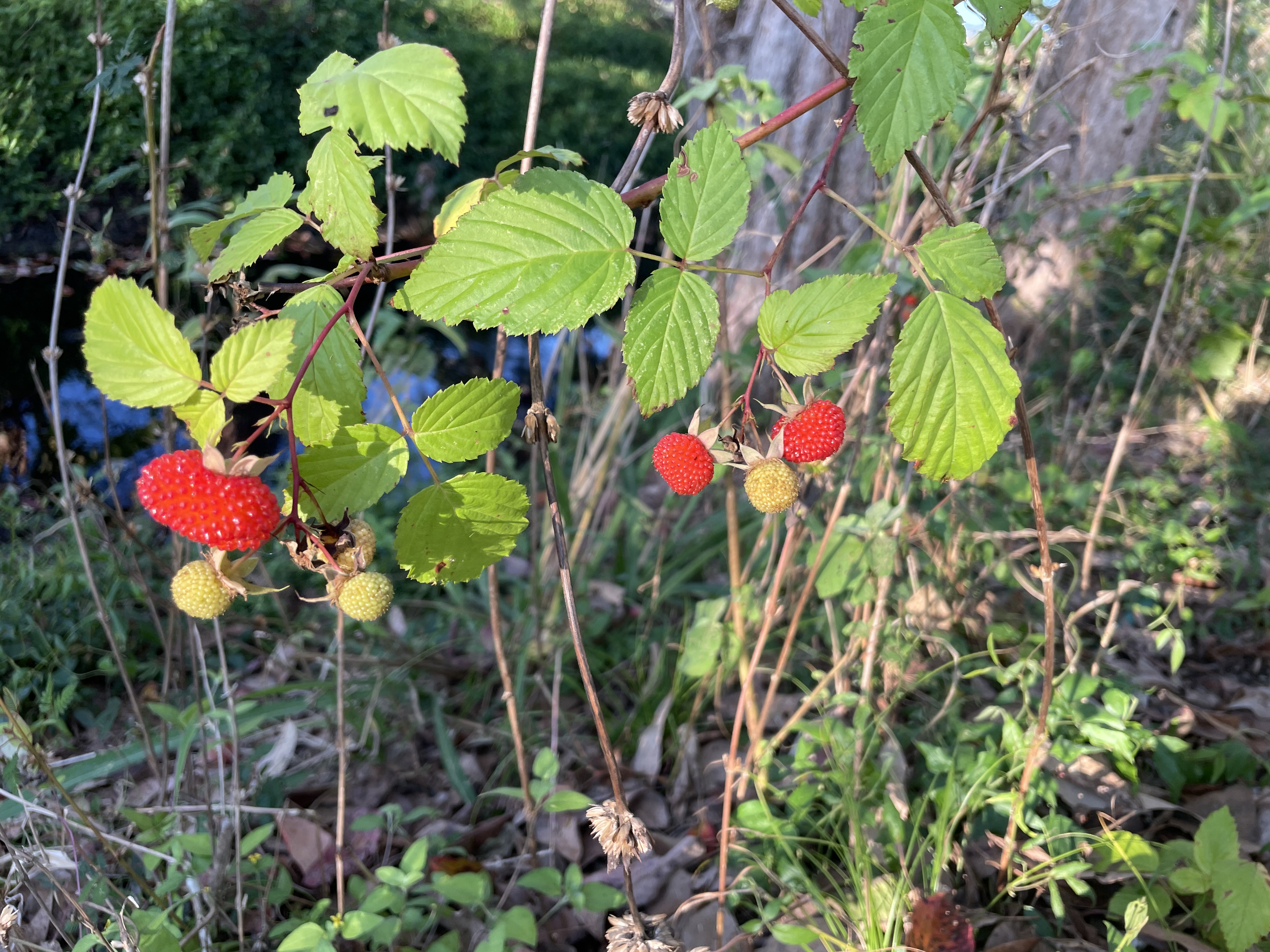
Prune regularly rather than waiting for the plant to become a tangled thicket.
After fruiting, cut out canes that have finished cropping and remove dead, damaged or badly placed stems. Keep the strongest fresh canes and train them along the support. Shorten growth that is extending well beyond the space you have allowed.
You can also thin the centre of a dense clump so you can reach the fruit and air can move through the canes. Wear gloves and eye protection; mature plants are prickly enough to make careful pruning worthwhile.
How to Keep Atherton Raspberry From Spreading Everywhere
New shoots can appear away from the main clump as the root system spreads. Remove unwanted suckers while they are small; they are much easier to deal with before they become full canes.
A mown strip, root barrier or clearly edged bed makes containment easier on a larger property. If a sucker has formed useful roots, you can lift it and replant it somewhere else.
Do not dump unwanted rooted pieces or canes where they can establish outside the garden.
Grow a Little Wild
New plants to try, useful growing tips and a few garden jobs based on what you grow.
When Does Atherton Raspberry Flower and Fruit?
In warm climates the flowering and fruiting period can be long rather than one short flush. Flowers are followed by red berries that ripen progressively, so check the plant often once the first fruit begins colouring.
Timing changes with local weather, pruning and the age of the canes. In a tropical or subtropical garden, the plant may not follow the neat winter-summer schedule of European raspberries.
If you have plenty of cane growth but little fruit, look first at light, pruning, water and excess nitrogen.
When to Pick Atherton Raspberries
Pick the berries when they are fully red, plump and release easily. If you have to pull hard, leave them another day or two.
The flavour is usually sharper and stronger than a supermarket raspberry. Eat them fresh, freeze them, or use them for jam, sauces, baking and drinks.
Warm weather shortens the time ripe fruit stays in good condition, so harvest regularly. Birds will also find the red fruit quickly; net the crop if you want to keep most of it.
How to Propagate Atherton Raspberry
The easiest way to make another plant is from a rooted sucker. Lift it with as much root as possible, cut it away from the parent and replant it during mild weather.
Firm cuttings from healthy current-season growth can also root. Seed is possible but slower, so I would use suckers or cuttings when I already had a good plant.
Keep new plants watered until they establish and decide where they are going permanently before the root system starts travelling.
Can You Grow Atherton Raspberry in a Pot?
You can keep one in a large container, but it is not my first choice for a permanent crop. The plant makes a large root system and long canes, while a pot dries quickly in hot weather.
If you do use a container, choose a large sturdy pot, quality free-draining mix and a support that will not topple when the canes get heavy. Expect to water and prune more often than you would with a plant in the ground.
Common Atherton Raspberry Problems
Dense tangled growth is the most common management problem. Thin old and badly placed canes before the centre becomes difficult to reach.
Small or dry fruit usually points back to moisture, crowding or heat. Lots of soft green growth with little fruit can come from too much shade or nitrogen.
Birds are often the main crop thieves. Leaf spots and cane disease are easier to manage when old material is removed and the plant has good airflow.
Atherton Raspberry in a Food Forest or Permaculture Garden
Atherton raspberry can be useful as a productive edge plant where you want fruit, flowers for insects and a dense barrier.
I would keep it on an edge rather than planting it through the middle of a mixed bed. That gives you room to control suckers and keeps the prickly canes away from plants you need to reach regularly.
Because it is a Queensland native, it is also a good option when you want an edible plant that is already suited to warm Australian conditions rather than adapting a cool-climate berry.
Is Atherton Raspberry Native to Australia?
Yes. Rubus probus is native to north-east and eastern Queensland.
That is different from standard garden raspberry, Rubus idaeus, which comes from temperate parts of the Northern Hemisphere. The two plants are related, but they suit very different Australian climates.
Sources I Checked
- Kew Plants of the World Online — Rubus probus
- Australian Native Plants Society (Australia) — Rubus probus
- Gardening Australia — warm-climate native raspberry notes
I used these for the native range, growth habit, fruit description, warm-climate performance and propagation guidance.
Questions People Ask
- Is Atherton raspberry the same as normal raspberry?
No. Atherton raspberry is Rubus probus, a Queensland native. Ordinary garden raspberry is usually Rubus idaeus and suits cooler climates.
- Does Atherton raspberry grow in the tropics?
Yes. Tropical and subtropical Queensland are well within the climate range where it grows strongly.
- How big does Atherton raspberry get?
Allow for a clump around 2–3 m high with canes that can spread several metres unless you prune and contain the suckers.
- Does Atherton raspberry need a trellis?
It can scramble without one, but a fence or trellis makes the canes much easier to train, prune and pick.
- When are Atherton raspberries ripe?
Pick when the berries are fully red, plump and release easily from the plant.
- Can I grow Atherton raspberry from a sucker?
Yes. A rooted sucker is one of the easiest ways to propagate it.
- Is Atherton raspberry native to Australia?
Yes. Rubus probus is native to north-east and eastern Queensland.
Growing Atherton Raspberry at Home
Atherton raspberry suits warm Australian gardens and can fruit for years with a strong support, regular water through flowering and fruiting, and a clear boundary for suckers. Give the canes room to renew and harvest regularly once the fruit starts colouring.