



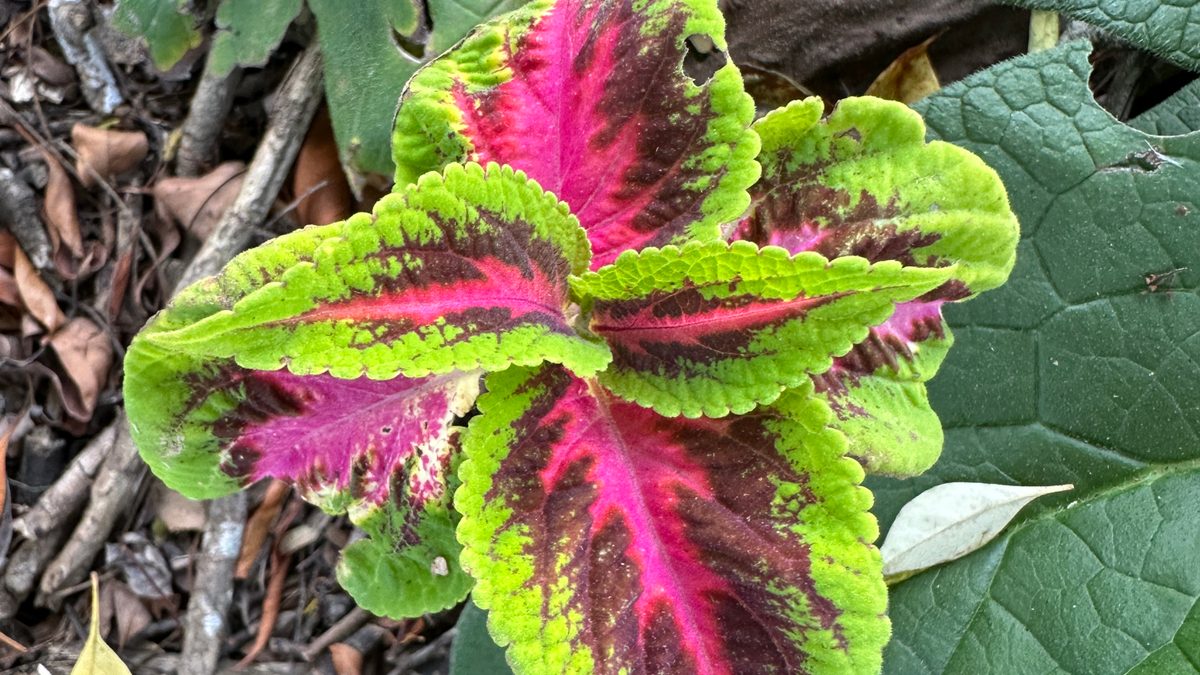

Coleus (Coleus scutellarioides) is grown for its foliage, with cultivars in lime, burgundy, pink, red, cream and almost every mix between them. In warm Australian gardens it can grow as a short-lived perennial. In colder districts, gardeners usually grow it through summer or keep favourite forms going from cuttings.
Light and regular tip-pruning shape the plant. Give it the light level suited to the cultivar, then pinch young shoots to encourage a full, branching plant.
- Botanical name: Coleus scutellarioides
- Plant type: Tender perennial, often grown as a warm-season annual
- Native range: South-east Asia through parts of the western Pacific and northern Australia
- Light: Bright shade to sun, depending on cultivar and climate
- Size: Roughly 15–90 cm, depending on cultivar
- Spacing: Usually 25–45 cm apart
- Propagation: Very easy from tip cuttings
- Cold tolerance: Growth slows in cool weather and frost damages exposed plants
Choosing a Coleus Variety
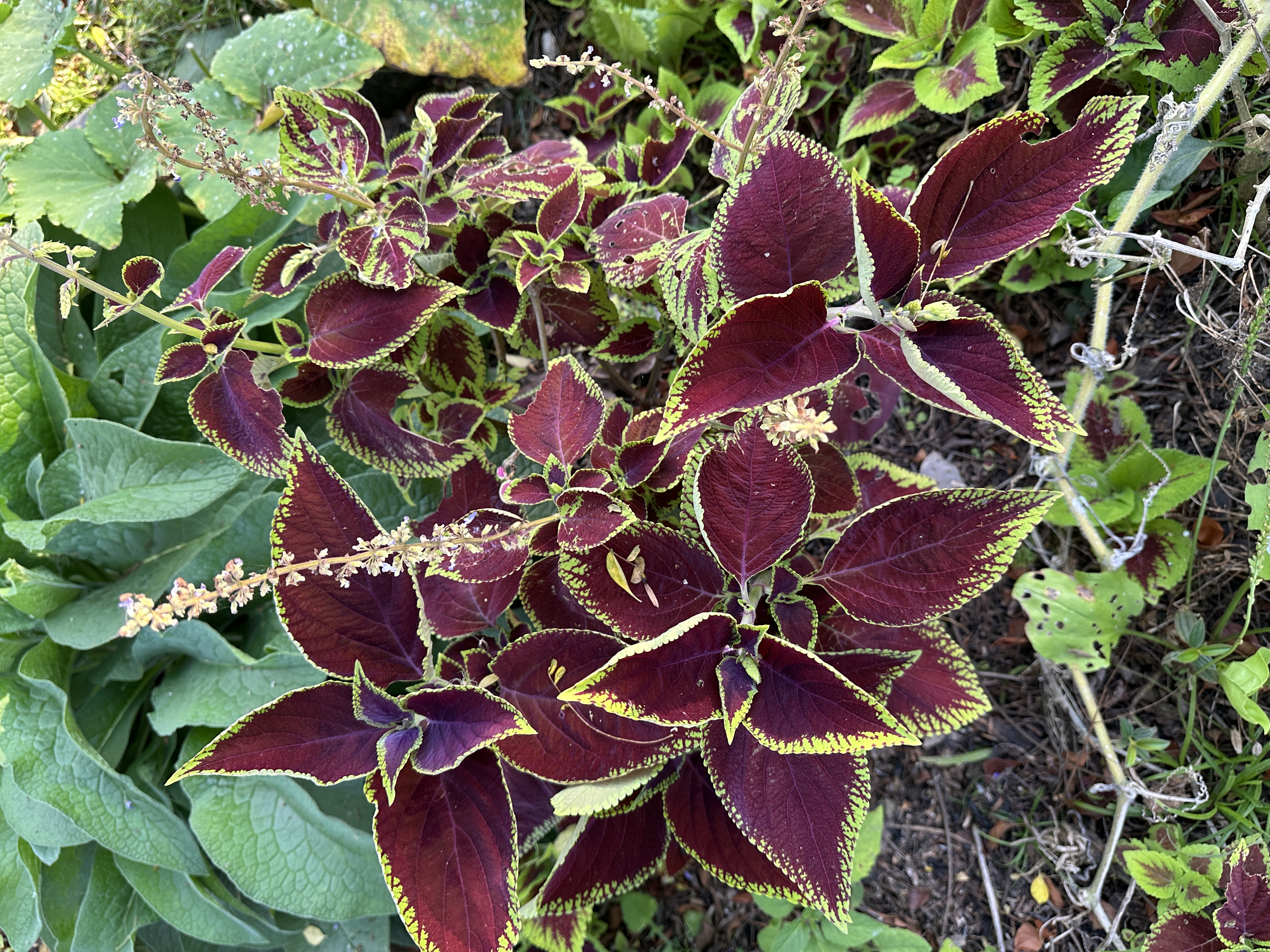
Coleus cultivars vary in size, leaf shape, colour and how much direct sun they can handle.
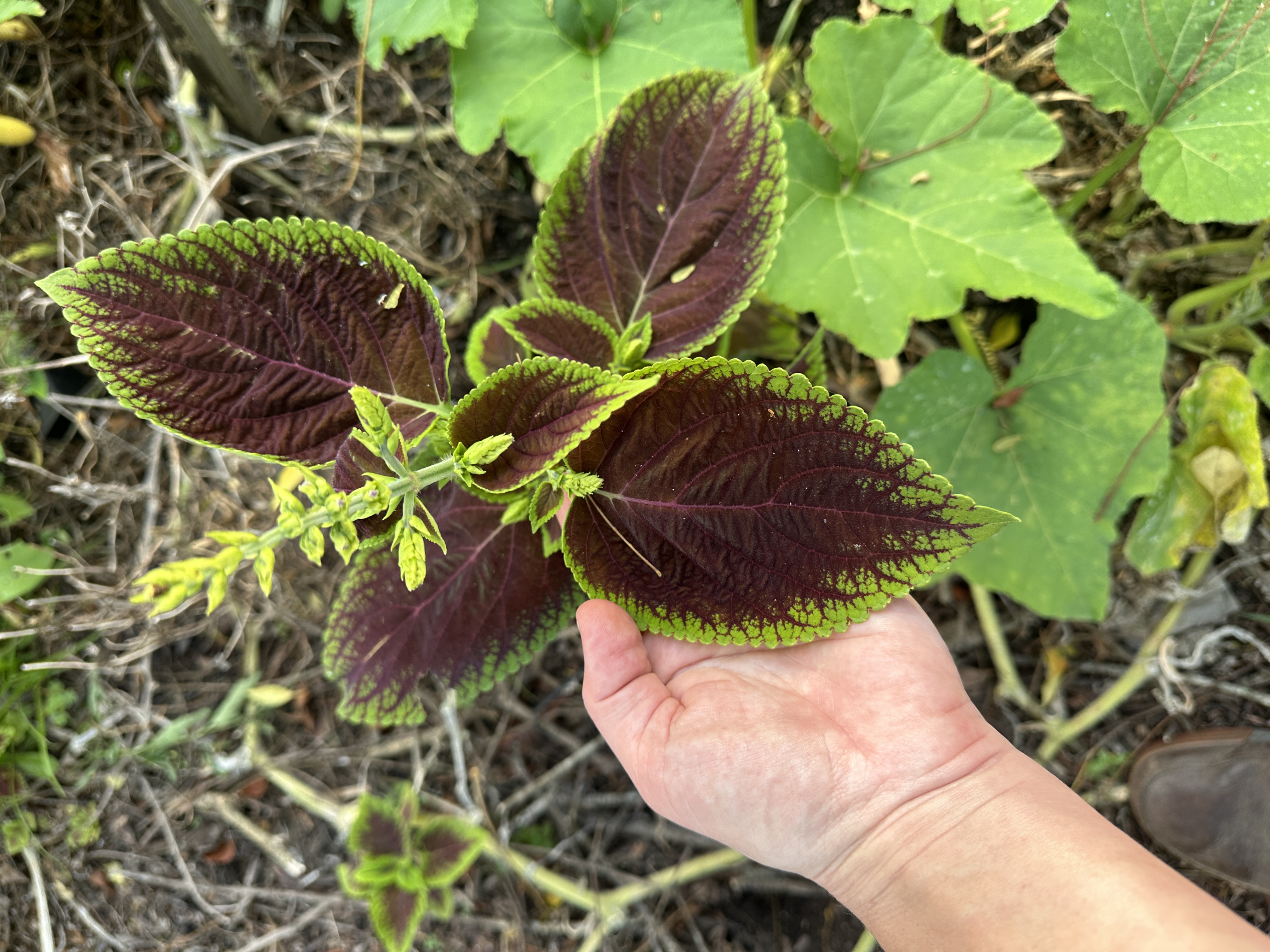
Kong Series plants are known for very large leaves and a broad, mounded habit, with cultivars such as Kong Rose, Kong Red and Kong Scarlet. Black Dragon is a much darker, deeply coloured cultivar, while Redhead is grown for strong red foliage. You will also see many unnamed nursery selections sold simply by colour.
If the plant will sit in strong sun, choose a cultivar labelled for sun rather than assuming every coleus will cope. For pots and indoor growing, compact growth is usually more useful than maximum leaf size. If you find a colour you really like, take cuttings because vegetative propagation keeps that exact plant.
Does Coleus Need Sun or Shade?
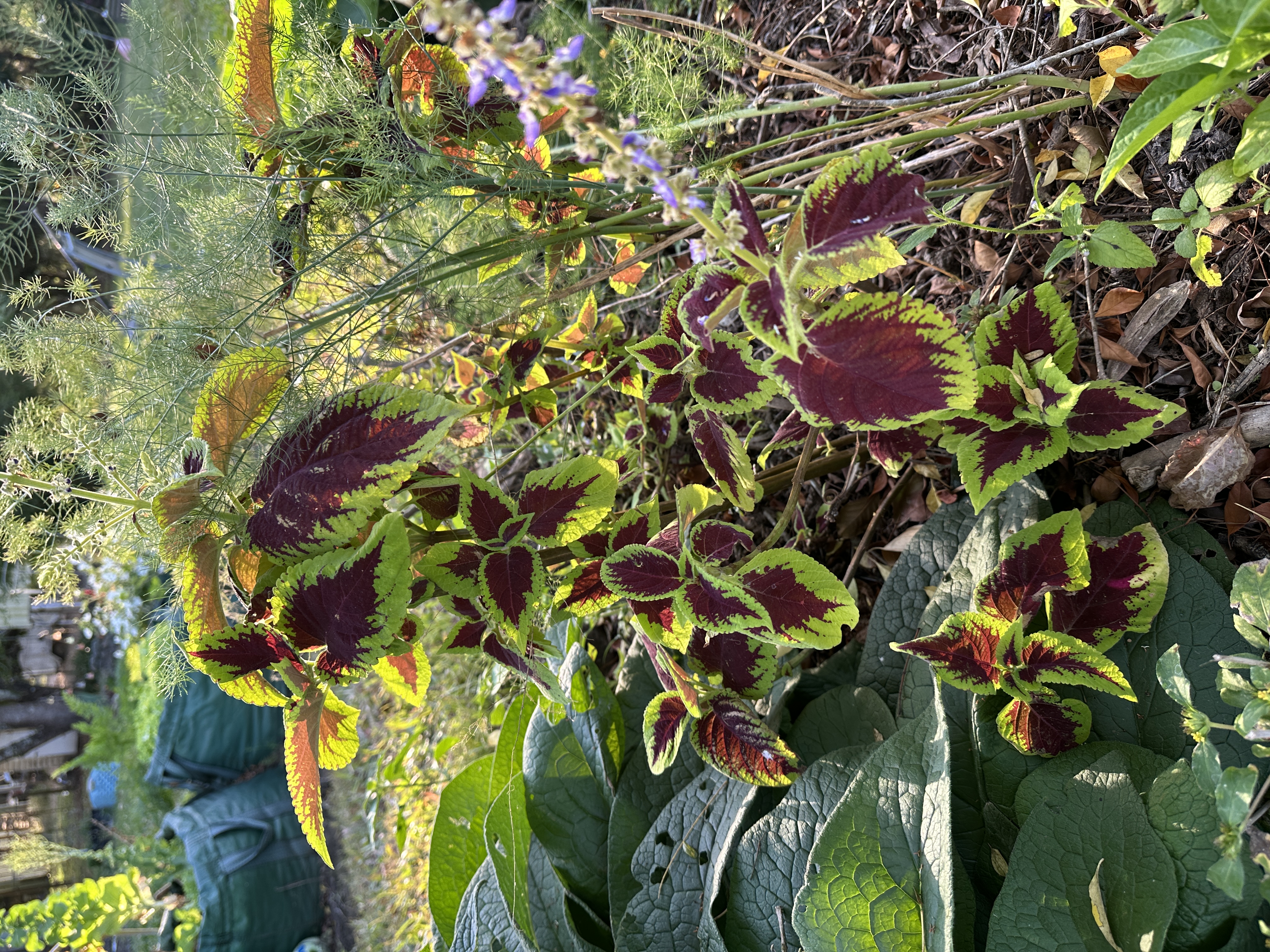
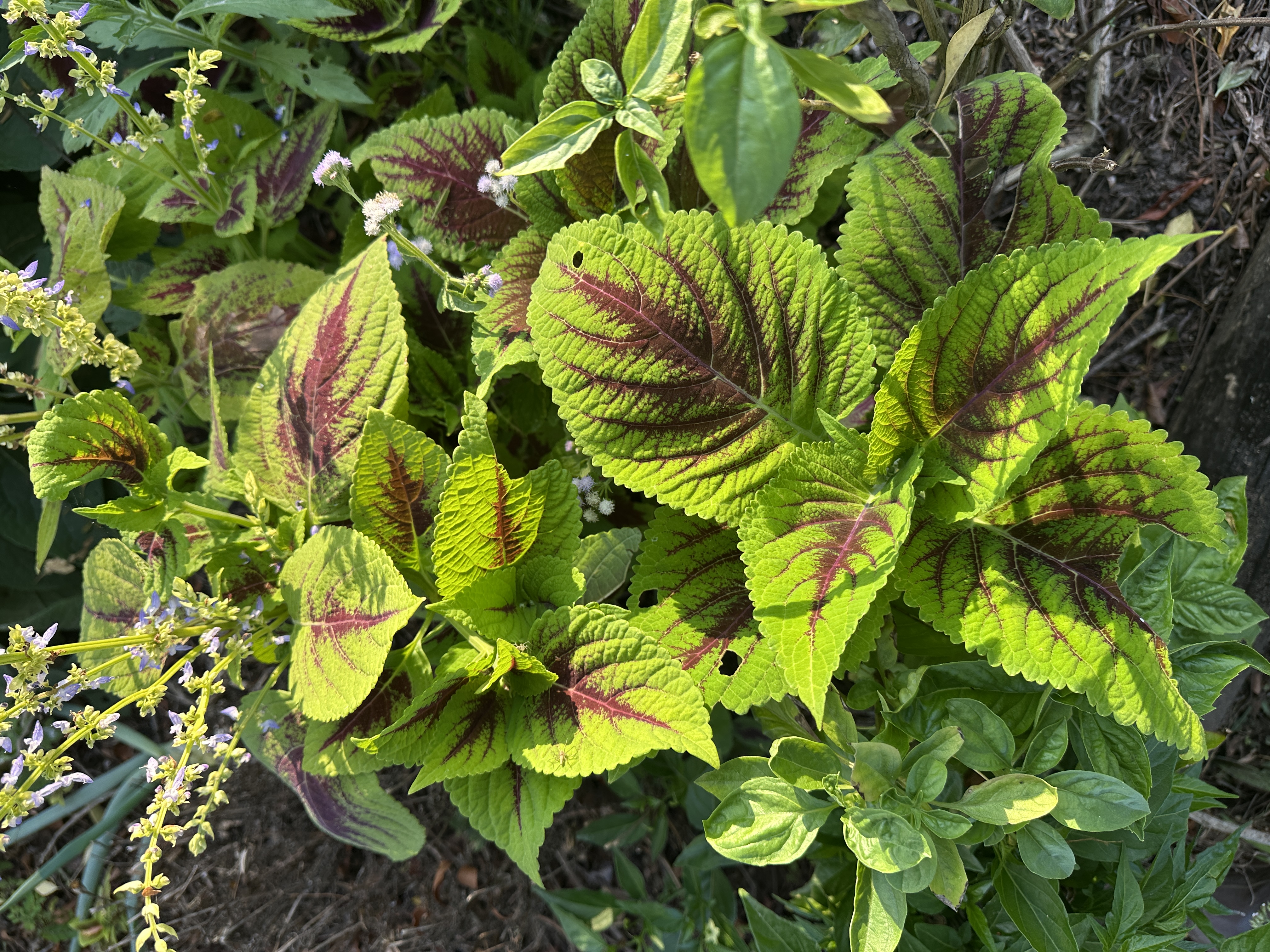
Most coleus grows well in bright shade, filtered light or morning sun. Some modern cultivars handle much more direct sun, while others bleach or scorch in hot afternoon light.
Deep shade causes the opposite problem. Stems stretch, the gaps between leaves get longer and strong colours can fade.
In a hot subtropical or tropical garden, I would usually start with morning sun and afternoon protection unless the cultivar is sold as sun-tolerant. In cooler areas, more direct sun can work because the light is less intense.
Coleus in Australian Climates
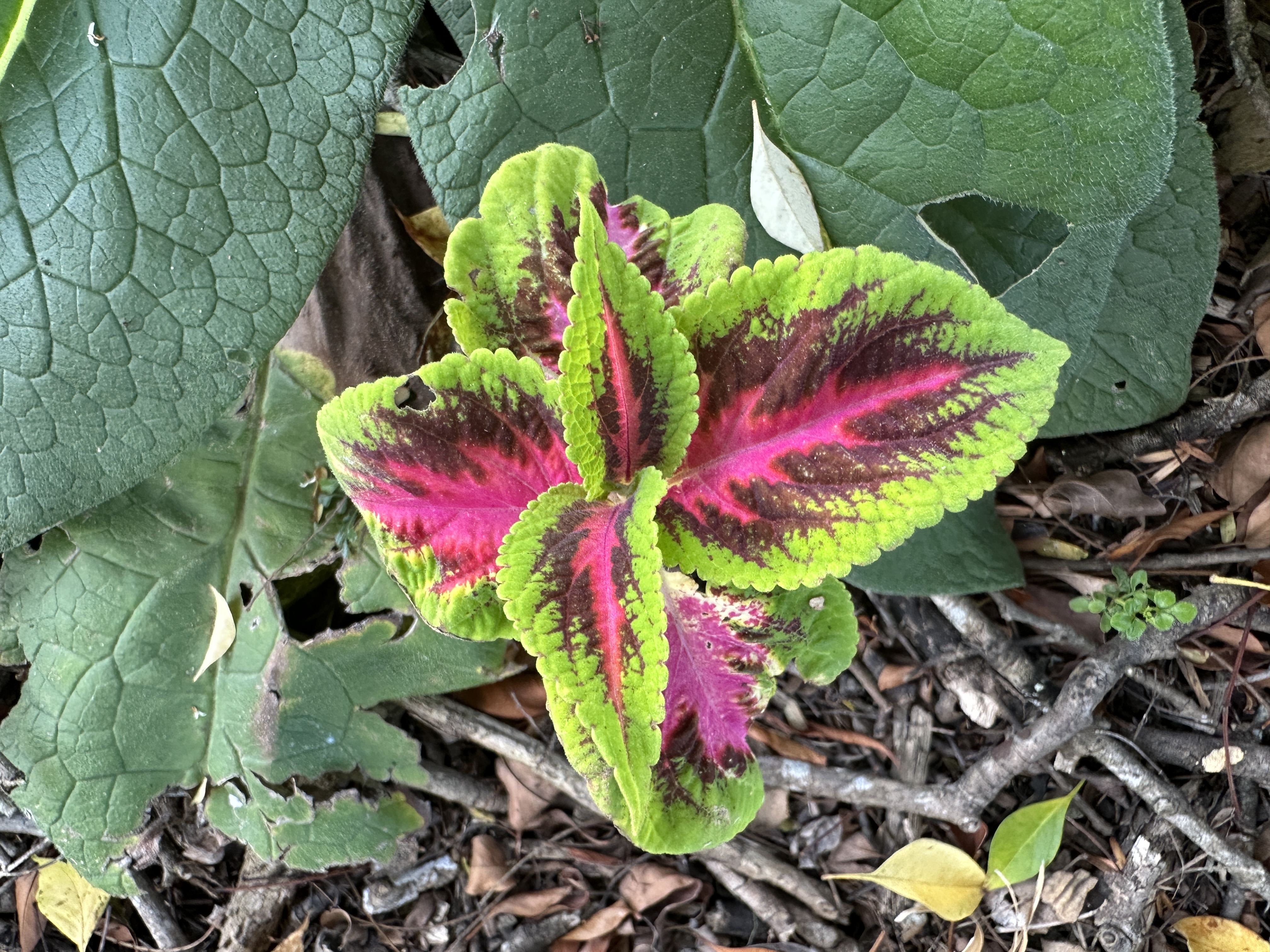
Coleus is naturally a warm-climate plant and the species occurs in northern Australia as well as across parts of Asia and the Pacific.
In tropical and subtropical gardens, plants can keep growing for much of the year and may behave as short-lived perennials. In temperate areas they grow quickly through the warm months but slow sharply as nights cool.
Frost can kill exposed growth. If you want to keep a favourite cultivar through winter, take cuttings before cold weather and keep them somewhere bright and protected.
Planting Coleus in Beds and Pots
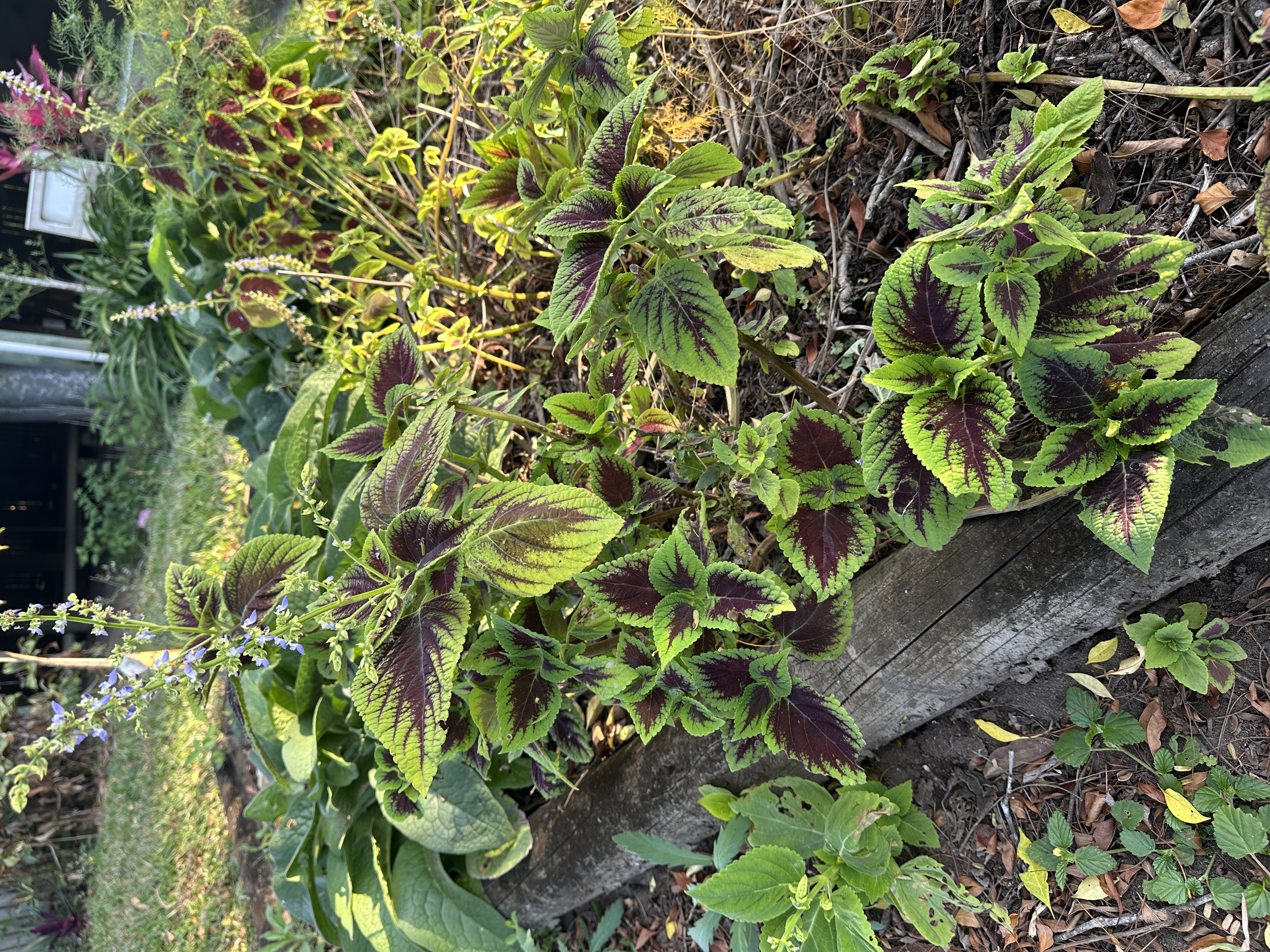
Plant coleus into fertile, free-draining soil once the weather is warm. Around 25–45 cm between plants suits most garden cultivars, while very compact or very large forms can need less or more room.
In pots, use a quality potting mix and a container that is large enough to hold moisture through a hot day. A small pot full of fast leafy growth can dry much faster than you expect.
Pinch the growing tip soon after planting or once the plant has settled in. Early pinching gives you more side branches before the stems become long and bare.
How Often Should You Water Coleus?
Water when the upper part of the soil or potting mix begins to dry. Coleus has soft leafy growth and can wilt quickly when the root zone gets too dry, particularly in small pots.
Give the plant a thorough watering, then let excess water drain away. Repeated severe wilting costs leaves and slows growth, while constantly saturated soil can lead to stem and root rot.
In hot weather you may need to check container plants daily. Garden plants with mulch and a larger root zone usually need less frequent watering.
Feeding Coleus
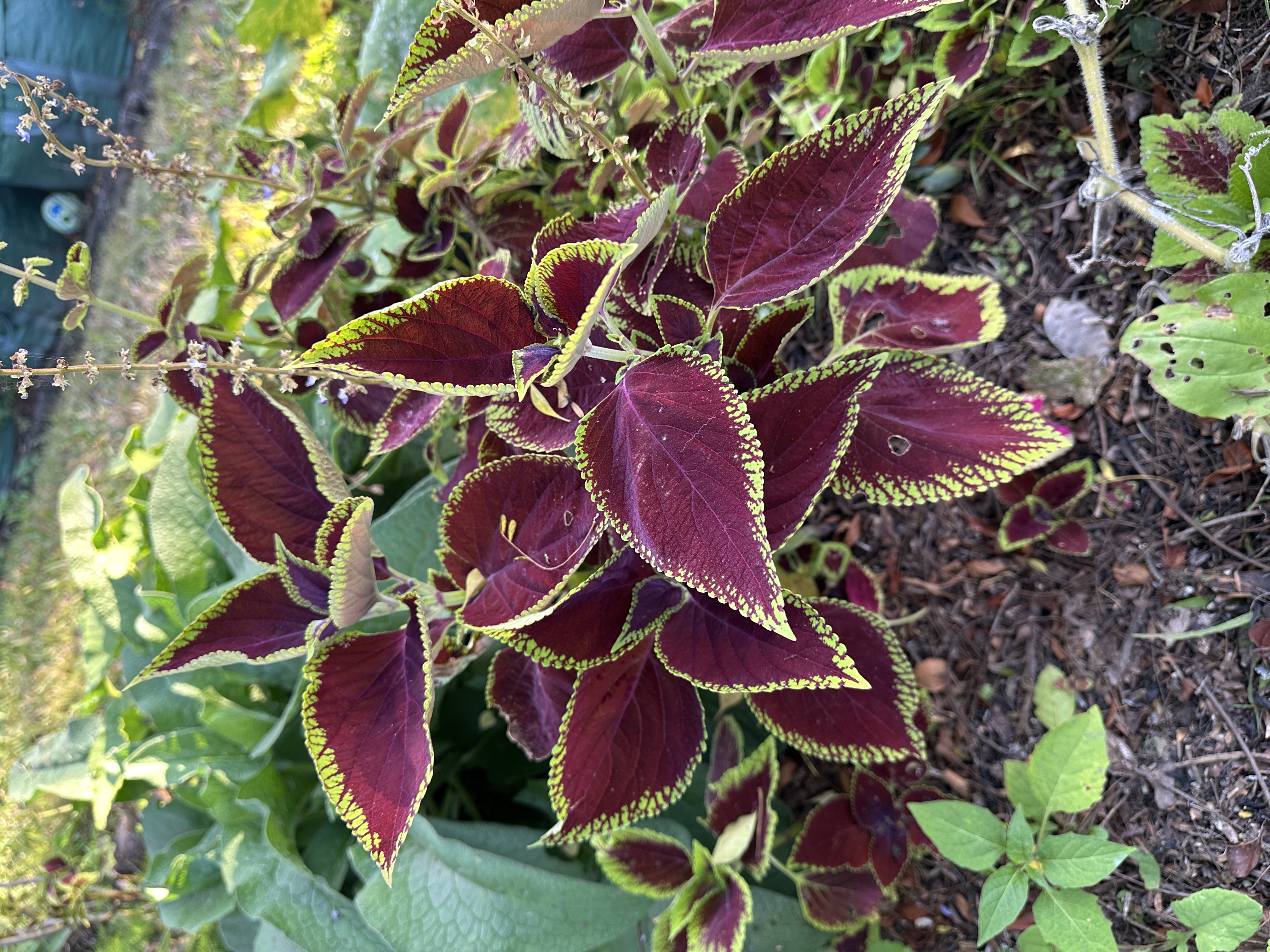
Coleus does not need heavy feeding to stay colourful. In a garden bed with compost-rich soil, a light balanced feed during active growth is often enough.
For pots, a controlled-release fertiliser or a dilute liquid feed every few weeks keeps growth moving through spring and summer. If stems become very soft and floppy, ease back rather than adding more.
Colour problems are more often about light than fertiliser, so do not chase faded leaves with stronger feeding before you check the position.
How to Make Coleus Bushy
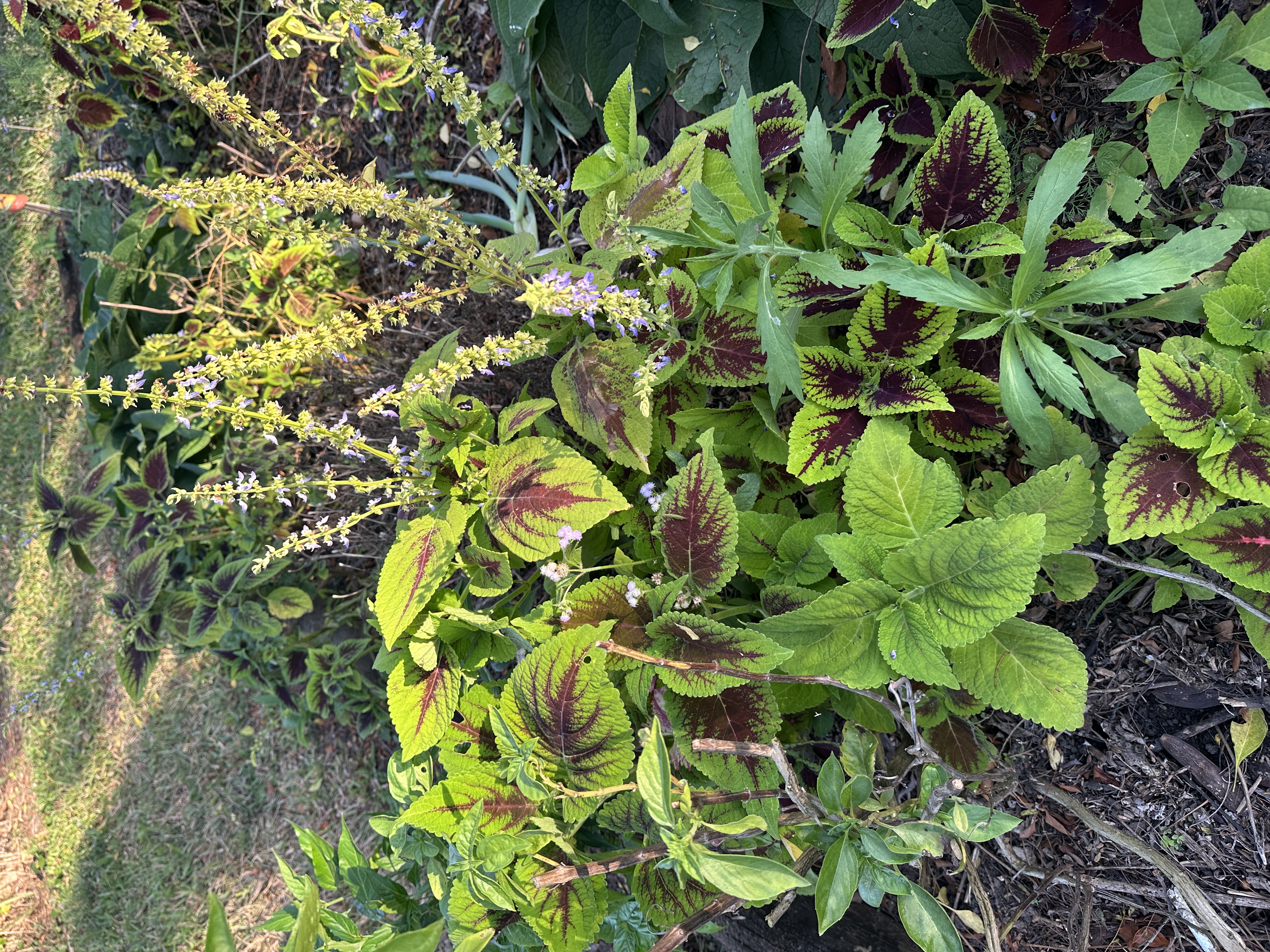
Pinching is the easiest way to change a tall plant into a branching one. Remove the growing tip just above a pair of leaves. The buds below the cut then develop into side shoots.
Once those side shoots have several pairs of leaves, pinch them as well. Repeating this while the plant is young builds a dense shape without needing a hard prune later.
Every healthy tip you remove can also become a cutting, so shaping the plant and propagating it can be the same job.
Grow a Little Wild
New plants to try, useful growing tips and a few garden jobs based on what you grow.
Should You Remove Coleus Flowers?
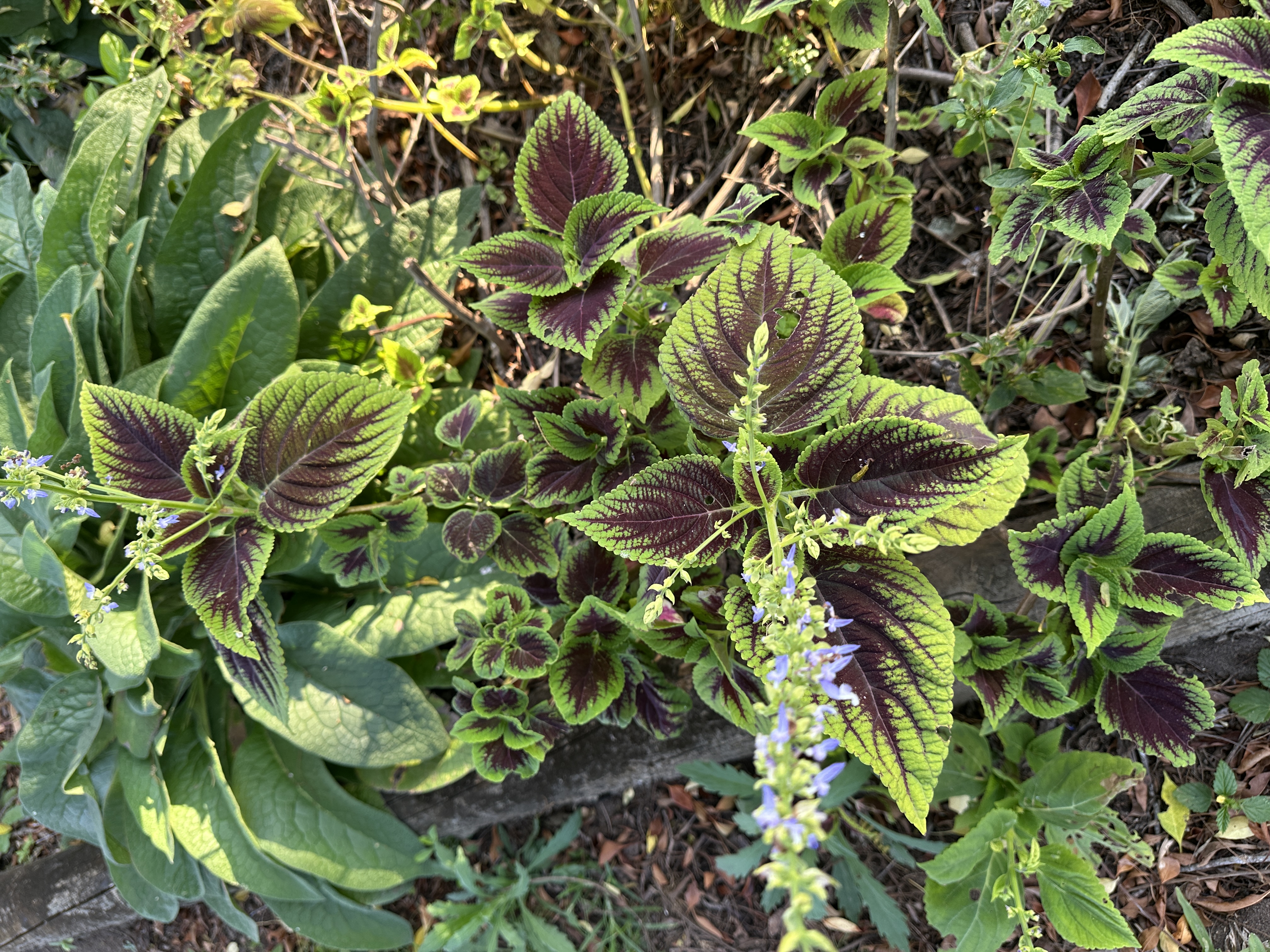
You can leave the flowers or remove them; it depends on what you want from the plant.
Coleus produces upright spikes of small blue to white flowers. If foliage is the main reason you grow it, removing the spikes usually keeps the plant more compact and encourages more leafy growth.
If you like the flowers or want insects to use them, leave some. The plant may become looser and less leaf-dense as flowering continues, but there is no rule that every spike has to come off.
How to Grow Coleus From Cuttings
Take a healthy tip about 8–12 cm long and remove the lower leaves. You can root it in water or put it straight into moist propagation mix.
In warm weather, roots usually form quickly. Once a water-rooted cutting has a small network of roots, move it into potting mix rather than leaving it in plain water indefinitely.
Cuttings are the best way to keep an exact cultivar. Seedlings can be interesting, but they may not come true to the leaf colour of the parent plant.
Can Coleus Grow Indoors?
Yes, provided it gets enough light.
Use a bright window or a very well-lit room. In a dim position the stems stretch and the colours fade, even if the plant stays alive.
Keep pinching the tips indoors and turn the pot occasionally if growth leans strongly toward the window. Check leaf undersides and stem joints for mealybugs, whitefly and mites, which can build up quickly indoors.
How to Keep Coleus Over Winter
In frost-free districts, an established plant may keep growing through winter, although growth usually slows.
In colder areas, take several cuttings before autumn. Small young plants are easier to keep in a bright protected position than one large woody parent.
Reduce feeding while growth is slow and water less often than you would in summer. Once nights warm again, pinch the new plants and move them back outside gradually.
Common Coleus Problems
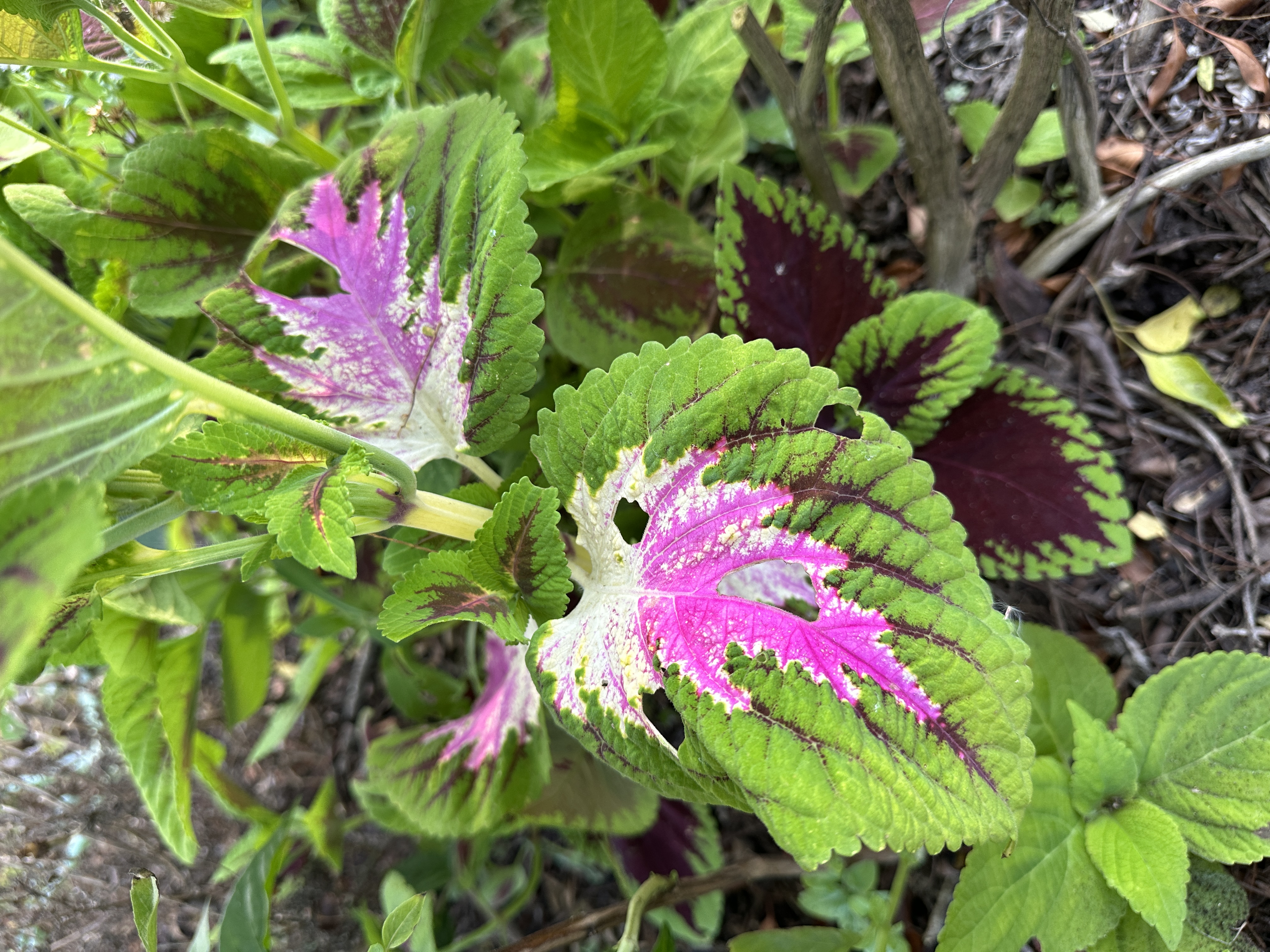
Leggy growth usually means the plant needs more light, more pinching or both. Bleached patches and crisp leaf edges can point to too much direct sun for that cultivar.
If stems soften at soil level or the plant collapses while the mix is wet, check for stem or root rot. Improve drainage and remove badly affected material.
Caterpillars, slugs and snails can chew outdoor foliage. Indoors, mealybugs, whitefly and mites are more common; check early so you can deal with a small infestation before it spreads through the plant.
Is Coleus Safe Around Pets?
The common name “coleus” is used for several different plants, which makes pet-toxicity lists confusing. Some toxicology references use coleus for species other than Coleus scutellarioides.
For that reason, I would treat ornamental coleus as a decorative plant rather than something for pets to chew. If a pet eats a large amount and becomes unwell, take the botanical name or a clear photo with you when you contact a vet.
Coleus and Weed Spread in Australia
Coleus scutellarioides is native in parts of northern Australia, including Queensland, the Northern Territory and Western Australia. Cultivated colour forms are also grown far outside that natural range.
Even with a native species, garden cultivars and dumped cuttings do not belong in nearby bushland. Dispose of prunings responsibly and remove volunteer seedlings or rooted cuttings that appear beyond the area you want planted.
Sources I Checked
- Kew Plants of the World Online — Coleus scutellarioides
- Gardening Australia — Plant Profile: Coleus
- Royal Horticultural Society — Coleus scutellarioides and cultivar records
- Missouri Botanical Garden — coleus growing information
I used these for taxonomy and native range, cultivar examples, light, watering, pinching, cuttings, overwintering and common insect care guidance.
Questions People Ask
- Does coleus prefer sun or shade?
Most cultivars grow well in bright shade or morning sun. Some modern cultivars handle full sun, especially in cooler climates, so check the label for the plant you buy.
- How do you make coleus bushy?
Pinch the growing tip just above a pair of leaves, then pinch the new side shoots once they have grown several pairs of leaves.
- Can coleus grow indoors?
Yes, but it needs a bright position. Low light usually causes stretched stems and duller leaf colour.
- Can you grow coleus from cuttings?
Yes. Tip cuttings root in water or moist propagation mix and keep the same leaf colour and pattern as the parent cultivar.
- Should I cut the flowers off coleus?
Only if foliage is your priority. Removing flower spikes keeps the plant more compact, but leaving some flowers is fine.
- Does coleus come back every year?
It can behave as a short-lived perennial in warm frost-free climates. In colder districts it is usually grown through summer or kept over winter from cuttings.

Keeping Coleus Looking Good
Coleus responds quickly to pinching and cuttings. Give it enough light for strong colour, pinch young growth to keep the plant branching, and take cuttings from any form you want to keep for another season.