
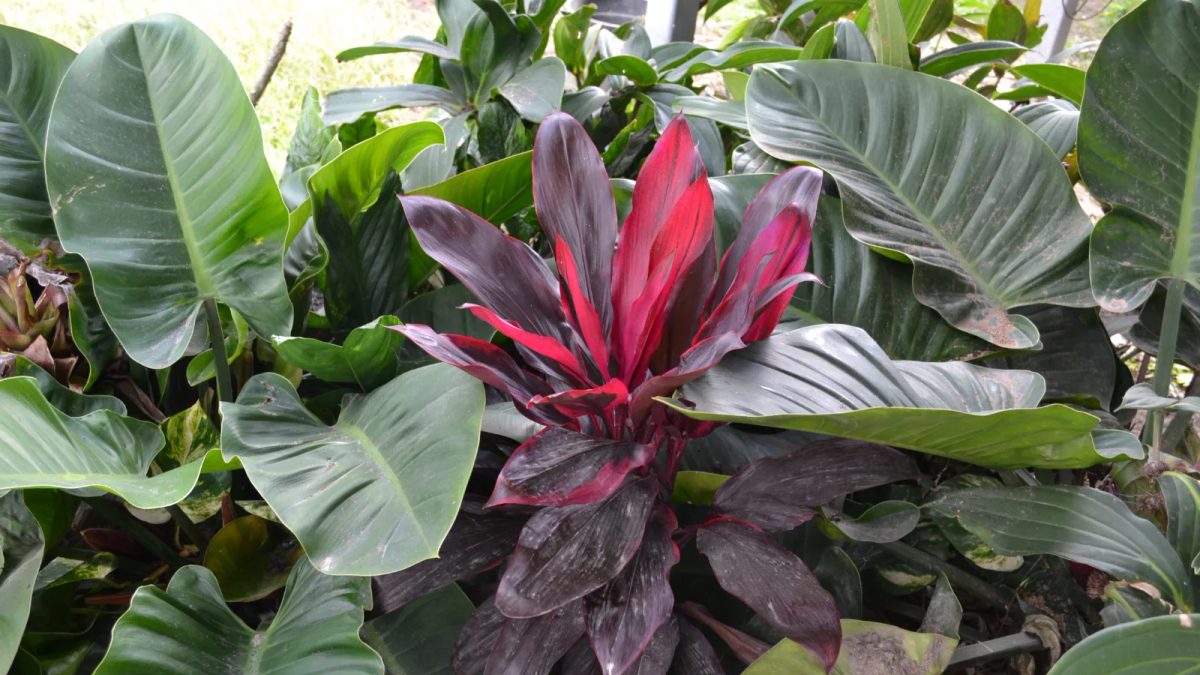

Tropical cordylines bring gorgeous leaf colour into parts of the garden where flowering plants are not always the easiest option. Depending on the cultivar, the broad leaves can be green, burgundy, purple, pink, red, cream or striped with several colours at once.
This guide is about Cordyline fruticosa, the broad-leaved tropical cordyline commonly grown in Australian gardens. It is also still sold under the older name Cordyline terminalis, and nursery labels are not always consistent.
These cordylines grow best in warm conditions with bright filtered light, good drainage and enough moisture to keep new growth moving. They are particularly easy in tropical and subtropical Australia, but they can also be grown in sheltered warm-temperate gardens or as bright indoor plants in cooler climates.
- Botanical name: Cordyline fruticosa
- Common names: Cordyline, ti plant, Hawaiian ti
- Plant type: Evergreen tropical shrub with cane-like stems
- Climate: Tropical and subtropical; protected warm-temperate sites
- Light: Bright filtered light, morning sun or part shade
- Size: Usually 1–3 m, depending on cultivar and pruning
- Soil: Fertile, free-draining soil that stays evenly moist
- Propagation: Stem cuttings and basal shoots
Cordyline Quick Facts
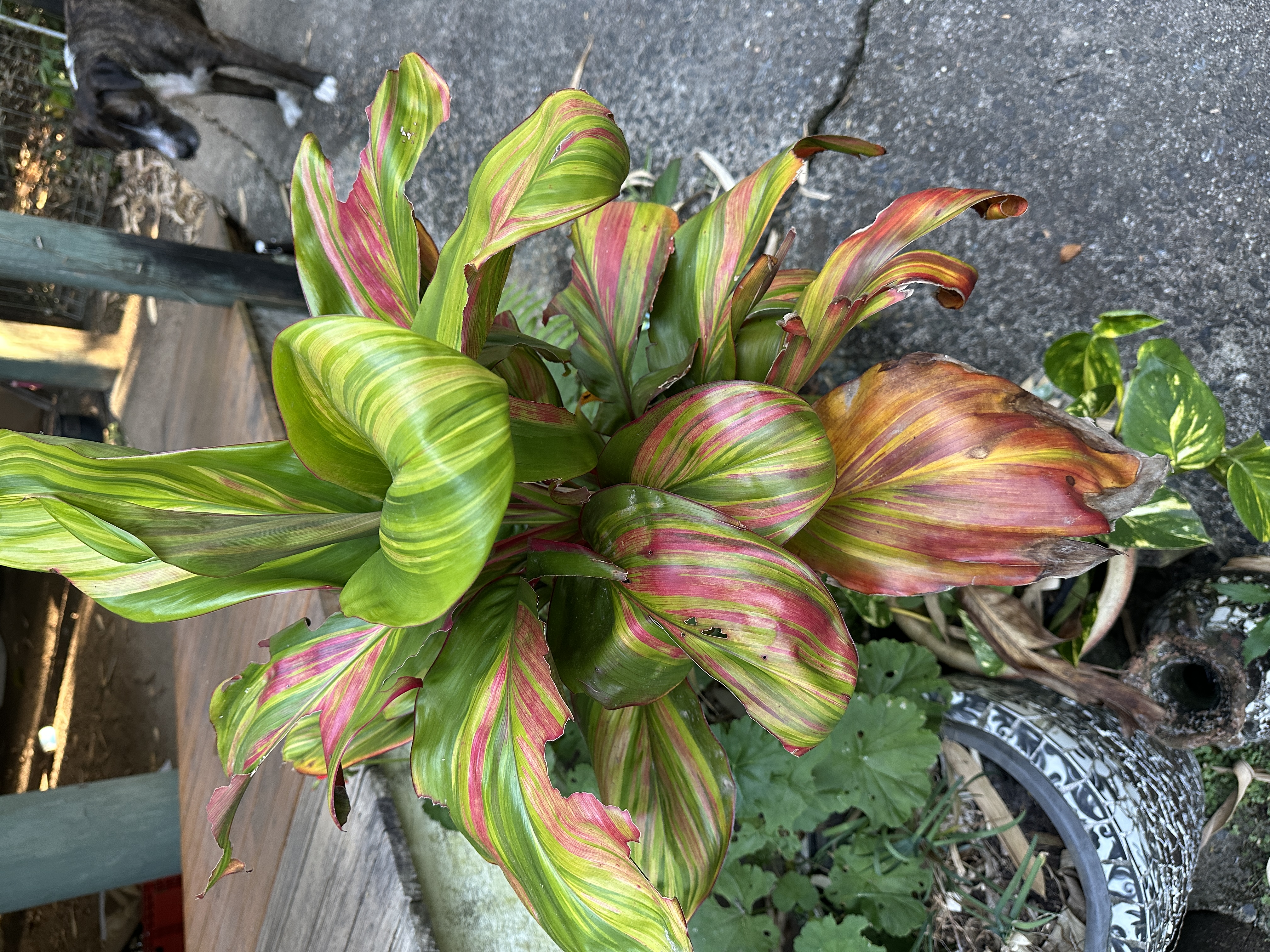
| Tropical cordyline | |
|---|---|
| Botanical name | Cordyline fruticosa |
| Older name | Cordyline terminalis |
| Plant type | Evergreen tropical shrub |
| Typical garden height | About 1–3 m, depending on cultivar |
| Typical spread | About 60 cm–1.5 m |
| Light | Bright filtered light, part shade or morning sun |
| Soil | Fertile and free draining |
| Water | Regular while growing, without leaving roots saturated |
| Best climates | Tropical and subtropical |
| Frost tolerance | Low |
| Pots | Yes |
| Indoors | Yes, with bright light |
| Propagation | Top cuttings, cane cuttings and basal shoots |
| Pet safety | Toxic if eaten by cats, dogs and horses |
Some cultivars stay around a metre high while others can grow several metres tall. The wild form can become larger again, so check the expected size of the particular plant you are buying.
Where Cordylines Grow Best in Australia
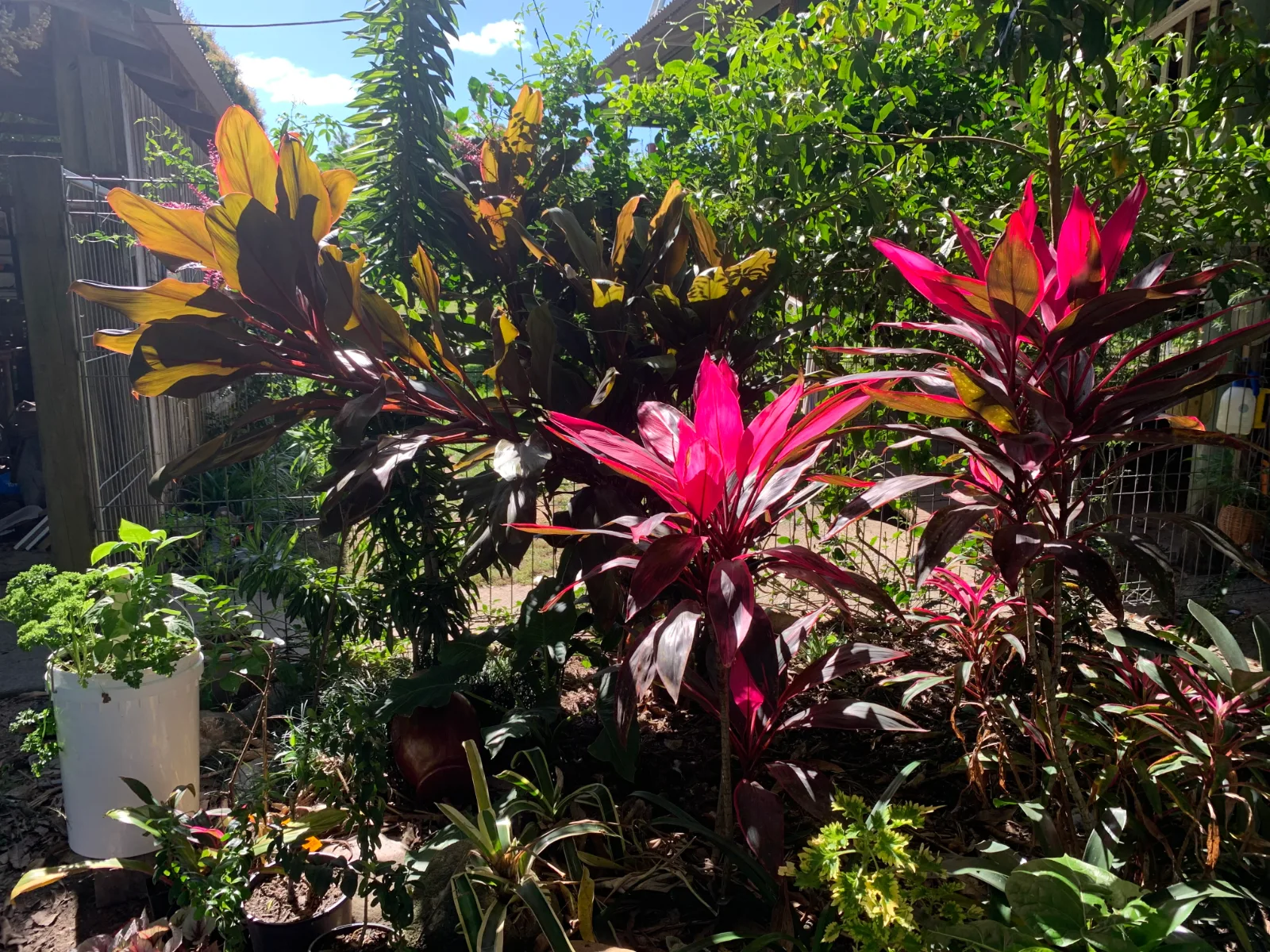
Tropical and subtropical Australia suit Cordyline fruticosa particularly well. Warm soil, humidity and a long growing season let the plants produce new leaves quickly, and established plants can stay outdoors throughout the year.
They can also grow in warmer parts of temperate Australia if you give them a sheltered position. Cold wind and frost are much more limiting than summer heat.
| Climate | How cordylines grow |
|---|---|
| Tropical | Excellent. Grow outdoors year-round, with some shade for many cultivars. |
| Subtropical | Excellent. Usually evergreen and fast growing in a sheltered position. |
| Warm temperate | Good in protected, frost-free or nearly frost-free gardens. |
| Cool temperate | Better in pots or as indoor plants unless you have a very warm microclimate. |
| Arid and inland | Possible with shade, protection from hot dry wind and reliable watering. |
In cooler districts, do not use the cold tolerance of Cordyline australis as a guide for C. fruticosa. They are very different plants.
Where to Plant Cordylines
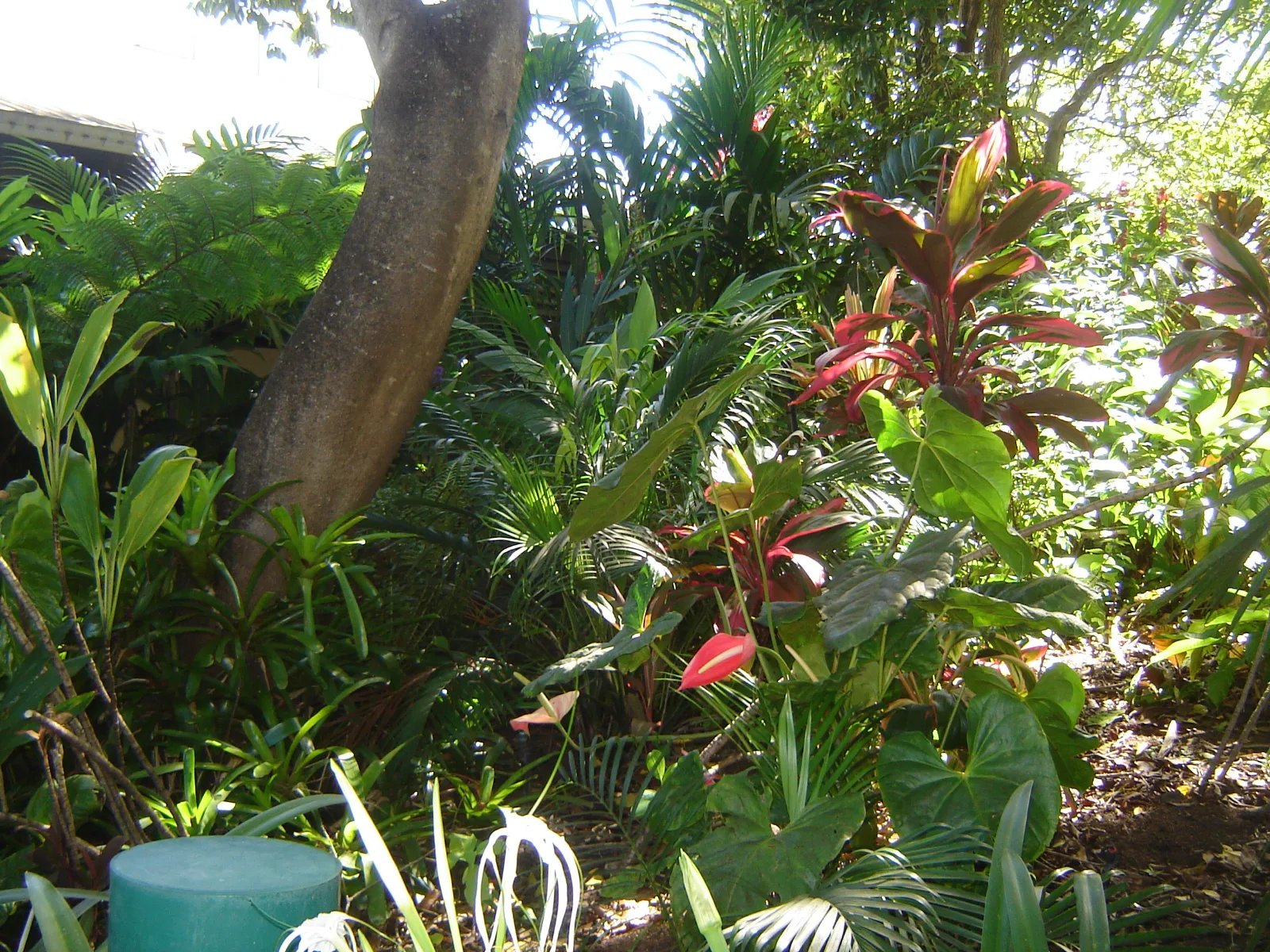
Cordylines are useful where you want height and colour without planting a broad-canopied shrub. Their upright canes take up relatively little ground space, while the leaves form most of the visible plant higher up.
Good positions include:
- under high, lightly filtered tree cover
- beside paths
- along sheltered fences
- around patios and outdoor living areas
- through tropical and subtropical mixed beds
- between green foliage plants
- in narrow garden beds
- in large pots
- near an entrance where the leaf colour can be seen up close
They also work well repeated through a planting rather than used as a single specimen. A few plants of the same cultivar can carry the same colour through different parts of the garden.
Do allow for the stems becoming visible as plants age. Cordylines naturally shed older lower leaves, so a mature plant may have bare cane underneath a crown of foliage. Lower-growing plants can fill that space if you want a layered planting.
How Much Sun Do Cordylines Need?
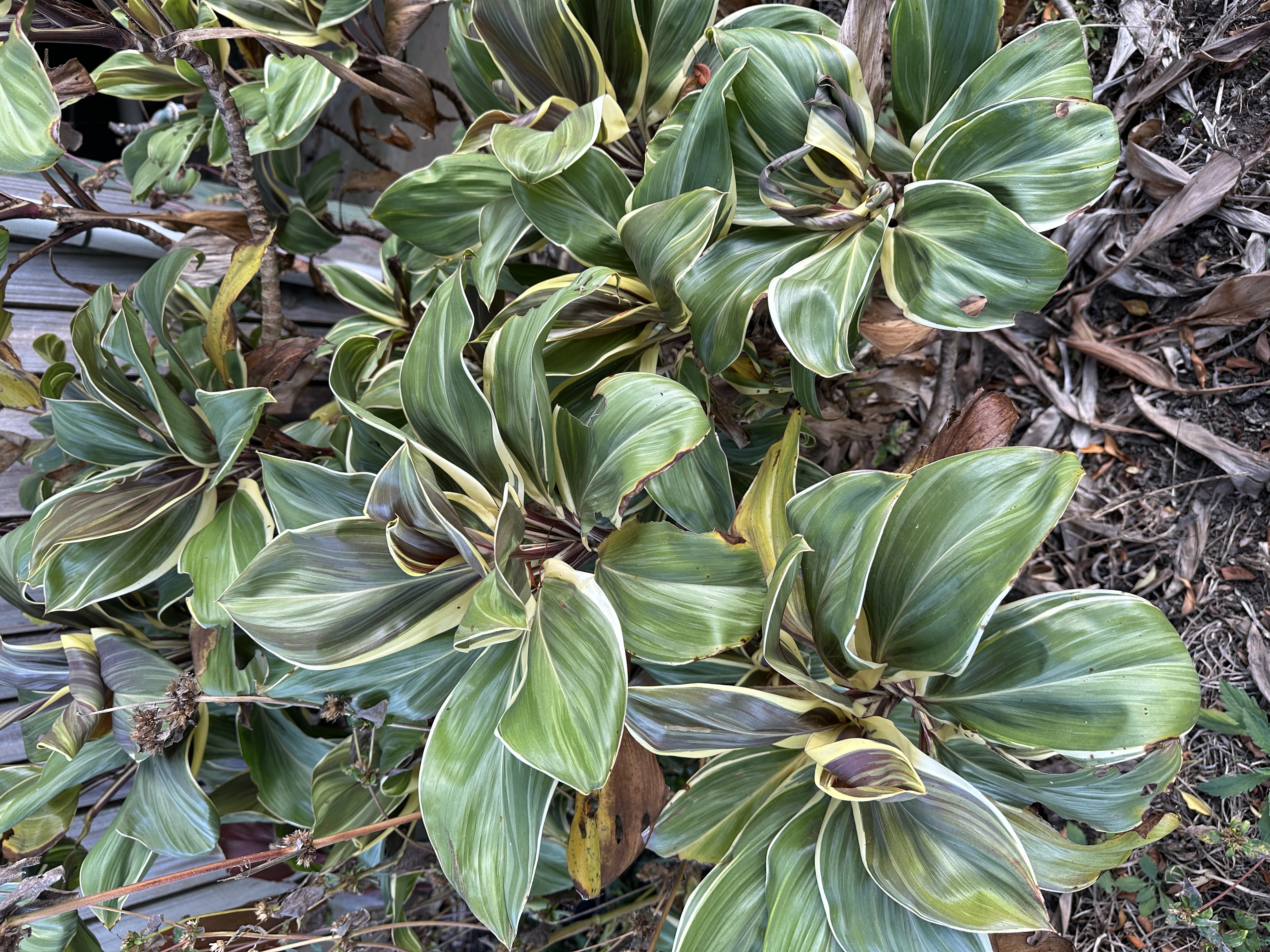
For most colourful Cordyline fruticosa cultivars, bright filtered light or part shade is the safest starting point.
Gardening Australia recommends full to part shade for the big-leaved C. fruticosa cultivars, and Queensland growers commonly recommend some shade for the more colourful forms.
Morning sun followed by afternoon shade works particularly well in warm climates.
Some dark green, burgundy and tougher cultivars can grow in considerably more sun. Cultivars such as Negra and some dark-leaved selections are commonly grown in sunnier positions in Queensland.
Very pale pink, cream or strongly variegated leaves are more likely to mark or scorch in intense afternoon sun.
The plant itself usually tells you whether the light is right:
- strong colour and compact growth usually mean the light level is working
- mostly green new leaves on a colourful cultivar can mean the position is too dark
- bleached or scorched patches can mean the plant received more hot sun than the existing leaves could handle
- long bare stretches between leaves can develop when light is very low
If you move a cordyline from a shaded nursery into a sunny garden, increase the light gradually. Leaves produced in shade can burn even when the cultivar is capable of growing in stronger sun once it has adjusted.
Can Cordylines Grow in Full Shade?
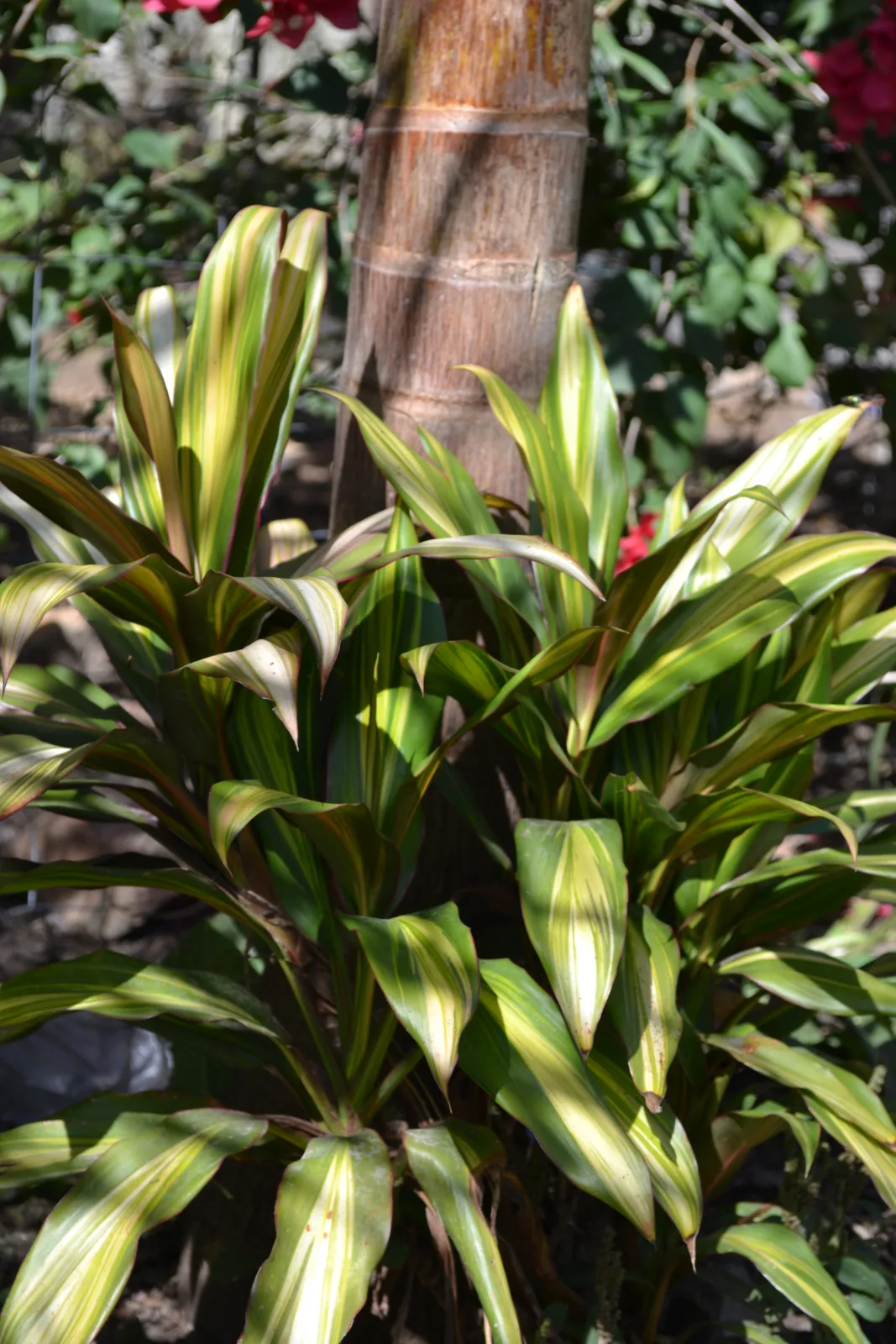
They can grow in fairly deep shade, but there is a difference between surviving and looking their best.
Low light usually means slower growth, longer stems and less colour. Pink and variegated cultivars may become noticeably greener.
Bright shade under an open tree canopy is very different from a dark corner between buildings. If you want strong foliage colour, give the plant as much bright light as you can without scorching the leaves.
What Soil Do Cordylines Need?
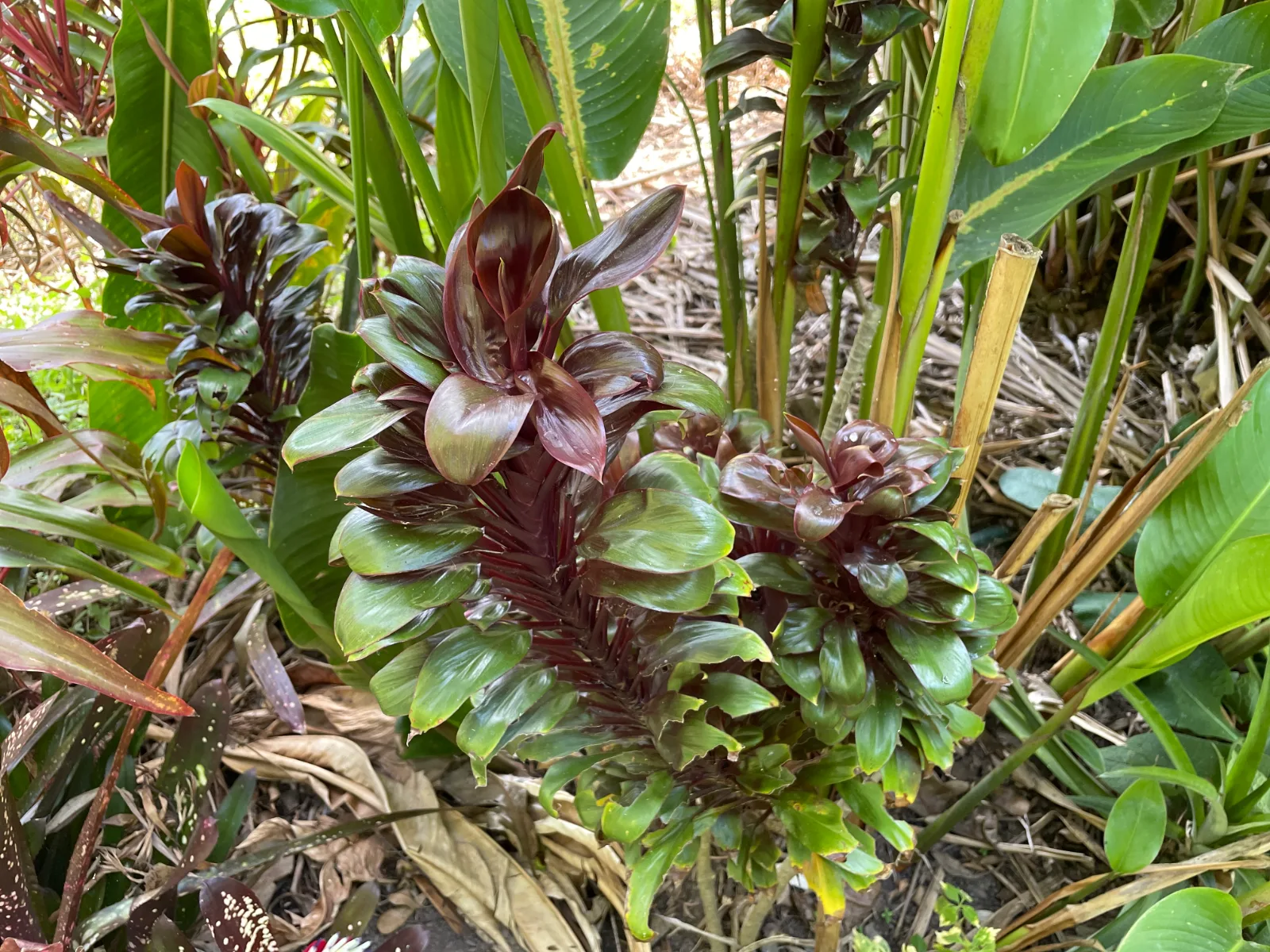
Cordylines grow in a fairly wide range of soils as long as excess water can drain away.
A good garden soil for C. fruticosa contains plenty of organic matter but does not remain saturated after heavy rain. Sandy soil can work well if compost and mulch are used to improve moisture retention. Heavy clay needs enough structure and drainage to keep air around the roots.
Before planting, improve poor soil with mature compost. You do not need to make a rich planting hole that is completely different from the surrounding ground; improve a reasonable area around the plant so new roots can move outward.
Cordylines tolerate a fairly broad soil pH range. Good drainage, moisture and warmth are generally more important than chasing an exact pH.
How to Plant a Cordyline
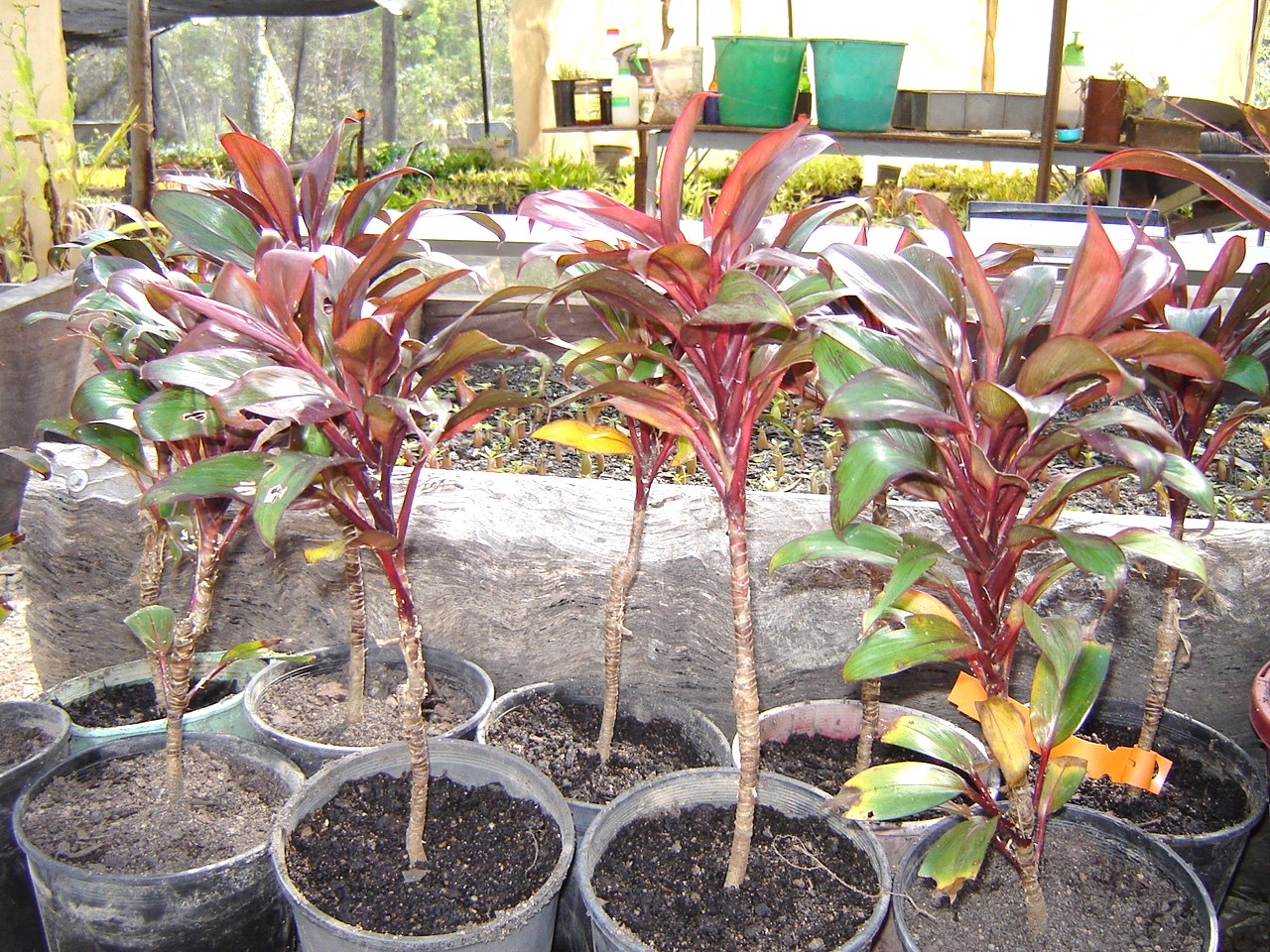
Plant at roughly the same depth the cordyline was growing in its nursery pot. Do not bury a long section of cane simply to make a tall plant more stable.
Before planting:
- Water the plant in its pot if the root ball is dry.
- Dig a hole wider than the root ball.
- Loosen compacted surrounding soil.
- Mix mature compost through poor soil if needed.
- Plant at the existing soil level.
- Backfill and firm gently.
- Water thoroughly.
- Mulch the surrounding root zone.
Keep mulch a few centimetres away from the canes rather than packing it tightly around the base.
When Is the Best Time to Plant Cordylines?
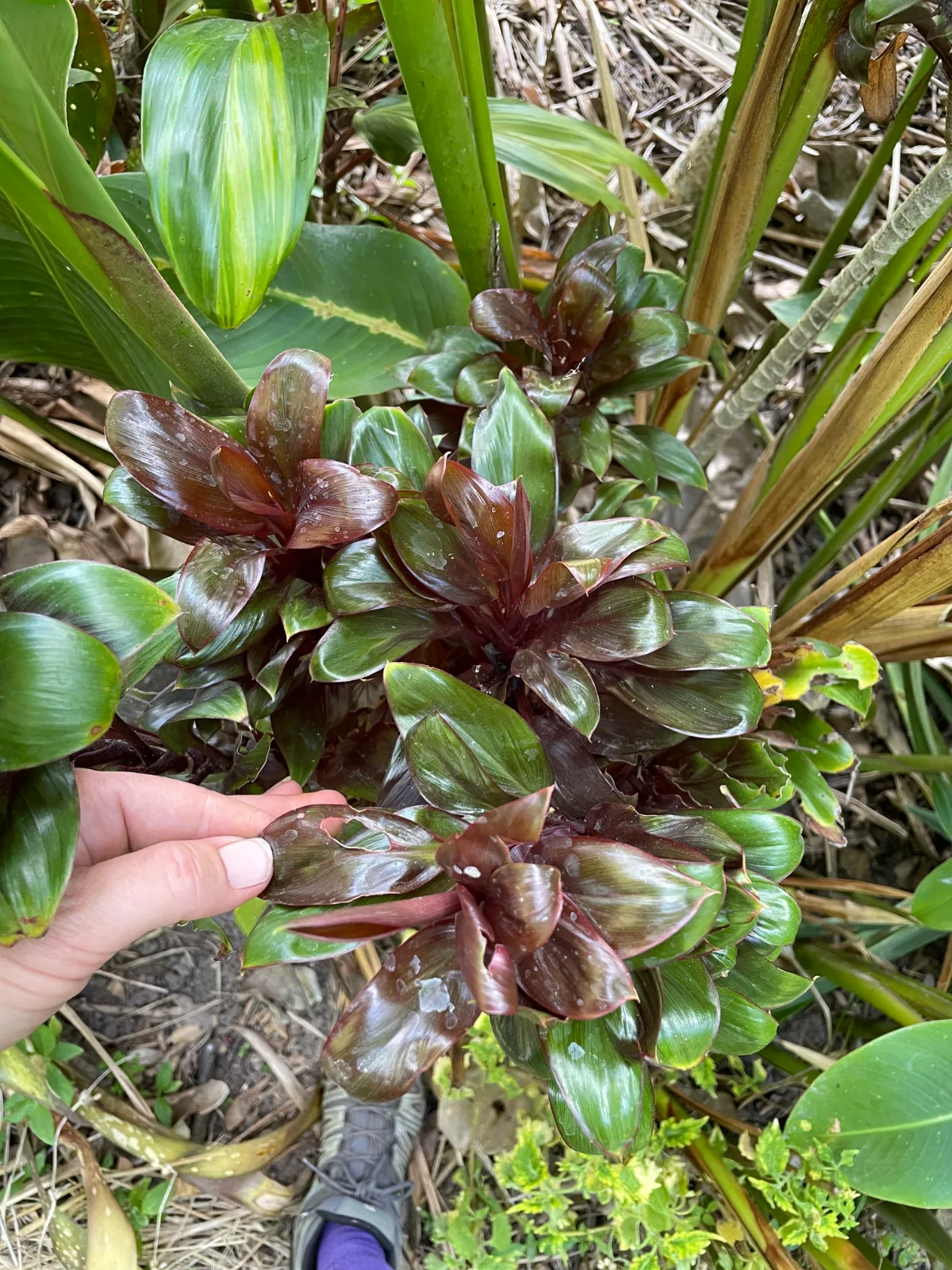
In tropical and subtropical areas, you can plant cordylines through much of the year if you can keep them watered while they establish.
Spring and early summer are particularly easy because roots and new shoots are actively growing.
In warm-temperate areas, plant once the weather has warmed rather than putting a young tropical cordyline into cold soil just before winter.
Avoid planting during a period of extreme heat unless you can provide shade and reliable water while the root system settles in.
How Far Apart Should Cordylines Be Planted?
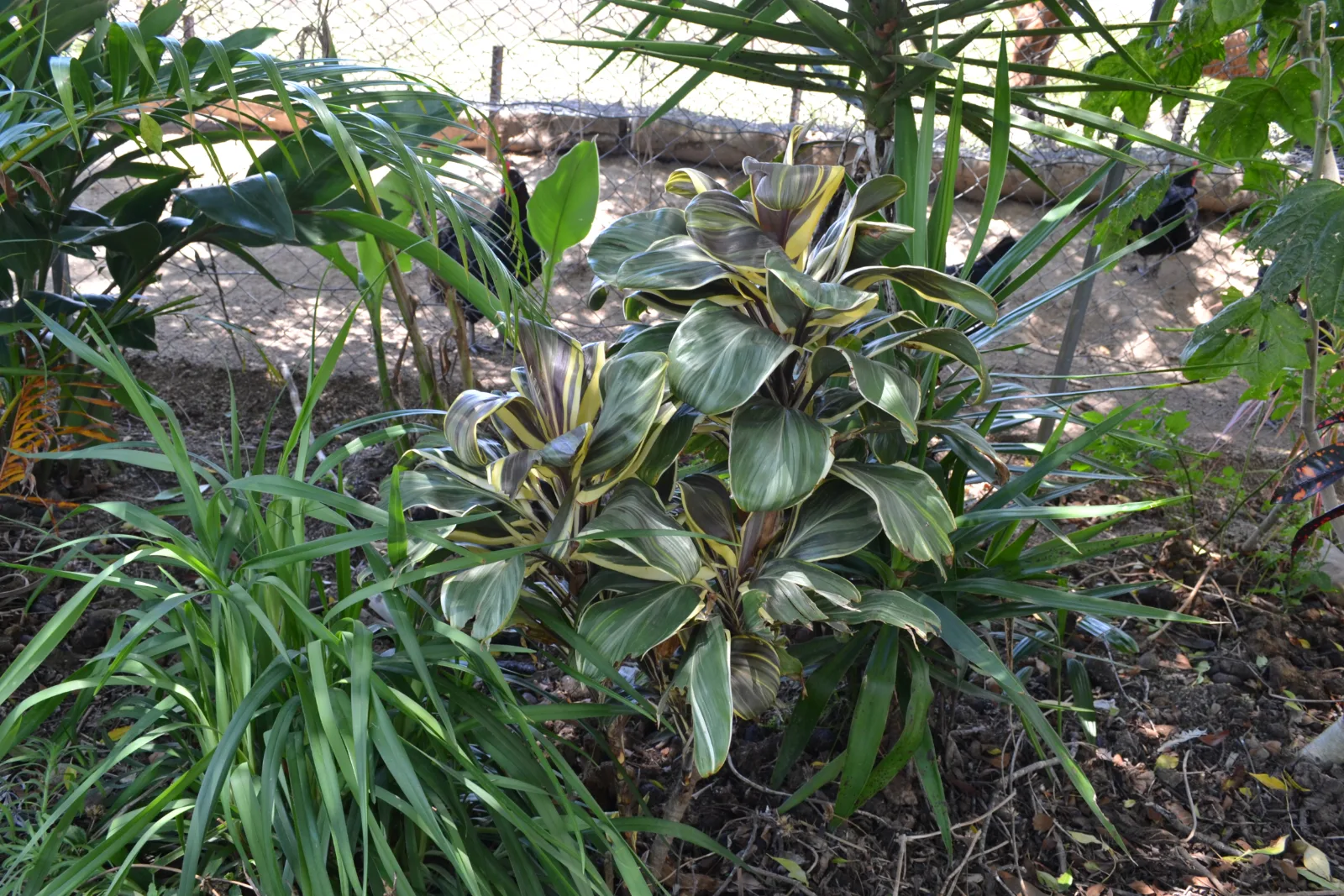
Spacing depends heavily on the cultivar.
Compact forms may only spread around 60 cm, while larger cultivars can form clumps more than a metre across.
As a rough guide:
- 50–70 cm apart creates a close mass planting with compact cultivars
- 70 cm–1 m apart works for many medium cordylines
- 1–1.5 m apart gives larger cultivars room to develop as individual plants
If the label gives a mature width, use that rather than a universal cordyline spacing.
For a screening effect, you can plant more closely, but remember that cordylines are not dense shrubs from ground level. Older plants usually show some bare cane underneath the foliage.
How Big Do Cordylines Grow?
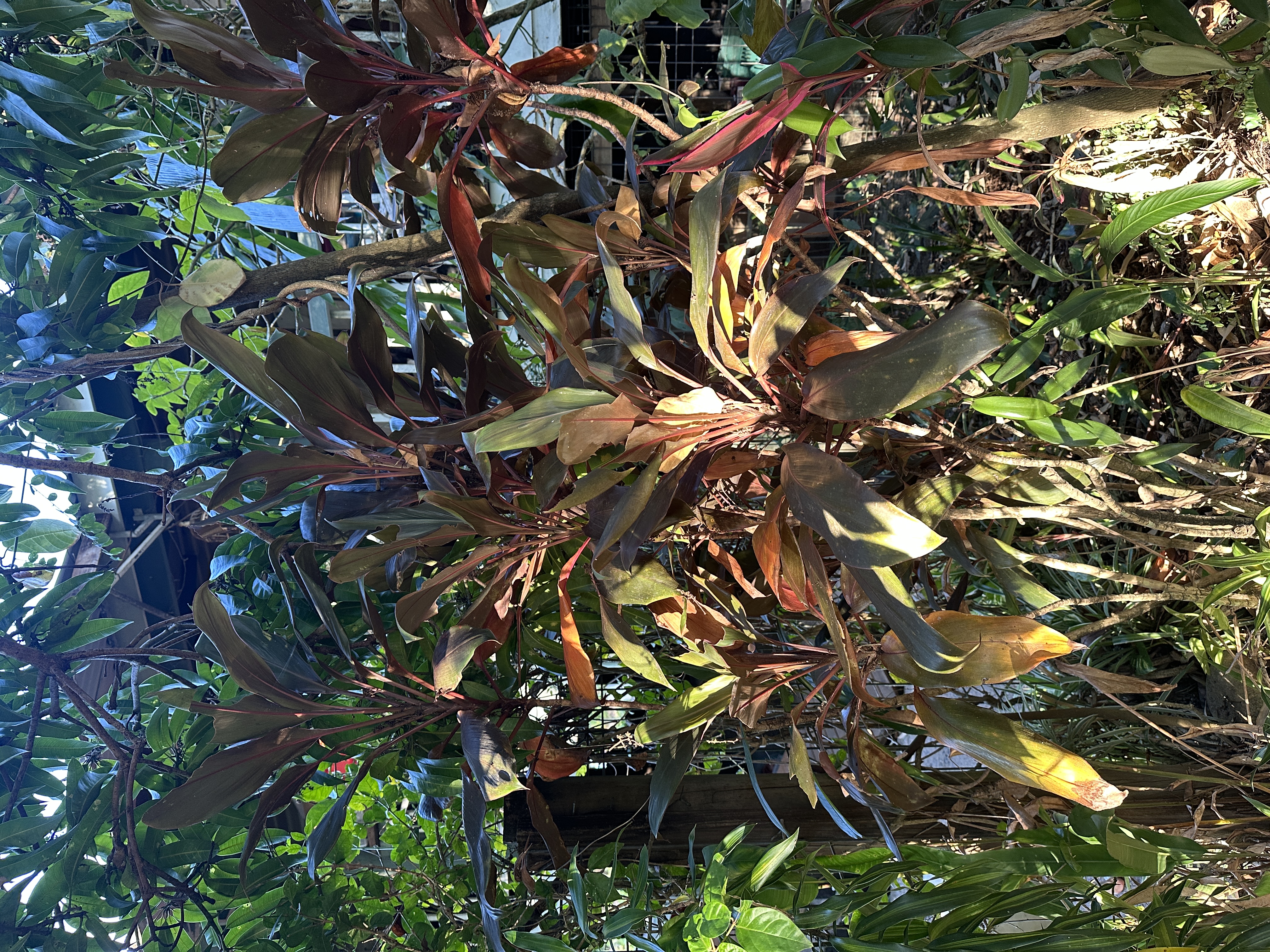
Most colourful Cordyline fruticosa cultivars grown in Australian gardens finish somewhere around 1–3 metres tall, although there is a lot of variation.
Compact cultivars may stay close to a metre. Larger selections can reach 3 metres or more if they are never pruned.
The wild species has been recorded at around 2–3 metres and occasionally taller. Garden plants are often much bushier because pruning and basal shoots create several canes rather than a single upright stem.
This is a plant you can control quite easily with pruning, so a cultivar capable of reaching 2 metres does not necessarily need to stay 2 metres tall.
Do Cordylines Have Invasive Roots?
Cordyline fruticosa is not generally known for an aggressive root system. The roots and short rhizomatous growth can gradually enlarge the clump, but they do not behave like the large structural roots of a tree.
That makes cordylines useful in relatively narrow beds and near paths.
You should still leave enough room for the plant itself to expand, especially where basal shoots are allowed to develop into a multi-stemmed clump.
Watering Cordylines
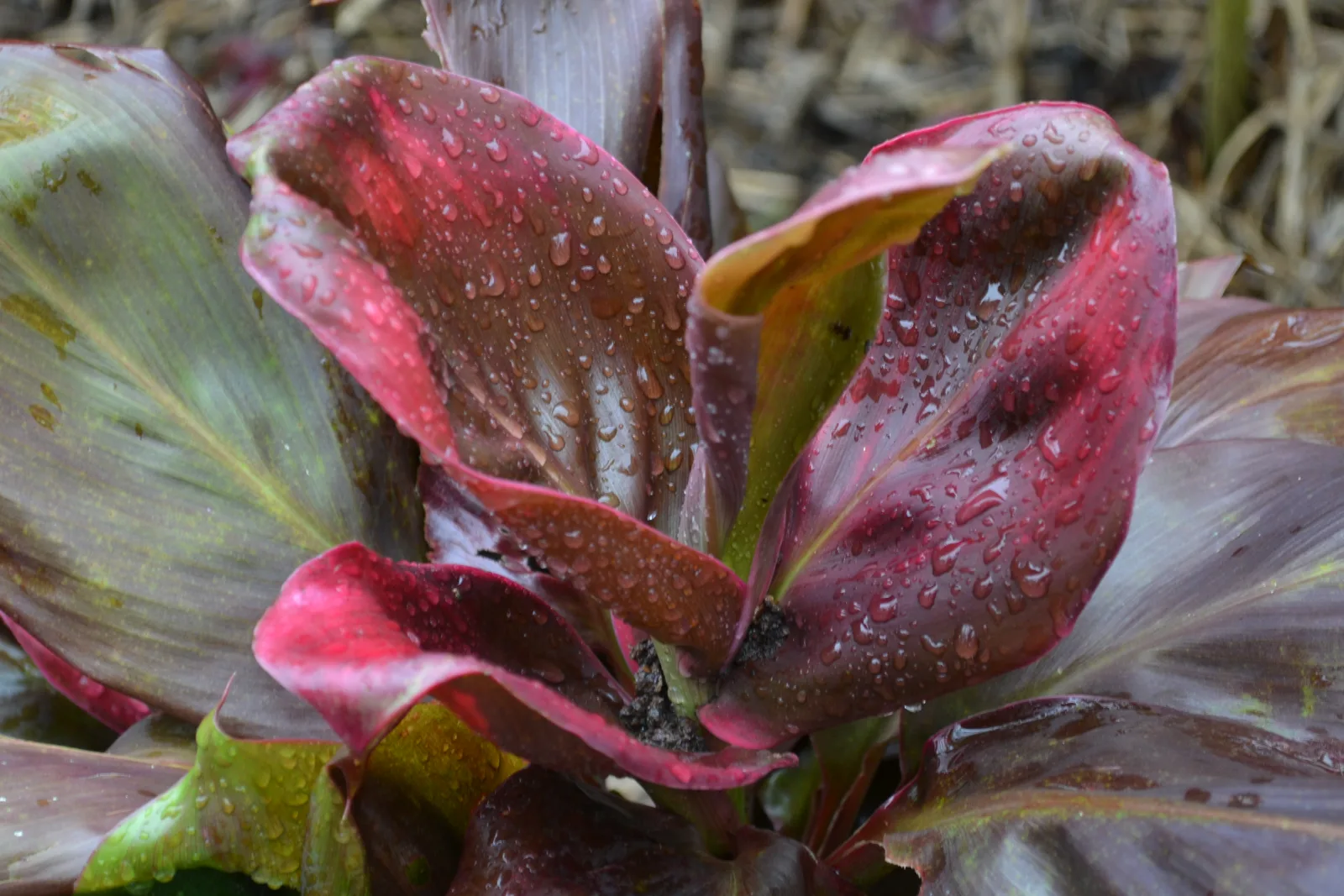
Cordylines grow best when the root zone receives fairly reliable moisture through warm weather.
Newly planted cordylines need closer attention because the roots are still concentrated within the original root ball. Water deeply after planting, then continue watering often enough that the root ball does not repeatedly dry completely during establishment.
Once established, water deeply and allow the upper soil to begin drying before watering again. The exact interval depends on your climate, soil and rainfall rather than a fixed number of days.
Pots need checking more often because the root zone is much smaller.
Cordylines can handle some drying once established, particularly in humid climates, but repeated severe drying commonly leads to:
- brown leaf edges and tips
- fewer lower leaves
- smaller new growth
- slower recovery after heat
- dull foliage
Constantly saturated soil causes a different problem. Roots need air as well as moisture, so a plant sitting in poorly drained soil may yellow, lose leaves or develop root rot.
Should You Mulch Cordylines?
Yes. Mulch is useful around outdoor cordylines because it slows moisture loss and gradually contributes organic material to the soil.
Use materials such as:
- chipped garden prunings
- composted bark
- coarse leaf litter
- sugar cane mulch
- another loose organic mulch available locally
A layer around 5–8 cm deep is plenty. Keep it back from the stems so the bases are not constantly surrounded by damp material.
Feeding Cordylines
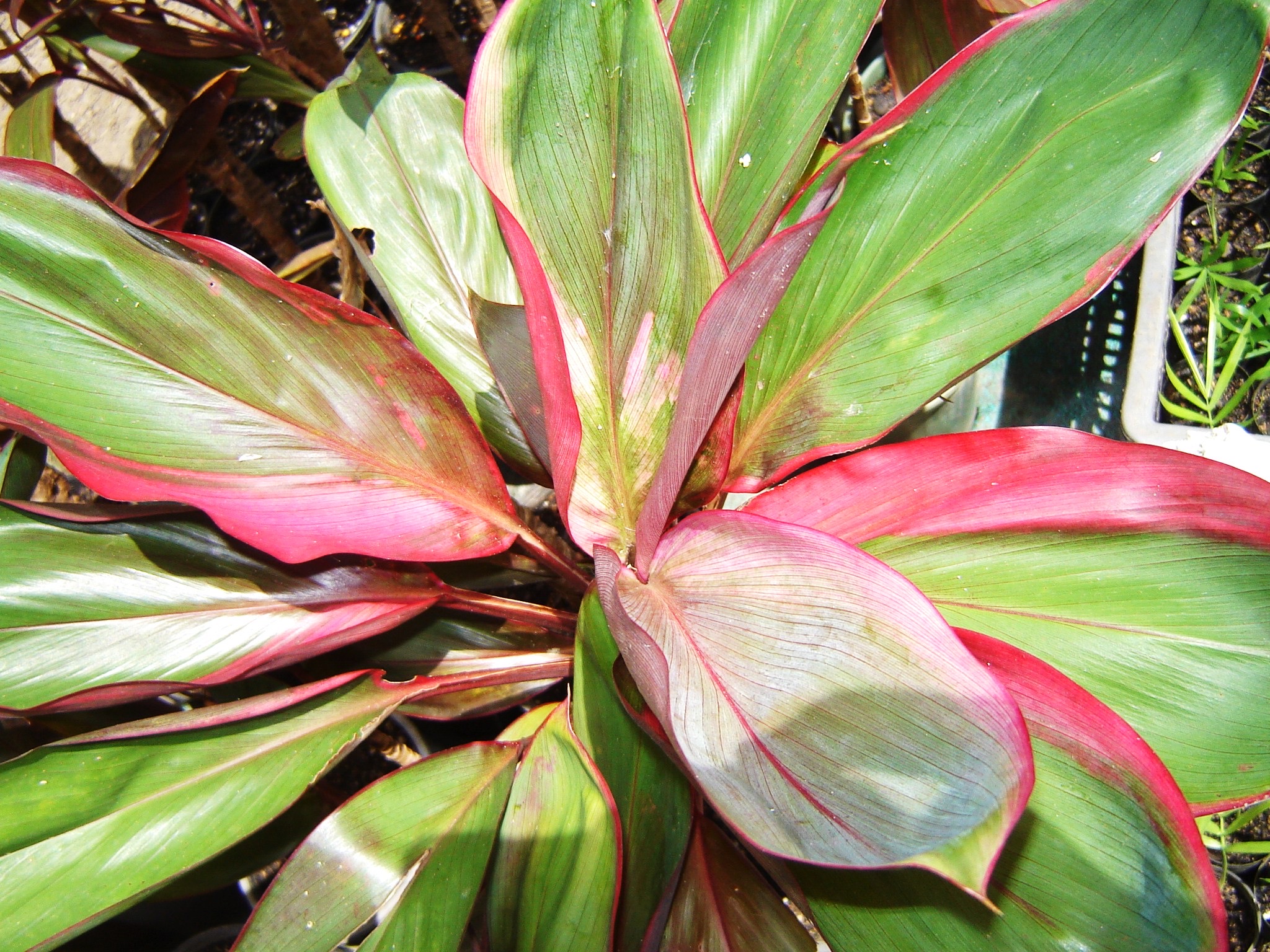
Cordylines do not need constant feeding, but regular nutrition during active growth helps produce larger leaves and good colour.
In garden beds, mature compost plus a complete controlled-release fertiliser during the warm growing season is usually enough. In long tropical growing seasons, a second light feed later in summer can be useful.
For pots, use a controlled-release fertiliser suitable for foliage plants or a dilute complete liquid fertiliser while the plant is actively growing.
Do not keep increasing fertiliser because the leaf colour looks disappointing. Low light is often responsible for a colourful cordyline turning greener.
Heavy feeding can also leave salts in potting mix and contribute to leaf-tip damage.
Growing Cordylines in Pots
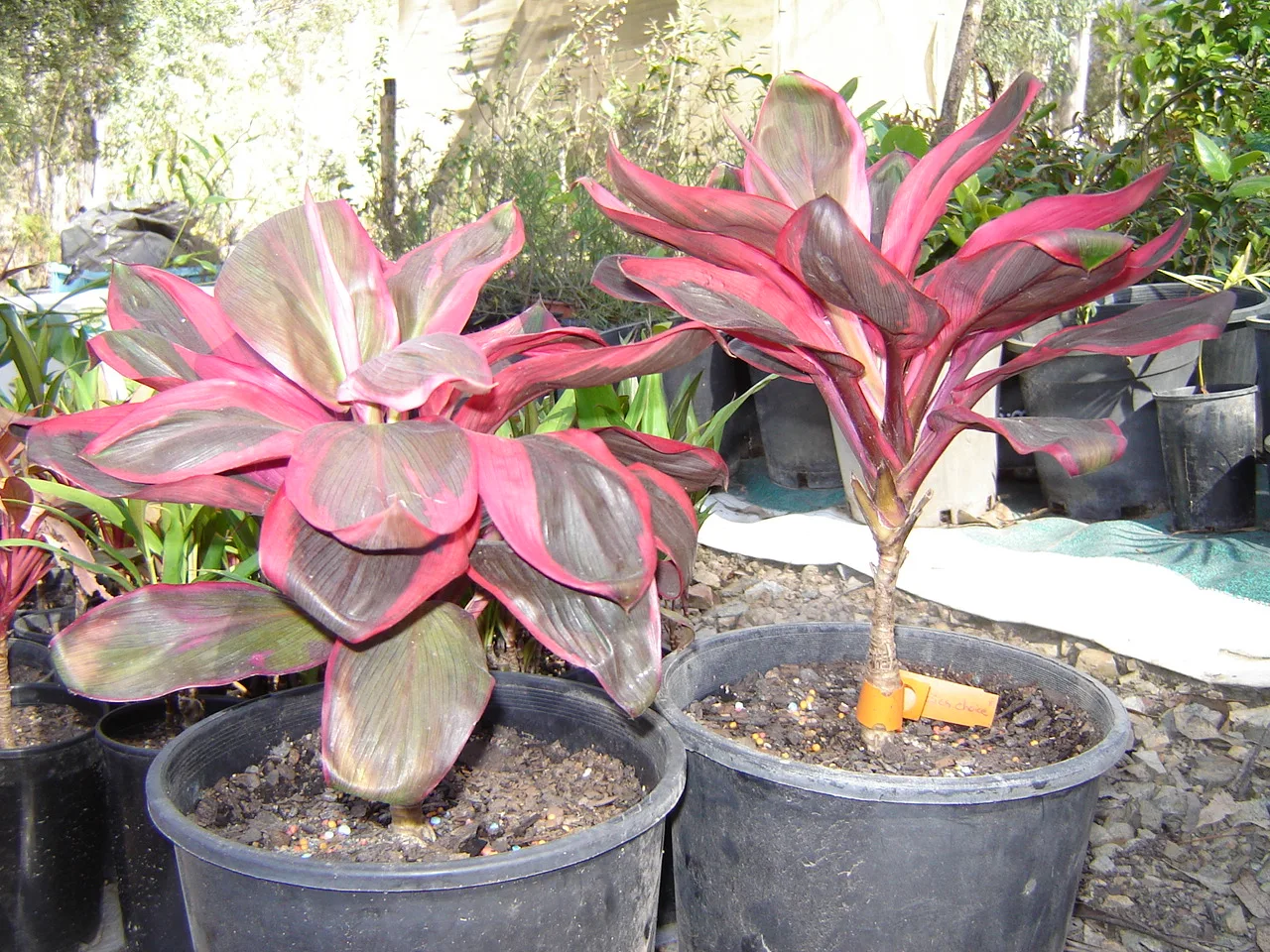
Cordylines are very easy to keep in pots, particularly the compact cultivars.
Use a pot with good drainage holes and a quality potting mix. The plant should have enough room for root growth, but there is no need to move a small cordyline into an enormous pot.
A larger pot becomes useful when:
- roots are tightly filling the current pot
- the plant dries out extremely quickly
- water is difficult to get through the root ball
- the plant has become top-heavy
- several basal shoots have filled the surface
Repot into the next practical size rather than making a huge jump.
Potted cordylines can also be moved as the seasons change. This is useful in cooler climates, or where summer afternoon sun becomes much stronger than winter sun.
Can Cordylines Grow Indoors?
Yes. Cordyline fruticosa can make a good indoor foliage plant if you have enough light.
Place it close to a bright window where it receives plenty of indirect light or some gentle direct sun. A dark room may keep the plant alive for a while, but colourful new leaves will often become greener and the stems can stretch towards the light.
Indoor cordylines also benefit from:
- warm temperatures
- good airflow
- leaves occasionally wiped clean
- avoiding cold draughts
- keeping them away from heating vents
- checking leaf bases for scale and mealybugs
Turn the pot occasionally if all the light comes from one direction.
Very dry indoor air can contribute to brown leaf tips. If the plant is healthy but persistent tip burn continues, water quality is another possibility.
Are Cordylines Sensitive to Tap Water?
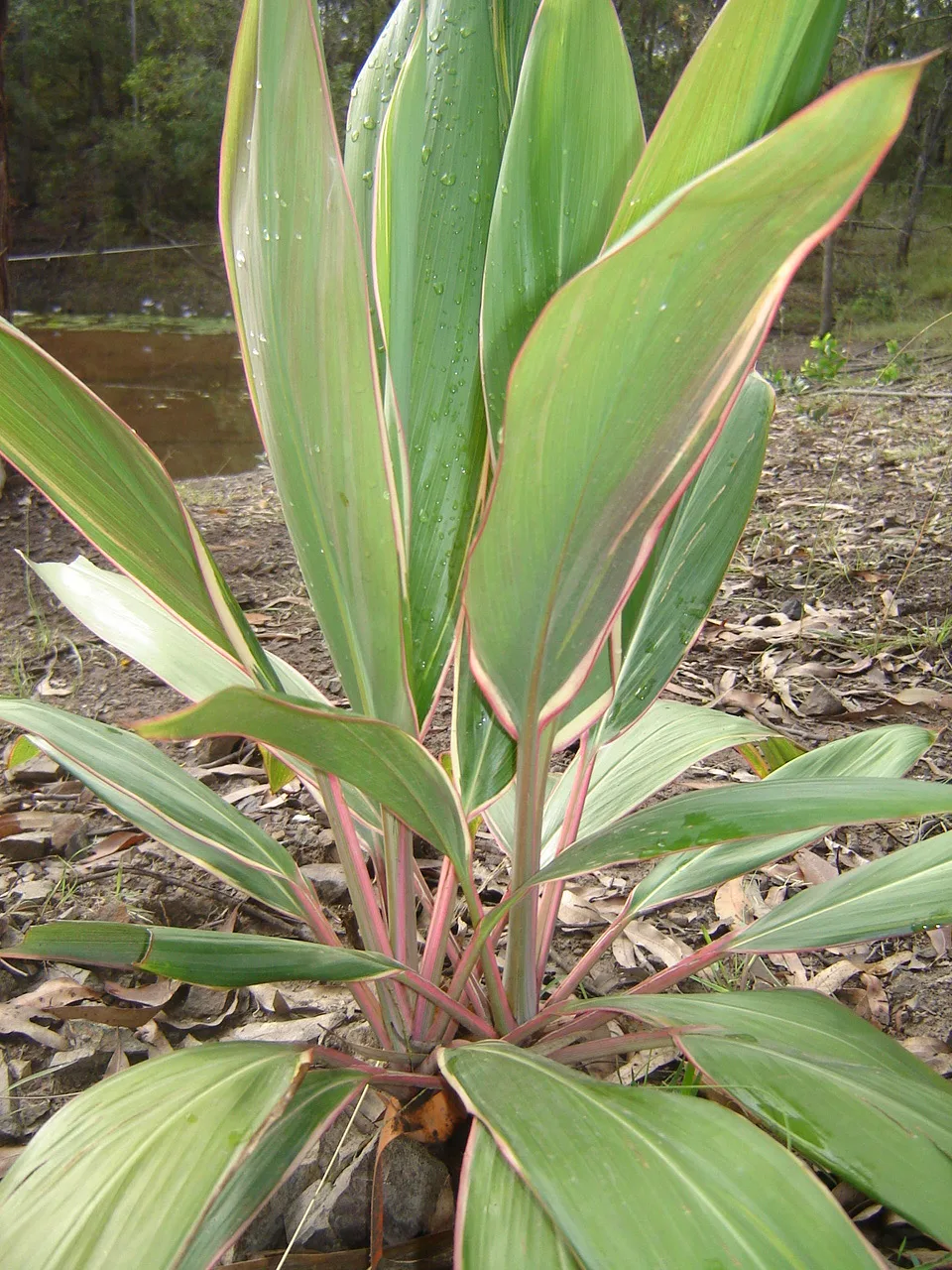
They can be.
Cordyline fruticosa has a reputation for developing leaf-tip burn where water contains enough fluoride or dissolved mineral salts. This is more noticeable in pots because minerals can accumulate in the potting mix.
If an indoor cordyline has persistent brown tips even though watering and drainage look right, try using rainwater for a while.
You can also occasionally water the pot thoroughly enough that excess water runs through the drainage holes. This helps flush accumulated fertiliser salts from the mix.
Do not assume every brown tip is caused by tap water, though. Dry roots, overfeeding, dry indoor air and root damage are all common causes too.
Pruning Cordylines
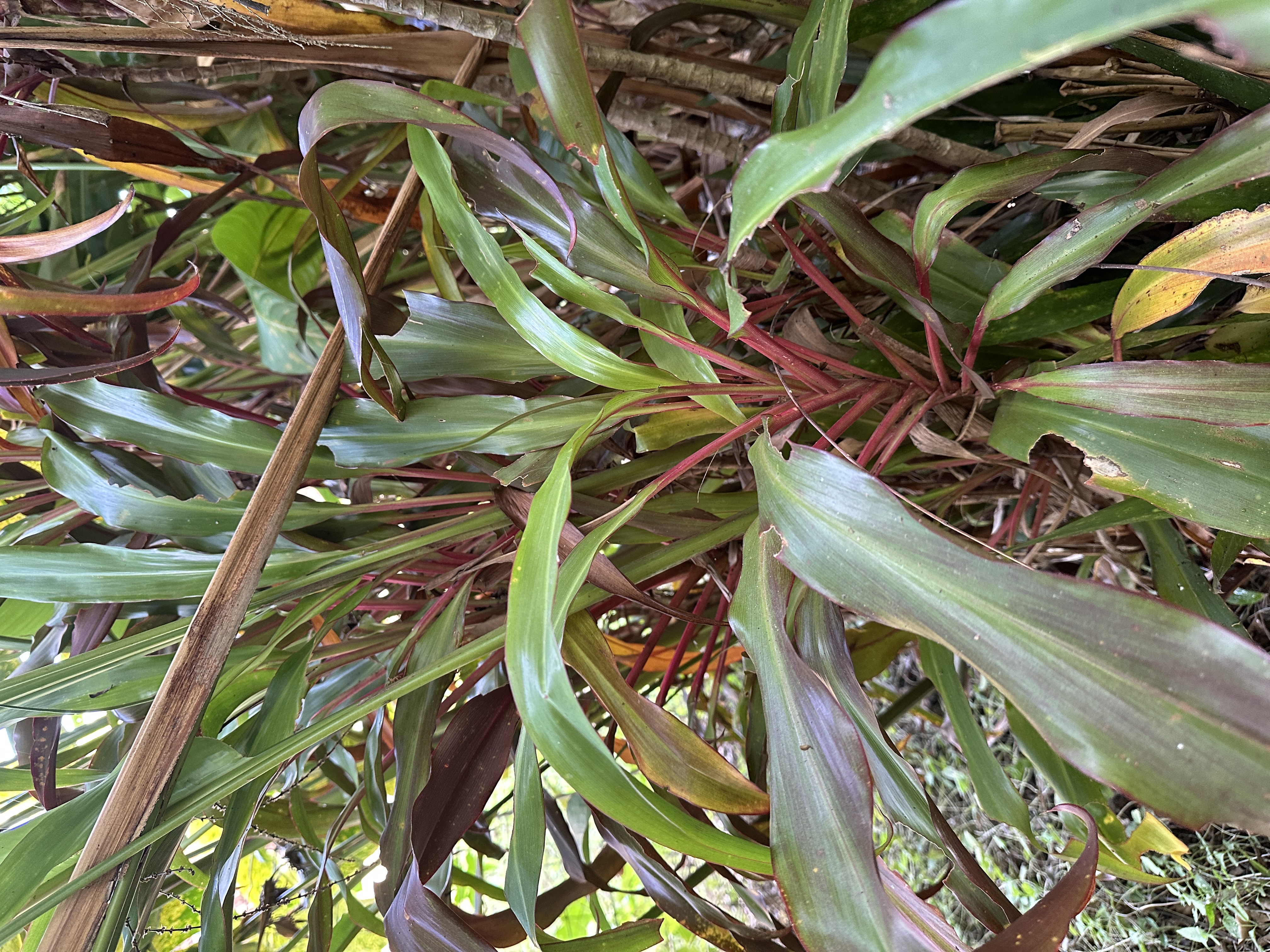
Cordylines are extremely easy to reshape.
If a cane has become too tall or has a long bare section underneath the leaves, cut it back during warm growing weather. New shoots normally develop below the cut, often giving you several new heads instead of one.
You can cut a cane:
- just below the existing crown
- halfway down
- quite low to the ground
- at different heights on a multi-stemmed plant
There is no need to leave every cane the same height.
On a large clump, I prefer to cut only some of the old canes first. The remaining foliage keeps the plant looking established while new shoots develop lower down.
Once those shoots are growing well, you can shorten another cane if needed.
Should You Remove Old Cordyline Leaves?
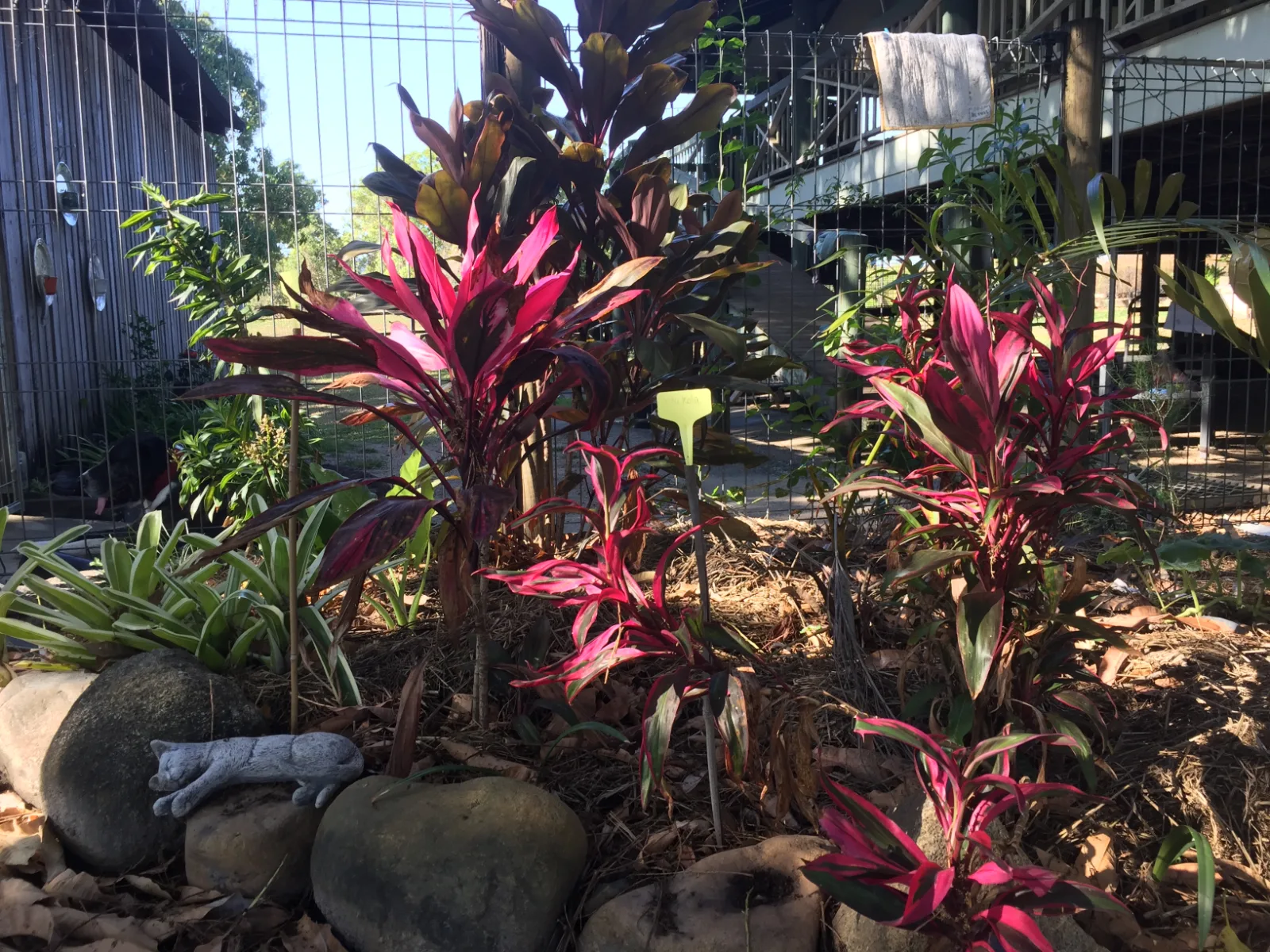
Yes, once the lower leaves have turned yellow or brown.
Cordylines naturally lose their oldest leaves as the stem grows. This is why mature plants develop the ringed, cane-like stems underneath the leafy tops.
Old leaves will often pull away cleanly once they are ready. If they are still firmly attached, cut them close to the stem rather than tearing healthy tissue.
One or two old yellow leaves at the bottom of an otherwise healthy plant are normal. Yellowing across much of the plant needs a closer look at watering, roots, cold or light.
Grow a Little Wild
New plants to try, useful growing tips and a few garden jobs based on what you grow.
How to Propagate Cordylines
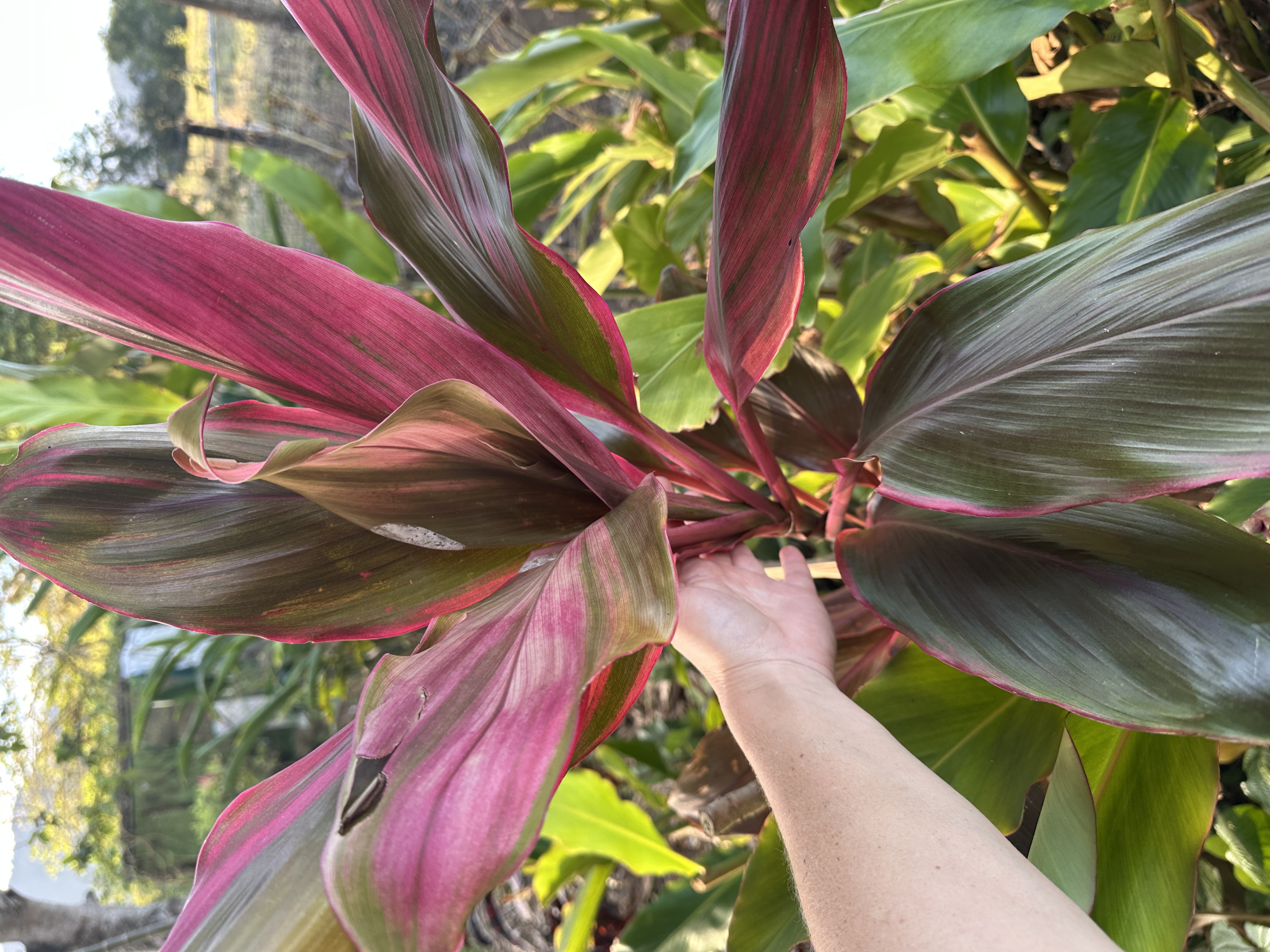
Pruning gives you almost everything you need to make more plants.
The easiest methods are:
- leafy top cuttings
- sections of bare cane
- rooted shoots from the base
Warm weather is the easiest time because both roots and new shoots develop faster.
Propagating From a Top Cutting
When you shorten a cordyline, keep the leafy top.
Cut a section of stem below the crown and remove some of the lowest leaves if necessary. Put the stem into a free-draining propagation mix and keep it warm and lightly moist while roots develop.
Large leaves can lose a lot of water before the cutting has roots. If the top is very leafy, removing some lower leaves can reduce moisture loss.
Keep it in bright shade rather than harsh sun until it is rooted.
Propagating Cordyline Cane Cuttings
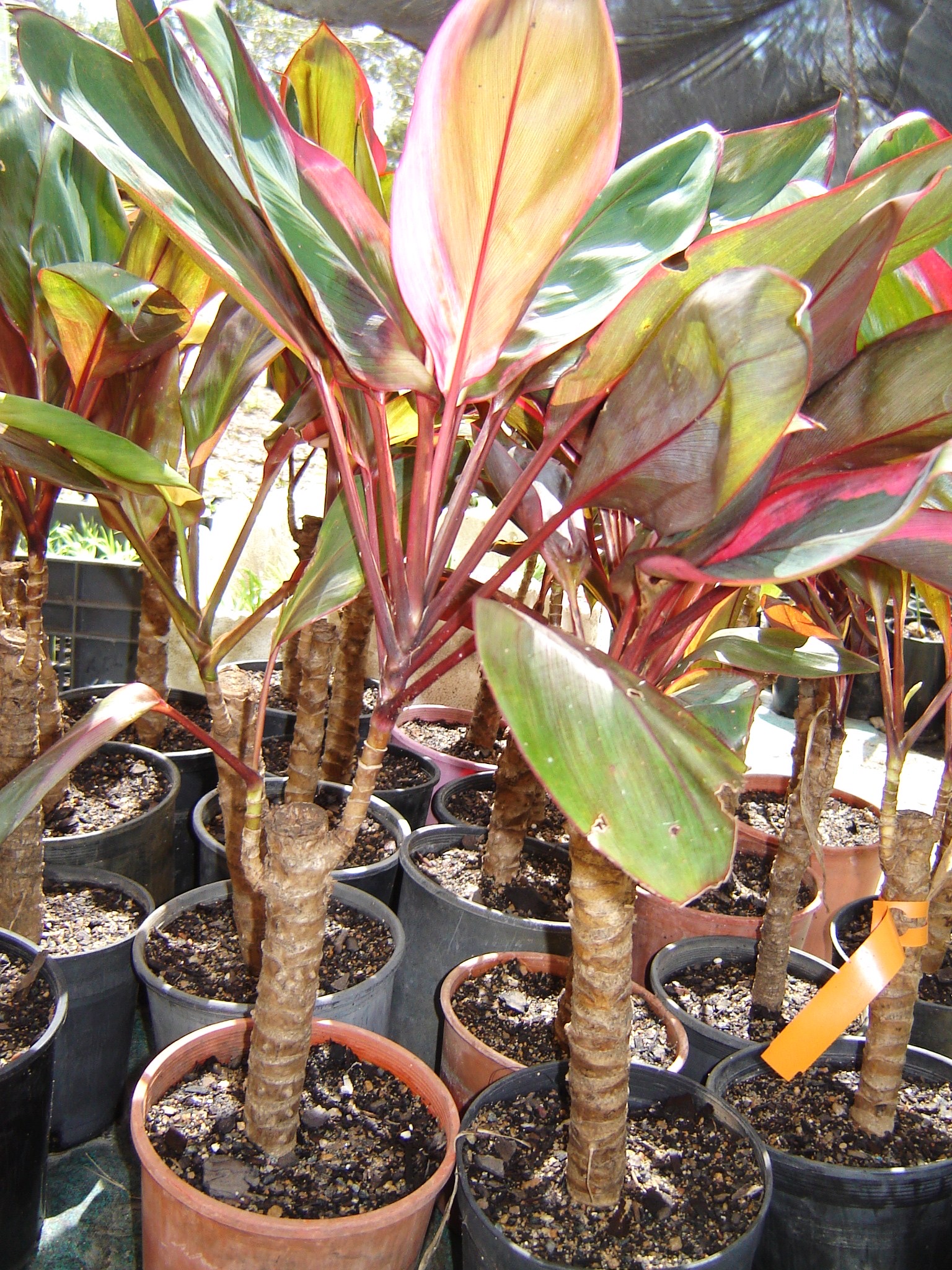
The bare section of stem left over after pruning can also produce several plants.
Cut the cane into short sections, roughly 5–10 cm long. Keep track of which end was originally the top, because upright cuttings need to be planted the right way up.
You can either:
- push the sections upright into propagation mix, leaving part of the stem above the surface, or
- lay them horizontally and cover only part of the cane.
Keep the mix warm and lightly moist. Buds along the cane can produce shoots while roots form underneath.
This method is particularly useful when an old cordyline has grown several metres tall. Instead of throwing the stem away, you can turn it into a batch of new plants.
Can You Propagate Cordylines From Basal Shoots?
Yes.
Mature cordylines often produce new shoots from around the base. If a shoot already has its own roots, it can be separated from the parent and replanted.
Dig carefully around the shoot so you can see where it joins the main plant. Take as much of its own root system as possible and replant it promptly.
Keep it shaded from strong afternoon sun until it has settled in.
Do Cordylines Flower?
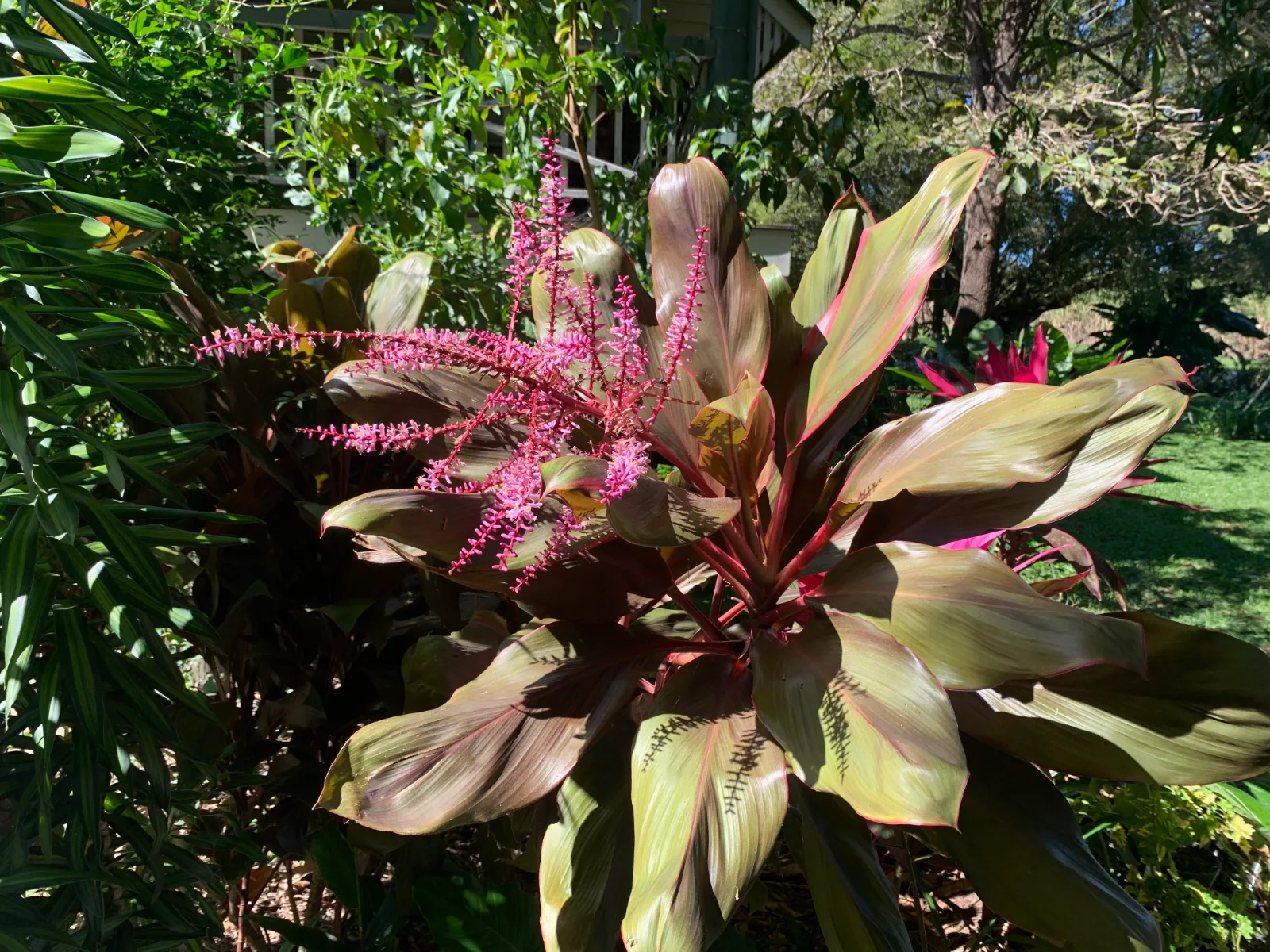
Yes, although the foliage is usually the main reason they are grown.
Mature Cordyline fruticosa can produce branched flower clusters, often with small pale, pinkish or reddish flowers. These may be followed by small red, purple or similarly coloured berries, depending on the plant.
Flowering varies between cultivars and growing conditions. A plant can be completely healthy without flowering regularly.
You can leave the flower stem while it is attractive and cut it away later if you do not want the berries or the old stalk.
How to Keep Cordyline Leaves Colourful
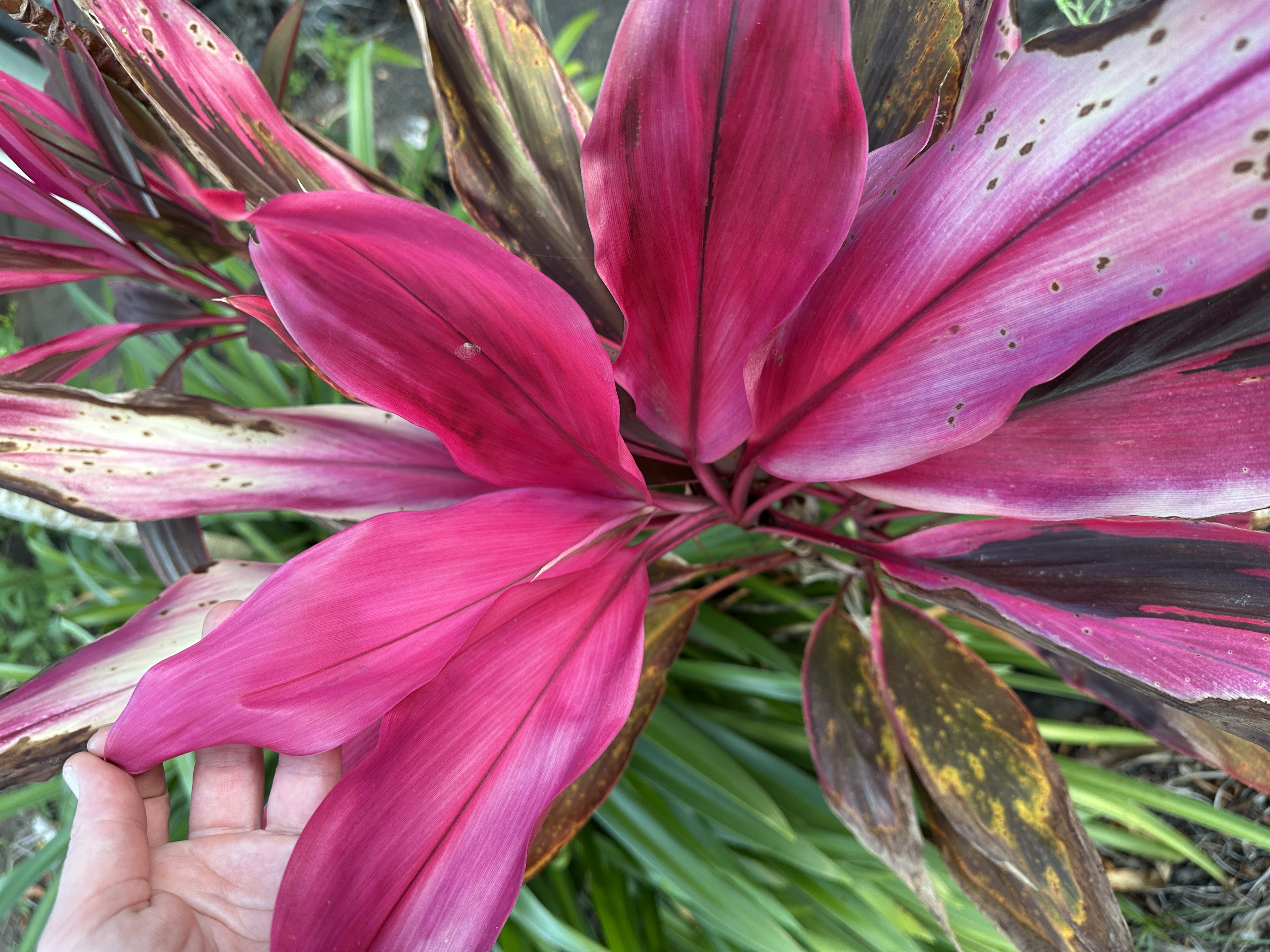
Light has the biggest influence on colour.
A pink or variegated cultivar grown in deep shade may produce much greener leaves. Move it gradually into brighter light and judge the new leaves rather than expecting old leaves to change colour.
Too much strong sun can cause the opposite problem, particularly on pale foliage. Bleached, dry or brown patches on the sun-facing side of the plant usually point towards sun damage.
Colour also varies naturally through the year. Some cultivars produce their strongest pinks or reds in particular temperatures, and newly opening leaves may look quite different from mature ones.
Why Are My Cordyline Leaves Turning Brown at the Tips?
Brown tips are common and are usually related to the growing environment rather than a serious disease.
Check:
- whether the root ball repeatedly dries completely
- whether the plant is root-bound
- whether fertiliser has been used heavily
- whether salts have built up in potting mix
- whether indoor air is very dry
- whether tap water may be contributing mineral or fluoride stress
- whether roots have remained too wet and begun to decline
You can trim off the dead tip for appearance, following the natural shape of the leaf.
The useful part is watching the new growth. If new leaves emerge clean after you adjust watering or move the plant, you have probably dealt with the cause.
Why Are Cordyline Leaves Turning Yellow?
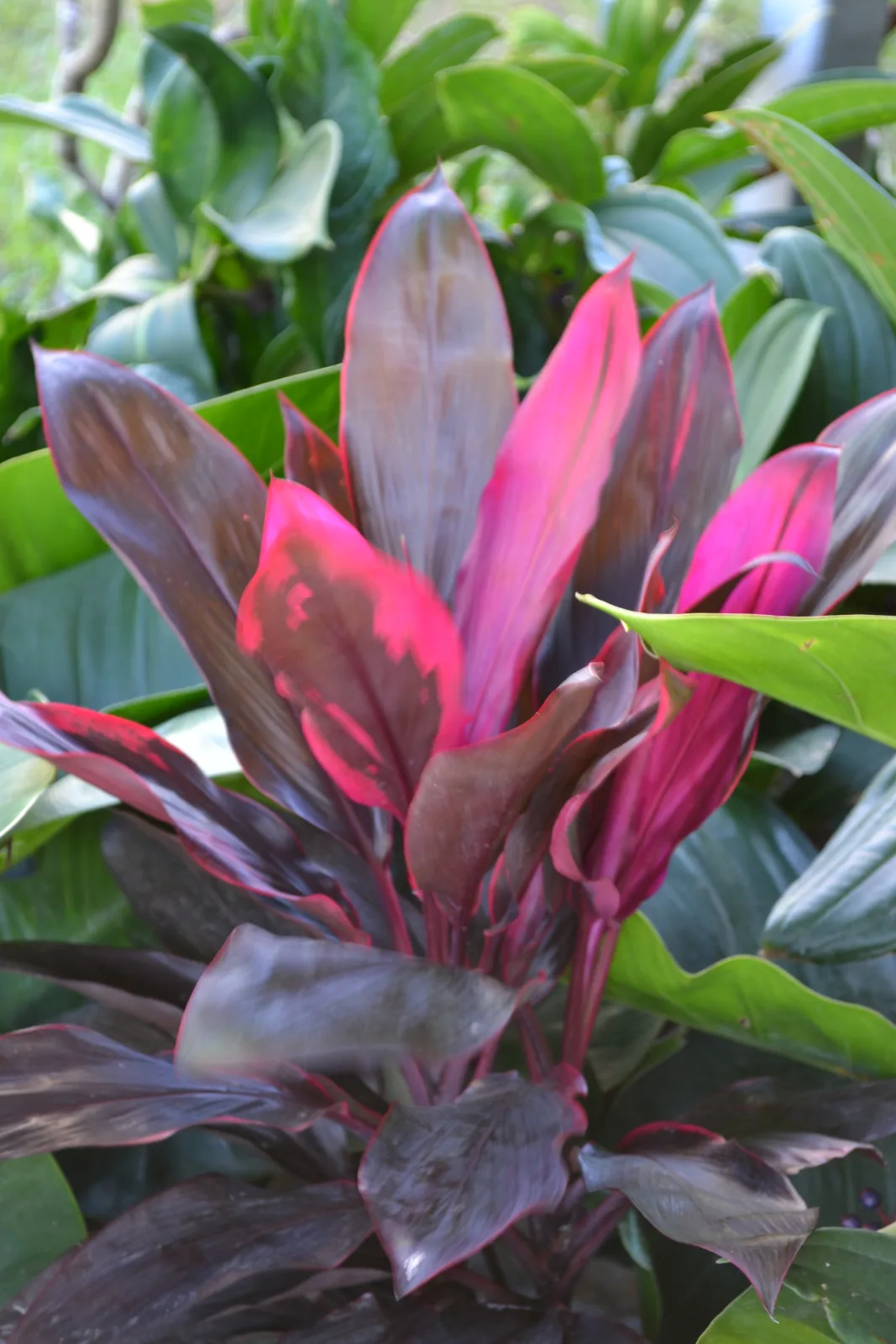
A few yellow lower leaves are usually normal. Cordylines shed their oldest leaves as new ones develop from the centre.
More widespread yellowing can come from:
- soil staying saturated for too long
- roots beginning to rot
- very low light
- cold conditions
- severe drying followed by leaf loss
- a root-bound pot
- nutrient problems
Check the roots and soil before reaching for fertiliser. A plant with damaged roots cannot use extra nutrients effectively.
Why Are Cordyline Leaves Drooping or Curling?
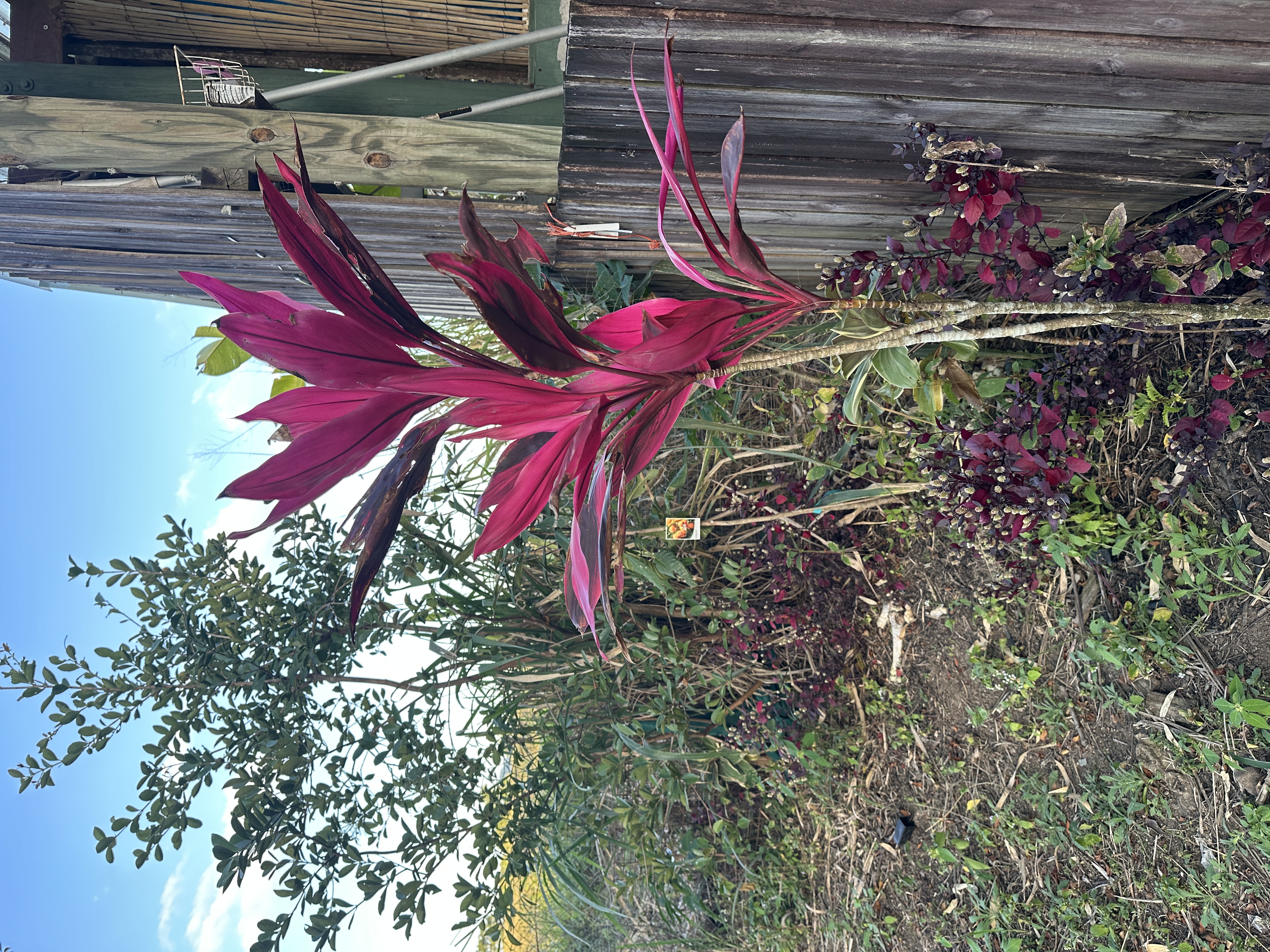
Leaves that suddenly droop during hot weather often point to water loss. Check the soil several centimetres down rather than judging only the surface.
A newly planted cordyline can also droop while the root system adjusts, especially if the leaves are large and the weather is hot.
Persistent curling or distorted new leaves deserves a closer look. Check the new growth and the tight bases of the leaves for thrips, mites or other small insects.
Why Is My Cordyline Losing Its Lower Leaves?
Some lower-leaf loss is part of normal cordyline growth.
As a cane becomes taller, old leaves are shed and the trunk becomes visible underneath. This is how the plant develops its palm-like shape.
If you prefer a leafy plant from lower down, prune the cane. New shoots usually appear below the cut, and basal shoots can also be left in place to build a fuller clump.
Rapid loss of many green leaves is different. Check for cold, root problems, severe drying or a sudden change in growing conditions.
Cordyline Insects and Other Problems
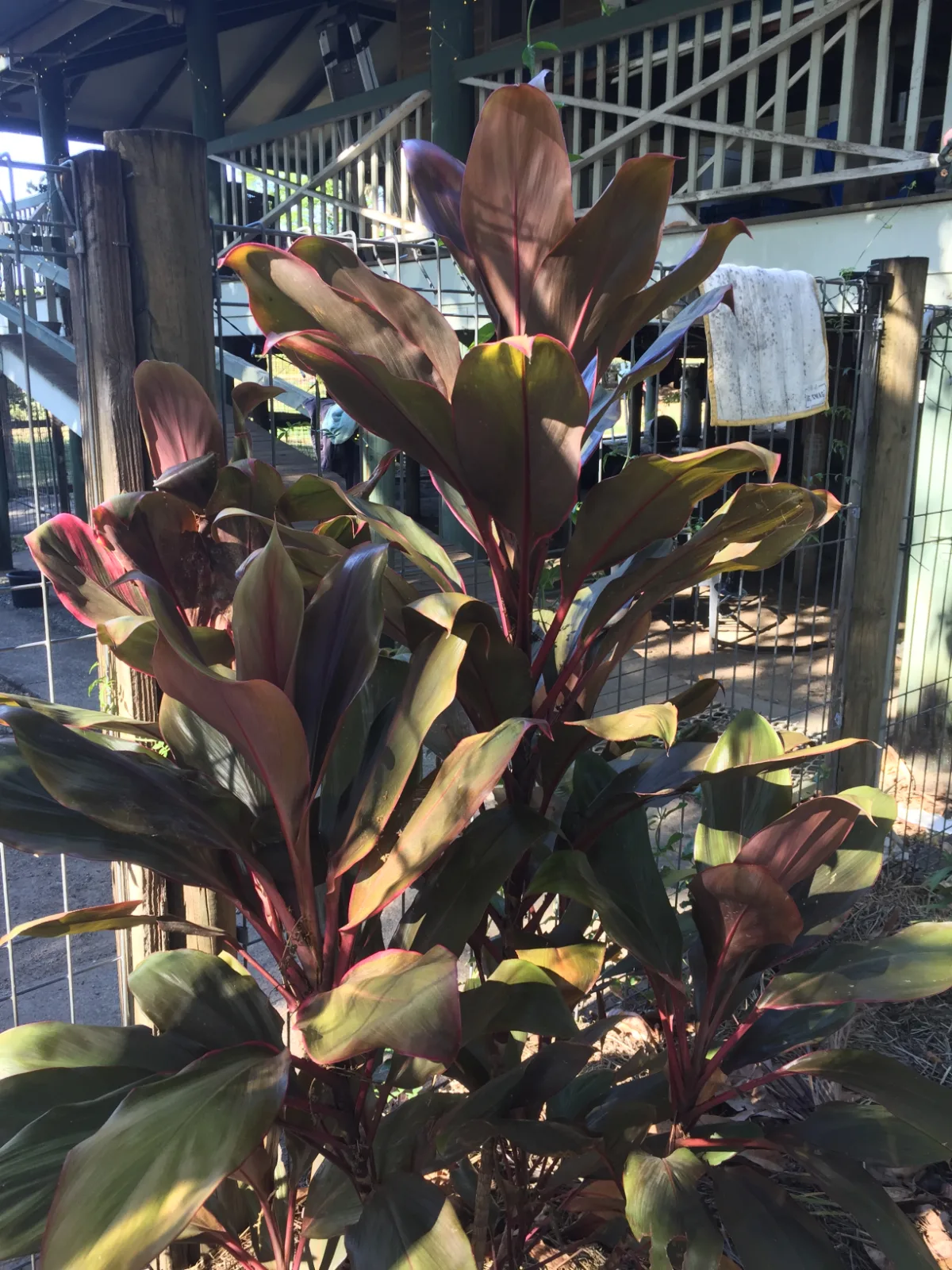
Cordylines are generally reliable plants, but several sap-feeding insects can settle into the protected spaces around the leaves.
Look for:
- mealybugs, especially inside leaf bases
- scale, on leaves and canes
- spider mites, particularly on sheltered indoor plants in dry air
- thrips, which can mark or distort new leaves
Sticky leaves or black sooty mould often indicate that sap-feeding insects are producing honeydew somewhere higher on the plant.
Check tightly folded new leaves and the places where leaves wrap around the cane rather than only looking at the obvious upper leaf surface.
Root Rot in Cordylines
Root rot is more likely where water remains around the root system for long periods.
A plant may become yellow, lose leaves and stop producing healthy new growth. In a pot, the mix may stay damp for many days even though the plant is using very little water.
If you suspect root problems, check:
- that drainage holes are open
- whether the pot is sitting in water
- whether the potting mix has collapsed and become dense
- whether heavy garden soil remains saturated after rain
Improving drainage is more useful than adding more fertiliser.
Cordylines Through Winter
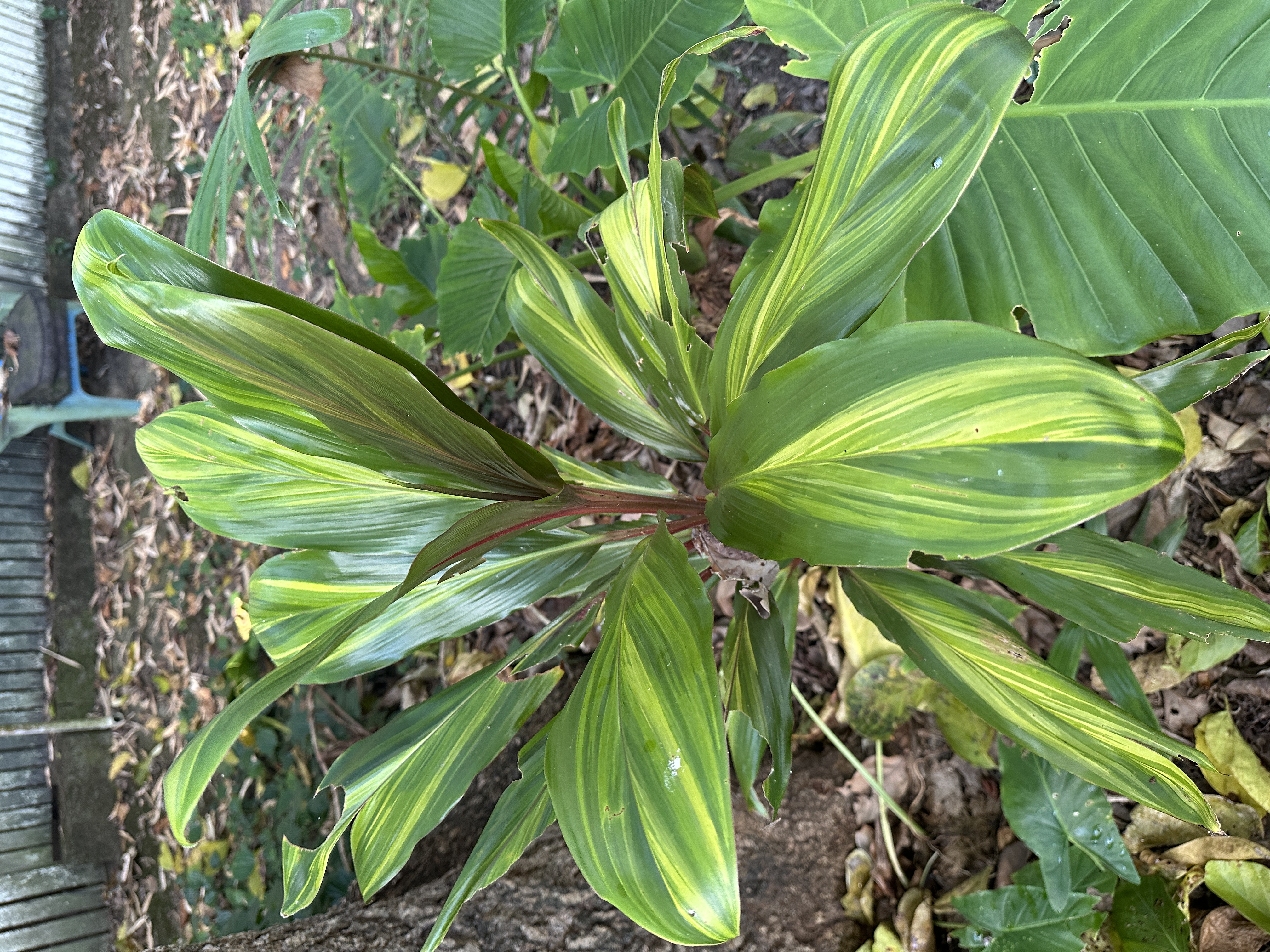
In tropical areas, Cordyline fruticosa may continue growing through winter with very little change.
In subtropical areas, growth usually slows as temperatures fall. Water a little less because the plant is using moisture more slowly, and hold back heavy feeding until active growth returns.
Warm-temperate growers should protect tropical cordylines from frost and cold wind. A sheltered courtyard, warm wall or protected canopy can make a substantial difference.
If frost damages the leafy top, wait until the coldest weather has passed before making major cuts. Remove clearly damaged tissue once warmer conditions return and give the plant time to reshoot.
Can Frost Kill a Cordyline?
It can kill Cordyline fruticosa, particularly a young plant or one exposed to repeated frost.
Light cold damage may only mark or kill the leaves, and a healthy root system can sometimes produce new shoots once the weather warms. A hard freeze can kill the canes and roots.
Do not confuse this with Cordyline australis. That species is far more cold tolerant and is often the reason you will see very low temperature claims attached to the general name "cordyline".
Are Cordylines Good for Screening?
They can be useful for light screening and vertical foliage, particularly when several are planted together.
They are not the same as a dense hedge. Mature cordylines often have visible canes underneath the foliage, so they may become quite open at lower levels.
If you want a fuller screen:
- plant several cordylines rather than one
- allow basal shoots to grow
- prune tall canes to encourage branching
- combine them with lower shrubs or foliage plants
For a narrow garden bed where a broad shrub would take up too much room, this open upright habit can be very useful.
Can Cordylines Be Cut Right Back?
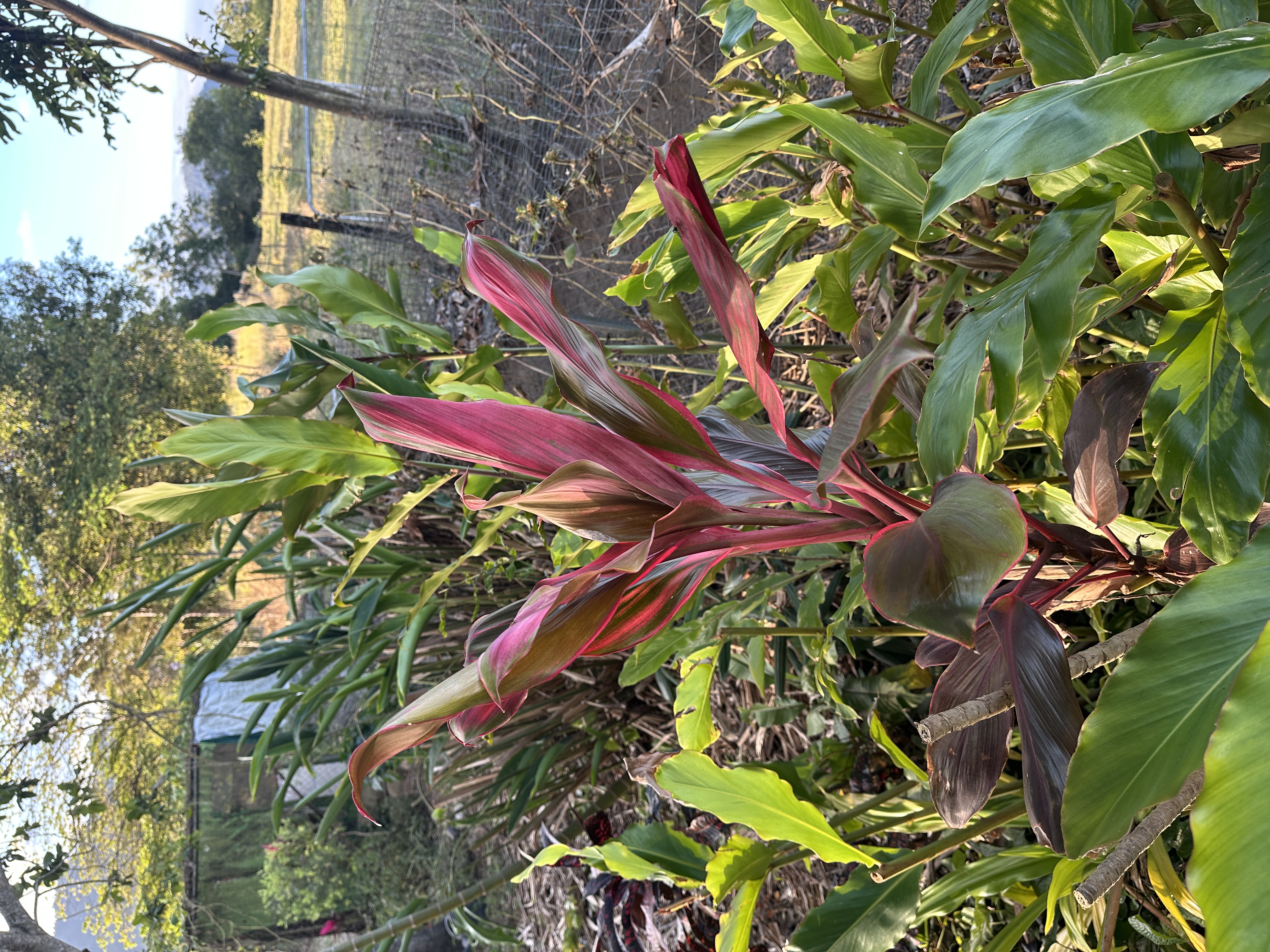
Yes.
An established cordyline can usually be cut back to a short section of cane during warm weather. Buds below the cut can produce new shoots, and the base may also send up new stems.
This is one of the easiest ways to deal with an old plant that has become too tall and bare.
Do not throw the removed stems away if you want more plants. The top and the bare cane can both be propagated.
Is Cordyline Fruticosa Native to Australia?
Yes, with an important bit of context.
Kew Plants of the World Online currently lists Queensland within the native range of *Cordyline fruticosa*. Wild plants occur in far northern Queensland, with Australian Native Plants Society records describing populations in Cape York rainforest.
Older Australian botanical references were less certain about whether the Cape York populations were genuinely native because C. fruticosa has been moved and cultivated by people through the Pacific for a very long time. Current Kew treatment includes Queensland as native.
That does not mean every brightly coloured cordyline at a nursery is a local Australian native plant. Many garden cordylines are cultivars, selections or hybrids developed from C. fruticosa material from different parts of its range.
If you specifically want a locally indigenous plant, buy one with known provenance rather than relying on the species name alone.
Is Cordyline Fruticosa a Weed in Australia?
It is not useful to describe every Cordyline fruticosa as an Australian weed.
The picture is more complicated because the species has a native range in far northern Queensland while cultivated forms have also been moved well outside that range. Older Australian weed-status references recorded C. fruticosa as naturalised or weedy in some situations.
Individual ornamental cultivars can occasionally persist outside gardens in warm climates. If you live next to rainforest, bushland or another sensitive area, check current local advice and avoid allowing unwanted berries or discarded stems to establish outside the garden.
This is separate from Cordyline australis, which has naturalised in parts of south-eastern Australia and has its own environmental weed concerns.
Are Cordylines Toxic to Cats and Dogs?
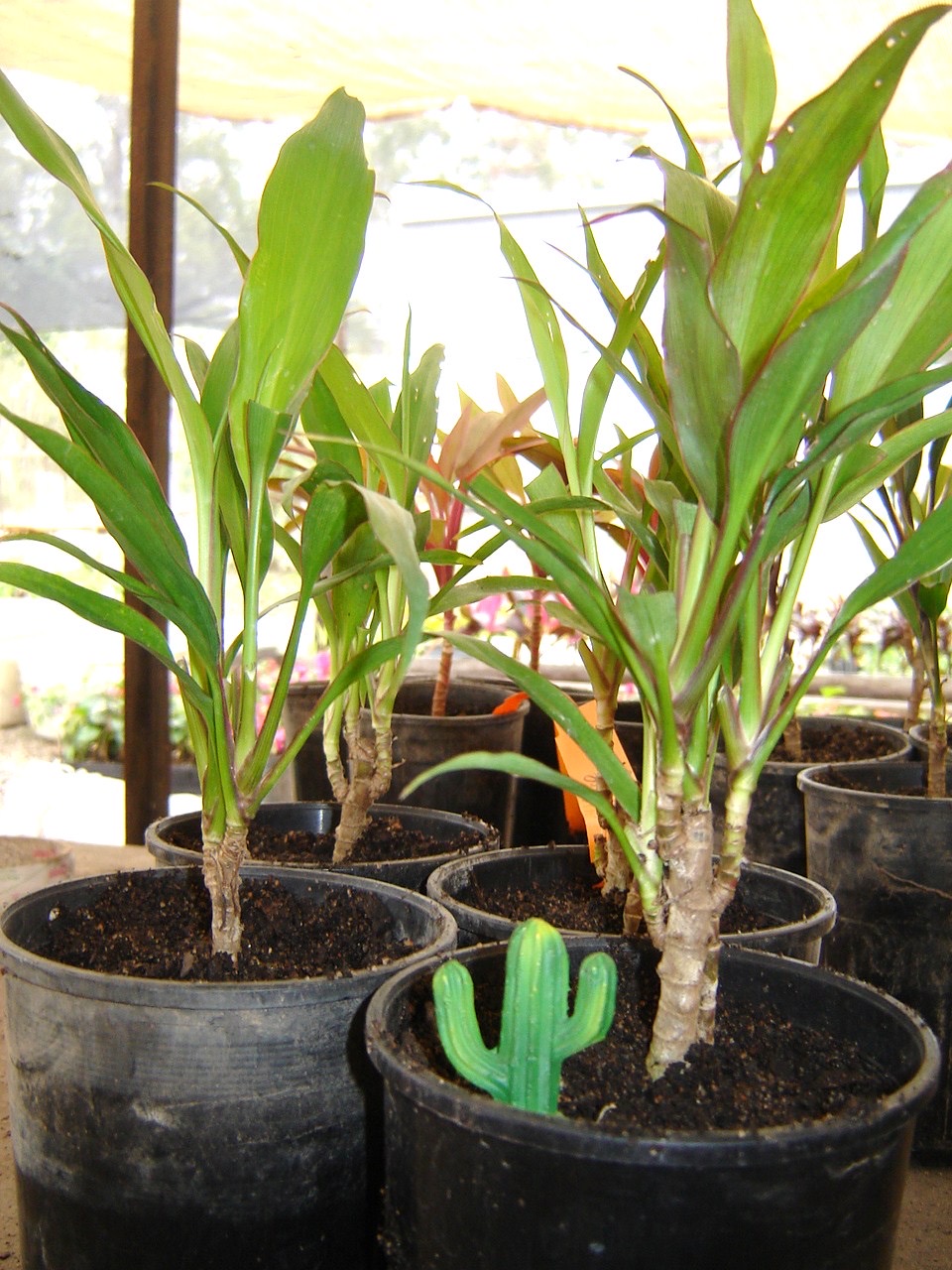
Yes. The ASPCA lists ti plant under the older botanical name Cordyline terminalis as toxic to cats, dogs and horses because it contains saponins.
Signs after eating the plant can include:
- vomiting
- drooling
- reduced appetite
- depression or lethargy
- dilated pupils in cats
Keep cordylines away from animals that regularly chew foliage.
If a pet eats part of the plant and develops symptoms, contact a veterinarian and give them the botanical name Cordyline fruticosa as well as the older synonym Cordyline terminalis.
Sources I Checked
- Kew Plants of the World Online — Cordyline fruticosa
- Flora of Australia — Cordyline and Australian distribution
- Australian Native Plants Society — Australian cordylines
- Gardening Australia — shade planting, tropical gardens and Cordyline fruticosa
- Royal Horticultural Society — cordyline cultivation, pruning and propagation
- Bunnings Australia — cordyline growing, pruning and propagation
- Queensland horticultural sources — cultivar light requirements, size and garden use
- ASPCA Animal Poison Control — Ti Plant / Cordyline terminalis
- North Carolina Extension — Cordyline fruticosa cultivation and leaf-tip problems
I used these to check taxonomy, Australian native range, climate, cultivar differences, light, soil, watering, pot growing, pruning, propagation, flowering, common problems and pet safety.
Questions People Ask
- Are cordylines easy to grow?
In warm Australian climates, Cordyline fruticosa is generally straightforward. Give it enough light, good drainage and regular water while it is actively growing.
The main difficulties are usually frost, very dark positions, saturated soil or allowing a potted plant to dry severely.
- Can cordylines grow in full sun?
Some cultivars can. Dark green, burgundy and sun-selected cultivars generally handle stronger sun than pale pink, cream or heavily variegated forms.
For an unknown cultivar, bright filtered light or morning sun is the safer starting point. Move it gradually into stronger sun if needed.
- Can cordylines grow in shade?
Yes. Tropical cordylines are useful shade foliage plants, and Gardening Australia recommends full to part shade for the broad-leaved C. fruticosa cultivars.
Very deep shade can reduce colour and produce more stretched growth.
- How tall does a cordyline grow?
Many garden cultivars grow around 1–3 metres tall. Compact forms may stay close to a metre, while larger cultivars and the wild species can grow taller.
You can also control the height very easily by cutting the canes back.
- How quickly do cordylines grow?
They grow fastest in warm, humid conditions with good moisture and light. Tropical and subtropical plants can put on substantial new growth during the warm season.
Growth is much slower in cool weather, deep shade or dry conditions.
- Can you cut the top off a cordyline?
Yes. Cut the cane to the height you want during warm growing weather. New shoots usually develop below the cut.
The removed top can also be rooted as a cutting.
- Will a cordyline grow back if cut to the ground?
An established healthy plant can often reshoot from low sections of cane or from the base. Leave some healthy stem where possible and make major cuts during warm weather.
A plant with rotten or badly cold-damaged roots may not recover in the same way.
- Can cordylines grow in pots?
Yes. Compact cultivars are particularly good in pots.
Use quality potting mix, good drainage and enough light to maintain the foliage colour. Repot once the root system fills the pot or watering becomes difficult.
- Can cordylines grow indoors?
Yes, provided the room is bright. Put the plant close to a bright window and keep it away from cold draughts.
A cordyline becoming greener and more stretched indoors usually needs more light.
- Why is my pink cordyline turning green?
Low light is the most common reason. The plant produces more chlorophyll in darker conditions, and strongly coloured cultivars can become noticeably greener.
Move it gradually into brighter light and judge the new growth.
- Why are my cordyline leaves brown?
Check water first. Repeated drying, root damage, overfeeding, dry indoor air and mineral or fluoride buildup can all cause brown leaf tips.
Large dry patches on the sun-facing side may instead be sun scorch.
- Should I cut brown tips off cordyline leaves?
You can. Trim only the dead section and follow the natural shape of the leaf.
Trimming improves appearance but does not fix the cause, so watch the next leaves to see whether your changes have worked.
- Why are the lower leaves turning yellow?
A few yellow lower leaves are normal as the plant grows taller. Cordylines naturally shed old leaves and form bare cane underneath.
If many leaves yellow at once, check drainage, roots, temperature and light.
- How often should I water a cordyline?
There is no useful fixed schedule. Water according to the soil, weather and size of the root system.
During active growth, aim for fairly even moisture without leaving the root zone constantly saturated. Water less often in cool weather when growth slows.
- Do cordylines need fertiliser?
They grow perfectly well with moderate feeding. Mature compost and a complete controlled-release fertiliser during active growth are generally enough outdoors.
Potted plants can also receive a dilute complete liquid feed.
- How do you make a cordyline bushier?
Cut a tall cane back during warm weather. Several shoots can develop below the cut, turning one tall stem into a fuller plant.
Allowing basal shoots to remain also builds a denser clump.
- Can you propagate cordyline from a piece of stem?
Yes. Cut the bare cane into sections and root them in propagation mix.
Keep track of the original top and bottom if planting pieces vertically. Cane sections can also be laid horizontally with part of the stem exposed.
- Can you grow cordyline cuttings in water?
Cordyline tops can sometimes form roots in water, but propagation mix gives the new roots a growing medium from the start and is my preferred method for garden propagation.
Keep the cutting warm, bright but out of harsh sun, and lightly moist until it has established.
- Do cordylines flower?
Yes. Mature plants can produce branched clusters of small flowers followed by berries.
Many people barely notice the flowers because the foliage is the main feature, and flowering varies between cultivars.
- Are cordyline berries edible?
I would treat ornamental cordyline berries as not for eating. Cordylines have a long history of traditional use in parts of the Pacific, but that is not the same as treating an unidentified Australian garden cultivar or its berries as an edible plant.
Grow modern ornamental cordylines for their foliage unless you have reliable identification and specific food-use information.
- Are cordylines native to Australia?
Some are. Australia has several native Cordyline species, and current Kew data also includes Queensland in the native range of Cordyline fruticosa.
The colourful C. fruticosa cultivars sold in nurseries should not automatically be treated as locally native plants.
- Are cordylines toxic to pets?
Cordyline fruticosa, listed by the ASPCA under its older name Cordyline terminalis, is toxic to cats, dogs and horses if eaten.
Keep the plant out of reach of animals that chew leaves.
Keep Cordylines Looking Gorgeous
Good light, steady watering and occasional pruning do most of the work with cordylines. If a stem gets too tall or bare, cut it back in warm weather and use the healthy pieces as cuttings. That simple pruning cycle lets you control the height, encourage fresh shoots and make more plants from the same clump.