
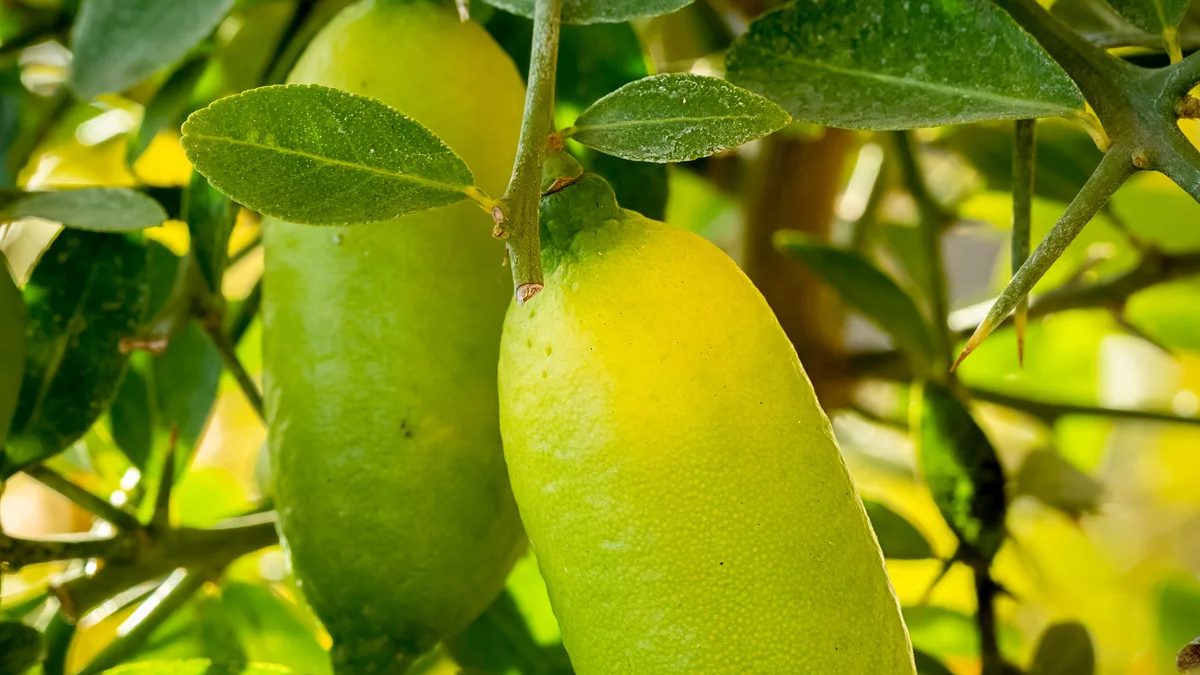

Finger lime (Citrus australasica) is an Australian native citrus that works well in orchards, food forests and mixed edible gardens. It grows as a thorny shrub or small tree and produces long, narrow fruit filled with small juice-filled beads rather than ordinary citrus segments.
It grows naturally in subtropical rainforest from south-east Queensland into north-east New South Wales, but gardeners can grow it across a much wider range of climates. Named cultivars vary in fruit colour, pulp colour, seediness, growth habit and size, so choosing the cultivar is part of choosing the plant rather than an afterthought.
- Botanical name: Citrus australasica
- Plant type: Evergreen Australian native citrus shrub or small tree
- Native range: South-east Queensland to north-east New South Wales
- Climate: Tropical, subtropical and warm temperate
- Position: Full sun to part shade
- Size: Usually about 2–6 m tall, depending on cultivar and pruning
- Spacing: About 2.5–4 m apart in a home garden
- Fruiting: Grafted trees can begin cropping from around year 3; seedlings take much longer
- Harvest: Often summer to autumn; timing varies with climate and cultivar
What Is a Finger Lime?
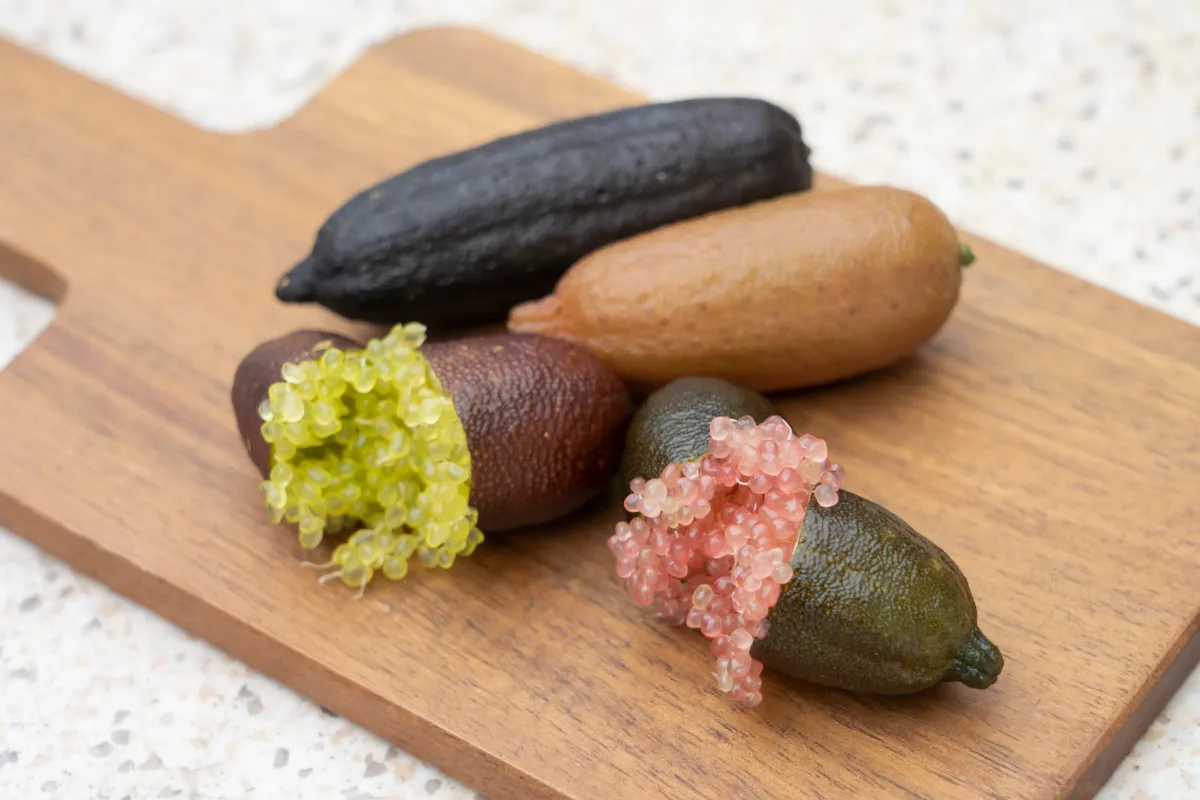
Finger lime is a native citrus with cylindrical fruit, usually around finger size. The pulp is made up of separate juice-filled beads rather than the connected segments you see in lemons and oranges. The beads are often sold as “citrus caviar”.
The plant has small leaves, dense branching and sharp thorns. In the wild it grows in rainforest understorey and margins, so it handles part shade better than many common citrus trees. In a garden with plenty of light it usually grows more densely and flowers more heavily.
Choosing a Finger Lime Cultivar
Named cultivars can be quite different from one another, so choose by fruit, plant size and how much room you have.
Alstonville is a taller-growing cultivar with dark green to almost black fruit and pale green pulp. Blunobia Pink Crystal is more compact, with green-brown fruit and deep pink pulp. Rainforest Pearl has green fruit with a crimson flush, pink pulp and a smaller, more open upright habit.
Other cultivars you may come across include Durhams Emerald, with dark skin and green pulp; Judy’s Everbearing, with green-brown to maroon skin and pulp that can range from green to dark pink; Pink Ice, with reddish-maroon skin and clear to pink pulp; Ruby, with copper-coloured skin and dark pink pulp; and D1, a green-yellow selection bred for seedless fruit.
For a small garden, start with mature size and growth habit. If you care about the look of the fruit, check the pulp colour as well as the skin colour because they do not always match. If seediness matters, ask the nursery about that too. I would choose a named grafted cultivar rather than an unnamed seedling if I wanted a reliable eating fruit.
Where Finger Limes Grow Best in Australia
Finger lime is native to subtropical rainforest, so south-east Queensland and northern New South Wales suit it especially well. It also grows in tropical areas if the soil drains well, and it can crop in warm temperate gardens in a sheltered position.
Young trees need more protection from frost and strong wind than established trees. In a cooler district, plant against a warm, sheltered part of the garden. In very hot areas, some afternoon shade can help young plants establish.
Established trees can grow and fruit in full sun, while part shade also works. The warmer the climate, the more useful that afternoon shade can be.
How Big Does a Finger Lime Grow?
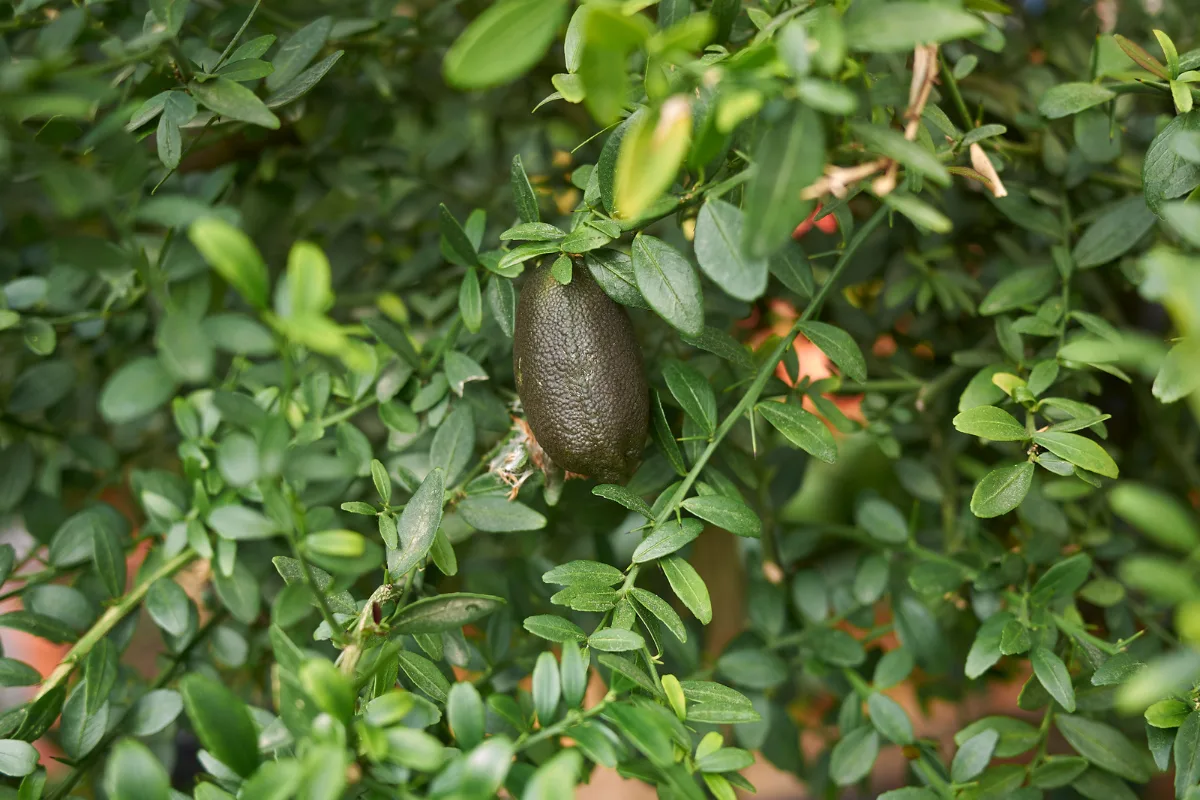
Finger lime can reach around 6 metres in the wild, but garden plants vary with cultivar, rootstock and pruning. Many named cultivars stay closer to 2–4 metres with light pruning, while taller selections can become much larger.
Allow roughly 2.5–4 metres between plants unless you are growing a compact cultivar. Give yourself enough space to reach the fruit and prune from more than one side. The branches are thorny, so avoid planting it where you will need to squeeze past it regularly.
Where Should You Plant a Finger Lime?
Choose a position with full sun to part shade, free-draining soil and some shelter from strong wind. More sun usually means heavier flowering and fruiting once the tree is established.
Finger lime can also sit under a higher tree canopy in a food forest or mixed orchard because it tolerates part shade. Keep enough space around it for airflow, pruning and harvest rather than crowding it tightly between other shrubs.
What Soil Does Finger Lime Need?
Finger lime grows best in free-draining soil with plenty of organic matter. A slightly acidic soil around pH 5–6.5 suits it well.
If you have heavy clay, improve drainage before planting or build a broad raised mound. Do not dig a deep planting hole and fill it with loose soil if the surrounding clay still holds water, because the hole can fill like a basin after heavy rain.
On sandy soil, add compost and keep a good mulch layer over the root zone to help hold moisture and build the soil.
How to Plant a Finger Lime
Plant at the same depth the tree was growing in its pot and keep the graft union above soil level. Water it in thoroughly, then mulch over the root zone while keeping the mulch clear of the trunk.
If wind rocks the root ball, add a loose stake while the roots establish. Remove it once the tree is stable.
In tropical and subtropical gardens, plant when you can keep the soil evenly moist but avoid a site that floods in the wet season. In warm temperate areas, spring is the easiest time because the tree has a full warm season to establish before winter.
How Often Should You Water Finger Lime?
Water newly planted trees regularly until the roots establish. After that, water deeply when the topsoil starts to dry.
Keep moisture fairly even while the tree is flowering and the fruit is developing. A tree that dries out badly and then gets a lot of rain can drop fruit or develop split fruit close to harvest.
In wet climates, drainage matters just as much as watering. If the soil stays wet for long periods, fix the drainage rather than adding water on a fixed schedule.
How to Feed a Finger Lime
Finger limes need less fertiliser than most commercial citrus, but they still respond well to regular feeding while they are actively growing.
I’d use a complete fertiliser that is relatively low in phosphorus, applied in small amounts two or three times through the main growing season. NSW DPI also advises avoiding fertiliser from flowering until the young fruit are about 1 cm long, because feeding during that stage has been associated with fruit drop. Once the fruit has set, you can resume light feeding.
Spread fertiliser over the root zone rather than against the trunk, then water it in. Compost and mulch are useful as well, especially on lighter soils, but keep mulch clear of the trunk.
How to Prune a Finger Lime
Prune lightly and regularly rather than cutting an old tree back hard.
On a young tree, keep a few well-spaced main branches and remove damaged growth, branches rubbing across each other, strong upright shoots and any suckers coming from below the graft.
After harvest is a good time to shorten long branches and keep the canopy within reach. Gloves and eye protection are worth wearing because the thorns are easy to miss among the leaves.
Grow a Little Wild
New plants to try, useful growing tips and a few garden jobs based on what you grow.
Do Finger Limes Need a Pollinator?
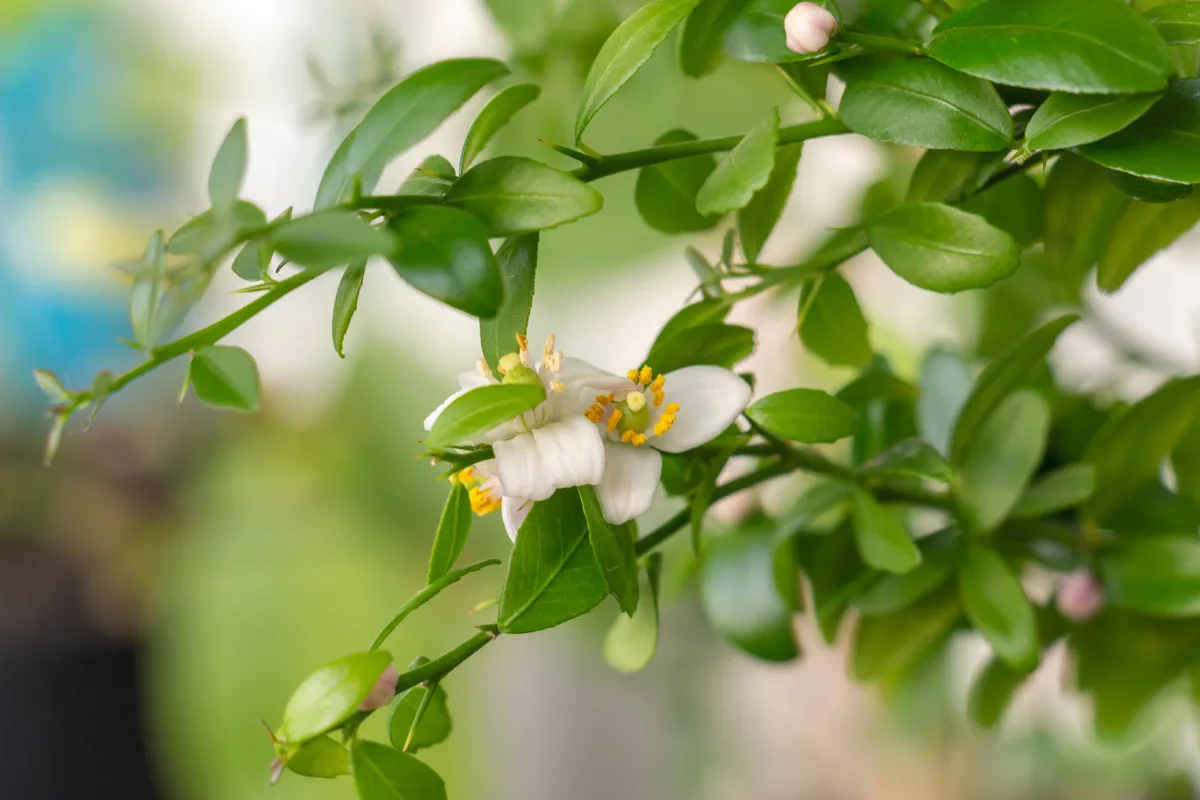
You can get fruit from a single finger lime, so you do not need two cultivars just to produce a crop.
Bees and other insects visit the flowers and help move pollen. If the tree flowers heavily but sets very little fruit, check whether insects are visiting, whether the tree dried out during flowering and whether cold, rain or wind hit the flowers at the wrong time.
How Long Does a Finger Lime Take to Fruit?
A grafted finger lime can begin fruiting from around its third year, although heavier crops come as the tree matures. Seedlings take much longer and can be very variable.
Once flowers set fruit, allow roughly five months for the crop to ripen. That timing changes with cultivar, weather and climate, and some trees can flower more than once through a long warm season.
When to Pick Finger Limes
Pick finger limes when they are fully ripe because they do not continue ripening after harvest.
A ripe fruit should feel full and release with a gentle twist. If you need to pull hard, leave it longer. If you are unsure, cut one open: the juice-filled beads should separate easily and the fruit should taste fully developed rather than bitter.
Harvest time depends on climate and cultivar. On the north coast of New South Wales, fruit can mature from summer into autumn, with the main harvest commonly around March to May. A tree may need several picks because the whole crop will not ripen at once.
Avoid harvesting wet fruit straight after rain. The skin marks more easily when wet, especially on pale-skinned cultivars.
How to Use Finger Limes
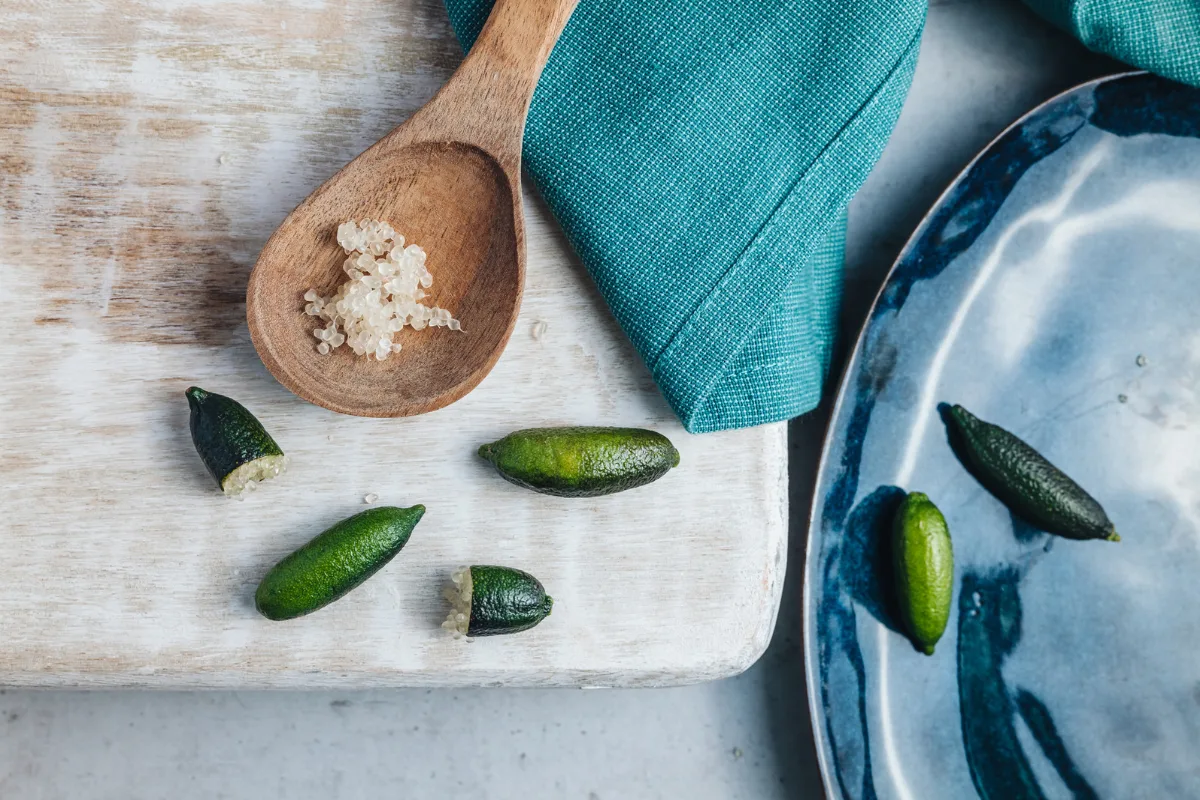
Cut the fruit across the middle and squeeze gently to release the juice-filled beads.
Use them anywhere you want small bursts of lime flavour rather than juice mixed through the whole dish. They work well with seafood, avocado, salads, fruit, yoghurt, desserts and drinks.
Flavour varies between cultivars. Some are sharper, some milder and some more aromatic, so the best use depends partly on the plant you are growing.
How to Store Finger Limes
Store freshly picked fruit cool and dry. Finger limes can keep for several weeks under good cool-storage conditions, although home-fridge life varies with cultivar and how ripe the fruit was when picked.
You can also freeze whole fruit or freeze the pulp in small portions. The texture softens after freezing, but the flavour still works well in drinks, desserts and cooking.
Can You Grow Finger Lime in a Pot?
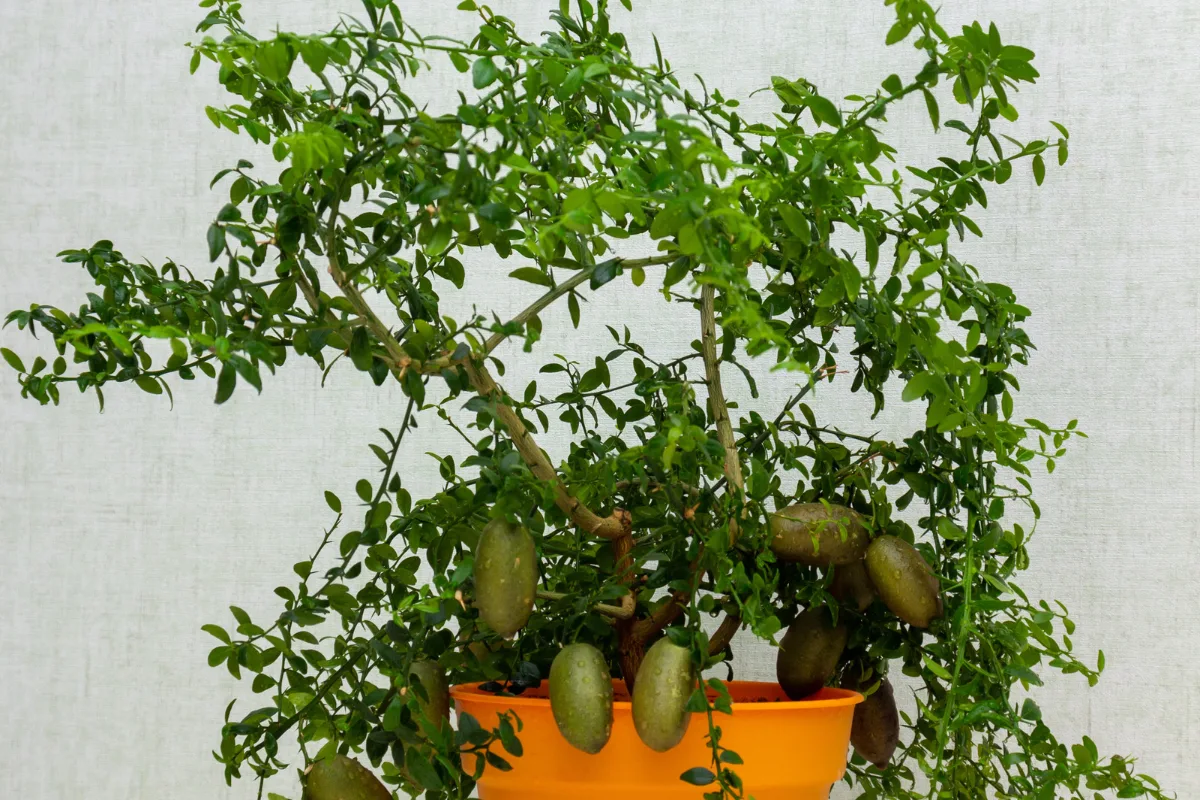
Yes. Choose a compact cultivar, a large container with good drainage and a quality citrus or premium potting mix.
Potted finger limes need more regular watering and feeding than trees in the ground. Check the pot more often during hot weather and while the tree is carrying fruit.
If roots are tightly circling the pot or the mix dries much faster than it used to, move the tree into a larger container after harvest.
Can You Grow Finger Lime From Seed or Cuttings?
You can grow finger lime from seed, but seedlings do not reliably copy the fruit of the parent tree and may take many years to crop.
Named cultivars are usually budded or grafted onto citrus rootstock so the new plant keeps the fruit characteristics of the cultivar. Cuttings are possible, but for a home garden I would buy a grafted plant if I wanted a known fruit colour, growth habit and cropping time.
Common Finger Lime Problems
Finger limes can get many of the same sap-feeding and leaf-chewing insects as other citrus. Scale, aphids, mealybugs, bronze orange bug, caterpillars, snails, katydids and grasshoppers can all turn up depending on where you live.
Keep the canopy open enough that you can see inside it and remove badly damaged or crossing growth. Poor drainage is a bigger long-term problem than most insect damage because it can lead to Phytophthora and root decline.
Fruit can split after uneven watering or heavy rain close to harvest, and wind rub can mark the skin. Older NSW DPI work found finger lime fruit did not appear to be a host for Queensland fruit fly, although fruit-fly risk and local advice can change, so I would still follow current local biosecurity advice if fruit fly is active in your area.
Where Finger Lime Fits in a Food Forest
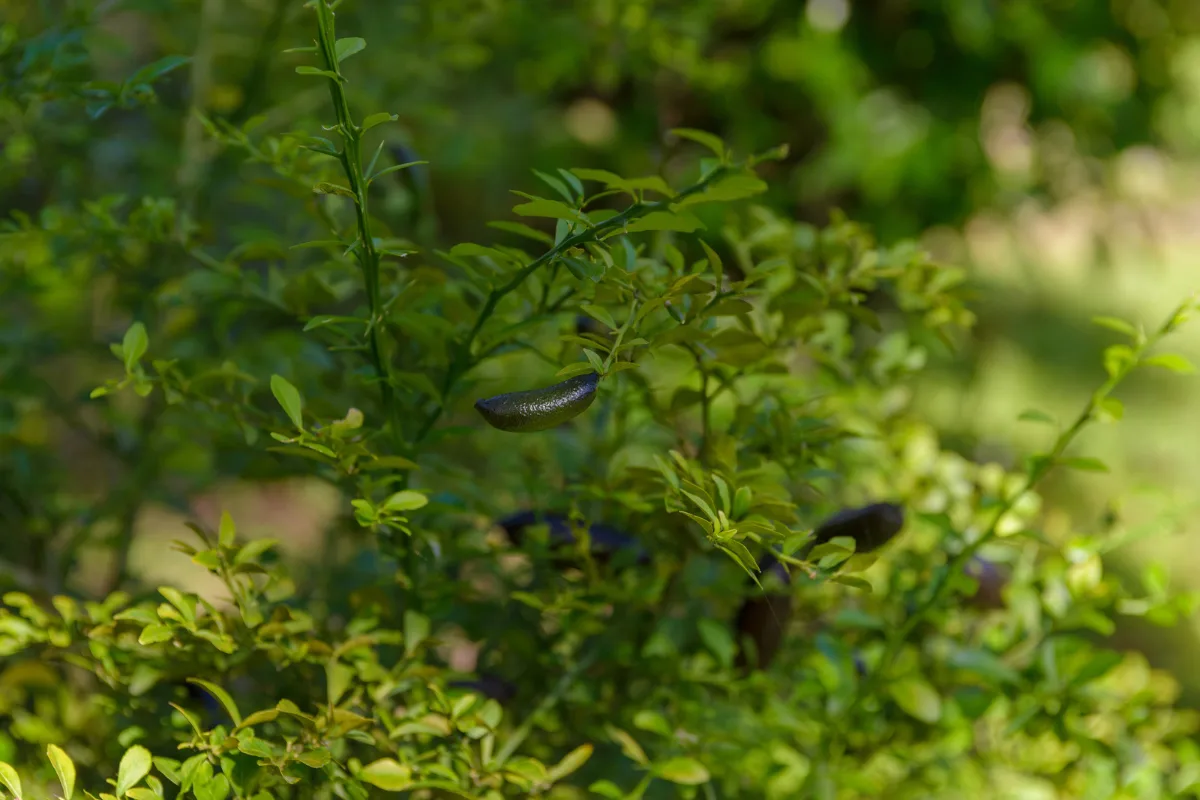
Finger lime works well as a mid-layer fruiting shrub or small tree. It tolerates part shade, stays smaller than many citrus trees and gives you a permanent evergreen layer beneath taller fruit or native trees.
Leave enough space around it to harvest and prune safely. The thorny growth makes it better away from narrow paths, but it can work well along an outer edge or in a dense edible boundary.
Mulch the root zone and grow flowering plants nearby to support pollinating insects.
Is Finger Lime Native to Australia?
Yes. Citrus australasica is native from south-east Queensland into north-east New South Wales and grows naturally in subtropical rainforest.
That native range is much smaller than the area where people can grow finger lime successfully in gardens.
Is Finger Lime Safe to Eat?
The fruit is edible.
The main garden hazard is the thorns. Wear gloves and eye protection when pruning or reaching into a dense plant.
Sources I Checked
- Kew Plants of the World Online — Citrus australasica
- NSW Department of Primary Industries — Growing Australian Native Finger Limes
- PlantNET — Citrus australasica
I used these for botanical identity, native range, cultivar descriptions, size, spacing, fruiting age, pruning, feeding, pollination, harvest timing and ripeness.
Questions People Ask
- Do finger limes need full sun?
No. Full sun usually gives heavier flowering and cropping, but finger lime also grows in part shade.
- Can finger lime grow in tropical Australia?
Yes, as long as the site drains freely. In very wet climates, drainage and airflow are especially important.
- Can finger lime grow in temperate Australia?
Yes in a warm sheltered position. Protect young trees from frost and expect slower growth in cooler weather.
- Do I need two finger lime trees for fruit?
No. A single tree can fruit. Bees and other insects help with pollination.
- Which finger lime cultivar should I choose?
Choose by mature size, growth habit, pulp colour and seediness. Alstonville is taller with pale green pulp, Blunobia Pink Crystal is more compact with deep pink pulp, and Rainforest Pearl has pink pulp and a smaller open habit.
- How long does a finger lime take to fruit?
A grafted tree can begin fruiting from around year three, with heavier crops as it matures. Seedlings can take much longer.
- How do I know when finger limes are ripe?
The fruit should feel full, come away with a gentle twist and release the juice-filled beads easily when cut. Pick them ripe because they do not continue ripening off the tree.
- Can I grow finger lime in a pot?
Yes. Choose a compact cultivar, use a large free-draining pot and keep up with watering and feeding during active growth.
- Can I grow a finger lime from seed?
Yes, but seedlings are variable and can take years to fruit. A grafted named cultivar gives you a much more predictable result.

Growing Finger Lime at Home
Finger lime is a useful native citrus if you want fruit from a shrub or small tree rather than another large orchard tree. Choose a cultivar that suits your space and the fruit you want, give it good drainage and steady water while it establishes, then keep pruning and feeding light and regular.