
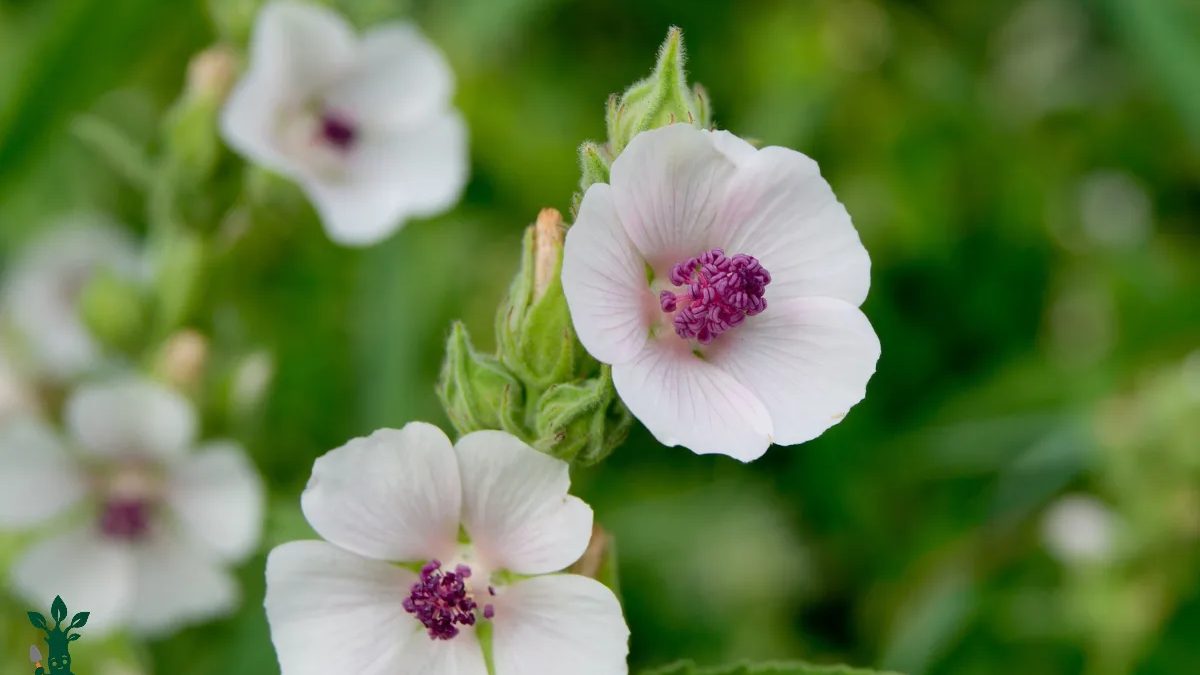

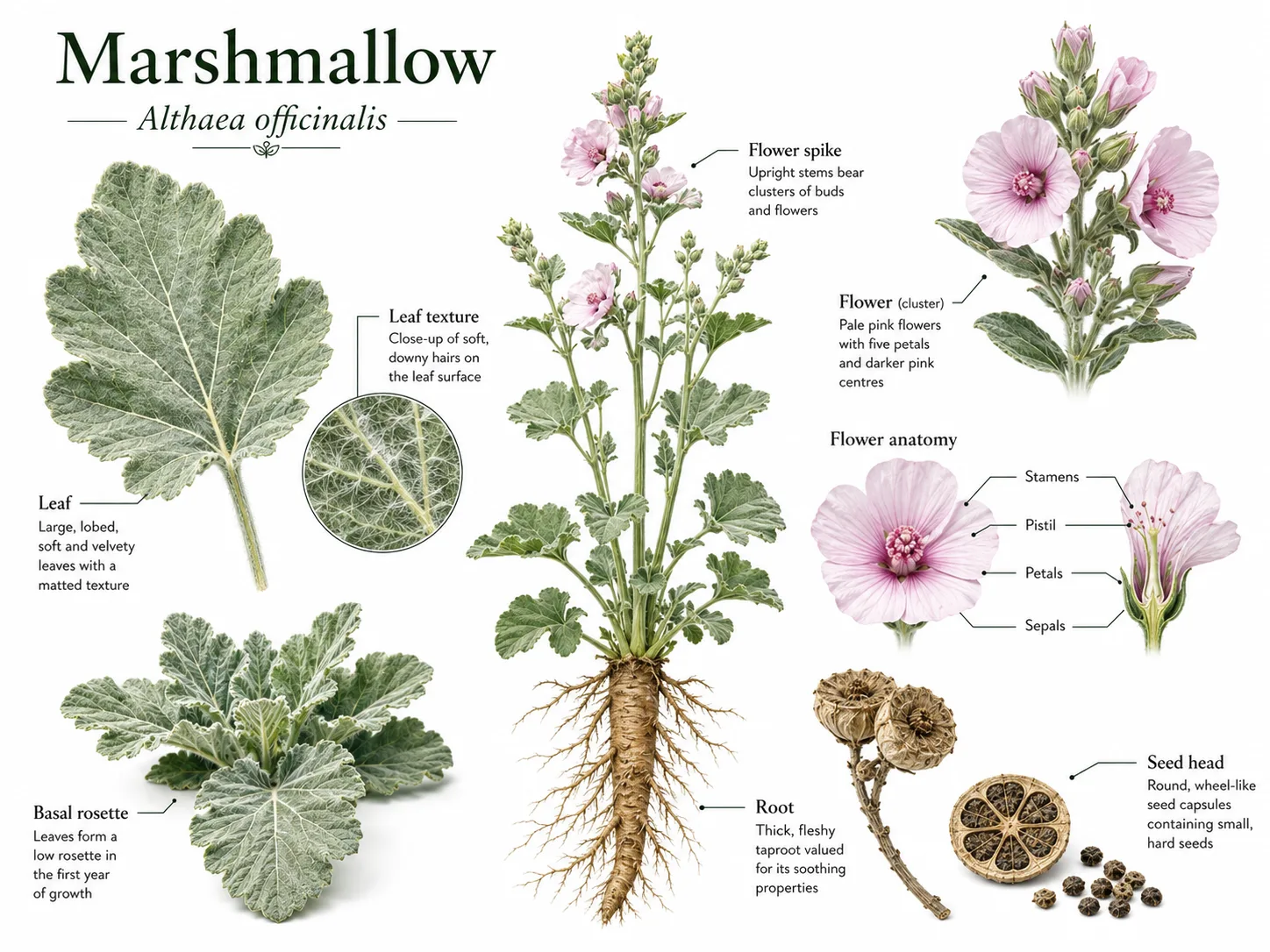
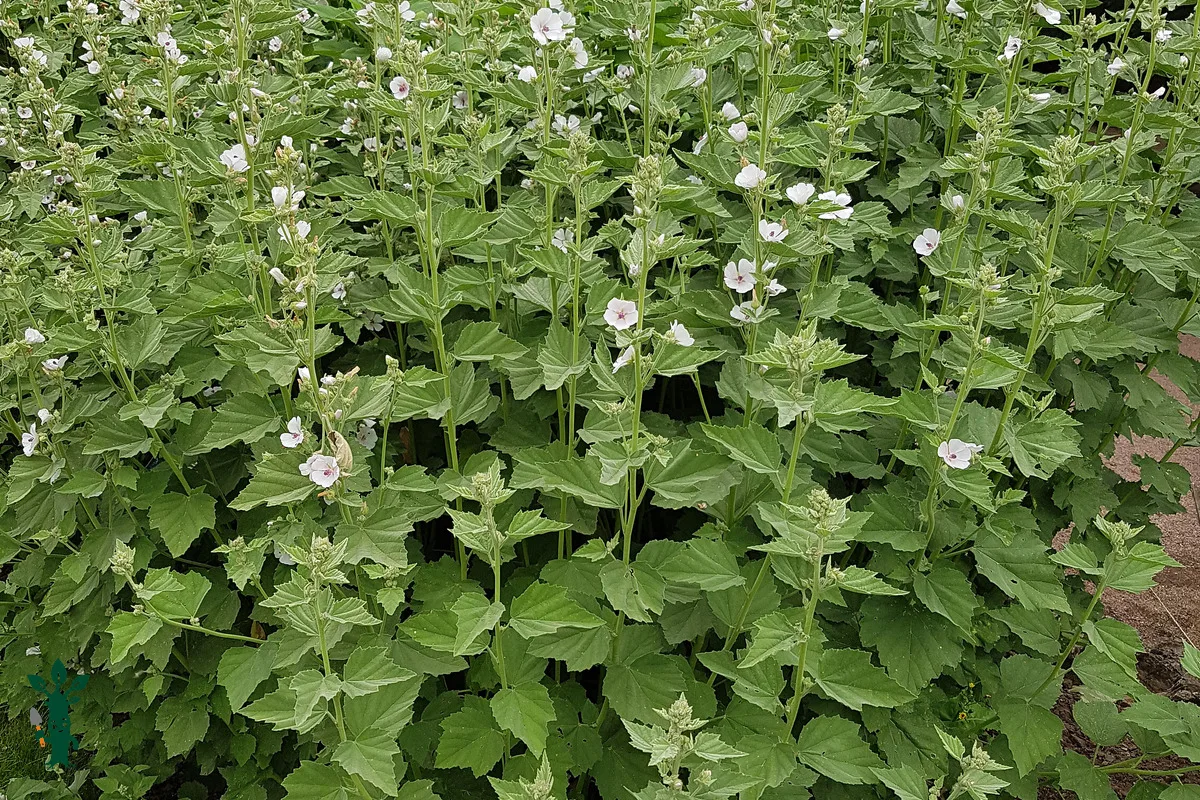
Marshmallow (Althaea officinalis) is a tall herbaceous perennial with soft grey-green leaves and pale pink flowers. It grows from a long-lived crown and can reach around 1.5–2.5 m once established.
It grows best in fertile soil with reliable moisture and plenty of light. Compared with dry-climate herbs such as rosemary or lavender, marshmallow needs more regular water through active growth.
- Botanical name: Althaea officinalis
- Also known as: Marsh mallow, Marsh-mallow, White mallow, Common marshmallow, Guimauve
- Category: Herb & spice
- Lifecycle: Herbaceous perennial
- Climates: subtropical, temperate, cool / mountain, Mediterranean
- Position: Full sun gives the strongest flowering in mild climates. In hot subtropical conditions, morning sun with some afternoon protection can reduce heat stress. In humid tropical gardens, a bright position with good airflow is safer than a hot, enclosed site.
Marshmallow Growing Conditions at a Glance
- Botanical name: Althaea officinalis
- Plant type: Herbaceous perennial
- Height: About 1.5–2.5 m
- Spread: About 1–1.5 m
- Light: Full sun to part shade
- Soil: Fertile, moist soil
- Water: Regular moisture, especially while establishing
- Flowering: Usually in the warmer months
- Propagation: Seed or division
- Pruning: Cut old stems back after flowering or when they die down
Where to Plant Marshmallow
Choose a position with enough room for a fairly large perennial.
Marshmallow grows best in full sun, although it also tolerates part shade. In very hot areas, some afternoon shade can help reduce stress.
It suits a range of Australian climates, but it is naturally a temperate plant. In warmer areas, give it good airflow and make sure the soil stays moist without remaining waterlogged.
Because the plant becomes tall, place it where it will not shade smaller plants or block a path.
What Soil Does Marshmallow Prefer?
Marshmallow grows best in fertile, moisture-retentive soil.
It can grow in clay, loam or sandy soil as long as there is enough moisture available. Adding compost before planting can improve both fertility and water-holding capacity.
A good soil for marshmallow should:
- hold moisture reasonably well
- contain organic matter
- allow excess water to drain away
- be deep enough for a substantial root system
Marshmallow tolerates wetter soil better than many herbs, but the roots still need oxygen. Avoid planting it in a position where water sits around the crown for long periods.
How to Plant Marshmallow
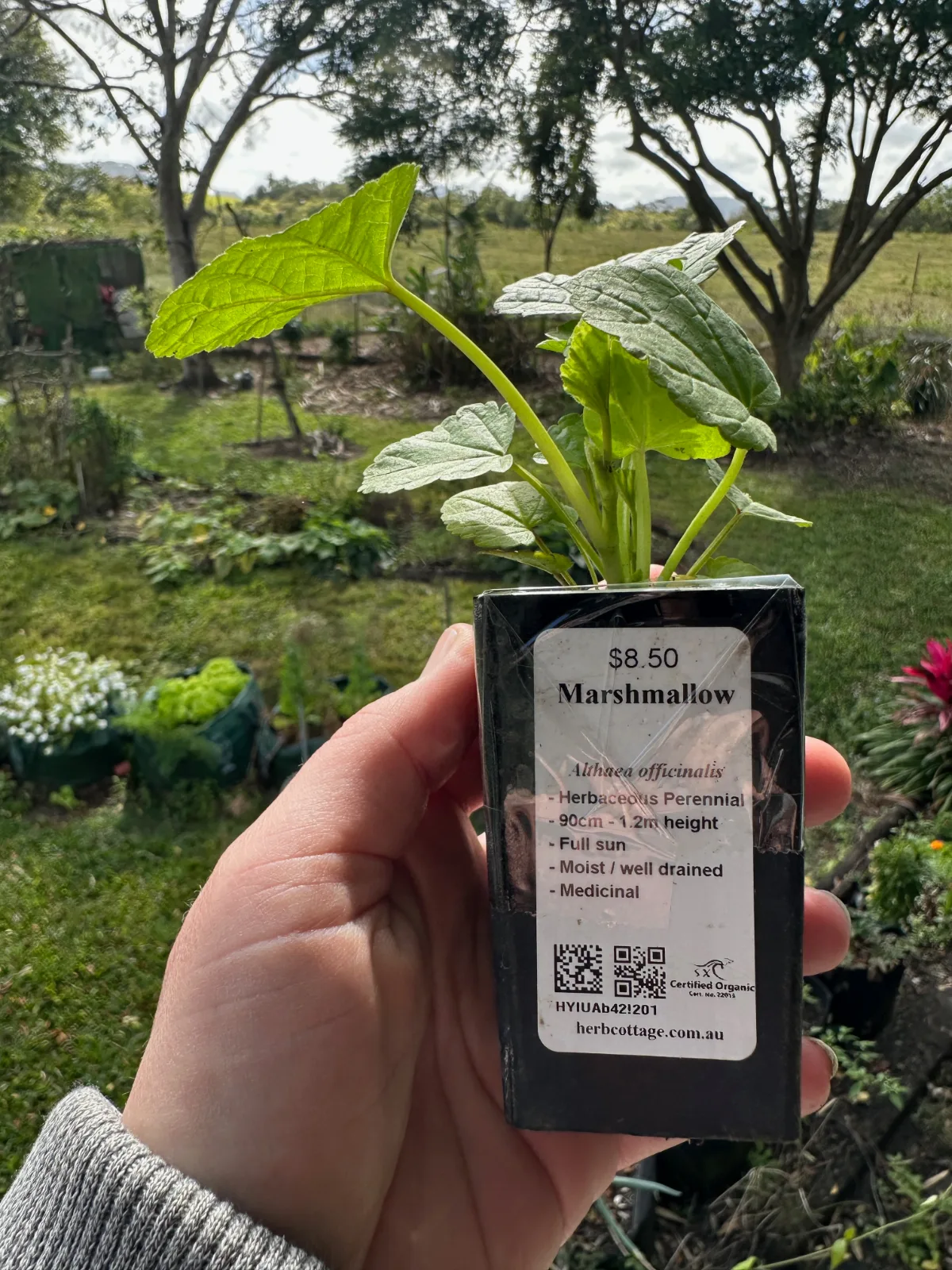
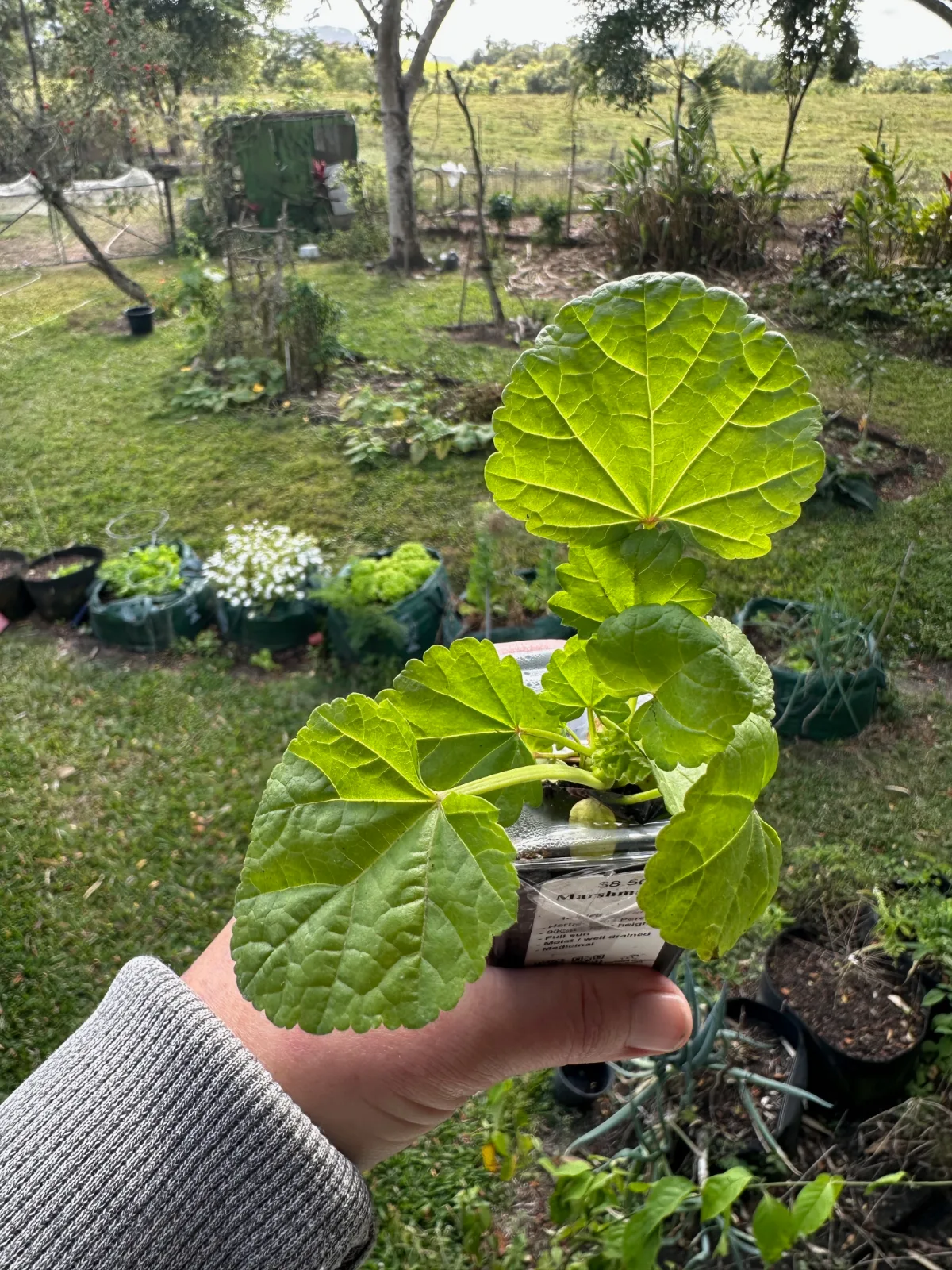
I finally managed to get my hands on two small marshmallow plants from Mudbrick! I'm not in an ideal climate for them, but I'm going to give it a go in a sheltered spot in nice, rich soil. I'll update the photos once (or if) it gets bigger!
Here's how to do it:
Plant nursery-grown marshmallow plants at the same depth it was growing in its pot.
- Dig a hole a little wider than the root ball.
- Loosen the surrounding soil.
- Place the plant in the hole without burying the crown.
- Backfill with soil and firm it gently.
- Water thoroughly.
- Add a layer of mulch around the plant, keeping it slightly away from the stems.
Allow around 75–100 cm between plants.
Keep a newly planted marshmallow consistently moist while the roots establish.
Can Marshmallow Grow in a Pot?
Yes, but use a large container.
Marshmallow develops a substantial root system and eventually becomes a tall plant. A deep pot at least 40–50 cm wide is more suitable than a small herb pot.
Use a good-quality potting mix with added compost and make sure the container has drainage holes.
Potted plants need more frequent watering than plants growing in the ground.
How Often Should You Water Marshmallow?
Marshmallow prefers regular moisture.
New plants should not be allowed to dry out completely while they are establishing. Once established, they can handle short dry periods, but growth will be better if the soil remains reasonably moist.
Check the soil rather than watering to a fixed schedule.
Water more often during:
- hot weather
- dry weather
- active spring and summer growth
- container growing
Water less often when the soil is already moist from rain or cool weather.
Mulch helps reduce moisture loss and keeps the root zone more even.
Does Marshmallow Need Fertiliser?
Marshmallow does not need heavy feeding.
If the soil is reasonably fertile, adding compost once or twice a year may be enough.
In poorer soil, use a balanced fertiliser during active growth at the recommended label rate.
Too much nitrogen can produce very soft, leafy growth, so there is no need to feed heavily.
How Big Does Marshmallow Get?
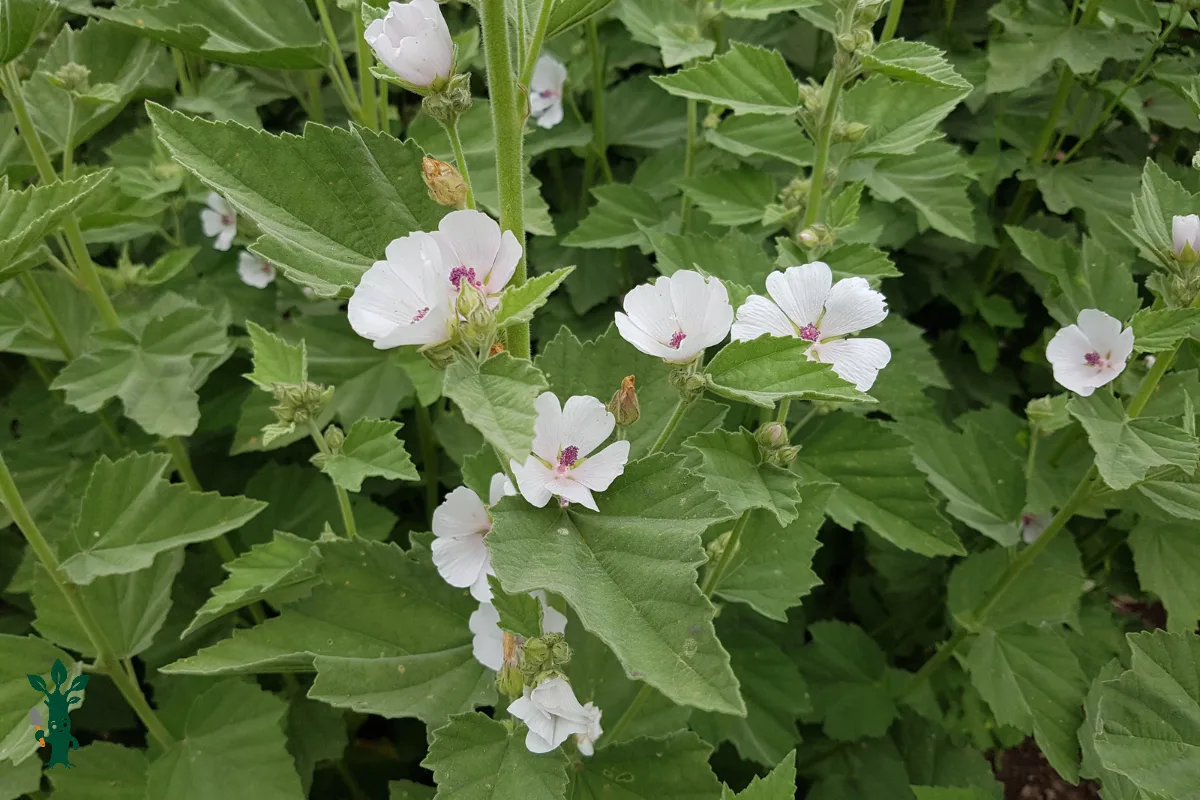
A mature marshmallow can reach around 1.5–2.5 m tall and 1–1.5 m wide.
It may stay smaller in a pot or under less favourable conditions.
Give it enough space from the beginning rather than trying to keep a mature plant squeezed into a small gap.
Grow a Little Wild
New plants to try, useful growing tips and a few garden jobs based on what you grow.
Does Marshmallow Need Staking?
Usually not, but tall stems can lean after heavy rain or wind.
If a plant becomes top-heavy, use a simple stake or plant support. Avoid tying the stems together too tightly because good airflow helps keep the foliage healthy.
When Does Marshmallow Flower?
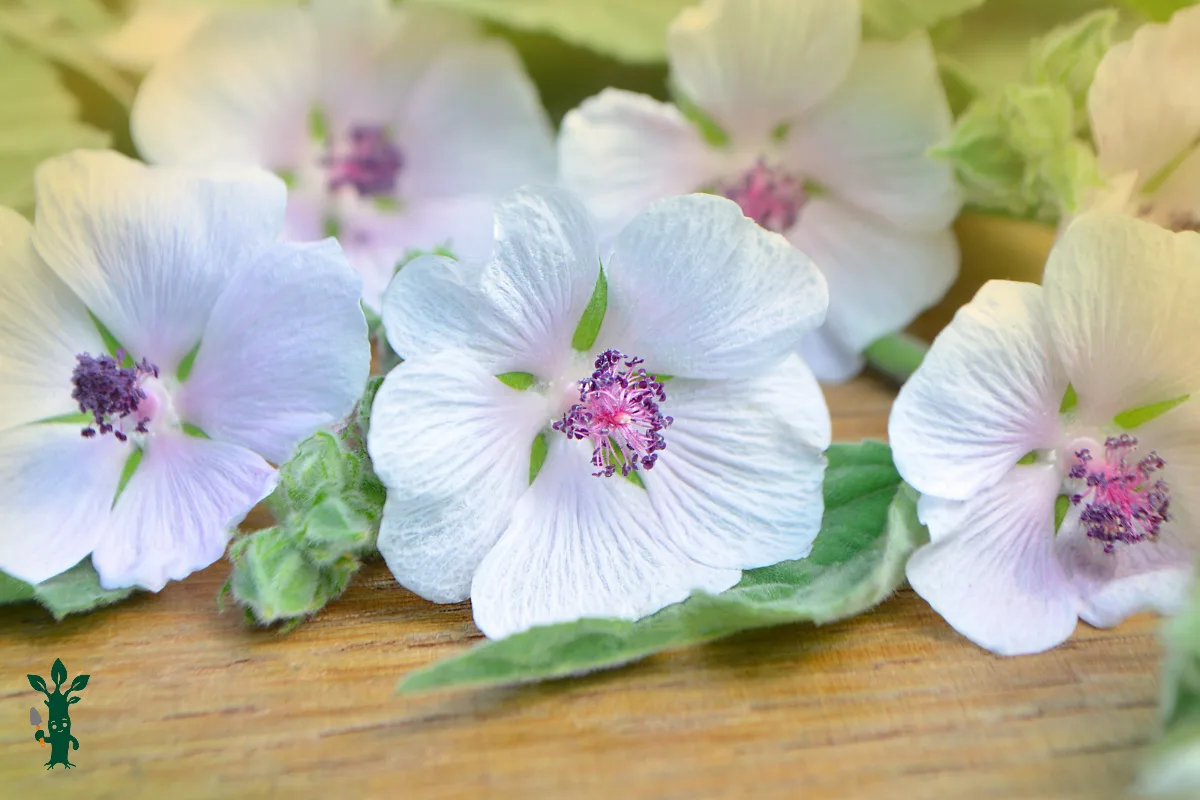
Established plants produce pale pink to lilac-pink flowers on tall stems.
Flowering usually occurs during the warmer part of the year, although the exact timing depends on climate.
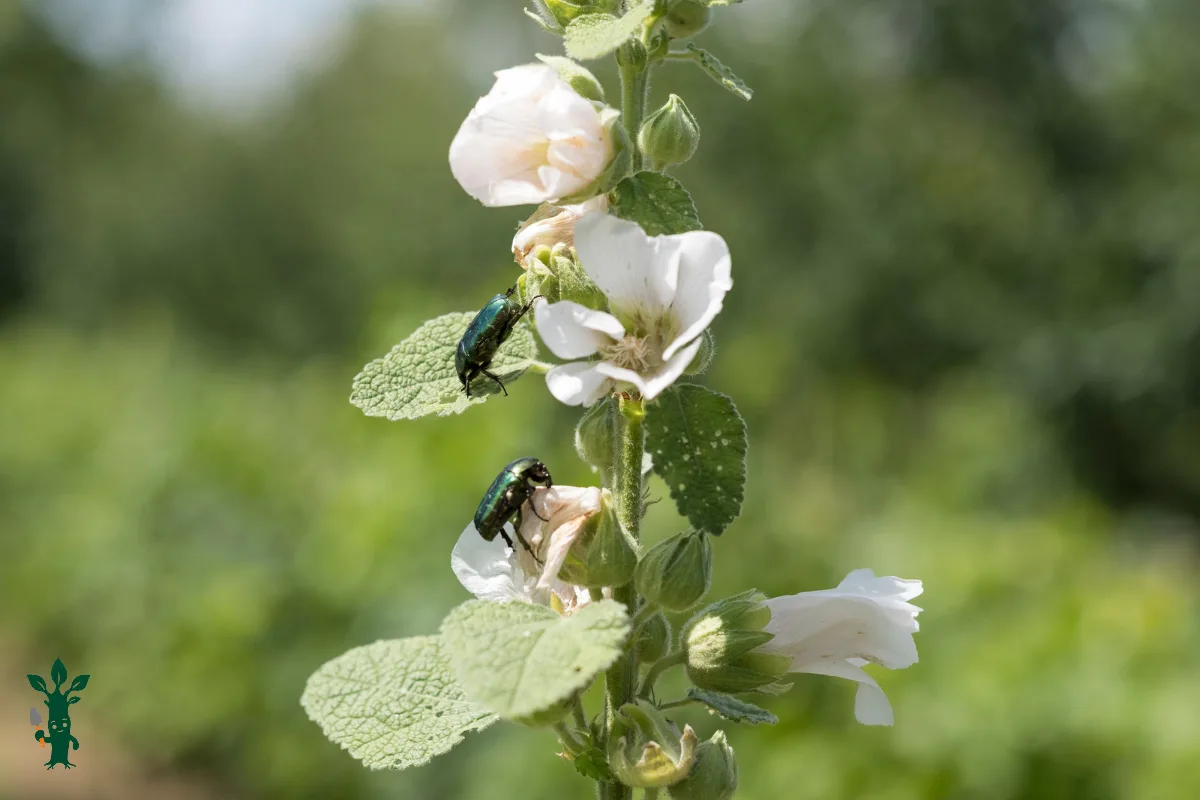
The flowers are useful to pollinating insects.
Should You Cut Marshmallow Back?
Yes.
Once flowering has finished and the stems become old or untidy, cut them back.
In cooler climates, the top growth may die back over winter. The plant then regrows from the crown.
In warmer climates, remove old stems as fresh growth develops from the base.
How to Propagate Marshmallow
Marshmallow can be grown from seed or by division.
Growing marshmallow from seed
Sow seed into a fine seed-raising mix and keep it moist while germinating.
Young seedlings can be planted out once they are large enough to handle and conditions are suitable.
Dividing marshmallow
Established plants can be divided when they are not under heat or drought stress.
Lift part of the crown with healthy roots attached, replant it immediately and water well.
How to Harvest Marshmallow
You can harvest the leaves, flowers and roots of marshmallow. You harvest each part a little differently.
Harvesting the leaves
Start picking leaves once your plant is well established and growing strongly.
Take a few healthy leaves at a time rather than stripping the plant. Traditionally, growers harvest the leaves around the time the plant starts to flower.
You can use the leaves fresh or dry them for later.
Harvesting the flowers
Pick flowers once they have opened fully.
Choose clean flowers on a dry day. You can use them fresh or dry them.
Regular picking will not hurt a healthy established plant as long as you leave plenty of flowers and foliage behind.
Harvesting marshmallow root
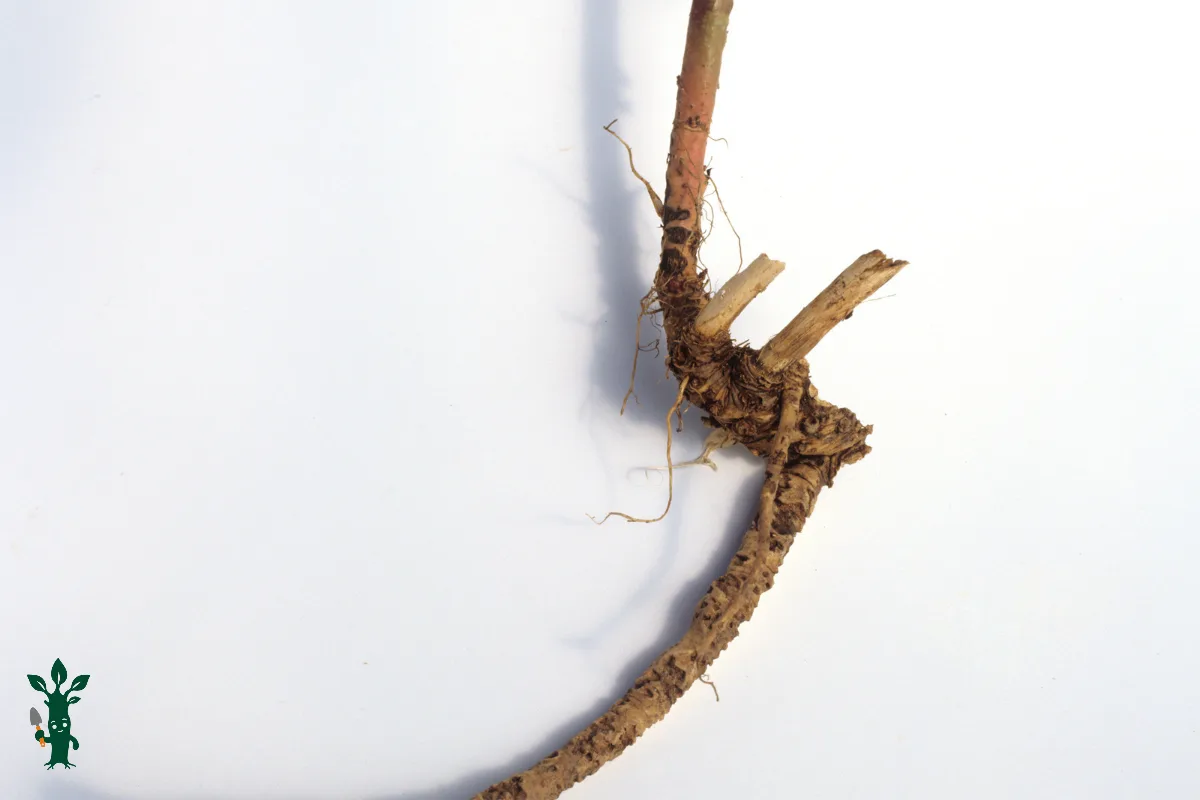
Wait until the plant has had time to develop a good root system before you harvest the root. Traditionally, growers harvest roots from plants that are around two years old.
Autumn is a good time to dig the roots in cooler climates. The plant has finished most of its top growth and stored energy in the roots.
Root harvest is much more disruptive than picking leaves or flowers.
If you want to keep the plant growing, I would only take part of the root system from a large established plant. You can also divide an established plant and replant a healthy section.
Wash the harvested roots well to remove the soil. Cut thick roots into smaller pieces before drying them so they dry evenly.
If you mainly want marshmallow as a garden plant, you can leave the roots alone and harvest leaves and flowers instead.
Common Marshmallow Problems
Marshmallow is generally straightforward to grow.
Rust
Rust can appear as orange, brown or yellow spots or pustules on the leaves.
Remove badly affected foliage and improve airflow around crowded plants.
Flea beetles
Small holes in the leaves may be caused by flea beetles.
Minor damage is usually cosmetic on a healthy established plant.
Wilting
Wilting is often caused by dry soil, especially in newly planted or container-grown plants.
Check the soil moisture around the root ball.
Weak or floppy growth
Too much shade or excessive nitrogen can produce weak stems.
Move potted plants into better light or reduce feeding if necessary.
Is Marshmallow a Weed in Australia?
Althaea officinalis is an introduced species in Australia and has been recorded in Australian weed-status reviews.
That does not mean it is prohibited everywhere, but it is sensible to prevent unwanted spread.
If you grow marshmallow:
- remove unwanted seedlings
- deadhead seed heads if you do not want self-seeding
- do not dump plants, roots or seed heads in bushland or along waterways
- check current local biosecurity rules if you are unsure
Sources
- Royal Horticultural Society: Althaea officinalis
- Kew Plants of the World Online: Althaea officinalis
- Australian weed-status reference: The Introduced Flora of Australia and its Weed Status
Where Marshmallows Grow in Australia
Suited to subtropical, temperate, cool / mountain, Mediterranean zones.
Planting
Plant at the same depth it was growing in the pot, into deep soil with room for the crown and roots to expand. Water in well. Allow generous space because mature plants can become tall and broad.
Position and Light
Full sun gives the strongest flowering in mild climates. In hot subtropical conditions, morning sun with some afternoon protection can reduce heat stress. In humid tropical gardens, a bright position with good airflow is safer than a hot, enclosed site.
Soil
Best in fertile, moisture-retentive soil that still drains. It tolerates a broad range of soil types, but grows most strongly where roots can reach consistent moisture. Avoid a potting mix that repeatedly dries hard, and avoid permanently stagnant water around the crown.
Watering
Keep young plants evenly moist while they establish. Established plants tolerate short dry periods but perform best with reliable moisture. Mulch helps buffer the root zone, especially in hot climates.
Feeding
Marshmallow does not need aggressive feeding. Compost or a light balanced feed during active growth is usually enough. Excess nitrogen can produce very soft growth at the expense of sturdy stems.
Pruning
Cut old flowering stems back once flowering has finished or when they become untidy. In climates with a cool winter the top may die back and regrow from the crown. In warm climates, remove tired stems and let fresh basal growth take over.
Harvest
Leaves and flowers are traditionally harvested from established plants, and the root is the part historically associated with the original marshmallow confection. Root harvest removes a major part of the plant, so wait until a plant is well established if you intend to lift roots.
Propagation and Replanting
Usually grown from seed. Established clumps can also be divided when conditions are mild and the plant is not under heat stress. Seedlings need steady moisture while small.
Common Problems
Watch for rust, flea beetle damage and stress from hot, dry conditions. In very humid weather, give plants space and airflow and remove badly affected foliage rather than keeping the centre of the clump dense.
Safety Notes
This profile is about cultivation, not medicinal dosing. If you plan to use home-grown marshmallow medicinally, correctly identify the plant and seek appropriate health advice for your circumstances.
Questions People Ask
- Is marshmallow a perennial?
Yes. Marshmallow is a herbaceous perennial.
- Does marshmallow like full sun?
Full sun is ideal, but it also tolerates part shade.
- Does marshmallow like wet soil?
It prefers moist soil and tolerates wetter conditions better than many herbs. It still grows best where excess water can drain away.
- How far apart should marshmallow plants be?
Around 75–100 cm is a useful spacing for home gardens.
- Can marshmallow grow in a pot?
Yes, provided the pot is large and deep enough for the root system.
- Does marshmallow die back in winter?
It often does in cooler climates. New shoots grow from the crown when conditions warm again.
- Can marshmallow self-seed?
Yes. Remove seed heads before they mature if you do not want seedlings.
- Is marshmallow the same as hollyhock?
No. Marshmallow is Althaea officinalis. Hollyhocks are usually Alcea species and cultivars.
Grow Marshmallow
Add it to My Garden for practical jobs matched to your climate and the season.