


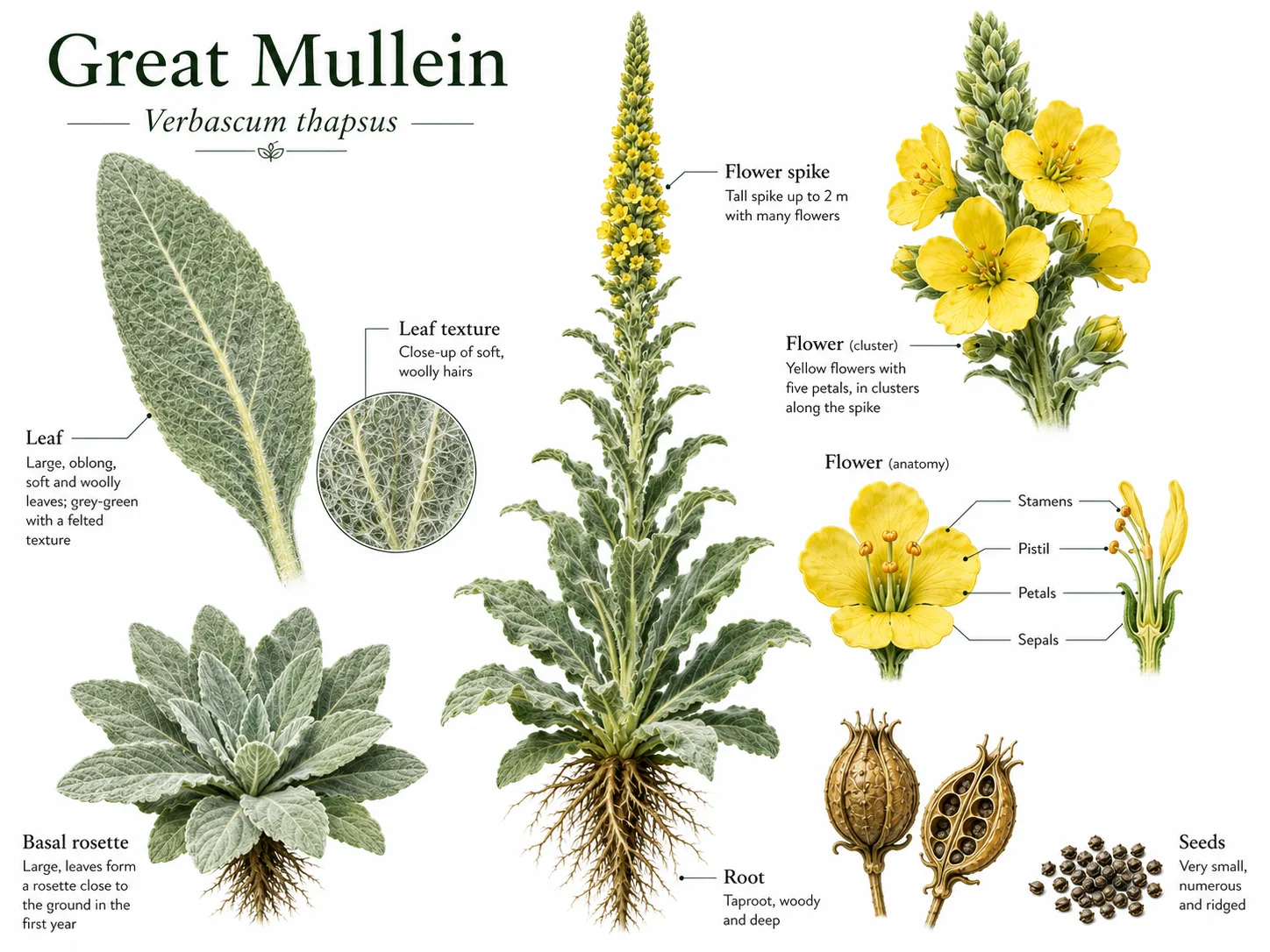
Mullein (Verbascum thapsus) starts as a low rosette of large grey-green leaves, then sends up a tall flower spike covered in small yellow flowers. Most plants are biennials: the first season builds leaves and roots, and flowering usually follows in the second season.
Grow it in full sun, lean soil and excellent drainage. Established plants handle dry conditions well, and wet soil is much more likely to cause trouble.
If you’ve bought a small mullein plant, put it in its final position while it is still young. The deep taproot makes older plants harder to move without damage.
Great mullein is also a recognised weed in Australia, so seed control matters. I cover that further down the guide.
- Botanical name: Verbascum thapsus
- Also known as: Great mullein, Common mullein, Woolly mullein, Flannel plant, Velvet plant, Aaron's rod
- Category: Herb & spice
- Lifecycle: Biennial or short-lived annual
- Climates: subtropical, temperate, cool / mountain, arid inland, Mediterranean
- Position: Give it full sun and strong airflow. Shade produces weaker growth. In hot climates, good airflow and dry footing are more important than rich soil.
Mullein Growing Conditions at a Glance
- Botanical name: Verbascum thapsus
- Also called: Great mullein, common mullein, woolly mullein and flannel plant
- Plant type: Usually biennial
- Height: About 1.5–2.5 m when flowering
- Light: Full sun
- Soil: Poor to average soil with excellent drainage
- Water: Low to moderate once established
- Feeding: Usually not needed
- Flowering: Usually during the second growing season
- Propagation: Seed
- Main problem: Wet soil
- Important in Australia: Do not let it spread seed
Where Should You Plant Mullein?
Give mullein as much sun as you can.
It grows best in open ground with good airflow. It does not need rich soil. In fact, poor or average soil often suits it better.
A good position might be:
- a sunny gravel garden
- sandy soil
- a raised bed
- a dry garden edge
- a deep pot
- an open spot where water drains quickly after rain
Avoid low areas that stay wet.
Mullein grows a tall flower spike later in life. Keep that in mind when you choose its position. You do not want a two-metre flower stem leaning across a path.
Best Soil for Mullein
Mullein prefers well-drained soil.
It happily grows in soils that many garden plants would consider too poor. Sandy, gravelly and stony soils can all work well.
You do not need to add lots of compost or manure.
If you have heavy clay, drainage matters more than fertility. I’d grow mullein on raised ground or in a deep pot rather than planting it into soil that stays wet after rain.
You can improve drainage with coarse mineral material if needed.
How to Plant a Small Mullein
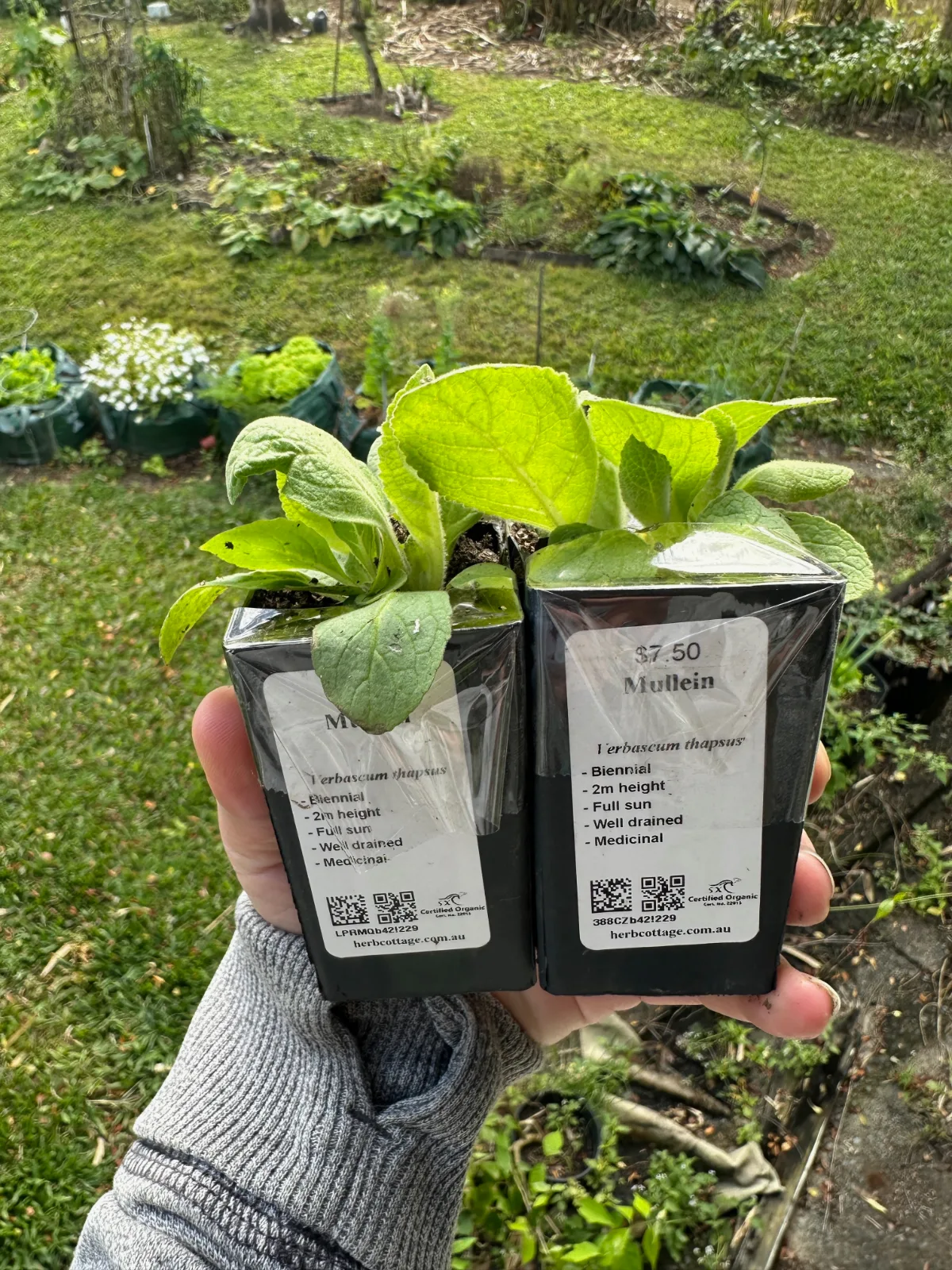
Move mullein while it is young.
Once the taproot develops, the plant becomes harder to transplant without damaging it.
To plant a small nursery plant:
- Choose its final position.
- Dig a hole slightly wider than the root ball.
- Remove the plant carefully from its pot.
- Try not to break up the root ball.
- Plant it at the same depth it was growing in the pot.
- Firm the soil gently around it.
- Water it in.
Keep the soil slightly moist while the plant settles.
Once you see new growth, let the soil surface dry before watering again.
Can You Grow Mullein in a Pot?
Yes.
A pot can work very well for mullein if you give the taproot enough room.
Choose a deep container. I’d go for at least 30 cm deep for a young plant. Bigger gives you more room for the root system and makes a tall flowering plant more stable.
Make sure the pot has good drainage holes.
Use a free-draining potting mix. Avoid a mix that stays wet for days after watering.
A heavy pot is useful once the flower spike appears. A tall mullein in a light plastic pot can become top-heavy.
How Often Should You Water Mullein?
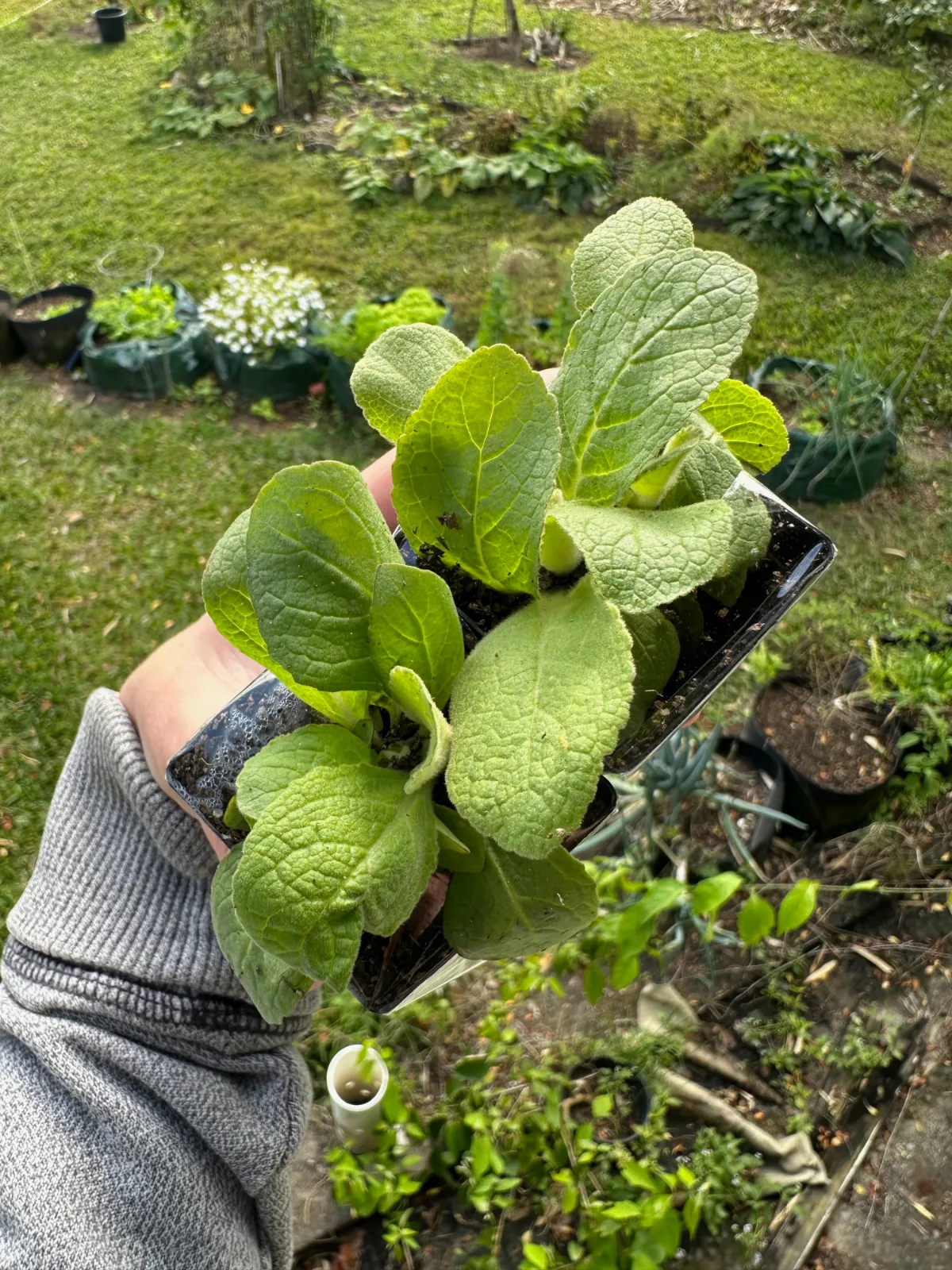
Water a new plant regularly enough to stop the root ball from drying out while it establishes.
Once it starts growing well, reduce the frequency.
Mature mullein handles dry soil well.
You do not need to water on a fixed schedule. Check the soil instead.
If the soil still feels moist below the surface, wait.
If the soil has dried and the plant needs water, give it a thorough drink and let the excess drain away.
Avoid keeping the centre of the rosette wet all the time.
Does Mullein Need Fertiliser?
Usually not.
Mullein naturally grows in low-fertility ground. It does not need the same feeding program as vegetables or hungry flowering plants.
If your plant looks healthy, leave it alone.
Too much fertiliser can create very large soft growth. It can also produce a tall flower stem that needs more support.
Why Is My Mullein Only Growing Leaves?
That is normal.
Young mullein plants grow as a basal rosette.
The leaves sit close to the ground and form a broad circle. During this stage the plant puts energy into its root system.
Most great mullein plants flower after they have gone through this first growing stage.
Do not assume something is wrong because your plant has not produced a flower spike yet.
When Does Mullein Flower?
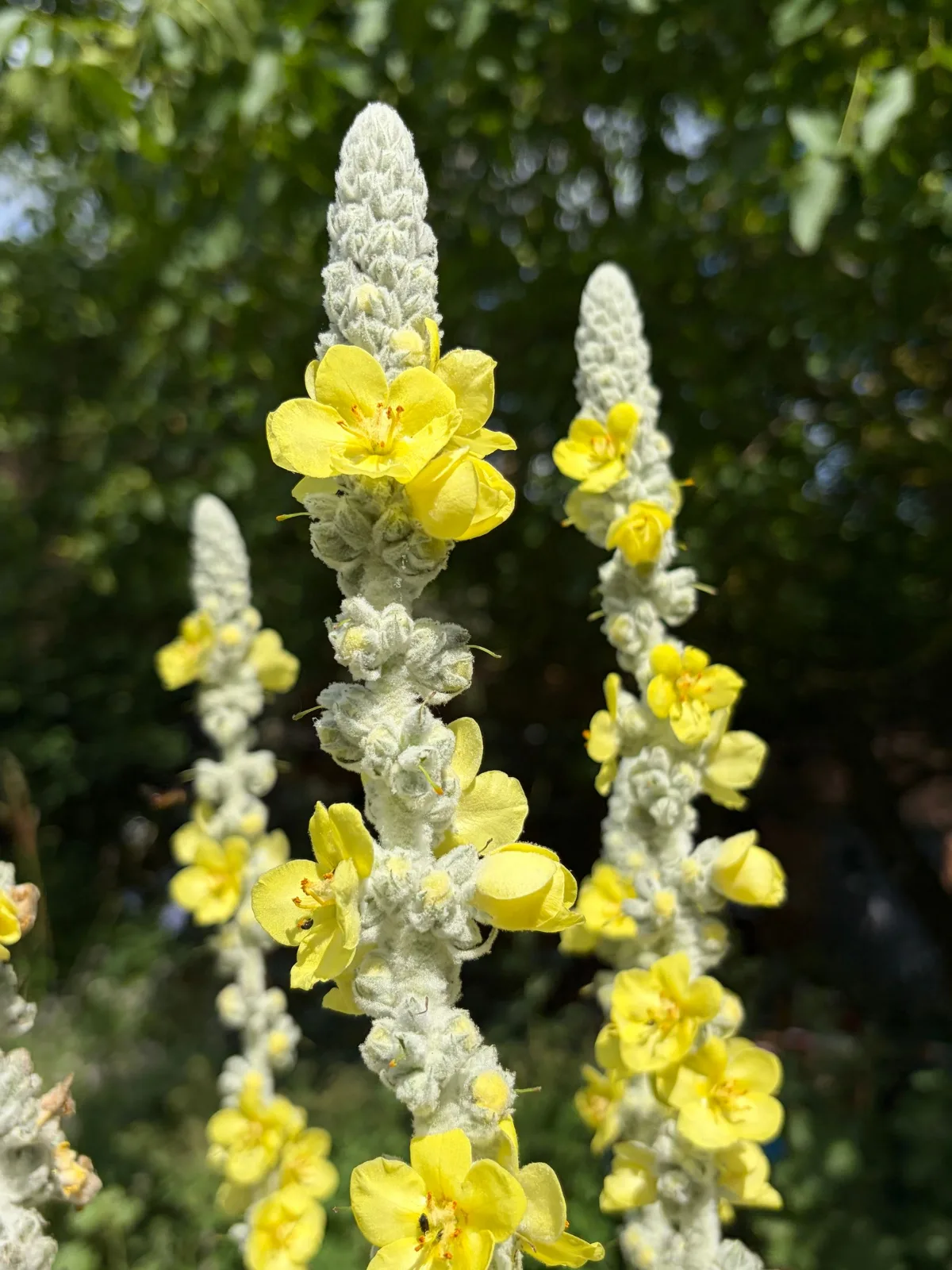
Great mullein usually flowers in its second growing season.
The centre of the rosette begins to stretch upward. It eventually forms a tall upright flower spike.
The spike carries many small yellow flowers. They open gradually rather than all at once.
A flowering plant often reaches 1.5–2.5 m tall. Some grow even taller.
Does Mullein Need Staking?
Not always.
Plants that grow in open sunny positions often support themselves.
You may need to stake yours if:
- it grows very tall
- you have strong winds
- the soil is very fertile
- the flower spike starts leaning
Use one sturdy stake and a loose tie.
Grow a Little Wild
New plants to try, useful growing tips and a few garden jobs based on what you grow.
How to Harvest Mullein Leaves
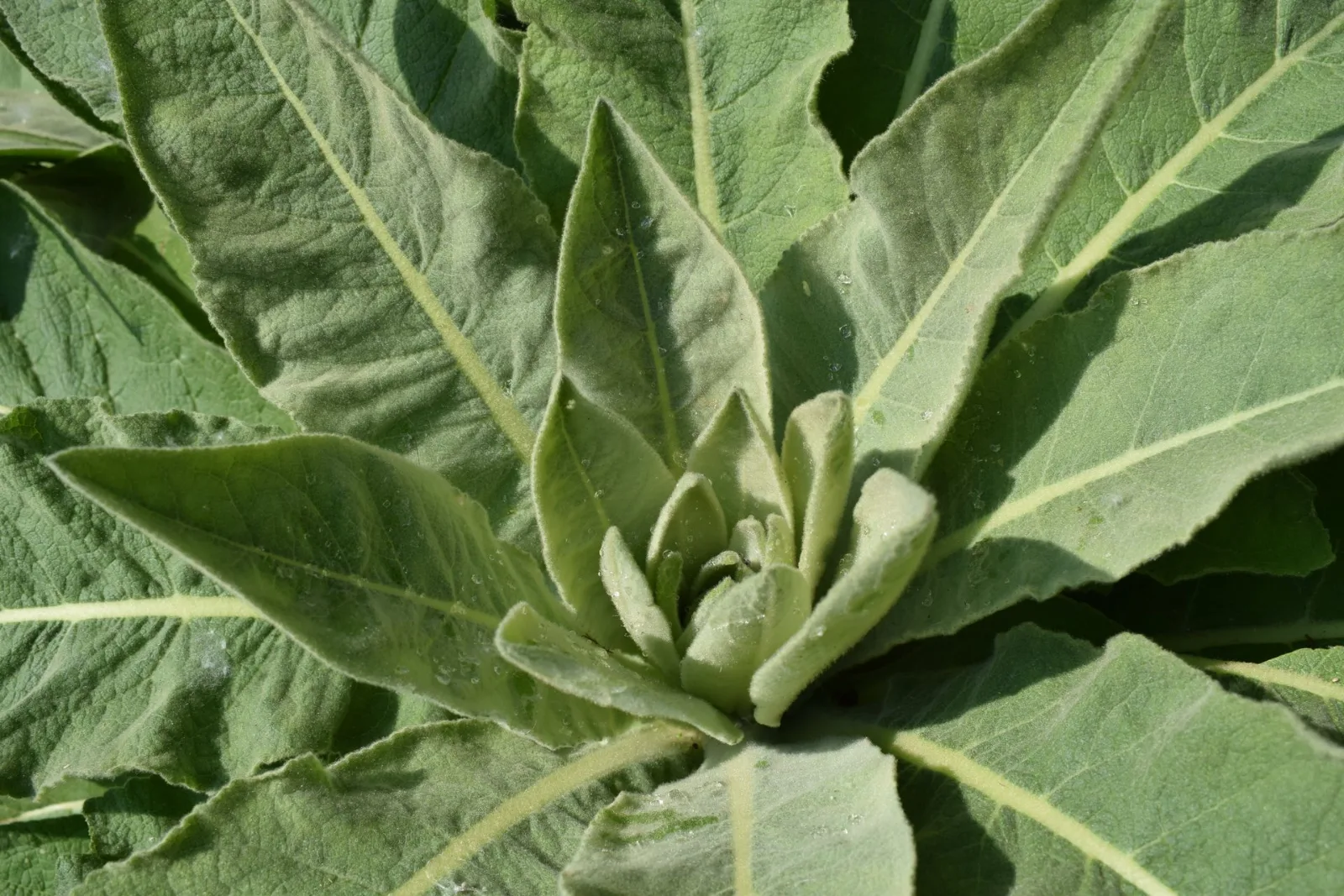
You can harvest leaves while the plant is healthy and actively growing.
Choose clean leaves without obvious disease or insect damage.
Take a few leaves at a time. Leave plenty behind so the plant can keep growing.
Younger leaves often feel softer and cleaner than old leaves near the ground.
Mullein leaves have lots of fine hairs. Handle them gently if those hairs irritate your skin.
If you want to dry the leaves, spread them in a single layer somewhere dry with good airflow. Store them only once they feel completely dry.
How to Harvest Mullein Flowers
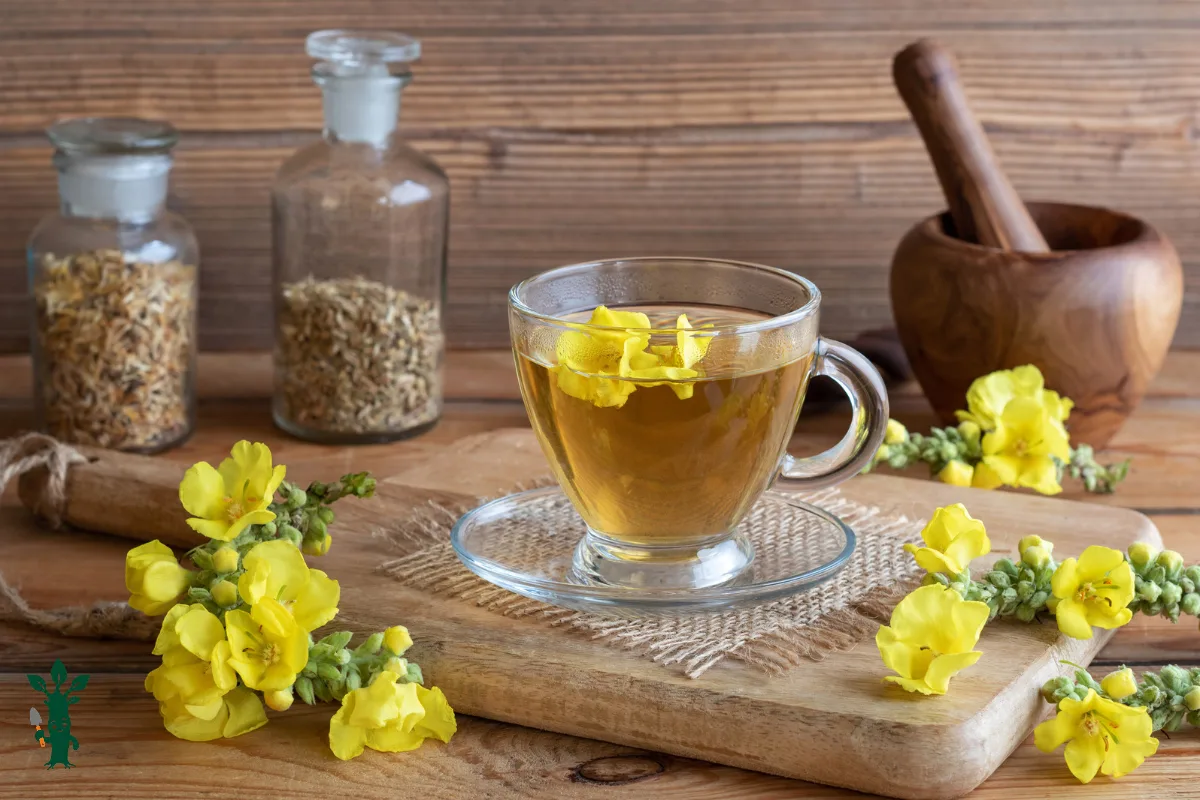
You can also harvest the yellow flowers.
Pick freshly opened flowers on a dry day.
The flowers open gradually along the spike so you can collect a small amount at a time.
Dry them gently out of direct rain and moisture.
The flowers are small so regular picking takes a bit of patience.
What Happens After Mullein Flowers?
Great mullein usually dies after flowering and setting seed.
This is part of its normal life cycle.
The important job in Australia is to remove the flower spike before mature seed escapes.
Do not wait until the whole spike turns brown and dry.
Watch the lower part of the spike as flowering finishes. Seed capsules start developing there first.
Cut the spike before the seeds mature.
How to Stop Mullein From Spreading
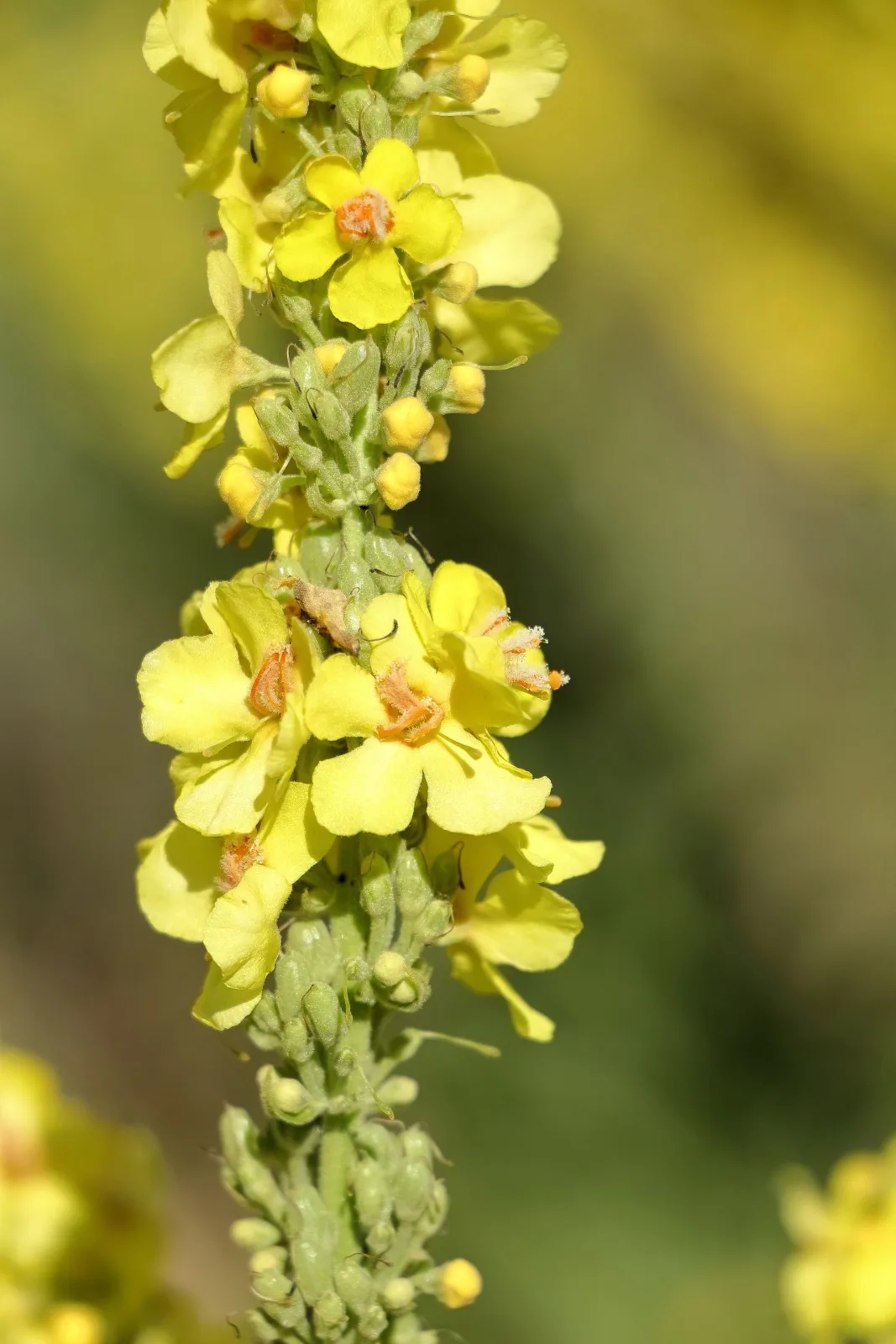
Great mullein can produce a huge amount of seed.
That is one reason it has become a weed outside its natural range.
If you grow it in Australia:
- Let the plant flower if local rules allow it.
- Keep checking the lower part of the flower spike.
- Cut the spike before the seed capsules mature.
- Bag any material that may already contain ripe seed.
- Dispose of seed-bearing material responsibly.
- Remove volunteer seedlings while they are small.
I would not put mature mullein seed heads into ordinary compost.
I also would not deliberately scatter mullein seed around the garden.
Can You Propagate Mullein?
Mullein grows easily from seed.
In Australia, I would not encourage deliberate self-seeding because Great Mullein already has weed status here.
If you already have one nursery-grown plant, you can enjoy that plant without creating a permanent seed bank in your garden.
Should You Cut Mullein Back?
You do not need to prune the leafy rosette.
Remove damaged or badly diseased leaves if needed.
Once the plant flowers, cut off the flower spike before the seed matures.
The plant will usually decline after flowering. Remove the spent plant once it finishes.
Common Mullein Problems
Wet soil
This causes more trouble than almost anything else.
Mullein grows best with good drainage. If the soil stays wet for long periods, the roots or crown can rot.
If your plant starts collapsing, check the soil first.
Powdery mildew
You may see a white powdery coating on the leaves.
Give the plant full sun and good airflow. Avoid crowding it between dense plants.
Caterpillars
Caterpillars may chew the leaves.
A healthy plant can usually handle a small amount of damage.
Figwort weevil
Figwort weevil can also feed on Verbascum species.
Check damaged leaves and stems if you notice significant feeding.
Floppy growth
Rich soil and heavy feeding can produce soft oversized plants.
Skip unnecessary fertiliser and stake the flower stem if needed.
Why Are Mullein Leaves So Hairy?
The hairs are normal.
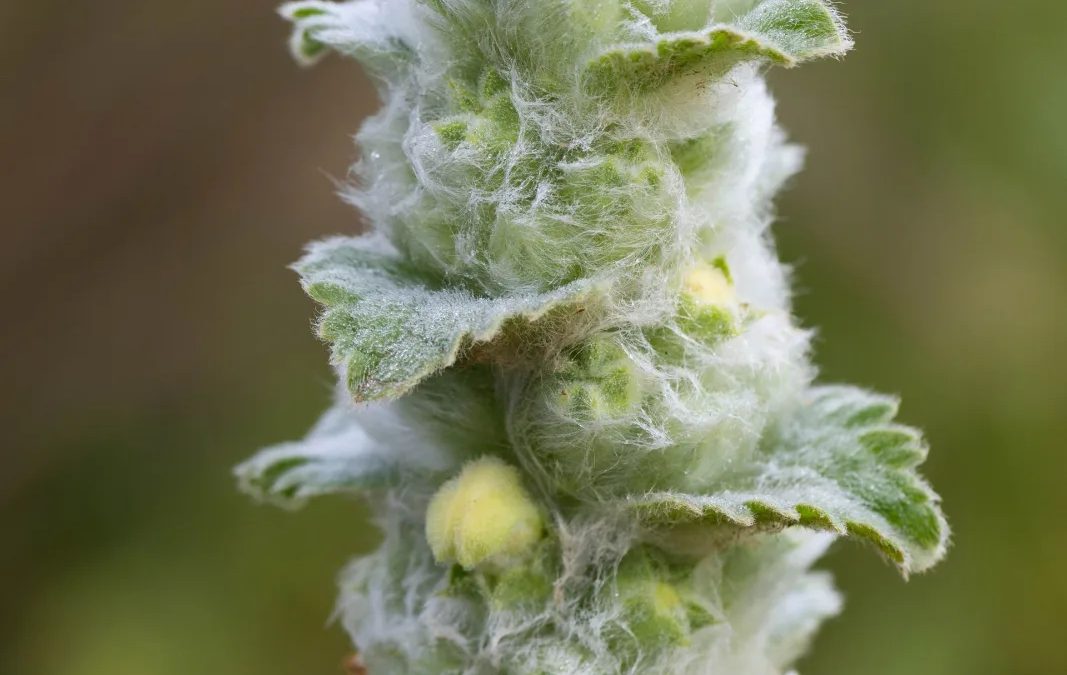
They cover both sides of the leaves and give mullein its soft grey appearance.
Those hairs can irritate sensitive skin, eyes or airways.
Wear gloves if the plant bothers your skin. Wash your hands after handling dry leaves.
Is Mullein a Weed in Australia?
Yes. Great mullein has naturalised in Australia.
Weeds Australia records it in disturbed areas, pasture and open natural habitats.
It can form dense stands and produce large amounts of long-lived seed.
Victoria declares Great Mullein as a noxious weed. Rules vary between states and regions so check your current local biosecurity requirements before growing it.
If you already grow mullein, the most useful thing you can do is stop mature seed from spreading.
Sources
- Weeds Australia: Great Mullein
- Royal Horticultural Society: Verbascum thapsus
- Kew Plants of the World Online: Verbascum thapsus
- Agriculture Victoria: Victorian noxious weeds list
- Hero image by Dany Goldraij: https://www.pexels.com/photo/close-up-of-woolly-mullein-plant-with-green-foliage-36336295/
Where Mulleins Grow in Australia
Suited to subtropical, temperate, cool / mountain, arid inland, Mediterranean zones.
Planting
Transplant a small plant carefully because mullein develops a deep taproot and dislikes repeated disturbance. Use a permanent free-draining position or a deep container. Keep the crown at soil level.
Position and Light
Give it full sun and strong airflow. Shade produces weaker growth. In hot climates, good airflow and dry footing are more important than rich soil.
Soil
Poor to average, gritty or stony, very well-drained soil suits mullein. It tolerates lean soil and drought far better than waterlogging. Avoid heavy wet clay and rich, constantly damp beds.
Watering
Water new transplants until they settle in, then let the soil surface dry before watering again. Established plants grow well with dry-to-medium moisture. In humid climates, keep the rosette on the drier side rather than leaving it wet for long periods.
Feeding
Usually unnecessary. Rich soil and heavy feeding can create oversized, softer growth and a tall flower stem that is more likely to lean.
Pruning
No shaping is needed. In Australia, remove flower spikes before seed capsules mature unless local rules require the whole plant to be removed. Do not allow seed to scatter.
Harvest
This profile focuses on growing and containment rather than medicinal use. If you remove leaves or flowers, take only a small amount from a healthy plant and never allow harvested or discarded seed heads to spread.
Propagation and Replanting
Mullein produces abundant seed, which is one reason it can become weedy. For Australian gardens, Brancho does not recommend deliberately encouraging seed production or self-sown colonies.
Common Problems
The biggest garden problem is wet soil, especially around the woolly rosette. Powdery mildew, caterpillars and figwort weevil may occur. Very fertile soil can make flowering stems excessively large.
Safety Notes
The dense leaf hairs can irritate sensitive skin, eyes or airways when handled. Wear gloves if needed. This profile does not provide medicinal-use advice. Great mullein is a recognised weed in Australia and is declared in Victoria; check current local biosecurity rules before growing it.
Questions People Ask
- Is mullein a perennial?
Usually not.
Great mullein normally grows as a biennial. It forms a leafy rosette first then flowers and dies after seed production.
- How tall does mullein grow?
Most flowering plants reach around 1.5–2.5 m.
Some can grow close to 3 m.
- Does mullein need full sun?
Yes.
Mullein grows best in full sun.
- Does mullein like poor soil?
Yes.
It grows very well in poor to average soil as long as drainage is good.
- Does mullein need much water?
Not once it establishes.
Water young plants while their roots settle. Established plants handle dry conditions well.
- Can mullein grow in clay?
It can grow in clay if the soil drains well.
If your clay stays wet after rain, use a raised bed or deep pot.
- Can mullein grow in a pot?
Yes.
Choose a deep container with excellent drainage.
- Why is my mullein not flowering?
Your plant may still be in its first rosette stage.
Most Great Mullein plants flower after they have spent time developing a strong root system.
- Can you move a mature mullein?
You can try but I would avoid it.
Mullein develops a deep taproot. Move it while it is small if you can.
- Should you let mullein self-seed?
I would not let it self-seed in Australia.
Remove the flower spike before the seeds mature.
- Does mullein die after flowering?
Usually yes.
Once it flowers and produces seed, the plant normally reaches the end of its life cycle.

Grow Mullein
Add it to My Garden for practical jobs matched to your climate and the season.