


Plant profile
Mullein
Verbascum thapsus
Also known as Great mullein, Common mullein, Woolly mullein, Flannel plant, Velvet plant, Aaron's rod.
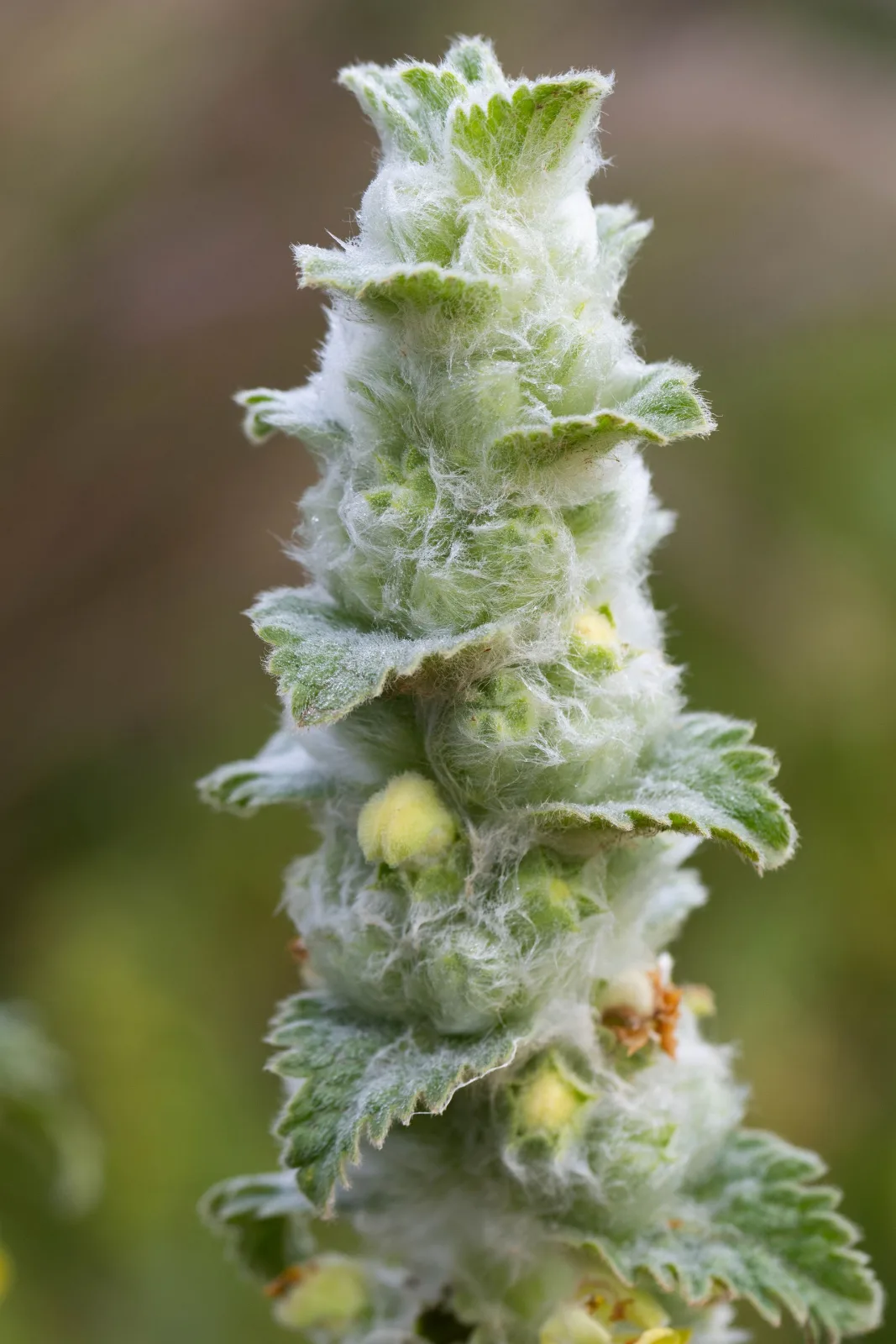
Great mullein is a biennial with a large woolly rosette in its first year and a tall yellow flower spike in its second. Its silver-grey foliage gives it a striking, architectural look.
- Grows well in
- Subtropical, Temperate, Cool / mountains, Arid / inland, Mediterranean
- Lifecycle
- Biennial or short-lived annual
- Light
- Full sun
- Mature size
- A first-year rosette can spread around 30–75 cm; flowering plants commonly reach 1–2.5 m tall and may exceed that in favourable conditions.
- Spacing
- Allow about 45–60 cm around a plant, with extra clearance where the flower spike could lean.
- Growth habit
- Deep-taprooted biennial: a broad woolly basal rosette first, followed by a tall upright flowering stem.
- Native range
- Azores and Europe through Siberia to the Himalayas
- Natural habitat
- Temperate dry grassland, rocky slopes, roadsides and disturbed open ground.
When to plant
Tropical
April–August
Subtropical
March–August
Temperate
March–October
Cool / mountain
August–November
Arid inland
March–August
Mediterranean
March–September
In temperate areas, establish young plants in autumn or spring. In warm subtropical areas, the cooler season is easier. In a humid tropical garden, mullein is outside its ideal climate: use a deep pot or raised gritty bed in the cooler/drier season and keep it out of wet-season saturation.
Full growing guide
How to Grow Mullein Plants in Australia
Mullein is a tall biennial with woolly leaves, yellow flower spikes and a habit of self-seeding where it suits. Learn how to grow it, manage seedlings and check local weed risks.
Read the full growing guidePlanting
Transplant a small plant carefully because mullein develops a deep taproot and dislikes repeated disturbance. Use a permanent free-draining position or a deep container. Keep the crown at soil level.
Position and light
Give it full sun and strong airflow. Shade produces weaker growth. In hot climates, good airflow and dry footing are more important than rich soil.
Soil
Poor to average, gritty or stony, very well-drained soil suits mullein. It tolerates lean soil and drought far better than waterlogging. Avoid heavy wet clay and rich, constantly damp beds.
Watering
Water a new transplant until it has settled, then let the surface dry between waterings. Established plants prefer dry-to-medium moisture. In humid climates, err on the dry side rather than keeping the rosette wet.
Feeding
Usually unnecessary. Rich soil and heavy feeding can create oversized, softer growth and a tall flower stem that is more likely to lean.
Pruning
No shaping is needed. In Australia, remove flower spikes before seed capsules mature unless local rules require the whole plant to be removed. Do not allow seed to scatter.
Propagation
Grow mullein from seed. Sow lightly on the surface because the fine seed needs light to germinate, then thin young seedlings so the rosettes have room to expand.
Common problems
The biggest garden problem is wet soil, especially around the woolly rosette. Powdery mildew, caterpillars and figwort weevil may occur. Very fertile soil can make flowering stems excessively large.
Safety notes
The dense leaf hairs can irritate sensitive skin, eyes or airways when handled.
Worth knowing
The felted leaves are one of the easiest ways to recognise the plant before it flowers. The second-year flower spike can become very tall and carries many small yellow flowers over an extended period.

Grow Mullein with Brancho
Add it to My Garden and Brancho works out what it needs next, timed for your climate.
How it grows around Australia
Growing this too? Share what you've noticed in your garden.
Grow a Little Wild
New plants to try, useful growing tips and a few garden jobs based on what you grow.