

Plants for Sandy Soil
Sandy soil drains quickly and warms fast, which suits many plants, but water and nutrients can move through it rapidly. Good plant choices, regular organic matter and sensible watering make sandy ground much easier to garden than trying to turn it into heavy soil. 51 plants in the library.
51 plants
Fruit tree
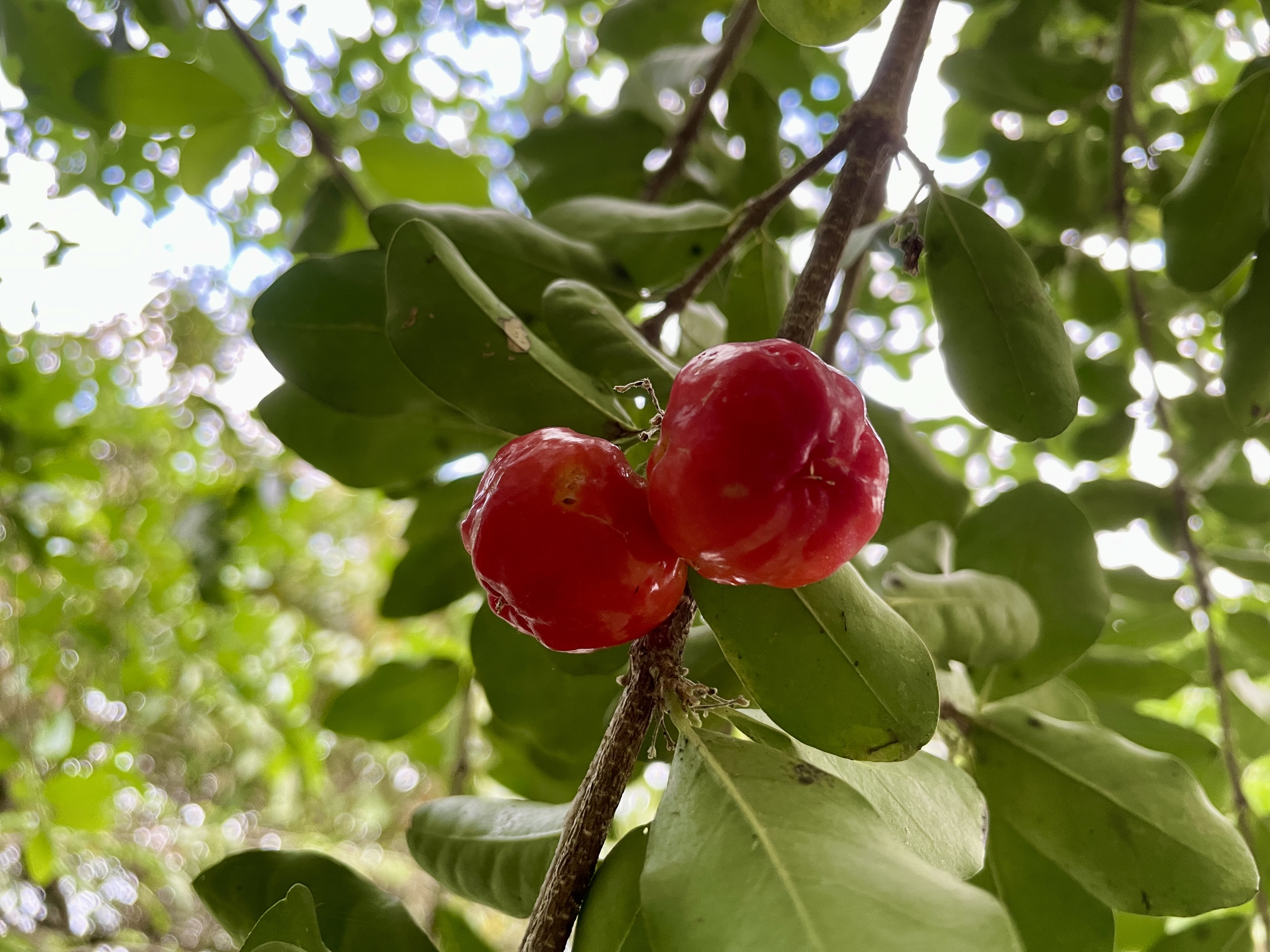
Acerola cherry
Acerola is a fast-growing tropical fruit shrub or small tree with bright red, tart-sweet fruit and very high vitamin C.
Fruit tree
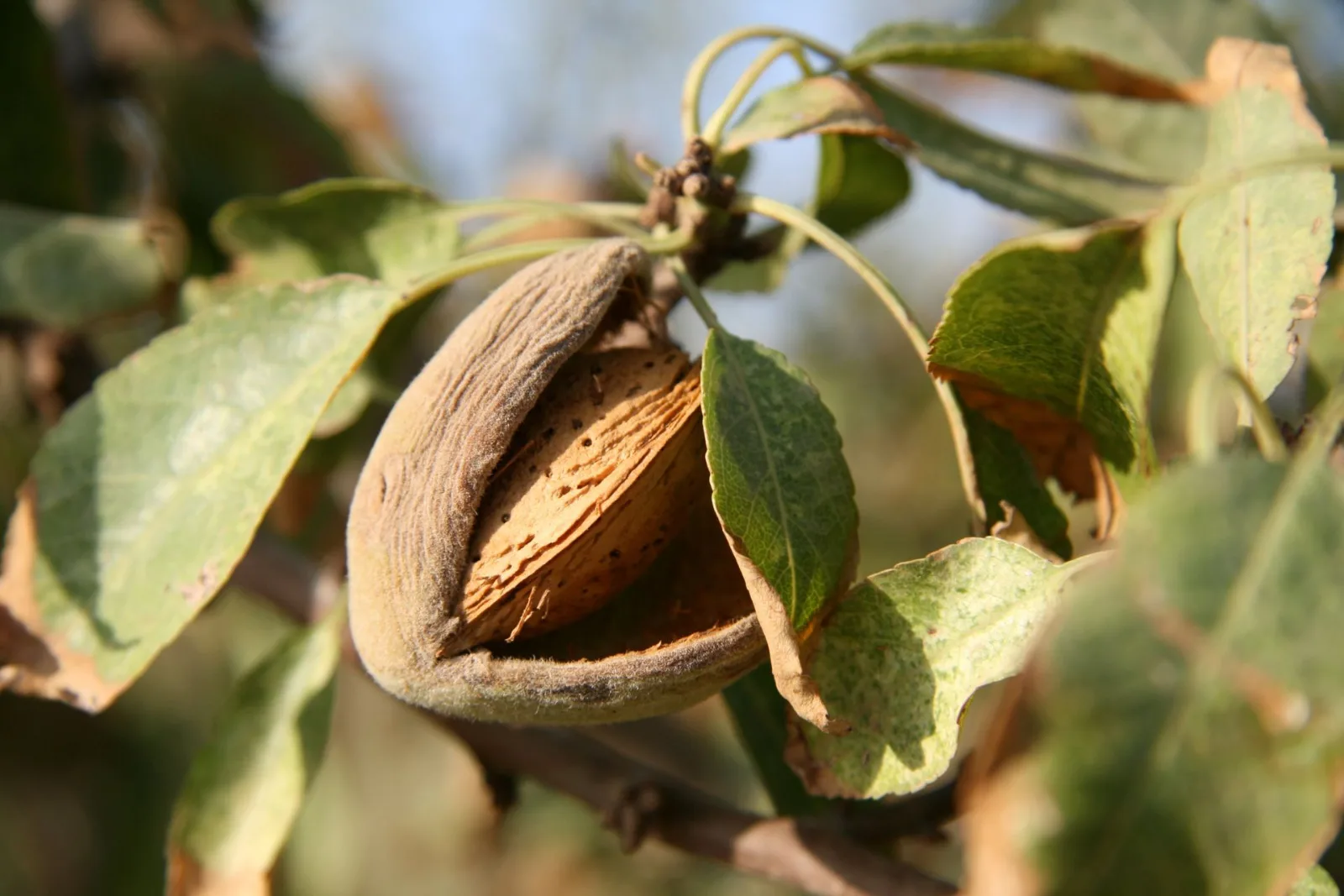
Almond
Almond is a deciduous nut tree that needs winter chill, full sun and good spring weather for pollination. Many varieties need a compatible pollinator.
Fruit tree
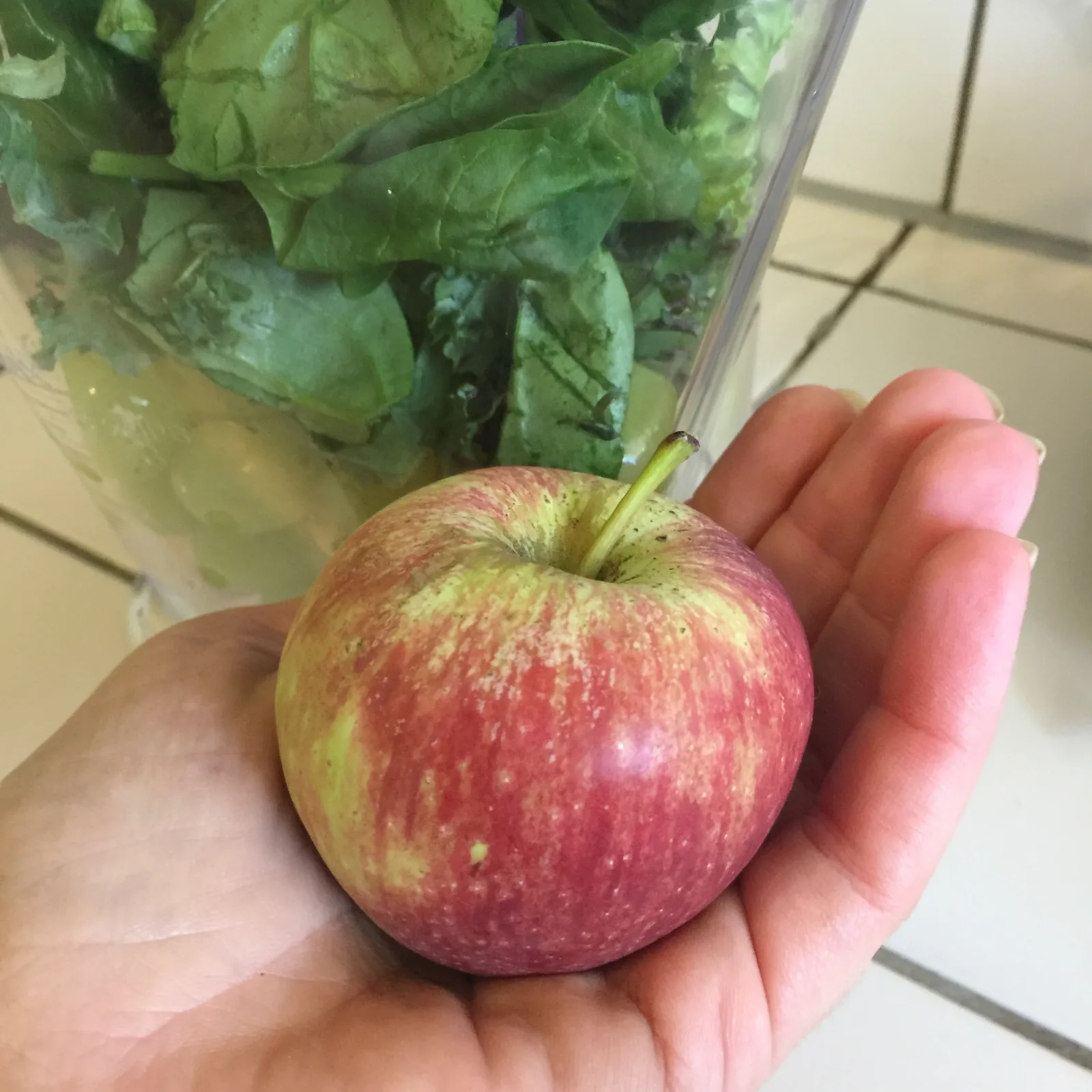
Apple
Apples range from low-chill subtropical cultivars to high-chill trees for cold districts. Choosing the right cultivar for your winter is the first step to getting reliable flowers and fruit.
Herb & spice
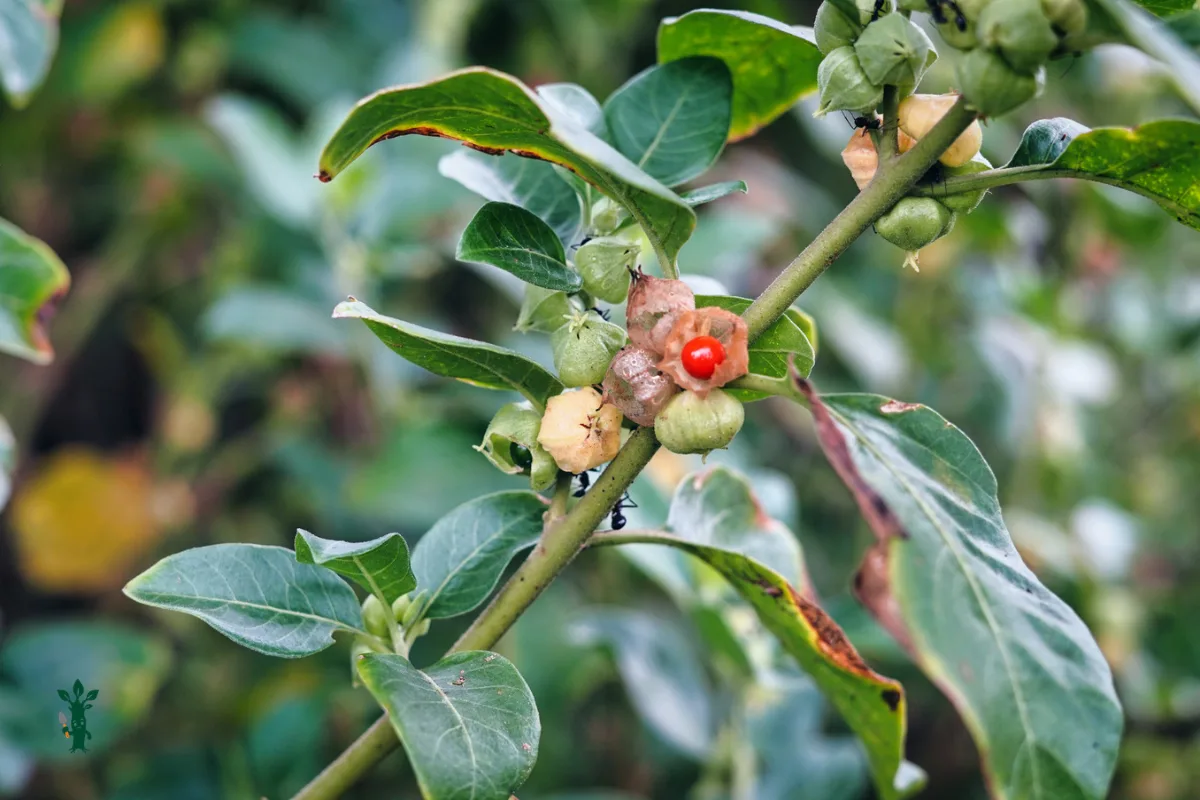
Ashwagandha
Ashwagandha is a bushy herb from the same plant family as tomatoes. It grows well through warm weather, with small greenish flowers followed by bright orange-red berries tucked inside papery husks. The roots have a long history in traditional Ayurvedic medicine. It's an interesting plant to grow from seed in a sunny bed with good drainage.
Veggie
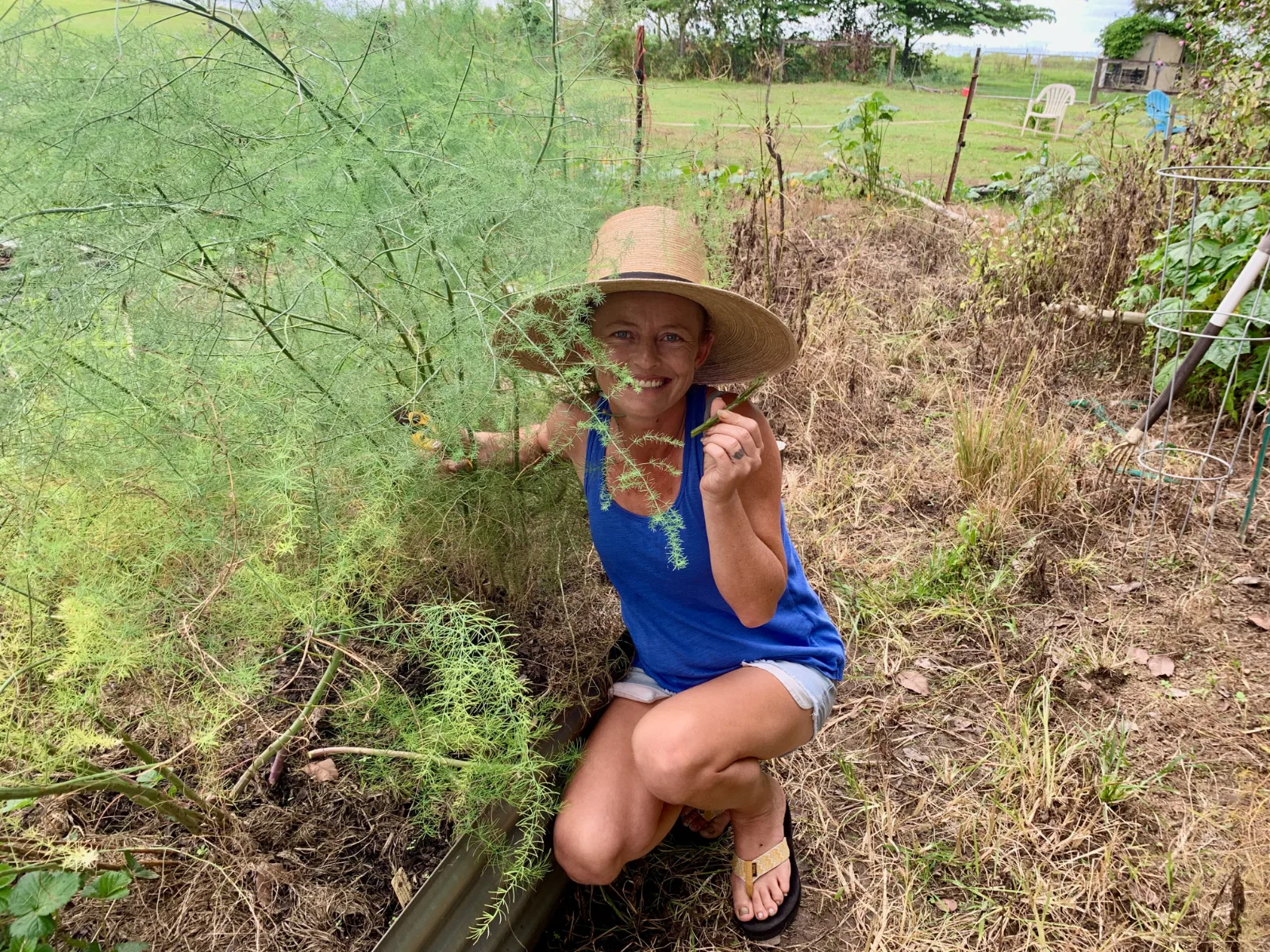
Asparagus
Asparagus is a long-lived perennial crop. New beds need time to establish before regular spring harvesting begins.
Fruit tree
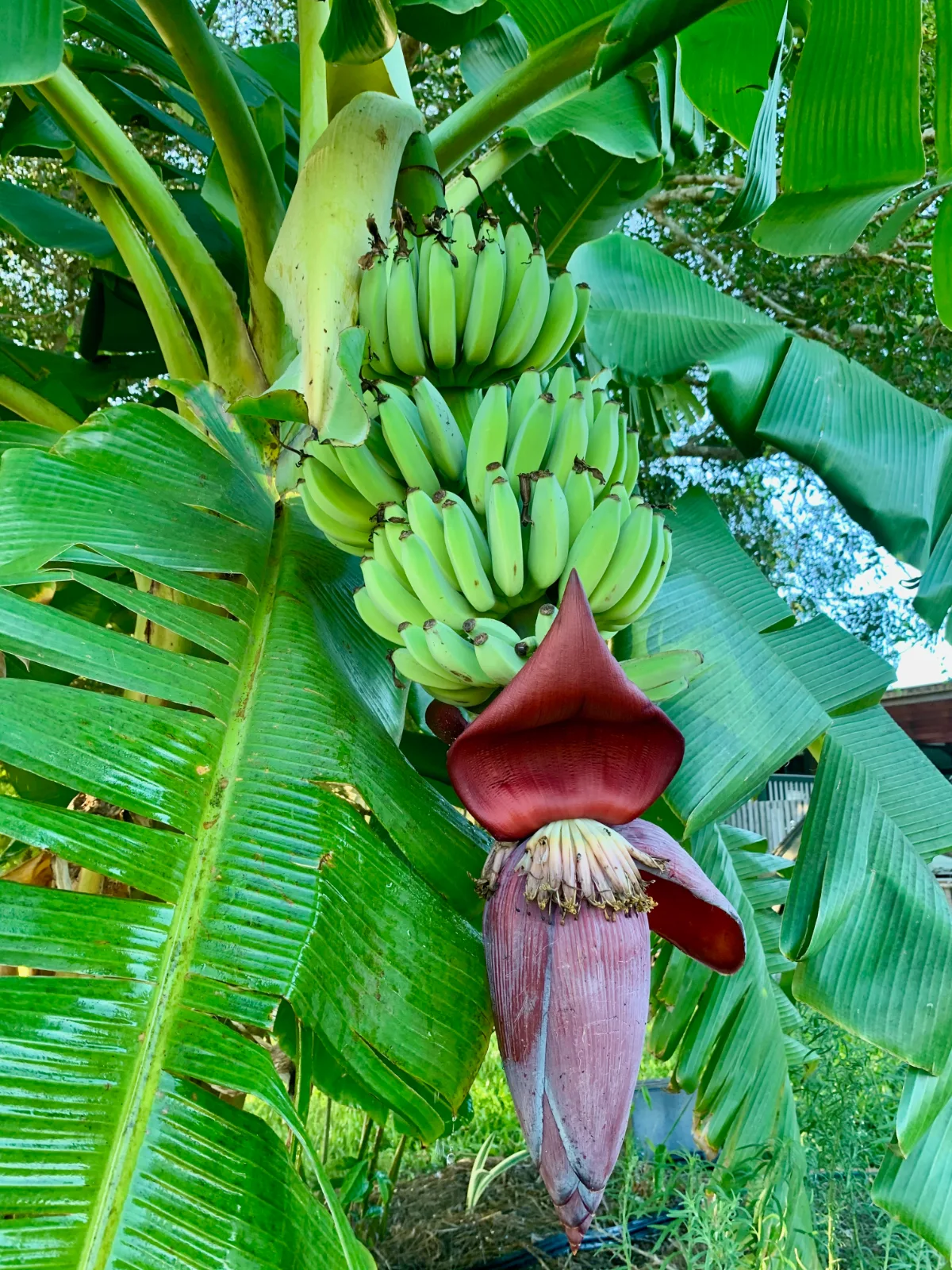
Banana
Bananas grow best with warmth, sun, regular feeding and plenty of water. Keeping only a few well-spaced suckers helps the clump produce good bunches.
Ornamental
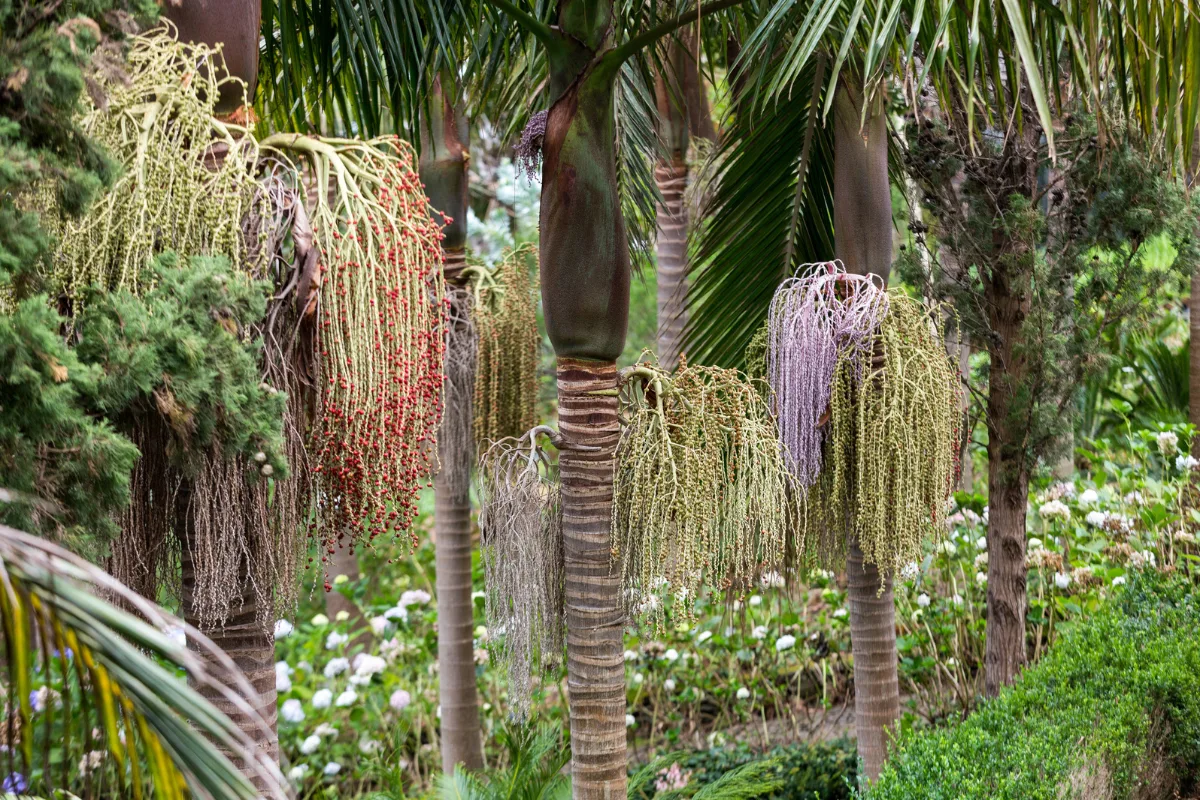
Bangalow palm
Bangalow palm is an eastern Australian native palm with arching fronds and a smooth crownshaft. It grows naturally in moist gullies, rainforest and streamside country.
Ornamental
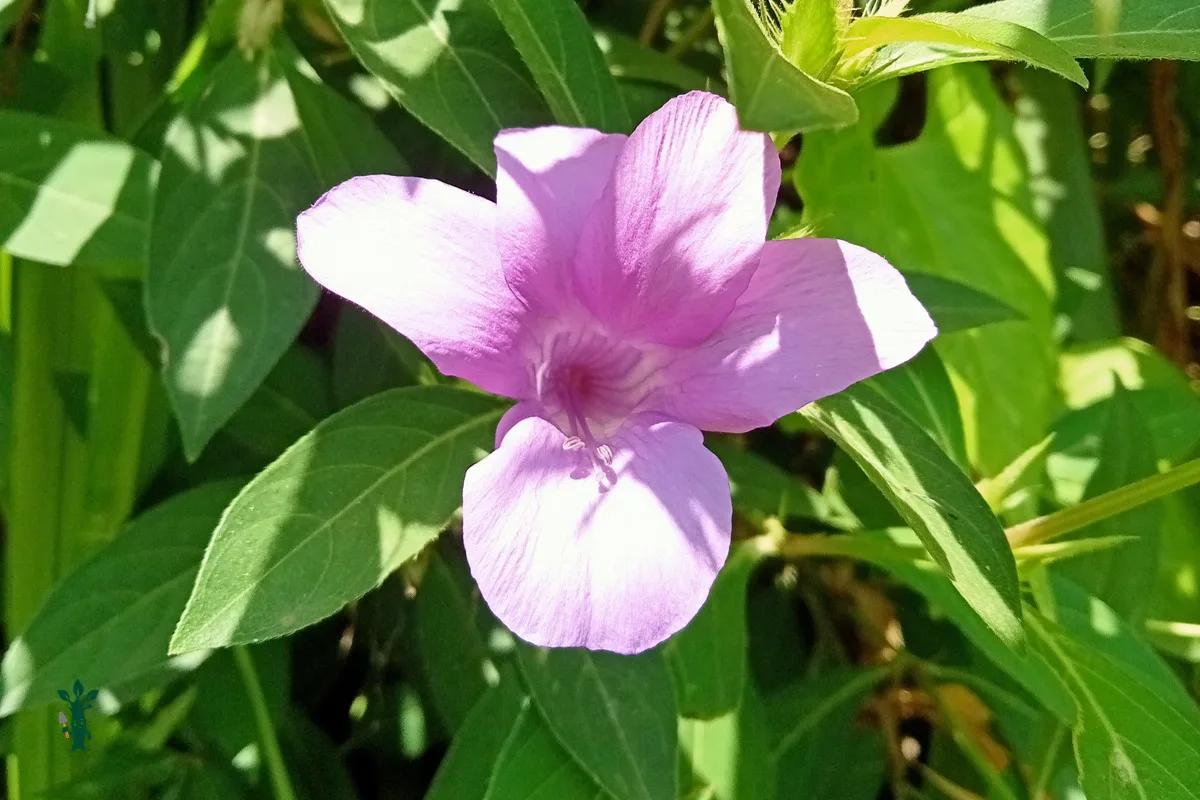
Barleria
Barleria obtusa is a spreading warm-climate shrub grown for its purple flowers through the cooler part of the year. It handles sun or part shade, responds well to pruning and can be kept as a rounded shrub rather than allowed to sprawl.
Fruit tree
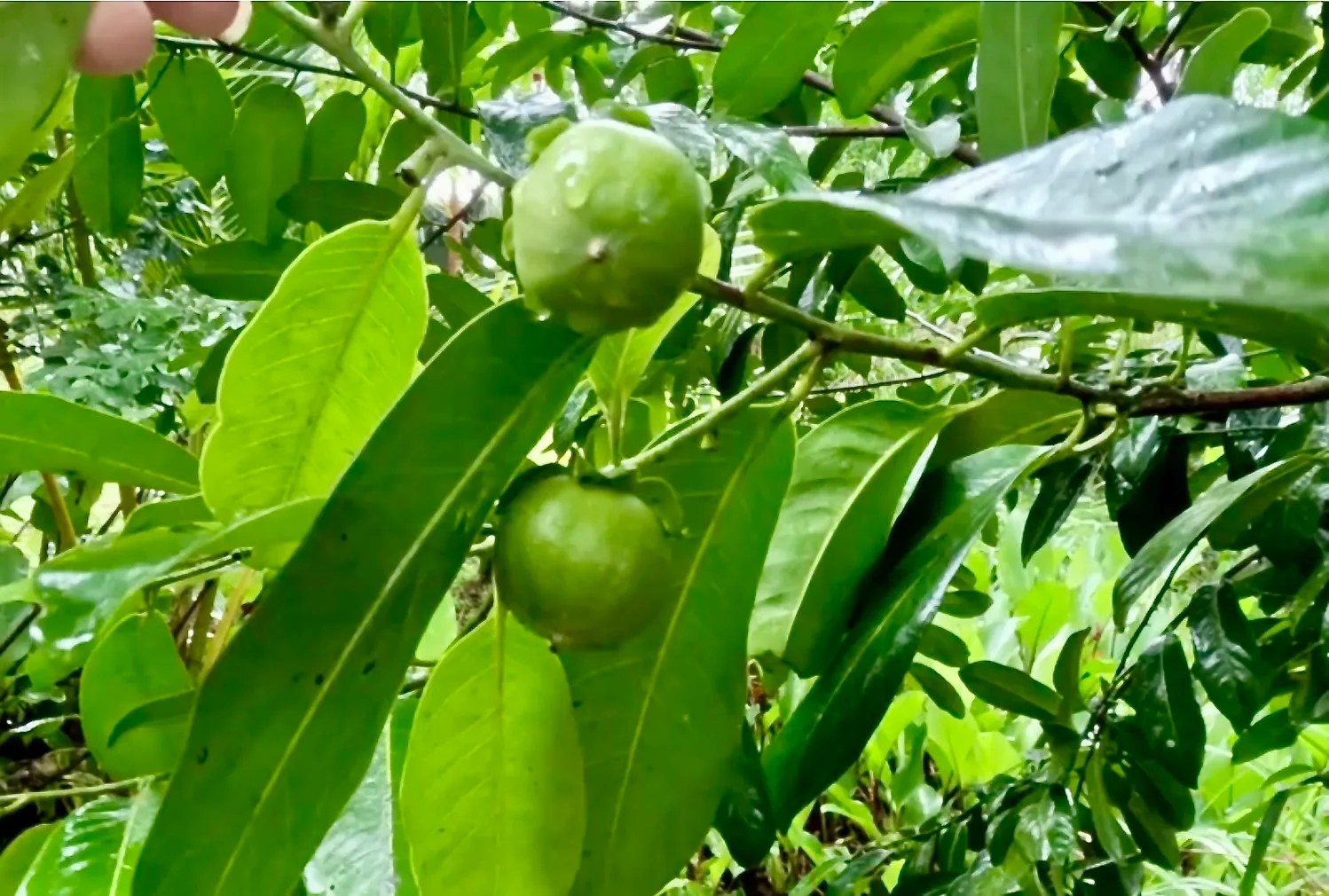
Black sapote
Black sapote is a tropical fruit tree with green fruit that softens to dark chocolate-brown pulp when ripe. The flesh is mild, sweet and custard-like.
Fruit & berry
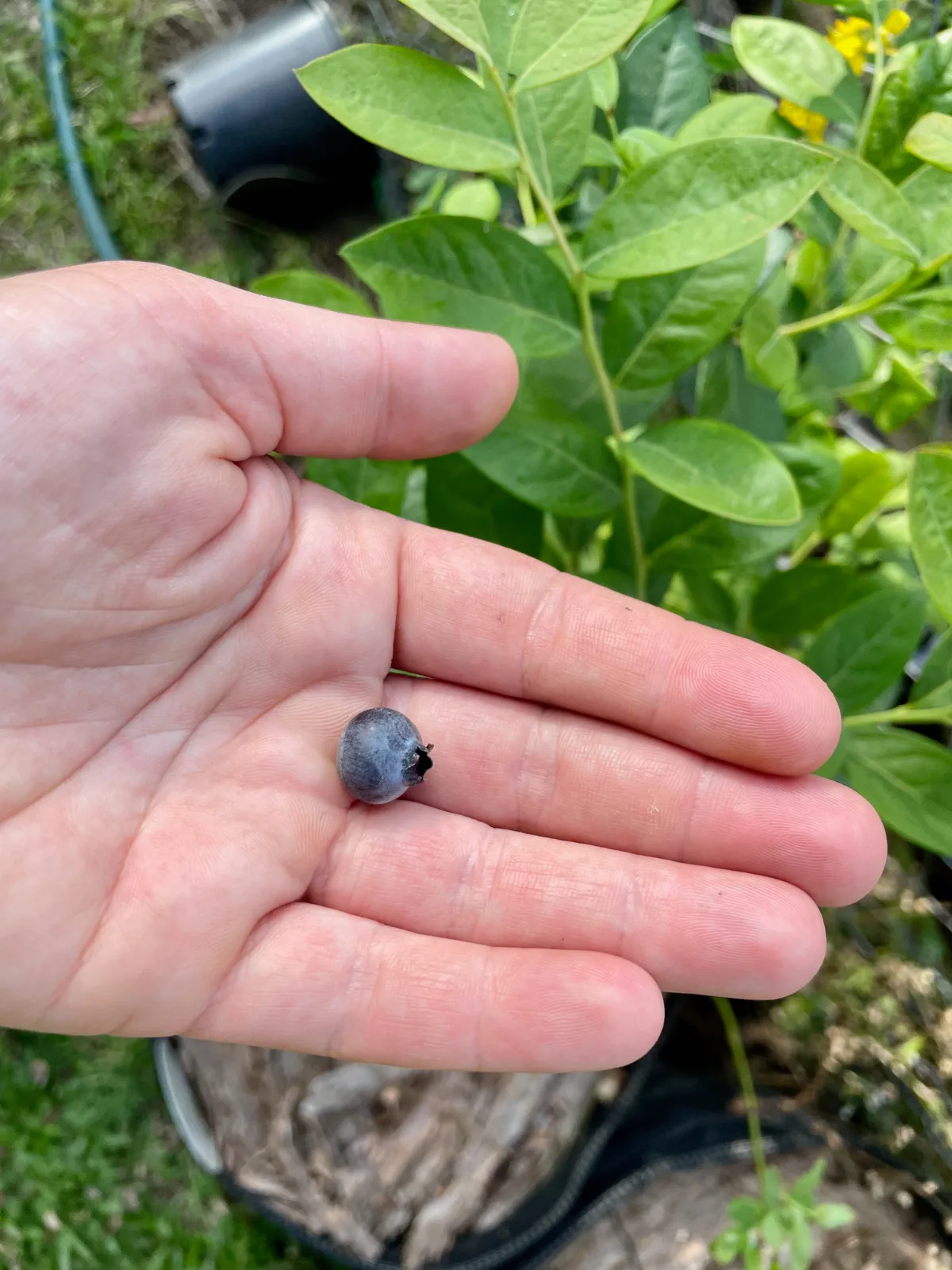
Blueberry
Blueberries need acidic soil, steady moisture and a cultivar group that matches your winter. Southern Highbush and Rabbiteye suit warmer districts, while Northern Highbush needs more winter chill.
Veggie
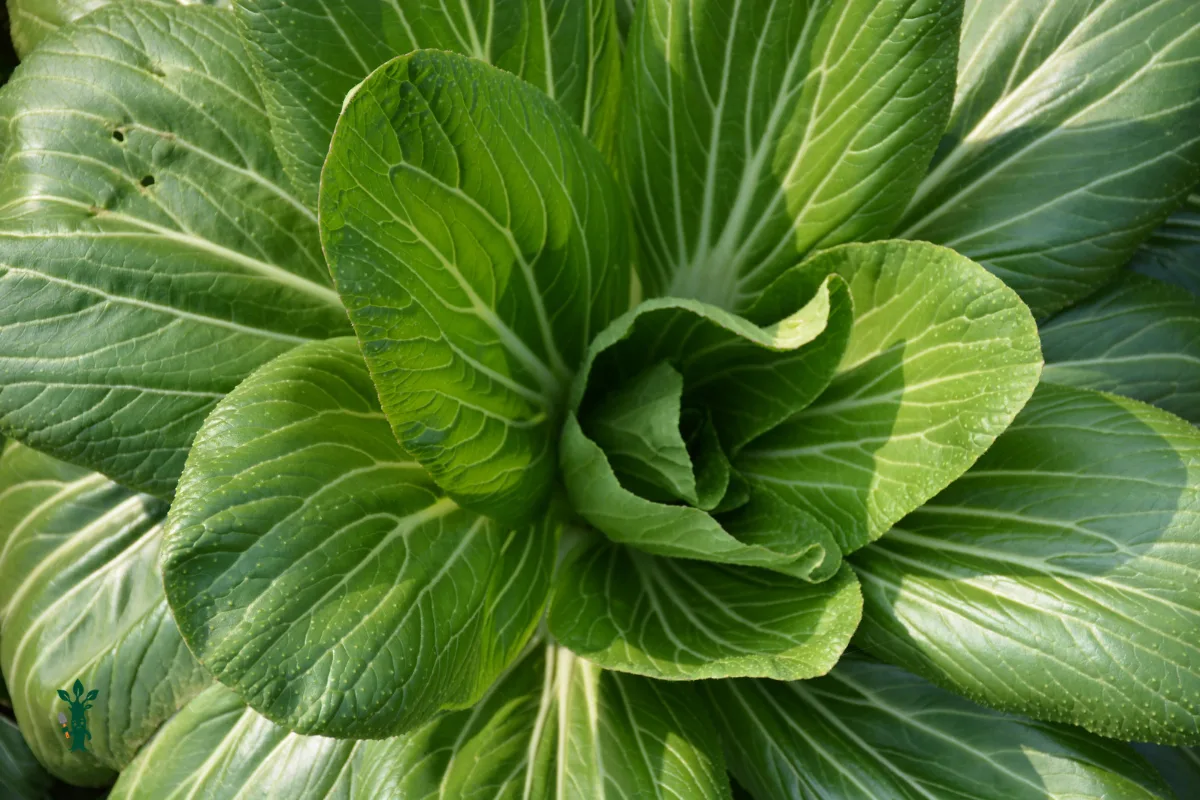
Bok choy
Bok choy is a quick Asian brassica grown for crisp white or green leaf stalks and tender leaves. It likes cool, steady growing conditions and can go from seedling to harvest in only a few weeks. Heat, drought and root stress encourage bolting, so fast uninterrupted growth gives the best plants.
Veggie
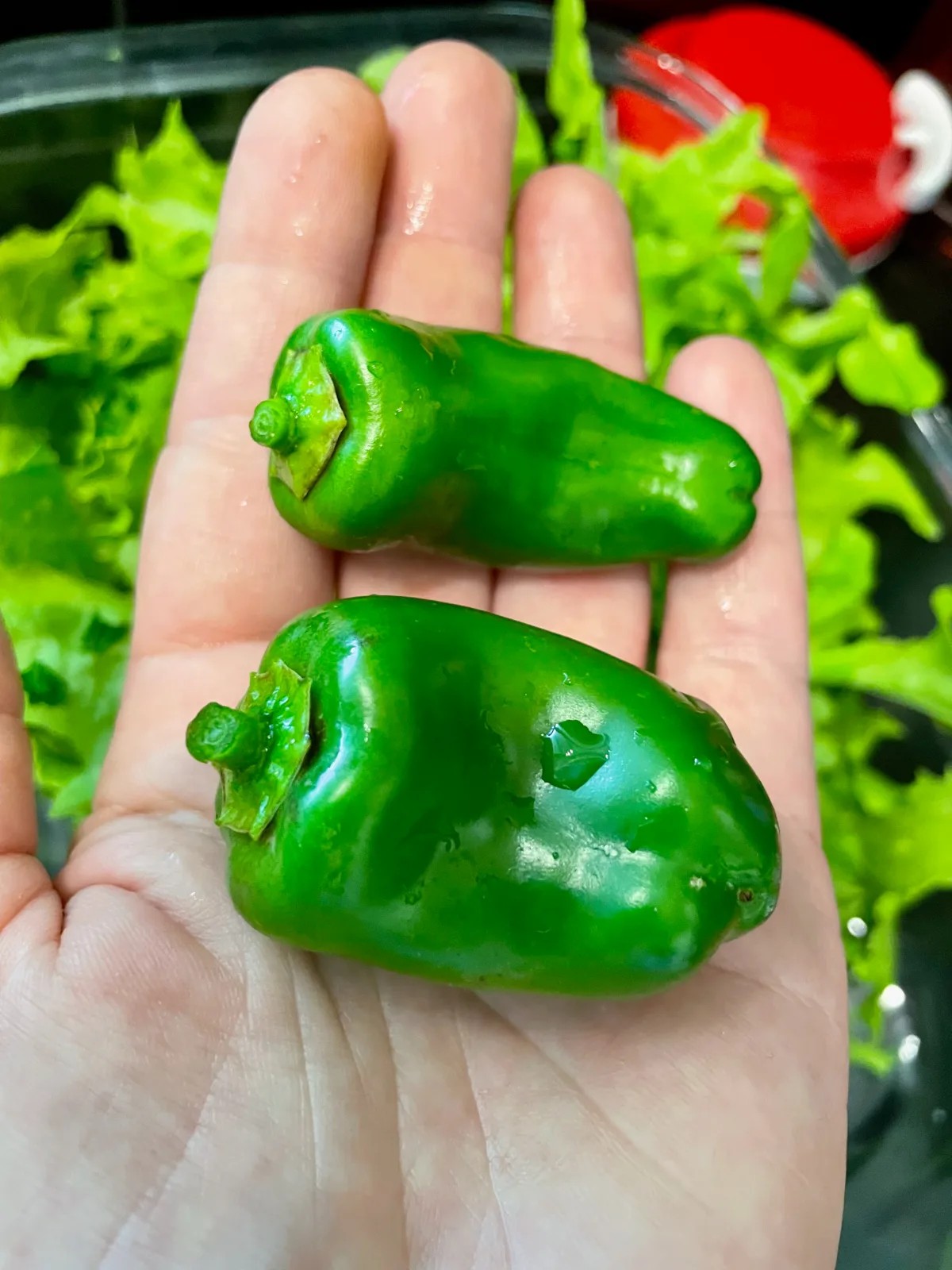
Capsicum
Capsicums need warm soil, sun and steady moisture. In frost-free climates they can live for more than one season.
Veggie
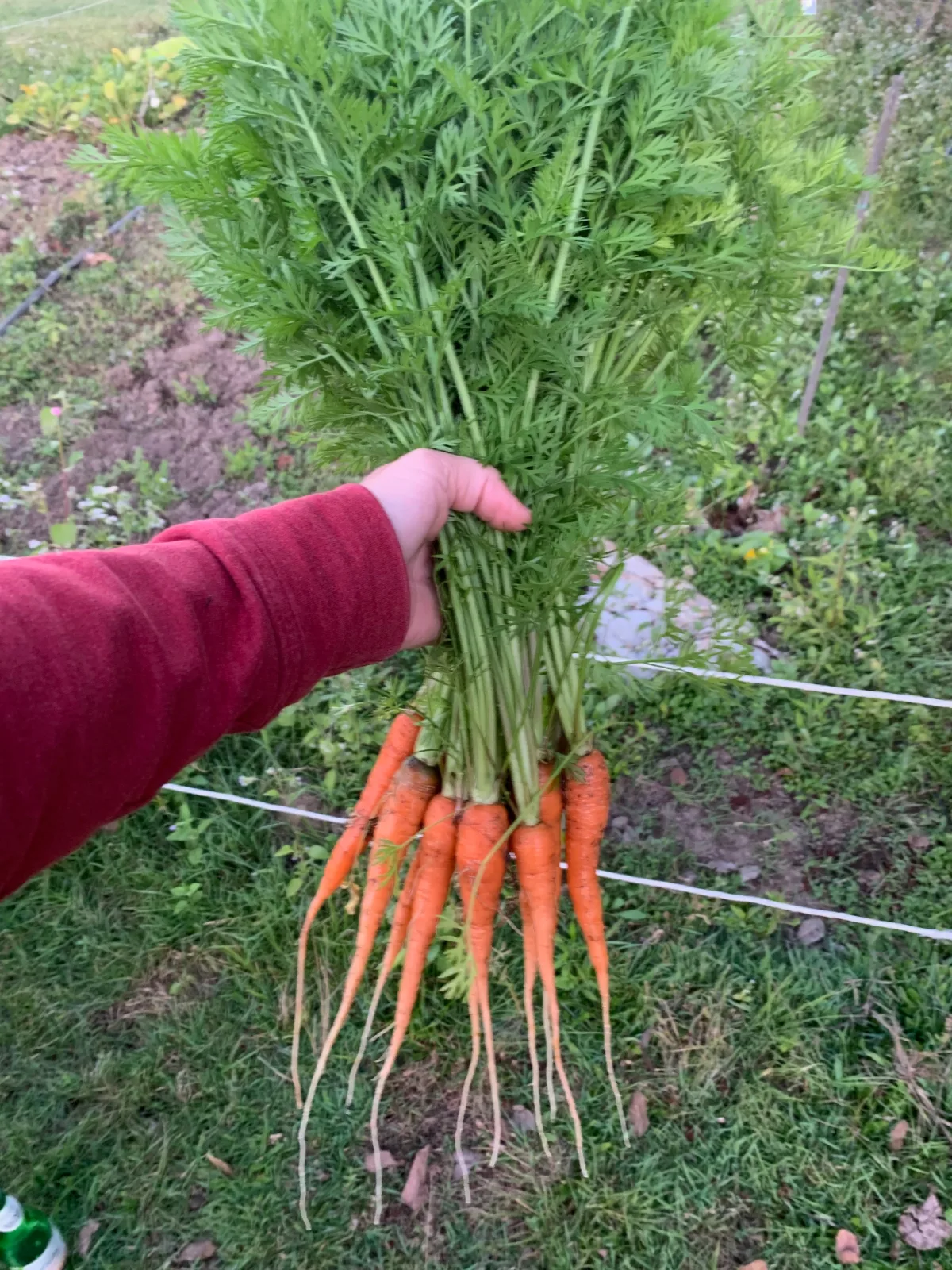
Carrot
Carrots are direct-sown root crops that need loose soil and steady moisture while the tiny seed is germinating.
Succulent
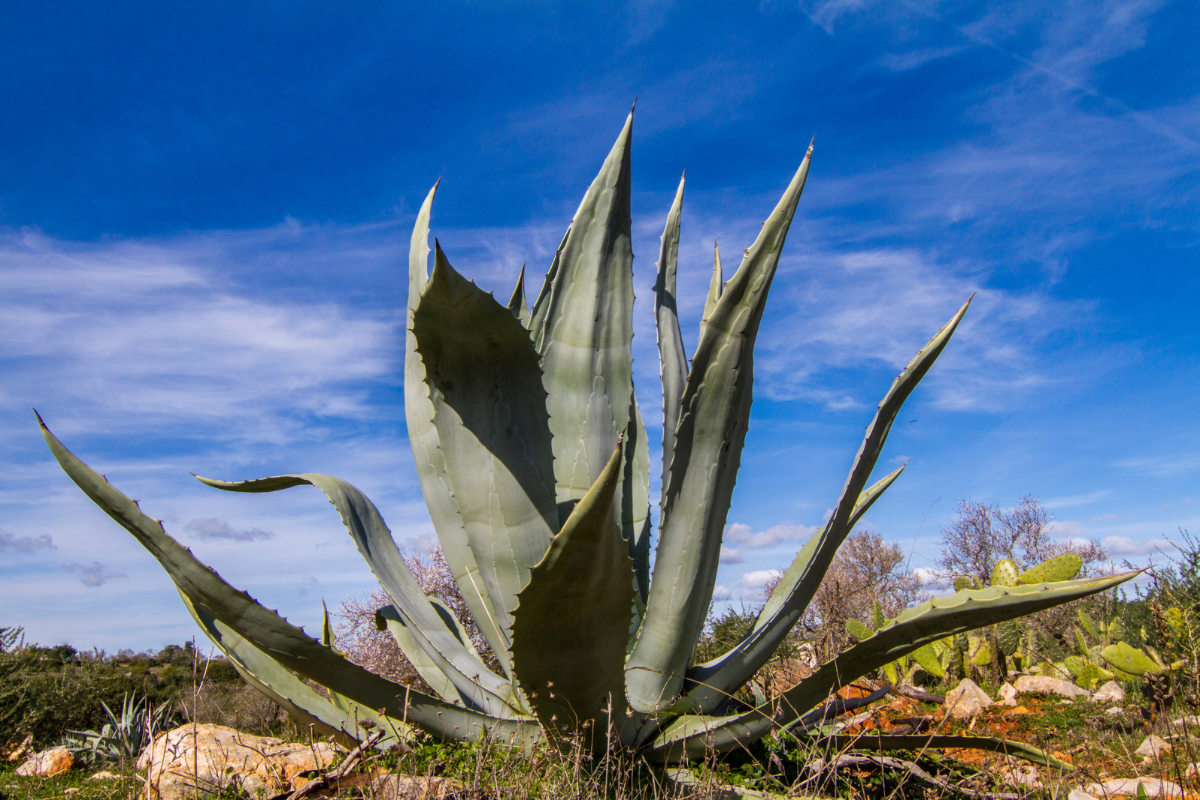
Century plant
Century plant is a large architectural agave with a bold rosette of blue-green leaves and a towering flower spike at maturity. Agave americana suits hot sunny dry gardens where there is ample room for its broad rosette and sharp leaf tips.
Veggie
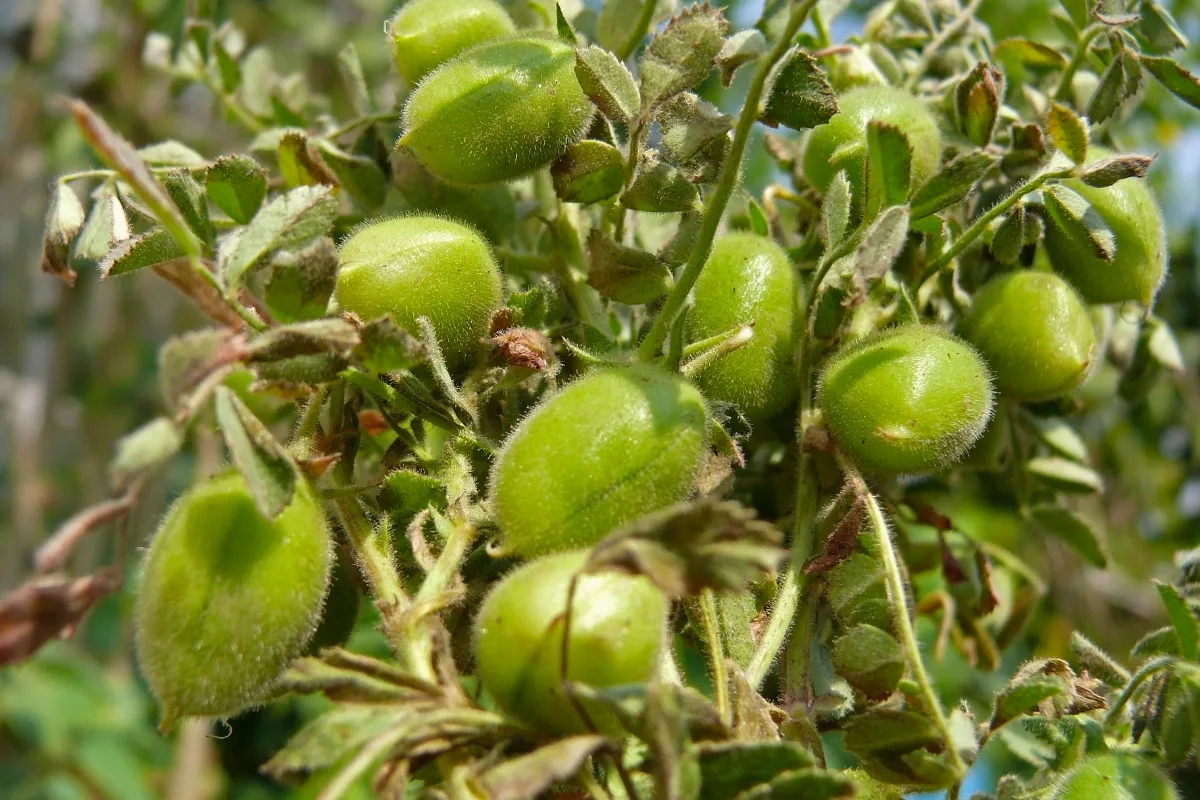
Chickpea
Chickpeas are cool-season legumes with small pea-like flowers followed by short pods that usually hold one or two seeds. You can pick the beans green or let them mature for a dry harvest. They grow best with plenty of sun, free-draining soil and a mild, relatively dry growing season.
Succulent
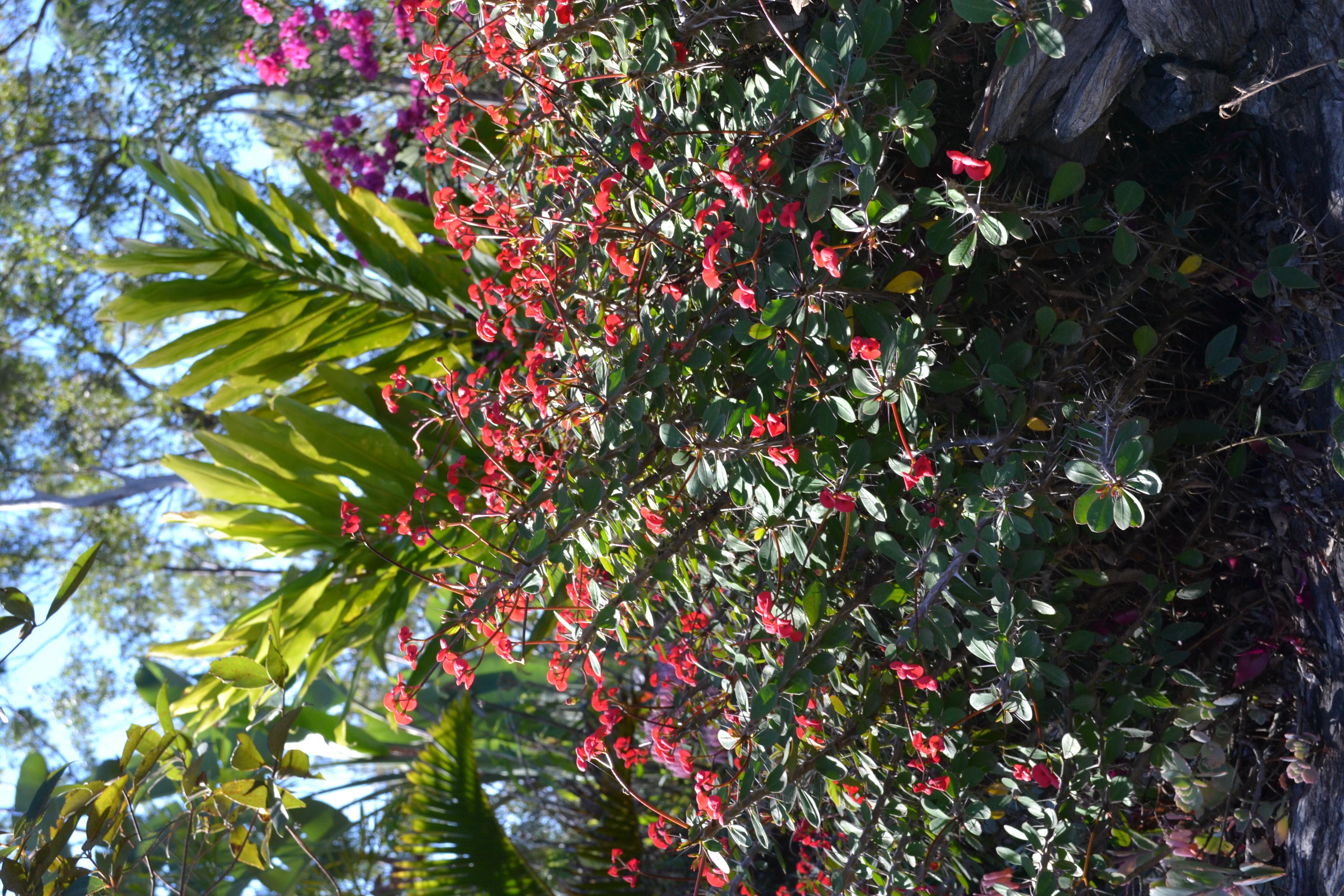
Crown of thorns
A thorny semi-succulent shrub grown for repeated displays of colourful bracts around its tiny flowers. Crown of thorns suits warm Australian gardens, sunny courtyards and containers where drainage is excellent.
Fruit tree
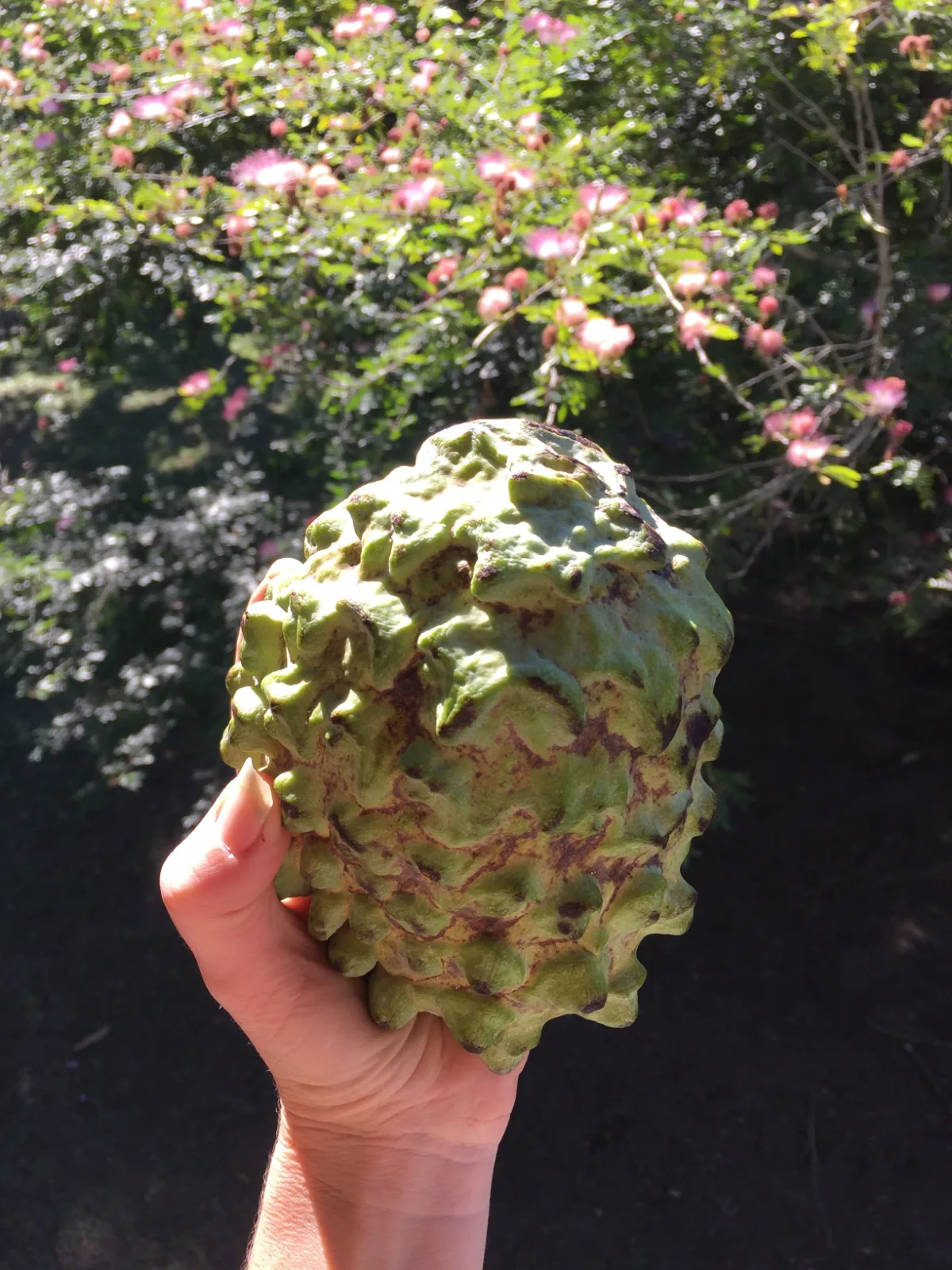
Custard apple (Atemoya)
Atemoya is the custard apple most commonly grown in warm Australian orchards: a hybrid with knobbly green fruit, creamy sweet flesh and a strong subtropical pedigree. It is a very good backyard fruit tree where summers are warm, winters are mild and you are happy to give it some pruning and, if needed, a hand with pollination.
Succulent
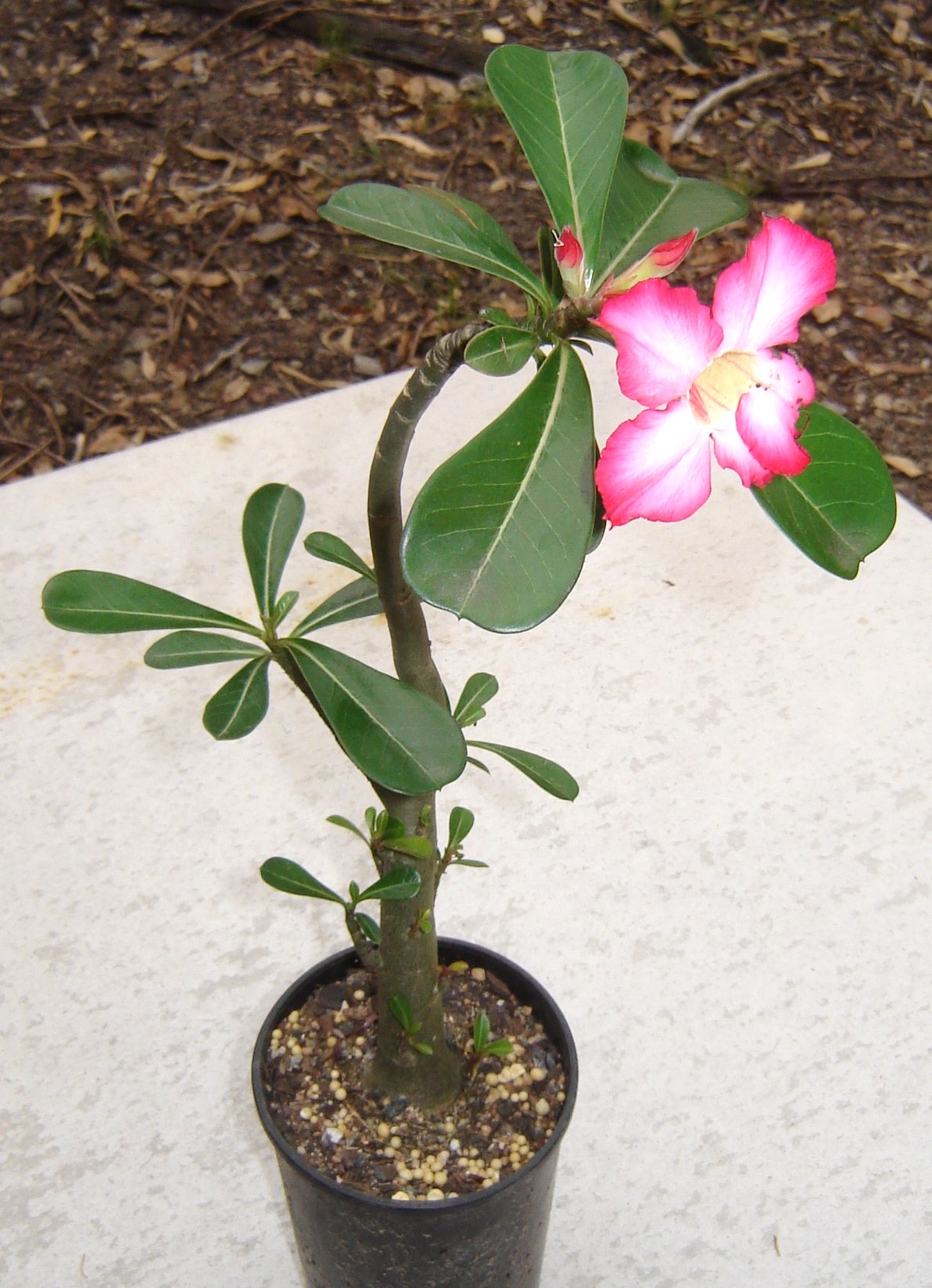
Desert rose
Desert rose combines a sculptural swollen trunk with gorgeous flowers in pink, red, white and other colours. It's a brilliant choice for a sunny, warm spot or a pot where you can admire that unusual shape. Give its roots an open, fast-draining mix and let the soil dry between waterings.
Veggie
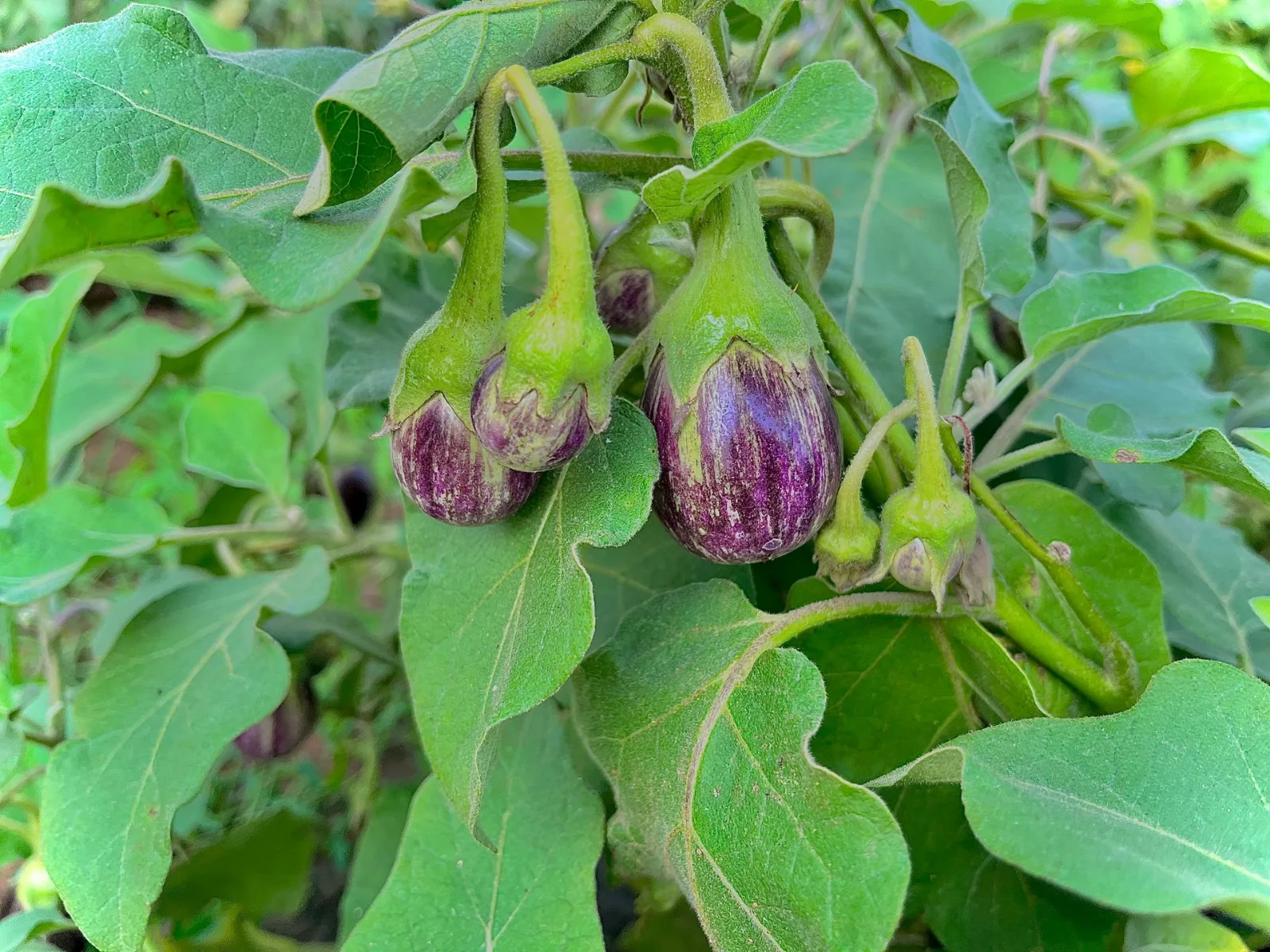
Eggplant
Eggplant needs warmth and patience, then it crops for months. In frost-free gardens a healthy plant can carry through a second year and fruit earlier than any new seedling.
Veggie
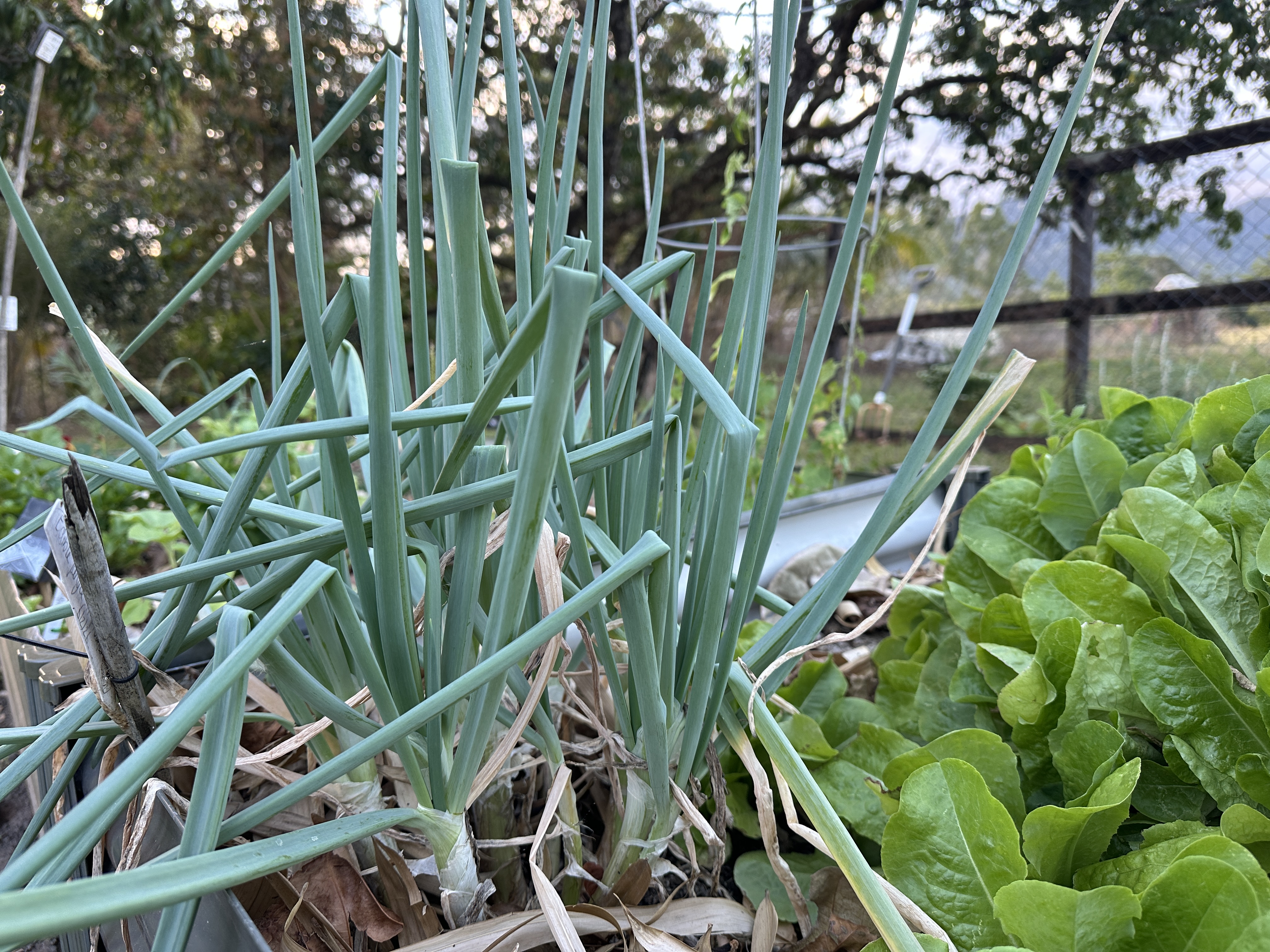
Egyptian walking onion
Egyptian walking onion is a perennial onion that makes clusters of bulbils at the top of its stalks. The bulbils bend to the ground and root, slowly moving the clump across the garden.
Veggie
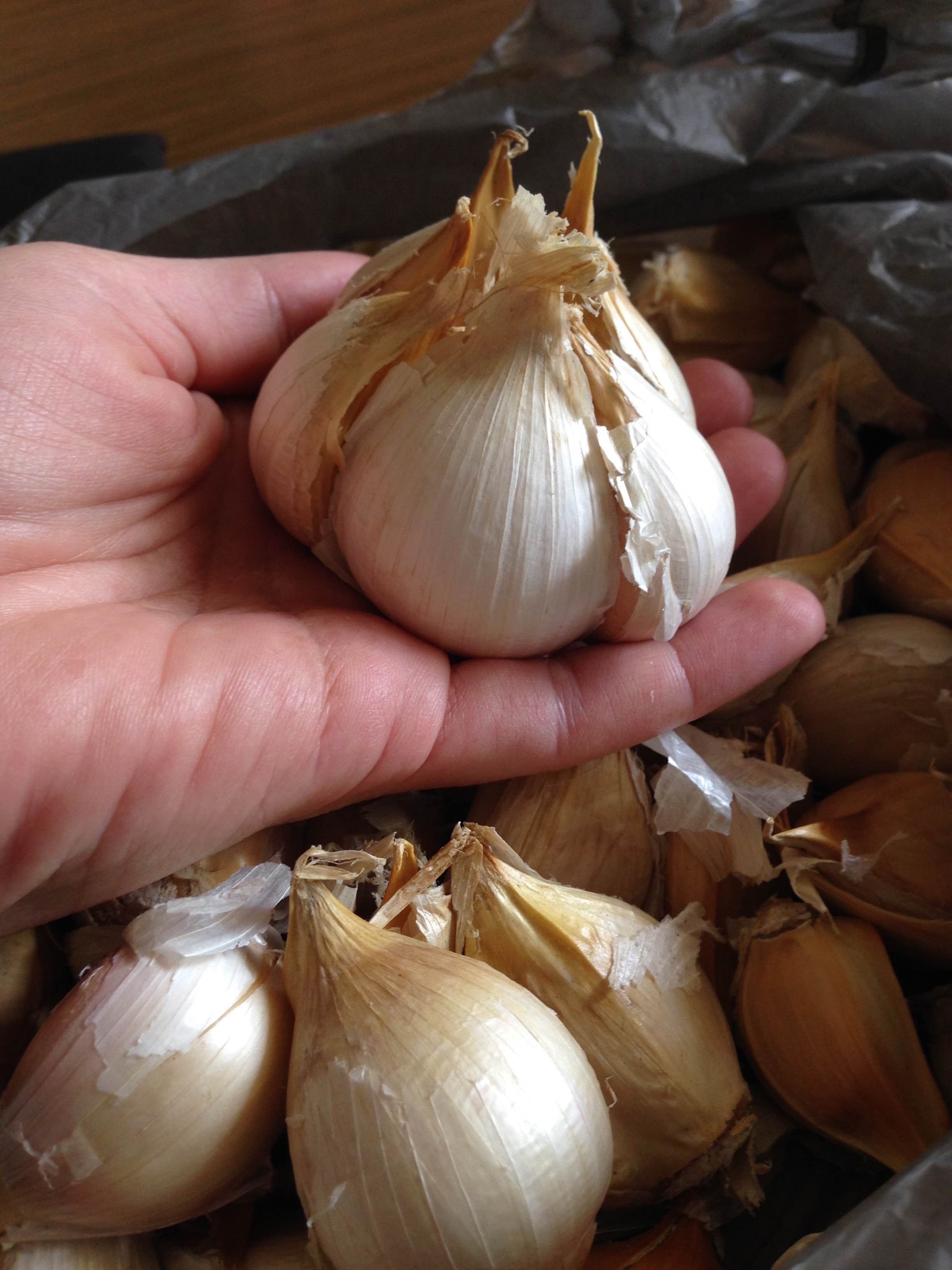
Elephant garlic
Elephant garlic grows huge mild cloves, but botanically it sits much closer to a leek than true garlic. You plant the cloves much like garlic, then give the bigger plant more room to build its bulb.
Ornamental
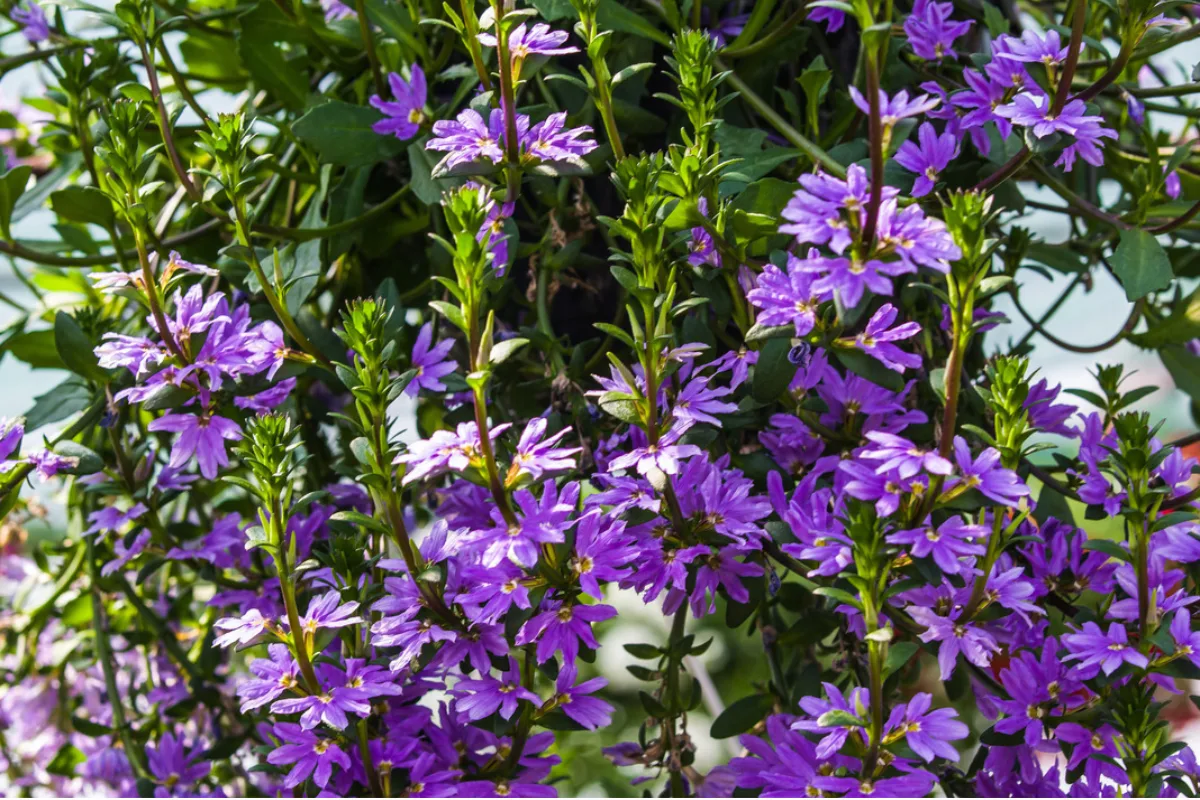
Fan flower
A flower-rich spreading native with distinctive fan-shaped blooms in mauve, purple, pink or white. It suits sunny borders, rockeries, hanging pots and the tops of retaining walls.
Ornamental
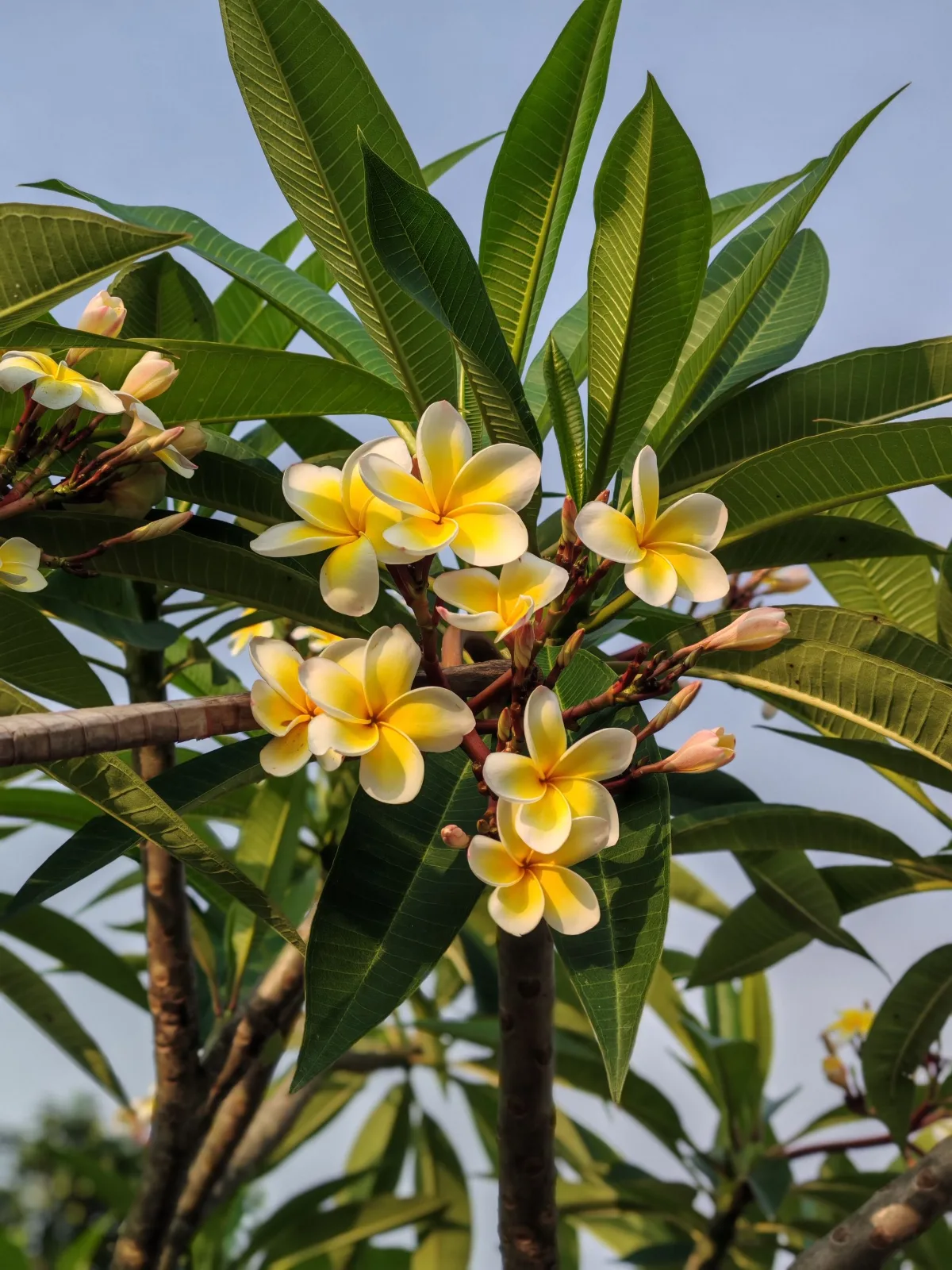
Frangipani
Frangipani is a warm-climate flowering tree that needs sun and excellent drainage. It is easy to propagate from large cuttings once the cut end has callused.
Fruit tree
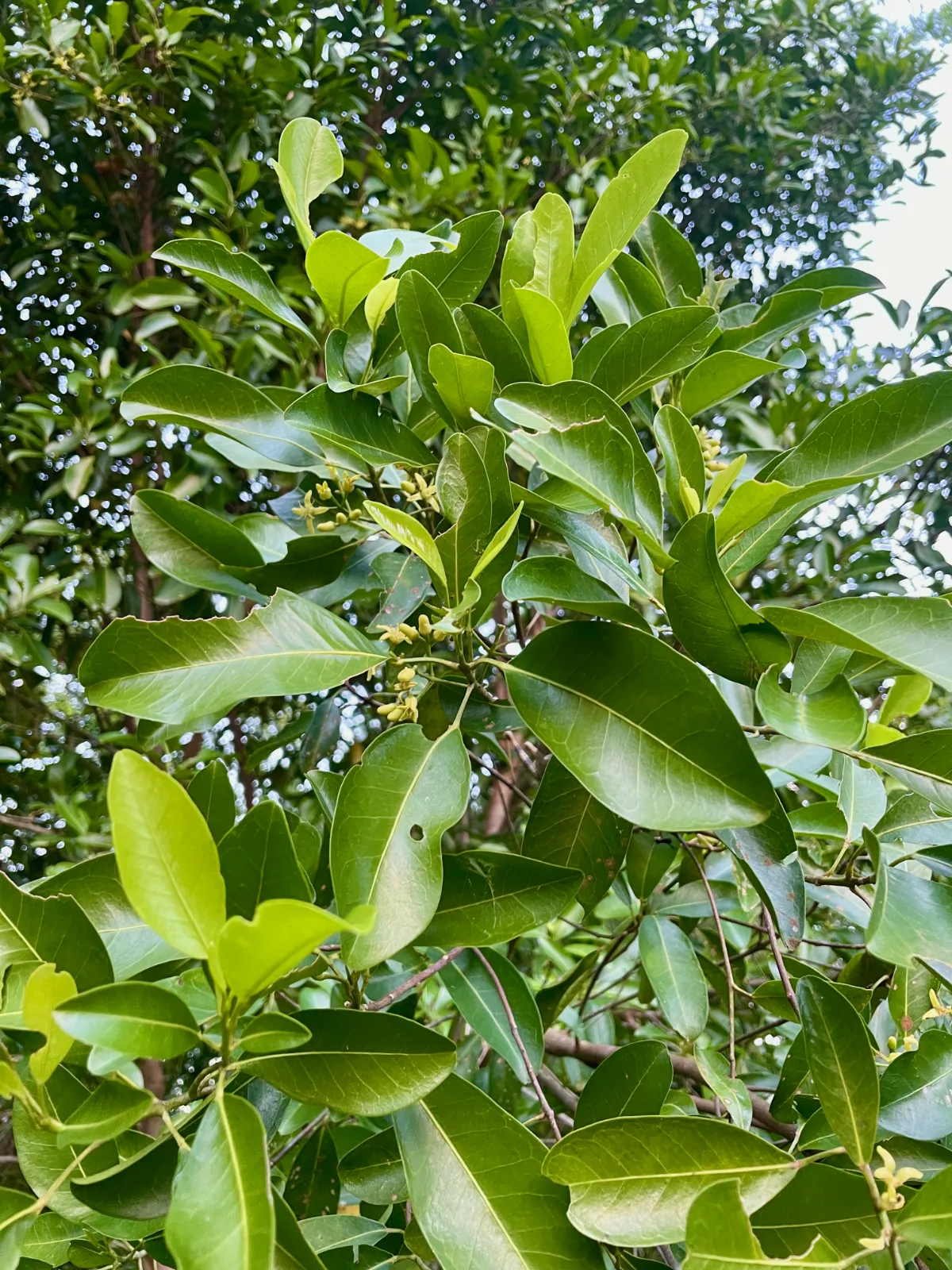
Fraser Island apple
Fraser Island apple is an Australian coastal rainforest tree, native to sheltered dune and littoral rainforest from central Queensland into northern New South Wales, with glossy leaves, fragrant cream flowers and small yellow fruit that can be used in preserves.
Before You Choose
The first advantage of sand is drainage. Roots receive plenty of air and water rarely sits around them for long. The trade-off is that shallow-rooted plants can dry quickly, especially in hot weather or exposed coastal positions.
Add compost and other well-decomposed organic matter to improve moisture and nutrient holding. You do not need to replace the soil. Regular additions at the surface, together with mulch, gradually create a more useful root zone while keeping the free-draining structure.
Water more deeply and less superficially once plants are established, adjusting for the species and weather. A slow application gives the root zone time to absorb moisture before it moves further down. Mulch reduces evaporation and protects the soil surface from extreme heat.
Nutrients may need to be supplied in smaller, well-timed amounts because heavy applications can leach beyond the active root zone. Follow the needs of the plant rather than fertilising every sandy bed the same way. Some plants in this collection also suit coastal gardens, drought-prone sites or pots, while others still need reliable moisture.
Wind can make sandy sites even drier because the loose surface loses moisture quickly. Groundcovers, mulch and mixed planting help shade the soil and reduce exposed bare areas. When planting trees or shrubs, build a broad watering basin only if it will drain freely and will not trap water against the trunk. Check new plants often through their first hot, windy season.