

Vegetables to Grow in Australia
Vegetable timing changes sharply across Australia. A crop grown through summer in a cool district may perform better during the tropical dry season, so local temperature and humidity are more useful than a single national calendar.
Veggie
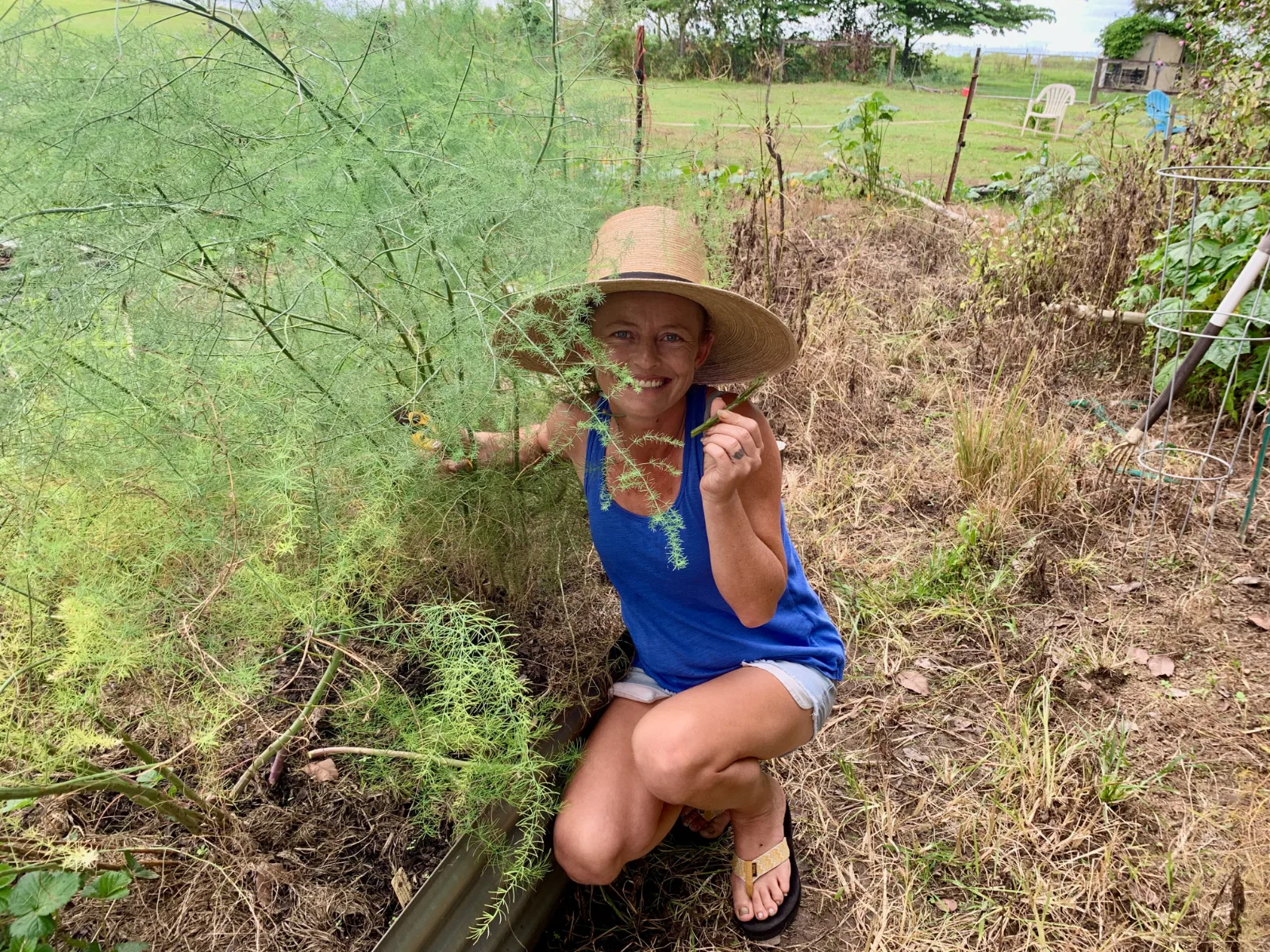
Asparagus
Asparagus is a long-lived perennial crop. New beds need time to establish before regular spring harvesting begins.
View plant →
Veggie
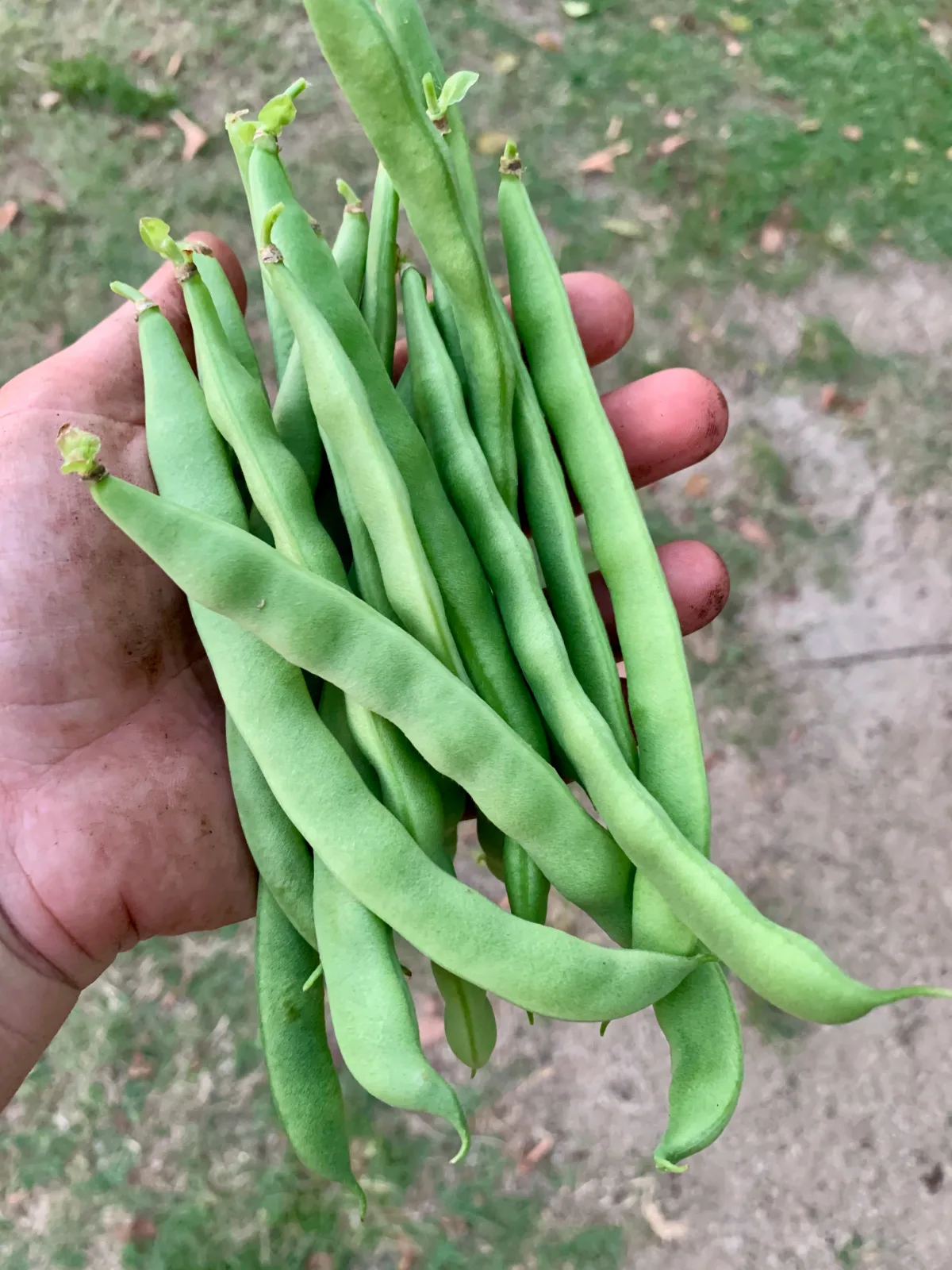
Beans
Common garden beans include bush and climbing types grown for fresh pods or mature beans. Climbing types need support and regular picking keeps fresh-pod varieties productive.
View plant →
Veggie
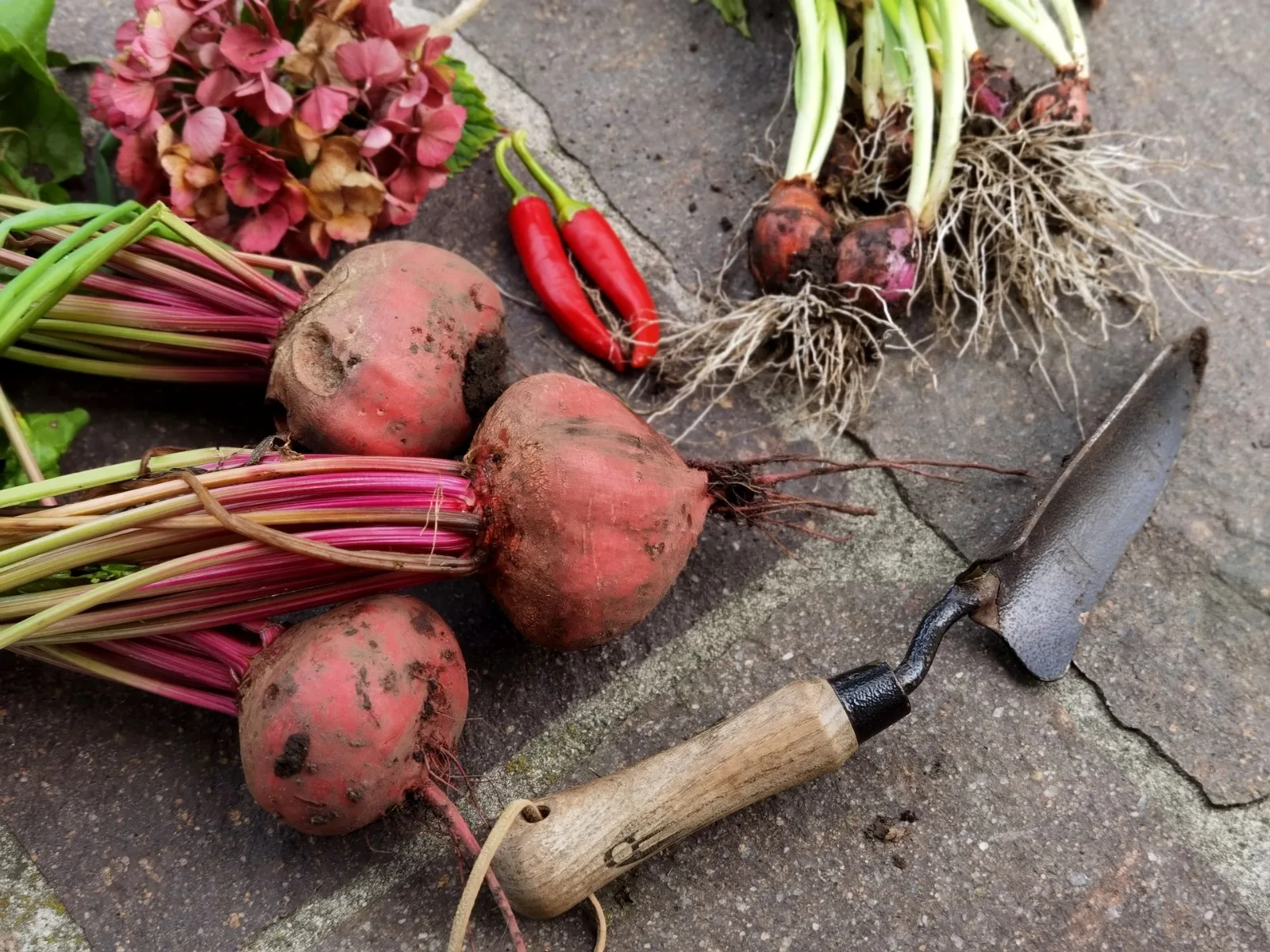
Beetroot
Beetroot is a quick root crop that also gives edible leaves. It grows best in loose soil and mild conditions.
View plant →
Veggie
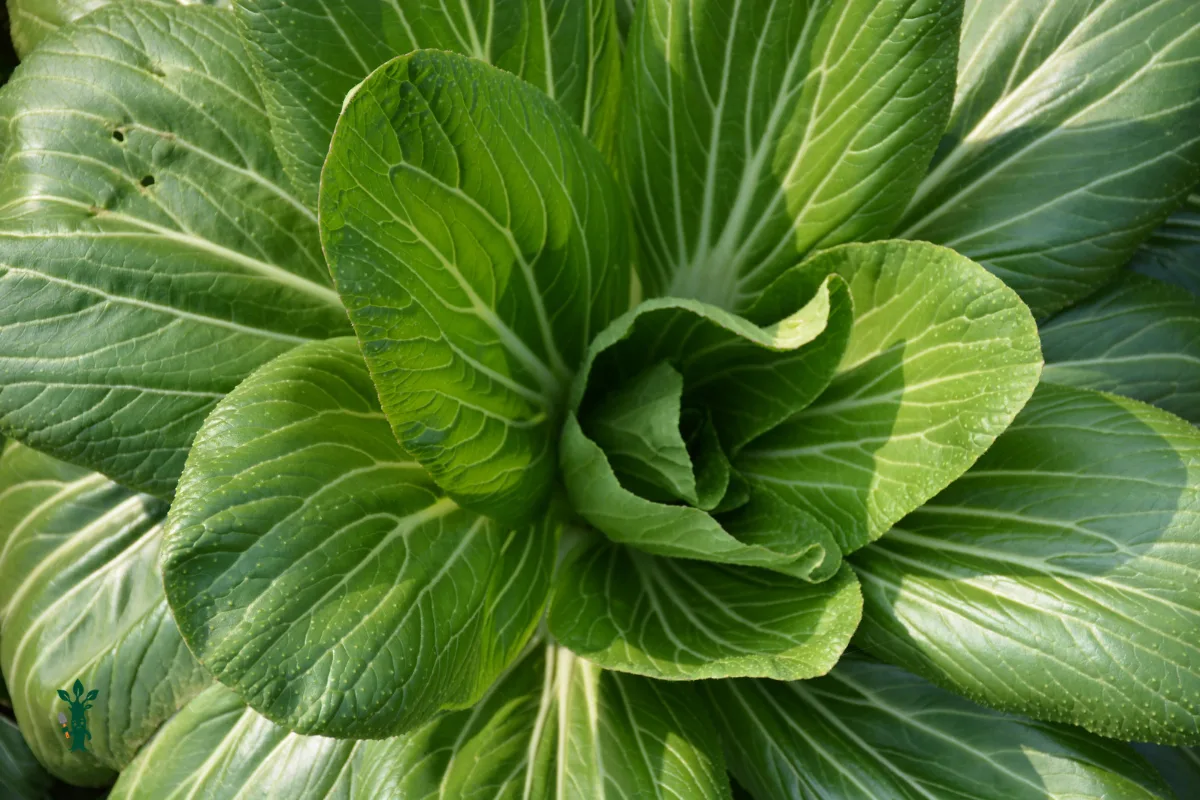
Bok choy
Bok choy is a quick Asian brassica grown for crisp white or green leaf stalks and tender leaves. It likes cool, steady growing conditions and can go from seedling to harvest in only a few weeks. Heat, drought and root stress encourage bolting, so fast uninterrupted growth gives the best plants.
View plant →
Veggie
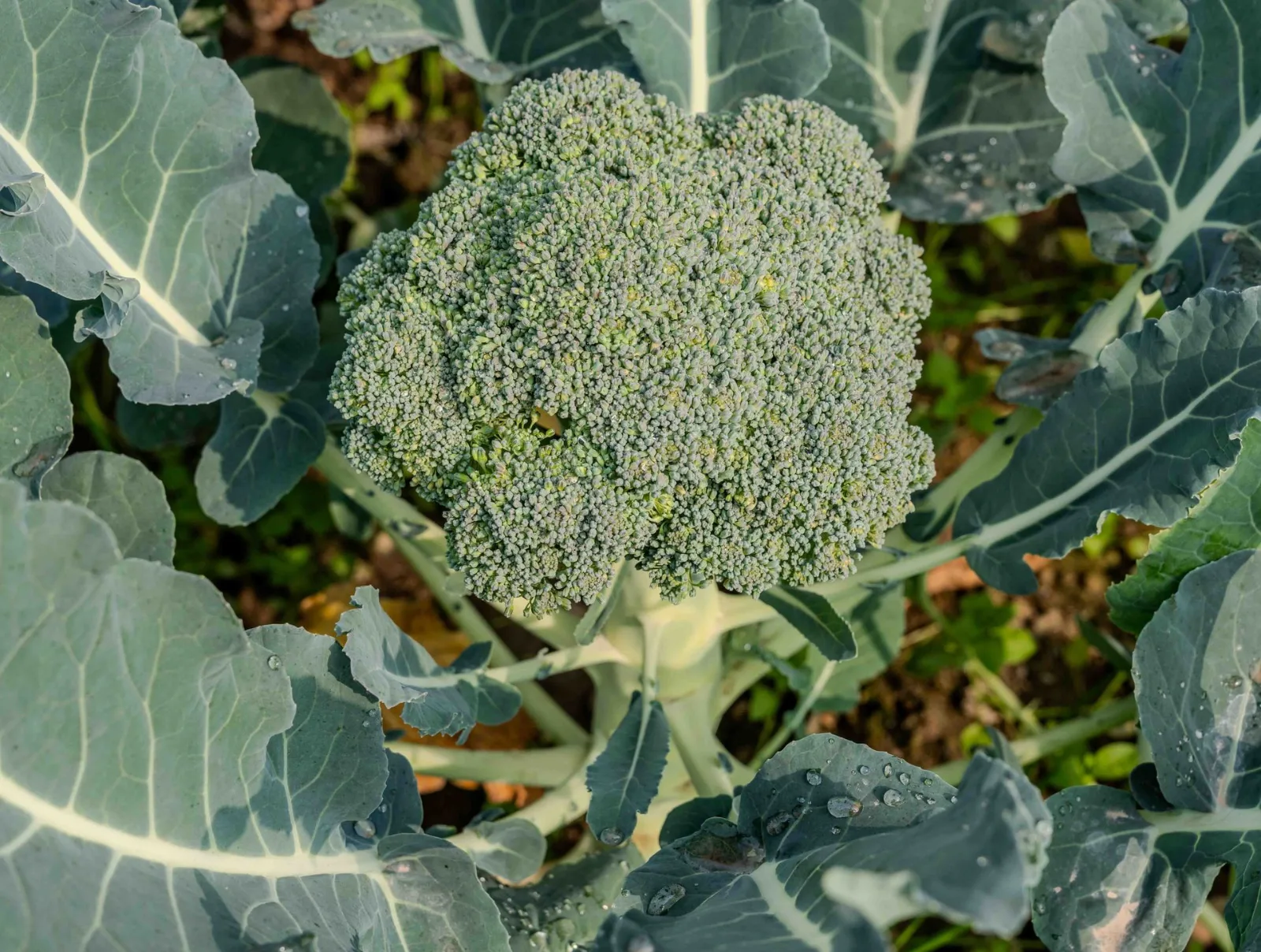
Broccoli
Broccoli is a cool-season brassica grown for its main head and smaller side shoots after the first harvest.
View plant →
Veggie
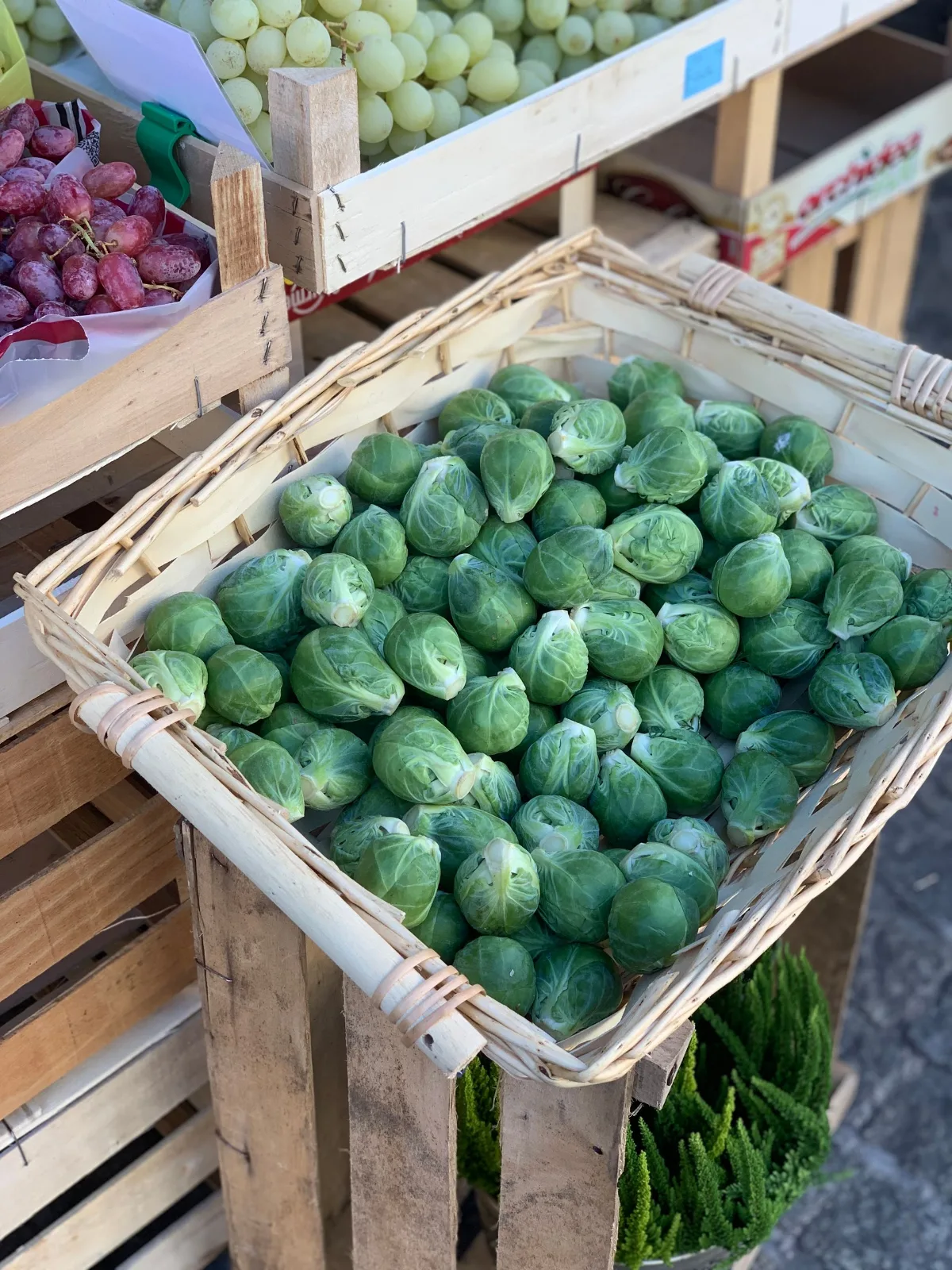
Brussels sprouts
Brussels sprouts are a long cool-season brassica that forms small heads along a tall stem. Timing and steady feeding matter more than almost anything else.
View plant →
Veggie
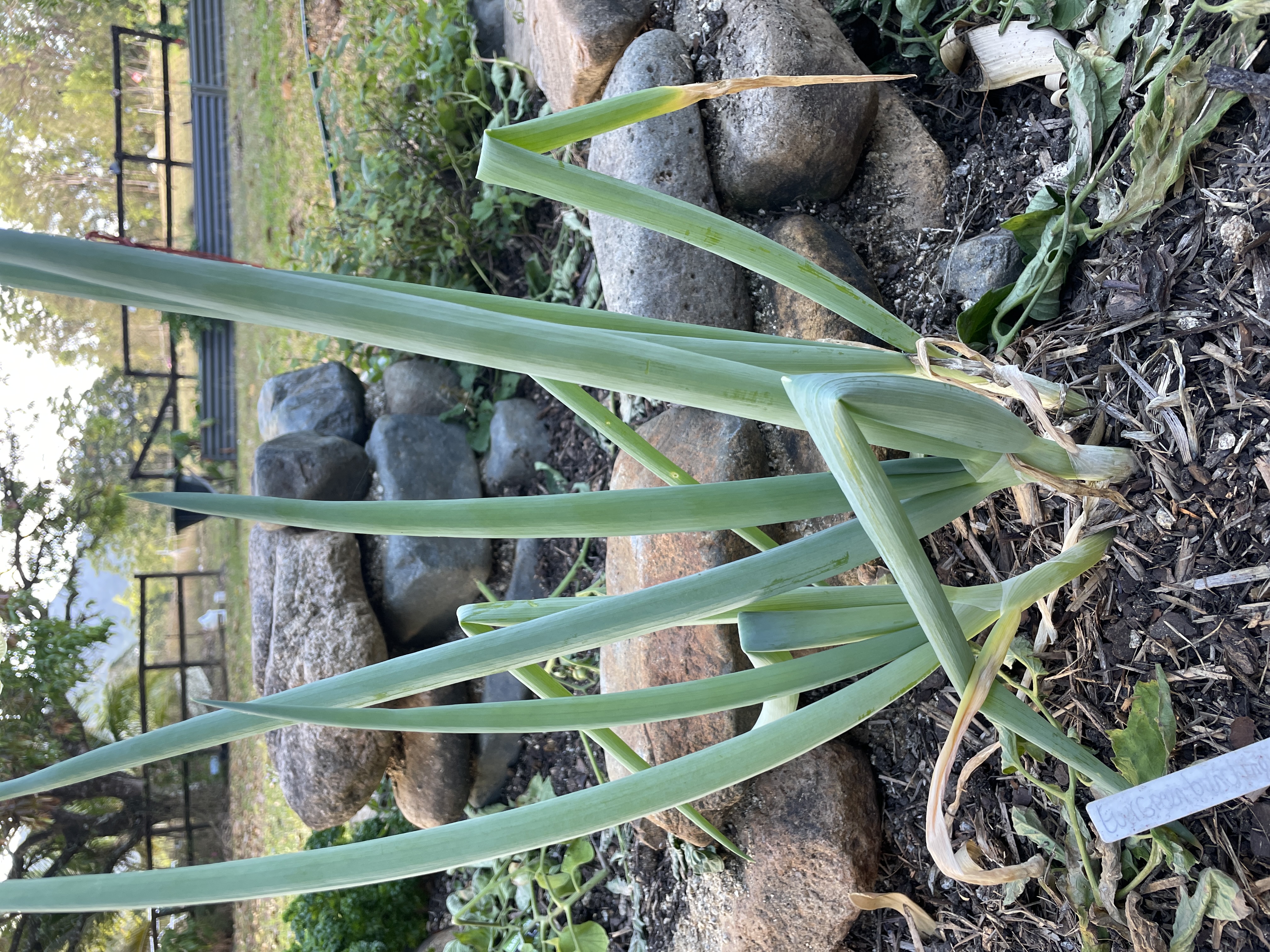
Bunching onion
Bunching onion is a perennial allium grown for hollow green leaves and white stems rather than a large bulb. Established clumps can be cut, divided and replanted for a steady supply.
View plant →
Veggie
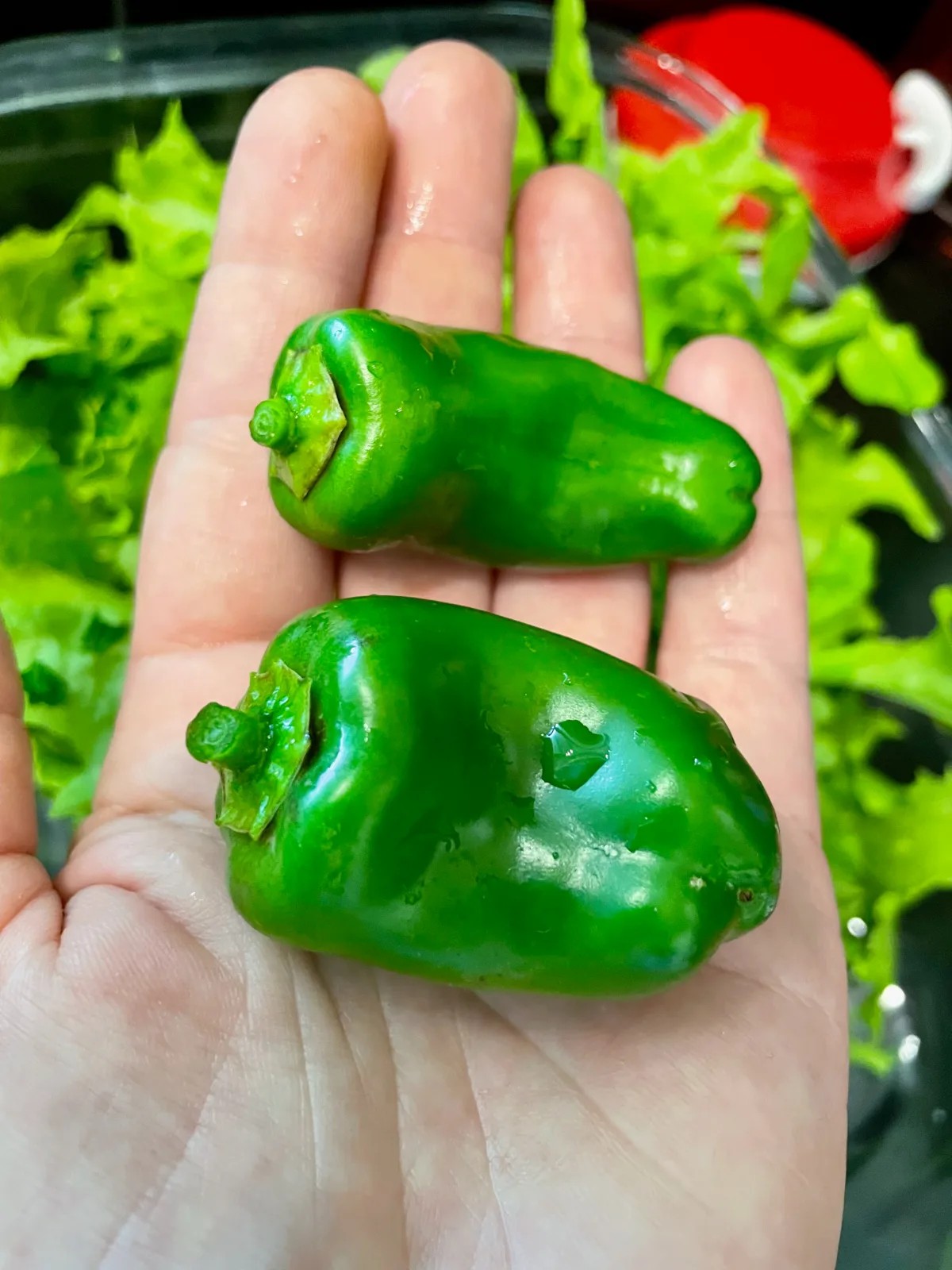
Capsicum
Capsicums need warm soil, sun and steady moisture. In frost-free climates they can live for more than one season.
View plant →
Veggie
Carrot
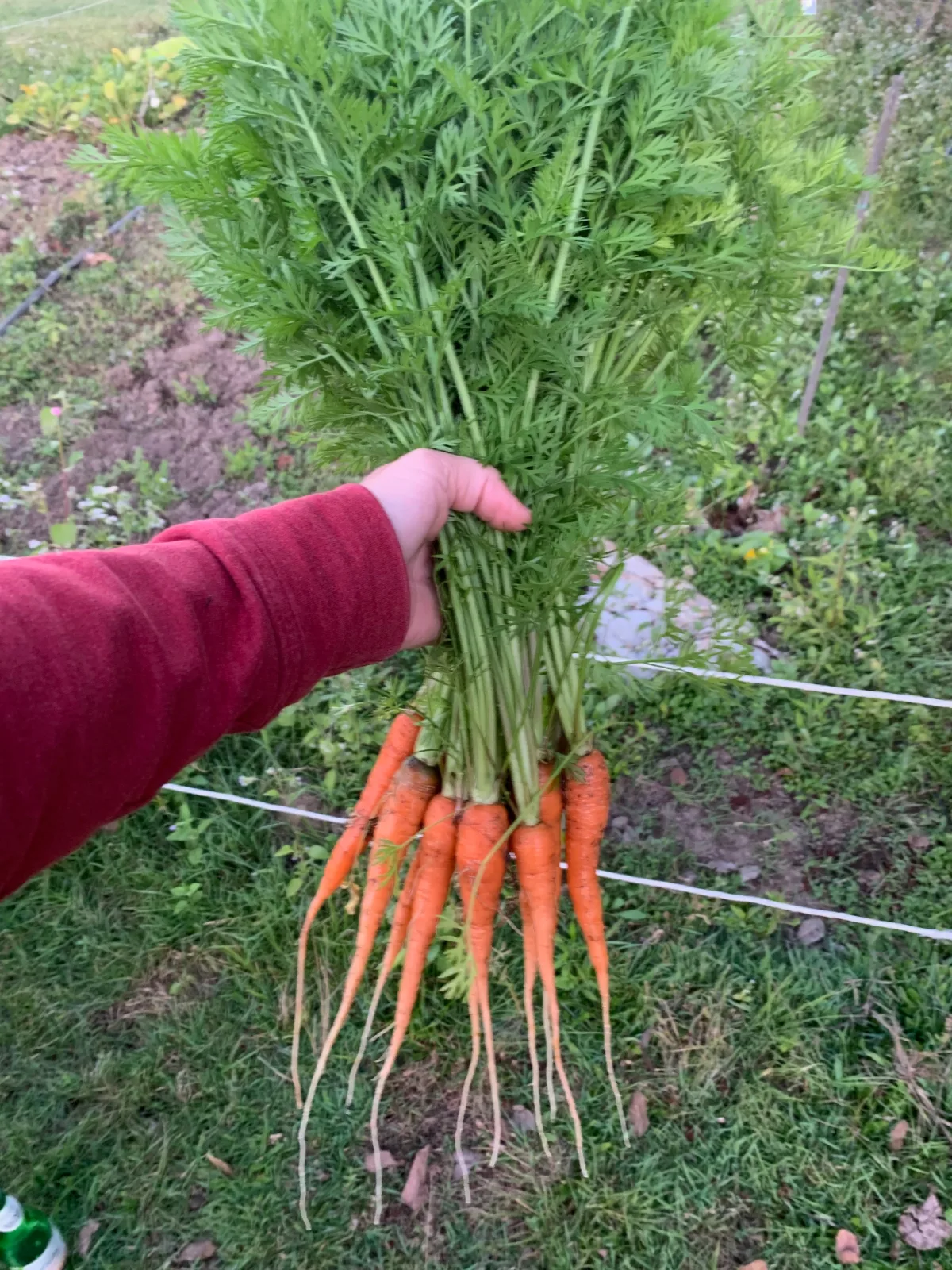
Carrots are direct-sown root crops that need loose soil and steady moisture while the tiny seed is germinating.
View plant →
Veggie
Cauliflower
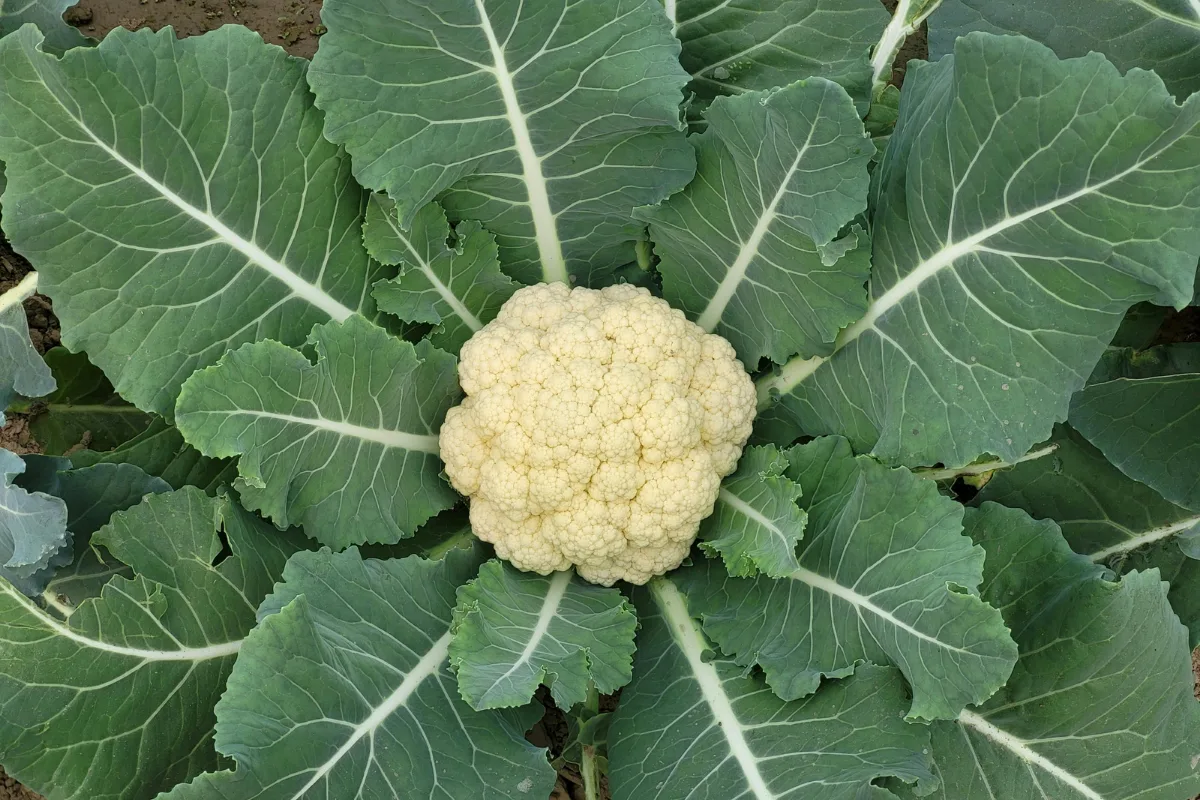
Cauliflower is a cool-season brassica grown for its dense, immature flower head, or curd. It grows best when conditions stay steady: fertile soil, regular moisture and mild temperatures. Heat, drought or interrupted growth can lead to small, loose or uneven heads, so matching the variety and planting time to your climate makes a real difference.
View plant →
Veggie
Celery
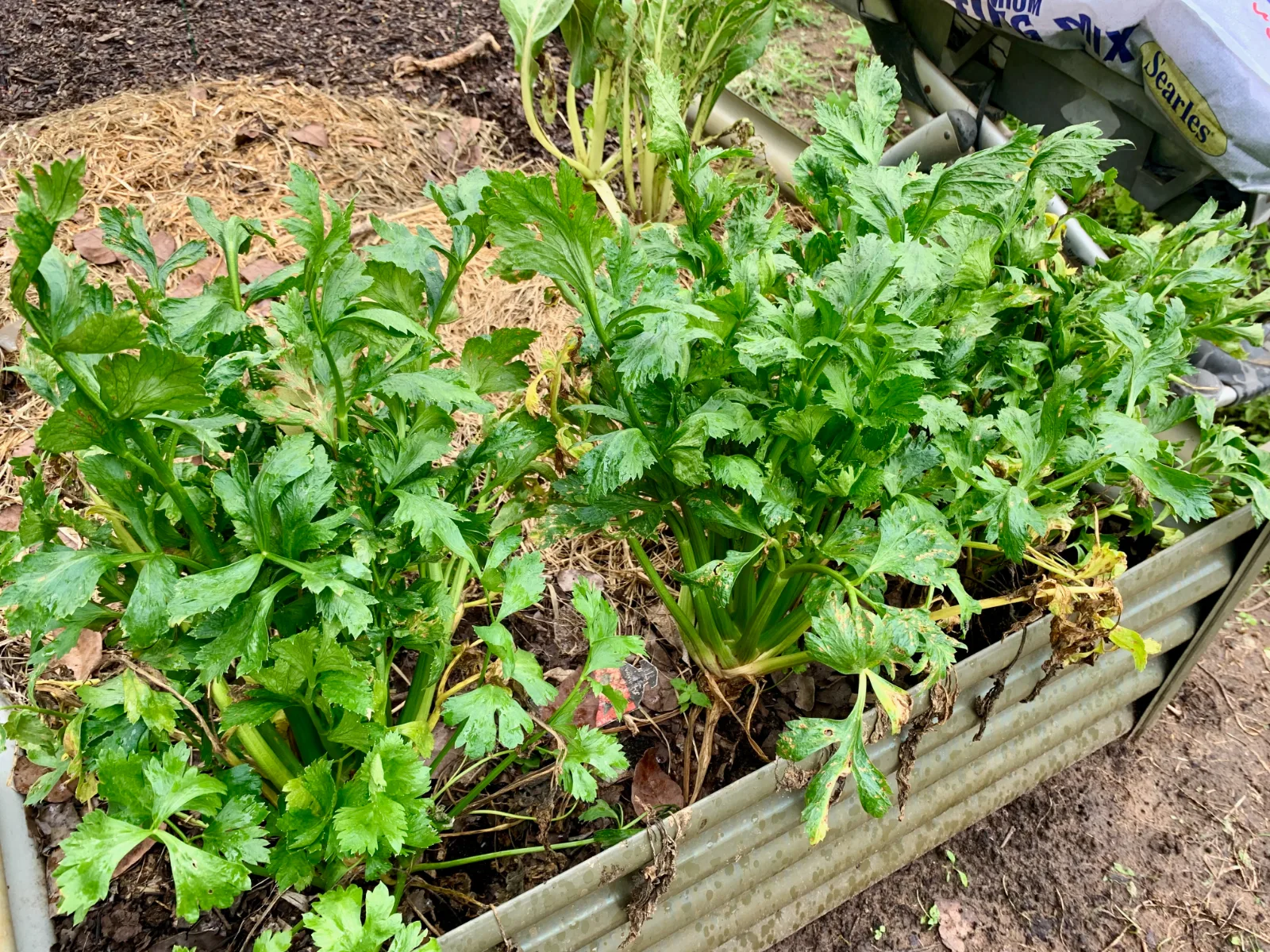
Celery is a moisture-loving biennial usually grown as a cool-season vegetable. Fast steady growth gives the best tender stems.
View plant →
Veggie
Chaya
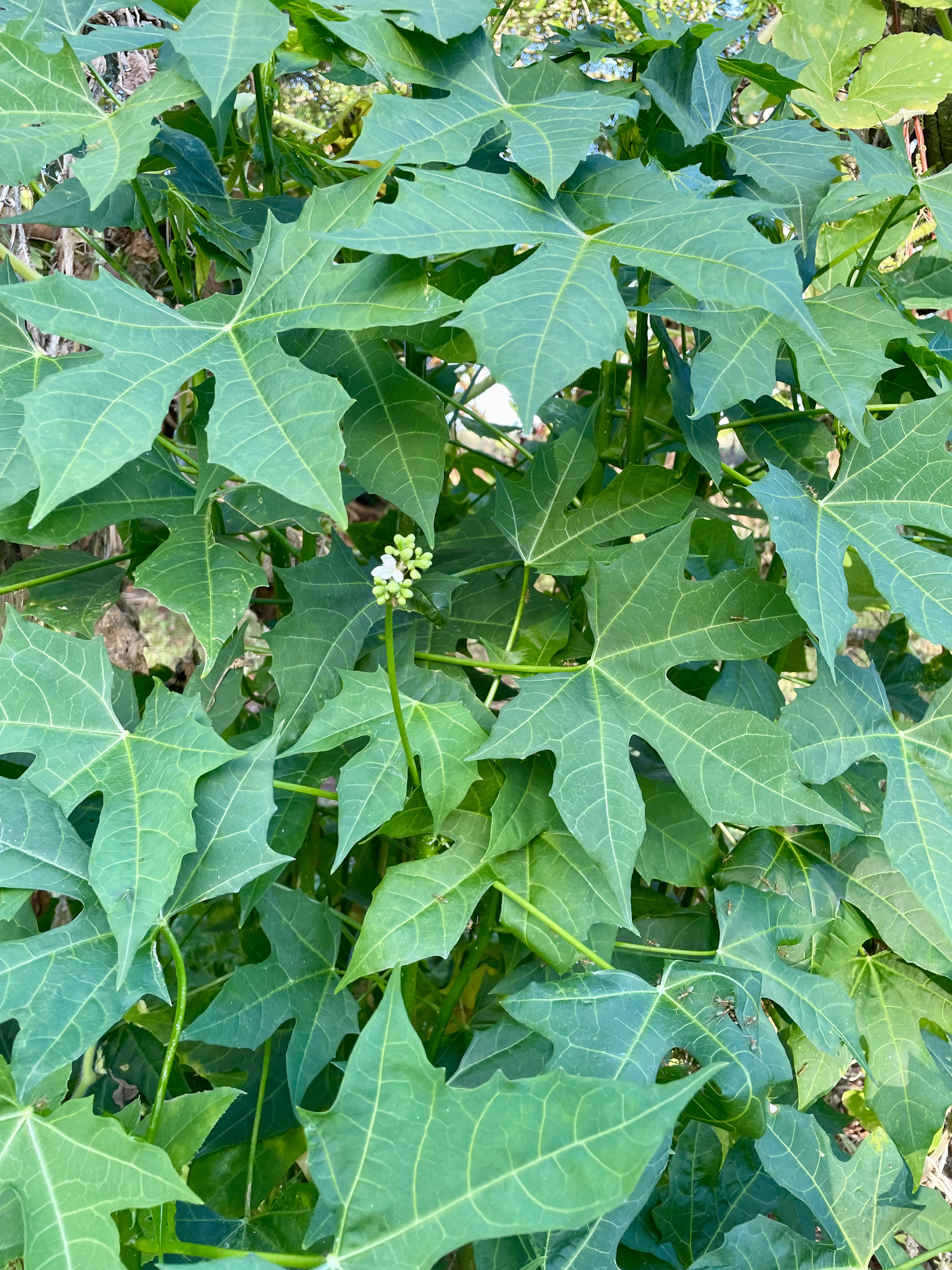
Chaya is a fast-growing leafy shrub for frost-free gardens. Once it is established, you can pick fresh leaves as it grows and keep the plant at a comfortable harvesting height. The leaves are used as a cooked green, but they must be boiled thoroughly before eating.
View plant →
Veggie
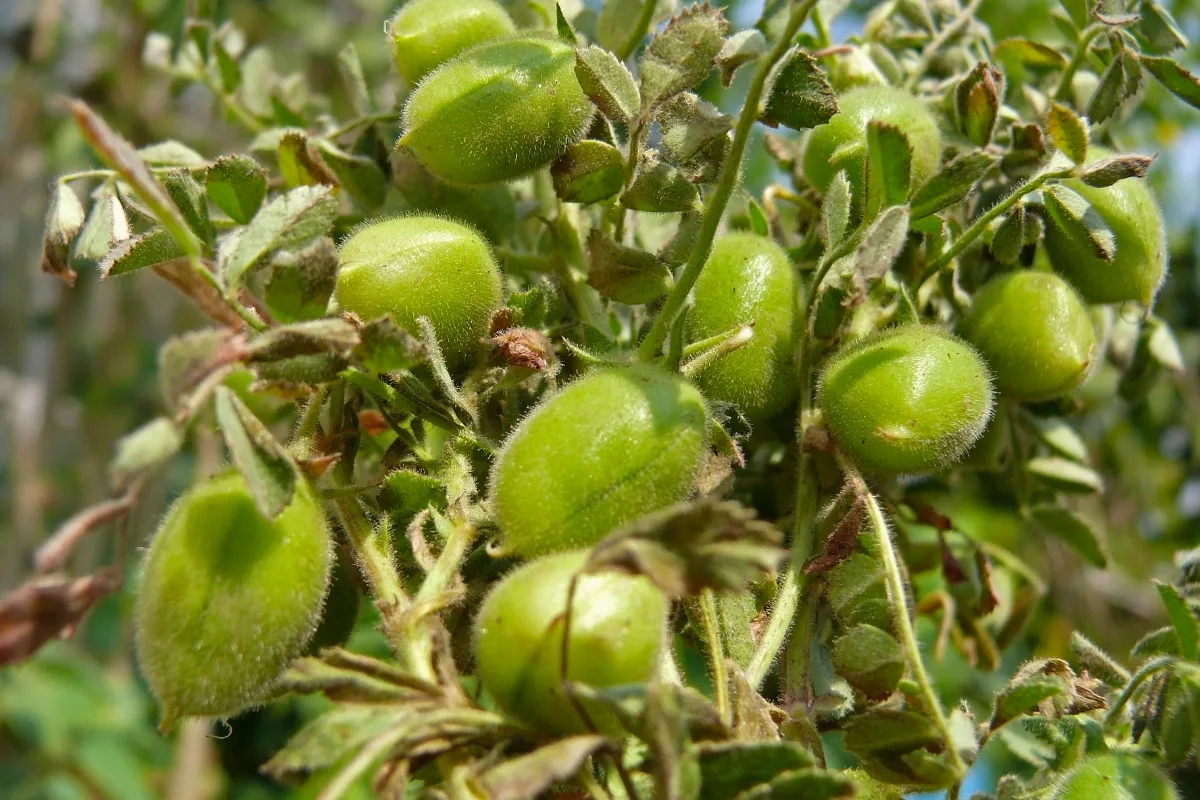
Chickpea
Chickpeas are cool-season legumes with small pea-like flowers followed by short pods that usually hold one or two seeds. You can pick the beans green or let them mature for a dry harvest. They grow best with plenty of sun, free-draining soil and a mild, relatively dry growing season.
View plant →
Veggie
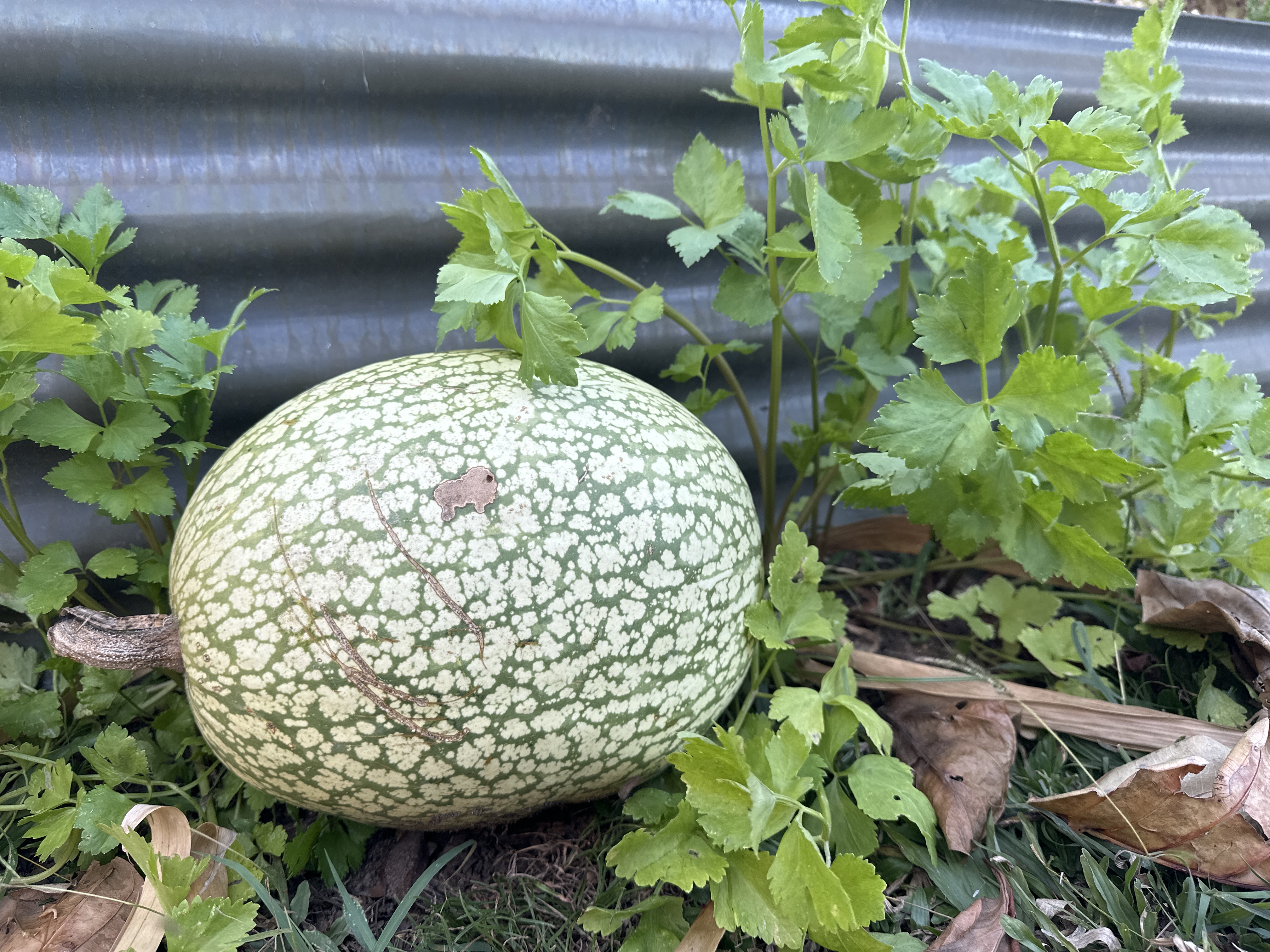
Chilacayote
Chilacayote is a vigorous squash grown for large green-and-white fruit with pale stringy flesh and black or cream seed. The mature fruit stores exceptionally well.
View plant →
Veggie
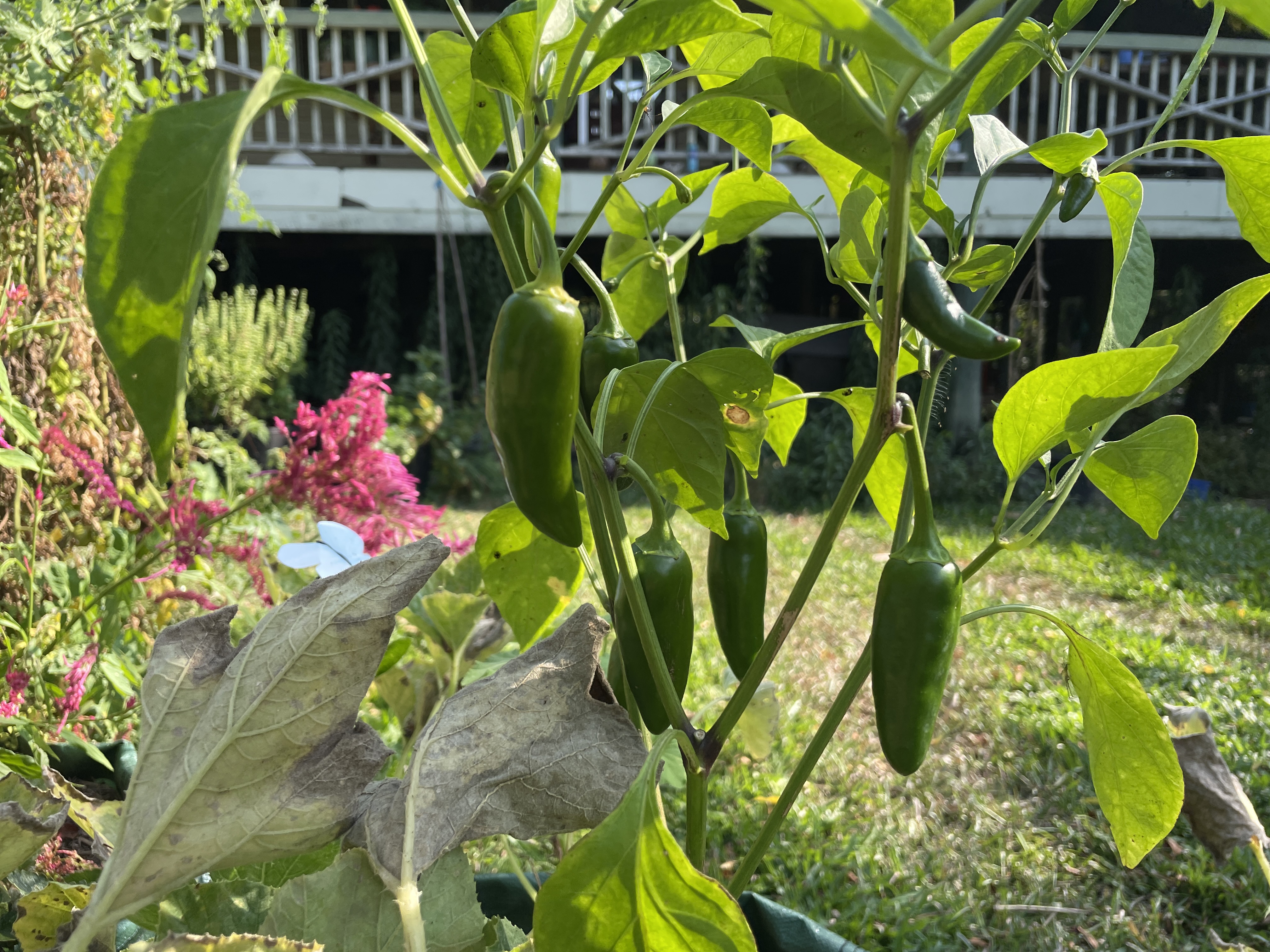
Chilli
One chilli plant supplies most households for a year, and in a frost-free garden it keeps going for three or four seasons. The second year is usually the best one.
View plant →
Ornamental
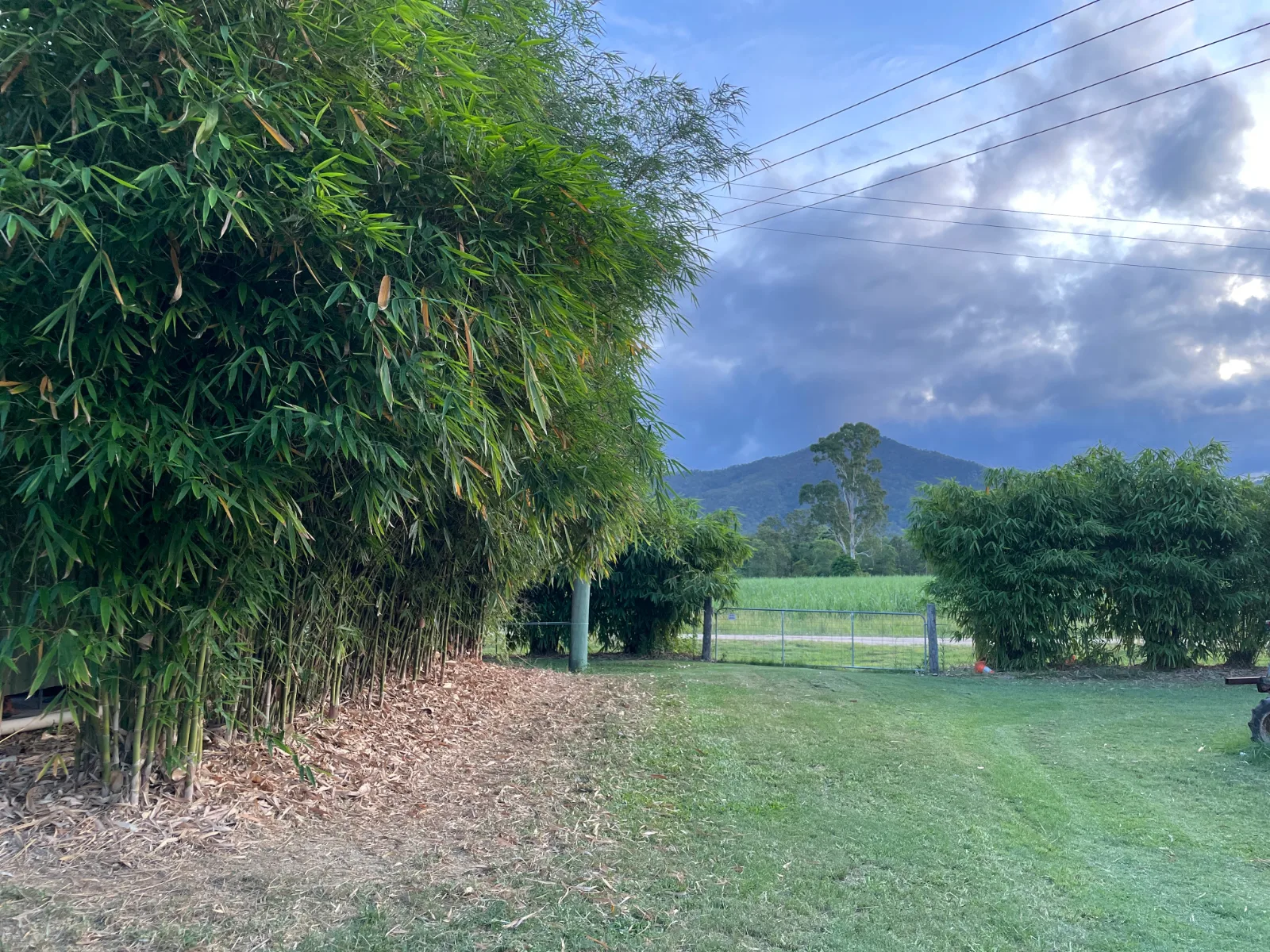
Clumping bamboo
Clumping bamboo can make a fast, dense screen in a warm garden. Choose a genuinely clumping species and check its mature height and width before planting, because some types become very large even though they do not send running rhizomes across the garden.
View plant →
Vine
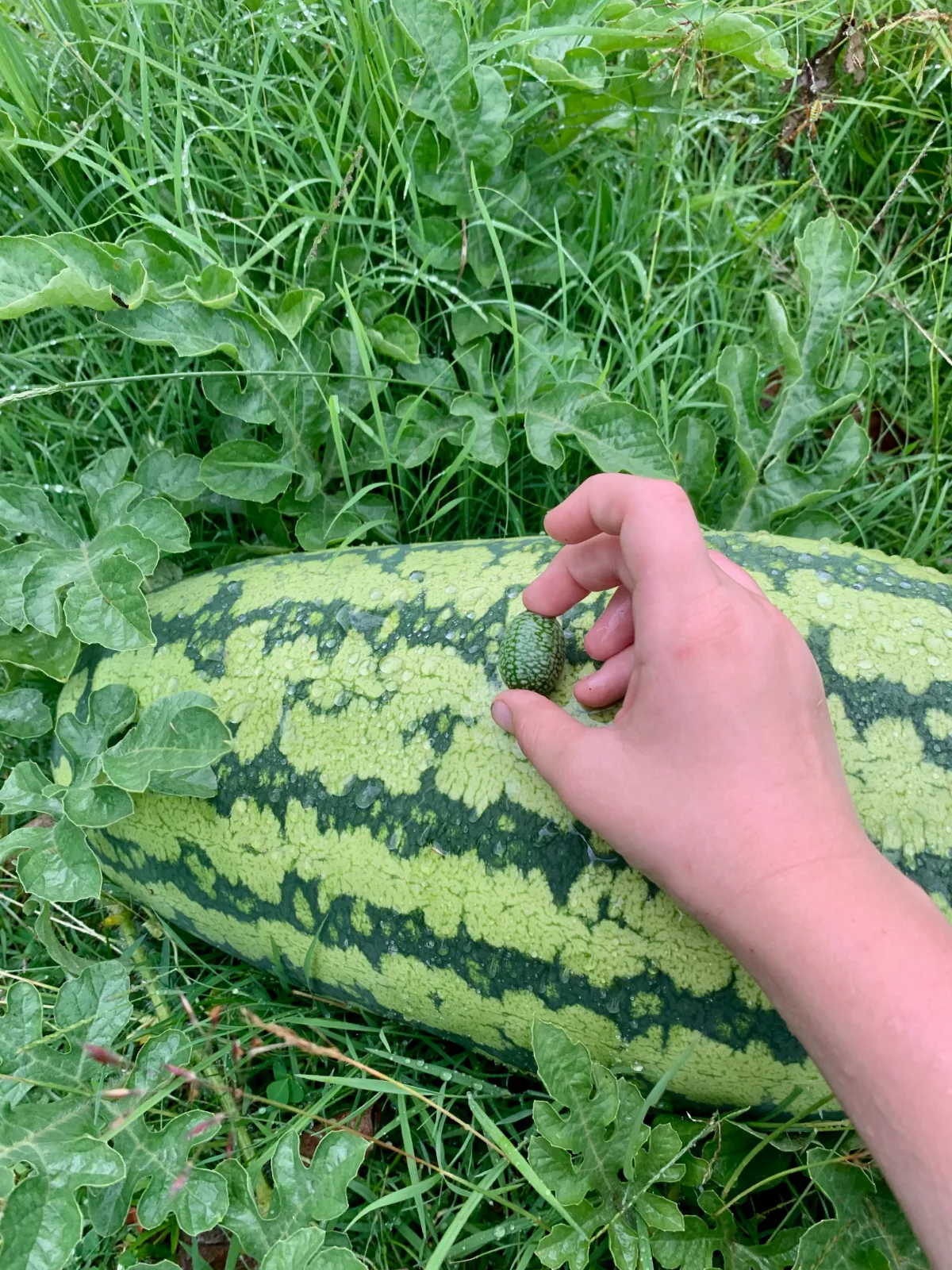
Cucamelon
Cucamelon is a fine-stemmed warm-season climber that produces grape-sized green fruit patterned like tiny watermelons. The fruit is crisp and cucumber-like with a tart edge. Grow it up a trellis, keep the root zone evenly moist and pick regularly once fruiting starts.
View plant →
Veggie
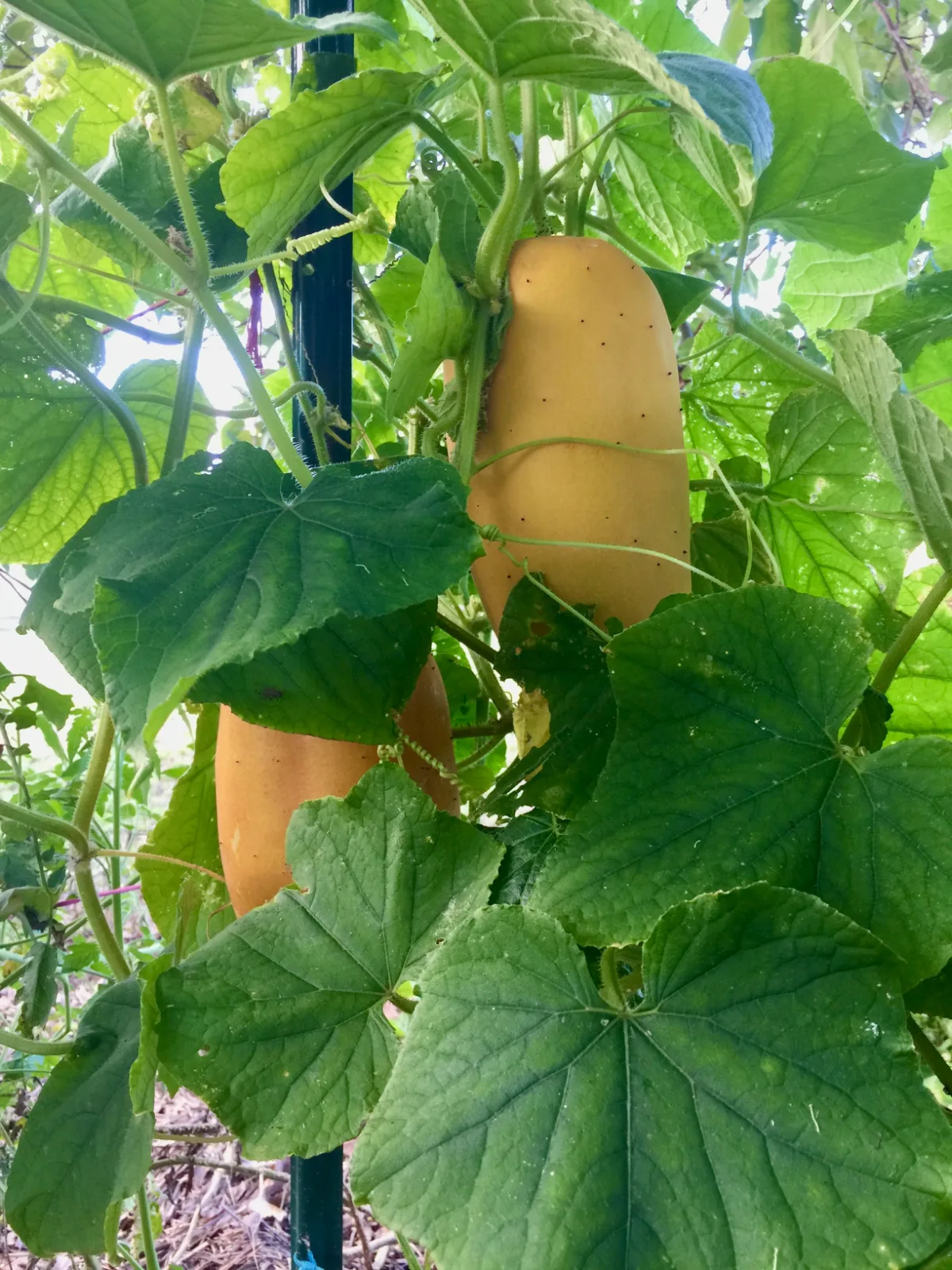
Cucumber
Cucumbers grow quickly in warm weather and need steady water. A trellis keeps climbing varieties off the ground and makes fruit easier to harvest.
View plant →
Veggie
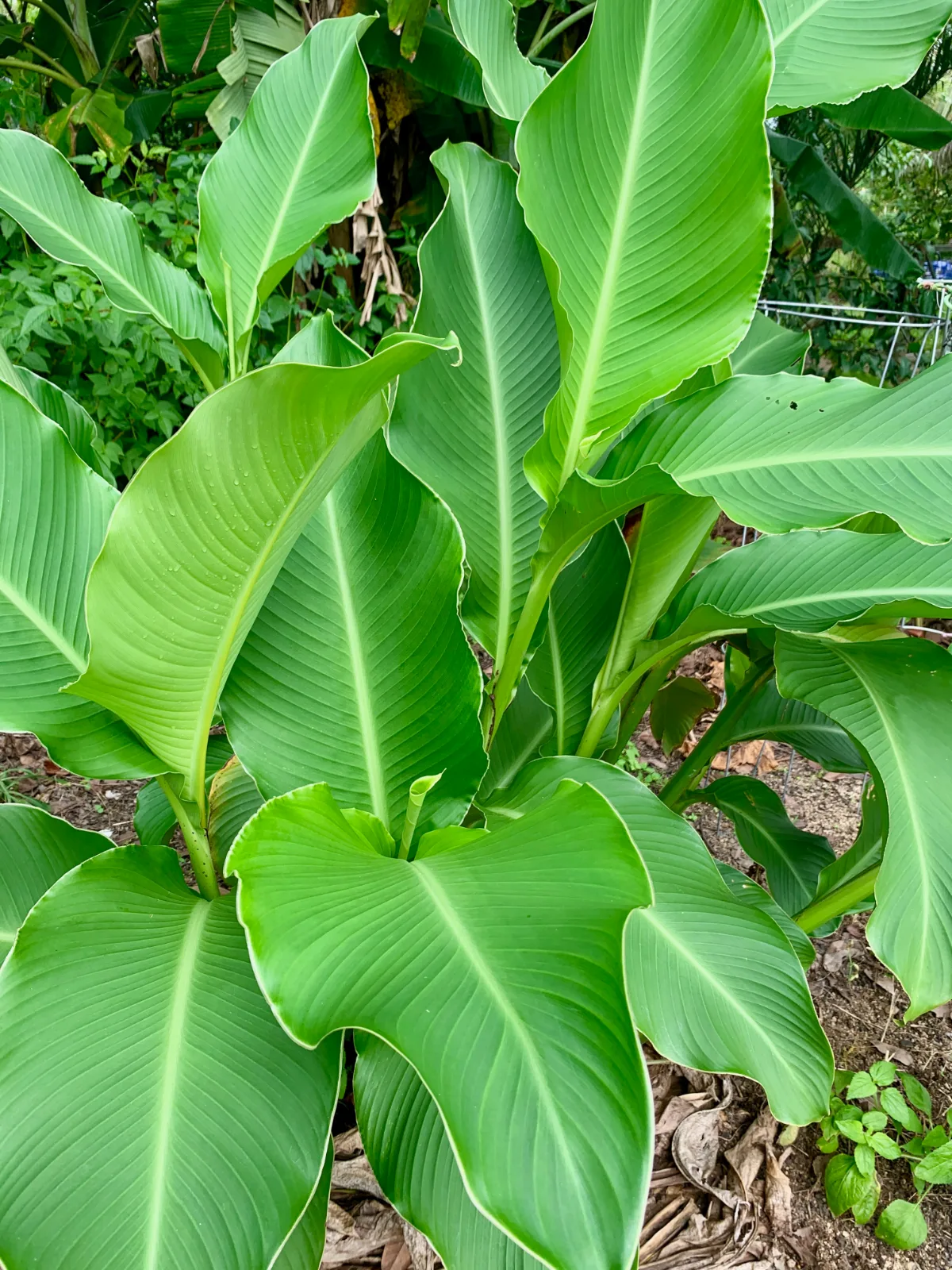
Edible canna
Edible canna is a tall rhizomatous plant grown for its starchy underground rhizomes. It also gives bold tropical foliage and flowers through the warm months, and the clump can provide both food and useful biomass where there is room for it to spread.
View plant →
Veggie
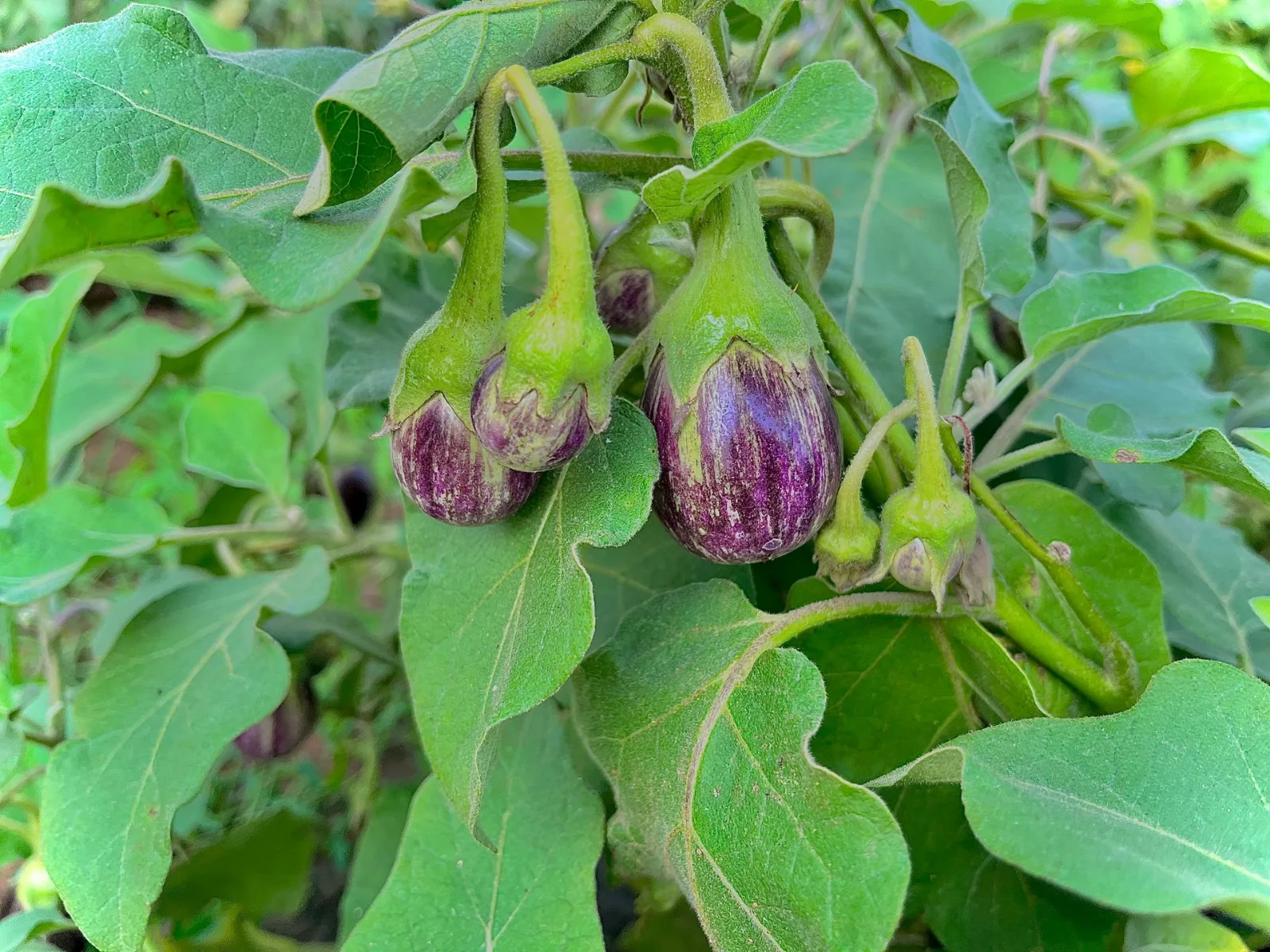
Eggplant
Eggplant needs warmth and patience, then it crops for months. In frost-free gardens a healthy plant can carry through a second year and fruit earlier than any new seedling.
View plant →
Veggie
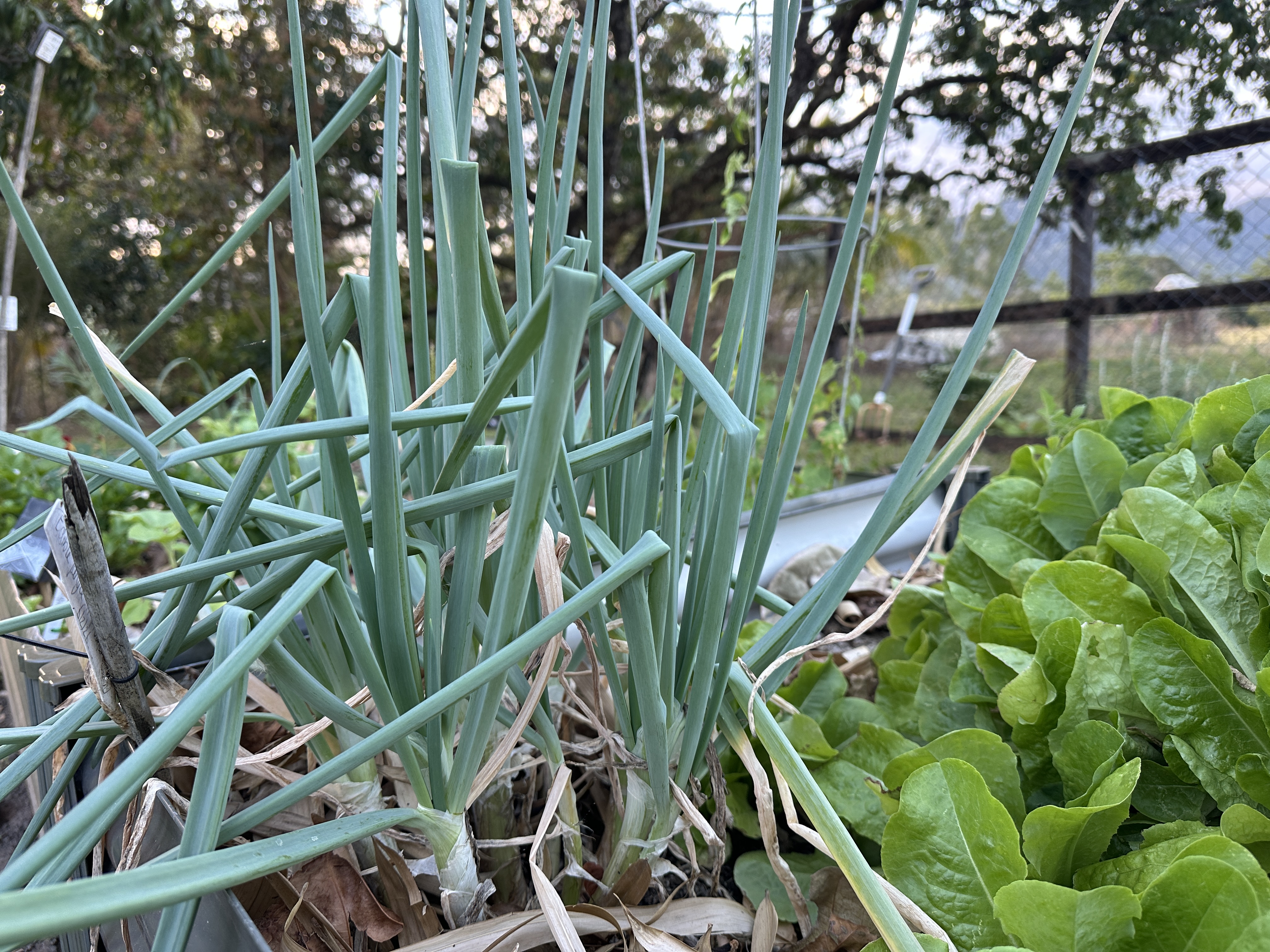
Egyptian walking onion
Egyptian walking onion is a perennial onion that makes clusters of bulbils at the top of its stalks. The bulbils bend to the ground and root, slowly moving the clump across the garden.
View plant →
Ornamental
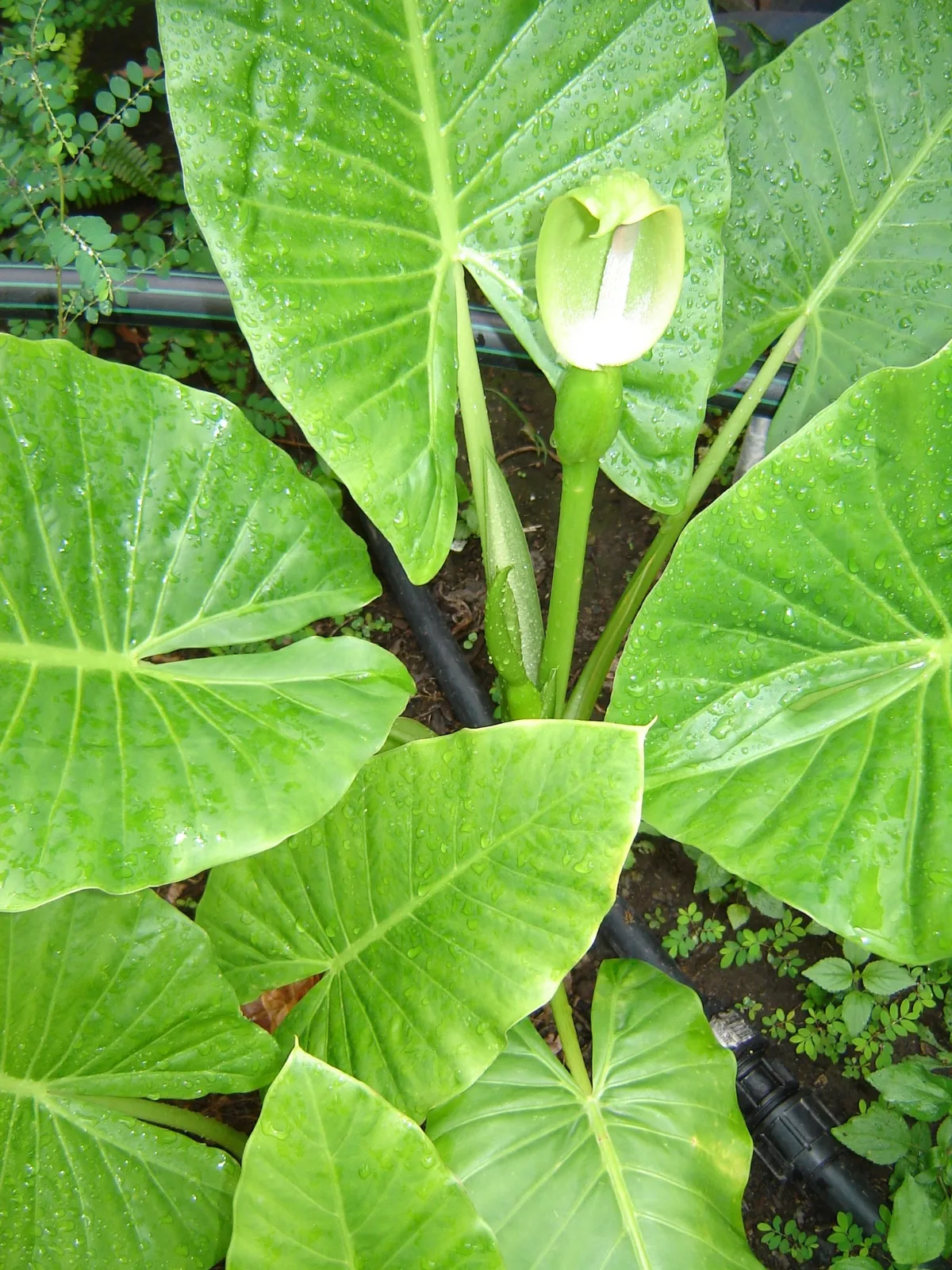
Elephant ear
Leucocasia gigantea is a huge tropical foliage plant for damp, sheltered positions. It is one of several unrelated aroids sold as elephant ear and develops large upright leaves on thick fleshy stalks.
View plant →
Veggie
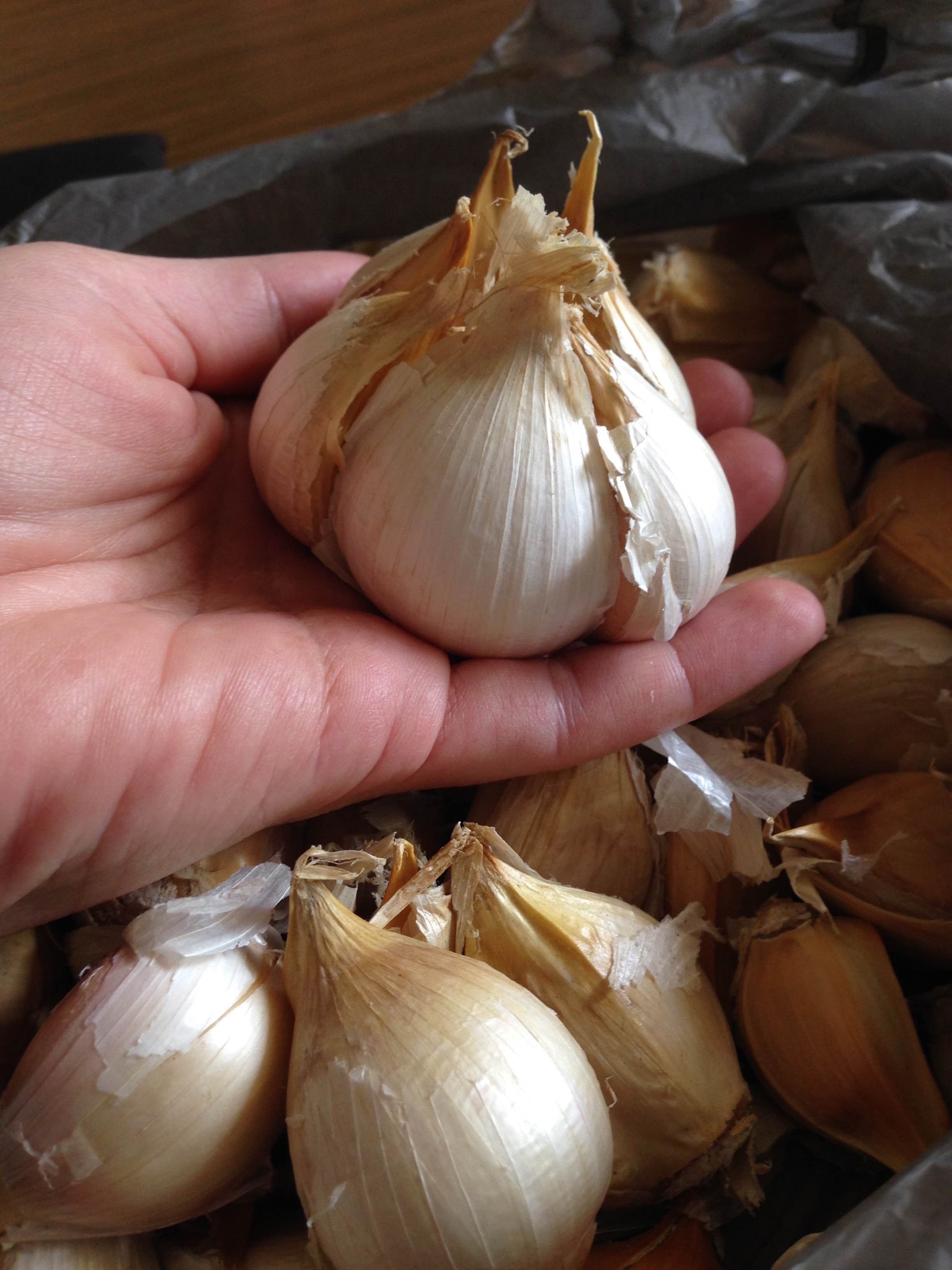
Elephant garlic
Elephant garlic grows huge mild cloves, but botanically it sits much closer to a leek than true garlic. You plant the cloves much like garlic, then give the bigger plant more room to build its bulb.
View plant →
Veggie
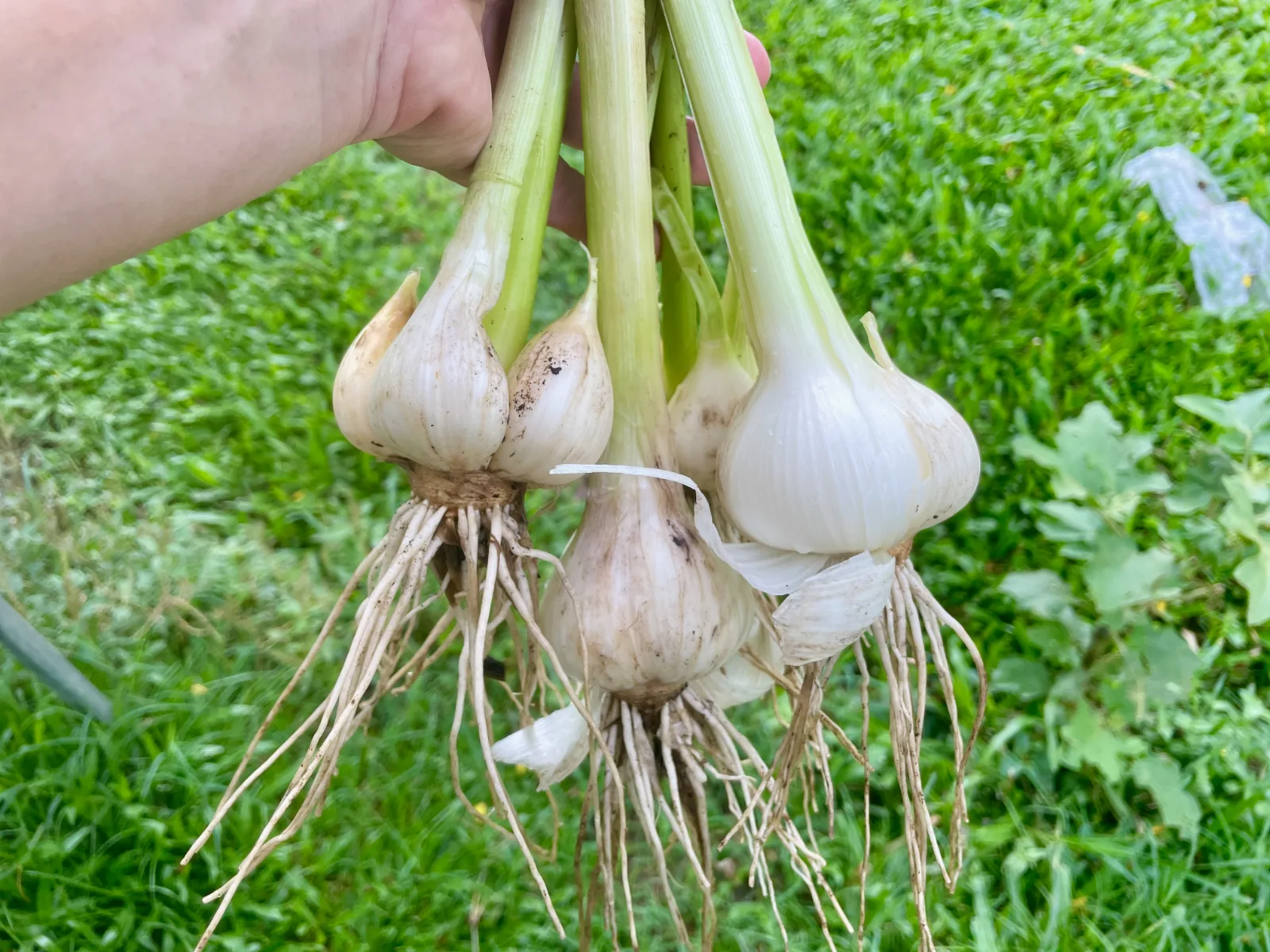
Garlic
Garlic is grown from individual cloves and needs the right variety and planting season for the local climate. Harvest signs are more reliable than a fixed number of days.
View plant →
Herb & spice
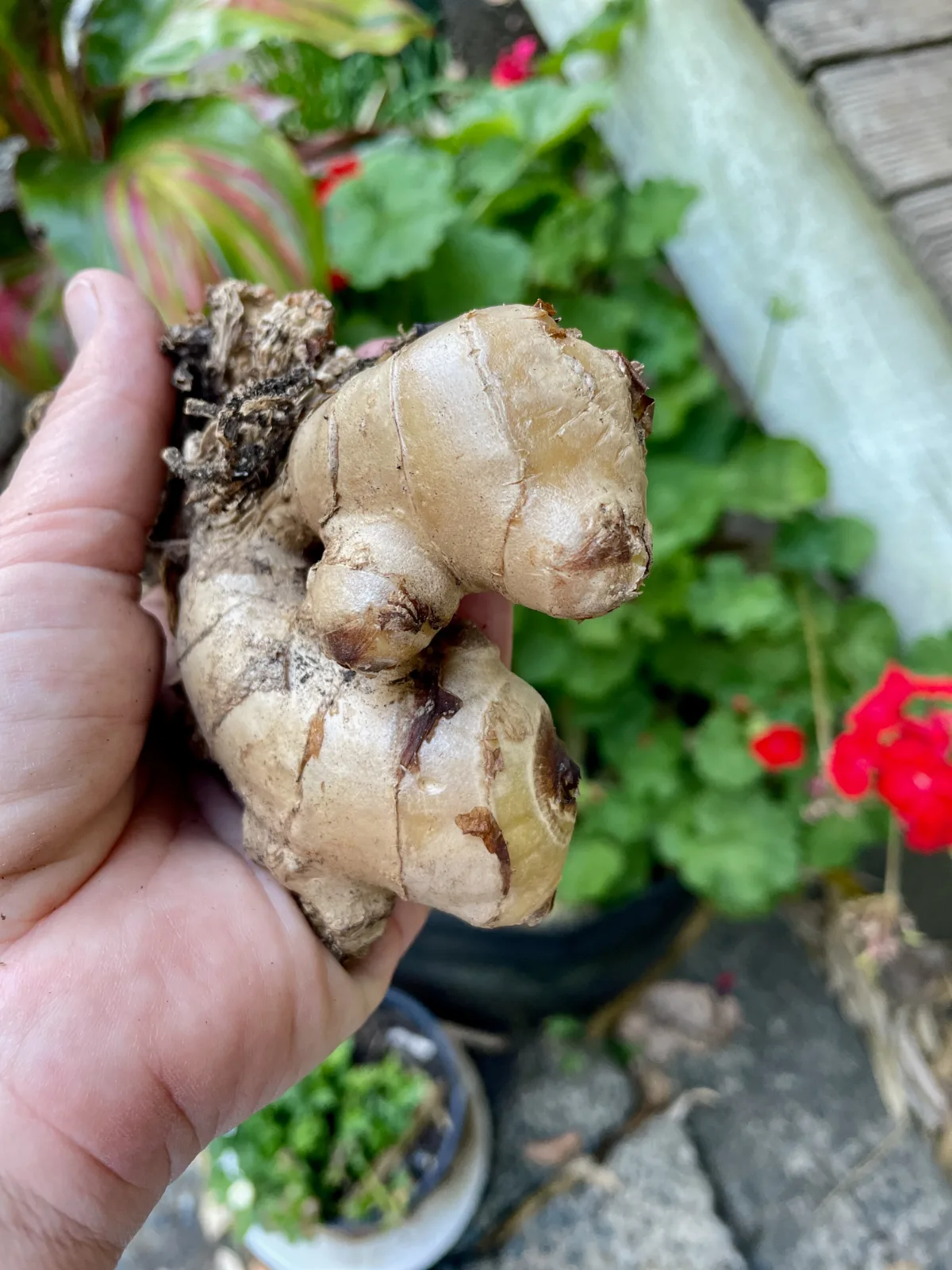
Ginger
Ginger is a warm-season rhizome crop that likes rich soil, steady moisture and some protection from harsh afternoon sun.
View plant →
Veggie
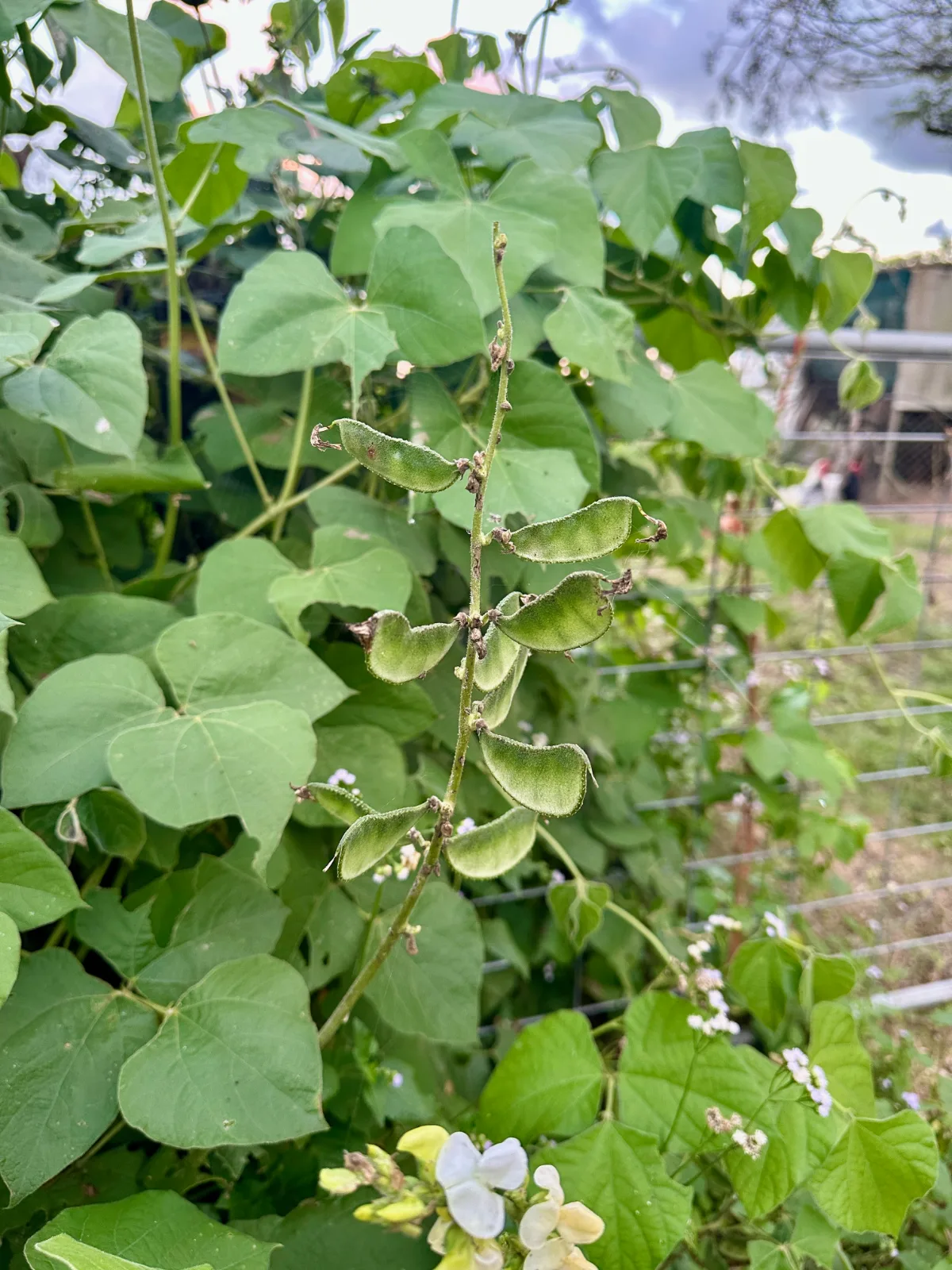
Lablab
Lablab is a vigorous climbing bean that can cover a fence in a single warm season. It produces purple flowers and handles hot weather better than many common beans. Prepare it properly before eating, and read the safety notes before you cook it.
View plant →
Veggie
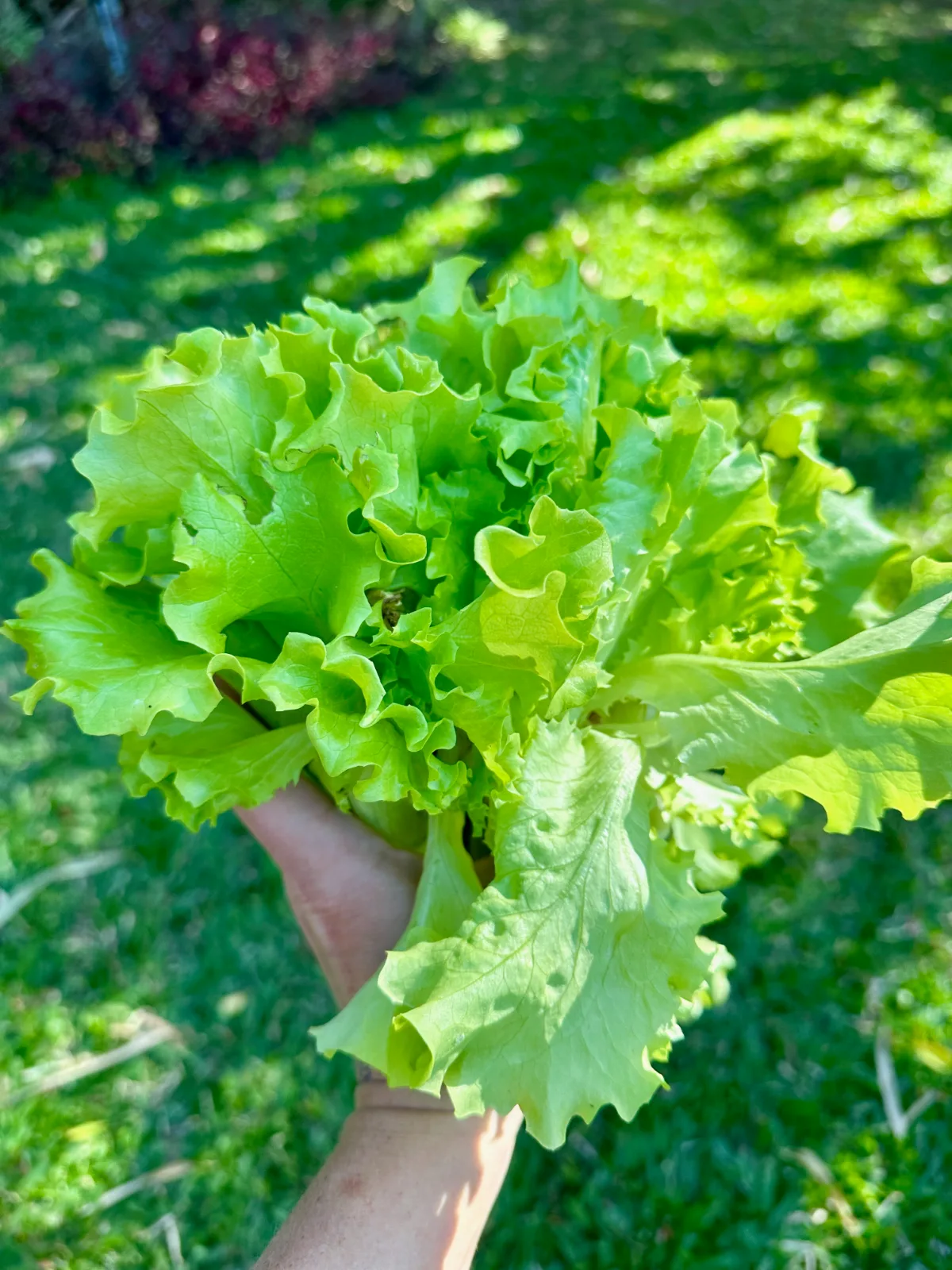
Lettuce
Lettuce is a quick leafy crop that grows best in mild weather with steady moisture. Loose-leaf types cope better with warm conditions than many heading types.
View plant →
Vine
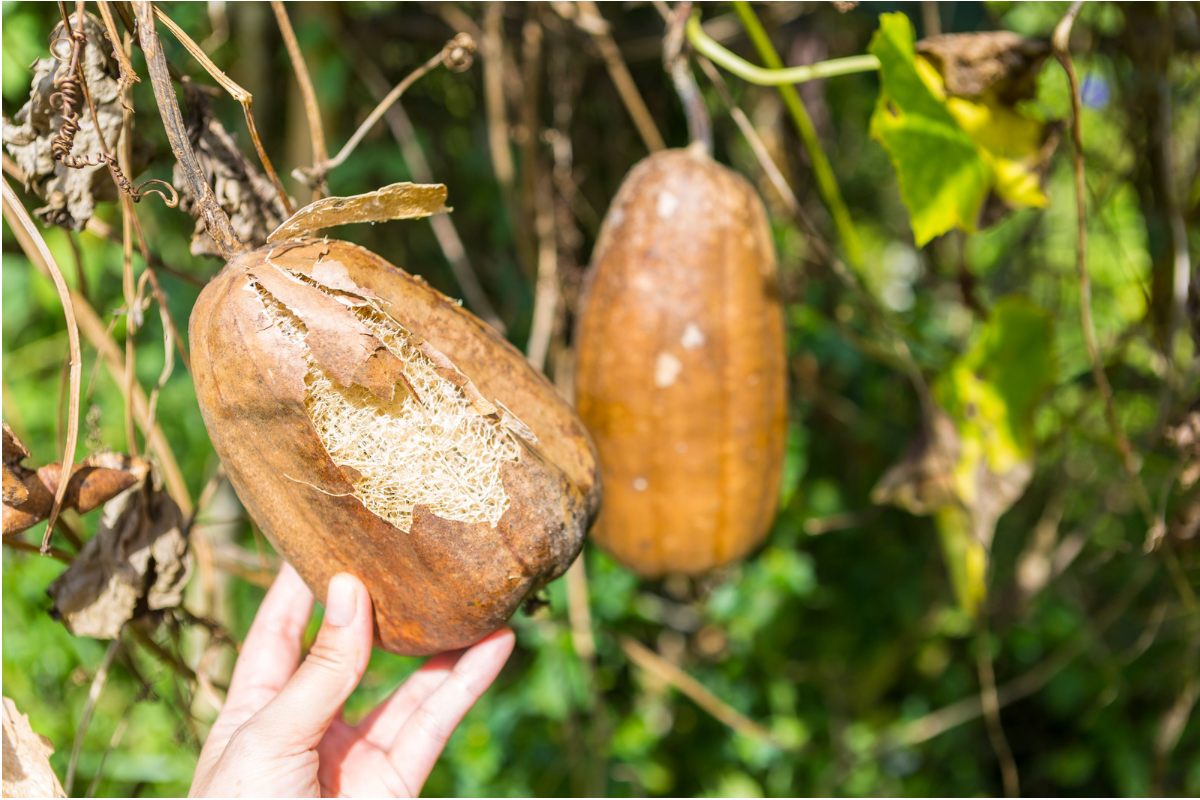
Loofah
Loofah is a vigorous warm-season vine grown for tender young fruits and the fibrous sponge inside mature fruits. Luffa aegyptiaca needs a long warm growing season, plenty of sun and a strong support for its large vines and hanging fruit.
View plant →
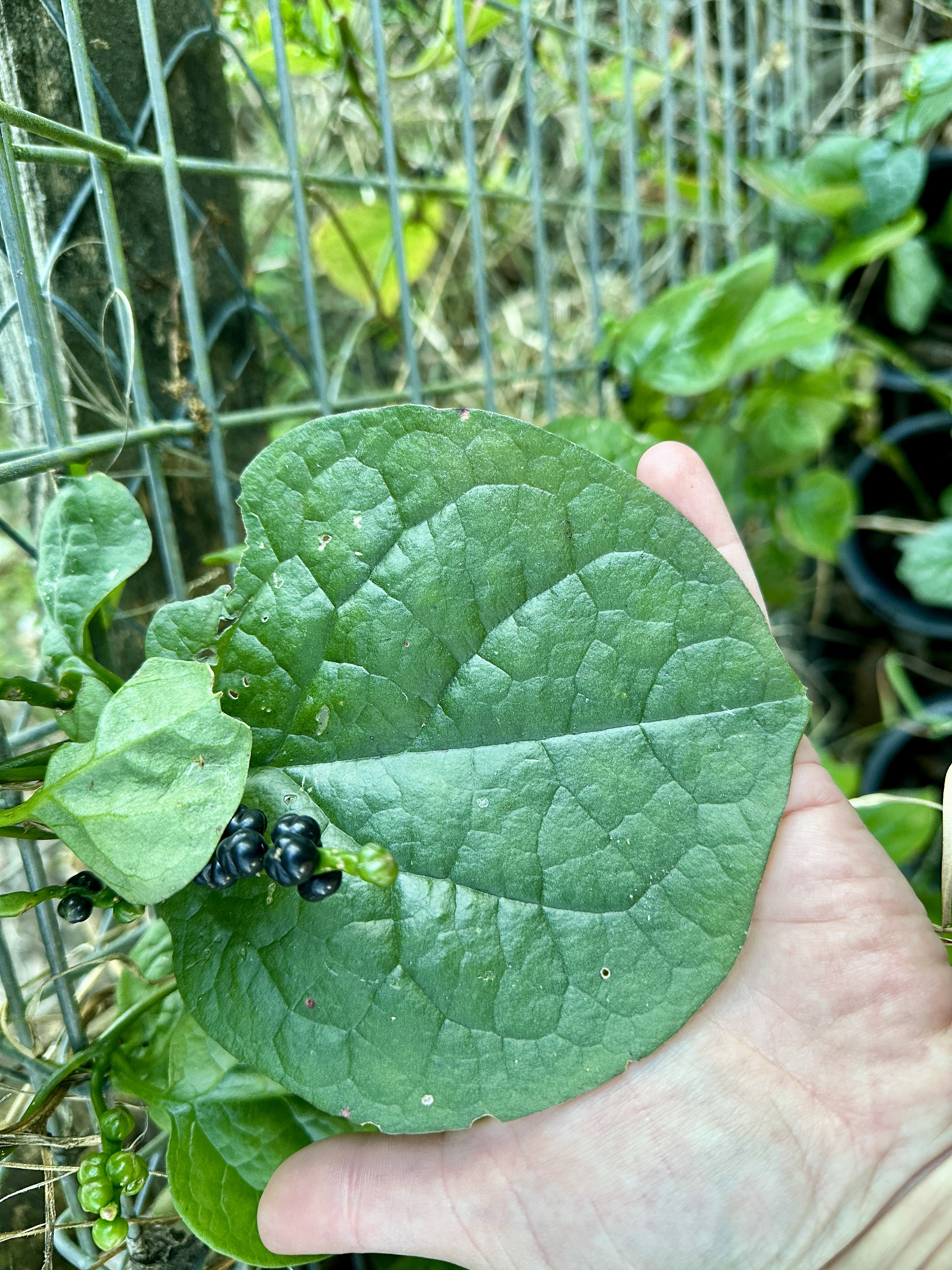
Veggie
Malabar spinach
Malabar spinach gives you leafy greens right through the summer heat, when English spinach has long gone to seed. It climbs, so it takes up almost no bed space.
View plant →
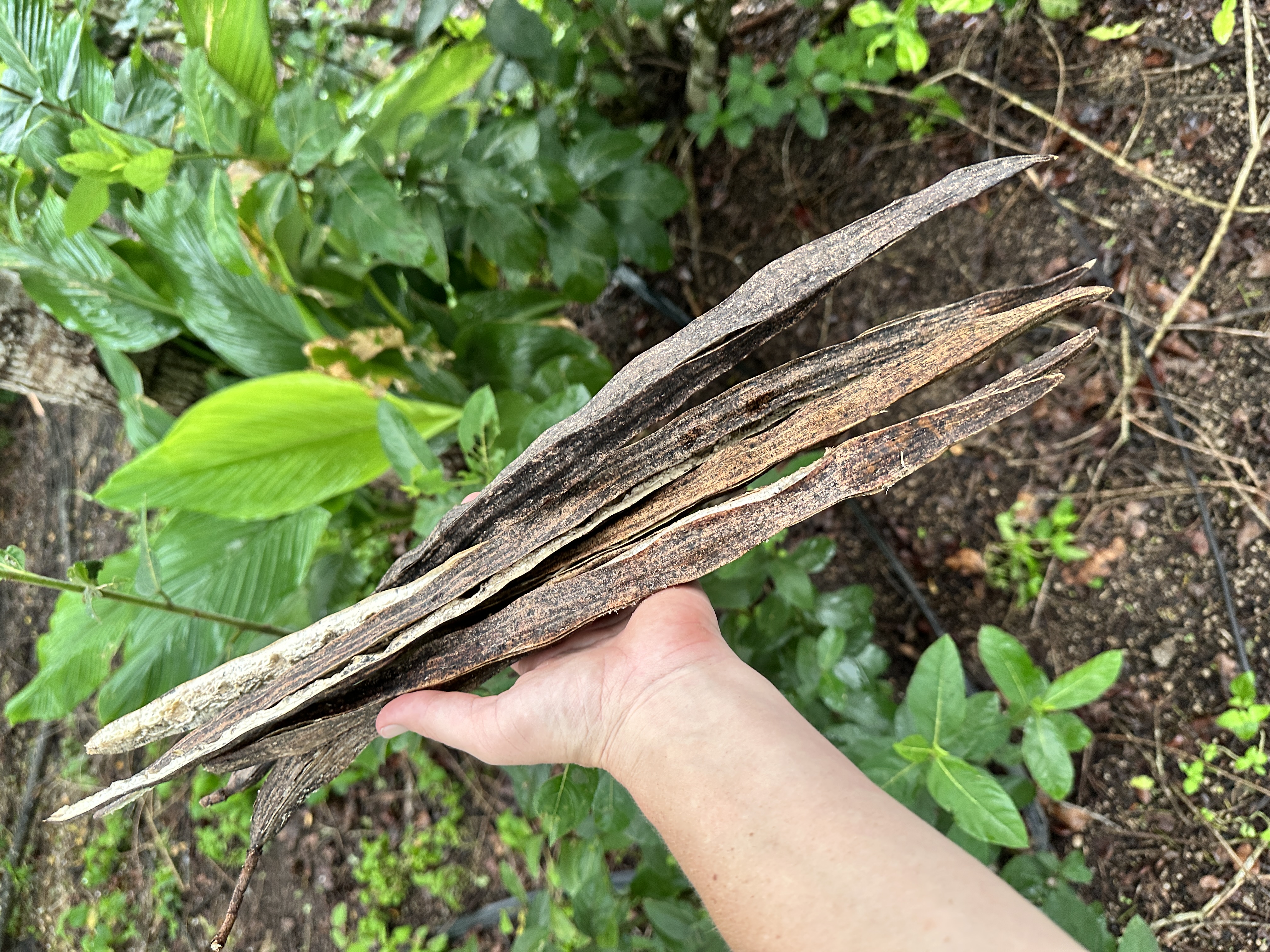
Veggie
Moringa
Moringa grows faster than almost anything else in a warm garden, and you eat the leaves, the young pods and the flowers. Keep it cut low and it becomes a leaf crop rather than a tree.
View plant →
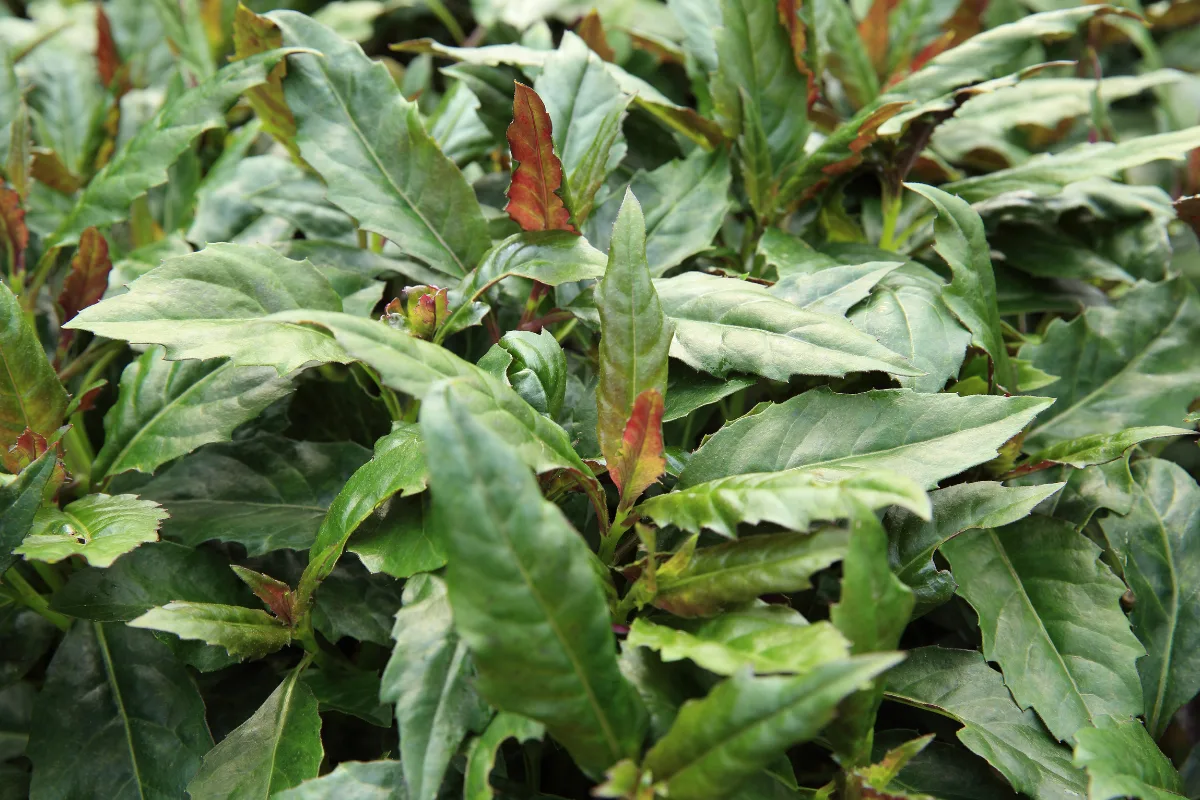
Veggie
Okinawa spinach
Okinawa spinach is a low, spreading perennial green with purple undersides to the leaves. Once it is in, you can harvest it over many seasons and it strikes from any piece you break off.
View plant →
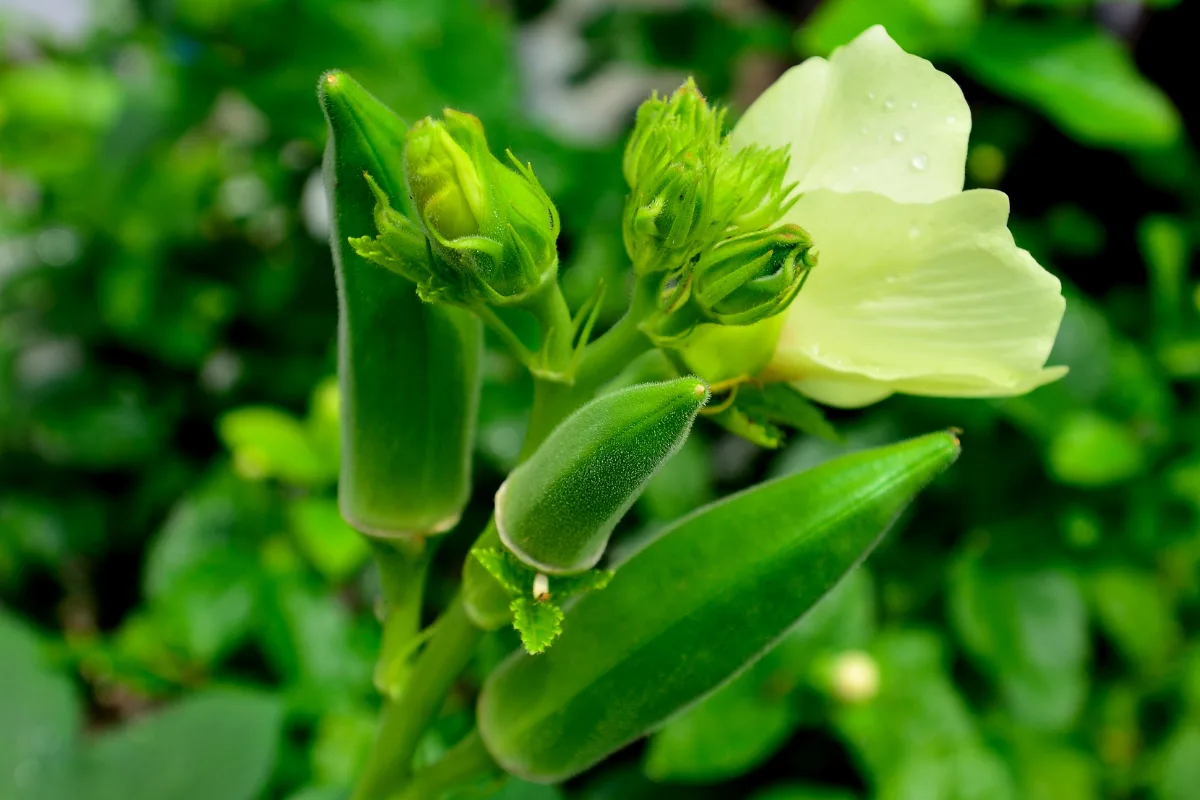
Veggie
Okra
Okra thrives in the kind of heat that stops most vegetables, and it produces for months if you pick every day or two. The flowers alone are worth the space.
View plant →
Veggie
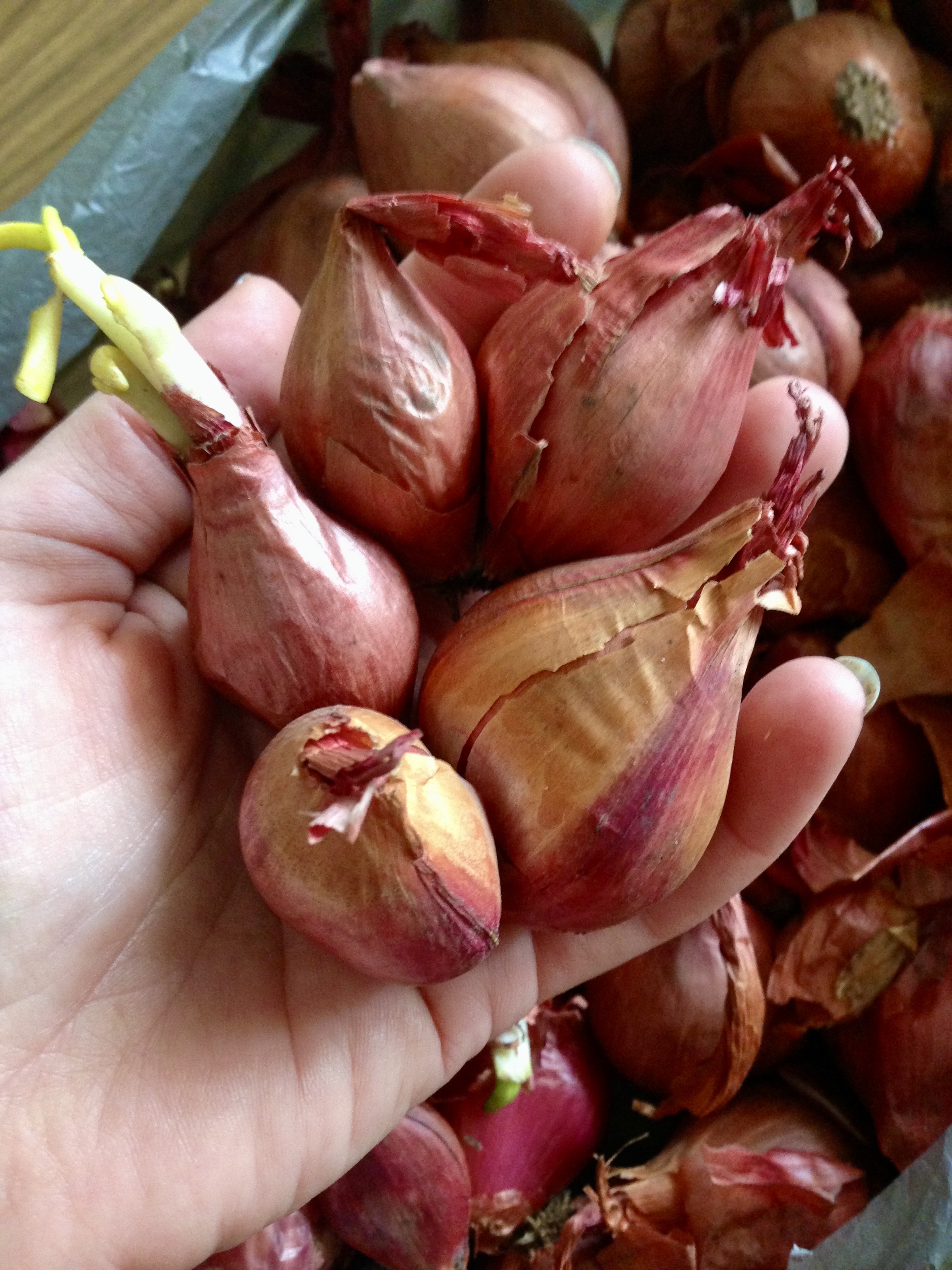
Onion
Bulb onions need the right day-length type for the local climate and a long growing season. Variety choice matters as much as planting date.
View plant →
Veggie
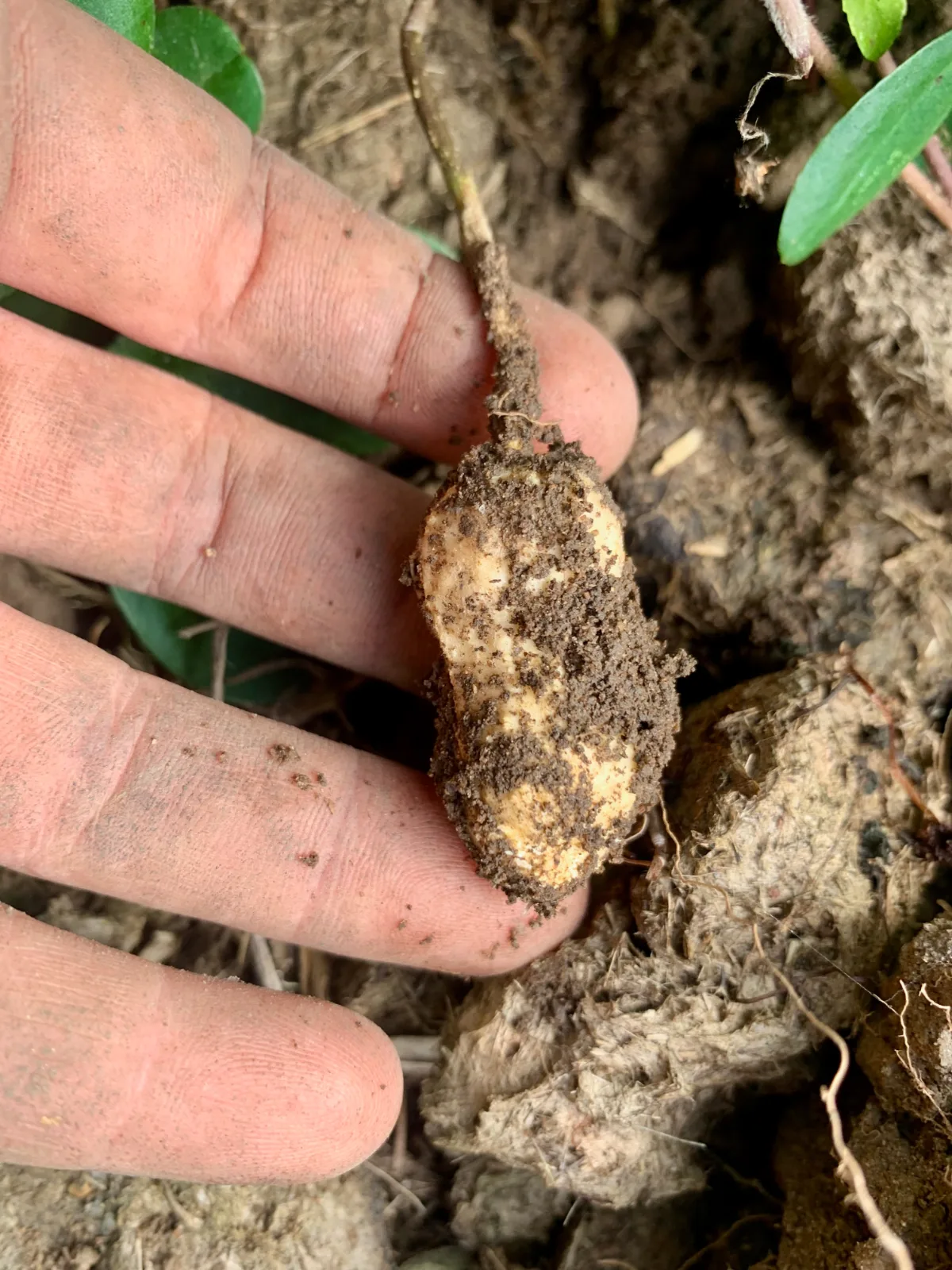
Peanut
Peanuts are warm-season legumes that flower above ground and then push pegs into loose soil, where the pods develop.
View plant →
Veggie
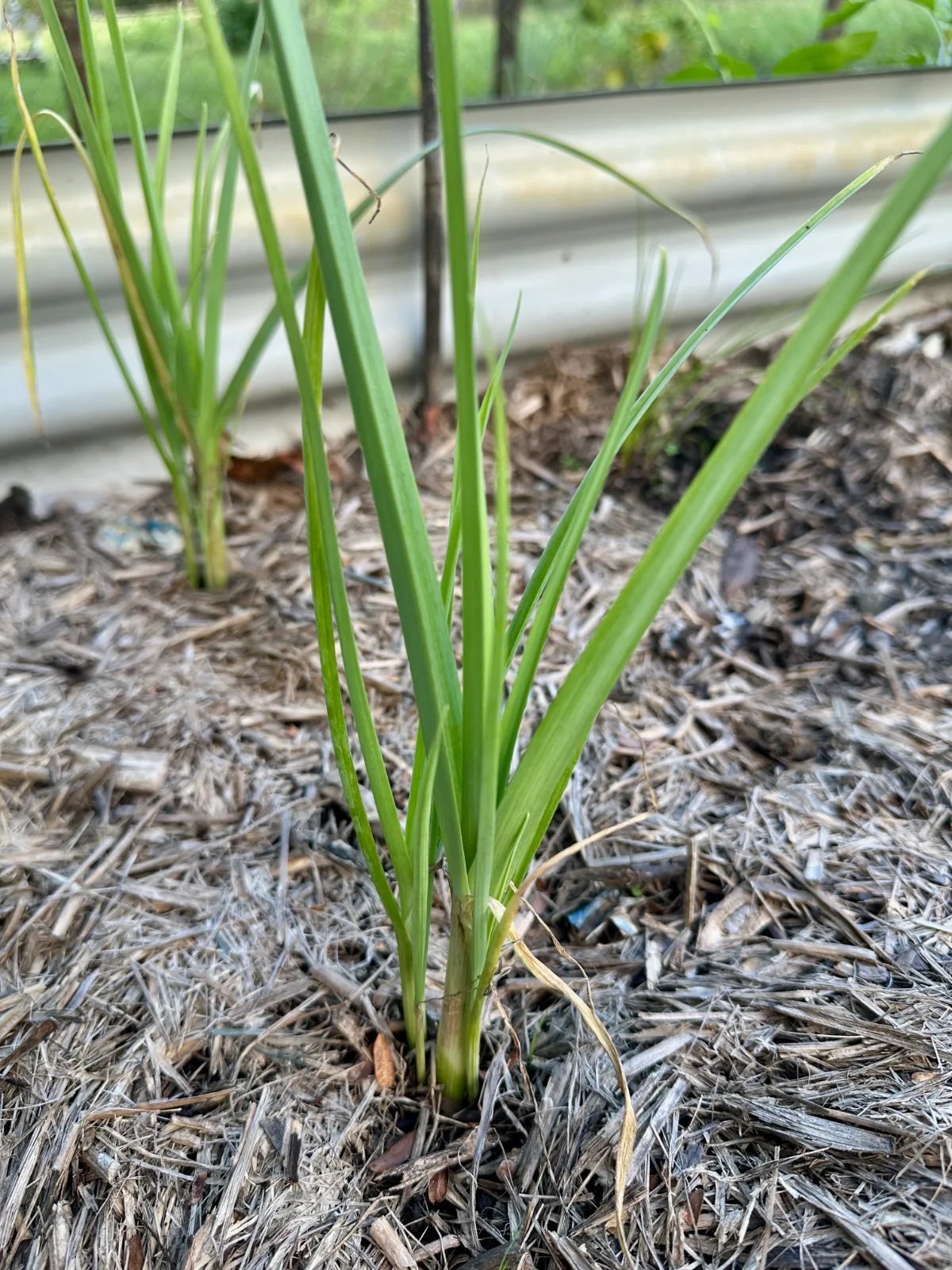
Perennial leek
Perennial leek is a clumping leek kept going by offsets rather than replanted from seed each year. You can harvest mature stems from the outside, divide off new offsets for another patch and leave the centre of the clump growing for future harvests.
View plant →
Veggie
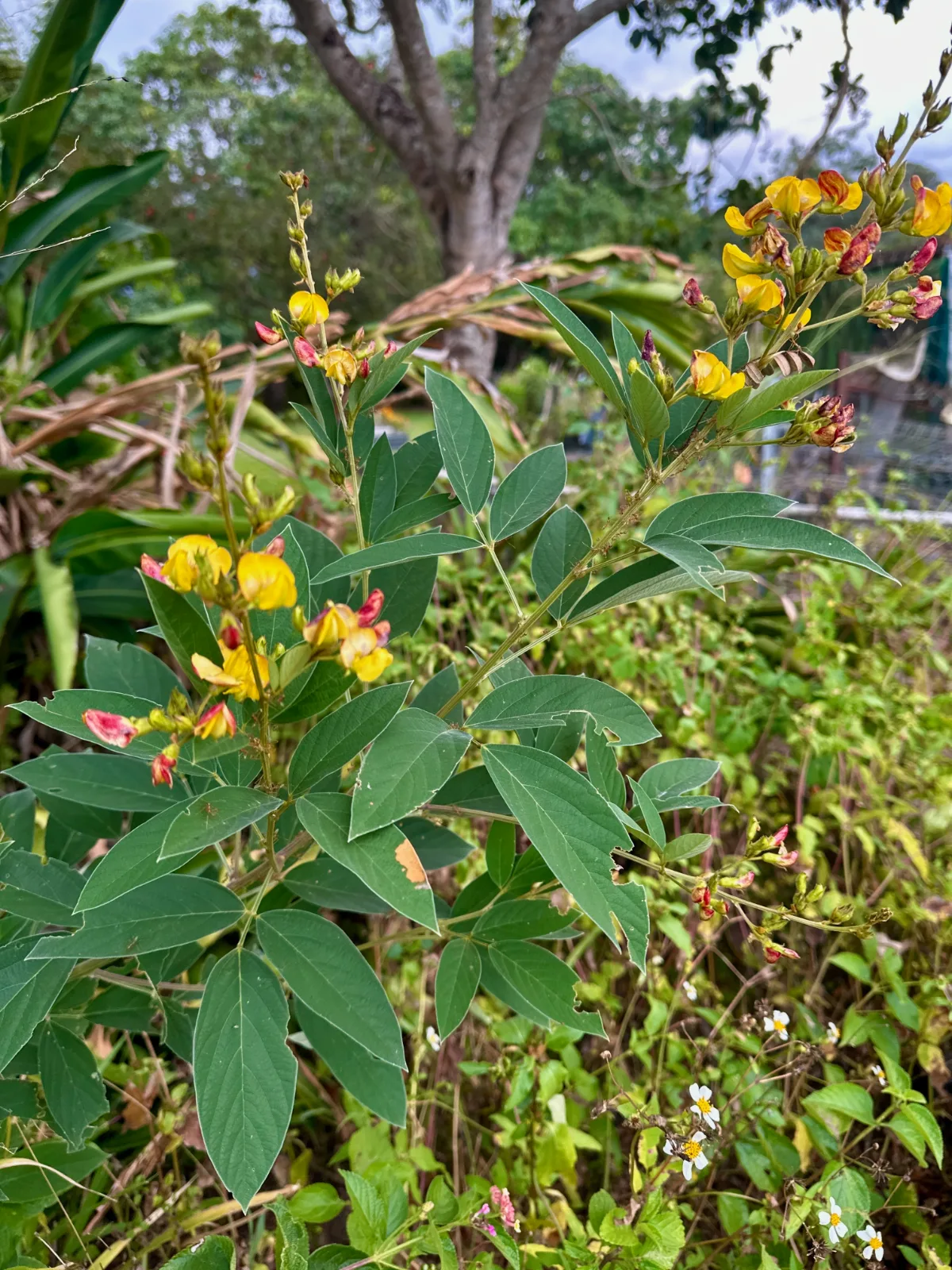
Pigeon pea
Pigeon pea is a short-lived shrub that gives you edible peas, light shelter for smaller crops and useful biomass for the soil. It handles heat and dry conditions well and works especially well in productive tropical and subtropical gardens.
View plant →
Veggie
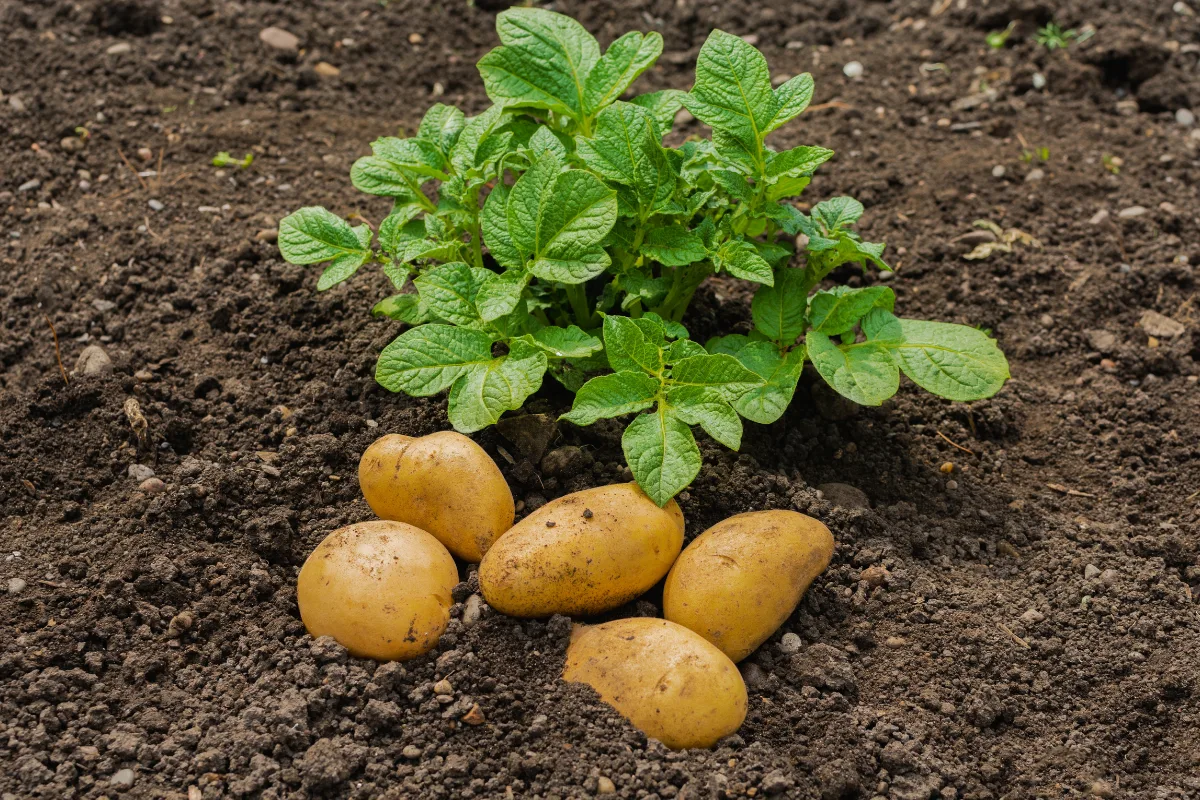
Potato
Potatoes grow from seed tubers in loose, well-drained soil. Mounding soil around the stems protects developing tubers from light.
View plant →
Veggie
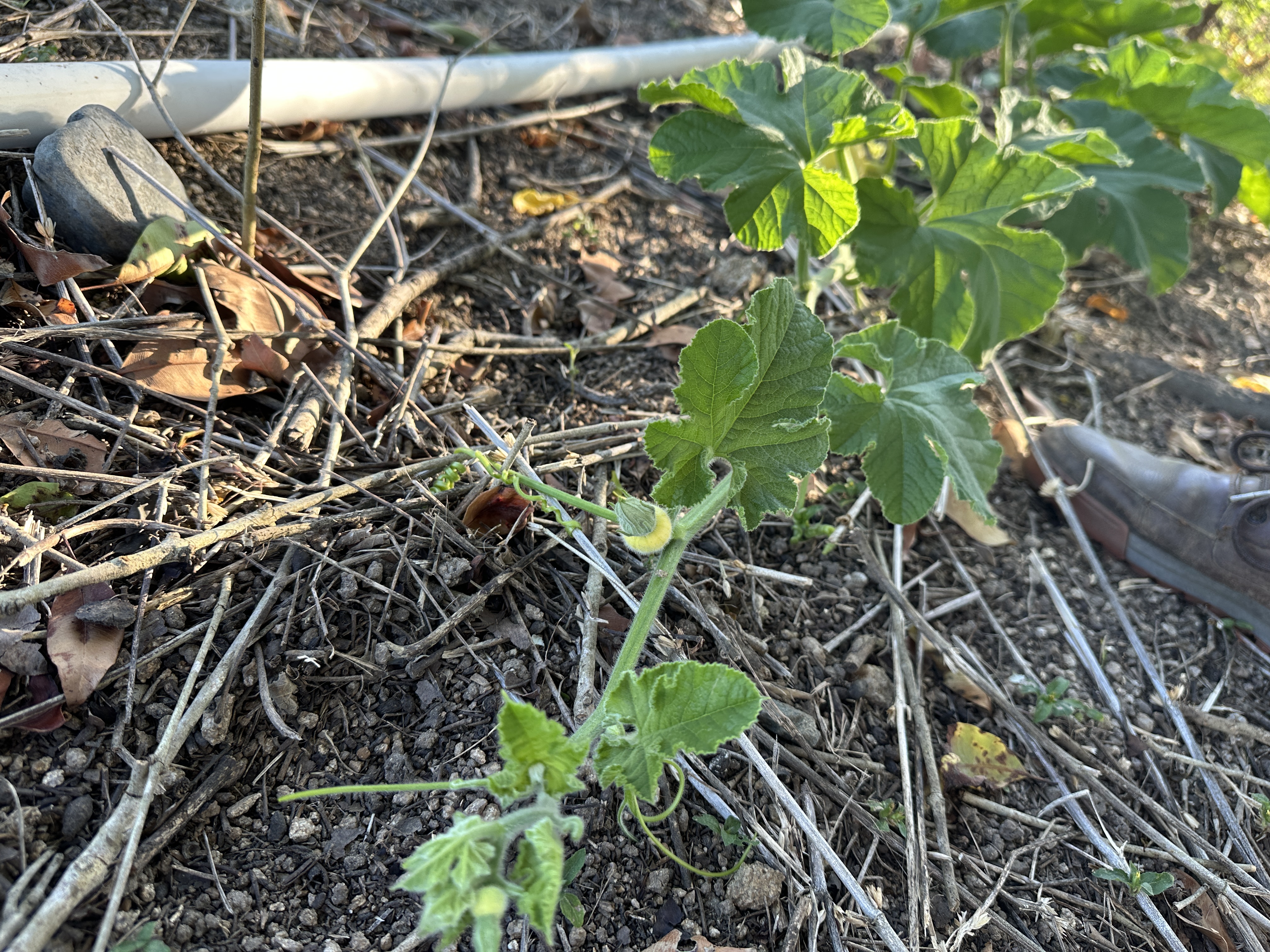
Pumpkin
Pumpkins are warm-season vines that need sun, fertile soil, room to spread and enough frost-free weather to mature fruit.
View plant →
Veggie
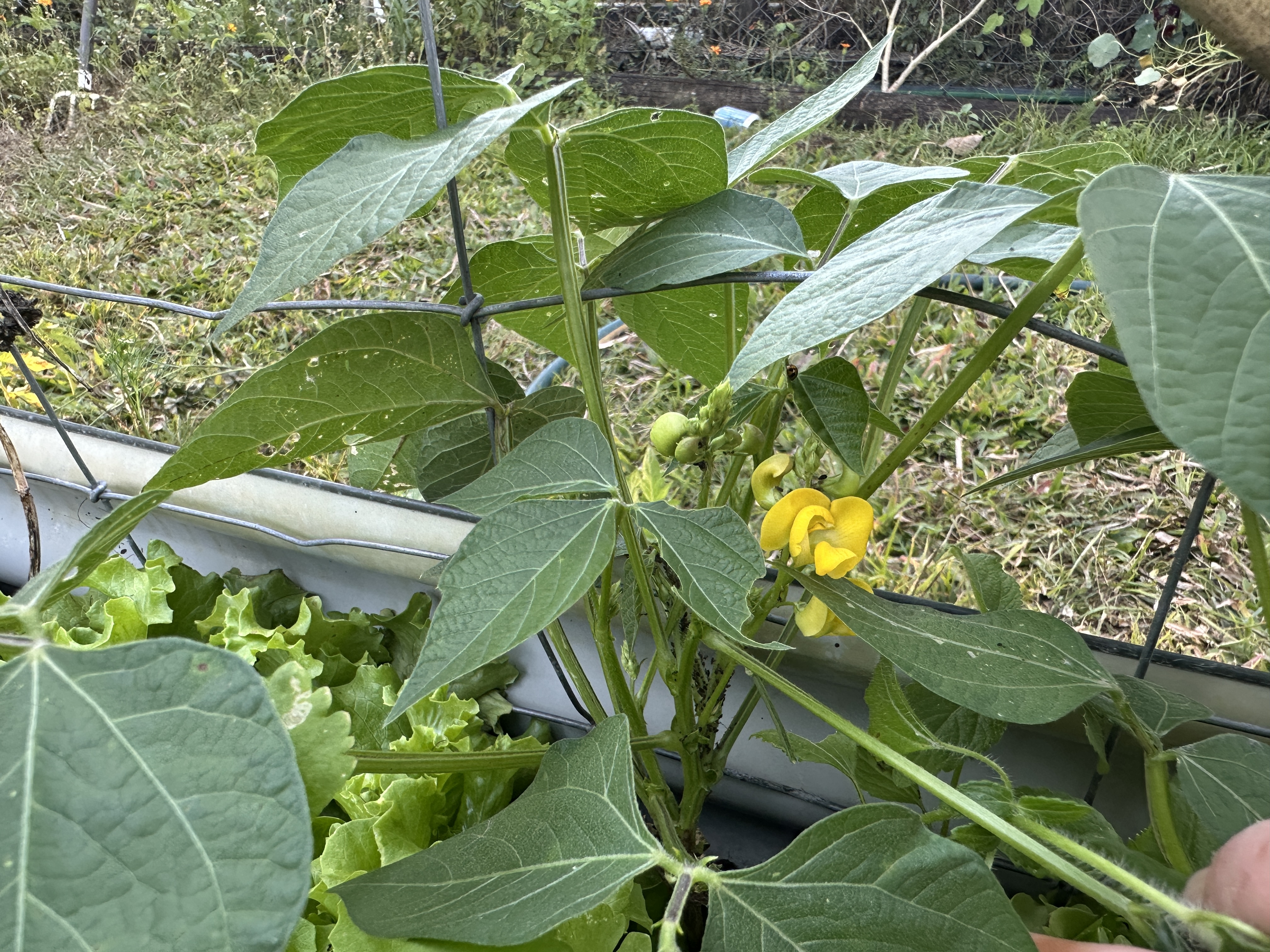
Rice bean
Rice bean is a warm-season climbing legume grown mainly for its small dry beans. The yellow flowers are distinctive, and a vigorous plant can cover a trellis quickly in warm weather. It is still unusual in Australian home gardens, but it suits gardeners who like useful vines and less-common pulse crops.
View plant →
Veggie
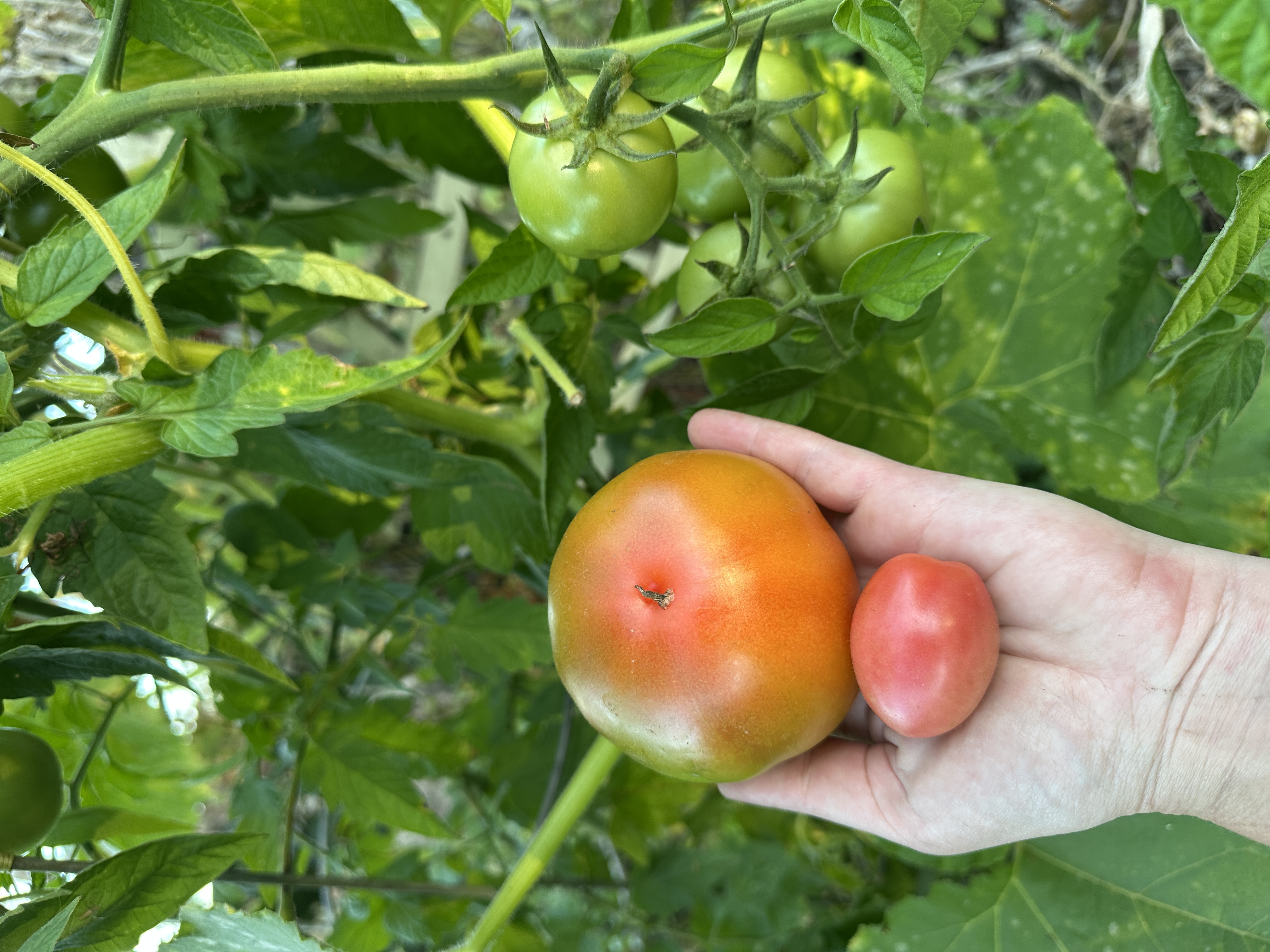
Tomato
Tomatoes need sun, steady water, good airflow and support where the variety needs it. Feeding becomes more important as plants flower and fruit.
View plant →
Work With Warm and Cool Growing Seasons
Tomatoes, beans, cucumbers and eggplants need warmth. Peas, lettuce and many brassicas grow best in cooler conditions. The useful planting window depends on how quickly heat, frost or heavy rain arrives in your area.
Healthy vegetables need suitable soil, steady water and enough sun for the crop. Mulch can reduce moisture swings. Leave a gap around young stems and check the sheltered area for slugs and other insects.
Plan for Ongoing Harvests
Sow quick crops such as lettuce, radish and beans in smaller batches rather than all at once when your season allows. This spreads the harvest and makes gaps easier to replant.
Pick crops at the stage you like to eat them and remove plants when production finishes or disease becomes hard to manage. Record what worked so the next sowing better fits your garden and climate.
Common questions
- When should I plant vegetables in Australia?
- Use your local frost, heat and wet-season pattern rather than the month alone. Cool districts often plant warm crops after frost, while tropical gardeners may grow many familiar vegetables through the drier, milder months.
- What is succession sowing?
- Succession sowing means planting a small new batch at intervals so everything is not ready at once. The useful interval depends on the crop, season and how much your household uses.
- How much sun does a vegetable garden need?
- Many fruiting vegetables crop best with at least several hours of direct sun, while leafy crops can accept less. In very hot areas, light afternoon shade may help some crops through extreme heat.