


Plant profile
Edible canna
Canna indica
Also known as Queensland arrowroot, Canna edulis, Indian shot.
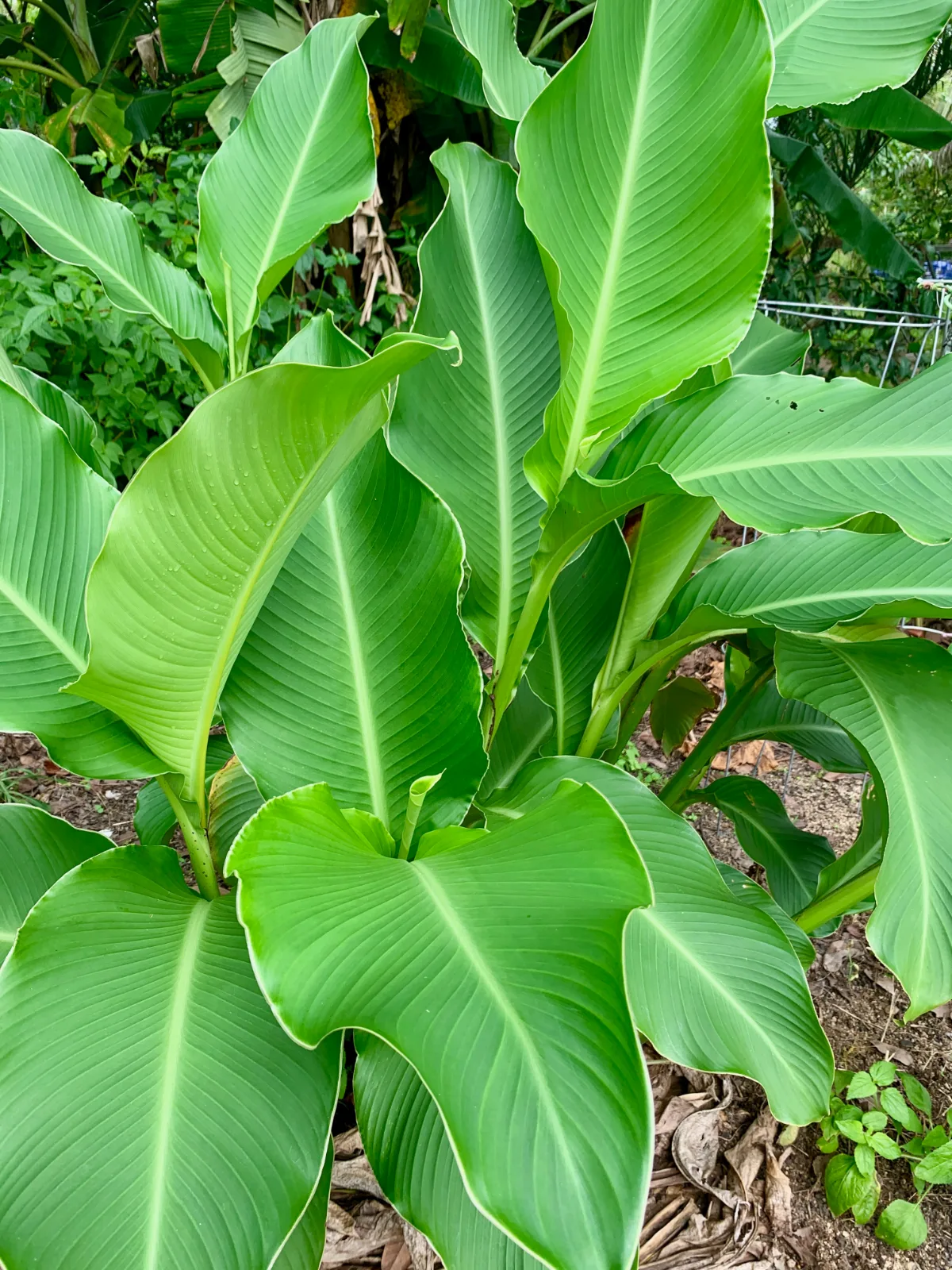
Edible canna is a tall rhizomatous plant grown for its starchy underground rhizomes. It also gives bold tropical foliage and flowers through the warm months, and the clump can provide both food and useful biomass where there is room for it to spread.
- Grows well in
- Tropical, Subtropical, Temperate
- Lifecycle
- Rhizomatous perennial
- Light
- Full sun, Part shade
- Mature size
- Usually 1.5–2.5 m high, forming widening rhizome clumps
- Spacing
- About 60–90 cm apart
- Growth habit
- Tall rhizomatous perennial with broad leaves and upright flower stems
- Native range
- Tropical and subtropical Americas
- Natural habitat
- Seasonally dry tropical forest margins, wetlands and open disturbed ground.
When to plant
Tropical
February–May, September–November
Subtropical
March–May, September–November
Temperate
September–November
Mediterranean
September–November
Tropical and subtropical: plant during warm weather. Temperate: plant in spring after frost risk.
Planting
Plant rhizome pieces into fertile soil with the buds facing up. Give the clump room to spread and keep it watered while new shoots establish.
Position and light
Full sun to part shade. Full sun generally produces the sturdiest growth and the largest rhizomes by season's end.
Soil
Fertile soil with good drainage and regular organic matter. It tolerates moisture but spreads fastest where the soil stays rich, and working compost into the bed before planting improves rhizome size at harvest time.
Watering
Water regularly through active growth. Reduce watering if top growth dies back in cool weather, and resume once new shoots appear in spring to support fresh rhizome development.
Feeding
Work compost into the bed before planting, then use a balanced feed during active growth where soil is poor. Regular organic matter and steady moisture do more for rhizome size than repeated heavy fertiliser.
Pruning
Cut old or damaged stems at ground level once they stop contributing useful leaf growth. In frost-prone areas the top may die back in winter; remove dead stems and let fresh shoots come from the rhizomes when the weather warms.
Harvest
Lift mature rhizomes once plants are established and cook thoroughly before eating. Young rhizomes are less fibrous than old ones.
Propagation
Divide established rhizomes, keeping at least one healthy bud and a sound section of rhizome on each piece. Replant divisions promptly into prepared soil and keep them moist until new shoots are growing strongly.
Common problems
Canna rust, caterpillars and snails can damage leaves. Rhizomes can rot where drainage is poor or cool soil stays saturated for long periods. Remove badly affected foliage and improve airflow through very crowded clumps.
Safety notes
Use only correctly identified edible canna. Cook rhizomes before eating.
Worth knowing
Canna edulis is now treated as a synonym of Canna indica. The edible forms were selected for large starchy rhizomes and were historically processed into Queensland arrowroot.

Grow Edible canna with Brancho
Add it to My Garden and Brancho works out what it needs next, timed for your climate.
How it grows around Australia
Growing this too? Share what you've noticed in your garden.

Grow a Little Wild
New plants to try, useful growing tips and a few garden jobs based on what you grow.