


Plants for Moist Soil
Moist-soil plants suit ground that stays evenly damp for longer than the rest of the garden. That can mean a naturally rich low spot, the edge of a swale or a bed that receives regular irrigation. Moist is not automatically the same as waterlogged, so drainage still matters. 35 plants in the library.
35 plants
Ornamental
Alexandra palm
Alexandra palm is a tall Queensland native palm with a smooth trunk, green crownshaft and silvery leaf undersides. It grows quickly in warm, moist conditions and suits tropical and subtropical gardens where there is enough room for a very tall canopy.
Fruit & berry
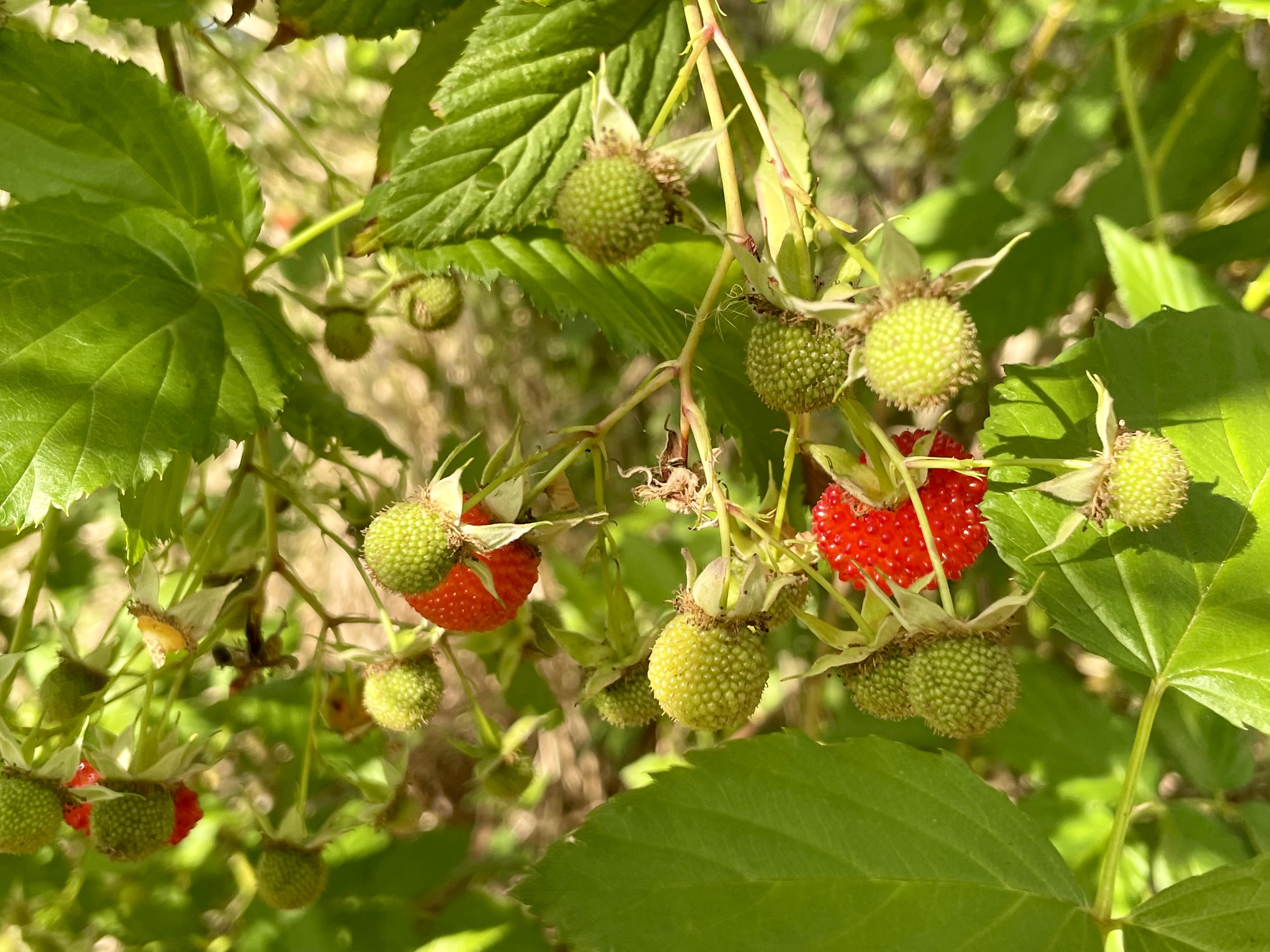
Atherton raspberry
Atherton raspberry is a vigorous Queensland native bramble that handles warm, humid climates far better than ordinary European raspberries. It makes prickly scrambling canes, white flowers and bright red fruit with a sharper raspberry flavour. Give it room, regular water and pruning or it can form a dense thicket.
Fruit tree
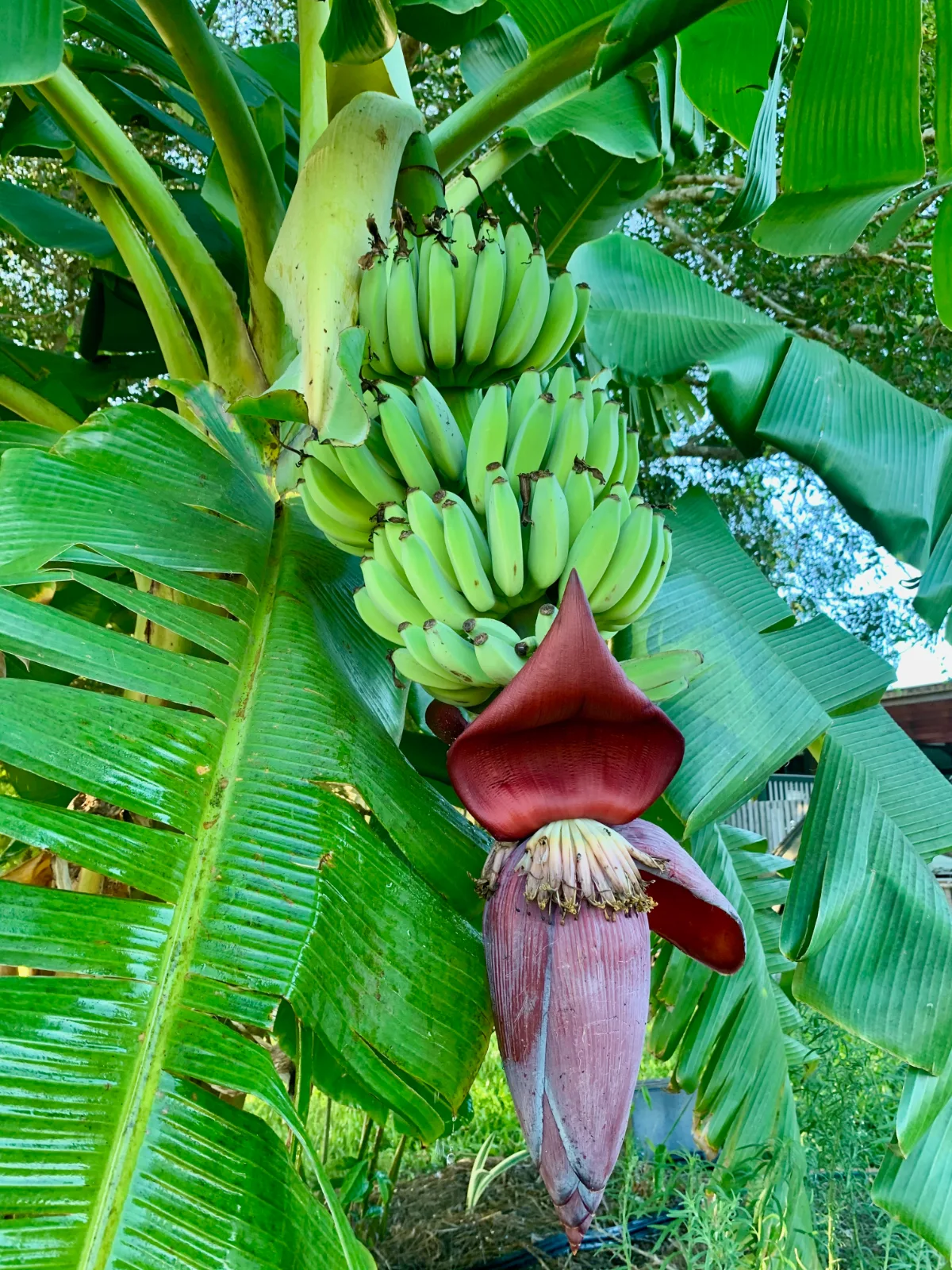
Banana
Bananas grow best with warmth, sun, regular feeding and plenty of water. Keeping only a few well-spaced suckers helps the clump produce good bunches.
Ornamental
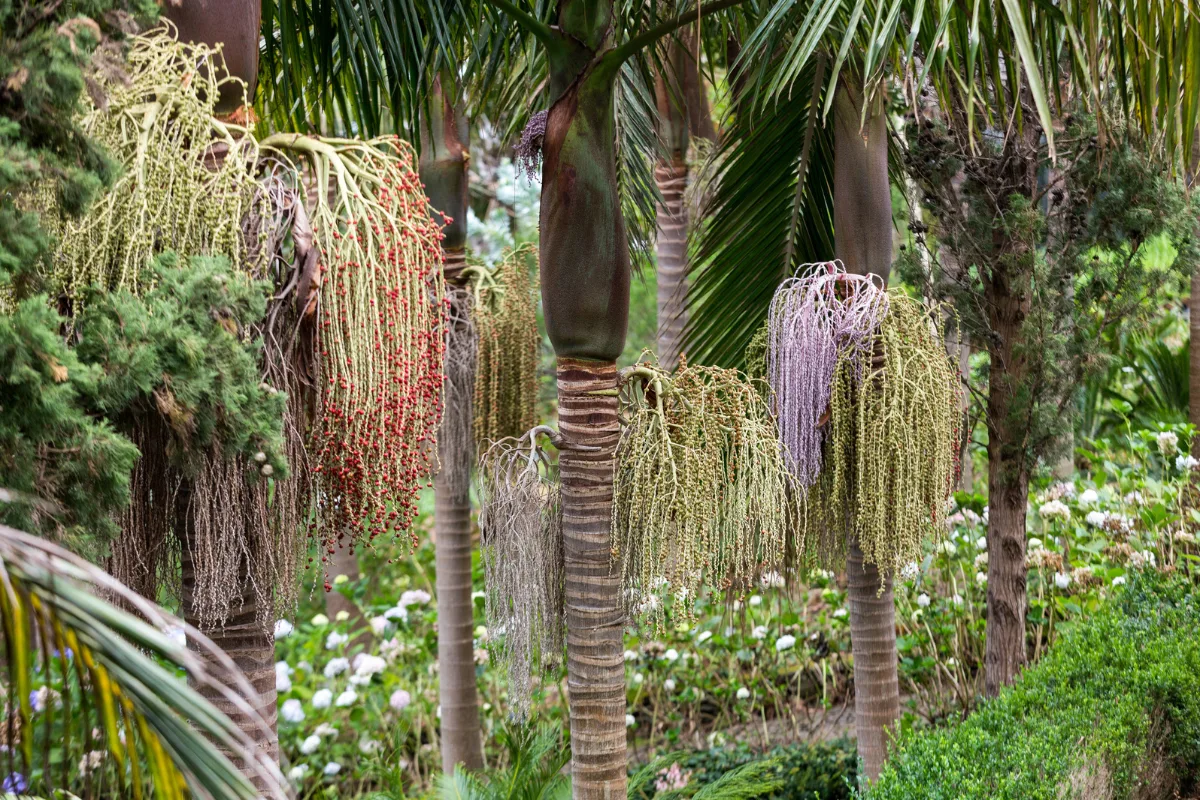
Bangalow palm
Bangalow palm is an eastern Australian native palm with arching fronds and a smooth crownshaft. It grows naturally in moist gullies, rainforest and streamside country.
Ornamental
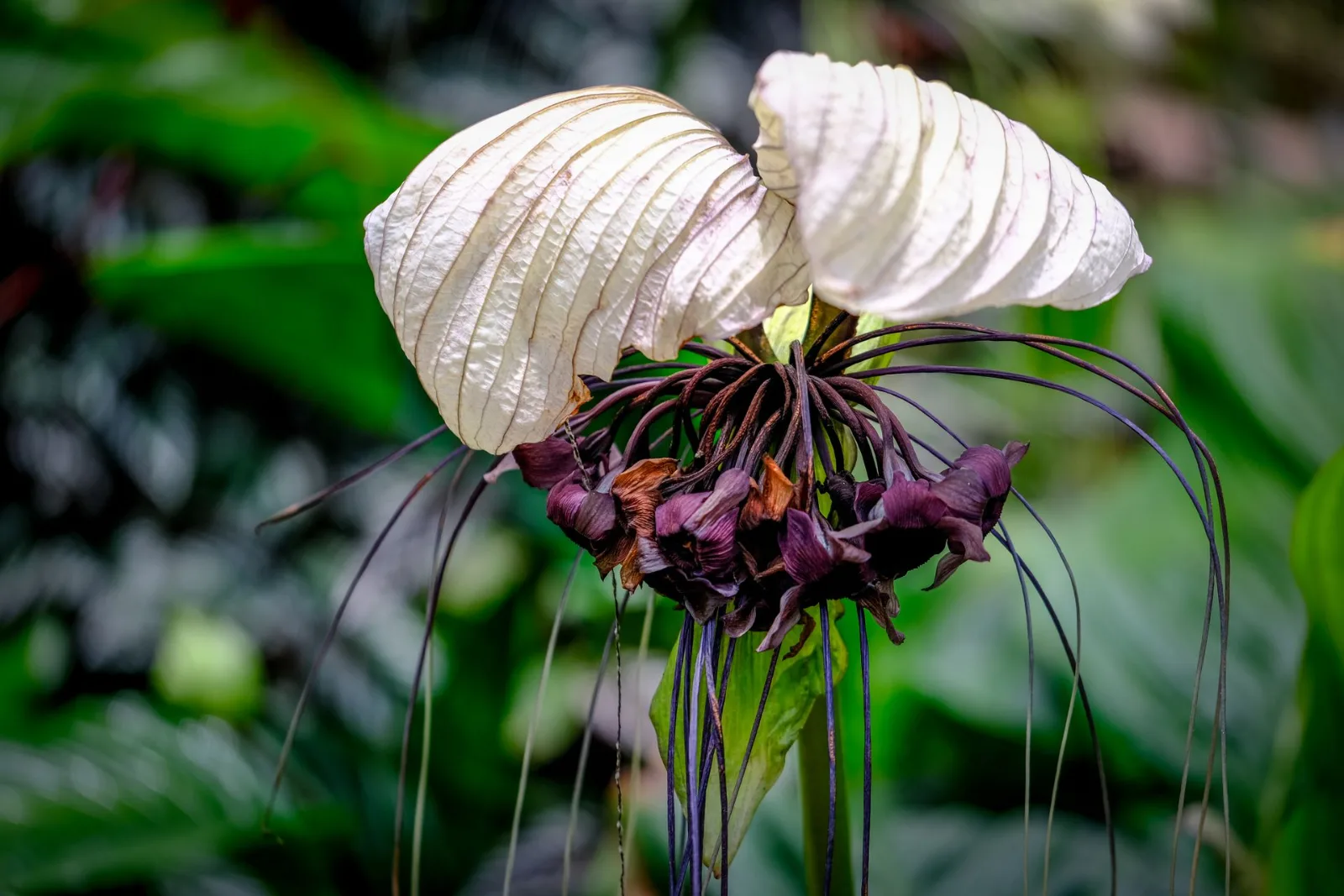
Black bat plant
Black bat plant is a genuine tropical shade plant with huge whiskered flowers and glossy leaves. It needs shelter, moisture and warmth, not a sunny tropical-garden position.
Fruit tree
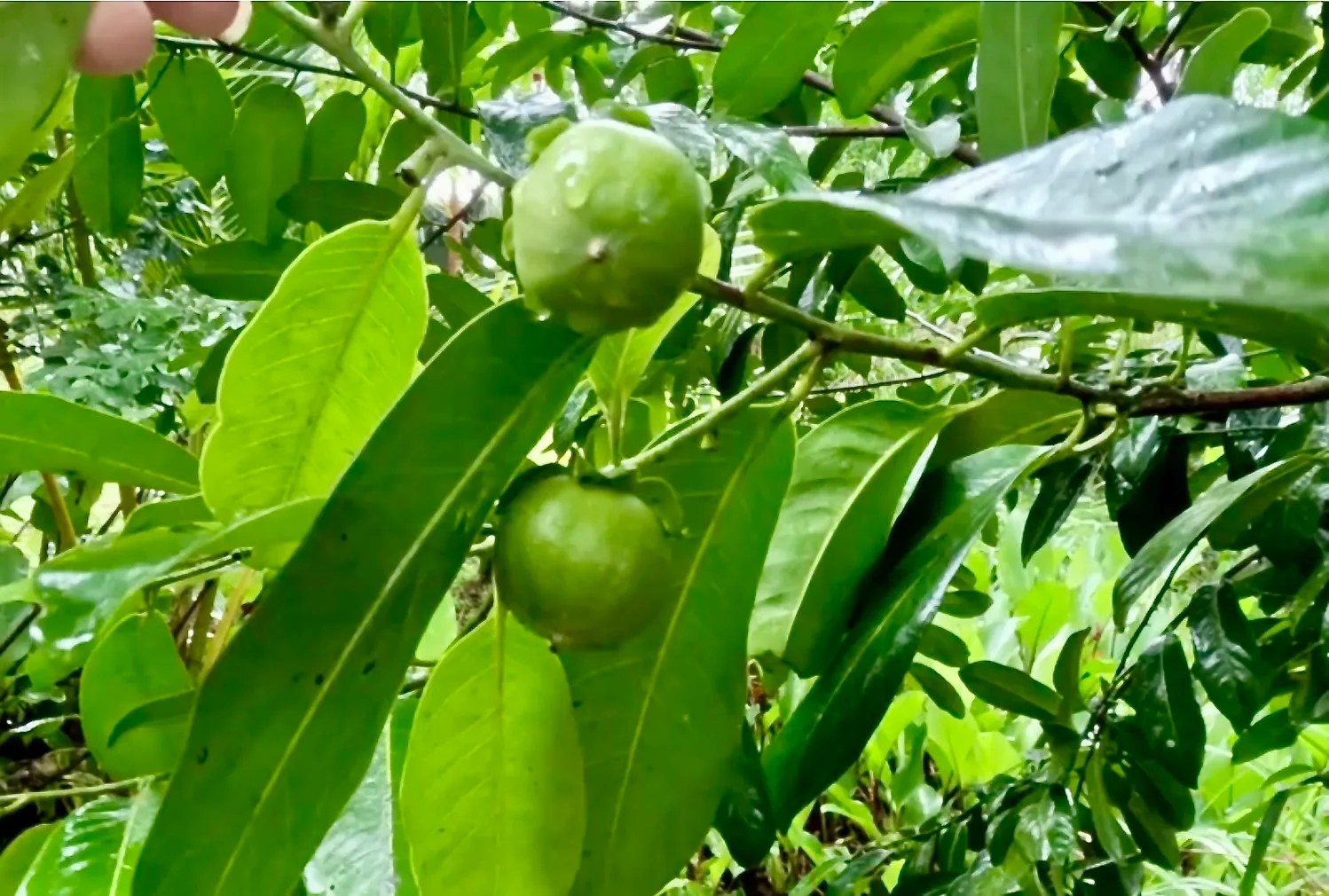
Black sapote
Black sapote is a tropical fruit tree with green fruit that softens to dark chocolate-brown pulp when ripe. The flesh is mild, sweet and custard-like.
Fruit & berry
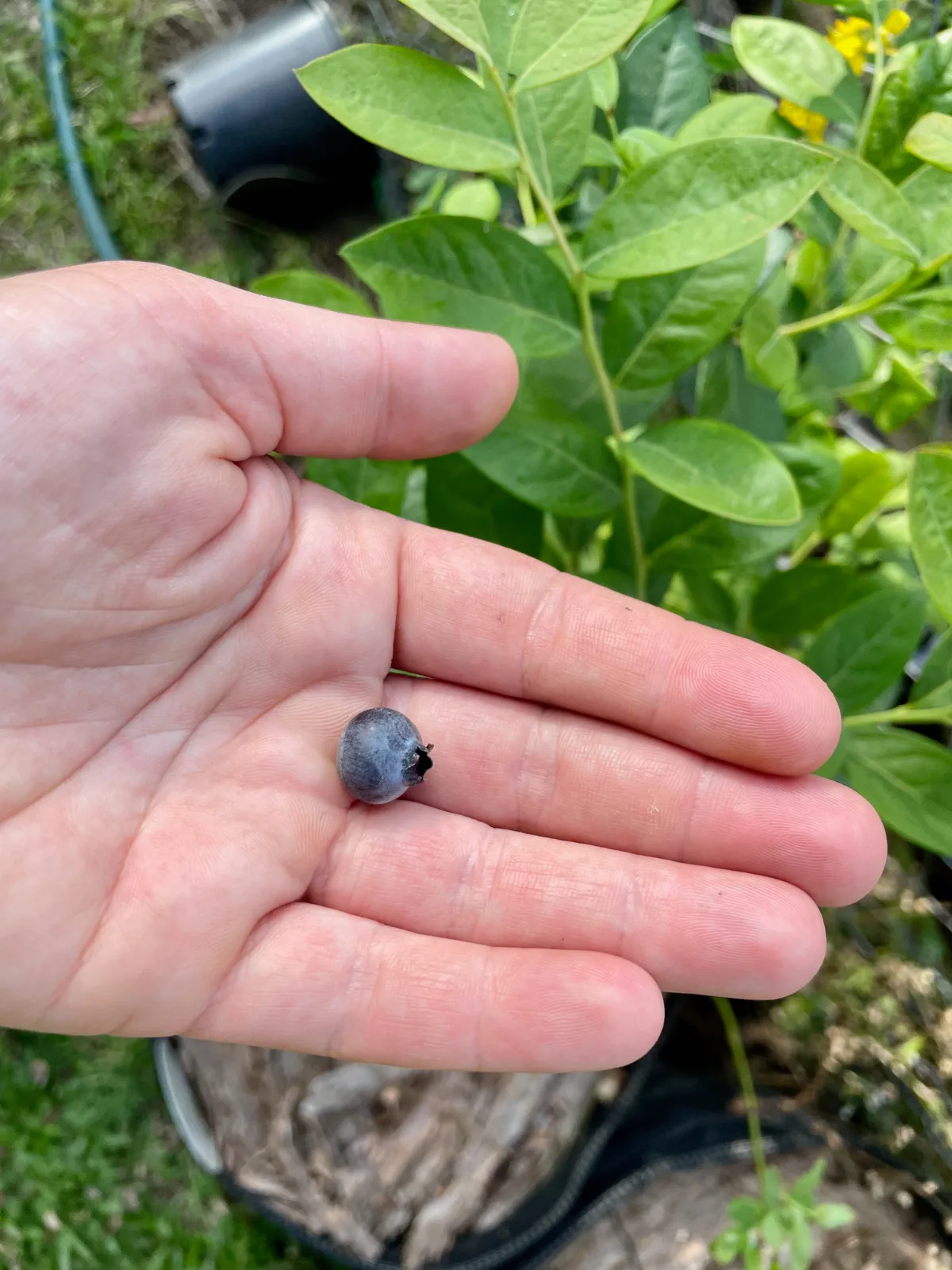
Blueberry
Blueberries need acidic soil, steady moisture and a cultivar group that matches your winter. Southern Highbush and Rabbiteye suit warmer districts, while Northern Highbush needs more winter chill.
Herb & spice
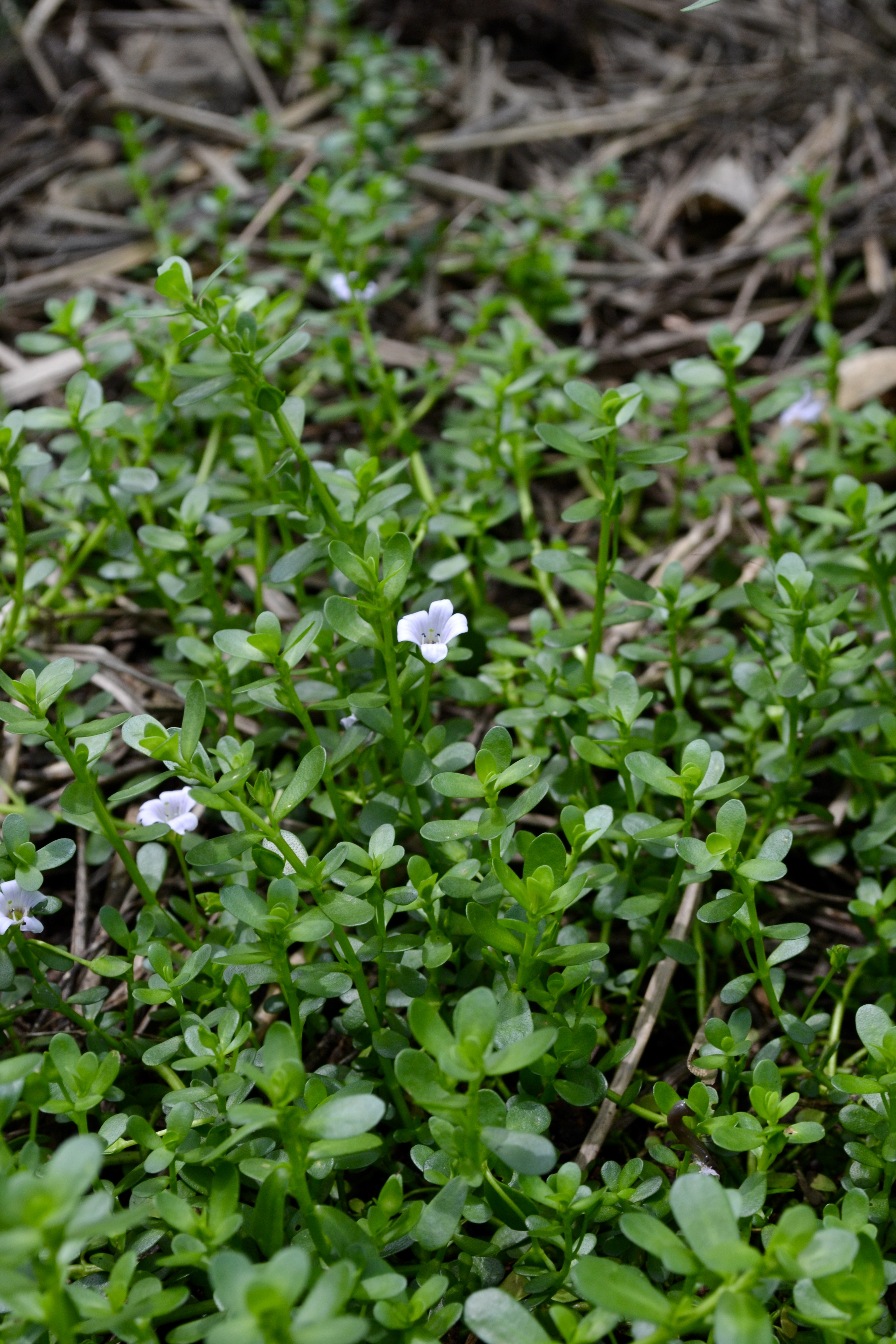
Brahmi
Brahmi is a low creeping native herb that roots wherever its fleshy stems touch wet soil. It forms a soft mat beside ponds, through wet beds and in shallow-water pots, and it grows best where the root zone stays consistently moist rather than cycling between wet and dry.
Veggie
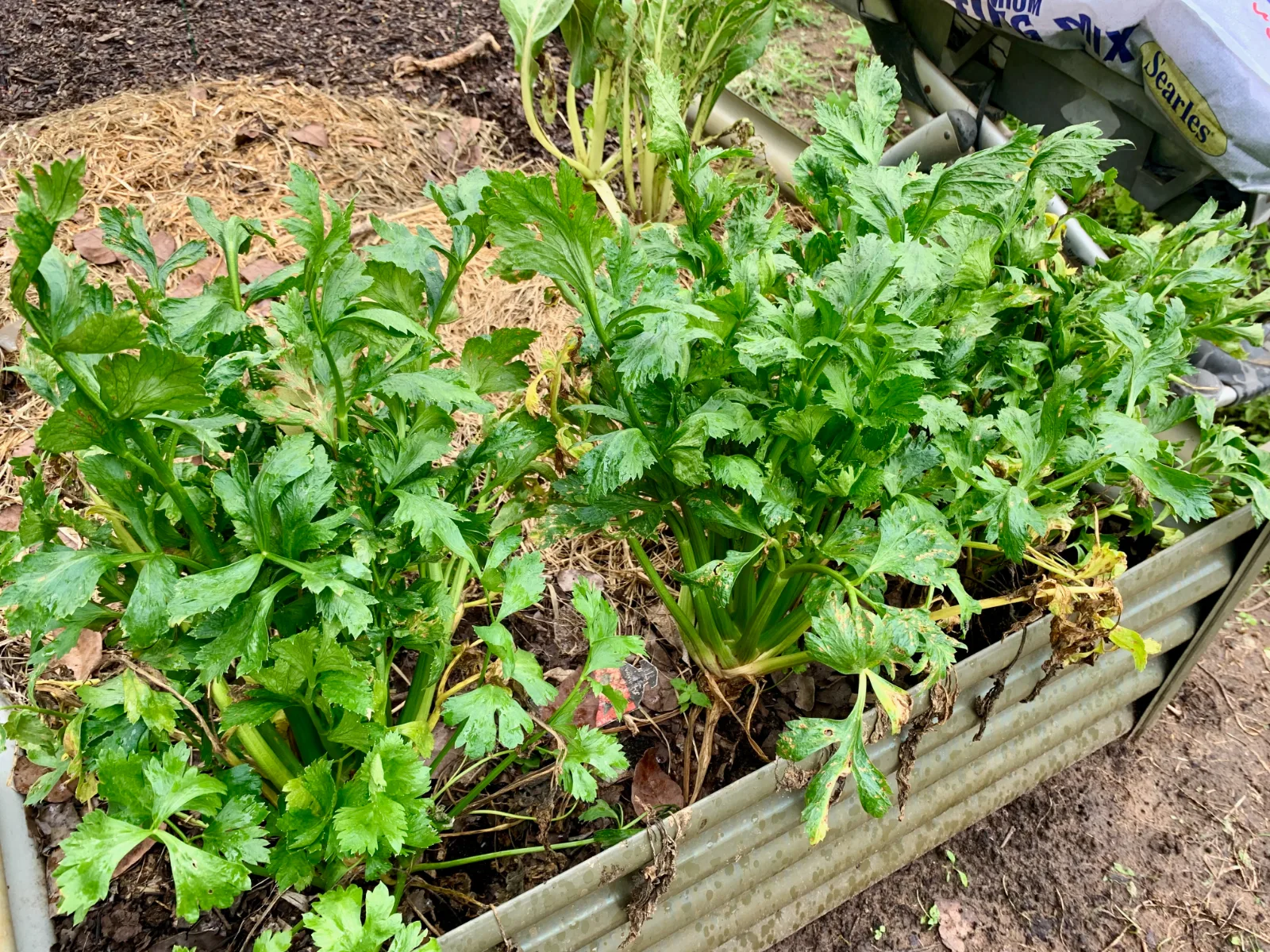
Celery
Celery is a moisture-loving biennial usually grown as a cool-season vegetable. Fast steady growth gives the best tender stems.

Ornamental
Chinese money plant
Chinese money plant is a compact perennial with round coin-like leaves on long stems. It grows best in bright filtered light and is famous for producing pups around the base that are easy to separate and share.
Ornamental
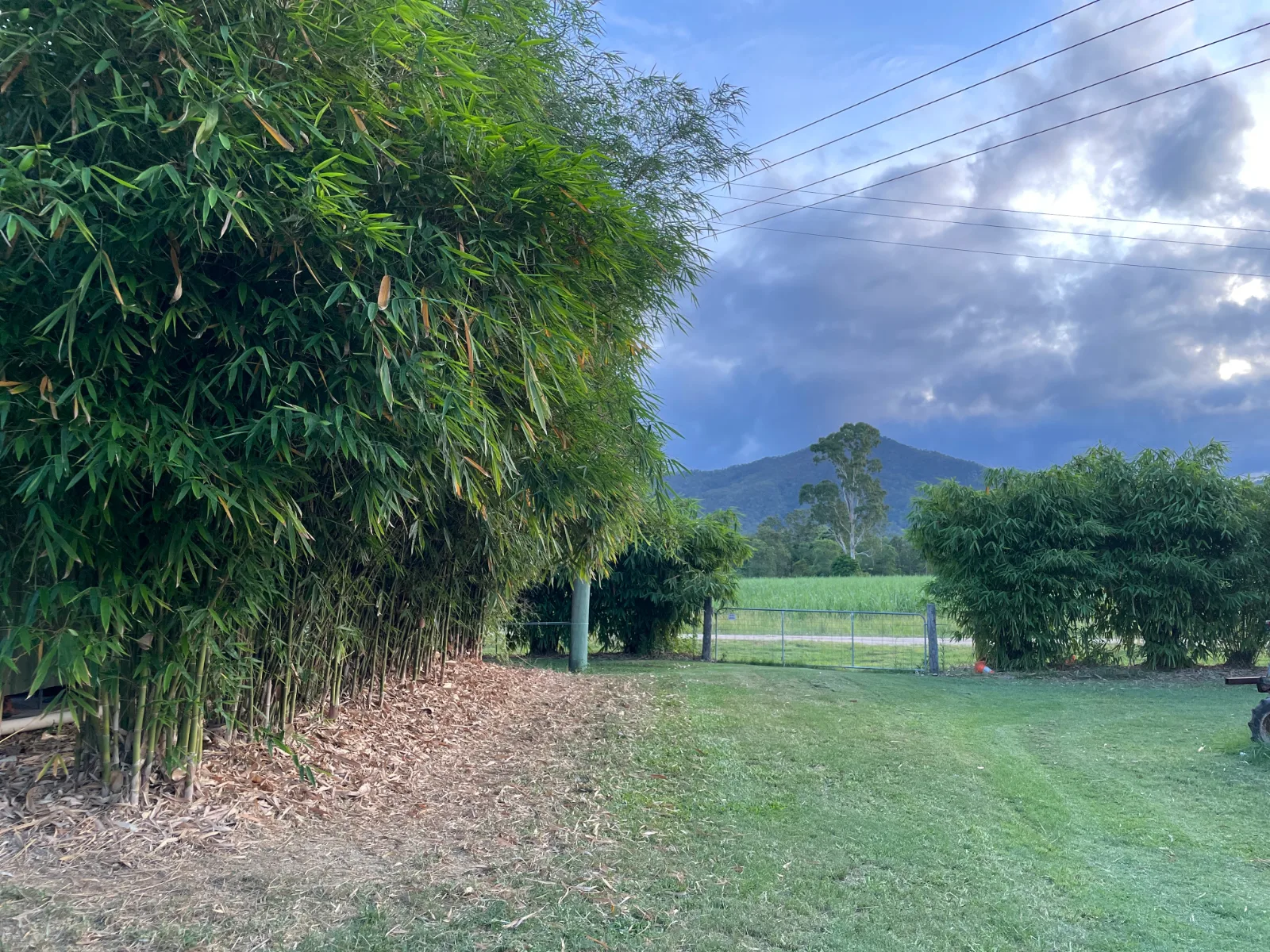
Clumping bamboo
Clumping bamboo can make a fast, dense screen in a warm garden. Choose a genuinely clumping species and check its mature height and width before planting, because some types become very large even though they do not send running rhizomes across the garden.
Fruit & berry
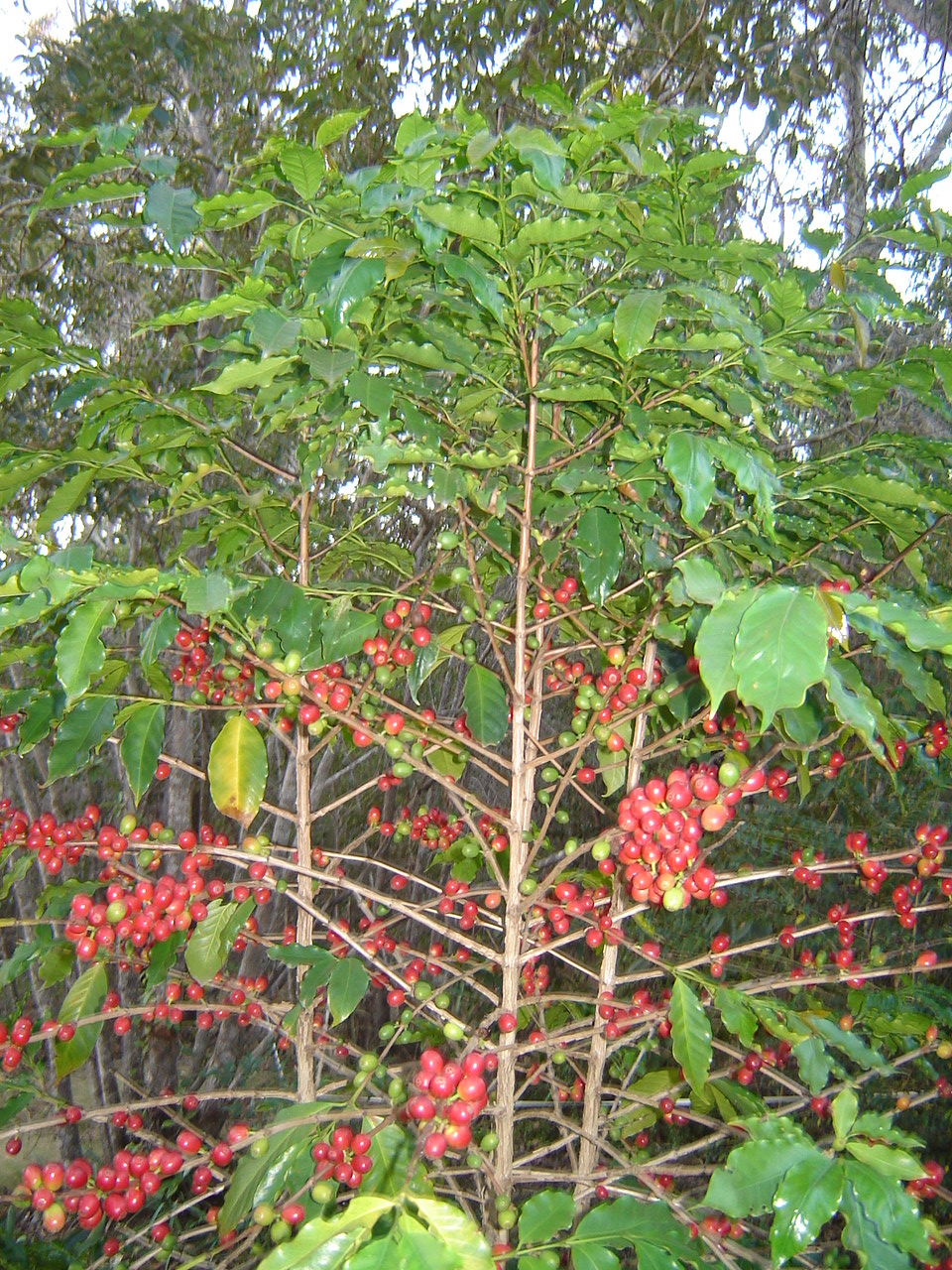
Coffee
Coffee is a glossy evergreen shrub with scented white flowers followed by red berries. It grows well in warm Australian gardens with bright filtered light, fertile soil and reliable moisture.
Herb & spice
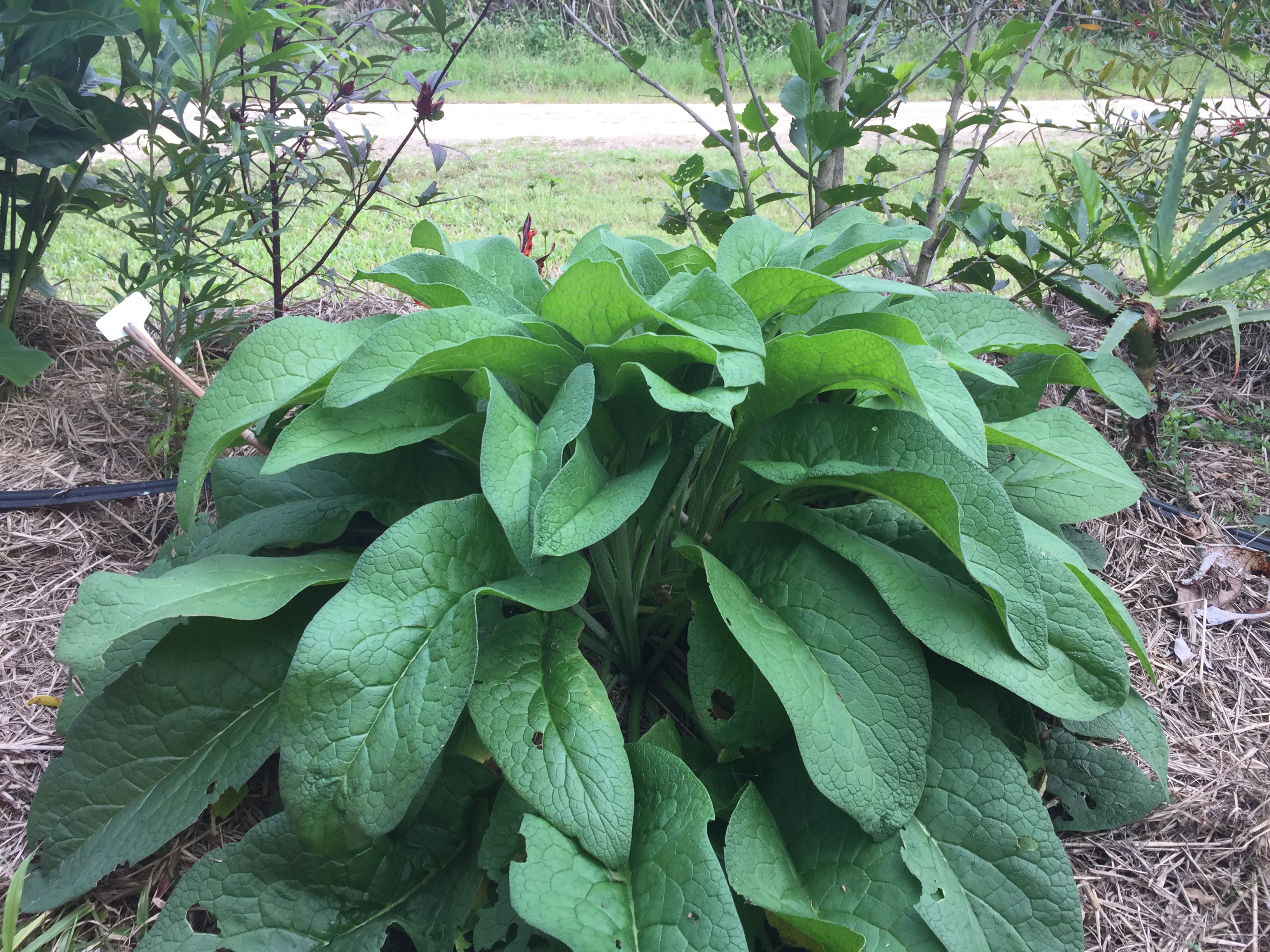
Comfrey
Comfrey is a deep-rooted perennial grown mainly for compost, mulch and biomass. It regrows quickly after cutting, so give it a permanent position rather than moving it around the garden.
Ornamental
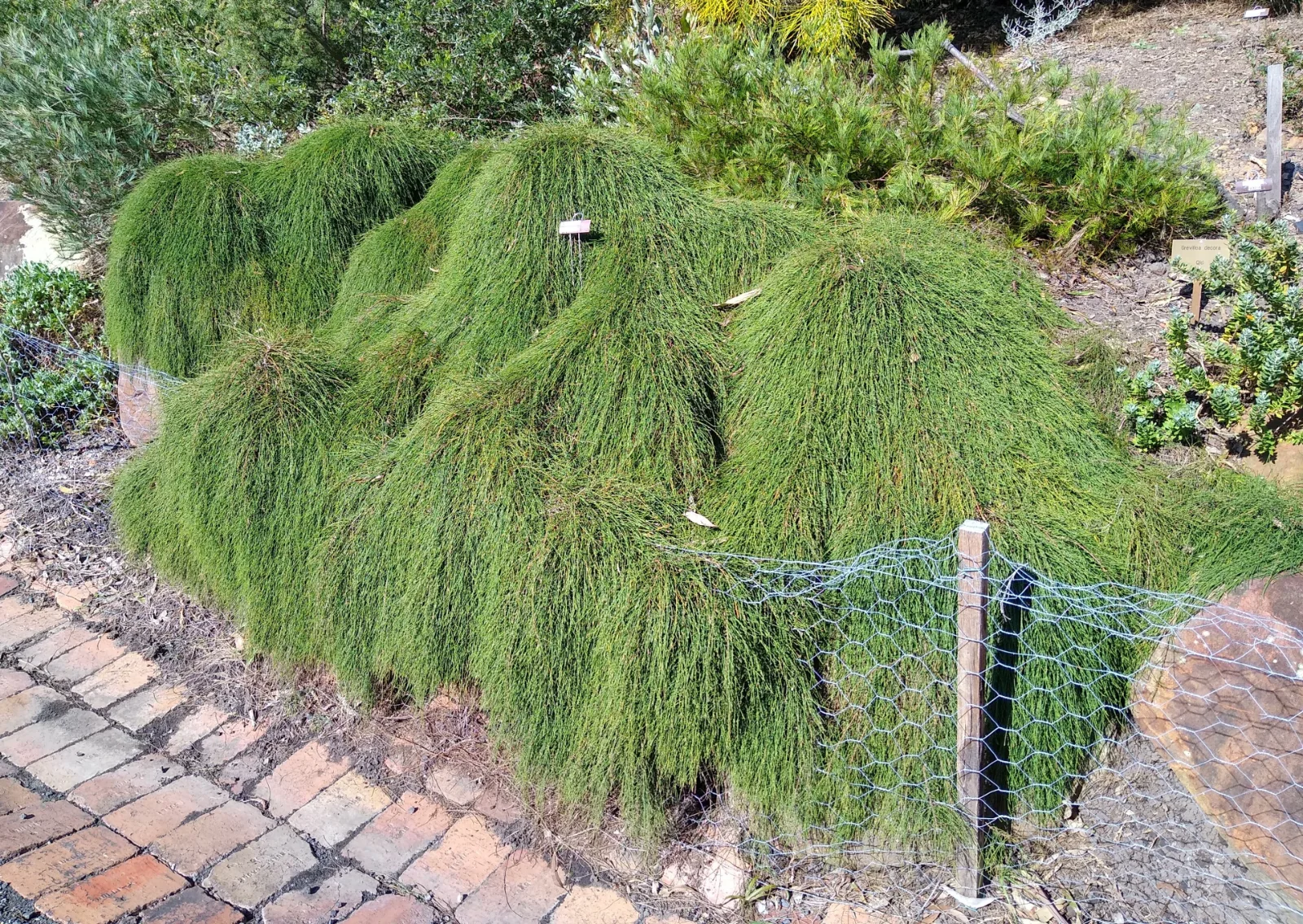
Cousin It
Cousin It is a low, cascading form of swamp she-oak that makes a dense curtain of fine green branchlets over banks, walls and large pots. It is grown for texture rather than flowers.
Fruit tree
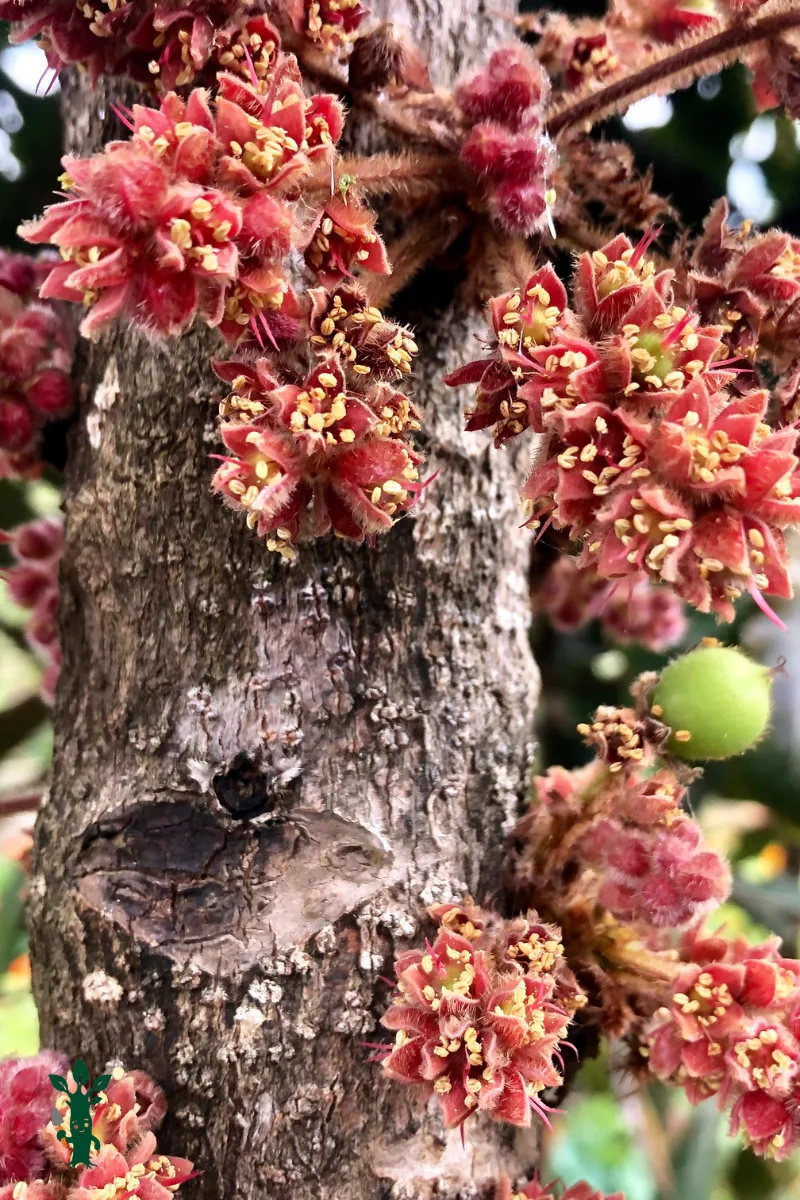
Davidson plum
Davidson plum is an Australian rainforest tree with tart purple fruit. It grows well in warm, sheltered gardens and can handle part shade.
Ornamental
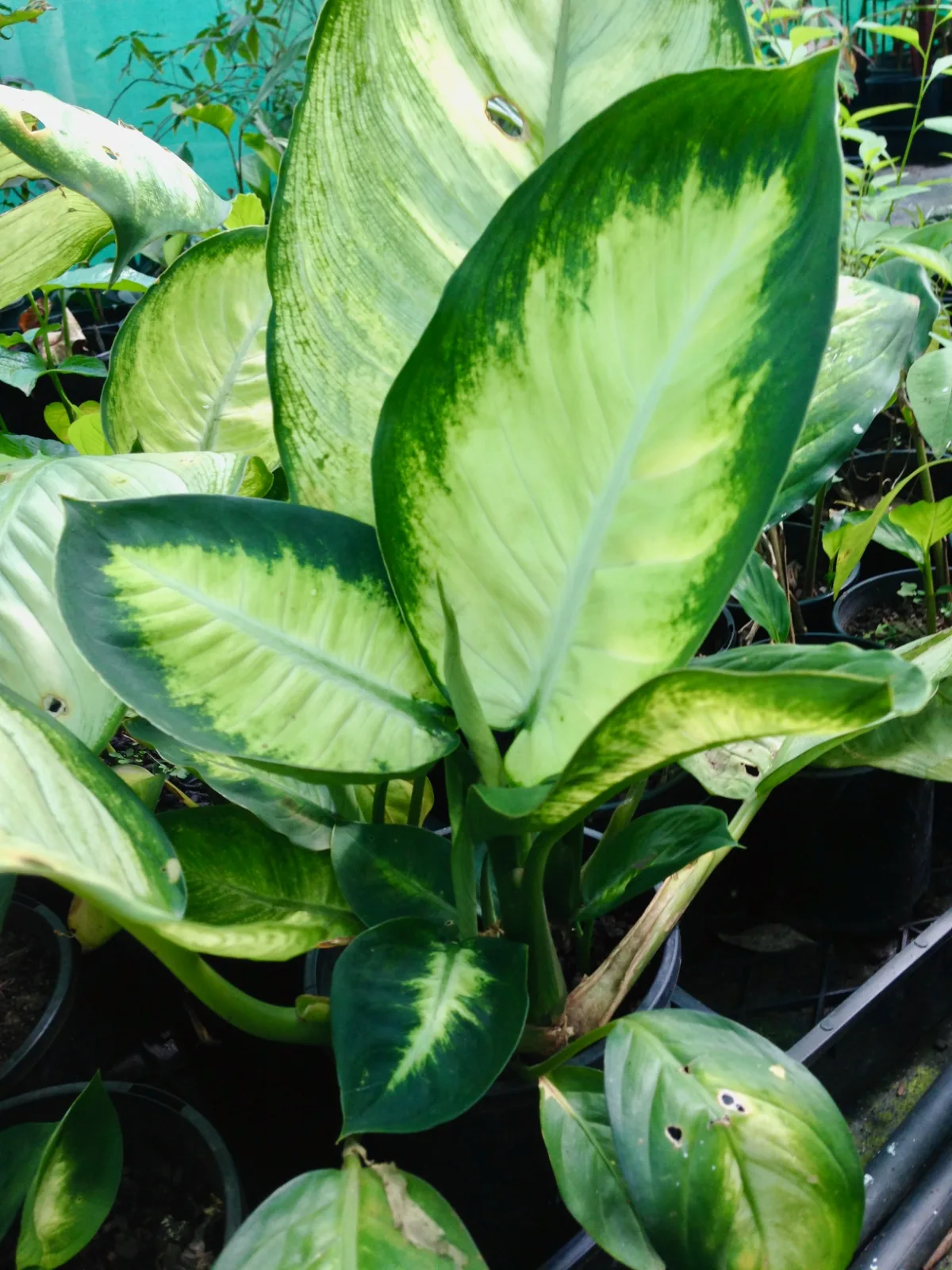
Dieffenbachia
Dieffenbachia is a tropical foliage plant with broad patterned leaves. It grows well indoors in bright filtered light and outdoors in warm shaded gardens.
Veggie
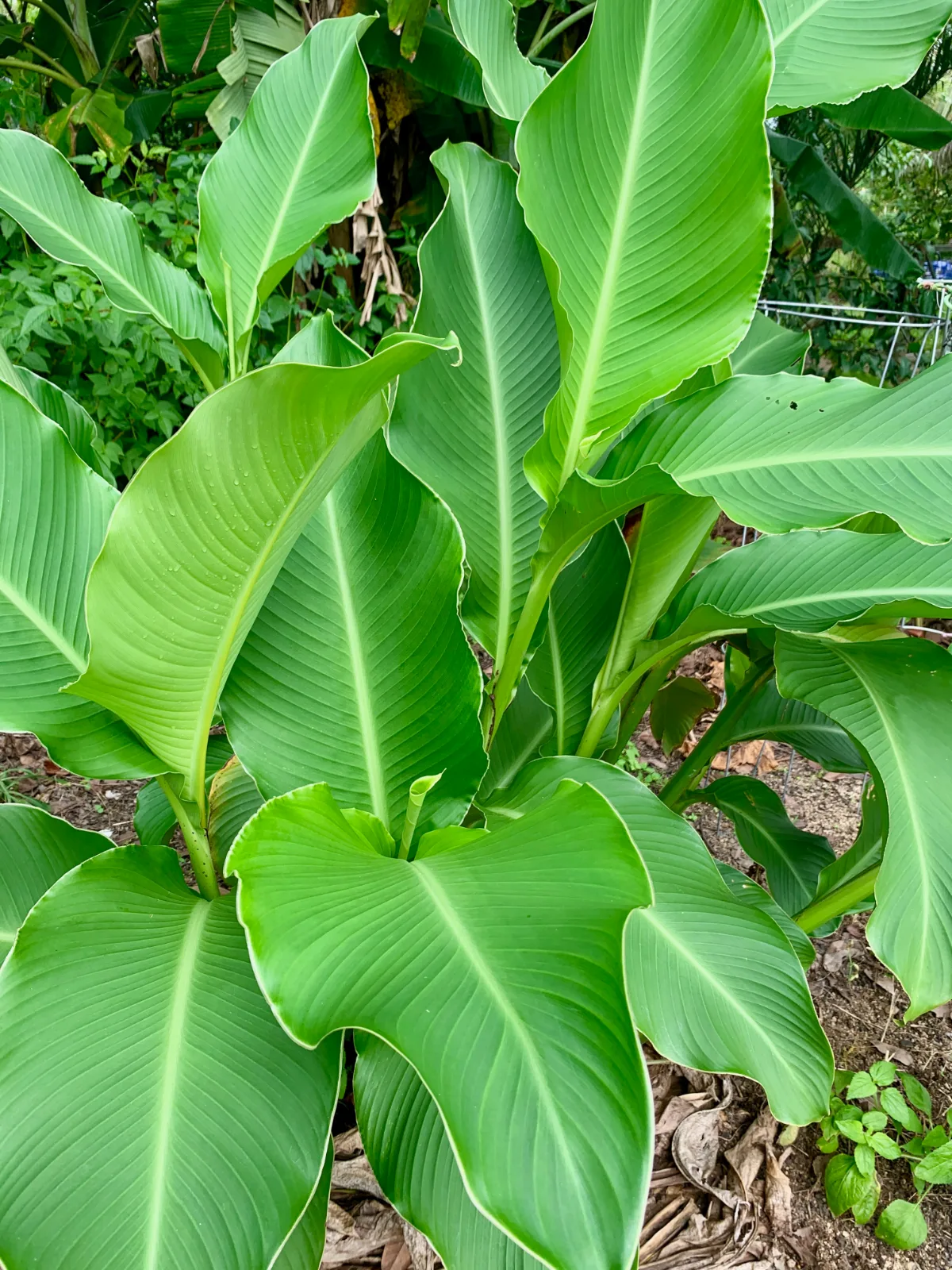
Edible canna
Edible canna is a tall rhizomatous plant grown for its starchy underground rhizomes. It also gives bold tropical foliage and flowers through the warm months, and the clump can provide both food and useful biomass where there is room for it to spread.
Ornamental
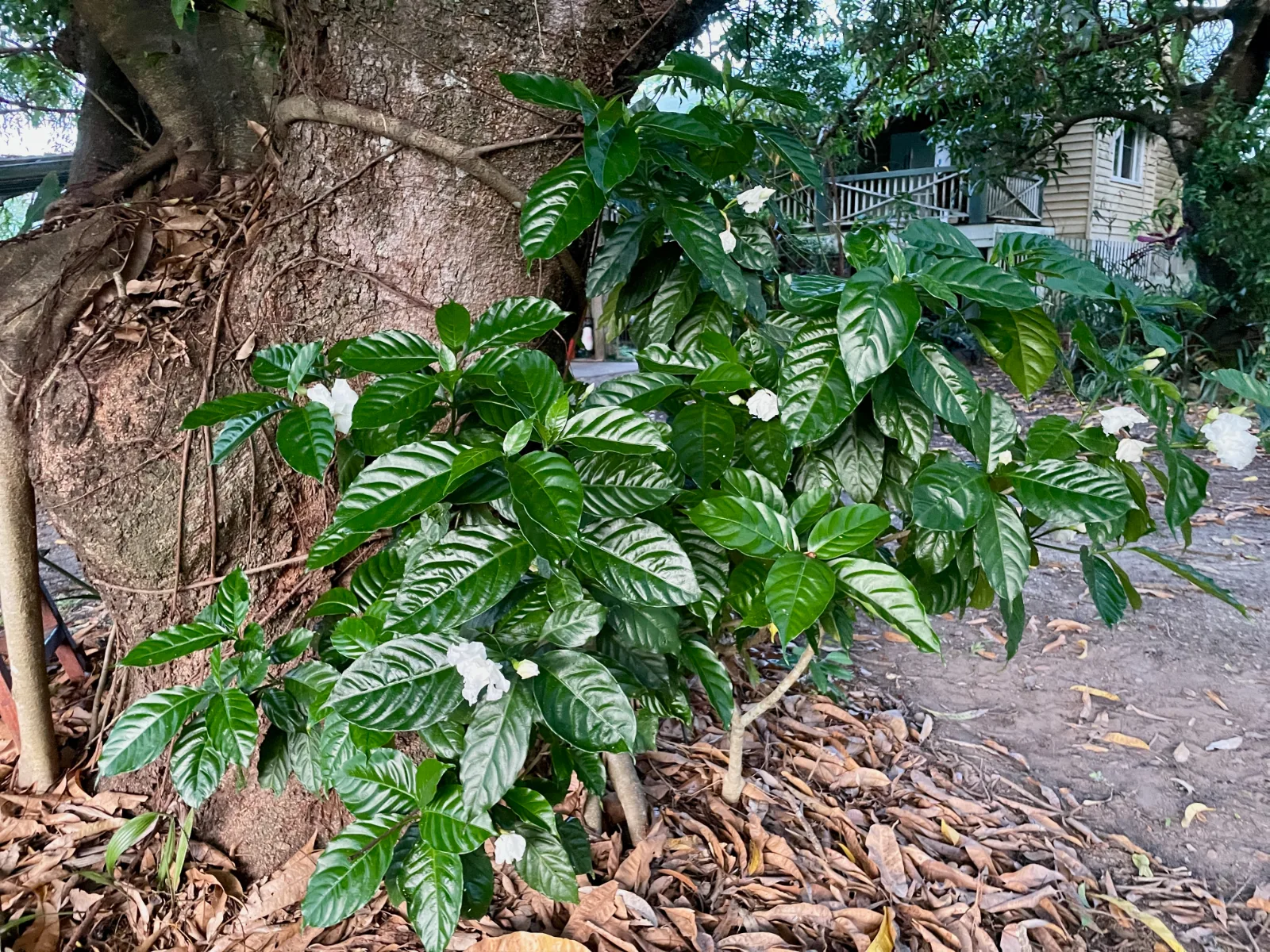
Gardenia
Gardenia is an evergreen shrub grown for glossy foliage and strongly fragrant white flowers. It grows best in warm, sheltered gardens with acidic soil, steady moisture and good drainage. Yellow leaves, dropped buds and poor flowering usually point to cold, root stress, alkaline soil or inconsistent care rather than one single nutrient problem.

Herb & spice
Gotu kola
Gotu kola is a low, creeping native herb that loves moisture and roots as it spreads. It makes a useful living groundcover in damp, partly shaded gardens and can also be contained in a pot.
Fruit tree
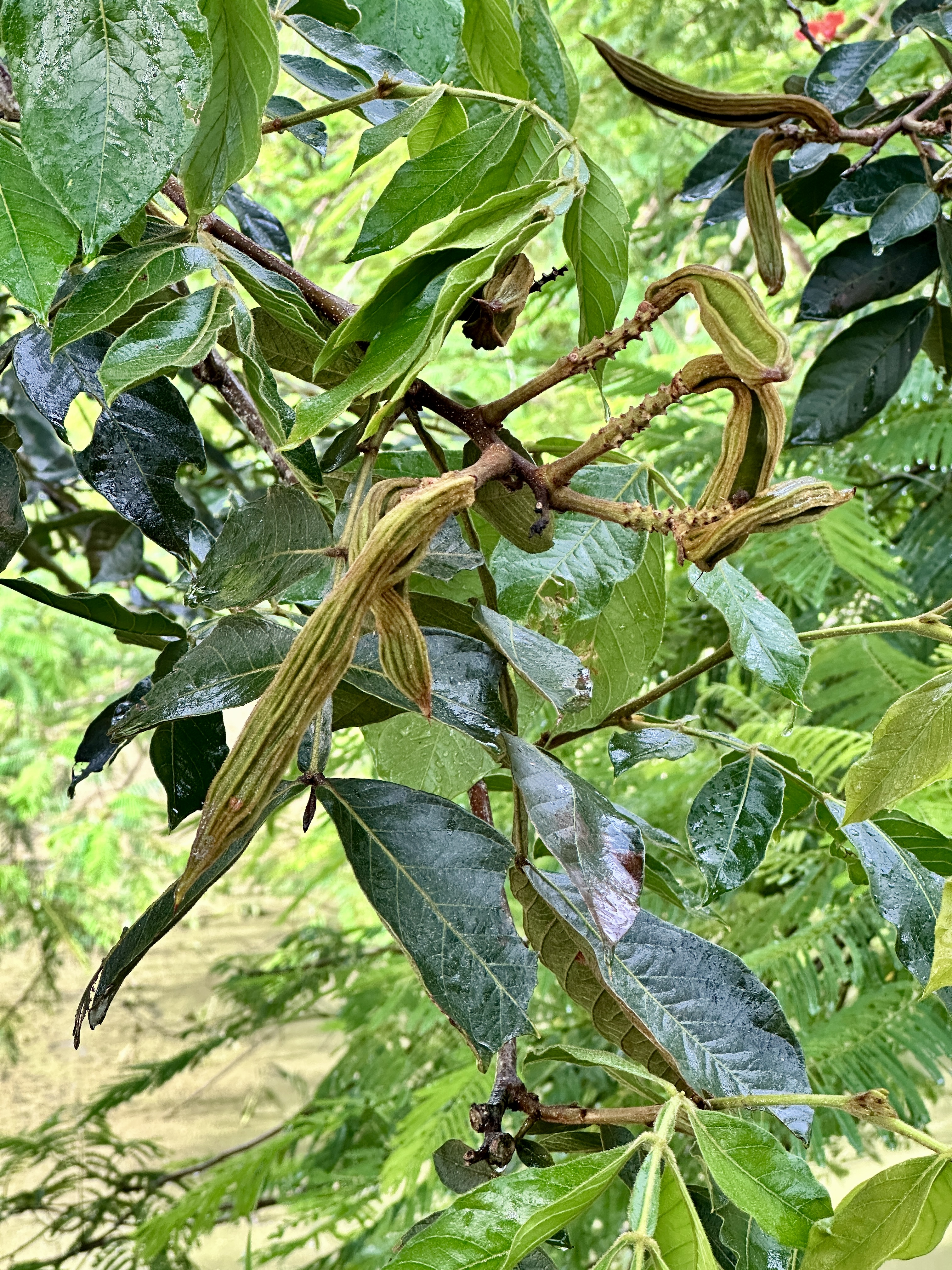
Ice cream bean
Ice cream bean is a very fast tropical legume tree with long pods filled with sweet white pulp around large seeds. It makes deep shade quickly and produces plenty of prunings.
Ornamental
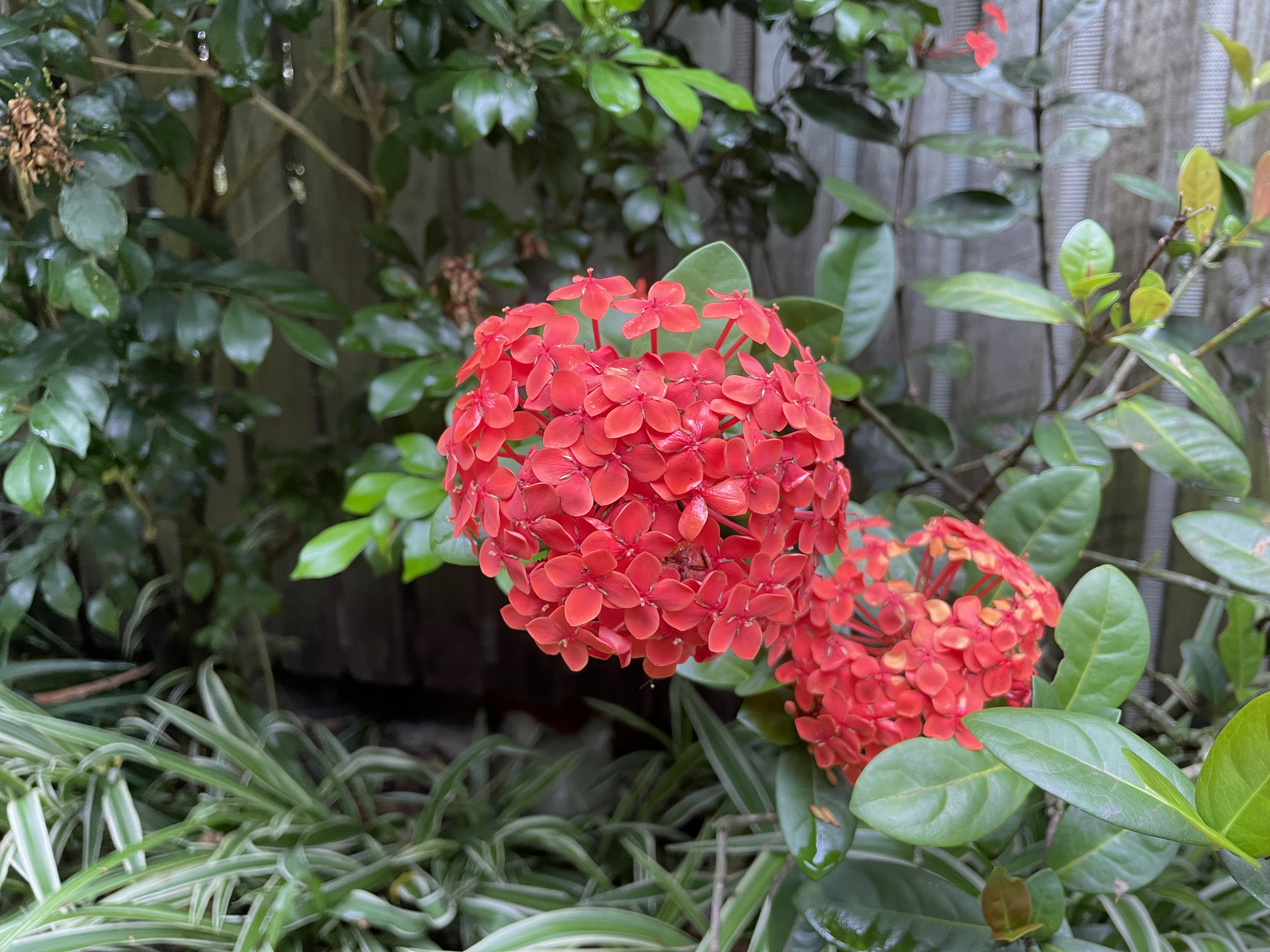
Ixora
Ixora is a tropical evergreen shrub grown for dense heads of red, orange, pink or yellow flowers. It flowers best with warmth, bright light and acidic soil.
Fruit tree
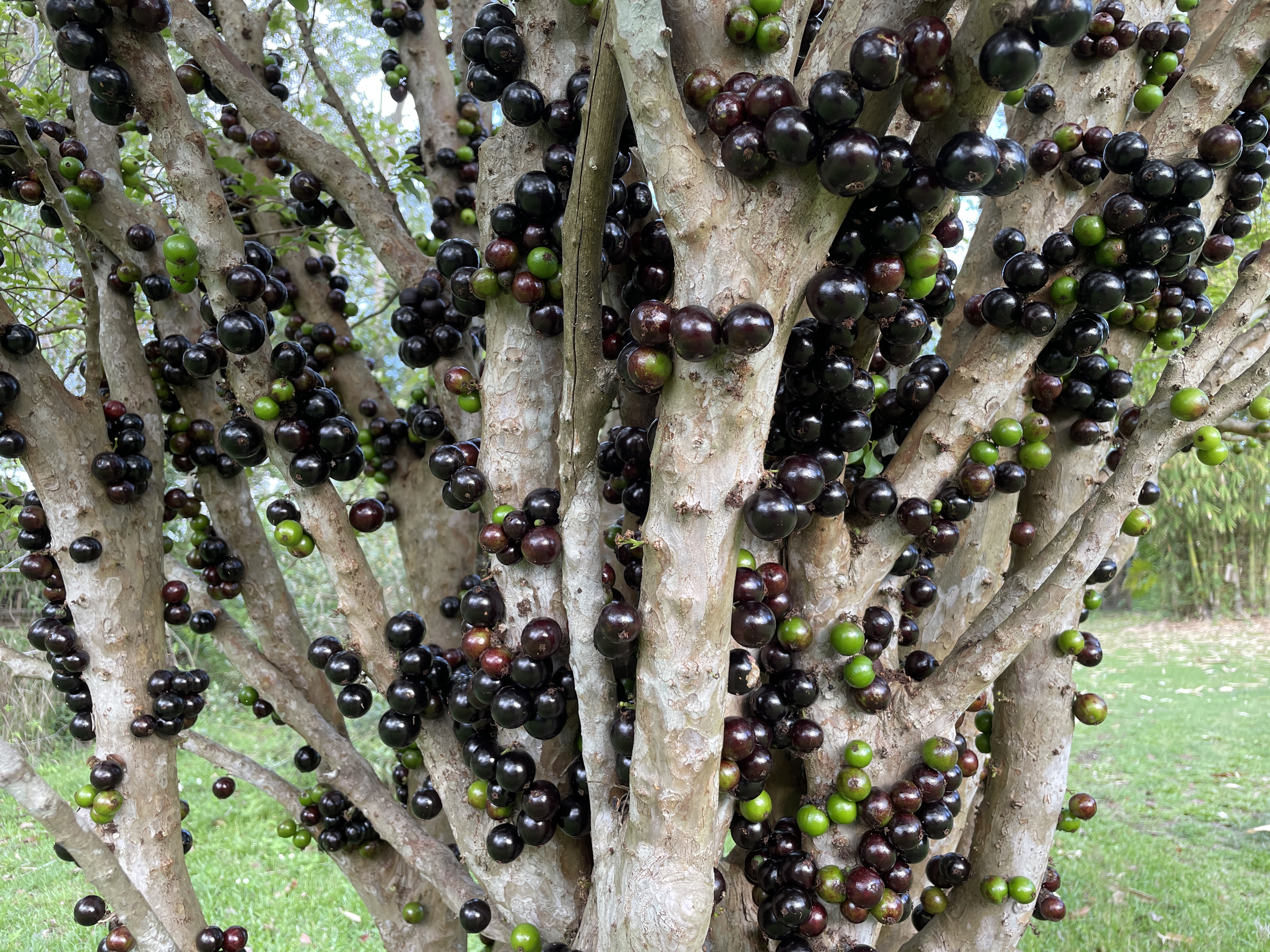
Jaboticaba
Jaboticaba is a slow-growing fruit tree that carries dark purple fruit directly on its trunk and older branches. The sweet juicy fruit can be eaten fresh or used for jam, wine and preserves.

Ornamental
Kidney weed
A tiny-leaved native that makes a soft green carpet between pavers, beneath shrubs and through lightly used lawn areas. Creeping stems root at the nodes and gradually knit together.
Vine
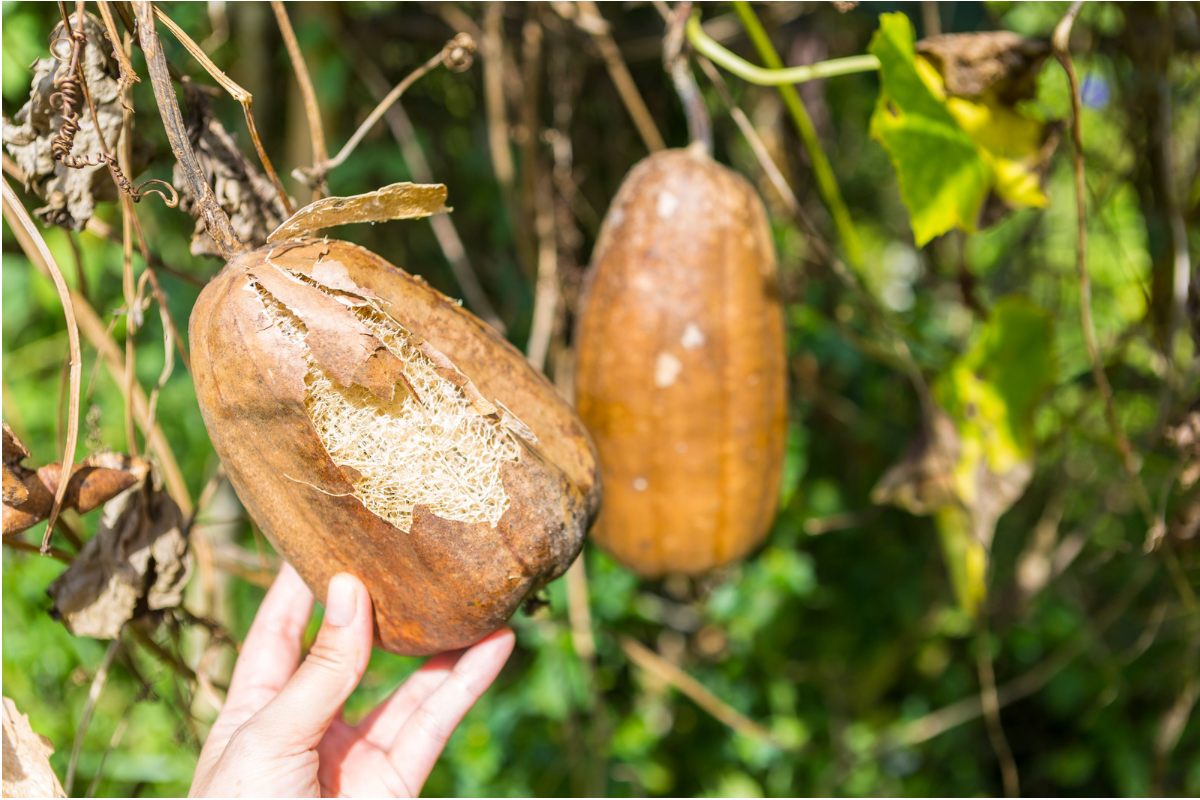
Loofah
Loofah is a vigorous warm-season vine grown for tender young fruits and the fibrous sponge inside mature fruits. Luffa aegyptiaca needs a long warm growing season, plenty of sun and a strong support for its large vines and hanging fruit.
Before You Choose
Watch the site after rain. If water drains away but the soil remains cool and damp, you have very different conditions from a hollow that stays saturated for days. Many moisture-loving plants still need air around their roots and decline in stagnant soil.
Organic matter helps create an even moisture supply. Compost and mulch improve the upper soil, reduce evaporation and buffer rapid changes between wet and dry. In hot climates, that can make a moist bed much more stable through the day.
Choose plants with the mature size in mind. Vigorous moisture-loving plants can grow quickly when conditions are favourable, so allow enough room around paths, drains and smaller neighbours. Dense planting can also make it harder to see whether irrigation is reaching the soil evenly.
If the area relies on irrigation rather than natural moisture, check it during dry weather. Drippers can block, sprinklers can miss parts of a bed and tree roots can compete strongly for water. Open the profiles below to compare light, climate and drainage needs before choosing.
Moist areas are often fertile, so growth can become lush and fast. Keep paths, drains and small neighbouring plants in mind when choosing vigorous species. If the site receives runoff from elsewhere, check what the water carries with it; fertiliser, sediment or salty water can change soil conditions over time. Reliable moisture is useful, but clean, well-aerated moisture is better.