

Plants for Trellises and Pergolas
A trellis, arch or pergola can carry edible vines, flowering climbers or dense foliage without taking much ground space. Choose the plant and the support together. The mature weight, climbing method and amount of pruning all affect how substantial the structure needs to be. 24 plants in the library.
24 plants
Vine
Arrowhead plant
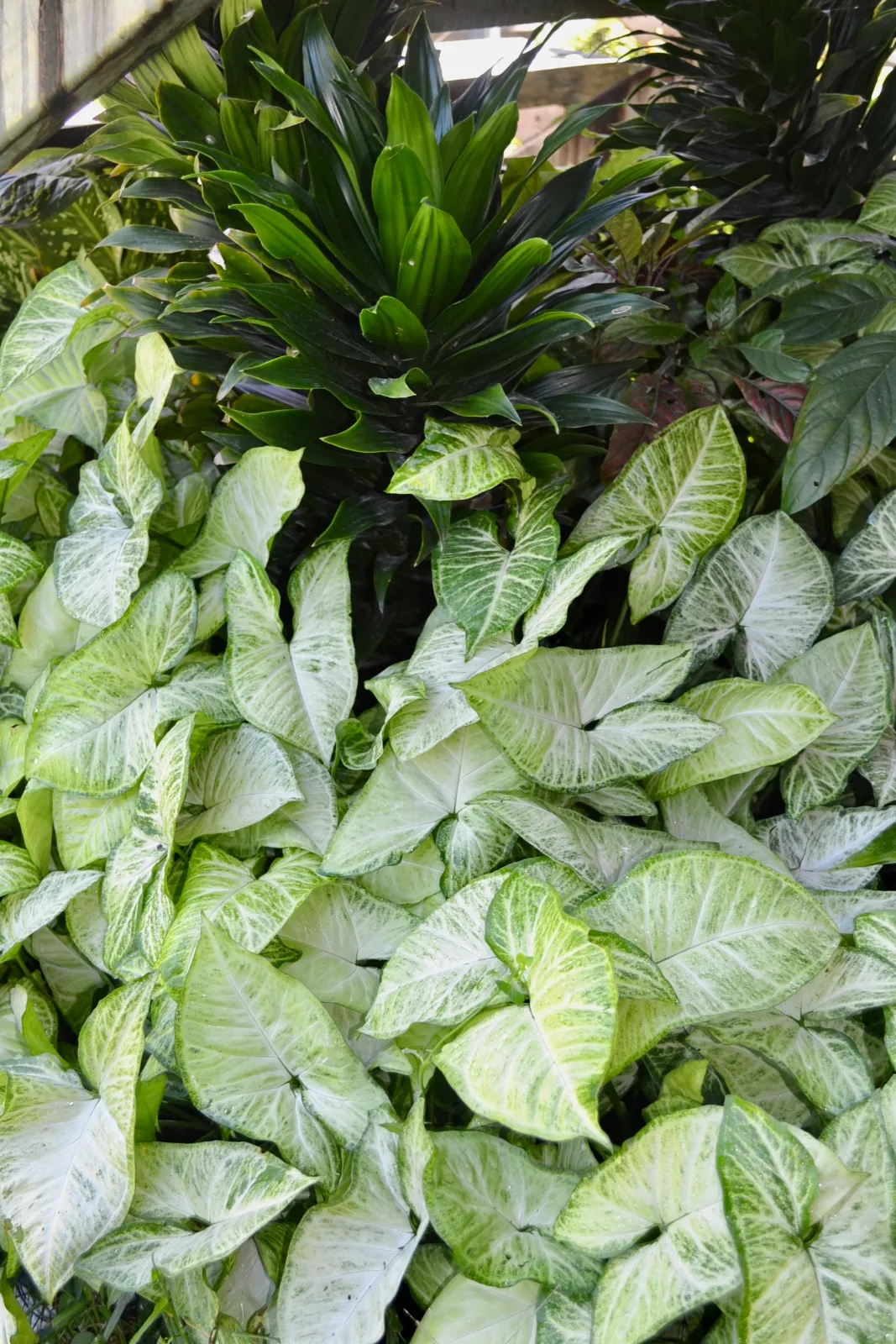
Arrowhead plant is a tropical climber grown for its patterned arrow-shaped juvenile leaves. It is especially good in pots, hanging baskets and bright indoor positions where you can let it trail or give it support to climb.
Fruit & berry
Atherton raspberry
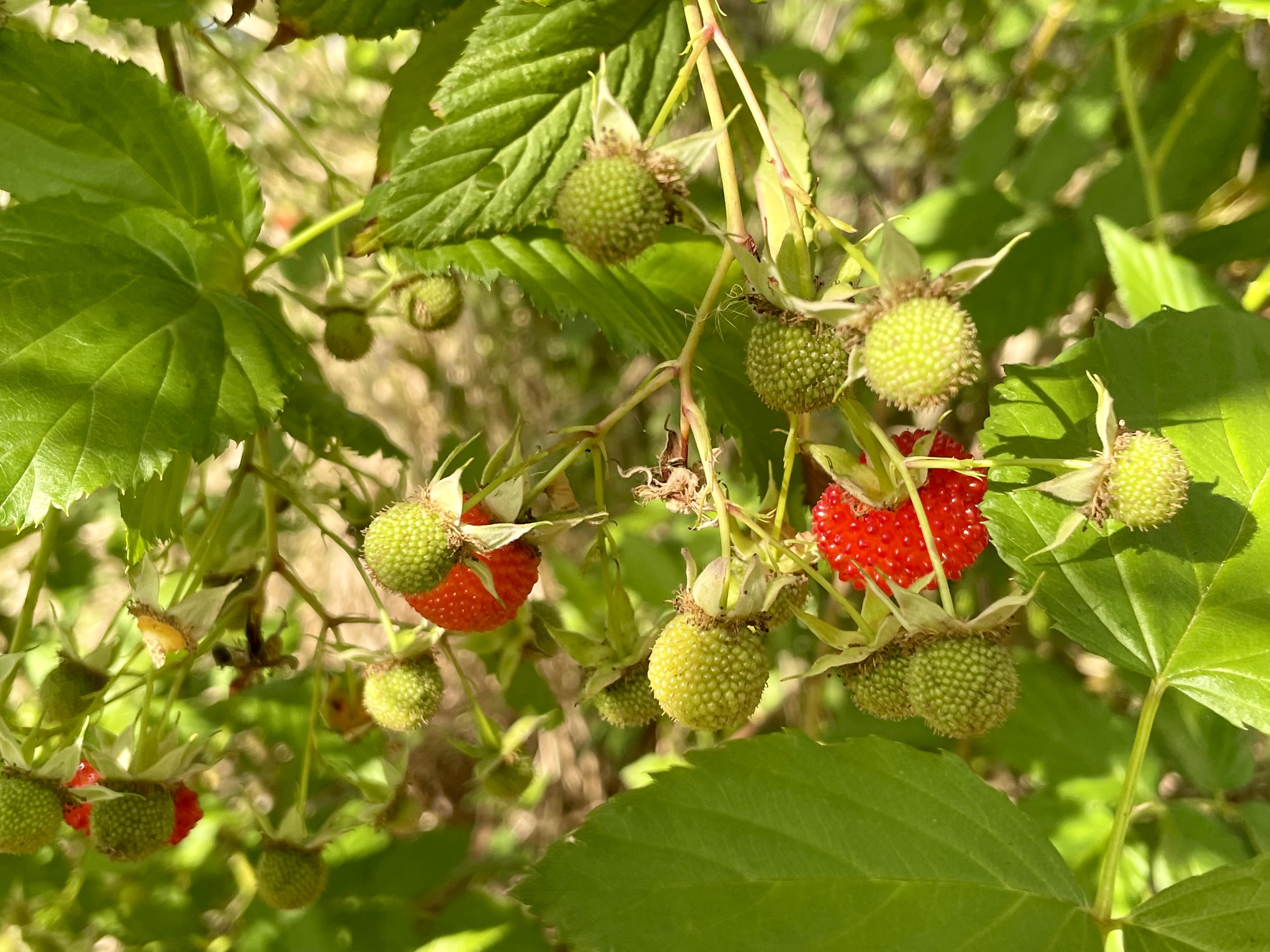
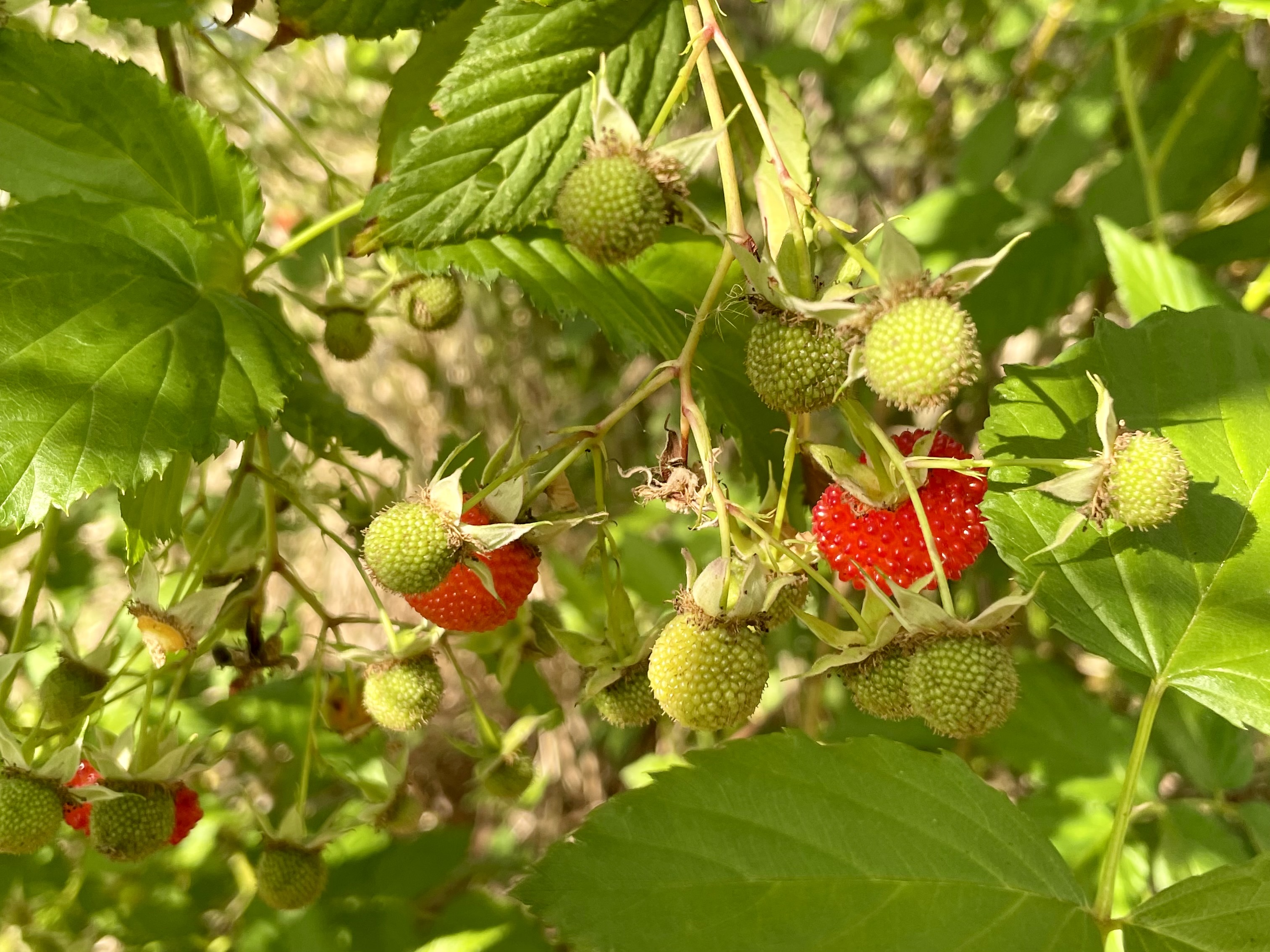
Atherton raspberry is a vigorous Queensland native bramble that handles warm, humid climates far better than ordinary European raspberries. It makes prickly scrambling canes, white flowers and bright red fruit with a sharper raspberry flavour. Give it room, regular water and pruning or it can form a dense thicket.
Veggie
Beans
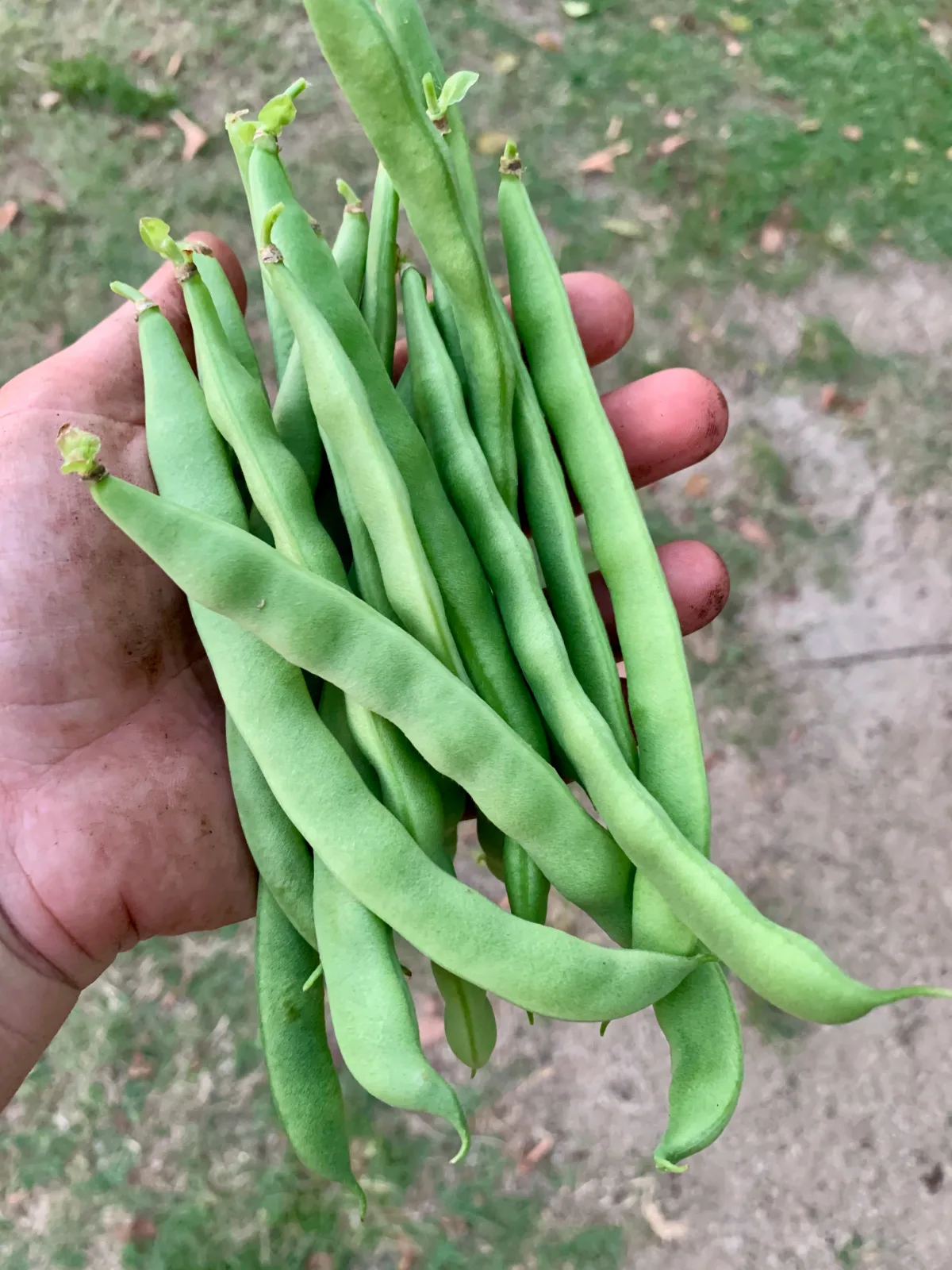
Common garden beans include bush and climbing types grown for fresh pods or mature beans. Climbing types need support and regular picking keeps fresh-pod varieties productive.
Ornamental
Bougainvillea
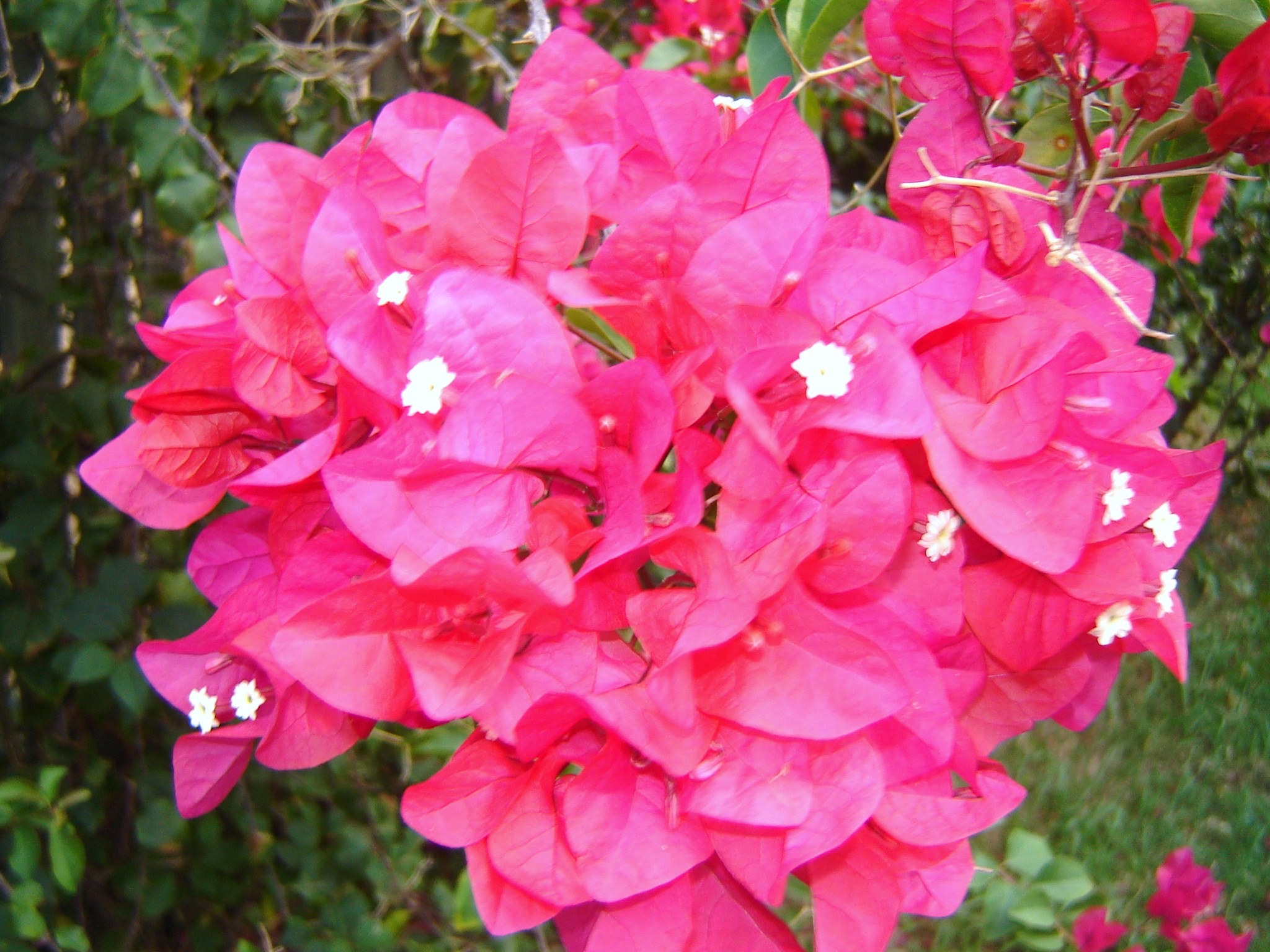
Bougainvillea is a thorny scrambling shrub or climber grown for brilliant coloured bracts. Heat, sun and fairly lean soil bring the strongest display.
Veggie
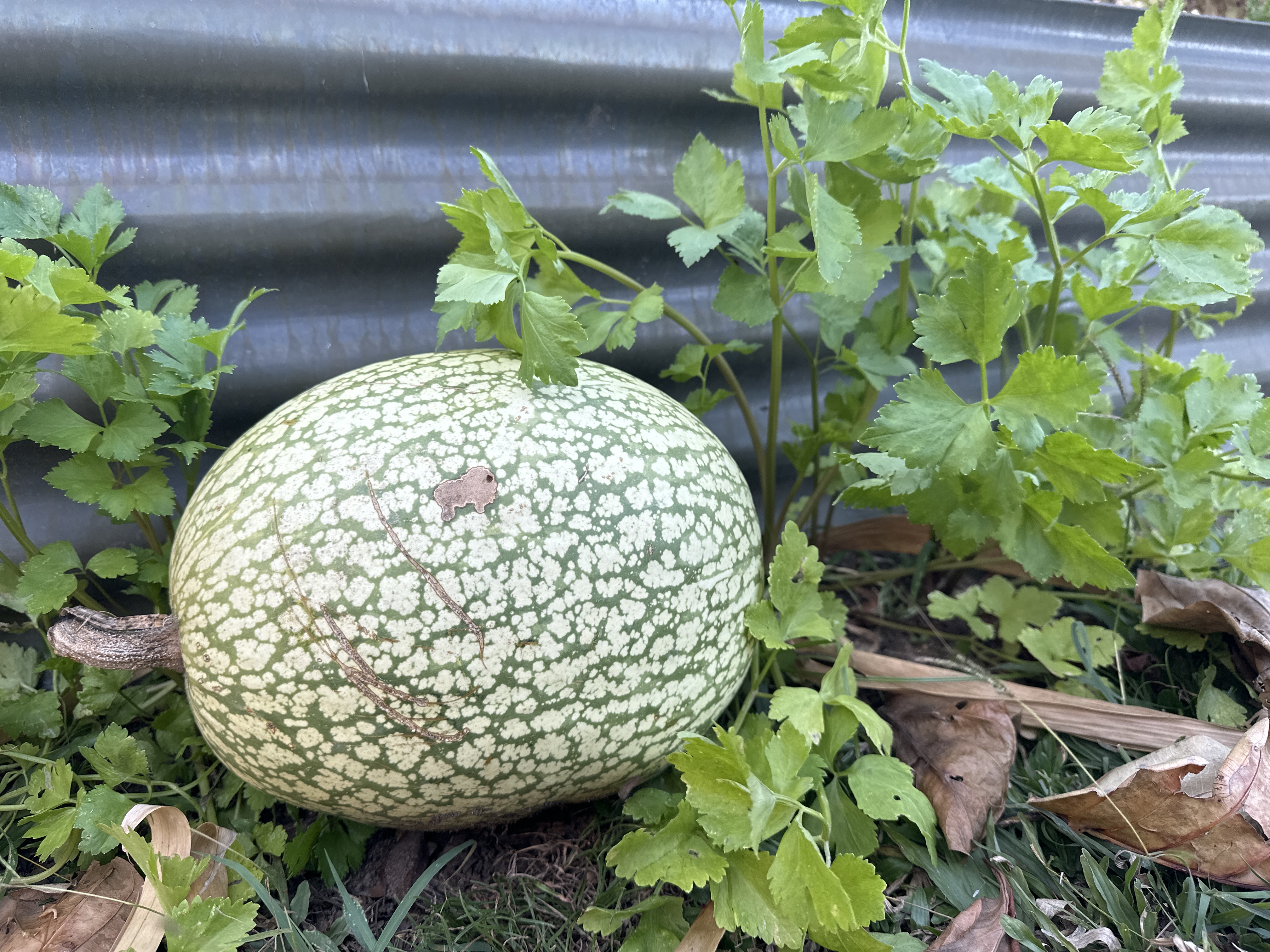
Chilacayote
Chilacayote is a vigorous squash grown for large green-and-white fruit with pale stringy flesh and black or cream seed. The mature fruit stores exceptionally well.
Vine
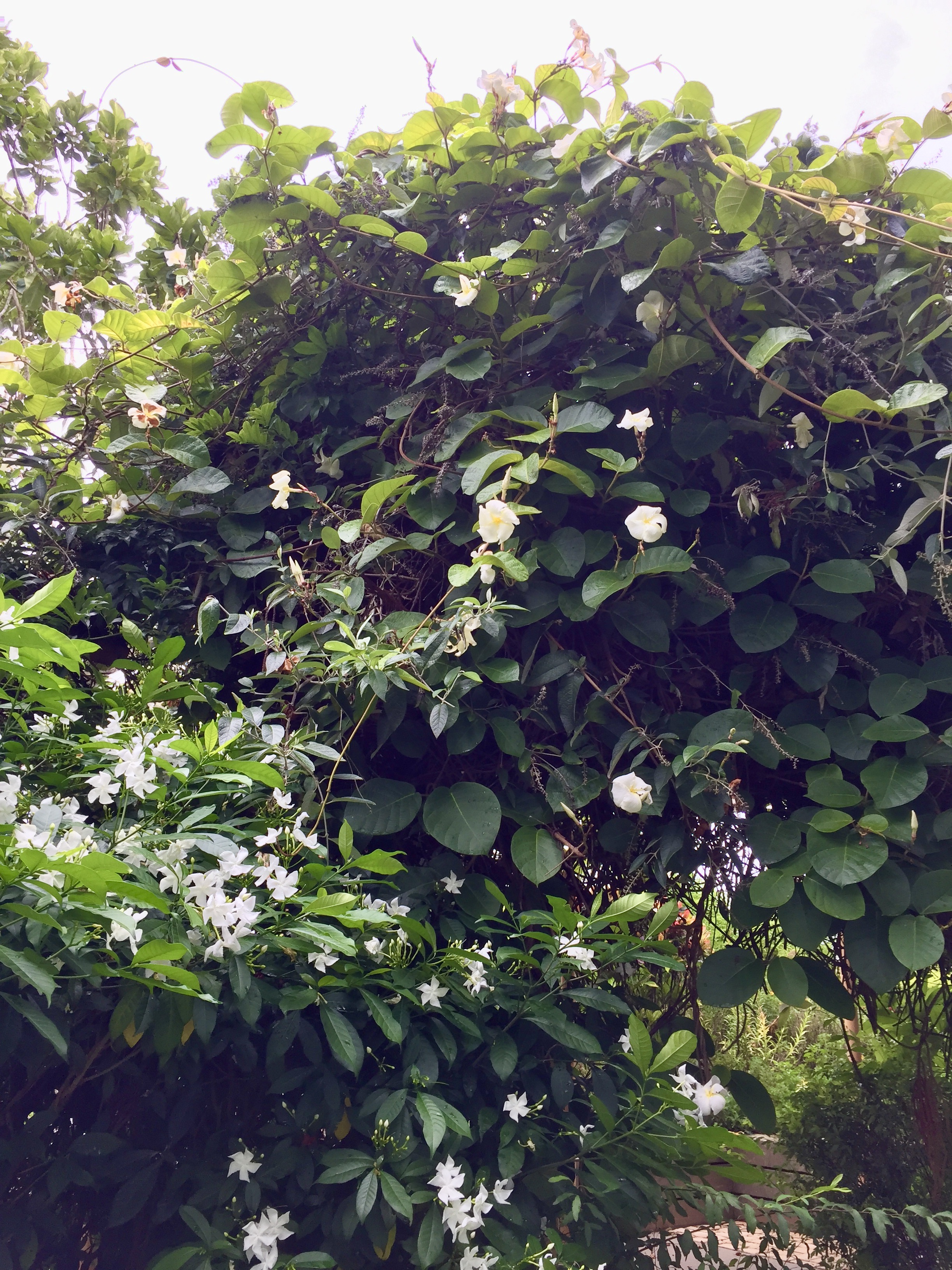
Climbing frangipani
Climbing frangipani is a vigorous tropical vine with large glossy leaves and strongly scented white flowers. It needs a sturdy support and plenty of room.
Vine
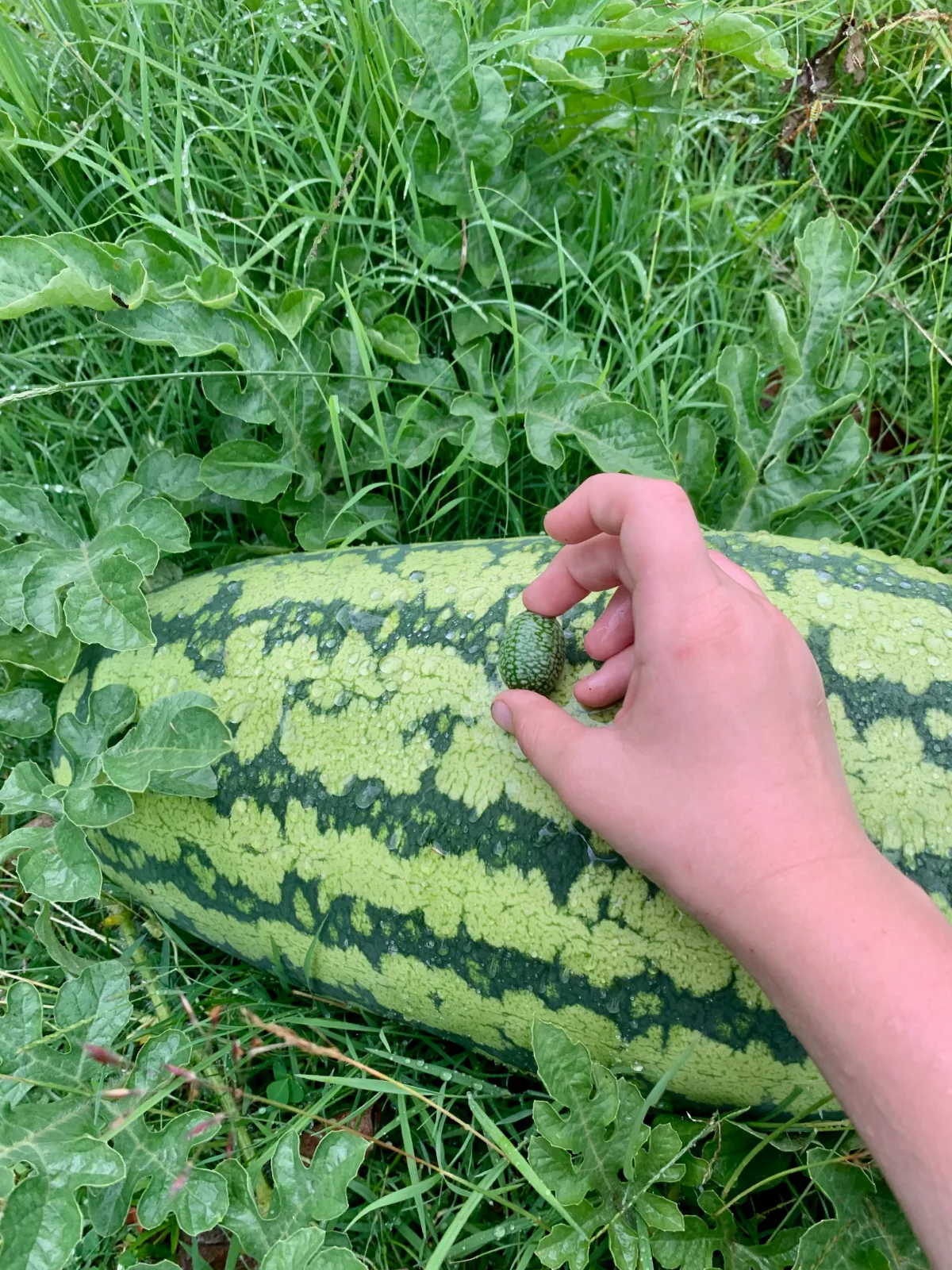
Cucamelon
Cucamelon is a fine-stemmed warm-season climber that produces grape-sized green fruit patterned like tiny watermelons. The fruit is crisp and cucumber-like with a tart edge. Grow it up a trellis, keep the root zone evenly moist and pick regularly once fruiting starts.
Veggie
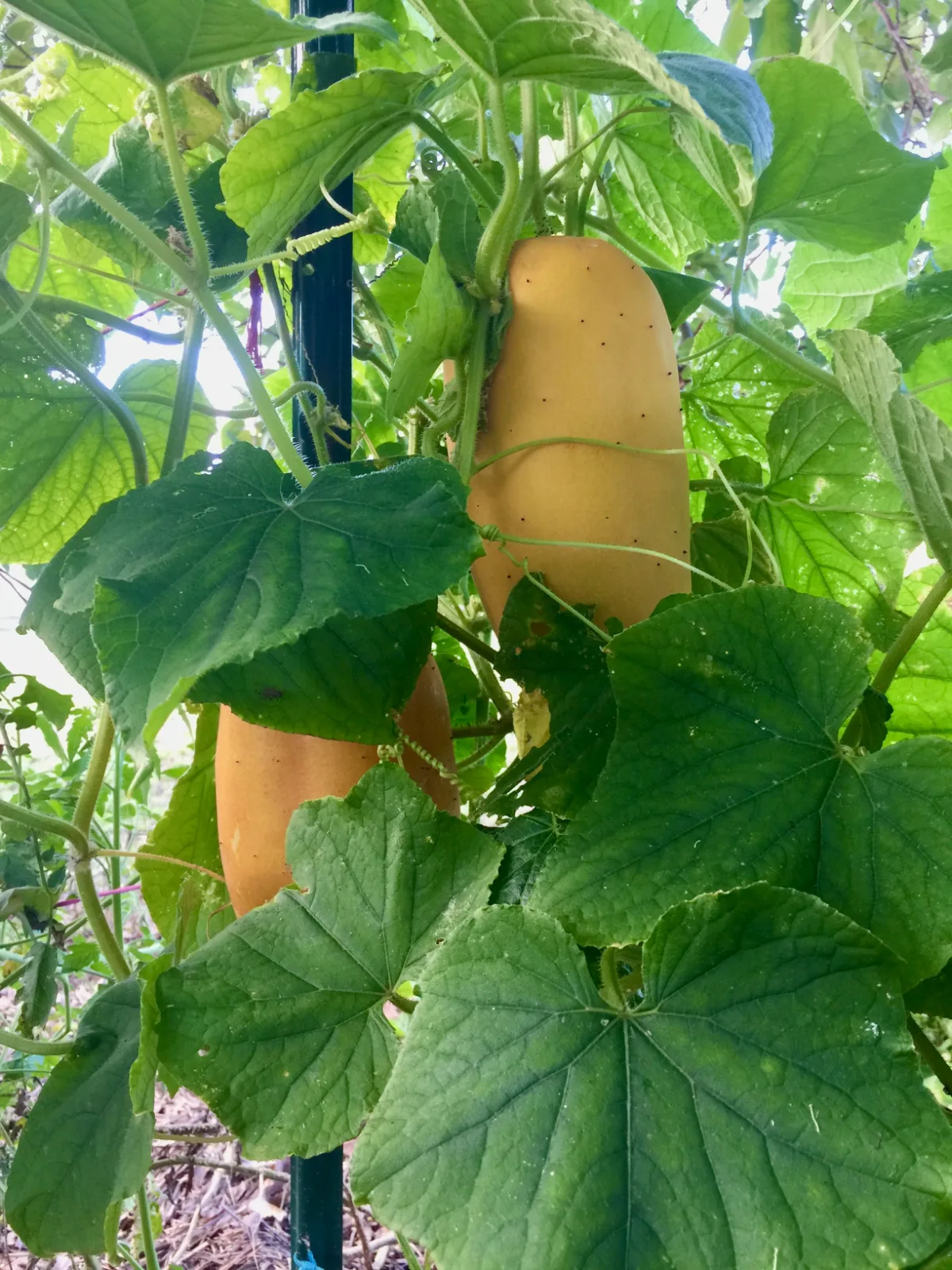
Cucumber
Cucumbers grow quickly in warm weather and need steady water. A trellis keeps climbing varieties off the ground and makes fruit easier to harvest.
Fruit & berry
Dragon fruit
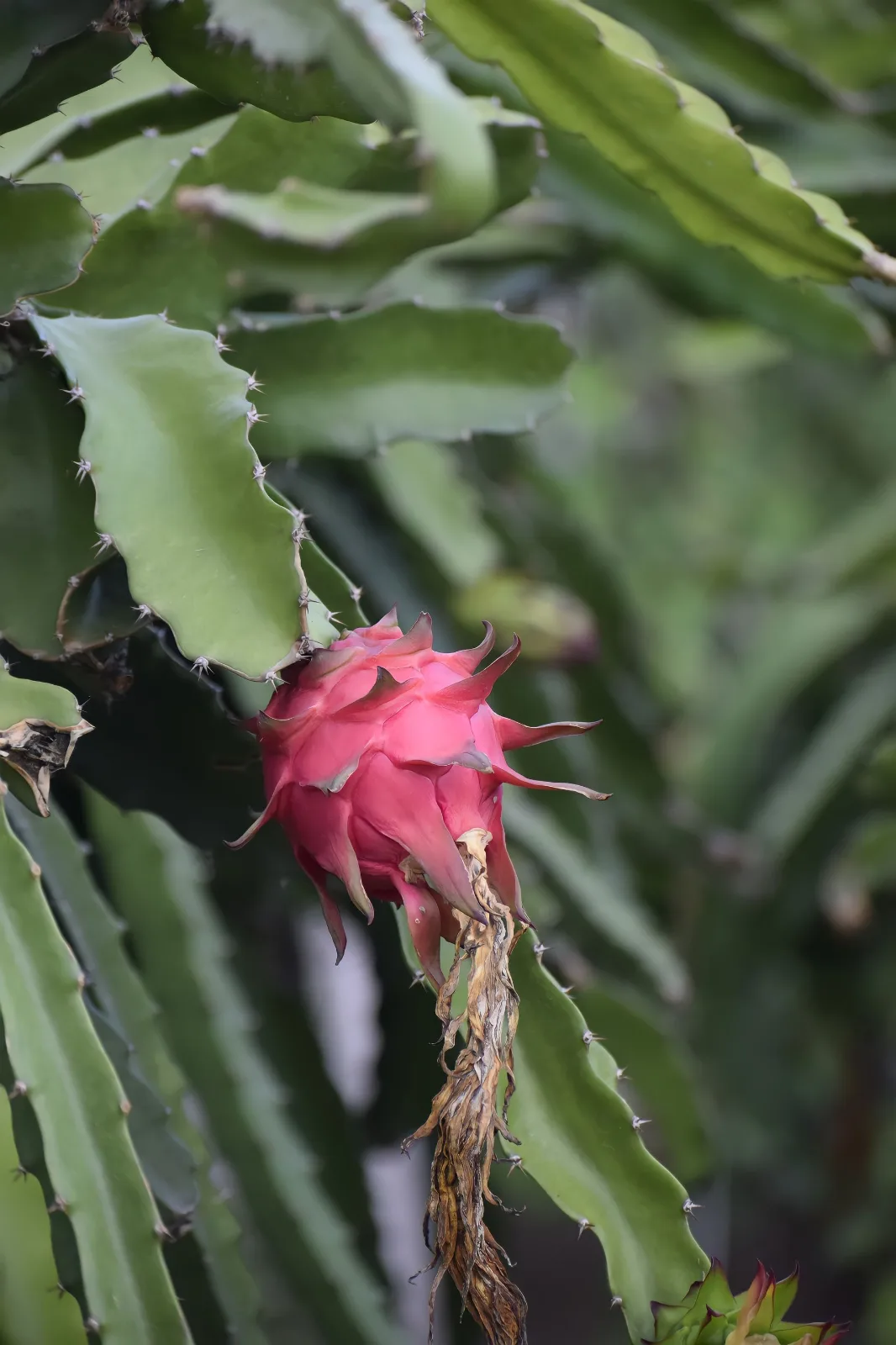
Dragon fruit is a climbing cactus that needs a strong support, warmth, sun and good drainage. Regular pruning keeps mature plants manageable.
Vine
Garlic vine
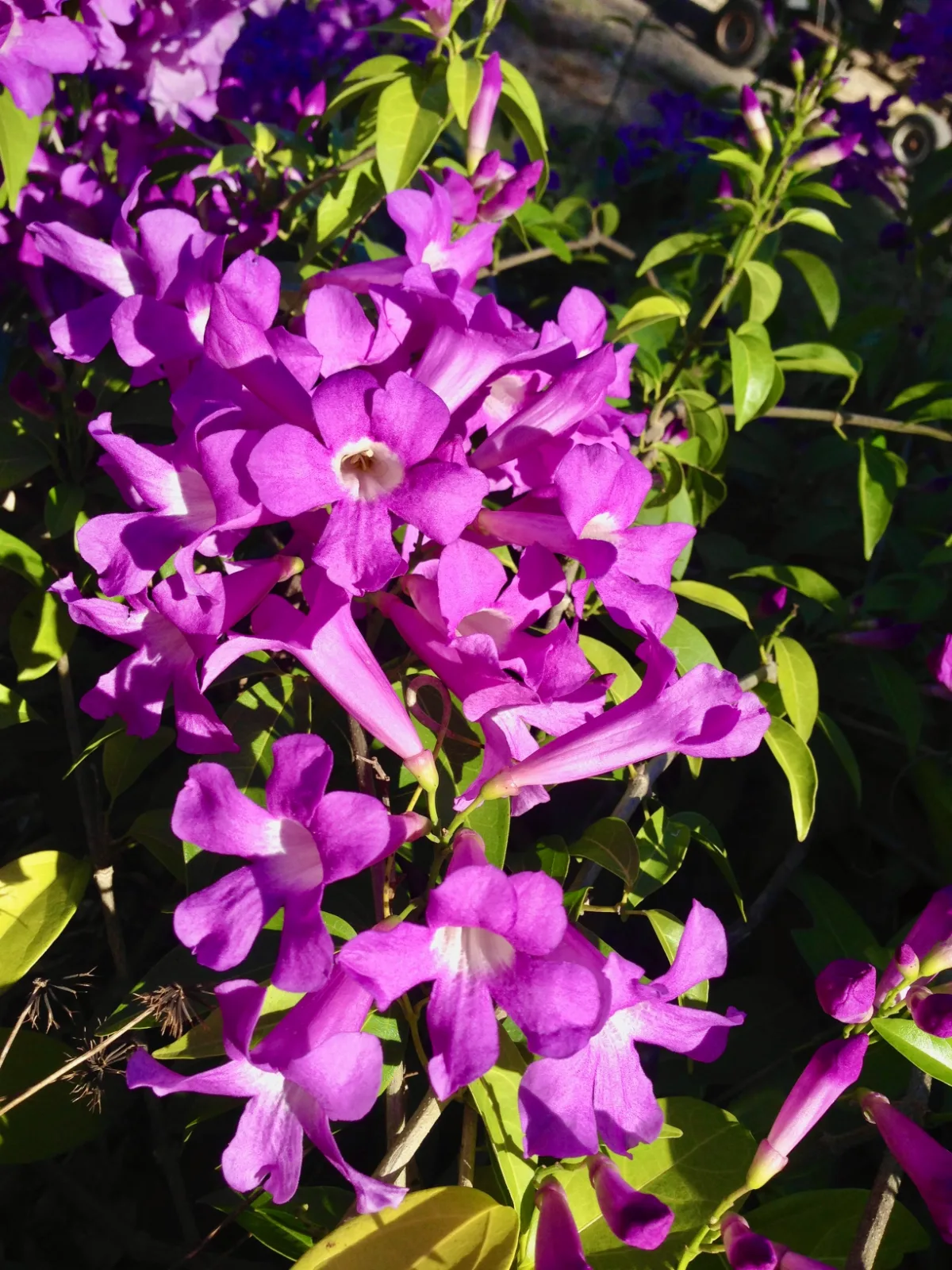
Garlic vine is a woody tropical climber with lavender flowers that fade almost white. Crush the leaves and they smell strongly of garlic.
Fruit & berry
Grape
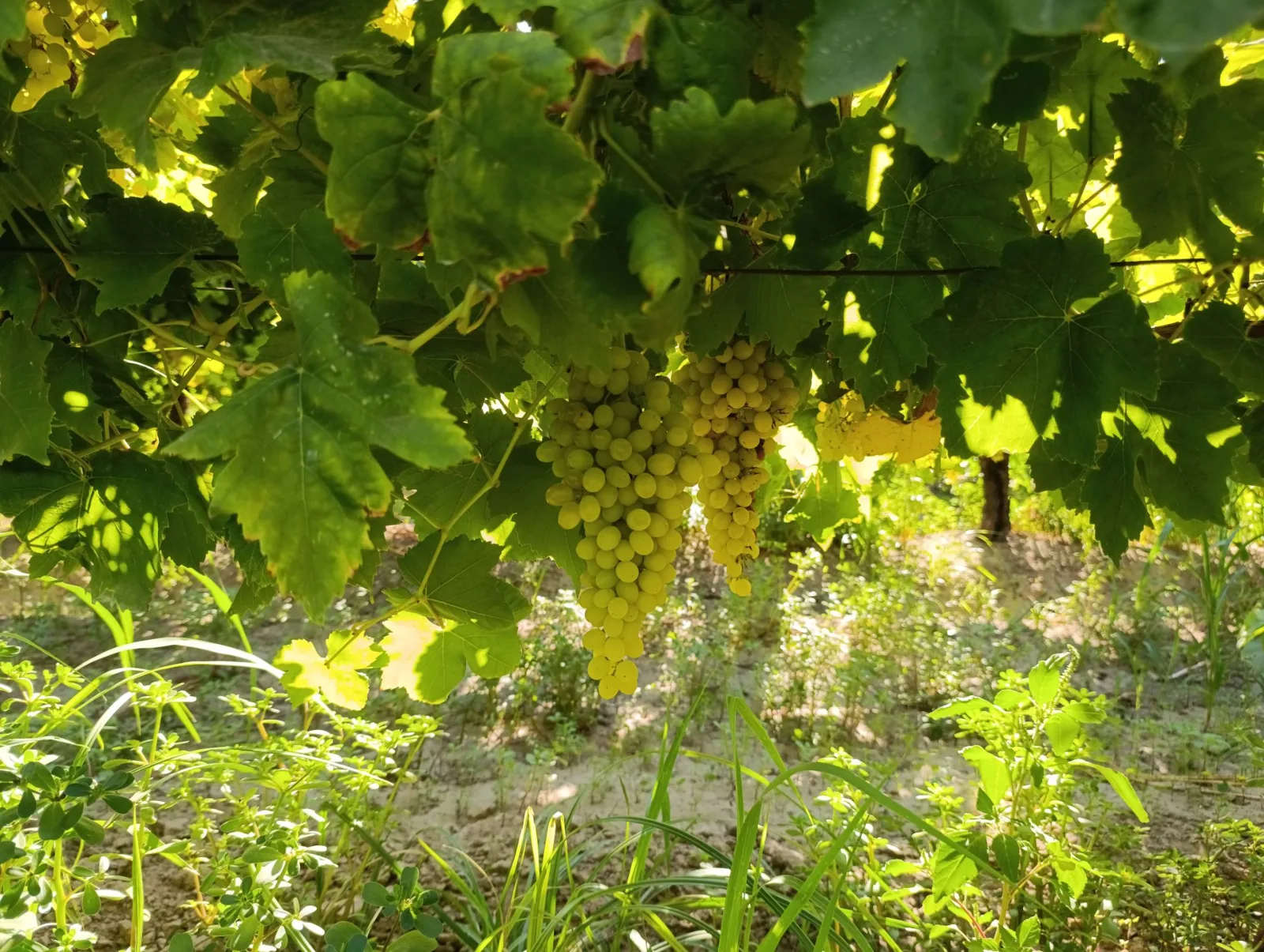
Grapes are vigorous deciduous vines that need a strong support and annual pruning. Winter pruning sets the crop and light summer trimming improves airflow around fruit.
Ornamental
Hoya australis
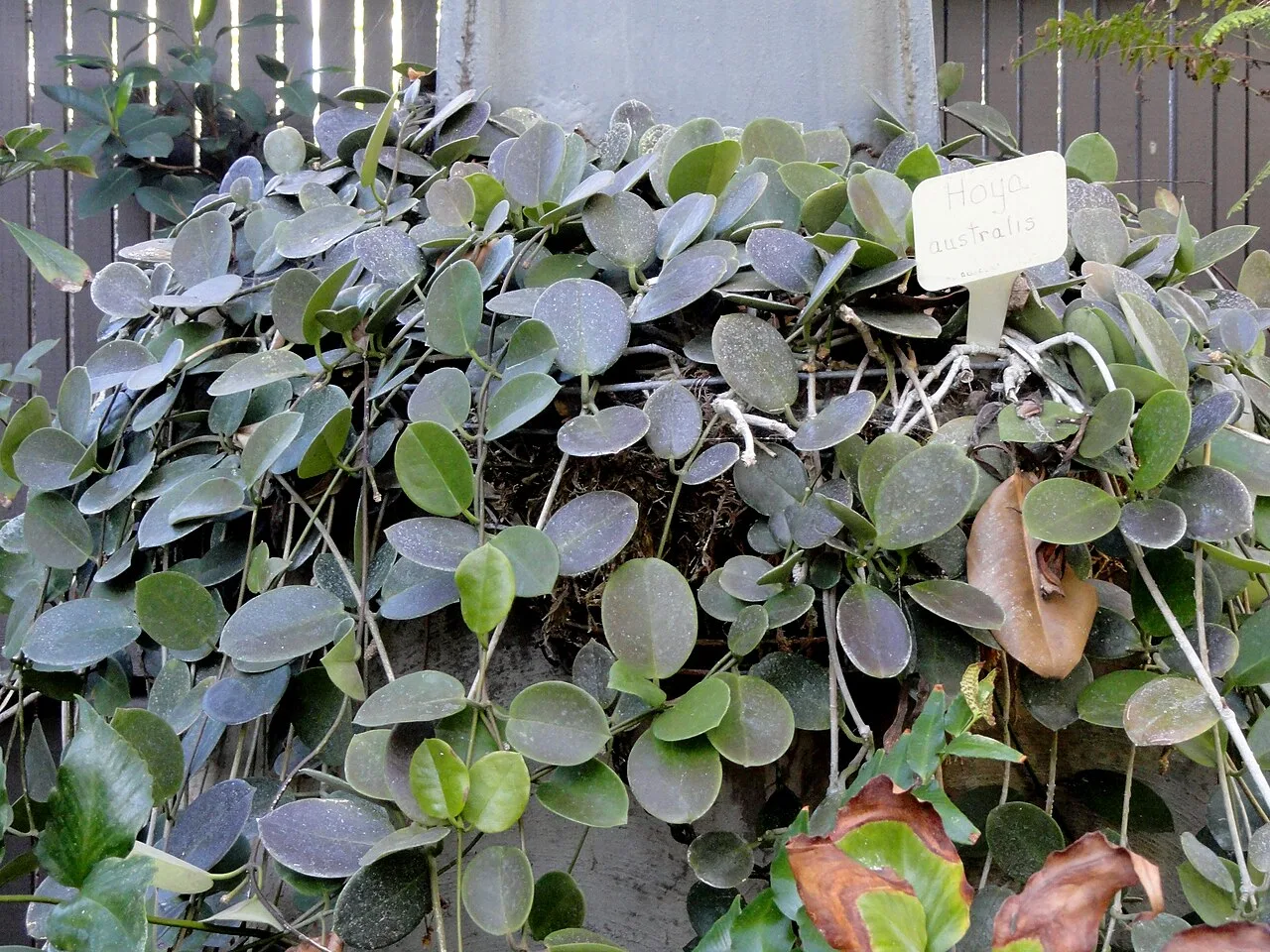
Hoya australis is an Australian native climber with thick leaves and fragrant white flowers. An airy mix, bright filtered light and a slightly snug pot suit it better than a big pot of wet soil.
Ornamental
Hoya carnosa
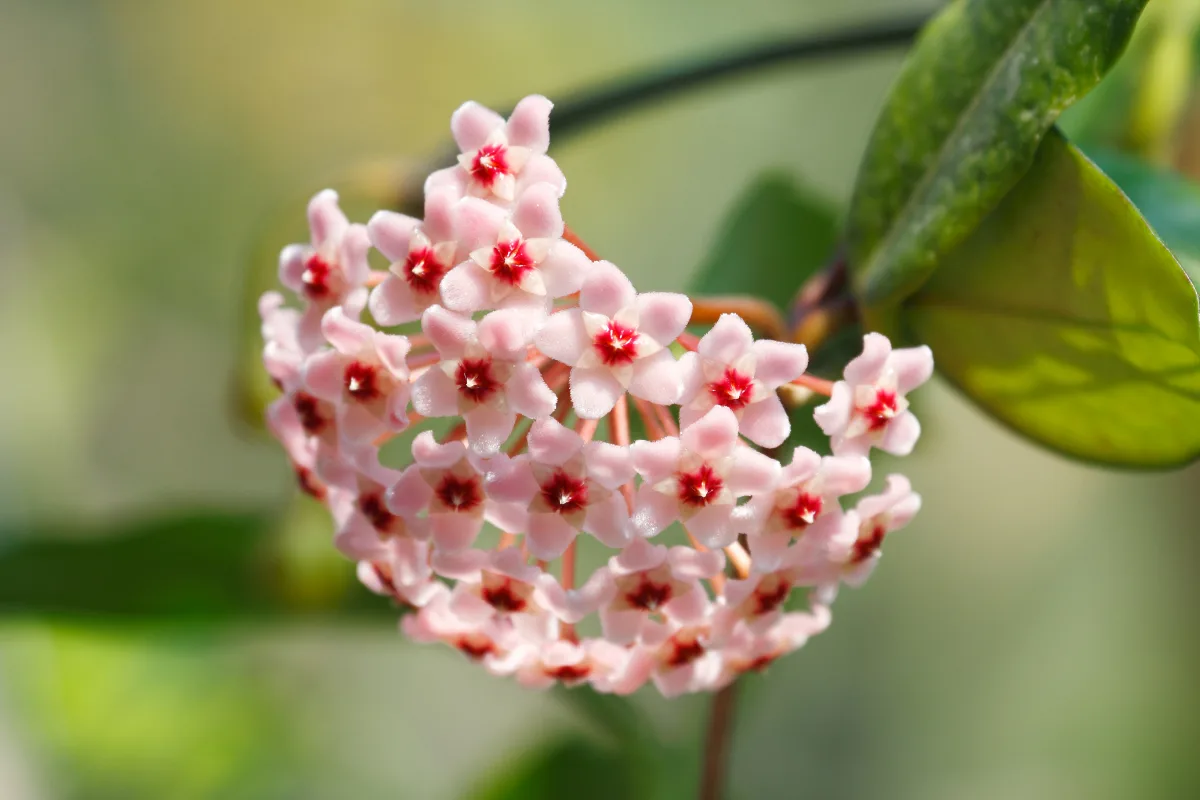
Hoya carnosa is the classic wax plant, grown for its thick leaves and clusters of fragrant, waxy flowers. It suits a hanging pot or small trellis indoors, on a veranda or outside in a warm sheltered garden.
Vine
Kiwifruit
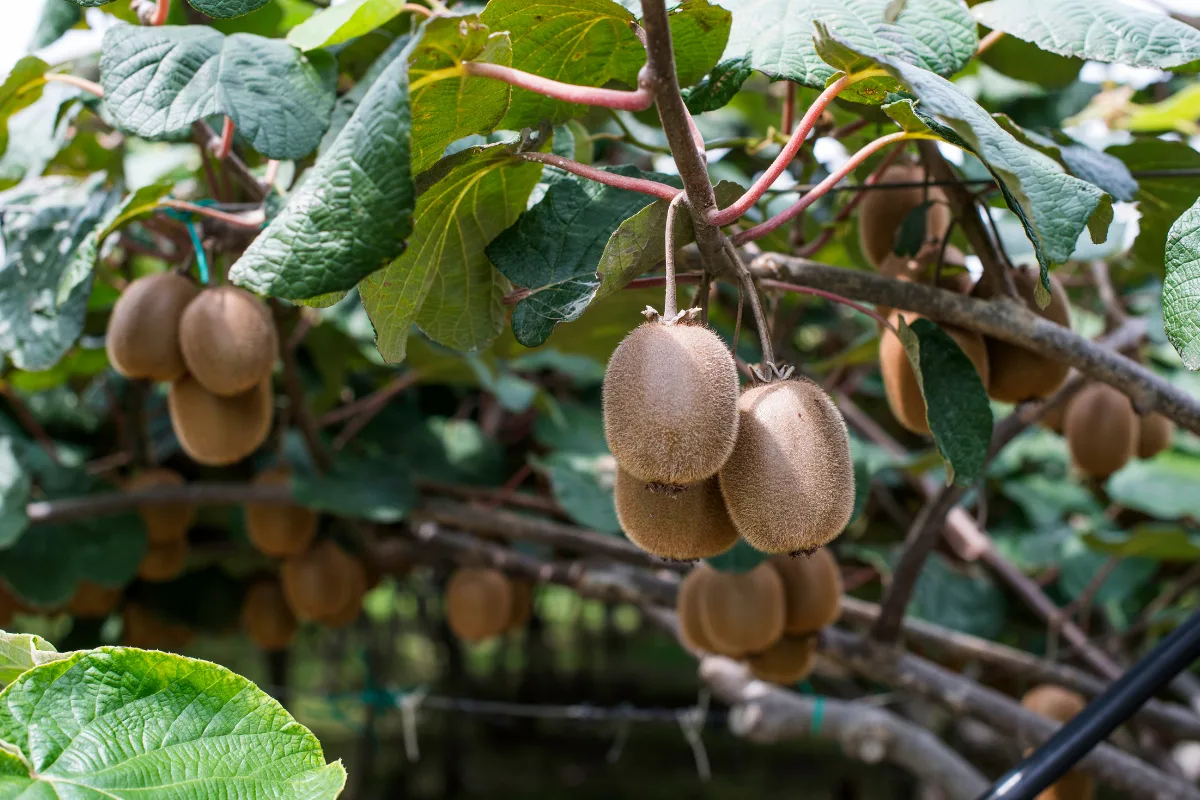
Kiwifruit is a vigorous deciduous vine that needs a strong support, steady moisture and usually both male and female plants for reliable fruit.
Veggie
Lablab
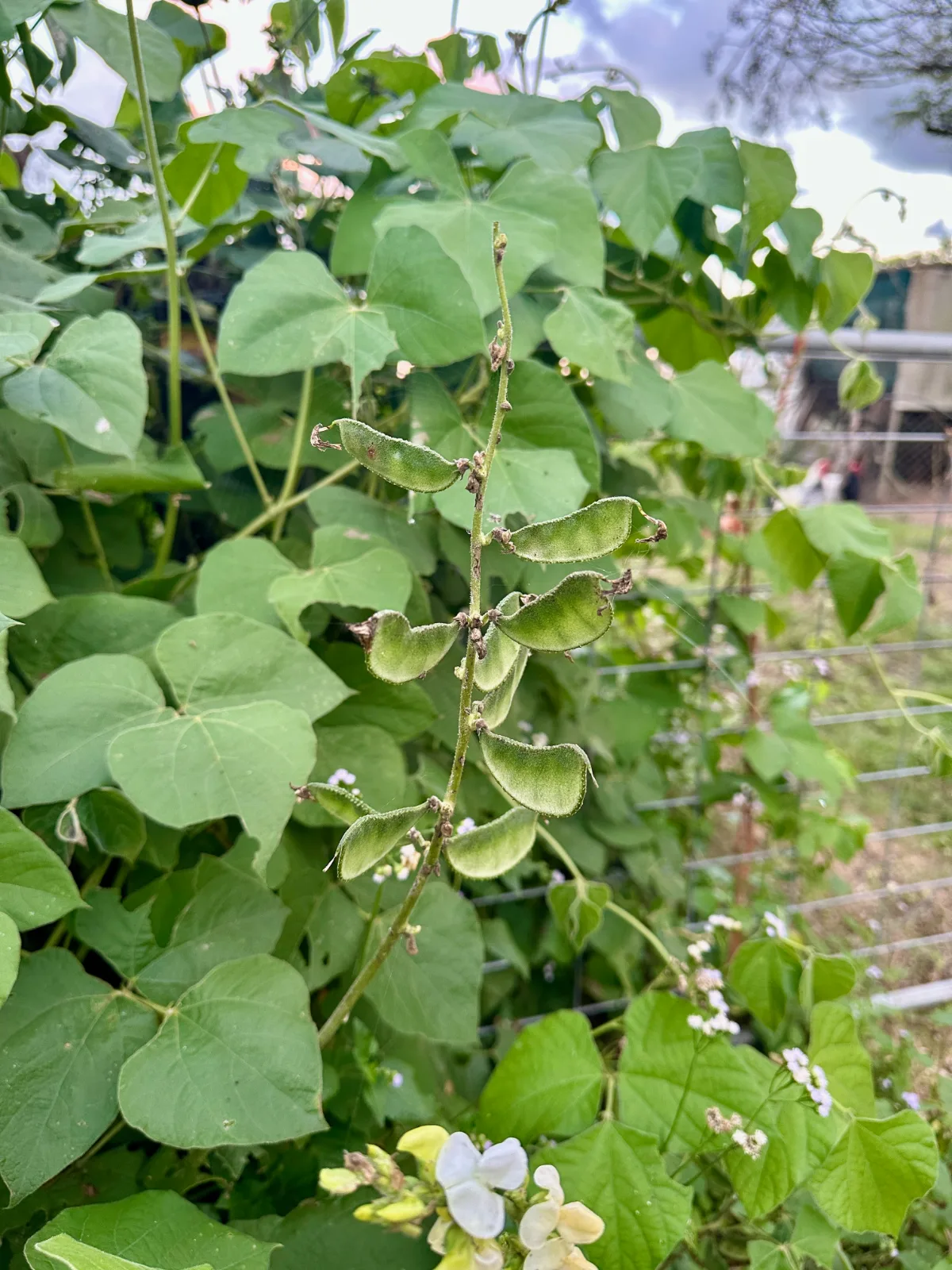
Lablab is a vigorous climbing bean that can cover a fence in a single warm season. It produces purple flowers and handles hot weather better than many common beans. Prepare it properly before eating, and read the safety notes before you cook it.
Vine
Loofah
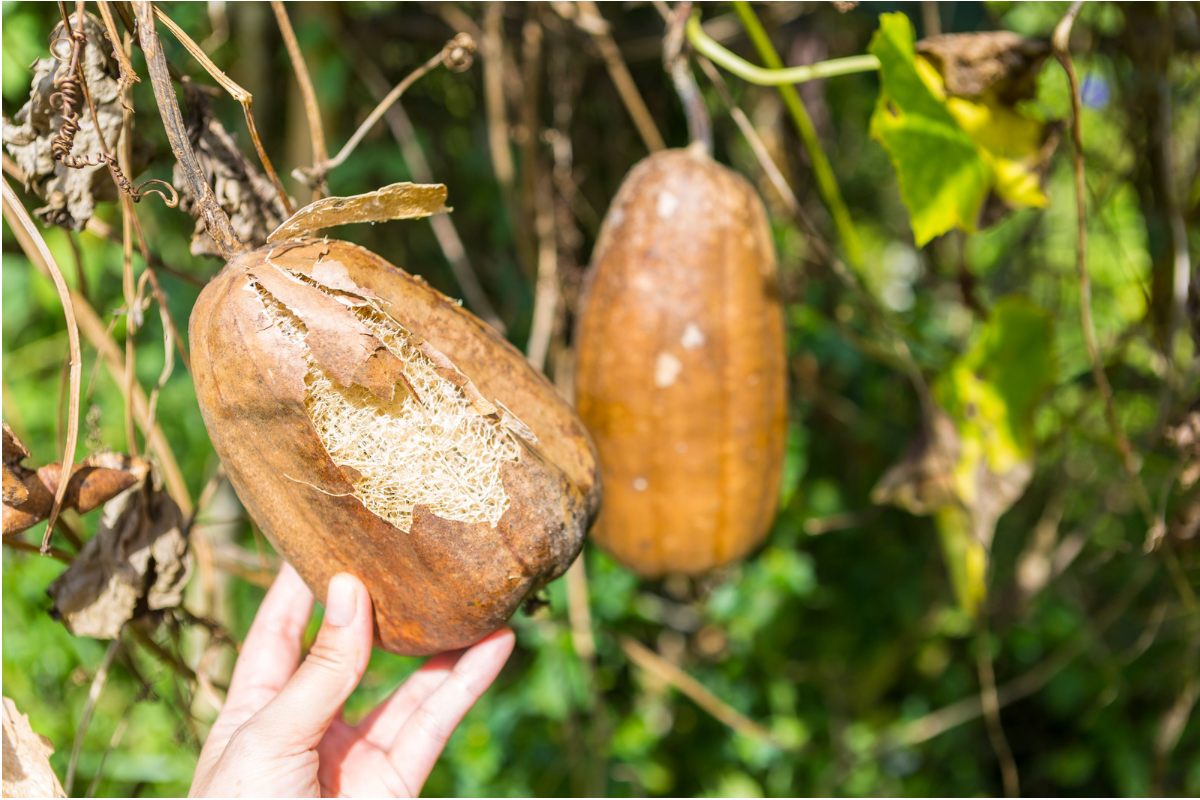
Loofah is a vigorous warm-season vine grown for tender young fruits and the fibrous sponge inside mature fruits. Luffa aegyptiaca needs a long warm growing season, plenty of sun and a strong support for its large vines and hanging fruit.
Veggie
Malabar spinach
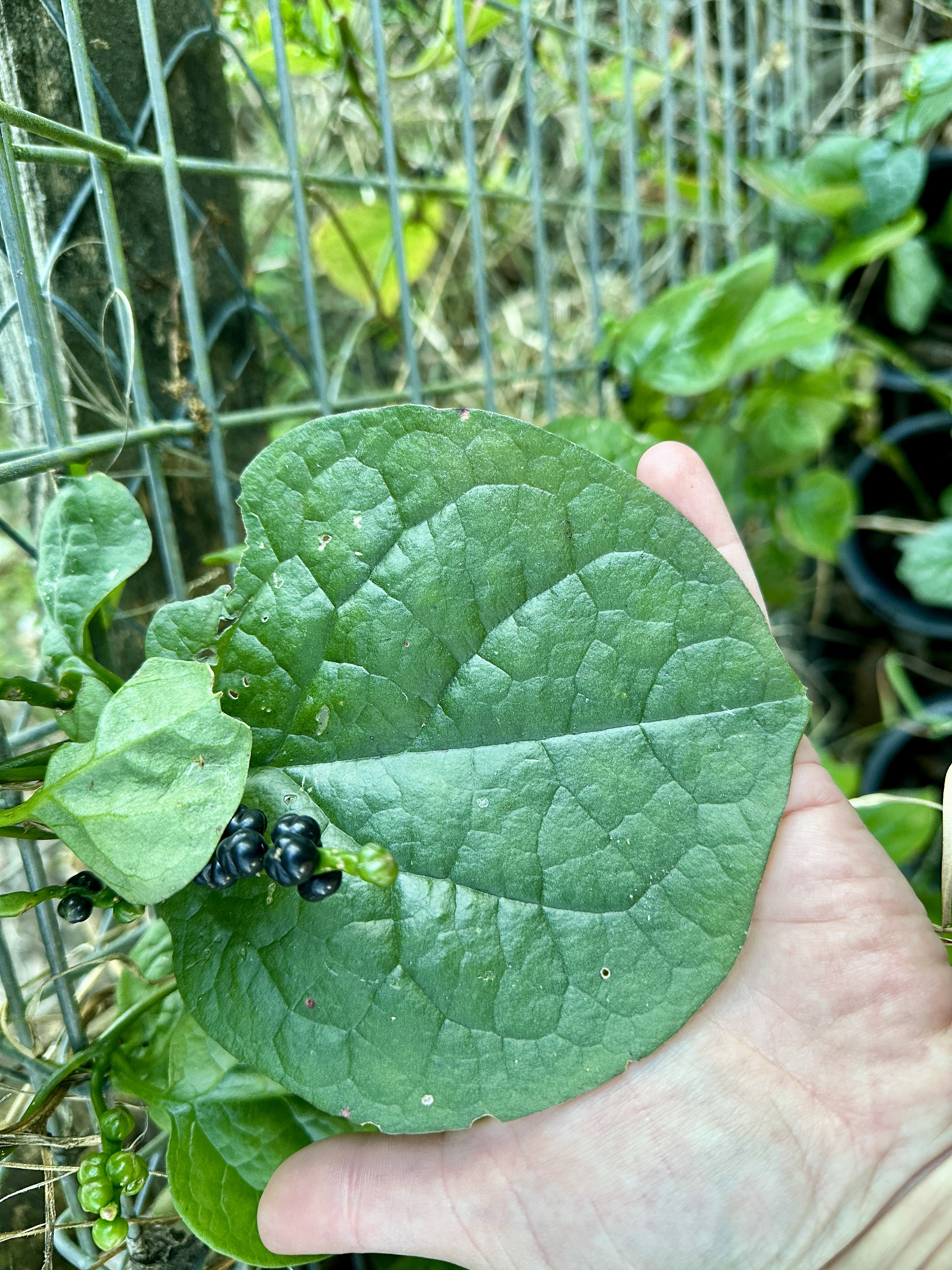
Malabar spinach gives you leafy greens right through the summer heat, when English spinach has long gone to seed. It climbs, so it takes up almost no bed space.
Vine
Passionfruit
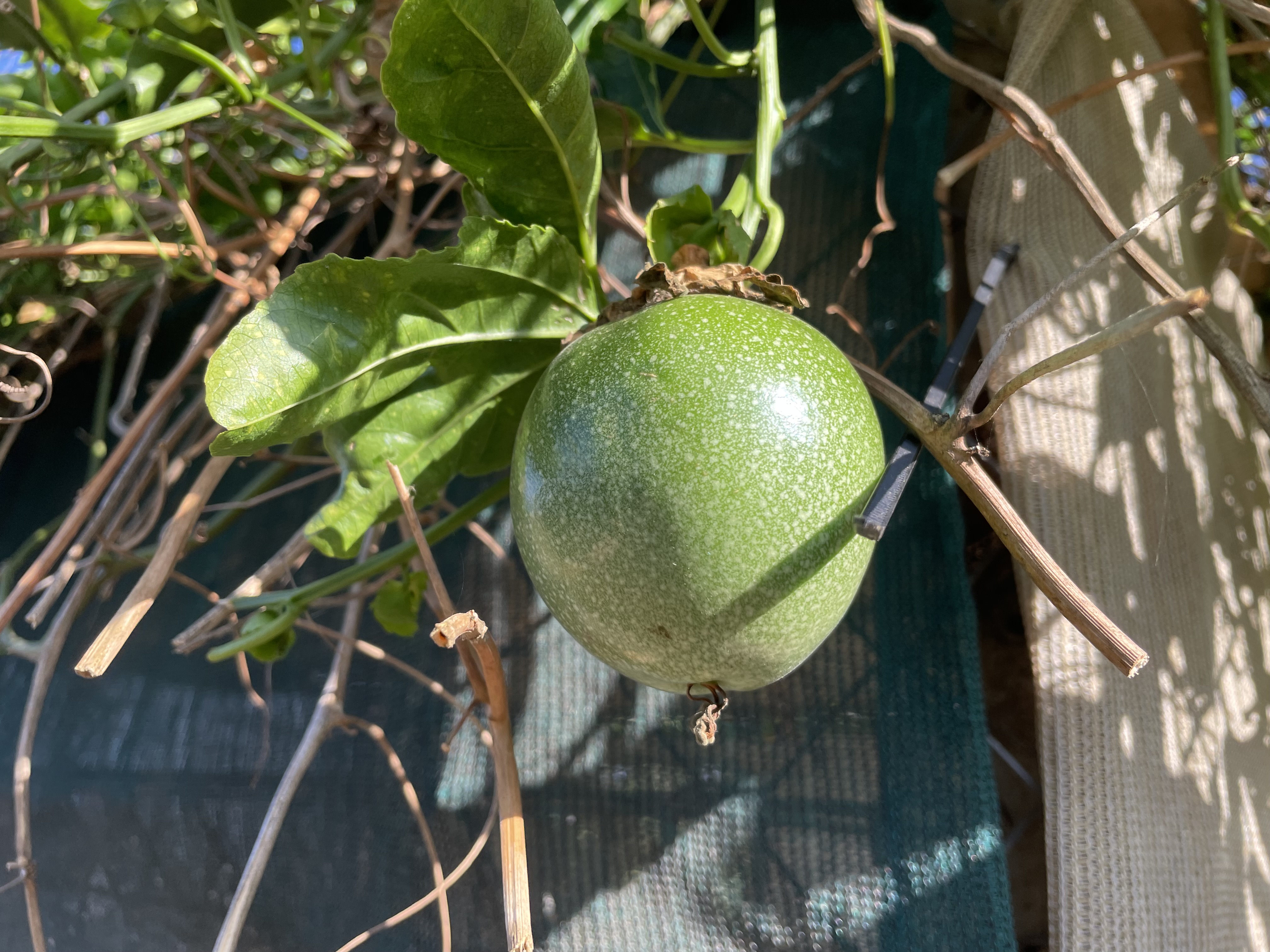
Passionfruit is a fast-growing vine that needs a strong support, good drainage, regular water and feeding. Most vines are productive for only a few years.
Vine
Pink jasmine
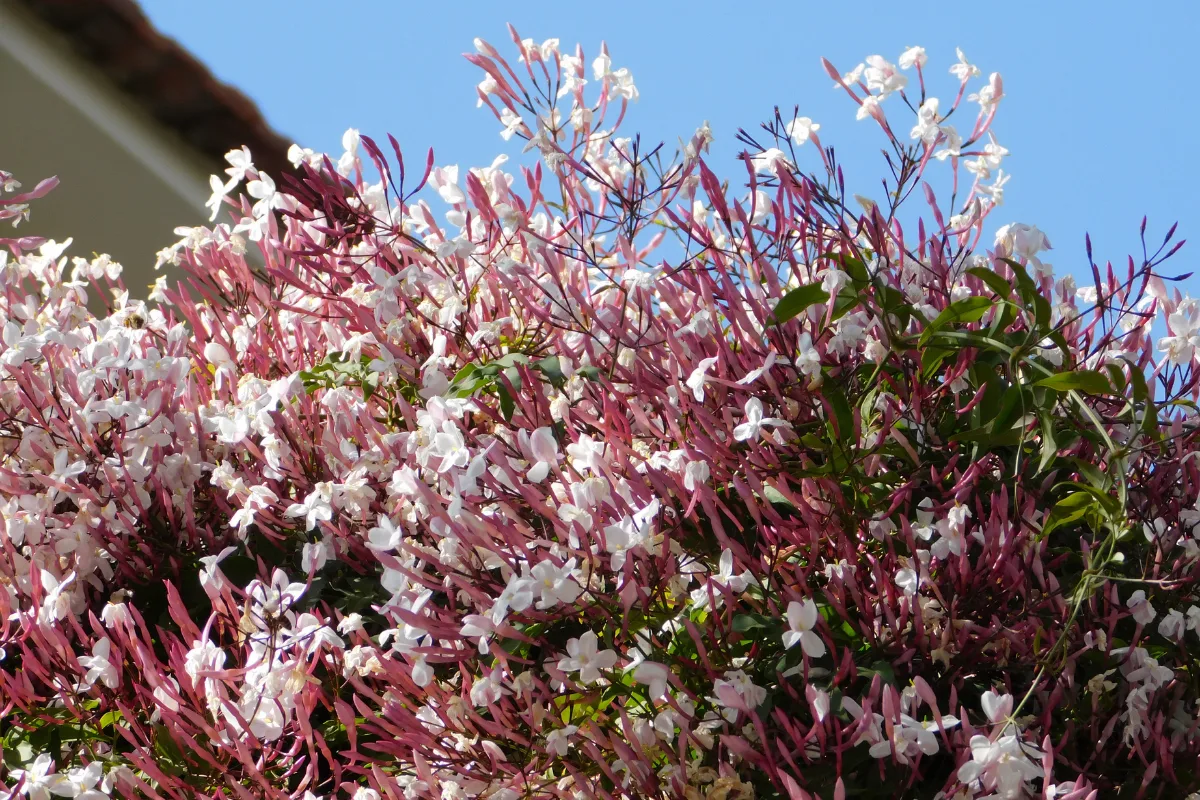
Pink jasmine is a fast twining climber with strongly scented white flowers opening from pink buds. It can cover a trellis quickly and flowers heavily in mild to warm weather, making it useful where you want fragrance as well as dense seasonal cover.
Veggie
Pumpkin
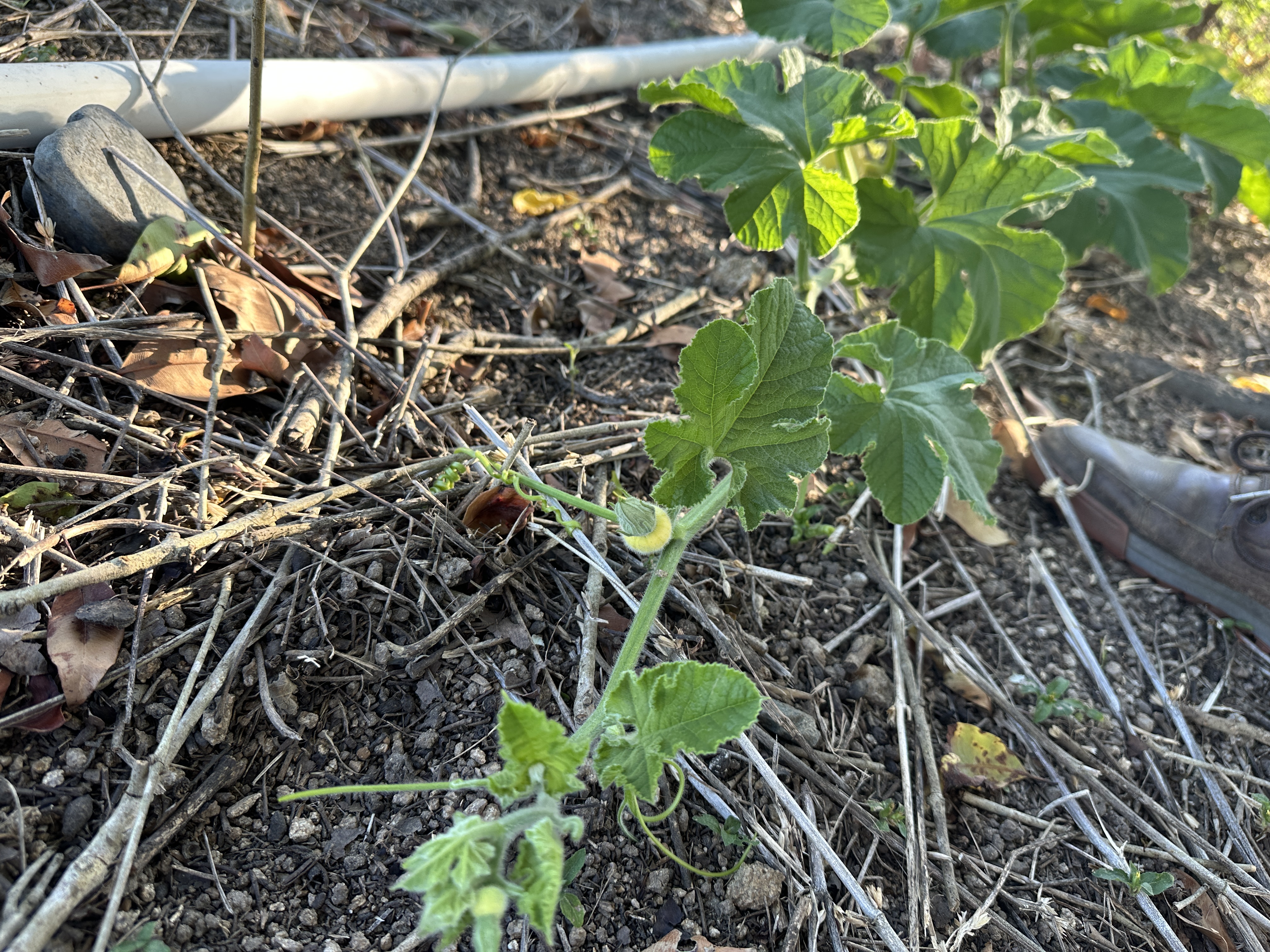
Pumpkins are warm-season vines that need sun, fertile soil, room to spread and enough frost-free weather to mature fruit.
Vine
Rangoon creeper
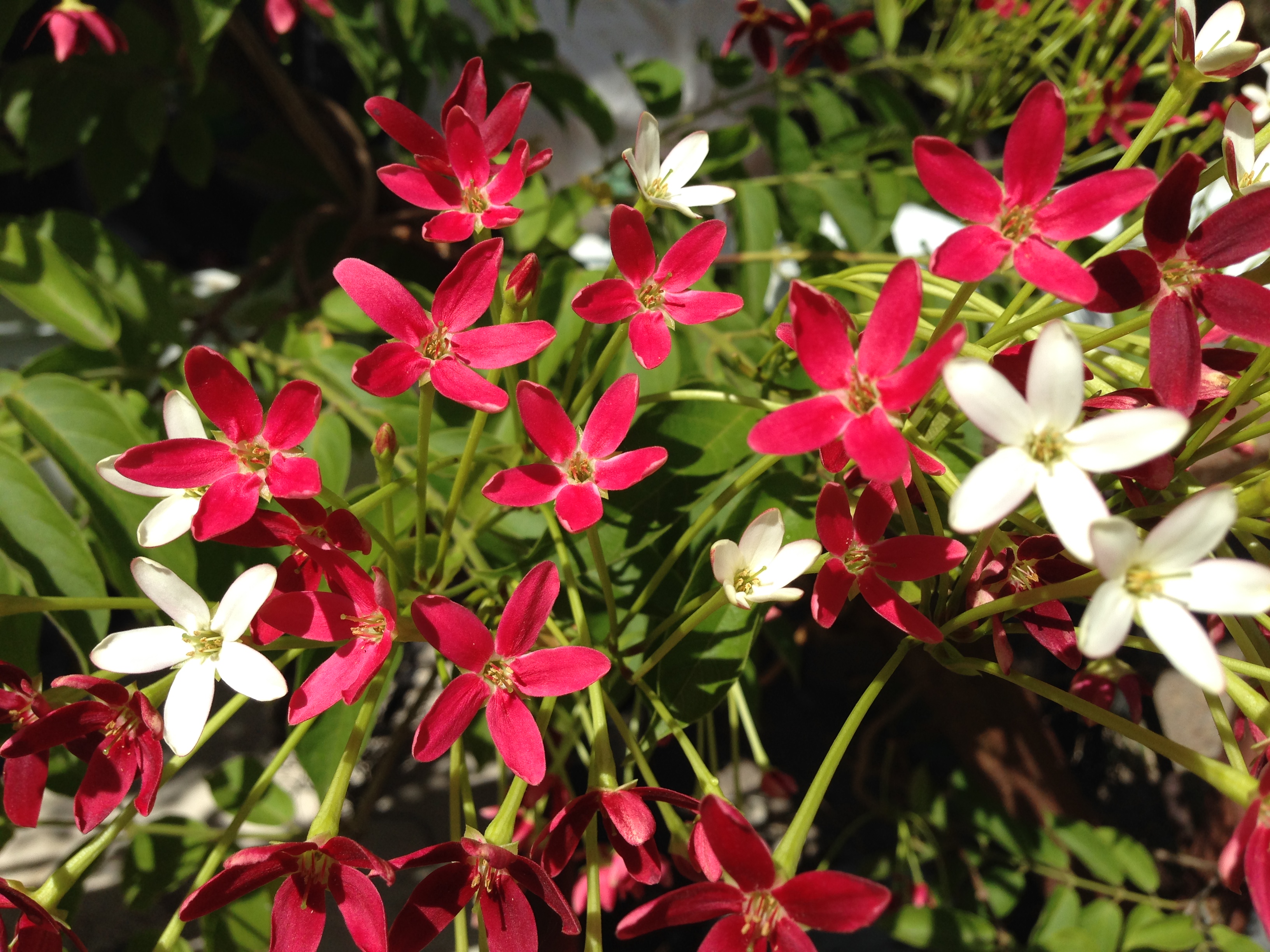
Rangoon creeper is a vigorous woody climber with strongly scented flowers that open pale and deepen through pink to red. Give an existing vine a strong support and enough room for long arching growth.
Fruit & berry
Raspberry
Raspberries are suckering cane fruits that perform best in cool and temperate climates. Pruning depends on whether the variety fruits on first-year or second-year canes.
Veggie
Rice bean
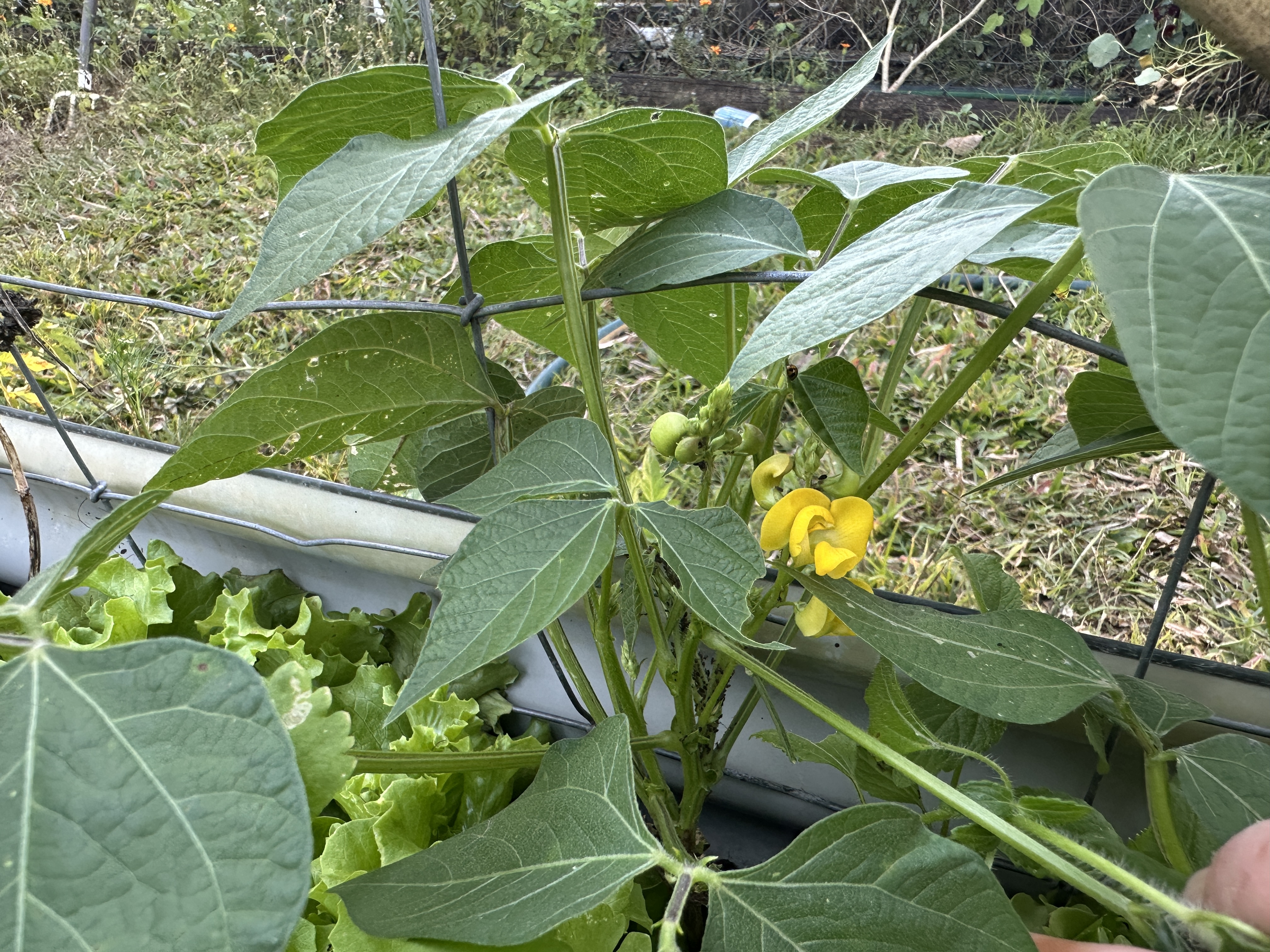
Rice bean is a warm-season climbing legume grown mainly for its small dry beans. The yellow flowers are distinctive, and a vigorous plant can cover a trellis quickly in warm weather. It is still unusual in Australian home gardens, but it suits gardeners who like useful vines and less-common pulse crops.
Veggie
Tomato
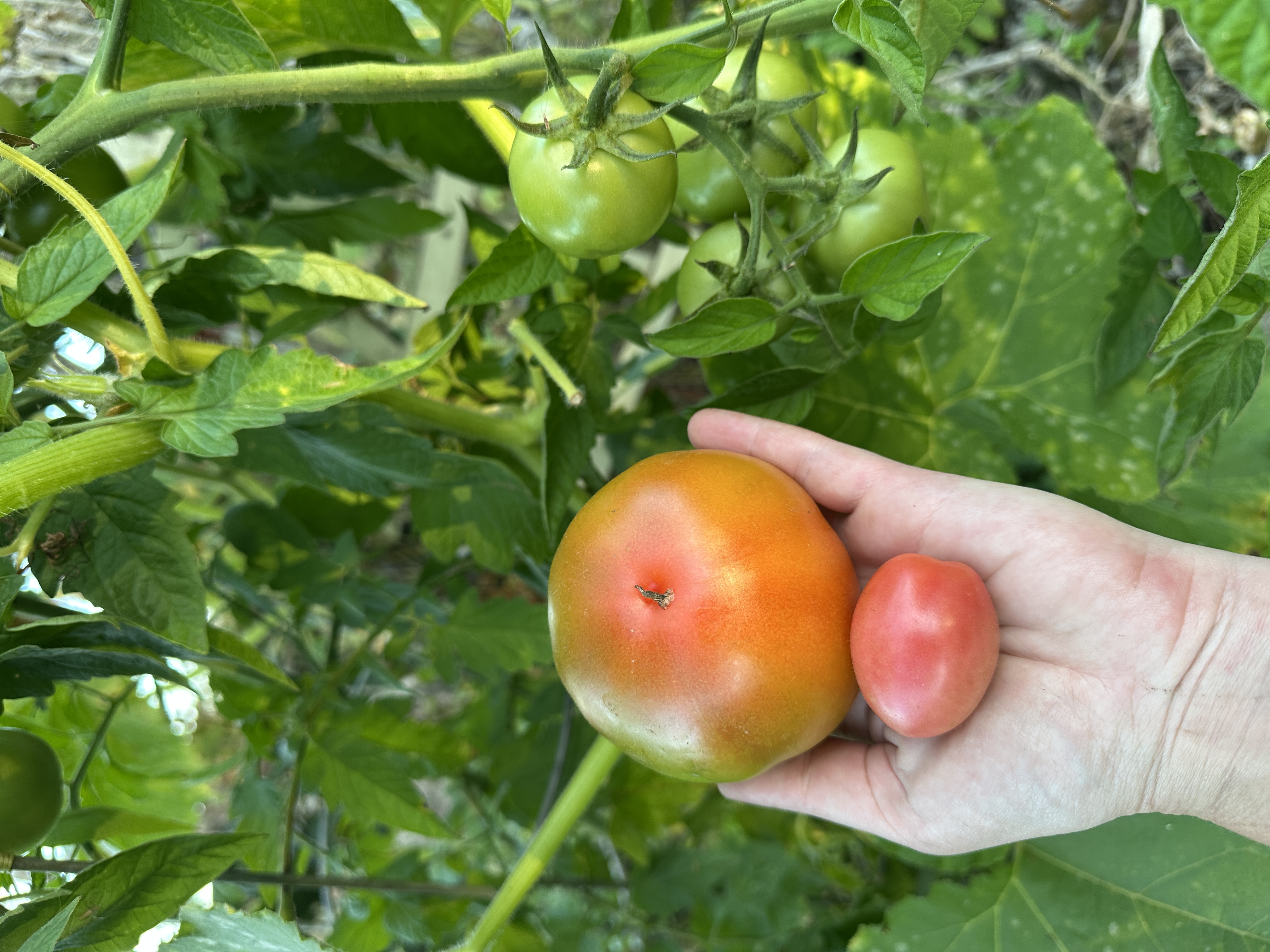
Tomatoes need sun, steady water, good airflow and support where the variety needs it. Feeding becomes more important as plants flower and fruit.
Before You Choose
Light vines can grow on simple mesh or wires, while vigorous woody climbers need posts and fixings that will still be strong years later. Fruit adds extra weight, and wet foliage can make a mature canopy much heavier than it looks in dry weather.
Check the climbing method before you build the support. Twining stems need narrow rails, wires or mesh to wrap around. Tendrils grip best on fine supports. Scramblers often need ties and a framework that lets you guide long stems. A pergola also needs enough clearance for hanging fruit or flowers if people walk underneath.
Think about access. You will need to prune, harvest, inspect ties and sometimes replace sections of support. A structure that is completely buried in dense growth can become difficult to maintain. Keeping a few main stems organised from the start makes later pruning easier.
Position the support where the plant receives suitable light and the roots have enough soil volume. Large vines can draw on a wide root area, so a tiny planting pocket beside concrete may limit growth even when the top has plenty of space. Build the support for the mature plant rather than the small plant you are bringing home.
Orientation can change the way a trellis works in the garden. A dense north-south screen may cast a moving strip of shade, while an east-west structure can create a much larger shaded area on one side. That can be useful or inconvenient depending on nearby beds. Plan the mature canopy with the rest of the garden rather than treating the support as an isolated feature.