

Groundcover Plants
Groundcovers can fill the spaces between larger plants, soften banks, edge paths and cover bare soil. They range from tiny plants that sit between pavers to broad spreaders that can cover several metres. Match the growth habit to the space rather than treating every groundcover as the same kind of plant. 8 plants in the library.
8 plants
Ornamental
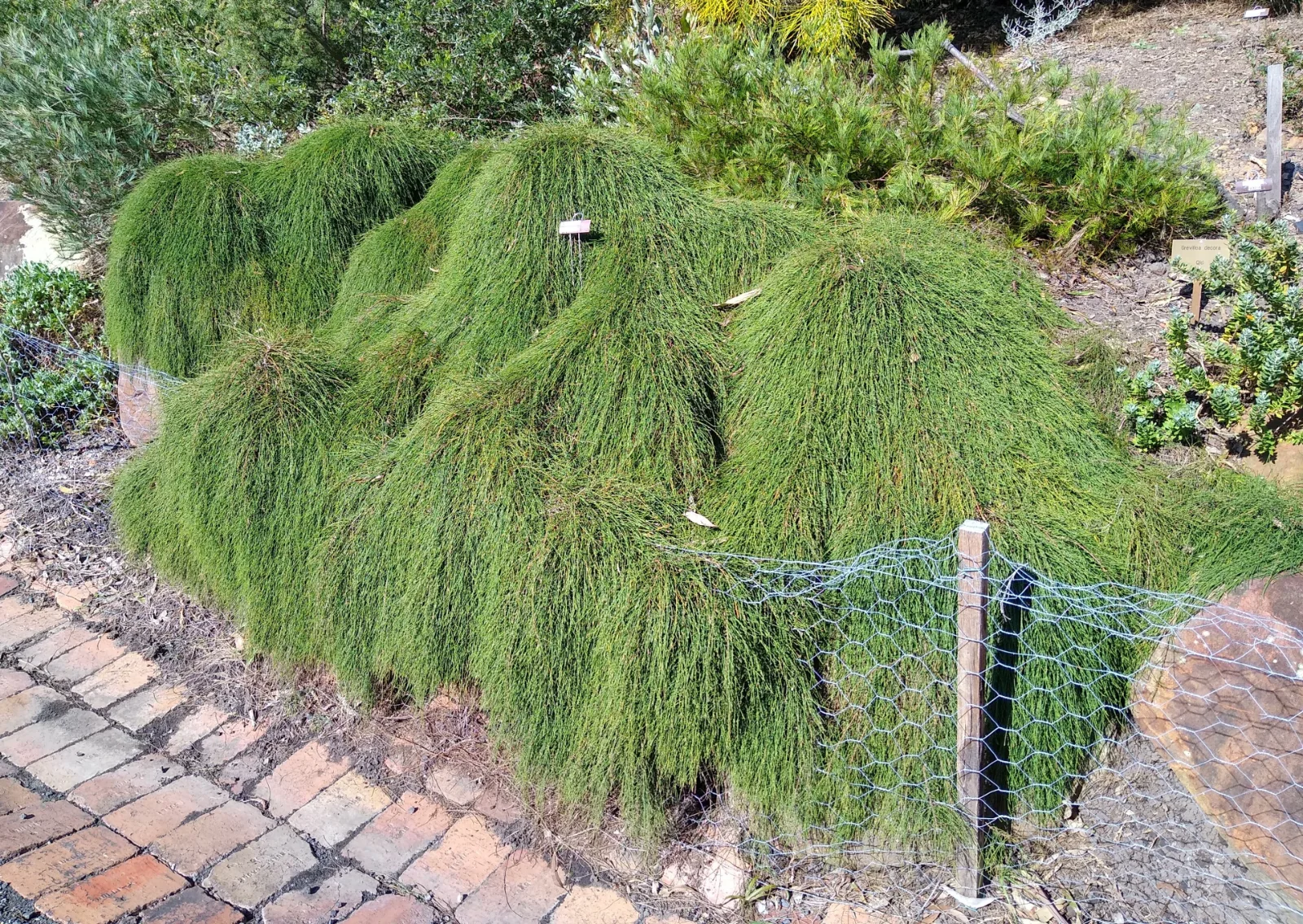
Cousin It
Cousin It is a low, cascading form of swamp she-oak that makes a dense curtain of fine green branchlets over banks, walls and large pots. It is grown for texture rather than flowers.

Herb & spice
Gotu kola
Gotu kola is a low, creeping native herb that loves moisture and roots as it spreads. It makes a useful living groundcover in damp, partly shaded gardens and can also be contained in a pot.
Lawn
Lawn
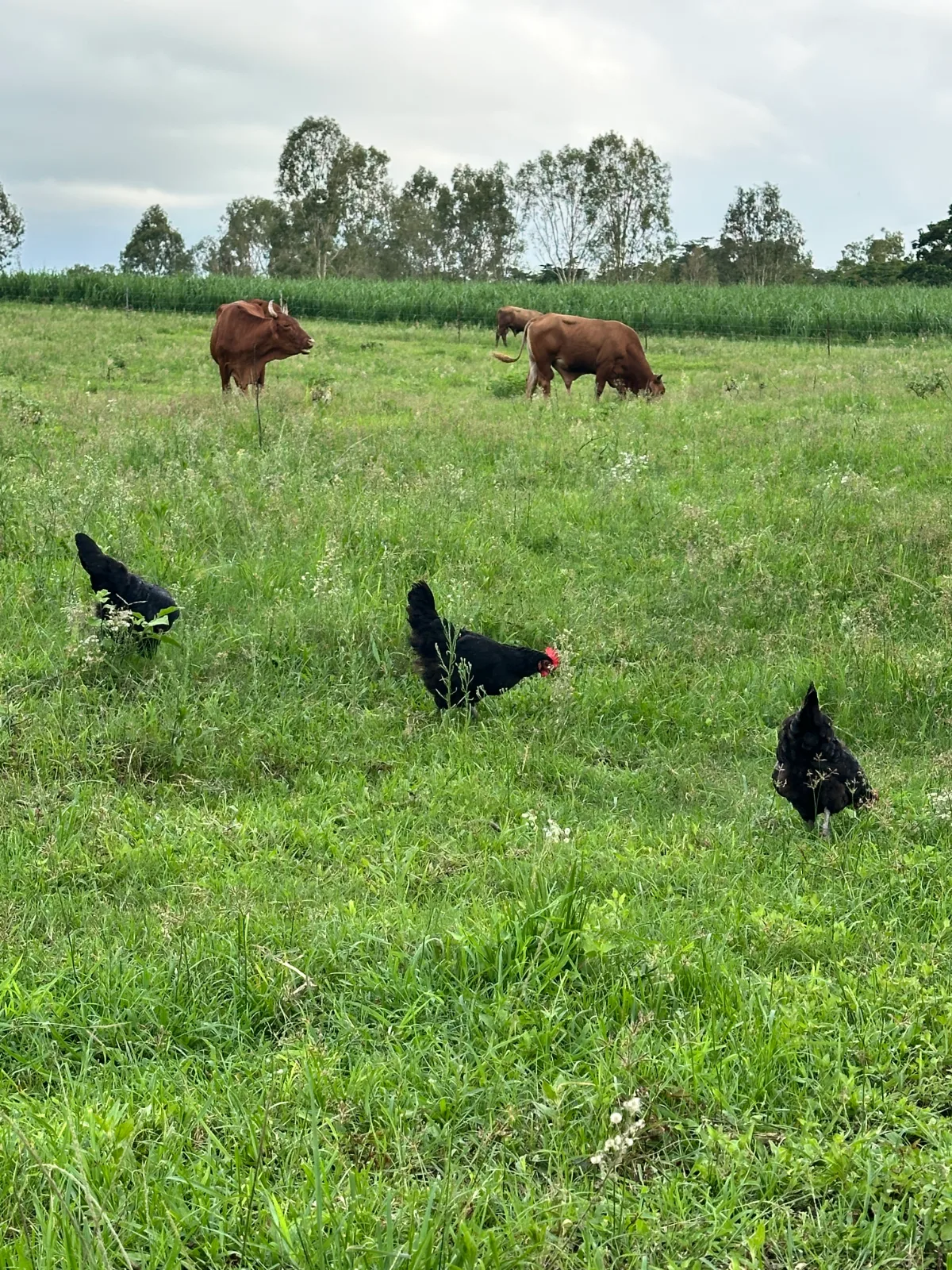
Lawn care depends on the grass type, climate and season. Feeding and renovation are most useful when the grass is actively growing.
Ornamental
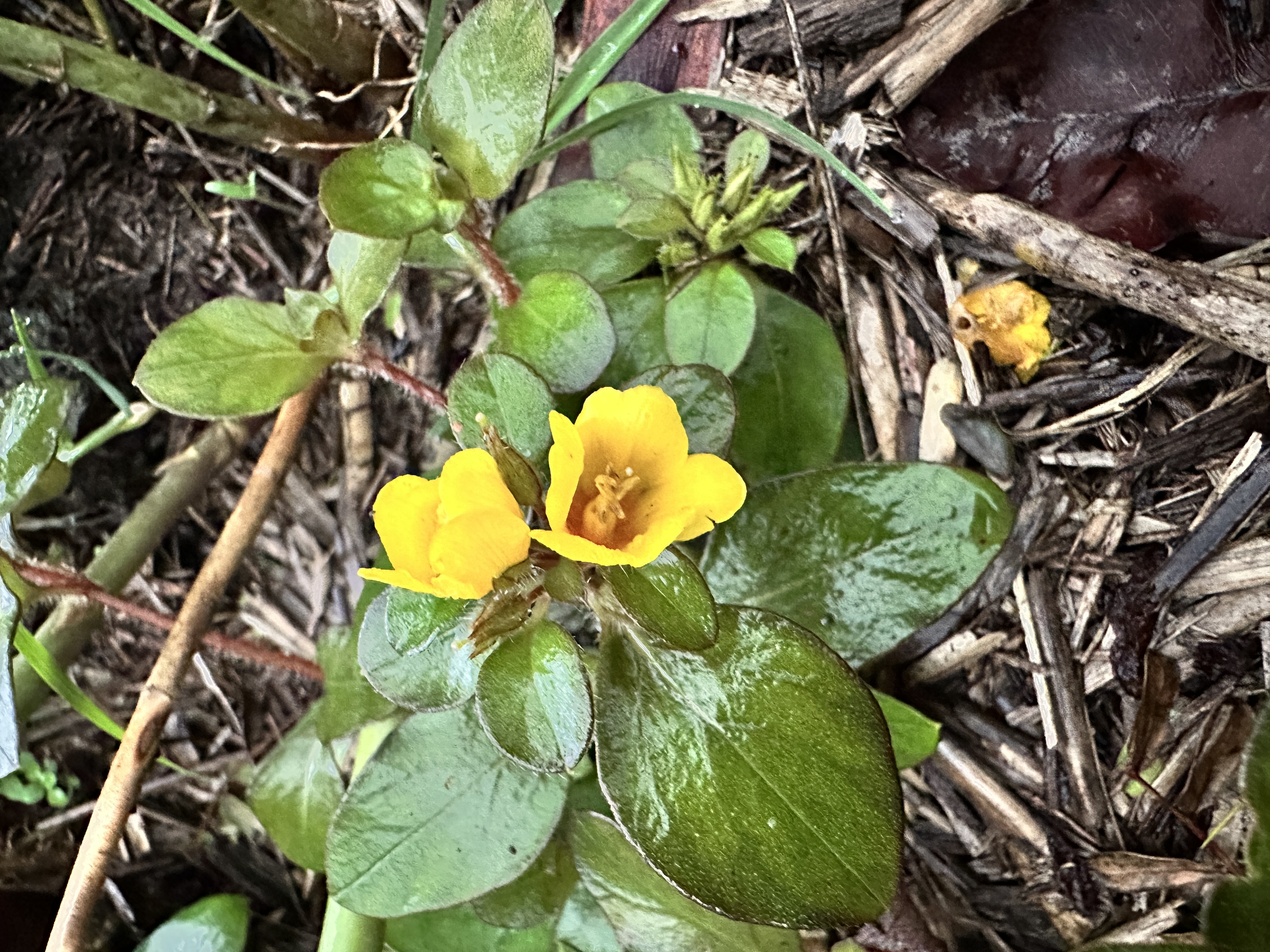
Lysimachia 'Golden Bells'
Lysimachia 'Golden Bells' is a low spreading perennial with bright green-gold foliage and yellow flowers. It works well as a groundcover or trailing plant.
Herb & spice
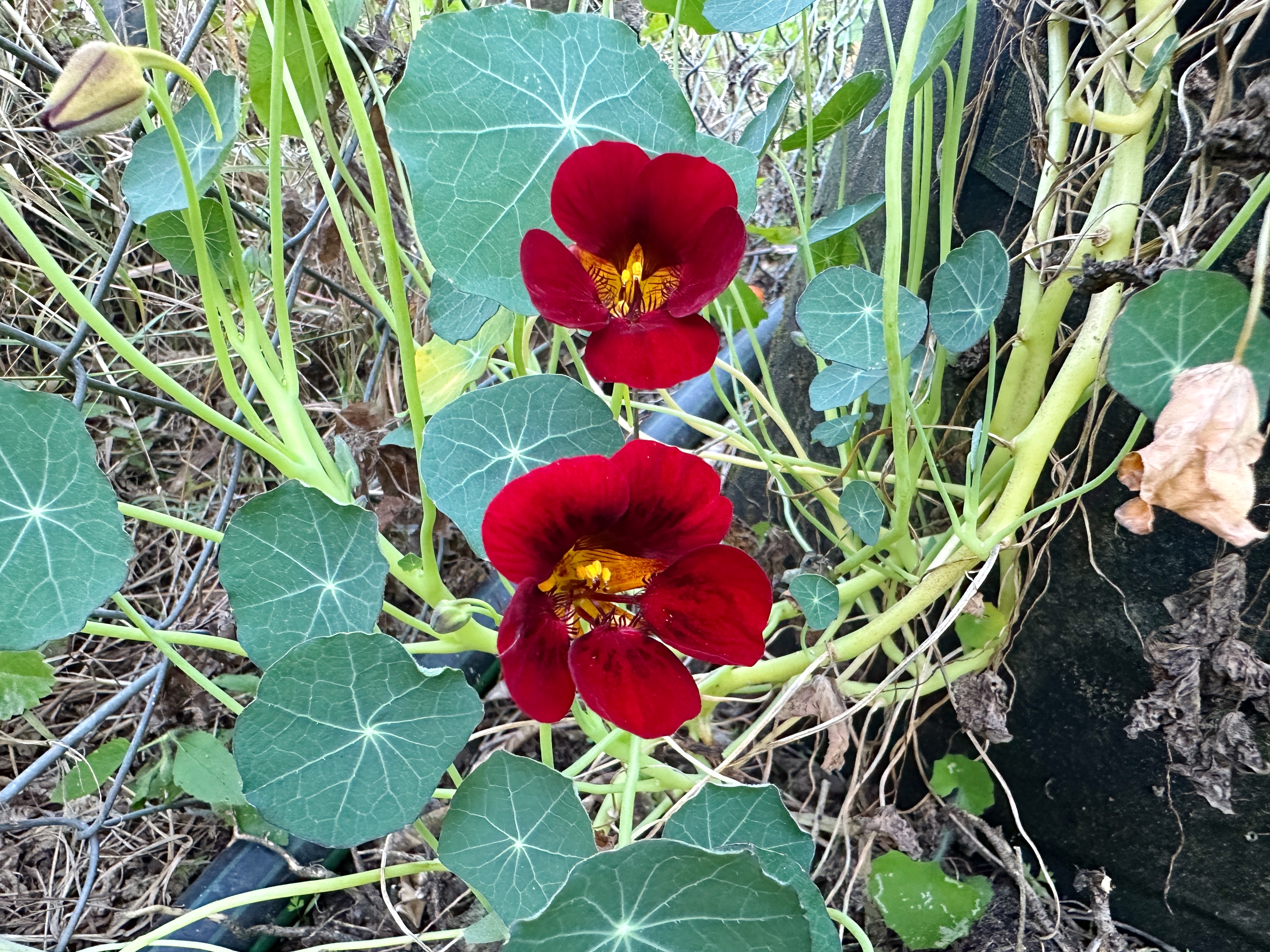
Nasturtium
Nasturtium is one of the easiest edible flowers to grow, and it does most of the work itself. Round leaves, peppery flowers, and seed that keeps coming up in the same bed year after year.
Succulent
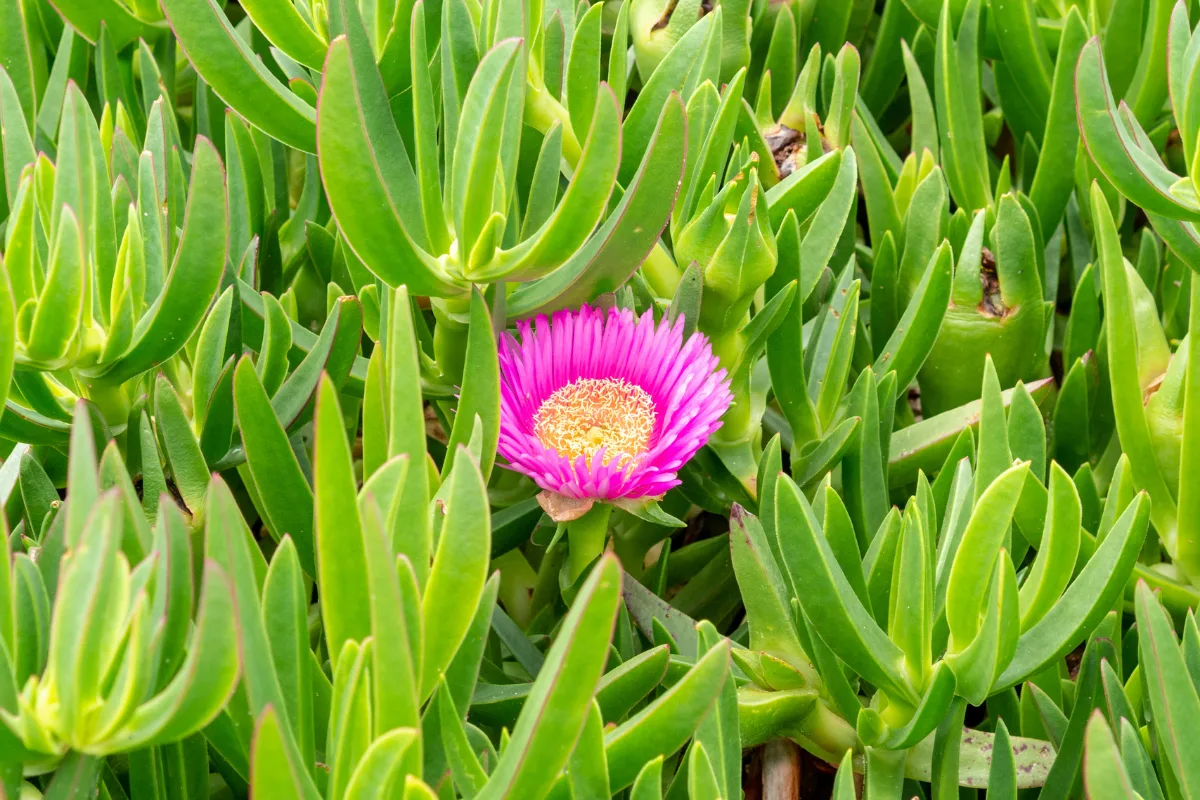
Native pigface
Native pigface makes a low carpet of fleshy leaves and bright pink-purple flowers in hot, exposed sites. It handles salt, wind and dry soil, and the true native species also has edible fruit and leaves.
Veggie
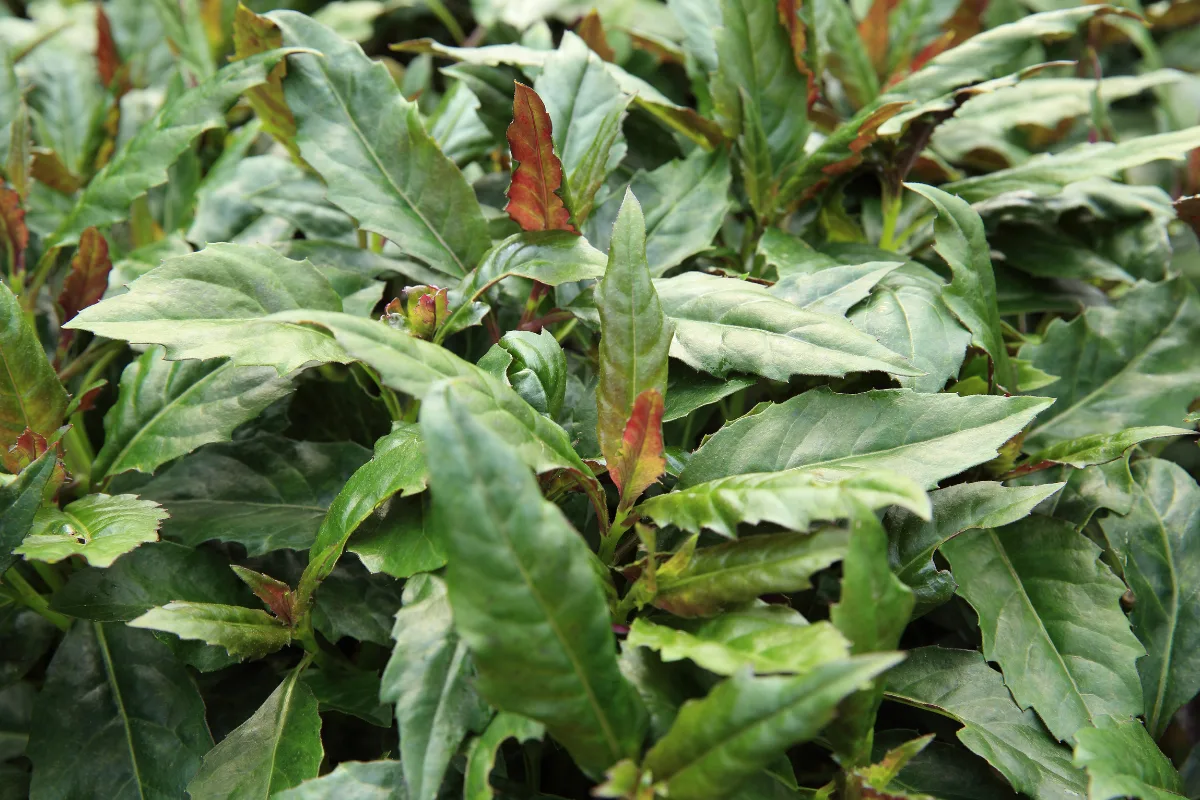
Okinawa spinach
Okinawa spinach is a low, spreading perennial green with purple undersides to the leaves. Once it is in, you can harvest it over many seasons and it strikes from any piece you break off.
Ornamental
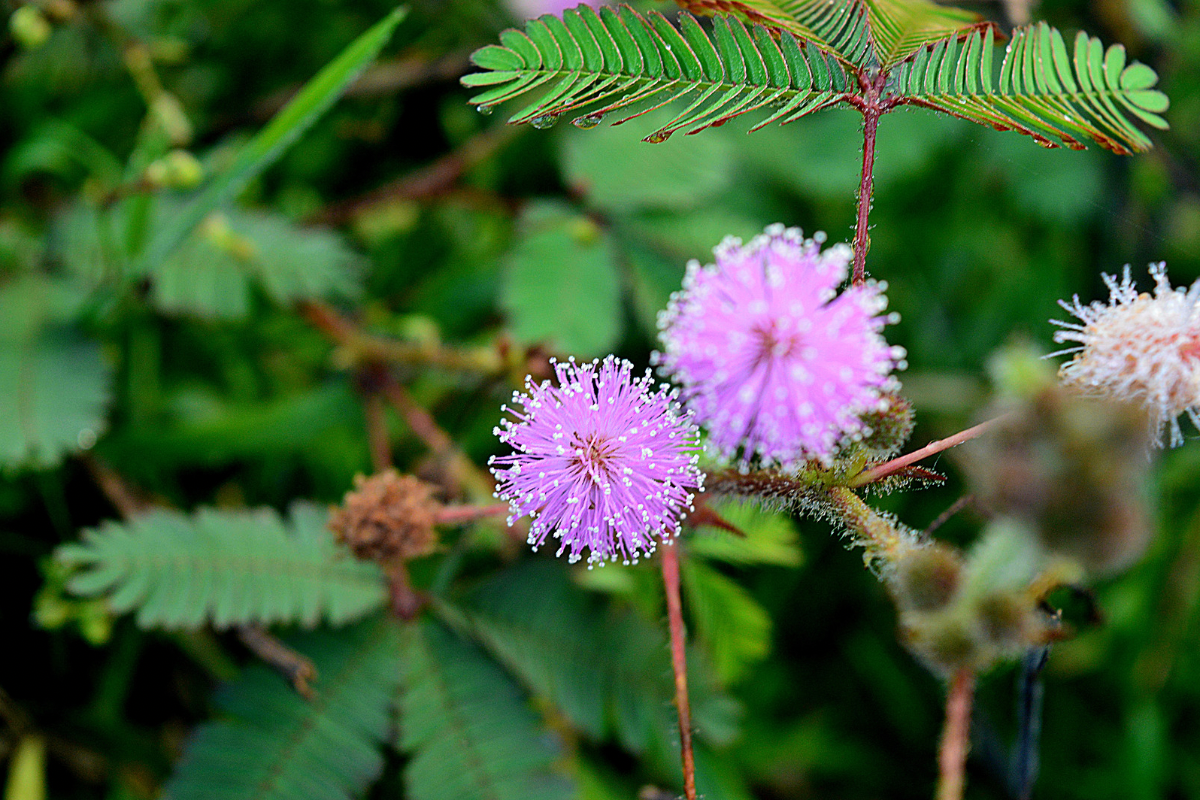
Sensitive plant
Sensitive plant is a low tropical legume famous for leaflets that fold rapidly when touched. Mimosa pudica grows as a short-lived perennial in warm climates or an annual where cold limits it, producing pink pom-pom flowers followed by prickly seed pods.
Before You Choose
Start with the job you want the groundcover to do. A sunny bank needs a plant that can handle exposure and spread across open soil. A sheltered bed under shrubs may suit a softer ground layer that grows in filtered light. Along a path, height matters because you still want clear edges and easy access.
Spread is just as important as height. Some groundcovers creep by runners or stems that root as they travel. Others form widening clumps. Check the mature spread before planting several close together, especially around small shrubs or irrigation lines.
The quickest way to establish a ground layer is to prepare the soil properly before planting. Remove established weeds, loosen compacted areas where appropriate, water the new plants through their first growth period and mulch the open gaps without burying low stems. Once the plants begin to meet, less bare ground remains for new weeds to establish.
Traffic is another useful filter. A plant that looks good beside stepping stones may not suit regular foot traffic. If people, pets or wheelbarrows cross the area, keep the main route clear and let the groundcover fill the edges. Open each profile for climate, light, soil, mature spread and other useful traits.
Groundcovers can also change how you use mulch. Once a living layer has closed over the soil, heavy top-ups of coarse mulch can bury low stems and runners. Add mulch mainly to the open gaps while the planting establishes, then use leaf litter or lighter organic material where appropriate. Check around irrigation outlets too, because a dense mat can hide blocked drippers or dry patches.