

Plants for Erosion Control
Plants can help stabilise a bank by covering exposed soil, slowing surface water and building a network of roots through the upper soil. They work best as part of a broader erosion plan. The steeper the slope and the more water moving across it, the more important drainage and soil protection become. 4 plants in the library.
4 plants
Ornamental
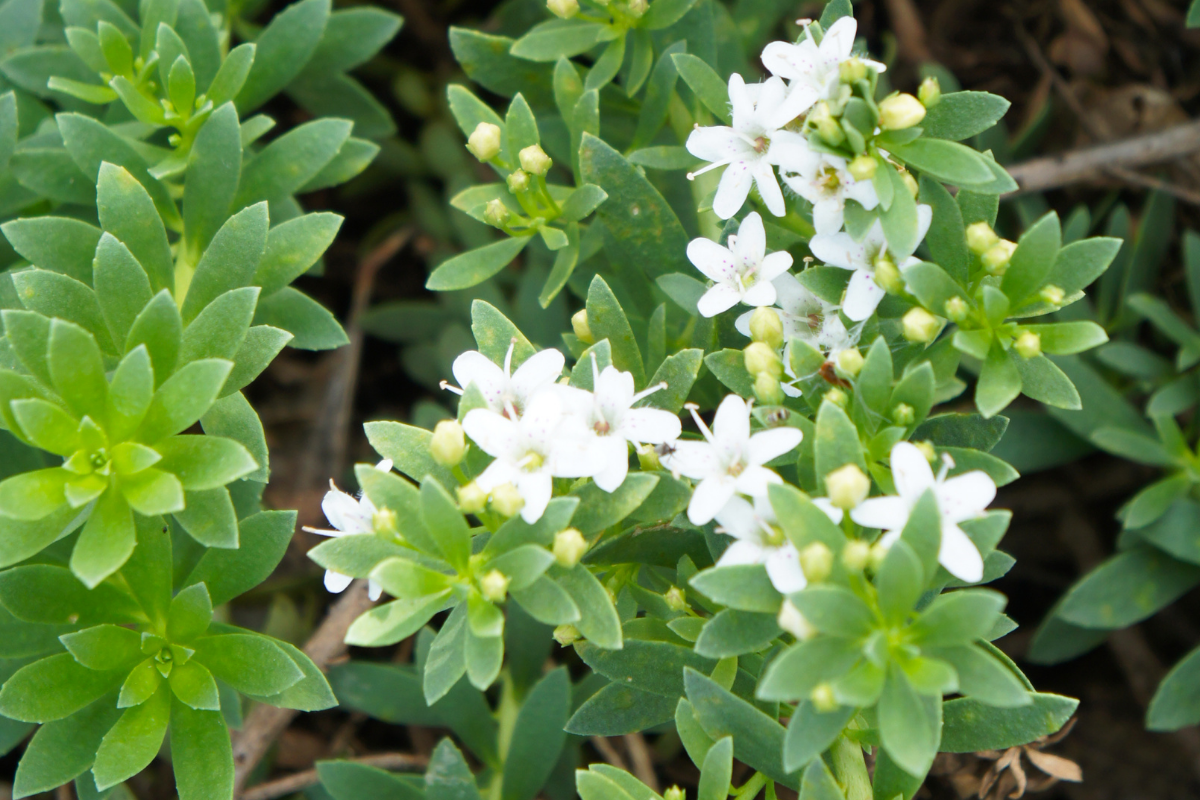
Creeping boobialla
A broad, very low native groundcover for sunny banks and open beds. Fine green foliage forms a dense mat and small white to pale pink flowers appear through the warmer months.

Ornamental
Kidney weed
A tiny-leaved native that makes a soft green carpet between pavers, beneath shrubs and through lightly used lawn areas. Creeping stems root at the nodes and gradually knit together.

Succulent
Pigface
A tough east-coast native succulent for exposed sunny ground, with thick triangular leaves and large pink-purple flowers. It is particularly useful on coastal banks and sandy sites.
Vine
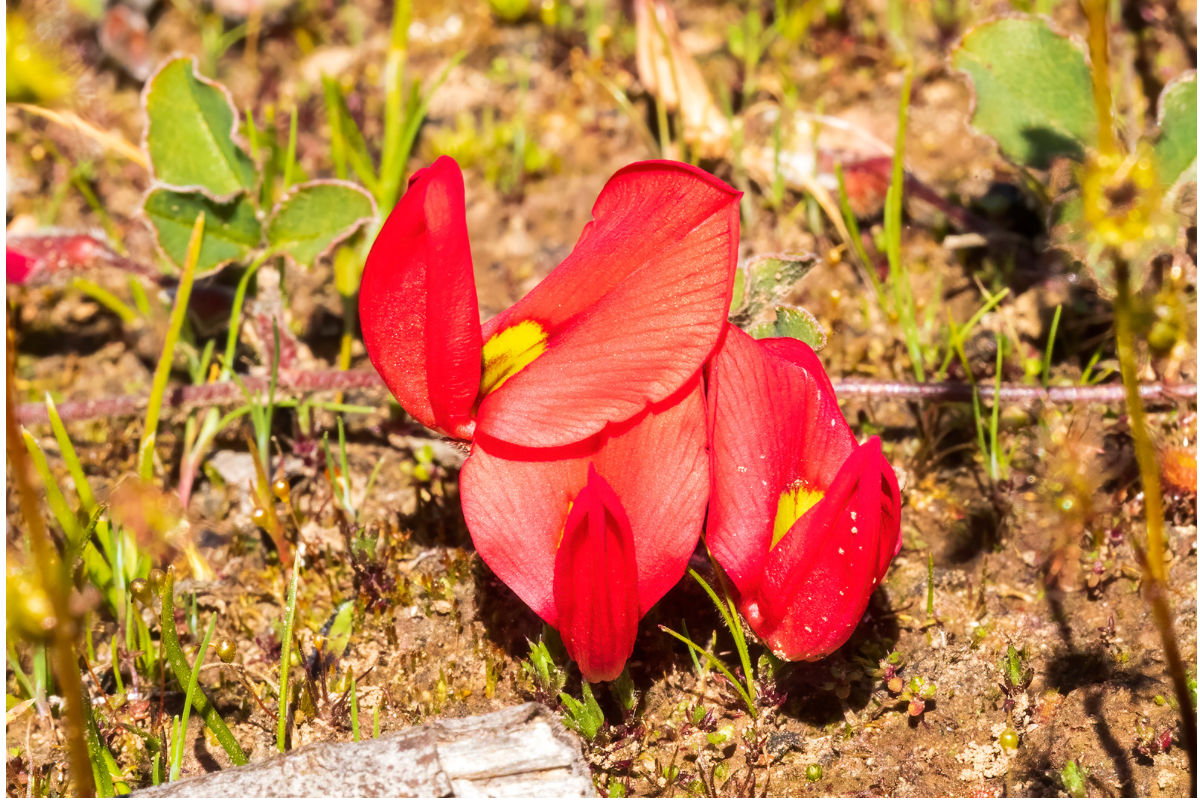
Running postman
Running postman is a low Australian native groundcover with vivid scarlet pea flowers in spring. Unlike many kennedias, it stays prostrate rather than climbing, so it can spill over banks, rocks, retaining walls and hanging baskets without adding much height.
Before You Choose
Start by watching where water travels during heavy rain. A plant cannot correct a concentrated stream of runoff on its own. Redirect or slow damaging flows first, then use vegetation to protect the surface and bind the soil.
Choose plants with a growth habit that suits the slope. Spreading groundcovers protect the surface between larger plants. Clumping grasses and shrubs add deeper or denser root systems. On a broad bank, combining several layers usually gives better coverage than relying on a single species.
Establishment is the vulnerable stage. Young plants have small root systems and open soil still sits between them. Mulch, biodegradable erosion matting or carefully placed organic material can protect the surface while plants spread. Water new plants deeply enough to encourage roots into the slope without washing soil away.
Avoid digging large holes or creating channels that direct water downhill. On heavy clay, improve the planting area carefully without turning each hole into a sump. On sandy banks, organic matter and mulch can help moisture last long enough for roots to establish. For unstable slopes, active gullies or areas near buildings, get site-specific advice rather than relying on planting alone.
Plant spacing on a slope should balance quick cover with long-term room. Stagger plants across the face of the bank rather than creating straight downhill channels between planting holes. Where practical, keep existing roots and vegetation in place while new plants establish. Every intact patch of soil cover helps reduce the amount of bare ground exposed to the next heavy downpour.