

Drought-tolerant Plants
Drought-tolerant plants can manage longer dry periods once their roots are established. They still need water after planting, and many grow better with occasional deep watering during extended dry weather. Soil depth, mulch and root competition can matter as much as rainfall. 38 plants in the library.
38 plants
Fruit tree
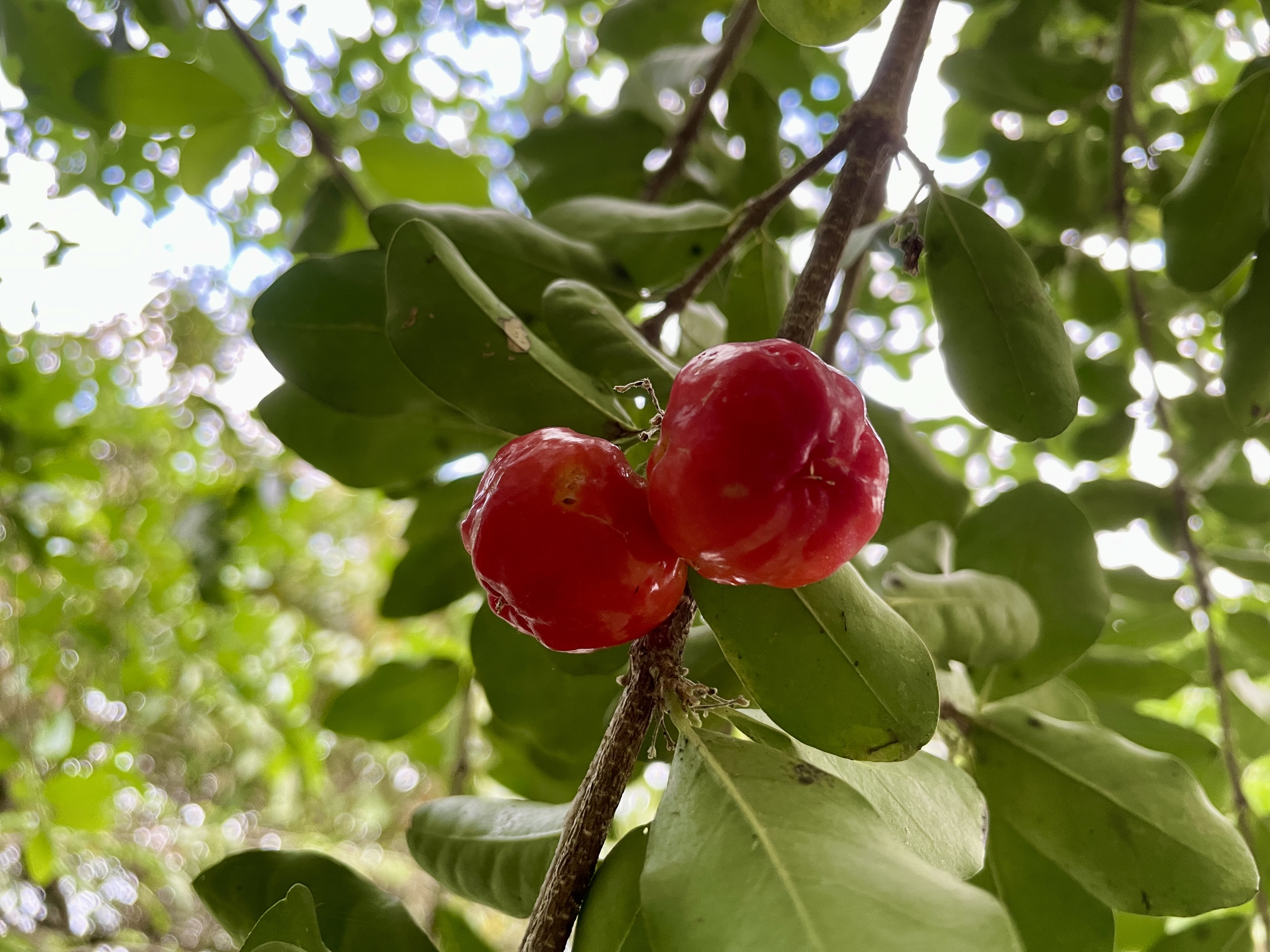
Acerola cherry
Acerola is a fast-growing tropical fruit shrub or small tree with bright red, tart-sweet fruit and very high vitamin C.
Succulent
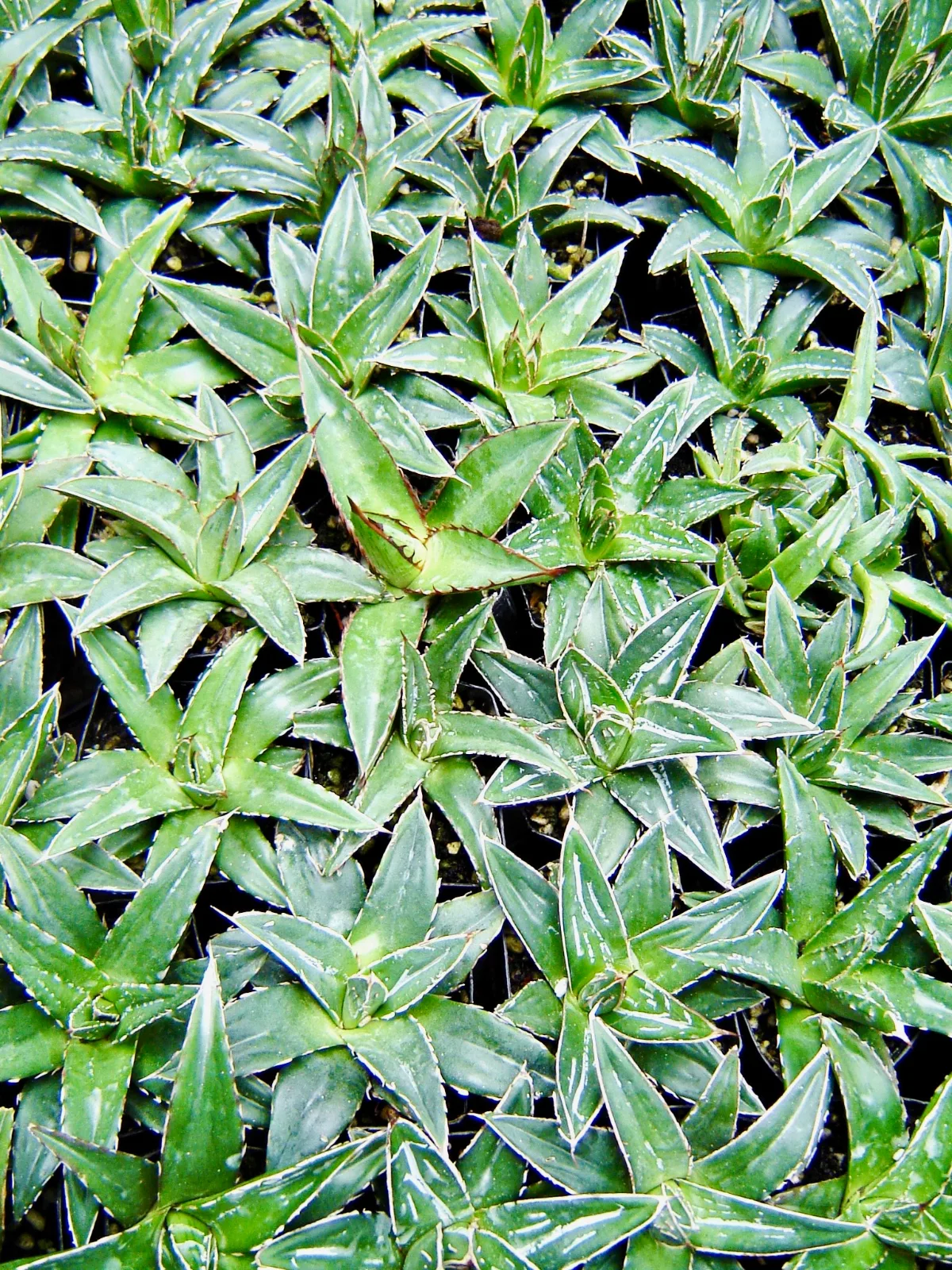
Agave
Agaves are architectural succulents with sculptural rosettes and excellent drought tolerance once established. They range from compact plants for pots and edges to dramatic garden specimens.
Succulent
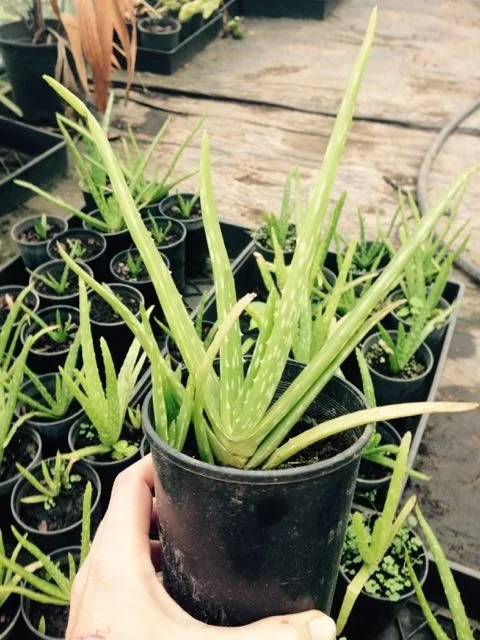
Aloe vera
Aloe vera is a clumping succulent that needs very good drainage and plenty of light. Established plants need little routine care.
Herb & spice
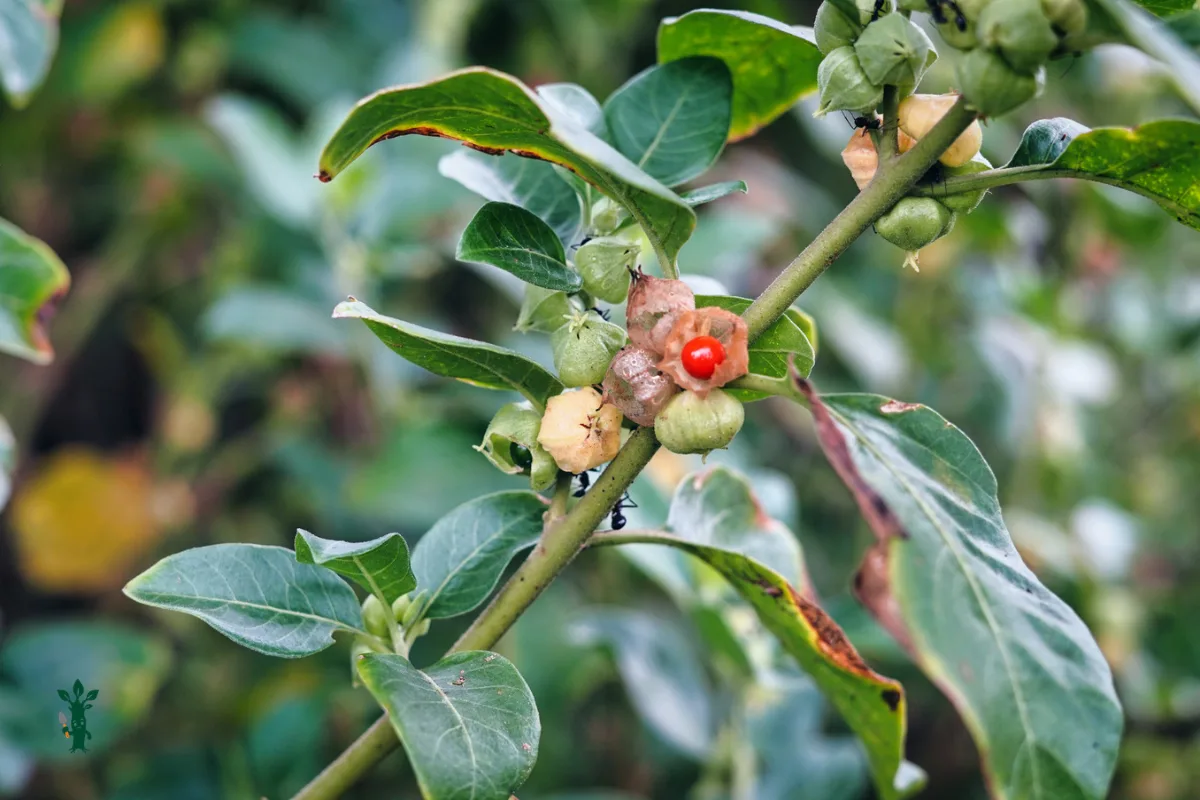
Ashwagandha
Ashwagandha is a bushy herb from the same plant family as tomatoes. It grows well through warm weather, with small greenish flowers followed by bright orange-red berries tucked inside papery husks. The roots have a long history in traditional Ayurvedic medicine. It's an interesting plant to grow from seed in a sunny bed with good drainage.
Veggie
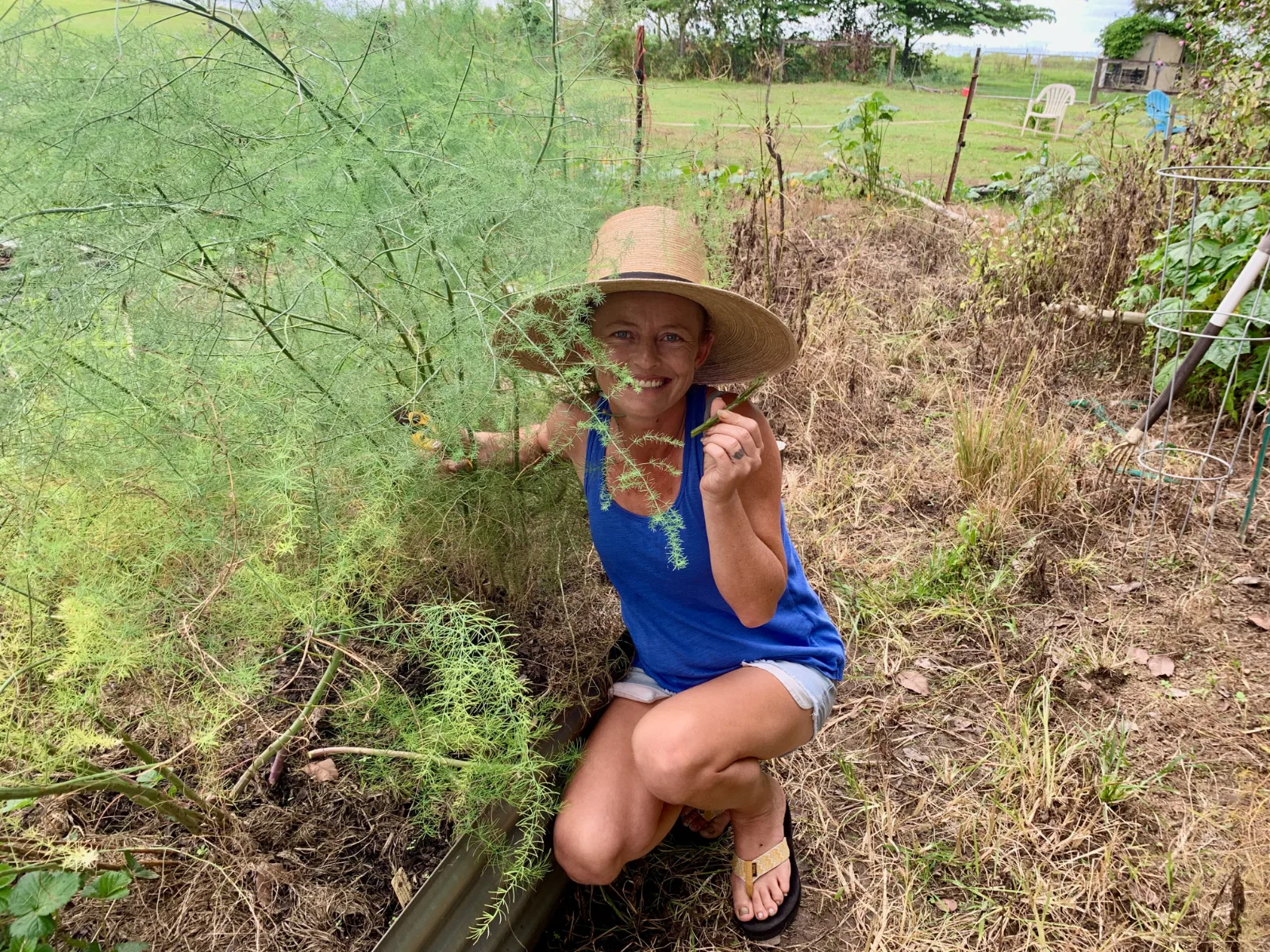
Asparagus
Asparagus is a long-lived perennial crop. New beds need time to establish before regular spring harvesting begins.
Ornamental
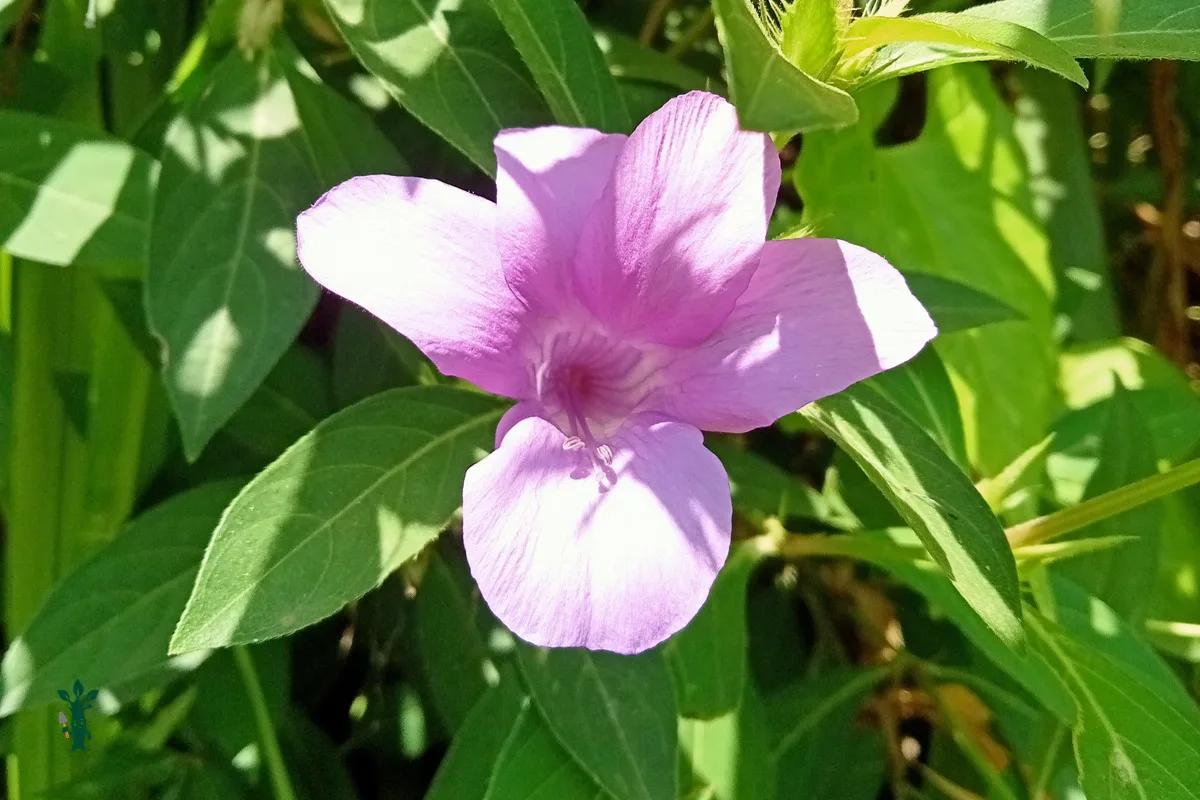
Barleria
Barleria obtusa is a spreading warm-climate shrub grown for its purple flowers through the cooler part of the year. It handles sun or part shade, responds well to pruning and can be kept as a rounded shrub rather than allowed to sprawl.
Fruit tree
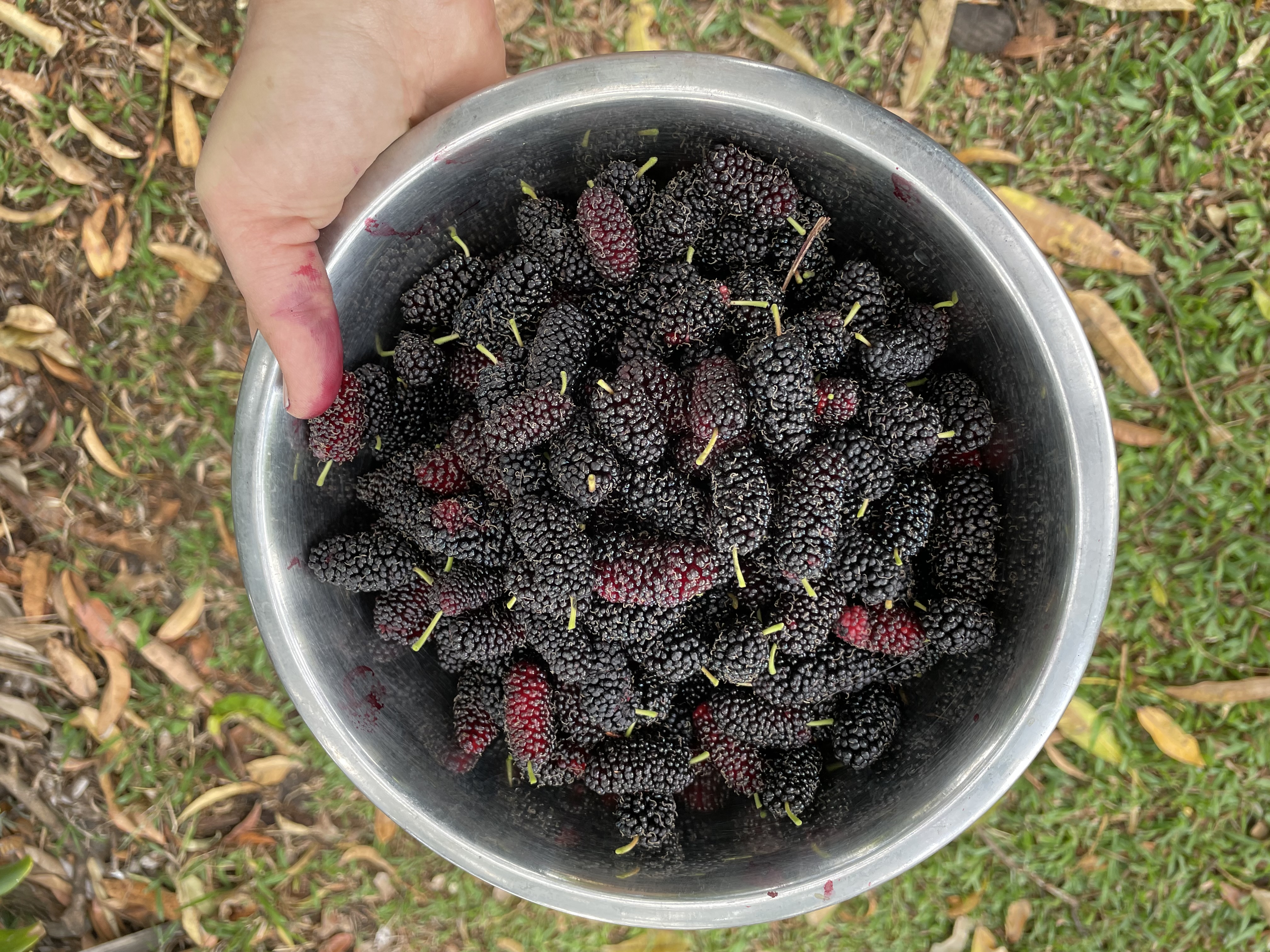
Black mulberry
Black mulberry is a deciduous fruit tree grown for intensely flavoured dark berries. It handles heat and dry conditions once established and can be kept to a practical picking height with regular pruning.
Veggie
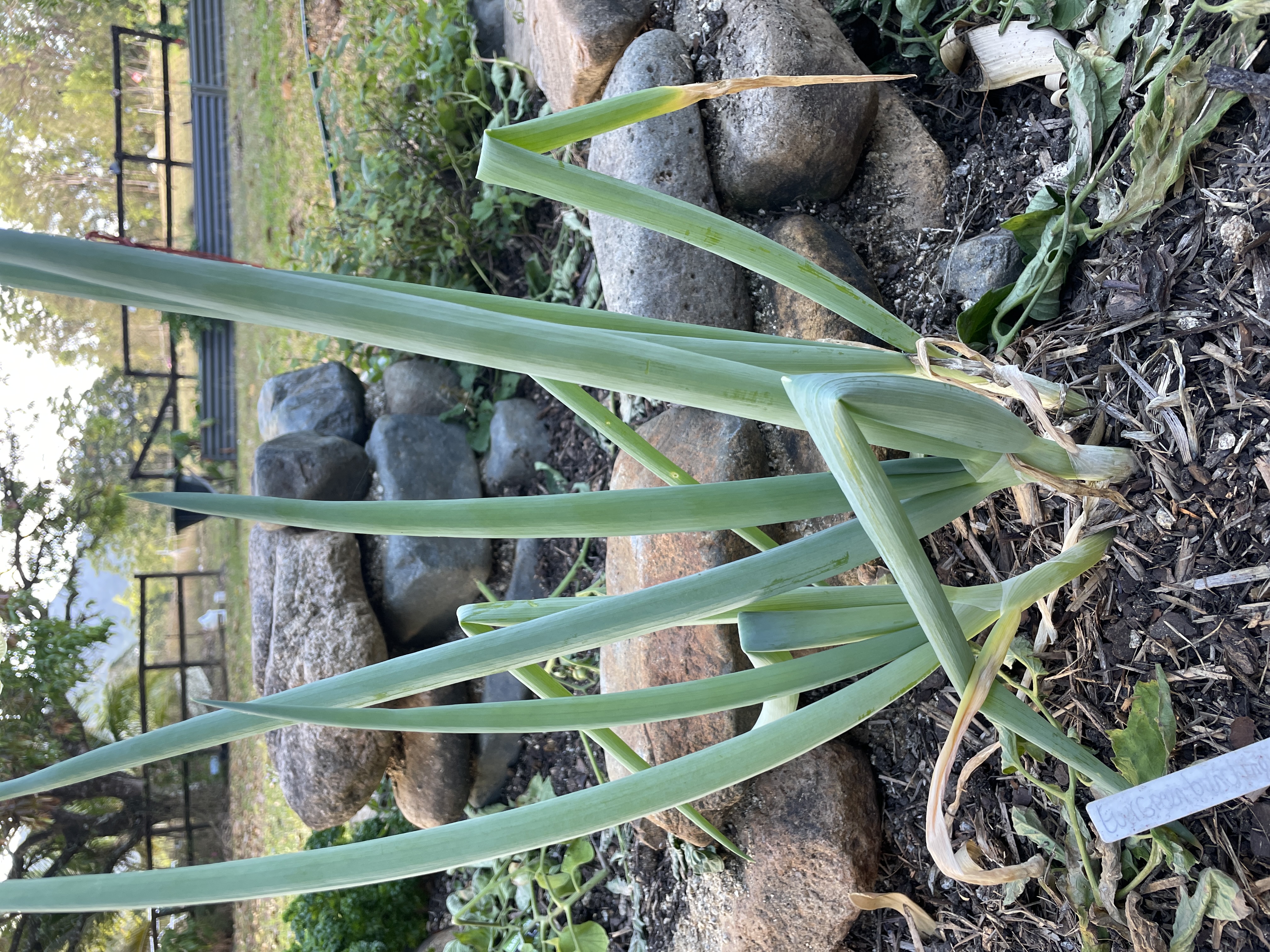
Bunching onion
Bunching onion is a perennial allium grown for hollow green leaves and white stems rather than a large bulb. Established clumps can be cut, divided and replanted for a steady supply.
Fruit tree
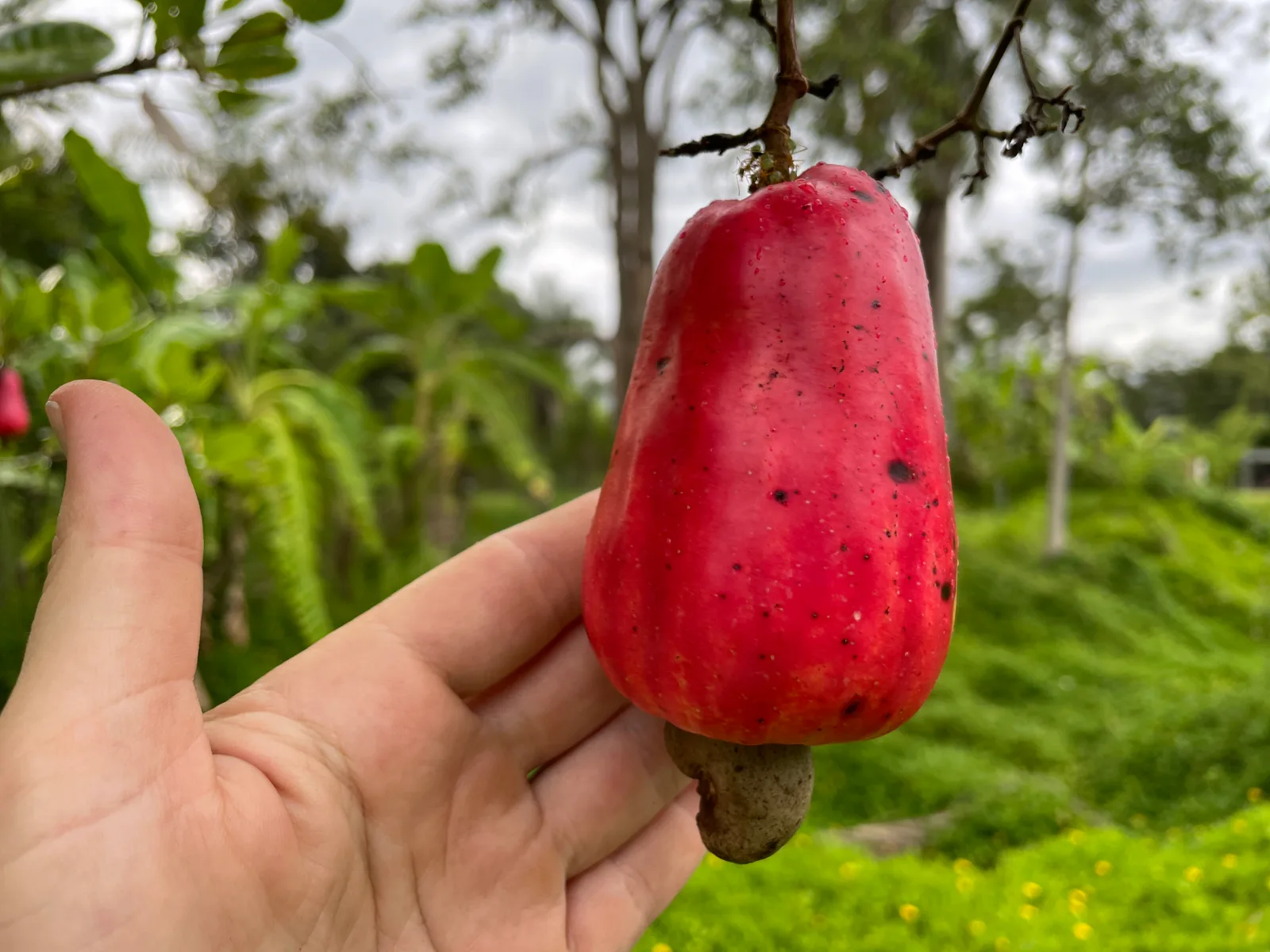
Cashew
Cashew is a tropical tree that produces a cashew apple with one nut attached below it. It needs warmth, sun and a long frost-free season.
Ornamental
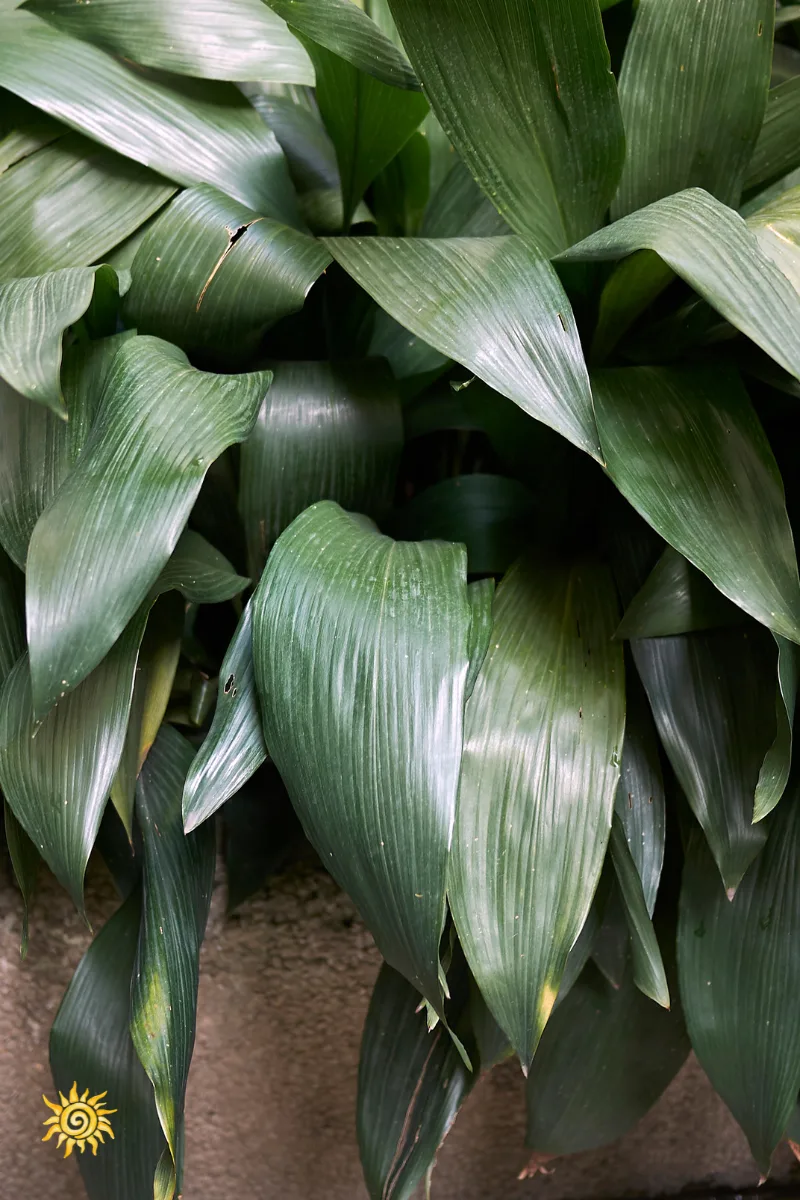
Cast iron plant
Cast iron plant tolerates deep shade, dry periods and general neglect better than almost anything. It forms a slow, handsome clump outdoors under trees or indoors where brighter houseplants struggle.
Succulent
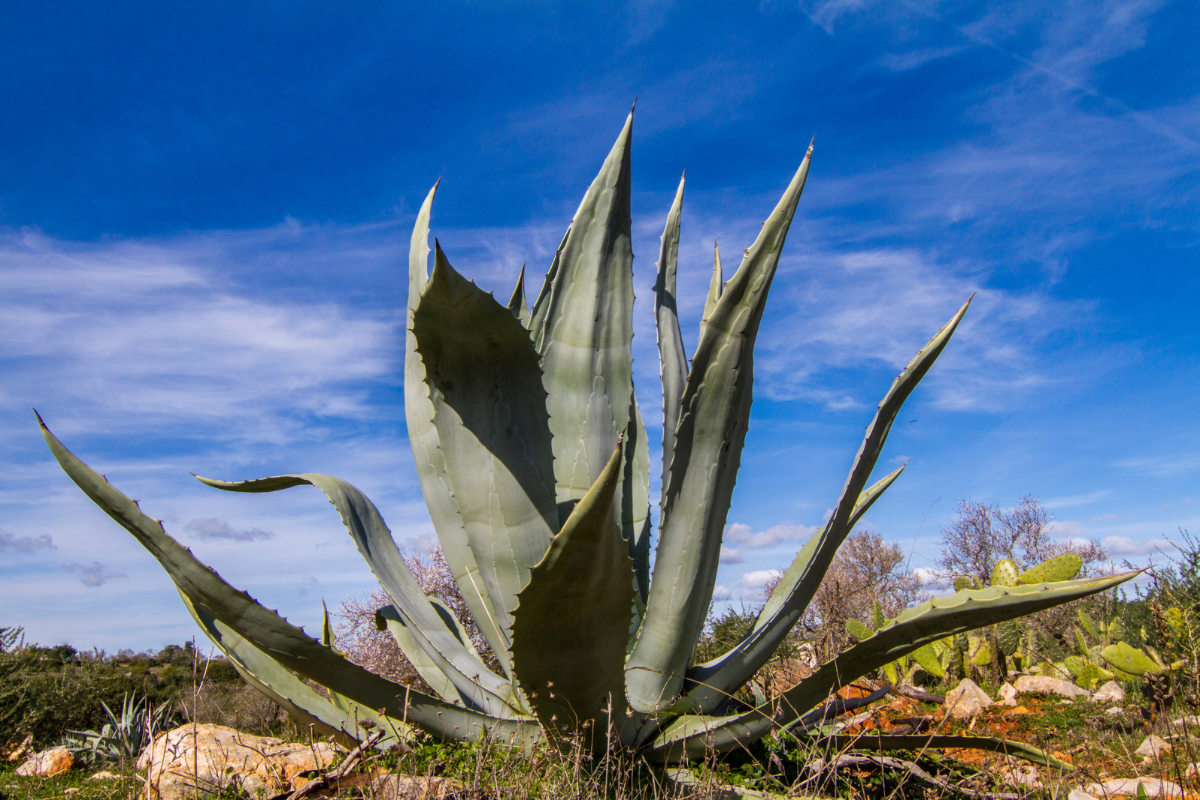
Century plant
Century plant is a large architectural agave with a bold rosette of blue-green leaves and a towering flower spike at maturity. Agave americana suits hot sunny dry gardens where there is ample room for its broad rosette and sharp leaf tips.
Ornamental
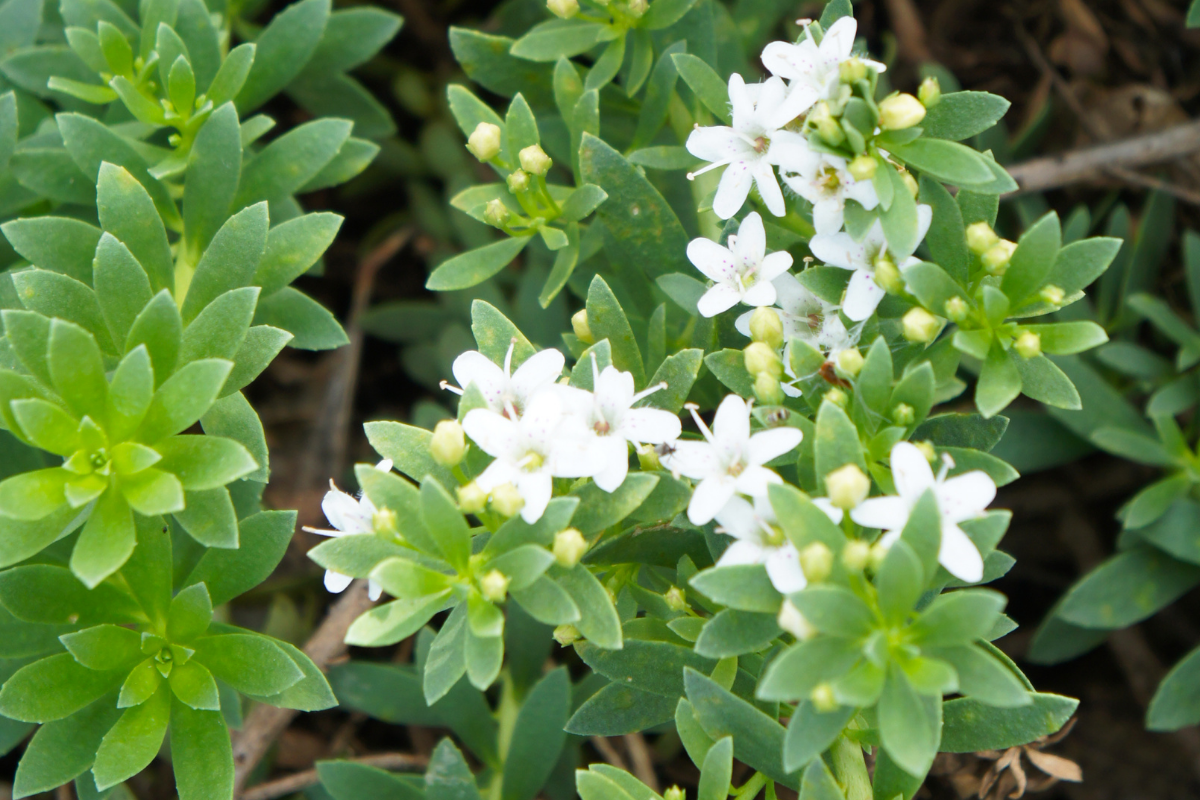
Creeping boobialla
A broad, very low native groundcover for sunny banks and open beds. Fine green foliage forms a dense mat and small white to pale pink flowers appear through the warmer months.
Succulent
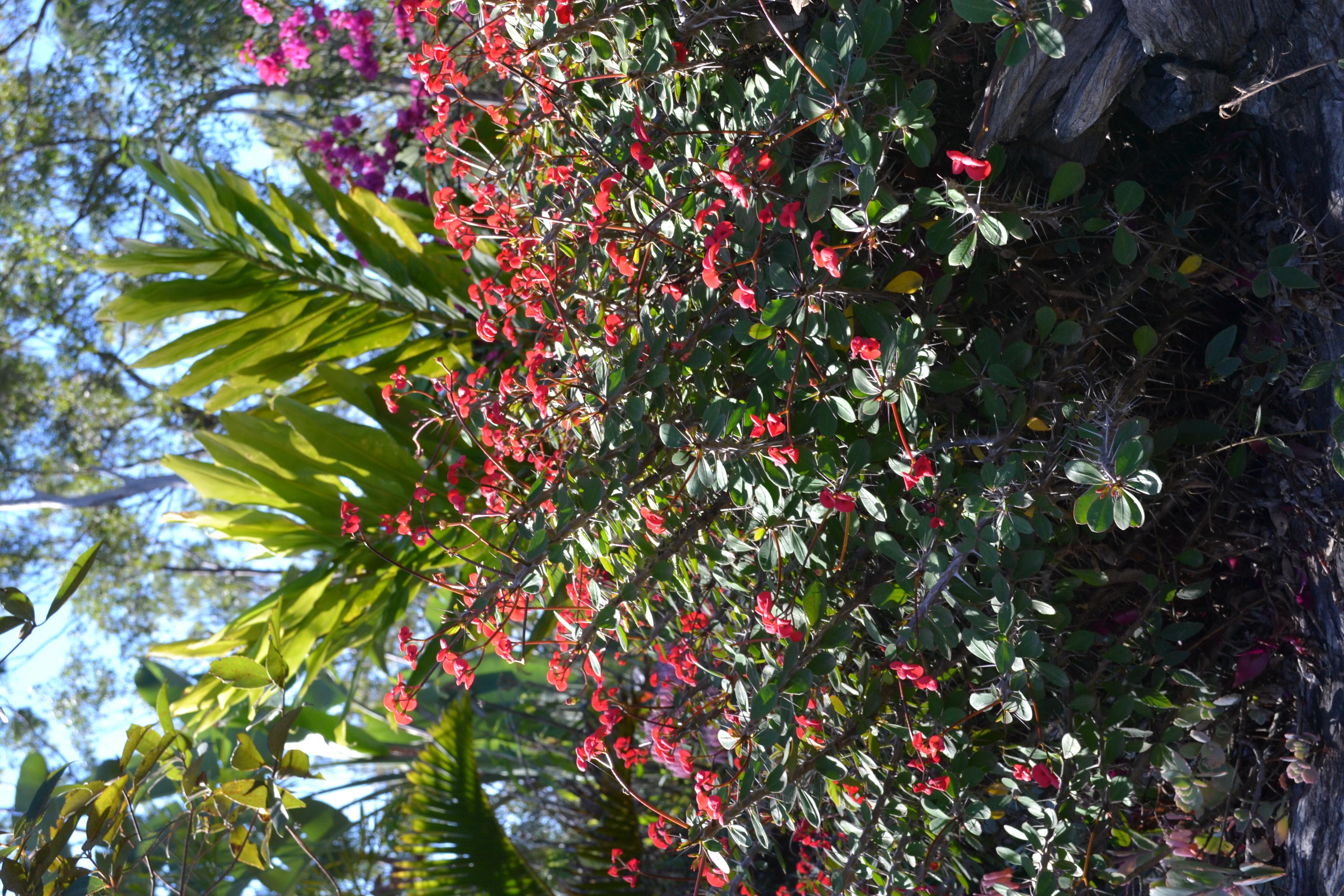
Crown of thorns
A thorny semi-succulent shrub grown for repeated displays of colourful bracts around its tiny flowers. Crown of thorns suits warm Australian gardens, sunny courtyards and containers where drainage is excellent.
Herb & spice
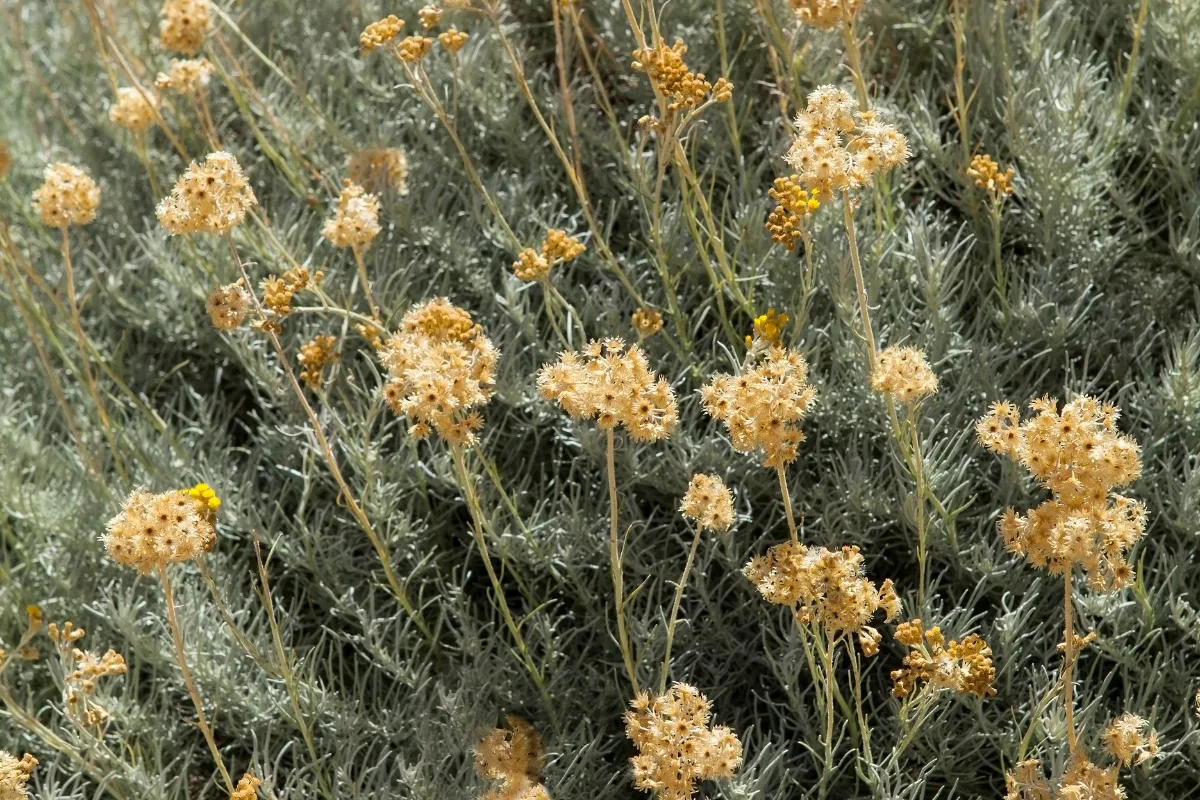
Curry plant
Curry plant is the silver-leaved Mediterranean herb that releases a strong curry-like scent when you brush the foliage. The narrow grey leaves and small yellow flower heads also make it an attractive dry-garden plant. It is not the curry leaf tree, and in humid gardens I would give it the driest, sunniest spot available.
Fruit tree
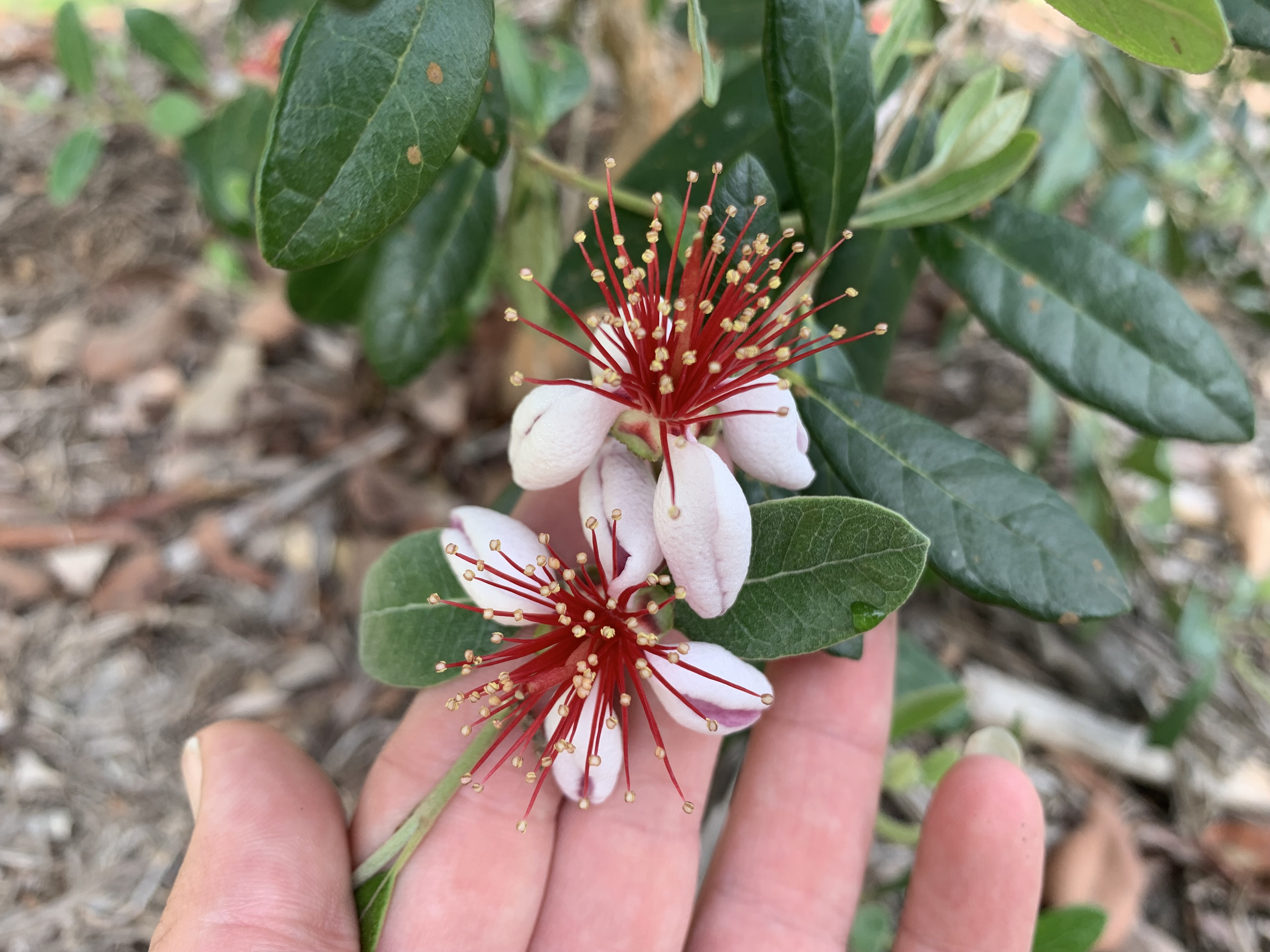
Feijoa
Feijoa is an evergreen subtropical fruit shrub or small tree with silver-backed leaves, edible flowers and fragrant green fruit. Cool winters, full sun and compatible pollination help it crop well.
Ornamental
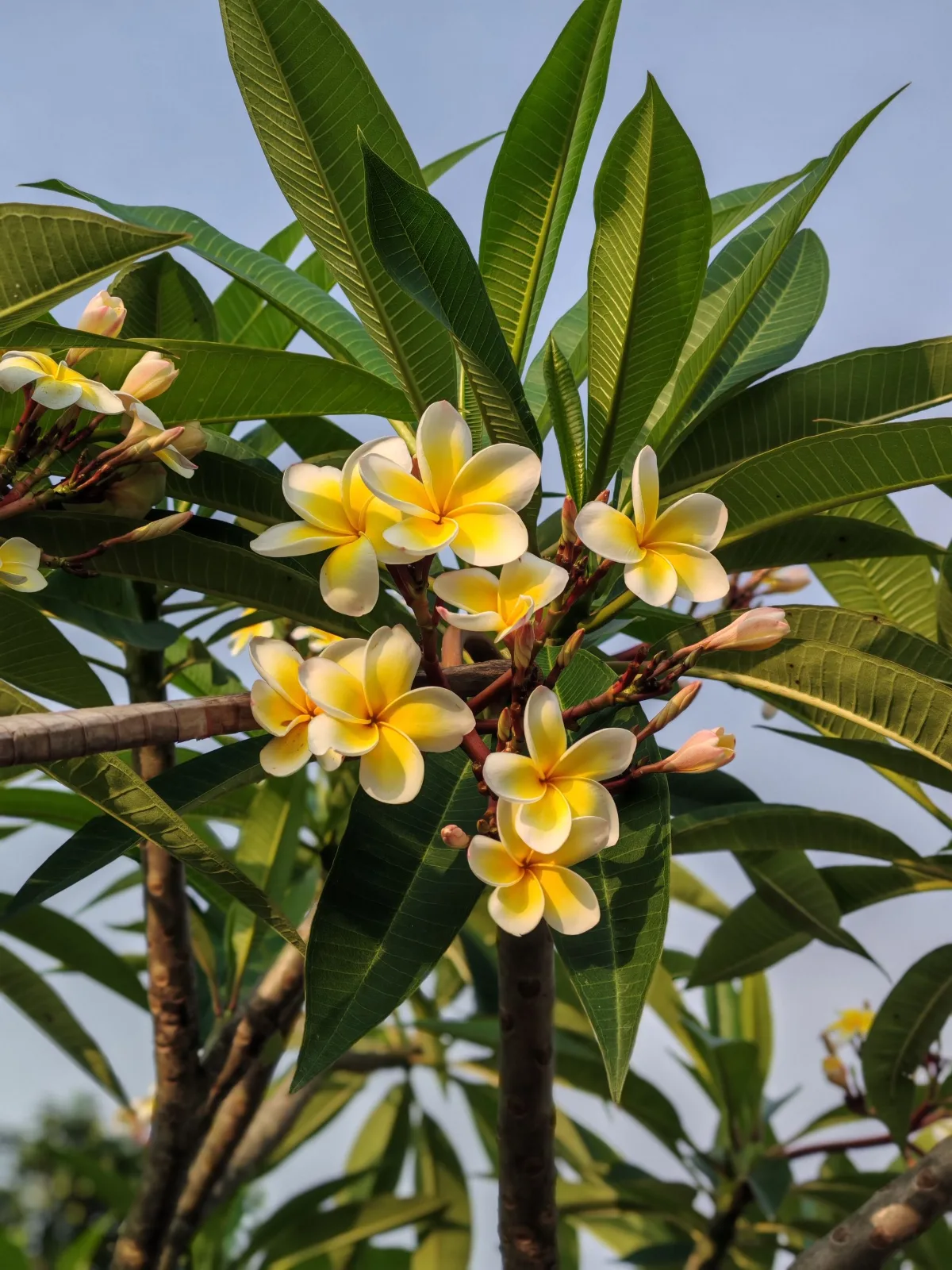
Frangipani
Frangipani is a warm-climate flowering tree that needs sun and excellent drainage. It is easy to propagate from large cuttings once the cut end has callused.
Vine
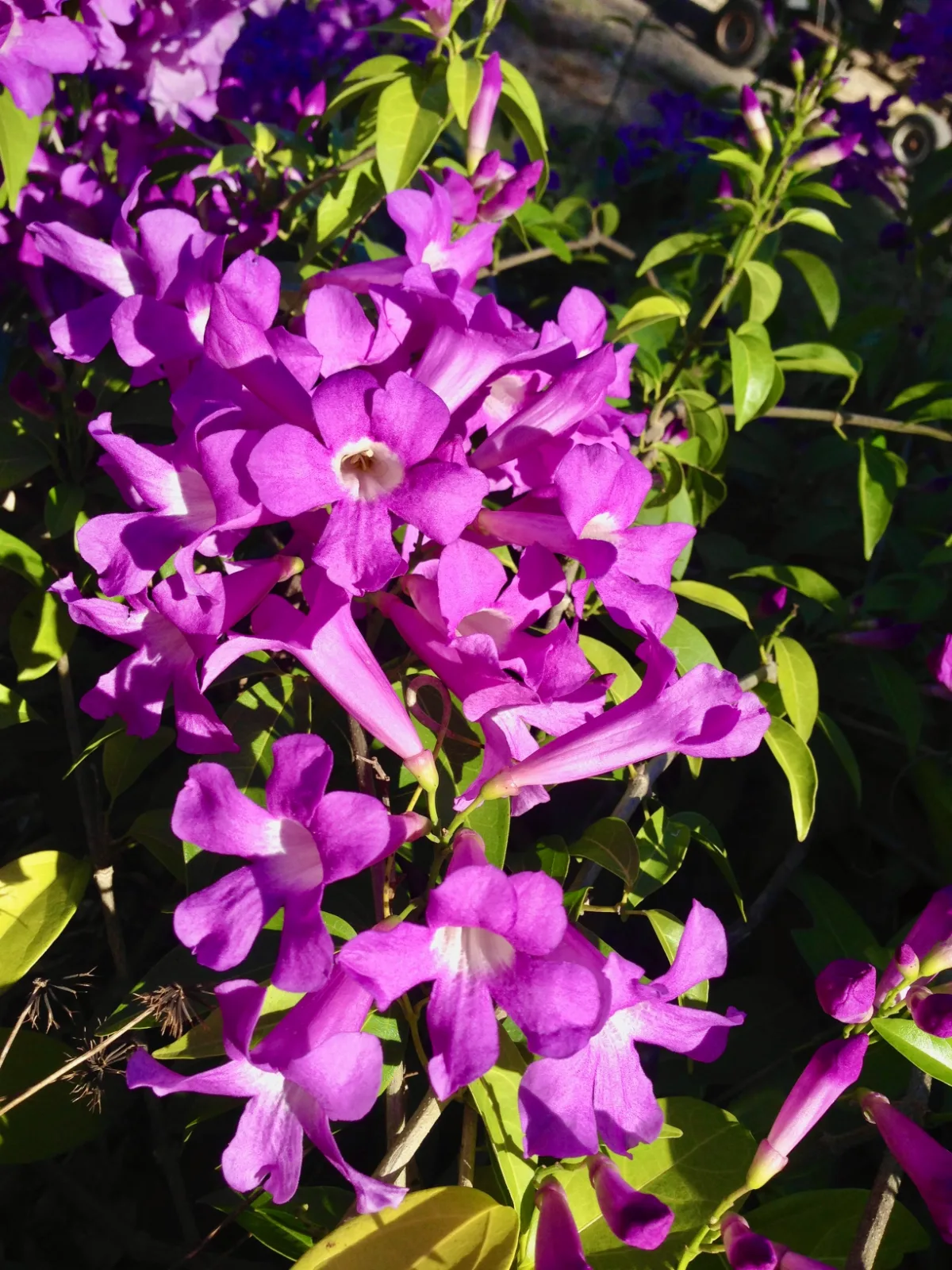
Garlic vine
Garlic vine is a woody tropical climber with lavender flowers that fade almost white. Crush the leaves and they smell strongly of garlic.
Ornamental
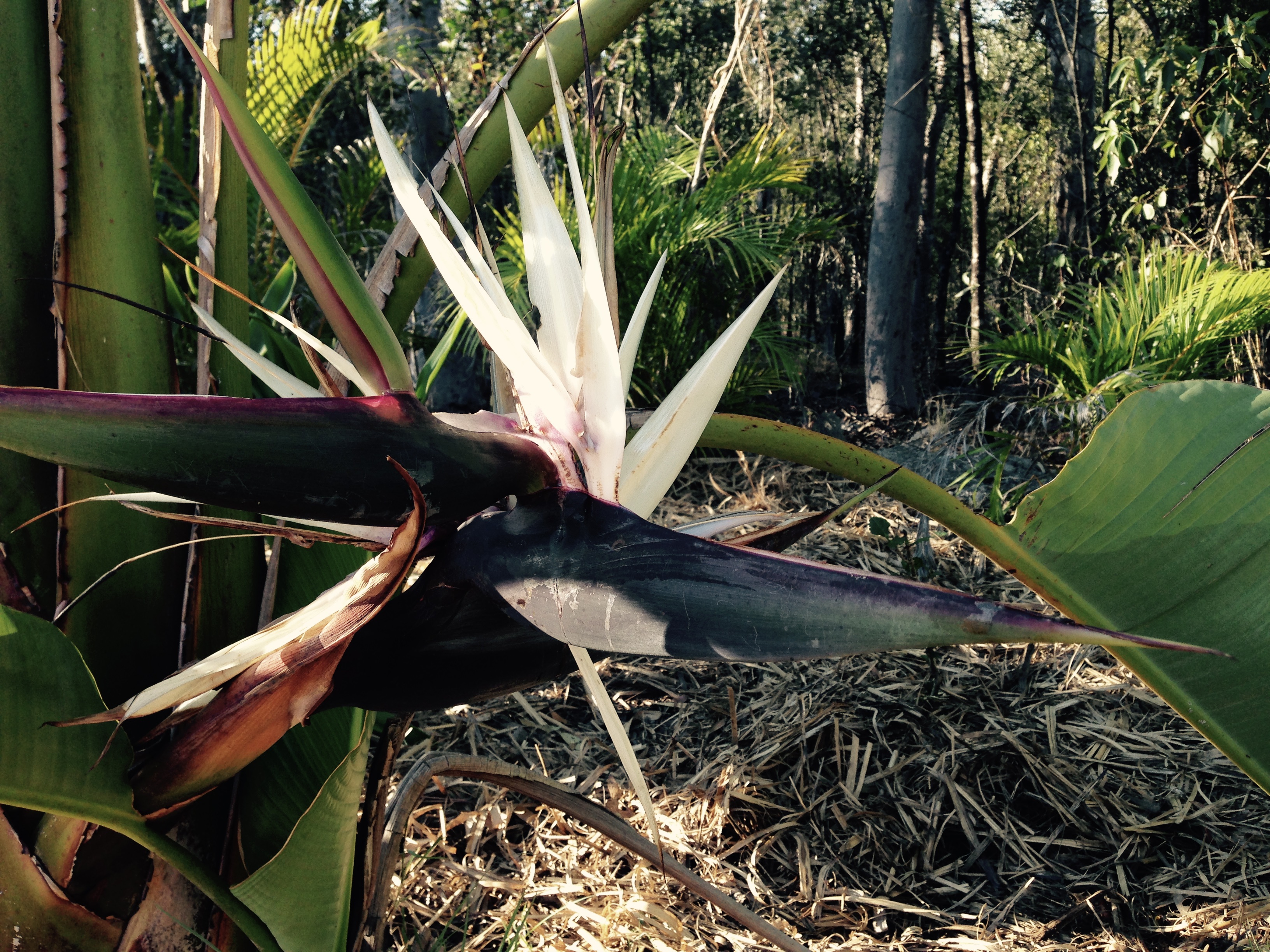
Giant bird of paradise
Giant bird of paradise grows into a tall multi-trunked clump with huge paddle-shaped leaves and white-and-blue flowers. It makes a dramatic foliage plant where there is enough room for its mature size.
Ornamental
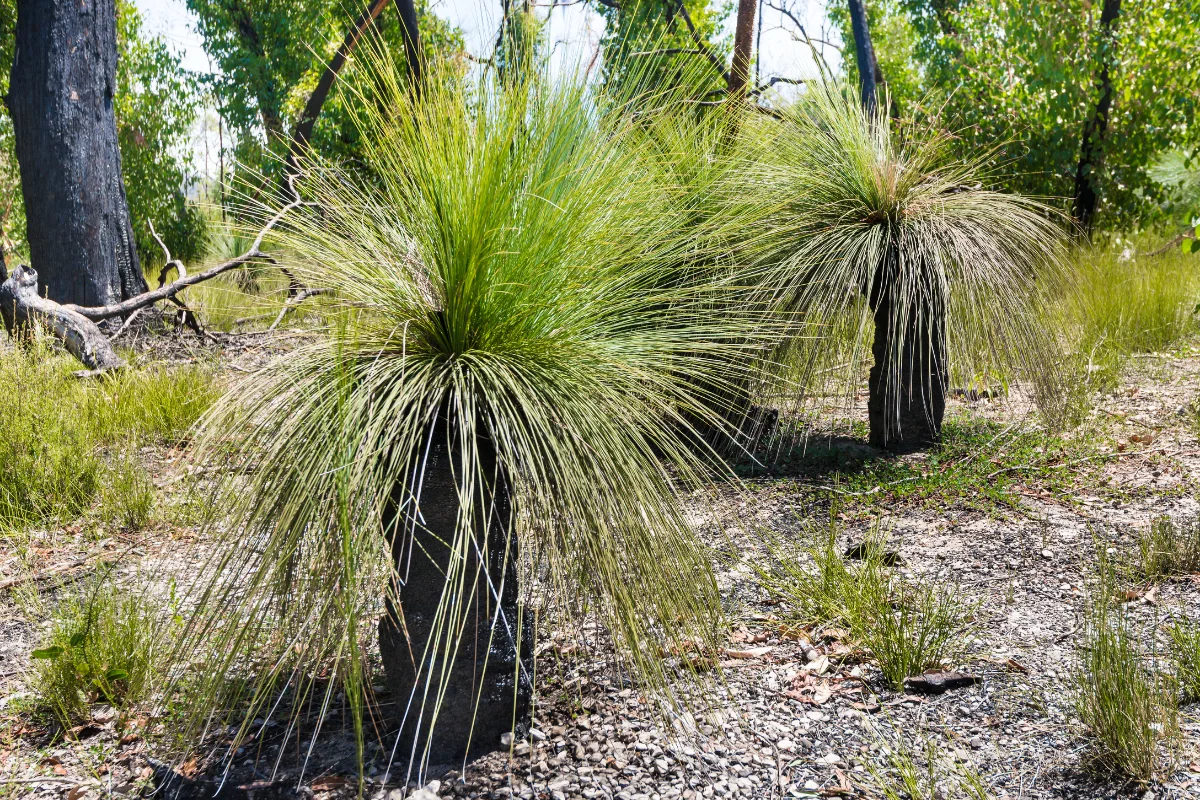
Grass tree
Grass trees are slow-growing, long-lived Australian natives that do best in lean, free-draining soil. They need very little feeding, and wild plants are best left undisturbed.
Fruit tree
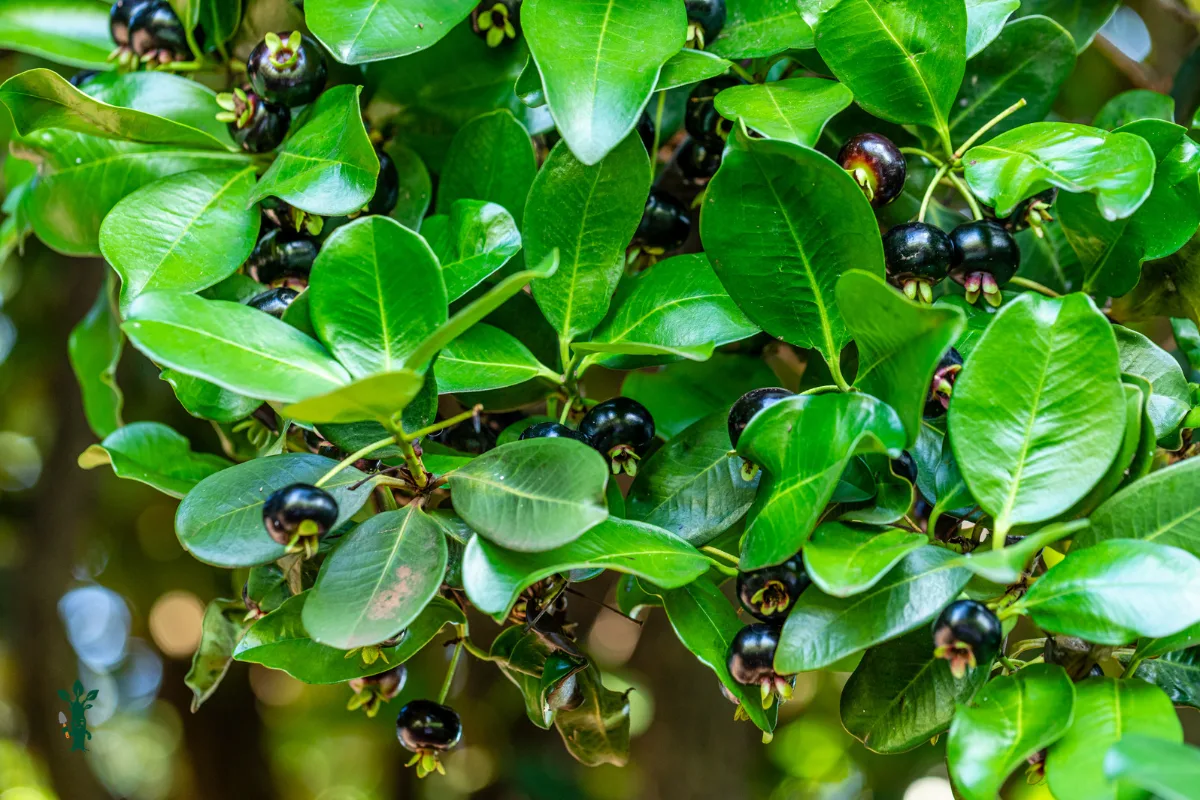
Grumichama
Grumichama is a glossy-leaved subtropical fruit tree with white flowers and cherry-like fruit that ripens from red to dark purple or almost black.
Fruit tree
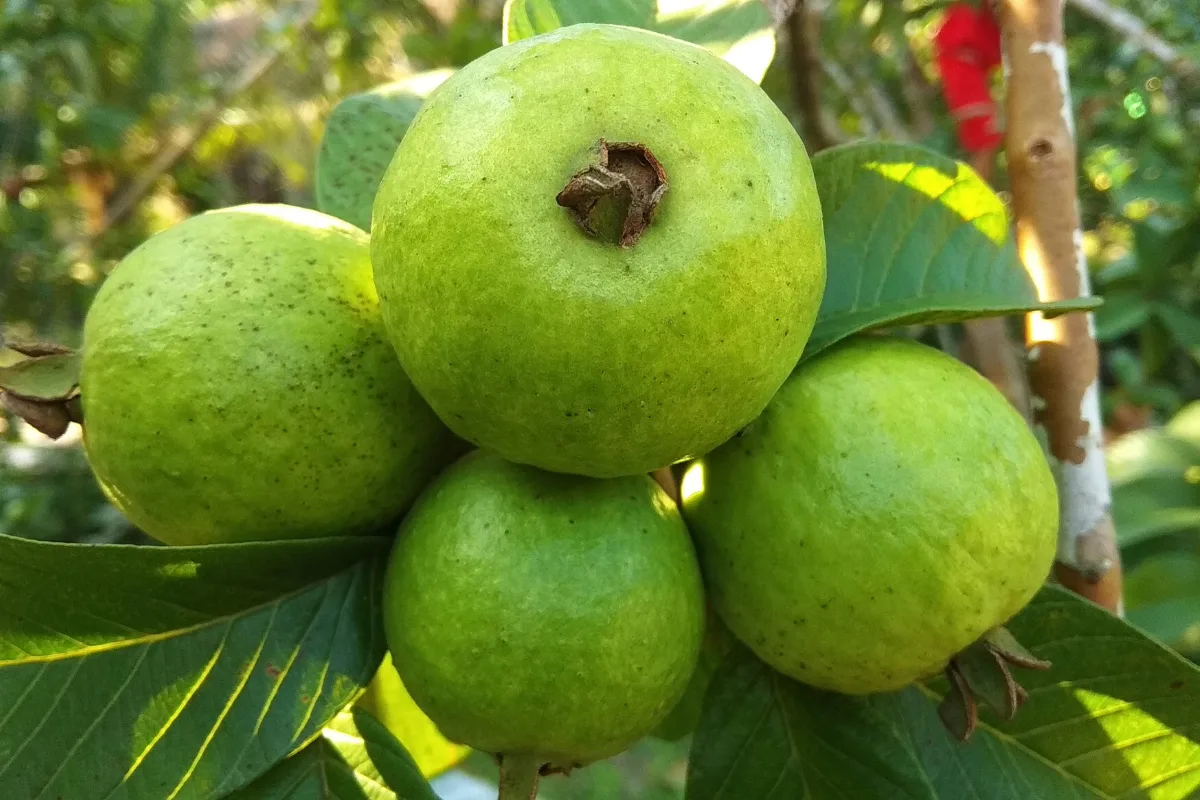
Guava
Guava is a fast-growing tropical to subtropical fruit tree with aromatic leaves, white flowers and round to pear-shaped fruit. It crops young, handles pruning well and can be kept to a practical backyard size.
Fruit tree
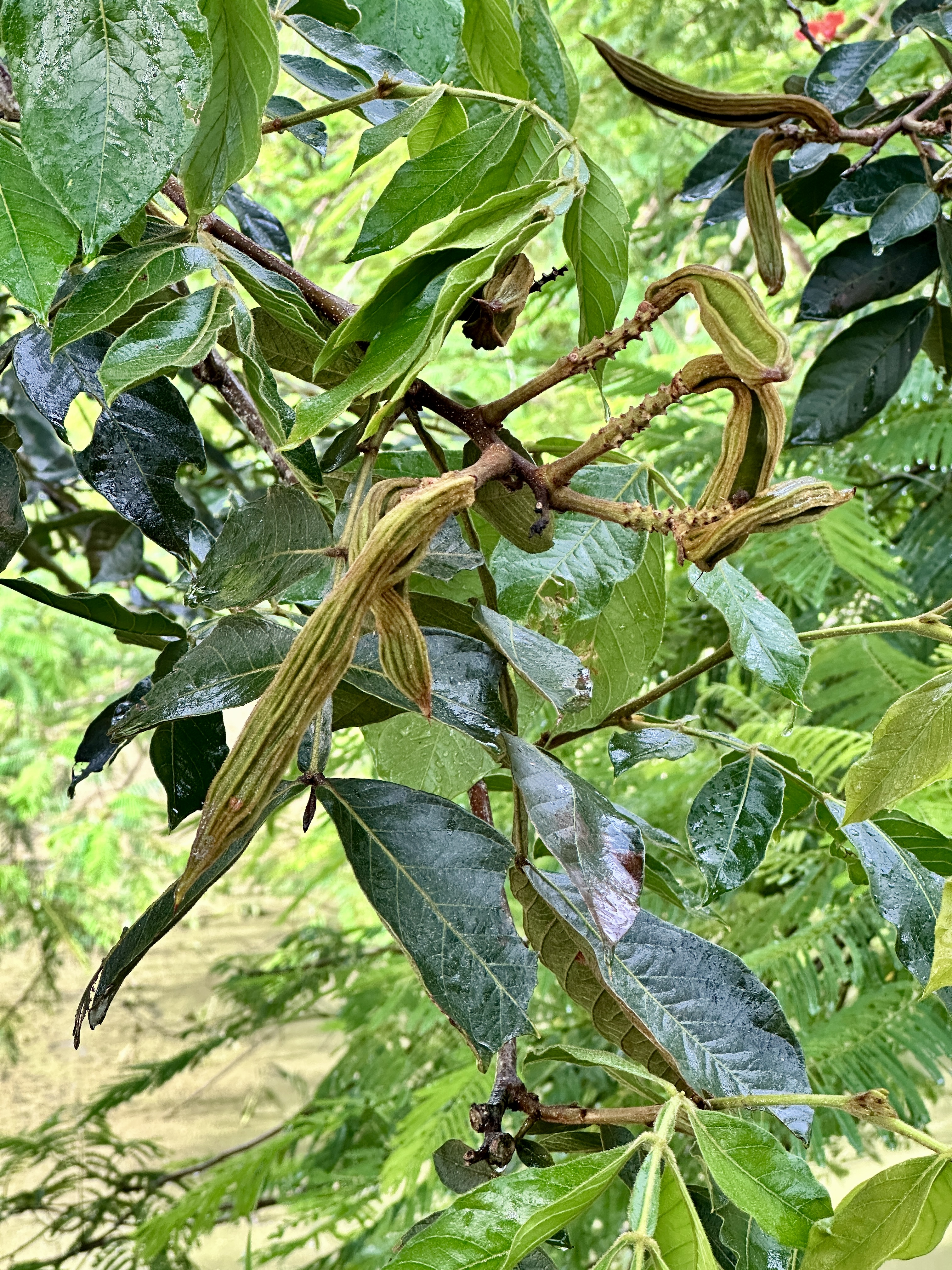
Ice cream bean
Ice cream bean is a very fast tropical legume tree with long pods filled with sweet white pulp around large seeds. It makes deep shade quickly and produces plenty of prunings.
Succulent
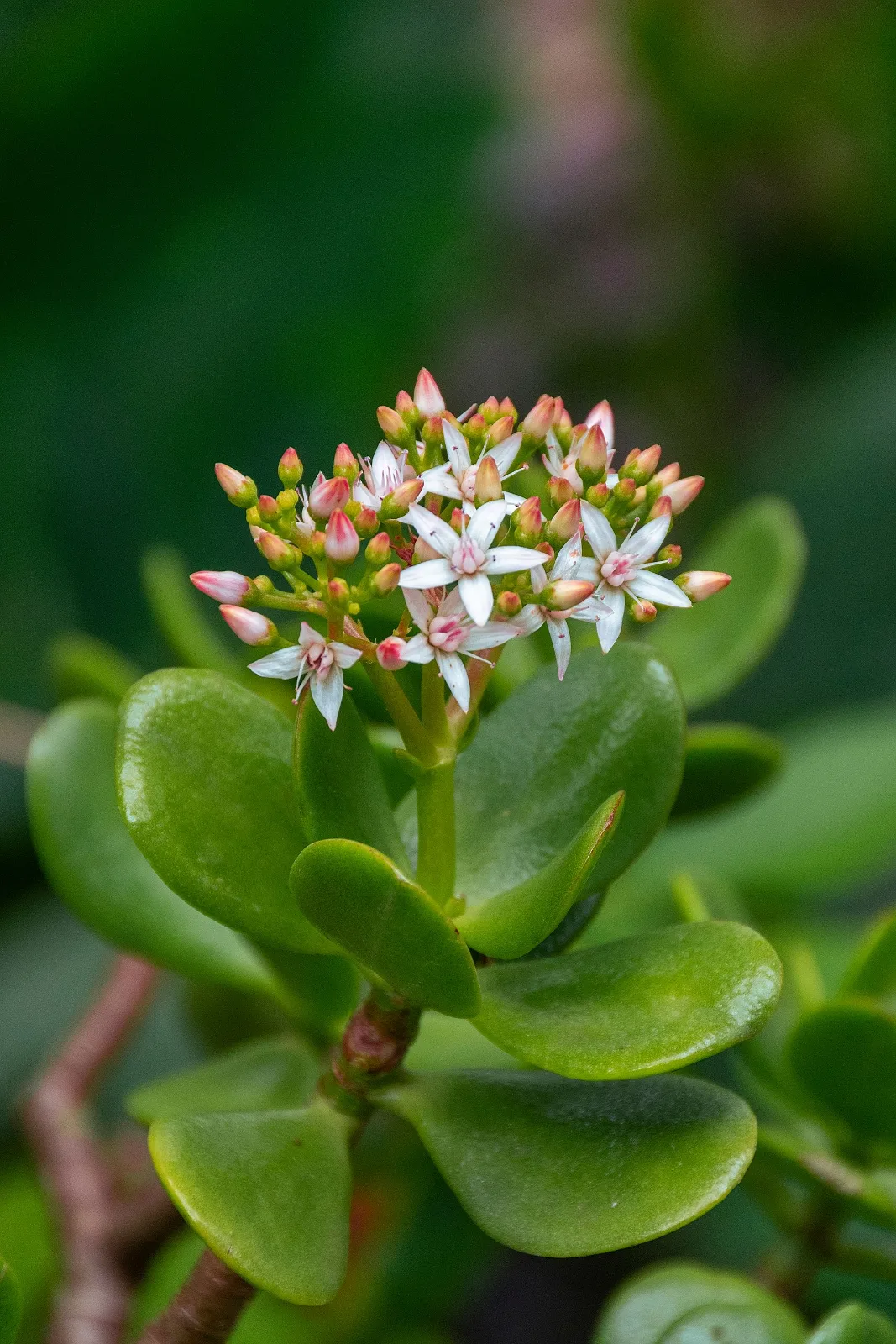
Jade plant
Jade plant is a long-lived succulent shrub with thick glossy leaves and a trunk-like stem as it ages. It thrives on bright light, excellent drainage and restraint with the watering can, indoors or outside in mild frost-free gardens.
Succulent
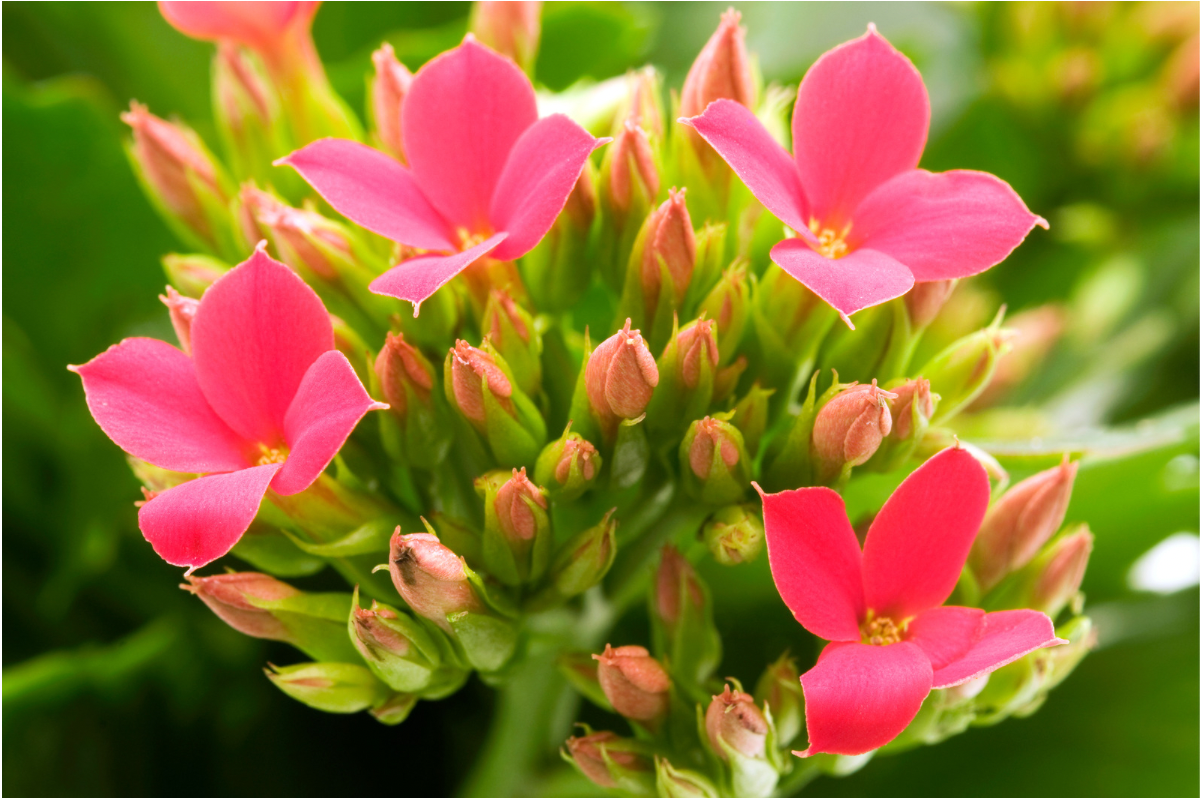
Kalanchoe
Kalanchoe is a compact flowering succulent grown for fleshy green leaves and long-lasting clusters of bright flowers. Kalanchoe blossfeldiana is the familiar florist and garden species, performing best with bright light, free-draining soil and a drier interval between waterings.
Before You Choose
Give new plants time to build roots beyond the original nursery pot. Water deeply through establishment, then gradually increase the interval between waterings if the species and season allow. Frequent shallow watering keeps most roots near the surface and makes plants more dependent on the next drink.
Mulch is one of the simplest ways to stretch soil moisture. It shades the surface, reduces evaporation and limits competition from weeds. Leave space around trunks and crowns so the mulch does not hold constant moisture against the plant itself.
Soil changes the picture. Deep loam or clay can store water for much longer than shallow sand or rocky ground. A plant that sails through a dry spell in deep soil may need more help in a raised bed, pot or exposed slope.
Also check heat and wind. Hot dry wind can remove moisture quickly even from drought-adapted plants. Shelter, planting density and afternoon shade may reduce stress in very exposed gardens. Use this list as a starting point, then compare climate, soil, mature size and light on each profile.
Plant density also changes water demand. Closely planted shrubs and trees may shade the soil, but their roots still compete for the same stored moisture. In a dry garden, mature spacing gives each plant more access to the root zone you are watering. Group plants with similar water needs so you can irrigate deeply where it helps without watering the whole garden unnecessarily.