
Fruit Trees to Grow in Australia
A productive fruit tree starts with a variety that suits your climate and a position that still works when the tree is mature. Many apples, pears, stone fruit and cherries need winter chill. Mangoes, lychees and other tropical fruit need warmth and protection from cold.
Fruit tree
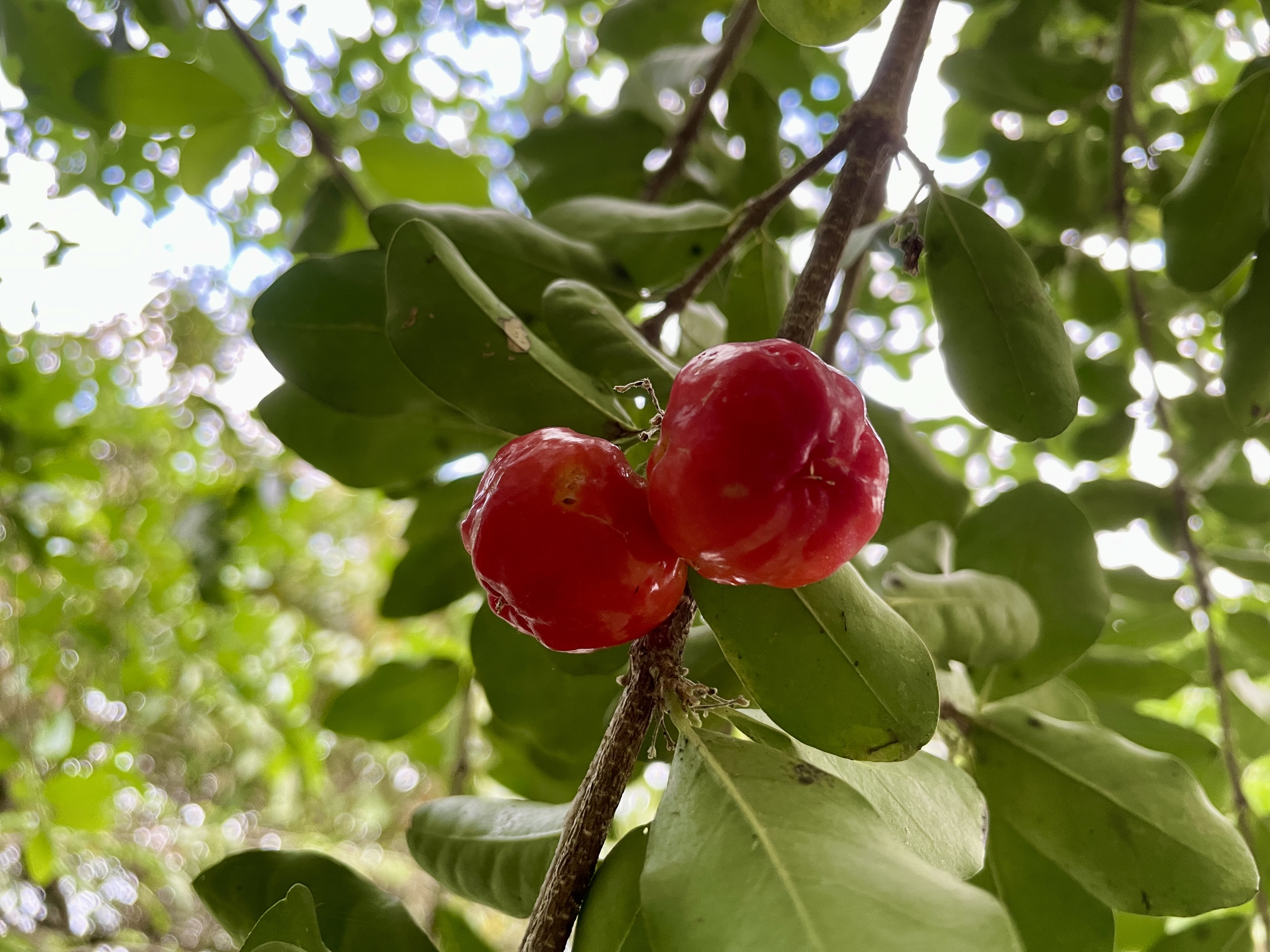
Acerola cherry
Acerola is a fast-growing tropical fruit shrub or small tree with bright red, tart-sweet fruit and very high vitamin C.
View plant →
Fruit tree
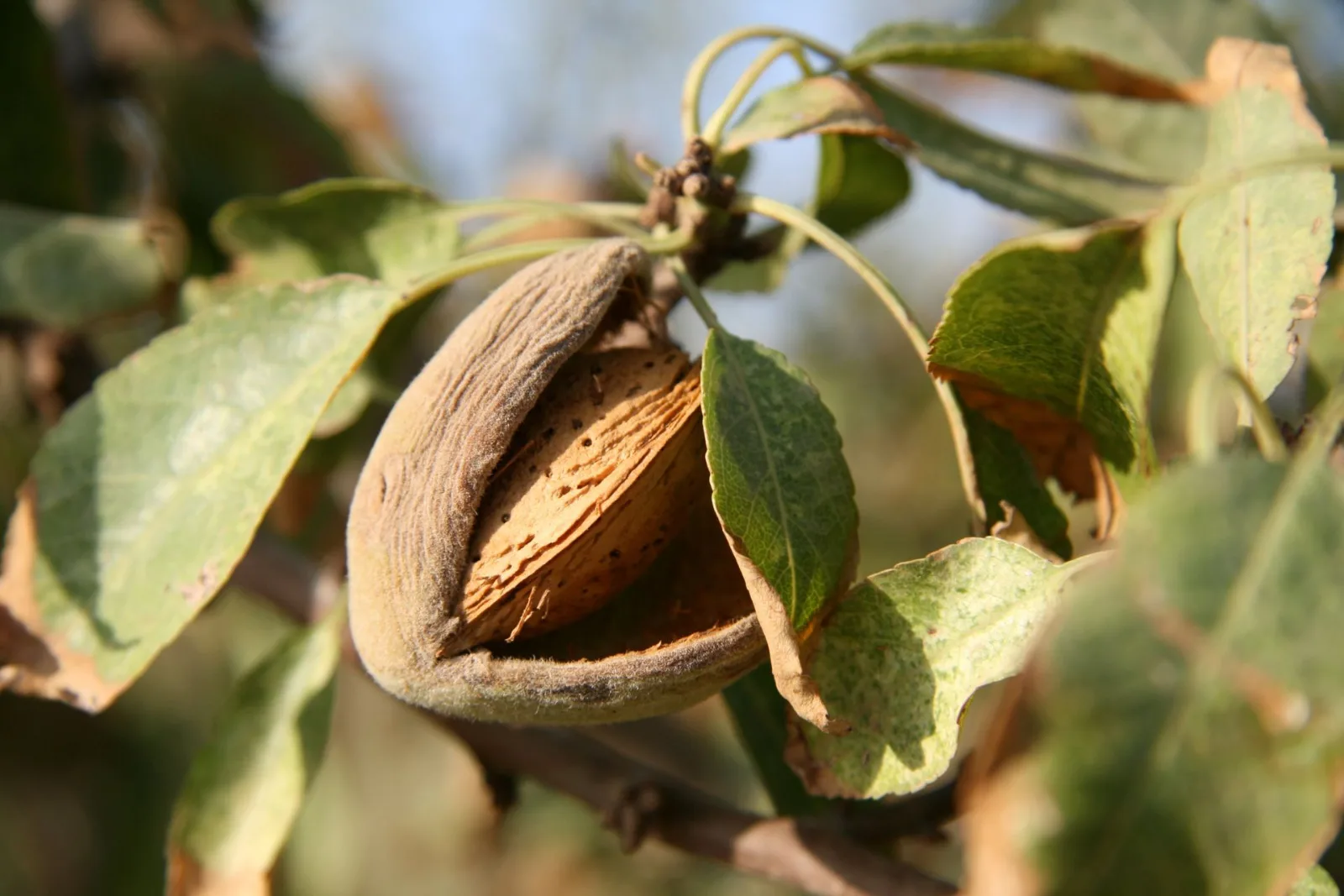
Almond
Almond is a deciduous nut tree that needs winter chill, full sun and good spring weather for pollination. Many varieties need a compatible pollinator.
View plant →
Fruit tree
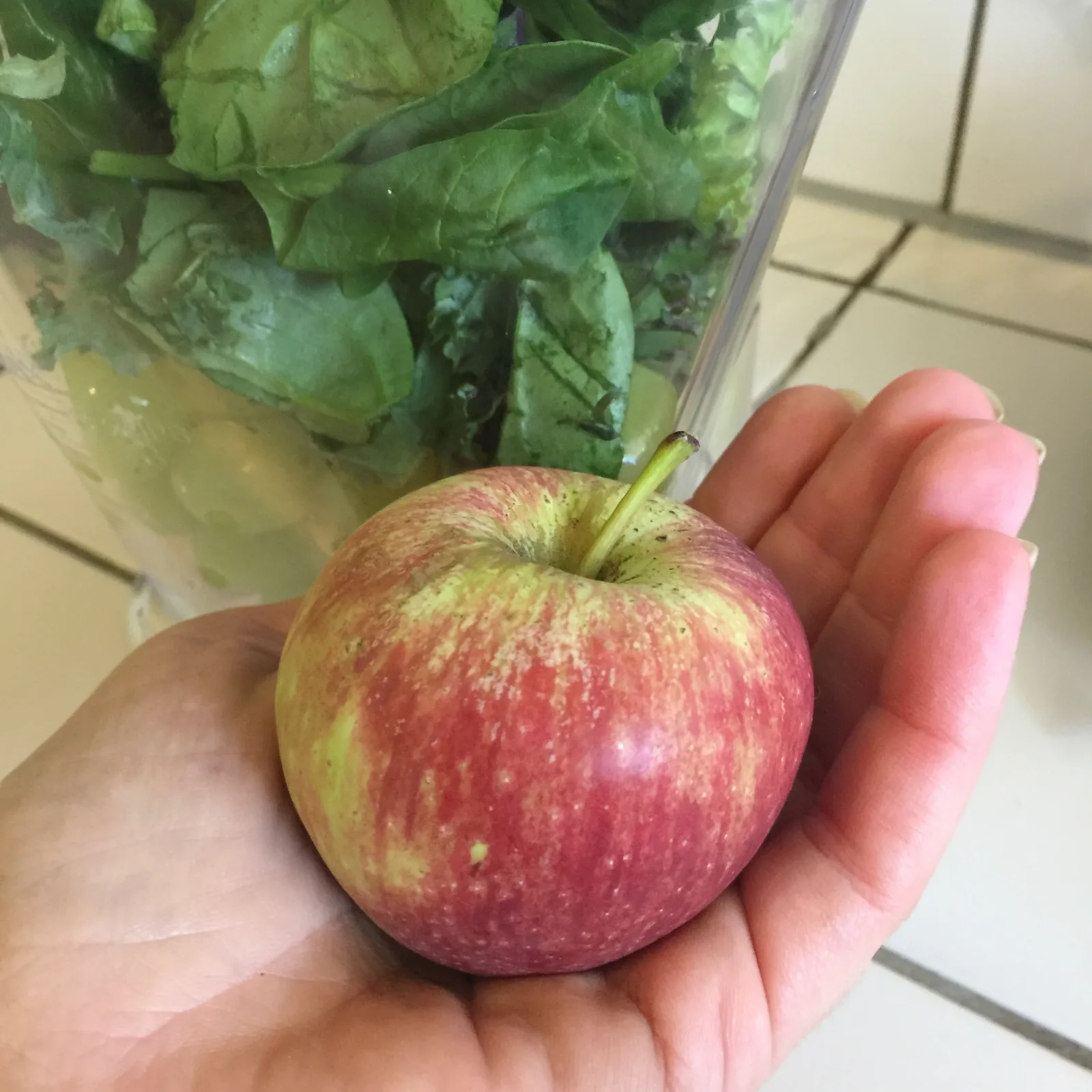
Apple
Apples range from low-chill subtropical cultivars to high-chill trees for cold districts. Choosing the right cultivar for your winter is the first step to getting reliable flowers and fruit.
View plant →
Fruit tree
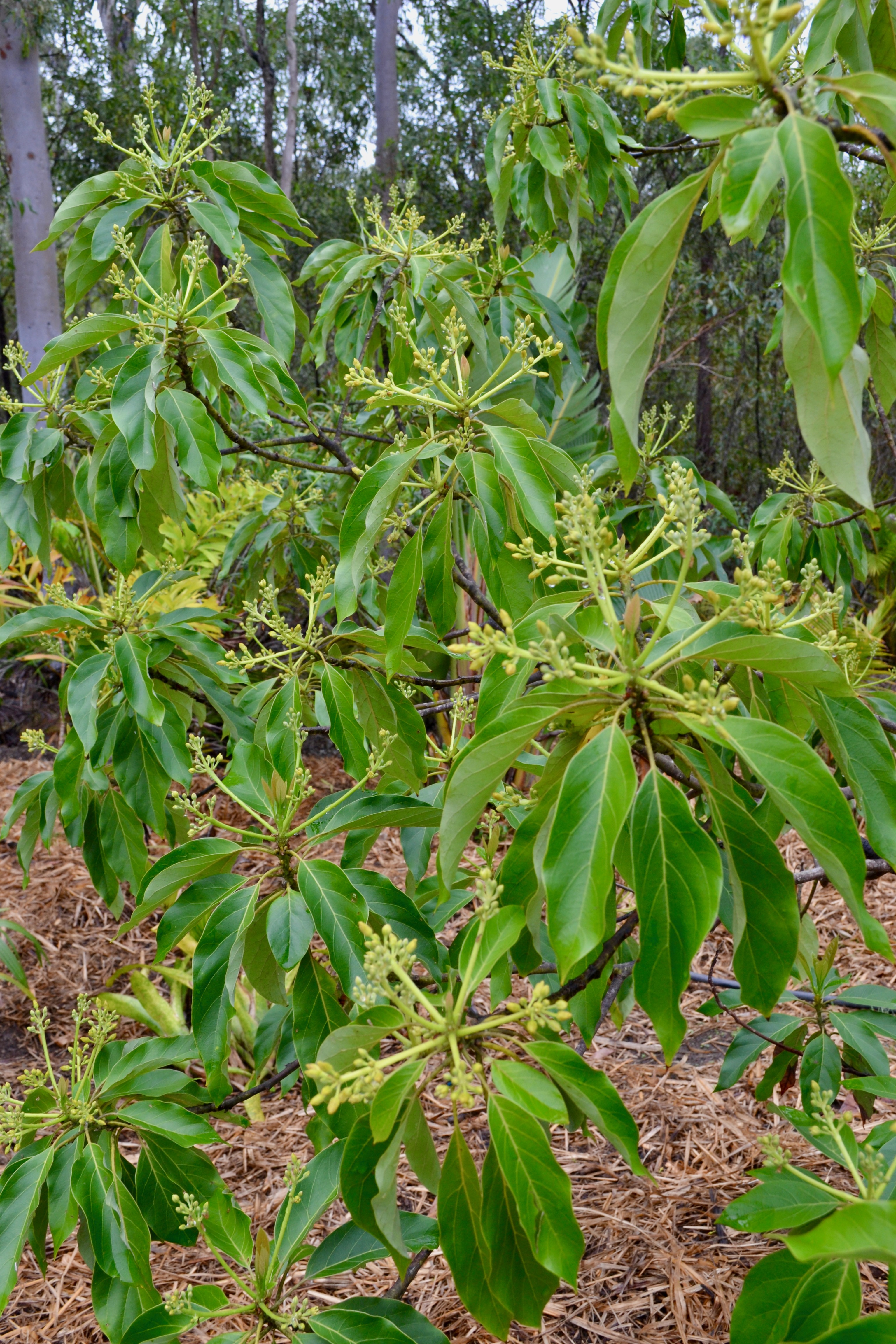
Avocado
Avocados need very good drainage, regular moisture and protection from root rot. Feeding and pruning should be light and matched to the tree's growth.
View plant →
Fruit tree
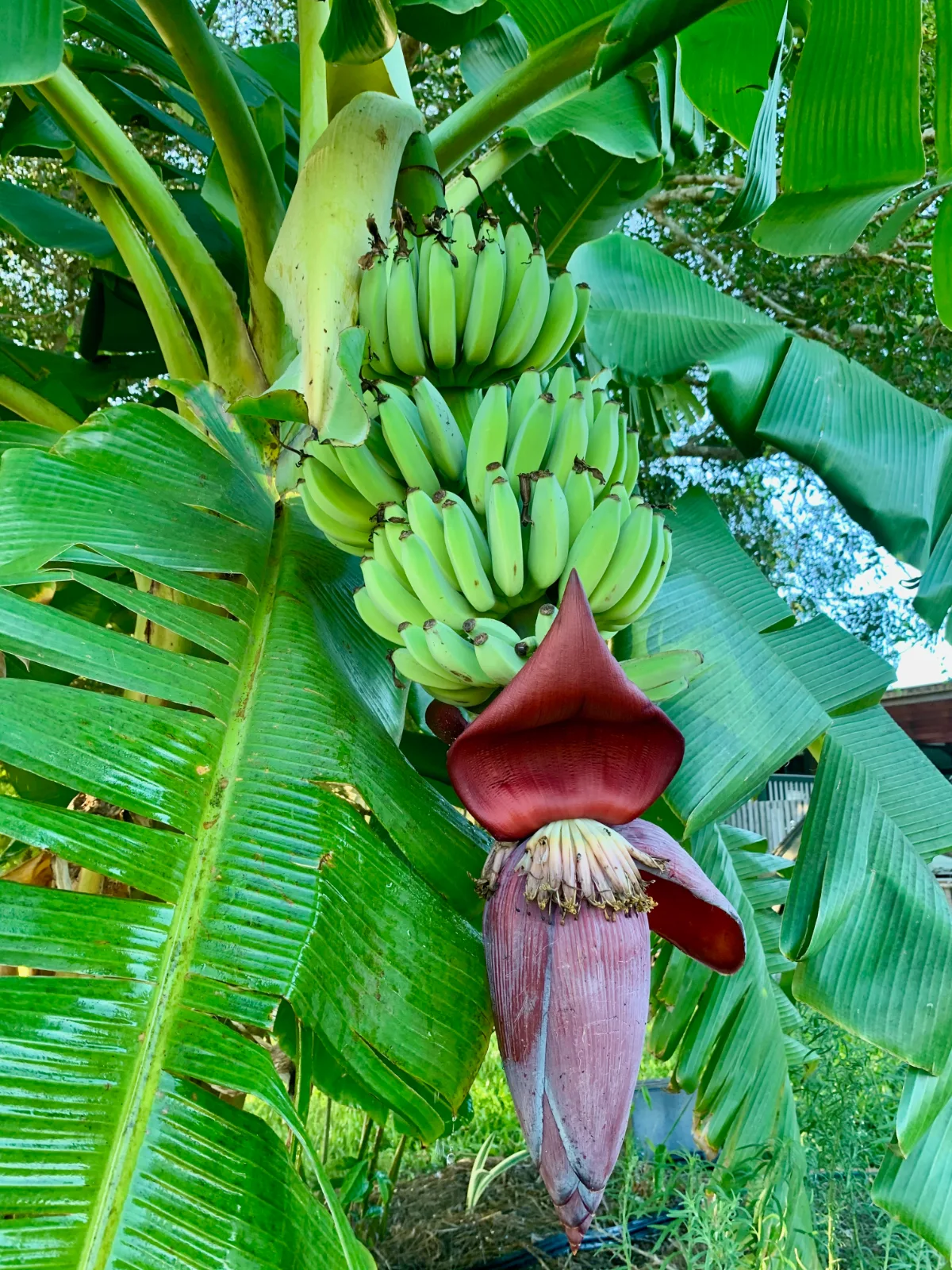
Banana
Bananas grow best with warmth, sun, regular feeding and plenty of water. Keeping only a few well-spaced suckers helps the clump produce good bunches.
View plant →
Fruit tree
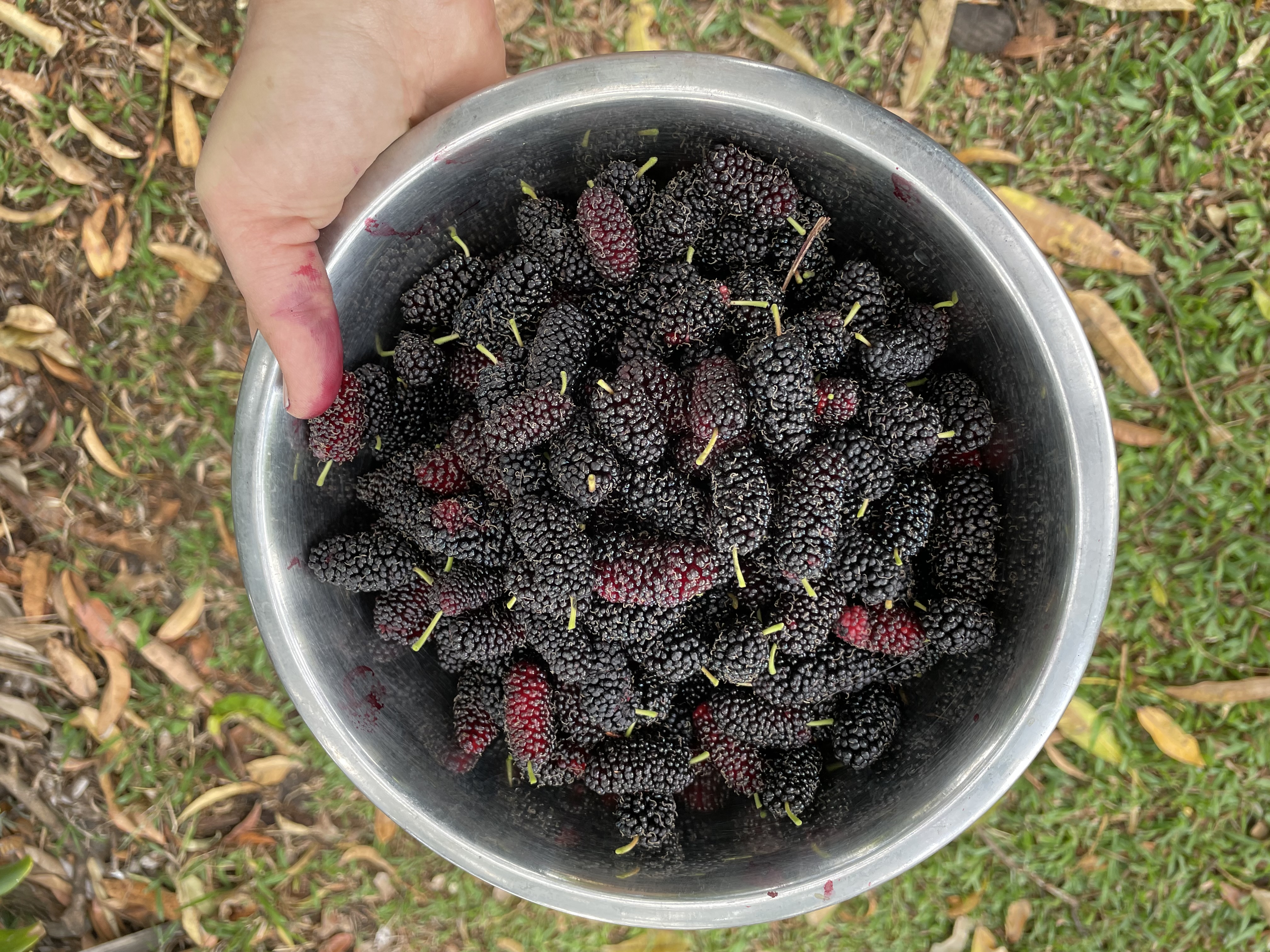
Black mulberry
Black mulberry is a deciduous fruit tree grown for intensely flavoured dark berries. It handles heat and dry conditions once established and can be kept to a practical picking height with regular pruning.
View plant →
Fruit tree
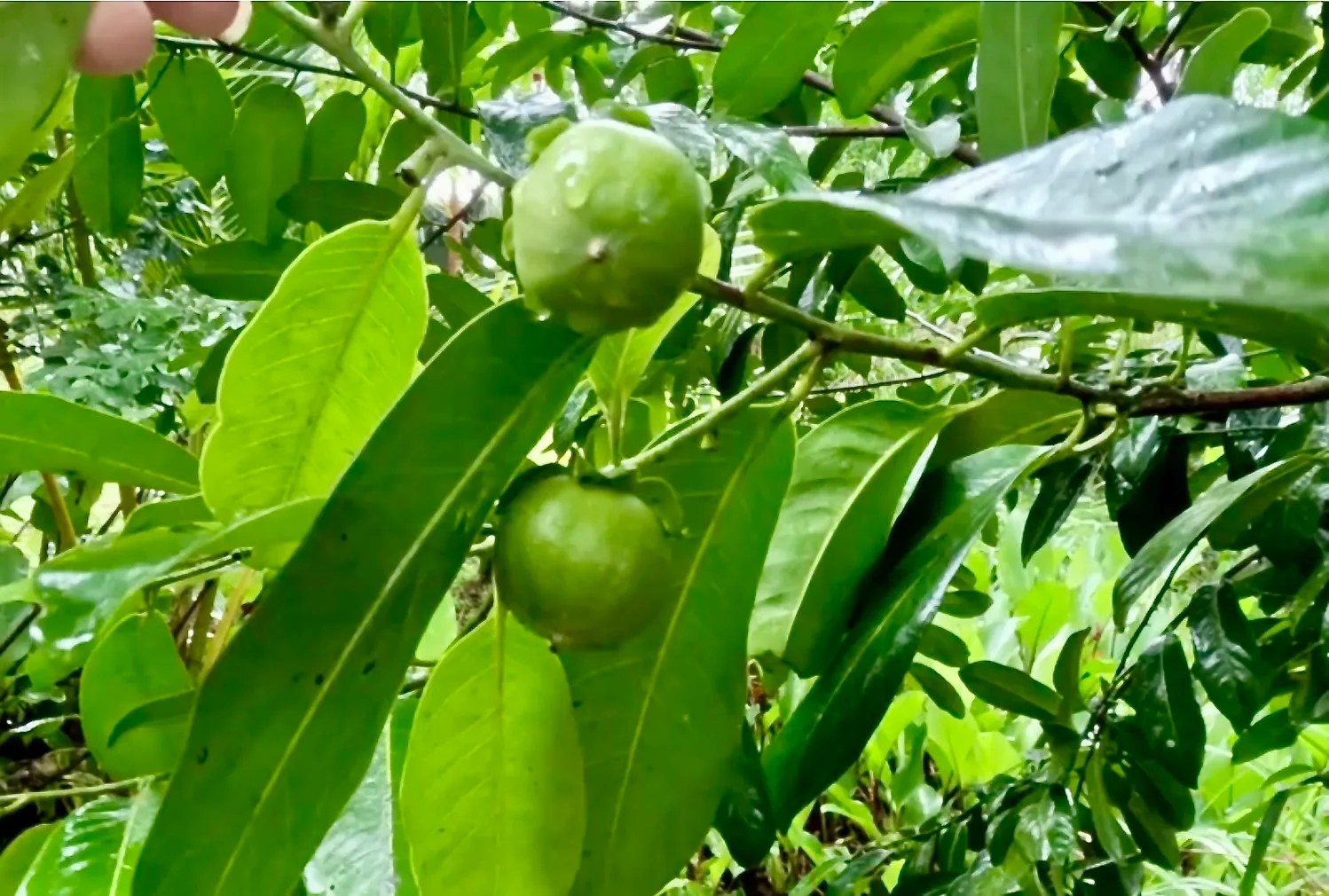
Black sapote
Black sapote is a tropical fruit tree with green fruit that softens to dark chocolate-brown pulp when ripe. The flesh is mild, sweet and custard-like.
View plant →
Fruit tree
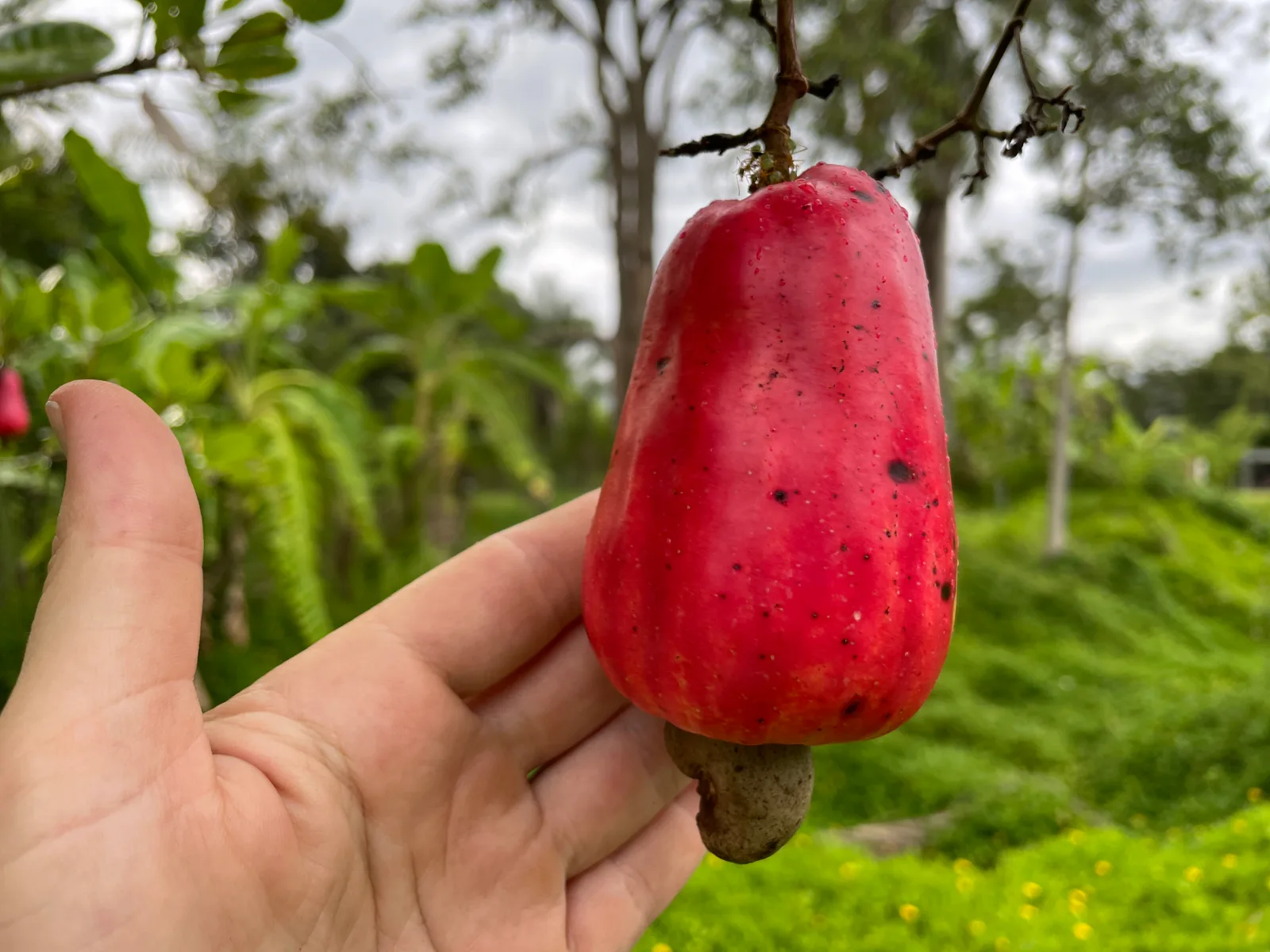
Cashew
Cashew is a tropical tree that produces a cashew apple with one nut attached below it. It needs warmth, sun and a long frost-free season.
View plant →
Fruit & berry
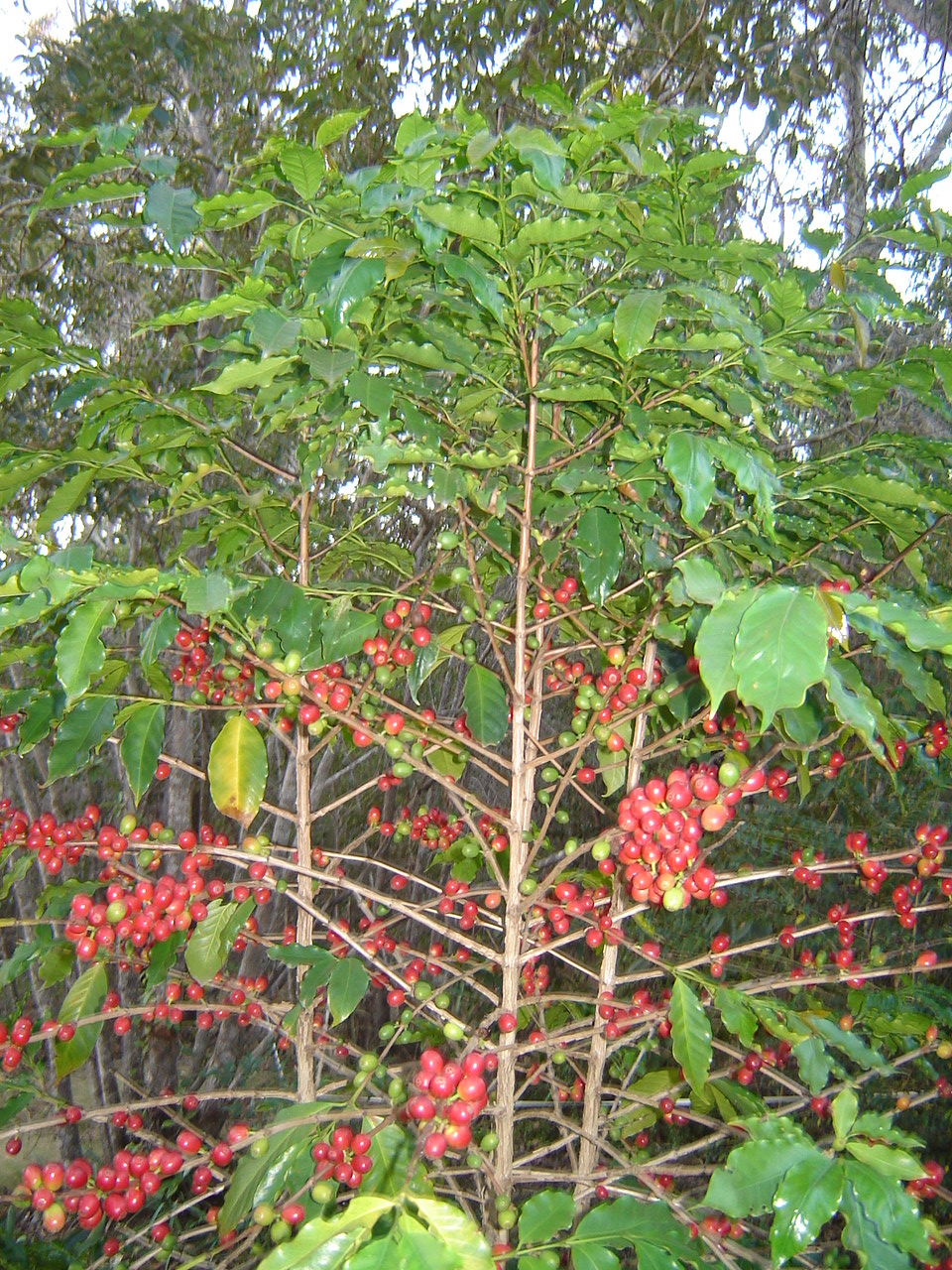
Coffee
Coffee is a glossy evergreen shrub with scented white flowers followed by red berries. It grows well in warm Australian gardens with bright filtered light, fertile soil and reliable moisture.
View plant →
Fruit tree
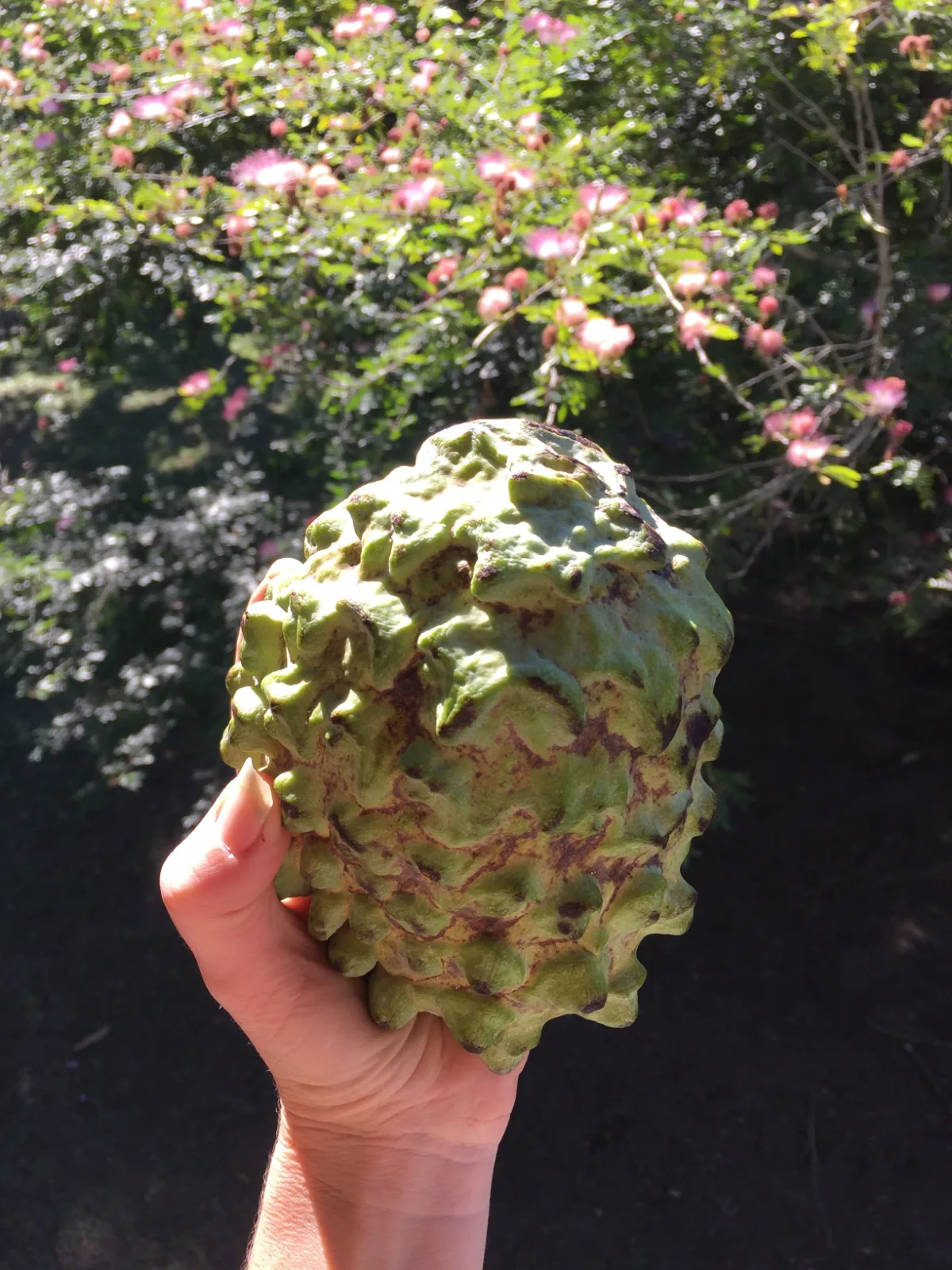
Custard apple (Atemoya)
Atemoya is the custard apple most commonly grown in warm Australian orchards: a hybrid with knobbly green fruit, creamy sweet flesh and a strong subtropical pedigree. It is a very good backyard fruit tree where summers are warm, winters are mild and you are happy to give it some pruning and, if needed, a hand with pollination.
View plant →
Fruit tree
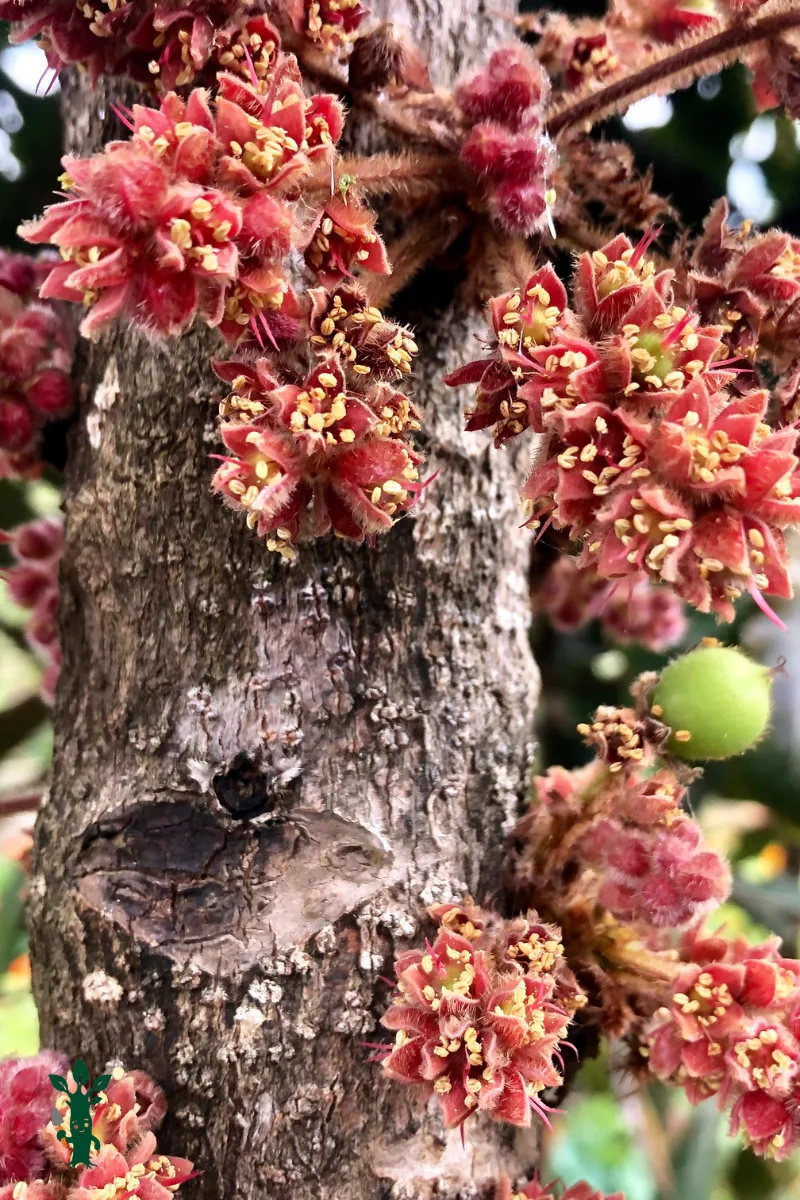
Davidson plum
Davidson plum is an Australian rainforest tree with tart purple fruit. It grows well in warm, sheltered gardens and can handle part shade.
View plant →
Fruit tree
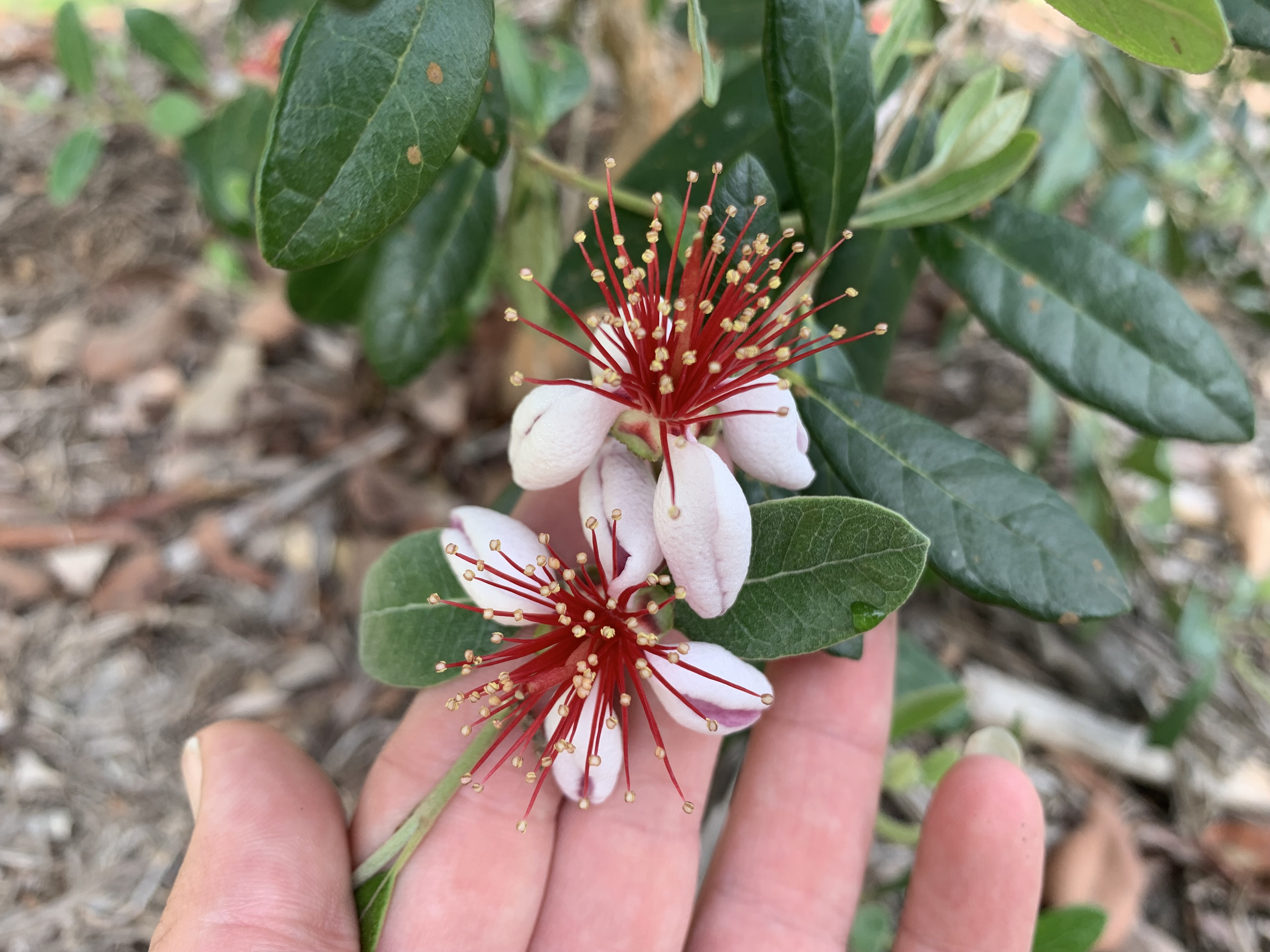
Feijoa
Feijoa is an evergreen subtropical fruit shrub or small tree with silver-backed leaves, edible flowers and fragrant green fruit. Cool winters, full sun and compatible pollination help it crop well.
View plant →
Fruit tree
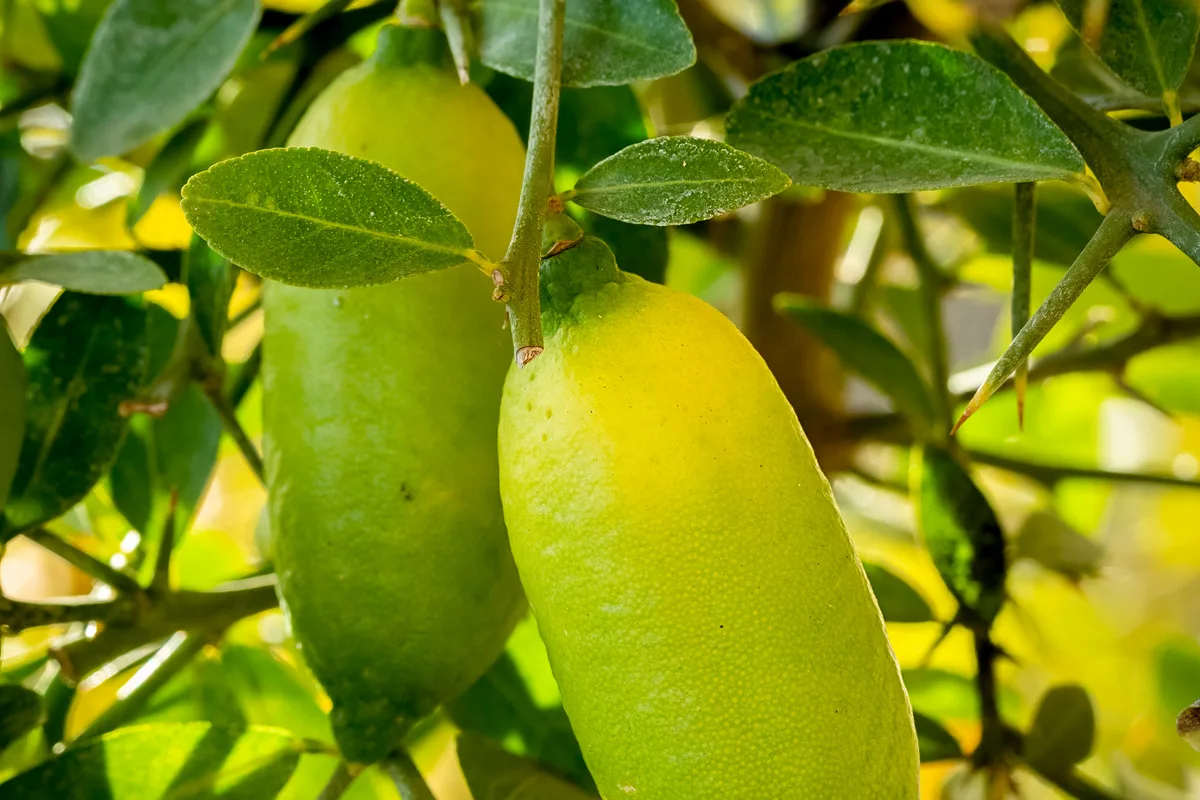
Finger lime
Finger limes are Australian rainforest citrus grown for the tangy little juice pearls inside their narrow fruit. They grow well in suitable warm and mild gardens, with good drainage and some shelter while young. Fruit colour, plant size and thorniness vary between cultivars, so a named grafted plant is a good way to choose what you want.
View plant →
Fruit tree
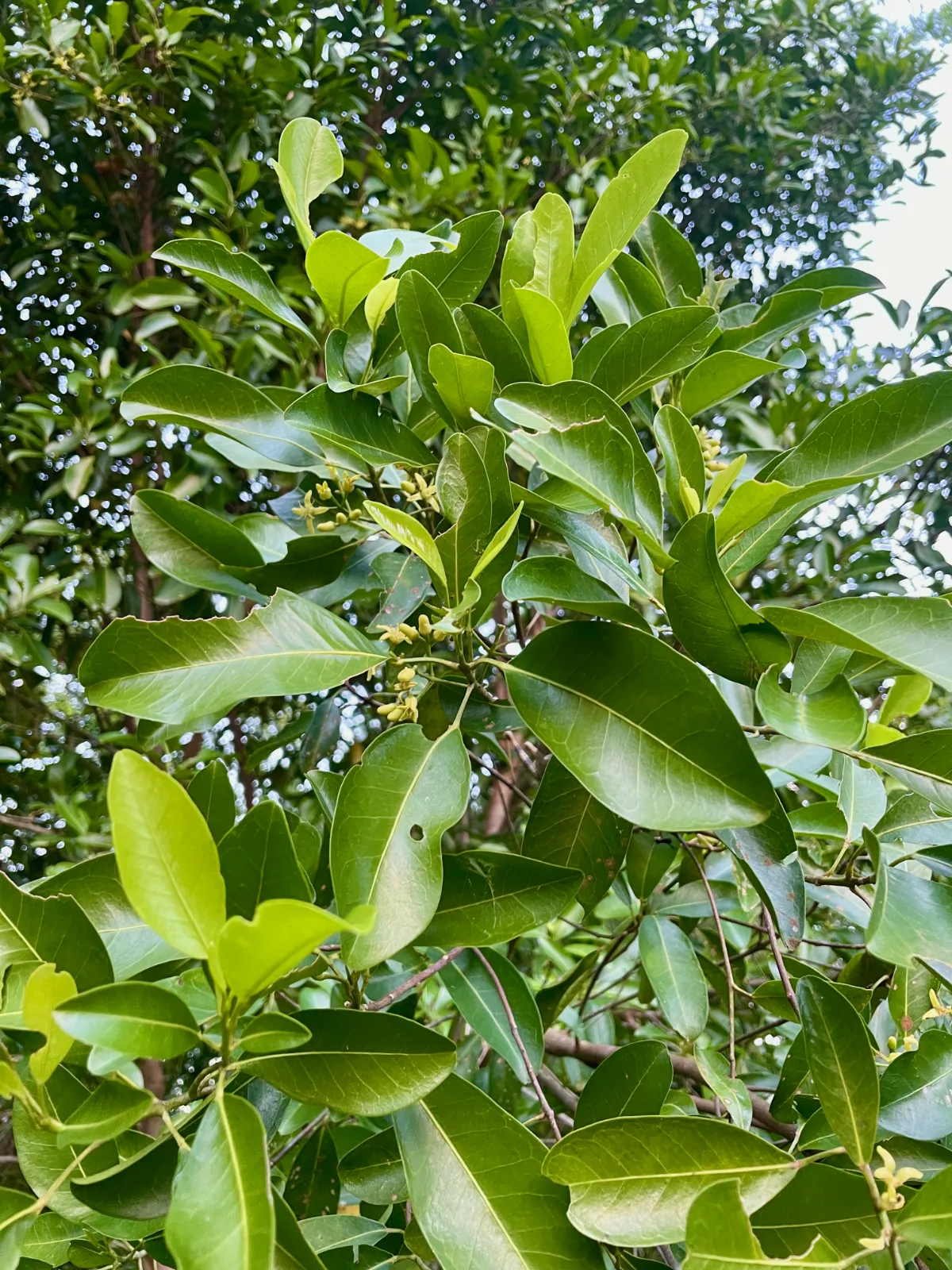
Fraser Island apple
Fraser Island apple is an Australian coastal rainforest tree, native to sheltered dune and littoral rainforest from central Queensland into northern New South Wales, with glossy leaves, fragrant cream flowers and small yellow fruit that can be used in preserves.
View plant →
Fruit tree
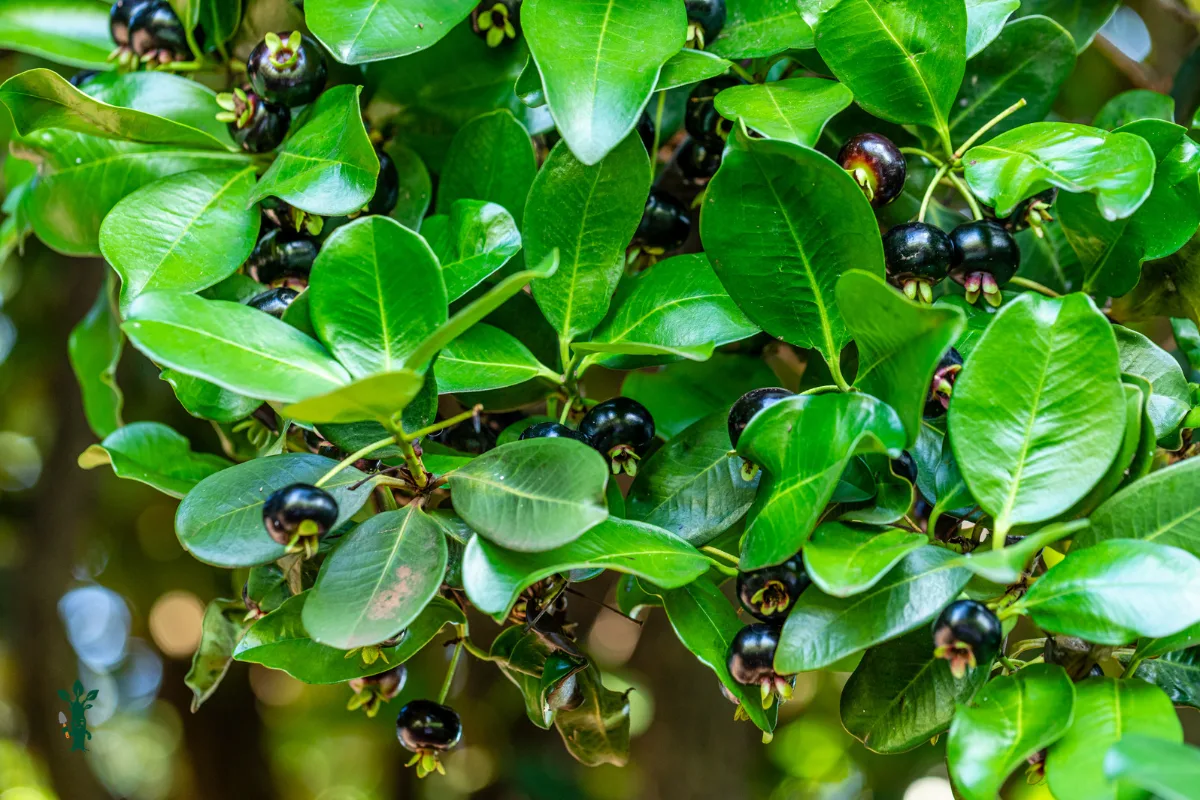
Grumichama
Grumichama is a glossy-leaved subtropical fruit tree with white flowers and cherry-like fruit that ripens from red to dark purple or almost black.
View plant →
Fruit tree
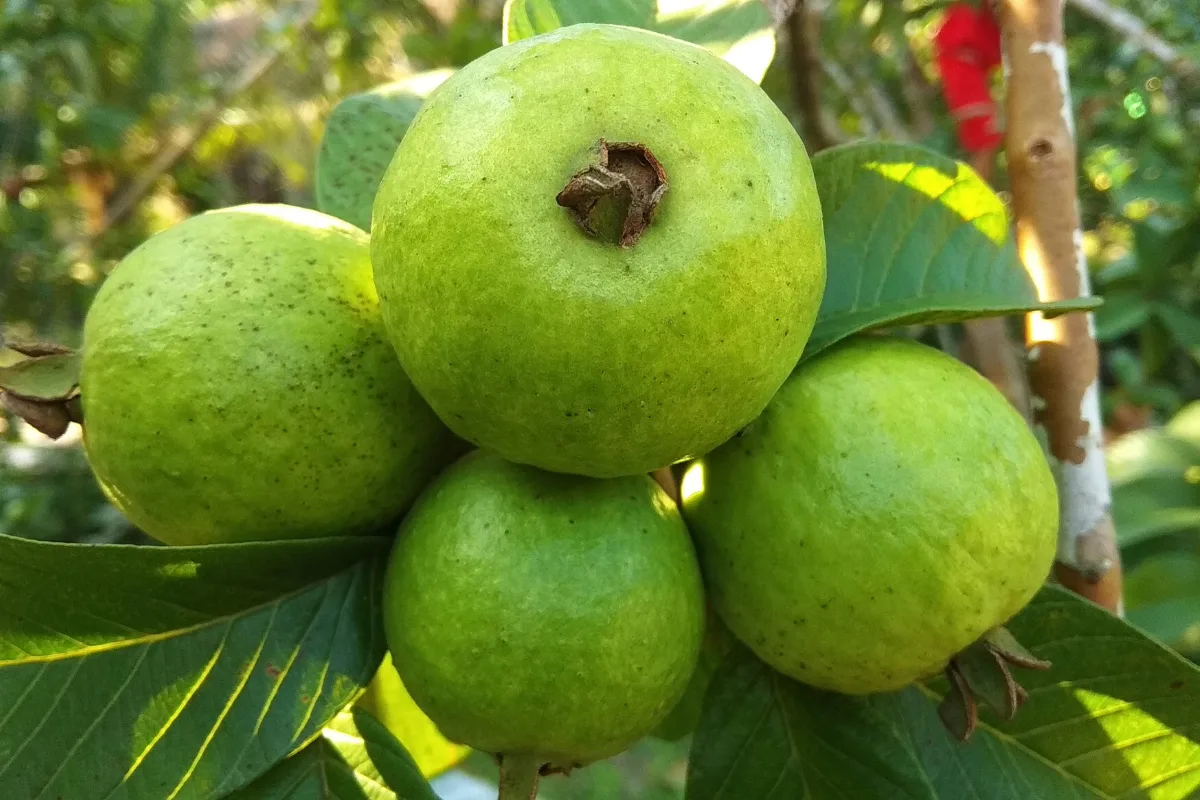
Guava
Guava is a fast-growing tropical to subtropical fruit tree with aromatic leaves, white flowers and round to pear-shaped fruit. It crops young, handles pruning well and can be kept to a practical backyard size.
View plant →
Fruit tree
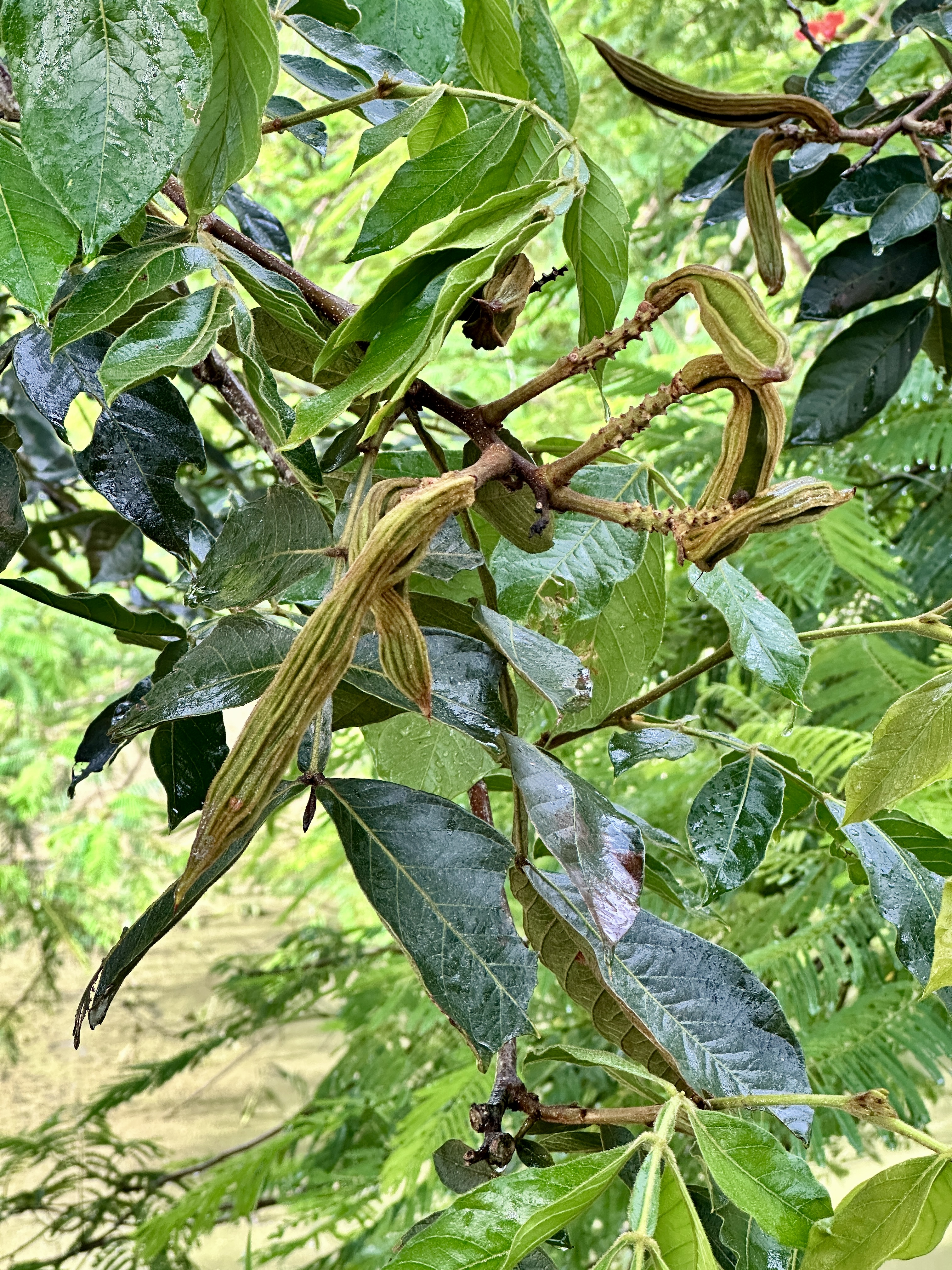
Ice cream bean
Ice cream bean is a very fast tropical legume tree with long pods filled with sweet white pulp around large seeds. It makes deep shade quickly and produces plenty of prunings.
View plant →
Fruit tree
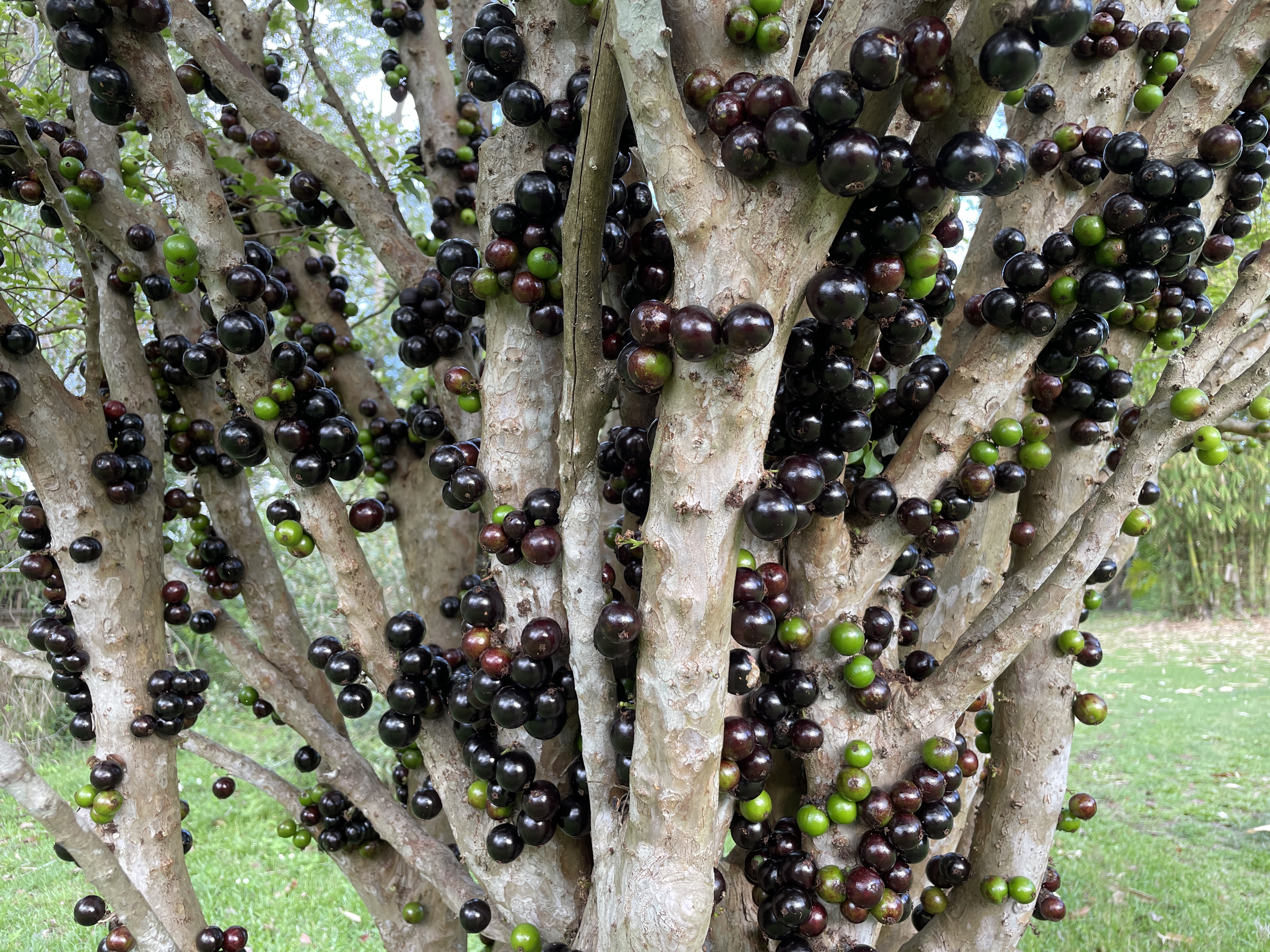
Jaboticaba
Jaboticaba is a slow-growing fruit tree that carries dark purple fruit directly on its trunk and older branches. The sweet juicy fruit can be eaten fresh or used for jam, wine and preserves.
View plant →
Fruit tree
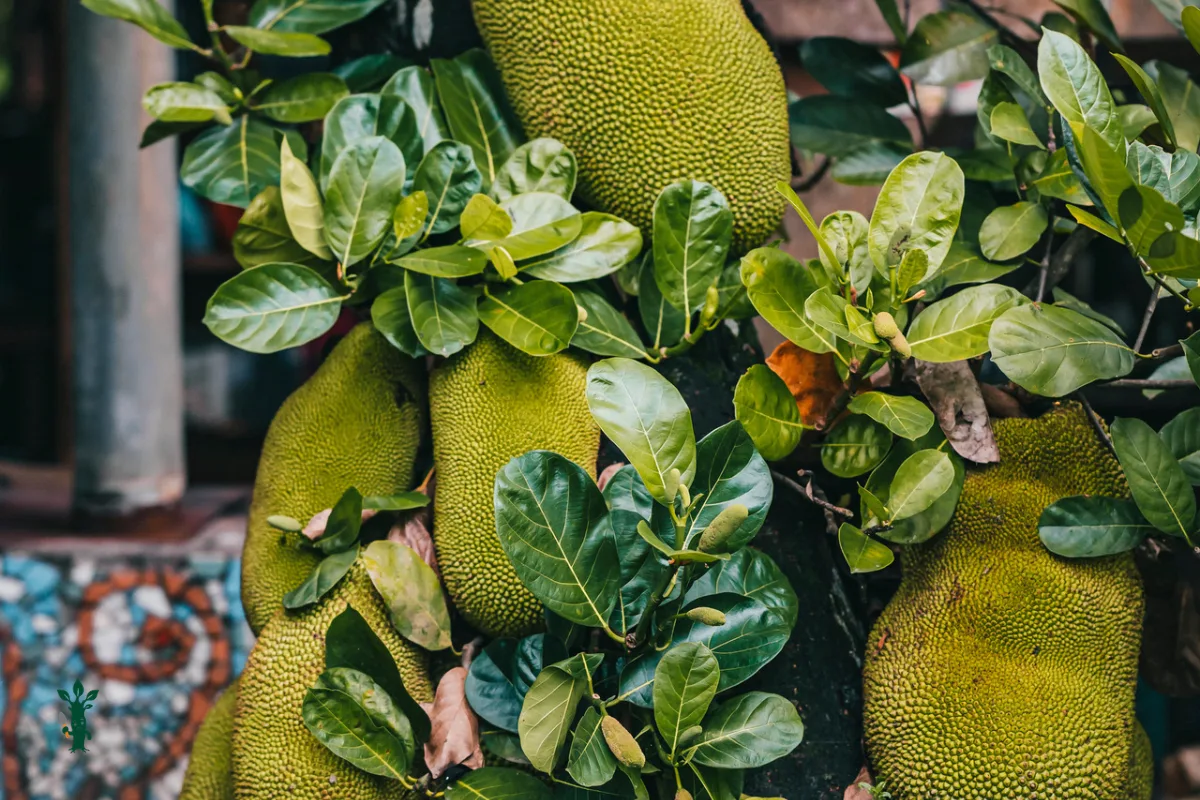
Jackfruit
Jackfruit is a spectacular evergreen fruit tree that carries huge green fruit directly on its trunk and main branches. It loves warm humid conditions and is genuinely productive in subtropical south-east Queensland as well as the tropics, provided it has enough warmth, water and room for a substantial tree.
View plant →
Fruit tree
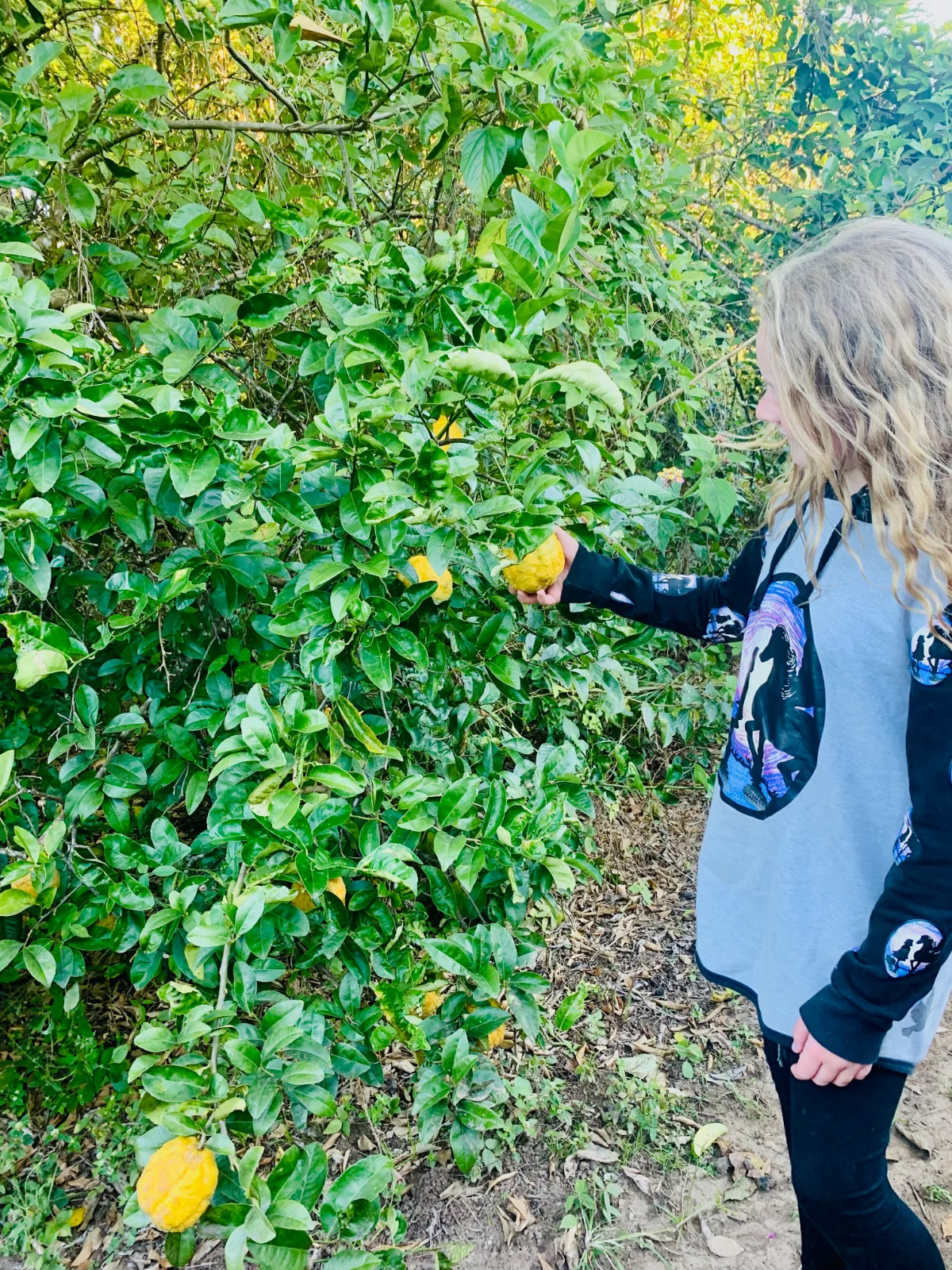
Lemon
Lemon trees like full sun, good drainage, regular water and feeding. They can flower and fruit more than once a year in warm climates.
View plant →
Fruit tree
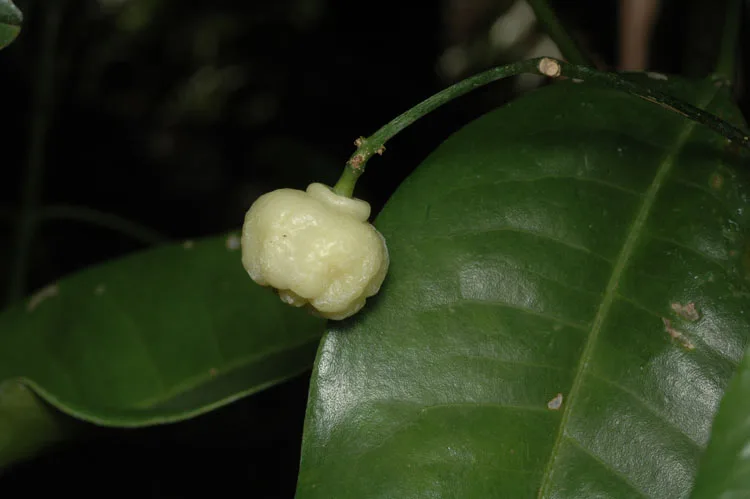
Lemon aspen
Lemon aspen is a Queensland rainforest tree with small pale fruit carrying an intense tart citrus flavour somewhere between lemon, lime and grapefruit. It is useful as a native food plant, has glossy evergreen foliage and suits warm, moist rainforest-style gardens.
View plant →
Fruit tree
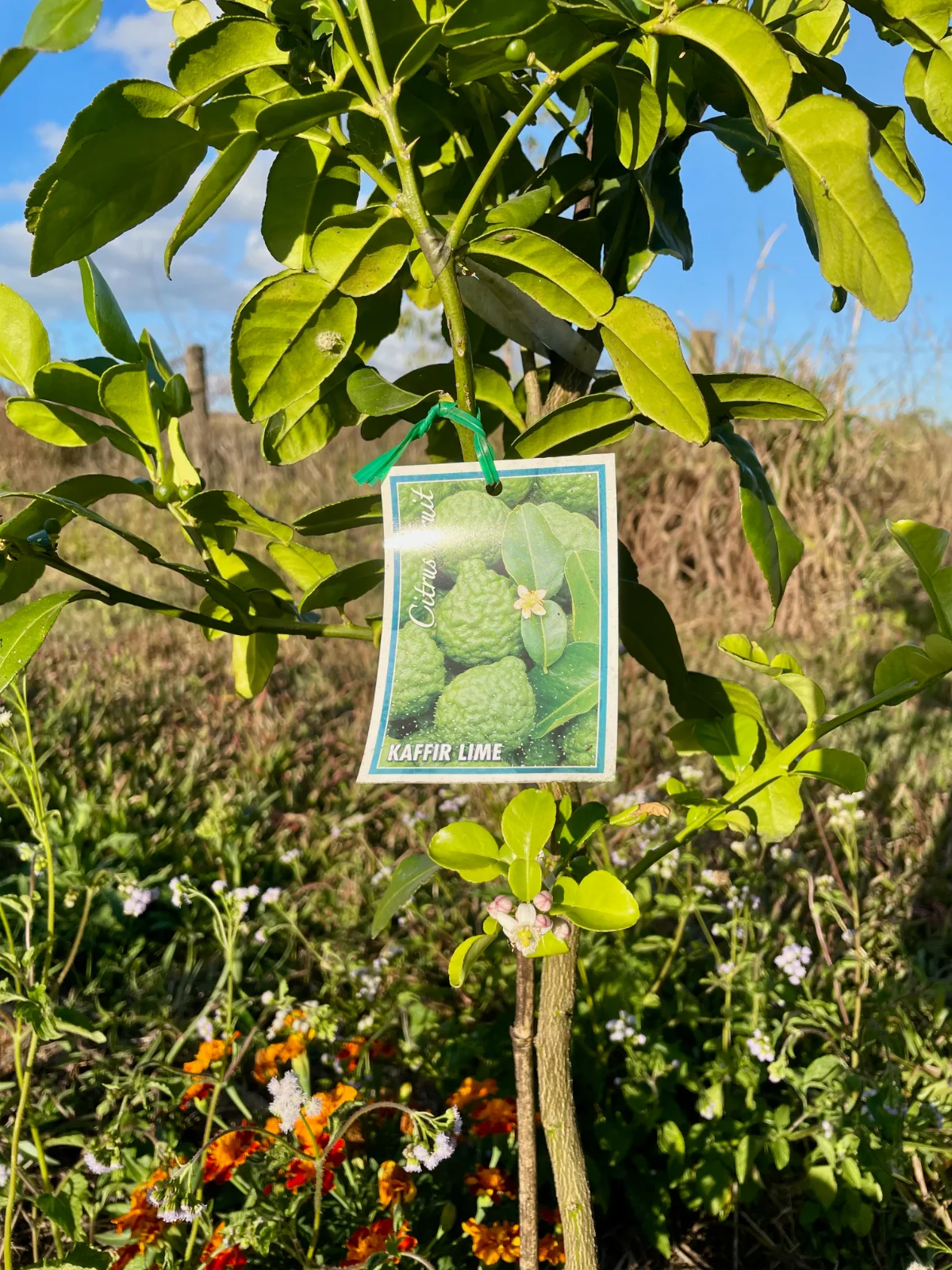
Lime
Lime trees like warmth, full sun, good drainage and regular feeding. They can crop for a long part of the year in warm Australian climates.
View plant →
Fruit tree
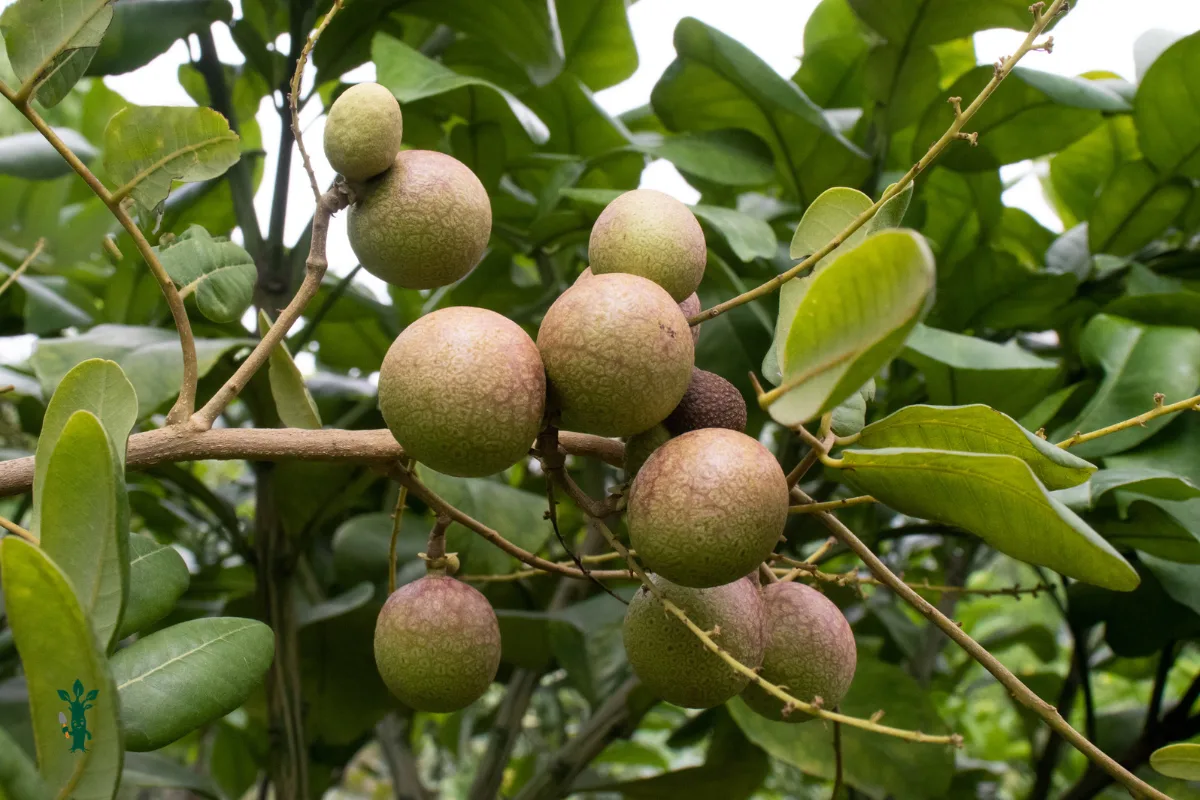
Longan
Longan is a close relative of lychee with tan-skinned fruit, translucent sweet flesh and a dark seed that gives it the name "dragon eye". It is one of the best warm-subtropical fruit trees where winters are cool and dry enough to trigger flowering, followed by a warm wet growing season.
View plant →
Fruit tree
Loquat
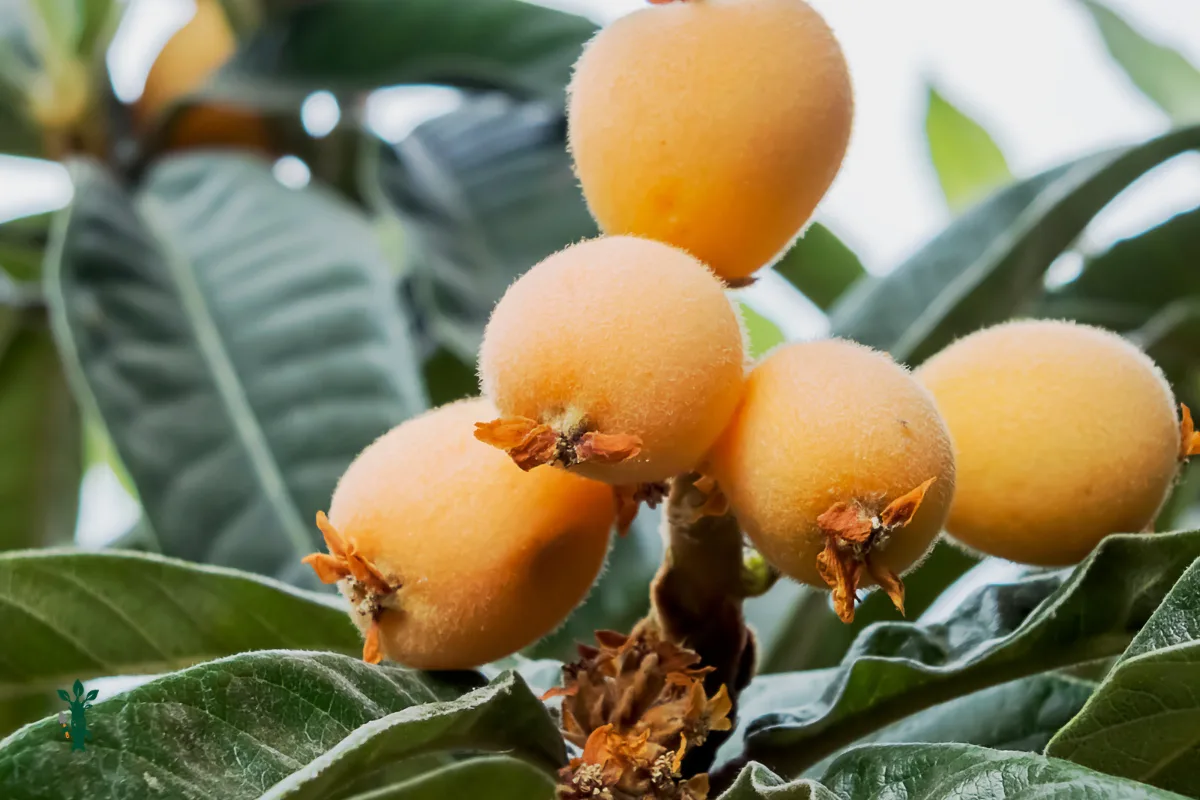
Loquat is an evergreen fruit tree with fragrant winter flowers and orange spring fruit. It grows quickly in mild climates and can be pruned to keep the crop easy to reach.
View plant →
Fruit tree
Lychee
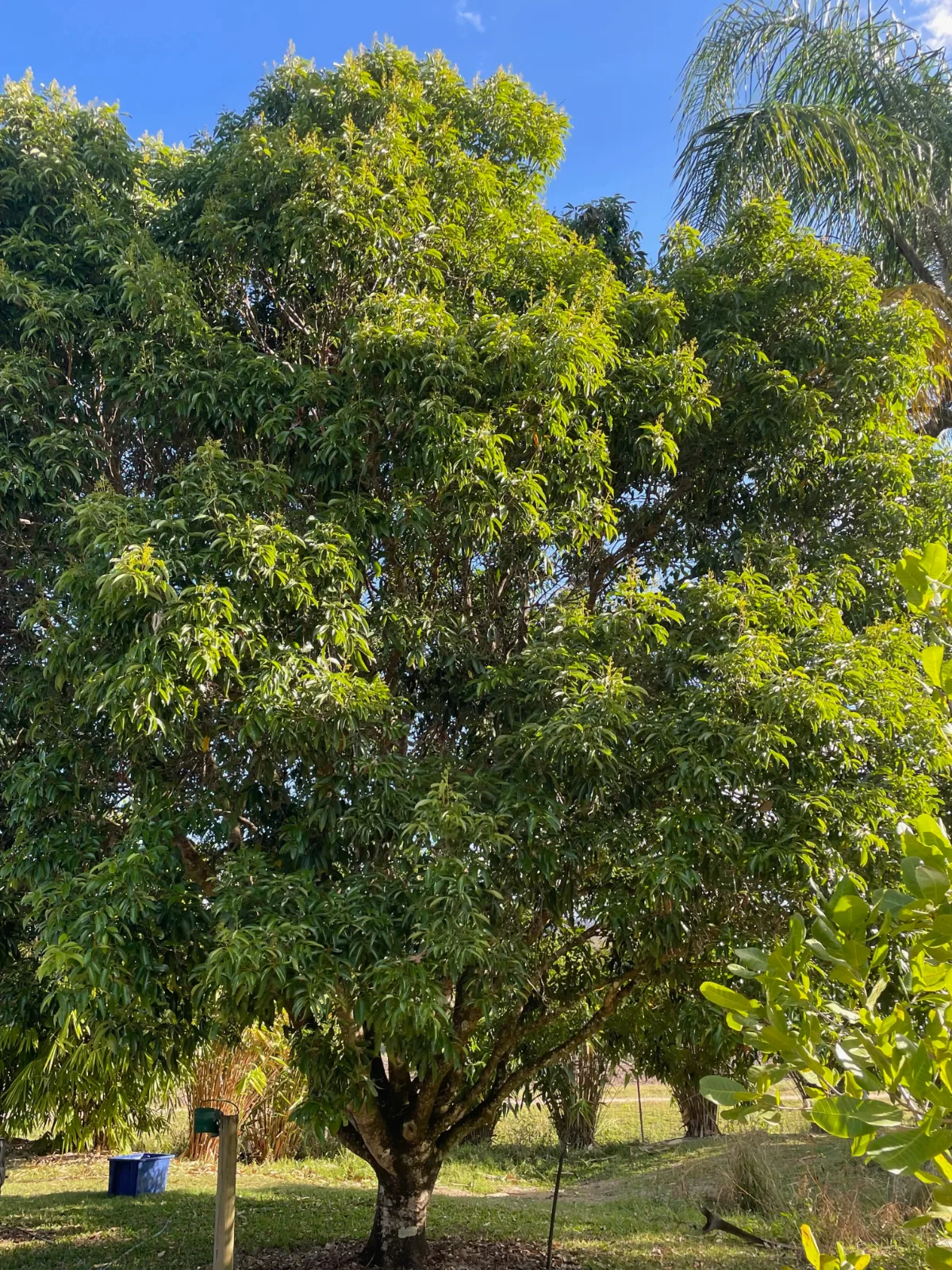
Lychee is a subtropical evergreen fruit tree that needs warm humid summers, a brief cool period before flowering and reliable water while young.
View plant →
Fruit tree
Macadamia
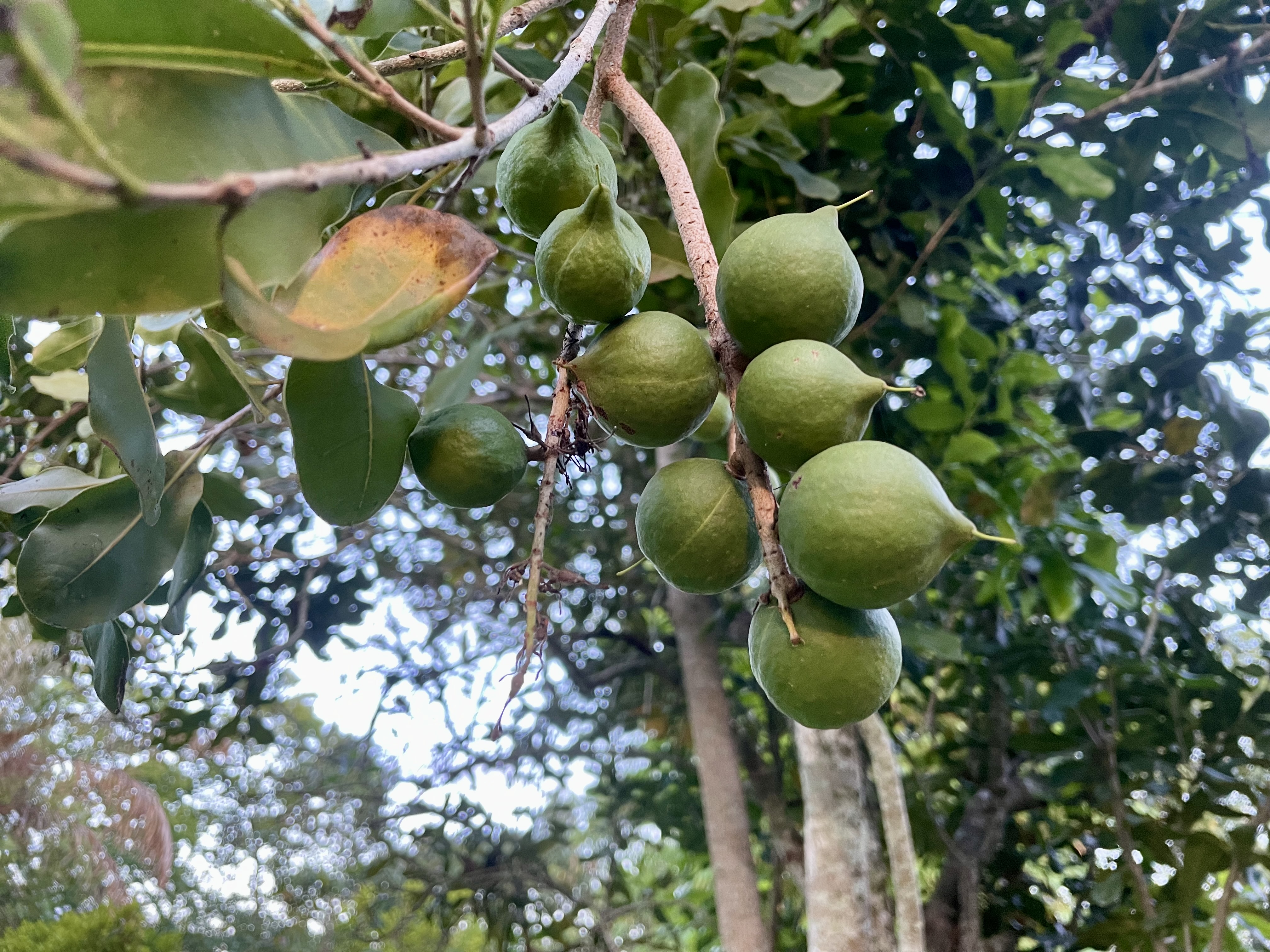
Macadamia is an Australian rainforest tree grown for rich edible nuts inside very hard shells. It prefers warm frost-free to lightly frosted climates, deep free-draining soil and shelter from strong wind when young. Trees become large and take time to crop, so cultivar choice, pollination and long-term space matter.
View plant →
Fruit tree
Malabar chestnut
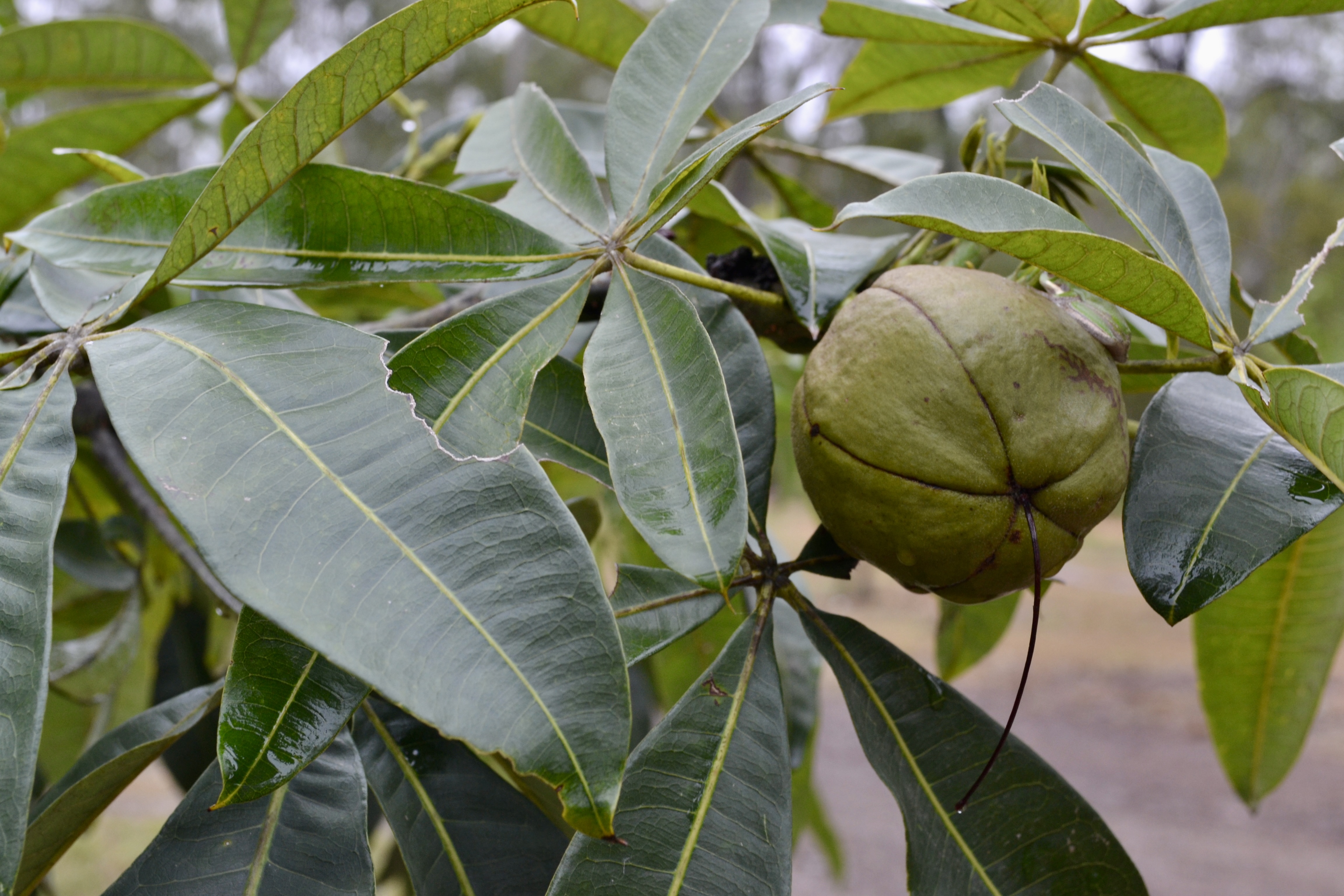
Malabar chestnut is a tropical tree with large hand-shaped leaves and big woody seed pods. Young plants are also sold indoors as braided money trees.
View plant →
Fruit tree
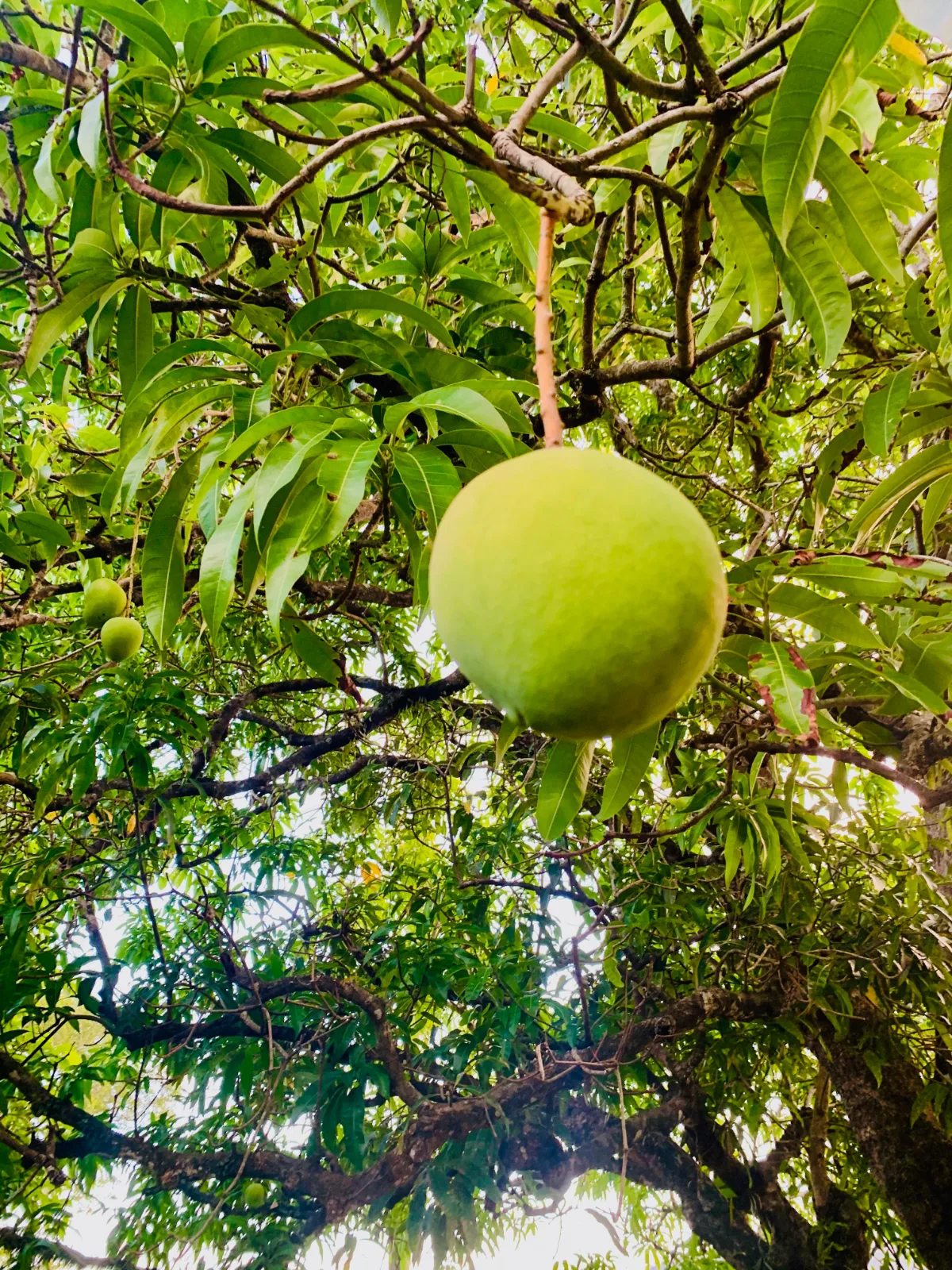
Mango
Mango trees need warmth, sun and good drainage. Pruning after harvest helps keep the tree at a useful size without removing the mature shoots needed for flowering.
View plant →
Fruit tree
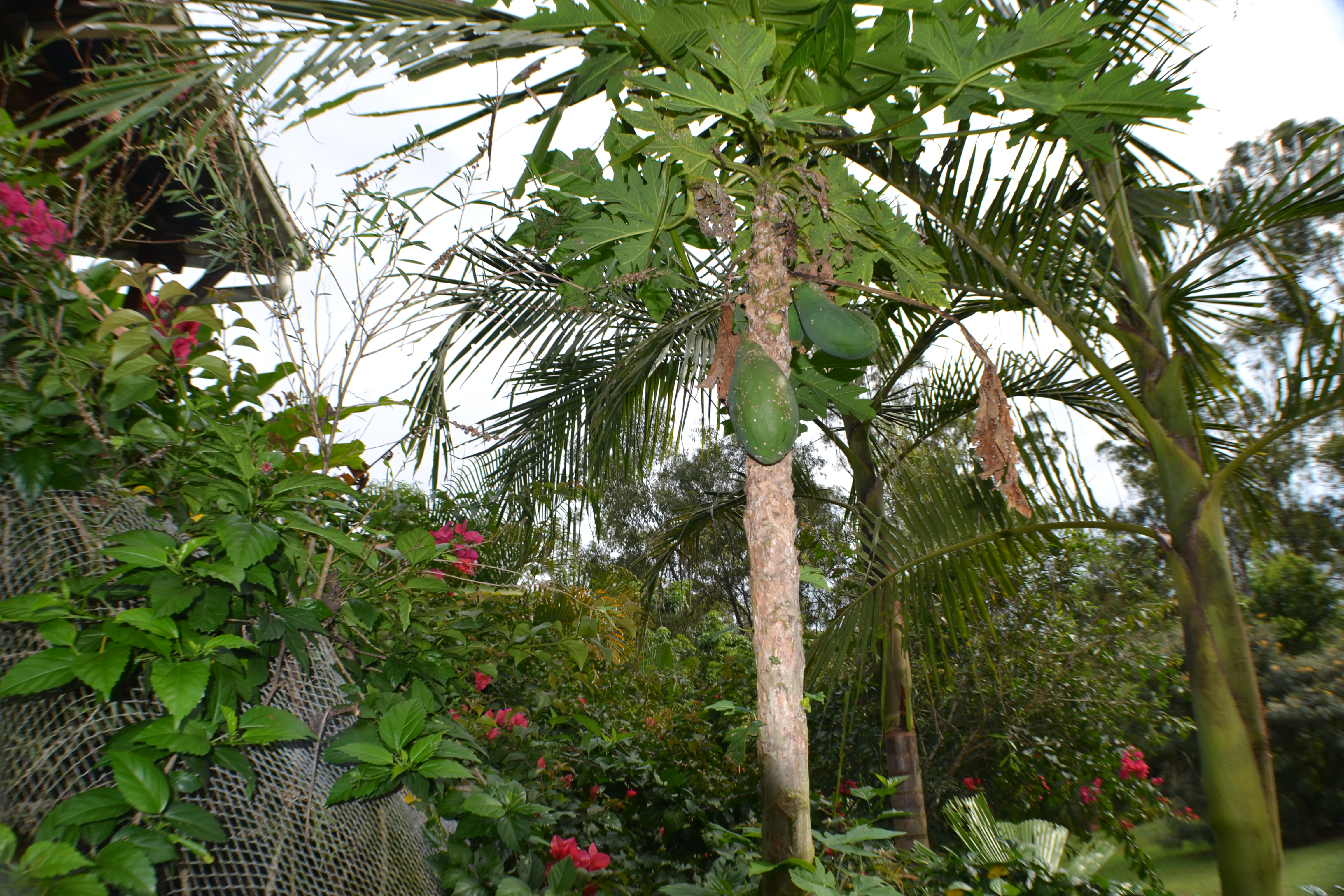
Papaya
Papaya is a fast-growing tropical fruit plant with a single soft trunk, a crown of large leaves and fruit carried close to the stem. It needs warmth, excellent drainage and protection from frost and strong wind. Seedling sex matters: some plants are male only, while bisexual cultivars can fruit without a separate pollinator.
View plant →
Fruit tree
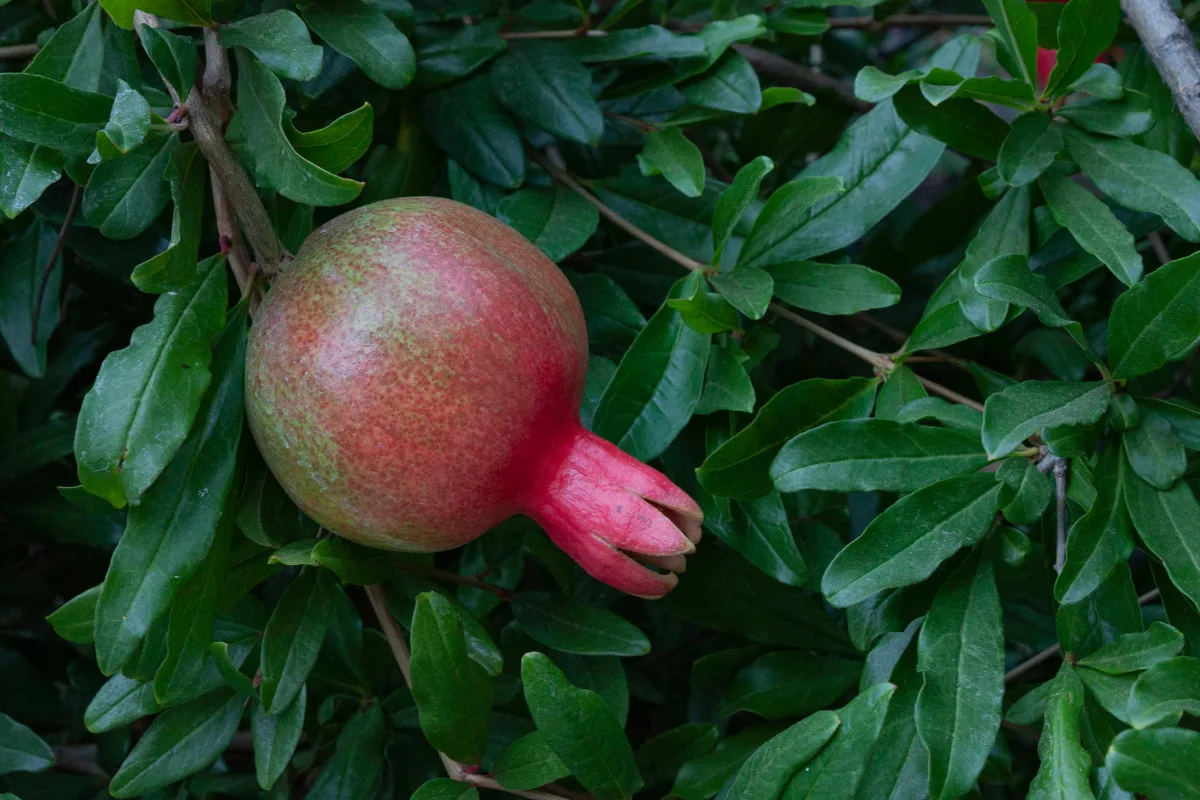
Pomegranate
Pomegranate is a tough deciduous shrub or small tree that likes sun, good drainage and warm summers. It can grow across much of Australia.
View plant →
Fruit tree
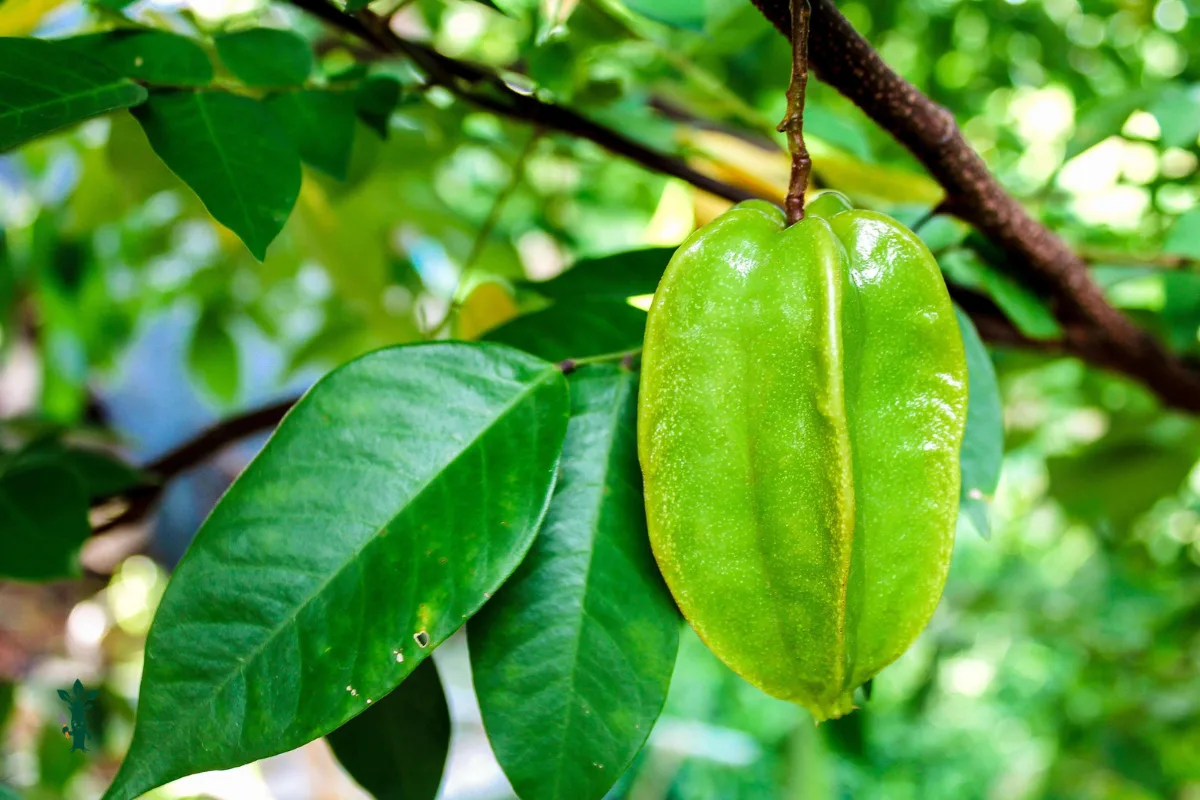
Starfruit
Starfruit is a small warm-climate fruit tree with crisp, juicy yellow fruit that forms a star when sliced. It crops well in frost-free coastal Queensland and other warm humid districts, stays manageable with pruning and can produce more than one flowering and fruiting flush in a long growing season.
View plant →
Fruit tree
Wampee
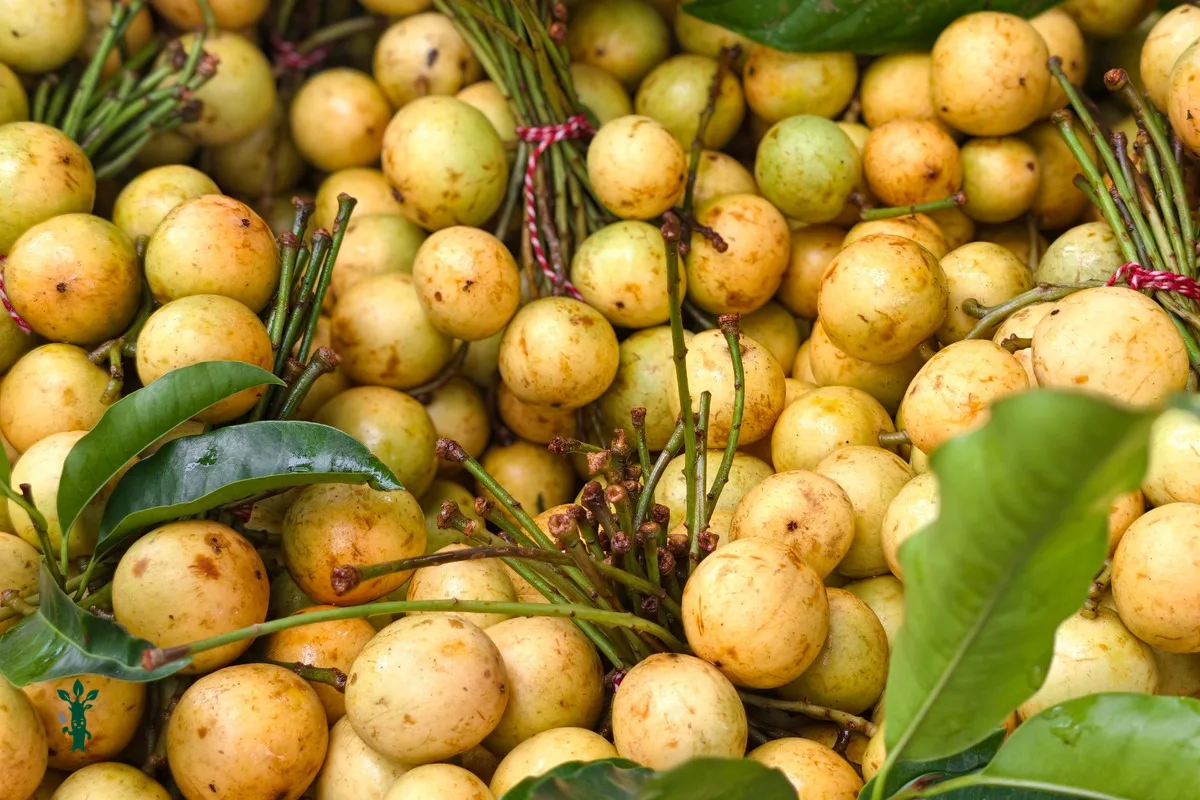
Wampee is a handsome citrus relative with glossy compound leaves and bunches of small yellow fruit that range from tangy to sweet depending on the cultivar. It suits subtropical gardens particularly well, stays smaller than many tropical fruit trees and is an excellent choice if you enjoy unusual fruit that is good eaten freshly picked.
View plant →
Fruit tree
White sapote
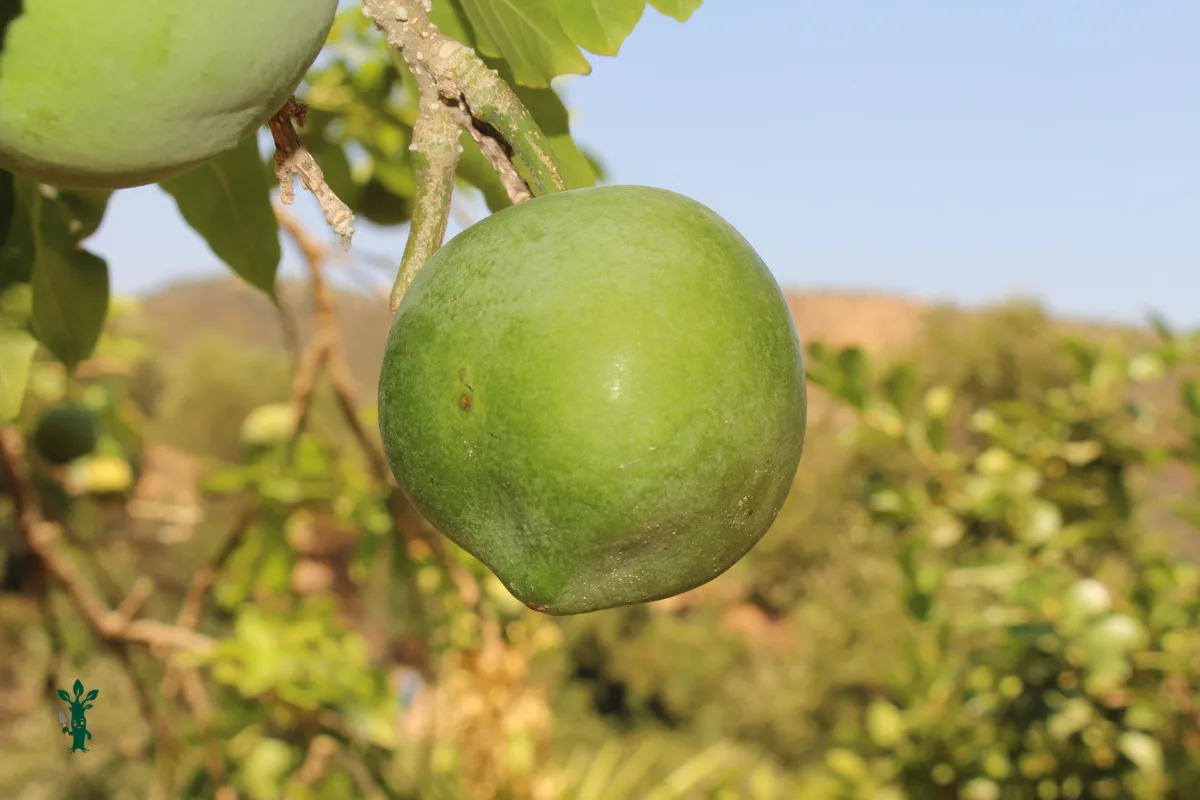
White sapote grows quickly in suitable subtropical and warm-temperate gardens and can produce heavy crops of sweet, creamy fruit. The soft flesh is eaten with a spoon once ripe. Start pruning while the tree is young to keep fruit within reach.
View plant →
Choose the Tree and Position Together
Check whether the variety is self-fertile or needs a compatible pollinator flowering at the same time. Labels can be vague, so confirm the variety rather than assuming every tree of the same fruit has the same pollination needs.
Rootstock and natural growth habit affect the final height, spread and how soon a tree may crop. Dwarfing can make pruning, netting and picking easier, but the tree still needs suitable soil, water and enough root room.
Plan for Picking and Protection
Choose a sunny position with drainage and enough clearance from buildings, paths and services. Leave room to reach the canopy with secateurs, a ladder or netting, and consider where fallen fruit will land.
Bird and flying-fox pressure varies by place and crop. If protection will be needed, a smaller tree that can be covered with wildlife-safe netting is often more useful than a large tree with fruit beyond reach.
Common questions
- Which fruit trees suit warm or tropical parts of Australia?
- Mango, lychee, sapodilla, jaboticaba and many citrus can suit warm climates, but cold tolerance, humidity and rainfall needs vary. In warm subtropical areas, low-chill varieties of some traditionally cool-climate fruits may also crop; check the variety's chill requirement against local winter conditions.
- Which fruit trees suit cool Australian climates?
- Apples, pears, quinces, plums and cherries often suit cooler districts, but their required winter chill differs by variety. Late frost, summer heat and local disease pressure also matter, so use local nursery or district advice alongside the chill rating.
- Is one fruit tree enough to get fruit?
- Sometimes. Self-fertile varieties can set fruit alone, although another compatible variety may improve cropping. Other trees need cross-pollination, and the partner must be compatible and flower at the same time.
- How much space does a fruit tree need?
- Use the expected mature width for the named variety and rootstock, not the size of the nursery pot. Allow working room for pruning, picking and netting, plus safe clearance from paths, fences, roofs and underground services.
- Can fruit trees grow well in pots?
- Compact and dwarf varieties can grow and crop in large pots with reliable water, suitable potting mix and regular feeding. Pots restrict root volume, so the tree may need root pruning or repotting over time.