


Plant profile
Longan
Dimocarpus longan
Also known as Dragon eye fruit, Lungan.
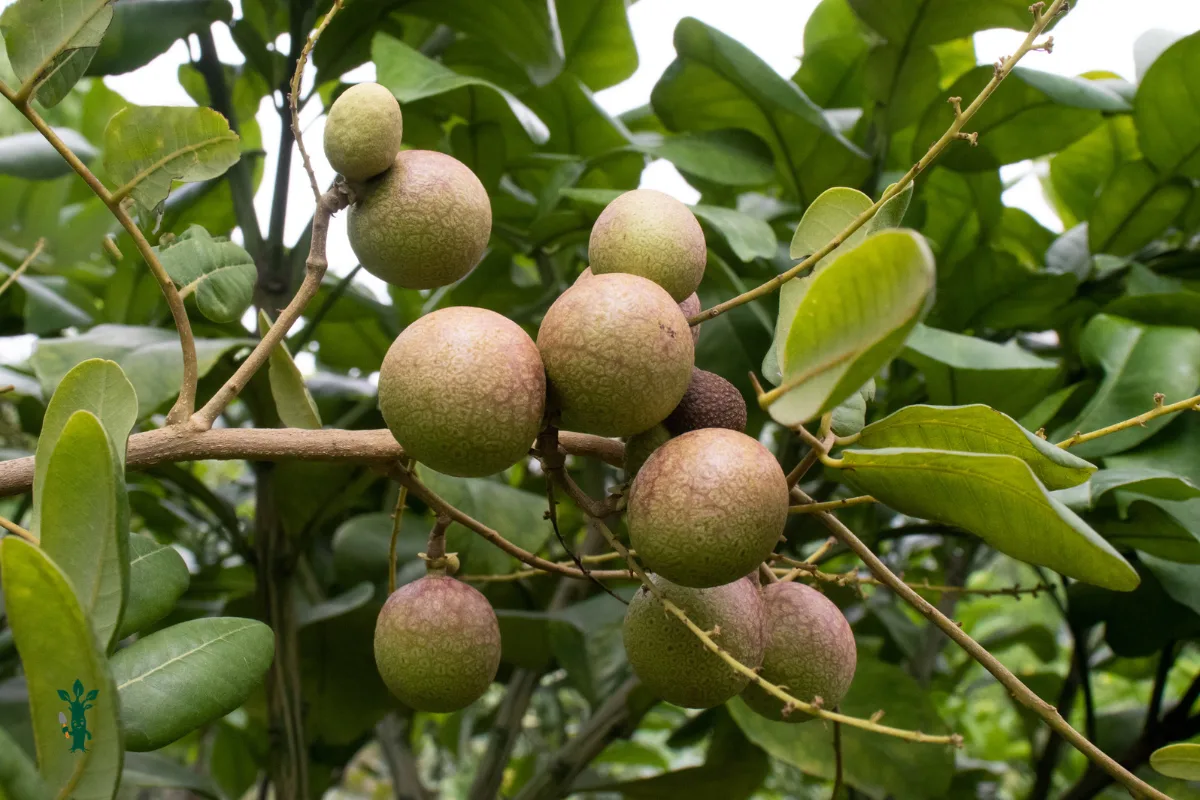
Longan is a close relative of lychee with tan-skinned fruit, translucent sweet flesh and a dark seed that gives it the name "dragon eye". It is one of the best warm-subtropical fruit trees where winters are cool and dry enough to trigger flowering, followed by a warm wet growing season.
- Grows well in
- Tropical, Subtropical
- Lifecycle
- Evergreen subtropical fruit tree
- Light
- Full sun
- Mature size
- Unpruned trees can reach 8–15 m or more; backyard trees are often kept around 3–5 m high
- Spacing
- Allow roughly 6–8 m for an unconfined tree; less only with regular canopy control
- Growth habit
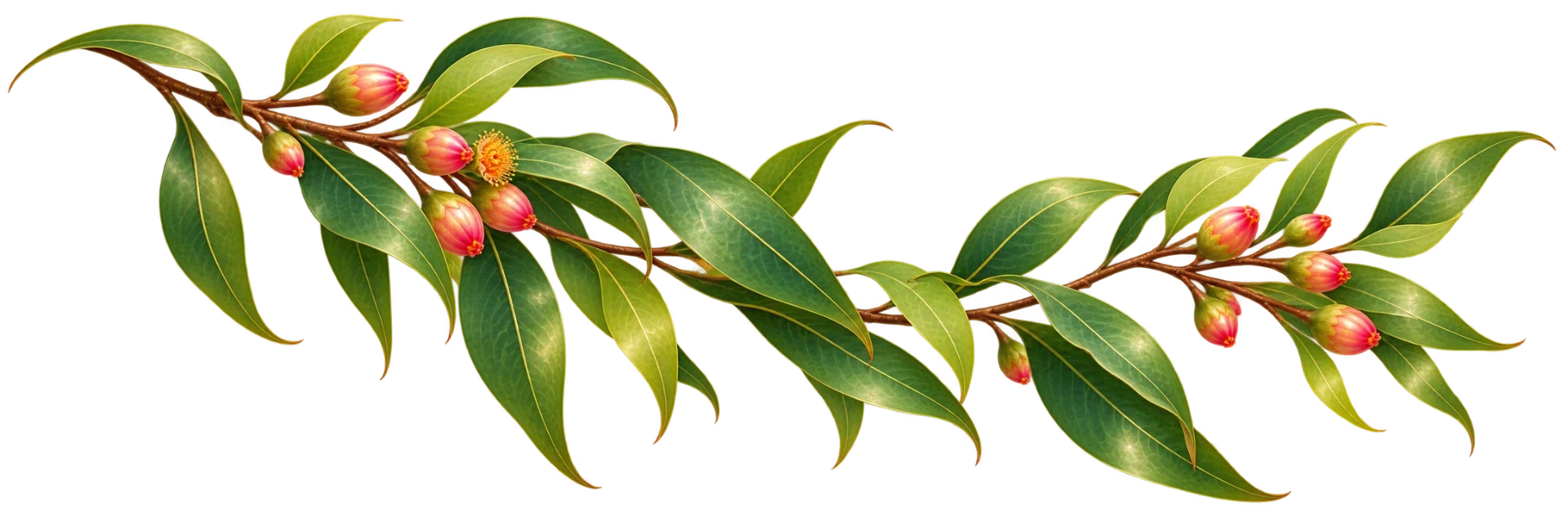
- Evergreen, broad-canopied fruit tree with dense foliage and fruit in terminal clusters
- Native range
- Indian Subcontinent through southern China to north-western Peninsular Malaysia.
- Natural habitat
- Seasonally dry tropical biome across lowland and middle-elevation parts of tropical and subtropical Asia.
When to plant
Subtropical: spring is an easy planting time. Tropical: plant where there is at least some cooler seasonal change if fruit production is the goal. Young trees need frost protection.
Planting
Plant in a sunny, well-drained position with room for a broad canopy. Protect young trees from strong wind and frost. In warm subtropical districts, good winter exposure is useful because excessive warmth, rain and nitrogen during the pre-flowering period can keep the tree vegetative instead of encouraging bloom.
Position and light
Full sun is best for flowering, fruit set and fruit sweetness. Shelter young flushing growth from strong drying wind, which can brown and deform the soft new leaves.
Soil
Rich sandy loam with good drainage suits longan well. It also grows on other free-draining soils, but avoid sites that stay flooded. Mulch broadly to protect feeder roots and maintain a more even root-zone temperature.
Watering
Water regularly while young. Once a tree is mature, keep moisture more restrained through the cool pre-flowering period, then supply reliable water from flowering through fruit development. Warm rainy winters can push leaves rather than flowers, while drought after fruit set reduces fruit size.
Feeding
Feed during active spring and summer growth with a balanced fruit-tree fertiliser and organic matter. Avoid heavy nitrogen late in the season because lush winter growth can interfere with flowering. Adjust feeding to the tree's actual growth rather than using the same amount every month.
Pruning
Longan can become a large tree, so prune after harvest to keep the canopy within reach. Shorten or thin selected branches rather than shearing the whole tree. A lower, open canopy makes harvesting and wildlife-safe netting easier, and lets you see what is feeding on the fruit.
Harvest
Harvest whole clusters when the skin is tan and the pulp has developed full sweetness. Longan does not improve much after picking, so taste fruit before cutting an entire crop. Clip clusters rather than pulling them from branches.
Propagation
Seed is easy to grow but does not reproduce named cultivars reliably and seedlings take longer to fruit. Grafted or air-layered trees are better where you want known fruit quality and earlier cropping.
Common problems
Lychee webworm, scale and other sap-sucking insects can attack growth and fruiting panicles. Warm wet conditions during flowering can reduce fruit set. Birds and flying foxes may take ripe clusters, so netting can be useful on a small maintained tree.
Safety notes
The translucent flesh is eaten fresh; the large glossy seed is discarded.
Worth knowing
Longan usually flowers more reliably than lychee in warm subtropical areas, but it still needs a seasonal signal. A cool, comparatively dry winter helps stop vegetative growth and encourages the following bloom. Warm wet winters can give you a beautiful leafy tree with very little fruit.
Featured In

Grow Longan with Brancho
Add it to My Garden and Brancho works out what it needs next, timed for your climate.
How it grows around Australia
Growing this too? Share what you've noticed in your garden.
Grow a Little Wild
New plants to try, useful growing tips and a few garden jobs based on what you grow.