

A subtropical garden gives you an enormous choice of fruit. Mangoes and lychees are obvious favourites, but there’s also macadamia, jaboticaba, finger lime, white sapote and plenty more. I’ve picked 21 with very different flavours, harvest seasons and growing habits, from bananas and papayas that can fruit quickly to large trees like mango and jackfruit.
21 Fruit Trees to Grow in Subtropical Gardens
1
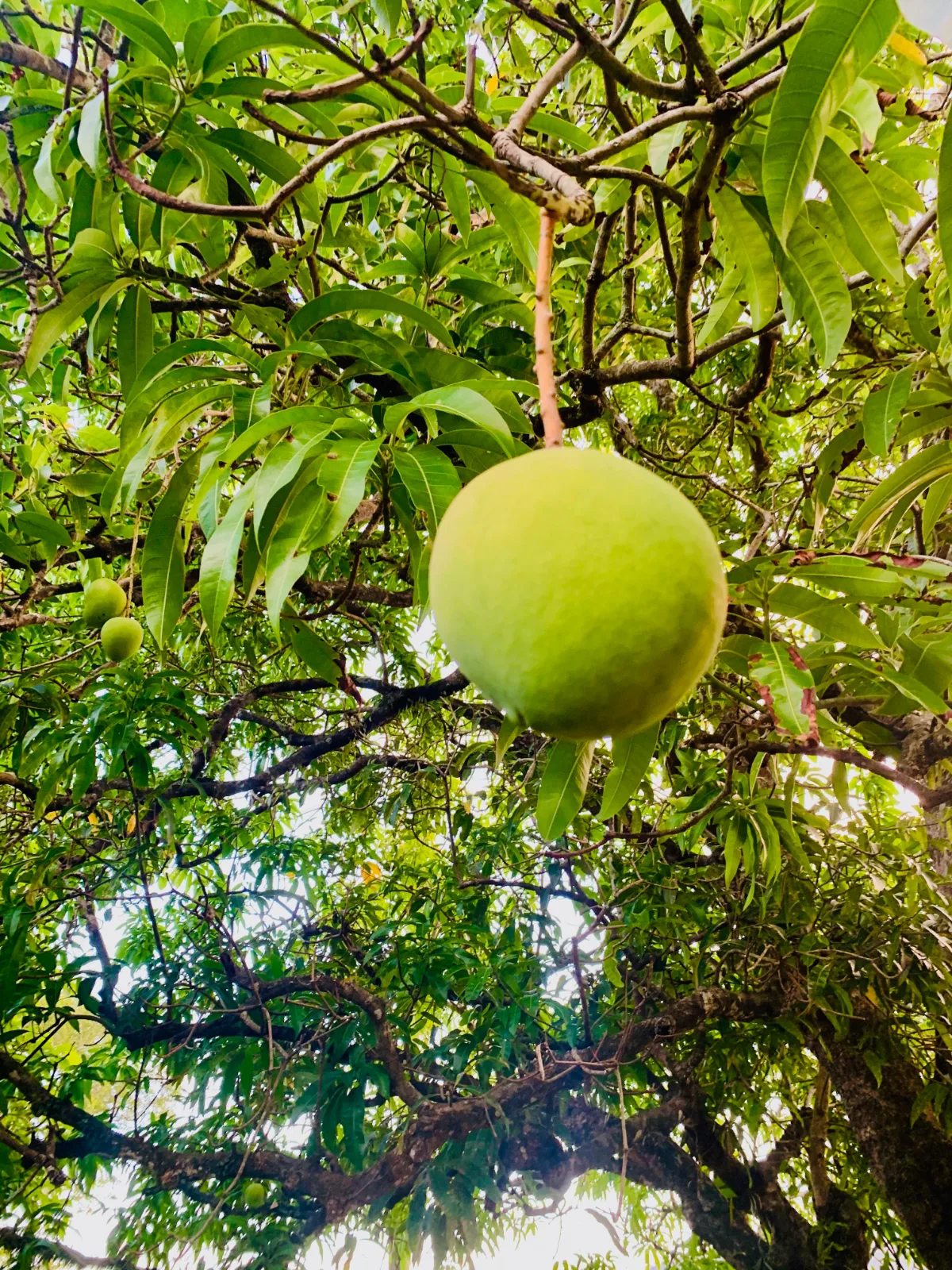
Mango
Mangifera indica
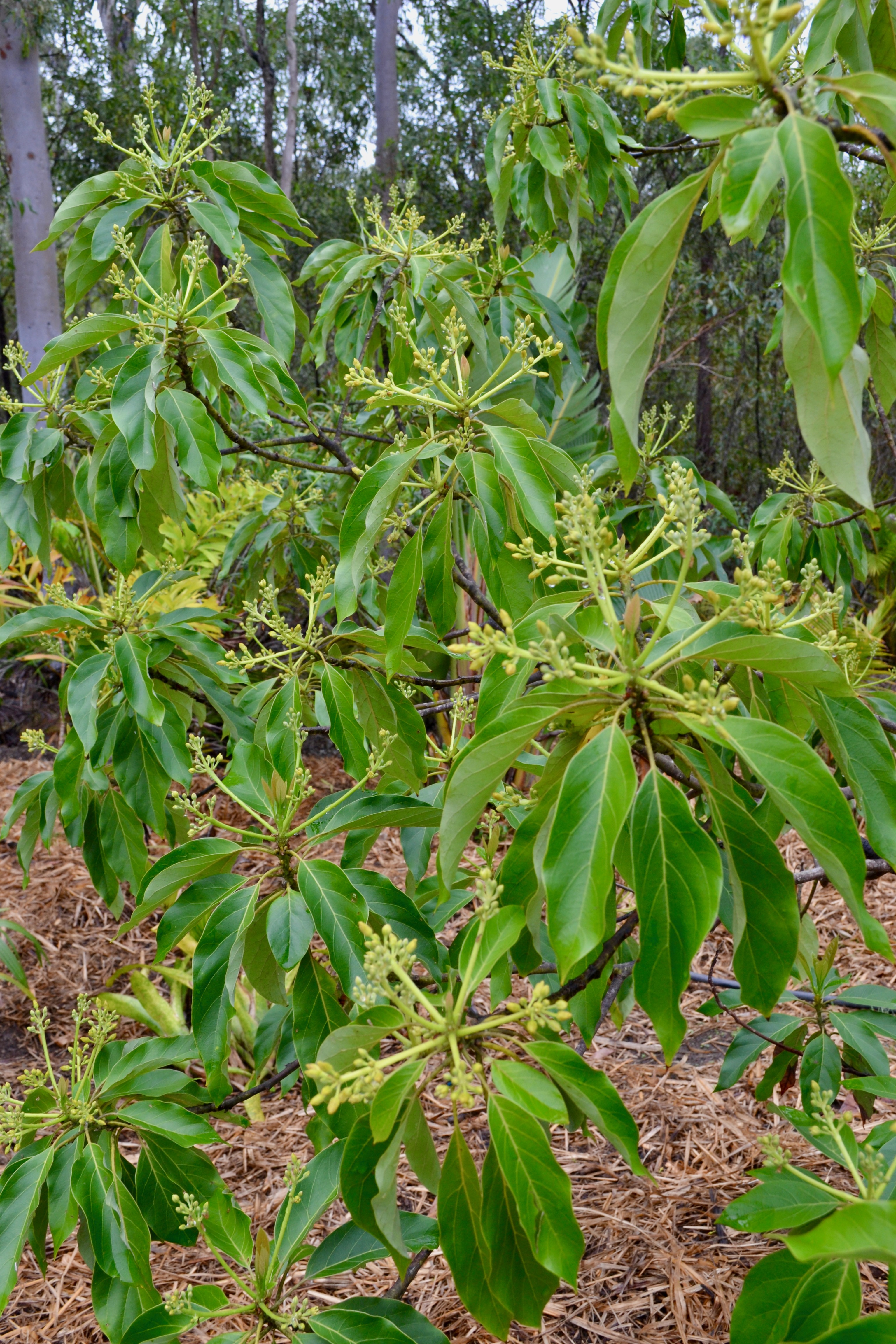
A mango tree can give you tonnes of fruit in a good season, and the taste of one picked from your own tree is hard to beat. Mangoes grow quickly in warm weather, so start pruning while the tree is young to keep those big harvests within reach. A grafted variety that crops well locally is a good place to start.
Size: Mango trees can become very large, commonly 10–15 m tall in gardens and potentially much taller if left unpruned.
2
Avocado
Persea americana
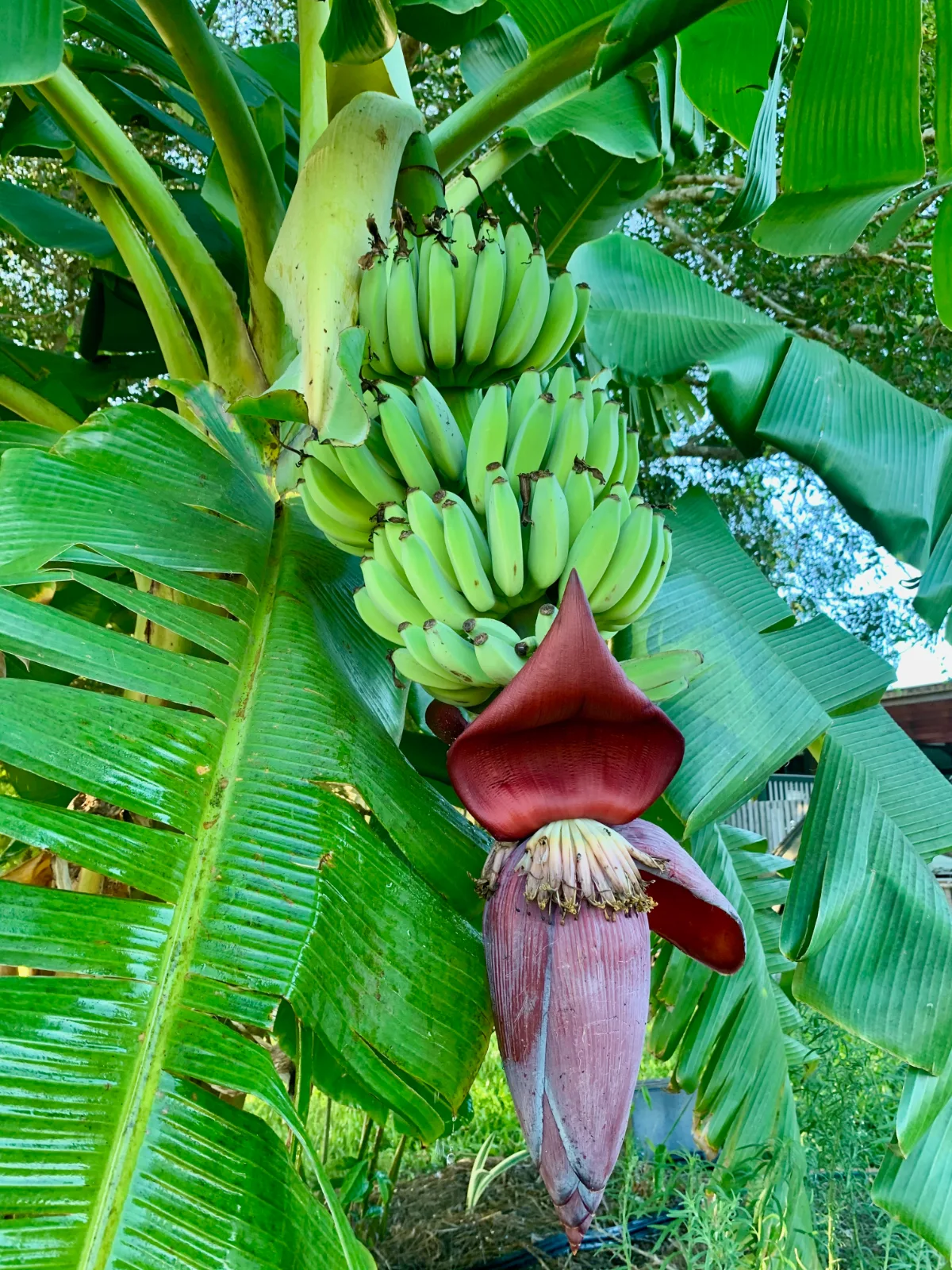
Having your own avocado tree is pretty exciting if you eat a lot of them. You can pick mature fruit and let it ripen inside when you’re ready to use it. Give the tree a sunny spot with excellent drainage, mulch the shallow roots and water regularly while it establishes. On heavy soil, a broad mound can help.
Size: Unpruned avocado trees can reach roughly 8–12 m or more, with a broad canopy; grafted and dwarf varieties can be kept considerably smaller.
3
Banana
Musa spp.
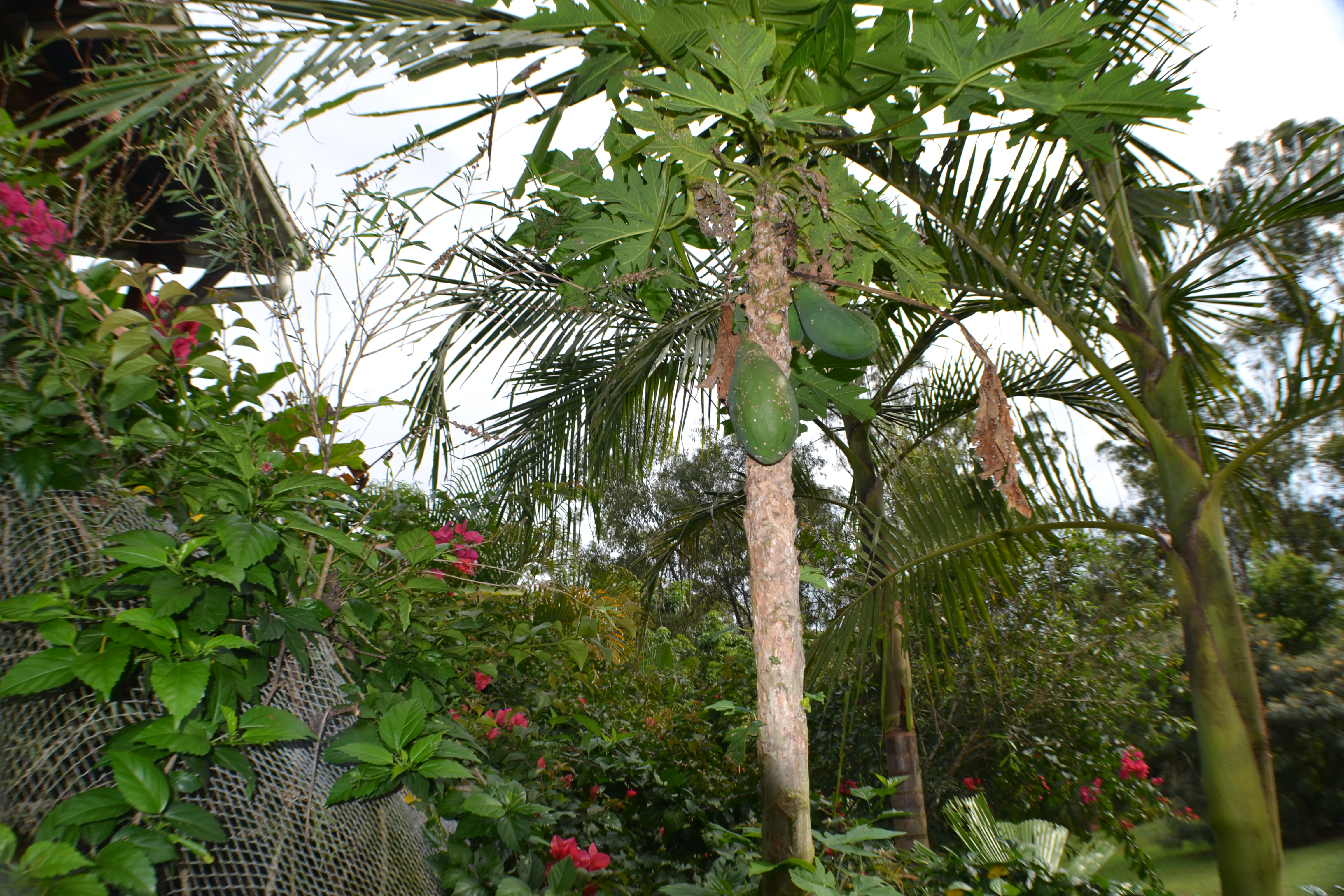
Bananas are brilliant for filling a young food forest with big, lush leaves and quick harvests. A healthy clump keeps producing new stems, so there can be another bunch on the way while you’re eating the last one. They grow best with plenty of water, food and shelter from strong wind. Start with healthy planting material from a reliable source.
Size: Usually about 3.5–6 m tall, depending on variety; dwarf cultivars stay smaller.
4
Papaya
Carica papaya
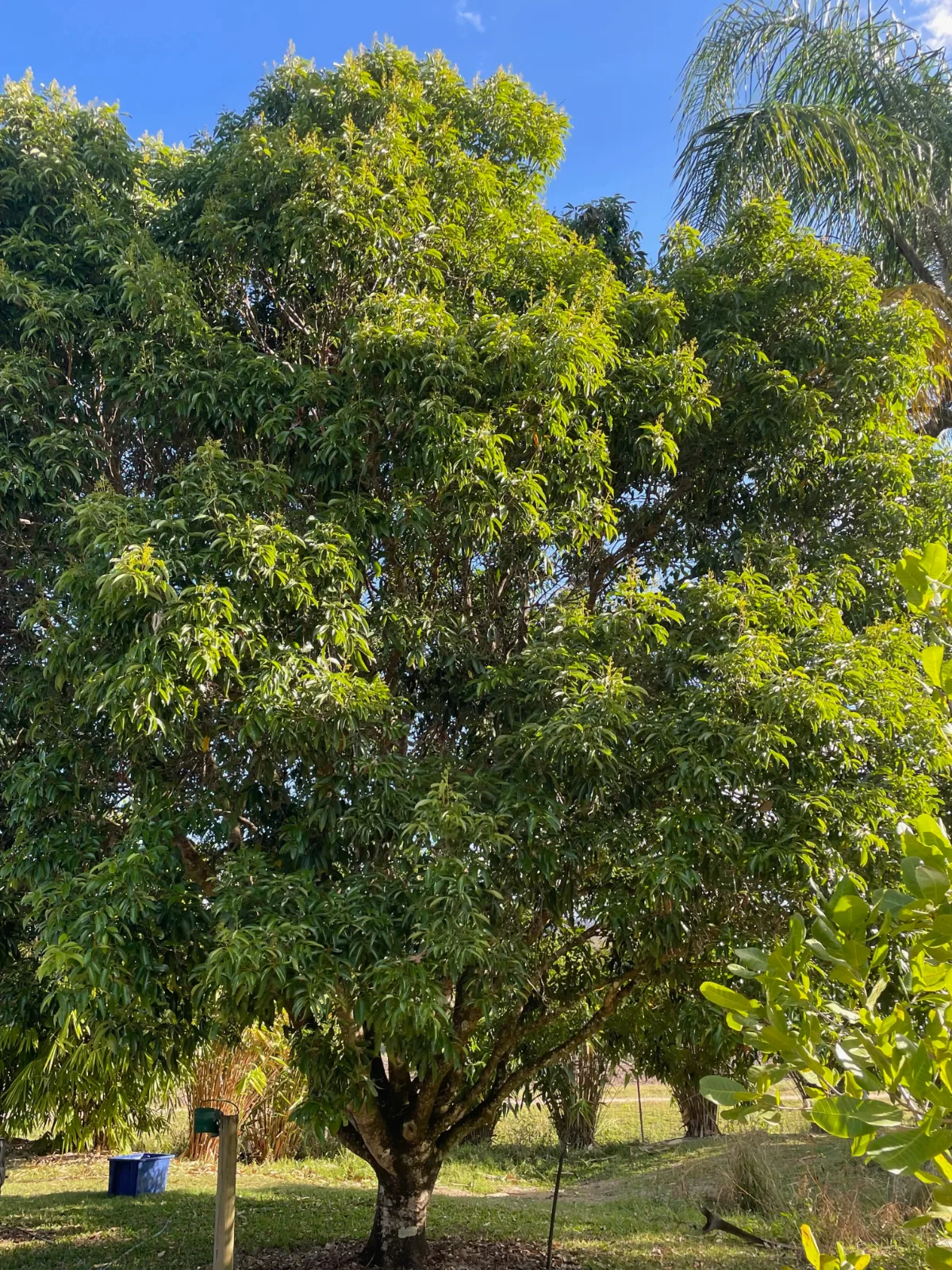
Papaya is a great choice if you want fruit without waiting years. It grows upright rather than spreading into a huge canopy, so it fits among young orchard trees. Give it warmth, sunshine and well-drained soil, and it can start cropping while the bigger trees are still small. If growing from seed, plant a few to allow for male plants.
Size: Usually 2–5 m tall with a narrow crown, often shorter-lived in cool climates
5
Lychee
Litchi chinensis
Few things look better than a lychee tree covered in bunches of red fruit. The sweet, juicy harvest is worth looking forward to each summer. Lychees like warm growing weather and a cooler spell in winter to help them flower, so choose a variety that crops well in your district. Let the fruit ripen fully on the tree before picking.
Size: A mature lychee can reach about 6–12 m tall, developing a broad, dense evergreen canopy.
6
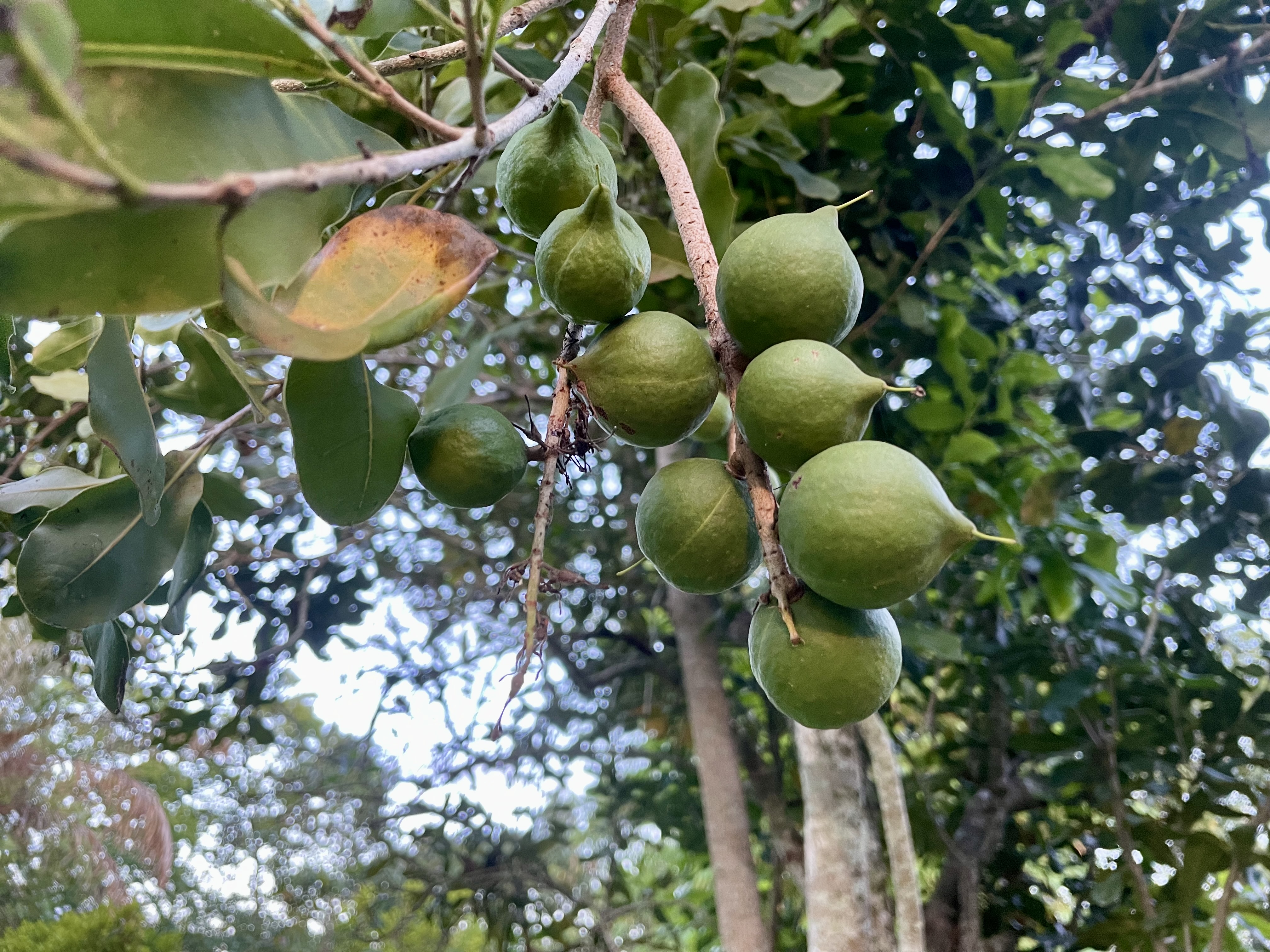
Macadamia
Macadamia integrifolia
Macadamias give you a beautiful Australian native tree and plenty of delicious nuts. The flowers are good for pollinating insects, and the nuts drop when they’re ready to collect. Leave room for the wide canopy, and if you can fit in two compatible varieties, you may get a bigger harvest. Remove the husks and dry the nuts in their shells before storing.
Size: Often 8–15 m tall and 6–10 m wide if unpruned
7
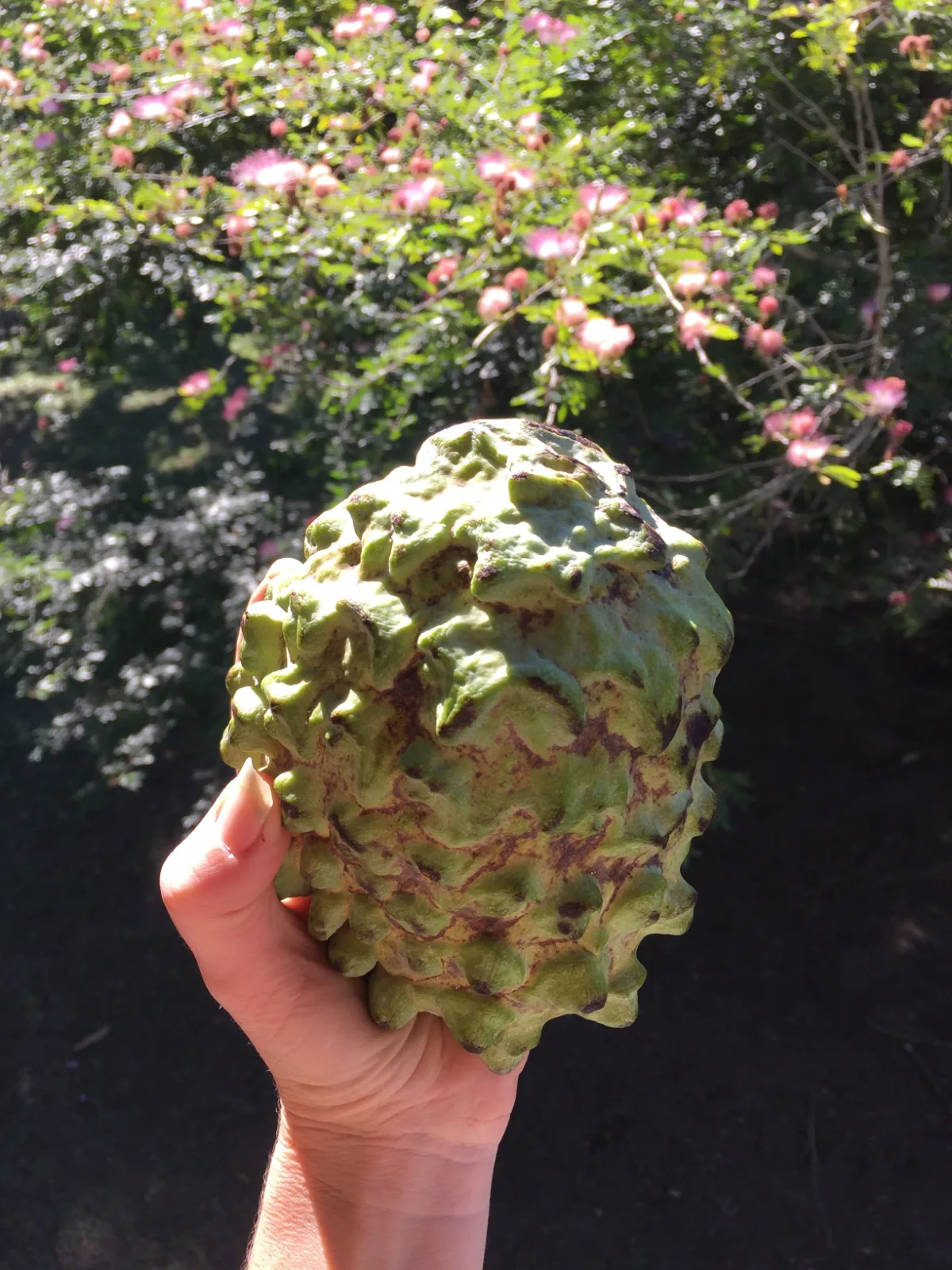
Custard apple (Atemoya)
Annona × atemoya
If you love custard apples, atemoya is a lovely tree to have at home. The fruit is big, sweet and creamy, and you can prune the tree to a height that makes picking easier. Some varieties set more fruit with a little help, so hand-pollinating a few flowers can be well worth trying. Pick mature fruit and let it soften inside.
Size: Usually kept about 3–5 m high and wide in gardens; can grow larger without pruning
8
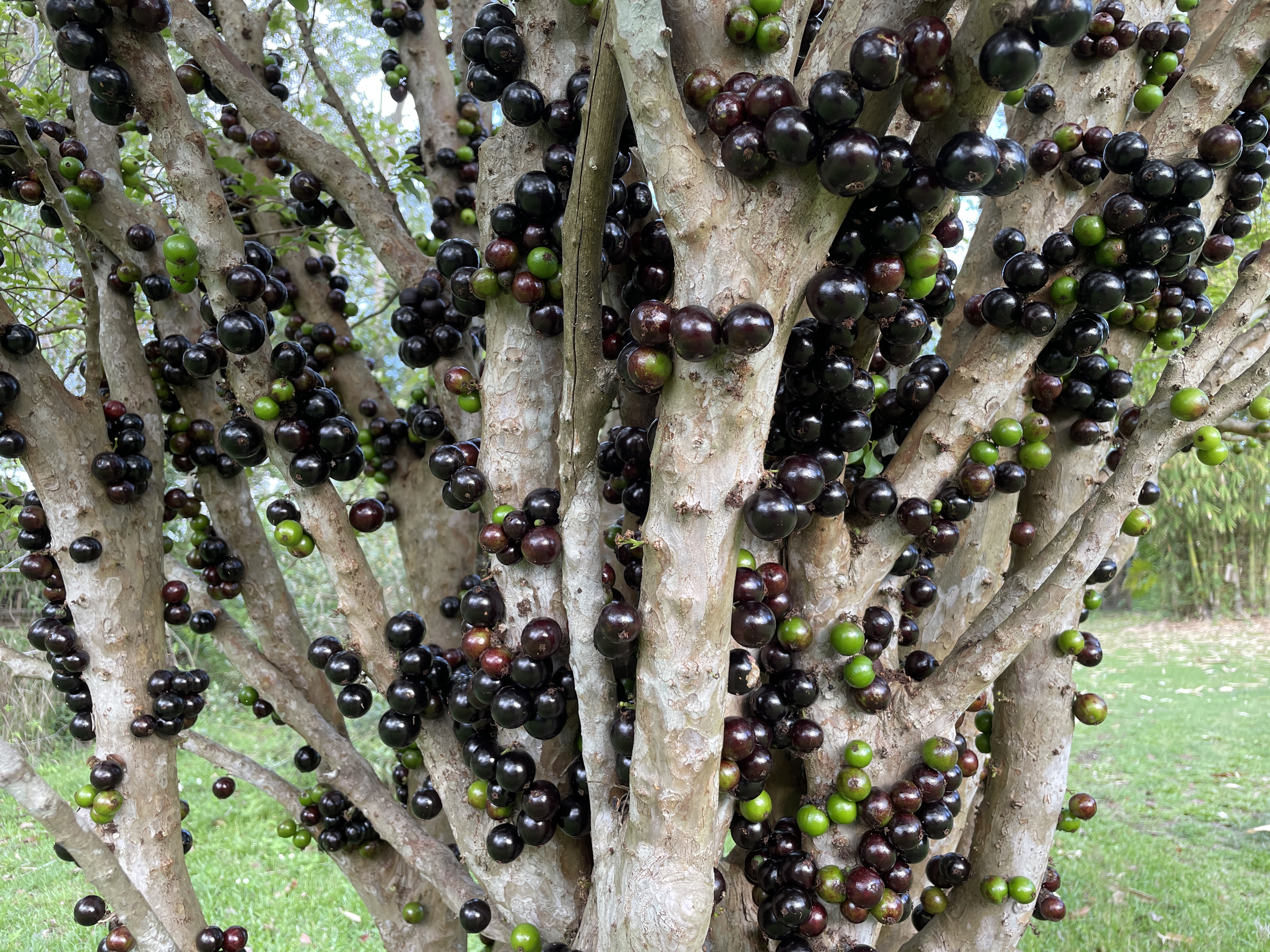
Jaboticaba
Plinia cauliflora
Our jaboticaba was already a mature tree when we moved here, and it still gives us huge harvests every year. The purple fruit grows right on the trunk and branches, which looks amazing when the tree is loaded. Young jaboticabas grow slowly and can take years to fruit, but once they get going they’re incredibly rewarding. Water regularly, especially around flowering and fruiting.
Size: Usually 3–6 m high in gardens, potentially larger with age
9
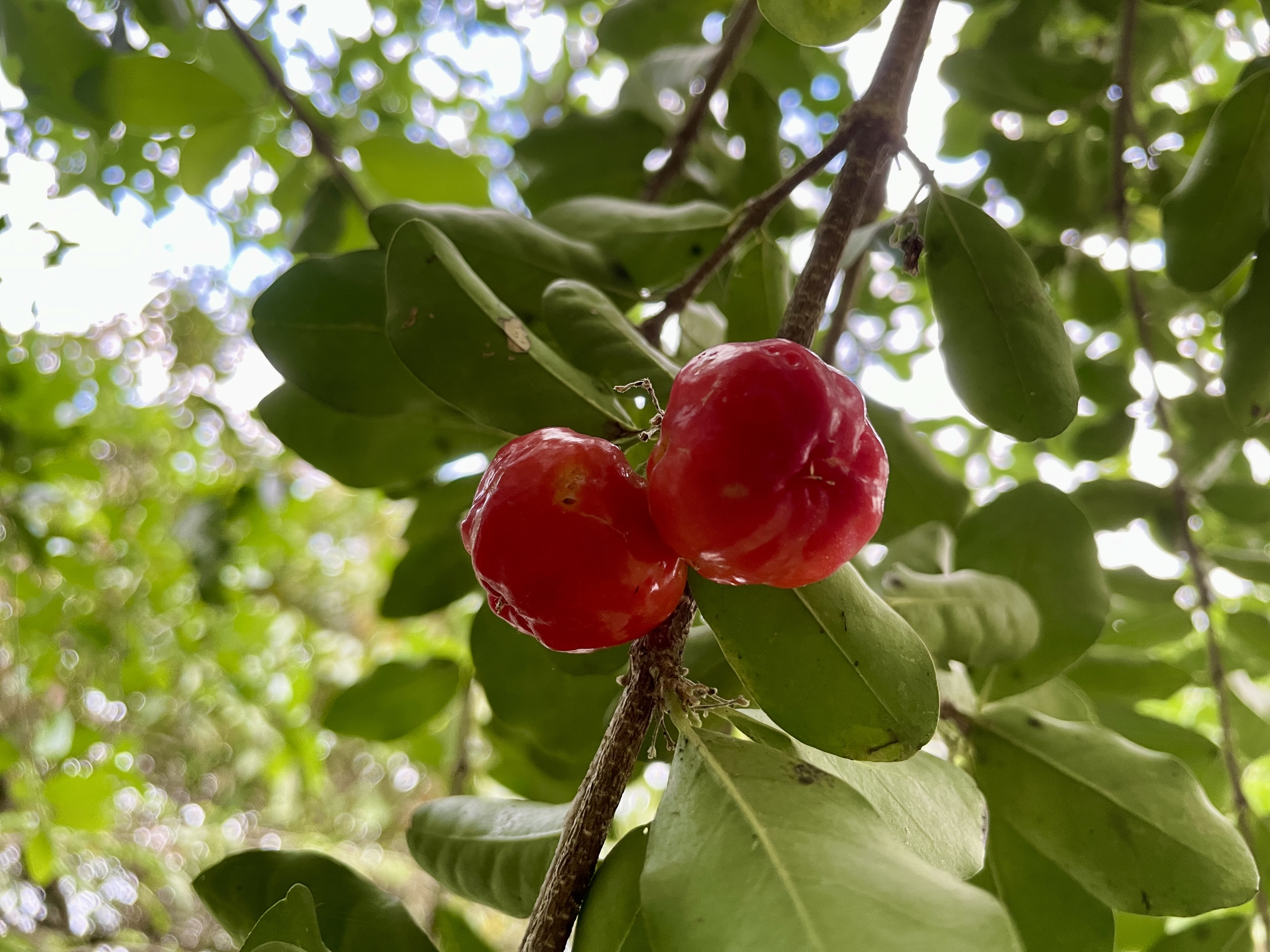
Acerola cherry
Malpighia emarginata
Acerola is a handy little fruit tree that can give you lots of bright red cherries without taking over the garden. In warm weather it often flowers and fruits several times, rather than giving you just one harvest. Keep it around 2–4 m with pruning and pick the soft red fruit regularly. It’s great fresh, in juice or made into preserves.
Size: Usually 2–4 m high and wide, smaller with pruning
Grow a Little Wild
New plants to try, useful growing tips and a few garden jobs based on what you grow.
10
Finger lime
Citrus australasica
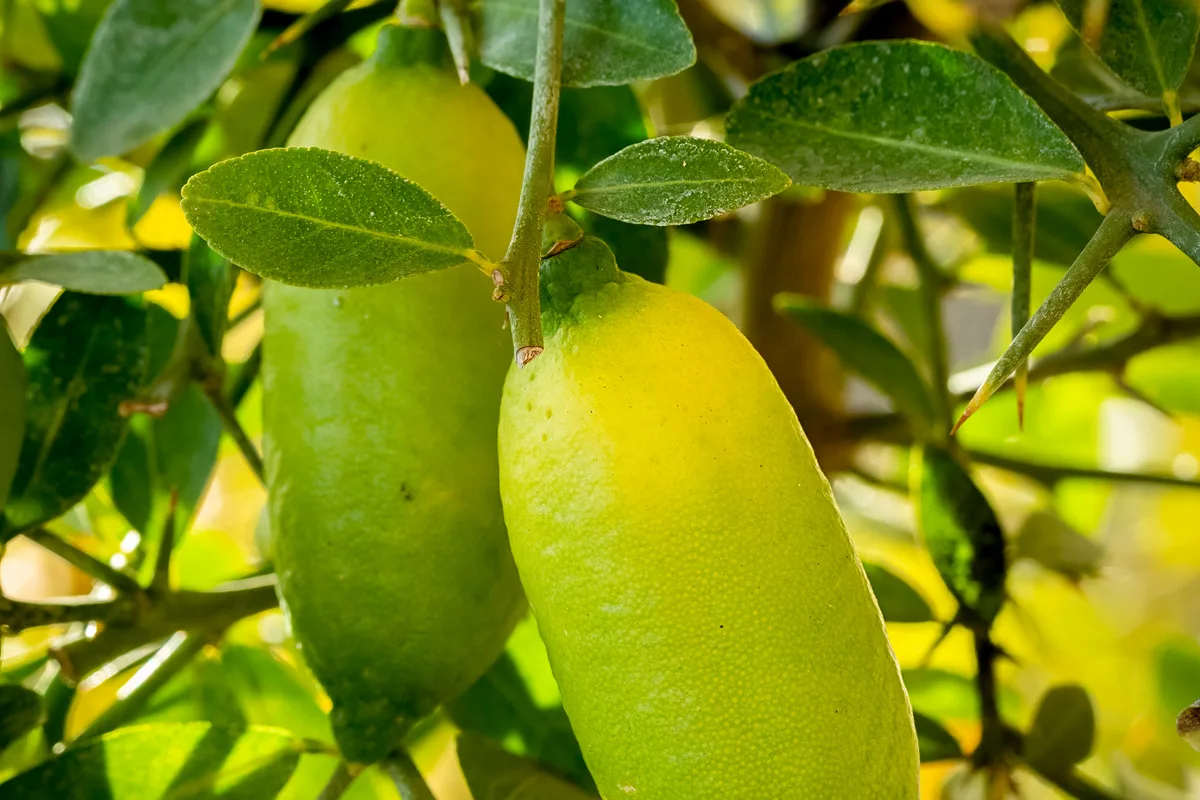
Finger limes are such fun to use in the kitchen. Cut one open and out pop the little citrus pearls, ready for salads, seafood or desserts. This Australian native is much smaller than a mango tree, and you can prune it to suit your space. Give it good drainage and enough light to fruit, and remember the branches are thorny when you choose where to plant it.
Size: Usually 2–6 m tall and 2–4 m wide, smaller when pruned
11
Feijoa
Feijoa sellowiana
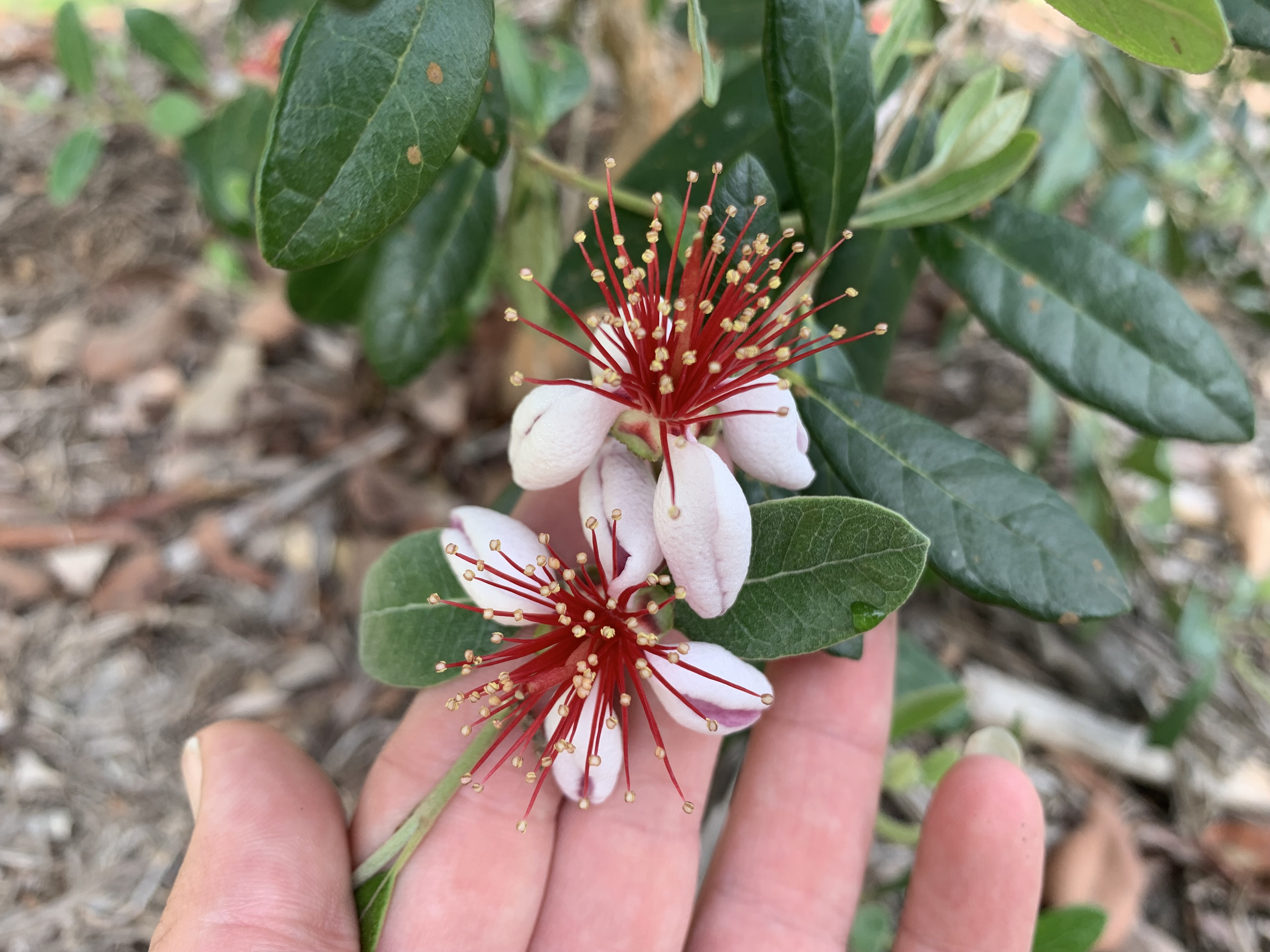
Feijoa gives you fragrant fruit, pretty flowers with edible petals and an evergreen hedge if you want one. It handles cooler weather better than most trees on this list and fruits well where winters are cool enough. A locally successful variety is a good choice, and some cultivars crop better with another feijoa nearby for pollination.
Size: Usually 2–5 m high and 2–4 m wide, depending on cultivar and pruning.
12
Starfruit
Averrhoa carambola
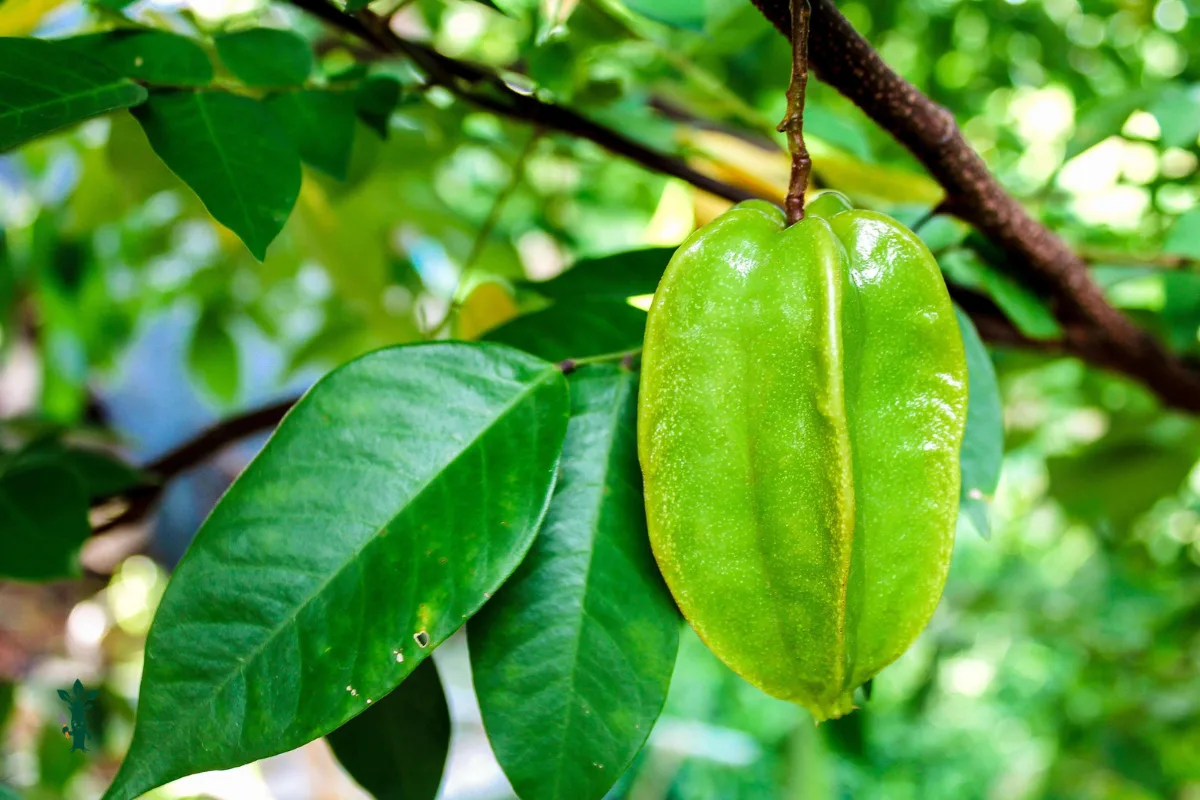
Starfruit is worth growing for those golden, star-shaped slices alone. A good sweet variety is juicy and delicious fresh, and in a long warm season the tree can crop more than once. It stays easier to manage than a big mango, especially with pruning. Give it steady water and some shelter from strong wind to get the best from it.
Size: Usually about 4–8 m high, but readily kept around 3–4 m with pruning
13
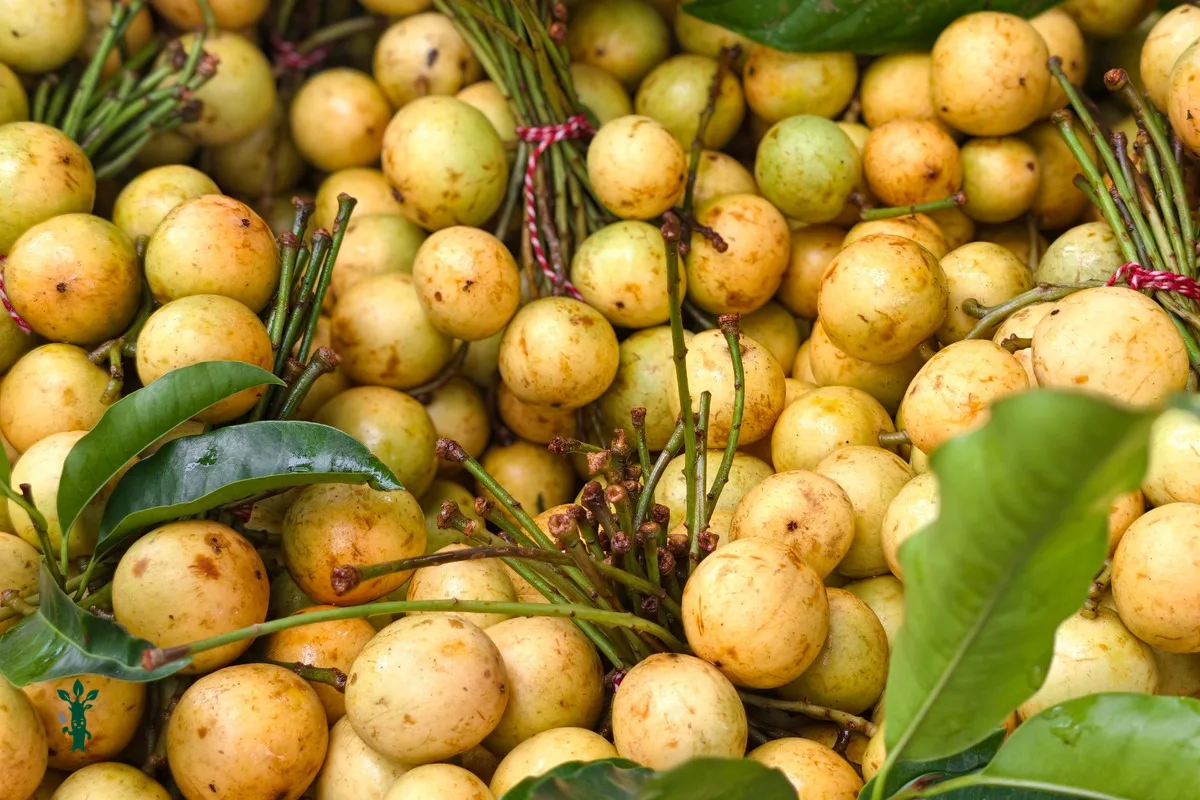
Wampee
Clausena lansium
Wampee produces bunches of little yellow fruit with a sweet-tart flavour that’s great fresh or in drinks. The glossy leaves make it an attractive tree, too. It can reach 4–8 m if left to grow, but you can start shaping it young for easier picking. Choose a good named variety if you can, as the amount of flesh and the flavour vary.
Size: Usually 4–8 m high and 3–5 m wide in gardens; can be kept smaller with light pruning
14
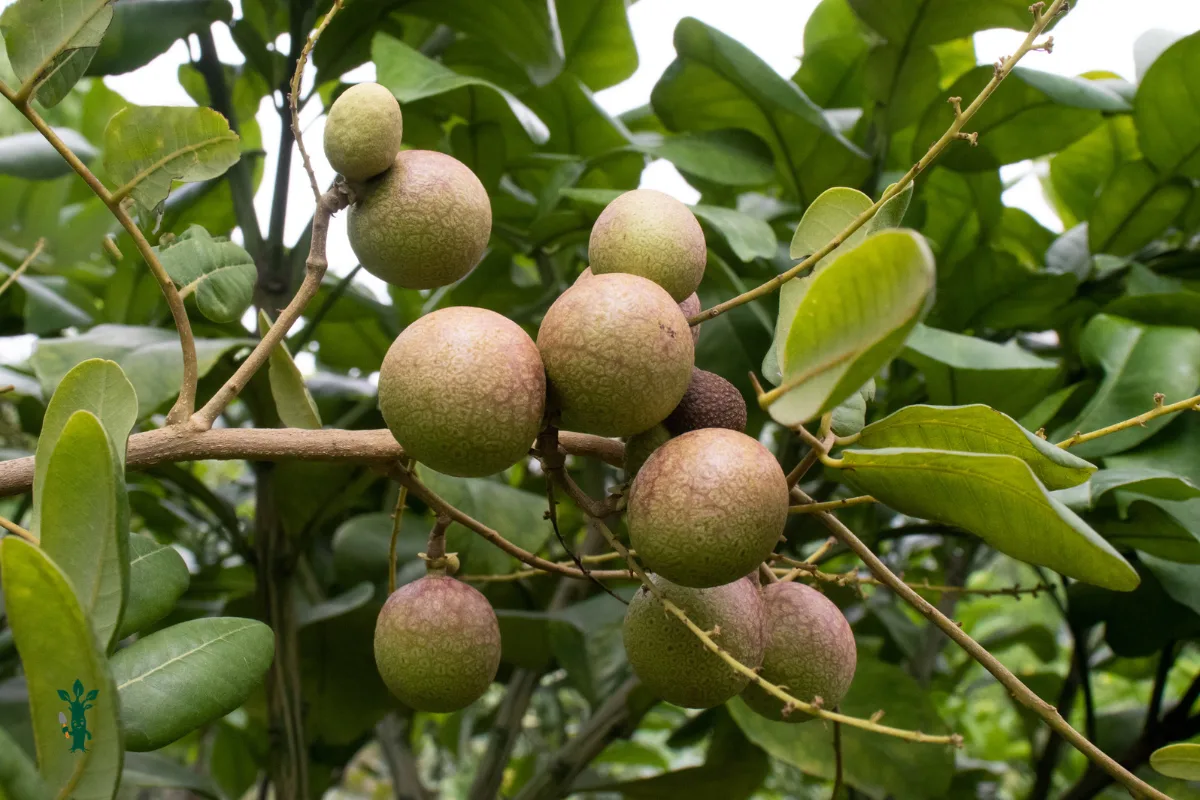
Longan
Dimocarpus longan
Longan is a great tree for anyone who loves lychees. The small tan fruit hides sweet, translucent flesh, and a mature tree can carry big clusters. It enjoys warm, humid summers and benefits from cooler weather before flowering. Water well while the fruit develops, and keep the canopy at a height where you can harvest whole bunches.
Size: Unpruned trees can reach 8–15 m or more; backyard trees are often kept around 3–5 m high
15
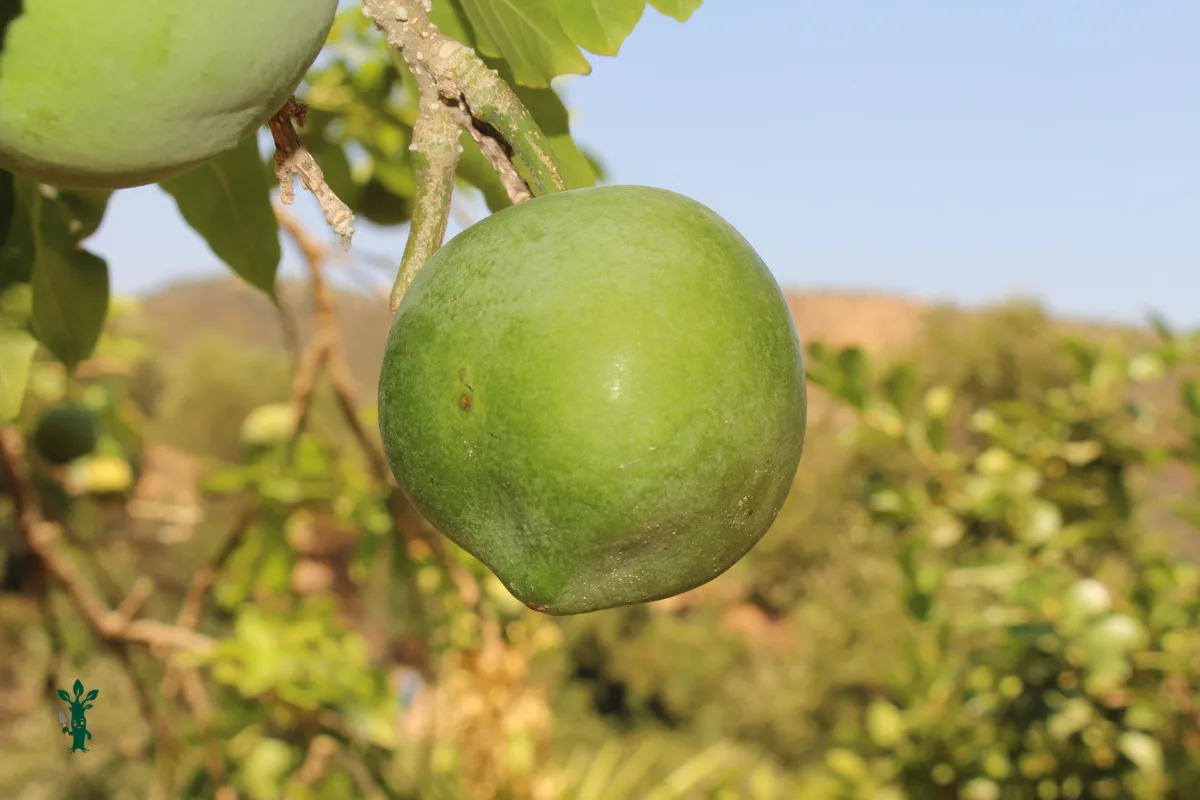
White sapote
Casimiroa edulis
White sapote has soft, creamy fruit that’s delicious eaten with a spoon when fully ripe. It’s a quick-growing tree and handles cooler conditions better than many tropical fruits, which is handy in the subtropics. Choose a grafted variety for more predictable fruit, and prune from young so you can pick the harvest before it drops.
Size: Commonly 5–12 m high; grafted trees can be maintained around 3–5 m with regular pruning
16
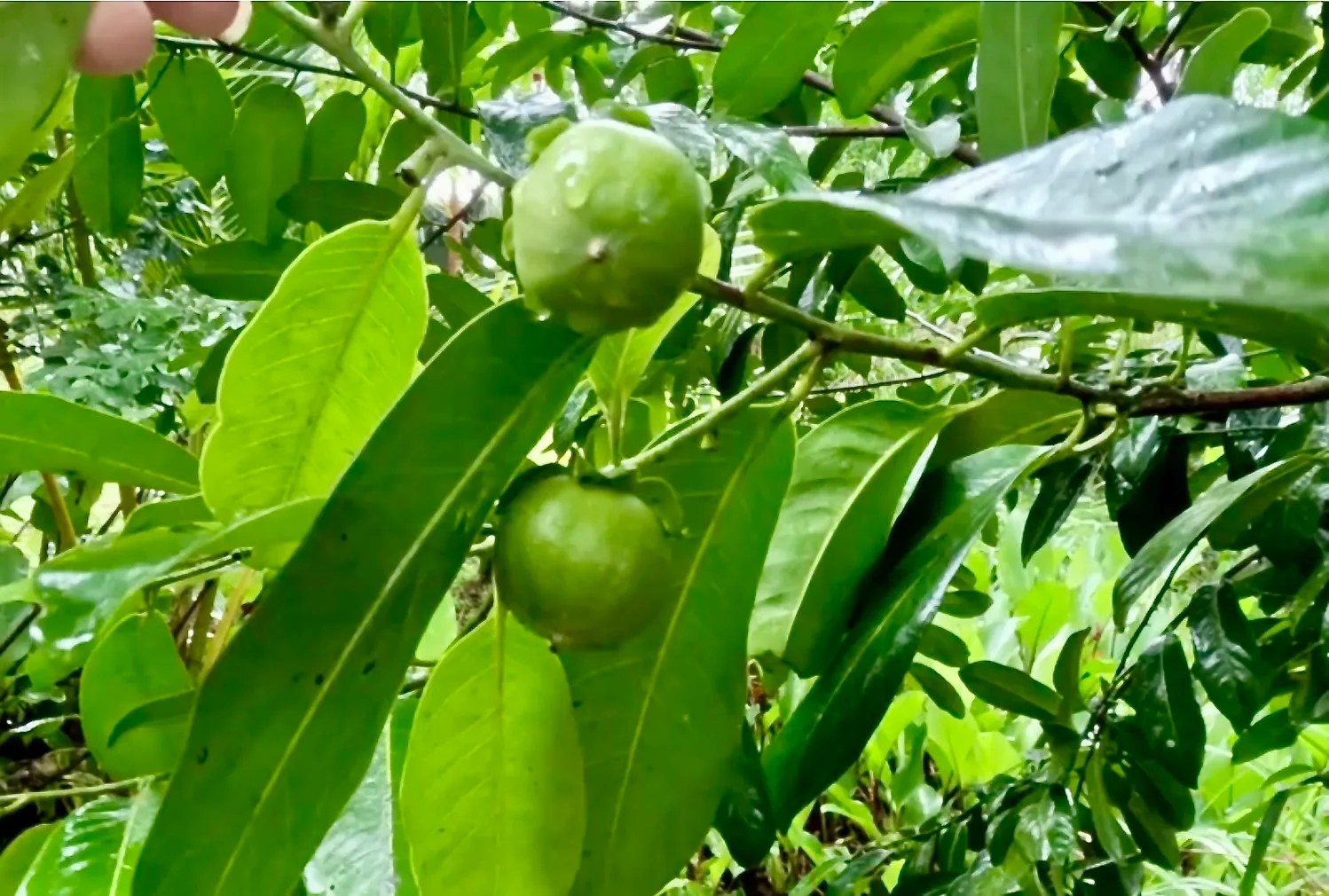
Black sapote
Diospyros nigra
Black sapote is often called chocolate pudding fruit, and it’s easy to see why when you cut open a fully ripe one. The soft, dark flesh is lovely in desserts and smoothies. The tree has a dense evergreen canopy and suits warm subtropical gardens. Grafted trees can start fruiting sooner than seedlings, and the fruit is ready to eat once it has softened completely.
Size: Usually 6–10 m high in gardens, potentially taller if unpruned
17
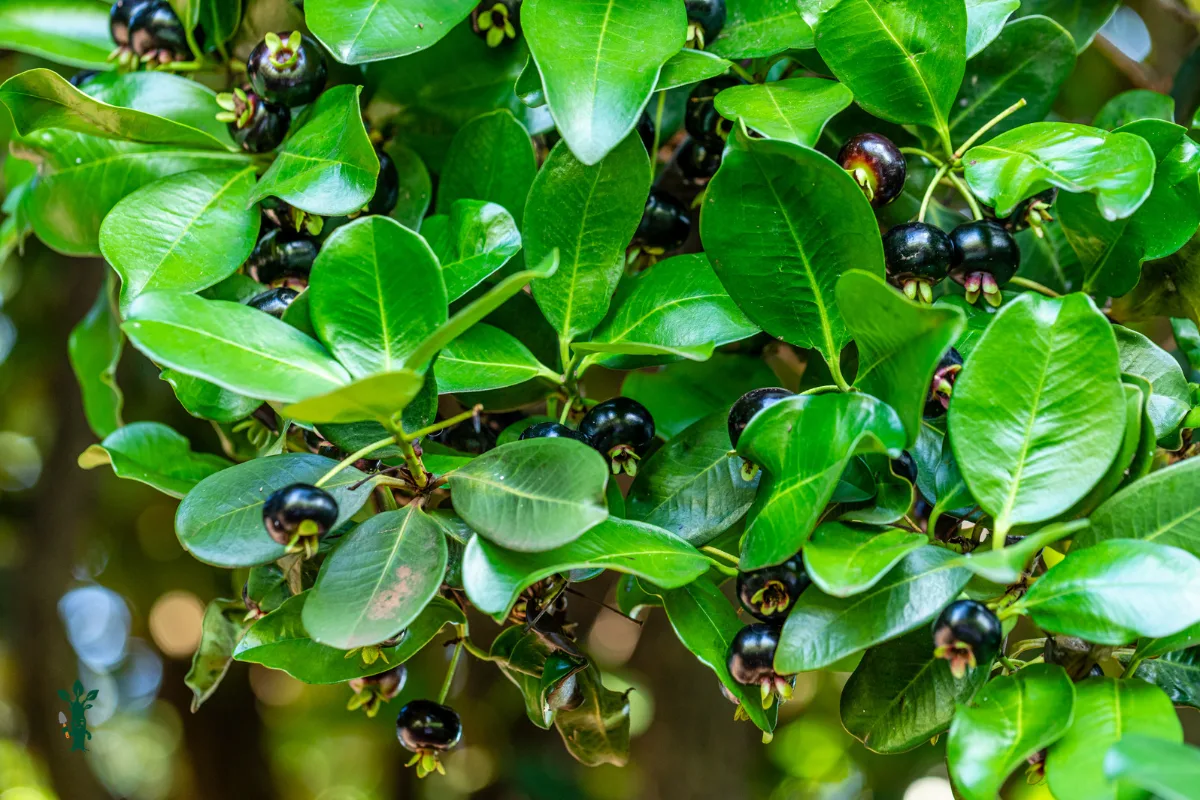
Grumichama
Eugenia brasiliensis
Grumichama produces little purple fruits with a juicy, sweet-tart flavour, a bit like cherries. The glossy leaves look good all year, and a single tree can give you a harvest. It can grow several metres tall, so shape it to fit your garden and make picking easier. The ripe berries are best enjoyed soon after harvesting.
Size: Usually 4–8 m high and 3–5 m wide, smaller with pruning
18
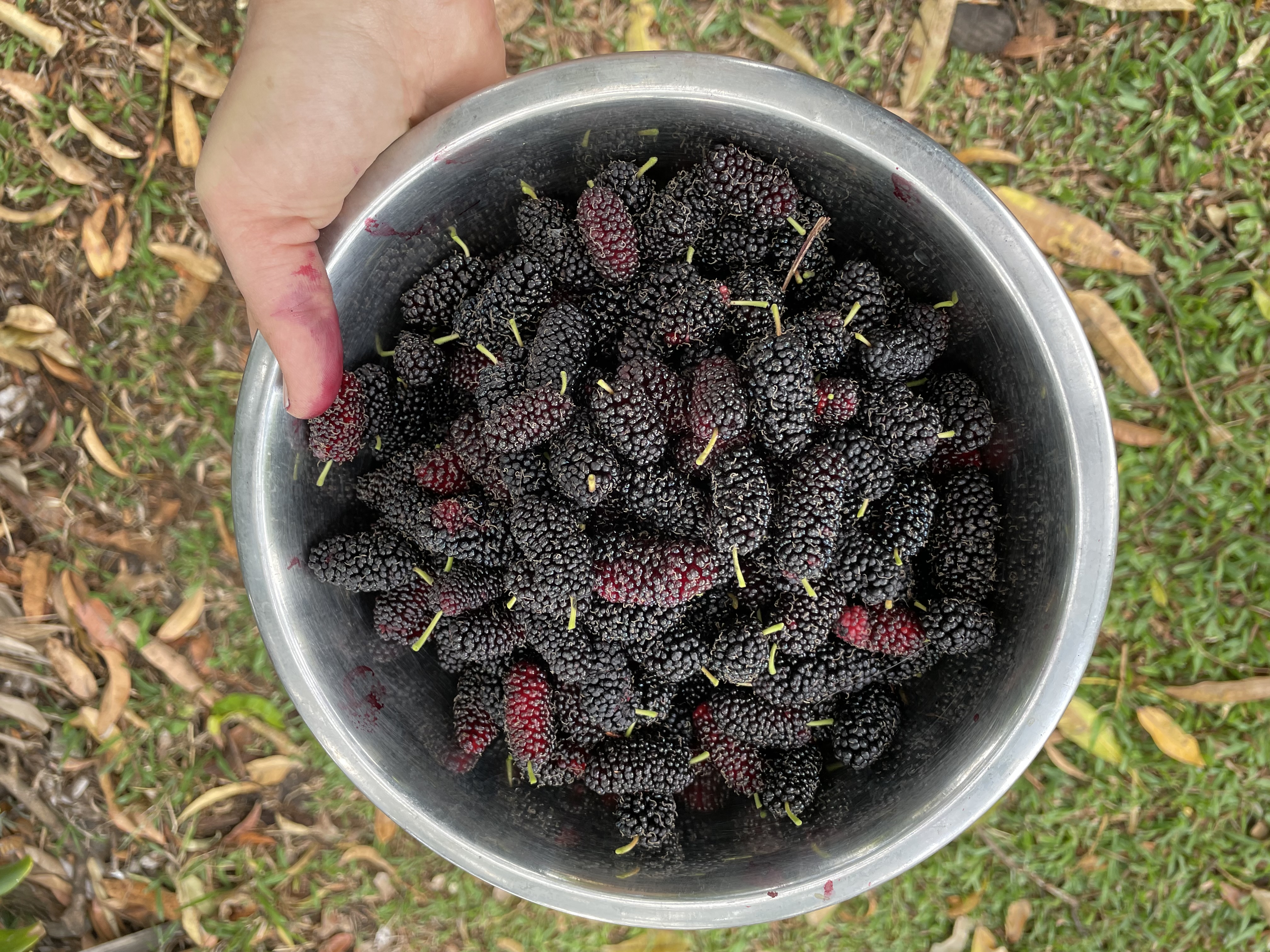
Black mulberry
Morus nigra
A black mulberry is hard to beat for bowls of rich, sweet berries. The tree gives you shade in summer and lets the sunshine through when it loses its leaves in winter. Prune it so you can reach the fruit, or spread a sheet underneath to collect a big harvest. Plant it away from paving if you don’t want purple stains everywhere.
Size: Commonly 6–10 m tall and broad, but can be kept smaller with pruning
19
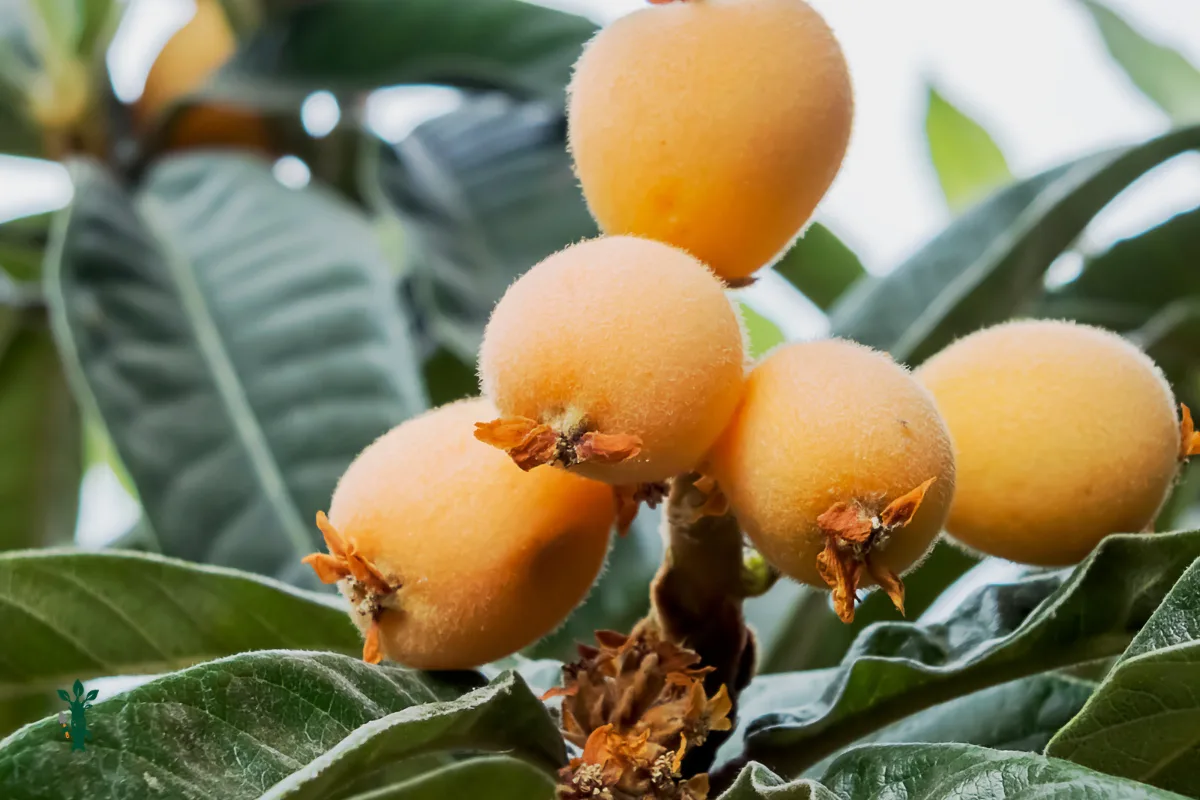
Loquat
Eriobotrya japonica
Loquat is a great addition if you want fruit outside the main summer season. It flowers through the cooler months and gives you sweet orange fruit in spring, while the big evergreen leaves look good all year. The tree grows quickly and responds well to pruning, so you can keep the fruit within reach and cover it with wildlife-safe netting if needed.
Size: Usually 4–8 m high and 4–6 m wide, but smaller with pruning
20
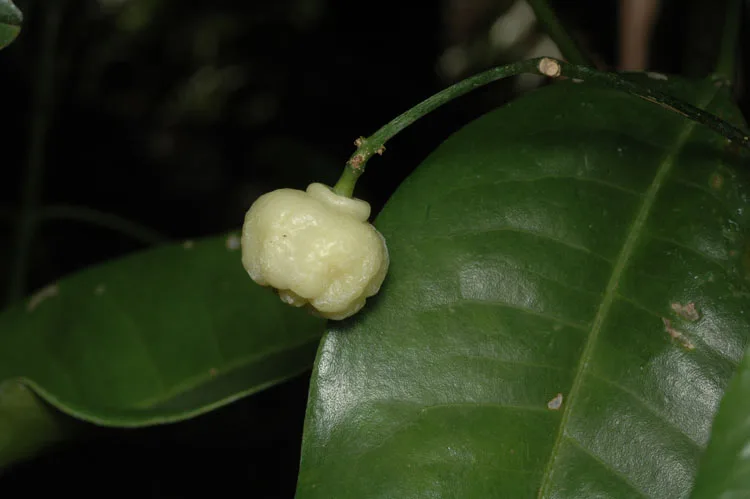
Lemon aspen
Acronychia acidula
Lemon aspen is a north Queensland native with little fruit that packs a serious citrus punch. It’s great for sauces, drinks, syrups and preserves, and the glossy foliage gives it a lovely rainforest look. It can grow into a sizeable tree, so give it room, reliable water and a sheltered spot rather than treating it like a small bushfood shrub.
Size: Often 6–15 m in cultivation or rainforest edges, potentially taller in ideal forest conditions; can be kept lower with pruning
21
Jackfruit
Artocarpus heterophyllus
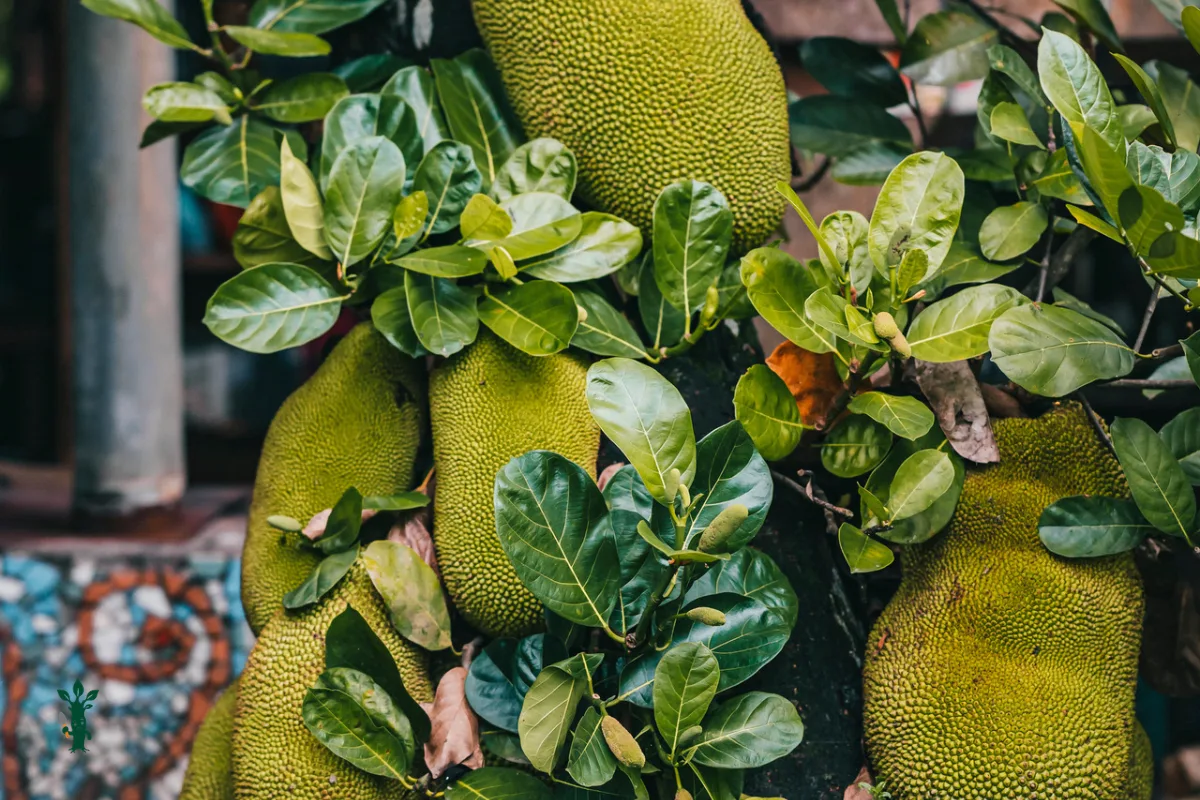
Jackfruit can give you some seriously big harvests in a warm, frost-free garden. You can cook the young green fruit in savoury dishes or let it ripen for sweet, fragrant flesh. It’s a fast-growing tree with huge fruit, so start pruning early to make harvesting easier. Keep a little space around it for carrying those heavy jackfruits back to the kitchen.
Size: Commonly 8–15 m in gardens and capable of reaching about 20 m; can be maintained much smaller with regular pruning
Plan Your Fruit Trees
Start with the fruit you love eating, then choose where each tree will go. There’s plenty you can grow in a subtropical garden, but a bit of planning now makes picking and looking after the trees much easier.
- Give the big trees room. Mango, macadamia and jackfruit can get huge. Leave space for their canopies and start pruning early so you can reach the fruit.
- Choose for your conditions. Avocado needs good drainage, lychee and feijoa fruit better with cooler winters, and papaya and jackfruit enjoy the warmest spots.
- Grow something for different seasons. Bananas and papayas can crop early, jaboticaba is one for the long haul, and loquat gives you fruit in spring.
There's nothing quite like walking out into your own garden and finding something ripe to pick.