


Plant profile
White sapote
Casimiroa edulis
Also known as Casimiroa, Mexican apple.
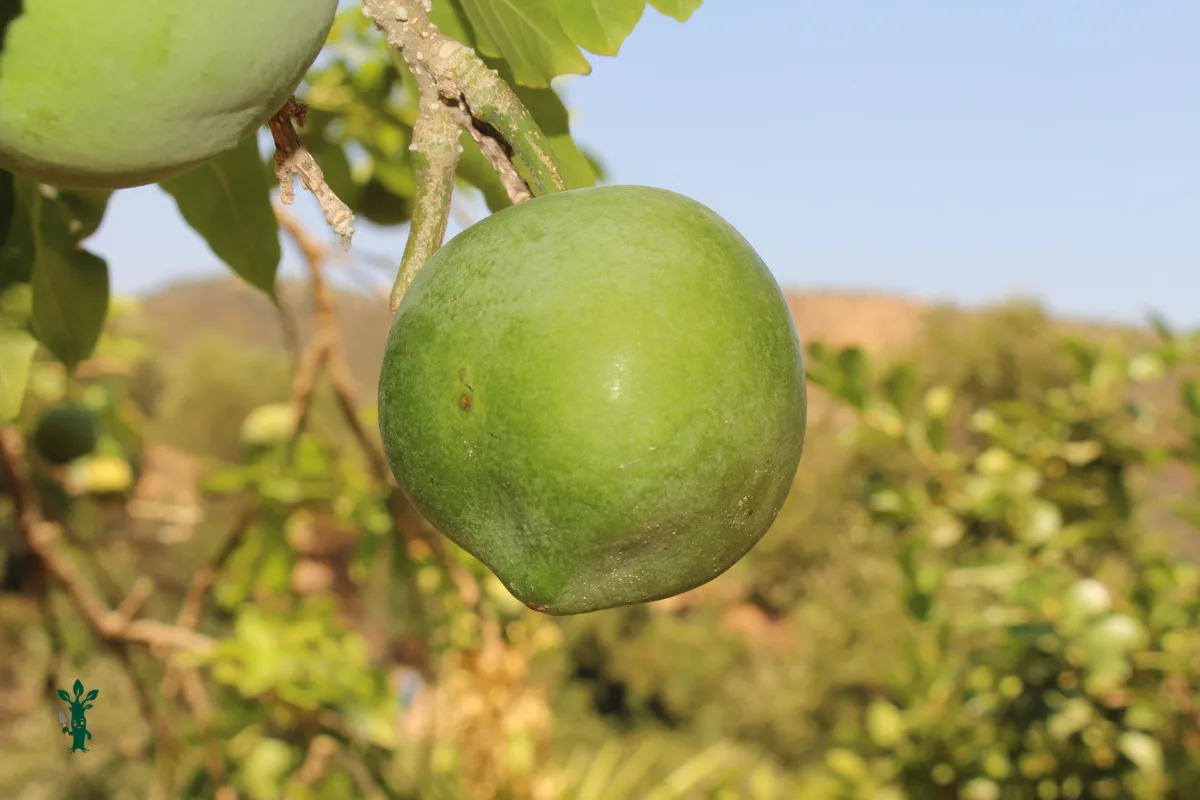
White sapote grows quickly in suitable subtropical and warm-temperate gardens and can produce heavy crops of sweet, creamy fruit. The soft flesh is eaten with a spoon once ripe. Start pruning while the tree is young to keep fruit within reach.
- Grows well in
- Subtropical, Temperate, Mediterranean
- Lifecycle
- Evergreen subtropical fruit tree
- Light
- Full sun
- Mature size
- Commonly 5–12 m high; grafted trees can be maintained around 3–5 m with regular pruning
- Spacing
- Allow about 5–7 m for a free-standing tree unless it will be kept smaller
- Growth habit
- Vigorous evergreen tree with a rounded to spreading canopy and brittle young branches
- Native range
- Mexico to Central America.
- Natural habitat
- Seasonally dry tropical biome, including upland and highland environments in Mexico and Central America.
When to plant
Subtropical and warm temperate: plant in spring after frost risk. Mediterranean climates: spring or mild autumn where young trees can be protected from frost. Avoid the coldest exposed sites.
Planting
Plant a grafted named cultivar in full sun, away from paths and structures where falling ripe fruit would be a nuisance. Young branches can be brittle, so shelter the tree from strong wind while it establishes and build a well-spaced framework early. Keep the graft union above soil level.
Position and light
Full sun gives the strongest flowering and fruiting. A warm protected position is useful in cooler districts. Young trees can be damaged by harder frost, although established white sapote is noticeably more cold tolerant than many tropical fruit trees.
Soil
White sapote adapts to clay, loam and sandy soils provided excess water can drain away. Deep soil supports the large root system. It tolerates a fairly broad pH range, but growth is best where soil structure is open and roots are not sitting in stagnant water.
Watering
Water young trees regularly through their first summers. Established trees tolerate some dry weather, but steady moisture during flowering and fruit fill supports better crops. Avoid repeated extreme wet-dry swings around fruiting.
Feeding
Compost and a balanced fruit-tree fertiliser during active growth are enough for most backyard trees. Avoid heavy nitrogen because it encourages excessive size. On a vigorous tree, pruning and crop load matter more than aggressive feeding.
Pruning
Train a strong framework while young and prune regularly if you want fruit within reach. Grafted cultivars can be held to a practical backyard size, but seedlings and neglected trees can become very large. Thin crowded growth and remove weak branch angles that may fail under a heavy crop.
Harvest
Pick fruit when it has reached full size and begins to soften slightly or loosen from the stem. Fully ripe fruit bruises easily, so harvest before it drops hard onto the ground. Let mature fruit finish softening indoors and eat it when the flesh is creamy.
Propagation
Named cultivars are normally grafted and are the best choice for predictable flavour, tree size and bearing. Seed grows readily but seedlings vary and can take much longer to prove their fruit quality. Some cultivars set alone, while others crop better with another compatible white sapote nearby.
Common problems
Fruit fly, scale and occasional fungal problems can occur. Heavy crops can break poorly formed branches, and fallen fruit makes a mess beneath an oversized tree. Some seedlings also produce fruit with bitter flavours close to the skin.
Safety notes
The ripe flesh is edible. Do not eat the seeds: Queensland local-government plant information and horticultural references warn that white sapote seeds contain toxic compounds.
Worth knowing
White sapote is not closely related to black sapote. It belongs to the citrus family, Rutaceae, and comes from the highlands of Mexico and Central America. Grafted cultivars are well worth seeking because seedlings vary in flavour and can grow into enormous trees.
Featured In

Grow White sapote with Brancho
Add it to My Garden and Brancho works out what it needs next, timed for your climate.
How it grows around Australia
Growing this too? Share what you've noticed in your garden.
Grow a Little Wild
New plants to try, useful growing tips and a few garden jobs based on what you grow.