

Plants for Clay Soil
Clay soil can hold valuable moisture and nutrients, but it also compacts easily and can stay wet after heavy rain. The best plants for clay are those that can grow in its natural texture once drainage, planting depth and surface management are right for the site. 17 plants in the library.
17 plants
Fruit tree
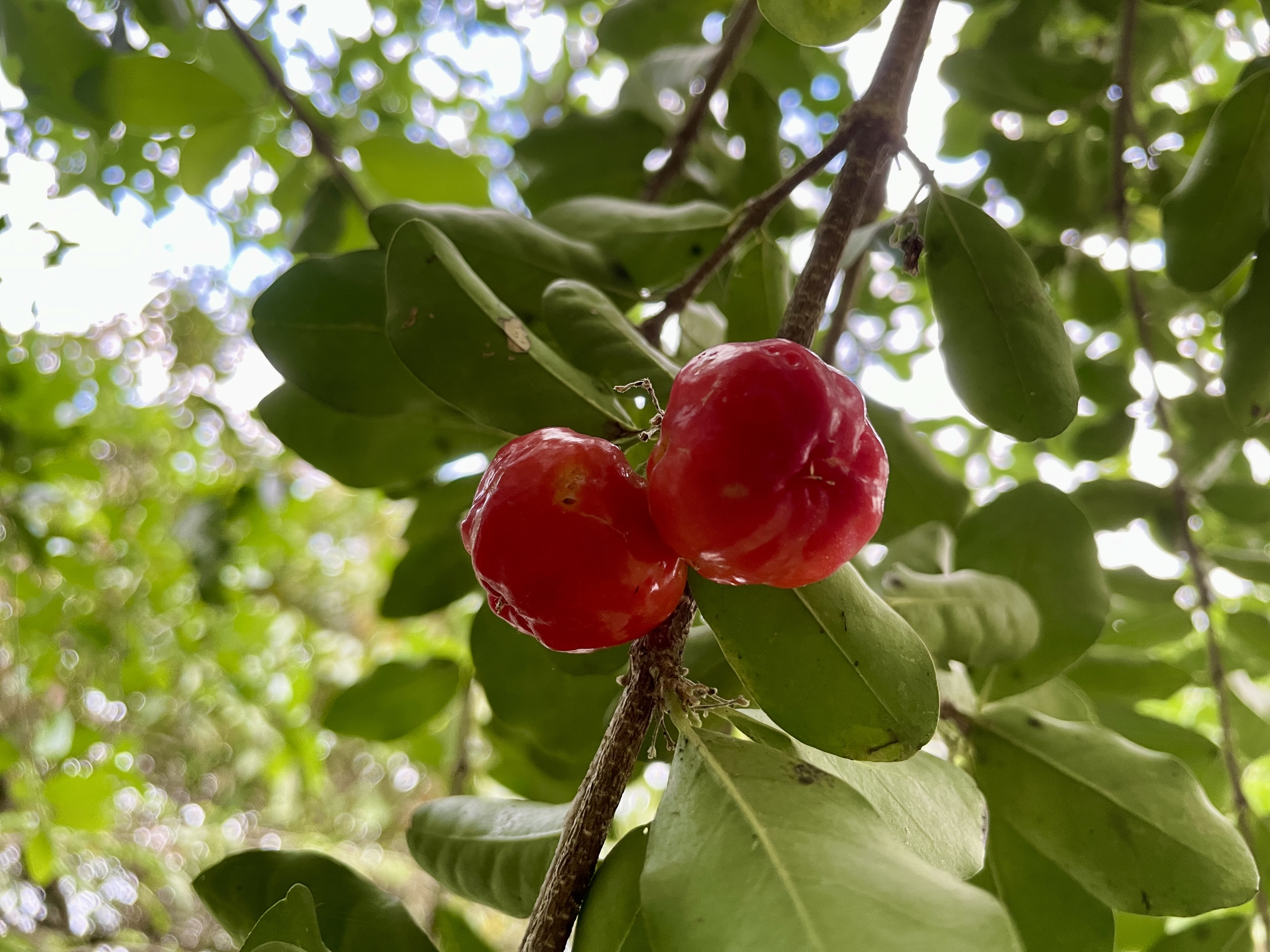
Acerola cherry
Acerola is a fast-growing tropical fruit shrub or small tree with bright red, tart-sweet fruit and very high vitamin C.
Veggie
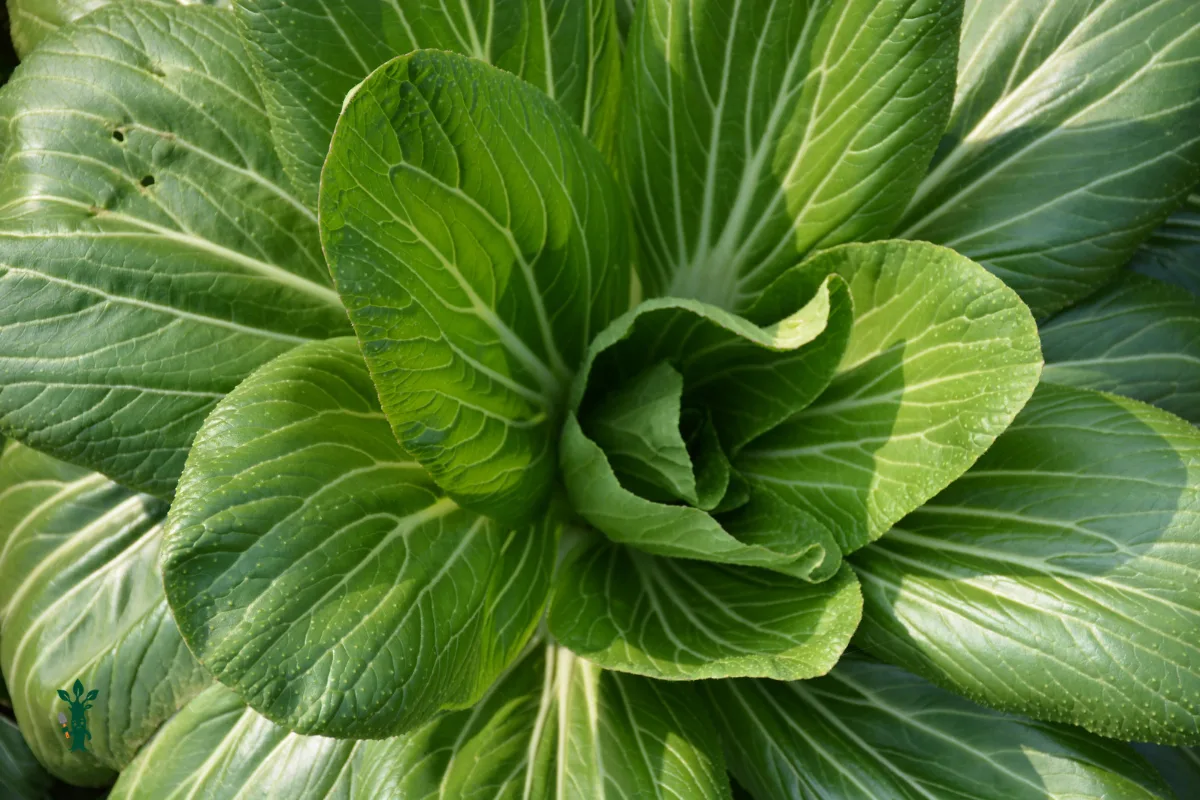
Bok choy
Bok choy is a quick Asian brassica grown for crisp white or green leaf stalks and tender leaves. It likes cool, steady growing conditions and can go from seedling to harvest in only a few weeks. Heat, drought and root stress encourage bolting, so fast uninterrupted growth gives the best plants.
Veggie
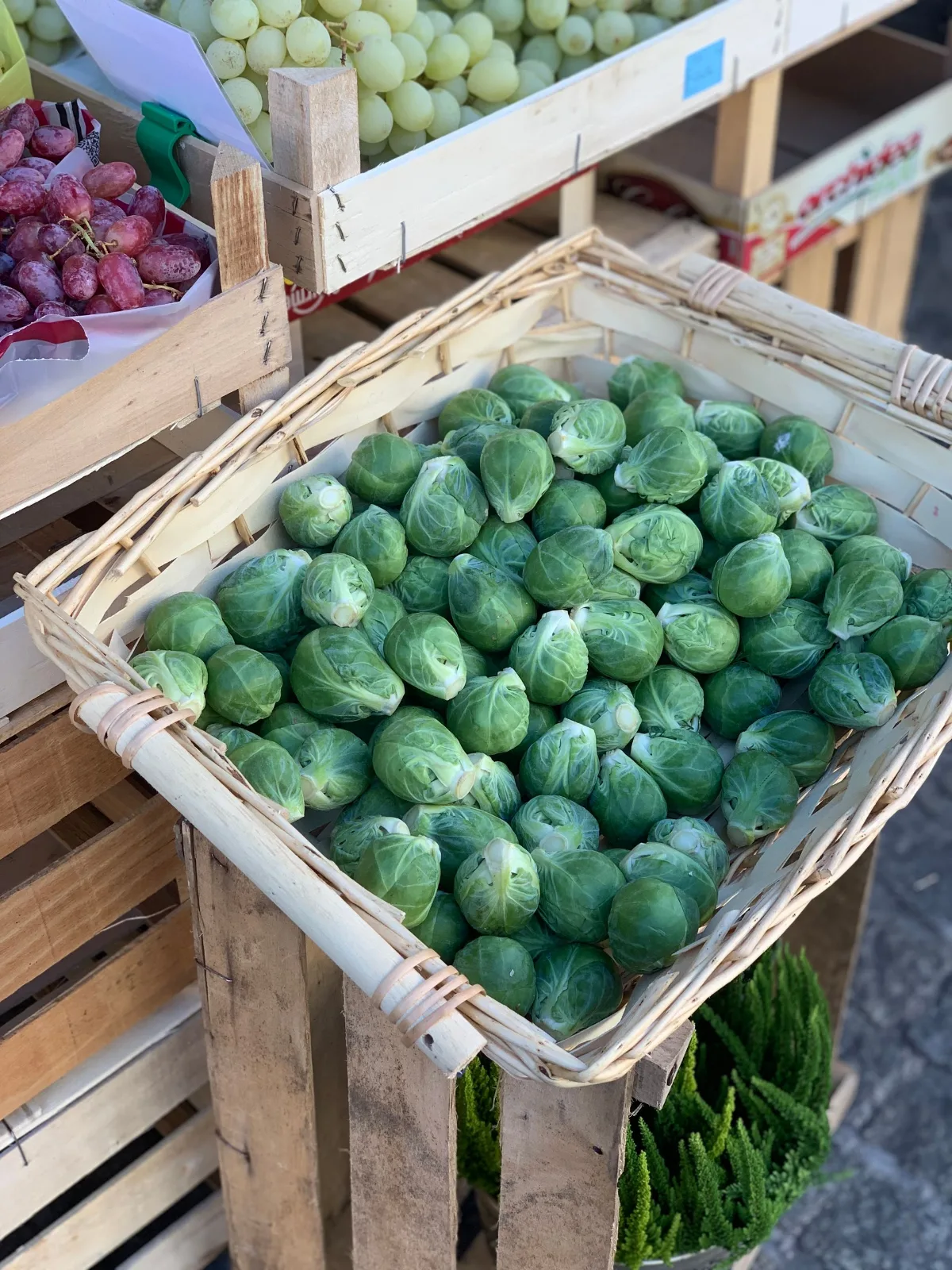
Brussels sprouts
Brussels sprouts are a long cool-season brassica that forms small heads along a tall stem. Timing and steady feeding matter more than almost anything else.
Veggie
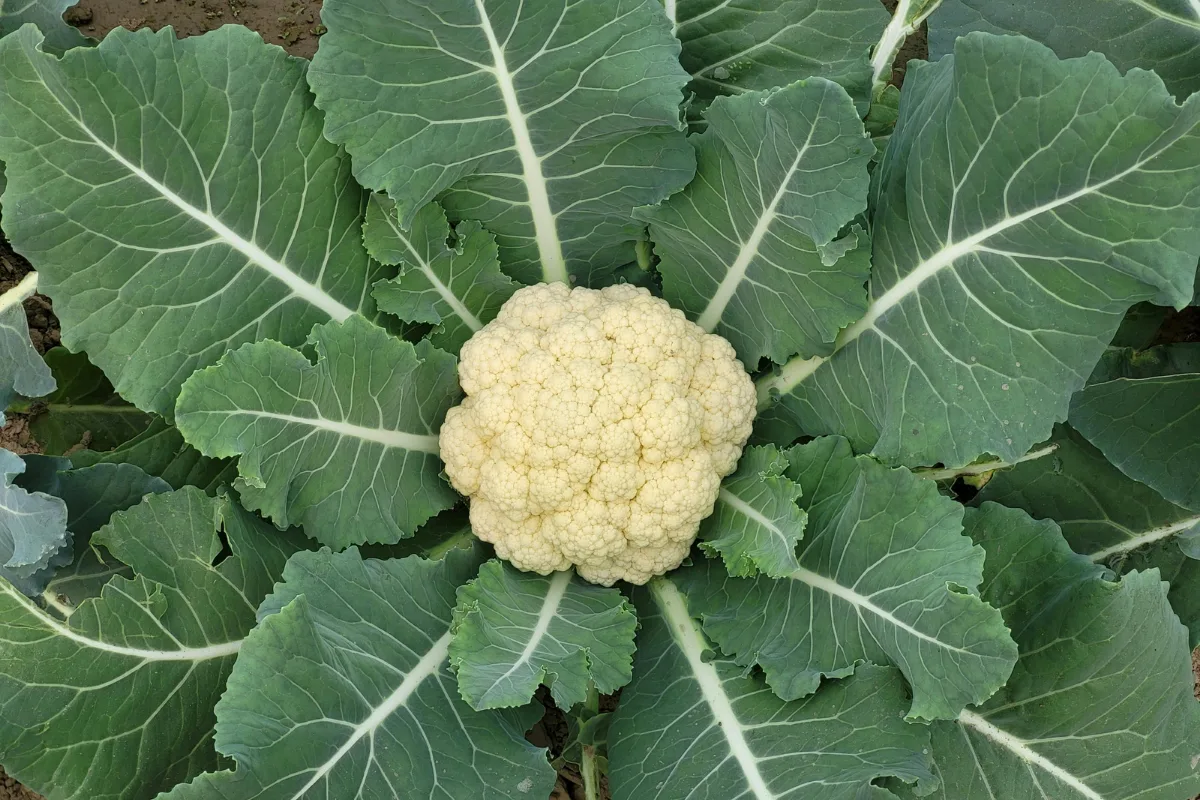
Cauliflower
Cauliflower is a cool-season brassica grown for its dense, immature flower head, or curd. It grows best when conditions stay steady: fertile soil, regular moisture and mild temperatures. Heat, drought or interrupted growth can lead to small, loose or uneven heads, so matching the variety and planting time to your climate makes a real difference.
Veggie
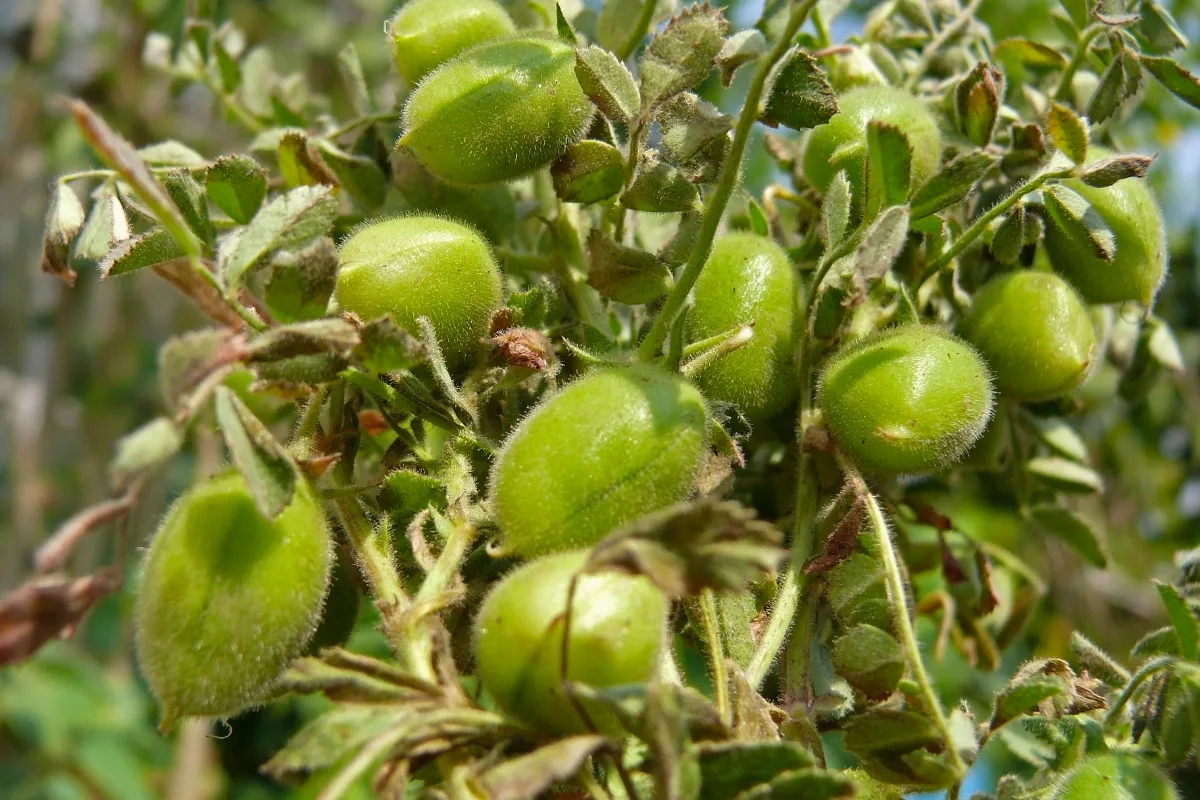
Chickpea
Chickpeas are cool-season legumes with small pea-like flowers followed by short pods that usually hold one or two seeds. You can pick the beans green or let them mature for a dry harvest. They grow best with plenty of sun, free-draining soil and a mild, relatively dry growing season.
Herb & spice
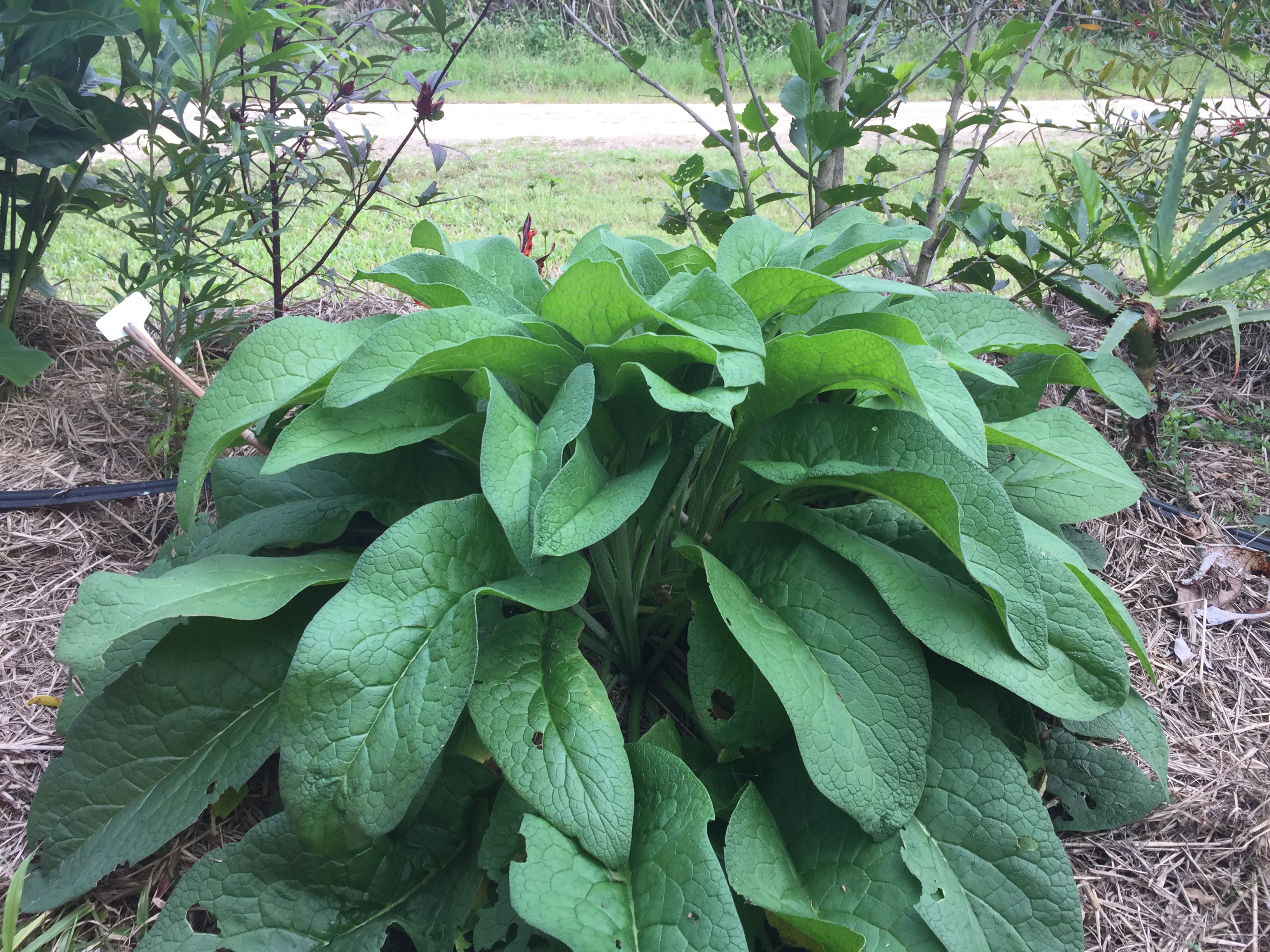
Comfrey
Comfrey is a deep-rooted perennial grown mainly for compost, mulch and biomass. It regrows quickly after cutting, so give it a permanent position rather than moving it around the garden.
Ornamental
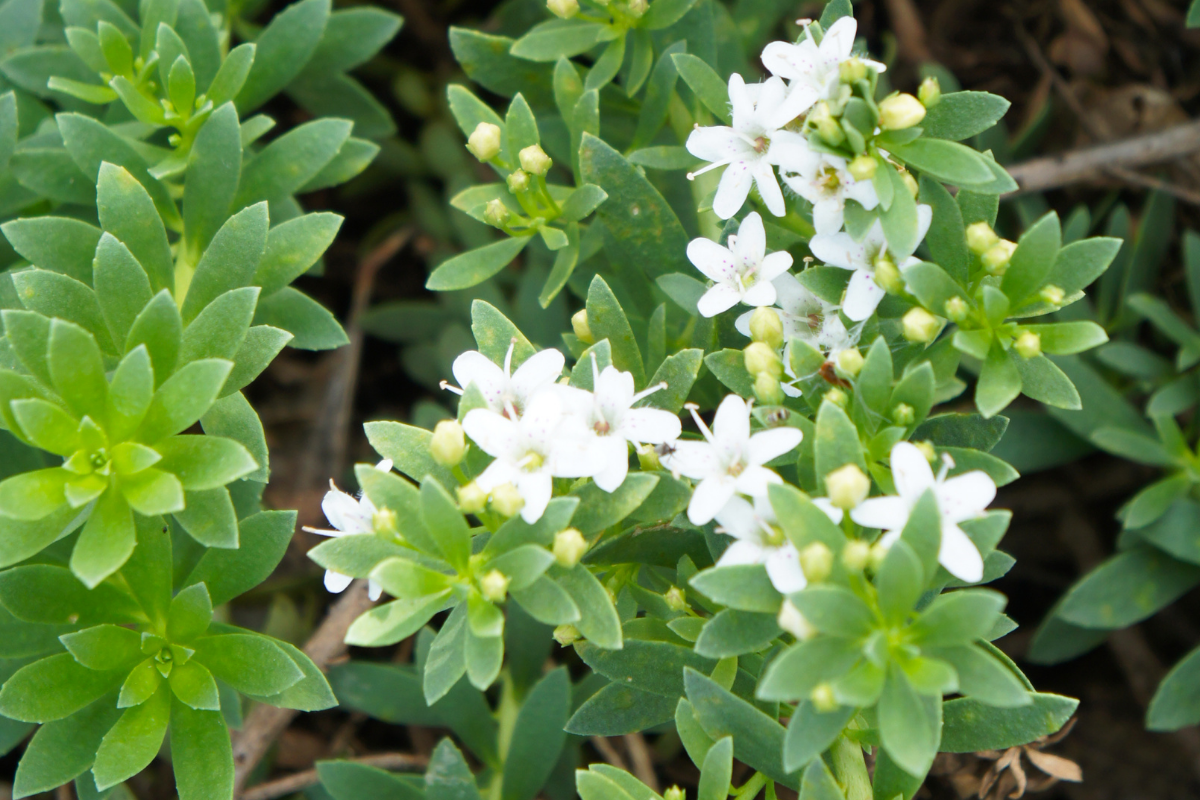
Creeping boobialla
A broad, very low native groundcover for sunny banks and open beds. Fine green foliage forms a dense mat and small white to pale pink flowers appear through the warmer months.
Fruit tree
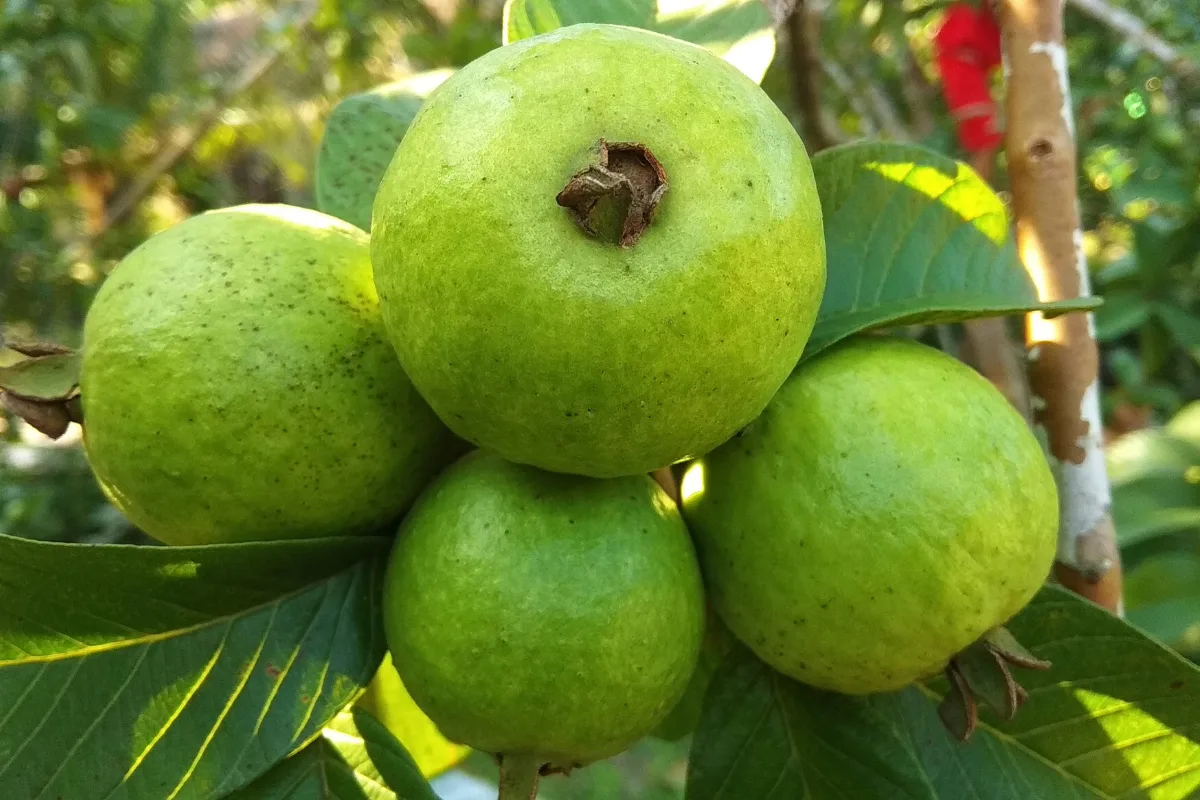
Guava
Guava is a fast-growing tropical to subtropical fruit tree with aromatic leaves, white flowers and round to pear-shaped fruit. It crops young, handles pruning well and can be kept to a practical backyard size.
Fruit tree
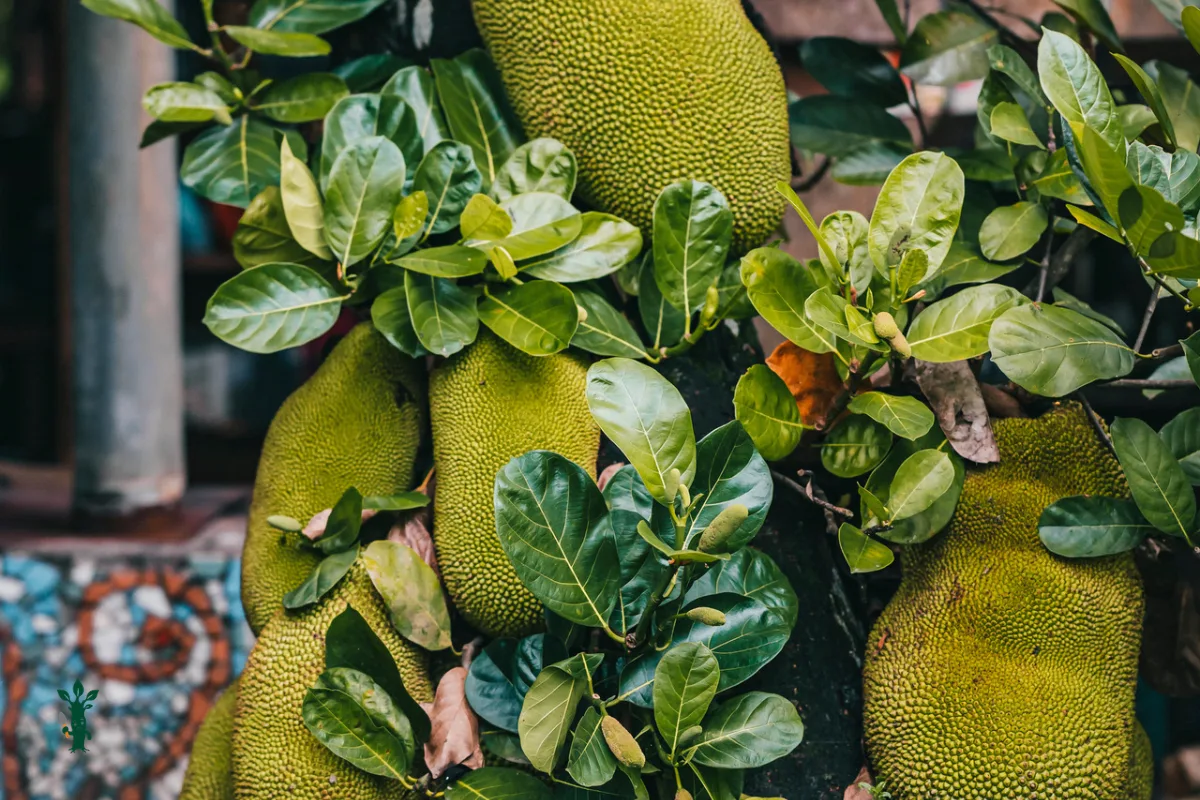
Jackfruit
Jackfruit is a spectacular evergreen fruit tree that carries huge green fruit directly on its trunk and main branches. It loves warm humid conditions and is genuinely productive in subtropical south-east Queensland as well as the tropics, provided it has enough warmth, water and room for a substantial tree.
Fruit tree
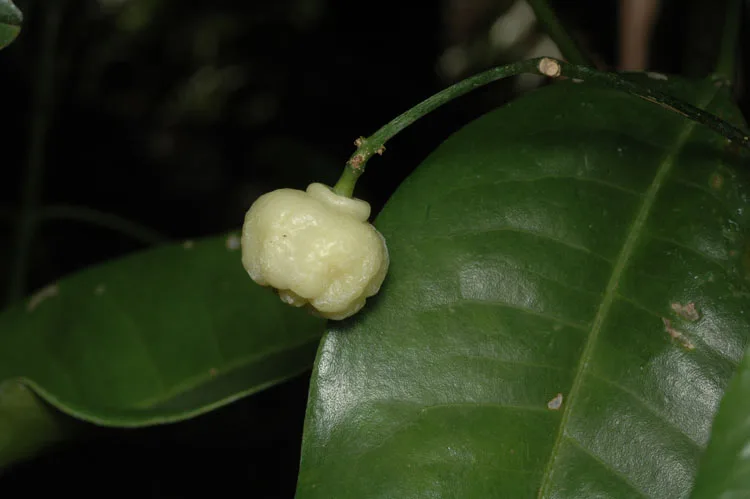
Lemon aspen
Lemon aspen is a Queensland rainforest tree with small pale fruit carrying an intense tart citrus flavour somewhere between lemon, lime and grapefruit. It is useful as a native food plant, has glossy evergreen foliage and suits warm, moist rainforest-style gardens.
Fruit tree
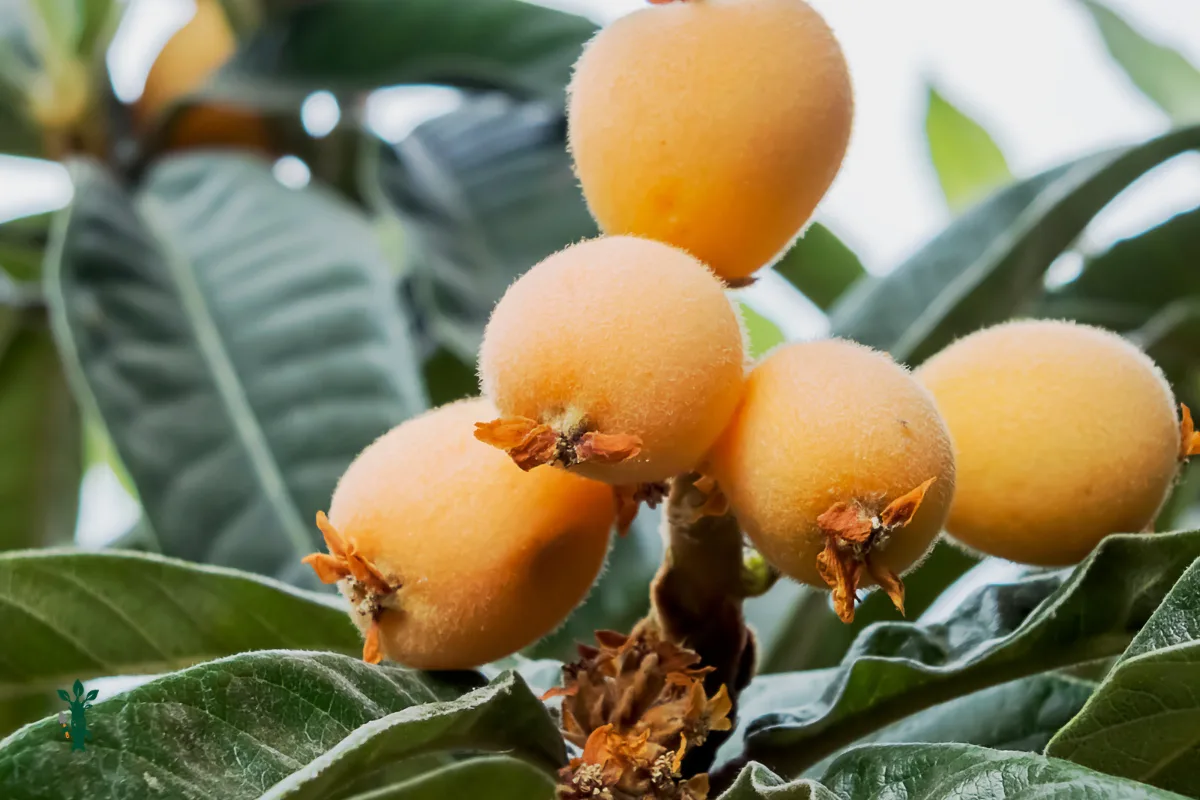
Loquat
Loquat is an evergreen fruit tree with fragrant winter flowers and orange spring fruit. It grows quickly in mild climates and can be pruned to keep the crop easy to reach.
Fruit tree
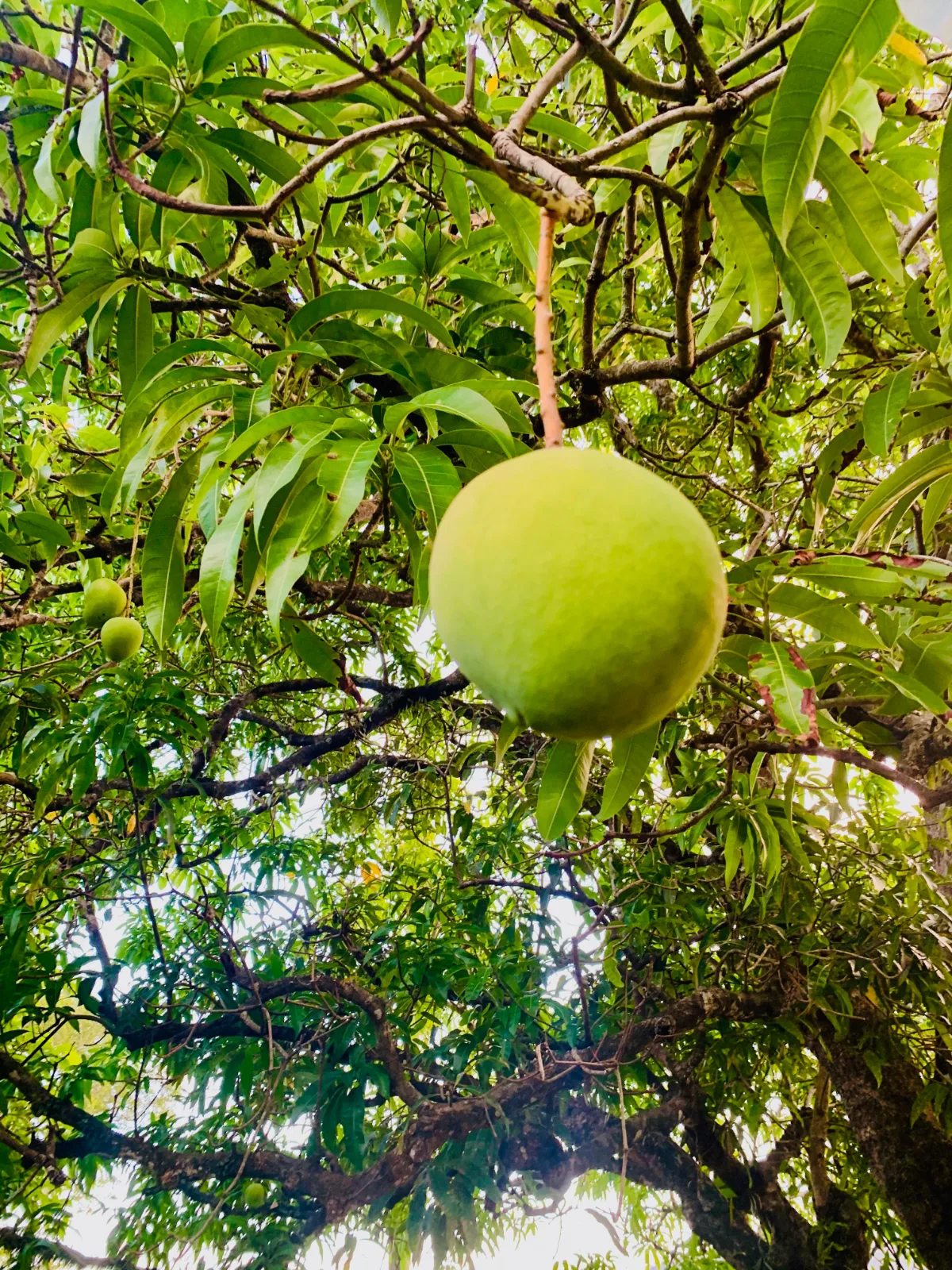
Mango
Mango trees need warmth, sun and good drainage. Pruning after harvest helps keep the tree at a useful size without removing the mature shoots needed for flowering.
Ornamental
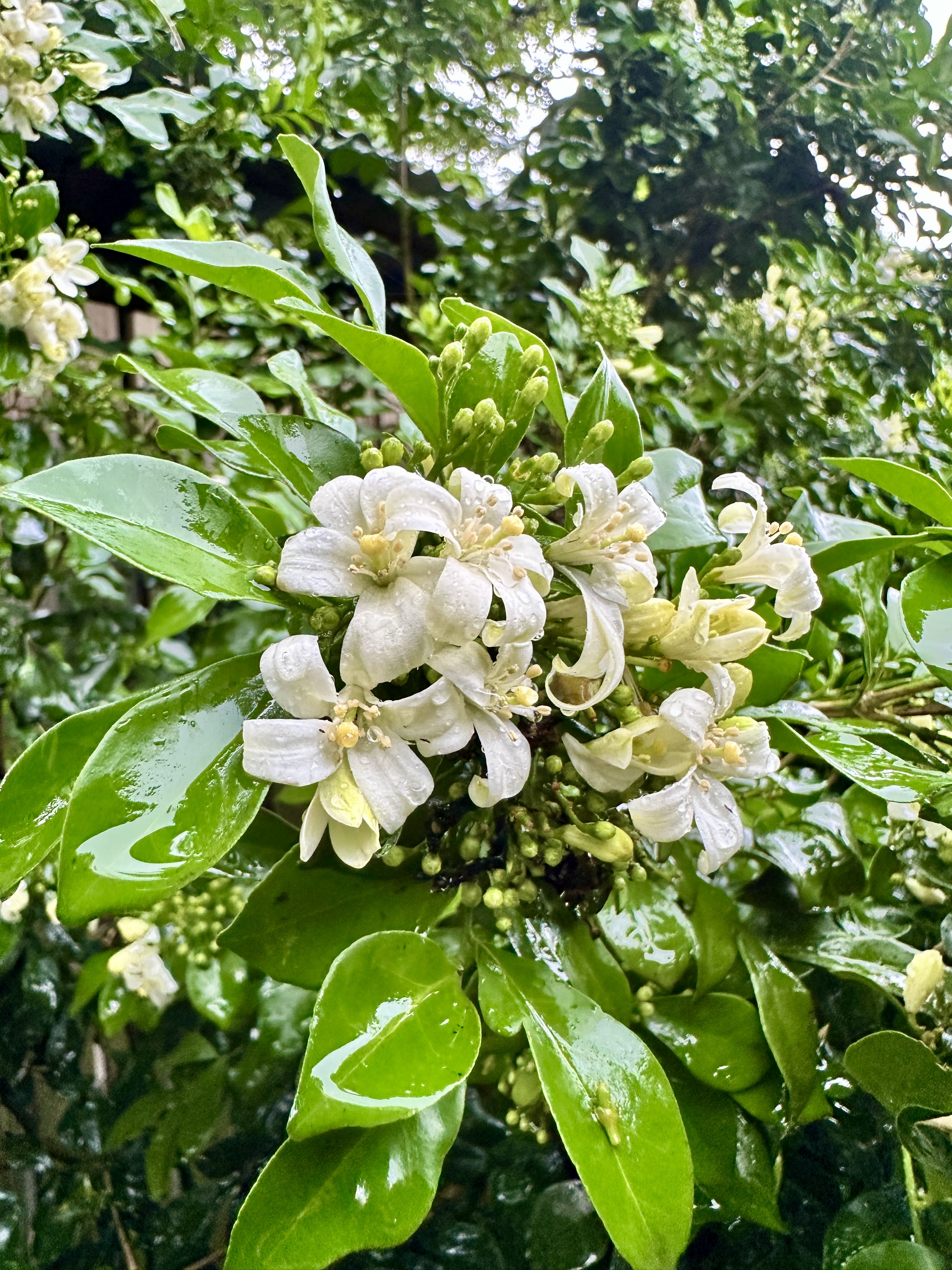
Murraya
Murraya is a dense evergreen shrub or small tree with glossy leaves and strongly scented white flowers. The common garden form 'Exotica' grows quickly in warm climates and is widely used for hedges, screens and clipped shapes around entrances, paths and outdoor living areas.
Ornamental
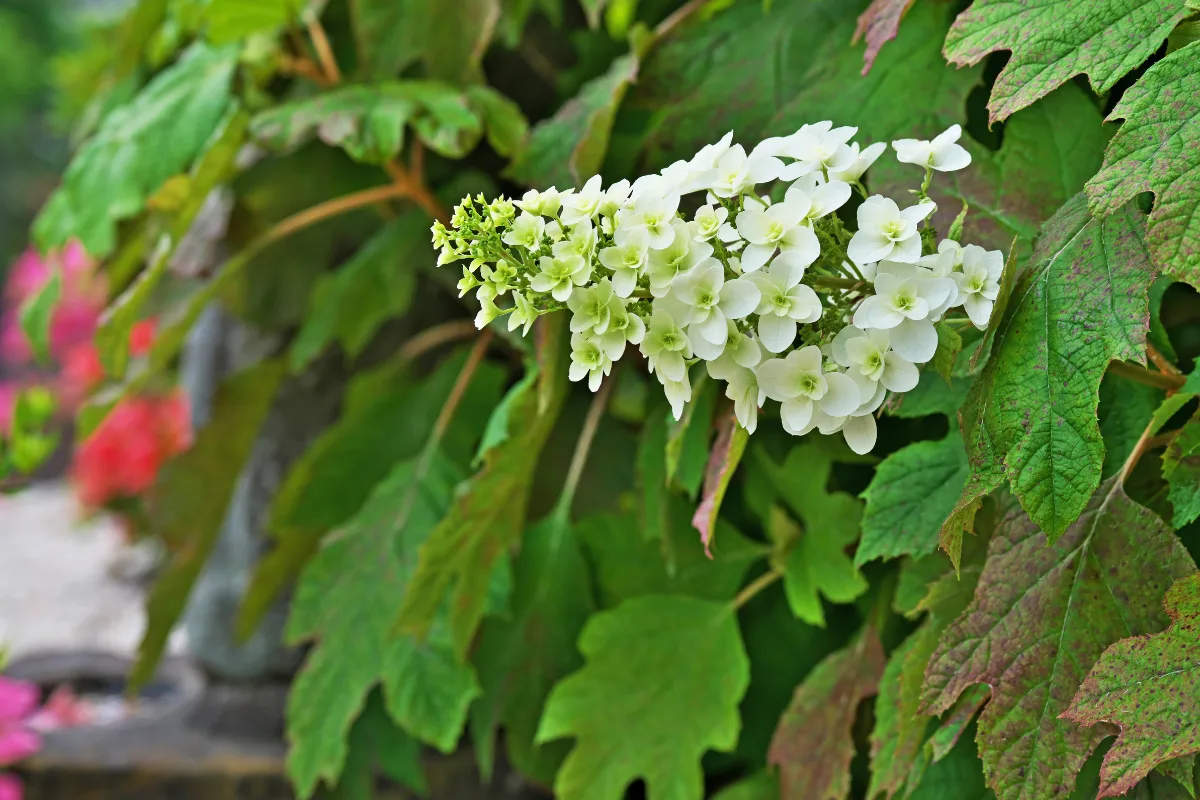
Oakleaf hydrangea
Oakleaf hydrangea is grown as much for its foliage as its flowers. Large oak-shaped leaves turn rich bronze, red and burgundy in autumn, while long white flower clusters appear through summer.
Ornamental
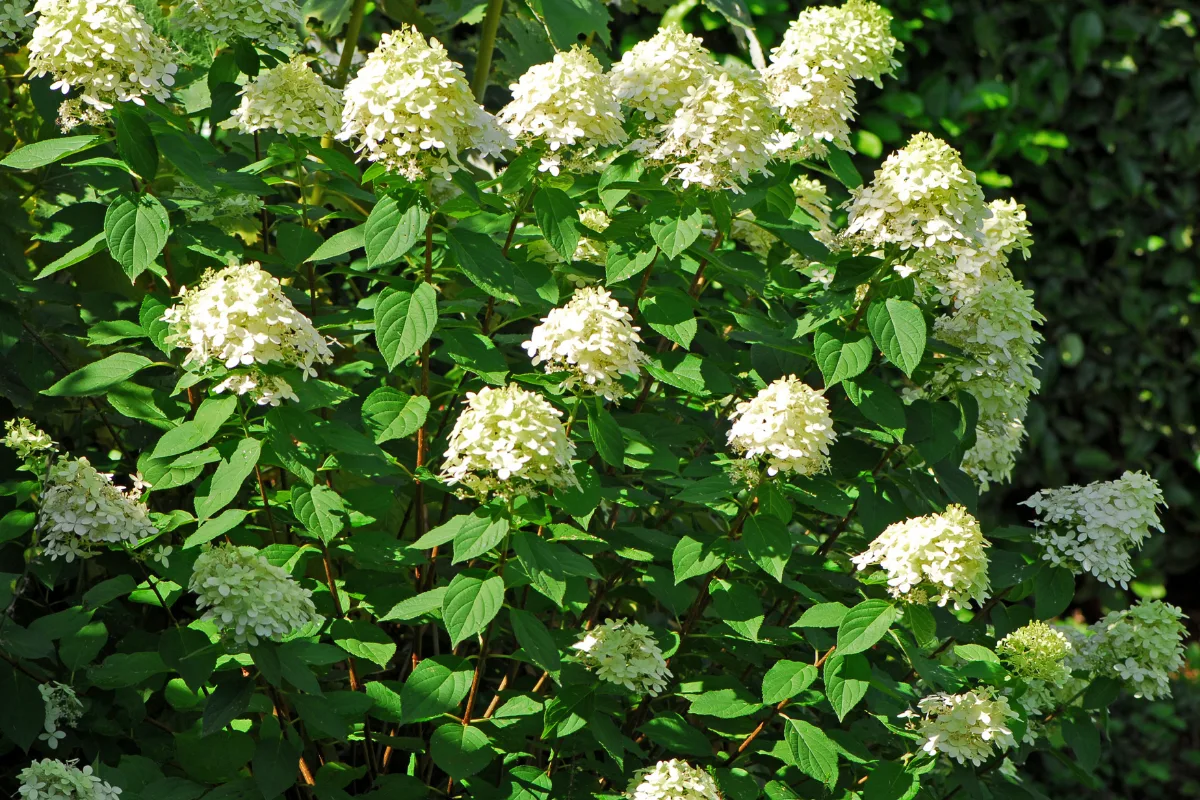
Panicle hydrangea
Panicle hydrangea is the sun-tolerant hydrangea of the group, with upright cone-shaped flower clusters that usually open cream or white and often deepen to pink or red as they age.
Fruit tree
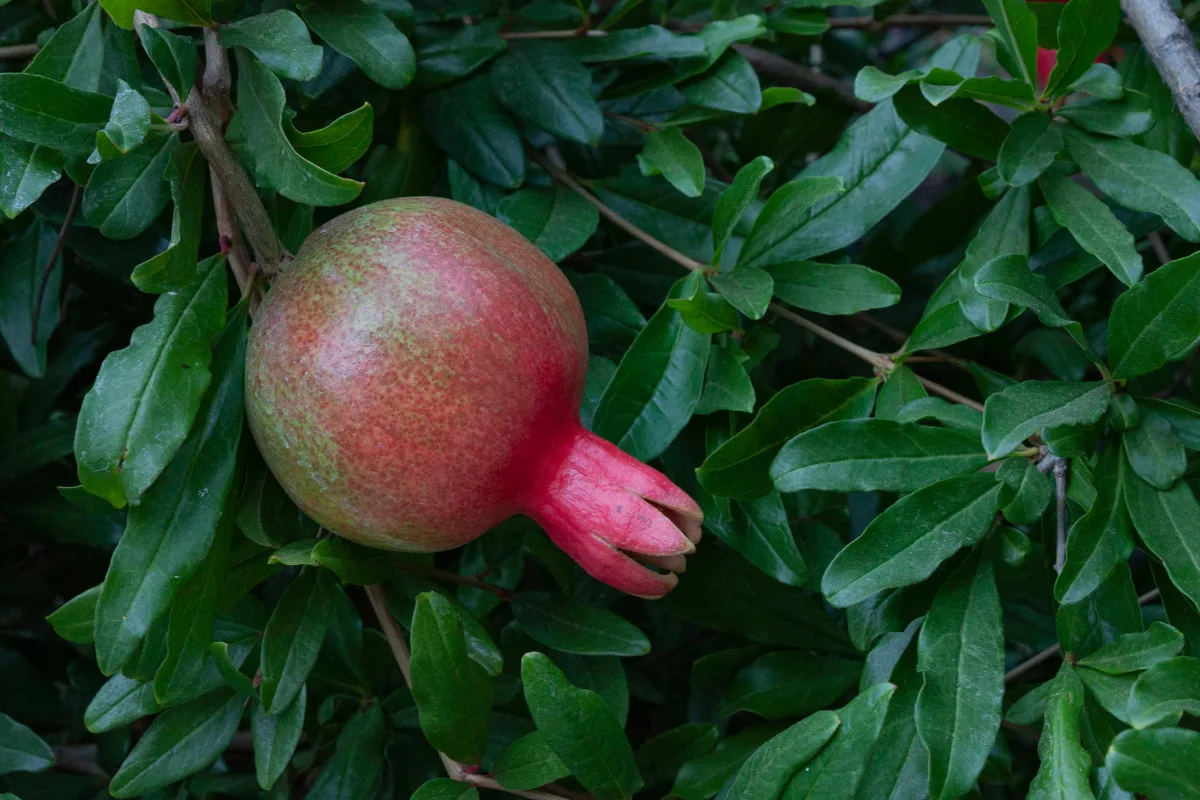
Pomegranate
Pomegranate is a tough deciduous shrub or small tree that likes sun, good drainage and warm summers. It can grow across much of Australia.
Fruit tree
Starfruit
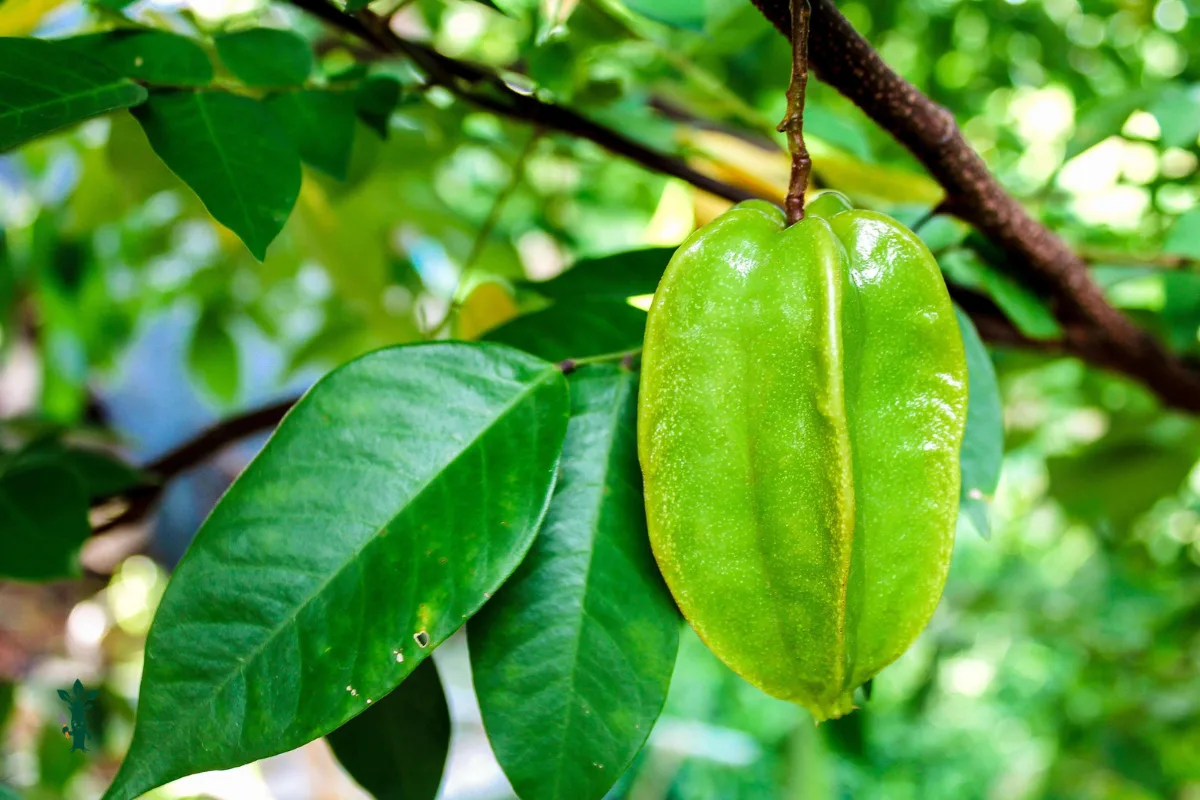
Starfruit is a small warm-climate fruit tree with crisp, juicy yellow fruit that forms a star when sliced. It crops well in frost-free coastal Queensland and other warm humid districts, stays manageable with pruning and can produce more than one flowering and fruiting flush in a long growing season.
Before You Choose
First work out whether you have ordinary heavy clay or a true drainage problem. Clay that is moist and workable can support a wide range of plants. Soil that stays saturated for long periods needs water movement addressed before you add plants that require aerated roots.
Avoid digging a deep planting hole and filling it with very loose imported soil. In heavy ground, that can create a pocket where water collects. Loosen a broad area instead, plant at the correct depth and improve the surface with organic matter. Mulch and compost gradually support soil structure without creating a sharp boundary around the root ball.
Clay is easy to damage when it is very wet. Keep machinery and repeated foot traffic off saturated beds where possible. As roots, soil organisms and organic matter build over time, the upper soil usually becomes easier to work.
In dry weather, clay can become hard and crack. A mulch layer reduces temperature swings and slows moisture loss. Water deeply enough to wet the root zone rather than repeatedly dampening only the surface. Use each plant profile to compare drainage, climate, light and moisture preferences.
Raised planting can help in especially heavy sites, but avoid creating a small mound that dries out while the surrounding clay stays saturated. A broad gentle mound gives roots more usable soil and a smoother transition into the existing ground. If you are unsure how the site drains, dig and observe after heavy rain before choosing plants or making major soil changes.