
Plant profile
Bok choy
Brassica rapa (Chinensis Group)
Also known as pak choi, pak choy.
Bok choy is a quick Asian brassica grown for crisp white or green leaf stalks and tender leaves. It likes cool, steady growing conditions and can go from seedling to harvest in only a few weeks. Heat, drought and root stress encourage bolting, so fast uninterrupted growth gives the best plants.
- Grows well in
- Tropical, Subtropical, Temperate, Cool / mountains, Arid / inland, Mediterranean
- Lifecycle
- Fast cool-season annual leafy vegetable
- Light
- Full sun, Part shade
- Mature size
- Usually 15–35 cm tall and 15–30 cm wide, depending on type
- Spacing
- About 10–15 cm for baby types; 20–30 cm for full-sized plants
- Growth habit
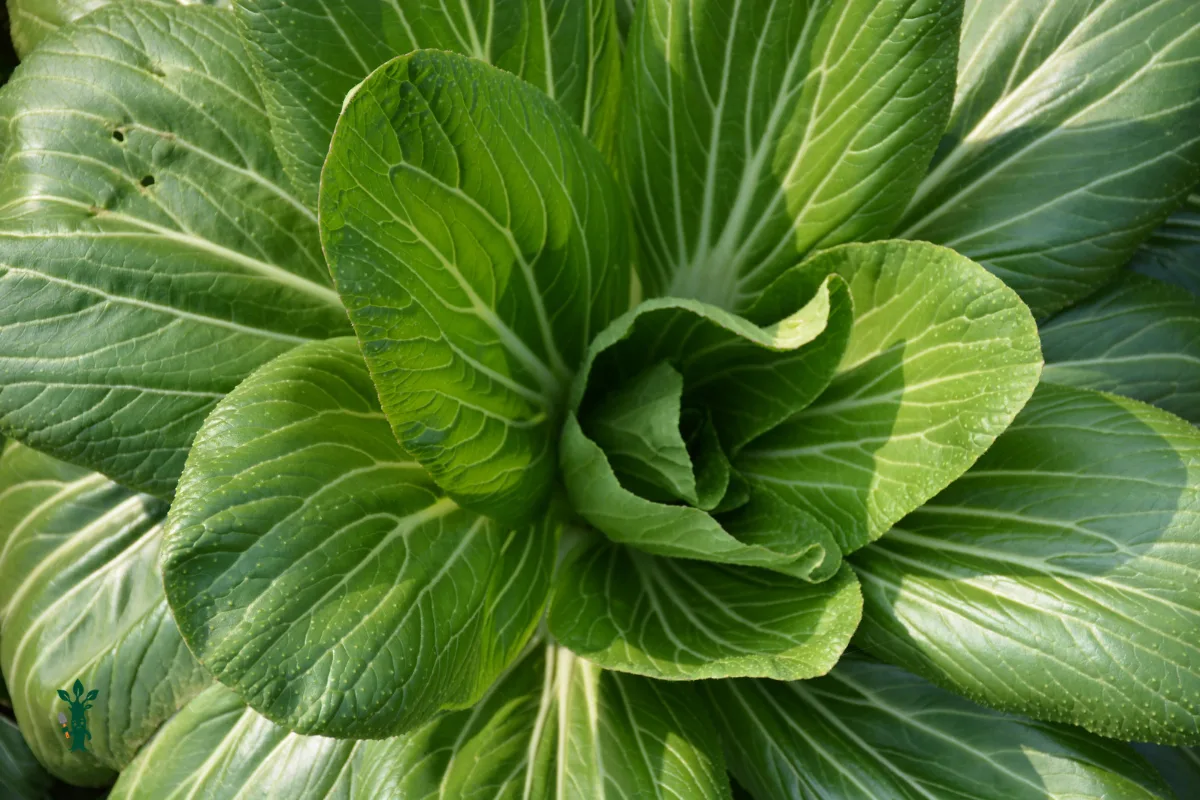
- Compact upright rosette of spoon-shaped leaves with thick fleshy stalks
- Native range
- A cultivated East Asian form of Brassica rapa rather than a separate wild subspecies
- Natural habitat
- A long-cultivated leafy vegetable. Its Brassica rapa ancestry comes from temperate open ground rather than a distinct wild bok choy habitat.
When to plant
Tropical
April–August
Subtropical
March–September
Temperate
February–November
Cool / mountain
August–April
Arid inland
February–October
Mediterranean
February–October
Tropical and subtropical: mainly autumn to winter. Temperate and Mediterranean: autumn through spring. Cool climates: spring through early autumn.
Planting
Direct-sow or transplant small seedlings without letting them become root-bound. Baby bok choy can be planted closely; full-sized varieties need more room. In warm weather, sow small batches often because crops can bolt quickly.
Position and light
Full sun in cool weather. Part shade is useful in warm climates and can slow heat stress.
Soil
Fertile, free-draining soil with compost and reliable moisture. Bok choy is fast, so it responds quickly to both good nutrition and growth checks.
Watering
Keep the root zone evenly moist. Repeated wilting can trigger bolting and gives tougher stalks.
Feeding
Compost before planting is often enough for a short crop. In poor or sandy soil, one light liquid or balanced feed during active leaf growth can help.
Pruning
No pruning is needed. Remove badly damaged outer leaves and harvest before the flower stem elongates.
Harvest
Harvest baby plants whole or cut full-sized plants at the base once the leaf stalks are thick and crisp. Outer leaves can also be picked lightly while the plant is young.
Propagation
Grow from seed. Bok choy crosses readily with other Brassica rapa forms when flowering, so isolated seed saving is needed for true-to-type seed.
Common problems
Cabbage white butterfly and moth caterpillars, flea beetles, aphids, slugs and snails are common. Heat and inconsistent water are major causes of premature bolting.
Safety notes
Leaves and stalks are edible. Wash well and inspect the folded leaf bases for insects before use.
Worth knowing
Bok choy belongs to Brassica rapa, the same species that includes turnips and several other Asian vegetables. Variety names and spellings vary widely, so choose by mature size and intended harvest rather than name alone.
Grow Bok choy with Brancho
Add it to My Garden and Brancho works out what it needs next, timed for your climate.
How it grows around Australia
Growing this too? Share what you've noticed in your garden.
Grow a Little Wild
New plants to try, useful growing tips and a few garden jobs based on what you grow.