

Plants With an Edible Harvest
Edible plants can give you fruit, leaves, roots, flowers, seeds or stems, and they fit into far more garden spaces than a traditional vegetable patch. Start with crops you will genuinely use, then match them to your climate, light and the amount of room you have. 111 plants in the library.
111 plants
Fruit tree
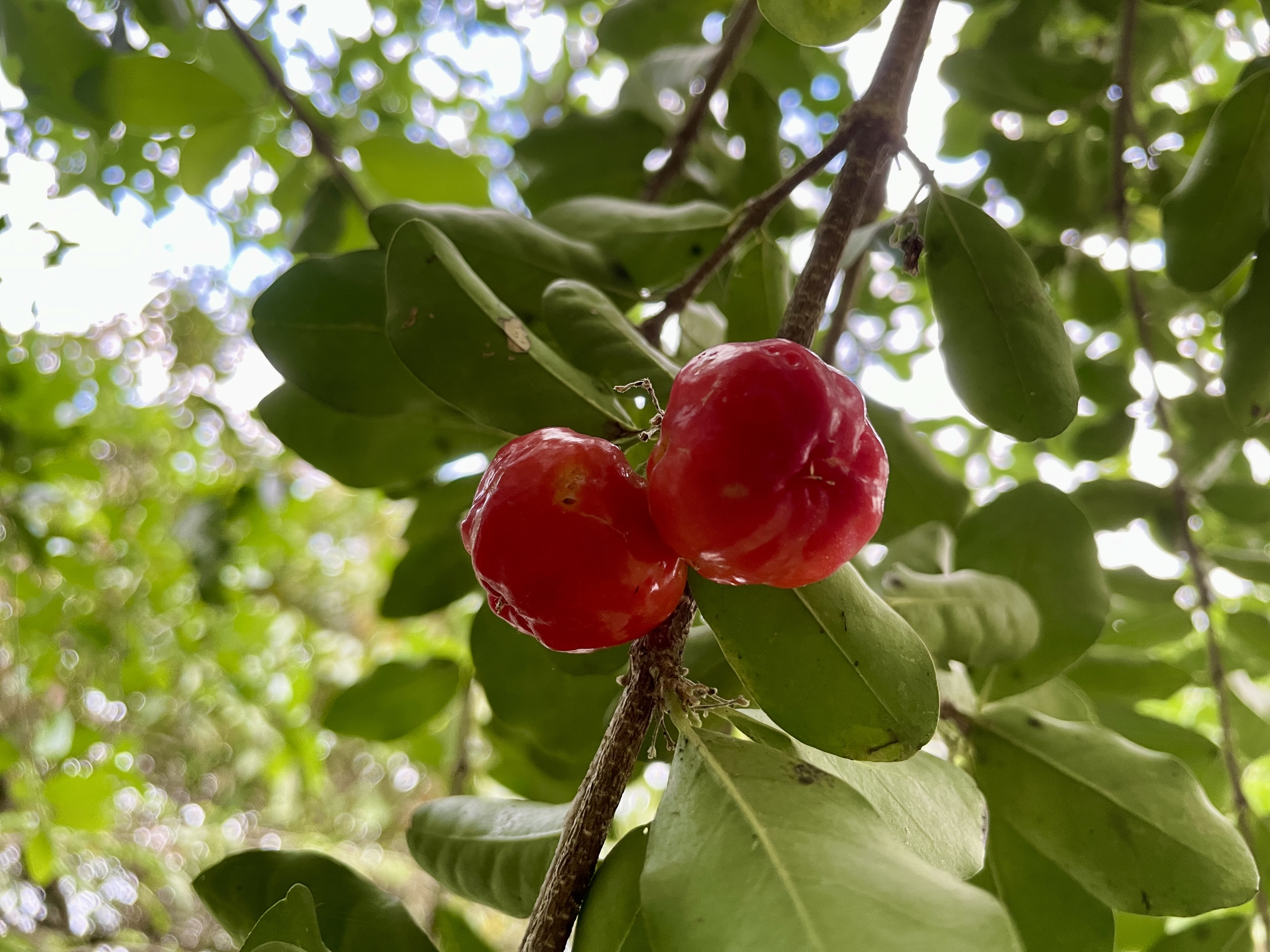
Acerola cherry
Acerola is a fast-growing tropical fruit shrub or small tree with bright red, tart-sweet fruit and very high vitamin C.
Fruit tree
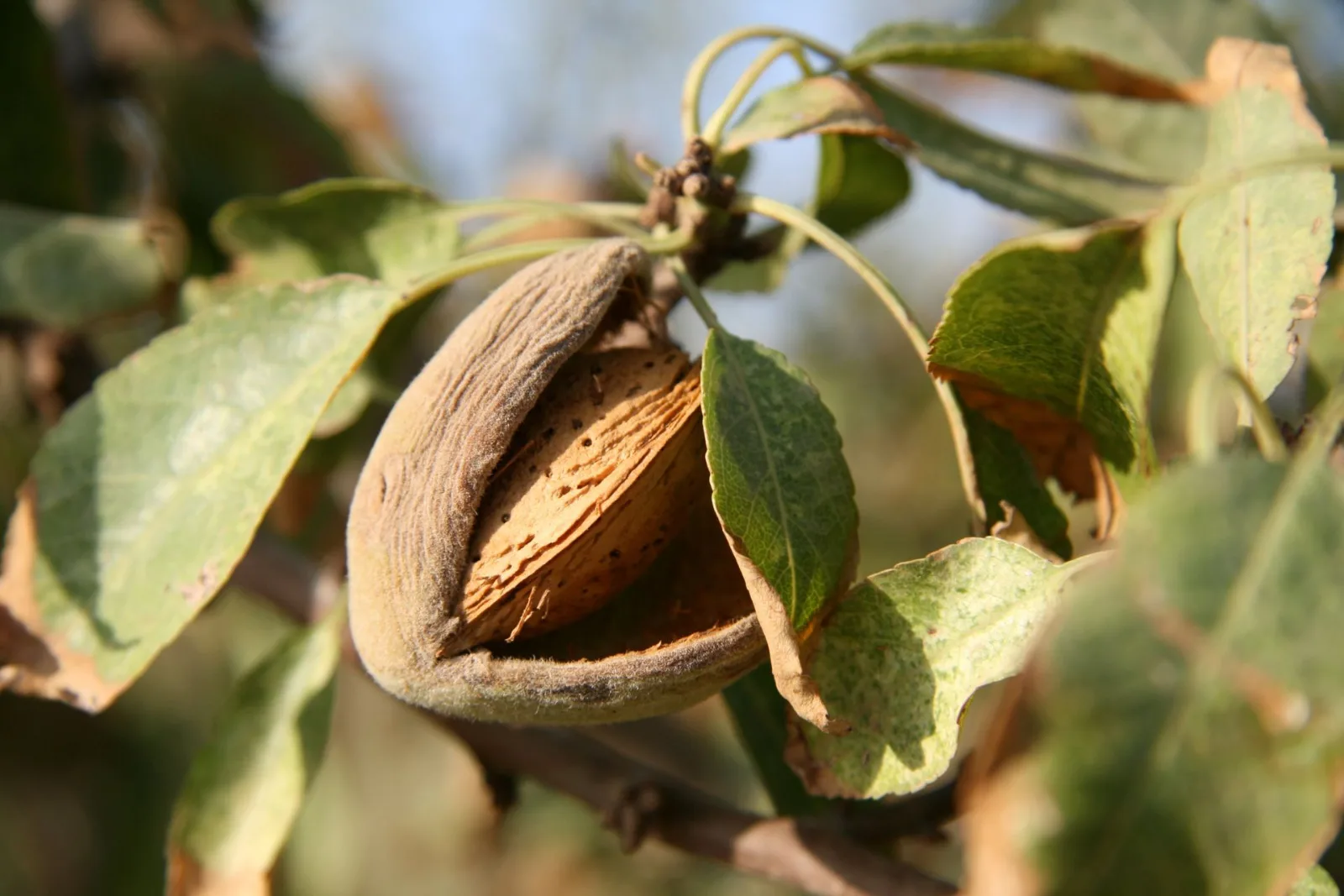
Almond
Almond is a deciduous nut tree that needs winter chill, full sun and good spring weather for pollination. Many varieties need a compatible pollinator.
Succulent
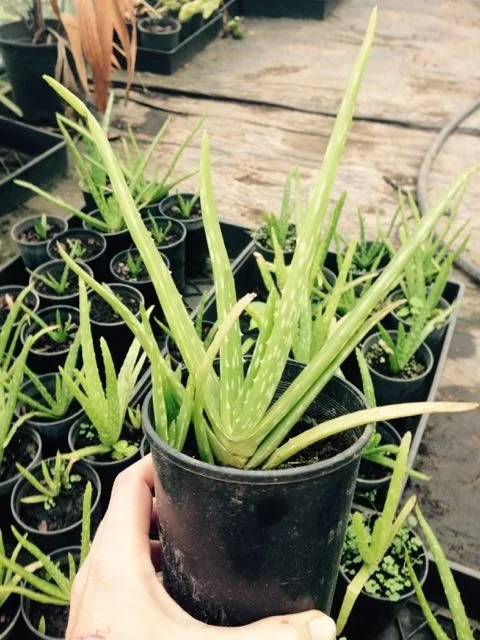
Aloe vera
Aloe vera is a clumping succulent that needs very good drainage and plenty of light. Established plants need little routine care.
Herb & spice
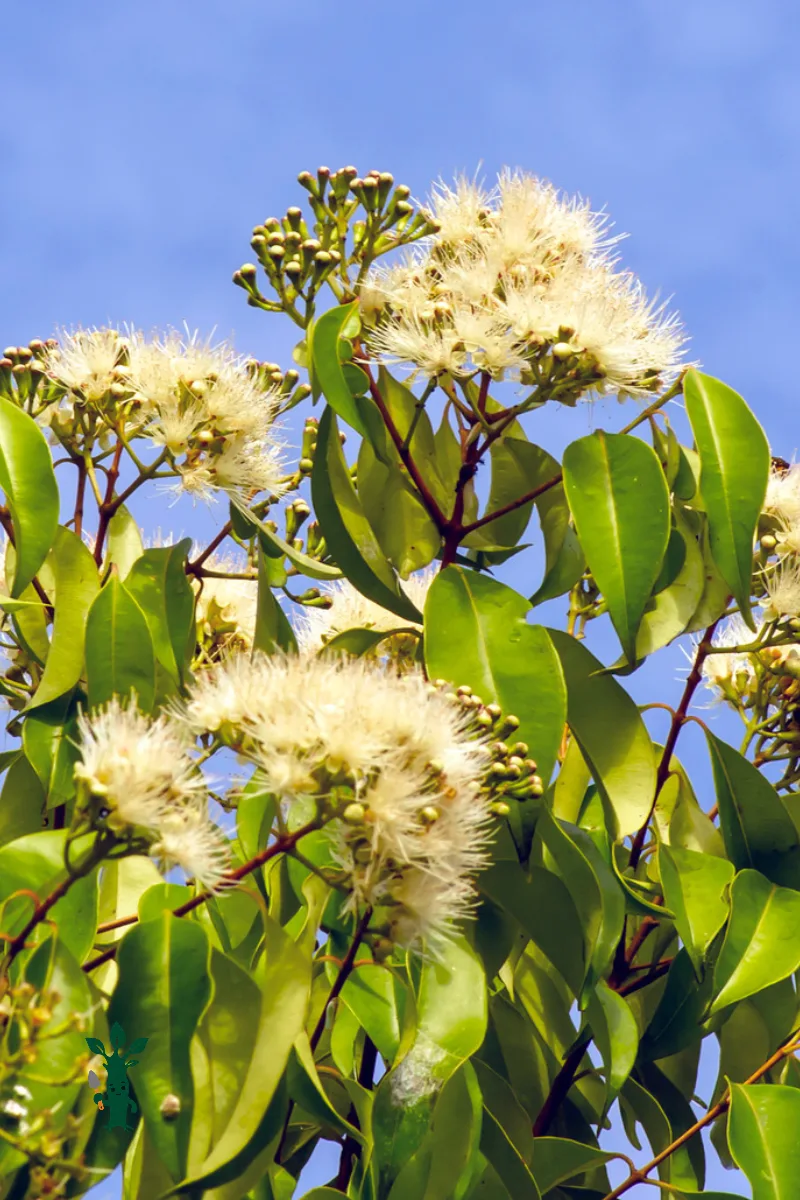
Anise myrtle
Anise myrtle is an Australian rainforest tree with aromatic leaves that smell and taste of aniseed or liquorice. It can be grown as a small tree, clipped screen or hedge and likes moisture while young.
Fruit tree
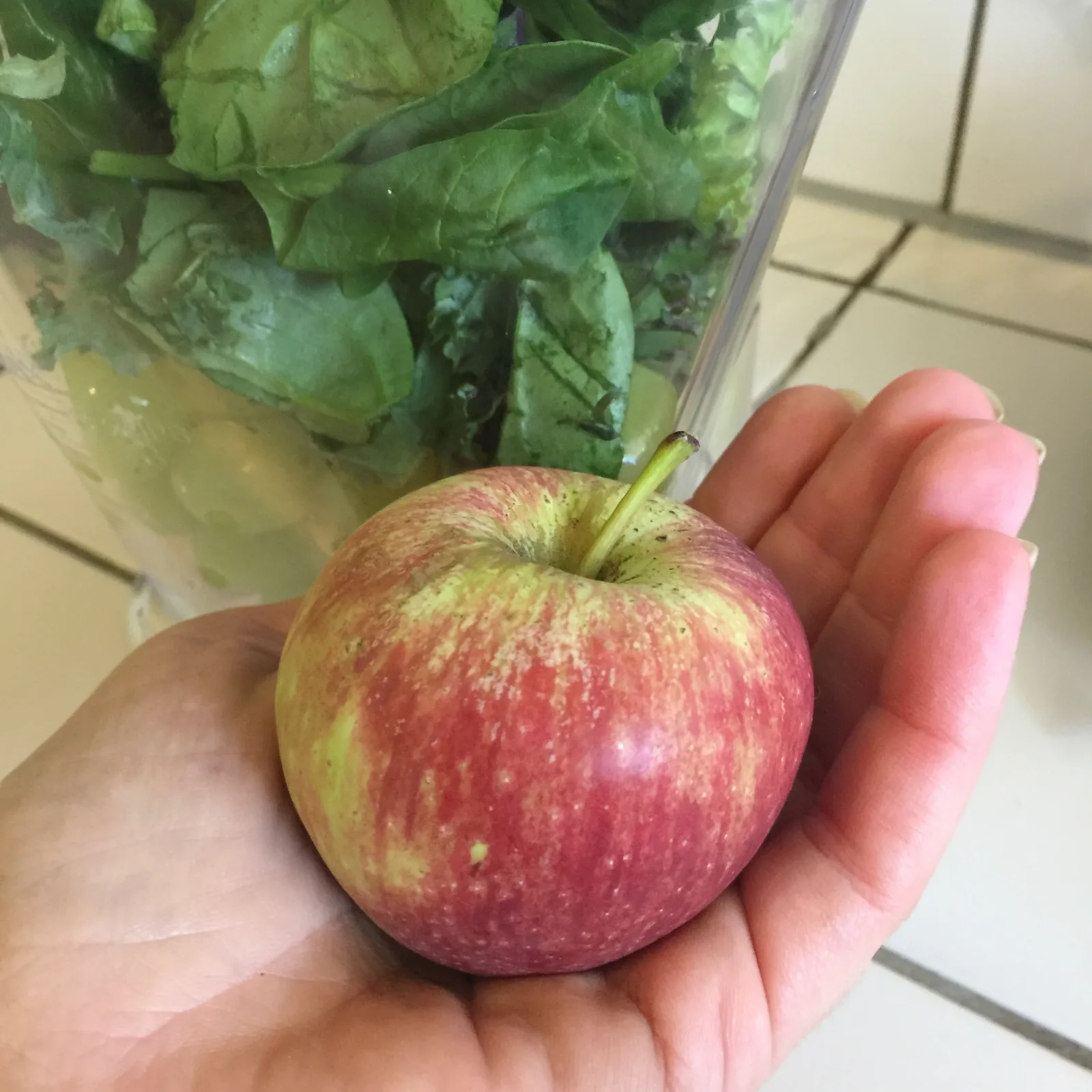
Apple
Apples range from low-chill subtropical cultivars to high-chill trees for cold districts. Choosing the right cultivar for your winter is the first step to getting reliable flowers and fruit.
Veggie
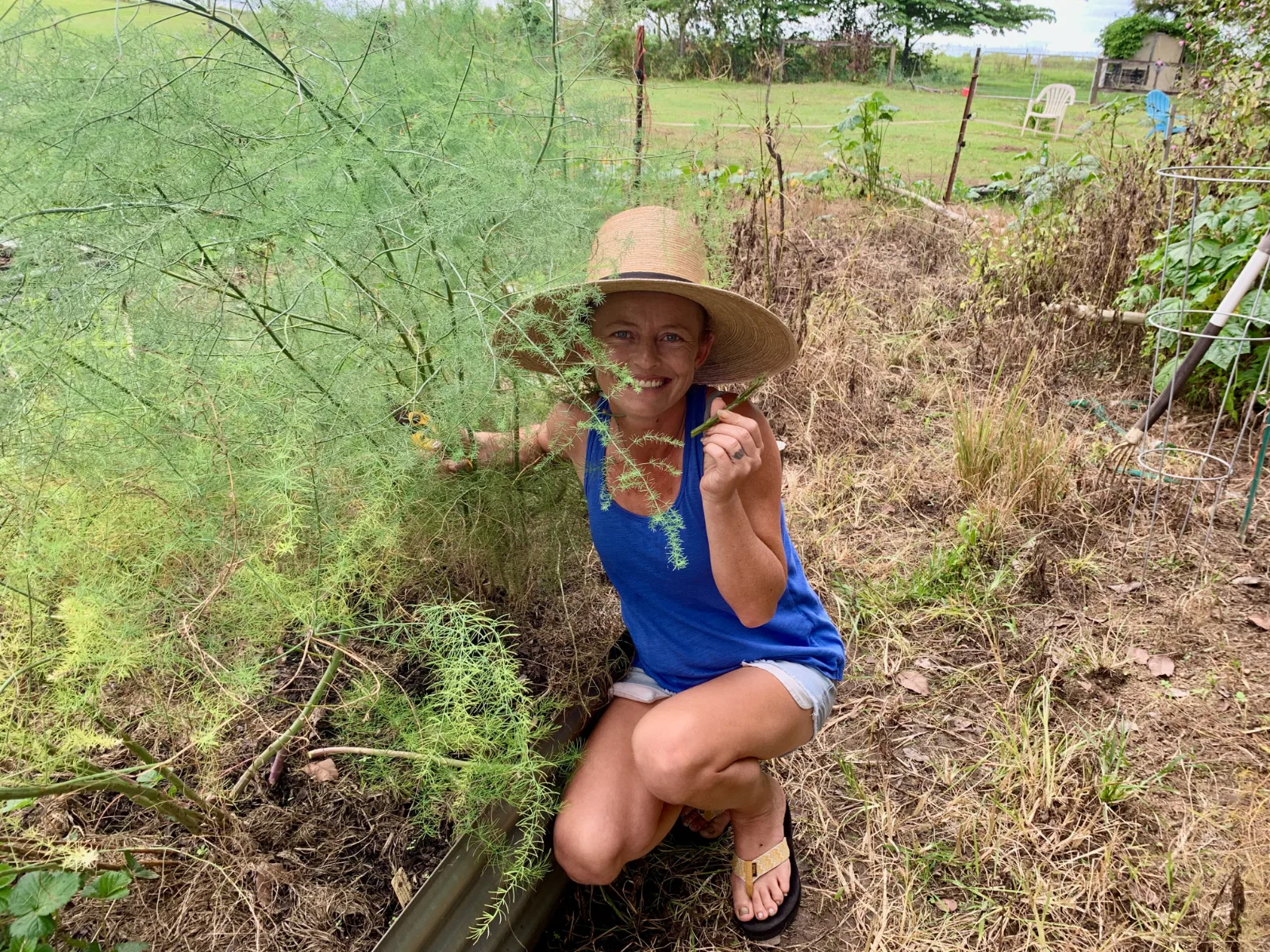
Asparagus
Asparagus is a long-lived perennial crop. New beds need time to establish before regular spring harvesting begins.
Fruit & berry
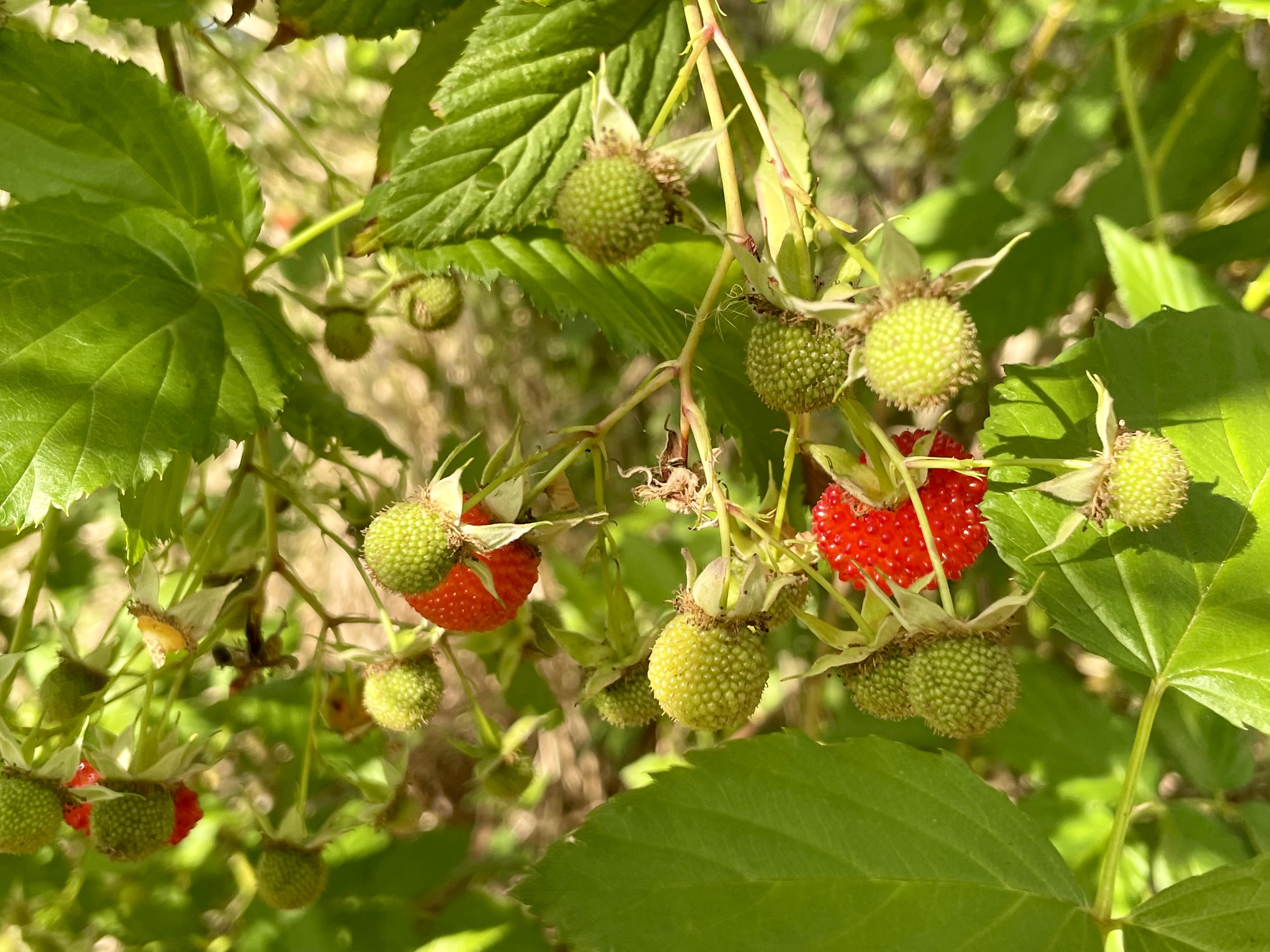
Atherton raspberry
Atherton raspberry is a vigorous Queensland native bramble that handles warm, humid climates far better than ordinary European raspberries. It makes prickly scrambling canes, white flowers and bright red fruit with a sharper raspberry flavour. Give it room, regular water and pruning or it can form a dense thicket.
Fruit tree
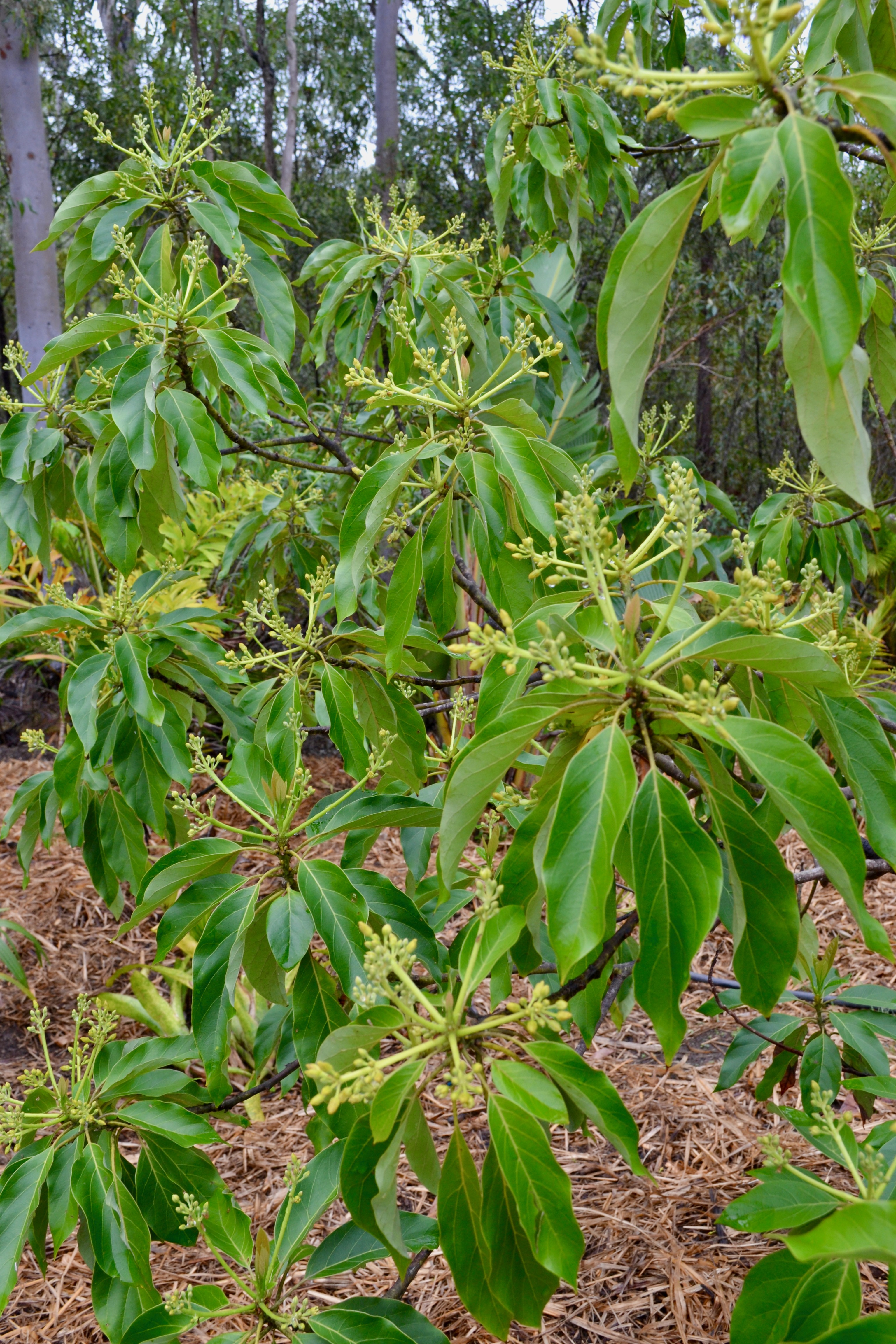
Avocado
Avocados need very good drainage, regular moisture and protection from root rot. Feeding and pruning should be light and matched to the tree's growth.
Fruit tree
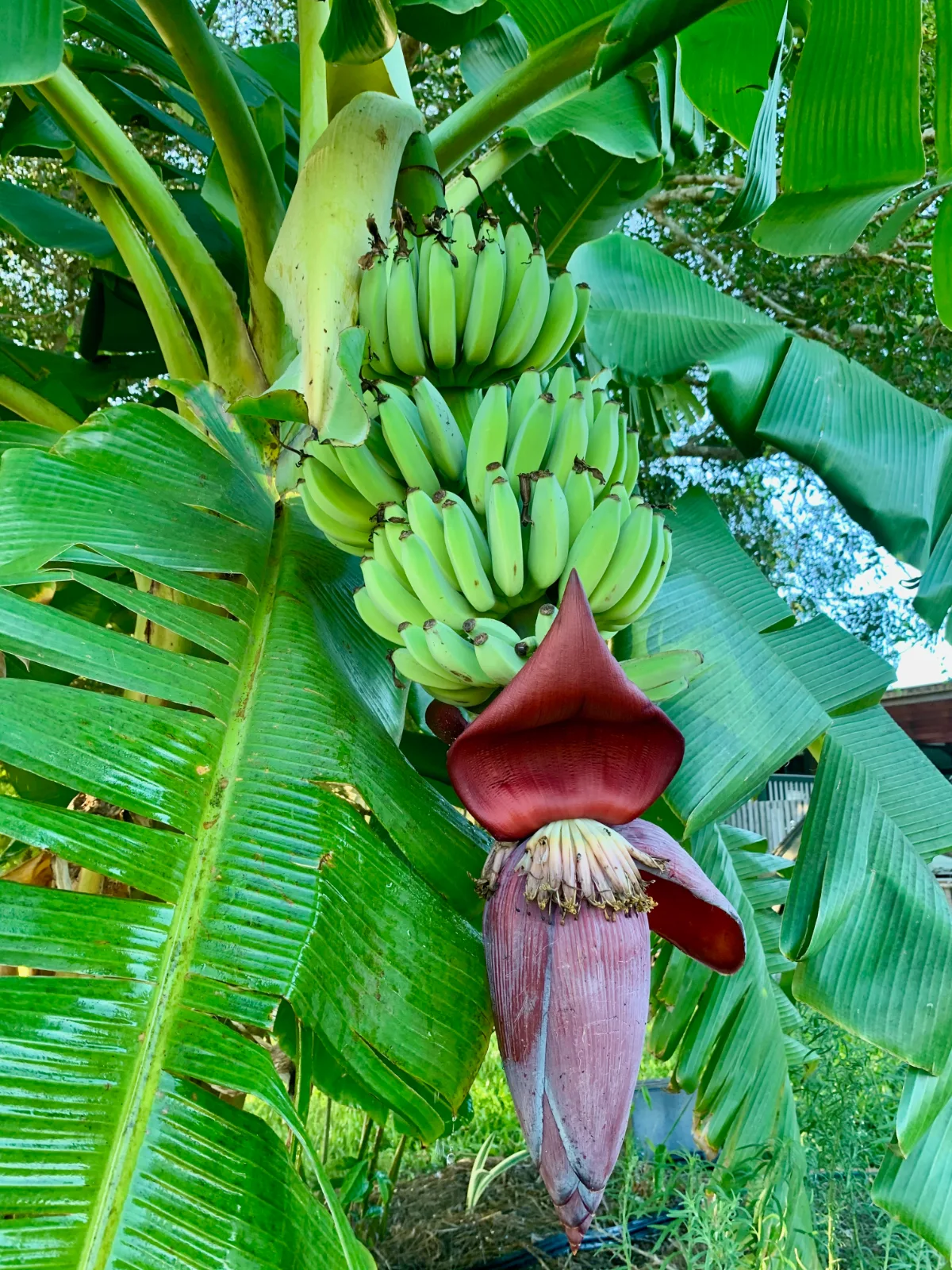
Banana
Bananas grow best with warmth, sun, regular feeding and plenty of water. Keeping only a few well-spaced suckers helps the clump produce good bunches.
Herb & spice
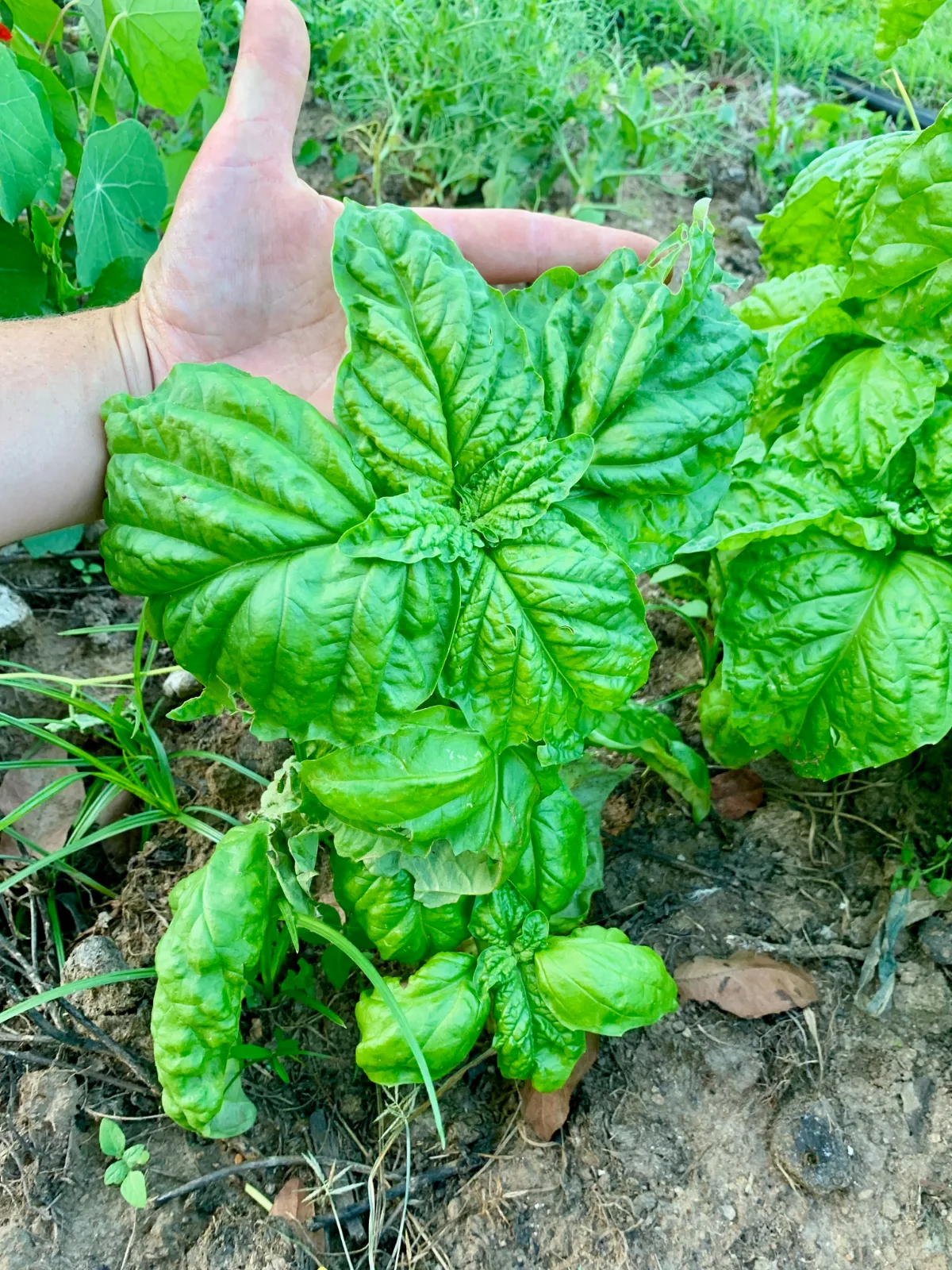
Basil
Basil grows quickly in warm weather and likes regular picking. Remove flower buds for a longer leaf harvest, or leave some flowers if you want seed or food for pollinators.
Veggie
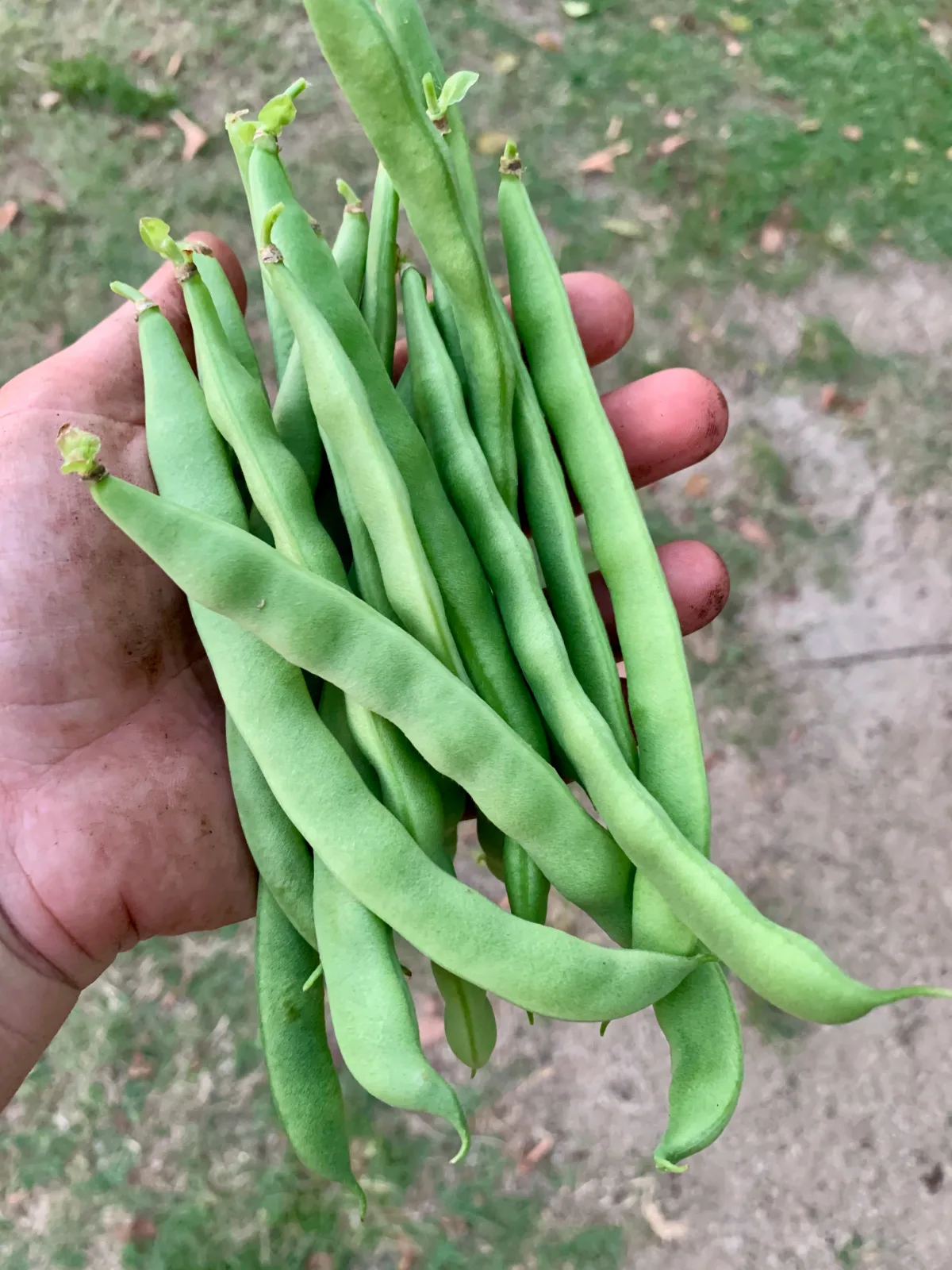
Beans
Common garden beans include bush and climbing types grown for fresh pods or mature beans. Climbing types need support and regular picking keeps fresh-pod varieties productive.
Veggie
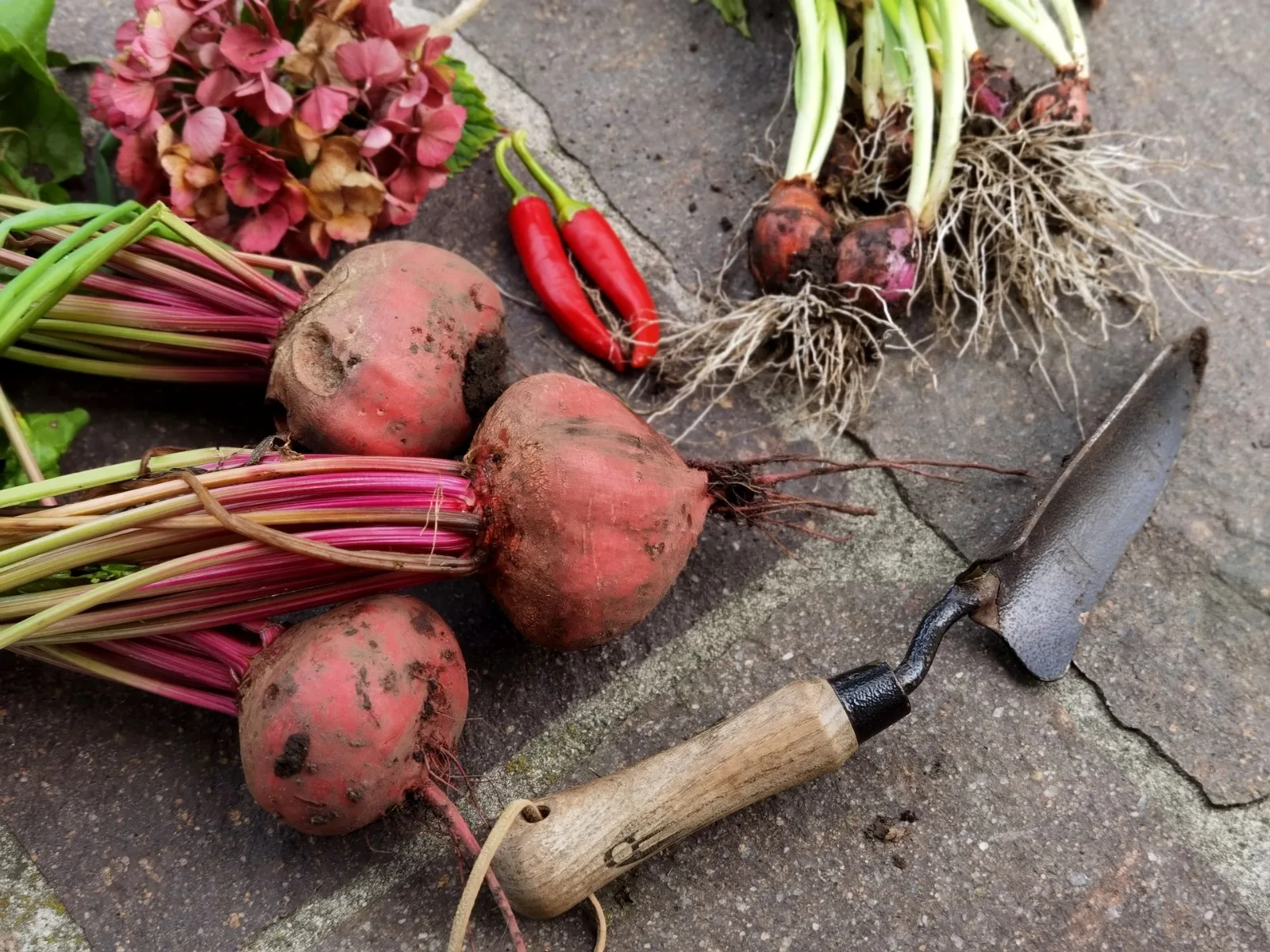
Beetroot
Beetroot is a quick root crop that also gives edible leaves. It grows best in loose soil and mild conditions.
Fruit tree
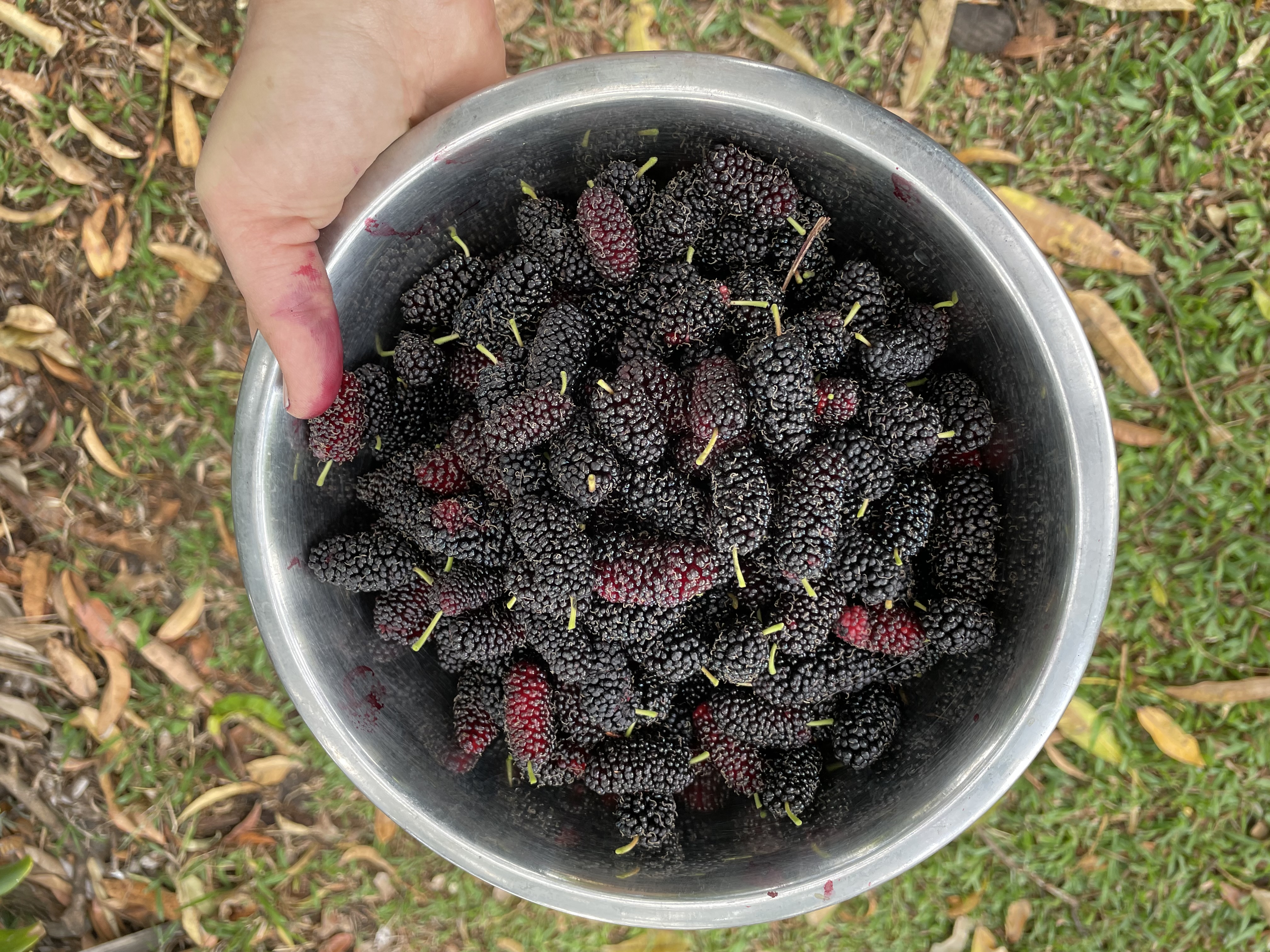
Black mulberry
Black mulberry is a deciduous fruit tree grown for intensely flavoured dark berries. It handles heat and dry conditions once established and can be kept to a practical picking height with regular pruning.
Fruit tree
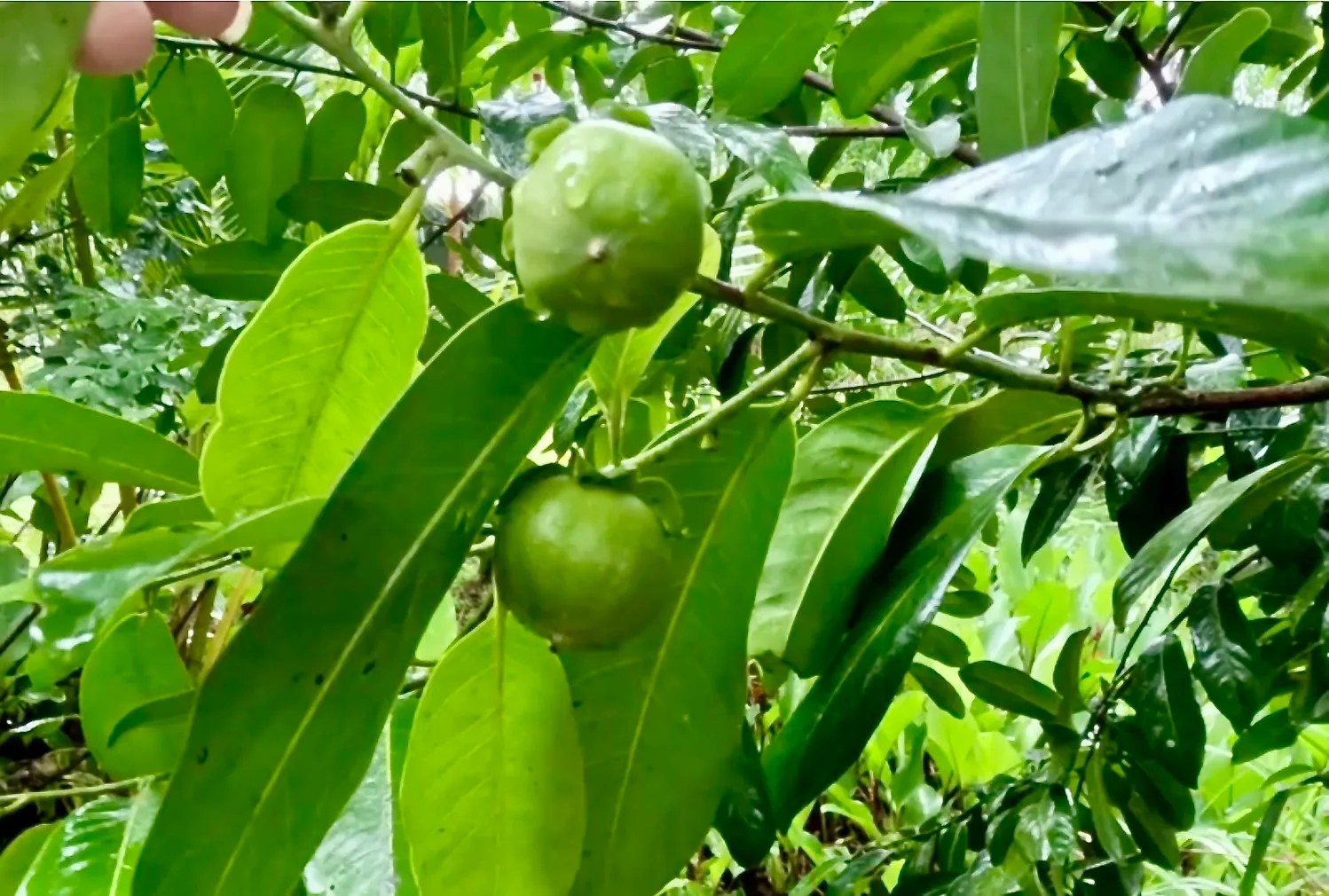
Black sapote
Black sapote is a tropical fruit tree with green fruit that softens to dark chocolate-brown pulp when ripe. The flesh is mild, sweet and custard-like.
Fruit & berry
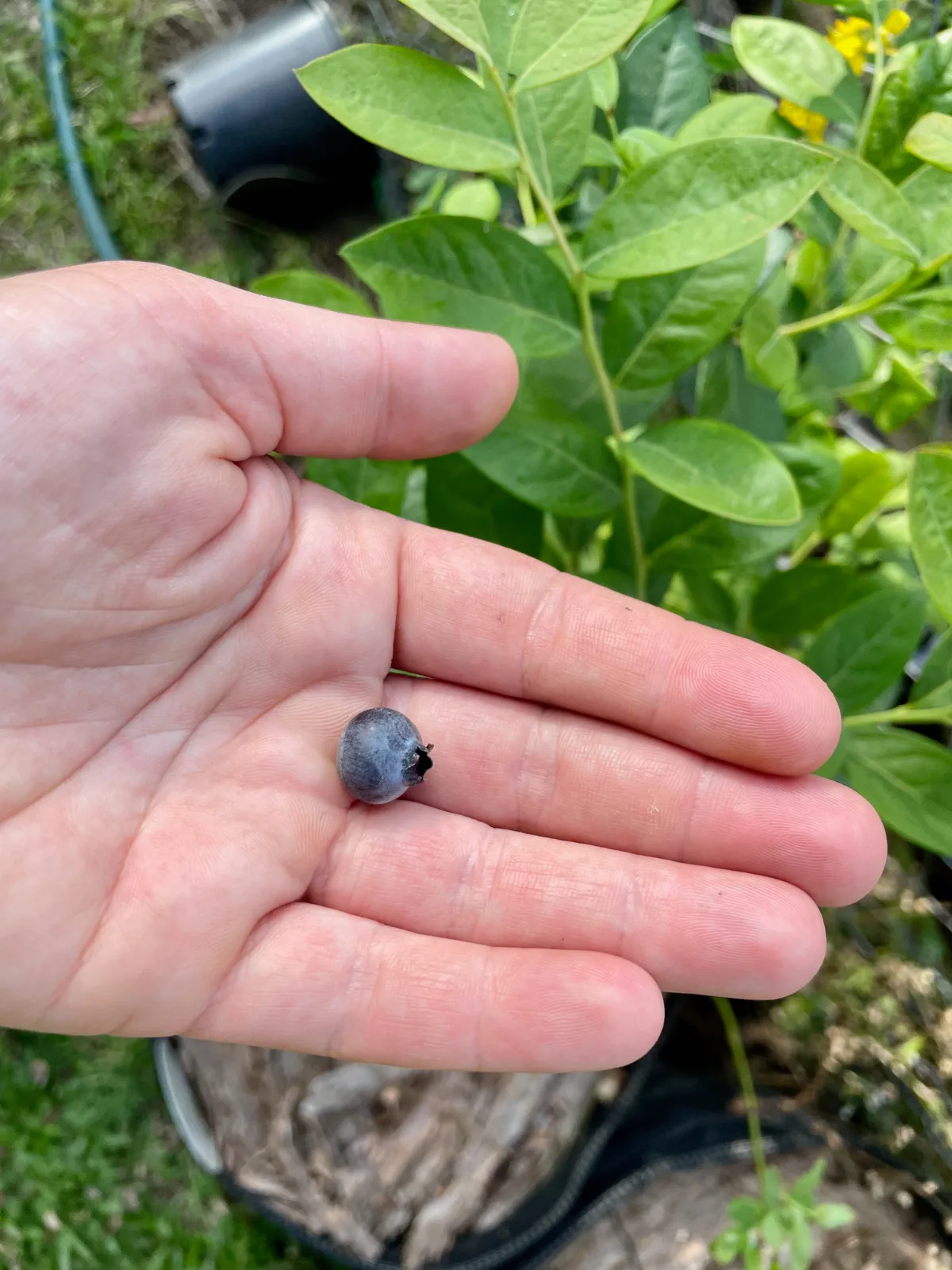
Blueberry
Blueberries need acidic soil, steady moisture and a cultivar group that matches your winter. Southern Highbush and Rabbiteye suit warmer districts, while Northern Highbush needs more winter chill.
Veggie
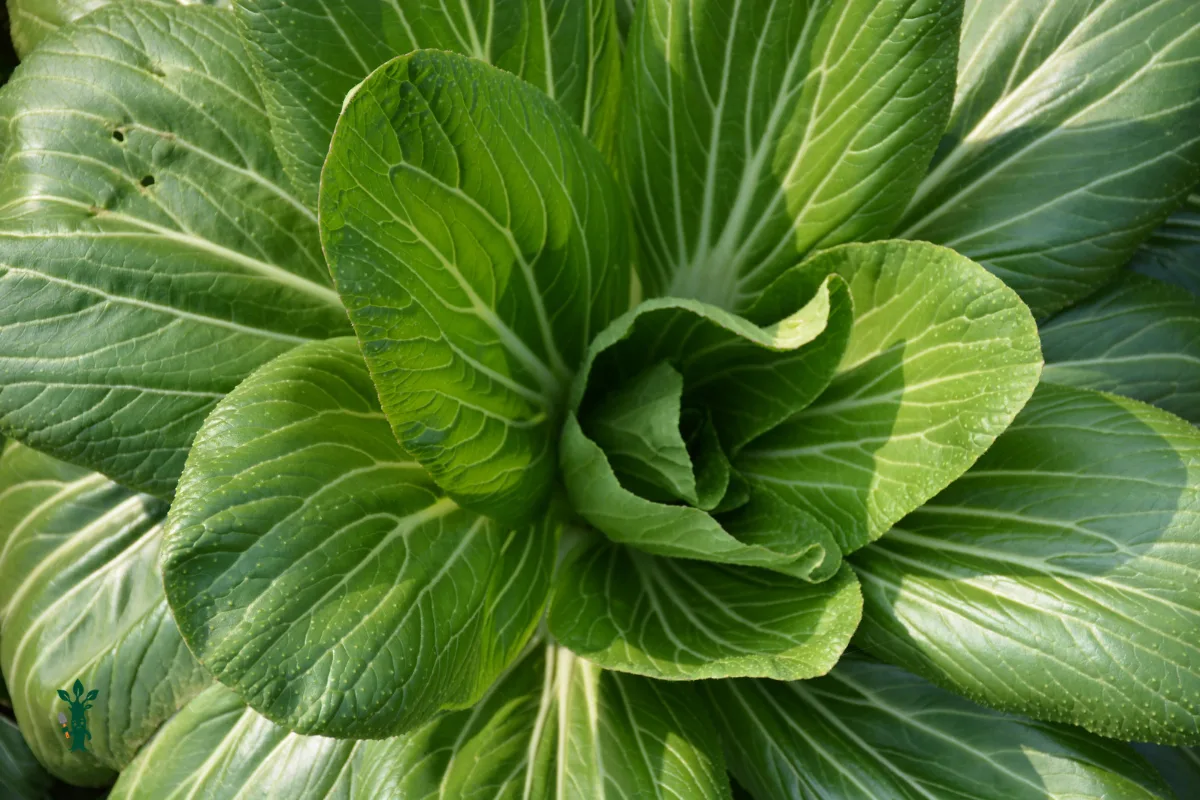
Bok choy
Bok choy is a quick Asian brassica grown for crisp white or green leaf stalks and tender leaves. It likes cool, steady growing conditions and can go from seedling to harvest in only a few weeks. Heat, drought and root stress encourage bolting, so fast uninterrupted growth gives the best plants.
Herb & spice
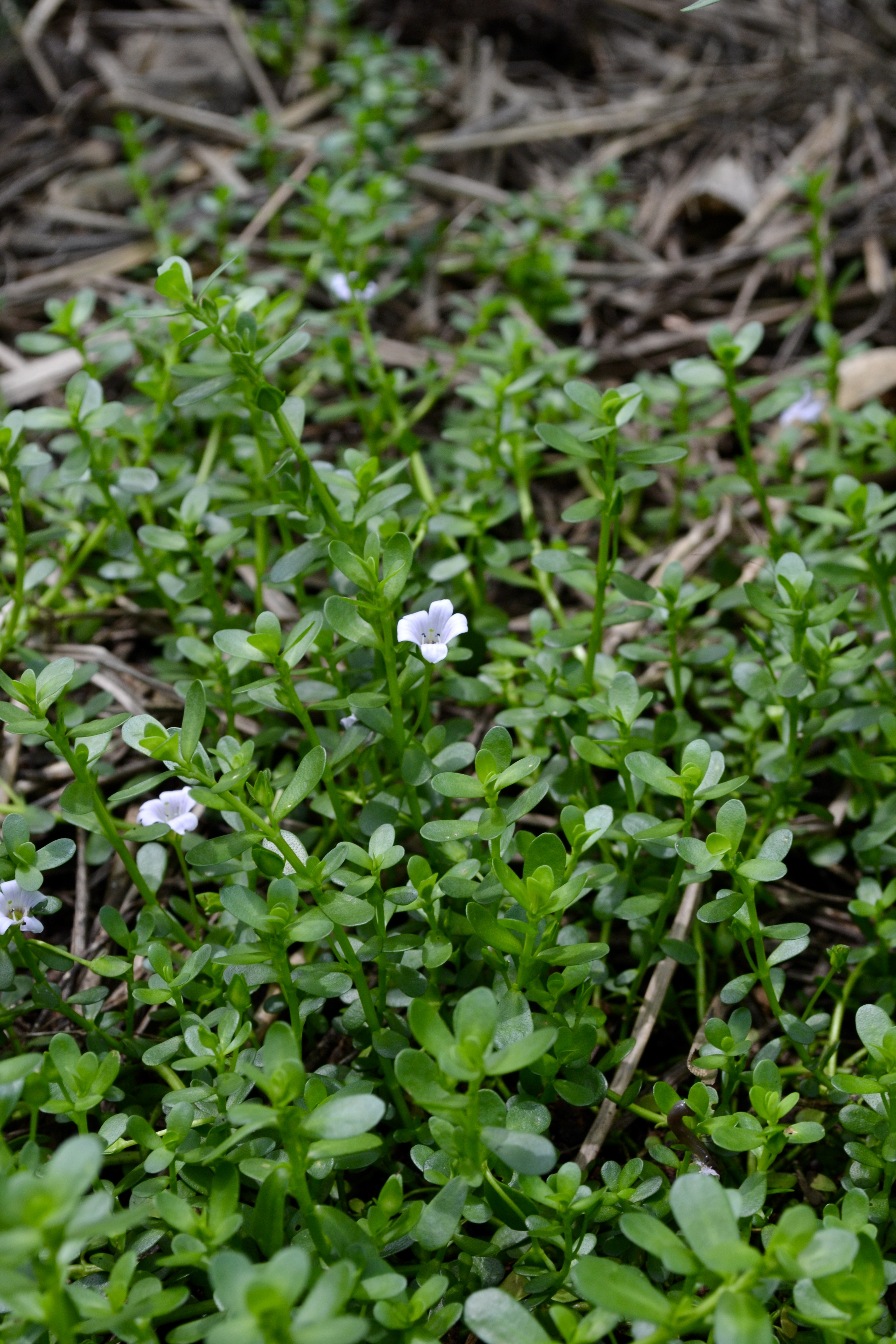
Brahmi
Brahmi is a low creeping native herb that roots wherever its fleshy stems touch wet soil. It forms a soft mat beside ponds, through wet beds and in shallow-water pots, and it grows best where the root zone stays consistently moist rather than cycling between wet and dry.
Veggie
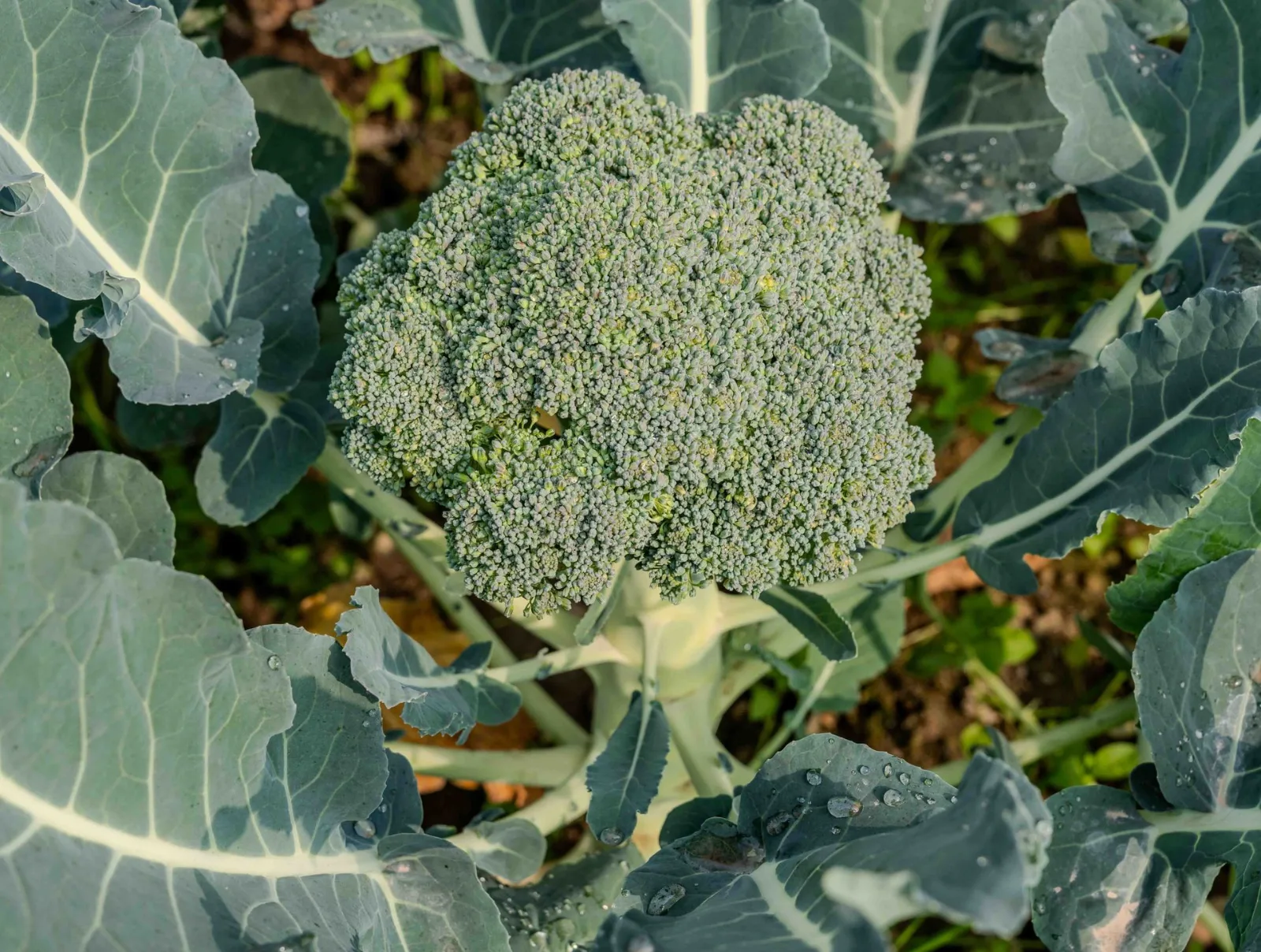
Broccoli
Broccoli is a cool-season brassica grown for its main head and smaller side shoots after the first harvest.
Veggie
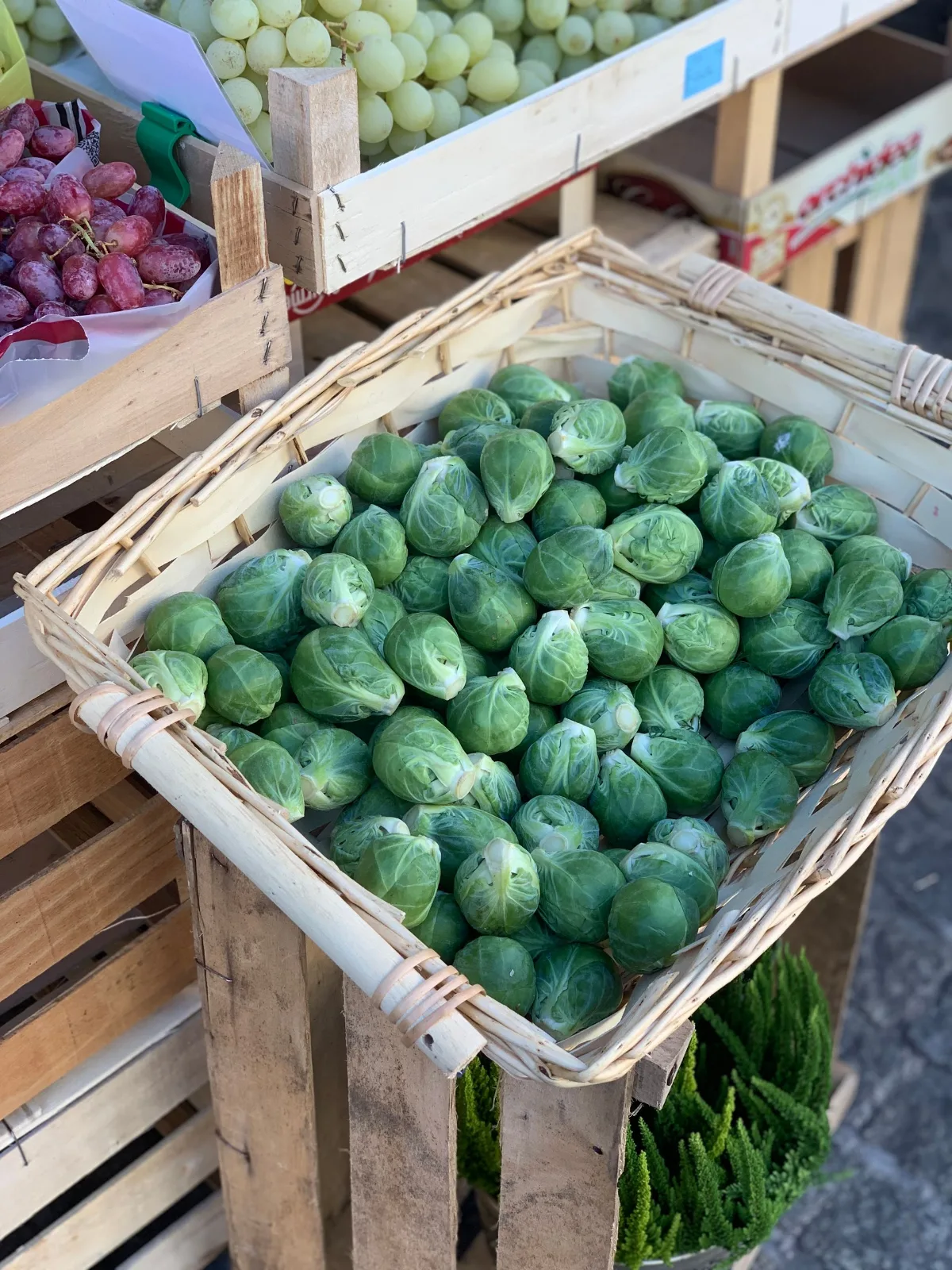
Brussels sprouts
Brussels sprouts are a long cool-season brassica that forms small heads along a tall stem. Timing and steady feeding matter more than almost anything else.
Veggie
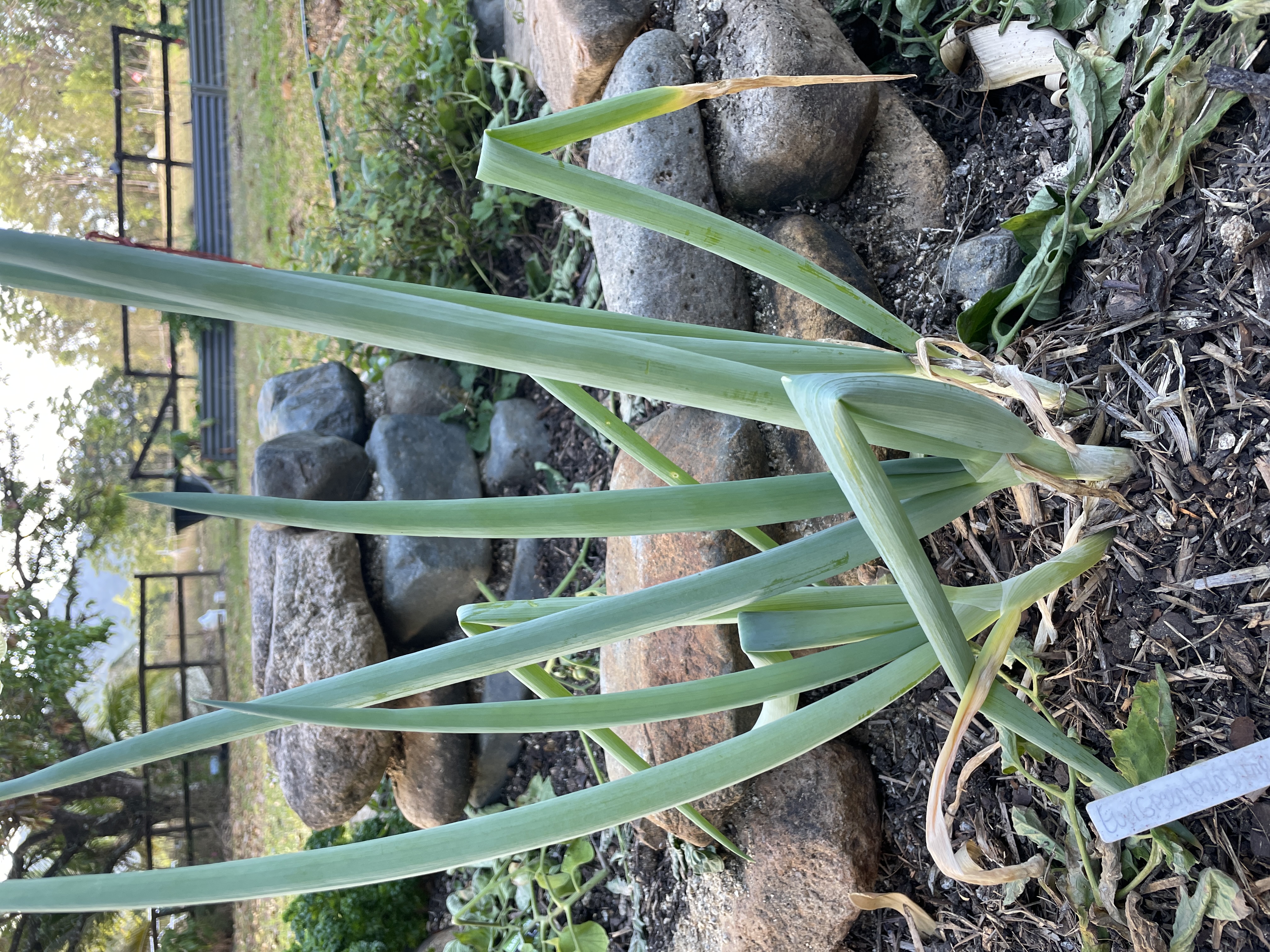
Bunching onion
Bunching onion is a perennial allium grown for hollow green leaves and white stems rather than a large bulb. Established clumps can be cut, divided and replanted for a steady supply.
Ornamental
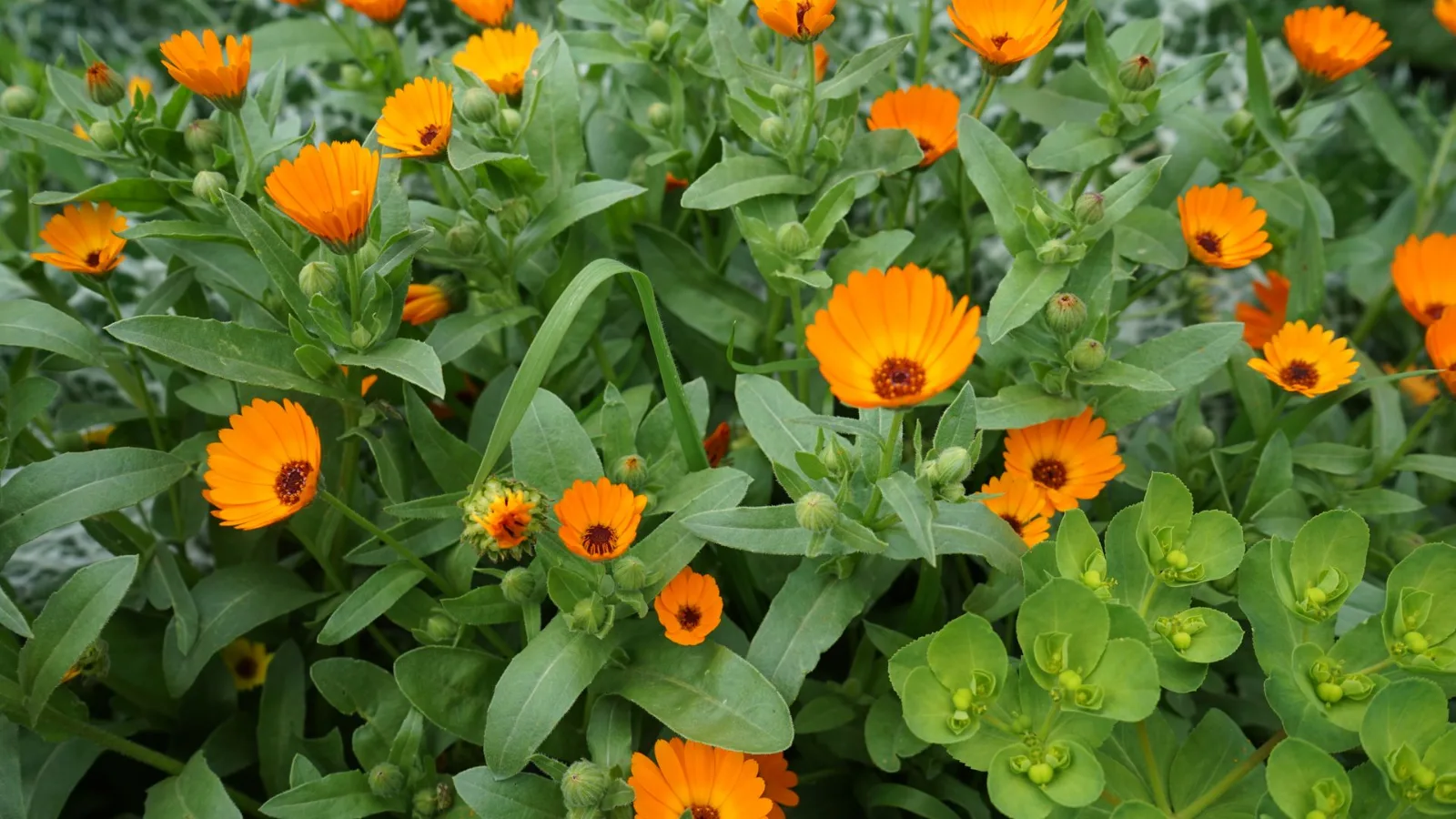
Calendula
Calendula is a cheerful, fast-growing annual with orange or yellow daisy-like flowers. It is happiest in mild weather, flowers for months with regular picking and is useful for pollinators as well as edible petals.
Veggie
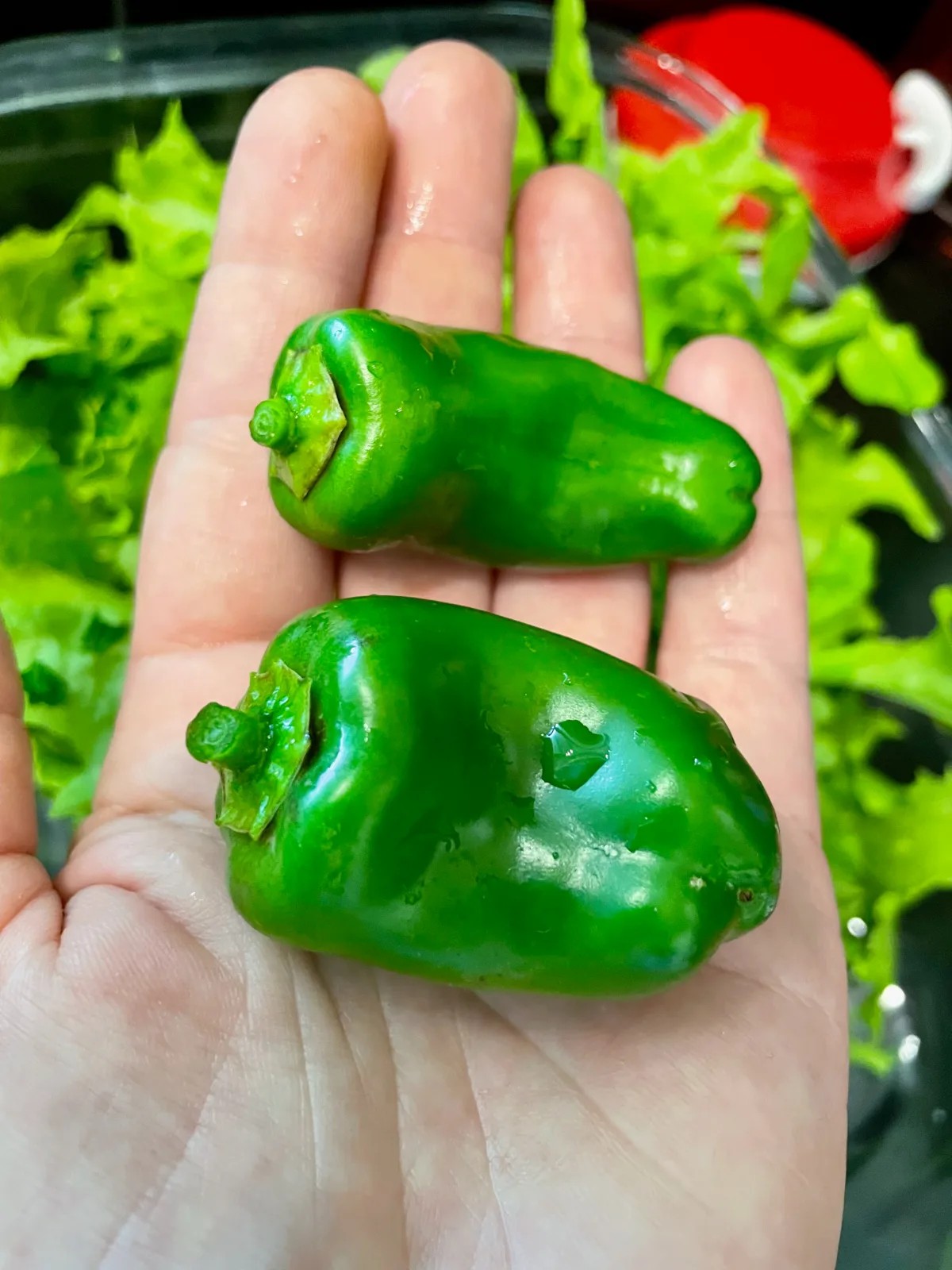
Capsicum
Capsicums need warm soil, sun and steady moisture. In frost-free climates they can live for more than one season.
Veggie
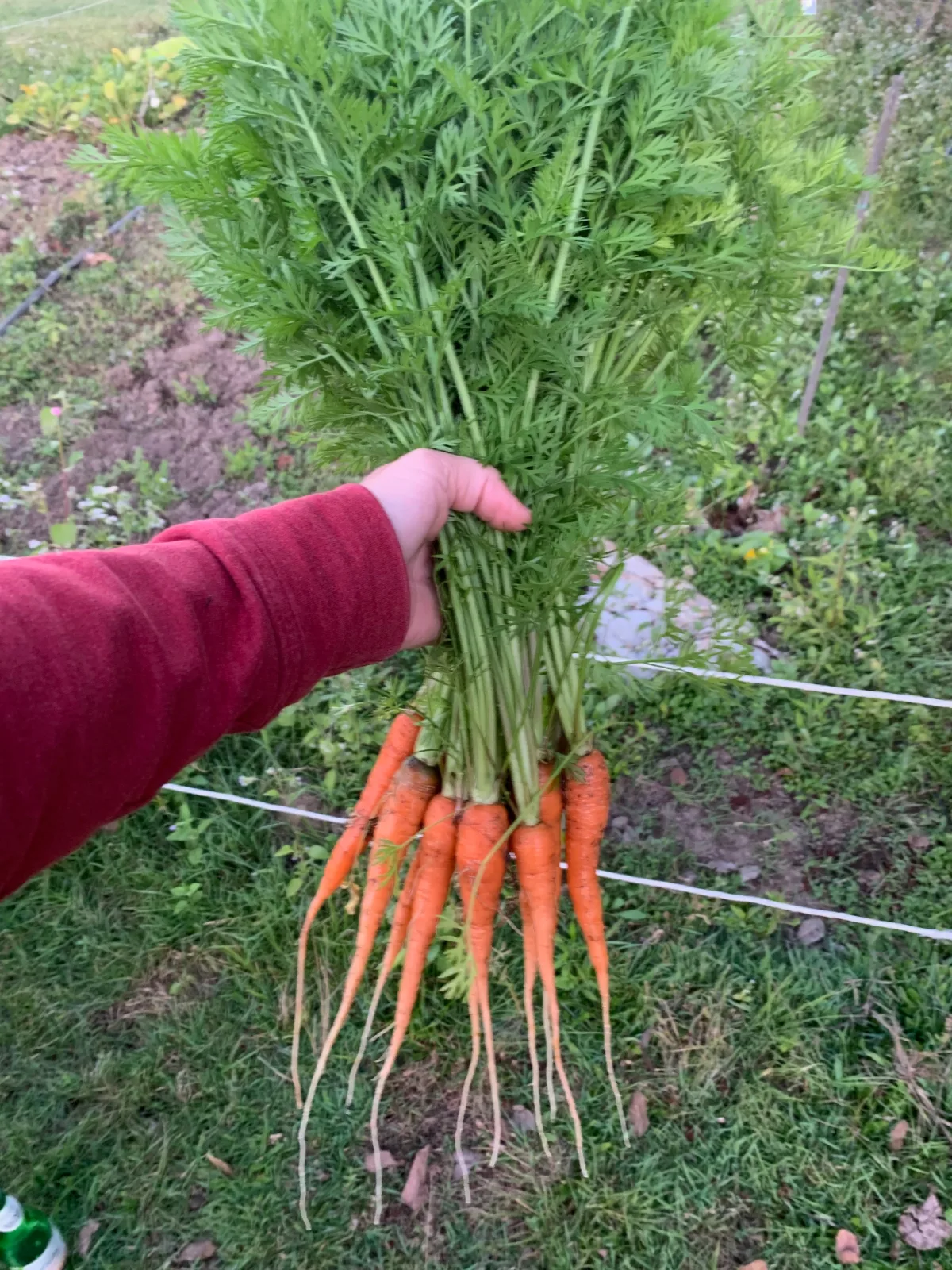
Carrot
Carrots are direct-sown root crops that need loose soil and steady moisture while the tiny seed is germinating.
Fruit tree
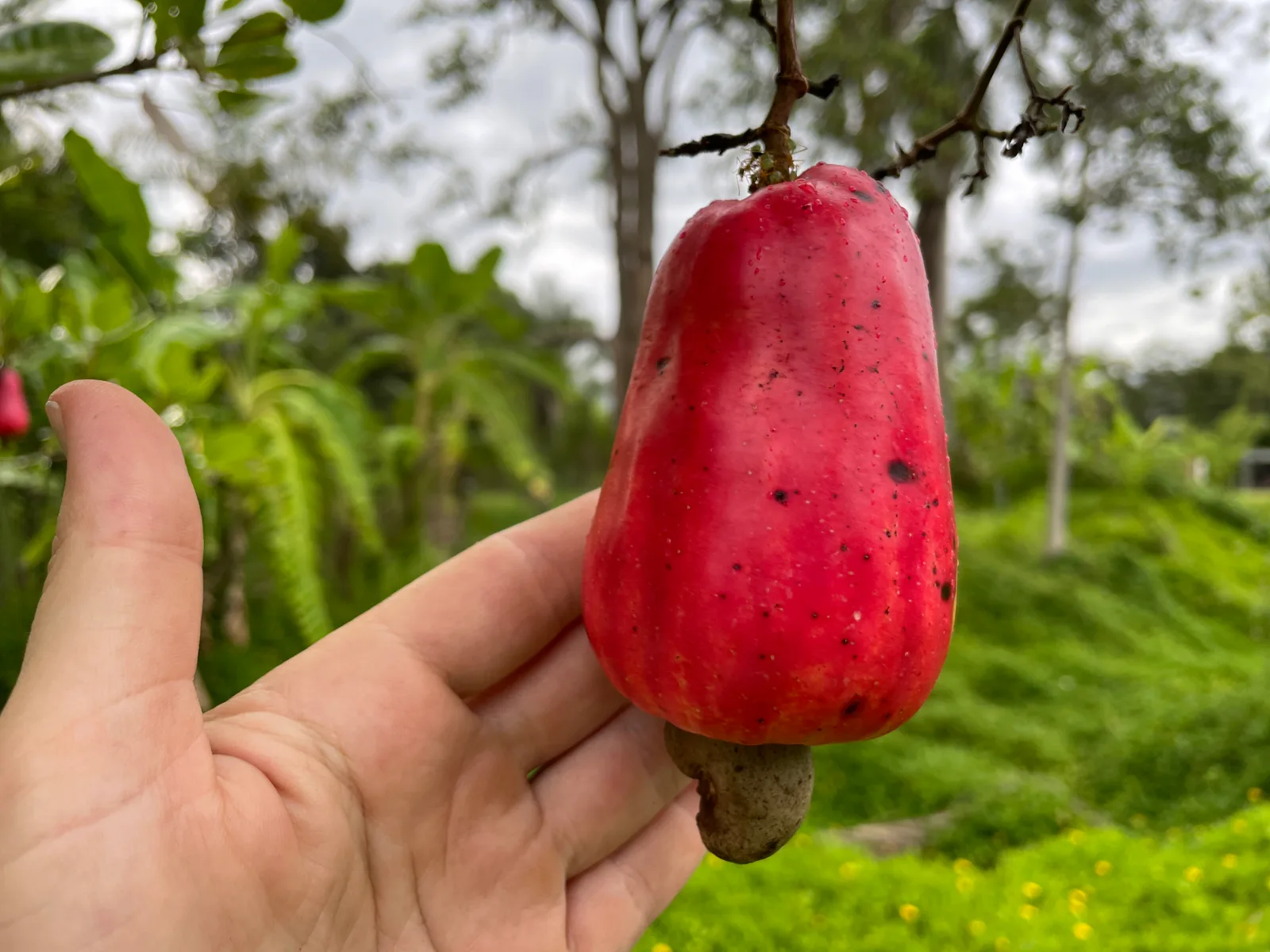
Cashew
Cashew is a tropical tree that produces a cashew apple with one nut attached below it. It needs warmth, sun and a long frost-free season.
Before You Choose
A productive garden becomes easier when harvest and care fit your routine. Herbs near the kitchen are more likely to be picked often. Large fruit trees need room for their mature canopy and access for pruning and harvest. Climbing crops can use fences and trellises, while compact plants can grow in pots or raised beds.
Planting season matters across Australia. A crop grown through summer in a cool district may perform better in the dry season or cooler months in the tropics. Check the profile or growing guide for climate-specific timing instead of following one national calendar.
Good soil, regular moisture and enough light support most edible harvests, but the details vary widely. Root crops need room in the soil. Fruiting plants often need more sun and nutrition. Leaf crops may appreciate protection from harsh afternoon heat in warm climates.
Harvesting regularly can keep many plants producing. Pick fruit before it becomes overripe, cut herbs to encourage fresh branching and remove mature vegetables when they reach the size you want. Use the filters to narrow the list by climate, plant type and light, then open individual profiles for planting, watering, harvest and mature-size notes.
Plan enough access around edible plants to actually use the harvest. Fruit hidden high in a dense canopy or vegetables squeezed behind prickly ornamentals are easy to ignore. Paths, reachable branches and sensible plant heights make picking quicker and reduce waste. If a crop produces more than your household needs, think ahead about preserving, freezing, sharing or leaving some for wildlife.