
Cut Flowers to Grow
Growing flowers for cutting gives you stems for the house without stripping every bloom from the ornamental beds. The most useful cut-flower plants combine attractive flowers with strong stems, a reasonable vase life and enough repeat growth to keep producing through their season. 18 plants in the library.
18 plants
Ornamental
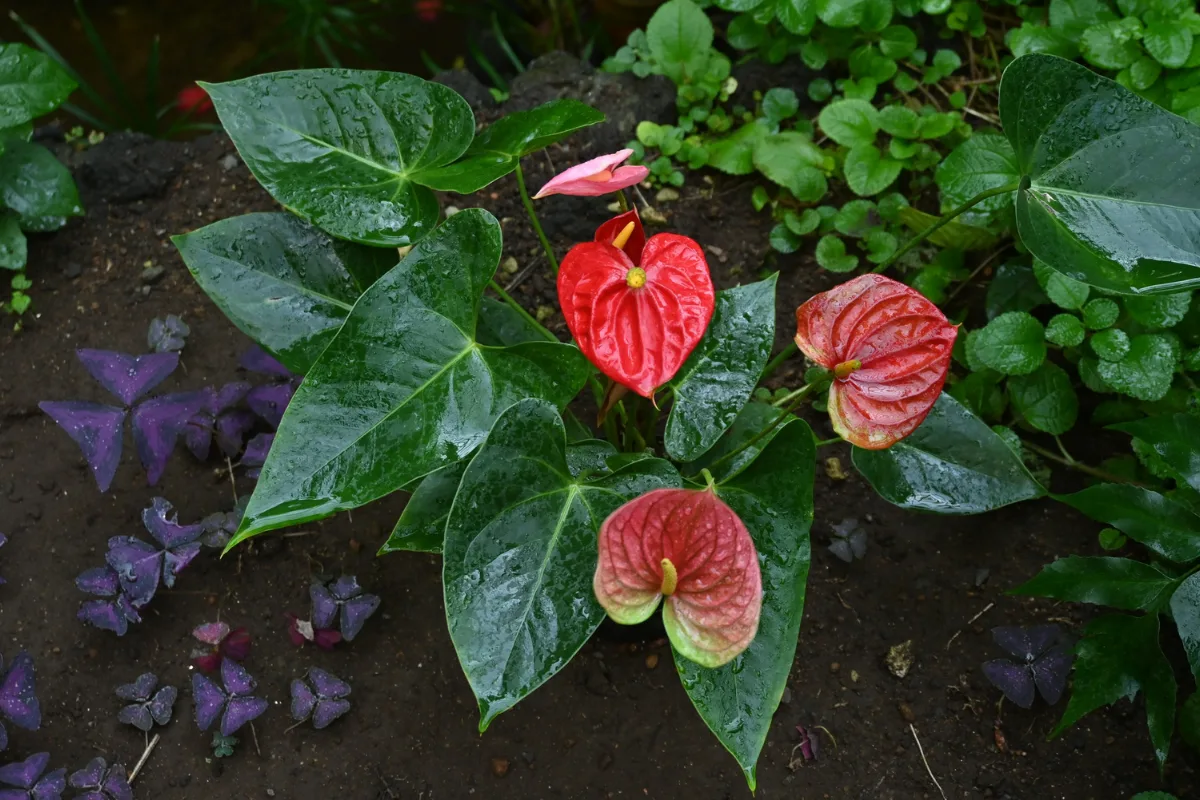
Anthurium
Anthurium andraeanum is a tropical aroid grown for glossy leaves and long-lasting coloured spathes. It likes bright filtered light, warmth, humidity and an airy root zone.
Ornamental
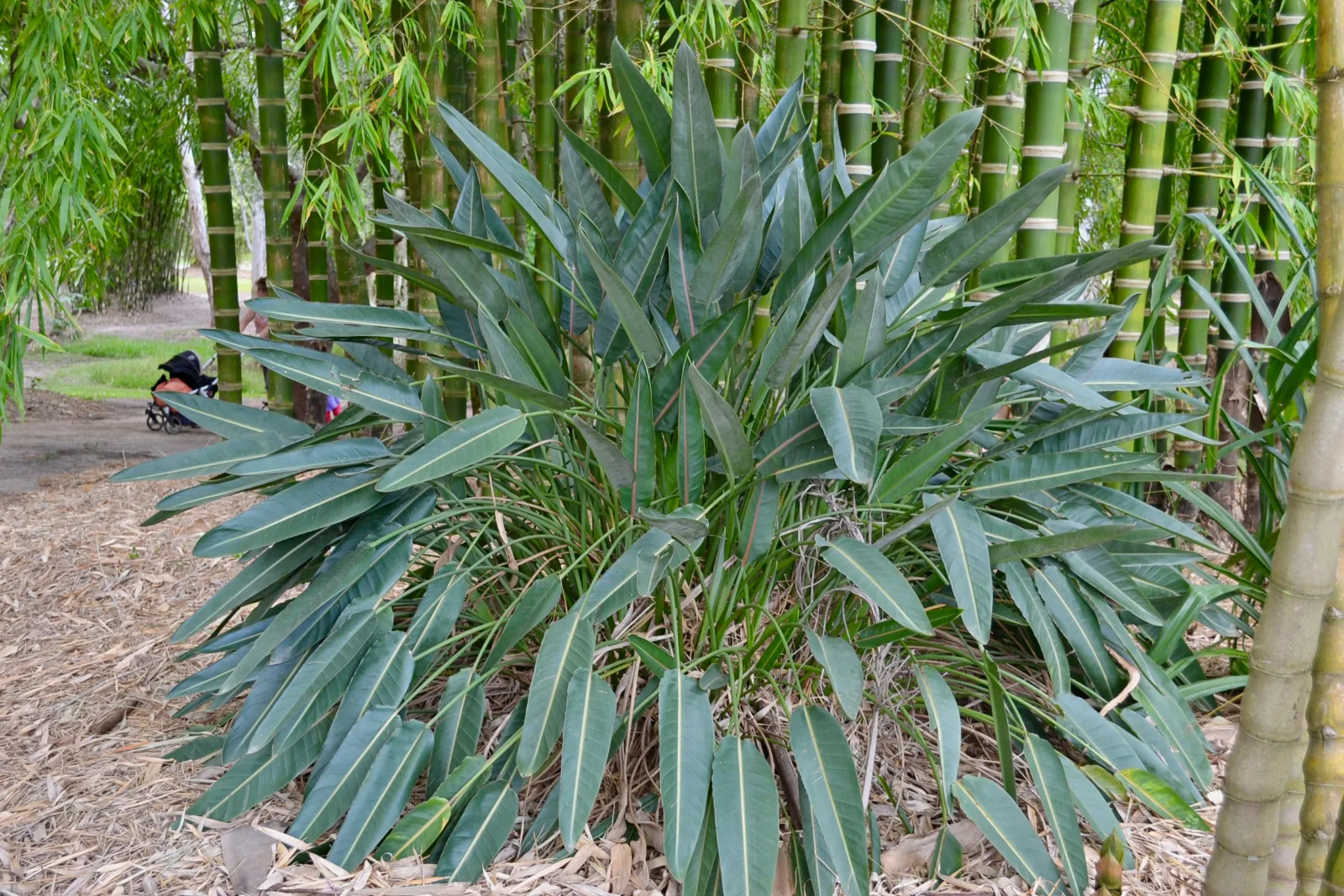
Bird of paradise
Bird of paradise makes a dense clump of paddle-shaped leaves and orange-and-blue flowers without becoming a giant tree. Sun, drainage and enough room around the clump make the biggest difference.
Ornamental
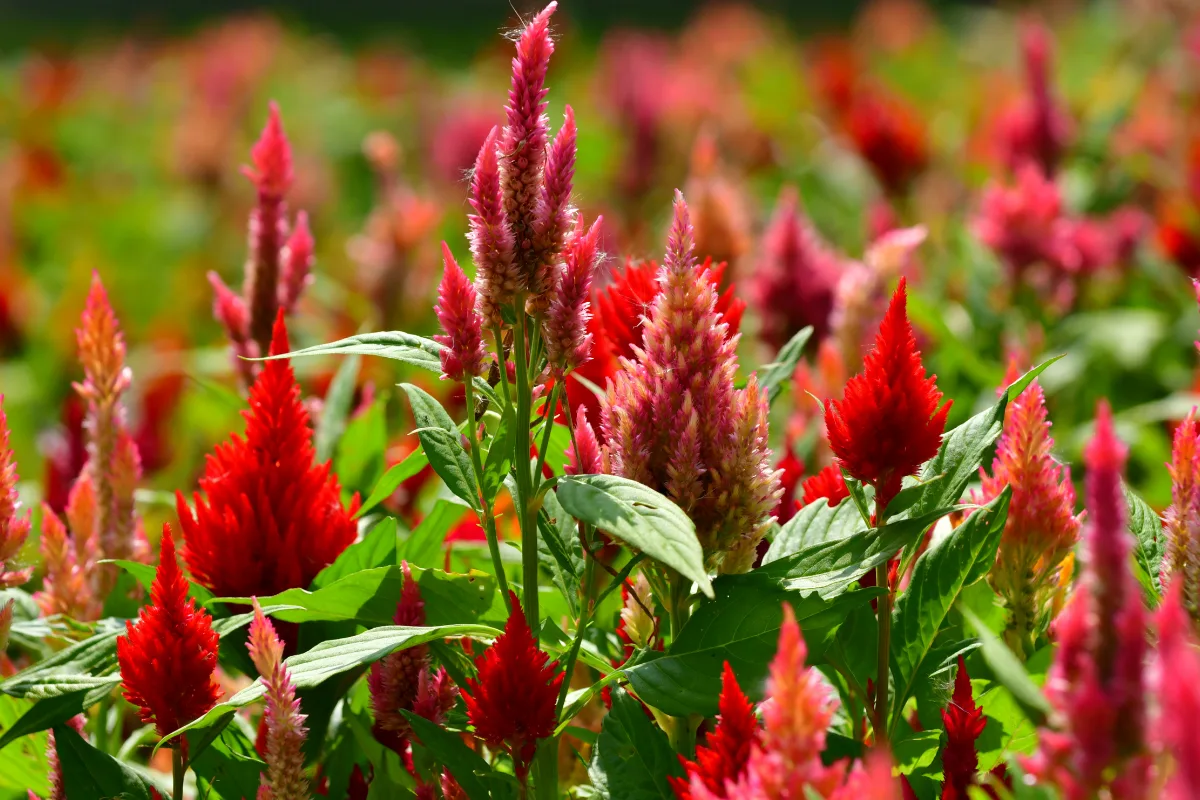
Celosia
Celosia is a warm-season annual grown for vivid plumed, wheat-like or crested flower heads in red, orange, yellow, pink and purple. It flowers strongly in warm sunny weather and works well as both a fresh and dried flower.
Ornamental
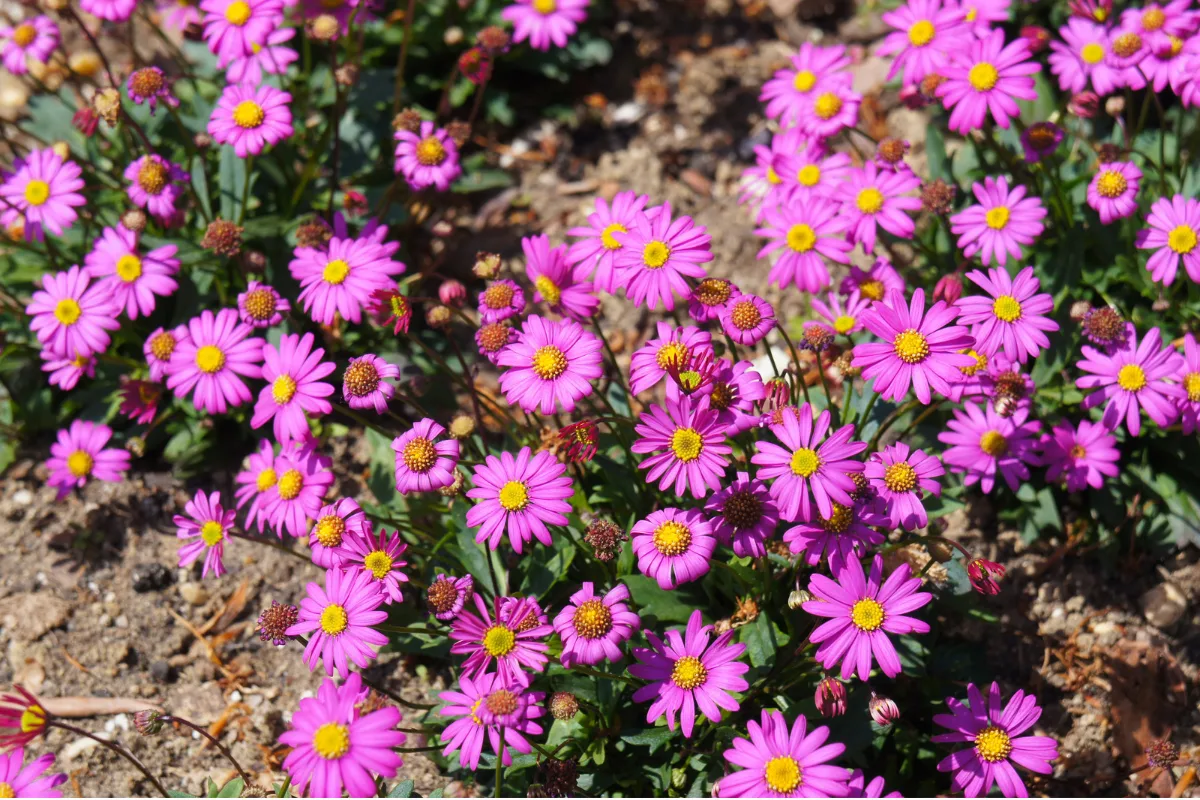
Cut-leaf daisy
A low native daisy with finely divided foliage and mauve, pink or white flowers. It works along paths, around rocks and at the front of mixed native beds without hiding smaller plants.
Ornamental
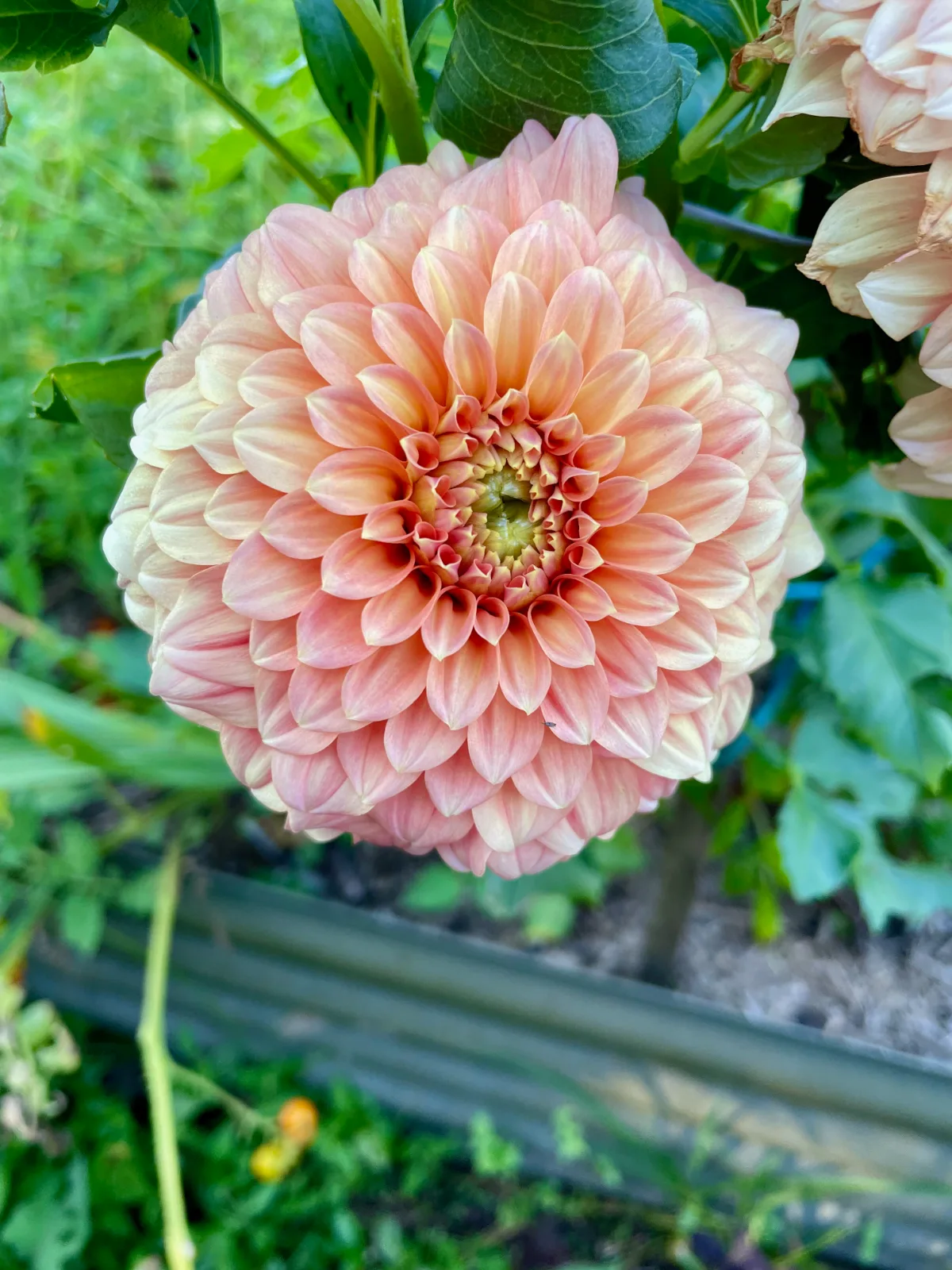
Dahlia
Dahlias are tuberous flowering perennials grown for summer and autumn colour. Tubers need protection from winter waterlogging and hard frost.
Veggie
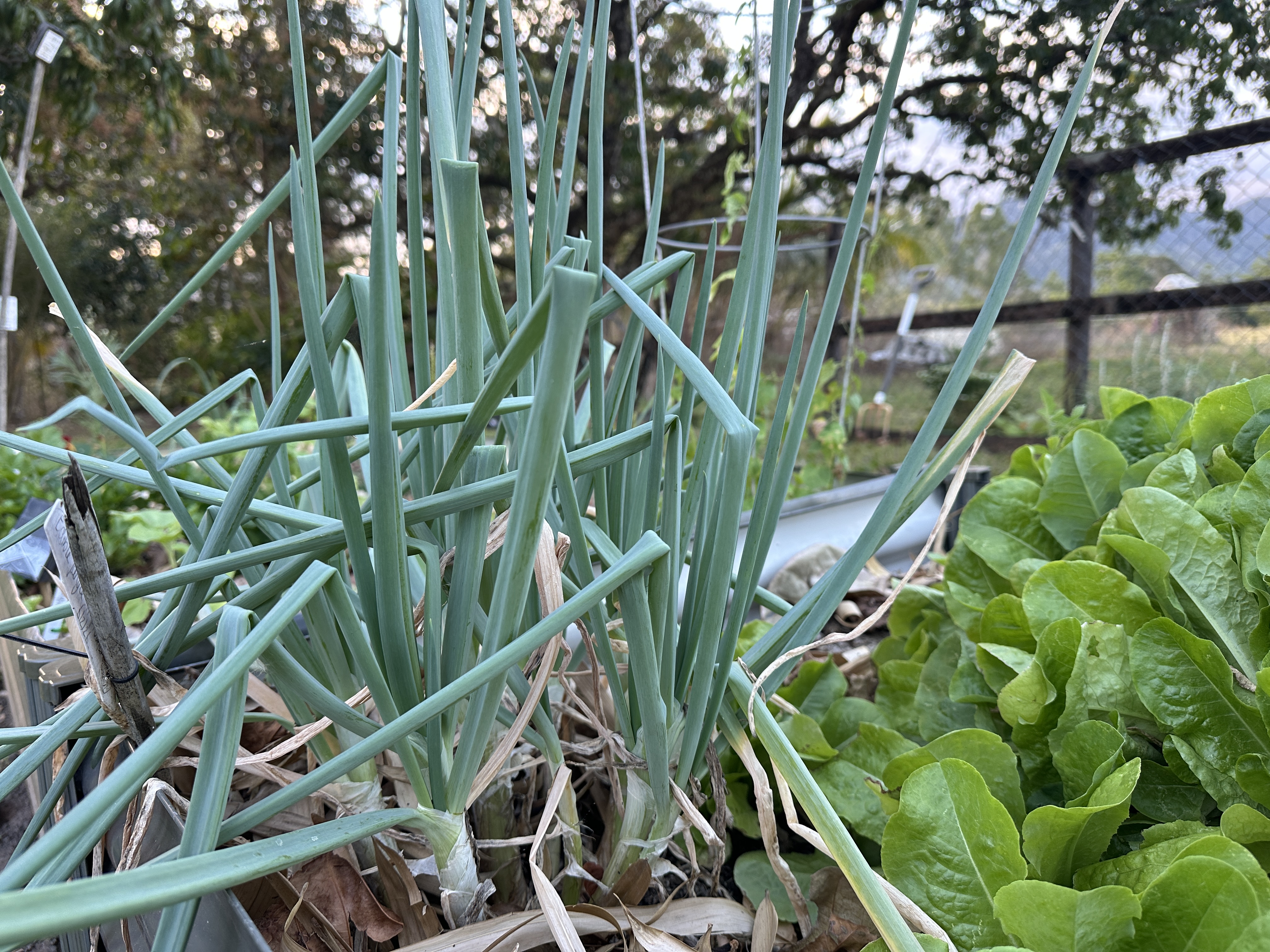
Egyptian walking onion
Egyptian walking onion is a perennial onion that makes clusters of bulbils at the top of its stalks. The bulbils bend to the ground and root, slowly moving the clump across the garden.
Veggie
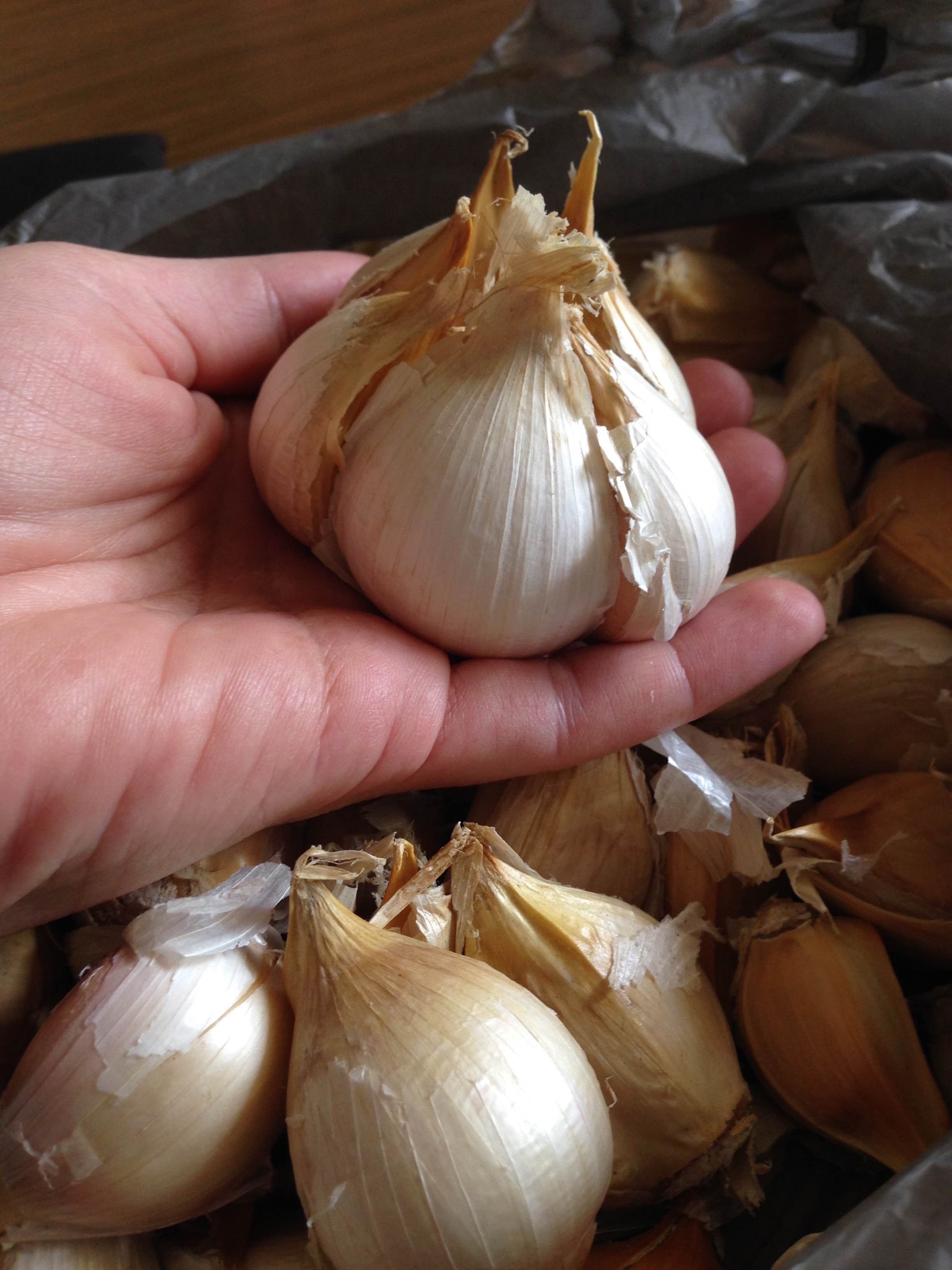
Elephant garlic
Elephant garlic grows huge mild cloves, but botanically it sits much closer to a leek than true garlic. You plant the cloves much like garlic, then give the bigger plant more room to build its bulb.
Ornamental
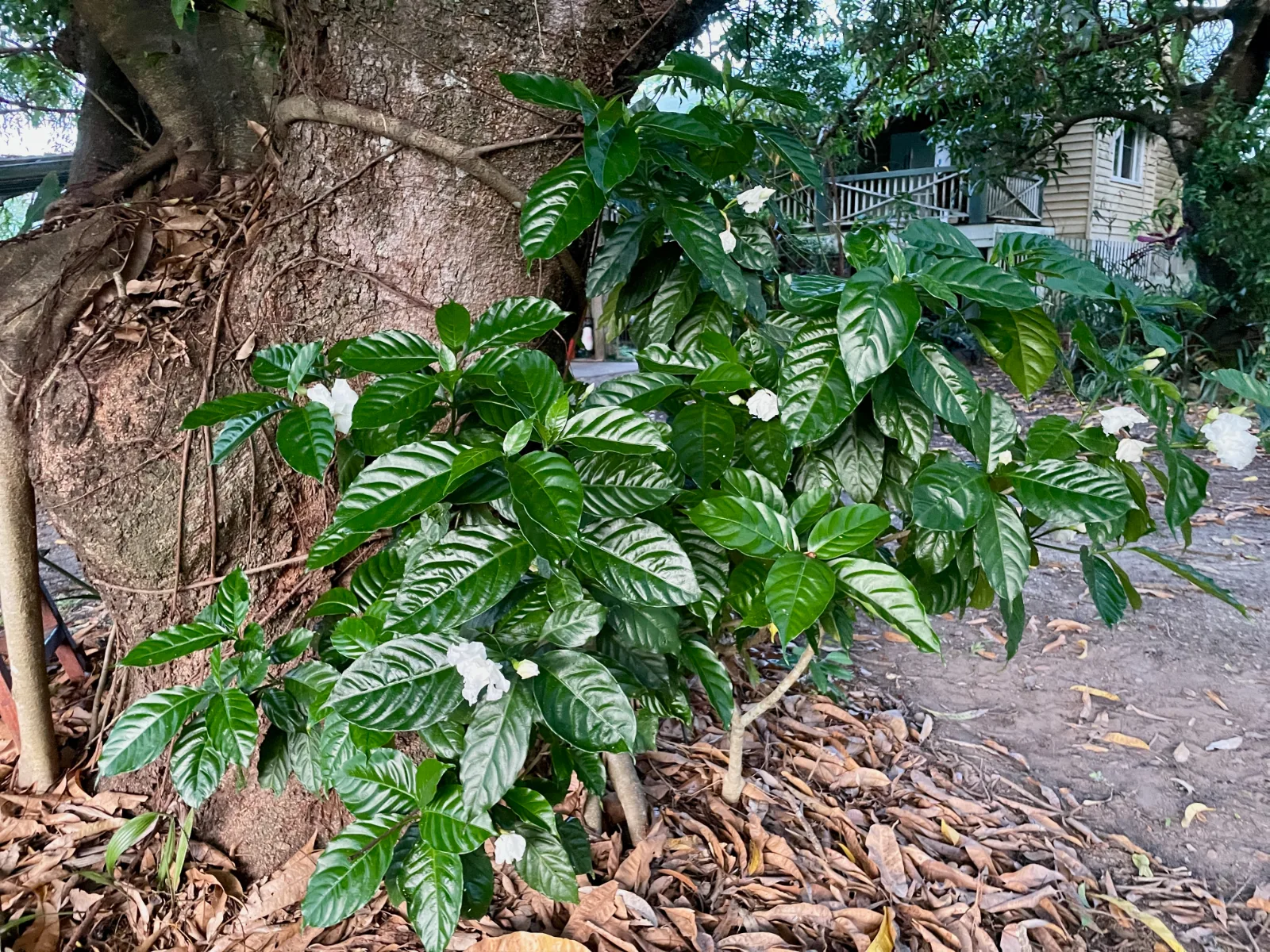
Gardenia
Gardenia is an evergreen shrub grown for glossy foliage and strongly fragrant white flowers. It grows best in warm, sheltered gardens with acidic soil, steady moisture and good drainage. Yellow leaves, dropped buds and poor flowering usually point to cold, root stress, alkaline soil or inconsistent care rather than one single nutrient problem.
Ornamental
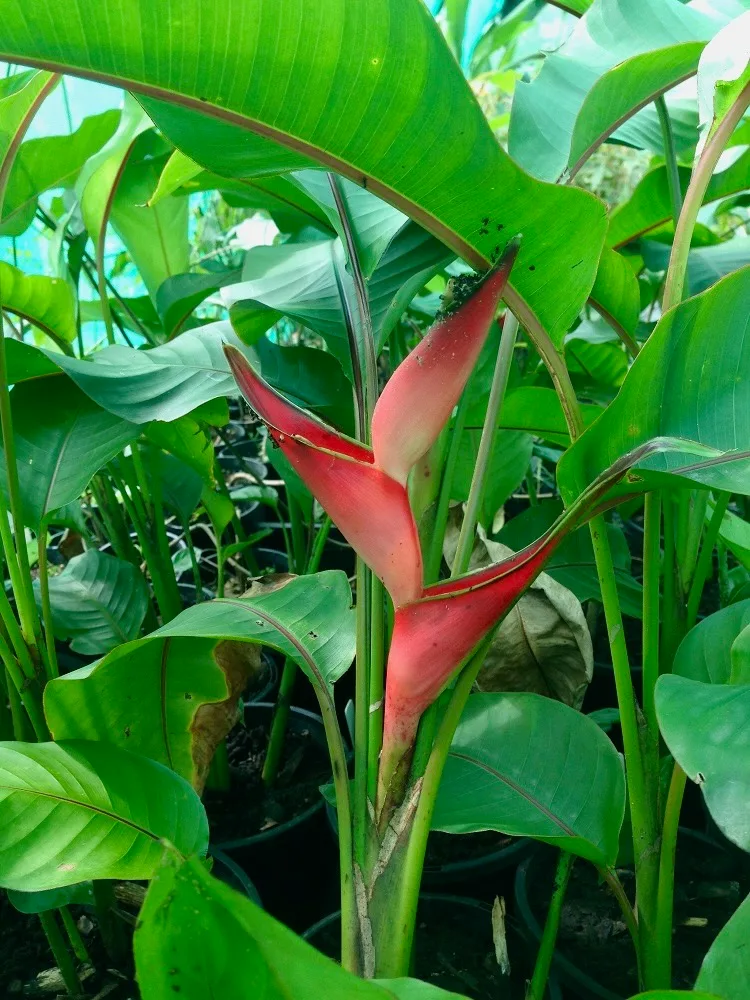
Heliconia 'Dwarf Jamaican'
Heliconia 'Dwarf Jamaican' is a compact heliconia with upright pink-red bracts and banana-like leaves. Its small size makes it useful in pots and low tropical plantings.
Ornamental
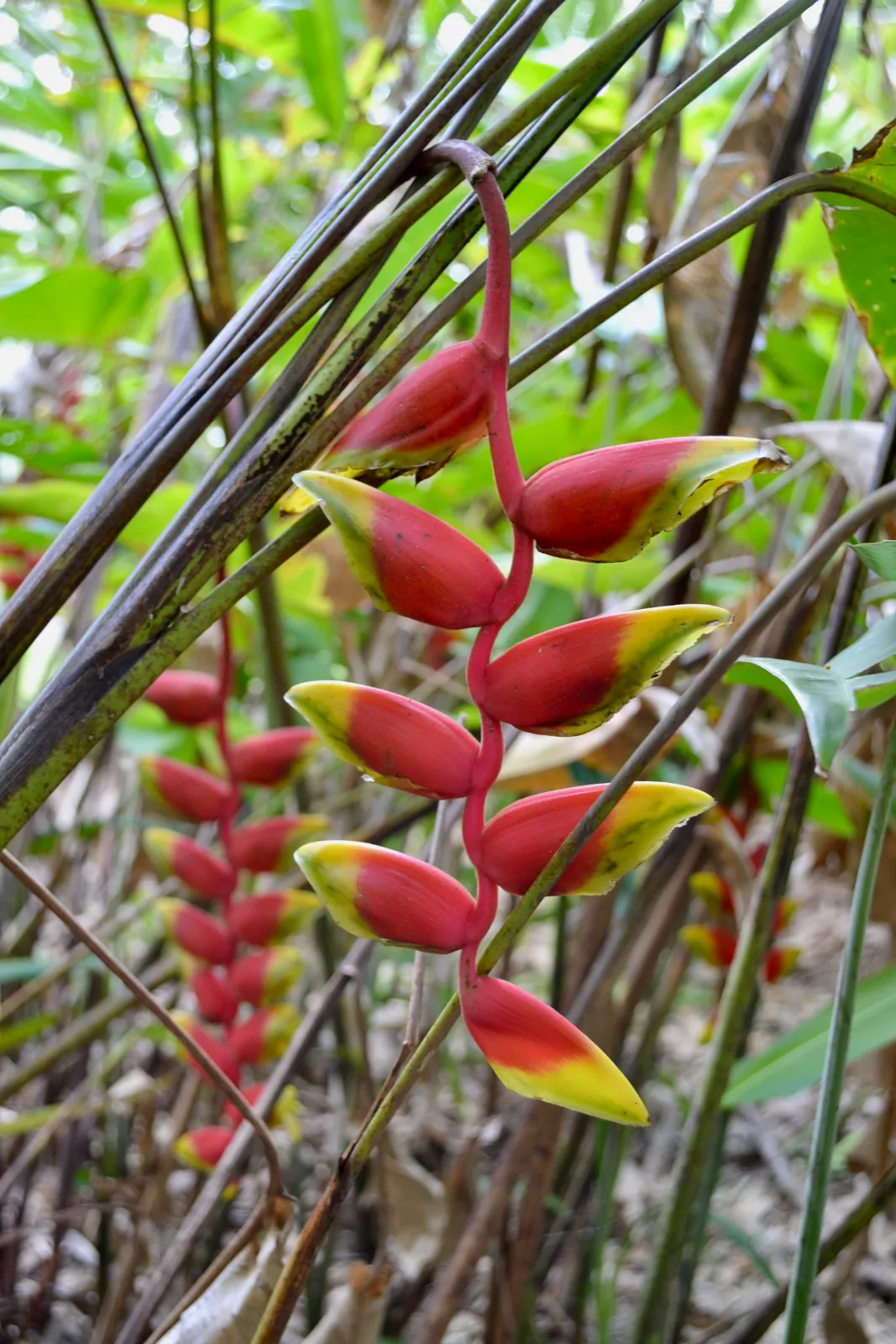
Heliconia rostrata
Heliconia rostrata is the classic hanging lobster-claw heliconia, with long pendulous red-and-yellow bracts below tall leafy stems. It grows best in warm, sheltered tropical and subtropical gardens with rich soil, regular moisture and good drainage. Give the clump room to widen and protect the large leaves from strong wind.
Ornamental
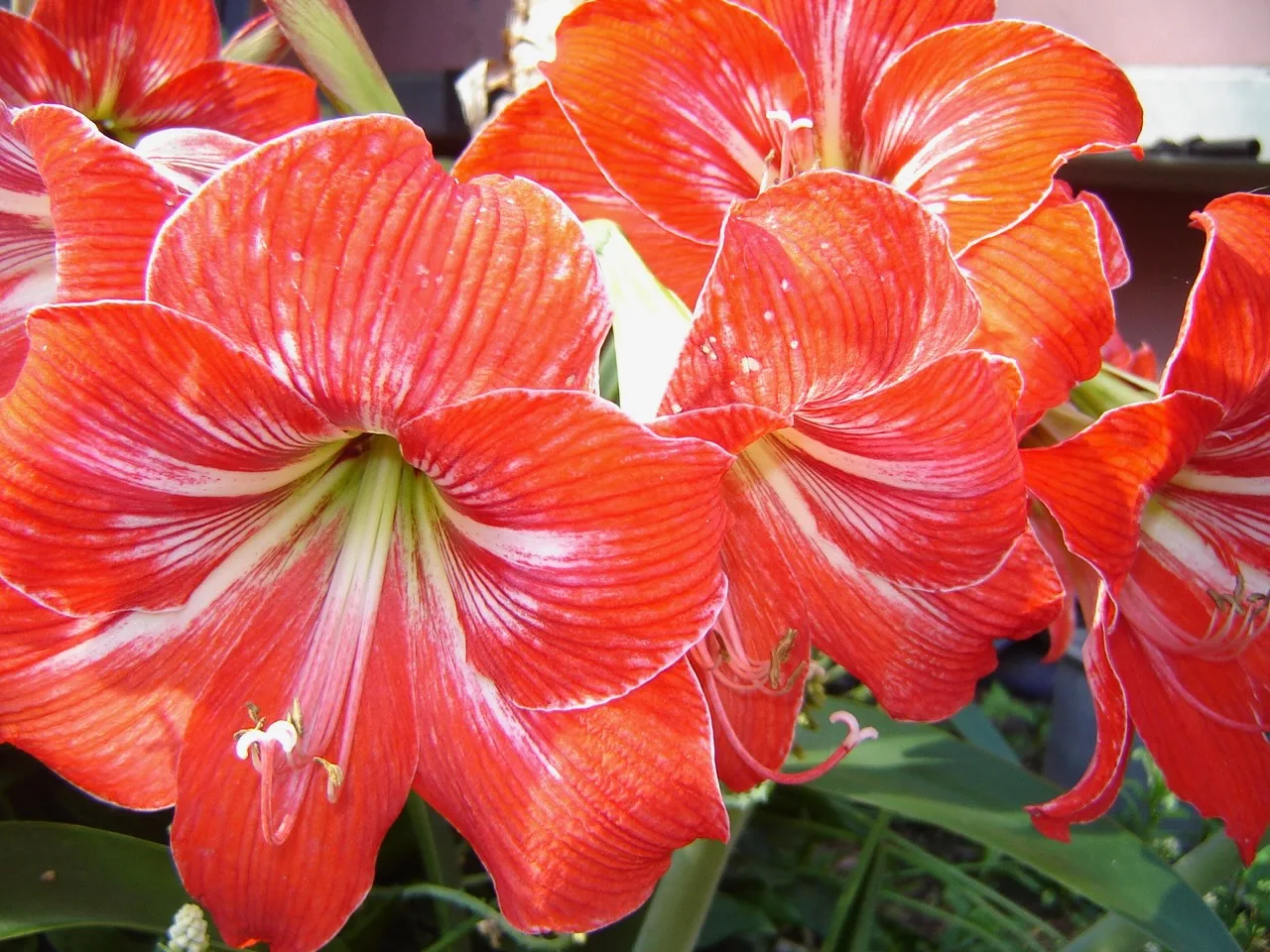
Hippeastrum
Garden hippeastrums are large-flowered bulbs that send up bold trumpet-shaped blooms in spring and summer. The bulbs can stay in the ground long term in mild climates.
Ornamental
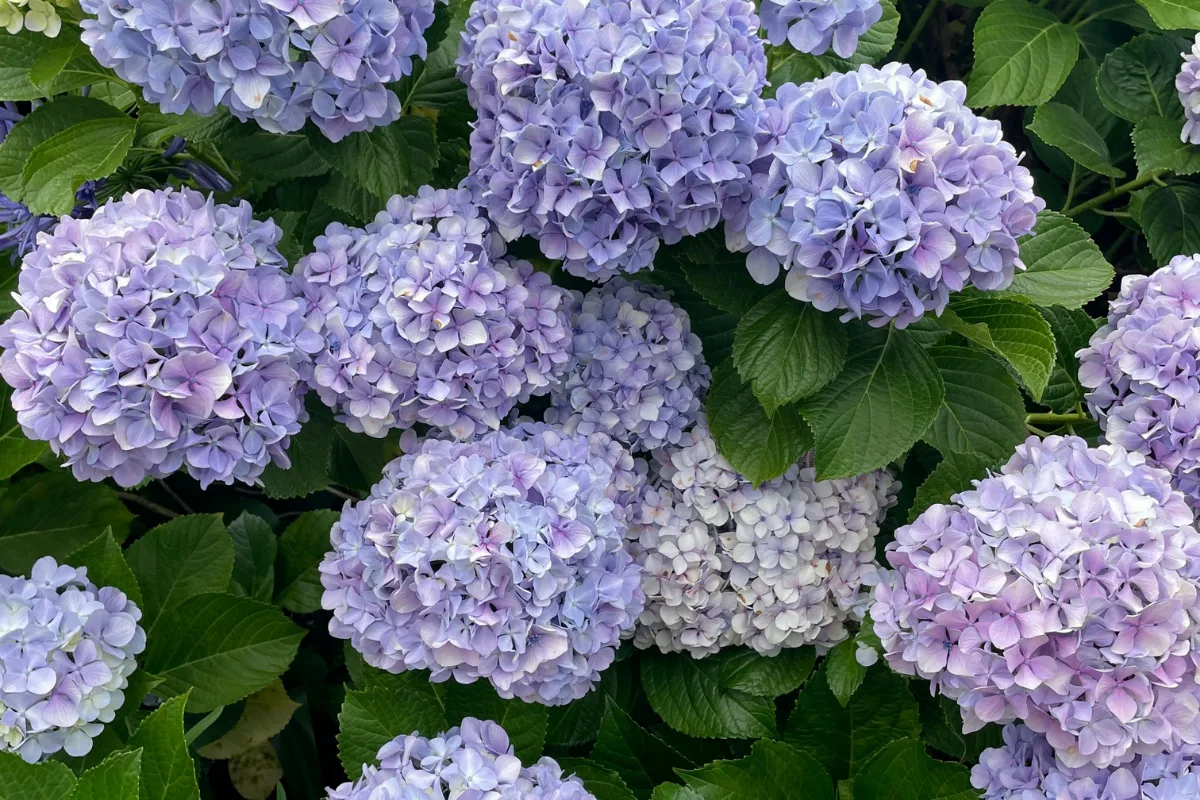
Hydrangea
This is the classic garden hydrangea: big leaves and rounded mophead or flatter lacecap flowers in pink, blue, purple or white. It grows best with cool roots, steady moisture and protection from harsh afternoon sun.
Ornamental
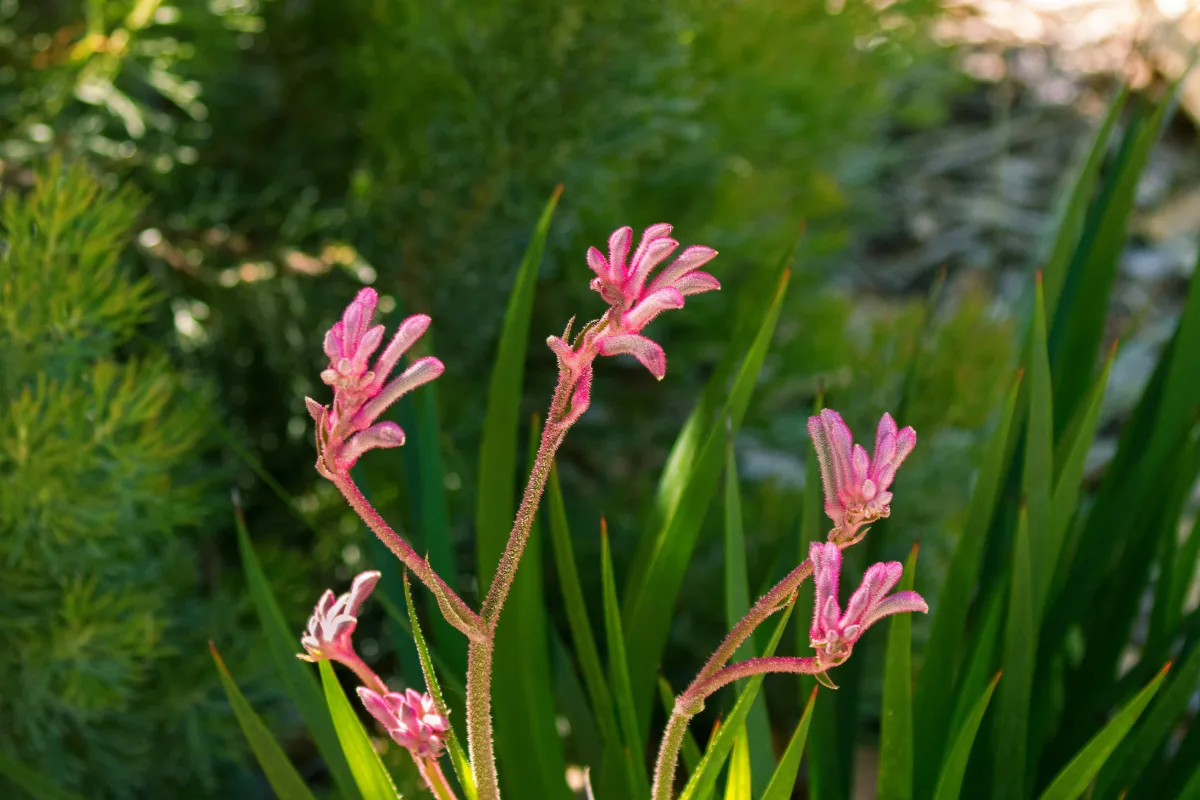
Kangaroo paw
Kangaroo paws flower best in sun and sharp drainage, and the tougher tall hybrids cope with east-coast humidity better than many compact types. A hard clean-up after flowering keeps old black foliage from building up.
Ornamental
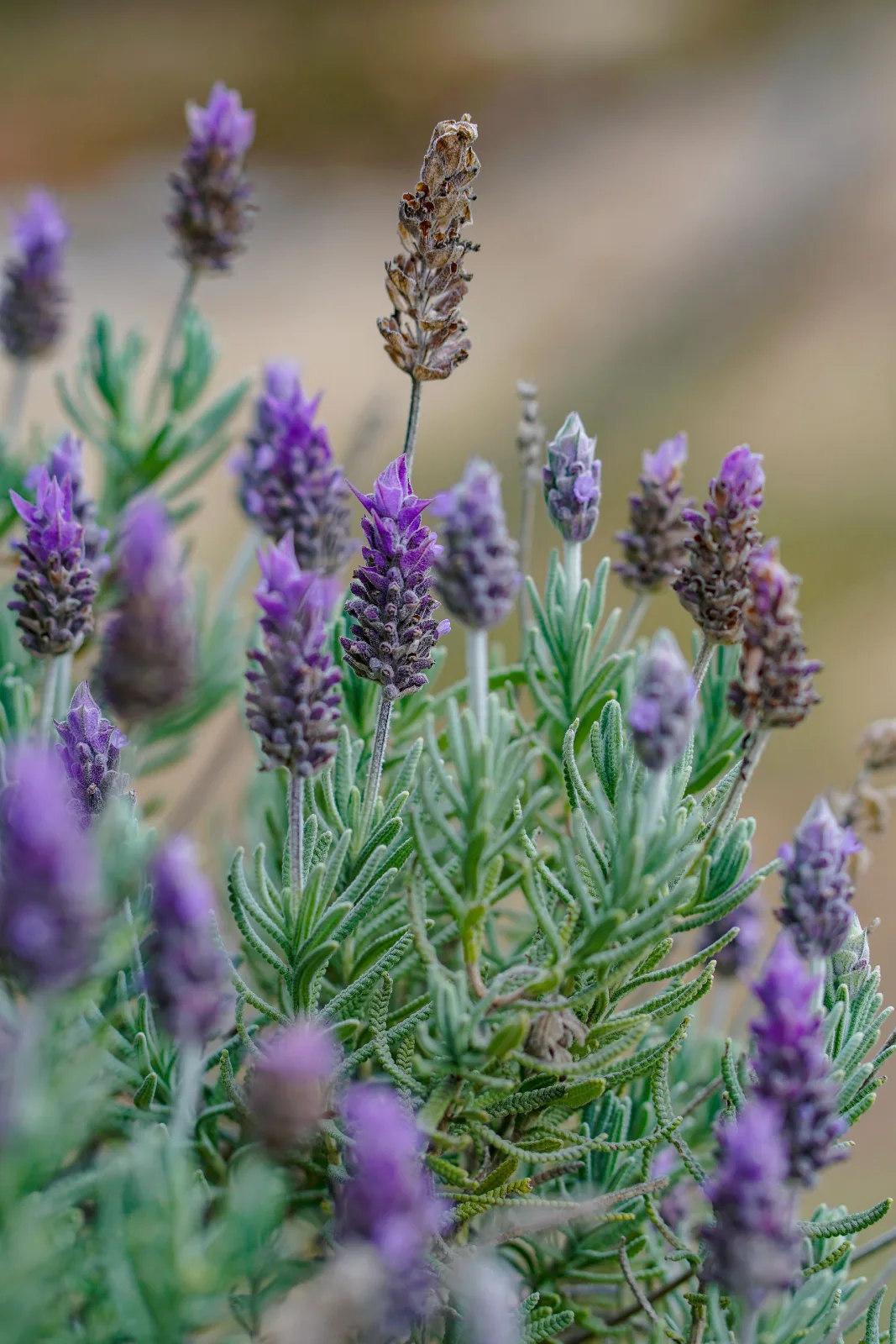
Lavender
Lavender is a sun-loving woody perennial that needs excellent drainage and regular light pruning to stay compact.
Herb & spice
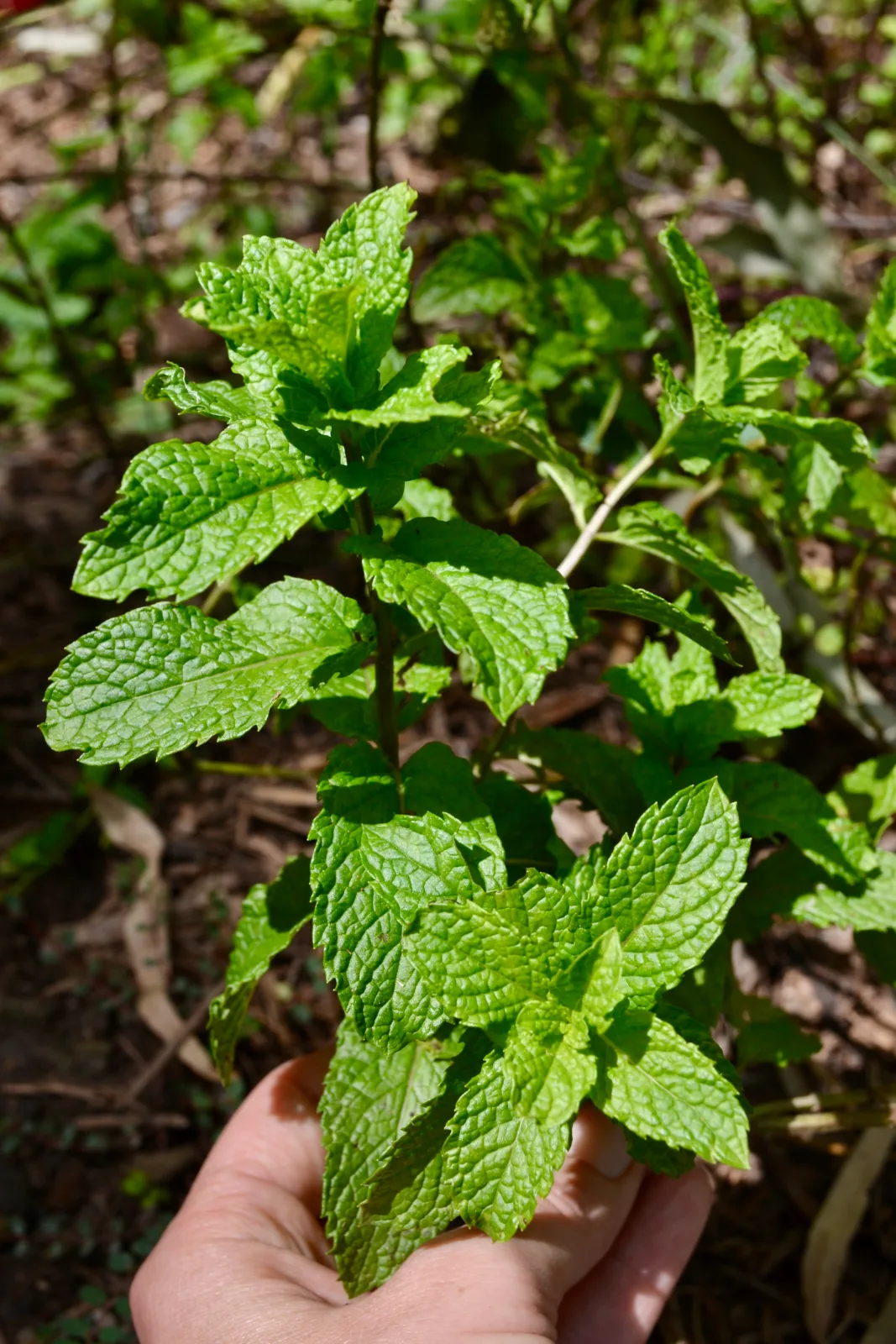
Mint
Mint is a fast-spreading perennial herb that likes moisture and can grow in sun or part shade. Containers make it easier to control.
Ornamental
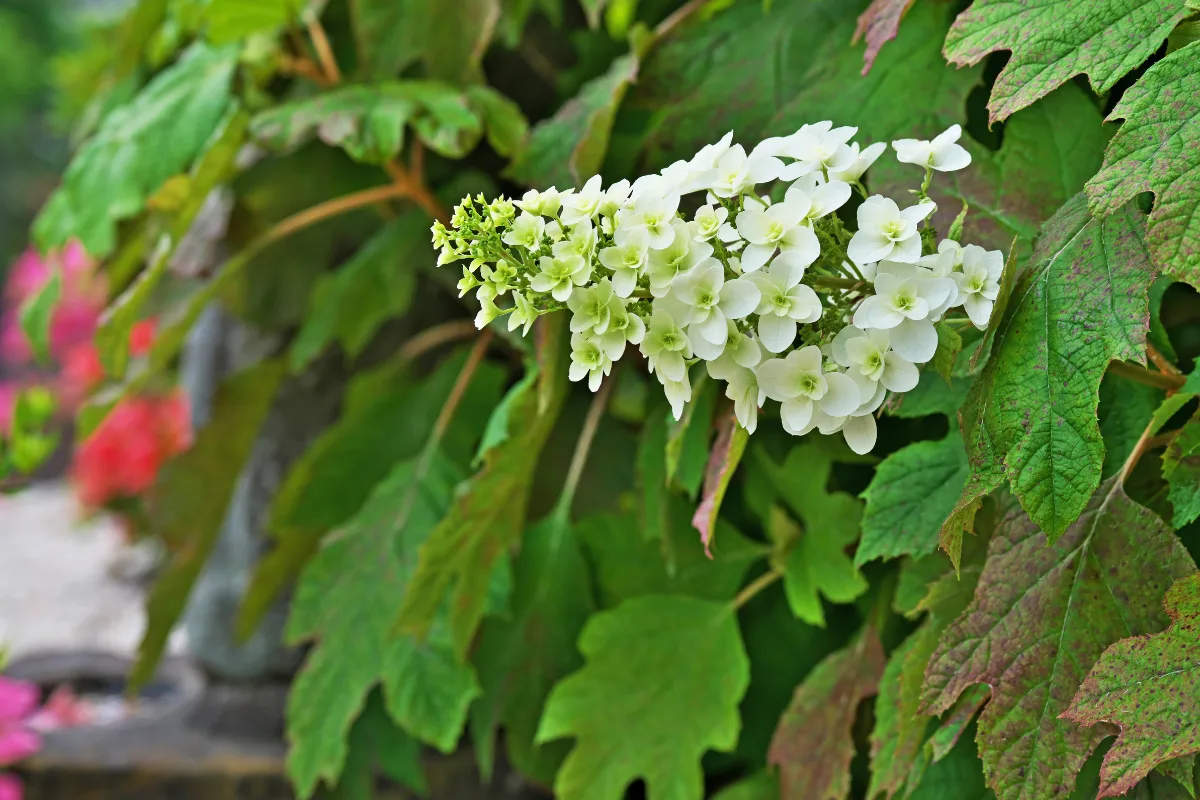
Oakleaf hydrangea
Oakleaf hydrangea is grown as much for its foliage as its flowers. Large oak-shaped leaves turn rich bronze, red and burgundy in autumn, while long white flower clusters appear through summer.
Ornamental
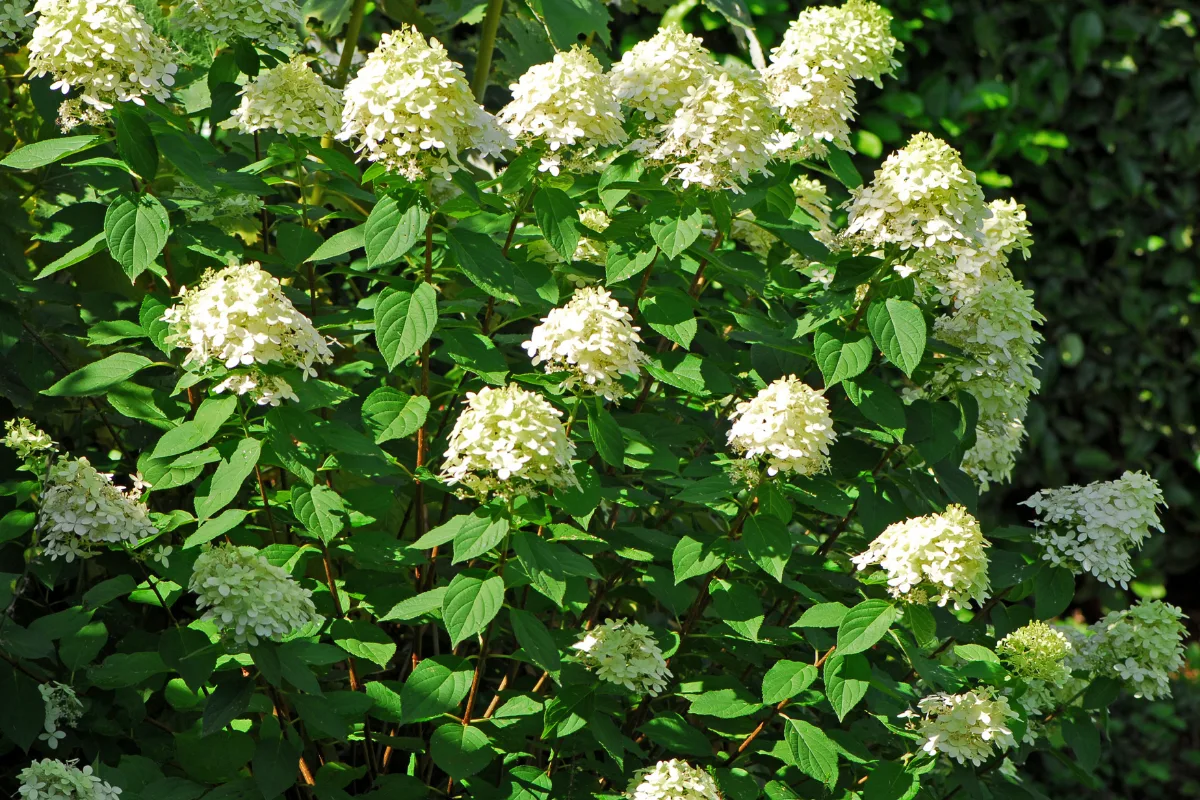
Panicle hydrangea
Panicle hydrangea is the sun-tolerant hydrangea of the group, with upright cone-shaped flower clusters that usually open cream or white and often deepen to pink or red as they age.
Ornamental
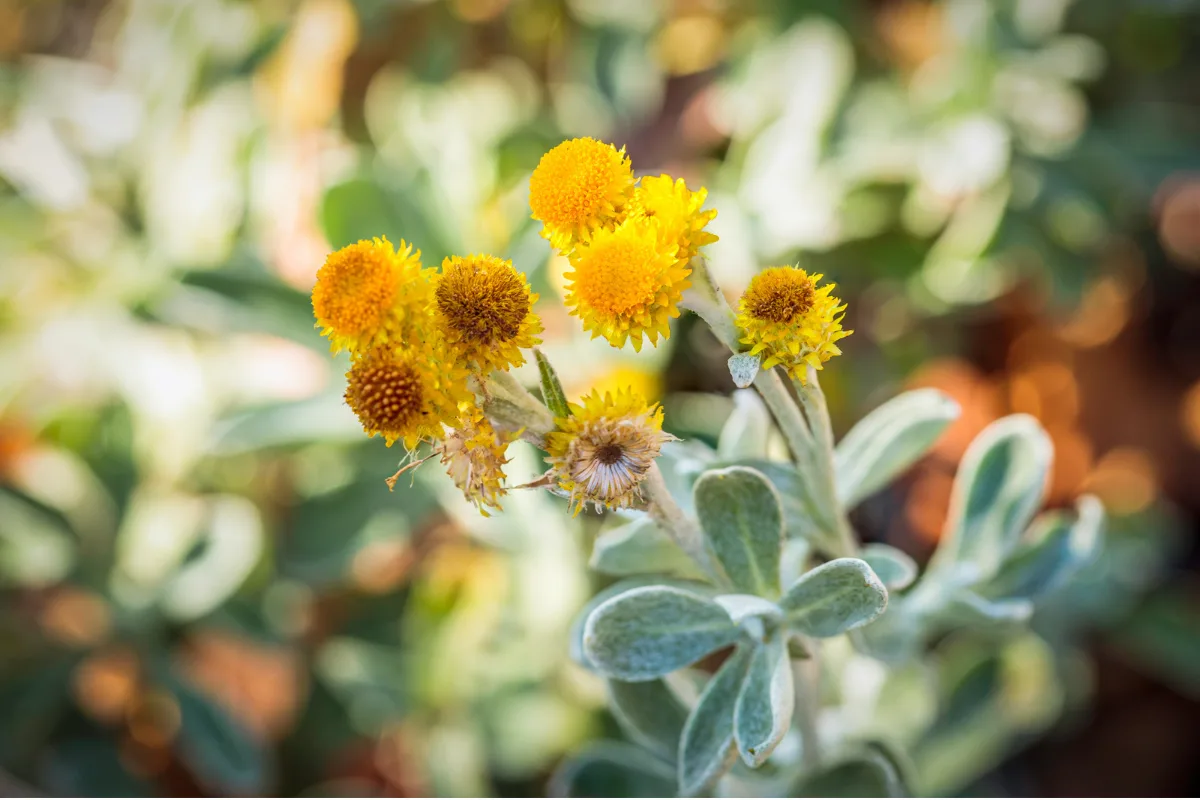
Yellow buttons
Golden papery flower heads sit above grey-green foliage on this extremely variable Australian native. Choose a low spreading form for groundcover use; upright forms behave more like small perennials.
Before You Choose
Plan a cutting patch around succession rather than one short burst. Some plants flower heavily for a limited period, while others keep producing if you pick regularly and remove finished flowers. Growing several types with different seasons gives you more to cut across the year.
Stem length matters. Flowers that look perfect in the garden may be awkward in a vase if the stems stay very short. Give plants the light they need for sturdy growth and avoid overfeeding with high-nitrogen fertiliser that produces soft stems at the expense of flowers.
Pick during the cooler part of the day when the plant is well hydrated. Use clean secateurs and place stems into clean water soon after cutting. The ideal harvest stage varies. Some flowers last longer if cut as buds begin to open, while others need to be fully coloured first.
Leave enough foliage and flowering growth on the plant to keep it healthy and attractive in the garden. On shrubs and perennials, thoughtful cutting can double as light pruning if you choose stems from around the plant rather than taking everything from one side. Many cut-flower plants also support pollinators, so you can grow enough to share the display between the vase and the garden.
If you want regular stems rather than occasional bunches, give the cutting plants an easy-to-reach part of the garden. You will pick more often when you can see new flowers and move through the bed without damaging neighbouring plants. Leave room for staking where tall stems need support, and keep a clean bucket and secateurs nearby during the main flowering season.