
Plant profile
Hydrangea
Hydrangea macrophylla
Also known as bigleaf hydrangea, mophead hydrangea, lacecap hydrangea, hortensia.
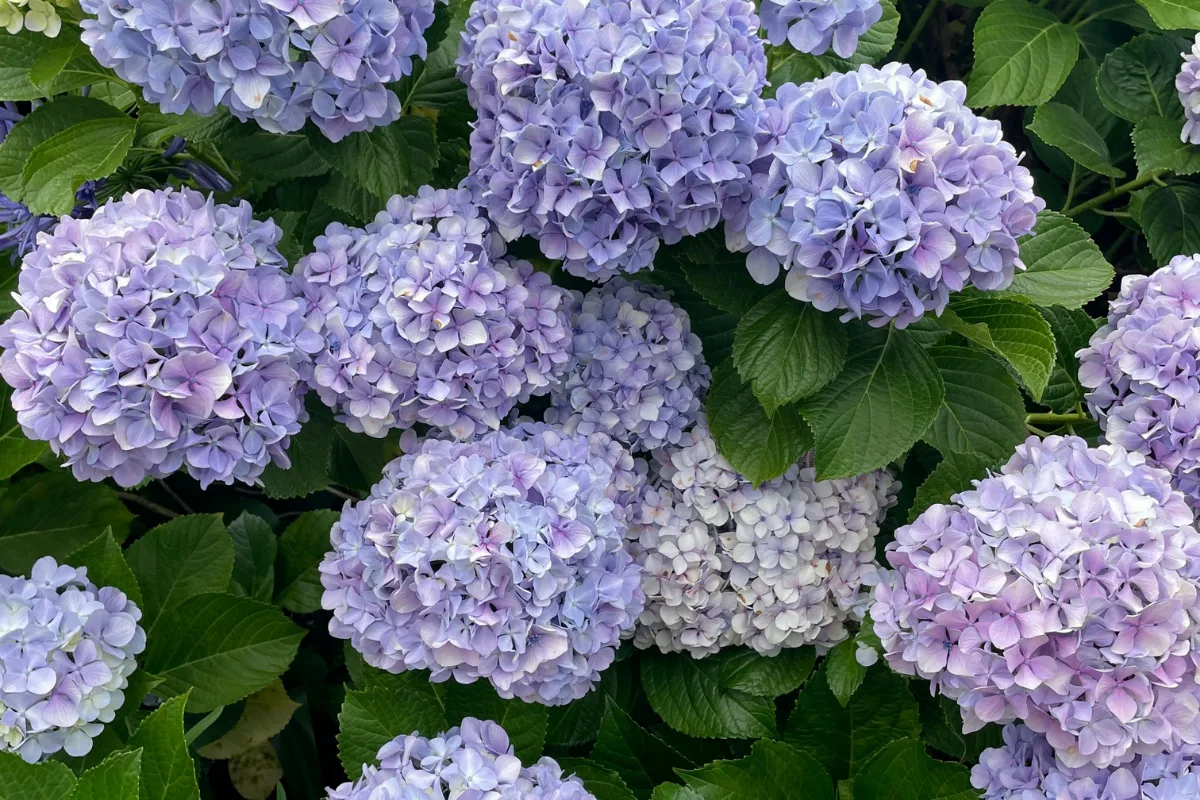
This is the classic garden hydrangea: big leaves and rounded mophead or flatter lacecap flowers in pink, blue, purple or white. It grows best with cool roots, steady moisture and protection from harsh afternoon sun.
- Grows well in
- Subtropical, Temperate, Cool / mountains, Mediterranean
- Lifecycle
- Deciduous flowering shrub
- Light
- Part shade, Shade
- Mature size
- Usually about 1–2 m tall and wide, with compact and larger cultivars available.
- Spacing
- Allow about 1–1.5 m between average shrubs, adjusting for the mature size of the cultivar.
- Growth habit
- Rounded, multi-stemmed deciduous shrub with large serrated leaves and mophead or lacecap flower clusters.
- Native range
- South-central Japan, including islands south of the main Japanese archipelago
- Natural habitat
- Moist temperate forest, woodland margins and mountain slopes.
When to plant
Subtropical
April–August
Temperate
May–September
Cool / mountain
June–September
Mediterranean
May–September
Planting
Plant into rich, well-drained soil where the roots can stay cool and evenly moist. Morning sun with afternoon shade suits most Australian gardens. Avoid exposed hot positions and places that dry hard in summer.
Position and light
Morning sun, dappled light or bright part shade is ideal. Protect the leaves and flowers from harsh afternoon sun, especially in warmer districts.
Soil
Rich, moisture-retentive but well-drained soil with plenty of organic matter. Soil pH can influence flower colour in many blue and pink cultivars because it changes aluminium availability.
Watering
Keep moisture fairly even through active growth and flowering. Water deeply in hot weather and mulch the root zone to slow moisture loss and keep the roots cooler.
Feeding
Feed as new spring growth begins with compost and a suitable flowering-shrub fertiliser at the label rate. Avoid heavy late-season feeding that pushes soft growth before winter.
Pruning
Most traditional Hydrangea macrophylla flower mainly on older wood, so avoid cutting every stem hard. In late winter, remove spent flower heads back to a strong pair of buds, take out dead or very old stems at the base, and leave healthy stems that did not flower. Some modern reblooming cultivars also flower on new wood, so check the cultivar before harder pruning.
Harvest
Cut mature flower heads for fresh arrangements, or wait until they feel papery if you want to dry them. Leave enough stem and healthy buds on the shrub for next season's growth.
Propagation
Propagate from softwood cuttings in the growing season or hardwood cuttings while dormant. Named cultivars should be propagated vegetatively if you want the same flower form and colour behaviour.
Common problems
Leaf scorch, wilting in heat, powdery mildew, slugs, snails and root problems in poorly drained soil are the main issues. Poor flowering can follow hard pruning that removes developing flower buds.
Safety notes
Hydrangea plant material is poisonous if eaten and may irritate skin or eyes. Keep prunings away from children and animals that may chew plants.
Worth knowing
Hydrangea macrophylla includes the familiar mophead and lacecap hydrangeas. In many pink and blue cultivars, acidic soil with available aluminium favours bluer flowers, while less acidic or alkaline conditions favour pinker flowers. White cultivars generally stay white. Oakleaf and panicle hydrangeas are different species with different pruning and sun preferences, so Brancho lists them separately.
Grow Hydrangea with Brancho
Add it to My Garden and Brancho works out what it needs next, timed for your climate.
How it grows around Australia
Growing this too? Share what you've noticed in your garden.
Grow a Little Wild
New plants to try, useful growing tips and a few garden jobs based on what you grow.