

Ornamental Plants to Grow in Australia
Ornamental plants bring foliage, flowers, shape and shade to a garden. Start with the site's light, soil, climate and available space, then choose a species or cultivar that can reach maturity without constant correction.
Succulent
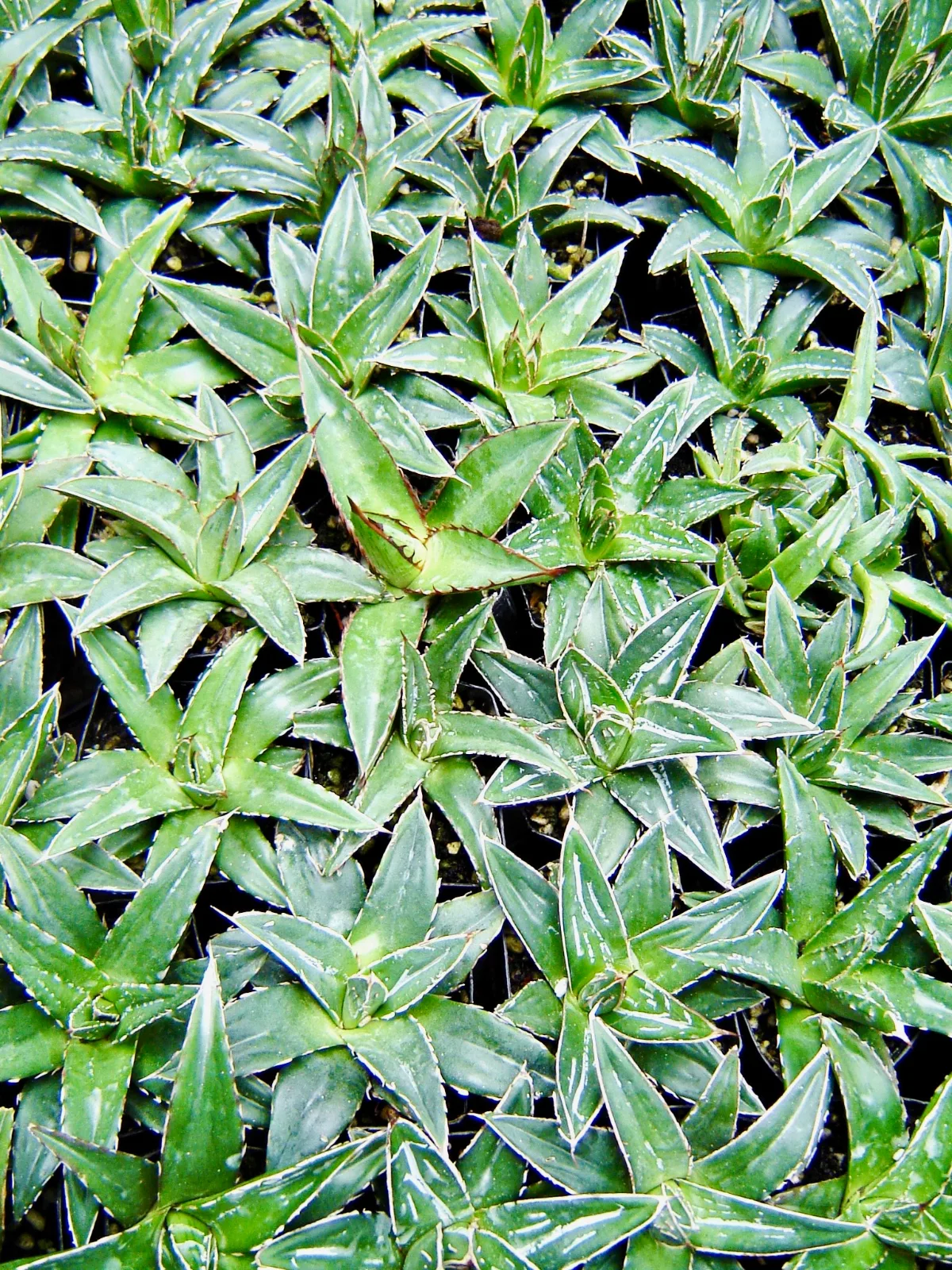
Agave
Agaves are architectural succulents with sculptural rosettes and excellent drought tolerance once established. They range from compact plants for pots and edges to dramatic garden specimens.
View plant →
Ornamental
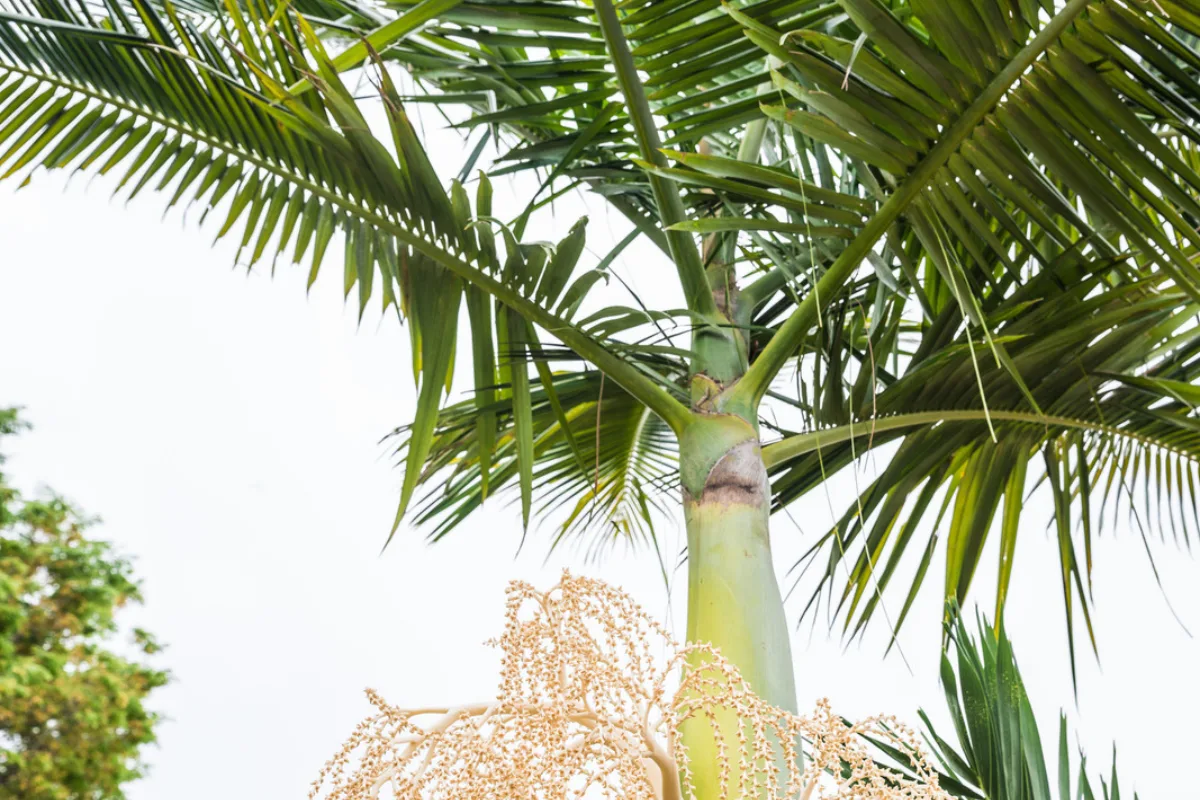
Alexandra palm
Alexandra palm is a tall Queensland native palm with a smooth trunk, green crownshaft and silvery leaf undersides. It grows quickly in warm, moist conditions and suits tropical and subtropical gardens where there is enough room for a very tall canopy.
View plant →
Herb & spice
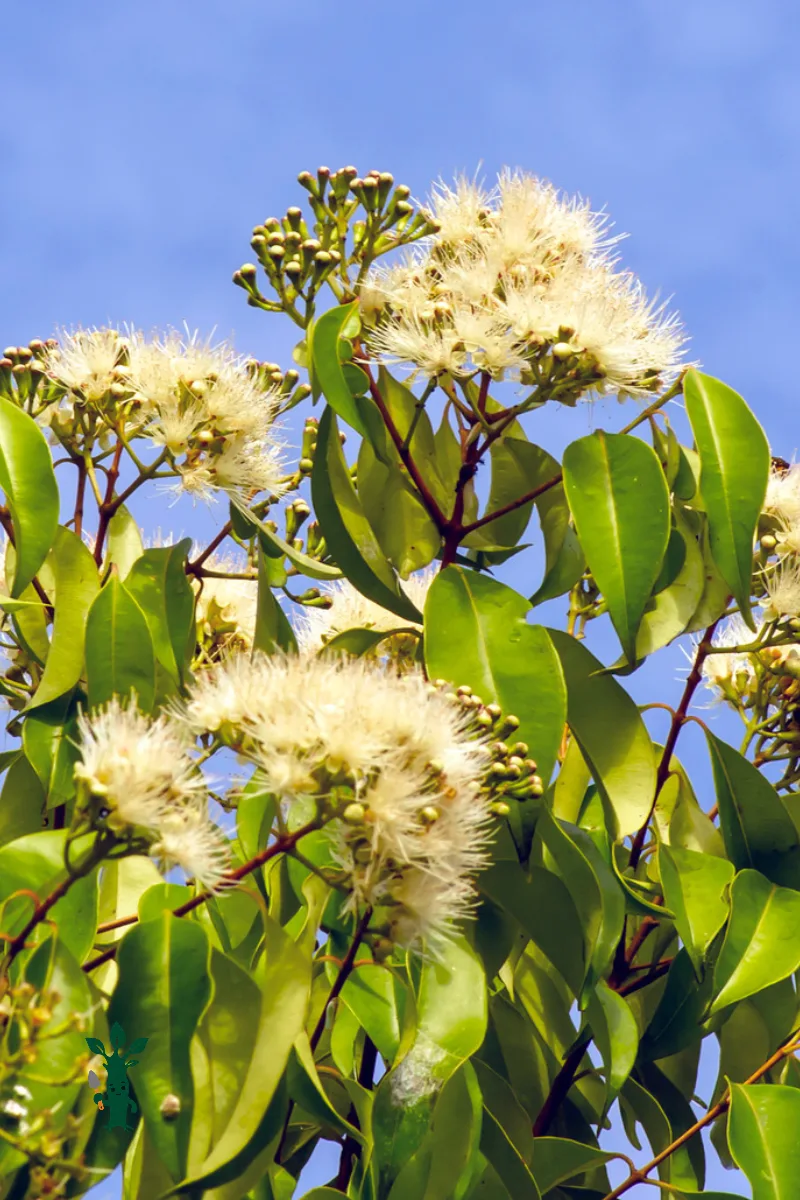
Anise myrtle
Anise myrtle is an Australian rainforest tree with aromatic leaves that smell and taste of aniseed or liquorice. It can be grown as a small tree, clipped screen or hedge and likes moisture while young.
View plant →
Ornamental
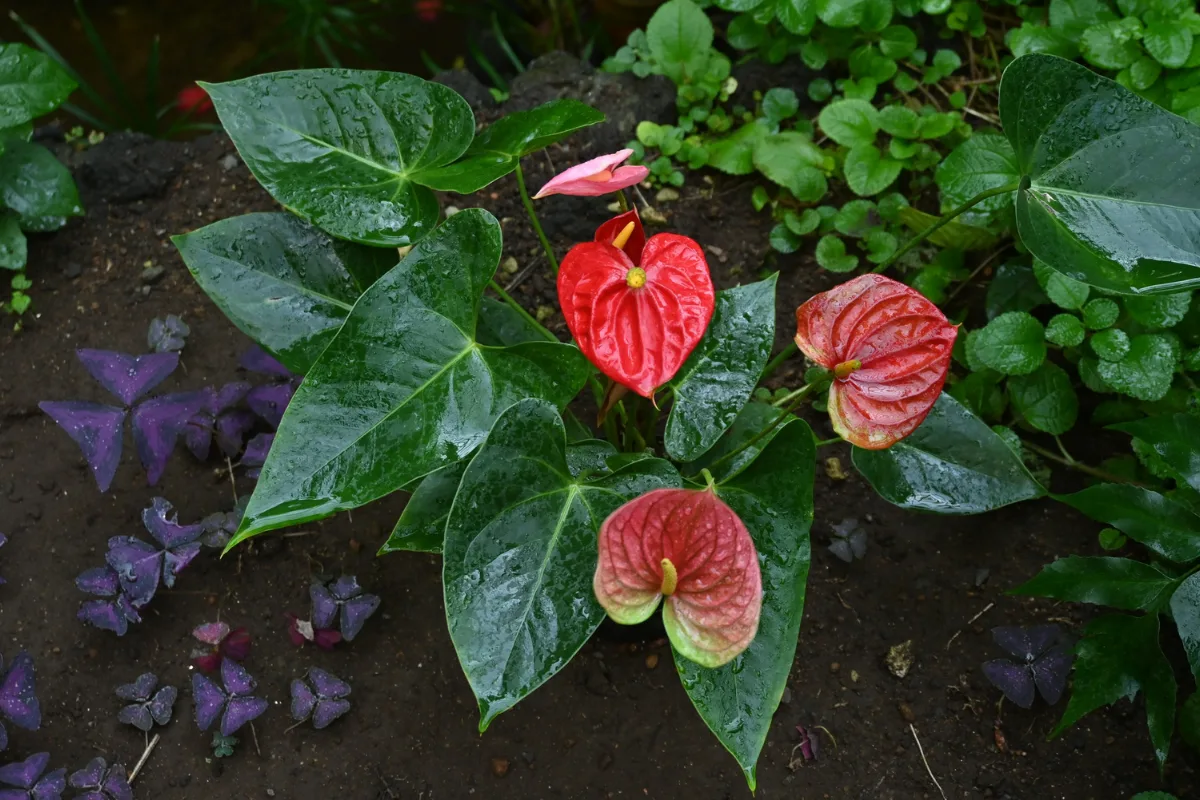
Anthurium
Anthurium andraeanum is a tropical aroid grown for glossy leaves and long-lasting coloured spathes. It likes bright filtered light, warmth, humidity and an airy root zone.
View plant →
Vine
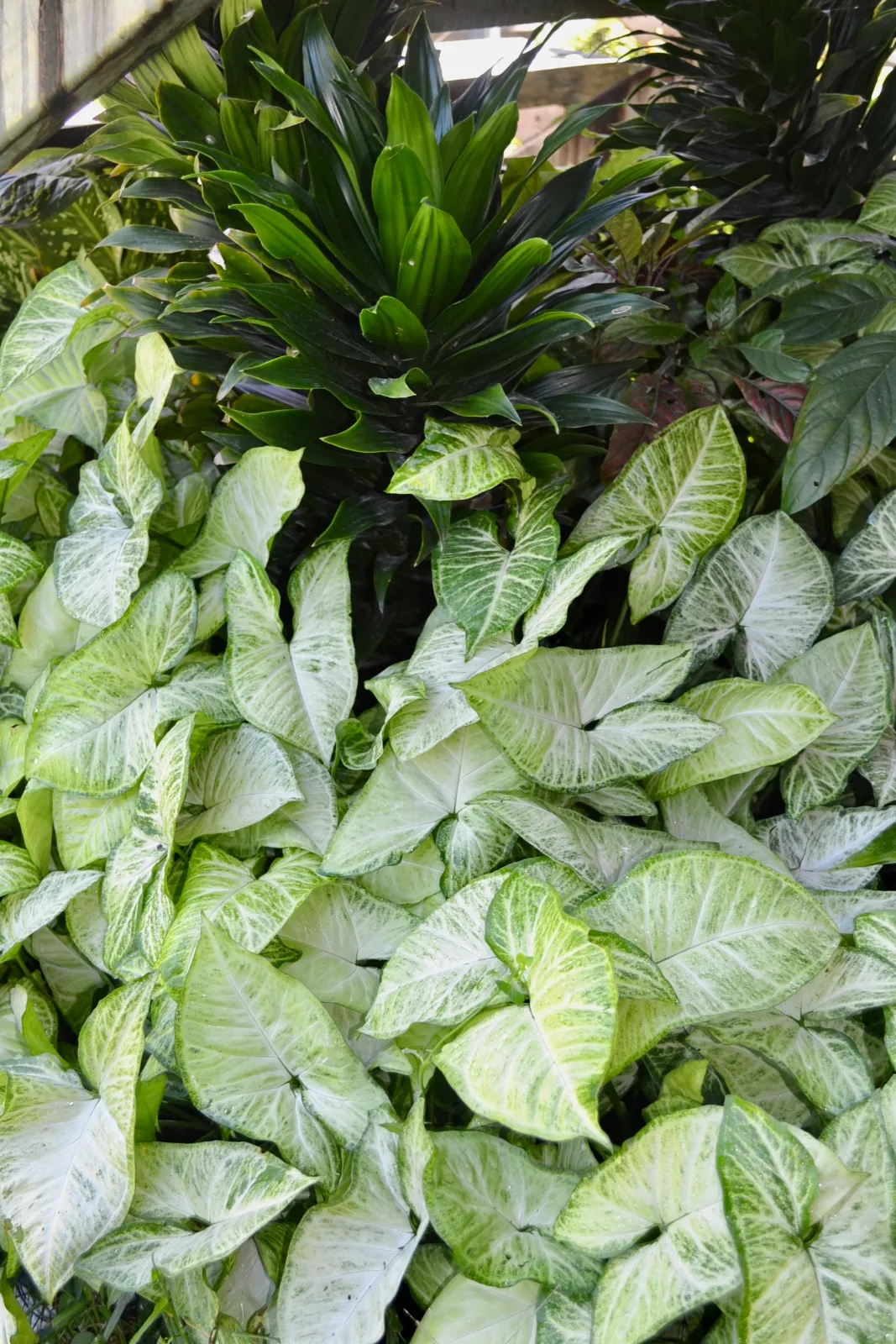
Arrowhead plant
Arrowhead plant is a tropical climber grown for its patterned arrow-shaped juvenile leaves. It is especially good in pots, hanging baskets and bright indoor positions where you can let it trail or give it support to climb.
View plant →
Ornamental
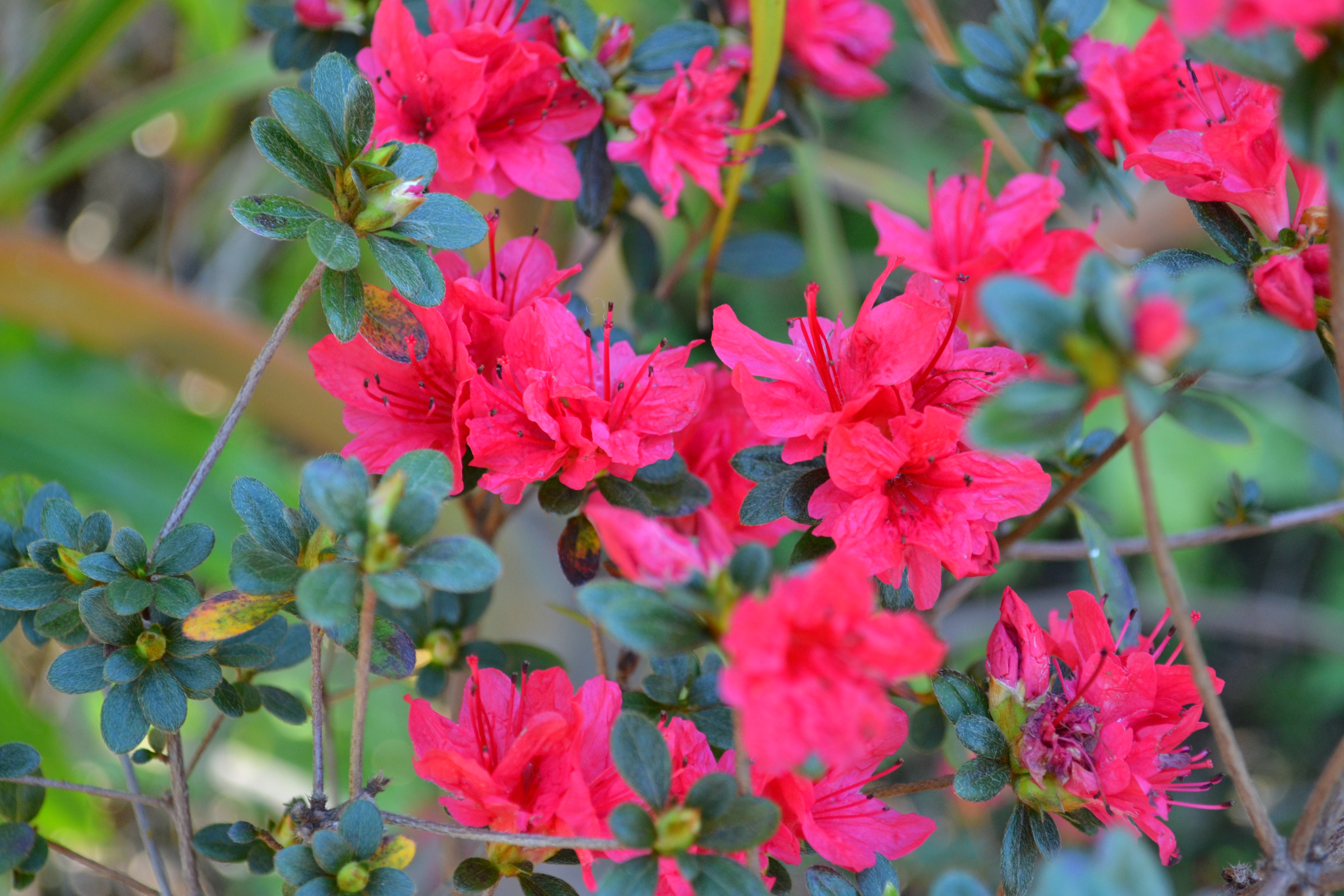
Azalea
Azaleas are compact rhododendrons grown for heavy late-winter and spring flowering. They do best in acidic, free-draining soil with steady moisture and bright filtered light rather than hot reflected sun.
View plant →
Ornamental
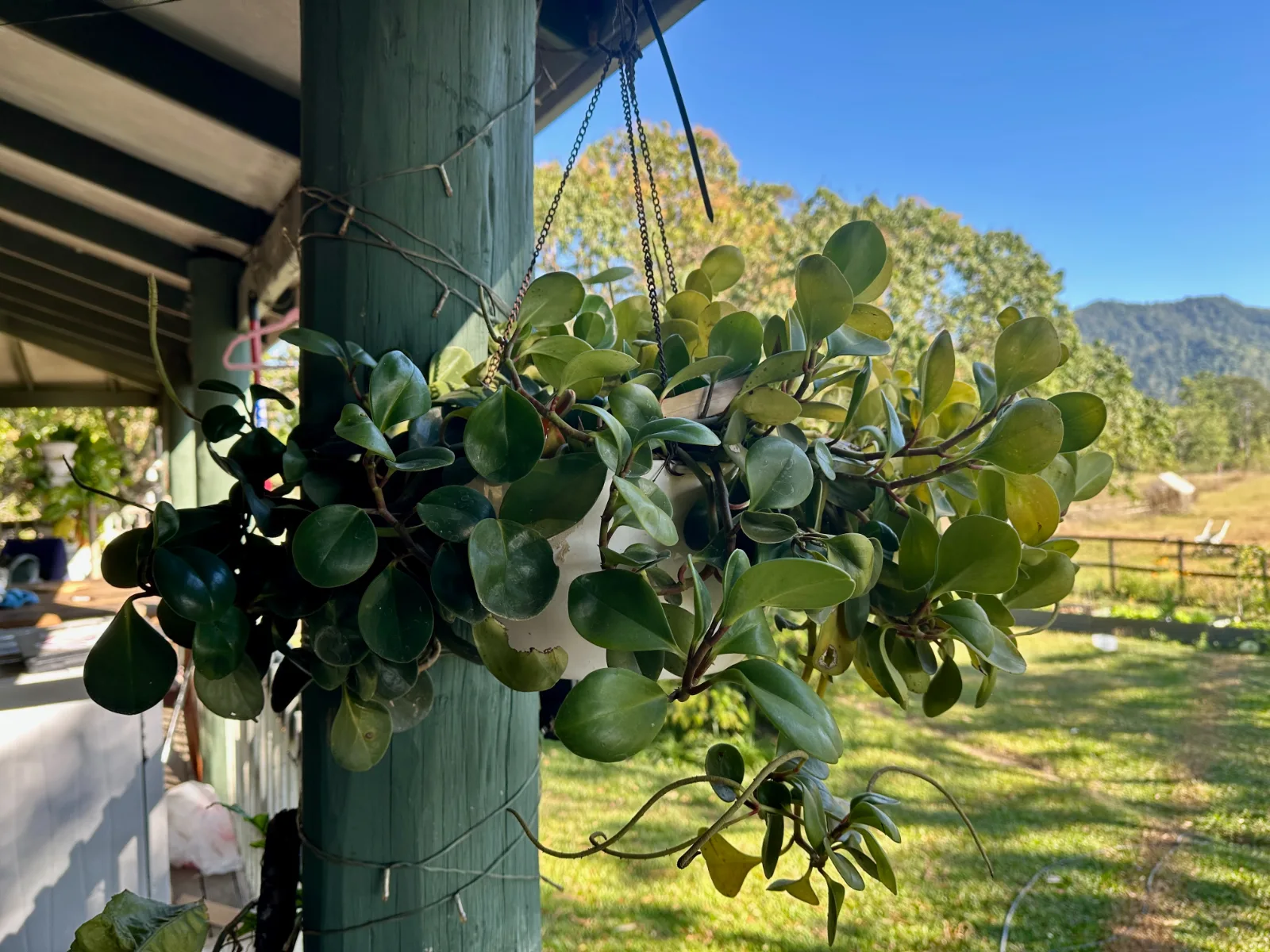
Baby rubber plant
Baby rubber plant is a compact semi-succulent peperomia with thick glossy leaves and an easy indoor habit. Give it bright filtered light and a free-draining mix, then let the top of the pot dry a little between waterings.
View plant →
Ornamental
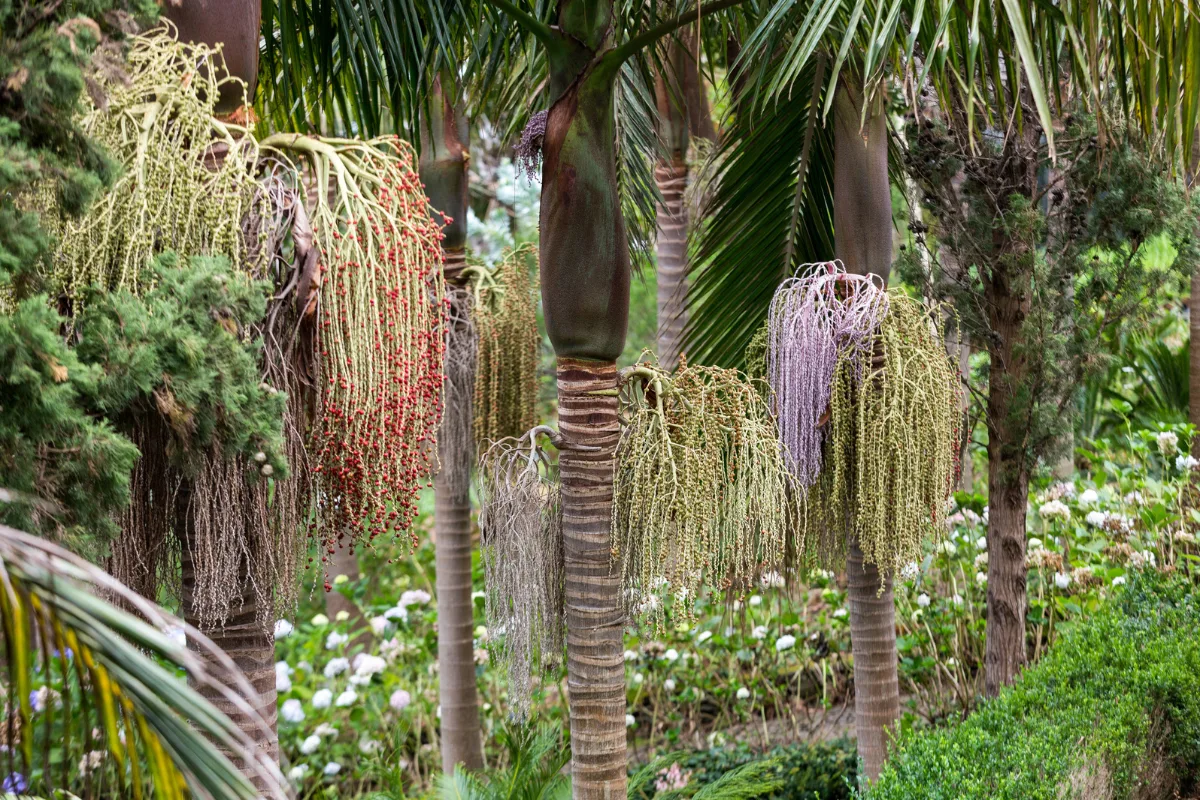
Bangalow palm
Bangalow palm is an eastern Australian native palm with arching fronds and a smooth crownshaft. It grows naturally in moist gullies, rainforest and streamside country.
View plant →
Ornamental
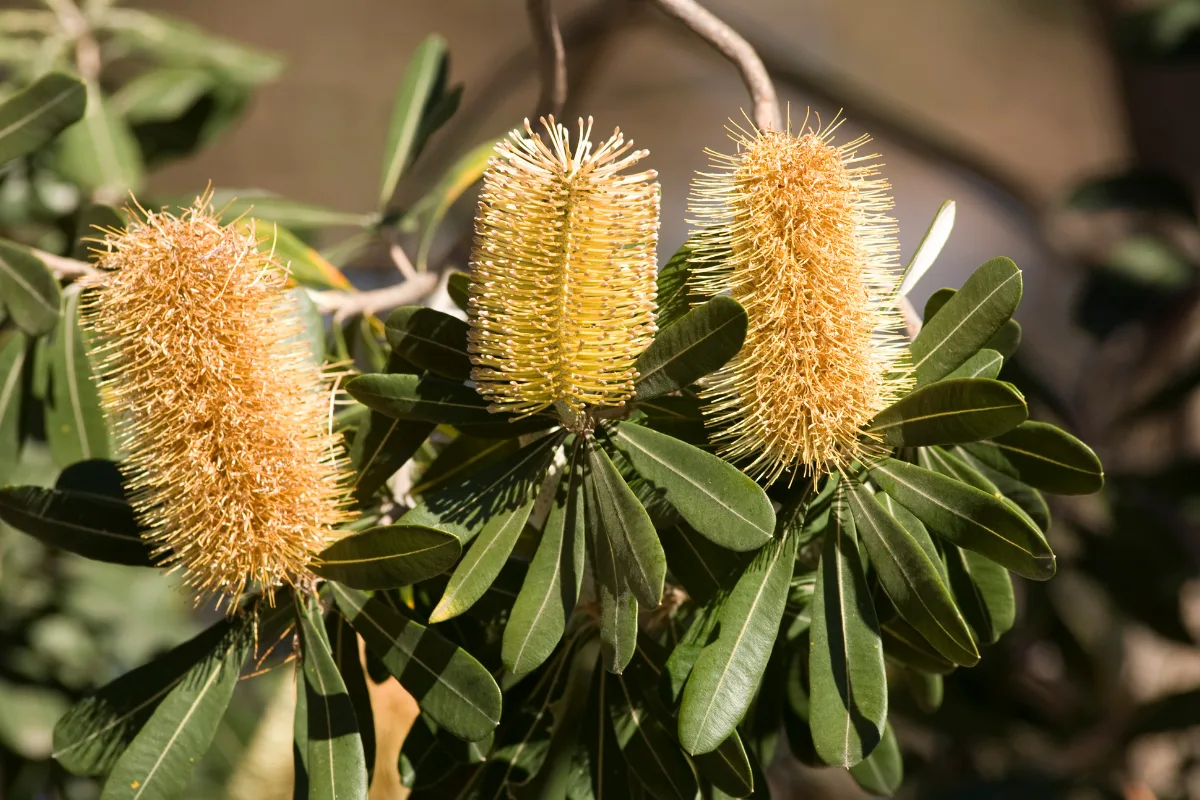
Banksia
Banksias range from groundcovers to large trees, with nectar-rich flower spikes that bring birds into the garden. Match the species to your climate and soil rather than treating all banksias the same.
View plant →
Ornamental
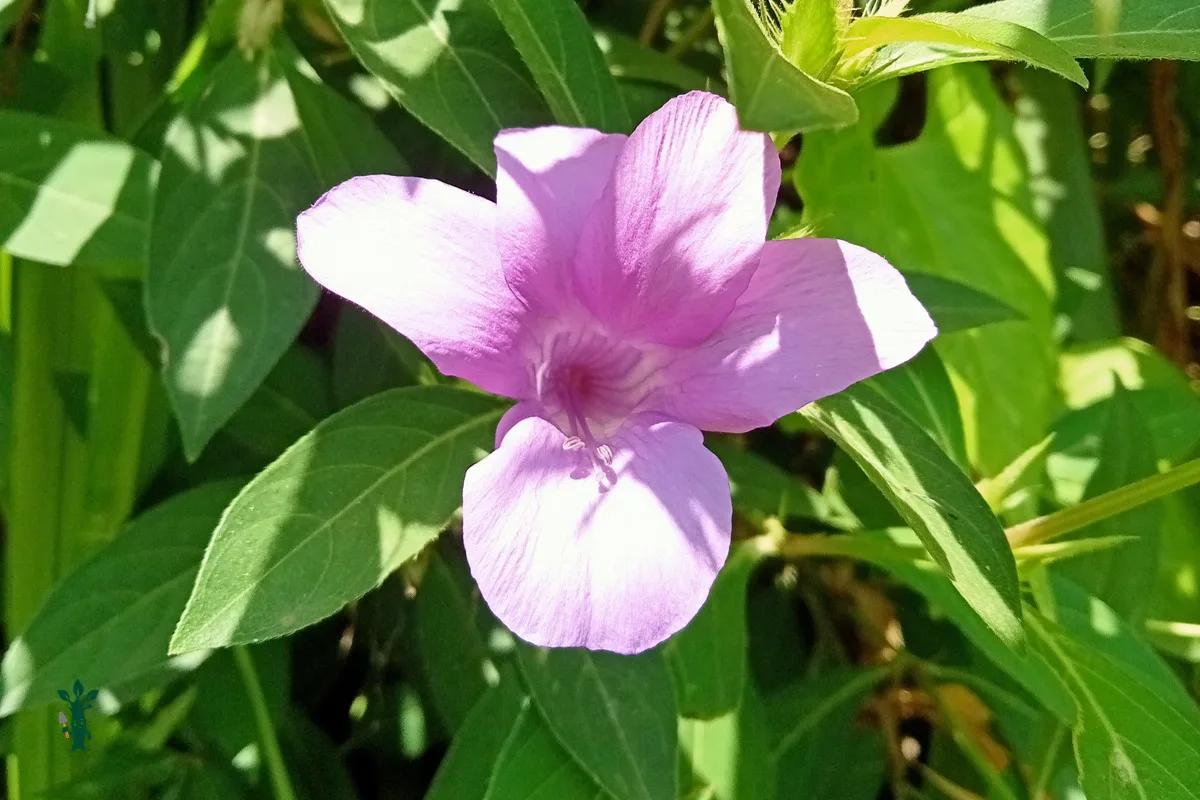
Barleria
Barleria obtusa is a spreading warm-climate shrub grown for its purple flowers through the cooler part of the year. It handles sun or part shade, responds well to pruning and can be kept as a rounded shrub rather than allowed to sprawl.
View plant →
Ornamental
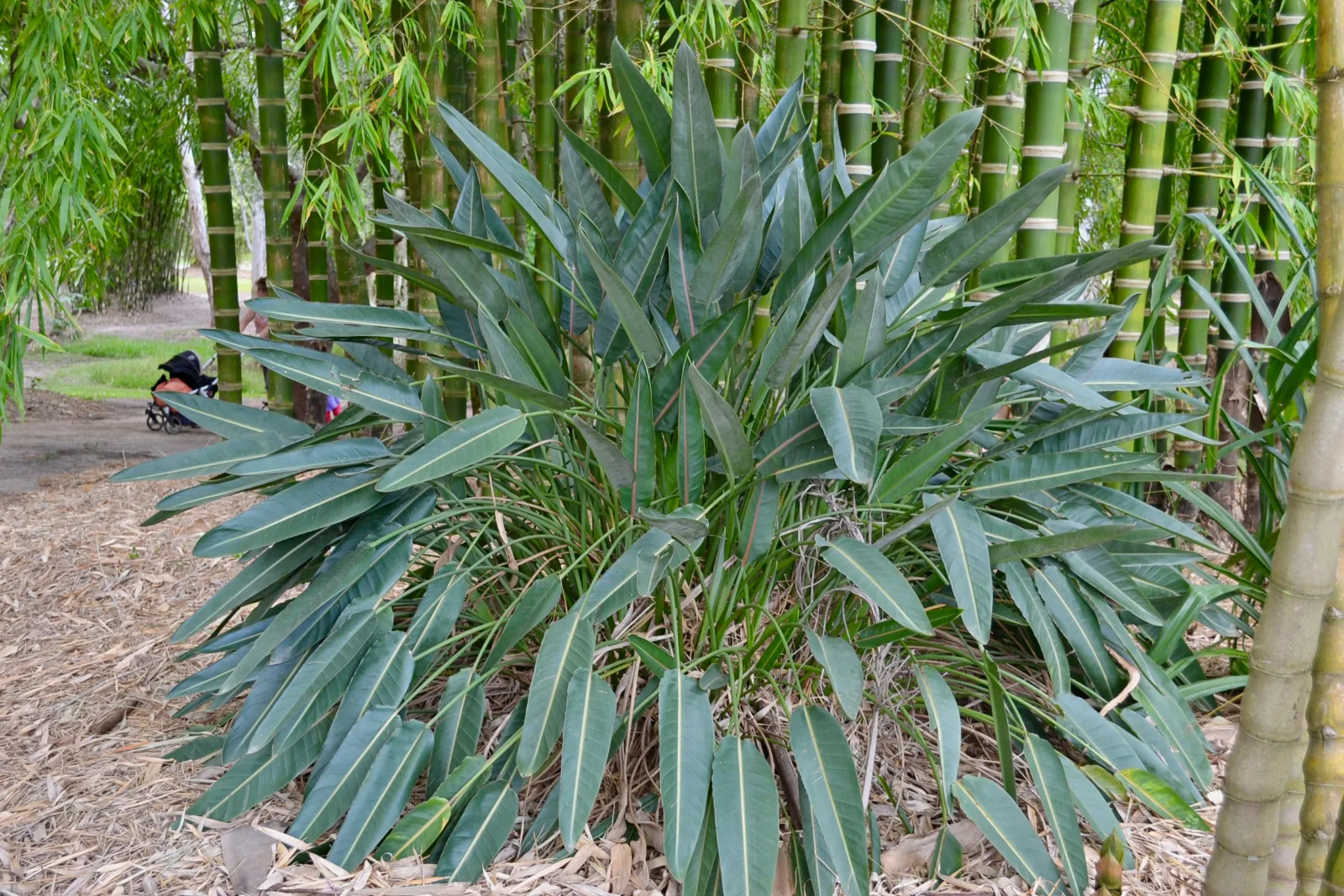
Bird of paradise
Bird of paradise makes a dense clump of paddle-shaped leaves and orange-and-blue flowers without becoming a giant tree. Sun, drainage and enough room around the clump make the biggest difference.
View plant →
Ornamental
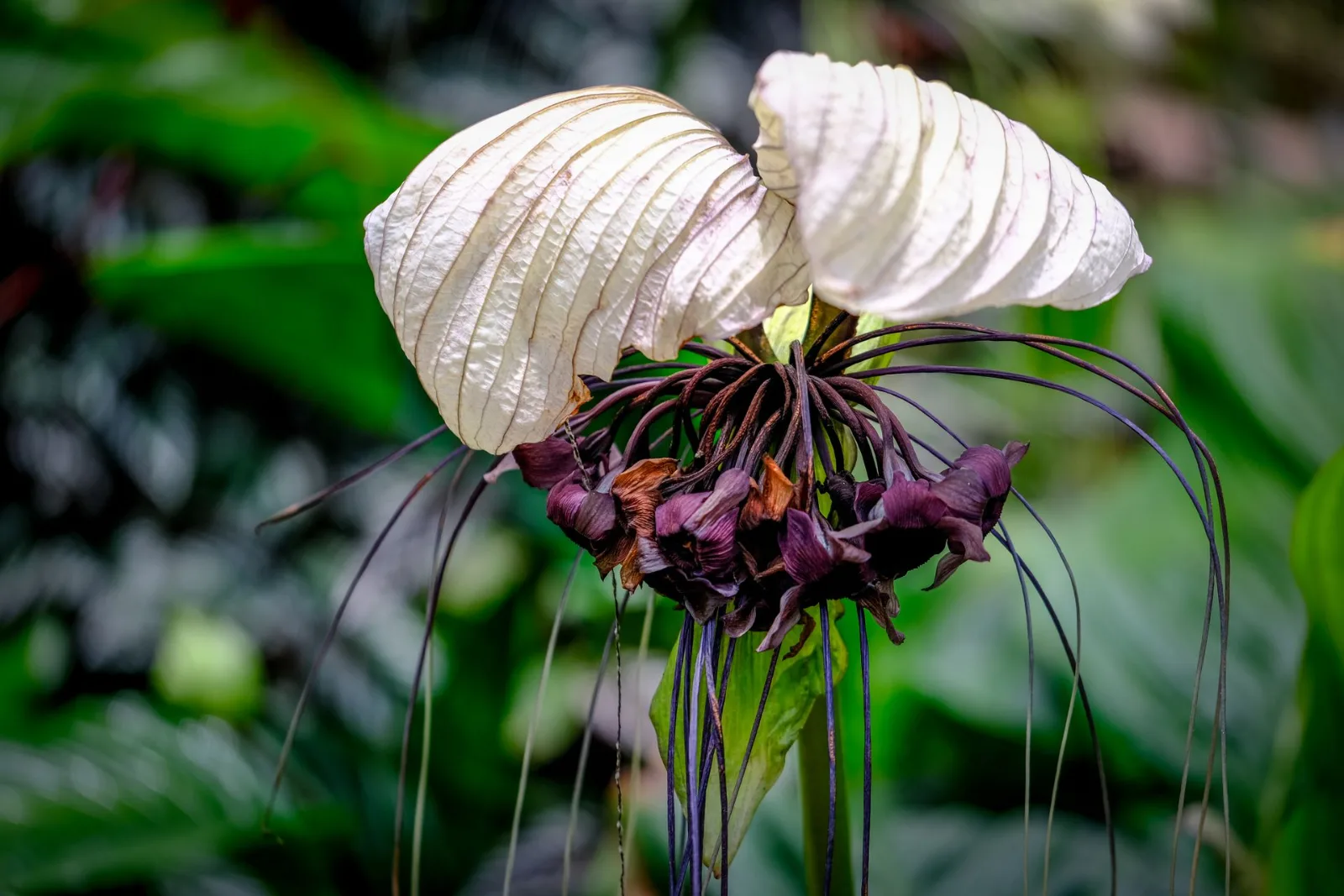
Black bat plant
Black bat plant is a genuine tropical shade plant with huge whiskered flowers and glossy leaves. It needs shelter, moisture and warmth, not a sunny tropical-garden position.
View plant →
Herb & spice
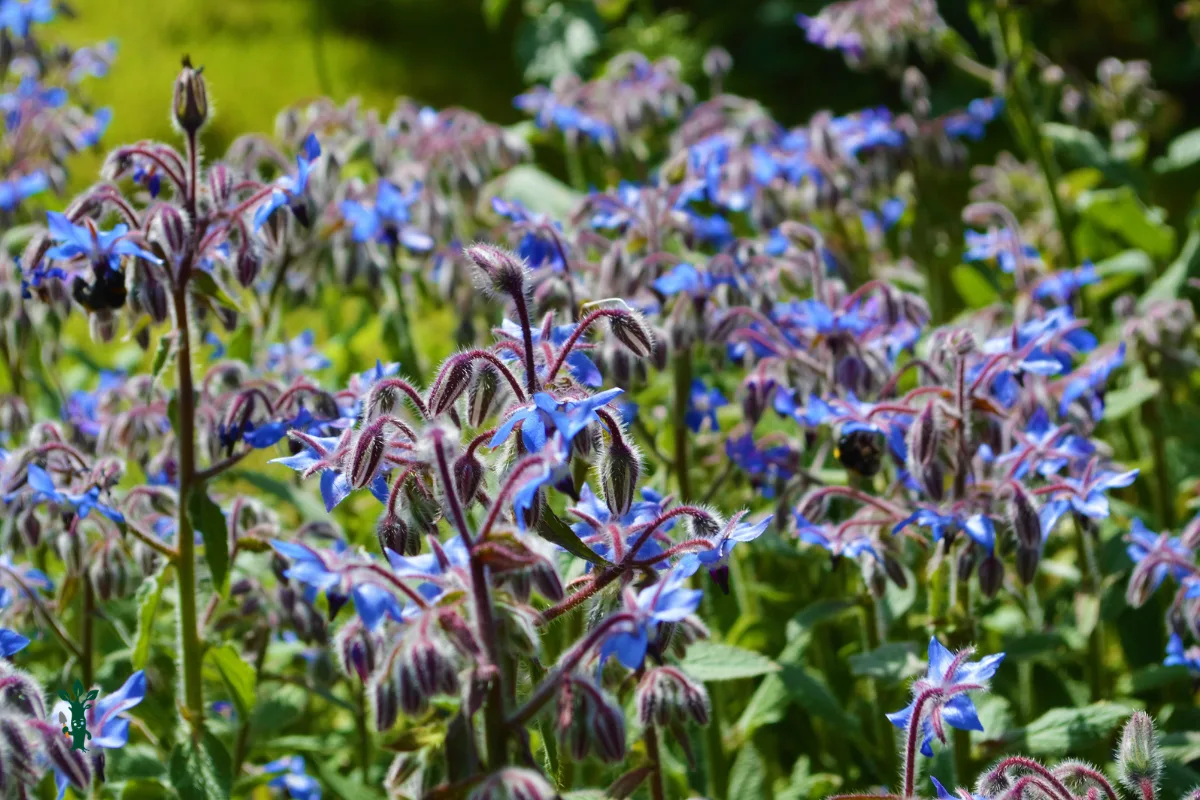
Borage
A fast-growing annual with vivid blue star-shaped flowers and coarse, hairy leaves. In Australia it is best treated as an ornamental and pollinator plant rather than an edible herb because Borago officinalis is listed in the Australia New Zealand Food Standards Code as a prohibited plant for food sale.
View plant →
Ornamental
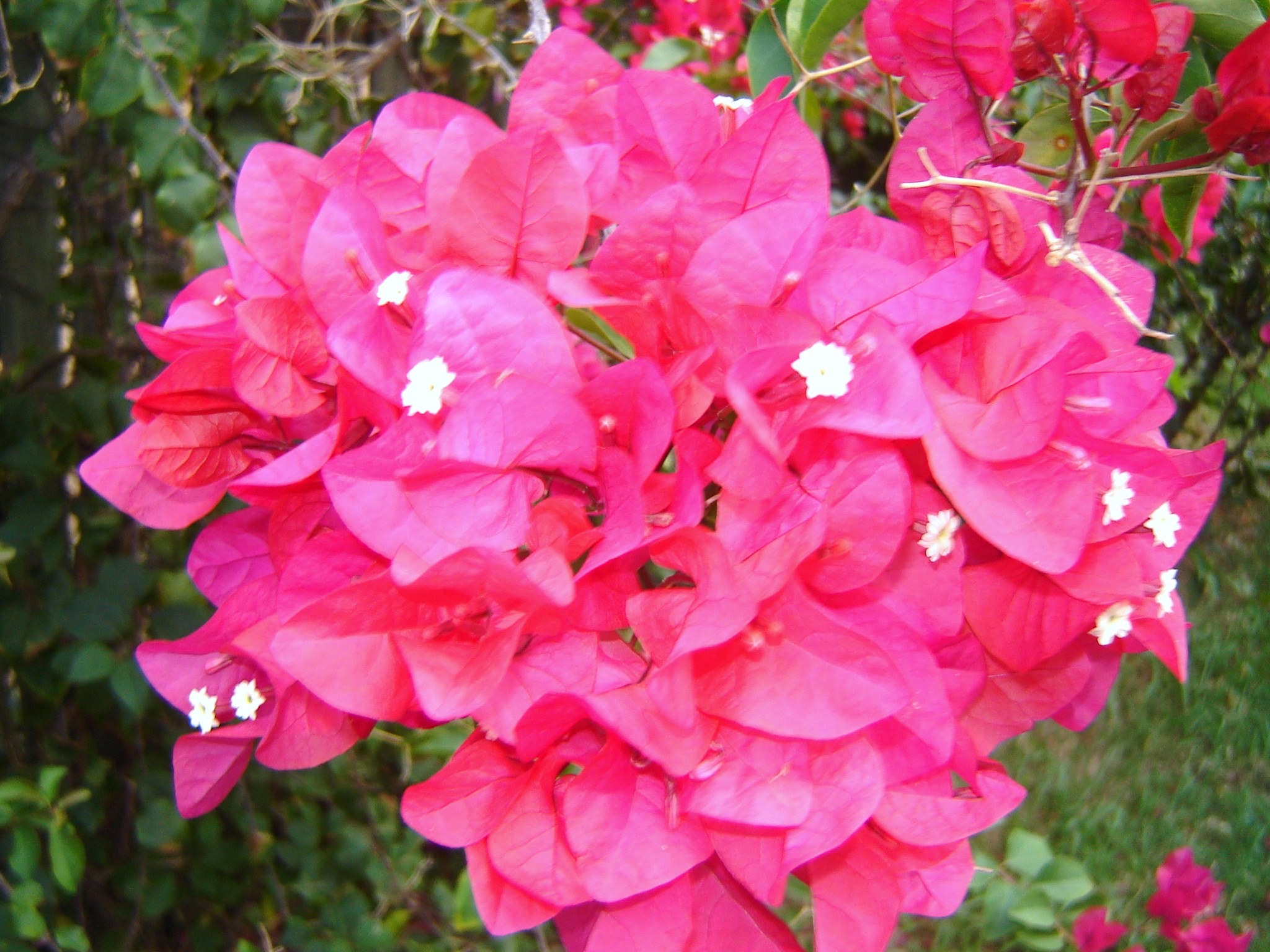
Bougainvillea
Bougainvillea is a thorny scrambling shrub or climber grown for brilliant coloured bracts. Heat, sun and fairly lean soil bring the strongest display.
View plant →
Ornamental
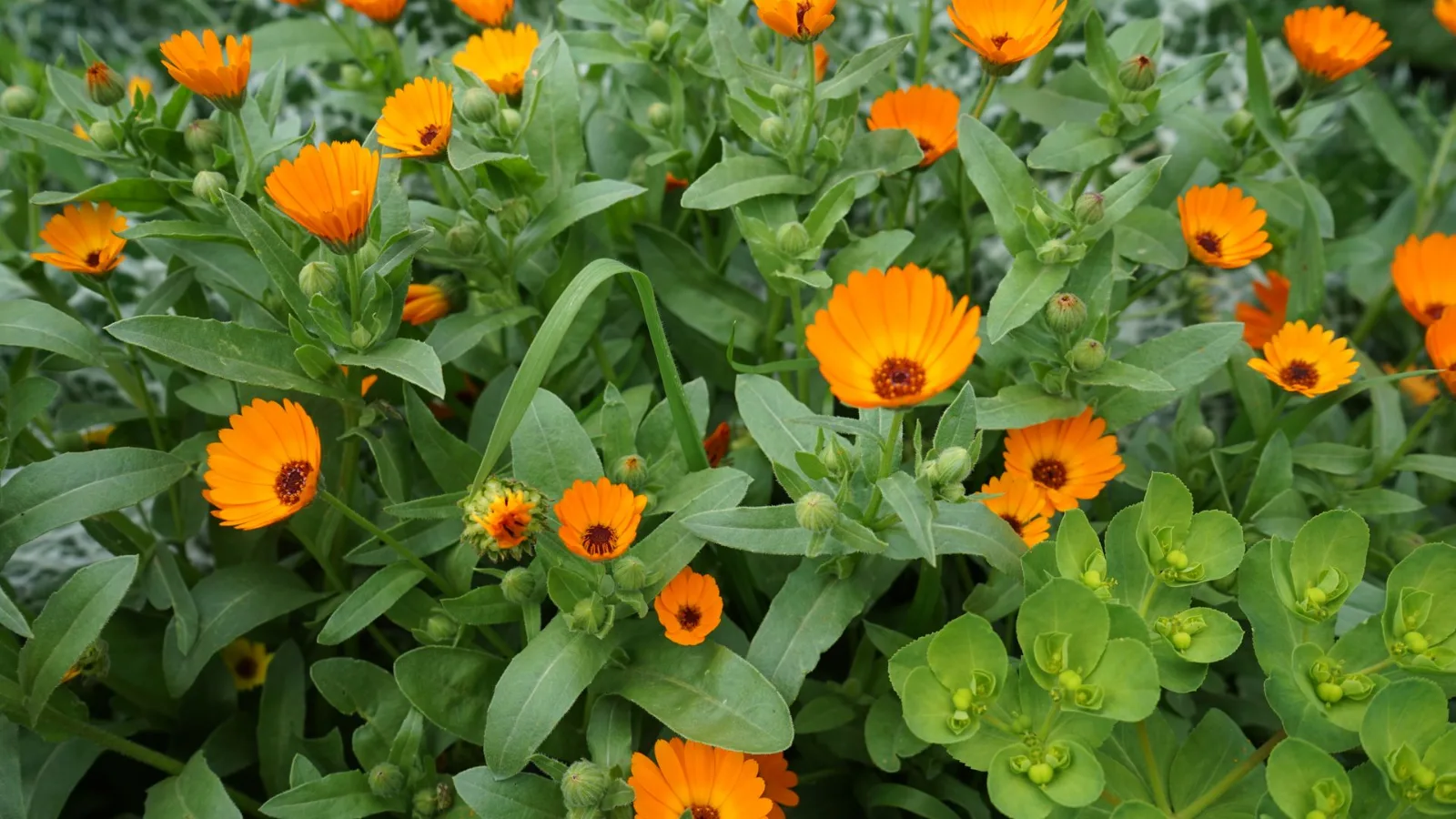
Calendula
Calendula is a cheerful, fast-growing annual with orange or yellow daisy-like flowers. It is happiest in mild weather, flowers for months with regular picking and is useful for pollinators as well as edible petals.
View plant →
Ornamental
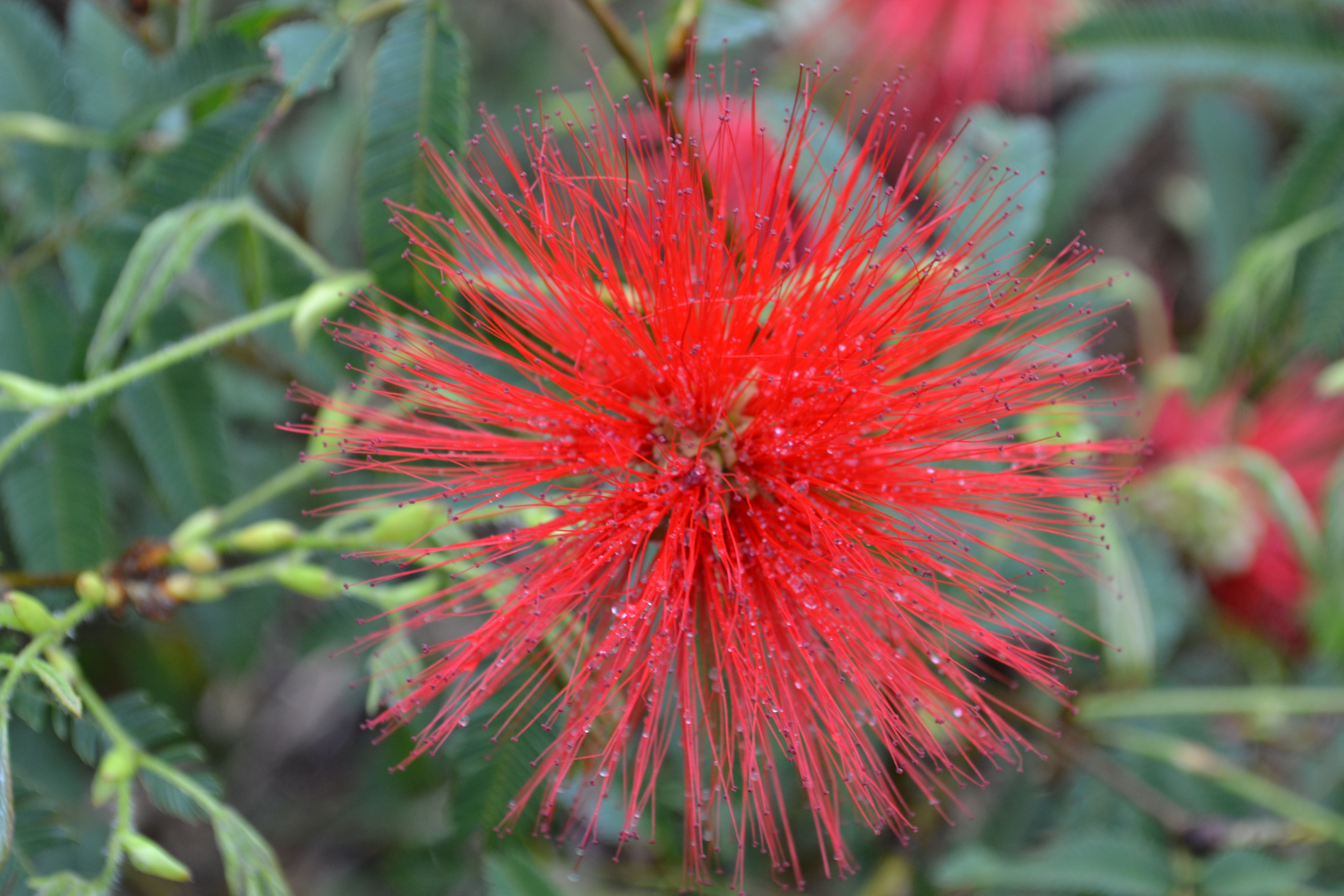
Calliandra tweediei
Calliandra tweediei is a spreading warm-climate shrub with fine divided foliage and bright red powder-puff flowers. It can flower for long periods and responds well to pruning when size needs controlling.
View plant →
Ornamental
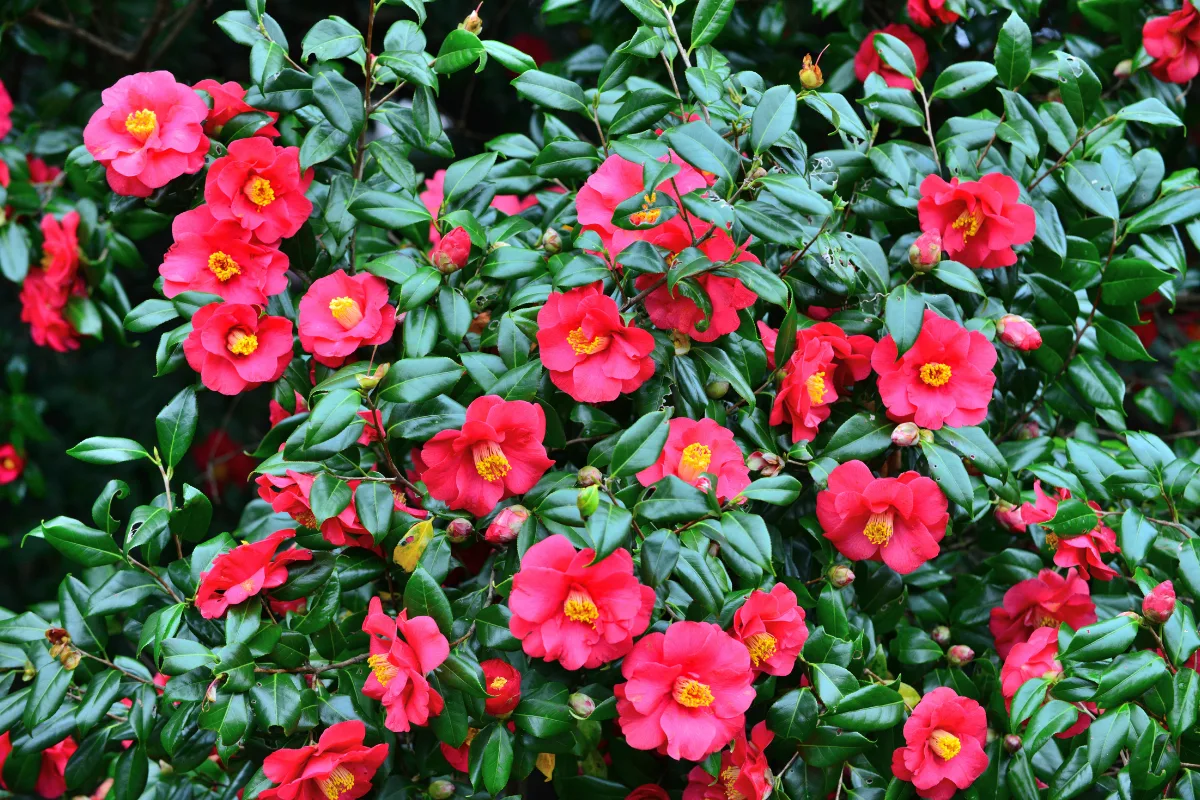
Camellia
Camellia japonica is an evergreen shrub grown for glossy foliage and winter flowers. It can grow well in subtropical gardens as long as the flowers and roots are protected from harsh heat.
View plant →
Herb & spice
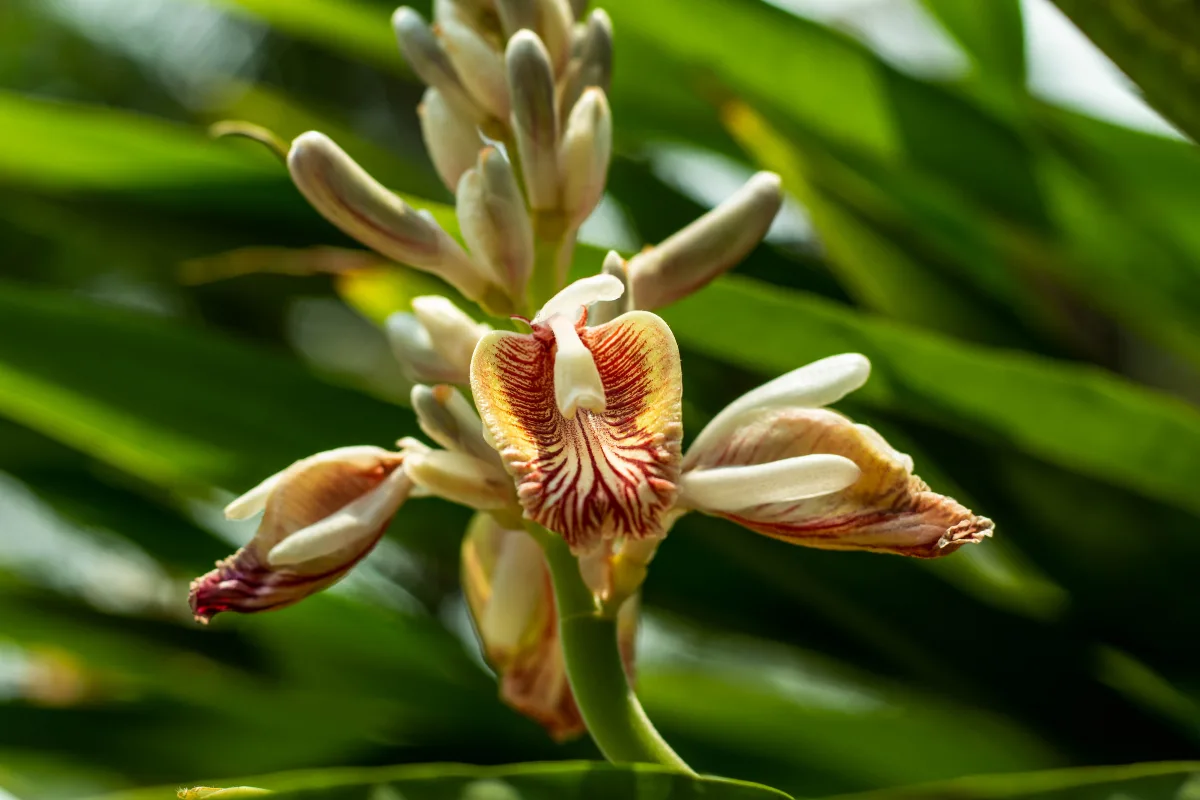
Cardamom
Cardamom is a beautiful tropical ginger with tall green leaves, pretty flowers and the fragrant seed pods we use in cooking. It loves a warm, sheltered spot under taller trees, with rich soil and regular water. In tropical Australia it makes a lovely understory plant, and in the right conditions you might even harvest your own spice.
View plant →
Ornamental
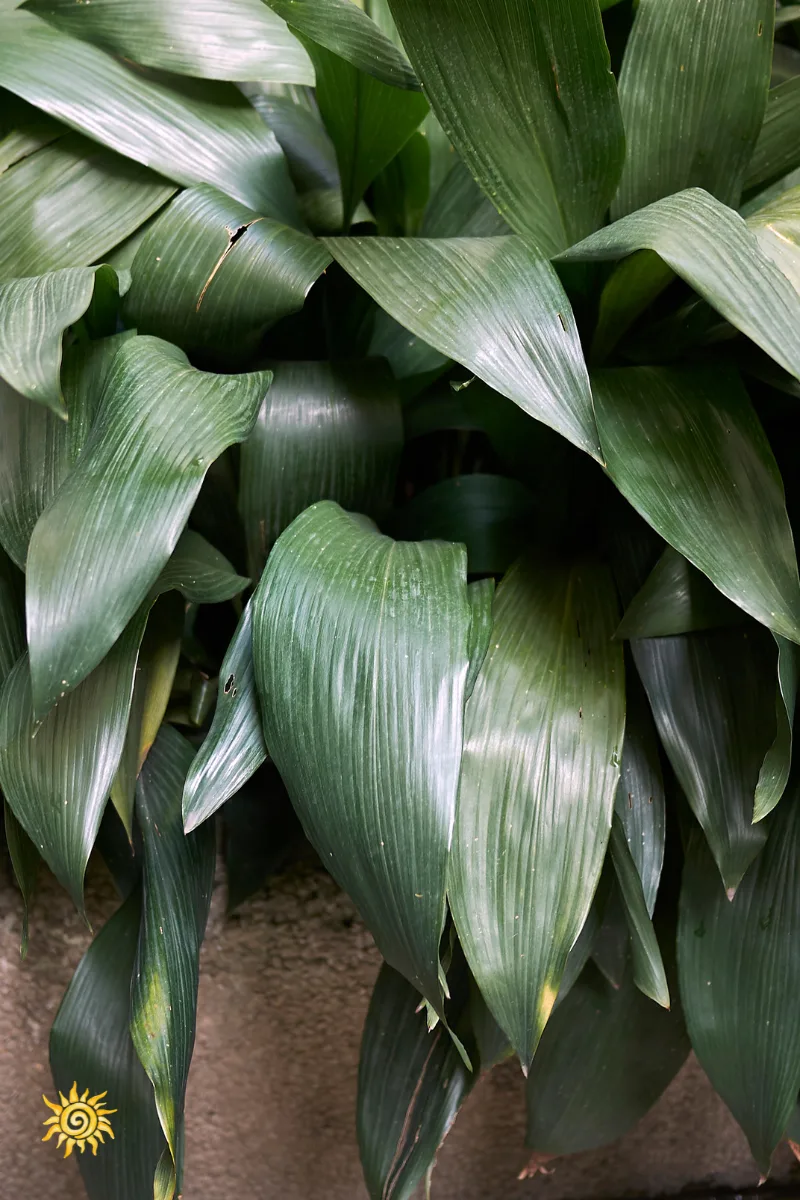
Cast iron plant
Cast iron plant tolerates deep shade, dry periods and general neglect better than almost anything. It forms a slow, handsome clump outdoors under trees or indoors where brighter houseplants struggle.
View plant →
Ornamental
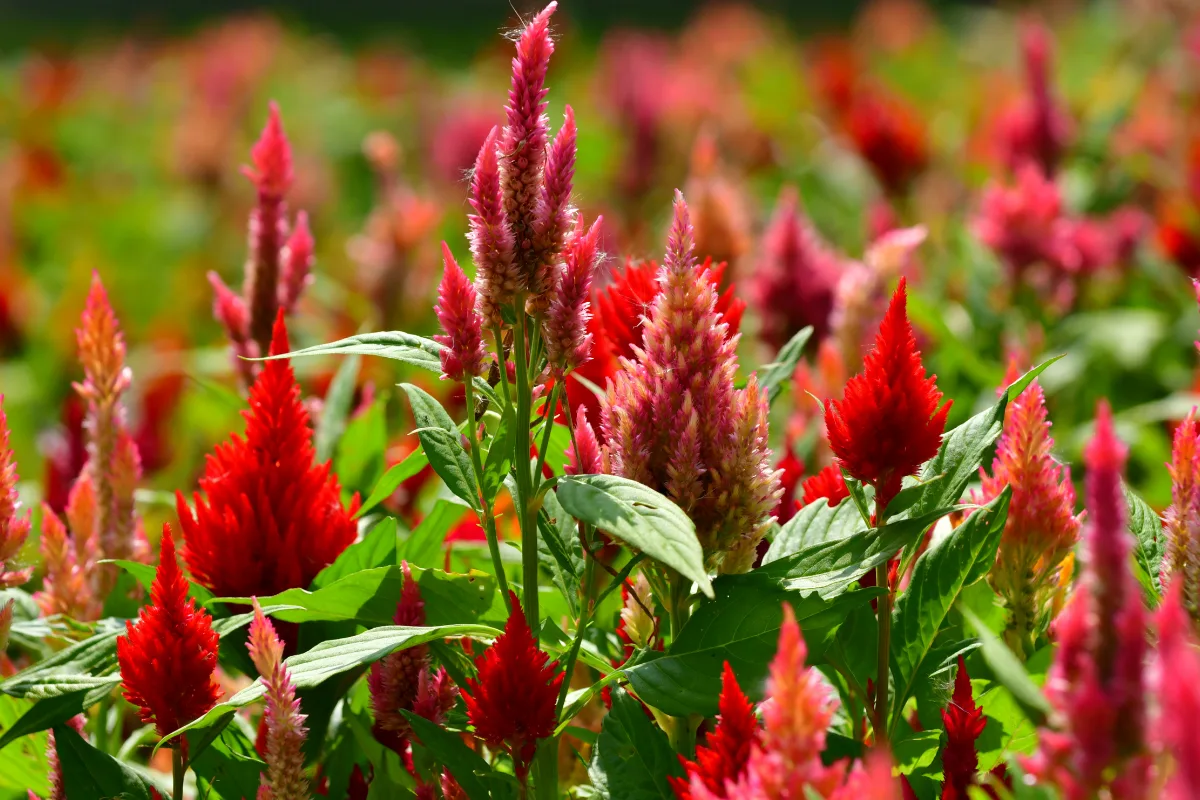
Celosia
Celosia is a warm-season annual grown for vivid plumed, wheat-like or crested flower heads in red, orange, yellow, pink and purple. It flowers strongly in warm sunny weather and works well as both a fresh and dried flower.
View plant →
Succulent
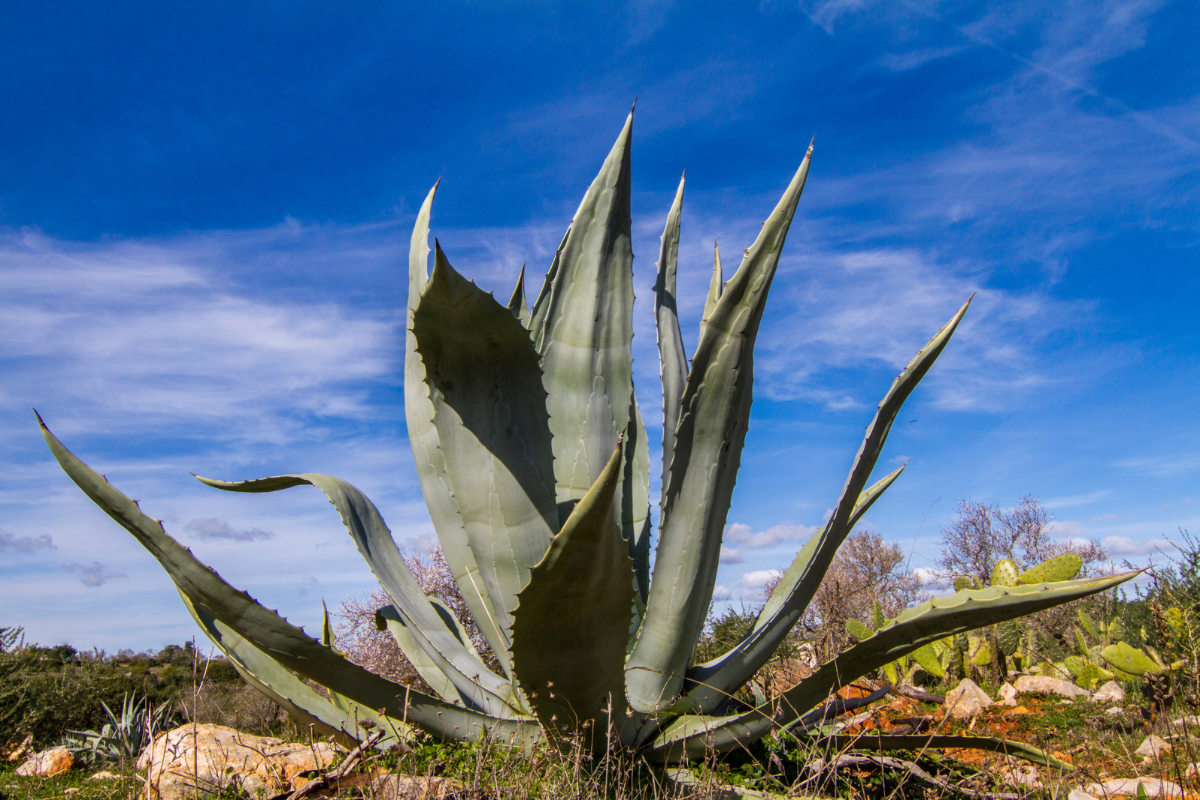
Century plant
Century plant is a large architectural agave with a bold rosette of blue-green leaves and a towering flower spike at maturity. Agave americana suits hot sunny dry gardens where there is ample room for its broad rosette and sharp leaf tips.
View plant →
Ornamental
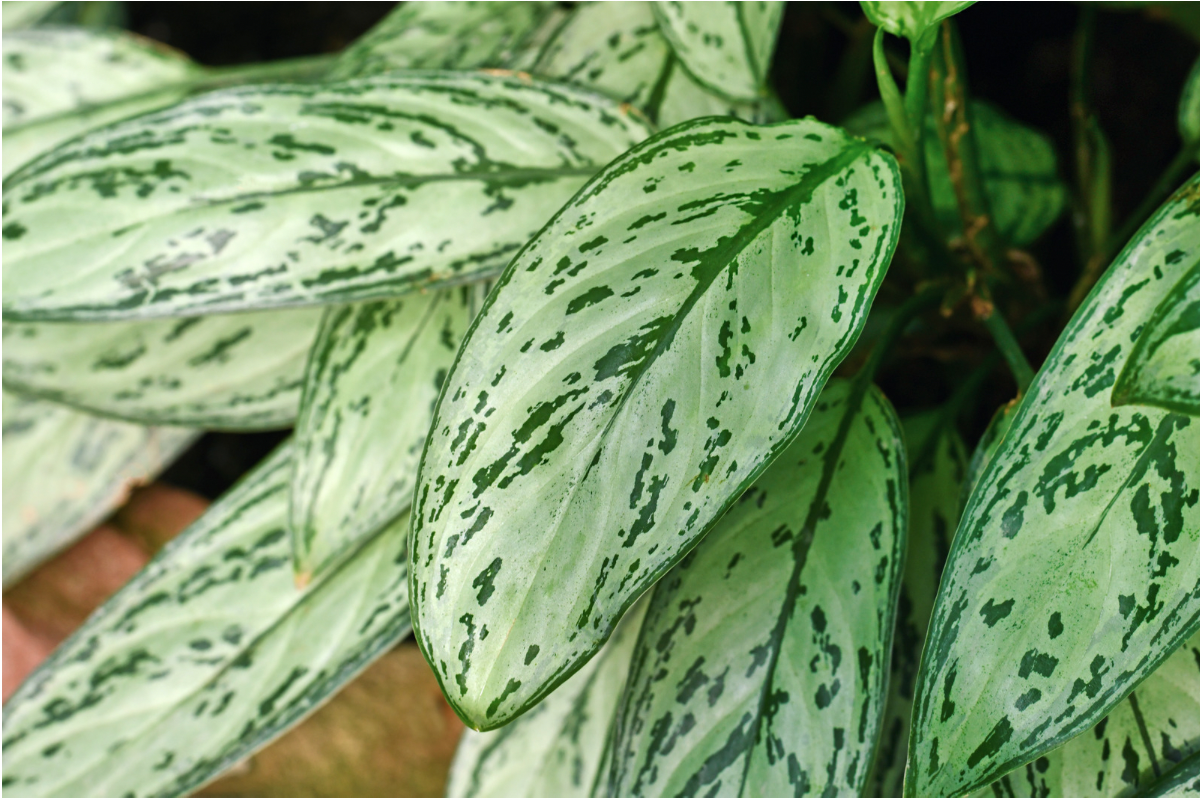
Chinese evergreen
Chinese evergreen is a compact tropical foliage plant grown for its patterned leaves and ability to handle lower indoor light than many houseplants. Green-leaved forms are the most tolerant of dimmer positions, while strongly variegated and coloured cultivars need brighter filtered light to keep their markings.
View plant →
Ornamental
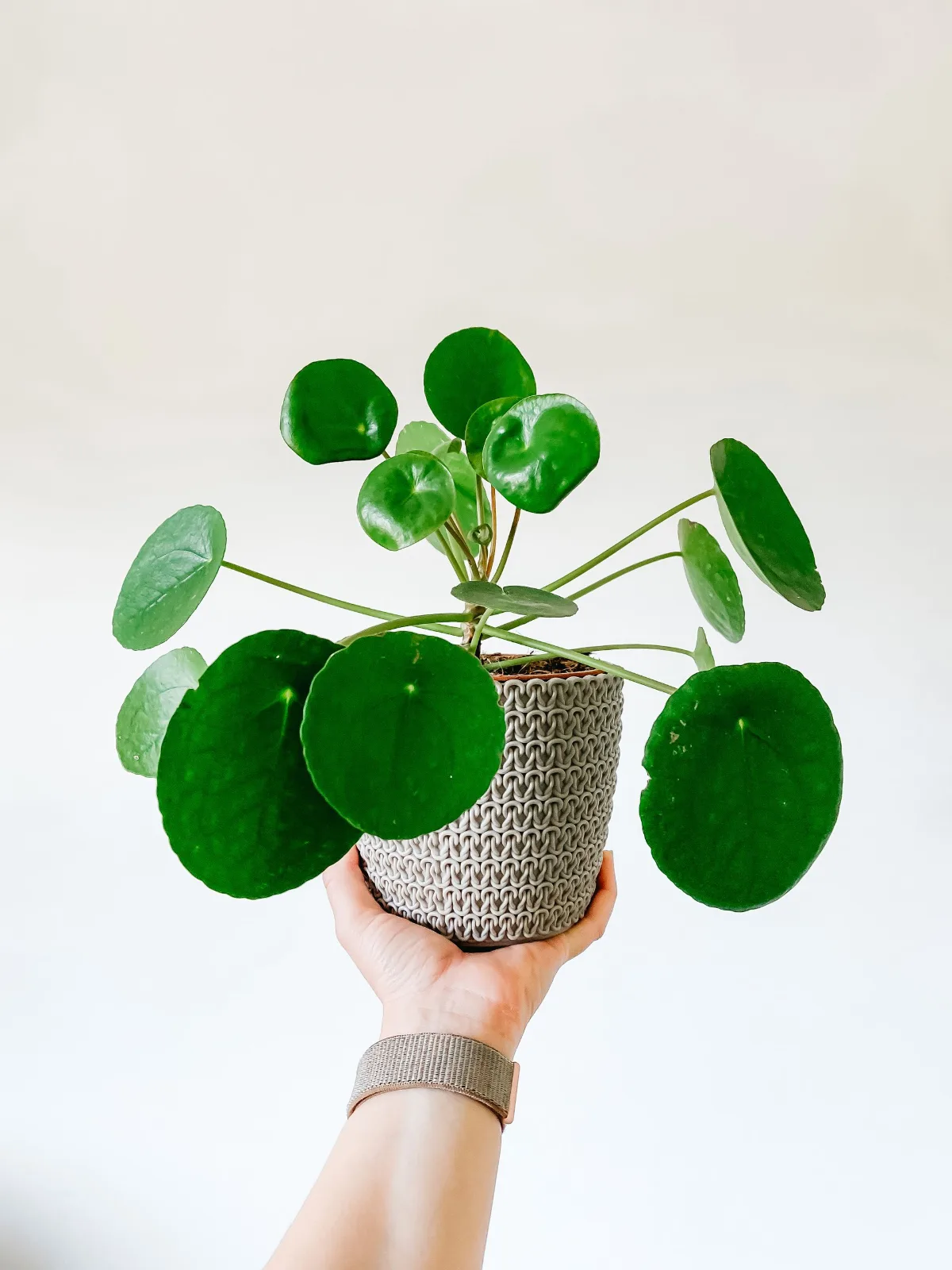
Chinese money plant
Chinese money plant is a compact perennial with round coin-like leaves on long stems. It grows best in bright filtered light and is famous for producing pups around the base that are easy to separate and share.
View plant →
Vine
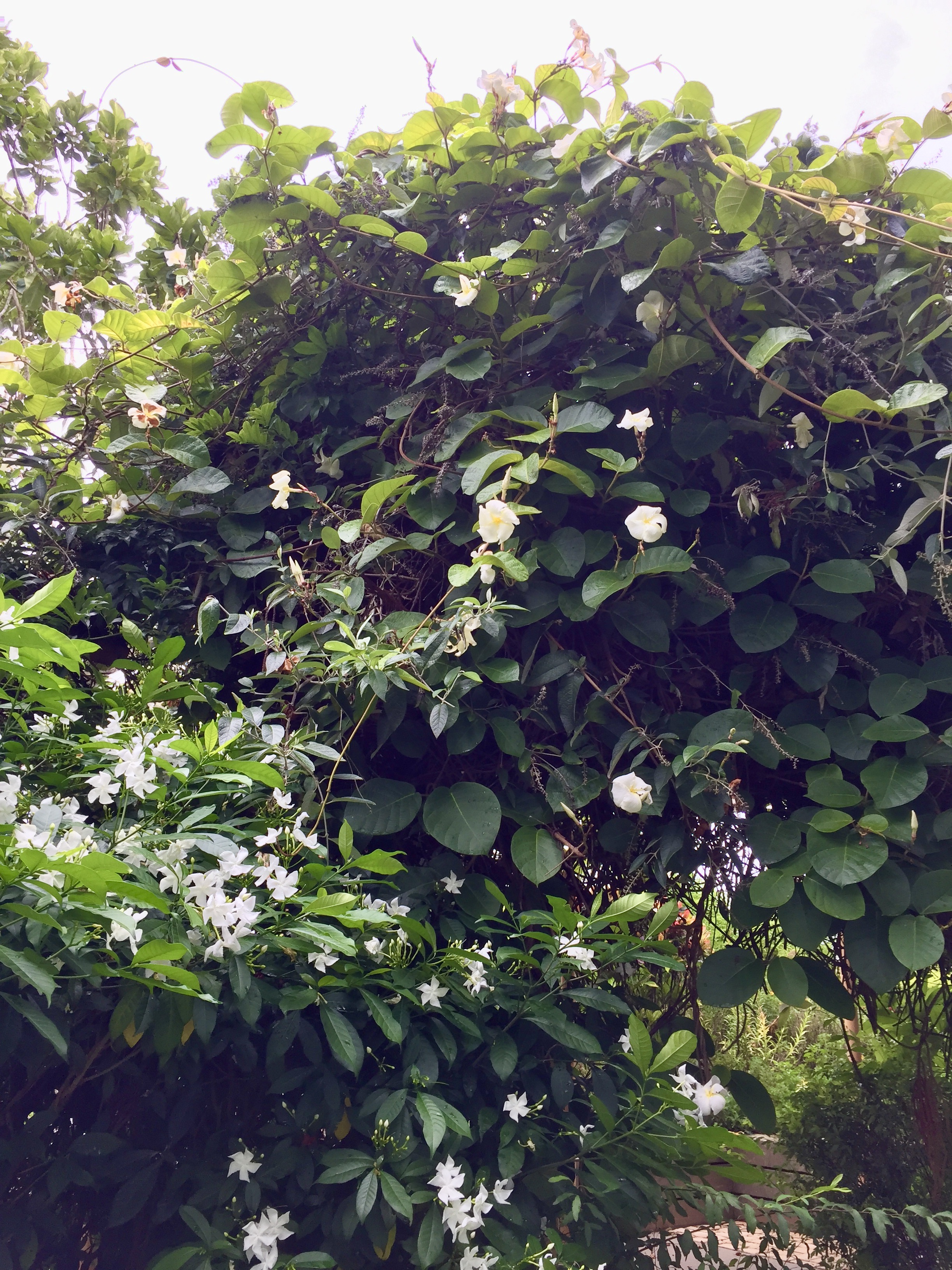
Climbing frangipani
Climbing frangipani is a vigorous tropical vine with large glossy leaves and strongly scented white flowers. It needs a sturdy support and plenty of room.
View plant →
Ornamental
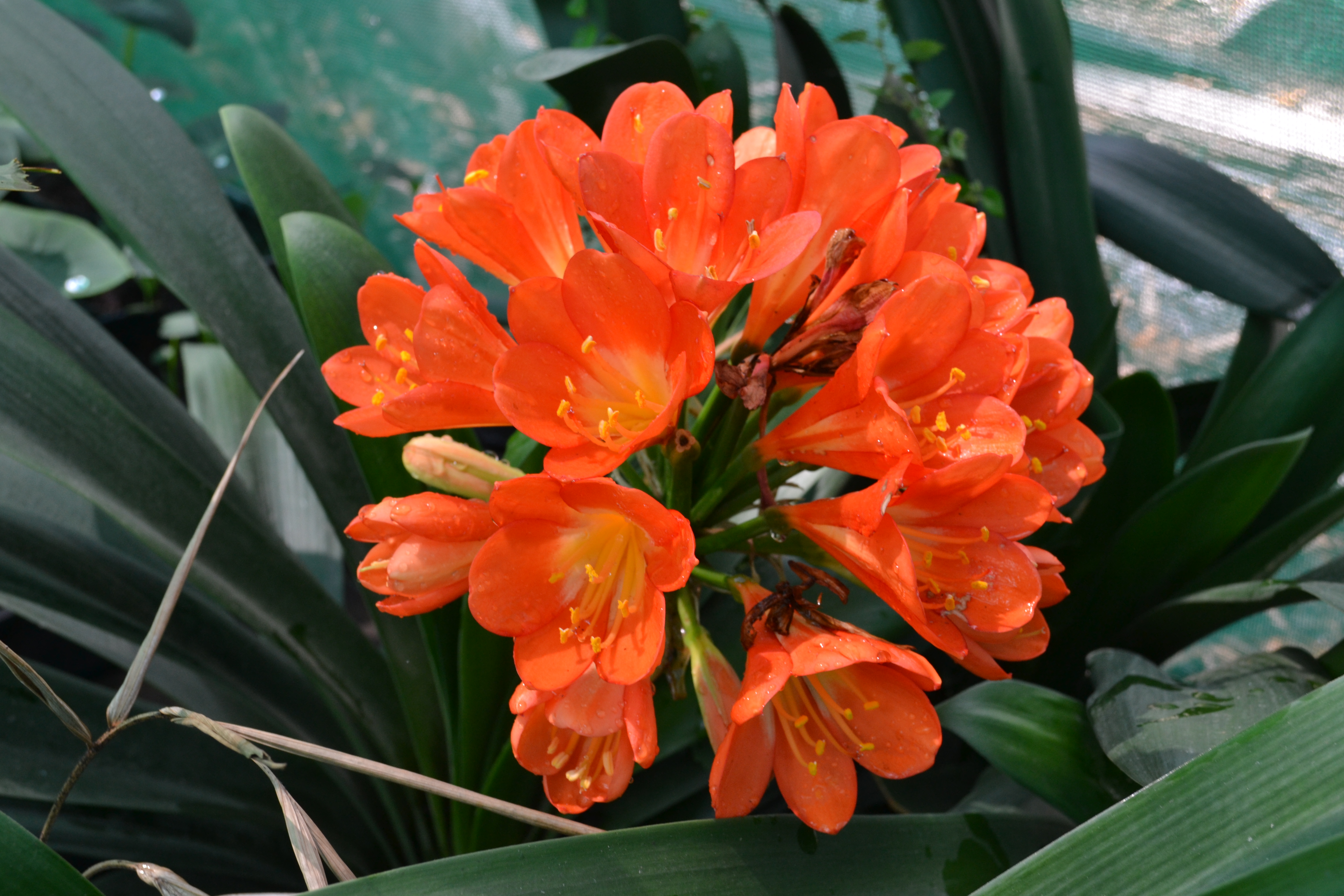
Clivia
Clivia is a long-lived shade plant with broad strappy leaves and bright flower heads in late winter and spring. Bright shade gives better flowering than deep, dark corners.
View plant →
Ornamental
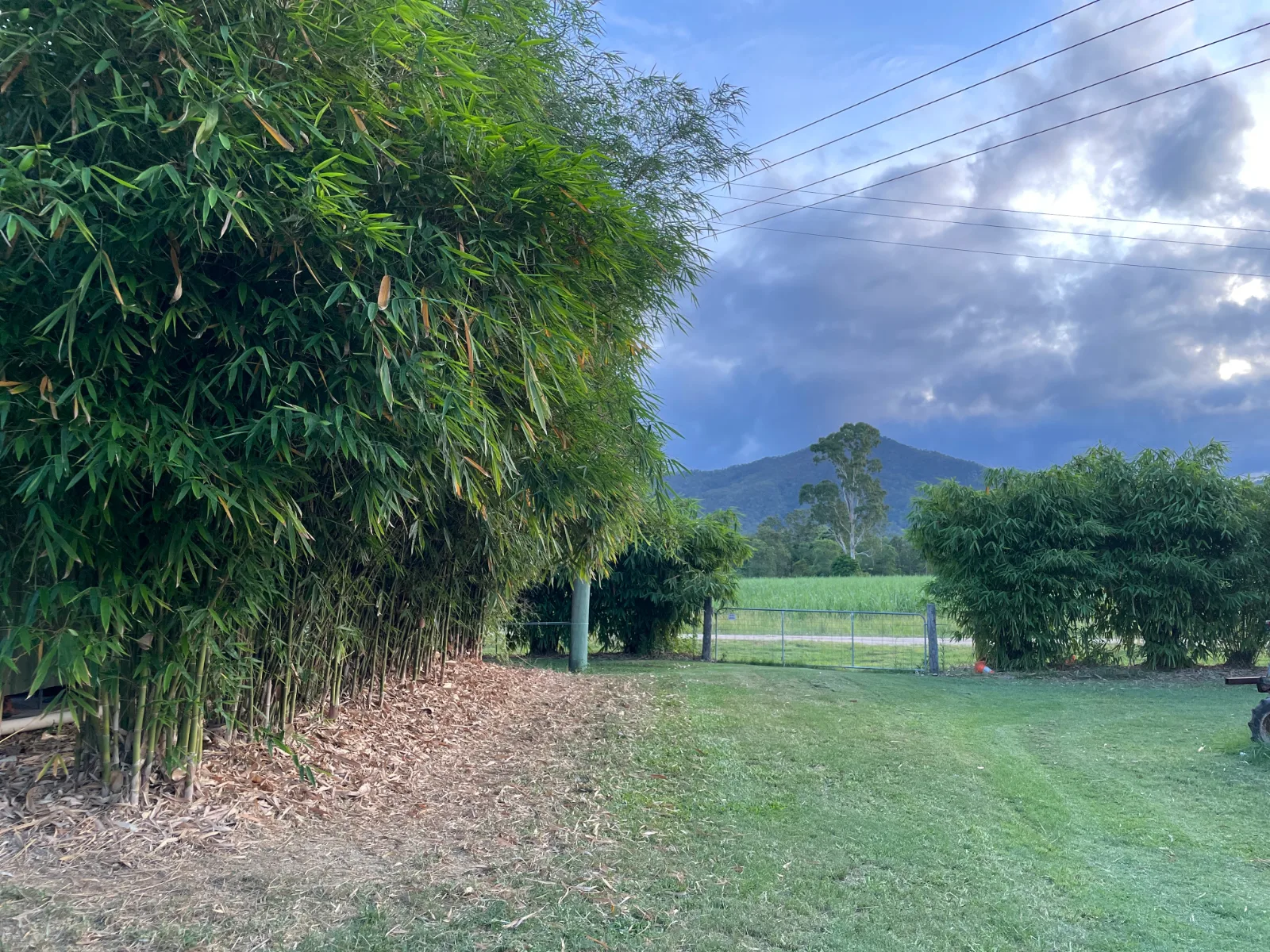
Clumping bamboo
Clumping bamboo can make a fast, dense screen in a warm garden. Choose a genuinely clumping species and check its mature height and width before planting, because some types become very large even though they do not send running rhizomes across the garden.
View plant →
Ornamental
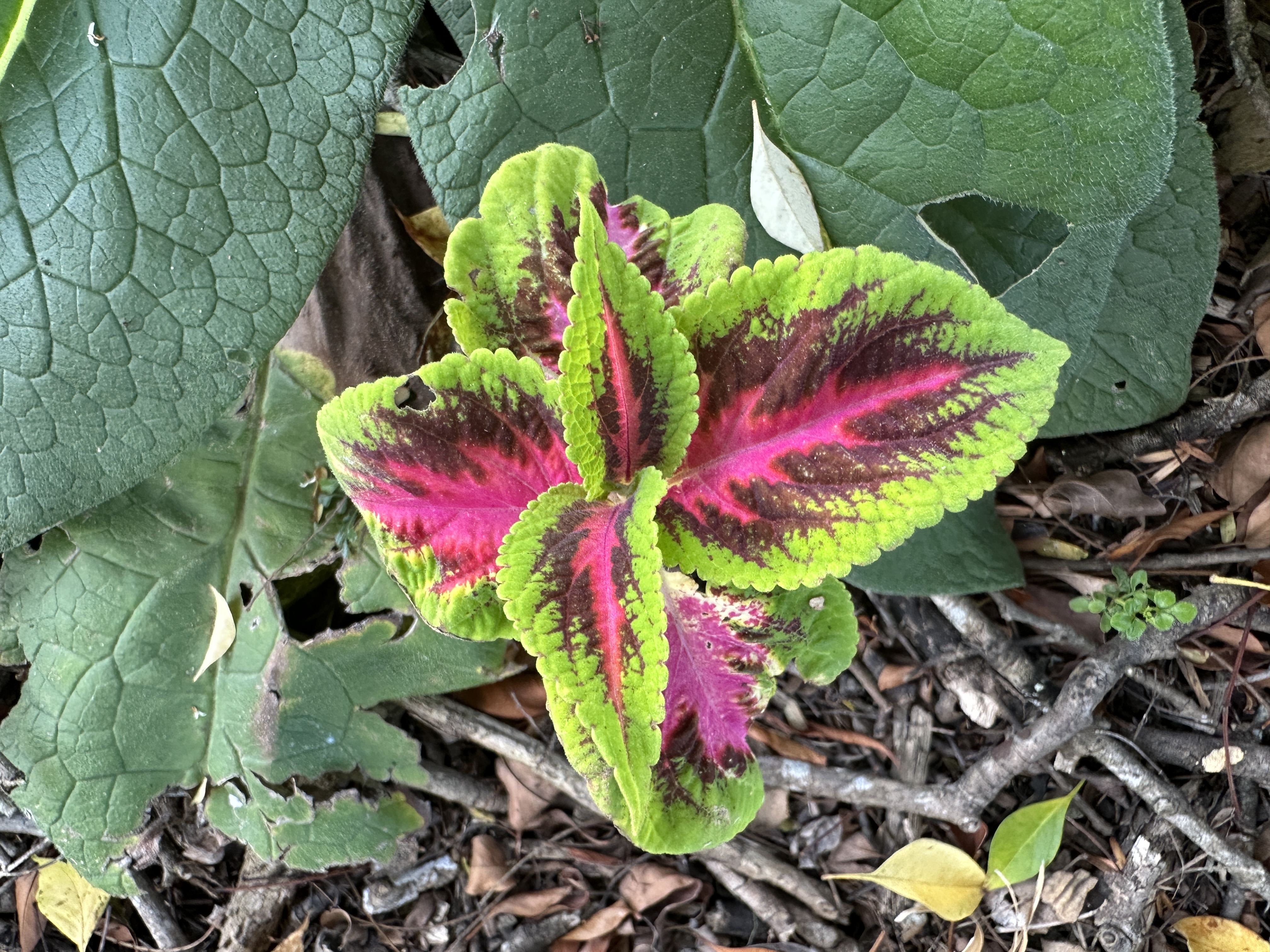
Coleus
Coleus is the fastest way to get colour into a shady spot. Cuttings root in a glass of water, plants fill out in weeks, and pinching the tips keeps them bushy instead of lanky.
View plant →
Ornamental
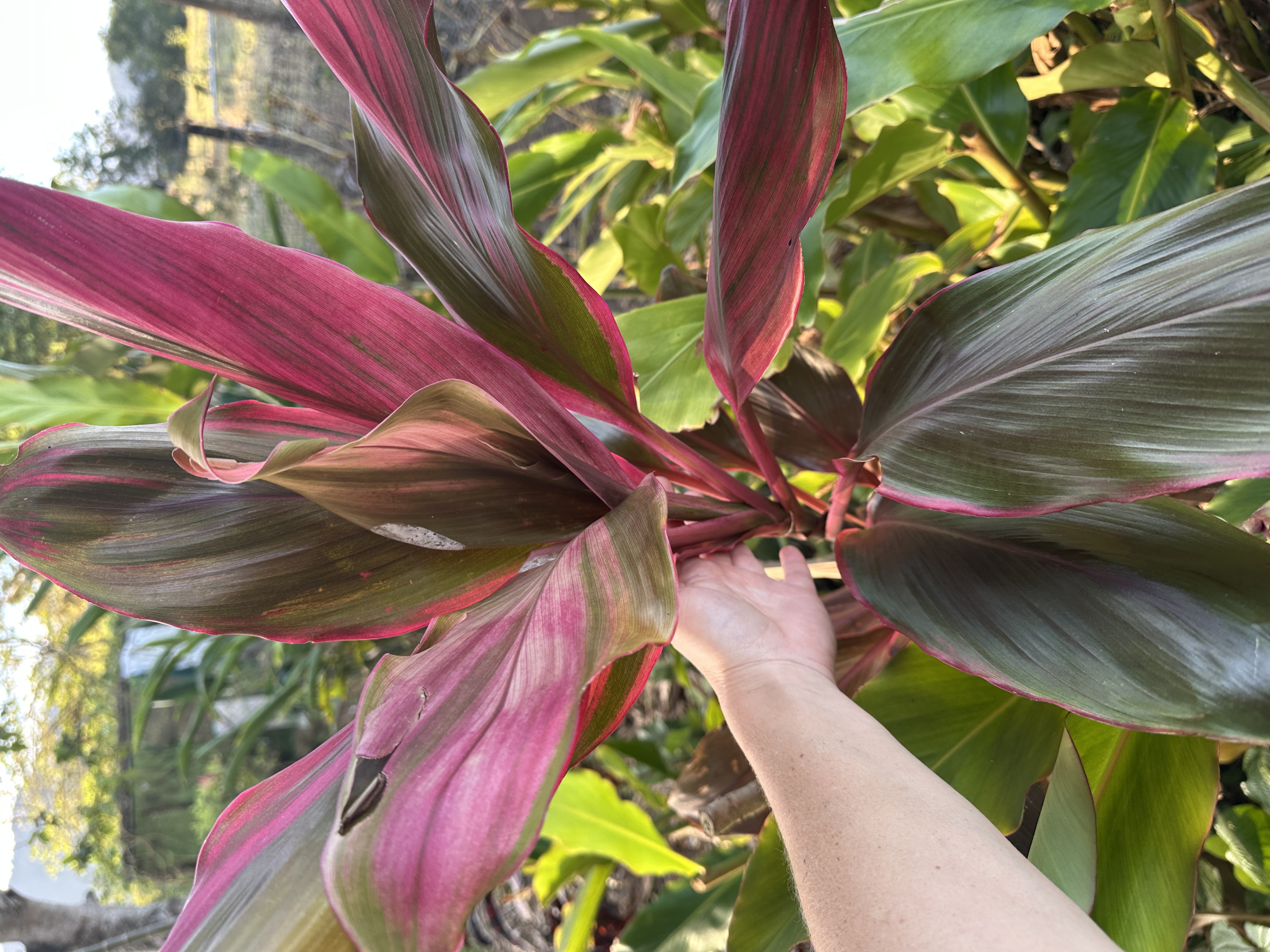
Cordyline fruticosa
Cordyline fruticosa is a warm-climate foliage plant with broad leaves in green, burgundy, pink, red and variegated forms. It grows on upright canes and responds well when you cut tall stems back.
View plant →
Ornamental
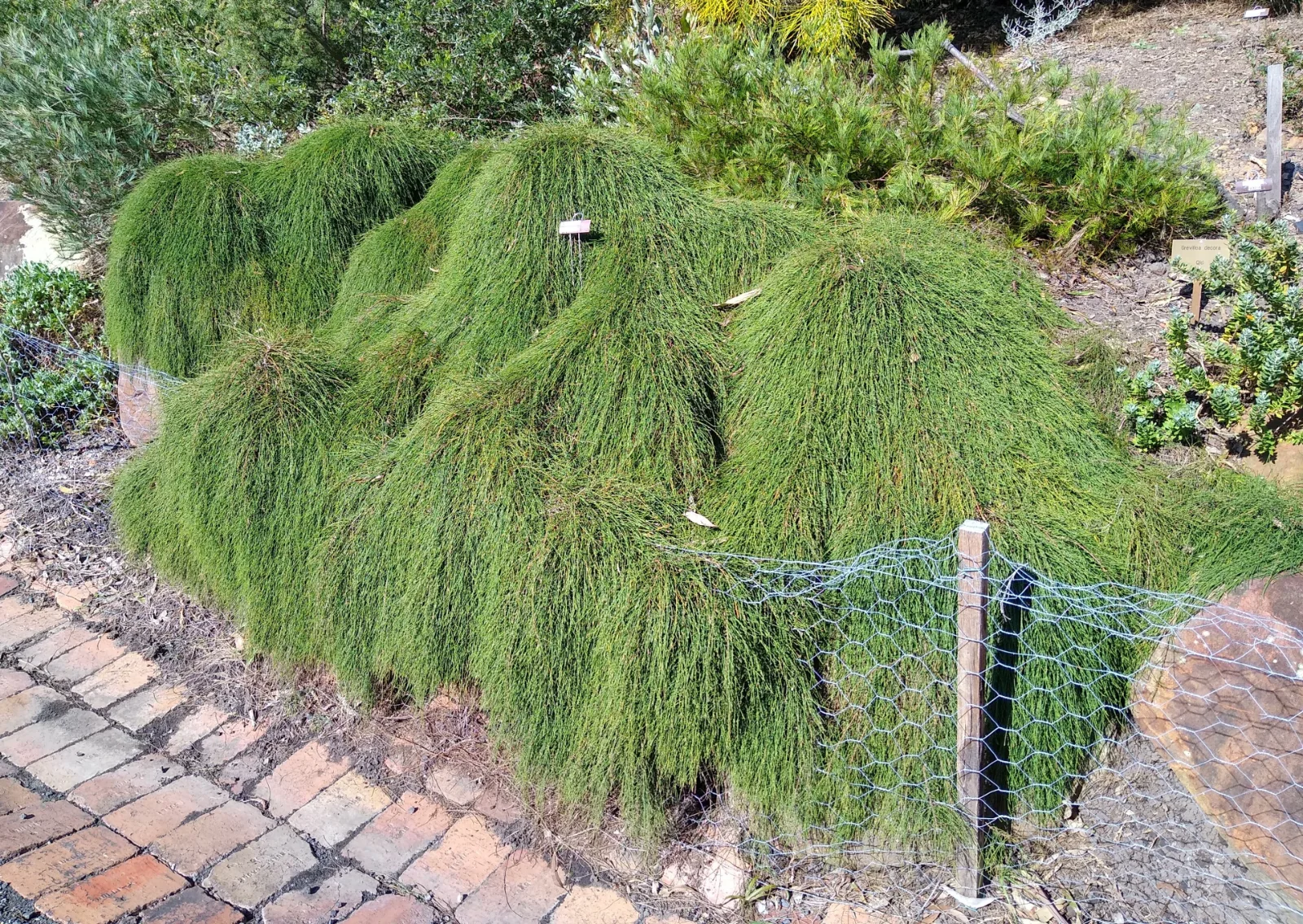
Cousin It
Cousin It is a low, cascading form of swamp she-oak that makes a dense curtain of fine green branchlets over banks, walls and large pots. It is grown for texture rather than flowers.
View plant →
Ornamental
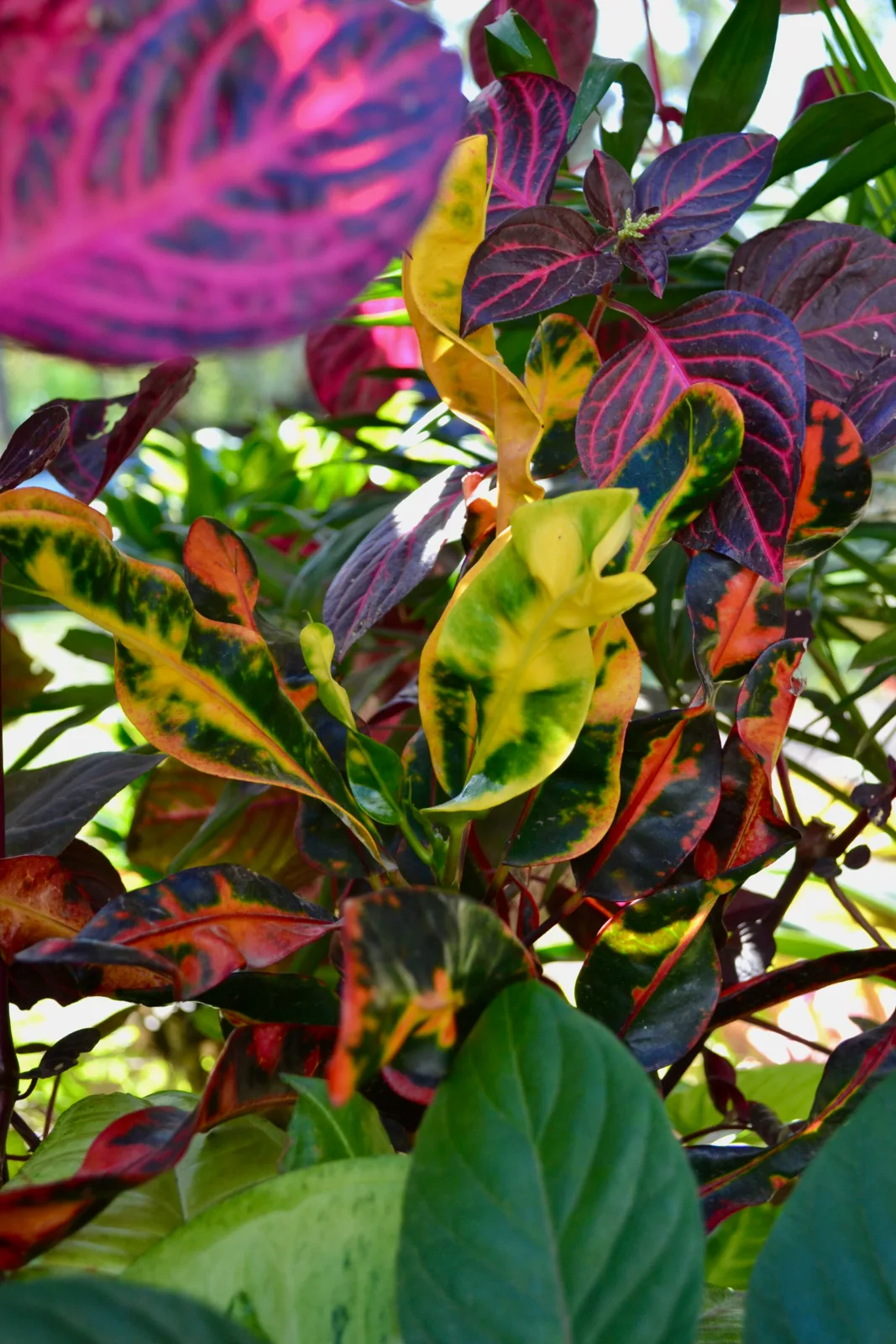
Croton
Croton is a warm-climate evergreen shrub grown for thick, colourful leaves in green, yellow, orange, red, pink and deep burgundy. The species is native to Queensland as part of a wider Malesian–south-west Pacific range, while garden crotons are highly selected cultivars. Outdoors they suit tropical and subtropical gardens; indoors they need strong light to hold their colour.
View plant →
Succulent
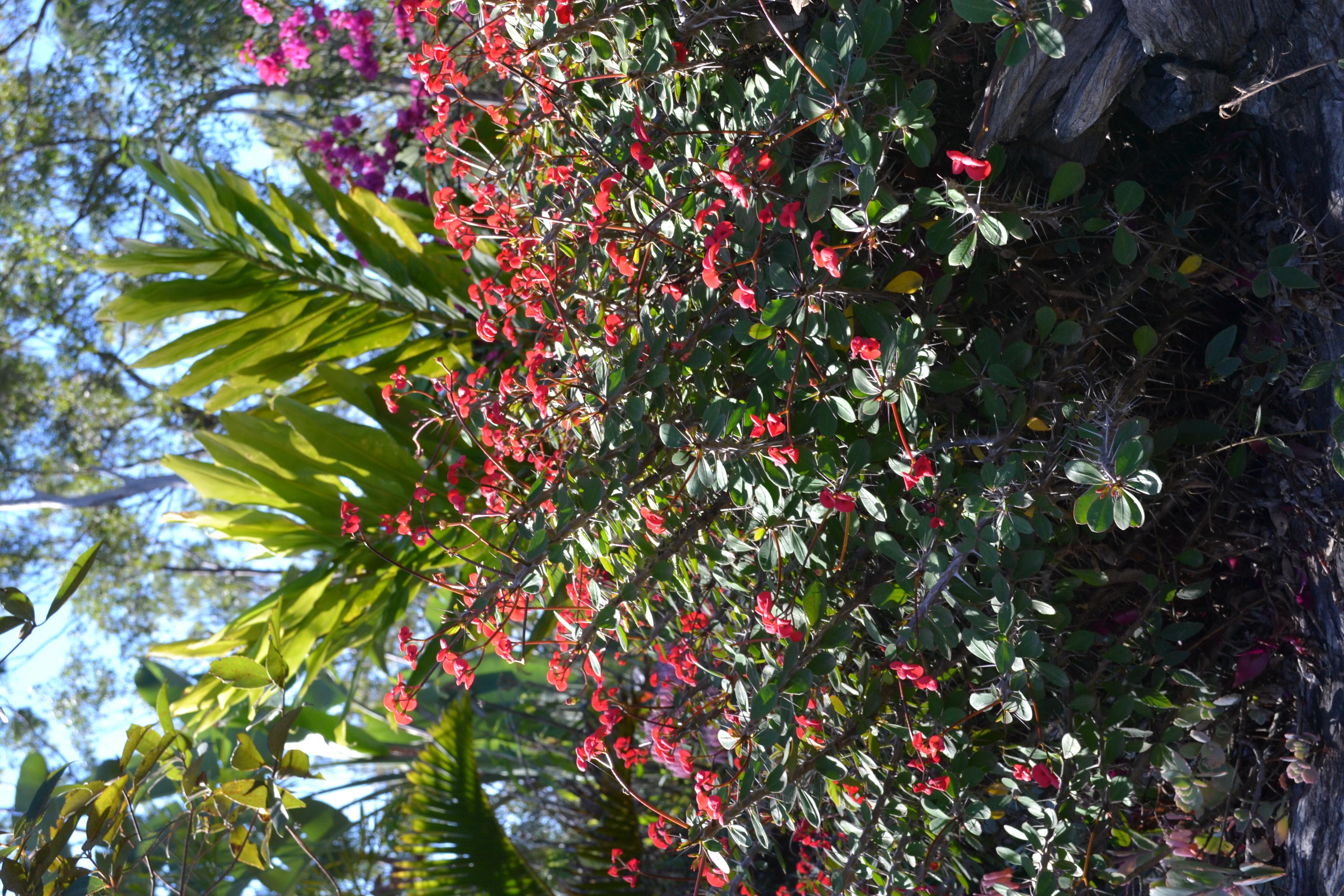
Crown of thorns
A thorny semi-succulent shrub grown for repeated displays of colourful bracts around its tiny flowers. Crown of thorns suits warm Australian gardens, sunny courtyards and containers where drainage is excellent.
View plant →
Herb & spice
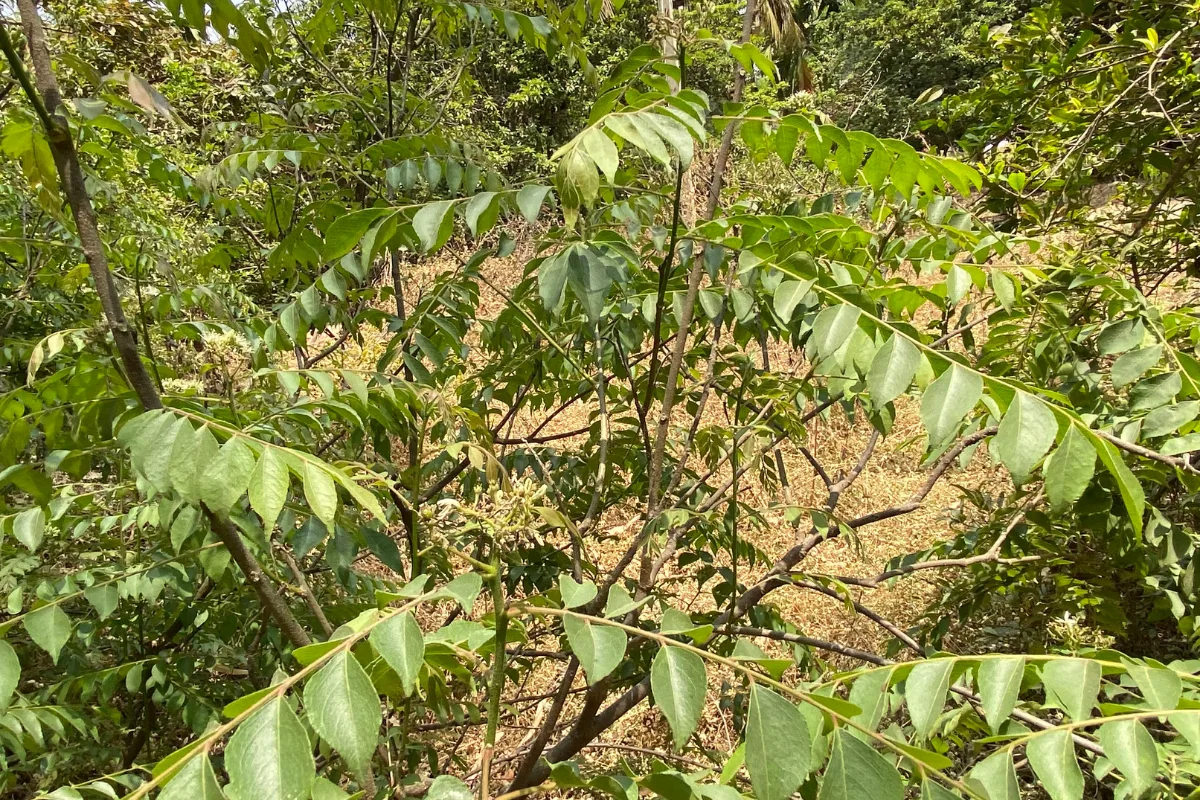
Curry leaf tree
Curry leaf is a small tree you pick from all year in warm gardens. Nothing in a jar comes close to a fresh sprig dropped into hot oil, and one plant supplies a household.
View plant →
Herb & spice
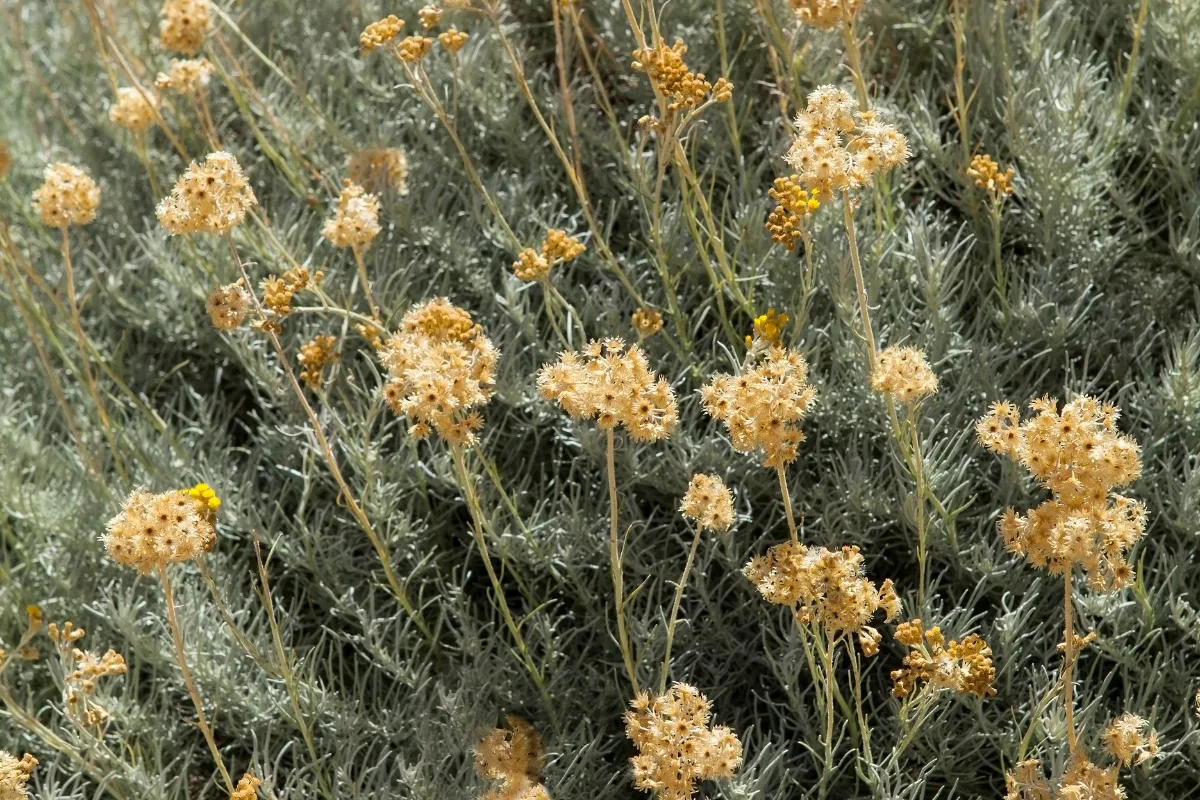
Curry plant
Curry plant is the silver-leaved Mediterranean herb that releases a strong curry-like scent when you brush the foliage. The narrow grey leaves and small yellow flower heads also make it an attractive dry-garden plant. It is not the curry leaf tree, and in humid gardens I would give it the driest, sunniest spot available.
View plant →
Ornamental
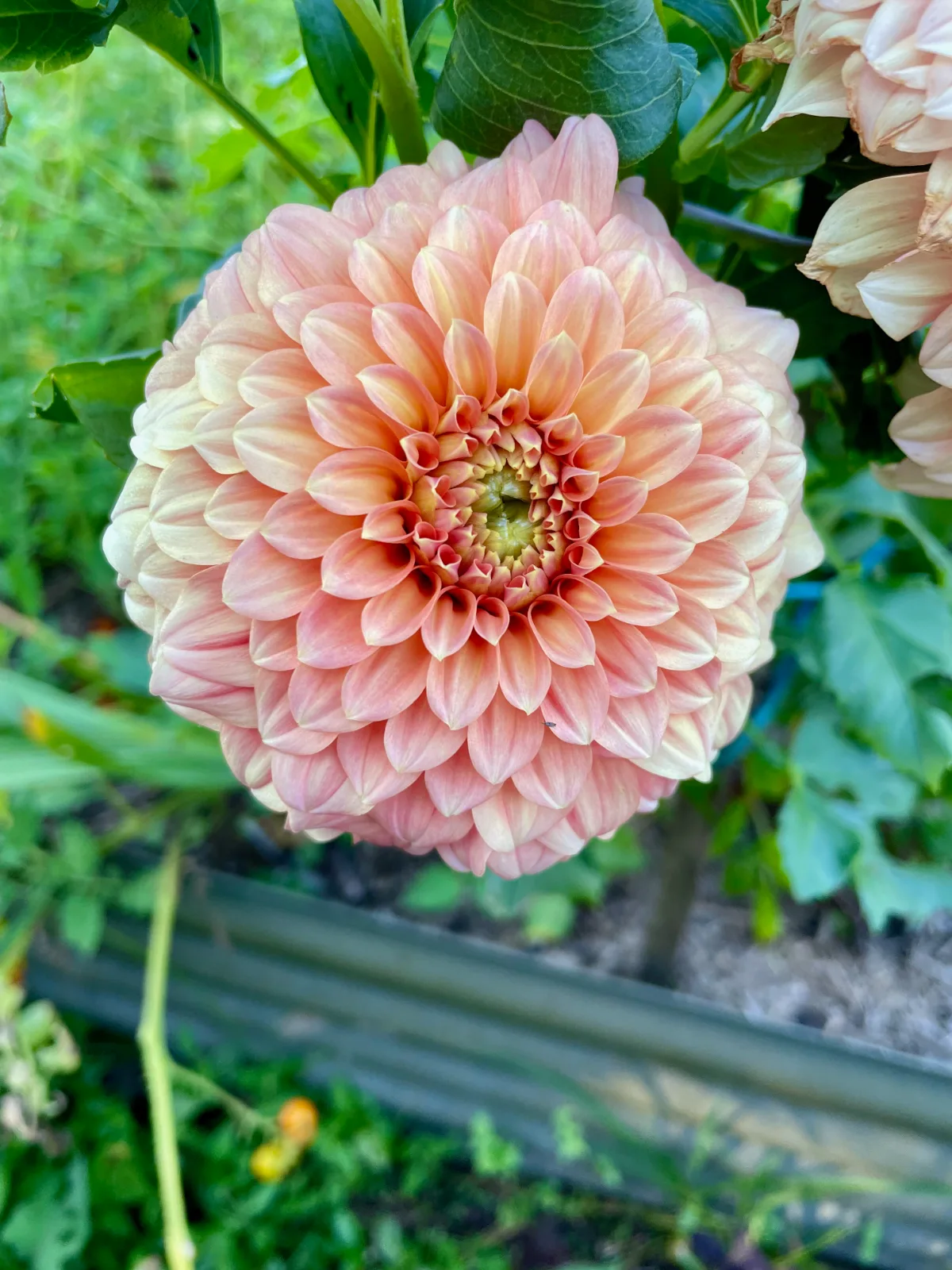
Dahlia
Dahlias are tuberous flowering perennials grown for summer and autumn colour. Tubers need protection from winter waterlogging and hard frost.
View plant →
Succulent
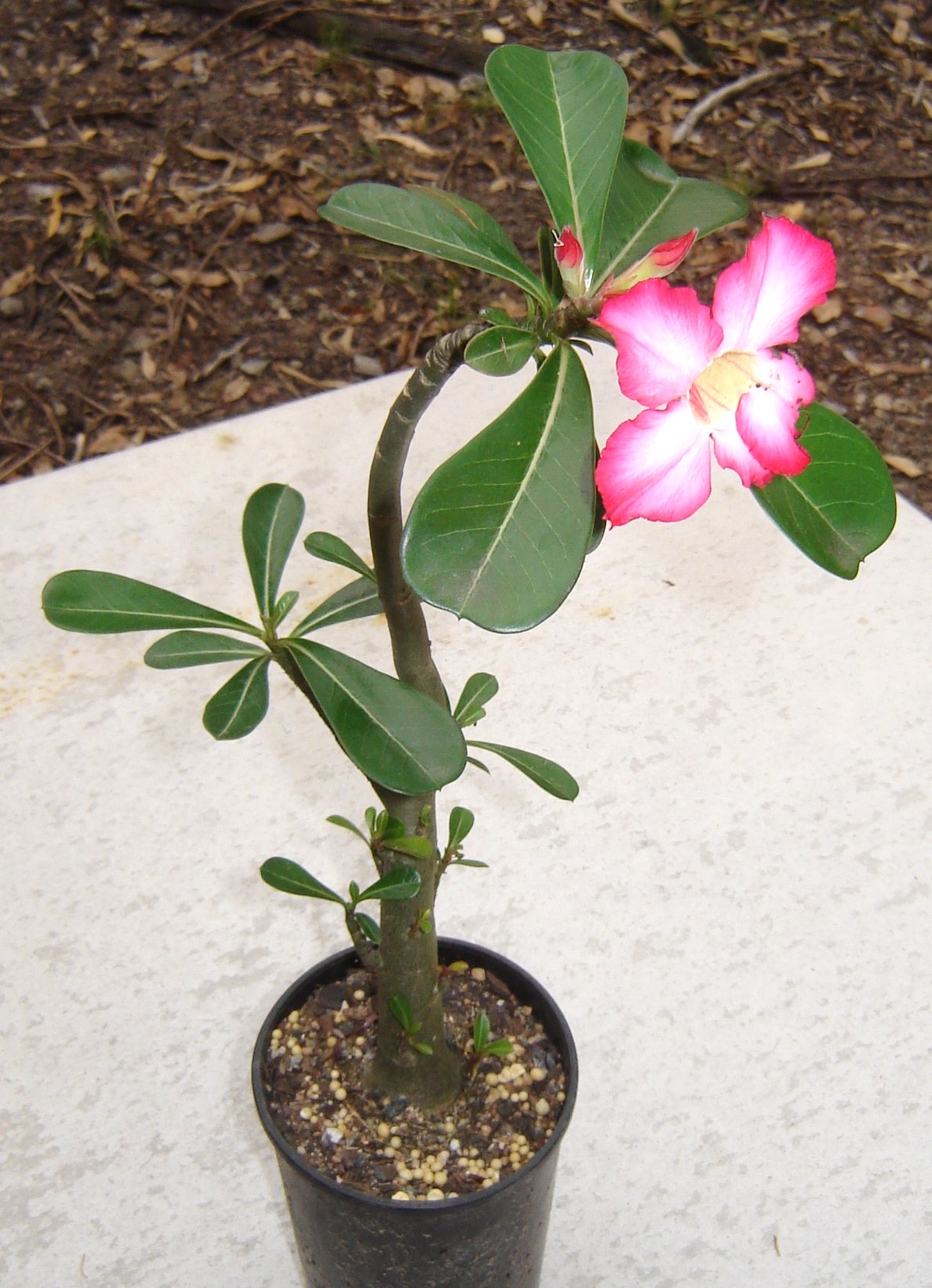
Desert rose
Desert rose combines a sculptural swollen trunk with gorgeous flowers in pink, red, white and other colours. It's a brilliant choice for a sunny, warm spot or a pot where you can admire that unusual shape. Give its roots an open, fast-draining mix and let the soil dry between waterings.
View plant →
Ornamental
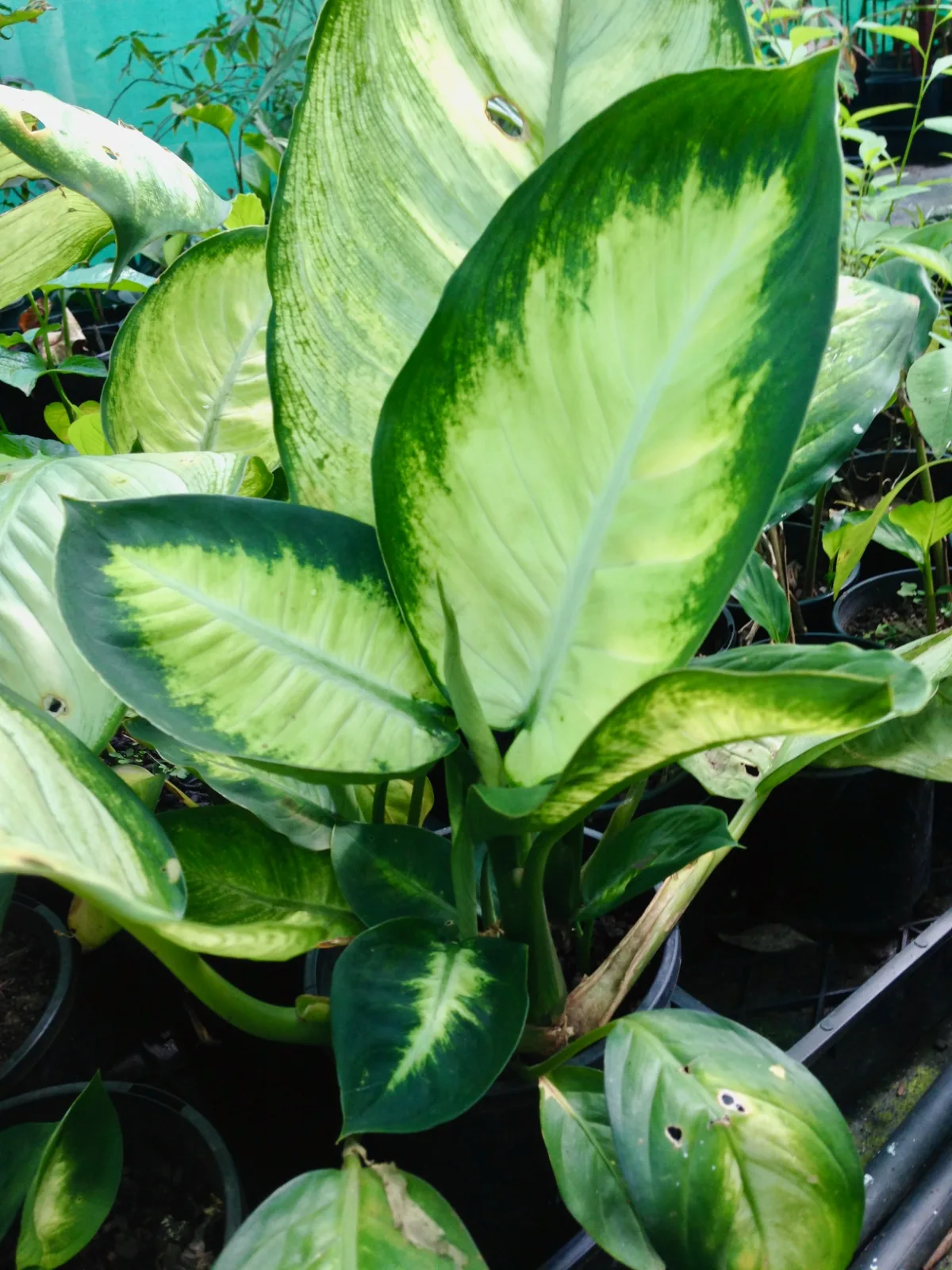
Dieffenbachia
Dieffenbachia is a tropical foliage plant with broad patterned leaves. It grows well indoors in bright filtered light and outdoors in warm shaded gardens.
View plant →
Ornamental
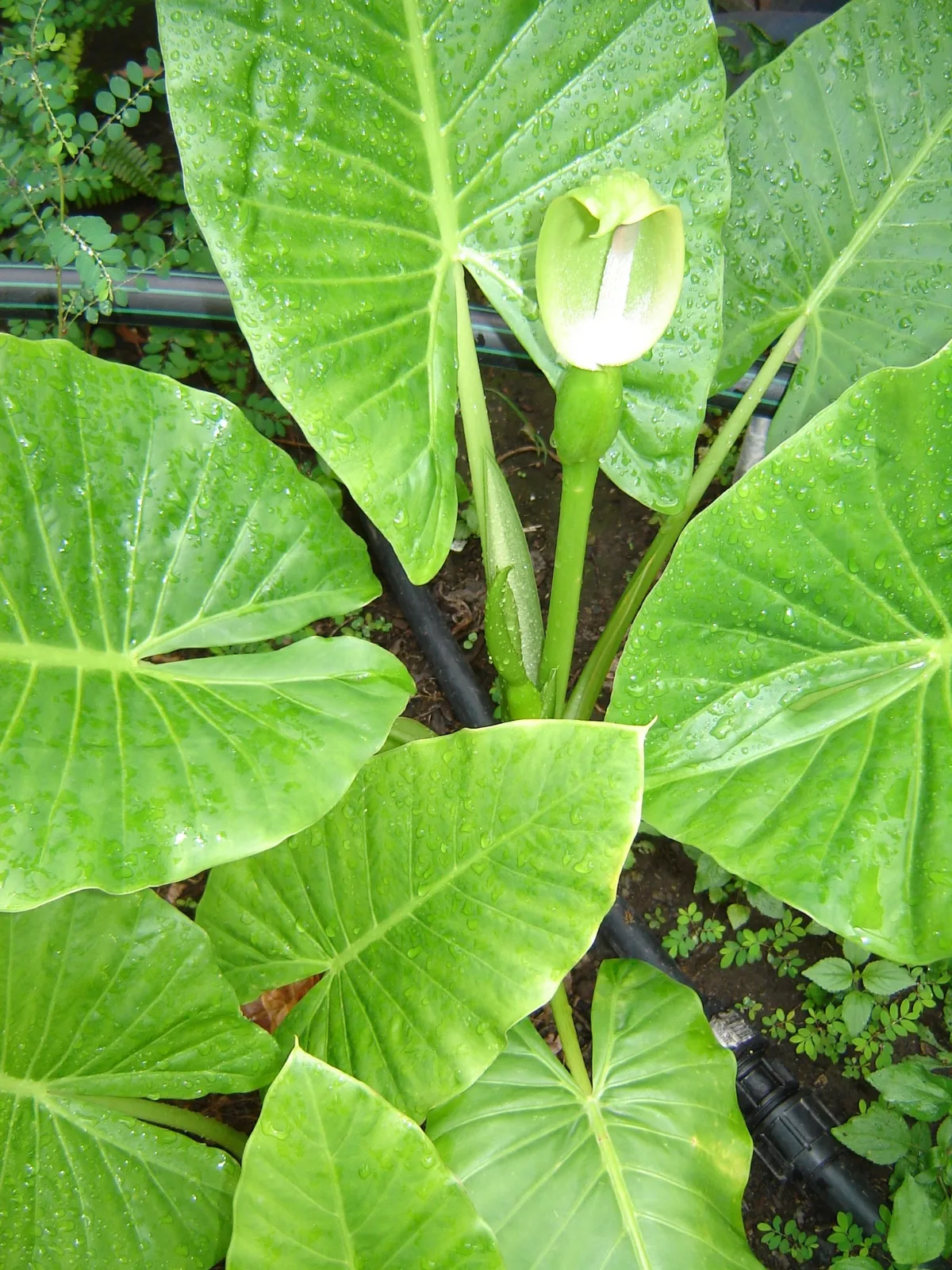
Elephant ear
Leucocasia gigantea is a huge tropical foliage plant for damp, sheltered positions. It is one of several unrelated aroids sold as elephant ear and develops large upright leaves on thick fleshy stalks.
View plant →
Ornamental
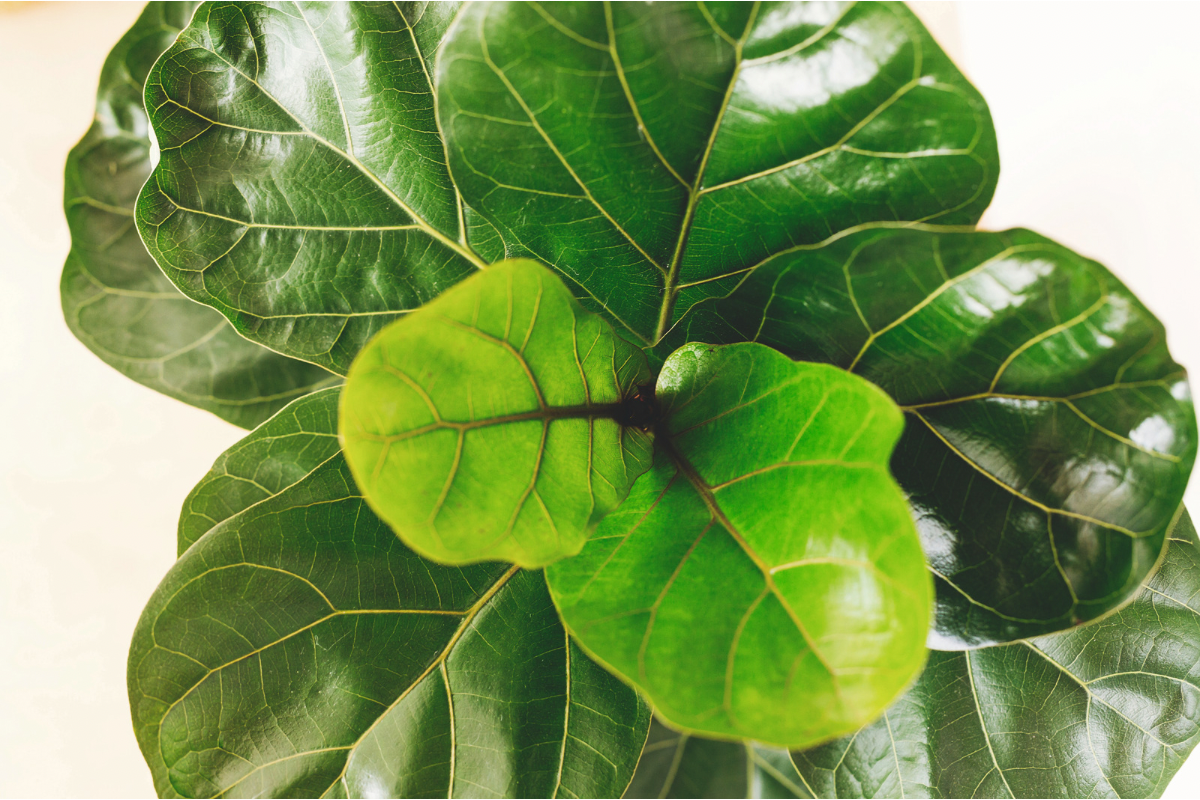
Fiddle-leaf fig
Fiddle-leaf fig is a bold indoor tree with large leathery leaves shaped a little like a violin. It can make an excellent tall houseplant, but it needs substantially more light than a ZZ plant or cast iron plant and grows best when watering and position stay reasonably consistent.
View plant →
Ornamental
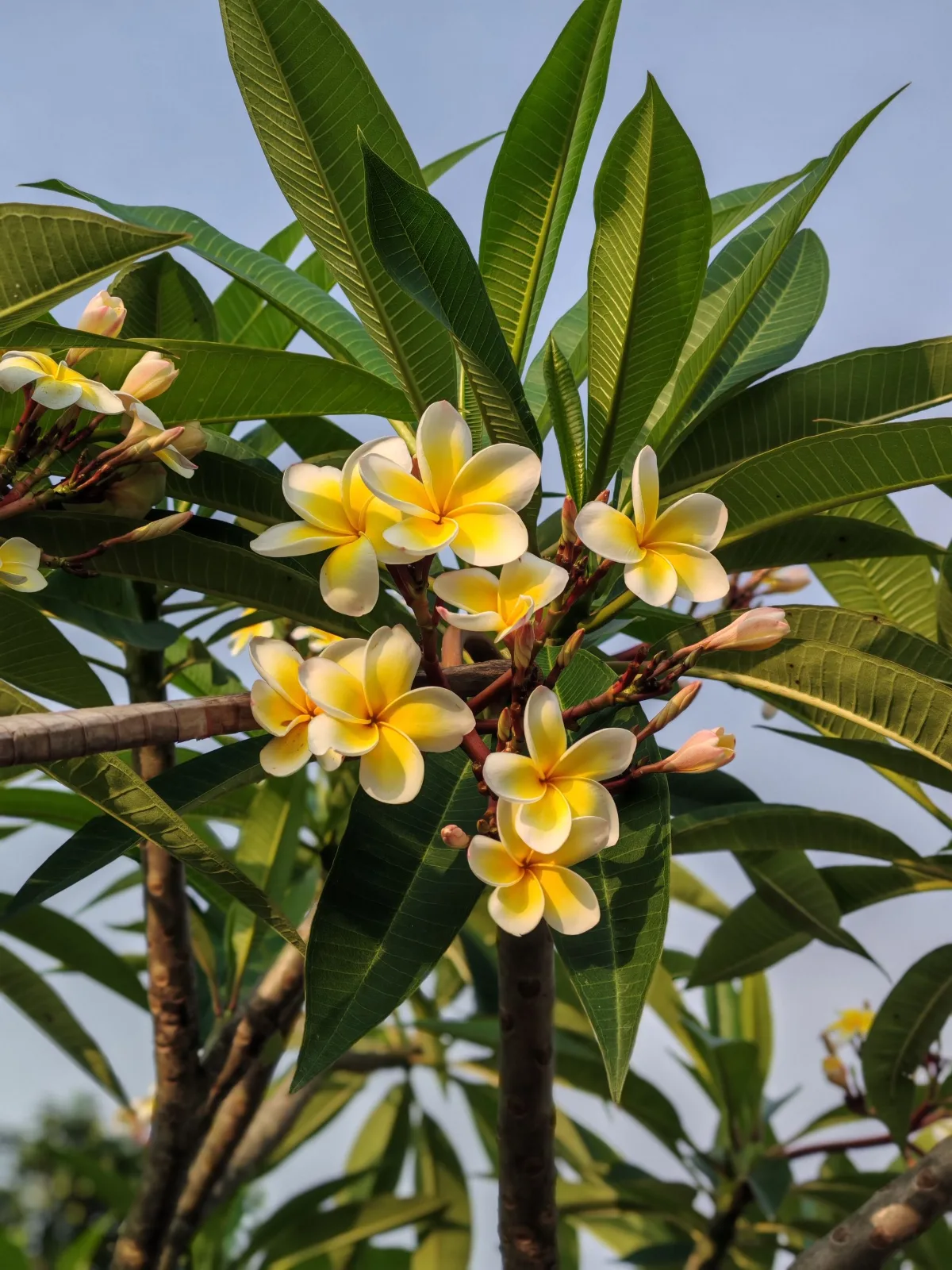
Frangipani
Frangipani is a warm-climate flowering tree that needs sun and excellent drainage. It is easy to propagate from large cuttings once the cut end has callused.
View plant →
Fruit tree
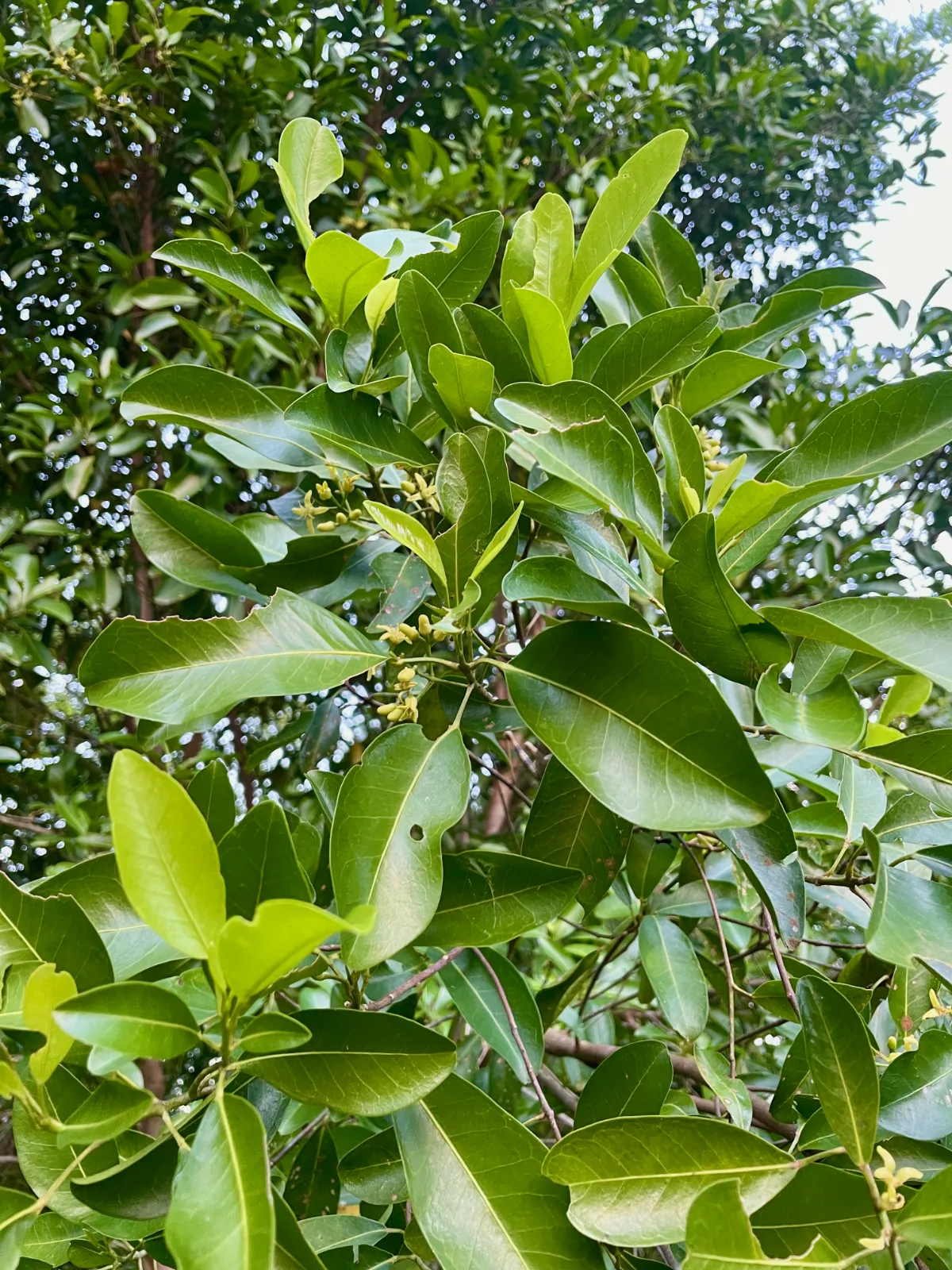
Fraser Island apple
Fraser Island apple is an Australian coastal rainforest tree, native to sheltered dune and littoral rainforest from central Queensland into northern New South Wales, with glossy leaves, fragrant cream flowers and small yellow fruit that can be used in preserves.
View plant →
Herb & spice
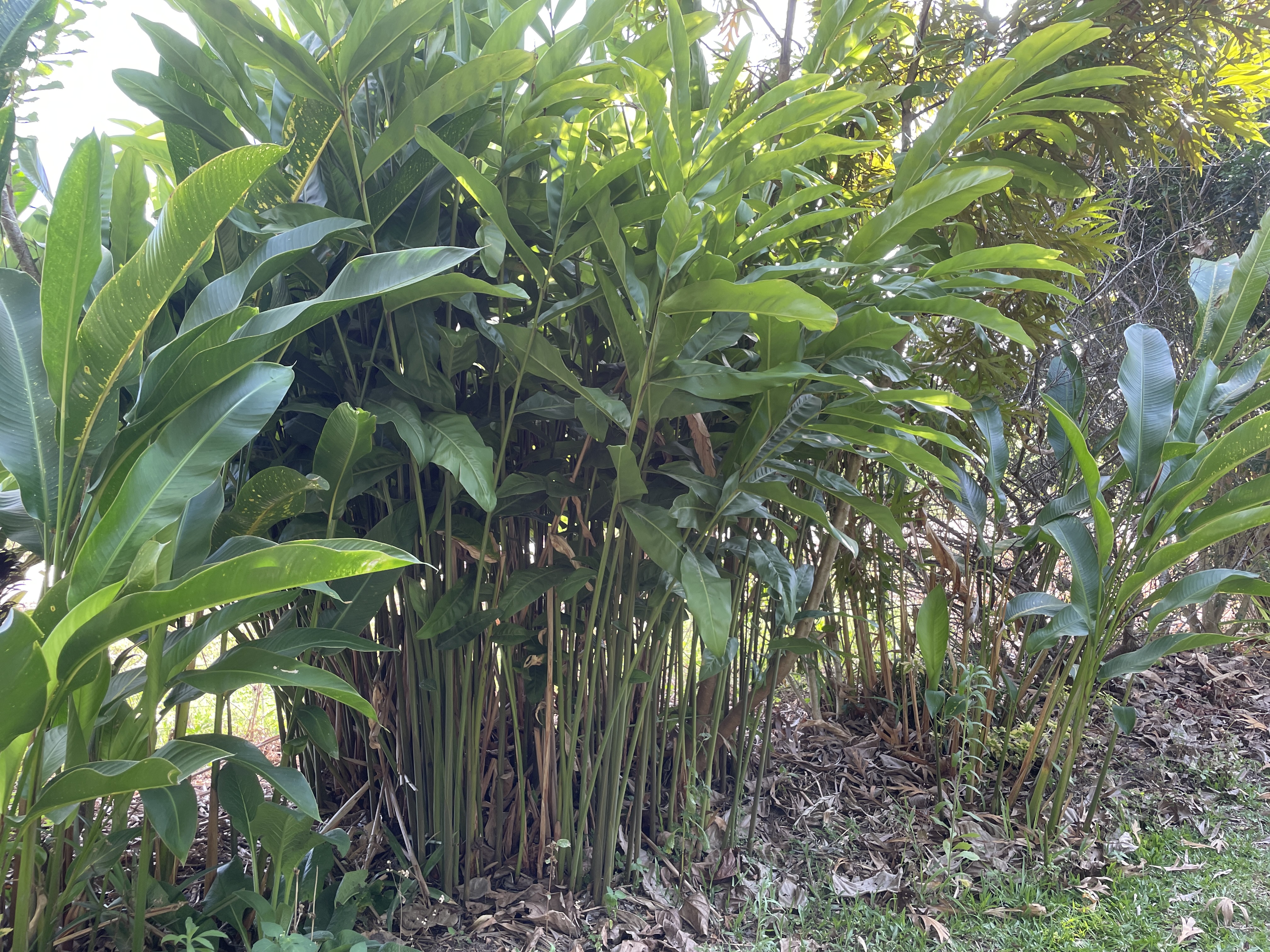
Galangal
Galangal is the sharp, piney root behind a proper tom yum, and it grows like an ornamental ginger in warm gardens. Plant a piece from the grocer, wait a year, and dig as you need it.
View plant →
Ornamental
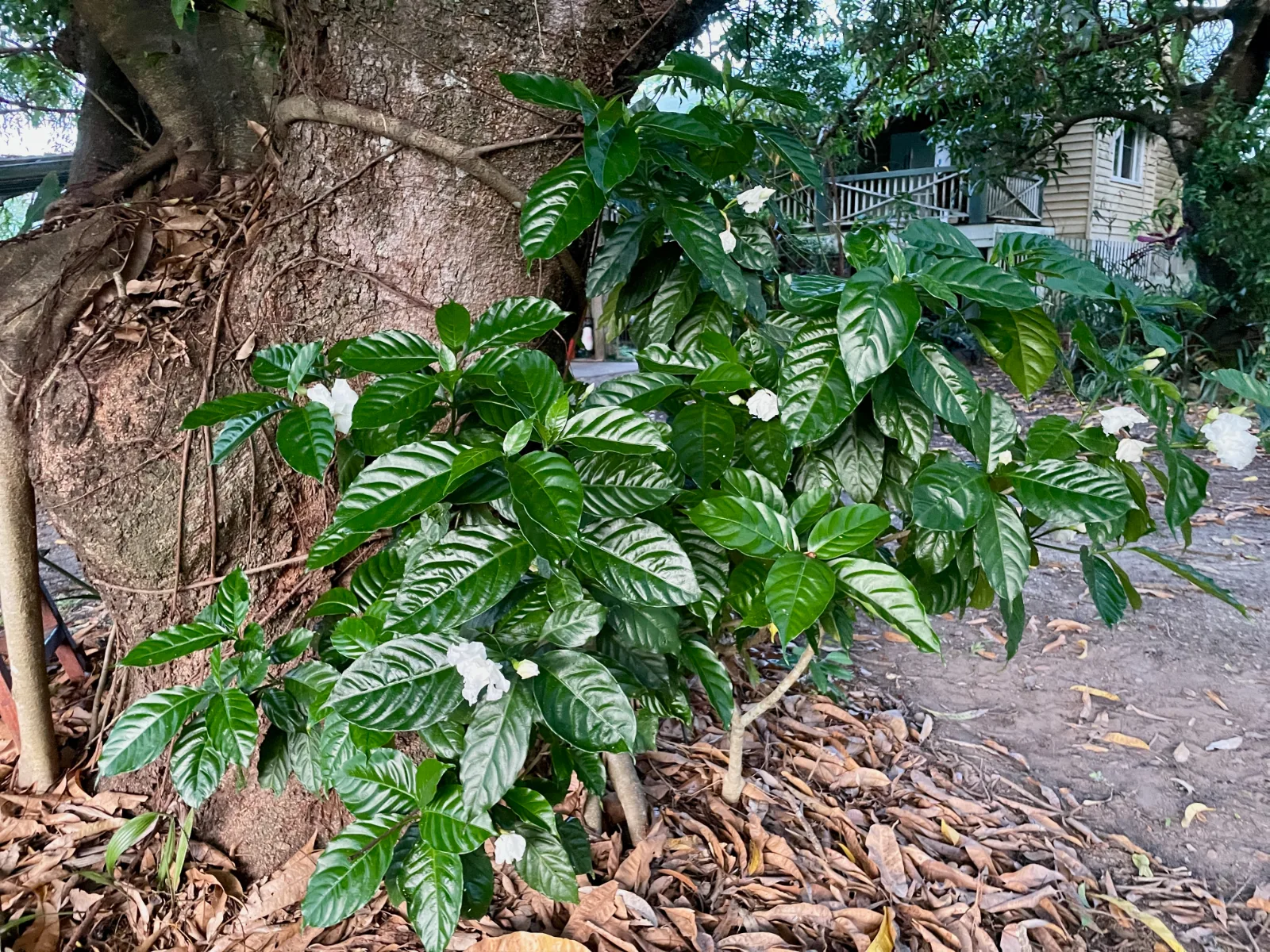
Gardenia
Gardenia is an evergreen shrub grown for glossy foliage and strongly fragrant white flowers. It grows best in warm, sheltered gardens with acidic soil, steady moisture and good drainage. Yellow leaves, dropped buds and poor flowering usually point to cold, root stress, alkaline soil or inconsistent care rather than one single nutrient problem.
View plant →
Vine
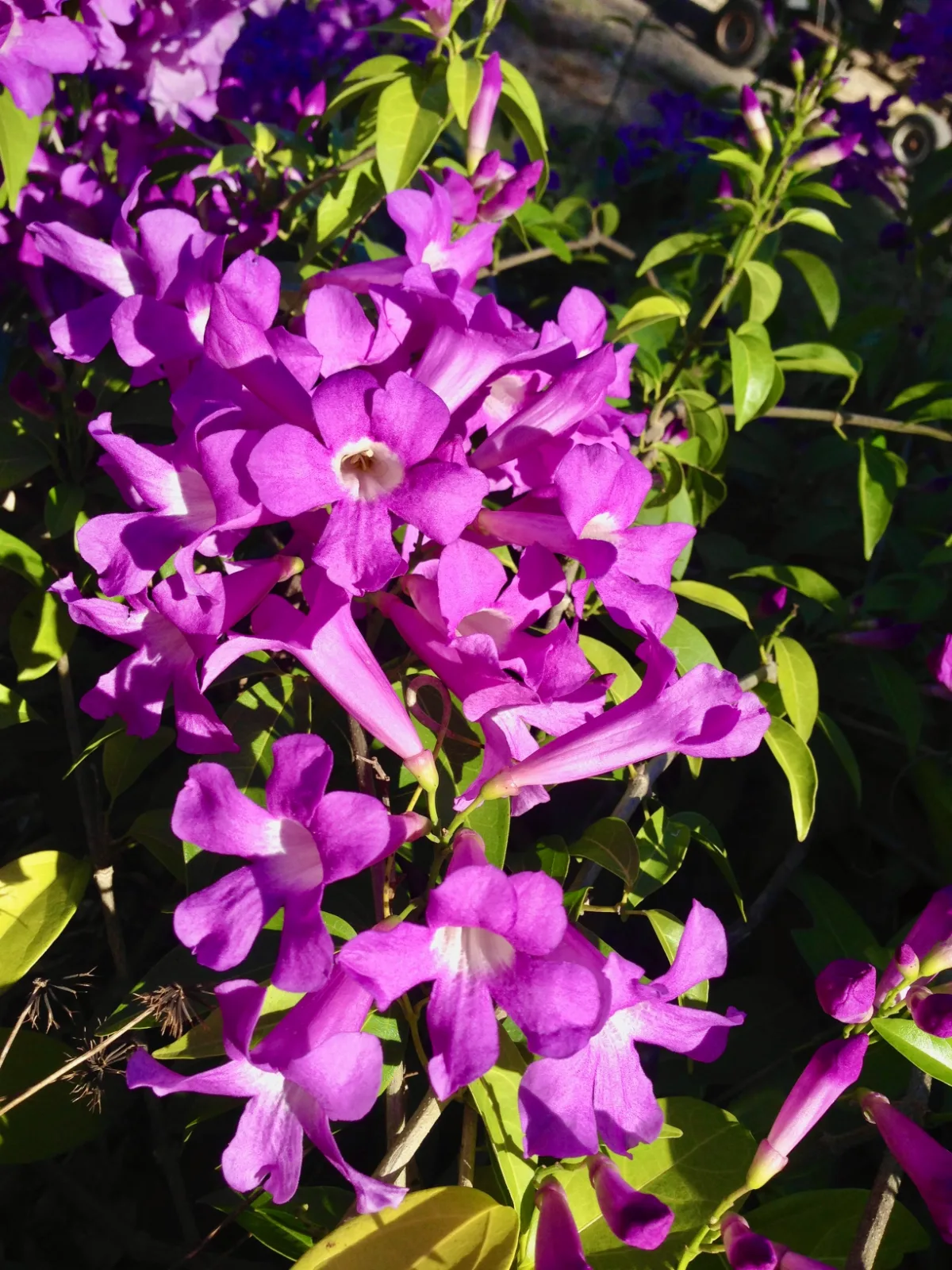
Garlic vine
Garlic vine is a woody tropical climber with lavender flowers that fade almost white. Crush the leaves and they smell strongly of garlic.
View plant →
Ornamental
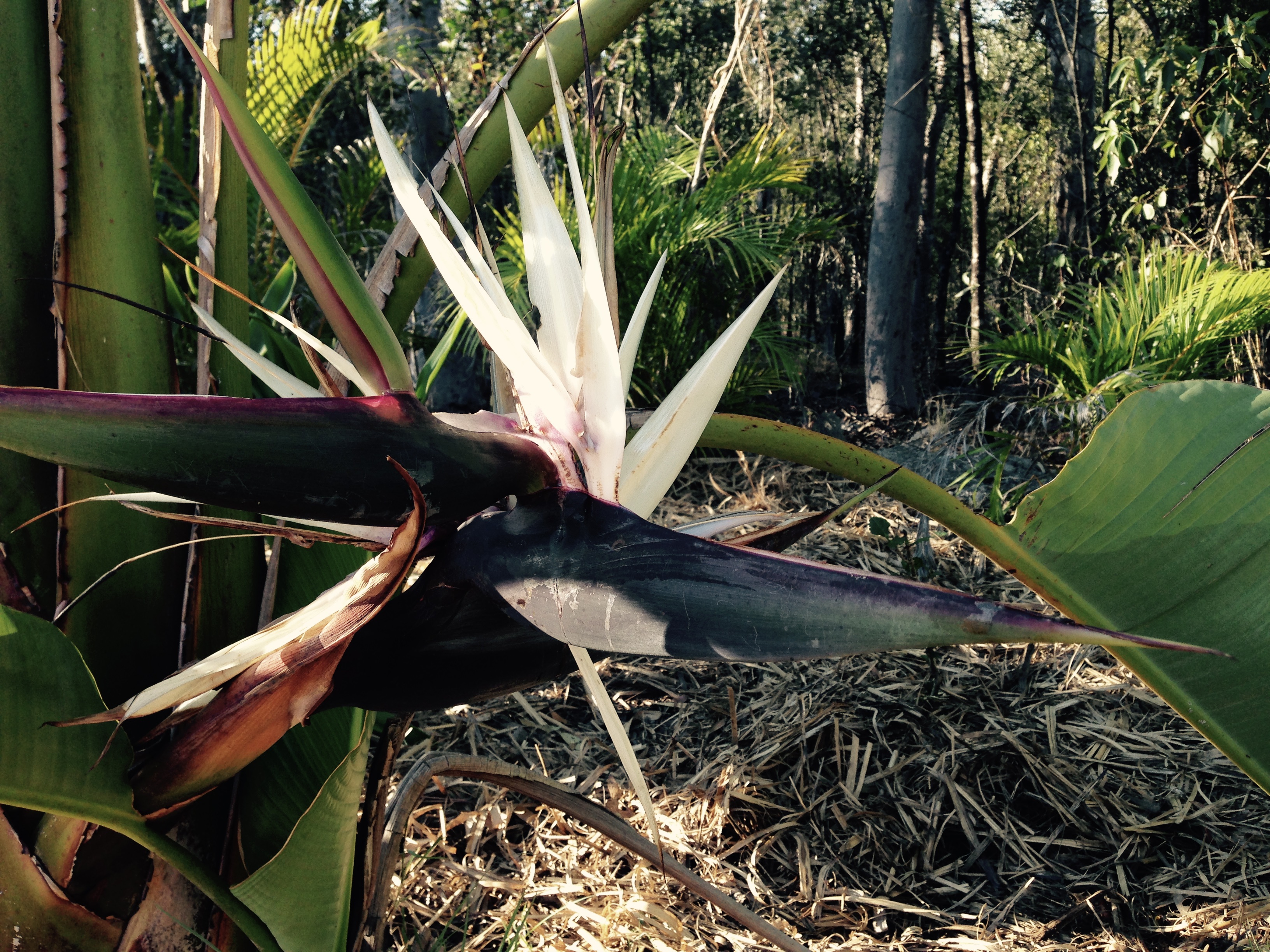
Giant bird of paradise
Giant bird of paradise grows into a tall multi-trunked clump with huge paddle-shaped leaves and white-and-blue flowers. It makes a dramatic foliage plant where there is enough room for its mature size.
View plant →
Ornamental
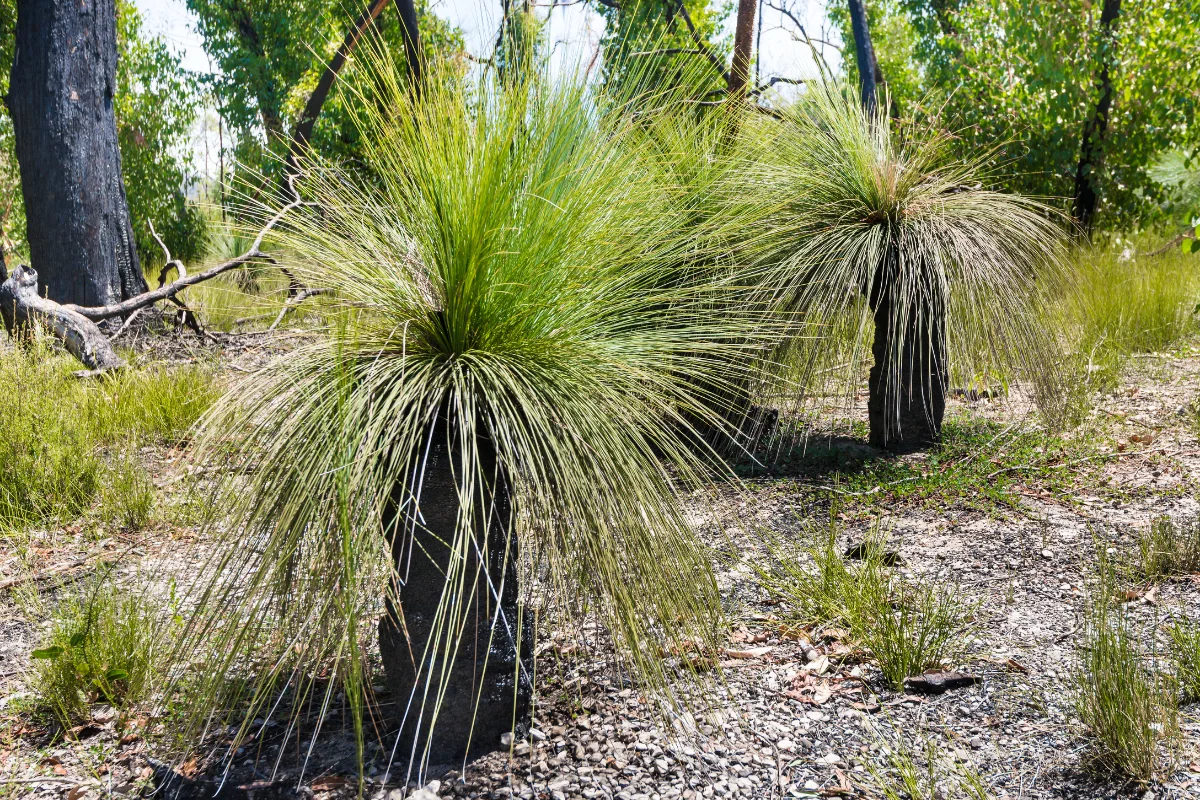
Grass tree
Grass trees are slow-growing, long-lived Australian natives that do best in lean, free-draining soil. They need very little feeding, and wild plants are best left undisturbed.
View plant →
Ornamental
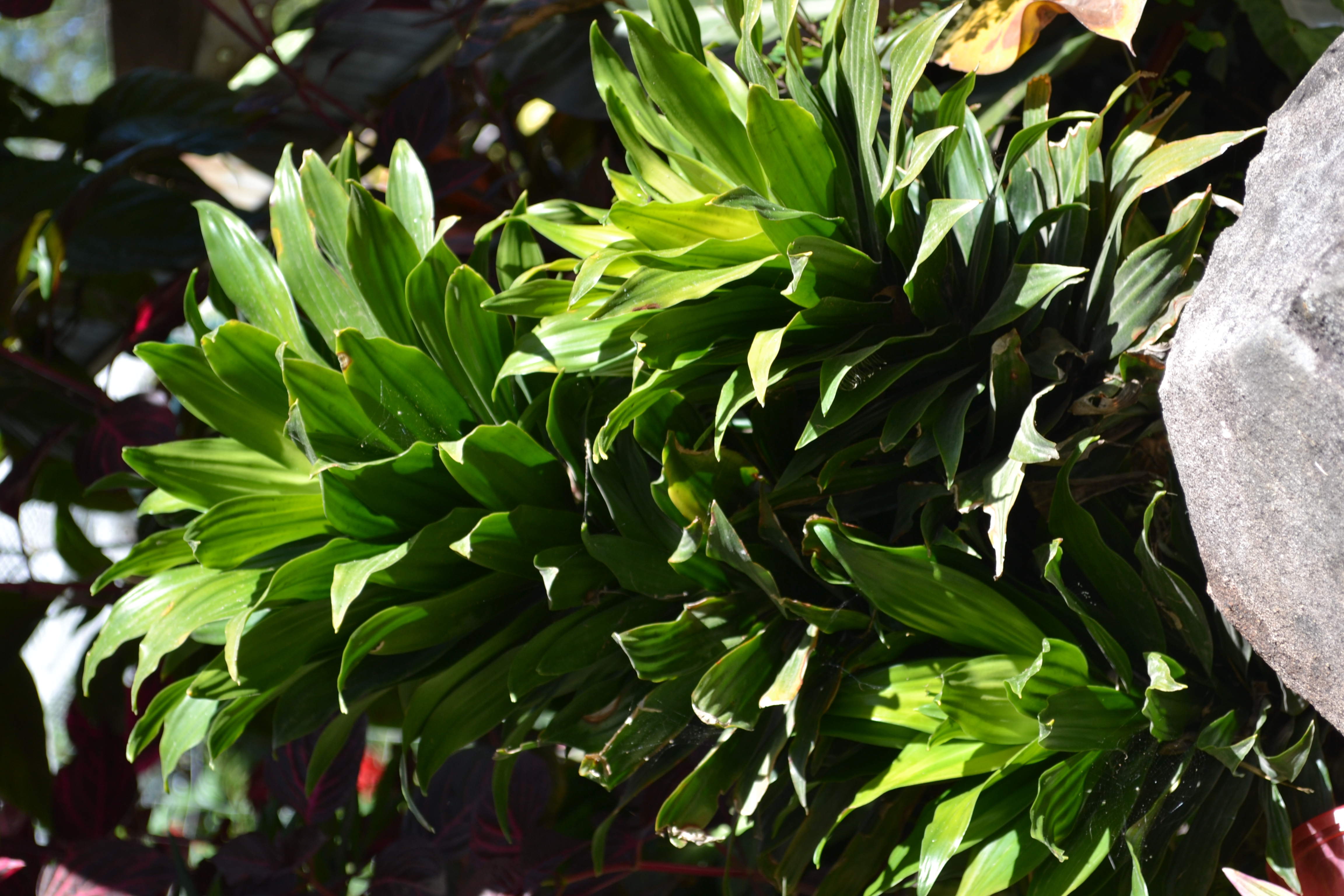
Happy plant
Happy plant is a tough cane-forming dracaena with broad arching leaves. It is one of those foliage plants that works both indoors and in shaded warm-climate gardens, provided it is protected from harsh sun and soggy soil.
View plant →
Vine
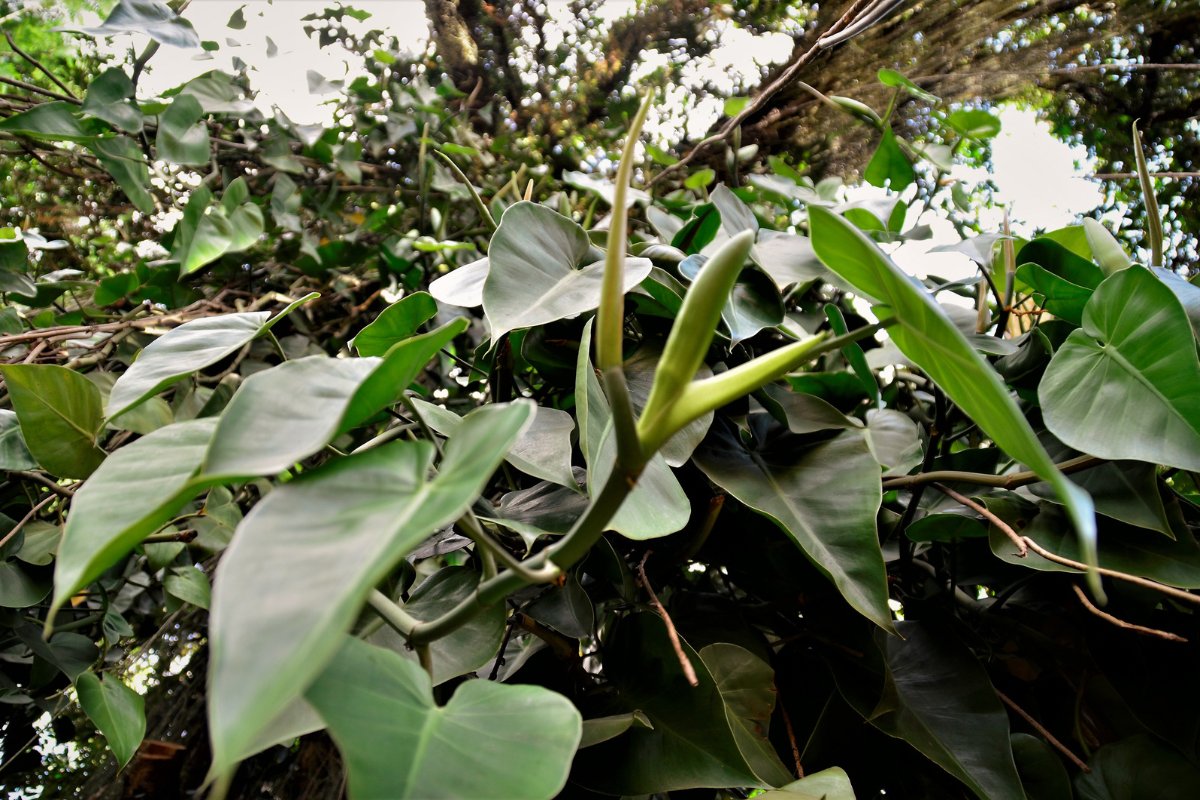
Heartleaf philodendron
Heartleaf philodendron is an easy trailing or climbing aroid with glossy heart-shaped leaves. It suits shelves and hanging pots, or it can be trained up a support for larger leaves. It handles moderate indoor light well, although brighter filtered light gives denser growth.
View plant →
Ornamental
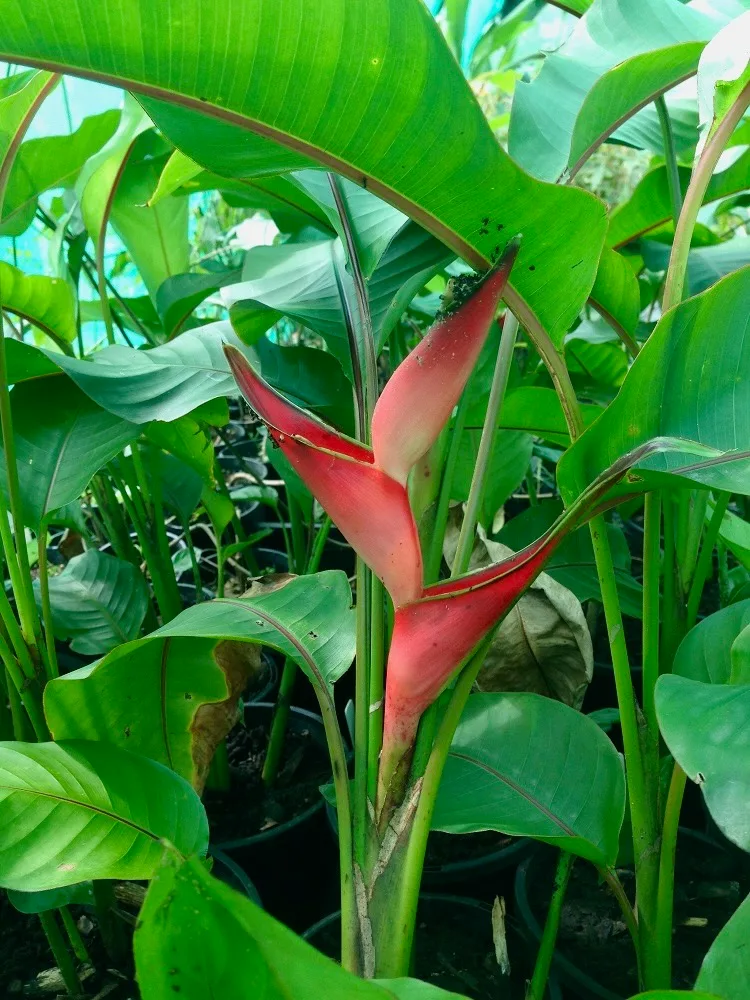
Heliconia 'Dwarf Jamaican'
Heliconia 'Dwarf Jamaican' is a compact heliconia with upright pink-red bracts and banana-like leaves. Its small size makes it useful in pots and low tropical plantings.
View plant →
Ornamental
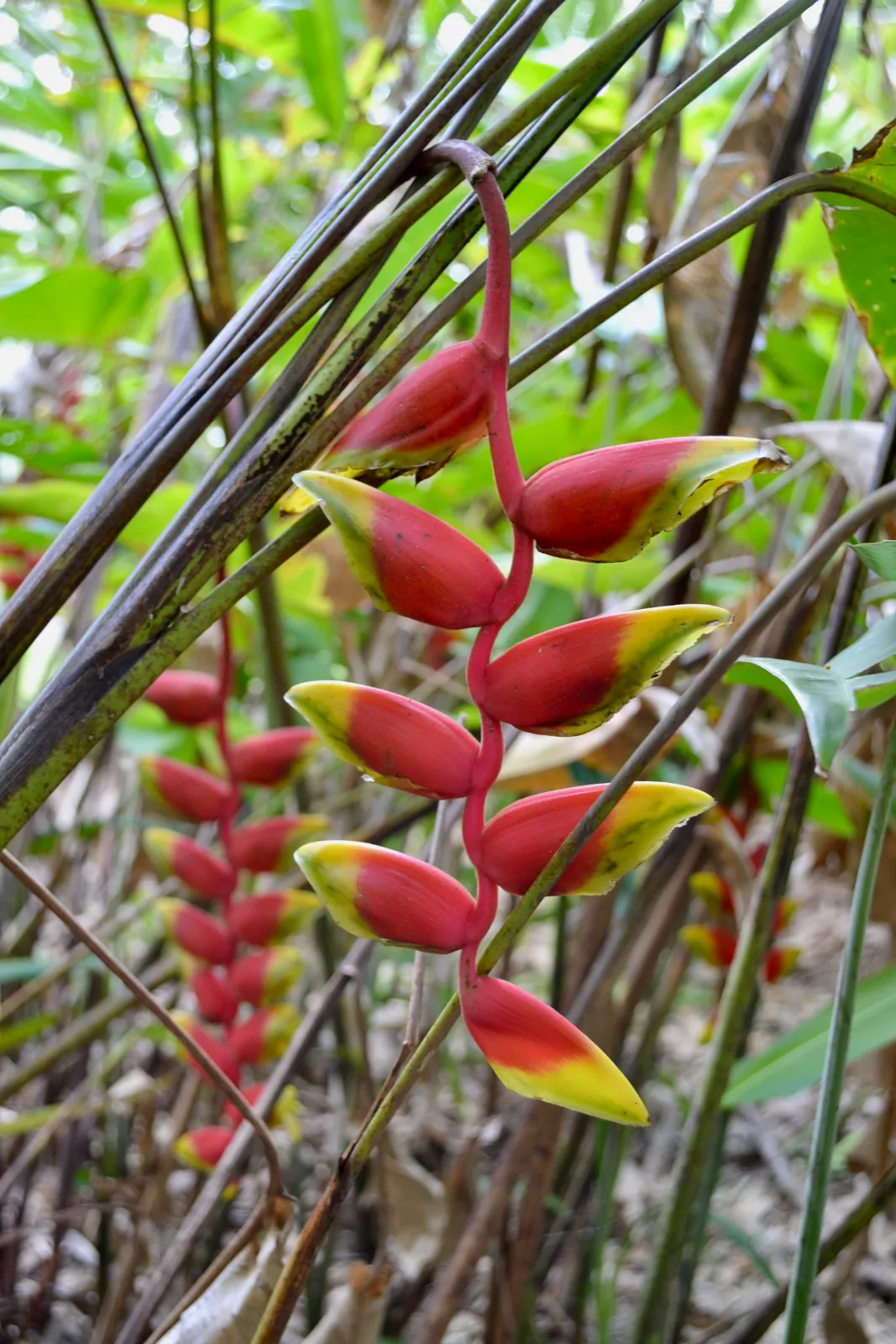
Heliconia rostrata
Heliconia rostrata is the classic hanging lobster-claw heliconia, with long pendulous red-and-yellow bracts below tall leafy stems. It grows best in warm, sheltered tropical and subtropical gardens with rich soil, regular moisture and good drainage. Give the clump room to widen and protect the large leaves from strong wind.
View plant →
Ornamental
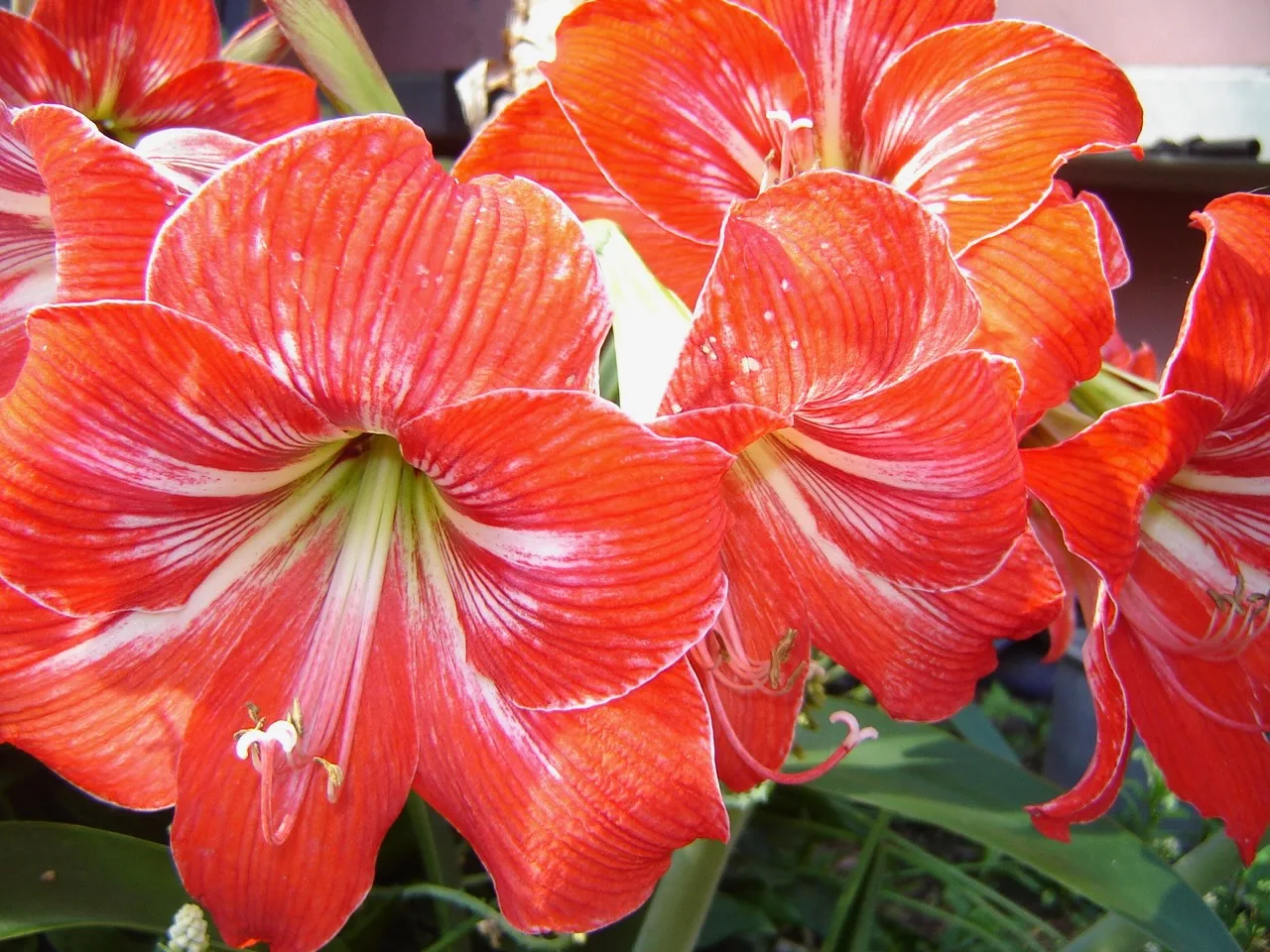
Hippeastrum
Garden hippeastrums are large-flowered bulbs that send up bold trumpet-shaped blooms in spring and summer. The bulbs can stay in the ground long term in mild climates.
View plant →
Ornamental
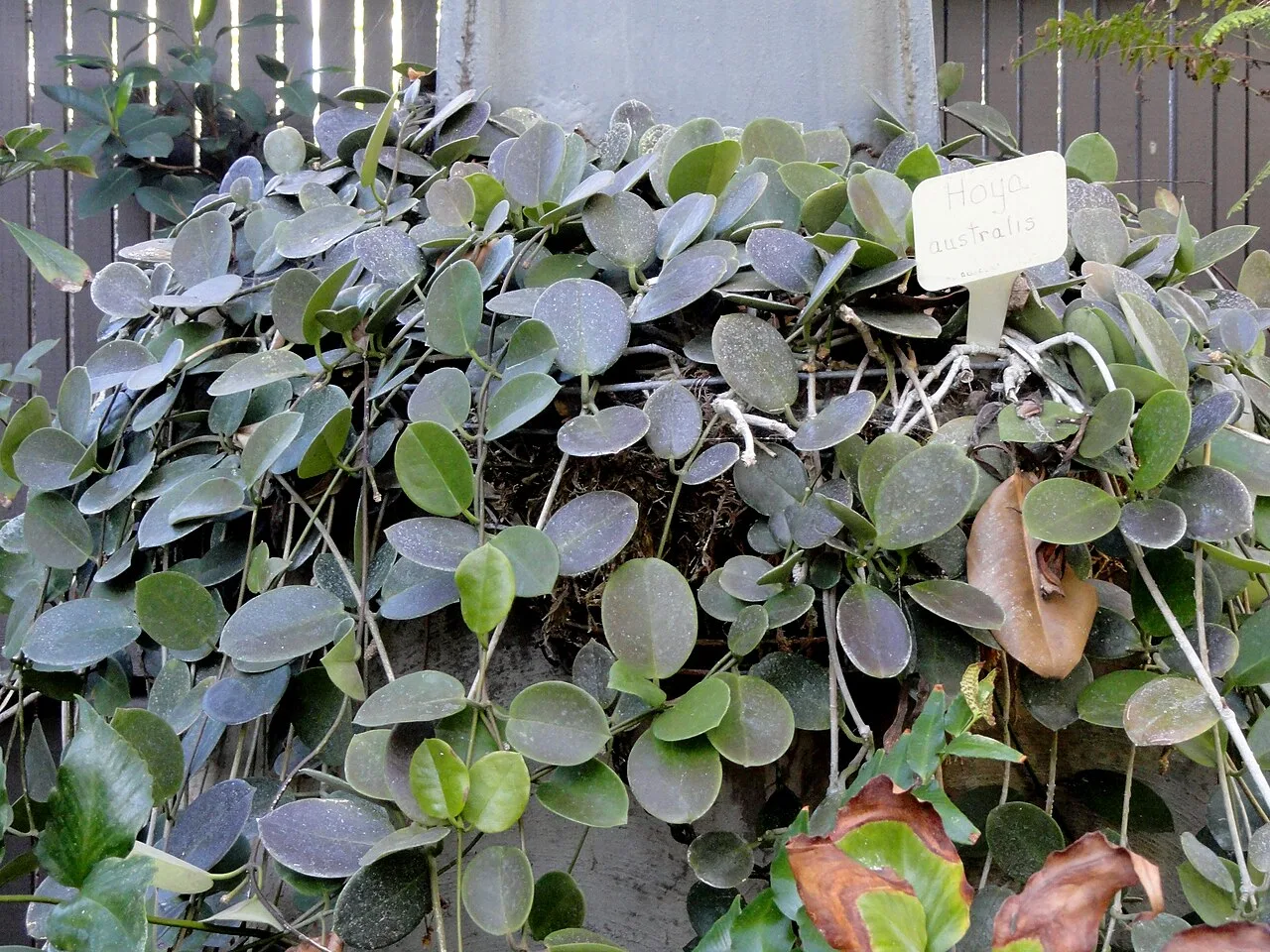
Hoya australis
Hoya australis is an Australian native climber with thick leaves and fragrant white flowers. An airy mix, bright filtered light and a slightly snug pot suit it better than a big pot of wet soil.
View plant →
Ornamental
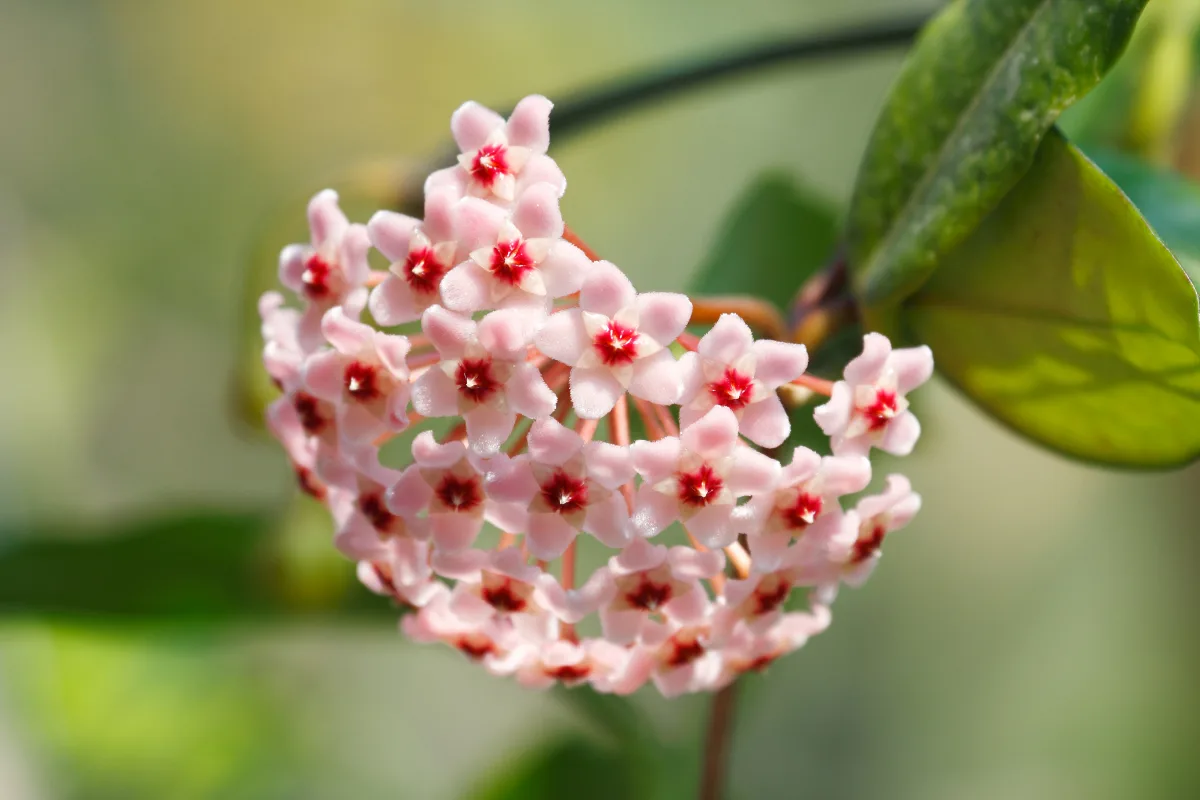
Hoya carnosa
Hoya carnosa is the classic wax plant, grown for its thick leaves and clusters of fragrant, waxy flowers. It suits a hanging pot or small trellis indoors, on a veranda or outside in a warm sheltered garden.
View plant →
Ornamental
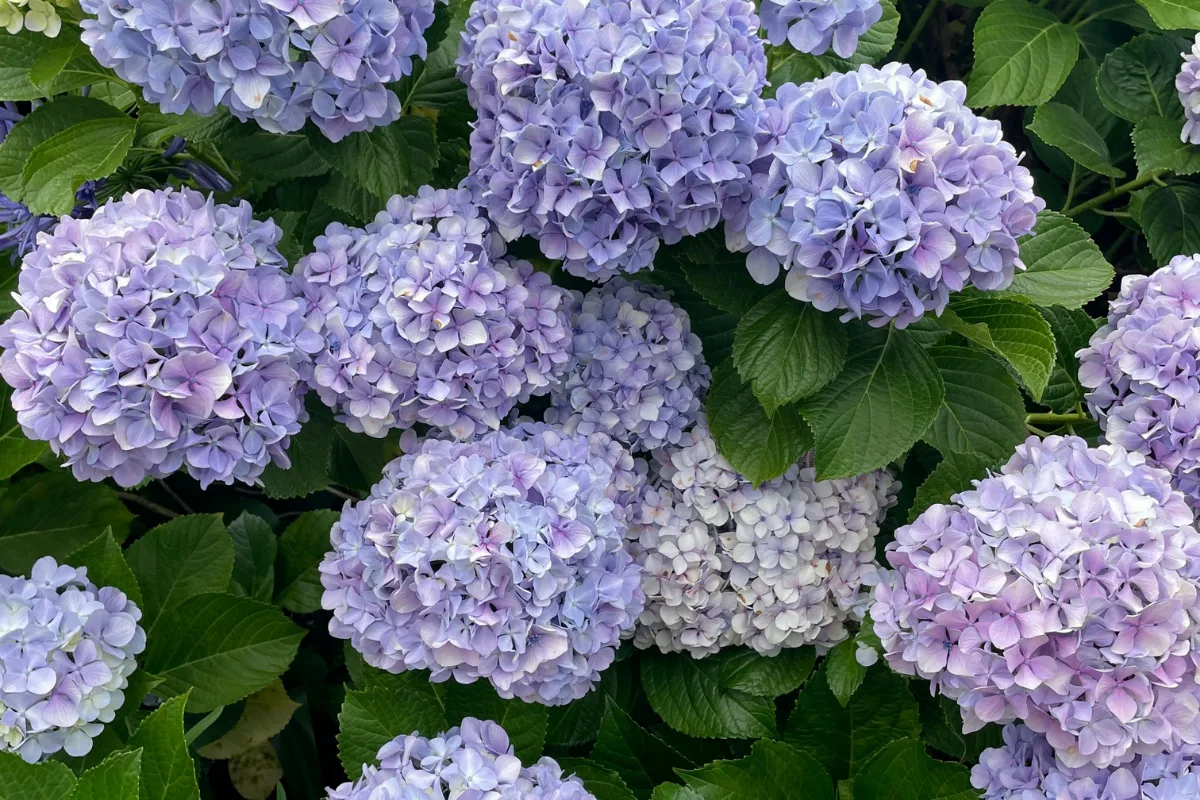
Hydrangea
This is the classic garden hydrangea: big leaves and rounded mophead or flatter lacecap flowers in pink, blue, purple or white. It grows best with cool roots, steady moisture and protection from harsh afternoon sun.
View plant →
Fruit tree
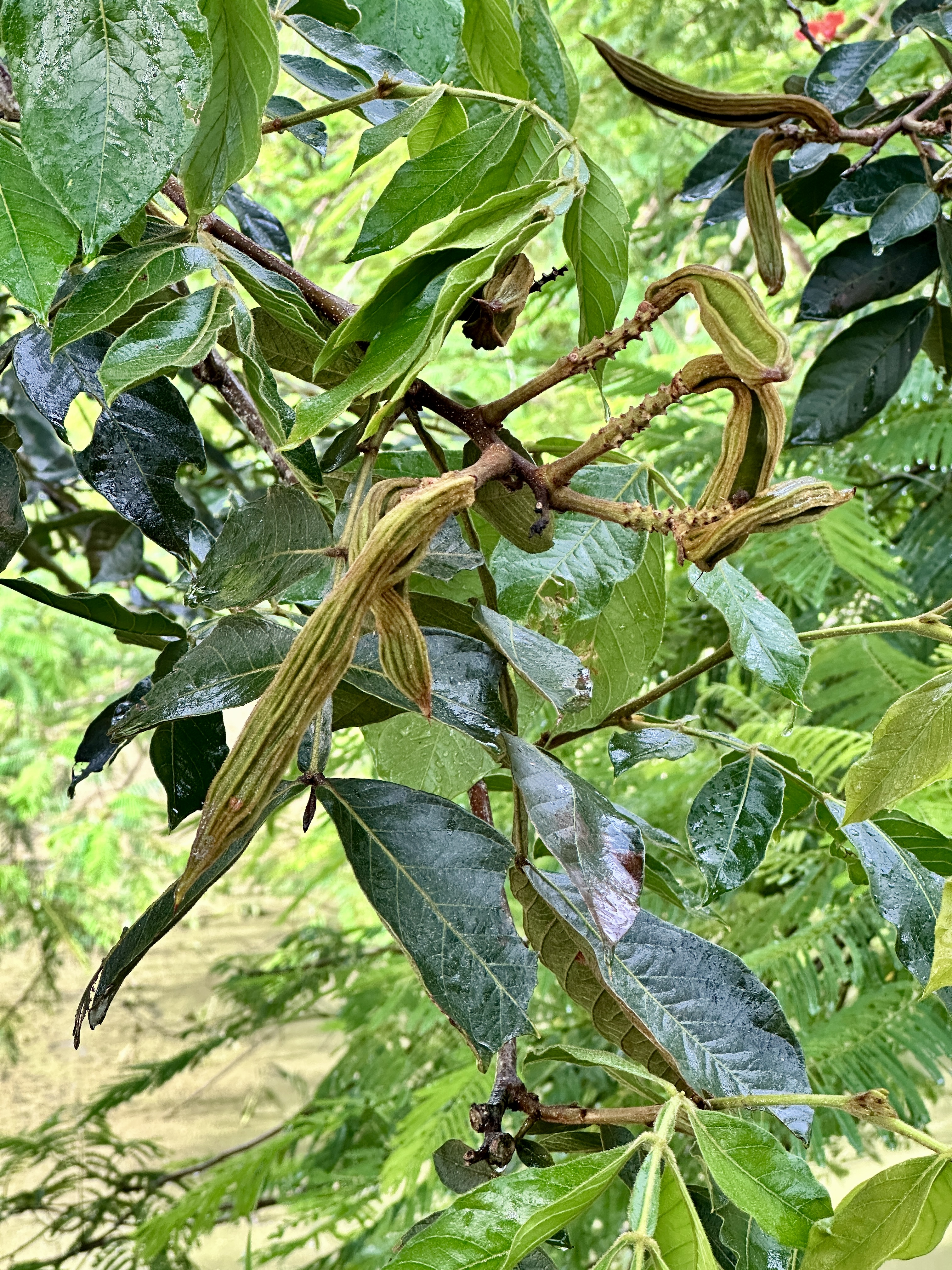
Ice cream bean
Ice cream bean is a very fast tropical legume tree with long pods filled with sweet white pulp around large seeds. It makes deep shade quickly and produces plenty of prunings.
View plant →
Ornamental
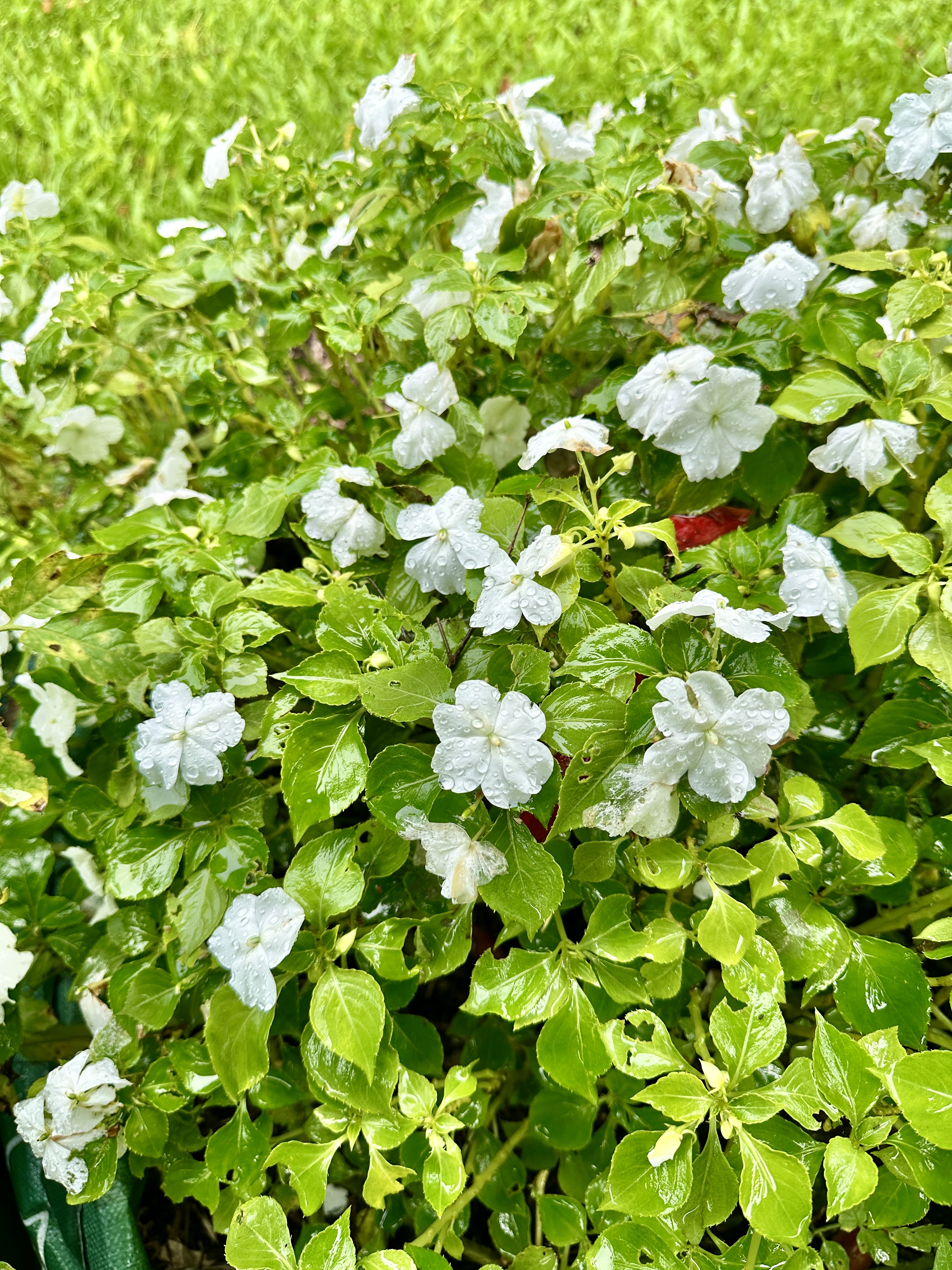
Impatiens
Impatiens walleriana is the classic Busy Lizzie, grown for long flowering in bright shade and sheltered garden spots. In warm climates it can persist beyond one season.
View plant →
Ornamental
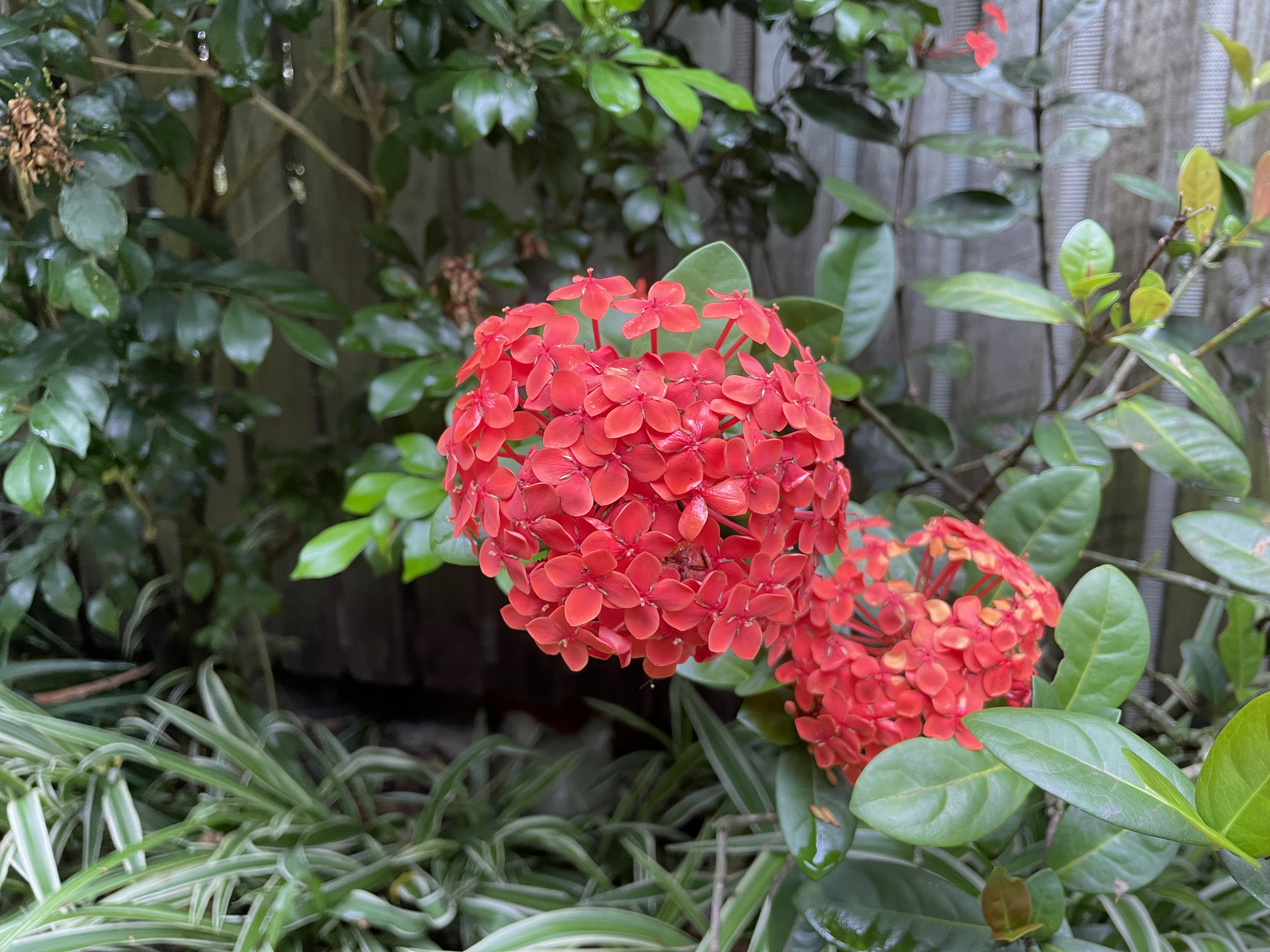
Ixora
Ixora is a tropical evergreen shrub grown for dense heads of red, orange, pink or yellow flowers. It flowers best with warmth, bright light and acidic soil.
View plant →
Succulent
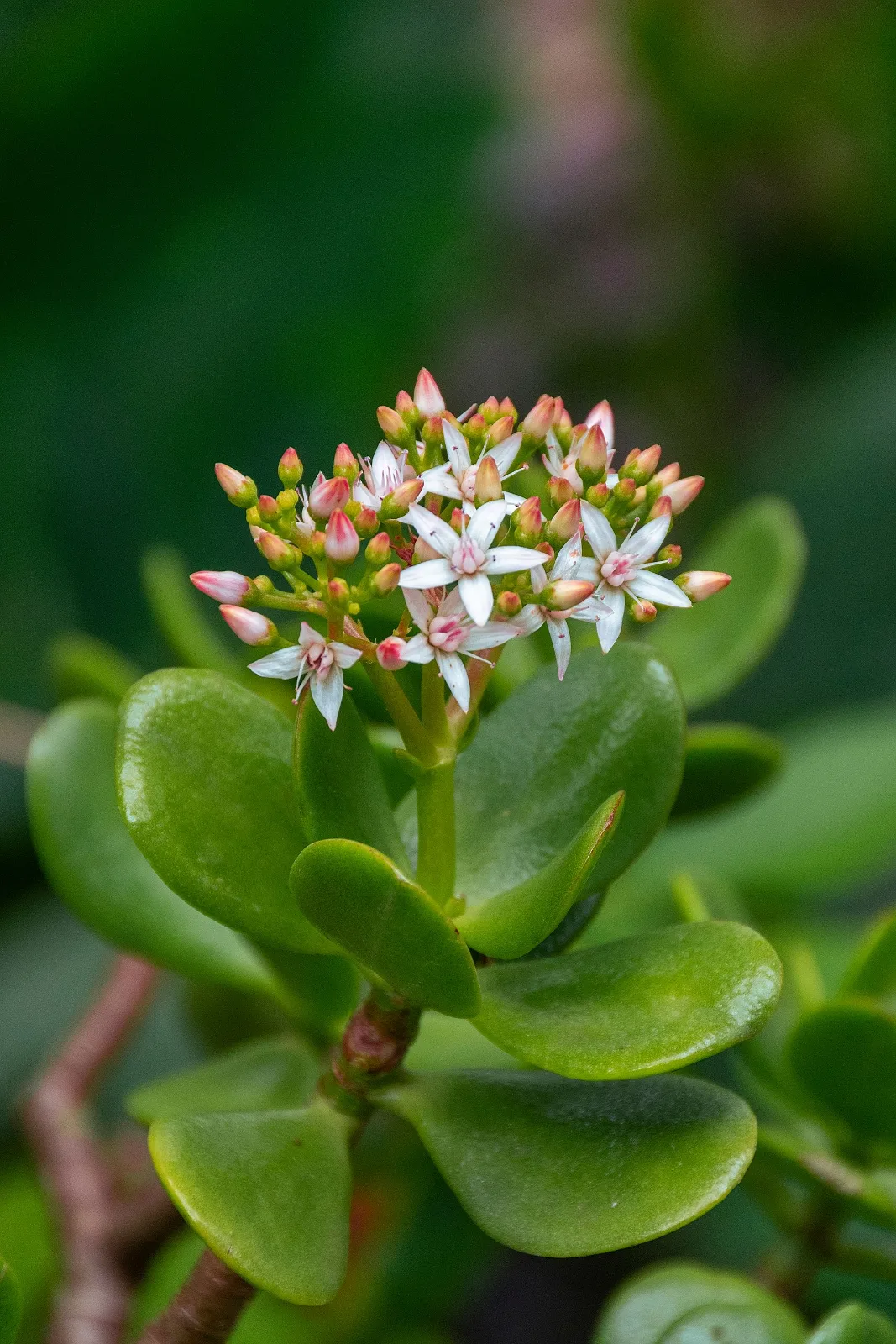
Jade plant
Jade plant is a long-lived succulent shrub with thick glossy leaves and a trunk-like stem as it ages. It thrives on bright light, excellent drainage and restraint with the watering can, indoors or outside in mild frost-free gardens.
View plant →
Succulent
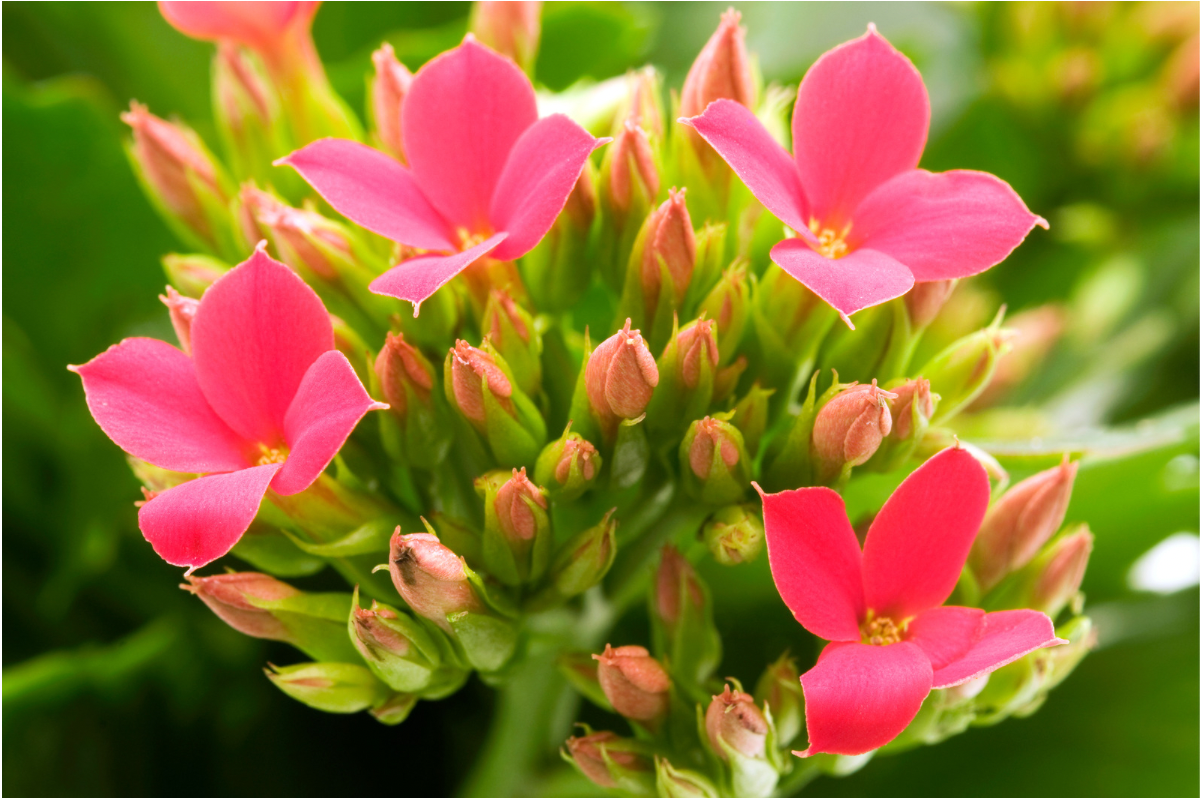
Kalanchoe
Kalanchoe is a compact flowering succulent grown for fleshy green leaves and long-lasting clusters of bright flowers. Kalanchoe blossfeldiana is the familiar florist and garden species, performing best with bright light, free-draining soil and a drier interval between waterings.
View plant →
Ornamental
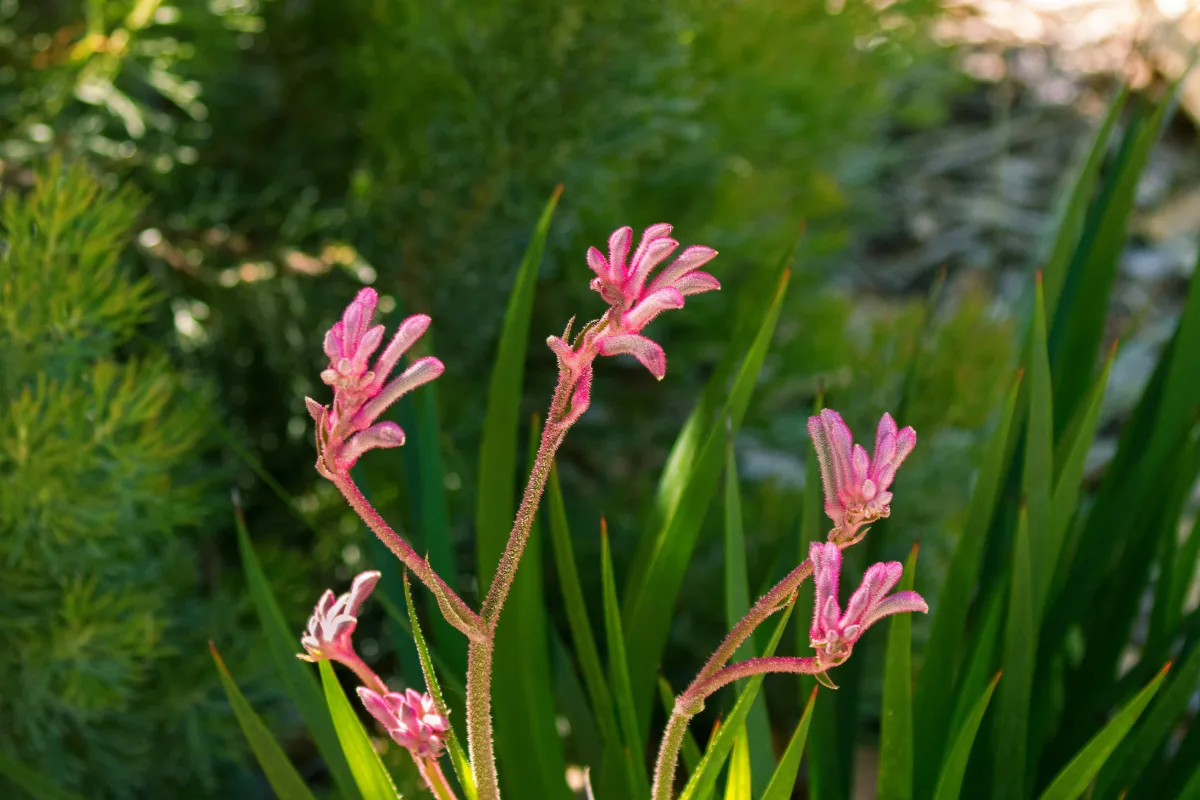
Kangaroo paw
Kangaroo paws flower best in sun and sharp drainage, and the tougher tall hybrids cope with east-coast humidity better than many compact types. A hard clean-up after flowering keeps old black foliage from building up.
View plant →
Ornamental
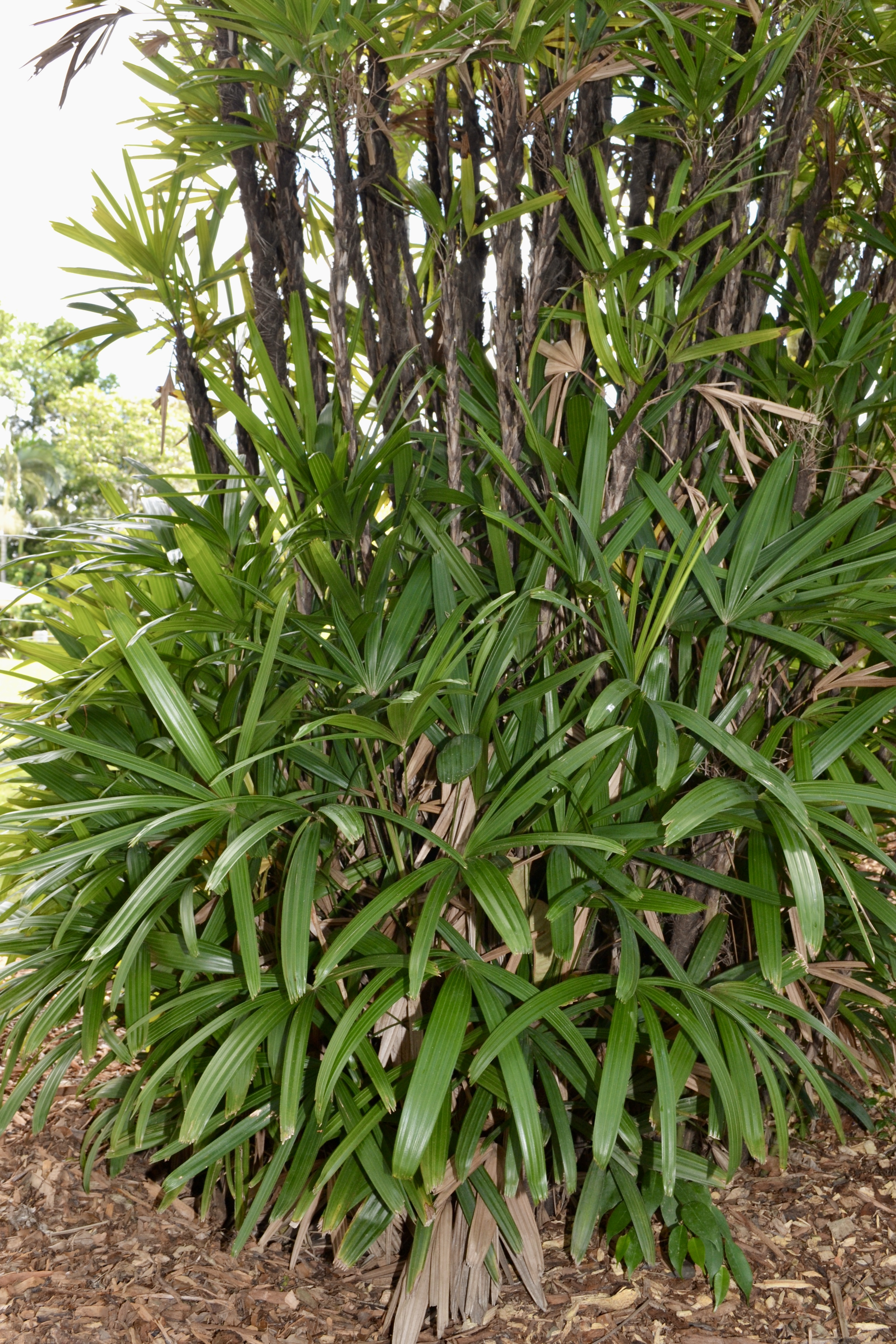
Lady palm
Lady palm is a clumping fan palm with slender cane-like stems and dark green leaves. It handles bright shade well and grows indoors or outside in warm sheltered gardens.
View plant →
Ornamental
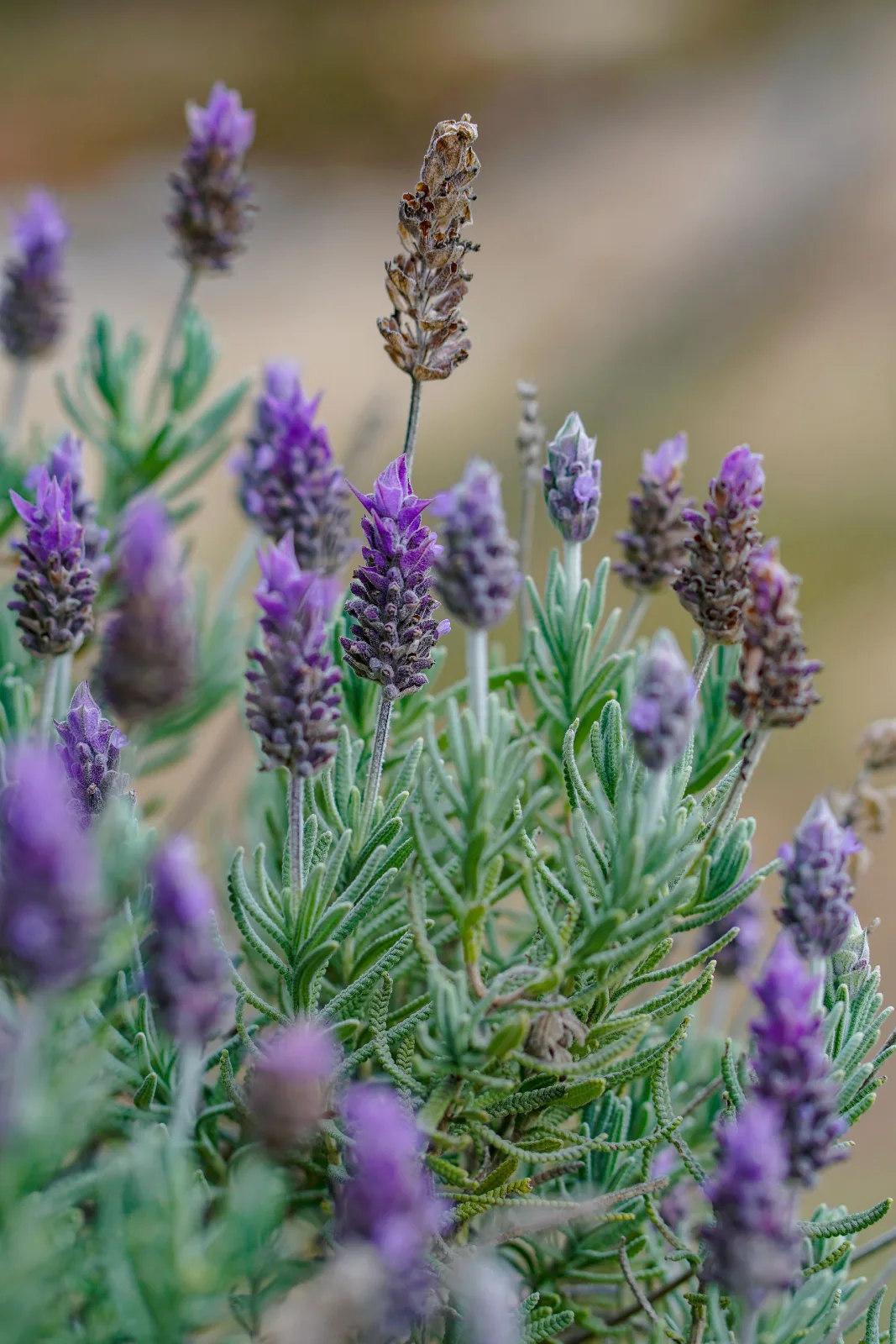
Lavender
Lavender is a sun-loving woody perennial that needs excellent drainage and regular light pruning to stay compact.
View plant →
Herb & spice
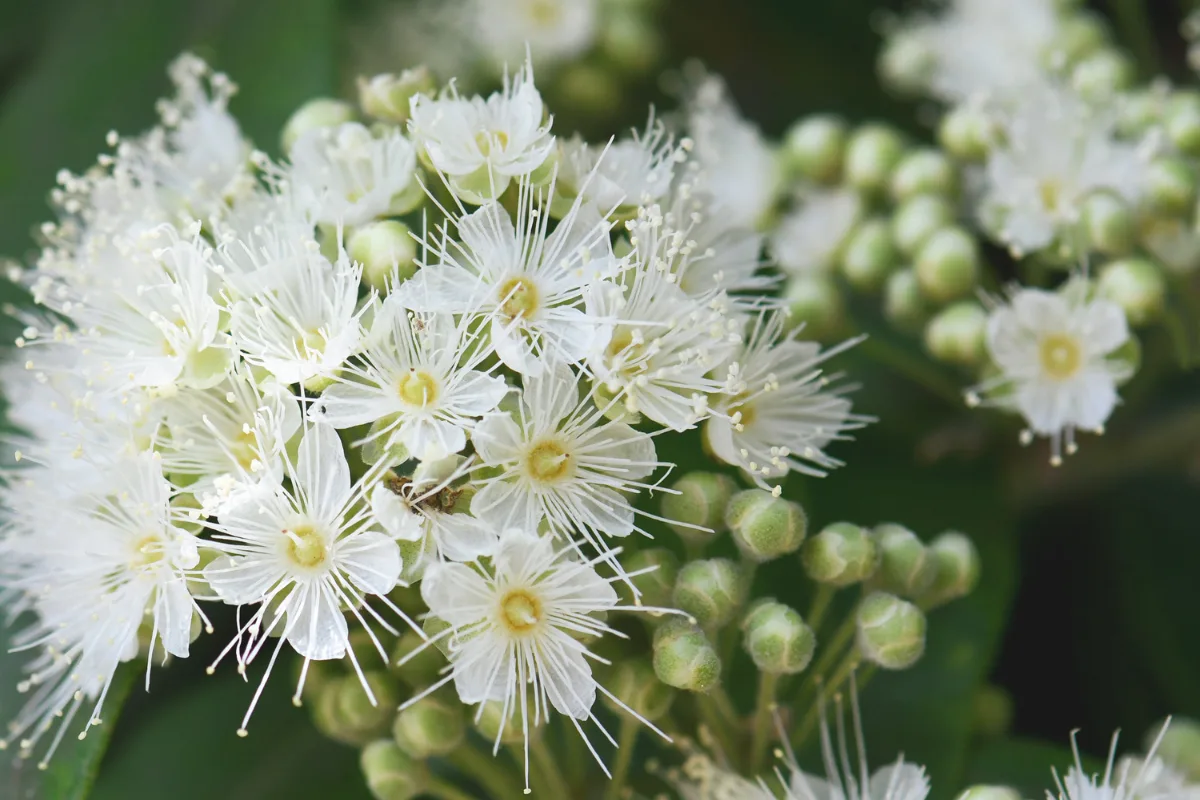
Lemon myrtle
Lemon myrtle is a Queensland rainforest tree famous for intensely lemon-scented leaves. It can be grown as a small tree, clipped shrub or hedge, and is particularly at home in warm, moist east-coast gardens.
View plant →
Ornamental
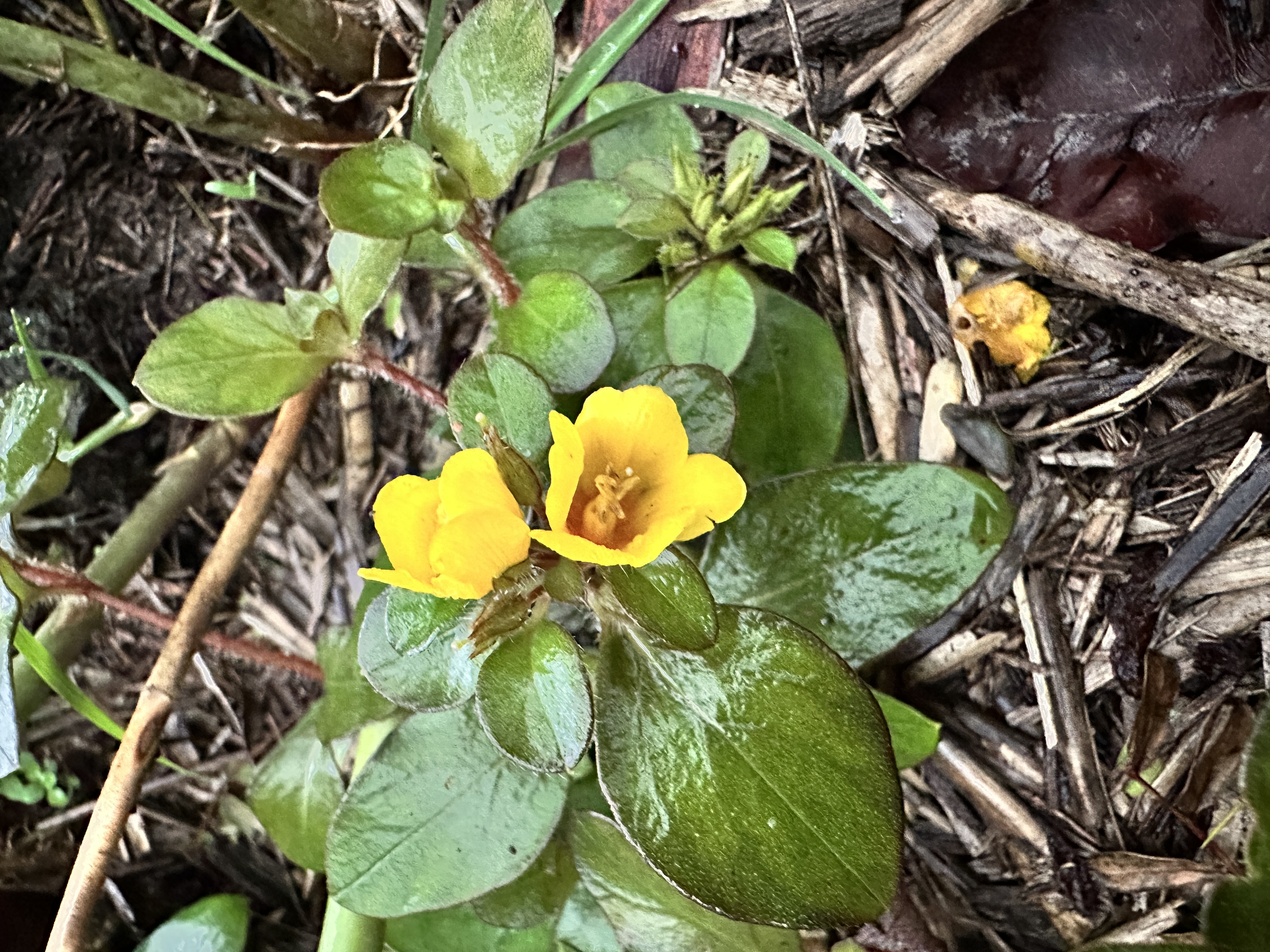
Lysimachia 'Golden Bells'
Lysimachia 'Golden Bells' is a low spreading perennial with bright green-gold foliage and yellow flowers. It works well as a groundcover or trailing plant.
View plant →
Ornamental
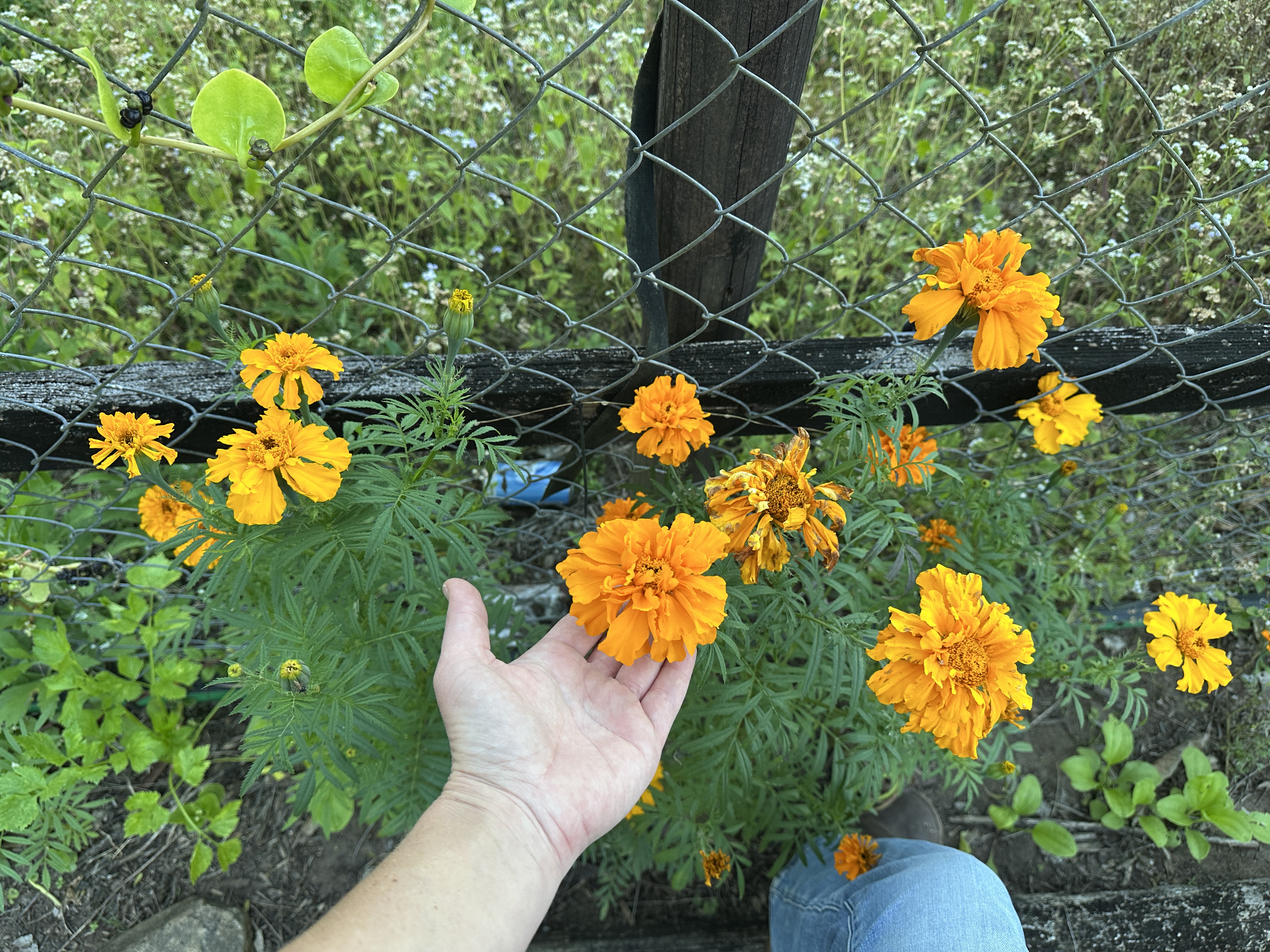
Marigold
Marigolds flower for months and handle hot, dry weather well. Grow them in veggie beds, flower gardens or pots, and remove spent flowers regularly to keep them producing.
View plant →
Vine
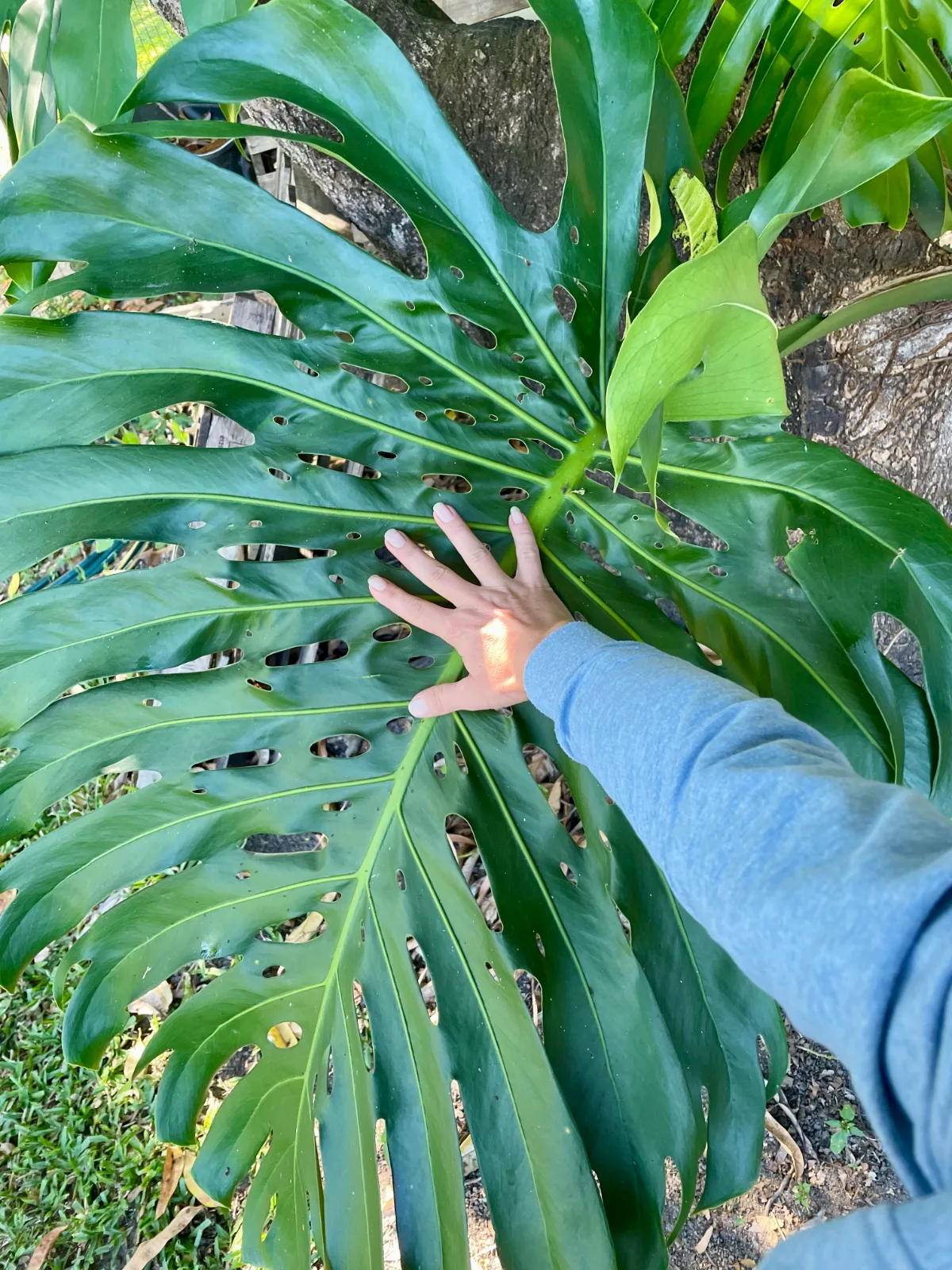
Monstera
Monstera is a tropical climber with large split and perforated leaves. Give it a sturdy support and bright filtered light and the leaves become much larger as the plant matures.
View plant →
Ornamental
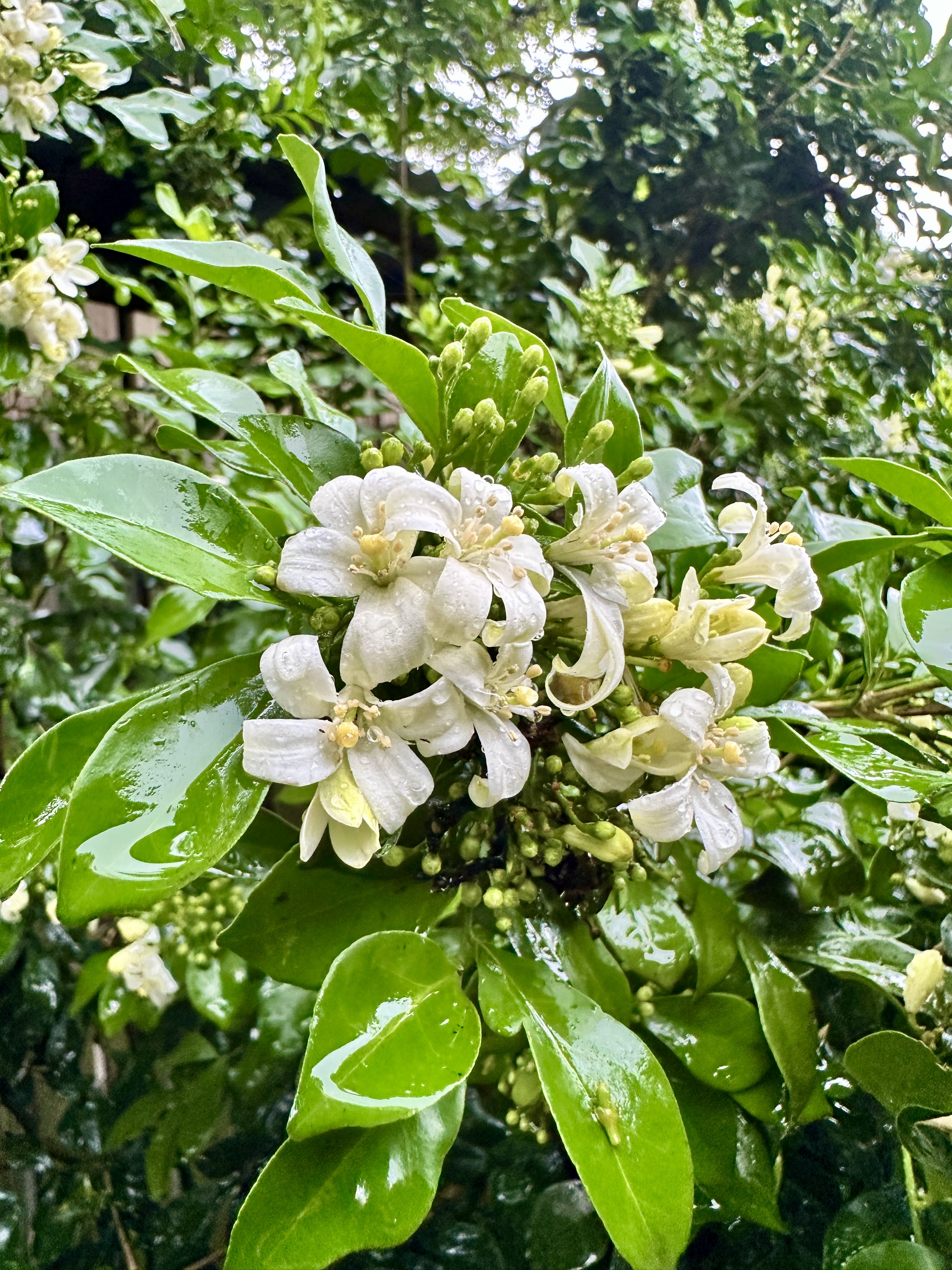
Murraya
Murraya is a dense evergreen shrub or small tree with glossy leaves and strongly scented white flowers. The common garden form 'Exotica' grows quickly in warm climates and is widely used for hedges, screens and clipped shapes around entrances, paths and outdoor living areas.
View plant →
Succulent
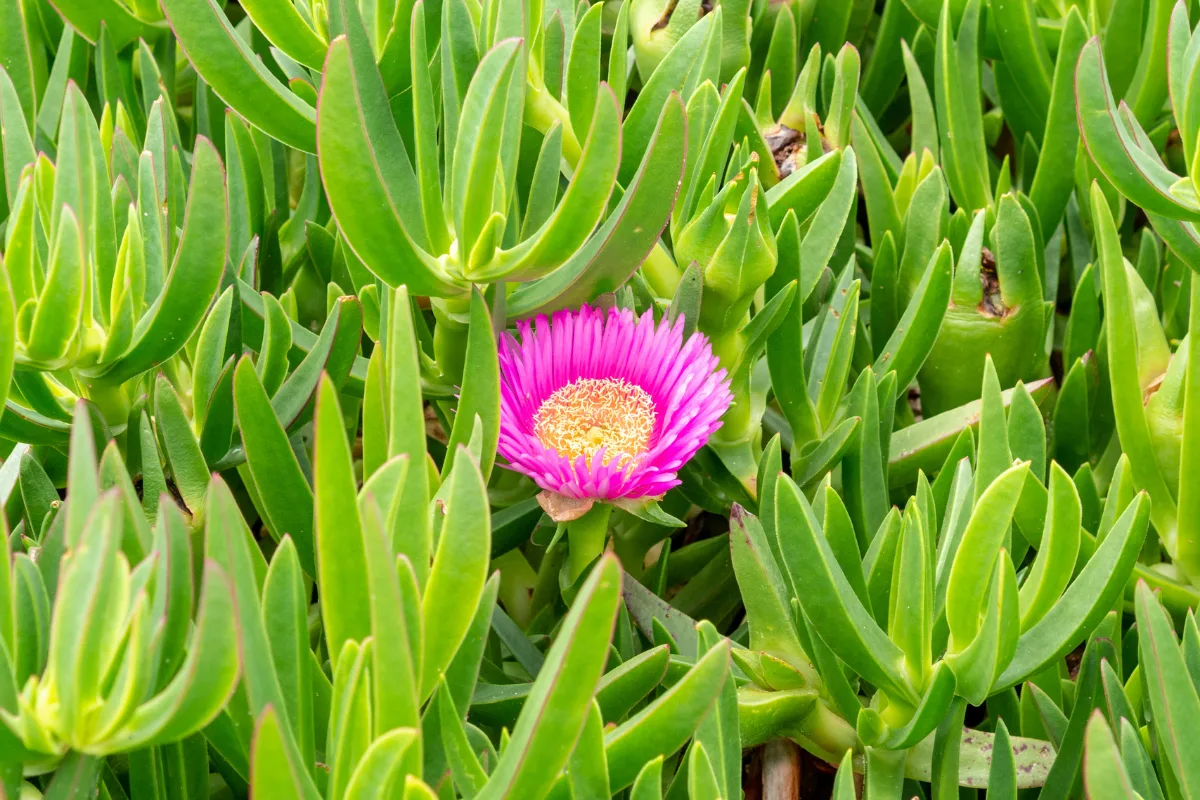
Native pigface
Native pigface makes a low carpet of fleshy leaves and bright pink-purple flowers in hot, exposed sites. It handles salt, wind and dry soil, and the true native species also has edible fruit and leaves.
View plant →
Ornamental
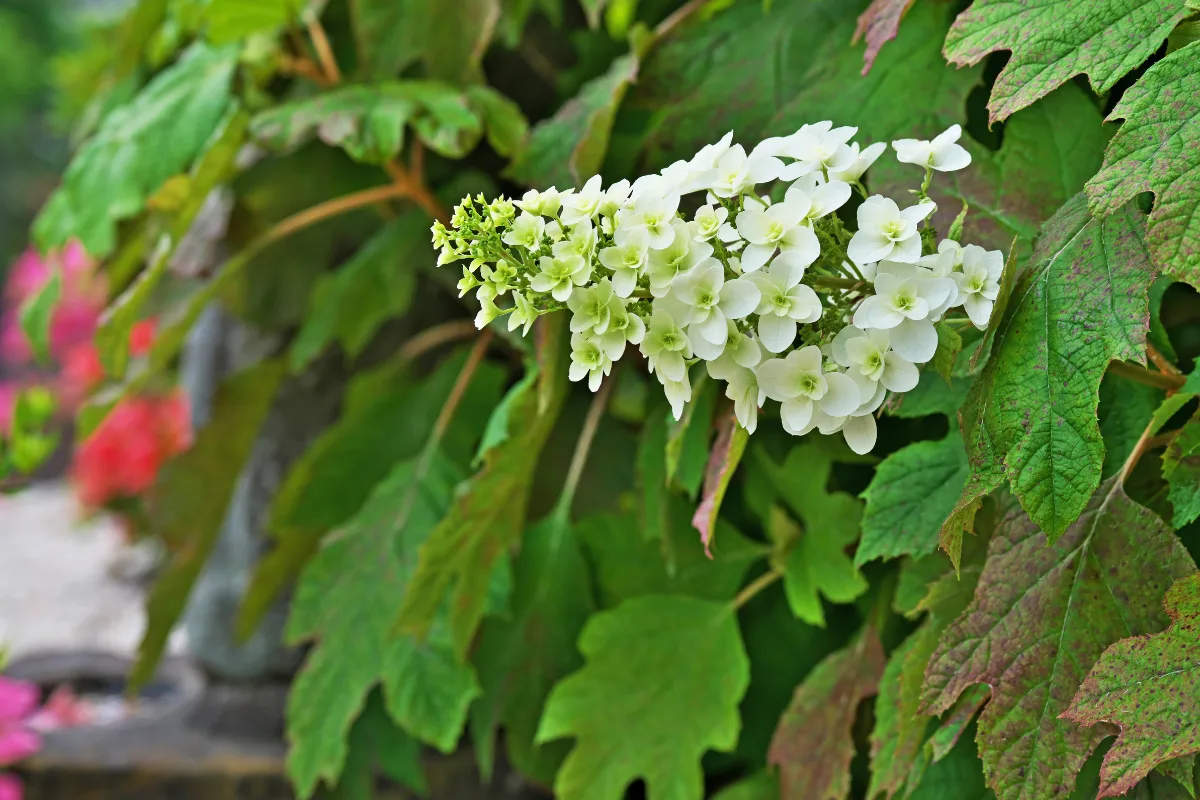
Oakleaf hydrangea
Oakleaf hydrangea is grown as much for its foliage as its flowers. Large oak-shaped leaves turn rich bronze, red and burgundy in autumn, while long white flower clusters appear through summer.
View plant →
Veggie
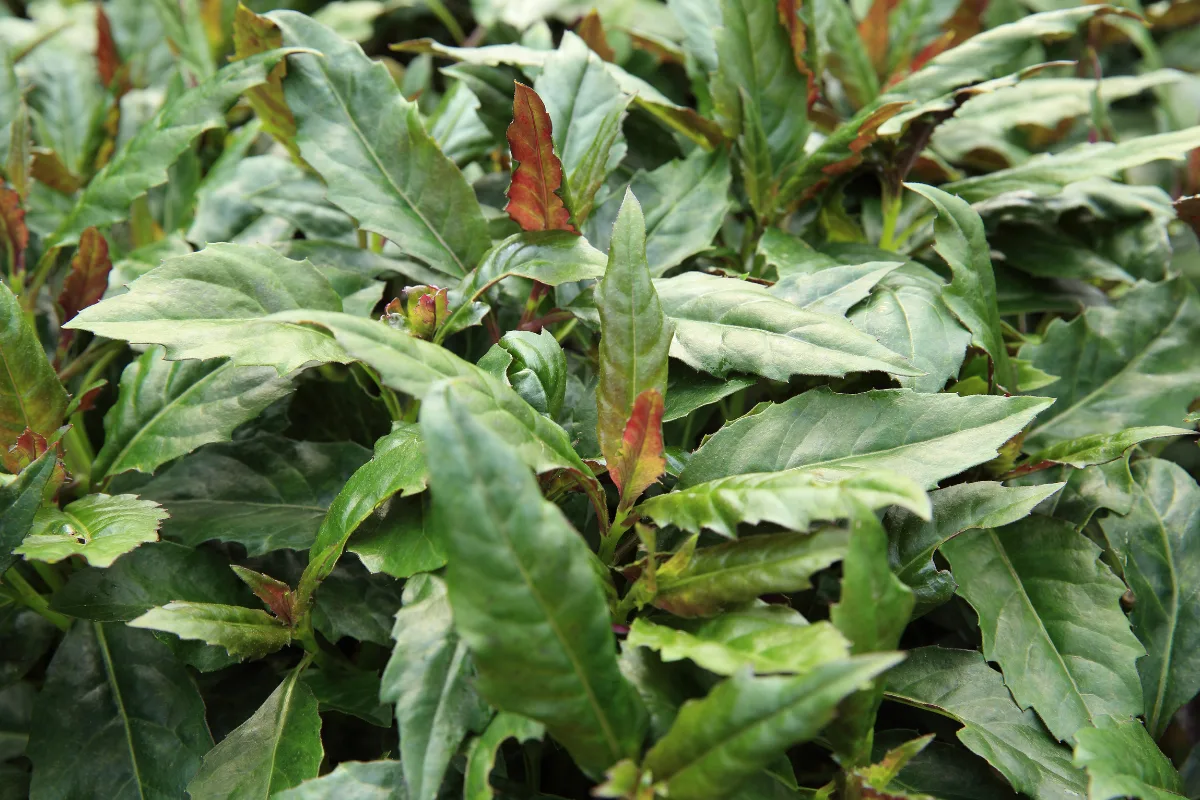
Okinawa spinach
Okinawa spinach is a low, spreading perennial green with purple undersides to the leaves. Once it is in, you can harvest it over many seasons and it strikes from any piece you break off.
View plant →
Ornamental
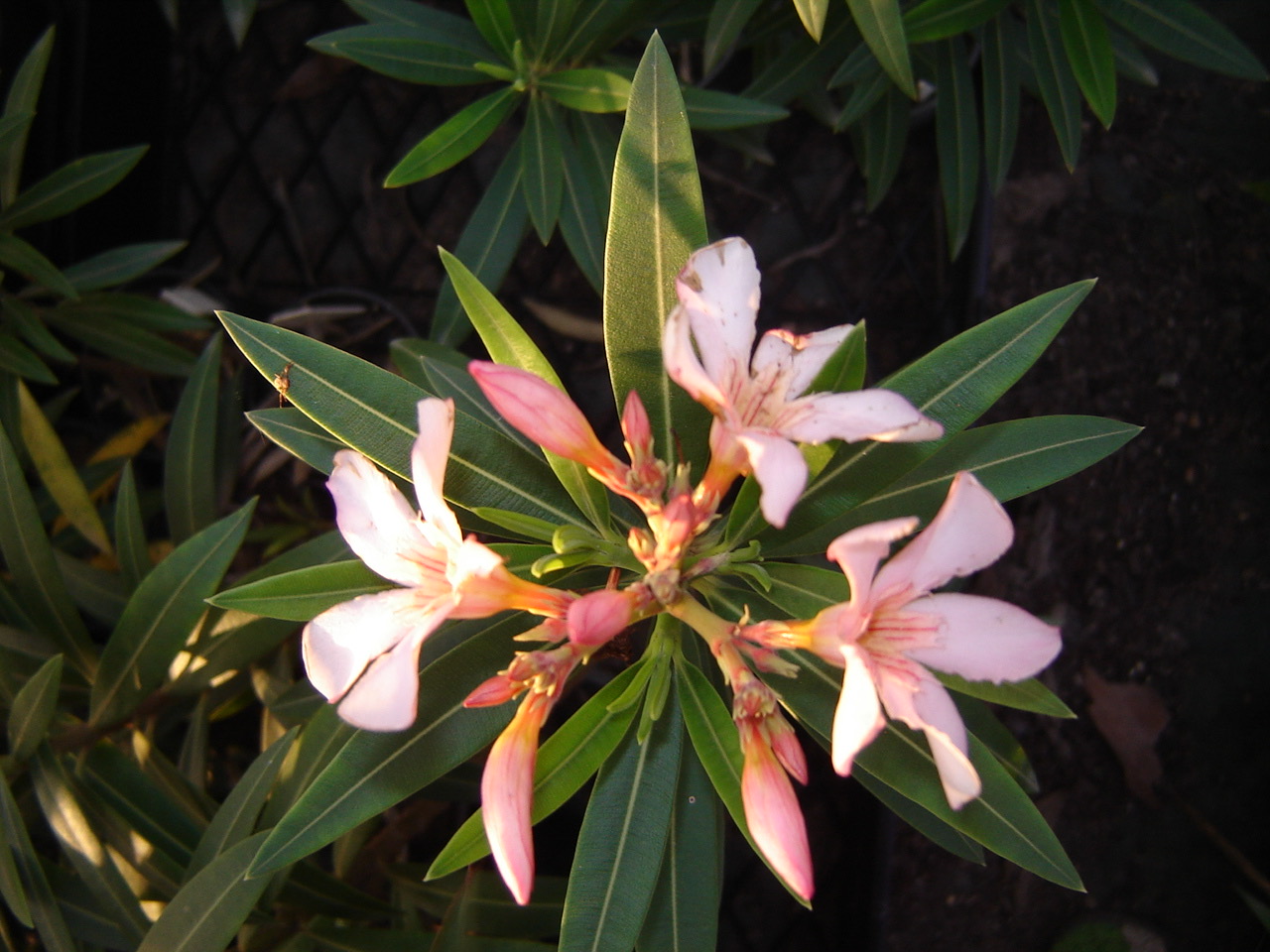
Oleander
Oleander is a tough evergreen shrub with long narrow leaves and clusters of pink, red, white or apricot flowers. It handles heat, dry conditions and regular pruning extremely well.
View plant →
Ornamental
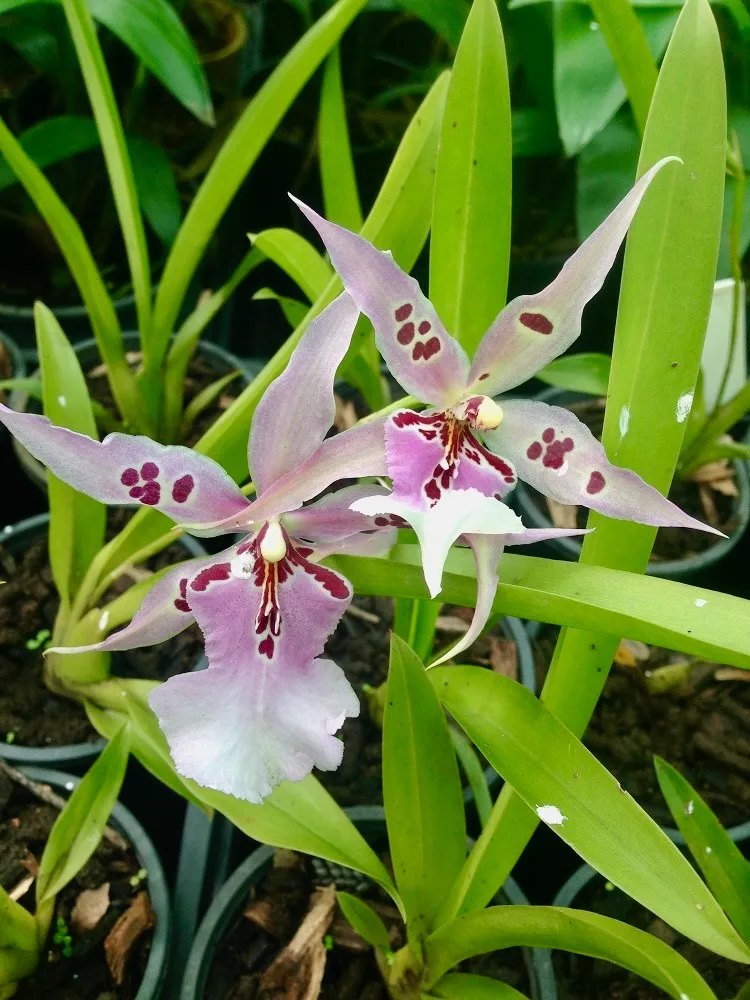
Orchids
Orchids are a huge plant family with very different growing needs. For common home-grown orchids, light, an airy root zone, careful watering and repotting at the right stage of growth are the main things to get right.
View plant →
Ornamental
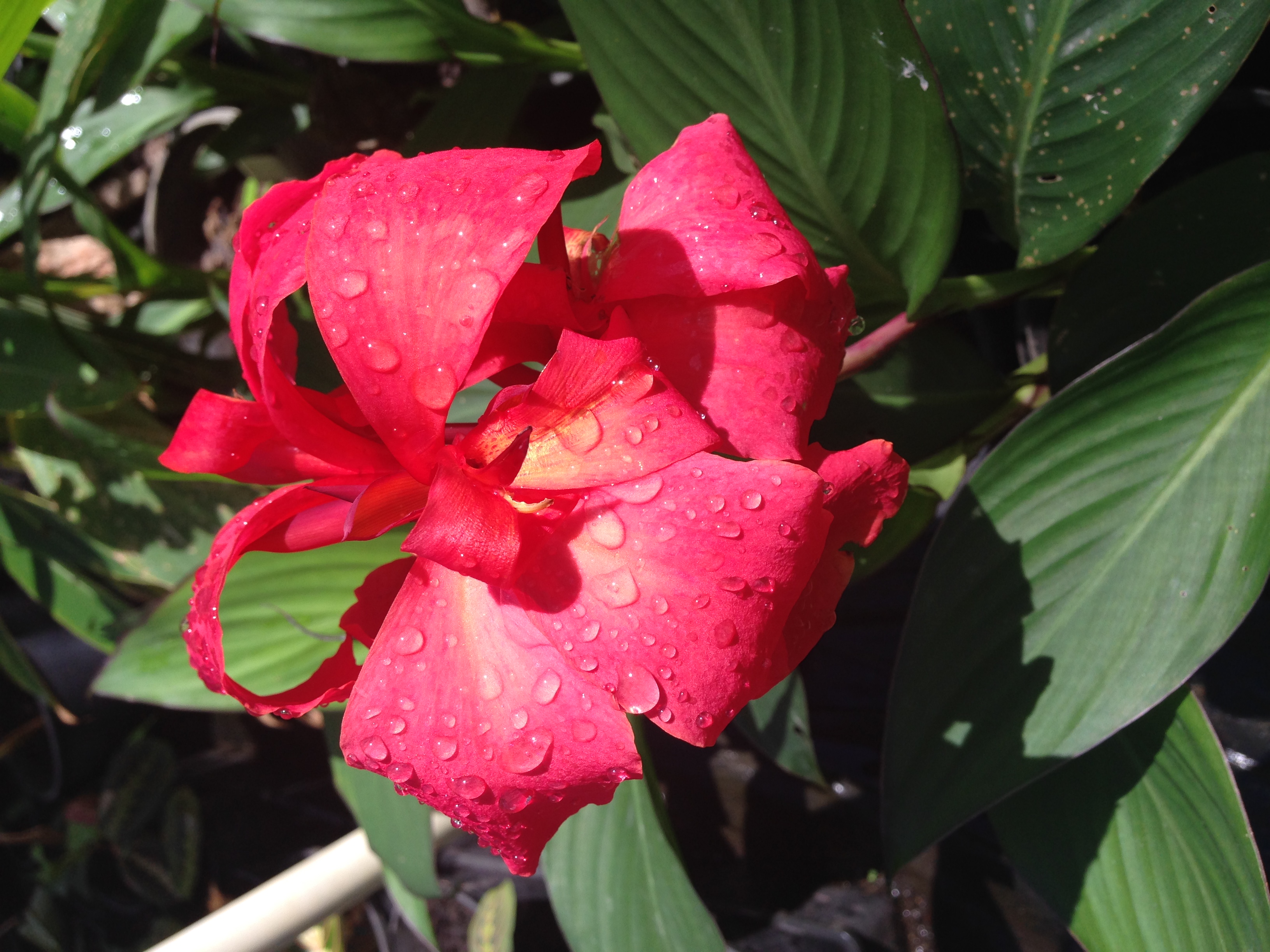
Ornamental canna
Ornamental cannas are bold flowering hybrids with large leaves and bright summer flowers. Cultivars vary widely in height, foliage colour and flower form.
View plant →
Herb & spice
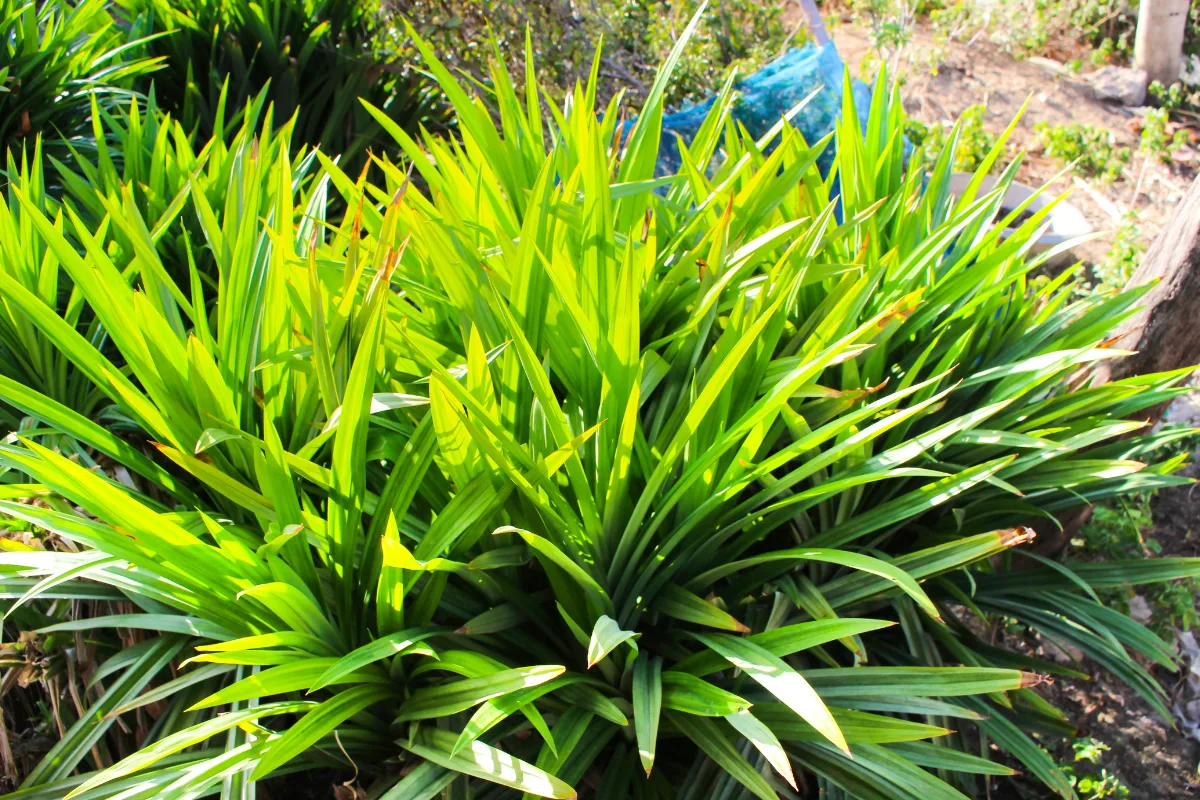
Pandan
Pandan is a fragrant tropical foliage plant grown for leaves used across South-East Asian cooking. It forms a clump rather than a large branching pandanus tree and likes warmth, moisture, rich soil and protection from harsh sun.
View plant →
Ornamental
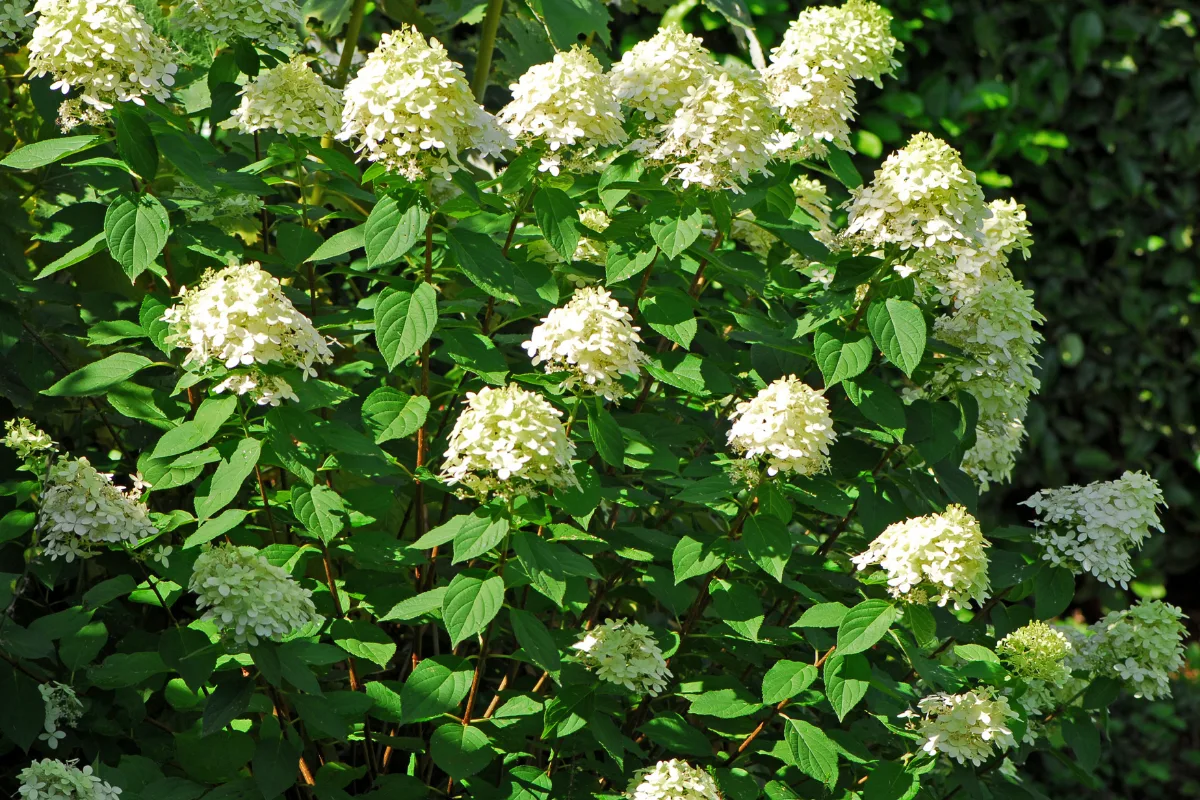
Panicle hydrangea
Panicle hydrangea is the sun-tolerant hydrangea of the group, with upright cone-shaped flower clusters that usually open cream or white and often deepen to pink or red as they age.
View plant →
Ornamental
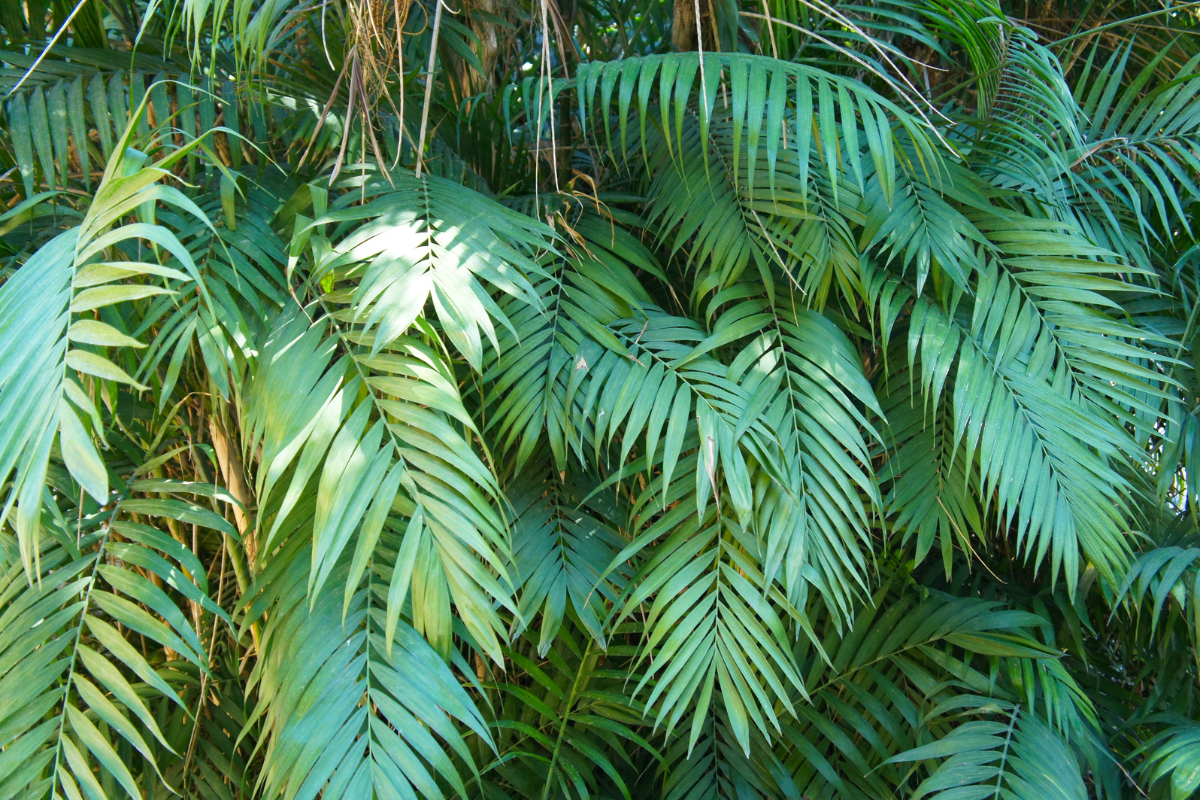
Parlour palm
Parlour palm is a slow-growing indoor palm with fine arching fronds and a much smaller footprint than most palms. It tolerates moderate indoor light, grows happily for years in a pot and does not need frequent repotting.
View plant →
Ornamental
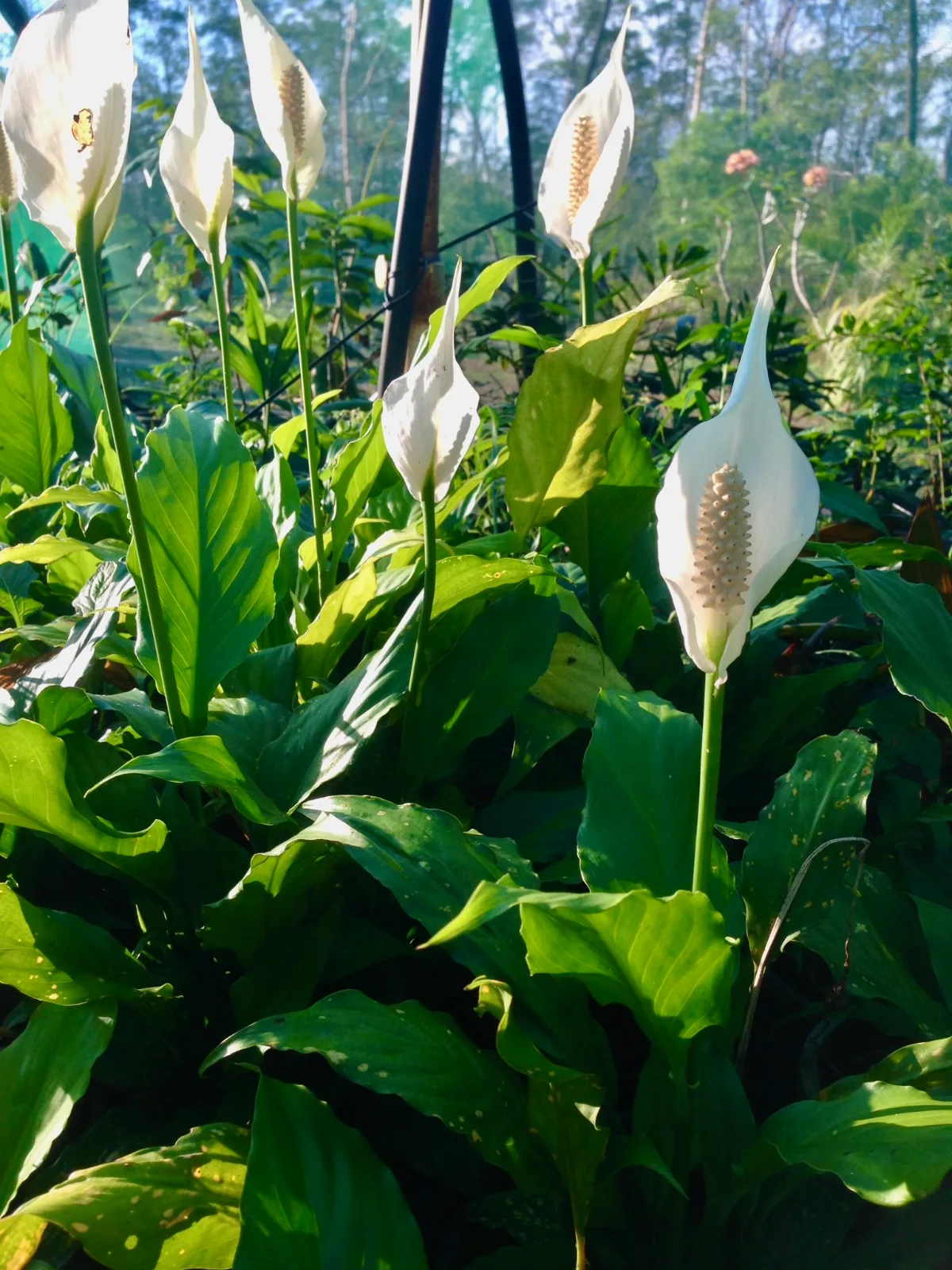
Peace lily
Peace lily is a shade-loving tropical perennial with glossy leaves and white spathes. It handles ordinary indoor light better than many flowering houseplants, but grows best with bright filtered light and evenly moist, well-drained mix.
View plant →
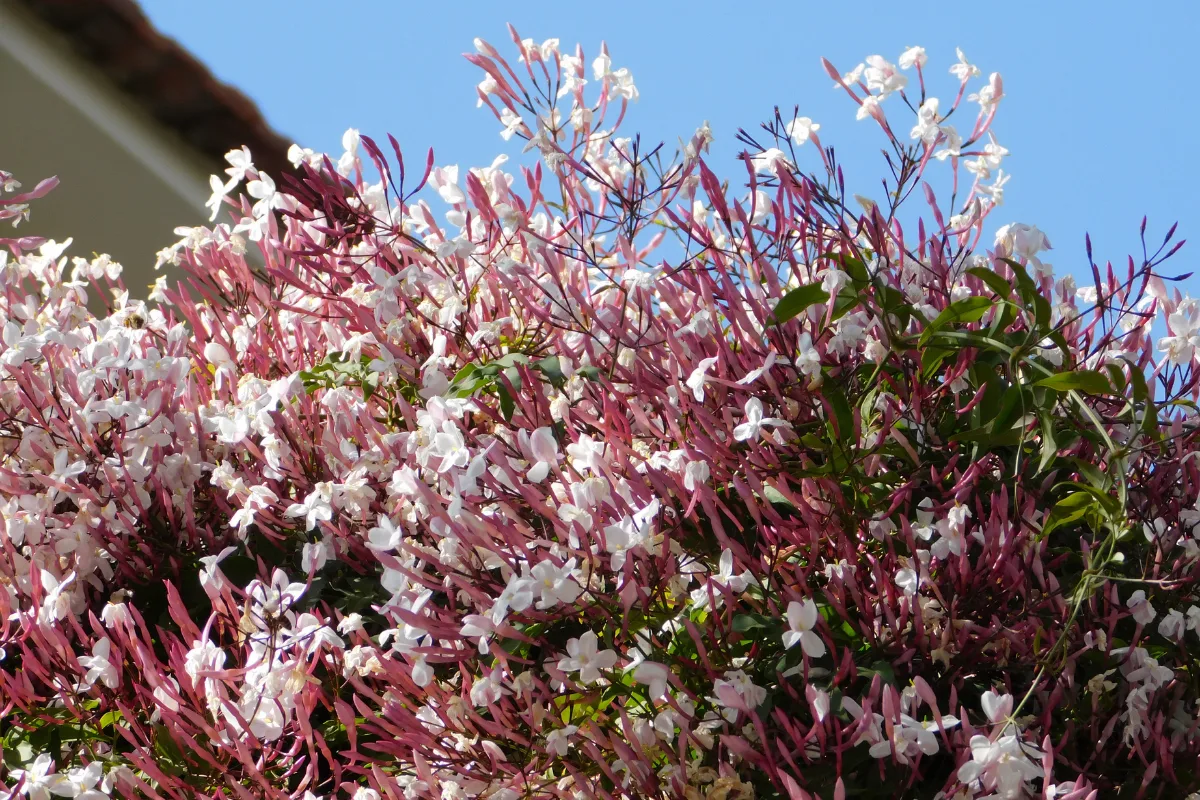
Vine
Pink jasmine
Pink jasmine is a fast twining climber with strongly scented white flowers opening from pink buds. It can cover a trellis quickly and flowers heavily in mild to warm weather, making it useful where you want fragrance as well as dense seasonal cover.
View plant →
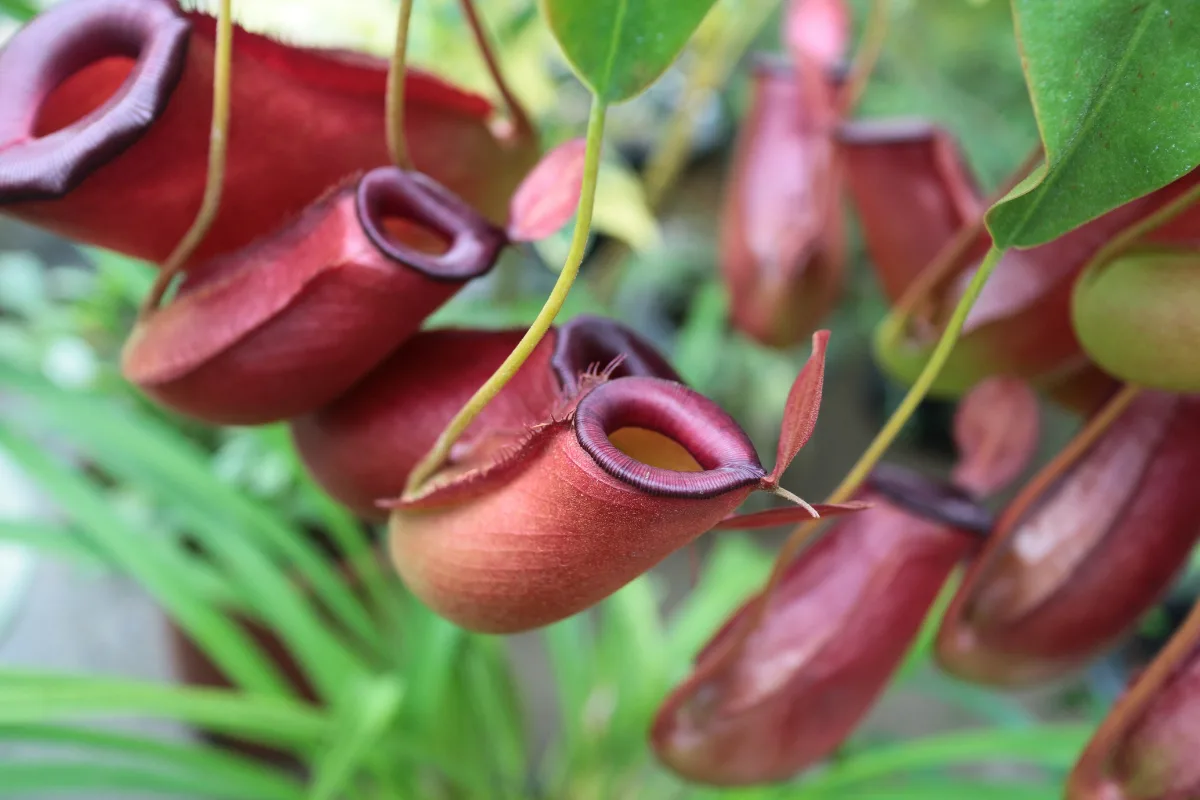
Ornamental
Pitcher plant
Nepenthes make their own insect traps, but the roots still need air. Keep the mix consistently moist rather than swampy, give them humidity and choose a hybrid or species that matches your temperatures.
View plant →
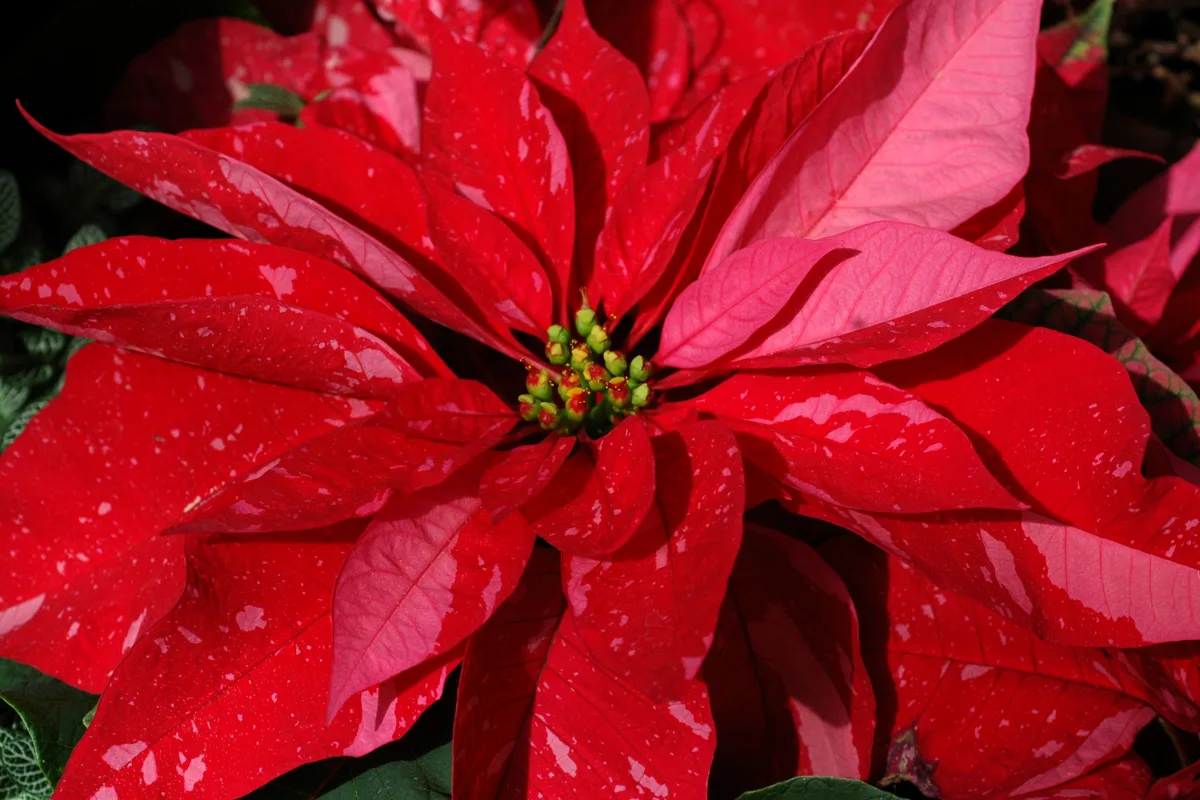
Ornamental
Poinsettia
Poinsettia is a warm-climate shrub best known for red, pink, cream or variegated winter bracts. A gift-sized pot can become a tall garden shrub in frost-free Australia, so prune after the colour finishes.
View plant →
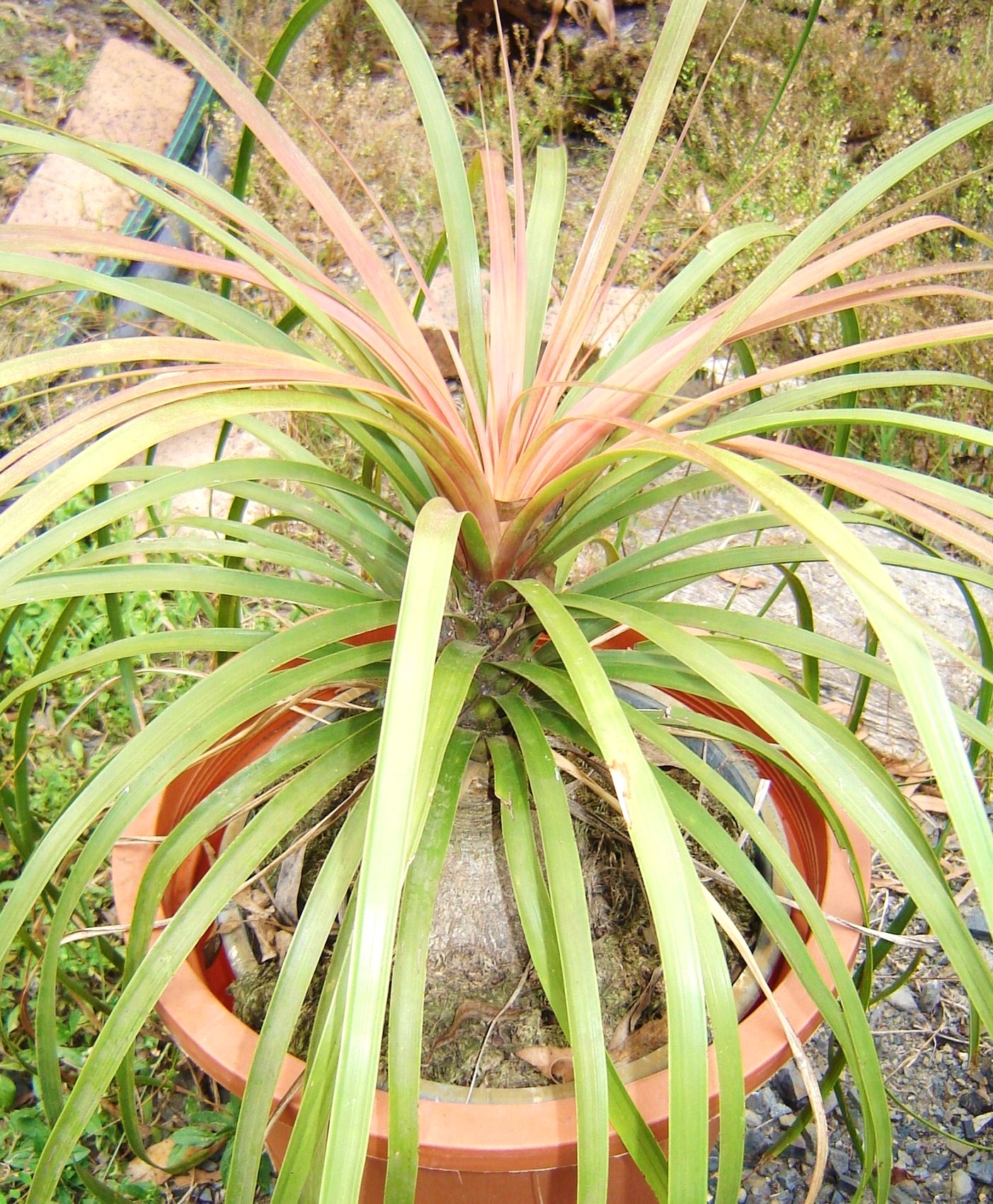
Ornamental
Ponytail palm
Ponytail palm is a slow-growing caudex plant with a swollen water-storing base and long arching leaves. It suits bright indoor positions and dry, free-draining outdoor gardens in warm climates.
View plant →
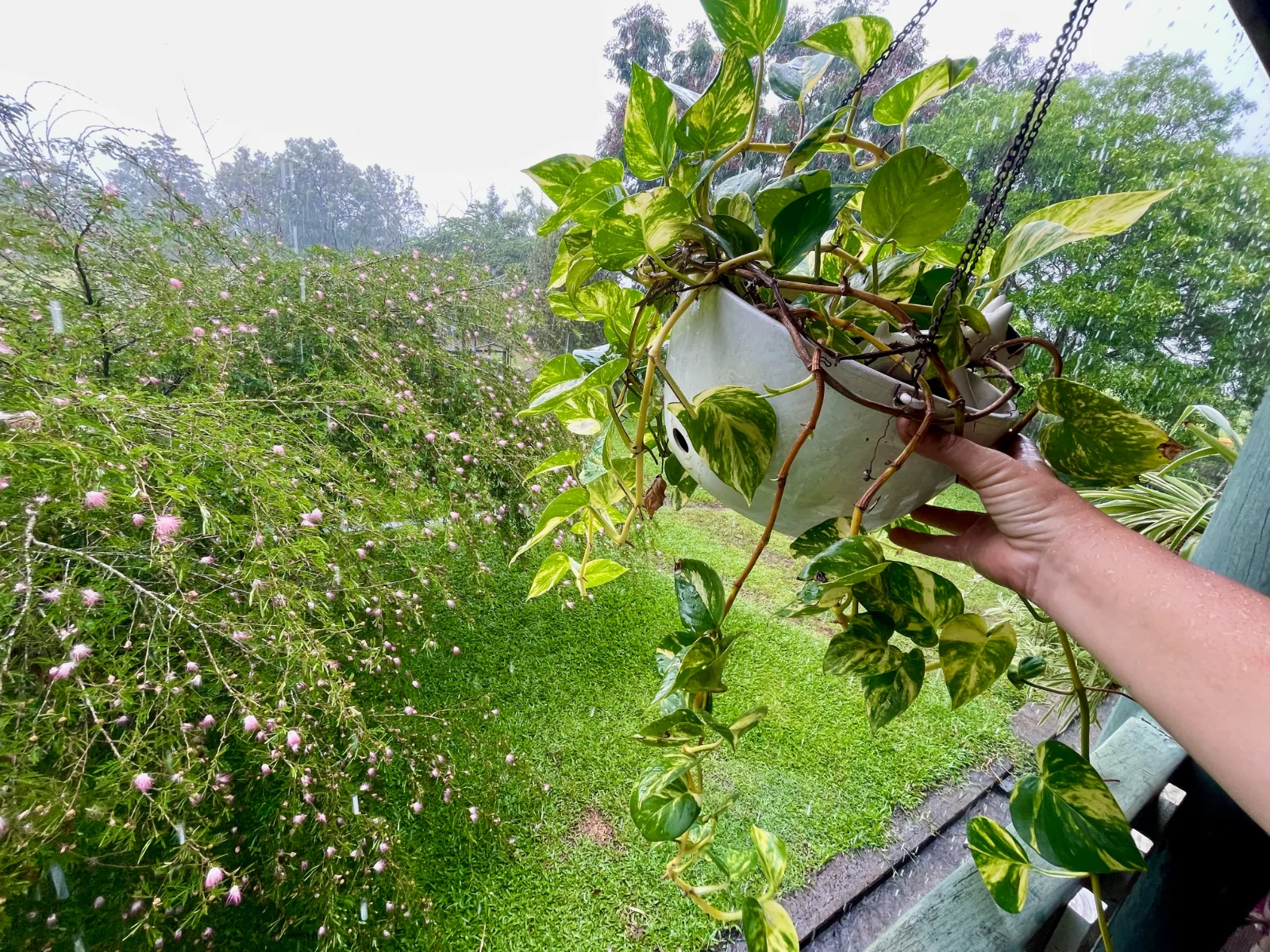
Ornamental
Pothos
Pothos is a tropical climber grown for glossy heart-shaped leaves. It can trail from a shelf or climb a support, where the leaves can become much larger.
View plant →
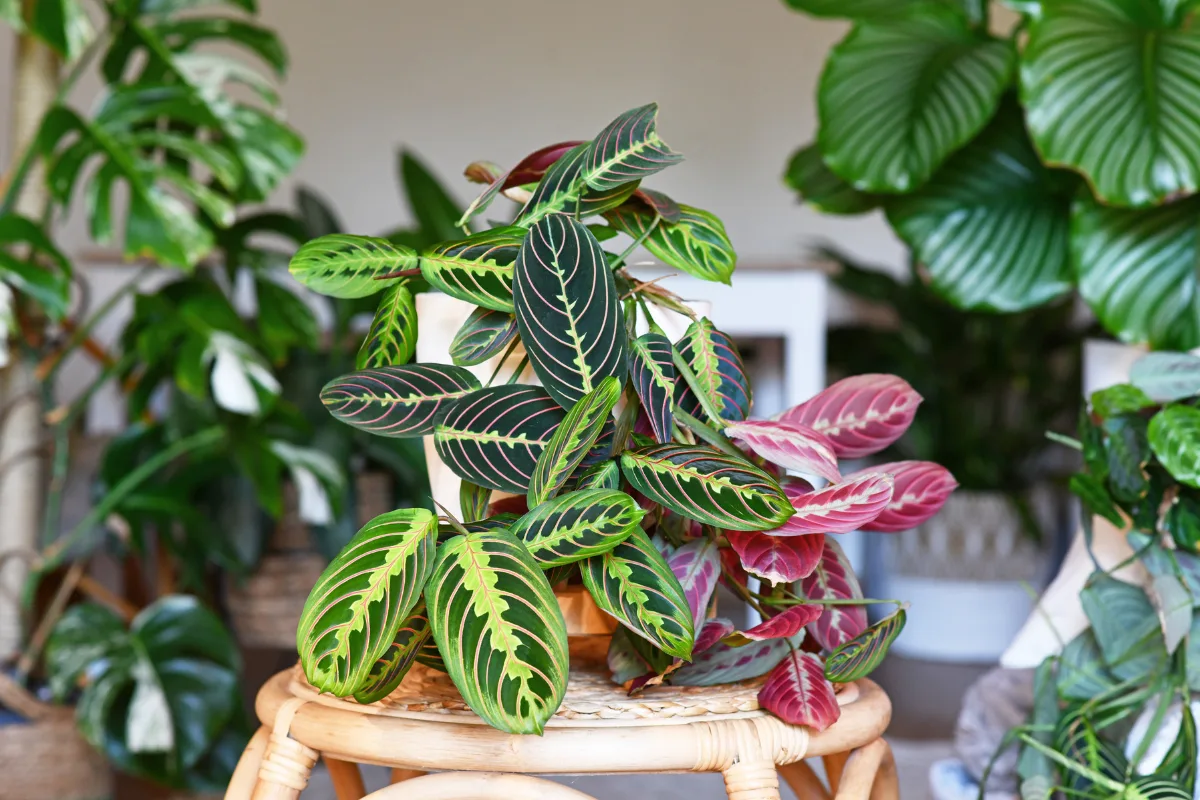
Ornamental
Prayer plant
Prayer plant grows for its patterned leaves and the way they lift at night. Bright indirect light, steady moisture and warm sheltered conditions keep the leaves much cleaner than direct sun or dry potting mix.
View plant →
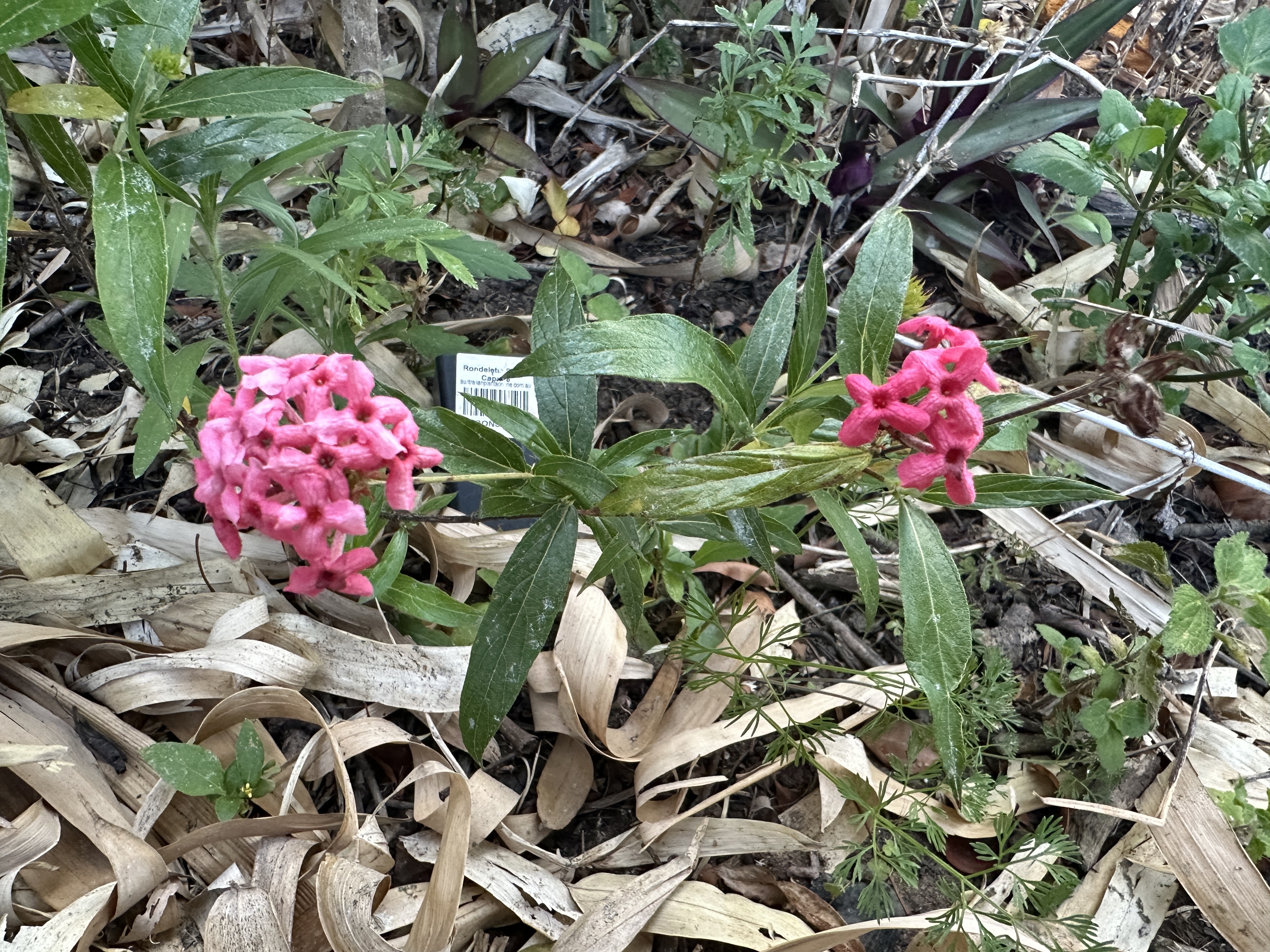
Ornamental
Rondeletia
Rondeletia amoena is a warm-climate evergreen shrub with rounded foliage and clusters of scented pink flowers with yellow throats. It makes a good informal screen or flowering shrub.
View plant →
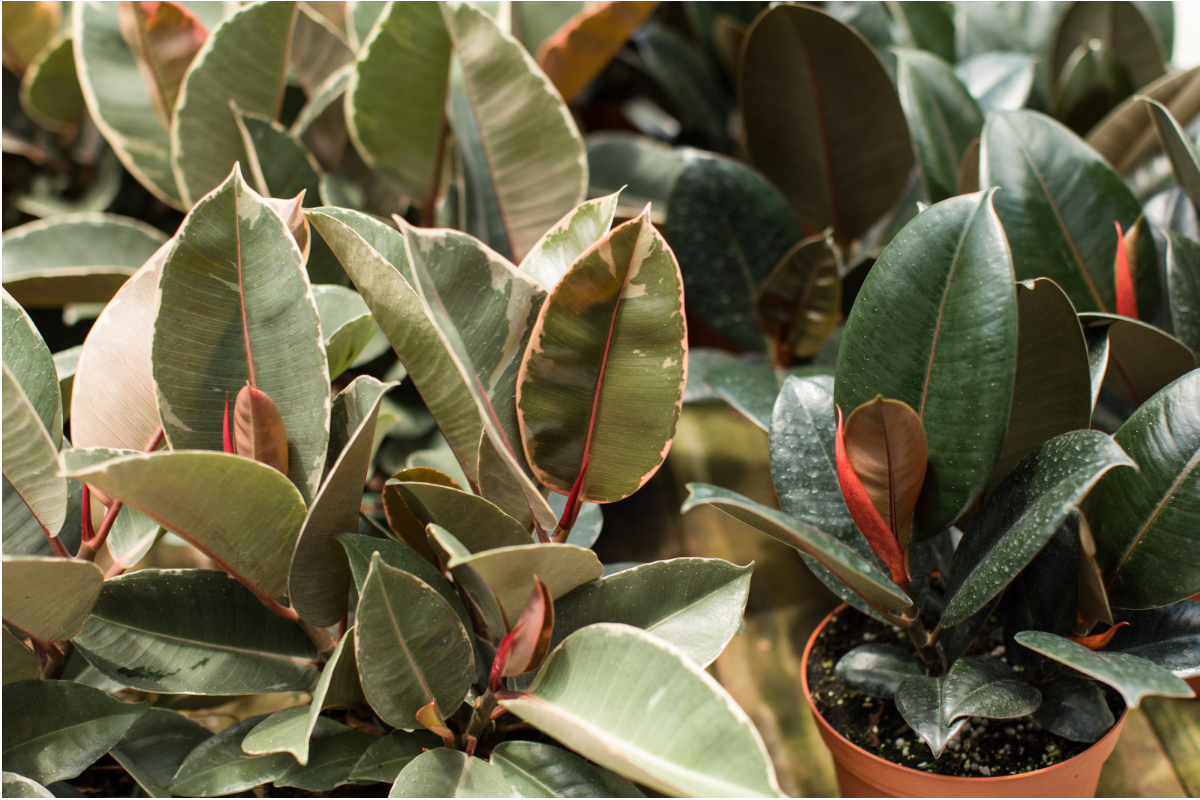
Ornamental
Rubber plant
Rubber plant is a glossy-leaved fig that makes a bold indoor foliage plant and can become a very large tree in warm ground. In a pot, you can keep it compact with good light and regular pruning.
View plant →
Herb & spice
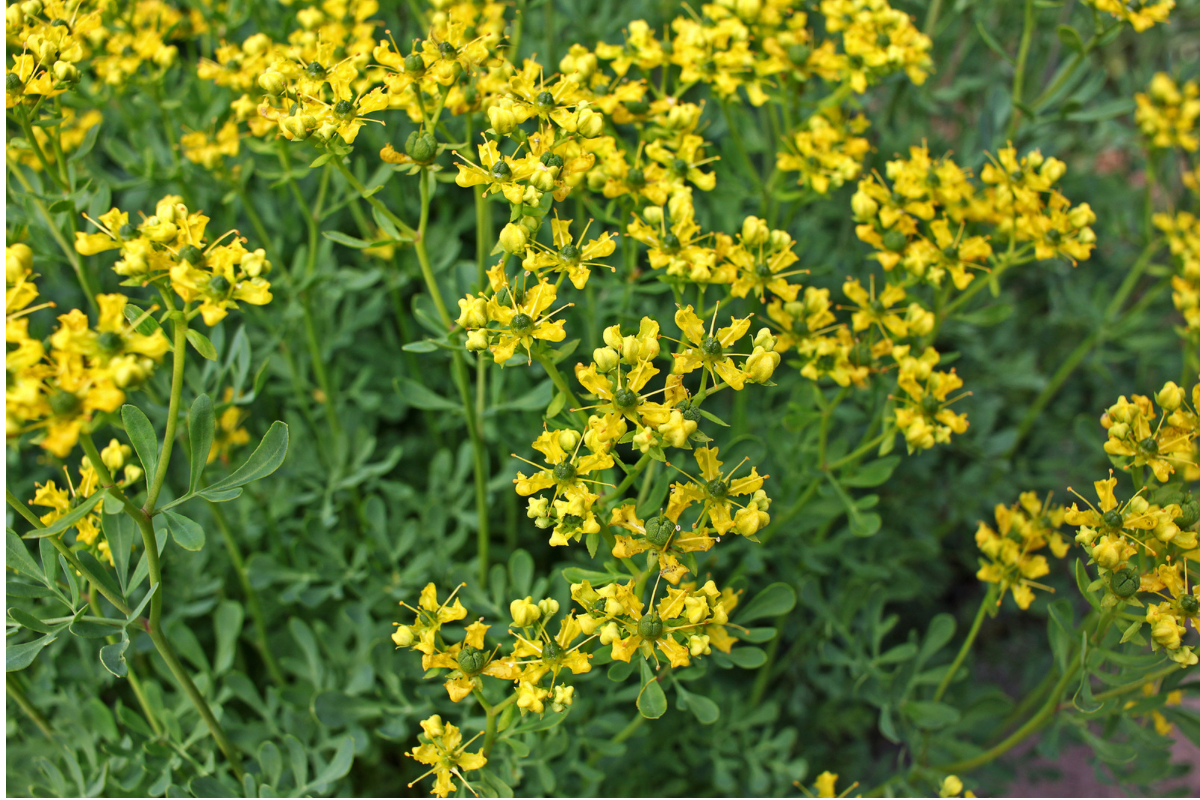
Rue
Rue is a small aromatic shrub with blue-green divided leaves and yellow summer flowers. Ruta graveolens has a long history in herb gardens but today is often grown ornamentally and should be handled carefully because its sap can irritate skin.
View plant →
Ornamental
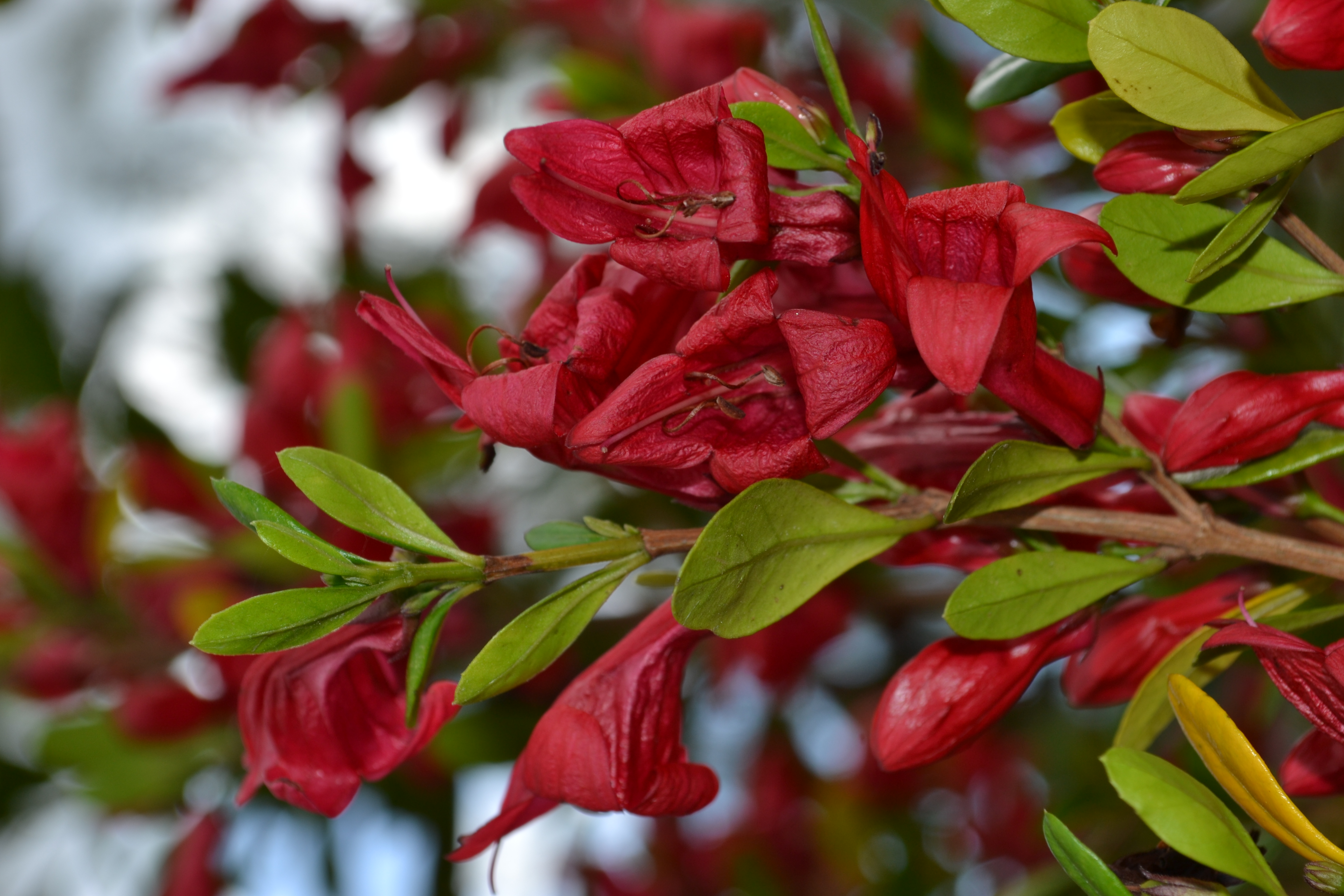
Scarlet fuchsia
Scarlet fuchsia is a Queensland native shrub with glossy leaves and deep red tubular flowers that draw nectar-feeding birds. It handles pruning well and can be grown as a specimen, screen or informal hedge.
View plant →
Ornamental
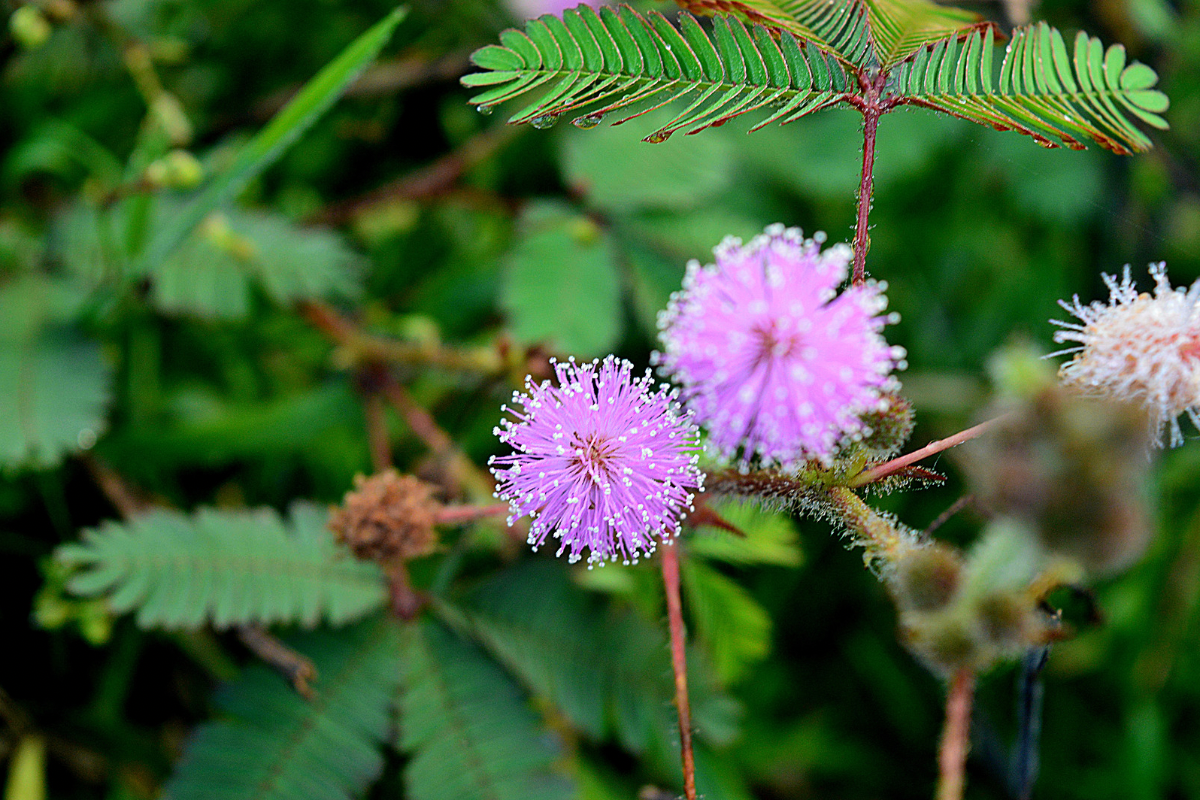
Sensitive plant
Sensitive plant is a low tropical legume famous for leaflets that fold rapidly when touched. Mimosa pudica grows as a short-lived perennial in warm climates or an annual where cold limits it, producing pink pom-pom flowers followed by prickly seed pods.
View plant →
Ornamental
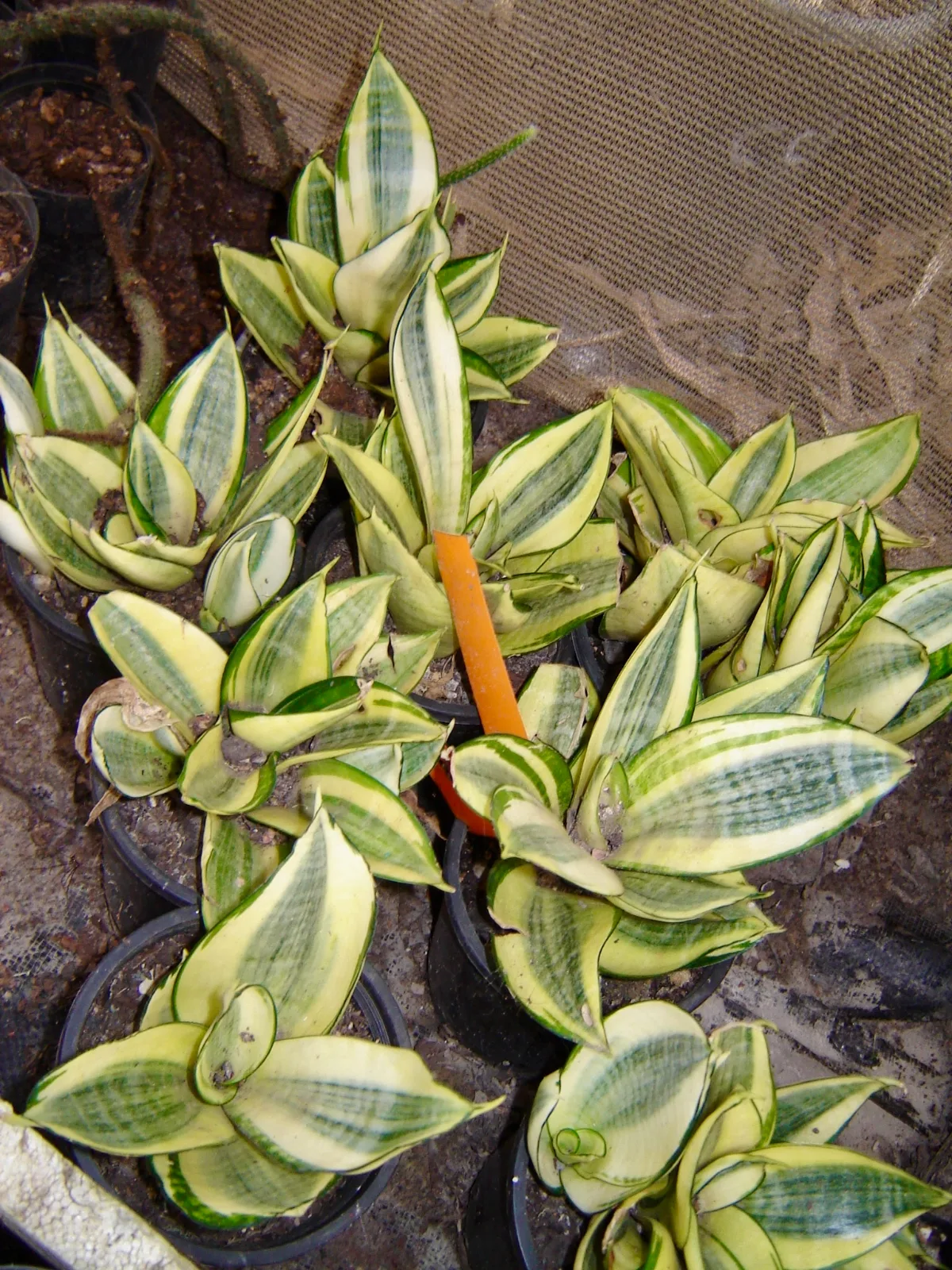
Snake plant
Snake plant is a tough upright foliage plant that handles dry conditions and lower light better than many indoor plants. Its stiff leaves and compact root system make it especially useful in pots.
View plant →
Ornamental
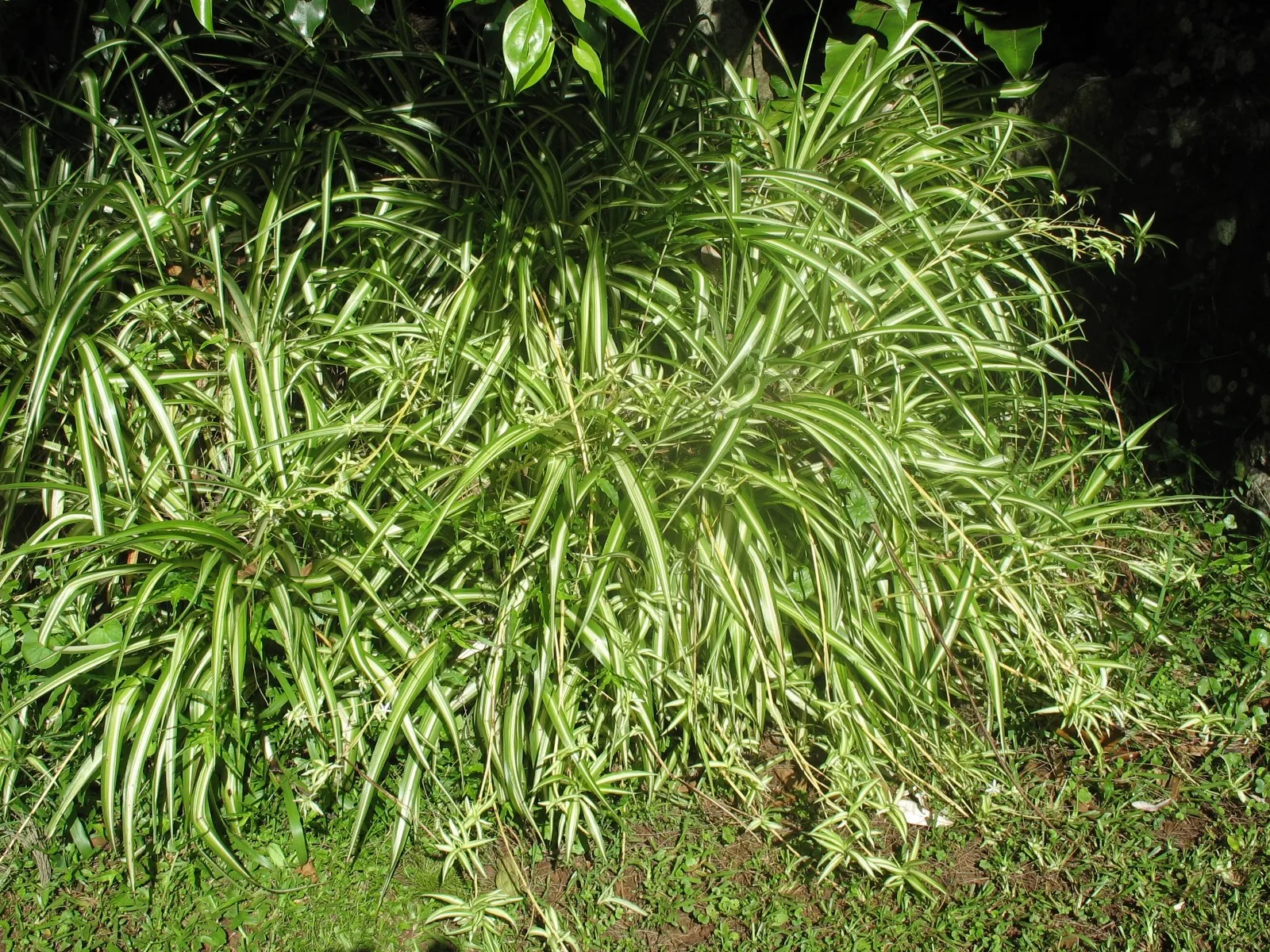
Spider plant
Spider plant is an easy arching foliage plant that produces dangling stems covered in baby plants. It grows very well in pots, hanging baskets and bright shaded positions.
View plant →
Ornamental
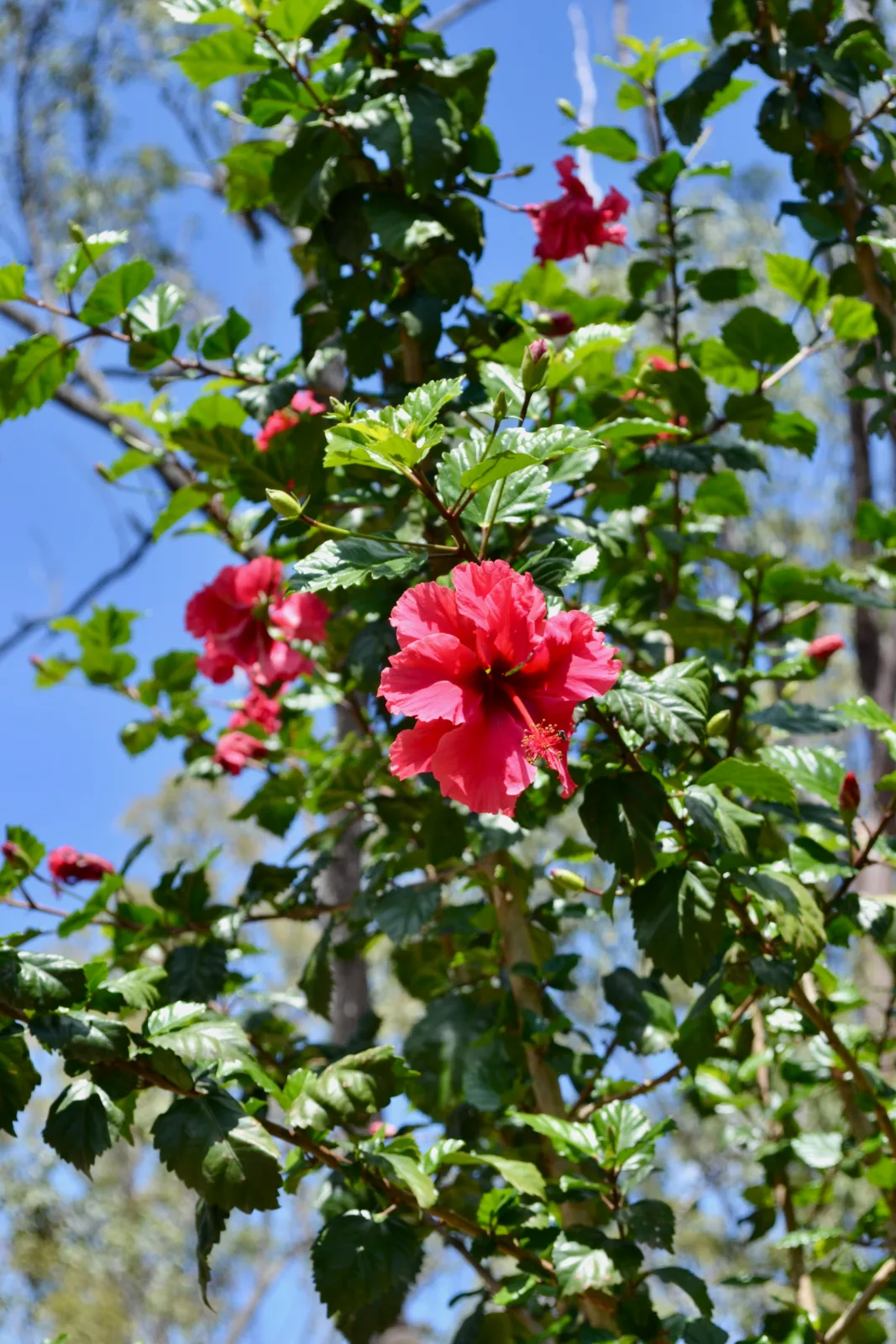
Tropical hibiscus
Hibiscus is a classic warm-climate shrub grown for large colourful flowers over a long season. It responds well to pruning, feeding and regular moisture and can be trained as a hedge, specimen shrub or small standard.
View plant →
Ornamental
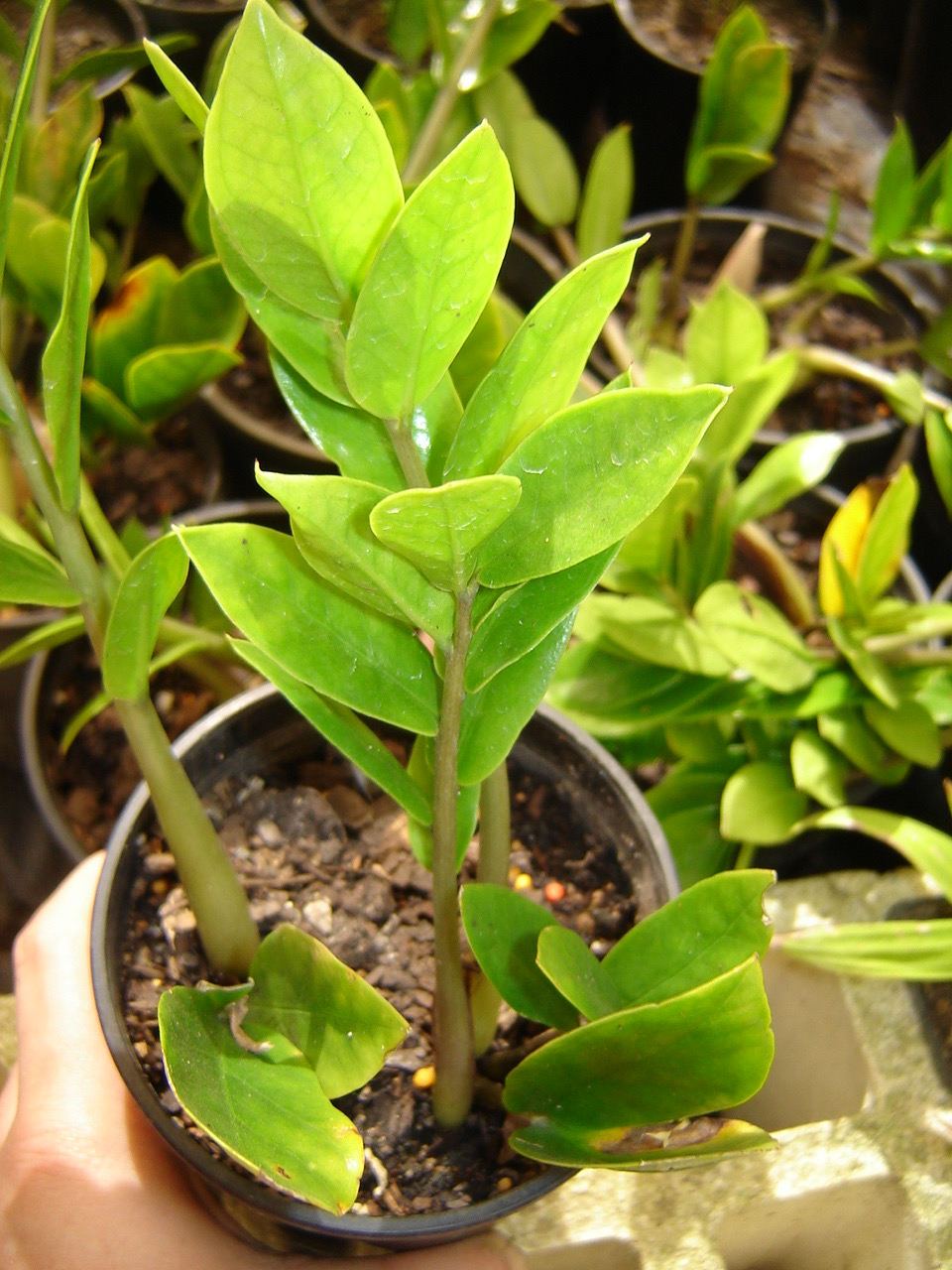
ZZ plant
ZZ plant is one of the toughest glossy-leaved foliage plants you can grow. Its thick underground rhizomes store water, so it handles dry shade and missed waterings far better than constantly wet soil.
View plant →
Plan for Mature Height and Width
A tidy nursery plant may become a broad shrub, tall screen or spreading clump. Check the expected mature size before planting beside paths, windows, drains or a neighbour's fence.
Species and cultivars within the same group can differ in size, flower colour, cold tolerance and sun needs. Use the full plant name where possible rather than relying on the broad common name.
Build Interest Across the Year
Combine plants with different flowering seasons, foliage textures and growth habits rather than relying on one short display. This can also provide steadier shelter and food for birds and insects.
Where wildlife is a priority, include locally suitable native plants and avoid species known to spread into nearby natural areas. The best choice depends on your district and the habitat already around you.
Common questions
- How do I choose an ornamental plant for a position?
- Check direct sun, reflected heat, soil drainage, wind and mature size. Then compare those conditions with the needs of the exact species or cultivar.
- Can ornamental plants grow in pots?
- Many compact ornamentals can grow well in pots when pot size, drainage and watering suit the mature plant. Large shrubs and trees generally need substantial root room and ongoing management.
- Do ornamental plants help wildlife?
- Many provide nectar, pollen, fruit or shelter, but their value differs by plant and local wildlife. A mix of locally suitable flowering plants and dense shelter usually offers more than a single feature plant.