


Plant profile
Pandan
Pandanus amaryllifolius
Also known as pandan leaf, fragrant pandan.
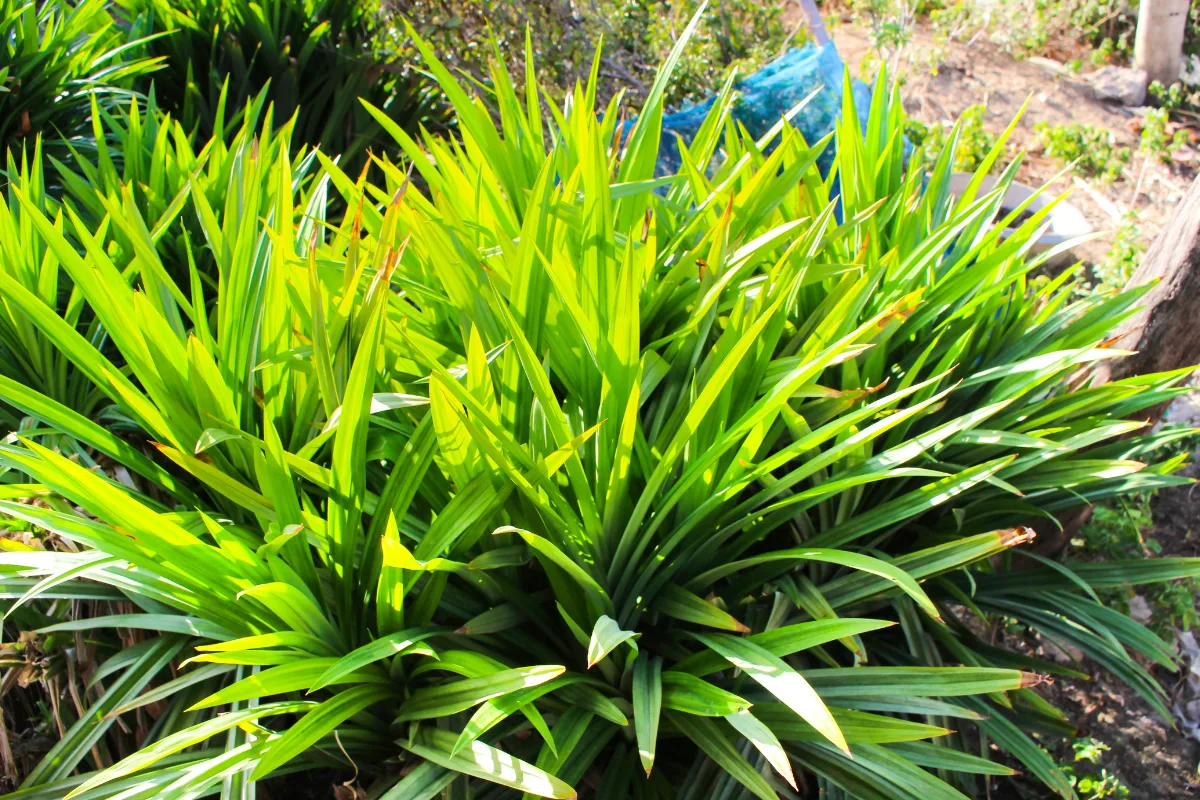
Pandan is a fragrant tropical foliage plant grown for leaves used across South-East Asian cooking. It forms a clump rather than a large branching pandanus tree and likes warmth, moisture, rich soil and protection from harsh sun.
- Grows well in
- Tropical, Subtropical
- Lifecycle
- Evergreen tropical perennial shrub
- Light
- Part shade, Full sun
- Mature size
- Usually 1–2 m tall and wide, often smaller in pots
- Spacing
- About 60–100 cm or one clump per large pot
- Growth habit
- Clumping tropical shrub with long fragrant leaves
- Native range
- Maluku, Indonesia
- Natural habitat
- Wet tropical lowland forest and humid sites, often near streams.
When to plant
Tropical
September–April
Subtropical
October–March
Plant or divide during warm weather. In marginal subtropical areas, wait until nights are warm.
Planting
Plant into rich, moist, well-drained soil or a roomy pot. Keep the plant at its existing depth and allow space for basal shoots.
Position and light
Bright light, morning sun or part shade. In very hot climates, afternoon shade keeps leaves greener.
Soil
Rich organic well-drained soil that stays reasonably moist through warm weather.
Watering
Water regularly during active growth. Pandan dislikes prolonged drought but still needs drainage around roots.
Feeding
Feed lightly through warm growth with compost or a balanced fertiliser. Reduce or stop feeding over cooler months when growth slows, since excess nitrogen in cold, wet soil can encourage rot at the base of the clump.
Pruning
Remove old outer leaves and unwanted basal shoots. Divide crowded clumps when needed.
Harvest
Cut mature outer leaves close to the base and leave the central new growth intact. Wash leaves before cooking.
Propagation
Separate basal suckers with their own roots.
Common problems
Leaf-tip browning can follow dry soil, salt build-up or harsh sun. Root rot occurs in stagnant pots; scale or mealybugs can appear.
Safety notes
Pandanus amaryllifolius leaves are used as a flavouring. Do not substitute leaves from an unidentified Pandanus species.
Worth knowing
Culinary pandan (Pandanus amaryllifolius) is much smaller and softer than many Australian native Pandanus trees, and it rarely flowers or sets seed in cultivation, so it is normally propagated from suckers. The leaves lose most of their aroma when dried, so cooks generally use them fresh or freeze whole leaves for later use. In cooler parts of Australia it grows well as a container plant that can be moved under cover for winter.

Grow Pandan with Brancho
Add it to My Garden and Brancho works out what it needs next, timed for your climate.
How it grows around Australia
Growing this too? Share what you've noticed in your garden.
Grow a Little Wild
New plants to try, useful growing tips and a few garden jobs based on what you grow.