

Plants for Pots
Growing in pots lets you move plants into better light, grow productive plants close to the house and use patios, balconies and paved areas. The pot has to match the mature root system, though. A plant that fits comfortably when young may need a larger container or regular root and canopy management later. 118 plants in the library.
118 plants
Fruit tree
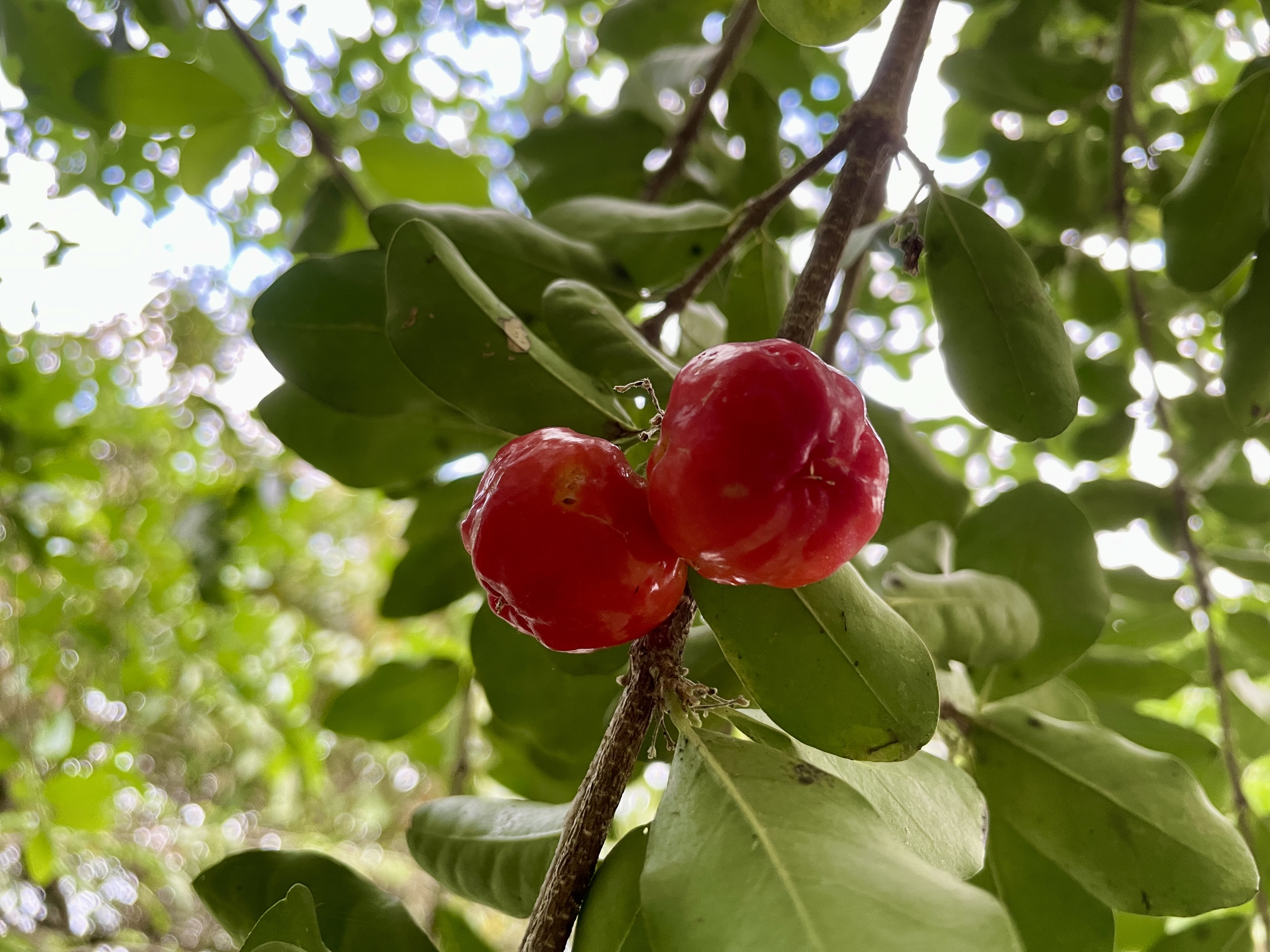
Acerola cherry
Acerola is a fast-growing tropical fruit shrub or small tree with bright red, tart-sweet fruit and very high vitamin C.
Succulent
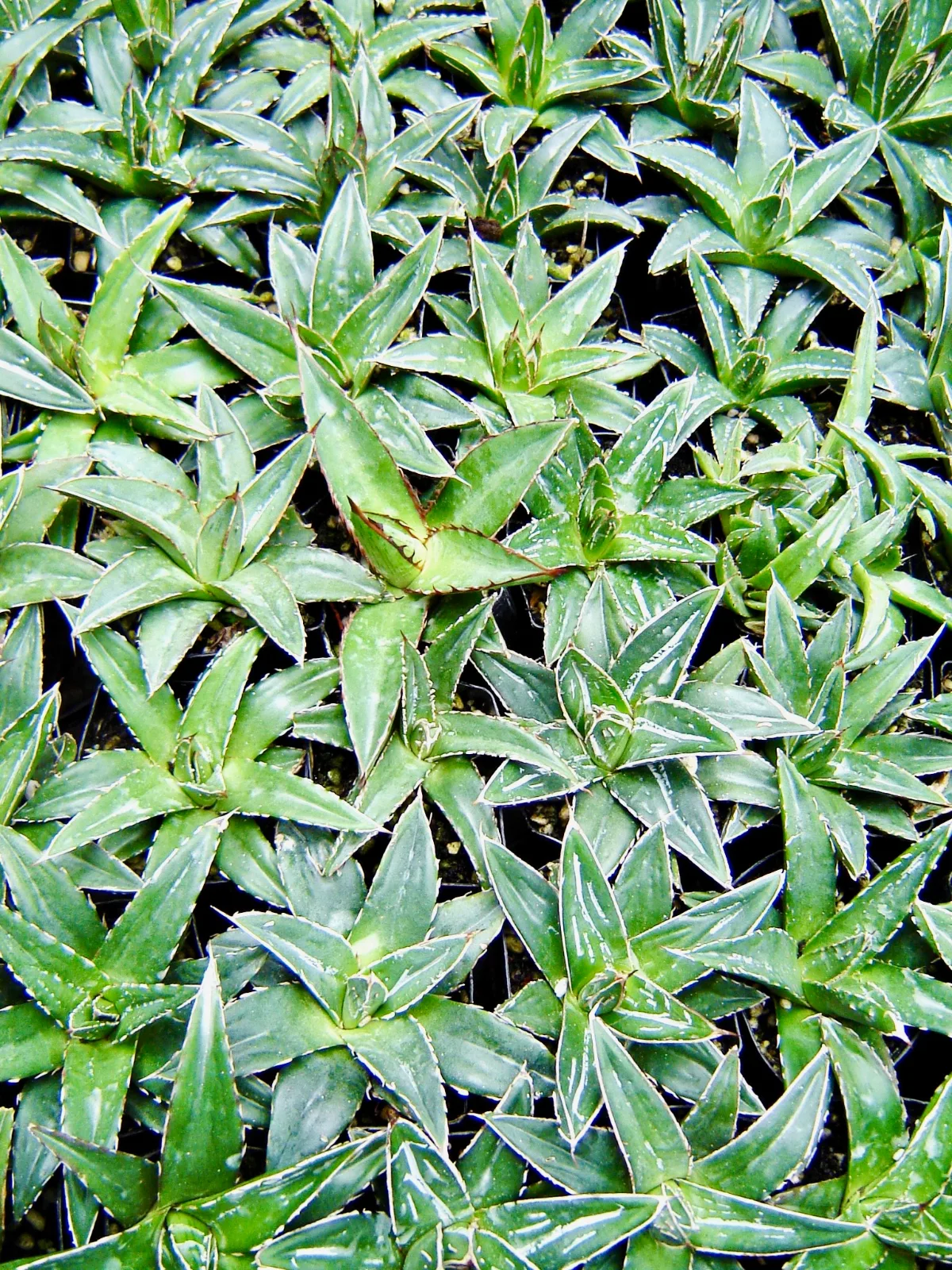
Agave
Agaves are architectural succulents with sculptural rosettes and excellent drought tolerance once established. They range from compact plants for pots and edges to dramatic garden specimens.
Succulent
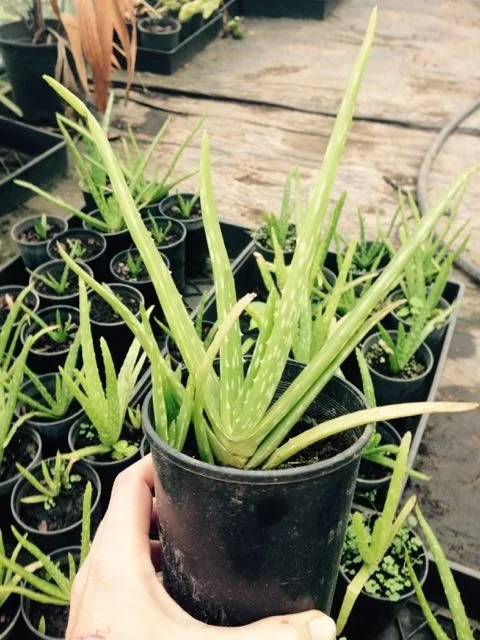
Aloe vera
Aloe vera is a clumping succulent that needs very good drainage and plenty of light. Established plants need little routine care.
Ornamental
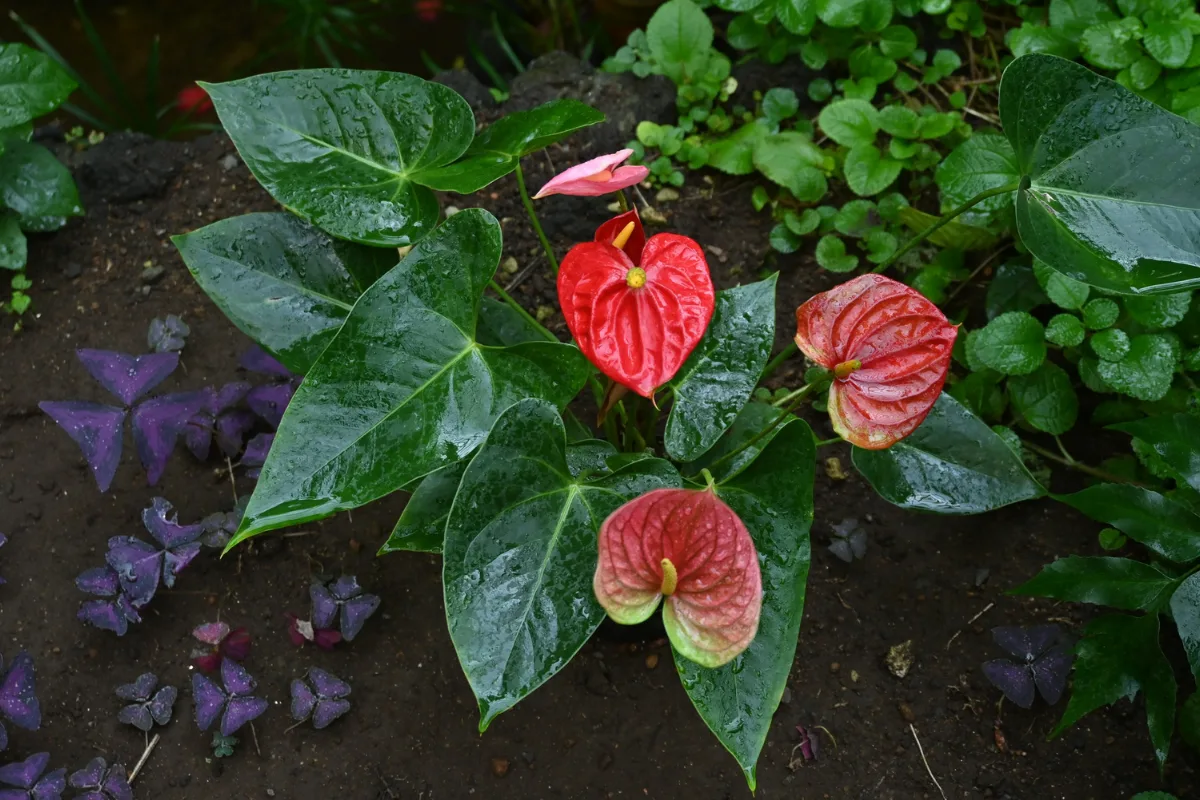
Anthurium
Anthurium andraeanum is a tropical aroid grown for glossy leaves and long-lasting coloured spathes. It likes bright filtered light, warmth, humidity and an airy root zone.
Vine
Arrowhead plant
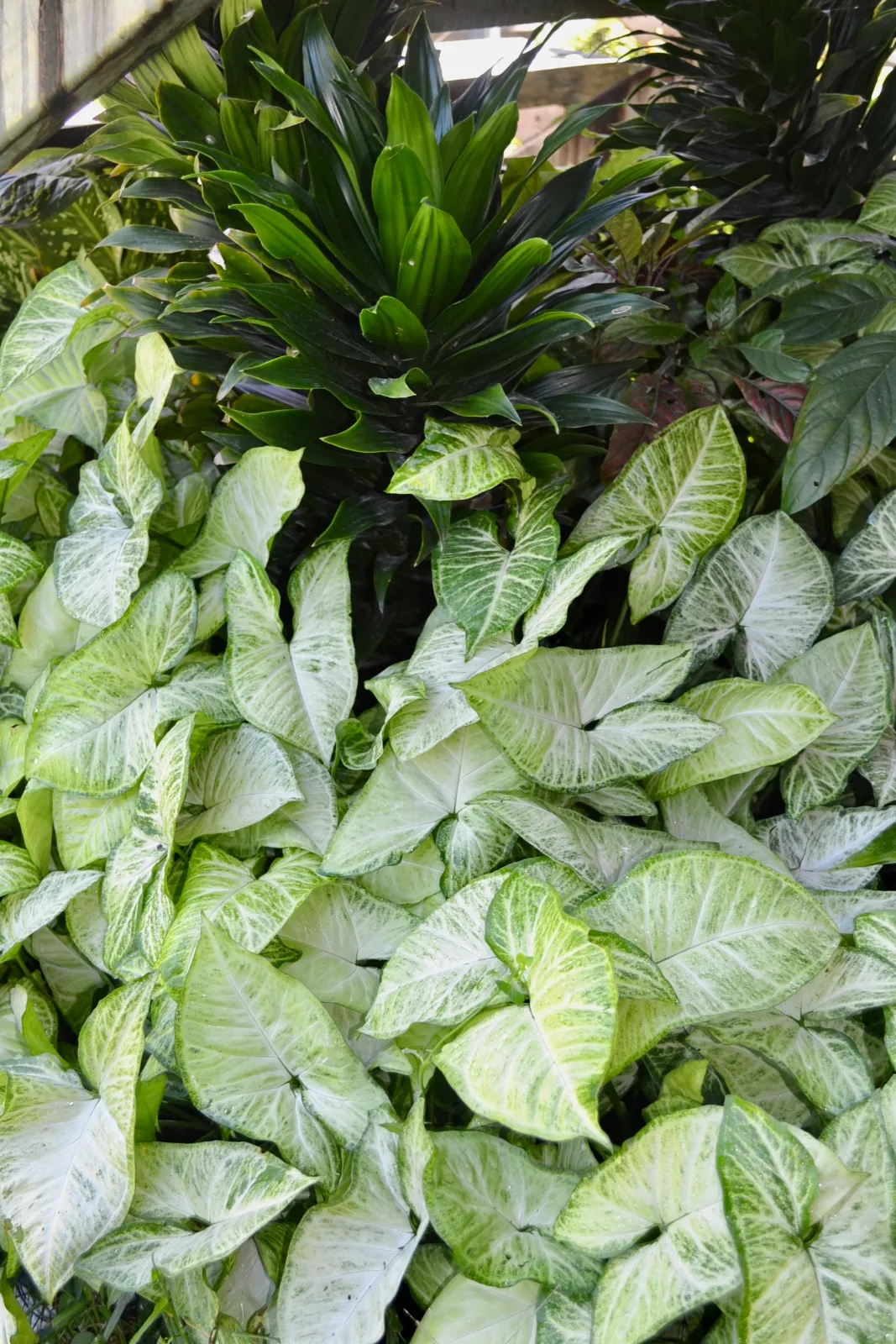
Arrowhead plant is a tropical climber grown for its patterned arrow-shaped juvenile leaves. It is especially good in pots, hanging baskets and bright indoor positions where you can let it trail or give it support to climb.
Herb & spice
Ashwagandha
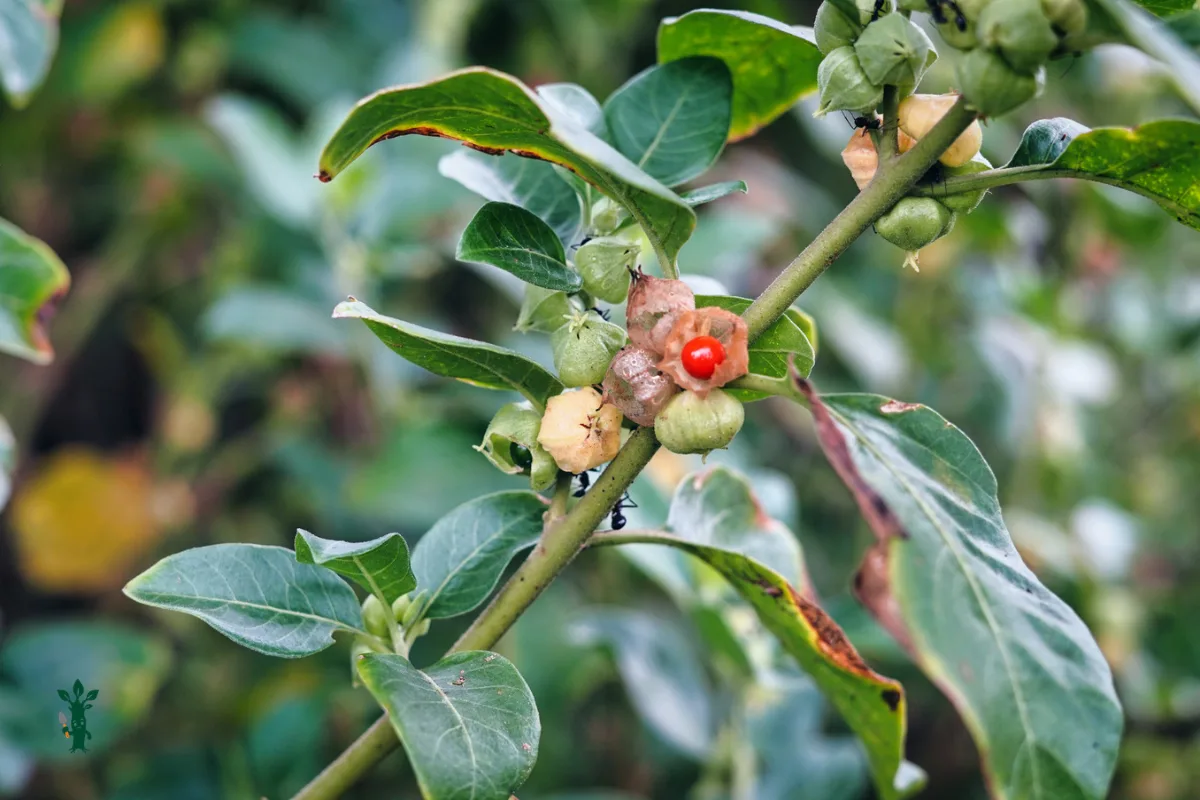
Ashwagandha is a bushy herb from the same plant family as tomatoes. It grows well through warm weather, with small greenish flowers followed by bright orange-red berries tucked inside papery husks. The roots have a long history in traditional Ayurvedic medicine. It's an interesting plant to grow from seed in a sunny bed with good drainage.
Ornamental
Azalea
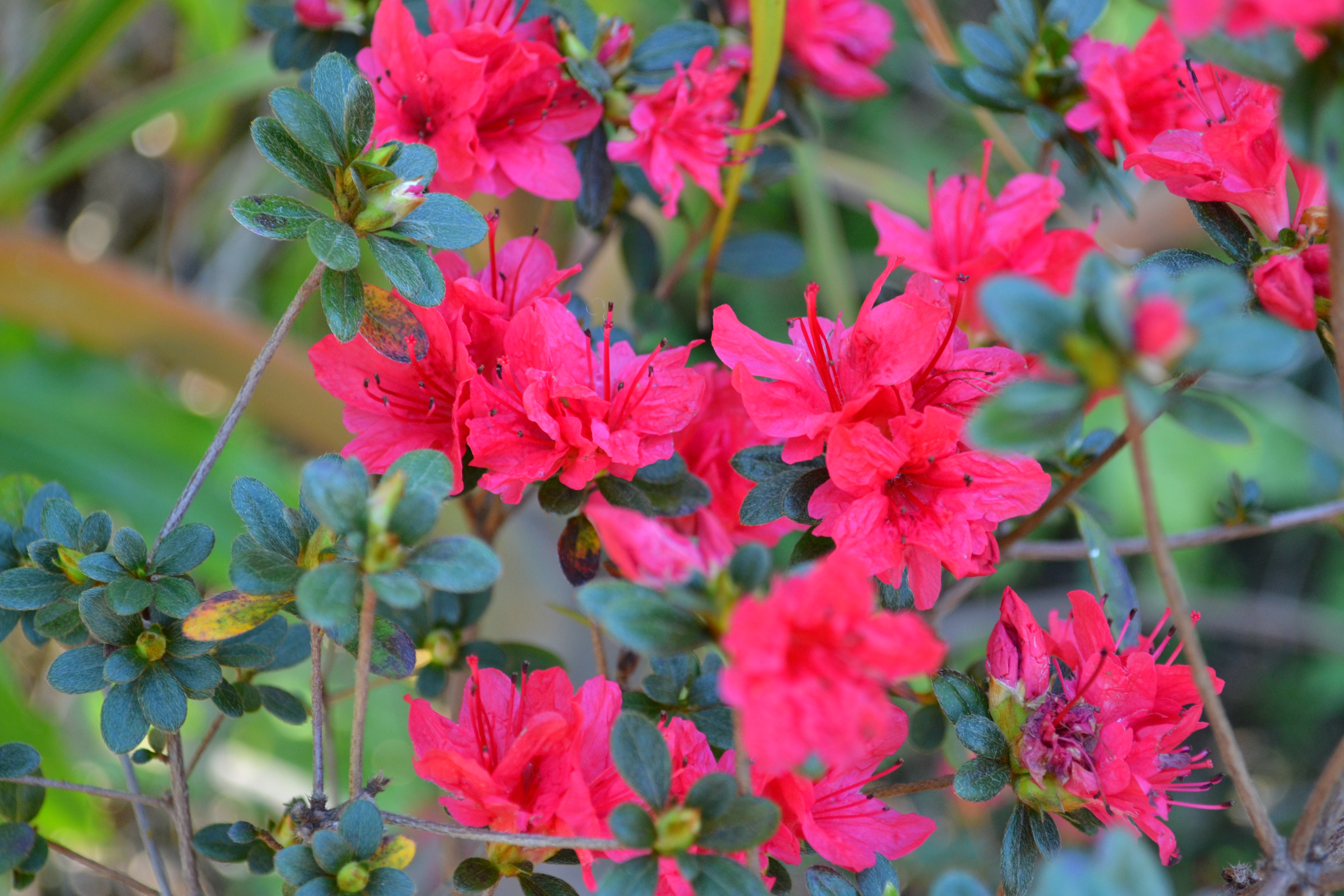
Azaleas are compact rhododendrons grown for heavy late-winter and spring flowering. They do best in acidic, free-draining soil with steady moisture and bright filtered light rather than hot reflected sun.
Ornamental
Baby rubber plant
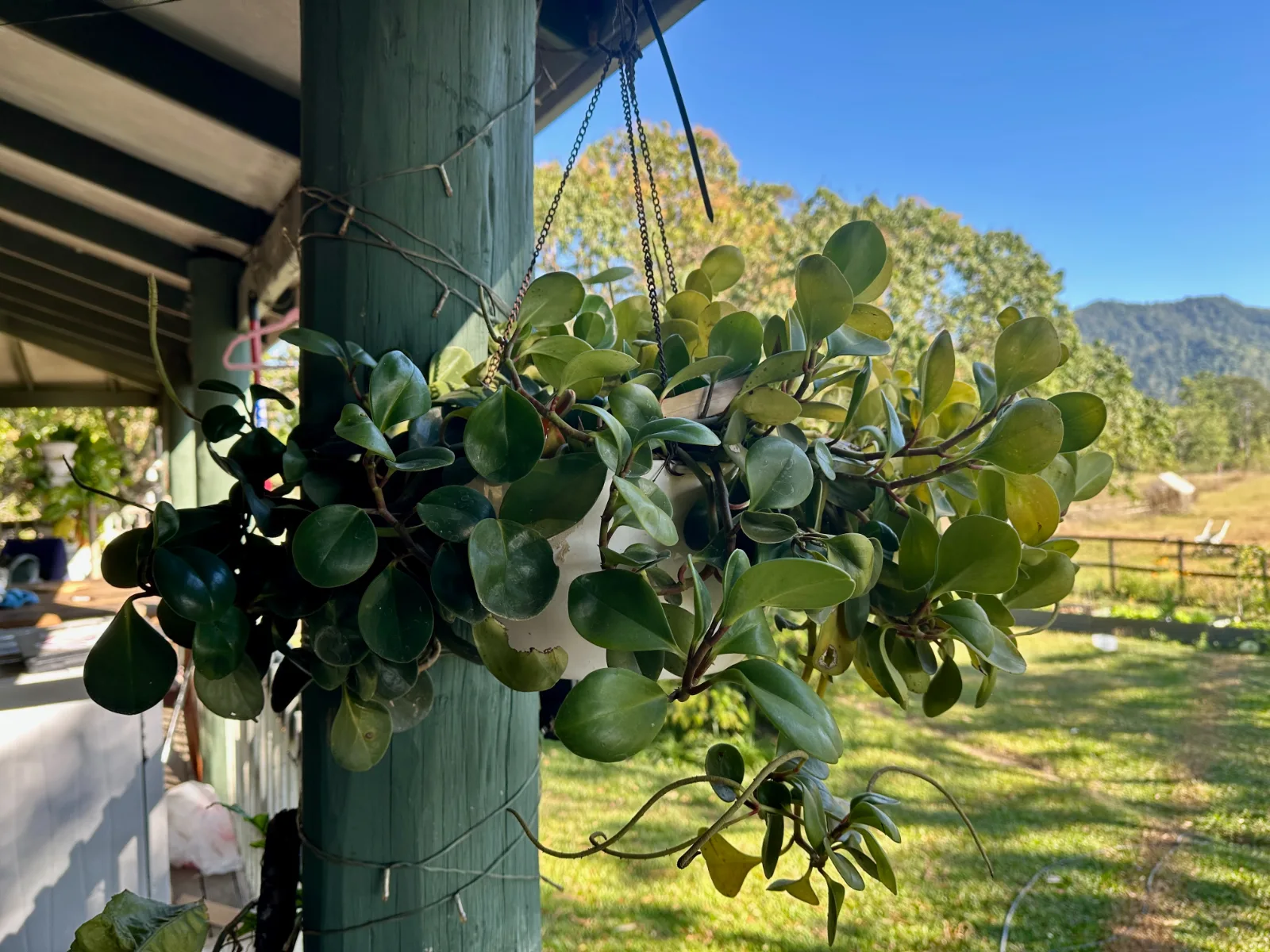
Baby rubber plant is a compact semi-succulent peperomia with thick glossy leaves and an easy indoor habit. Give it bright filtered light and a free-draining mix, then let the top of the pot dry a little between waterings.
Herb & spice
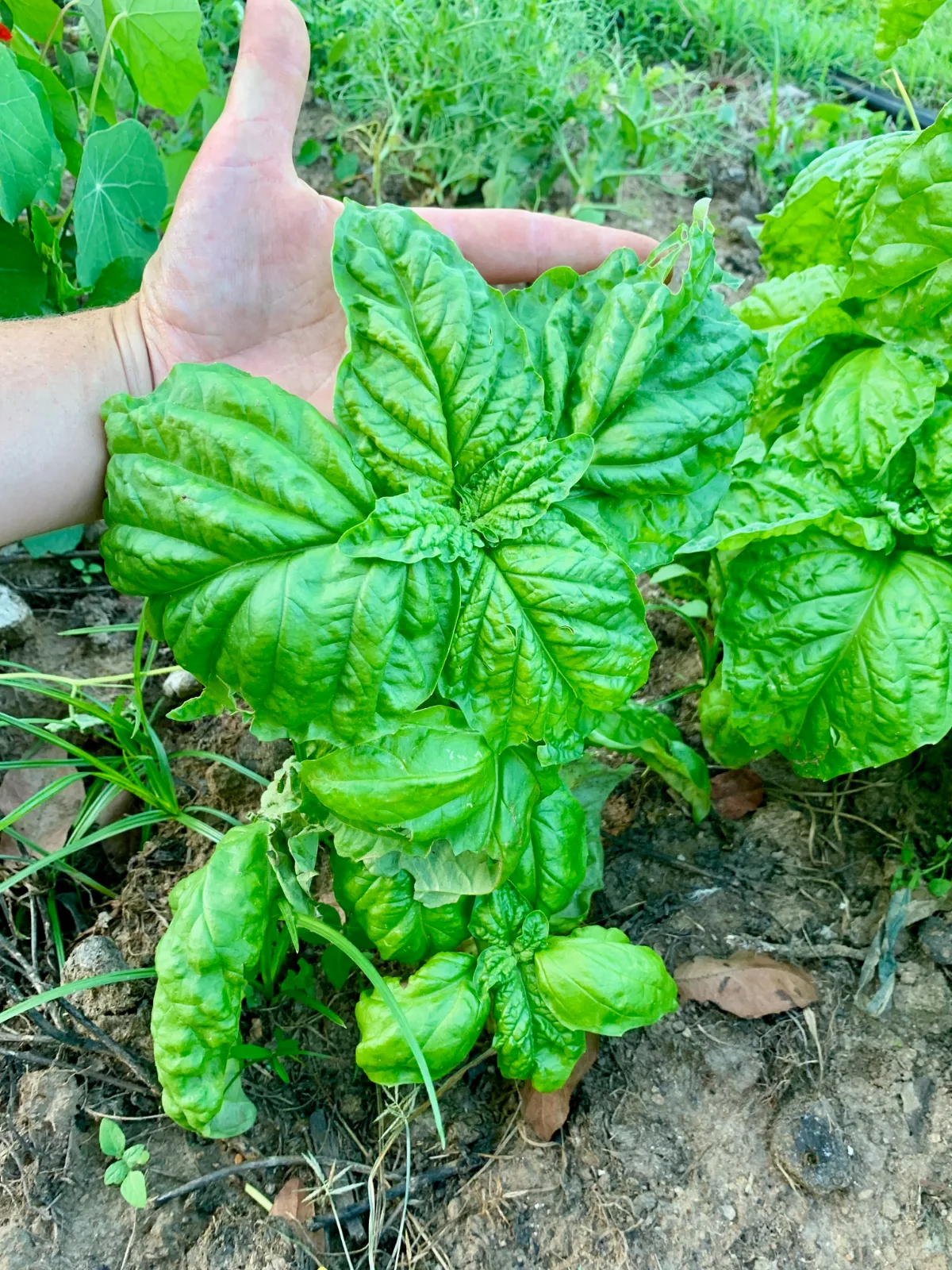
Basil
Basil grows quickly in warm weather and likes regular picking. Remove flower buds for a longer leaf harvest, or leave some flowers if you want seed or food for pollinators.
Veggie
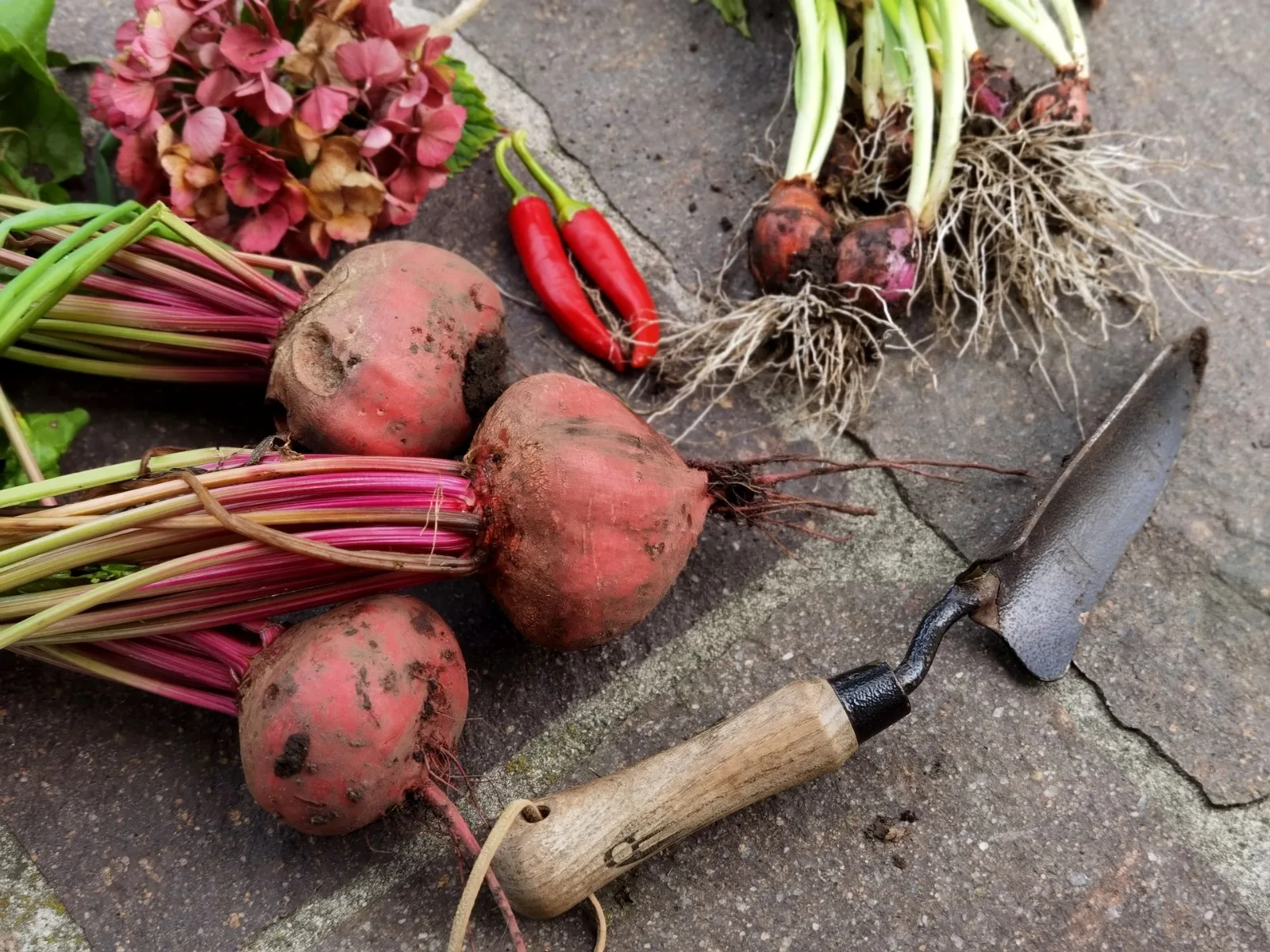
Beetroot
Beetroot is a quick root crop that also gives edible leaves. It grows best in loose soil and mild conditions.
Ornamental
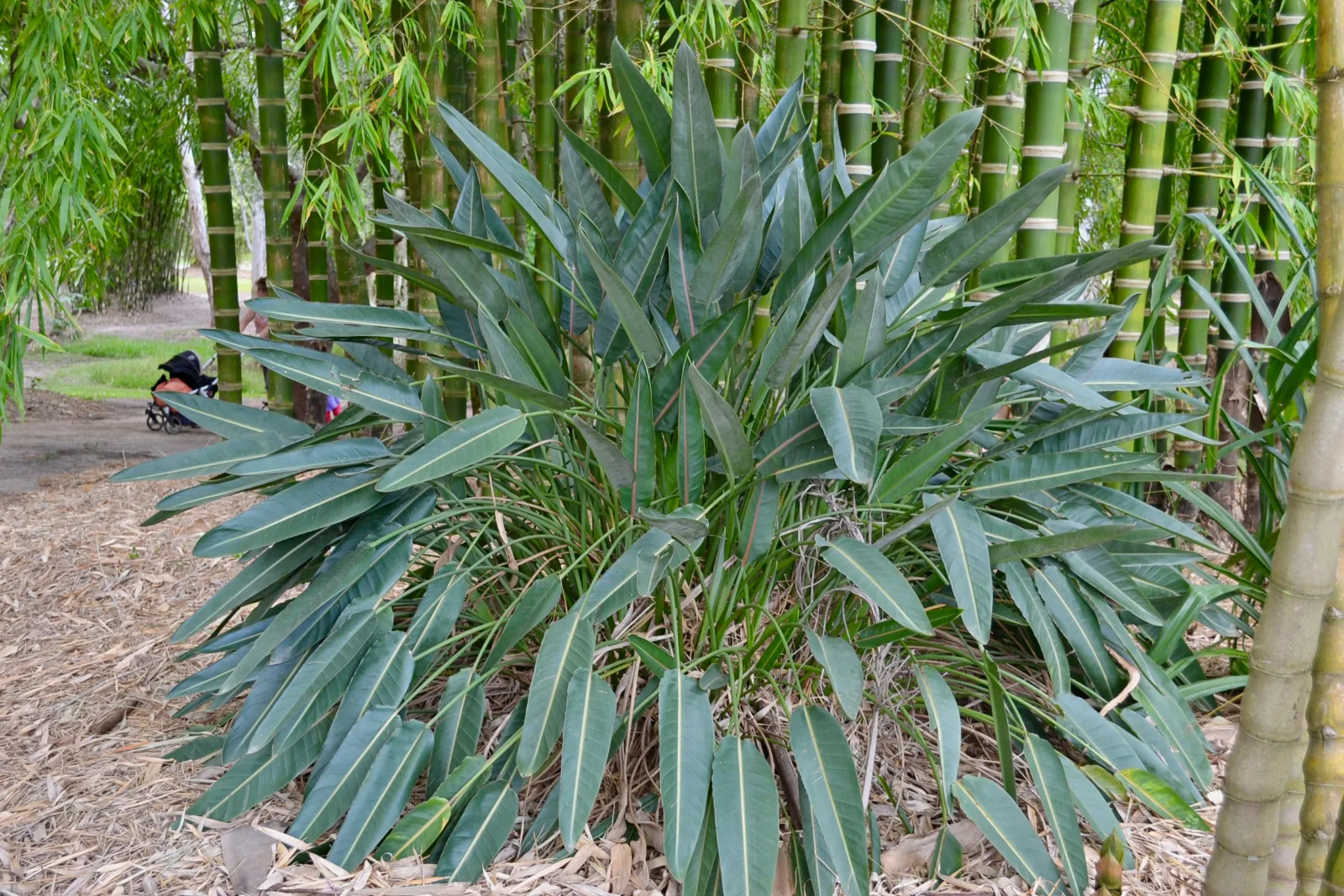
Bird of paradise
Bird of paradise makes a dense clump of paddle-shaped leaves and orange-and-blue flowers without becoming a giant tree. Sun, drainage and enough room around the clump make the biggest difference.
Ornamental
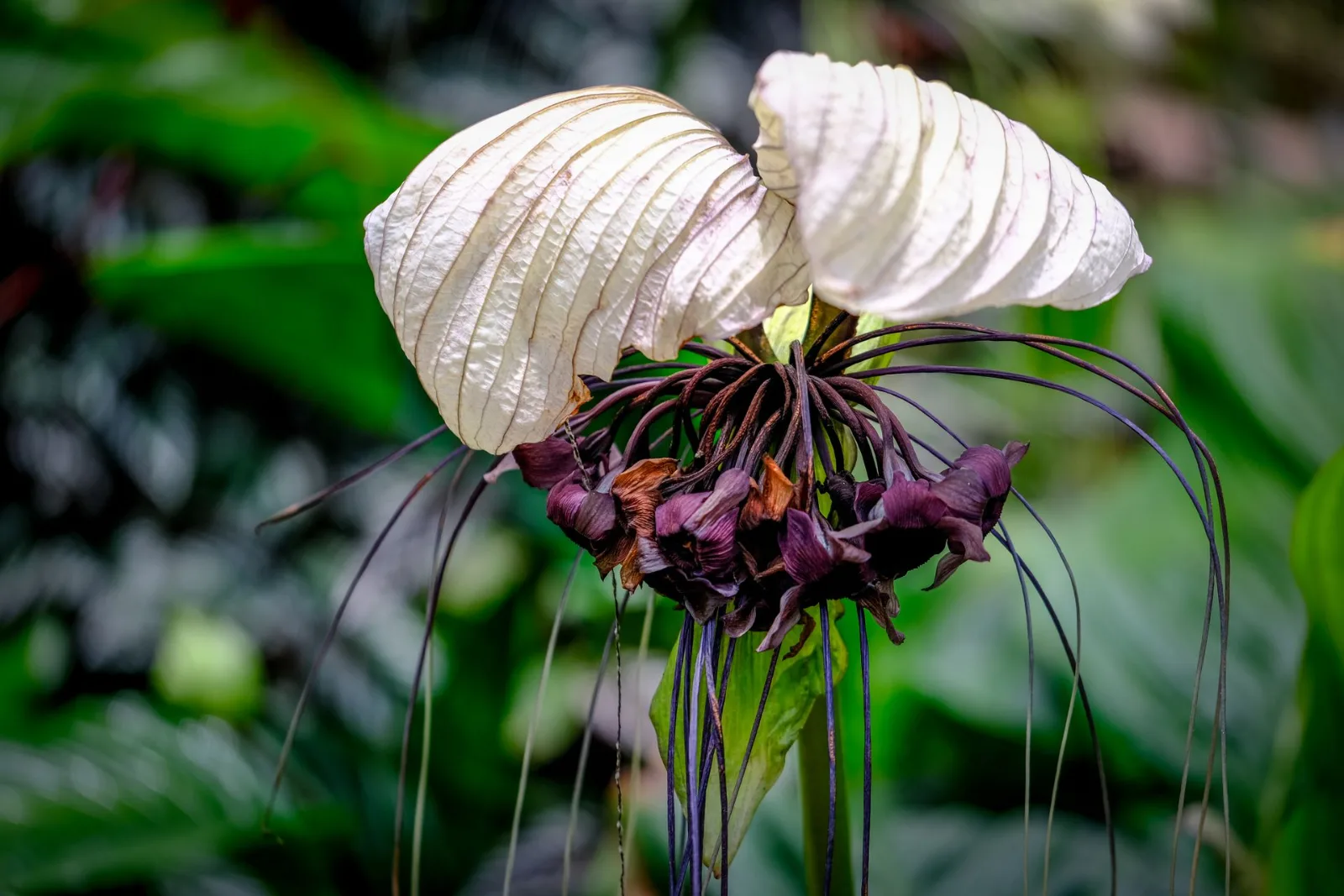
Black bat plant
Black bat plant is a genuine tropical shade plant with huge whiskered flowers and glossy leaves. It needs shelter, moisture and warmth, not a sunny tropical-garden position.
Fruit & berry
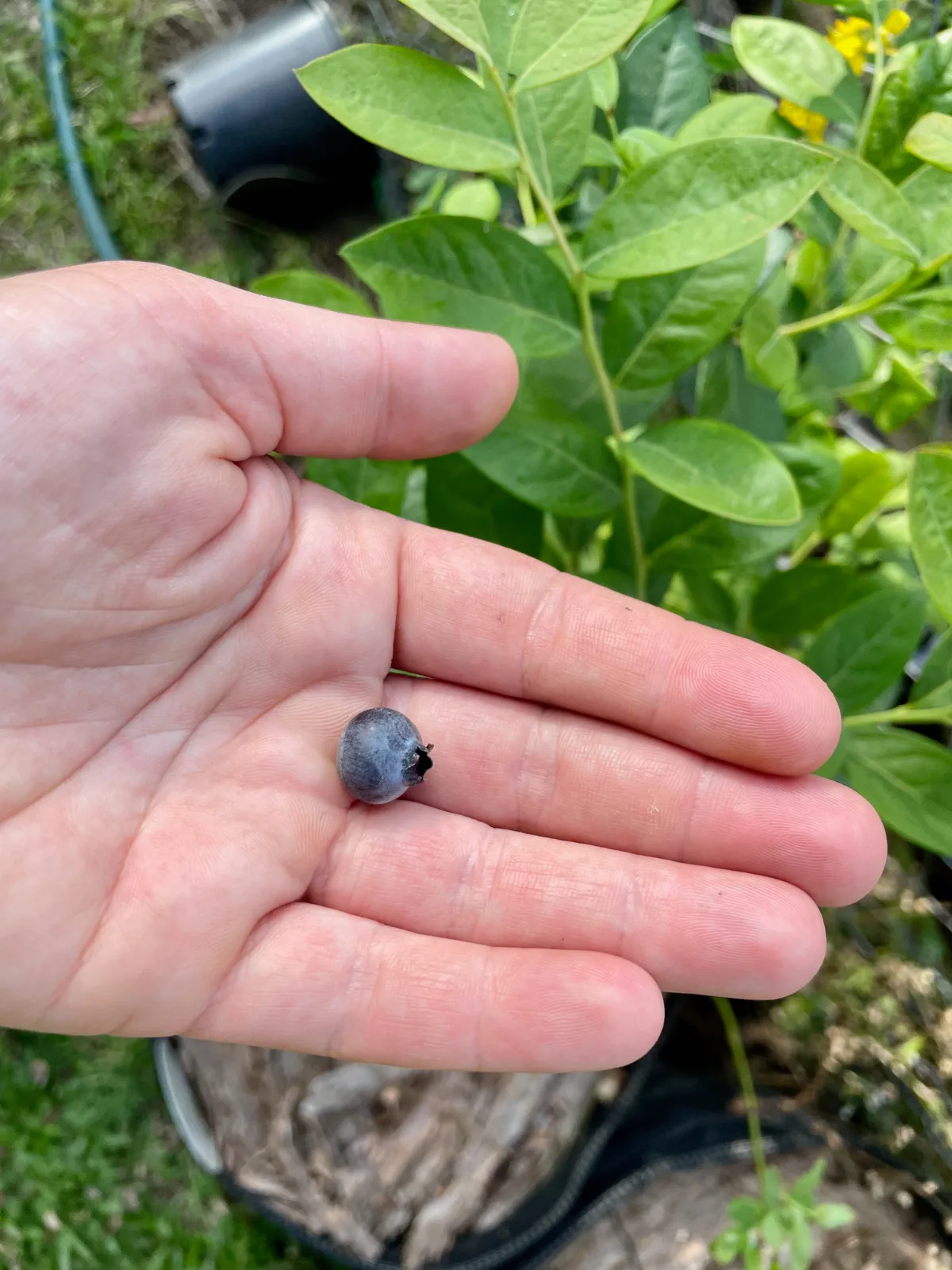
Blueberry
Blueberries need acidic soil, steady moisture and a cultivar group that matches your winter. Southern Highbush and Rabbiteye suit warmer districts, while Northern Highbush needs more winter chill.
Veggie
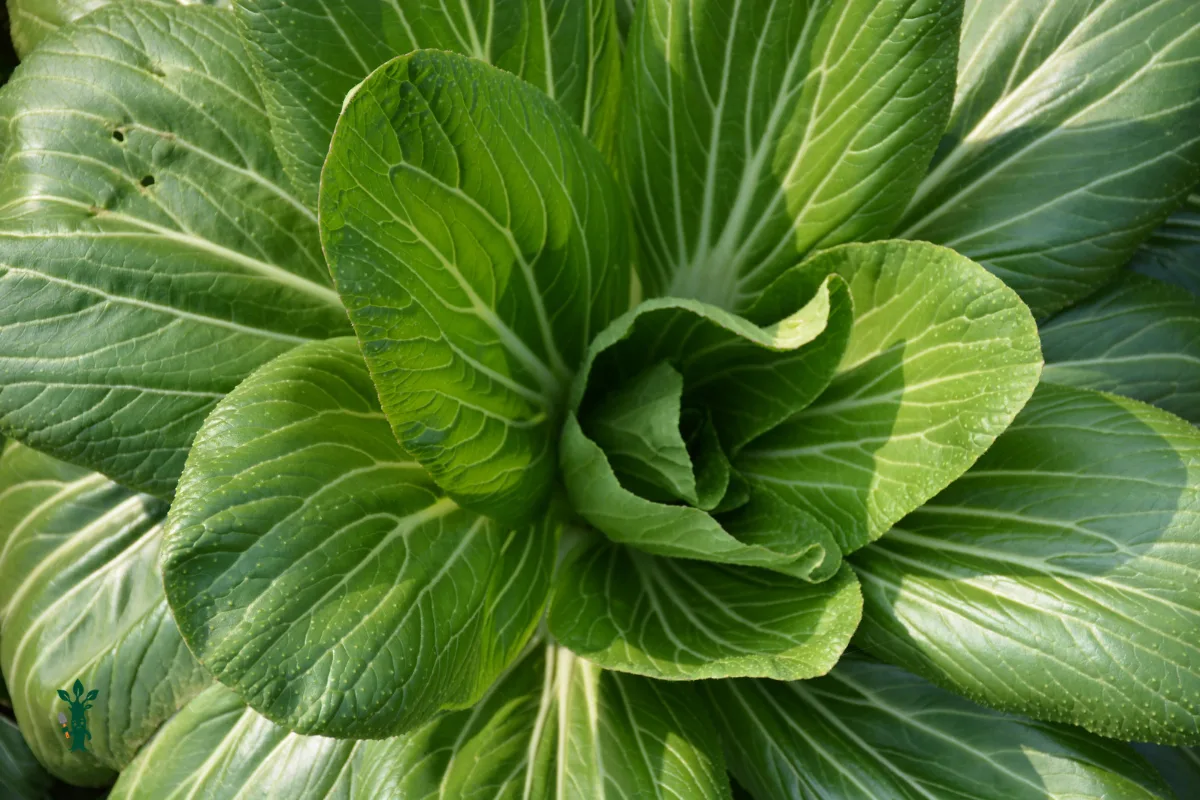
Bok choy
Bok choy is a quick Asian brassica grown for crisp white or green leaf stalks and tender leaves. It likes cool, steady growing conditions and can go from seedling to harvest in only a few weeks. Heat, drought and root stress encourage bolting, so fast uninterrupted growth gives the best plants.
Herb & spice
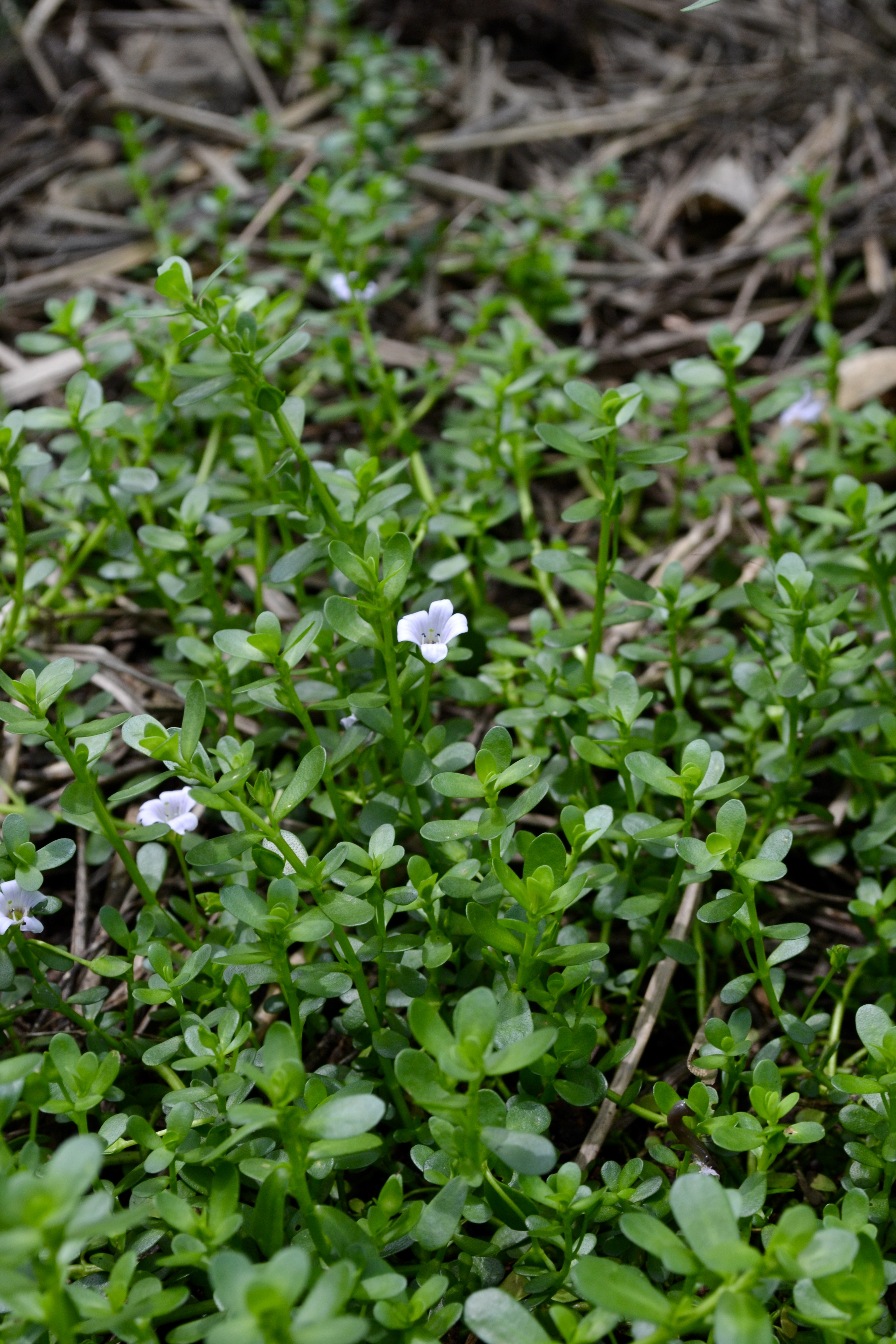
Brahmi
Brahmi is a low creeping native herb that roots wherever its fleshy stems touch wet soil. It forms a soft mat beside ponds, through wet beds and in shallow-water pots, and it grows best where the root zone stays consistently moist rather than cycling between wet and dry.
Veggie
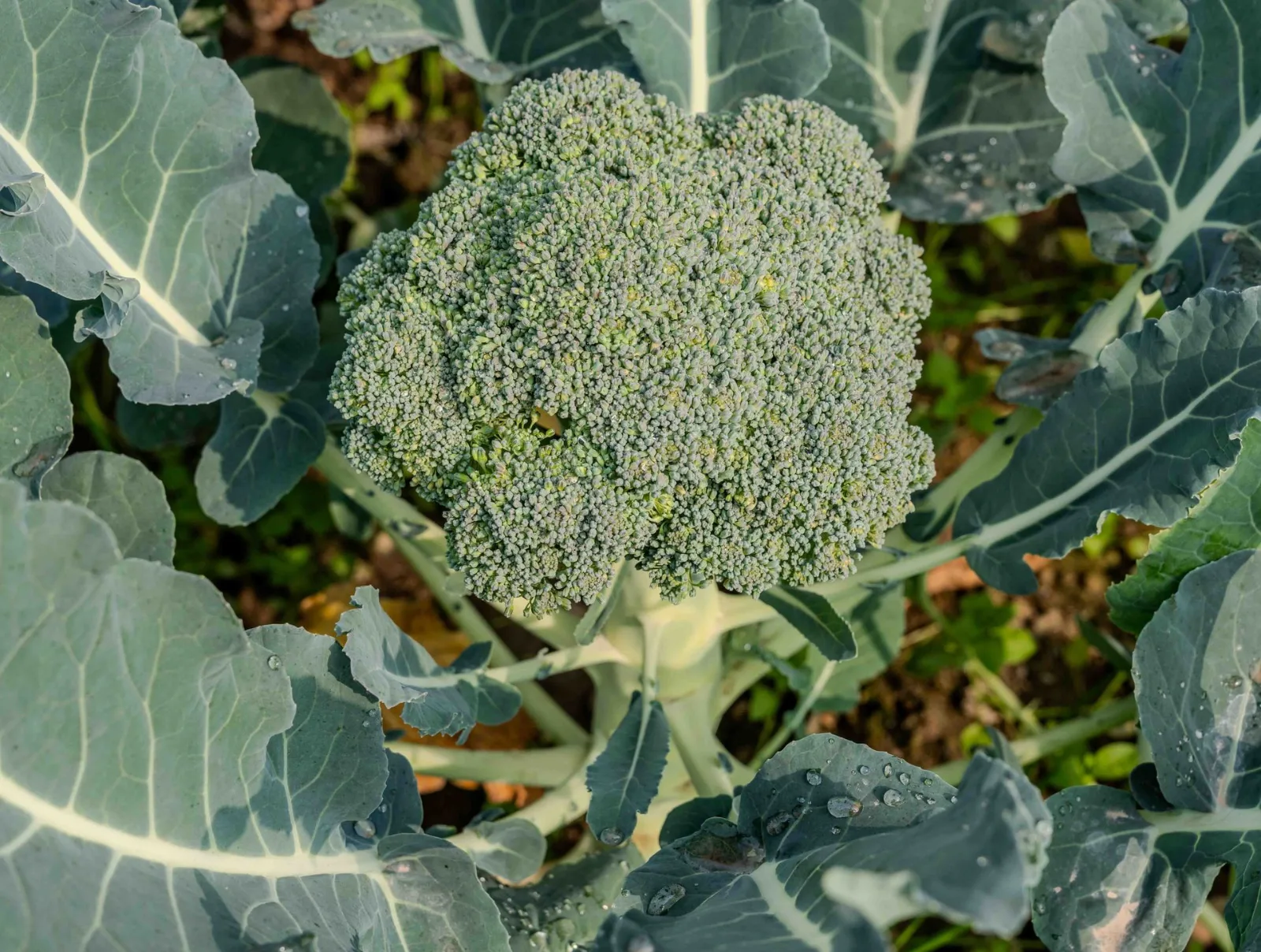
Broccoli
Broccoli is a cool-season brassica grown for its main head and smaller side shoots after the first harvest.
Veggie
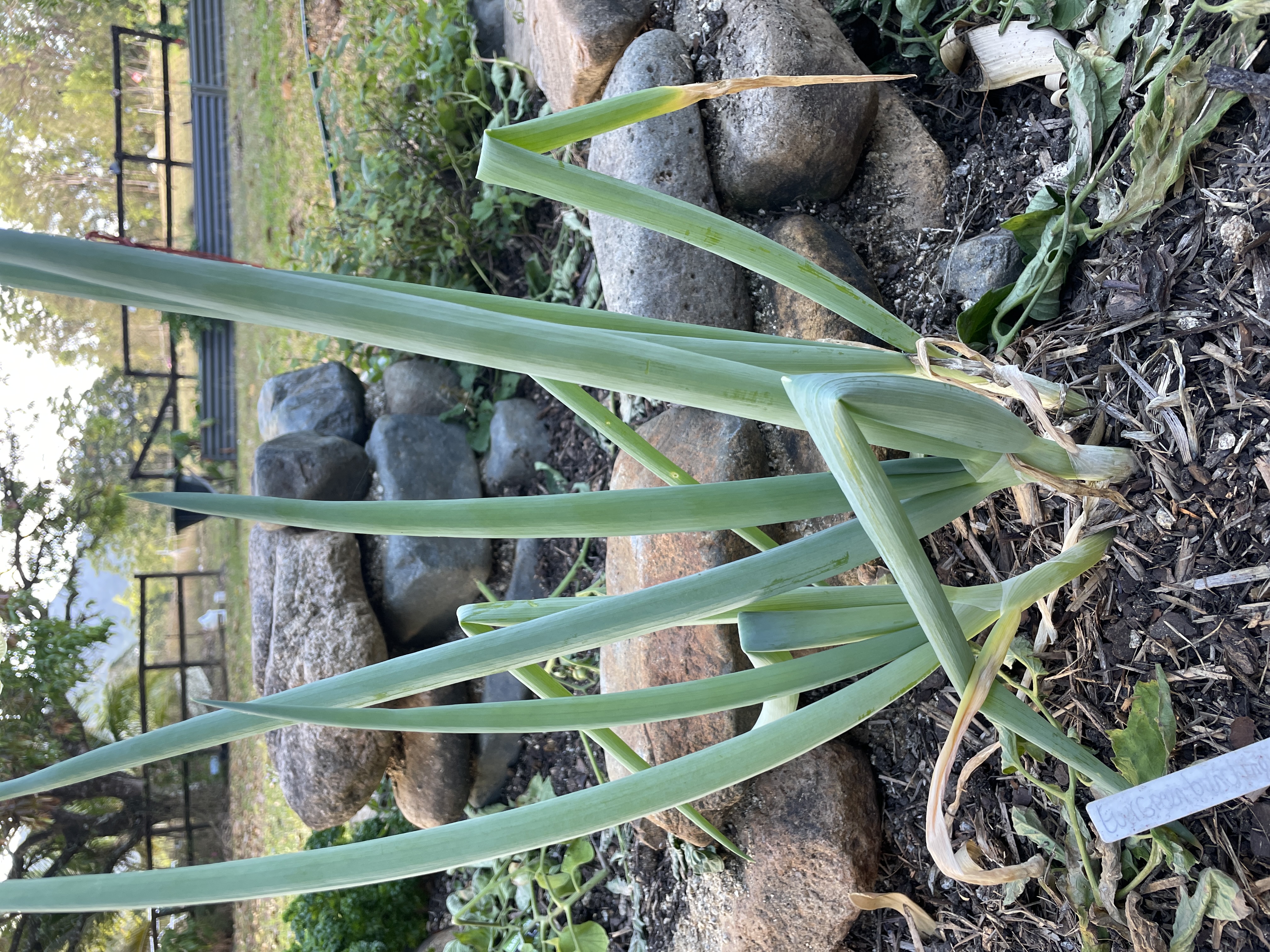
Bunching onion
Bunching onion is a perennial allium grown for hollow green leaves and white stems rather than a large bulb. Established clumps can be cut, divided and replanted for a steady supply.
Ornamental
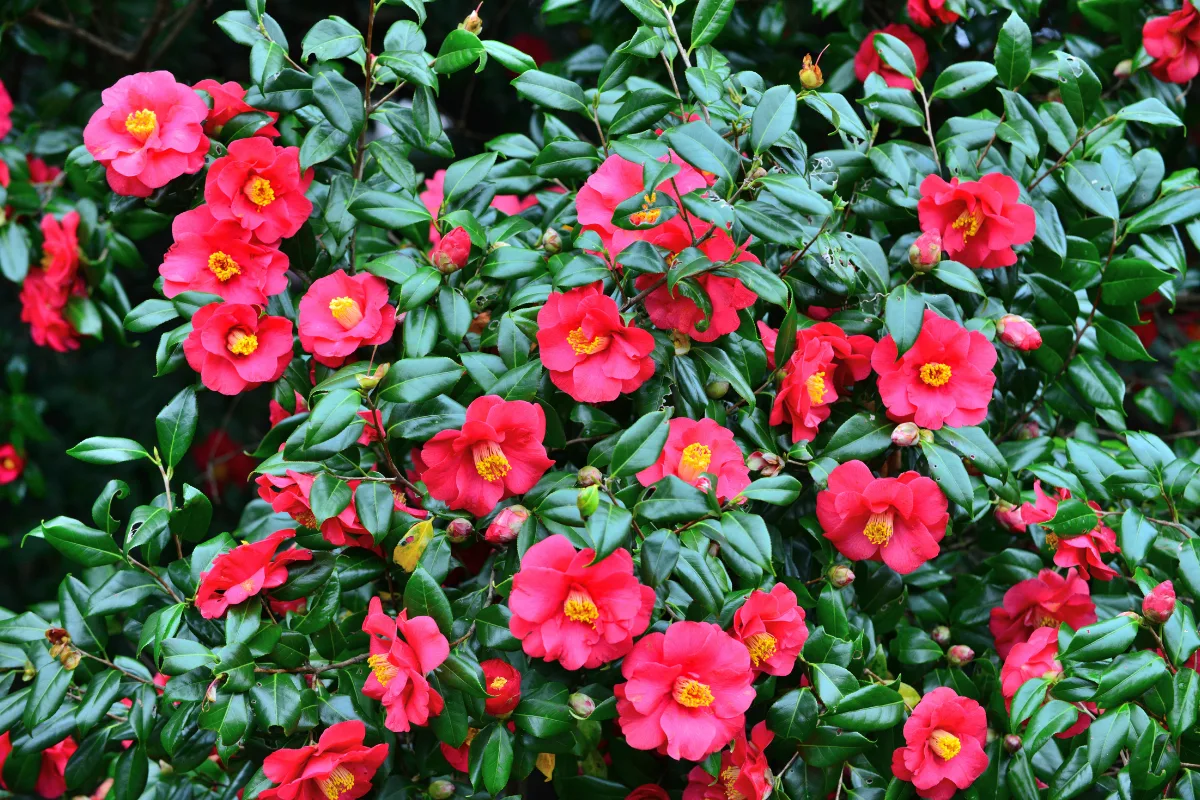
Camellia
Camellia japonica is an evergreen shrub grown for glossy foliage and winter flowers. It can grow well in subtropical gardens as long as the flowers and roots are protected from harsh heat.
Veggie
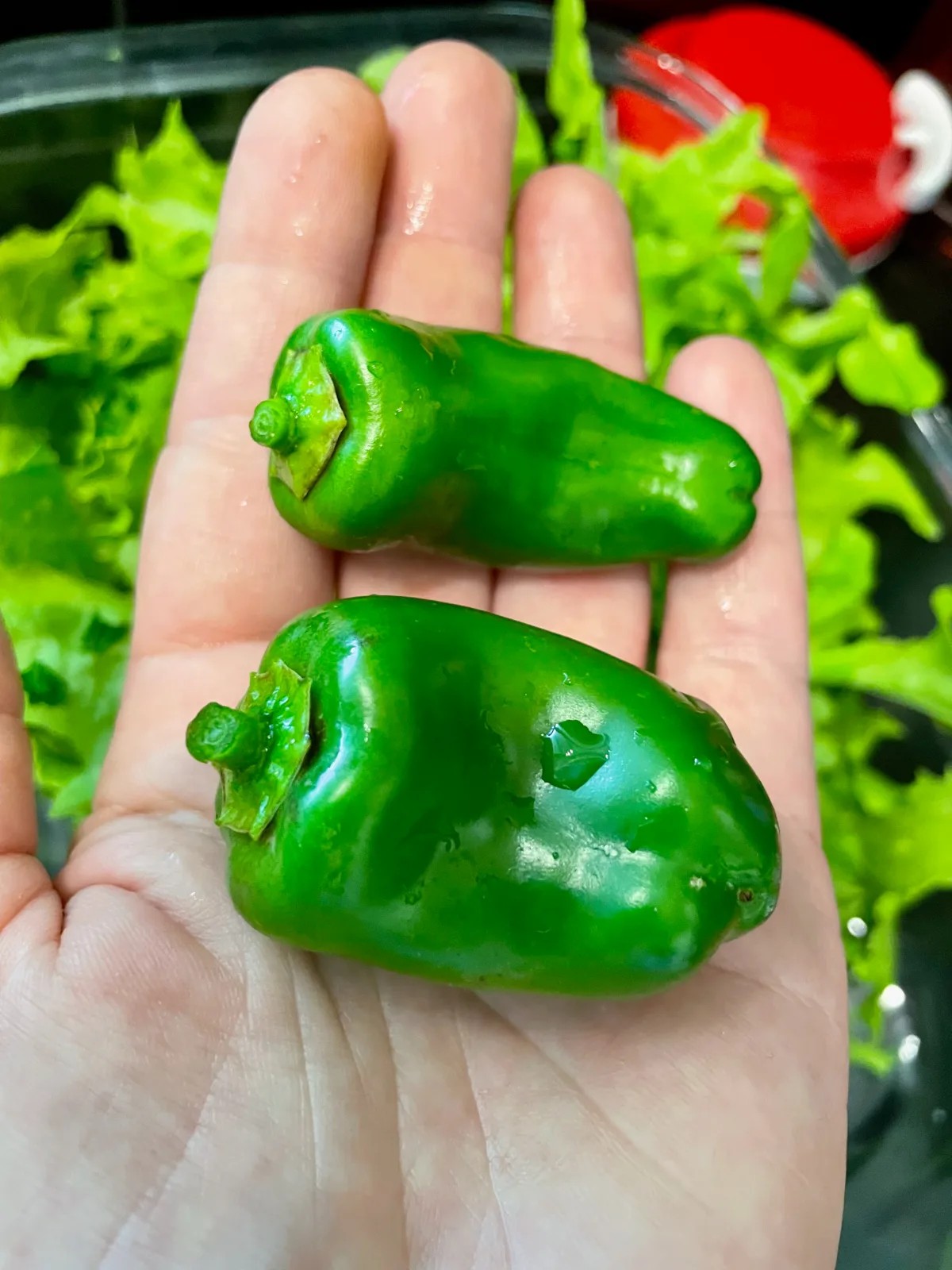
Capsicum
Capsicums need warm soil, sun and steady moisture. In frost-free climates they can live for more than one season.
Veggie
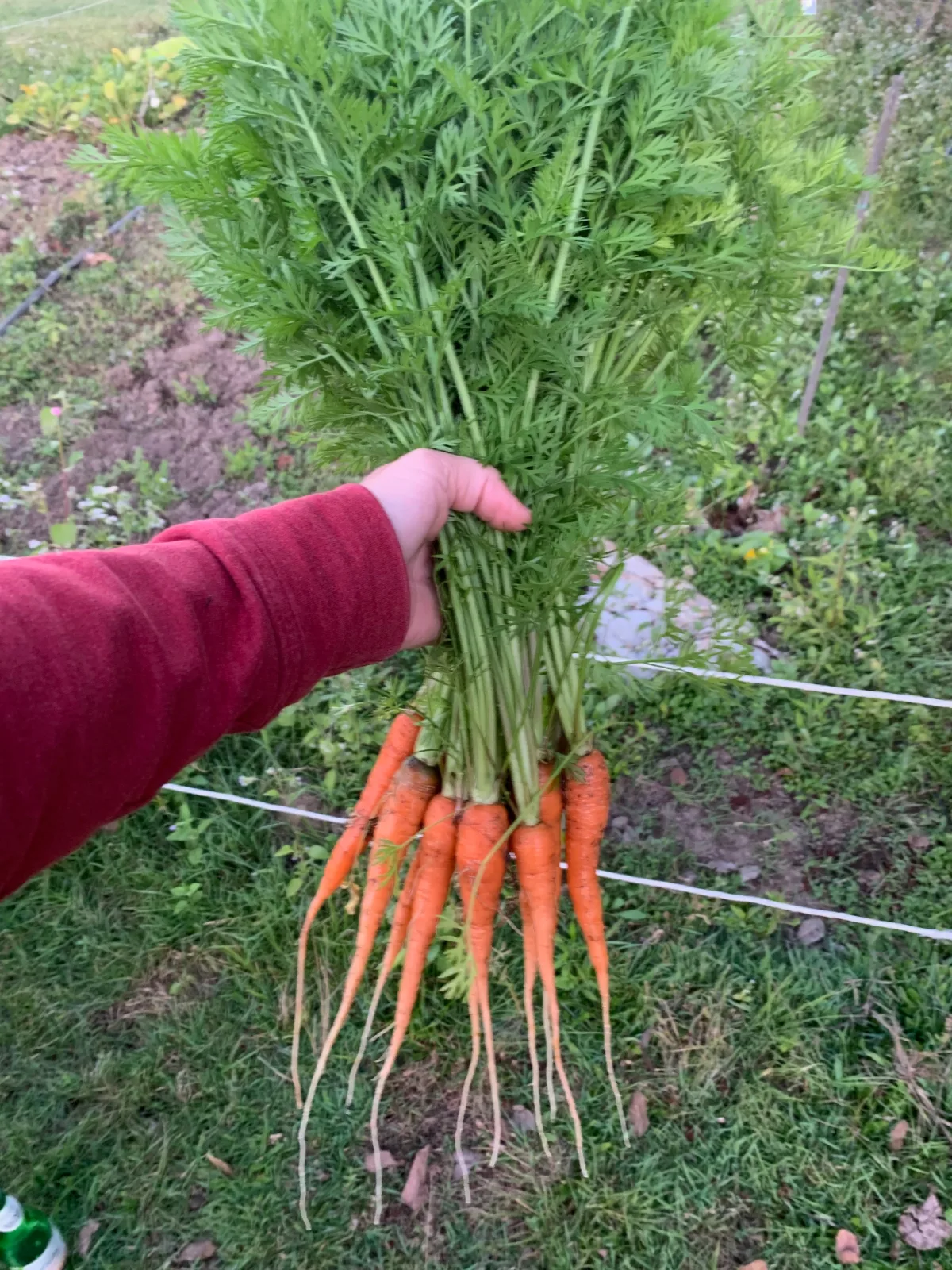
Carrot
Carrots are direct-sown root crops that need loose soil and steady moisture while the tiny seed is germinating.
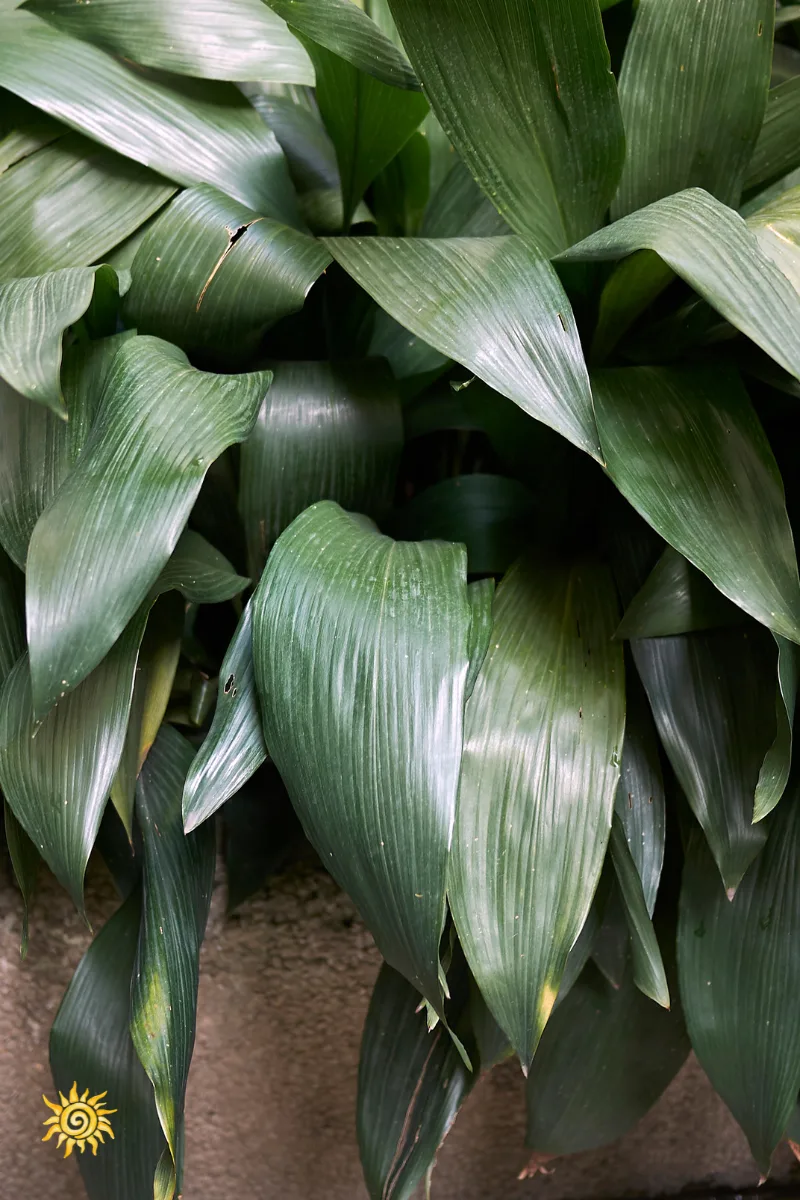
Ornamental
Cast iron plant
Cast iron plant tolerates deep shade, dry periods and general neglect better than almost anything. It forms a slow, handsome clump outdoors under trees or indoors where brighter houseplants struggle.
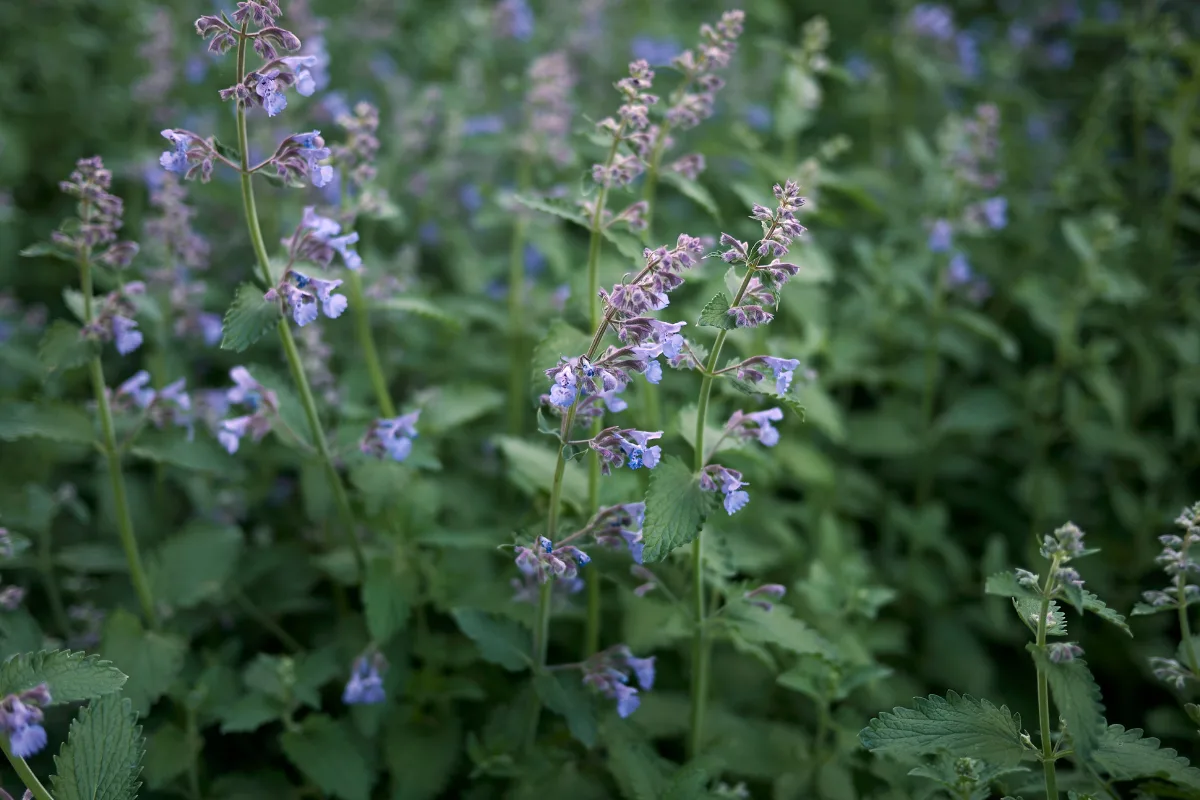
Herb & spice
Catnip
Catnip is an aromatic mint-family perennial with soft grey-green leaves and small white to pale lilac flowers marked with violet spots. Cats may roll on, chew or rub against the foliage, while bees also visit the flowers.
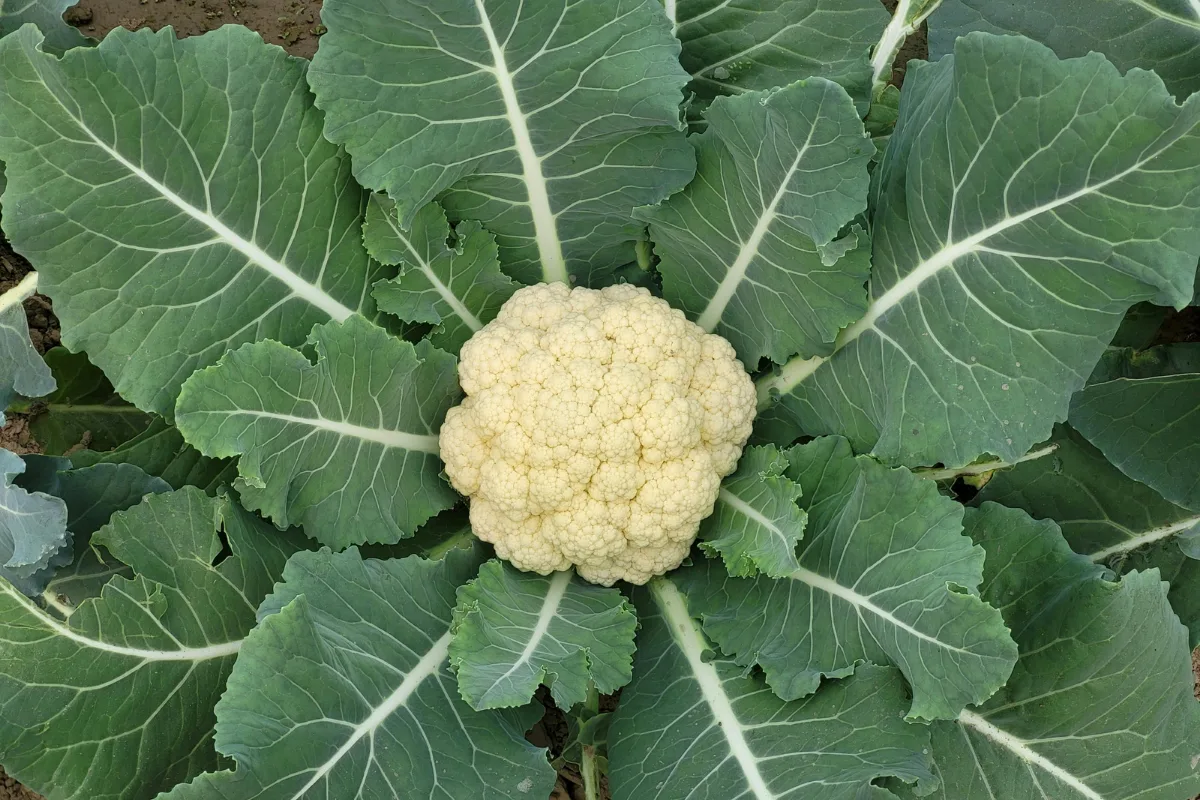
Veggie
Cauliflower
Cauliflower is a cool-season brassica grown for its dense, immature flower head, or curd. It grows best when conditions stay steady: fertile soil, regular moisture and mild temperatures. Heat, drought or interrupted growth can lead to small, loose or uneven heads, so matching the variety and planting time to your climate makes a real difference.
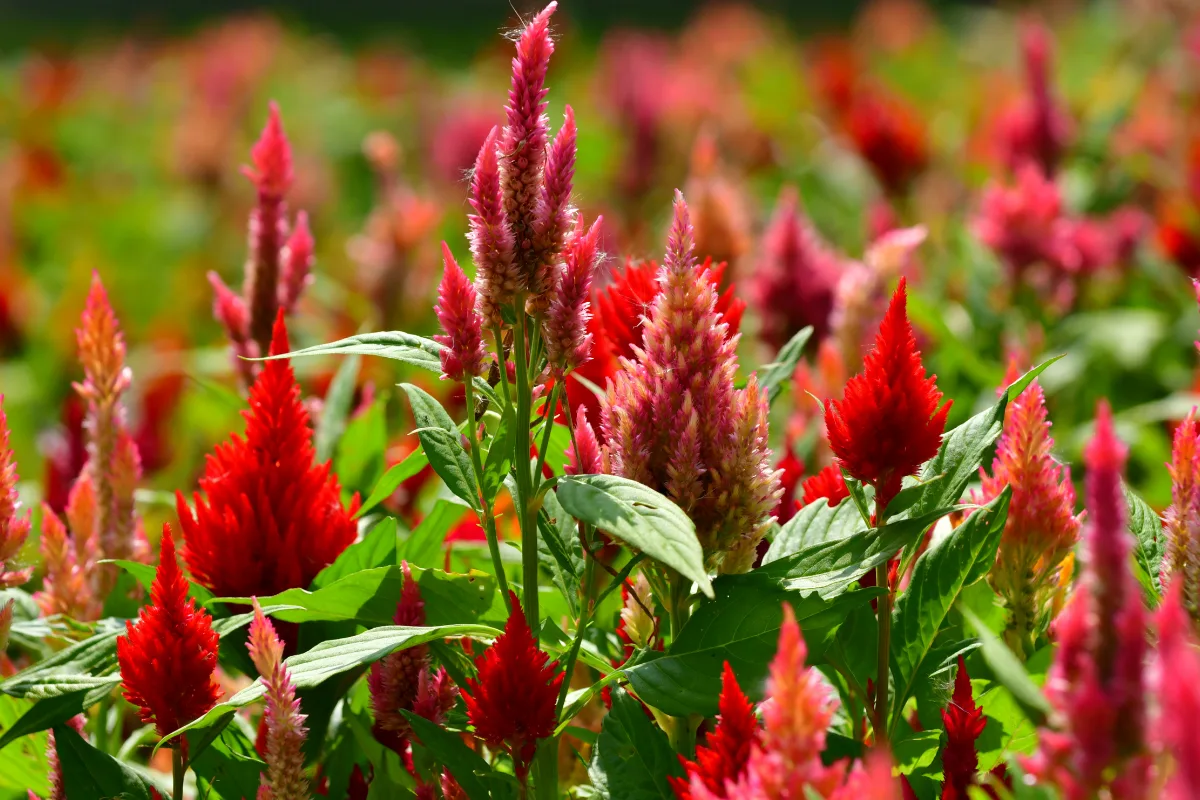
Ornamental
Celosia
Celosia is a warm-season annual grown for vivid plumed, wheat-like or crested flower heads in red, orange, yellow, pink and purple. It flowers strongly in warm sunny weather and works well as both a fresh and dried flower.
Before You Choose
Choose the pot around the plant, not just the space you want to fill. Large shrubs, fruiting plants and vigorous climbers need more root volume than compact herbs or small ornamentals. A heavier pot can also make tall plants more stable in wind.
Drainage matters in every container. Use a potting mix suited to the plant and keep drainage holes clear. Raising a pot slightly can help water escape on flat paving. Avoid leaving most plants permanently sitting in a saucer of water unless the species specifically suits very wet conditions.
Pots dry from the edges inward and can heat up quickly in direct sun. Check moisture with a finger or by feeling the weight of the pot rather than watering on a fixed calendar. Large pots usually stay more even than small ones. Mulch can reduce surface drying, but keep it clear of stems and trunks.
Container plants also rely on you for nutrients because their roots cannot explore beyond the pot. Use a fertiliser appropriate to the plant and refresh or replace tired potting mix when structure begins to collapse. Repot when roots fill the container, water runs straight through a dense root ball or growth becomes restricted.
Think about where the pot will sit before it becomes heavy. Large containers full of wet mix can be difficult to move, so place them with sun, drainage, access and mature plant size in mind. Pot feet or a wheeled base can help in some spots. If roots eventually outgrow the container, decide whether you will repot, root-prune or move the plant into the ground.