
Plant profile
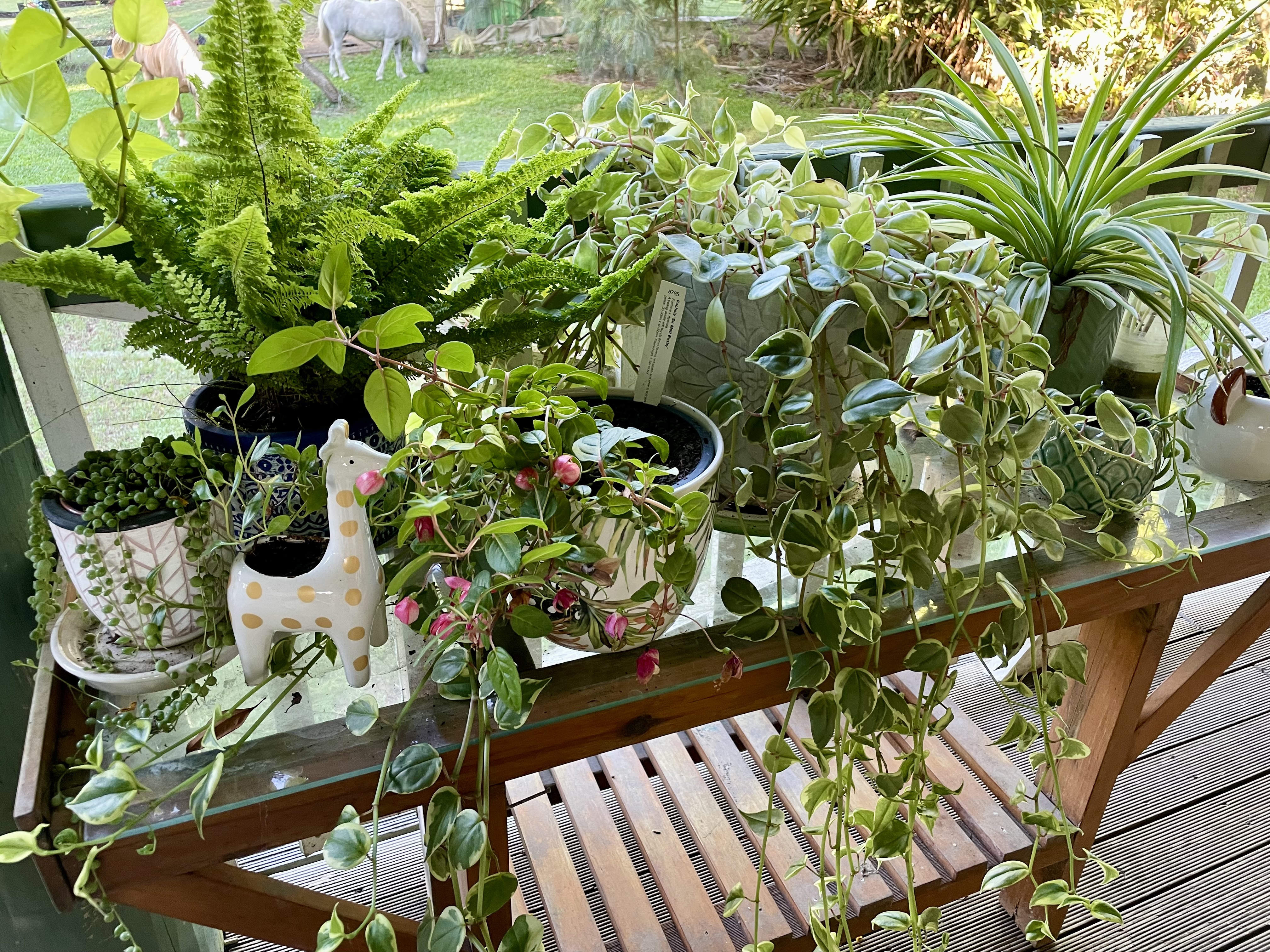
Baby rubber plant
Peperomia obtusifolia
Also known as peperomia, blunt-leaved peperomia.
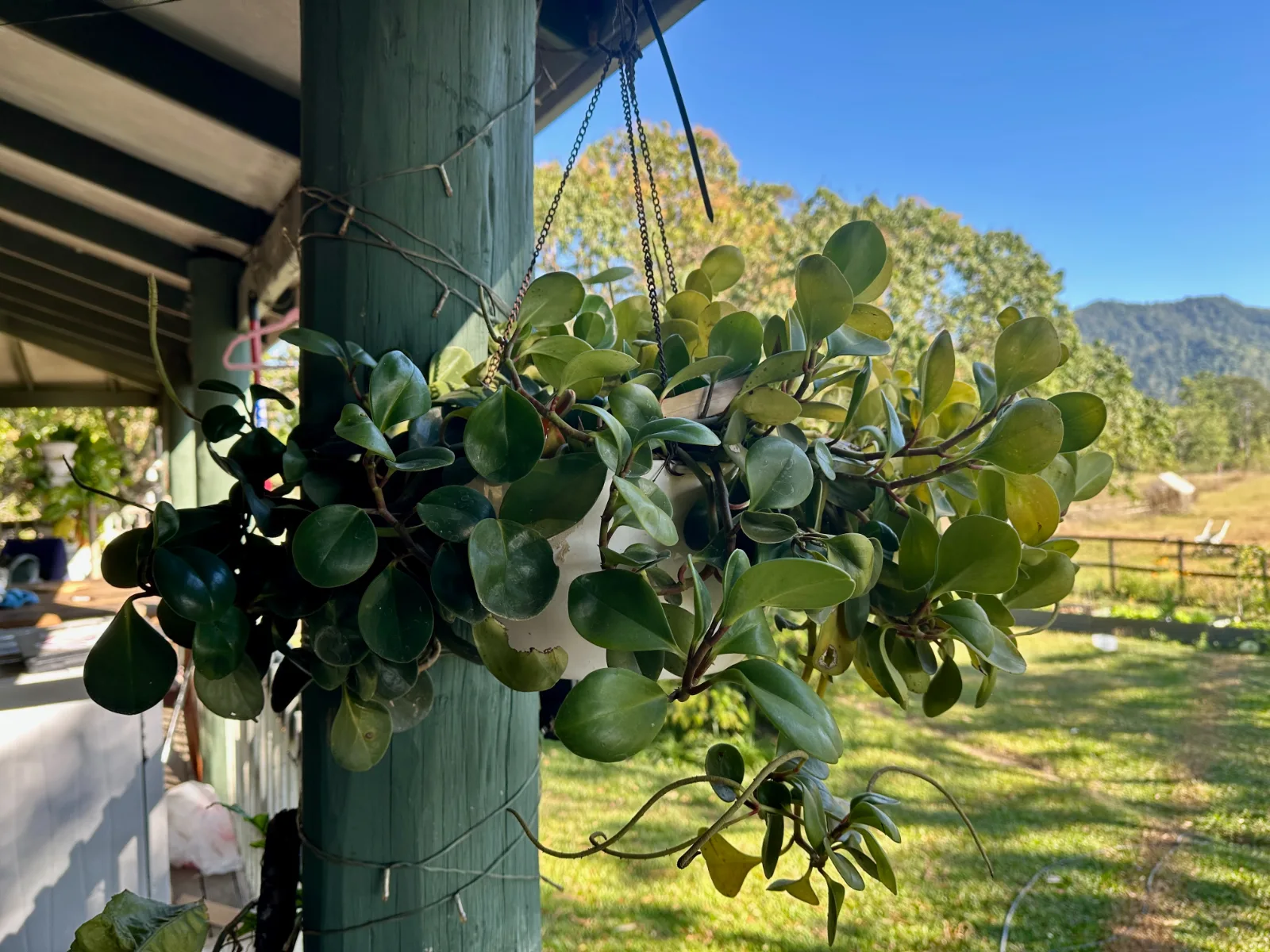
Baby rubber plant is a compact semi-succulent peperomia with thick glossy leaves and an easy indoor habit. Give it bright filtered light and a free-draining mix, then let the top of the pot dry a little between waterings.
- Grows well in
- Tropical, Subtropical, Temperate, Mediterranean
- Lifecycle
- Evergreen semi-succulent perennial
- Light
- Part shade
- Mature size
- Usually 20–40 cm tall and wide
- Spacing
- One plant per small pot; 20–30 cm in sheltered beds
- Growth habit
- Compact branching semi-succulent perennial
- Native range
- Florida through tropical America
- Natural habitat
- Wet tropical forest, growing either on the forest floor or on trees.
When to plant
Tropical
August–April
Subtropical
September–March
Temperate
September–February
Mediterranean
September–March
Repot in spring or early warm weather, only moving up a pot size when roots need room.
Planting
Use a small pot with excellent drainage. Peperomias have modest root systems, so avoid an oversized container full of wet mix.
Position and light
Bright indirect light is ideal. Outdoors in warm climates, use dappled shade. Strong afternoon sun can scorch leaves.
Soil
Loose free-draining potting mix; coarse bark or perlite helps keep air around the roots, since the thick fleshy leaves and stems store water and are prone to rot in dense, constantly wet mix.
Watering
Water thoroughly, then wait until the top part of the mix has dried. Constant wetness is a bigger problem than a short wait.
Feeding
Feed lightly during warm active growth; heavy feeding is unnecessary.
Pruning
Pinch or cut back long stems if you want a denser plant. Remove damaged leaves at the base.
Propagation
Stem cuttings root readily; healthy leaf cuttings can also produce new plants.
Common problems
Root and stem rot from overwatering are the main issues. Mealybugs can hide around leaf joints.
Safety notes
Ornamental houseplant; do not treat it as a food plant.
Worth knowing
Despite the common name, baby rubber plant is not a Ficus and is unrelated to the larger rubber plant Ficus elastica. It belongs to Peperomia, a large genus of mostly small, often semi-succulent plants grown for foliage rather than flowers; the thin upright flower spikes it produces are inconspicuous. Its compact size and tolerance of average indoor light make it a common choice for desks and shelves rather than floor specimens.
Featured In
Grow Baby rubber plant with Brancho
Add it to My Garden and Brancho works out what it needs next, timed for your climate.
How it grows around Australia
Growing this too? Share what you've noticed in your garden.
Grow a Little Wild
New plants to try, useful growing tips and a few garden jobs based on what you grow.