

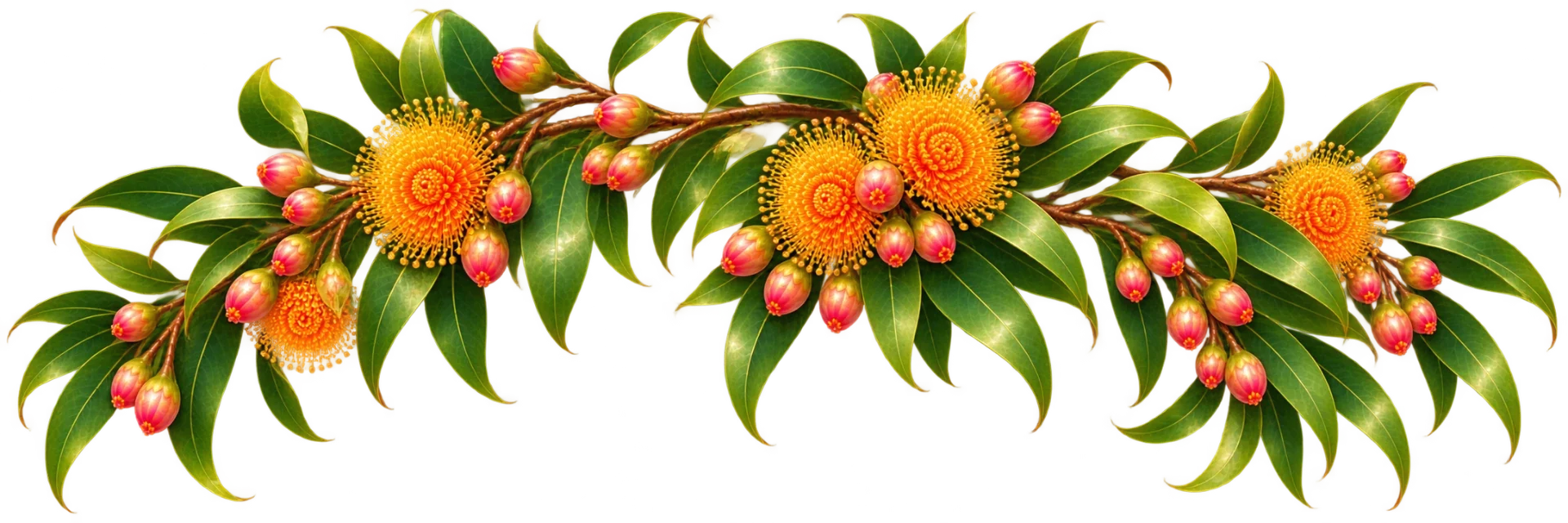
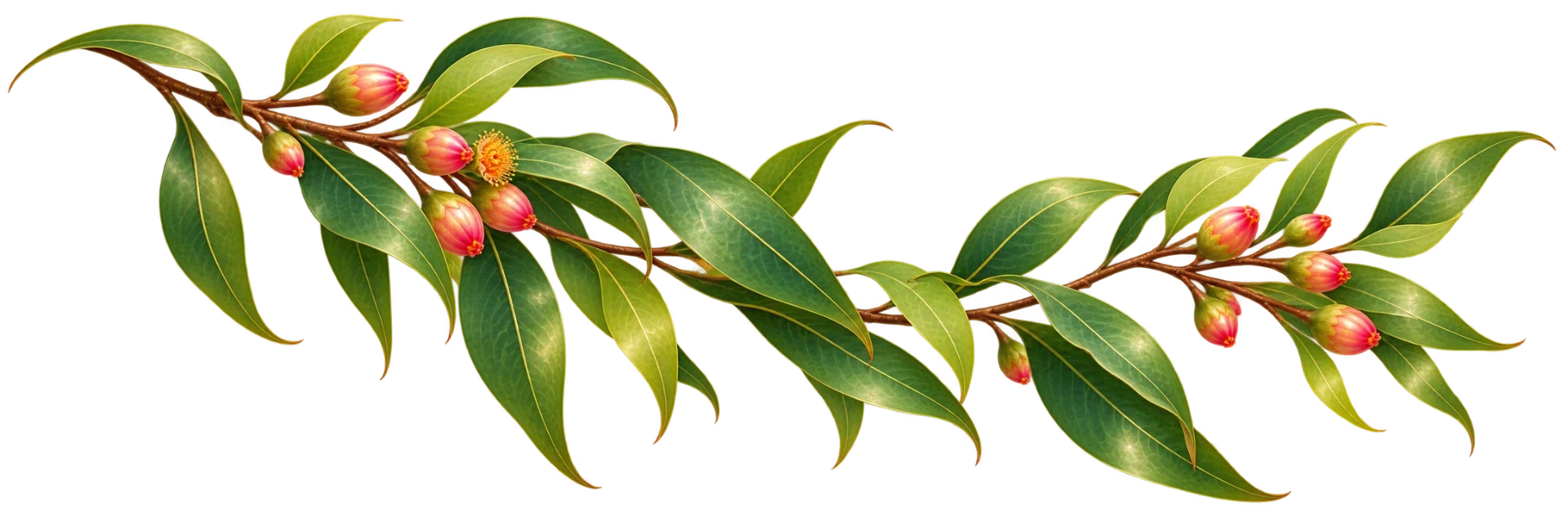
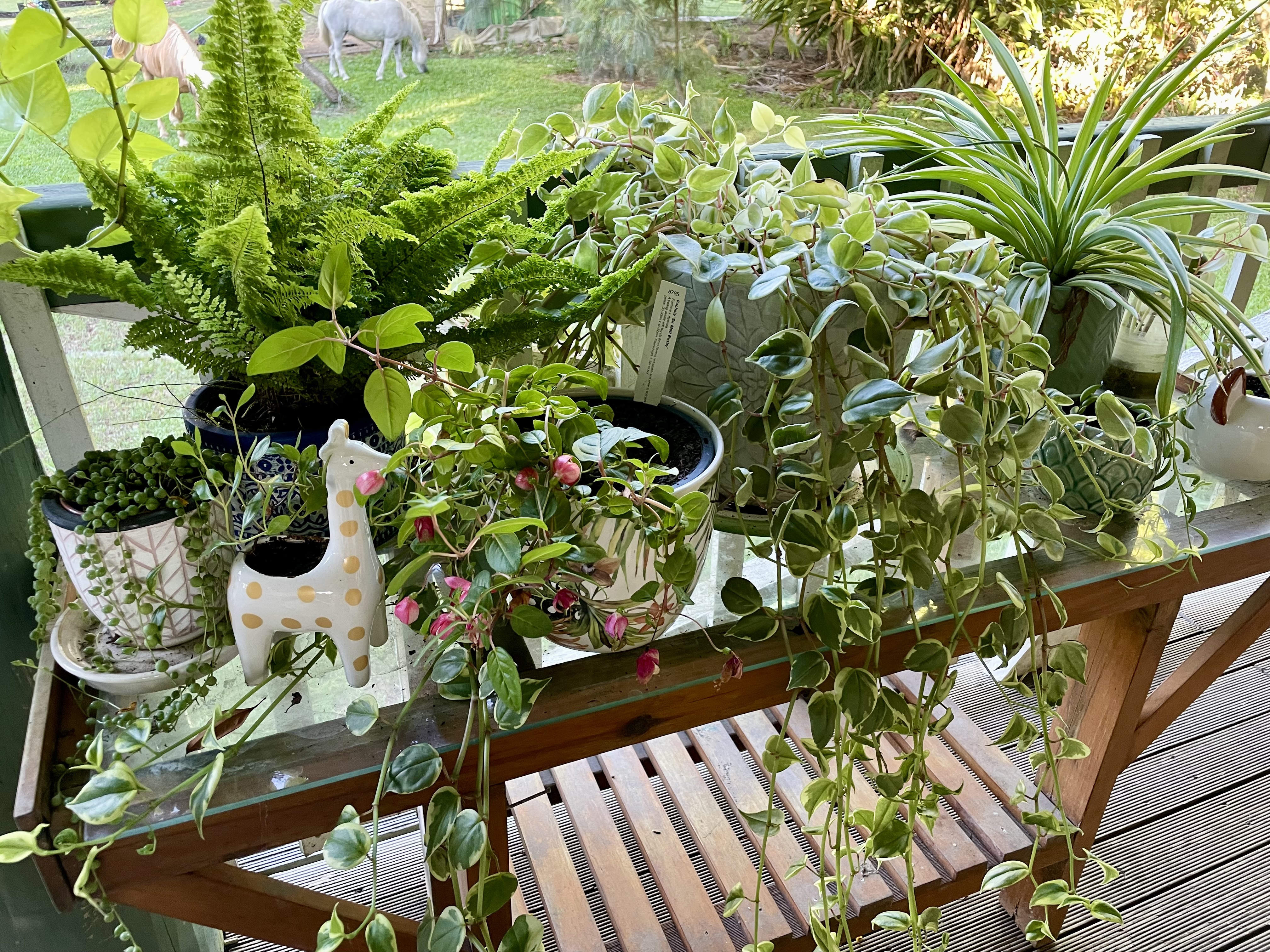

You can let pothos spill from a shelf, train a monstera up a support, or grow a rubber plant into a tall indoor tree. Smaller plants such as peperomia and spider plant give you plenty of options for benches, shelves and hanging pots.
I’ve picked 19 indoor plants with very different shapes, sizes and growing habits. There are climbers, trailers, palms, compact foliage plants and a few that can grow into large floor plants.
For each one, I’ve included the light, watering and space to plan for, plus useful notes on pruning, support or propagation. Which one will you grow next?
19 Indoor Plants
1
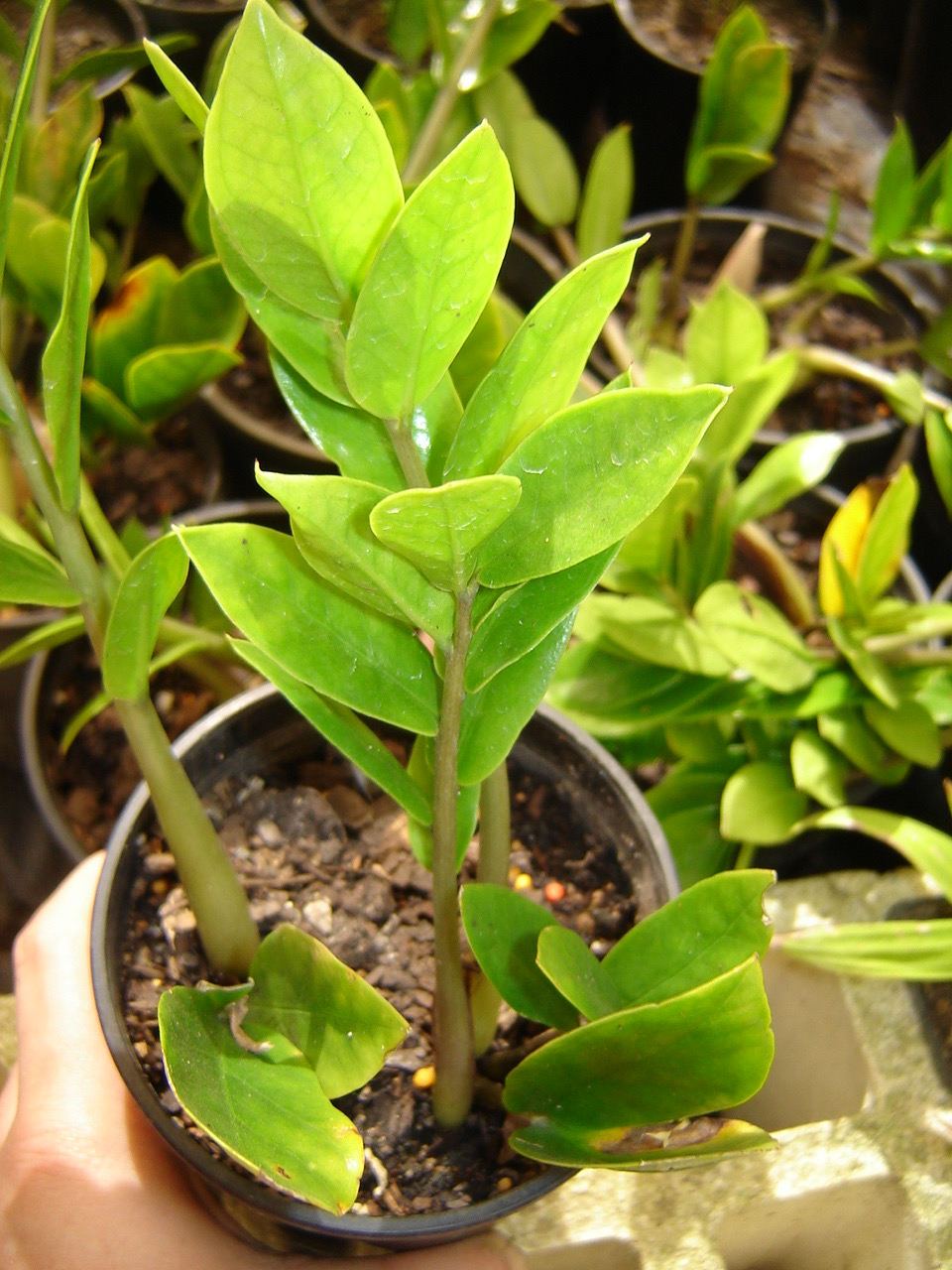
ZZ plant
Zamioculcas zamiifolia
ZZ plant has glossy upright leaves and needs very little watering. Thick rhizomes under the soil store water, so let the potting mix dry well before watering again. It grows in lower light. Bright filtered light gives you faster, fuller growth.
Size: Usually about 45–90 cm tall and 45–75 cm wide, slowly expanding as new shoots rise from the rhizomes.
2
Pothos
Epipremnum aureum
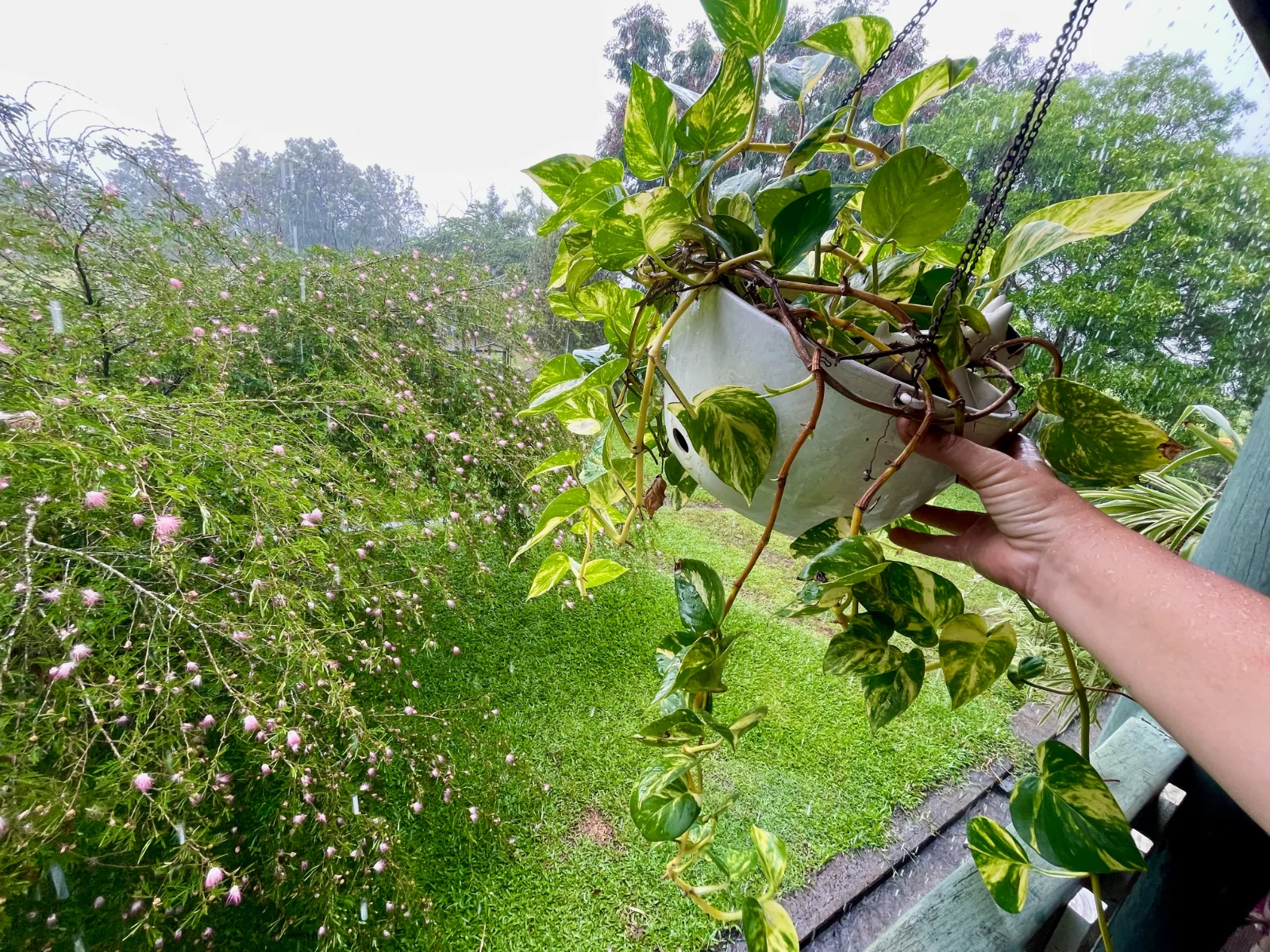
Pothos is brilliant on a shelf, in a hanging pot or climbing up a support. Let the stems spill down for a curtain of green, or train them upwards and the leaves can grow much larger. Moderate to bright filtered light keeps growth strong. Water when the top of the mix has dried. Stem cuttings root easily in water or potting mix.
Size: Usually kept as a trailing houseplant, but outdoor vines in warm climates can climb many metres and make much larger mature leaves.
3
Snake plant
Dracaena trifasciata
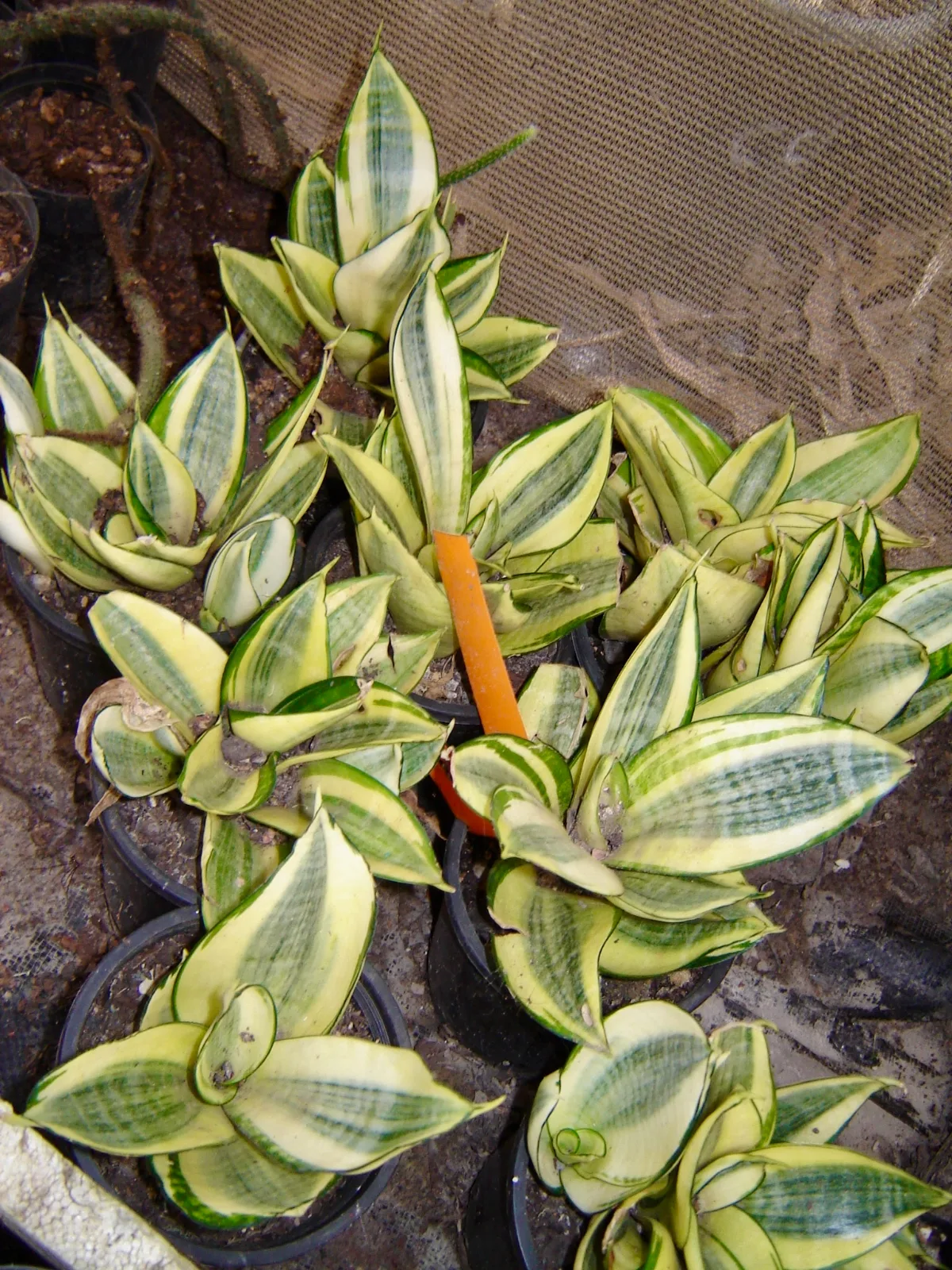
Snake plant gives you tall, architectural leaves without taking up much floor space. The thick leaves store water, so let the potting mix dry well before watering again. It grows in lower light. A brighter filtered spot gives you faster, fuller growth.
Size: Usually 30 cm–1.2 m tall, depending on cultivar, with clumps widening steadily through underground rhizomes.
4
Cast iron plant
Aspidistra elatior
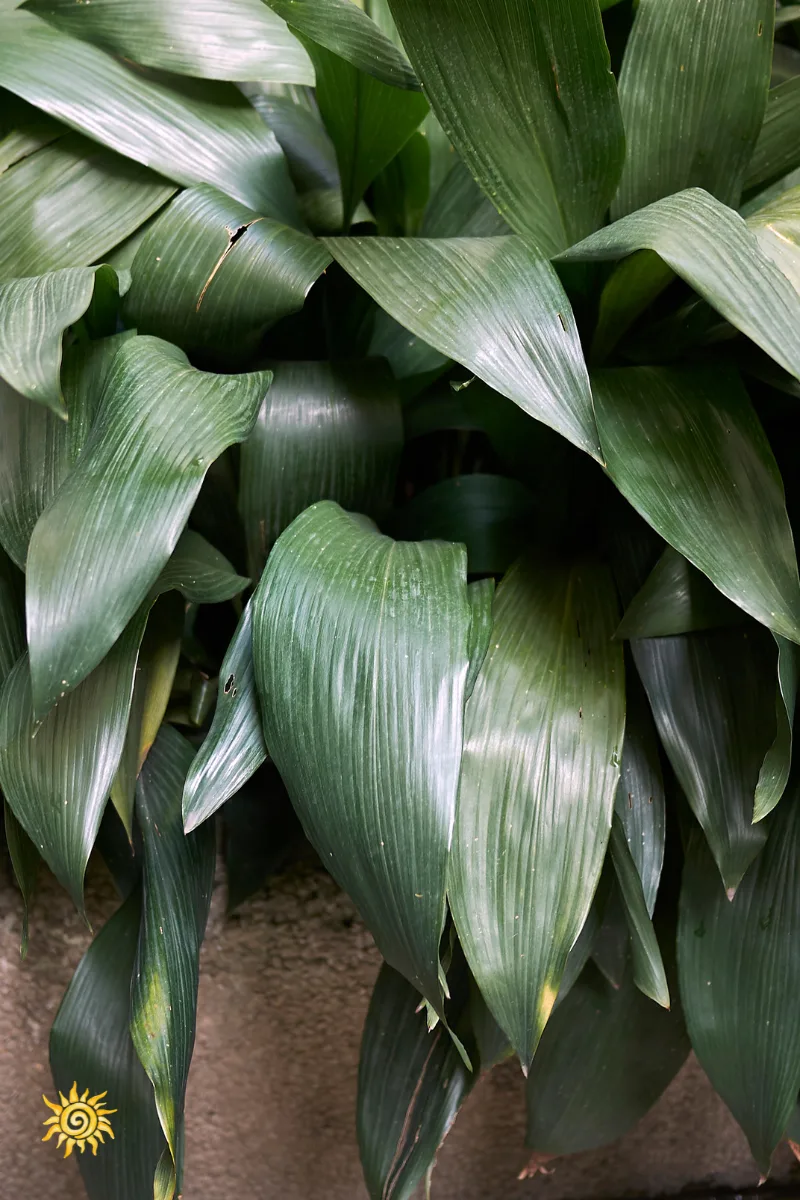
Cast iron plant grows well in moderate or lower indoor light and produces long, deep-green leaves from underground rhizomes. Its slow growth means you can keep it in the same spot for years. Let the top of the mix dry before watering again. Strong sun through glass can scorch the leaves.
Size: Usually 60 cm–1.2 m tall and gradually widening into a substantial clump through underground rhizomes.
5
Peace lily
Spathiphyllum wallisii
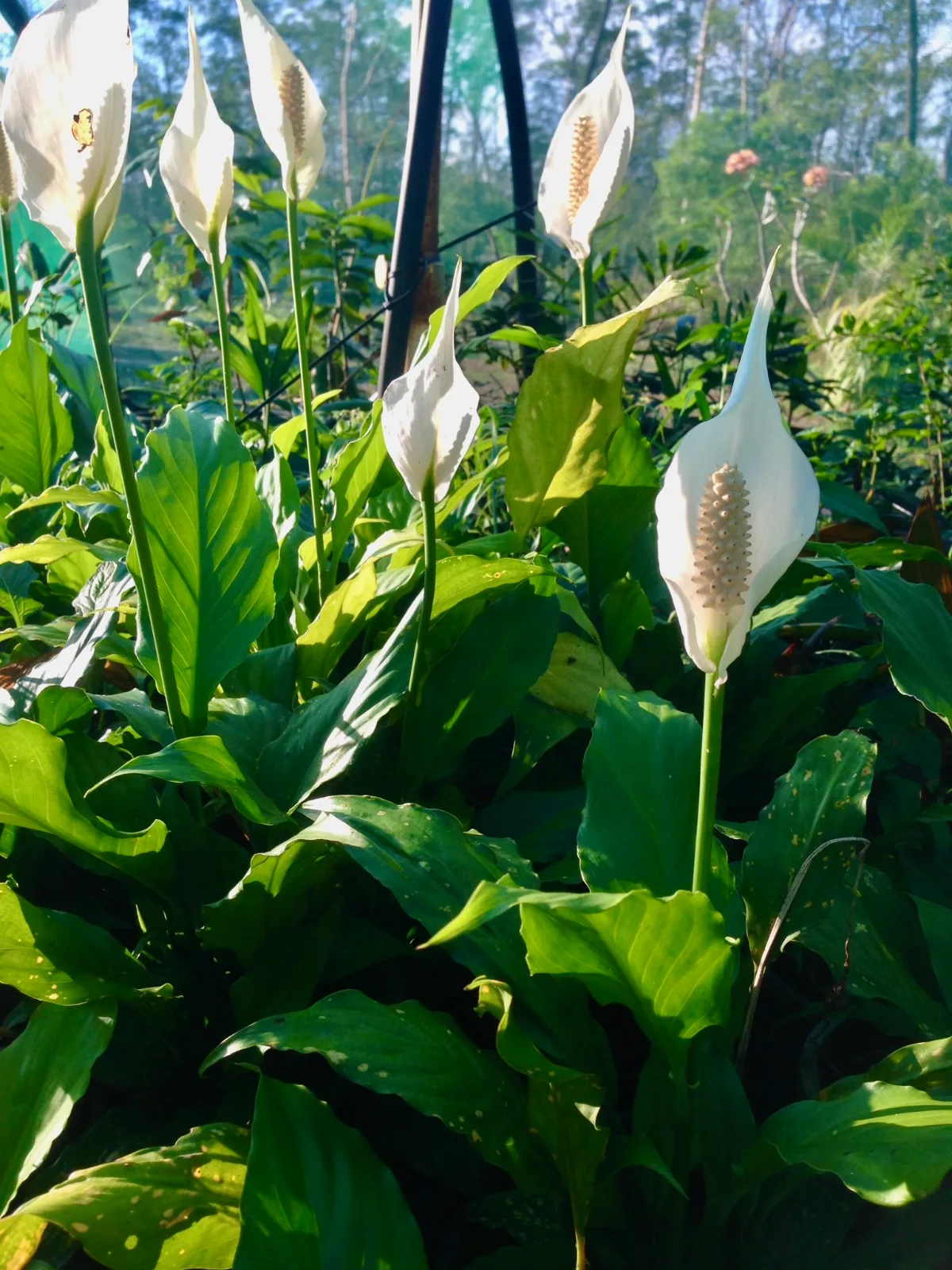
Peace lily gives you glossy green leaves and white flowers above the foliage. Bright filtered light encourages more flowers. Keep the potting mix lightly moist and let excess water drain away. If the leaves droop, check the potting mix before watering.
Size: Usually 40–80 cm tall and wide
6
Monstera
Monstera deliciosa
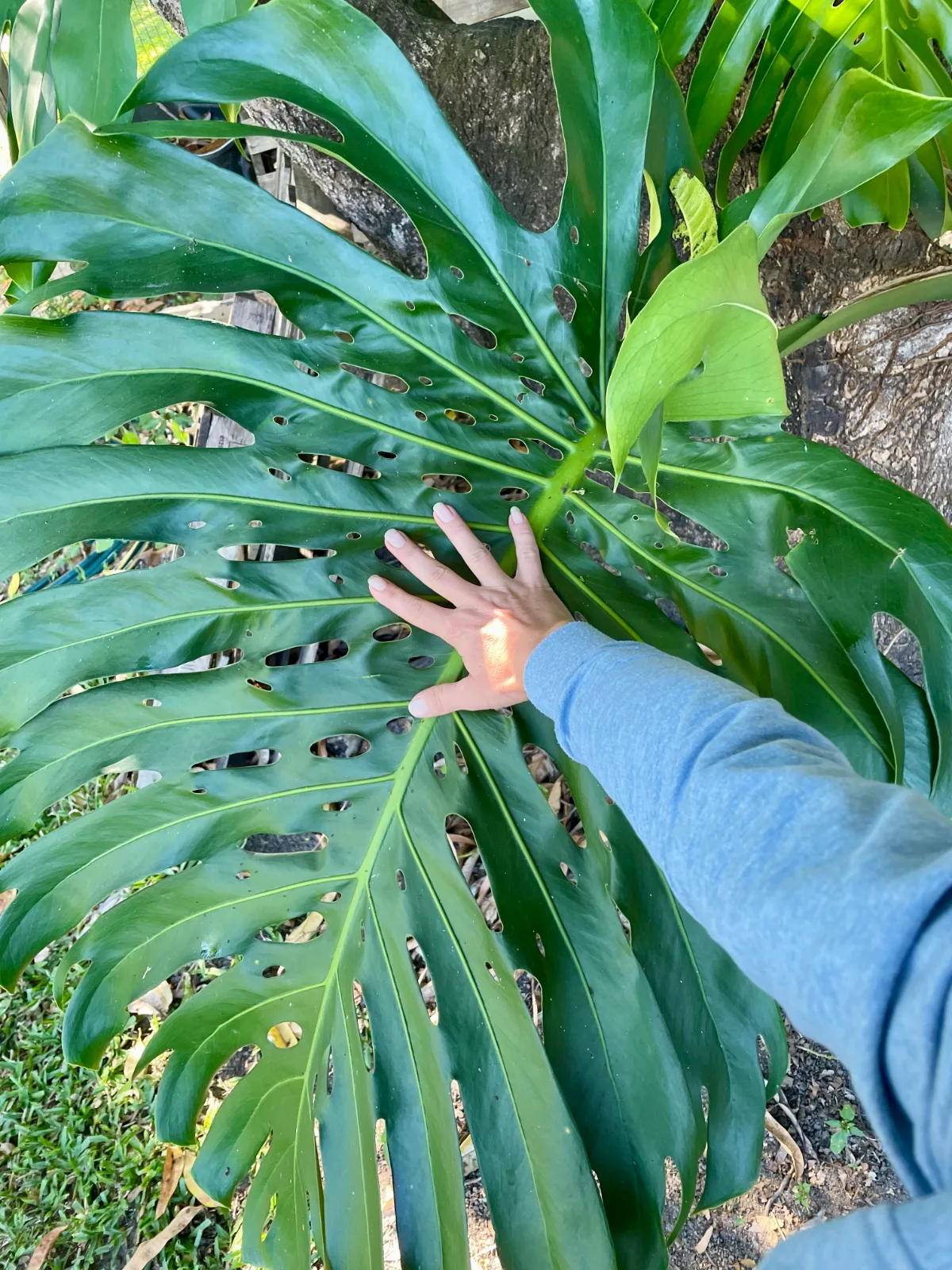
Monstera can grow into a big, lush indoor plant with huge split leaves. Train it up a sturdy support and the leaves can become larger as the plant matures. Give it bright filtered light and enough room for the stems and leaves to spread.
Size: Commonly 2–5 m on a support in pots or gardens; outdoors it can climb much higher into trees if left unmanaged.
Grow a Little Wild
New plants to try, useful growing tips and a few garden jobs based on what you grow.
7
Rubber plant
Ficus elastica
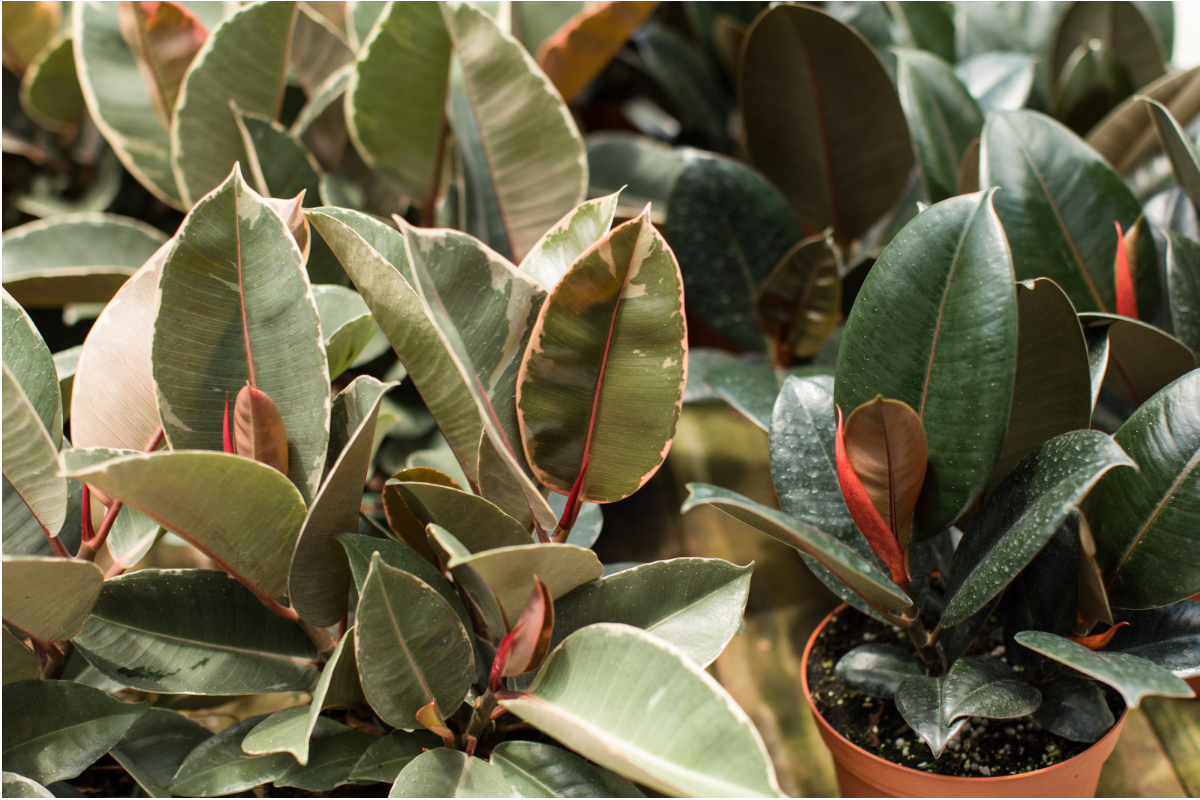
Rubber plant can grow into a tall indoor tree with large glossy leaves and a strong upright shape. Give it bright filtered light and a free-draining potting mix. Prune the main stem during active growth if you want more branching or a shorter plant. New shoots can grow below the cut.
Size: About 1–3 m in a managed pot; in warm ground it can become a very large tree well over 10 m tall with powerful roots.
8
Spider plant
Chlorophytum comosum
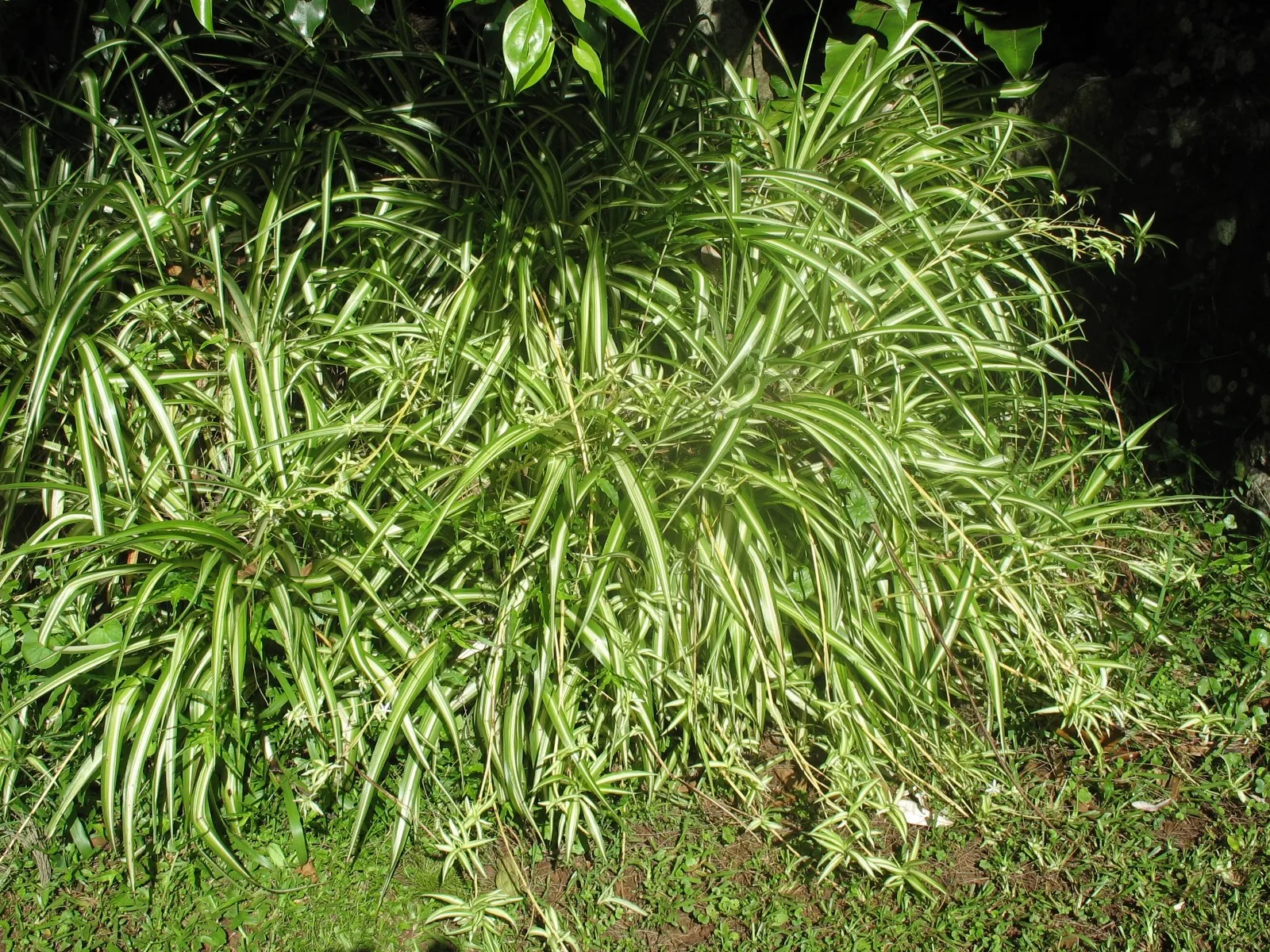
Spider plant quickly fills a hanging pot with long arching leaves, then sends out stems covered in little plantlets. Give it bright filtered light and water when the top of the mix starts to dry. You can pot up the plantlets once they have small roots and grow them on as new plants.
Size: Usually 20–40 cm tall and 30–60 cm wide, with flowering runners and plantlets hanging 60 cm or more beyond the clump.
9
Happy plant
Dracaena fragrans
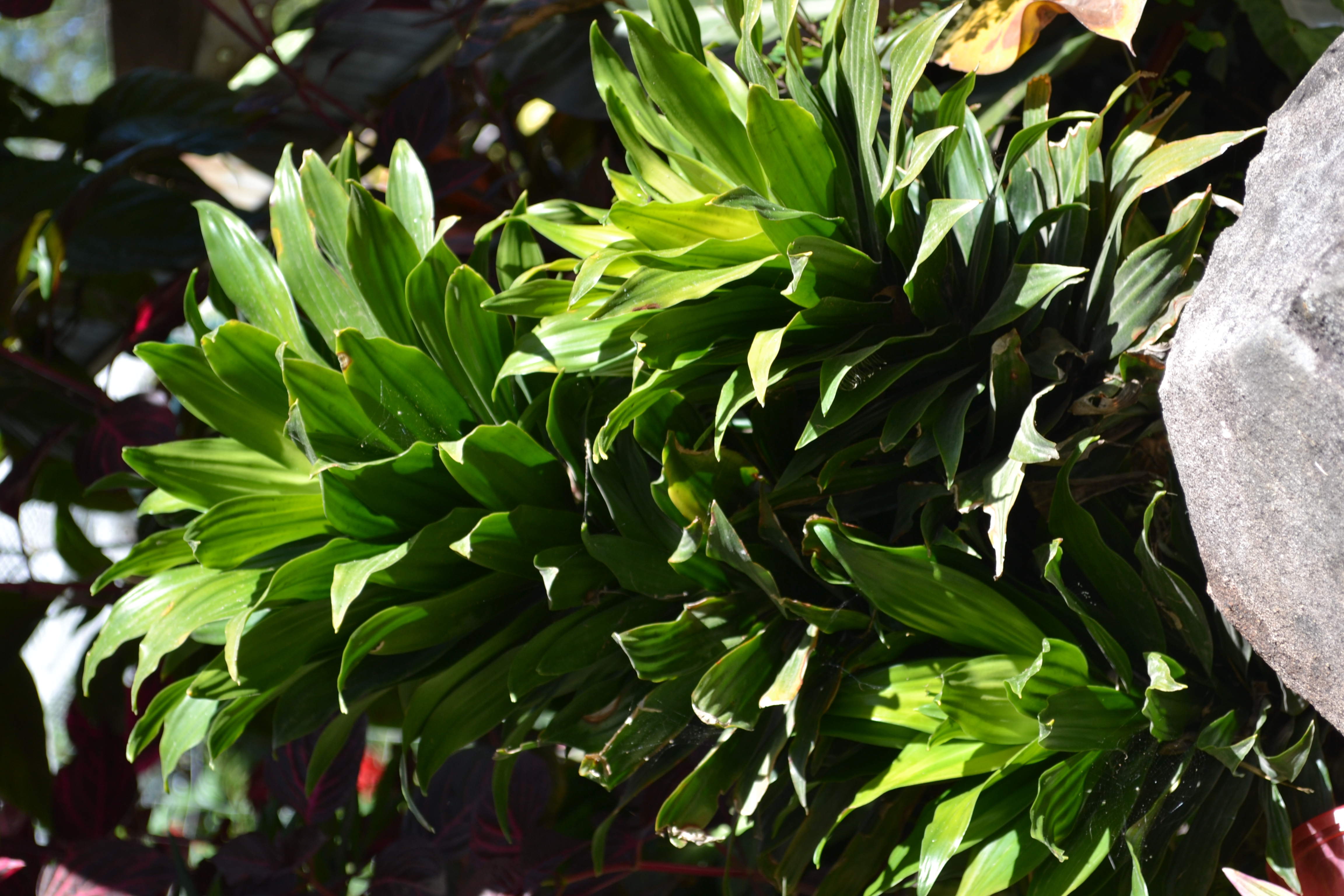
Happy plant grows tall on slim canes, so it adds plenty of green foliage without a wide canopy. Give it moderate to bright filtered light and water when the top of the mix has dried. If an older cane gets too tall or bare, cut it back in warm weather and new shoots may grow below the cut.
Size: Usually 1–2 m tall in containers; in warm shaded gardens, established plants can become several metres tall.
10
Hoya carnosa
Hoya carnosa
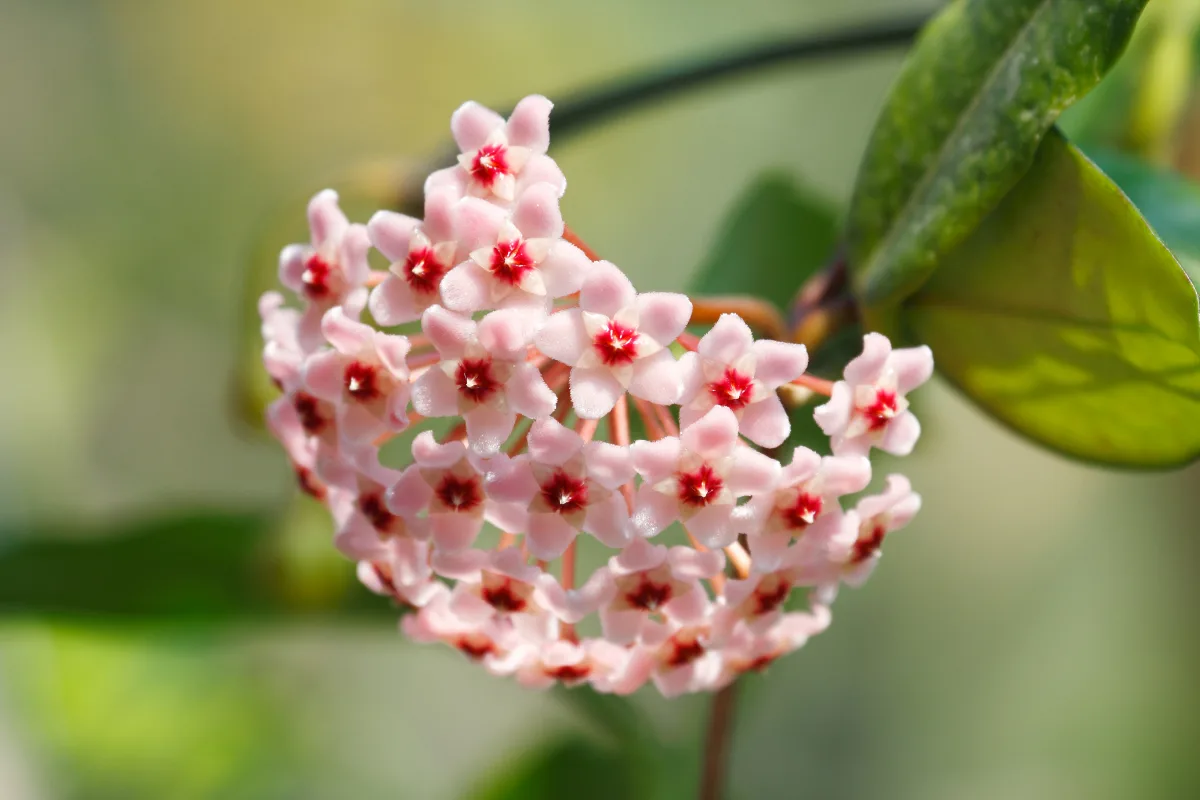
Hoya carnosa looks beautiful trailing from a shelf or hanging pot. You can also train the stems around a small trellis. The thick waxy leaves hold water and the flowers open in fragrant clusters. Bright filtered light encourages flowering. Let much of the potting mix dry before watering again. Leave the old flower spurs in place because new flowers can open from the same spots.
Size: A moderately vigorous vine with stems several metres long when mature.
11
Chinese evergreen
Aglaonema commutatum
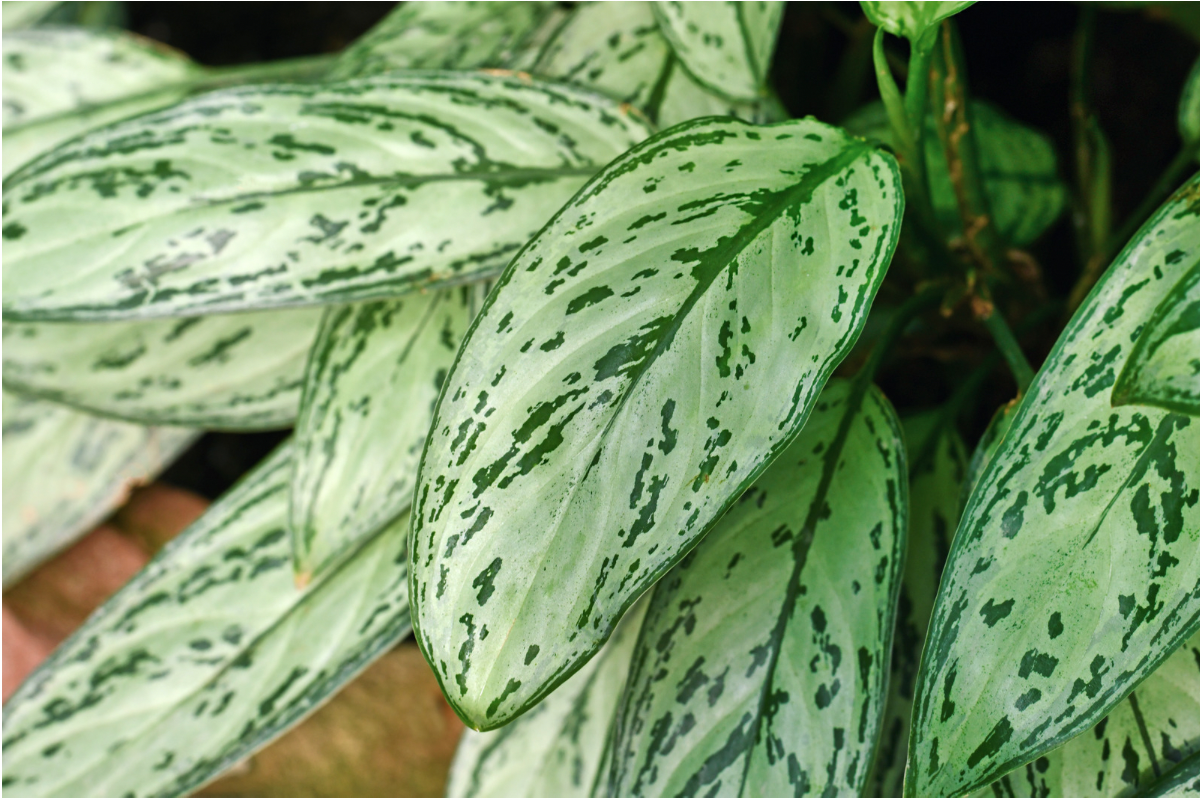
Chinese evergreen comes in green, silver, pink and red-leaved forms, so you can get plenty of colour from the foliage alone. Green varieties grow well in moderate light. Brighter filtered light helps the more colourful forms keep their colour. Let the top of the potting mix dry a little before watering again.
Size: Usually 30–90 cm tall and 30–60 cm wide indoors, depending on cultivar and age.
12
Heartleaf philodendron
Philodendron hederaceum
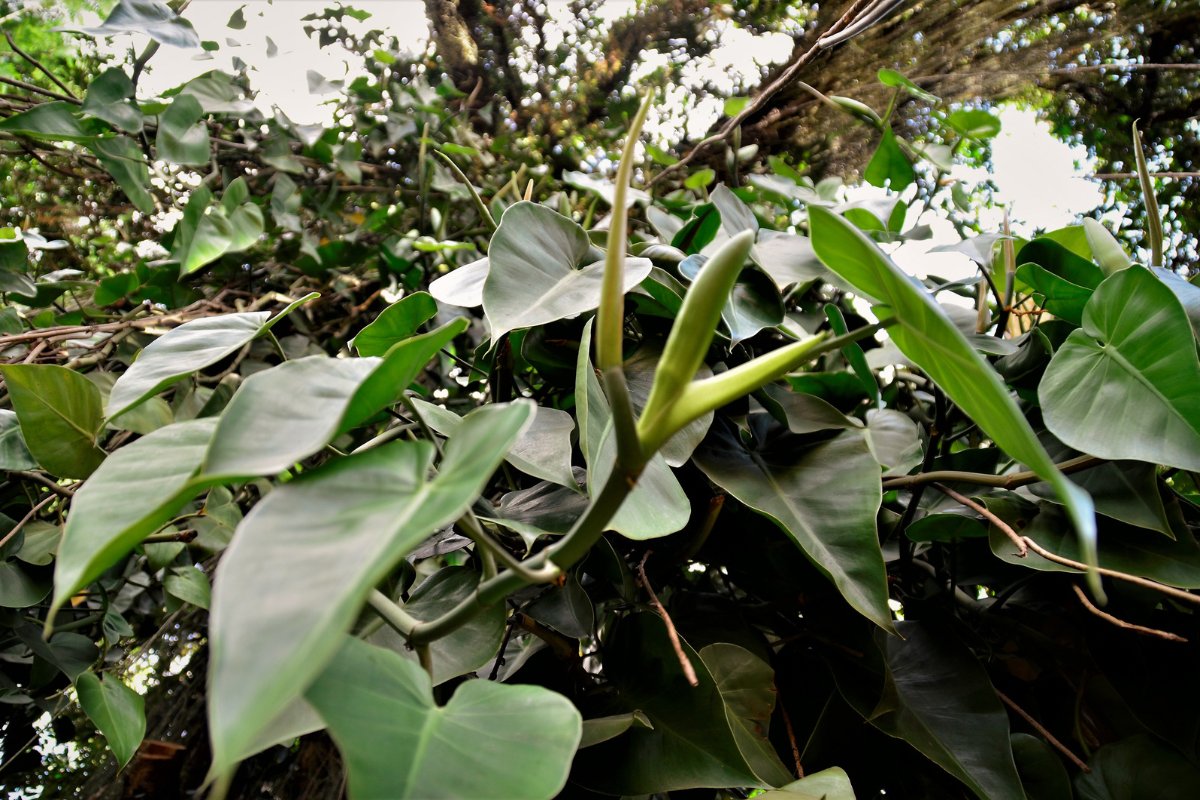
Heartleaf philodendron is a flexible vine that can trail from a shelf or climb a support. Train the stems upwards and the leaves can grow larger as the plant matures. Give it moderate to bright filtered light. Trim long stems when you want bushier growth. Cuttings with a node root easily.
Size: Trailing or climbing stems commonly reach 1–2 m indoors and can grow longer with support.
13
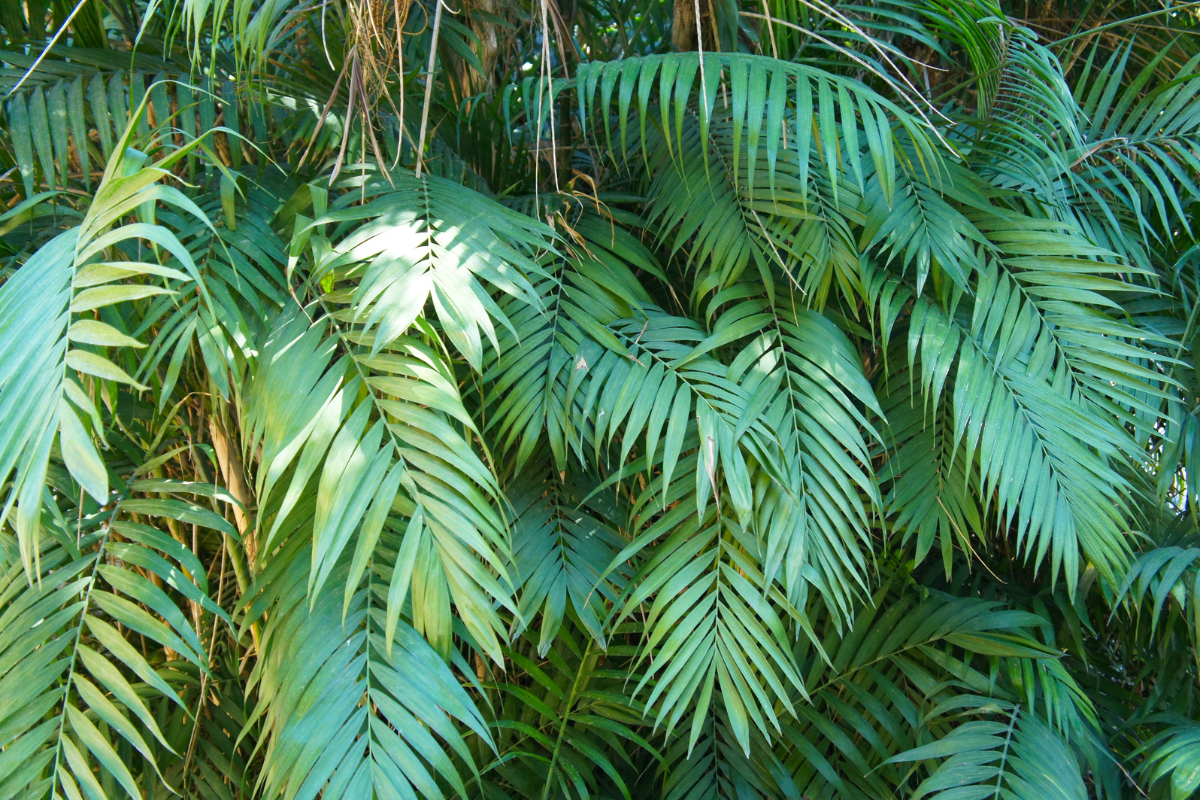
Parlour palm
Chamaedorea elegans
Parlour palm stays relatively compact and brings soft, feathery foliage into a room. It grows slowly and does well in moderate light. Water when the surface of the potting mix starts to dry. Most nursery pots contain several seedlings together, which is what gives the plant its full, leafy shape.
Size: Usually 30–120 cm tall indoors over many years, although old plants can become taller.
14
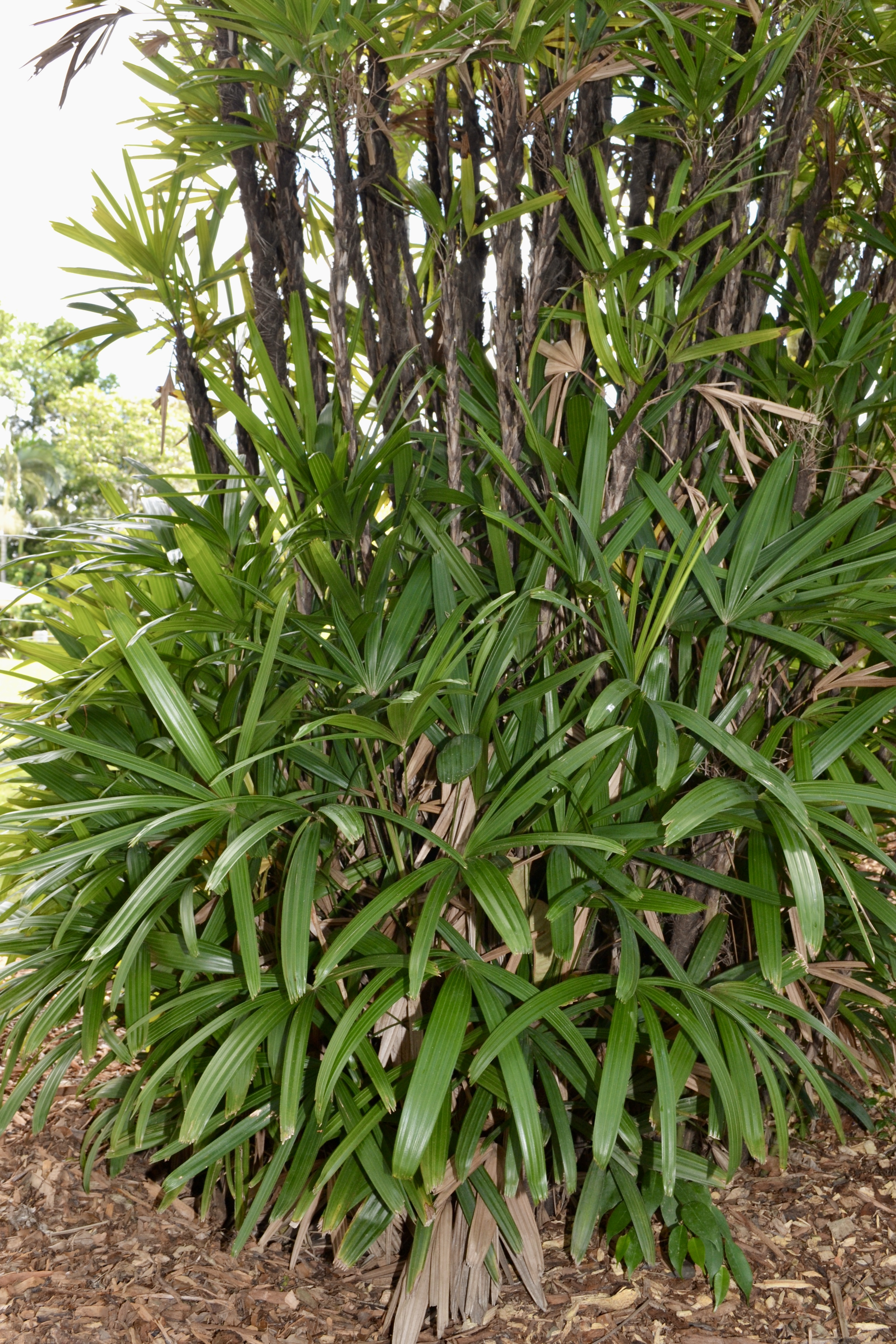
Lady palm
Rhapis excelsa
Lady palm makes a beautiful floor plant with fan-shaped leaves and slender stems. It grows as a clump, so leave some room for it to widen over time. Give it filtered light and regular water. A larger clump can fill a living room corner or entry with foliage.
Size: Usually 2–4 m high outdoors, with clumps widening several metres over time
15
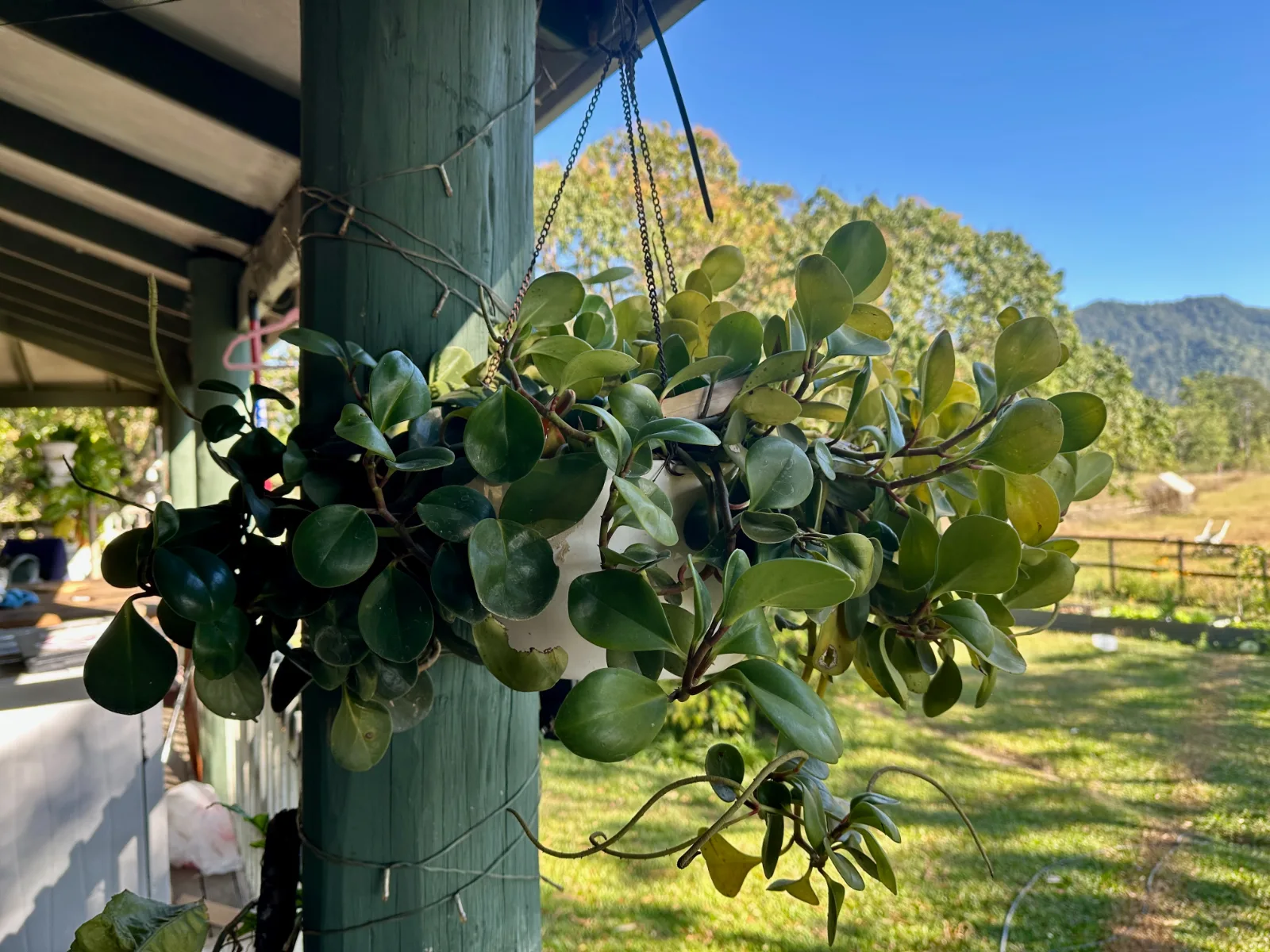
Baby rubber plant
Peperomia obtusifolia
Baby rubber plant packs thick glossy leaves into a compact plant, which makes it easy to fit on a desk, shelf or windowsill. Bright filtered light keeps the growth dense. Let the upper part of the mix dry before watering again. Stem cuttings root easily when you want another plant.
Size: Usually 20–40 cm tall and wide
16
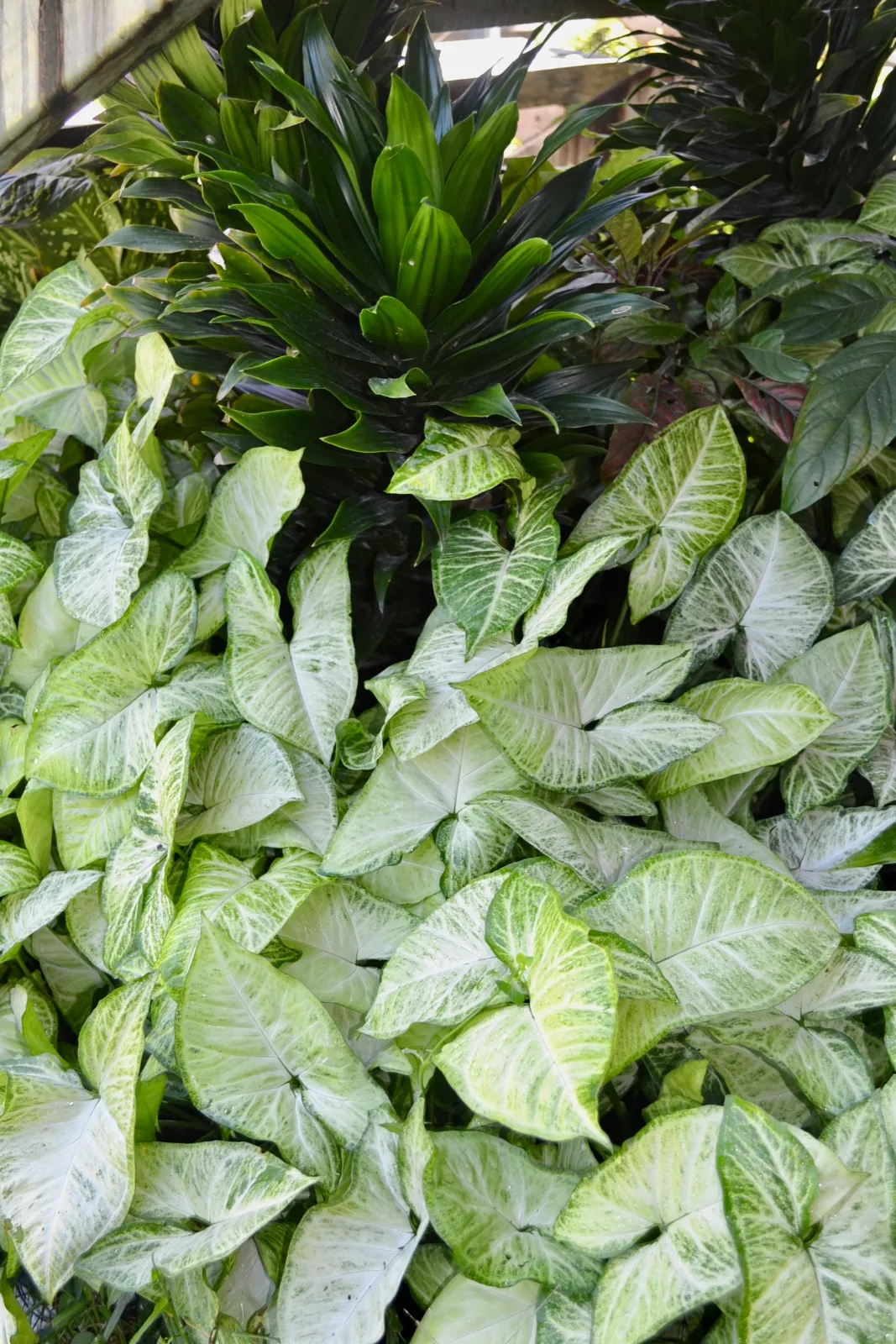
Arrowhead plant
Syngonium podophyllum
Arrowhead plant changes shape as it grows. Young plants stay compact, then longer stems begin to trail or climb. You can prune it for bushier growth, let it spill from a shelf or train it up a support. Give it moderate to bright filtered light and water when the surface of the mix begins to dry.
Size: Vines can run several metres; indoor plants are usually kept to 0.5–2 m
17
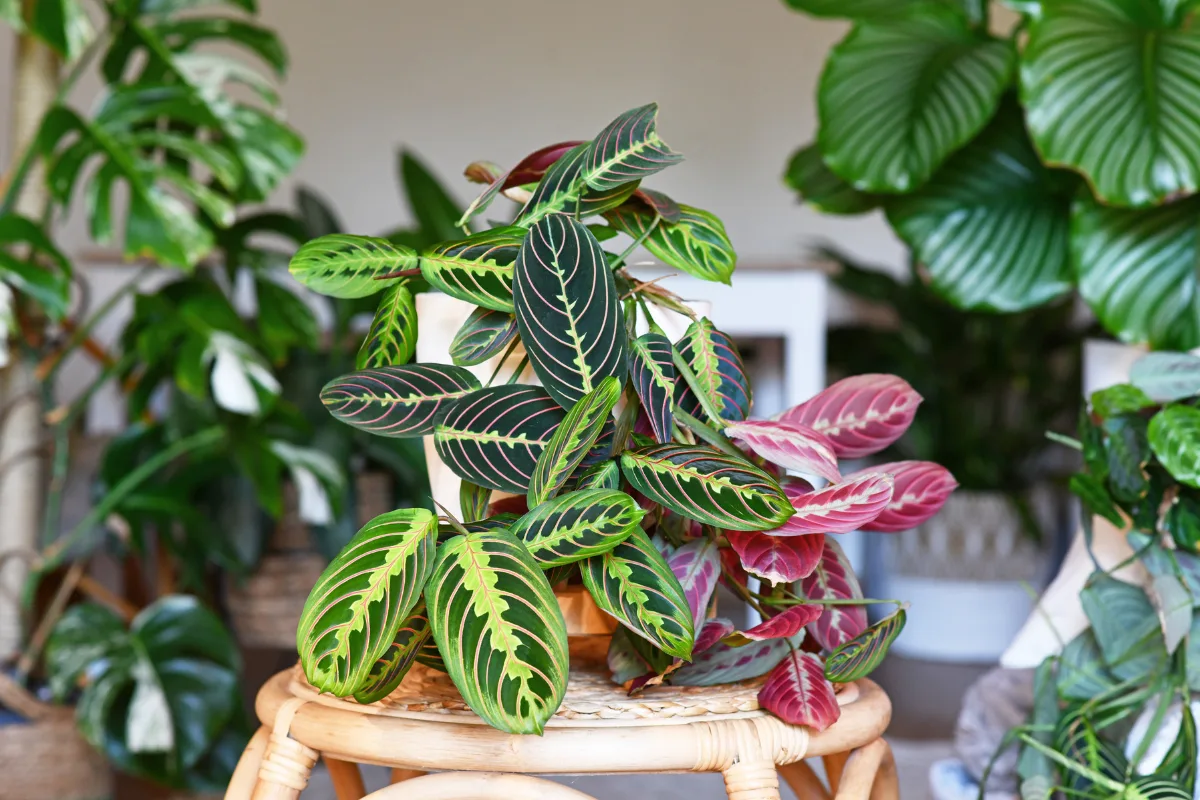
Prayer plant
Maranta leuconeura
Prayer plant has beautifully patterned leaves in greens, reds and silvery shades. At night, the leaves fold upwards and open again during the day. Bright filtered light keeps the colours strong. Keep the potting mix lightly moist. Higher humidity helps keep the leaf edges in good condition.
Size: Usually about 20–35 cm tall and 30–60 cm wide, depending on cultivar and container.
18
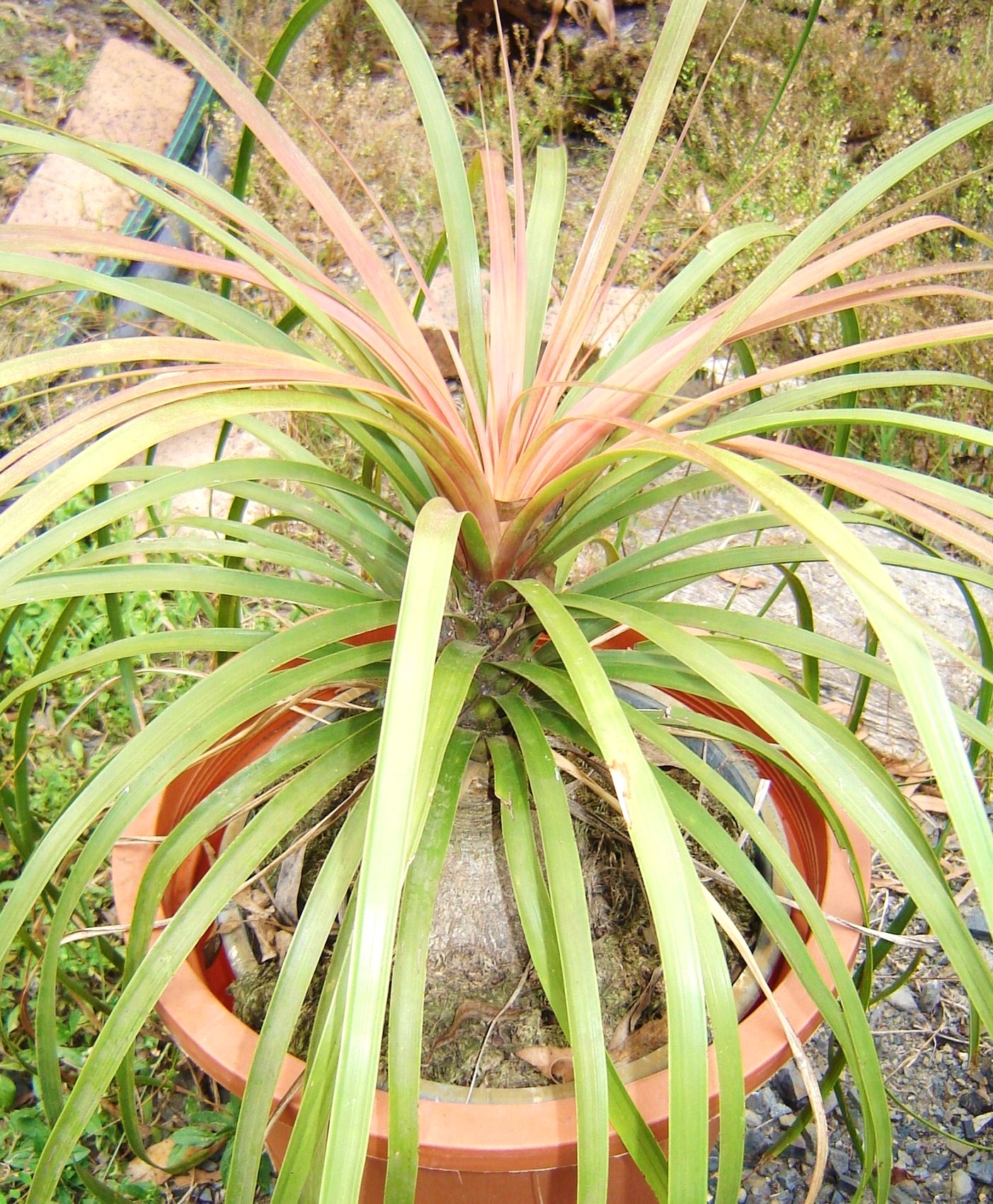
Ponytail palm
Beaucarnea recurvata
Ponytail palm has a swollen trunk topped with a fountain of long narrow leaves. Despite the name, it isn’t a true palm. The swollen base stores water, so let the potting mix dry well before watering again. Give it a bright spot near a window. It grows slowly indoors and can stay manageable for years.
Size: Slow growing; outdoor plants can eventually become several metres tall with a broad swollen base, while container plants stay much smaller.
19
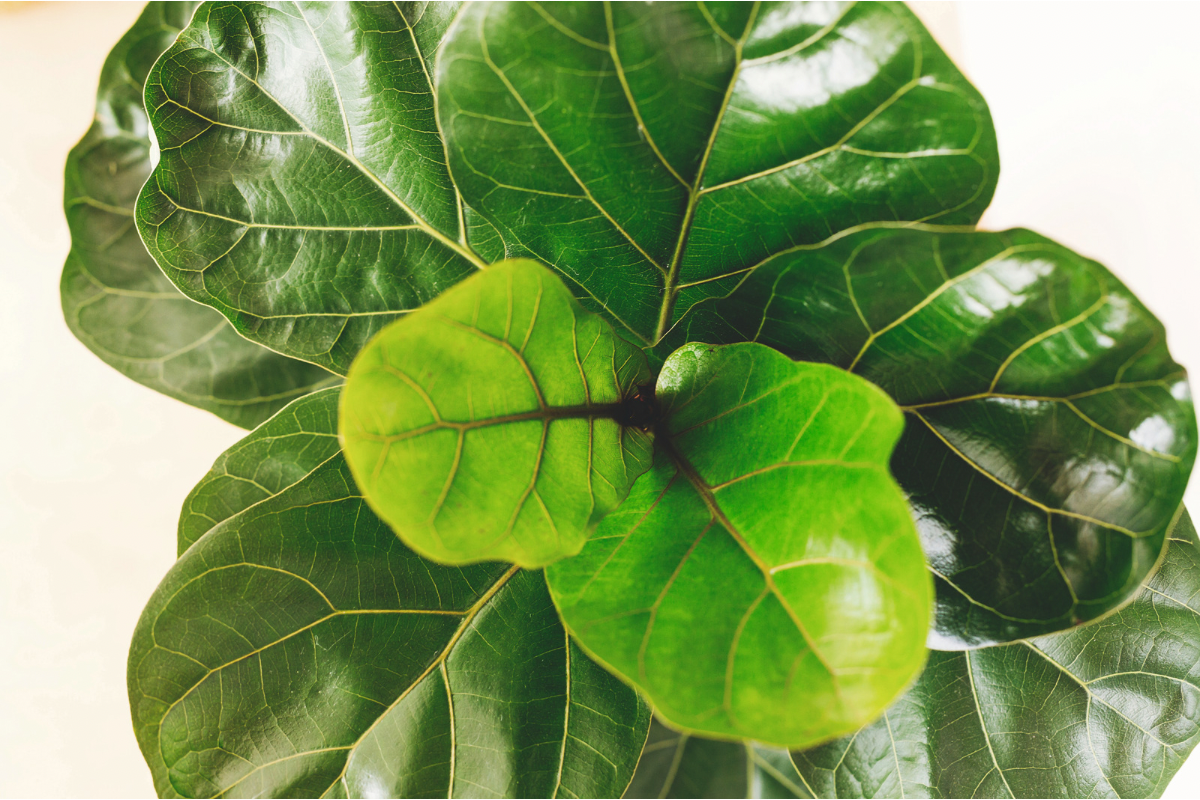
Fiddle-leaf fig
Ficus lyrata
Fiddle-leaf fig can become a striking floor plant with huge, violin-shaped leaves. Place it close to a bright window and use a free-draining potting mix. Water thoroughly once the upper mix has dried, then let excess water drain away. Leave enough room around the plant for the large leaves to spread.
Size: Commonly kept around 1–3 m tall indoors; potentially a much larger tree outdoors in frost-free tropical and subtropical climates.

Choose the Spot First
Once you’ve picked a favourite, think about where you want to grow it. A plant beside a bright window gets far more light than one across the room, and that changes how quickly the pot dries and how strongly the plant grows.
- Watch the daylight. Check the spot at different times of day. Morning sun, bright filtered light and a dim corner can all feel bright to us, but they give a plant very different amounts of light.
- Check the mix before you water. Push a finger into the potting mix and see how damp it still feels. ZZ plant, snake plant, hoya and ponytail palm can dry well before you water again. Peace lily and prayer plant need more even moisture.
- Use a pot with drainage holes. If you keep the plant inside a decorative cover pot, tip out any water that collects in the bottom.
- Give bigger plants room. Monstera, rubber plant, lady palm and fiddle-leaf fig can become substantial floor plants. Pothos, hoya and heartleaf philodendron can use vertical space by trailing or climbing.
- Feed while the plant is growing. Most indoor plants need less fertiliser when growth slows in cooler weather.
Start with the plant you keep coming back to. Find it a good spot, learn how quickly its pot dries, and you’ll soon get a feel for what grows well in your house.