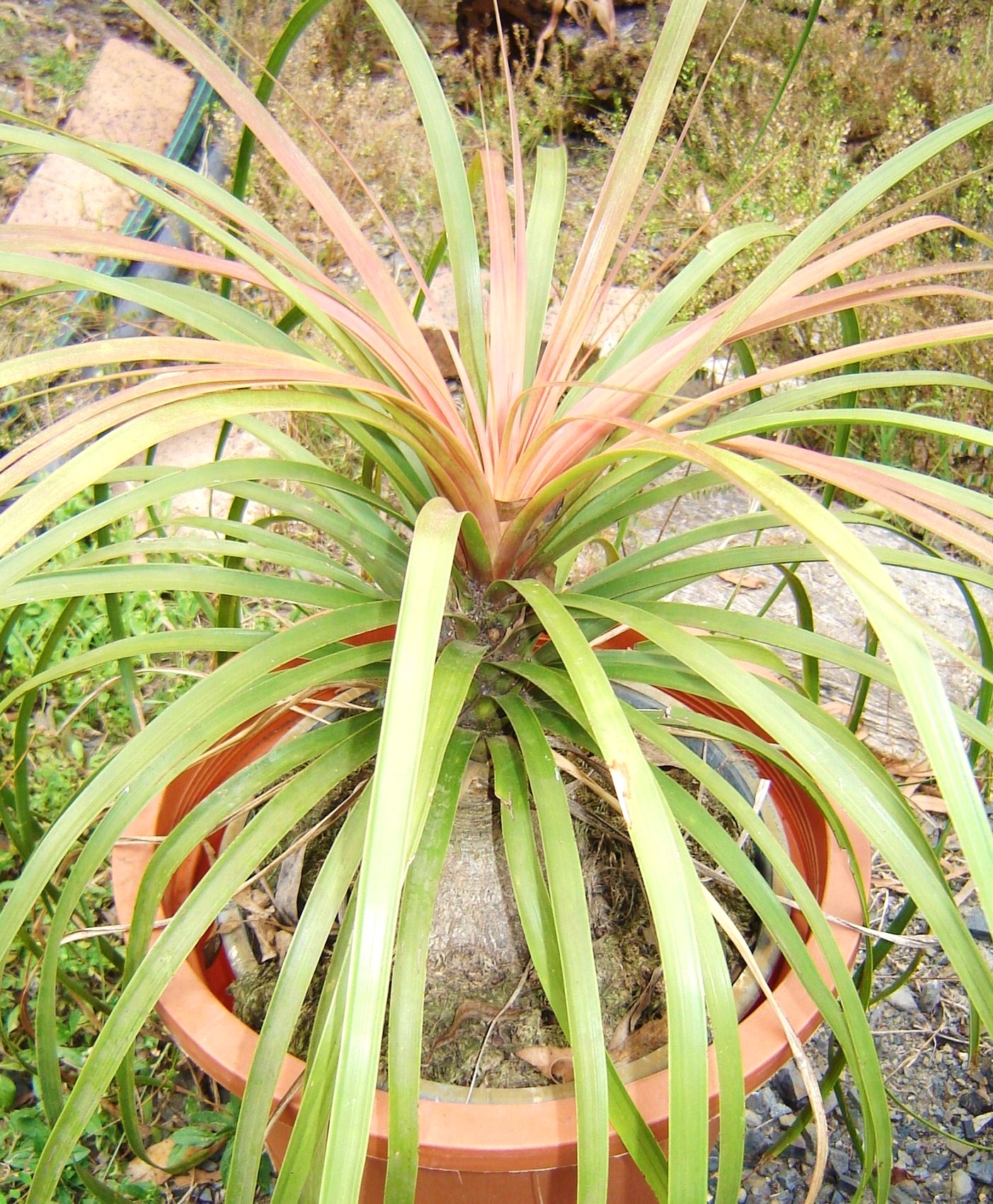
Plant profile
Ponytail palm
Beaucarnea recurvata
Also known as Elephant's foot, Pony tail palm, Beaucarnea recurvata.
Ponytail palm is a slow-growing caudex plant with a swollen water-storing base and long arching leaves. It suits bright indoor positions and dry, free-draining outdoor gardens in warm climates.
- Grows well in
- Tropical, Subtropical, Temperate, Arid / inland, Mediterranean
- Lifecycle
- Long-lived evergreen caudex tree
- Light
- Full sun, Part shade
- Mature size
- Slow growing; outdoor plants can eventually become several metres tall with a broad swollen base, while container plants stay much smaller.
- Spacing
- Allow at least 2–3 m around a long-term outdoor specimen.
- Growth habit
- Single or branching caudex tree with a swollen base and tufts of long recurved leaves.
- Native range
- Mexico, especially Oaxaca, Puebla, San Luis Potosí, Tamaulipas and Veracruz
- Natural habitat
- Desert and dry shrubland on rocky, well-drained ground.
When to plant
Plant or repot during warm active growth, but there is no routine Grow reminder because established plants need very little intervention.
Planting
Use a pot with drainage or a sharply drained garden site. Keep the swollen base above the soil line rather than burying it. Keep the swollen base above the soil line rather than burying it. The enlarged caudex stores water and is more prone to rot if it sits deep in damp potting mix.
Position and light
Bright light to full sun. Indoor plants do best close to a bright window; acclimatise nursery plants gradually before strong outdoor sun.
Soil
Very free-draining potting mix or sandy, gritty garden soil. Avoid heavy soil that stays wet around the swollen base.
Watering
Water thoroughly, then let the mix dry well before watering again. The swollen base stores water and constant moisture is the main risk.
Feeding
Feed lightly during active warm-season growth if the plant is in a pot. Garden plants in reasonable soil need little.
Pruning
No routine pruning is needed. Remove only fully dead leaves or damaged stems.
Propagation
Usually grown from seed. Some plants produce basal offsets that can be separated once well rooted.
Common problems
Root or stem-base rot follows prolonged wet conditions. Indoor plants can occasionally develop scale or mealybugs.
Worth knowing
Despite the common name, ponytail palm is not a true palm. Gardening Responsibly Australia rates it as lower risk and reports no evidence of naturalisation in Australia.
Featured In
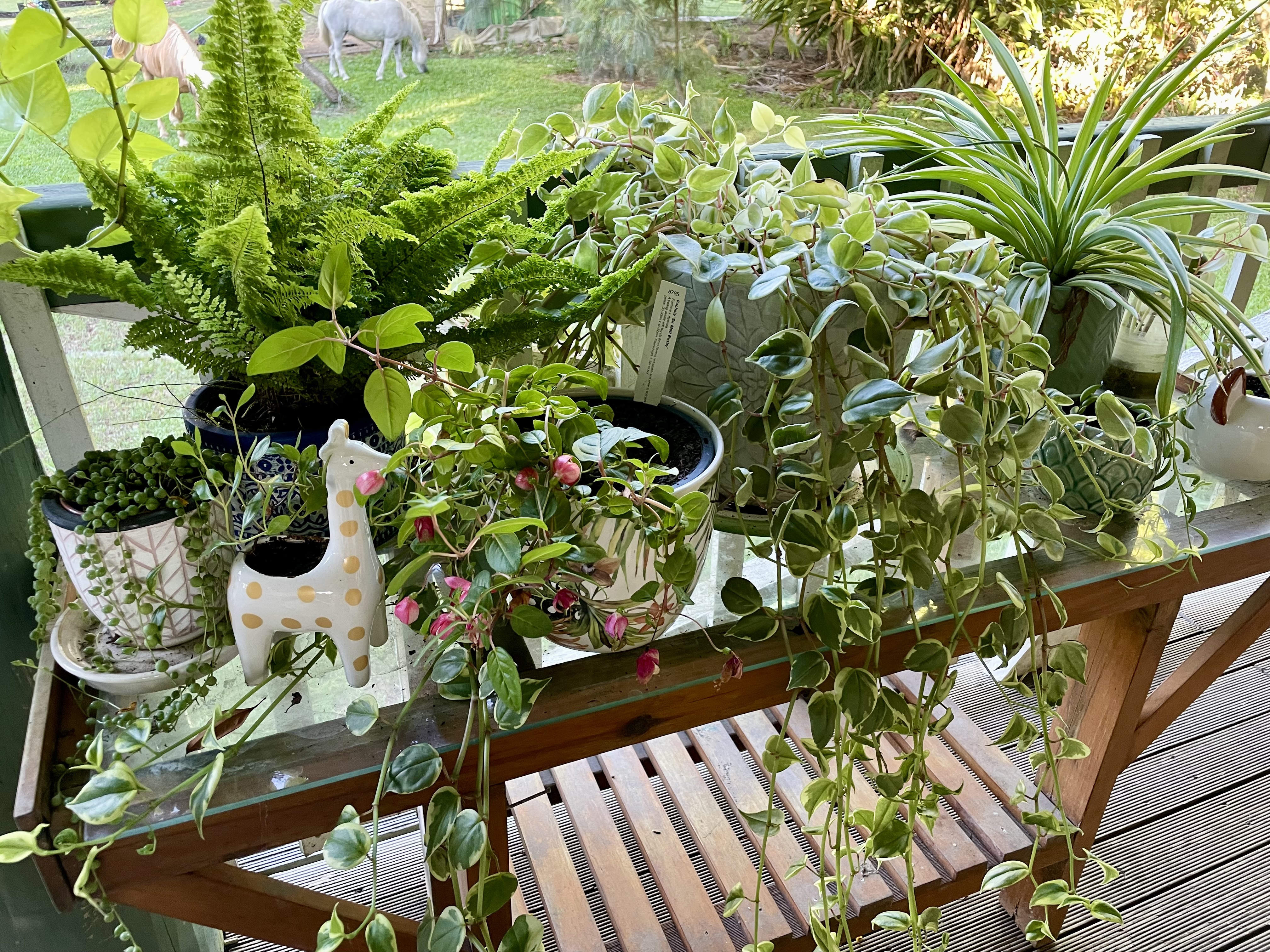
Grow Ponytail palm with Brancho
Add it to My Garden and Brancho works out what it needs next, timed for your climate.
How it grows around Australia
Growing this too? Share what you've noticed in your garden.
Grow a Little Wild
New plants to try, useful growing tips and a few garden jobs based on what you grow.