
Plant profile
Happy plant
Dracaena fragrans
Also known as Corn plant, Mass cane, Fragrant dracaena, Dracaena fragrans 'Massangeana'.
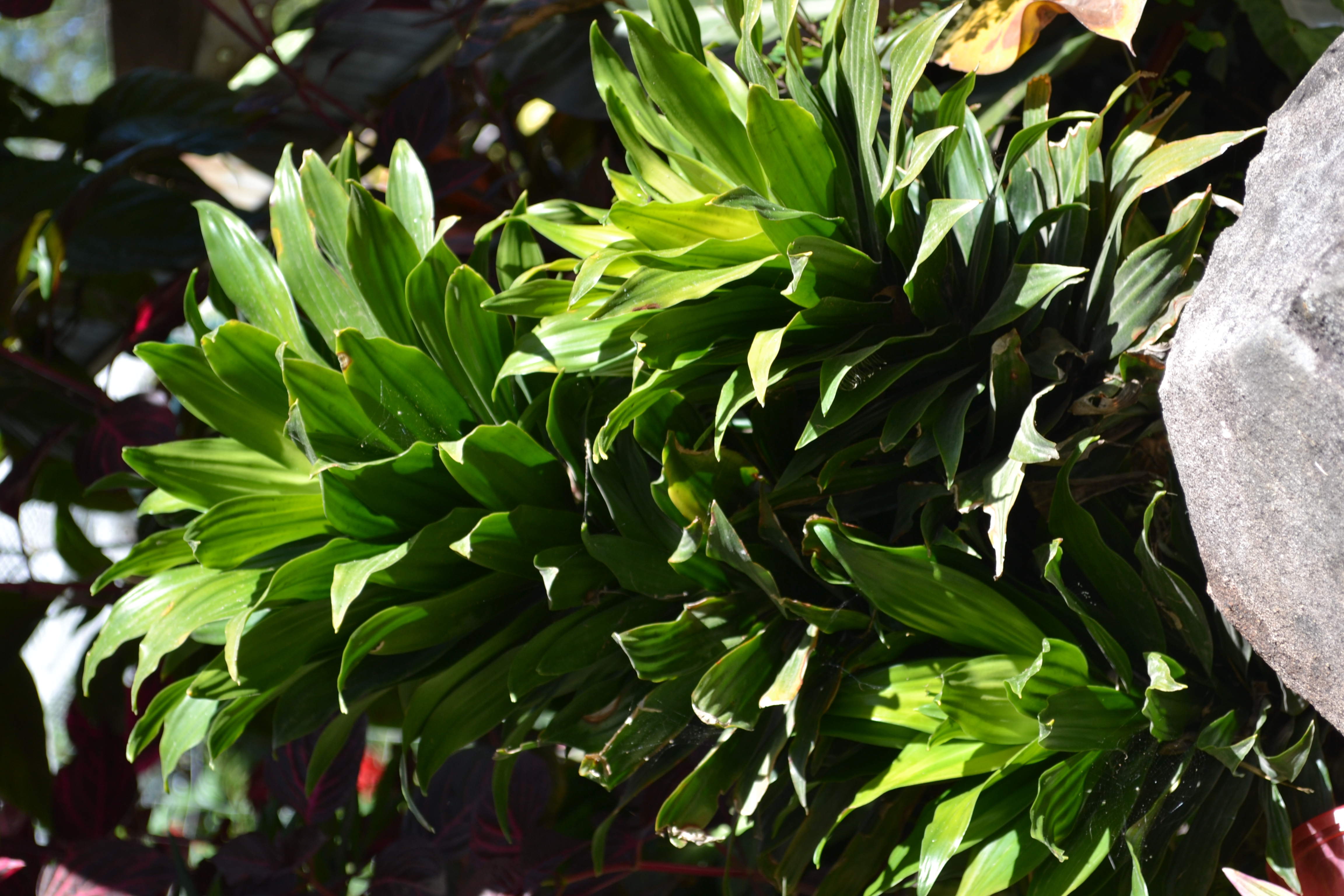
Happy plant is a tough cane-forming dracaena with broad arching leaves. It is one of those foliage plants that works both indoors and in shaded warm-climate gardens, provided it is protected from harsh sun and soggy soil.
- Grows well in
- Tropical, Subtropical, Temperate
- Lifecycle
- Evergreen cane-forming perennial
- Light
- Part shade, Shade
- Mature size
- Usually 1–2 m tall in containers; in warm shaded gardens, established plants can become several metres tall.
- Spacing
- Allow about 60 cm–1 m between garden plants, more if you want individual canes to develop into broad clumps.
- Growth habit
- Upright evergreen perennial with woody cane-like stems topped by rosettes of broad arching leaves.
- Native range
- Tropical Africa
- Natural habitat
- Drier lowland tropical forest and other seasonally dry tropical habitats, often with some shade.
When to plant
Tropical
February–October
Subtropical
September–April
Temperate
October–March
Mediterranean
October–March
Plant or repot during warm active growth. In subtropical and temperate areas, spring is easiest; tropical gardens have a much broader warm-season window.
Planting
Use a free-draining potting mix and keep the cane at the same depth it was growing before. Outdoors, choose a warm sheltered shaded position. Avoid planting into cold wet soil.
Position and light
Bright indirect light to shade suits happy plant. Dark green forms tolerate lower light than strongly variegated cultivars. Direct hot sun can bleach or scorch the leaves.
Soil
Use a quality free-draining potting mix. Outdoors, fertile well-drained soil with organic matter suits it, but avoid heavy sites that remain saturated after rain.
Watering
Water when the top layer of mix has dried, then drain thoroughly. Happy plants tolerate an occasional dry period better than constantly wet roots. Reduce watering during cold or low-light periods.
Feeding
Feed lightly during spring and summer with a balanced foliage-plant fertiliser at the label rate. Avoid heavy feeding when growth has slowed.
Pruning
Old canes can be cut back to control height; dormant buds below the cut often produce new shoots. Remove brown leaves cleanly and trim only dead tips rather than cutting deeply into healthy foliage.
Propagation
Propagate from cane sections or head cuttings during warm weather. Keep cuttings warm in an open, well-drained mix until roots and new shoots form.
Common problems
Brown tips can be linked to dry air, irregular watering or salt and fluoride build-up. Also watch for scale, mealybugs, spider mites and root rot.
Safety notes
Dracaena fragrans is toxic to dogs and cats if chewed or swallowed.
Worth knowing
If a happy plant becomes too tall and bare at the base, cut the cane back during warm active growth. Healthy canes often reshoot from buds below the cut.
Featured In
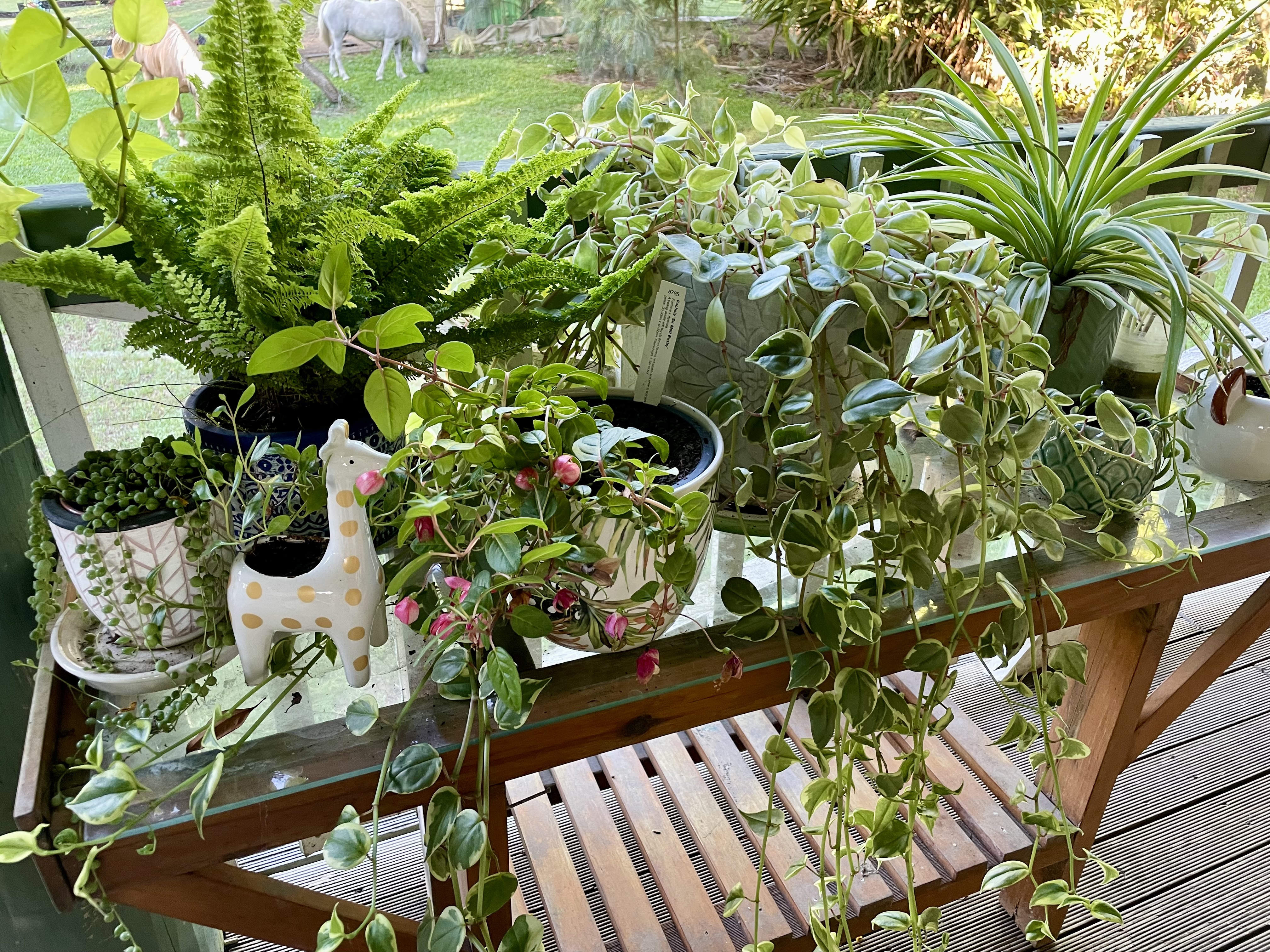

Grow Happy plant with Brancho
Add it to My Garden and Brancho works out what it needs next, timed for your climate.
How it grows around Australia
Growing this too? Share what you've noticed in your garden.
Grow a Little Wild
New plants to try, useful growing tips and a few garden jobs based on what you grow.