


- Grows well in
- Tropical, Subtropical, Temperate, Cool / mountains, Mediterranean
- Lifecycle
- Evergreen rhizomatous perennial
- Light
- Part shade, Shade
- Mature size
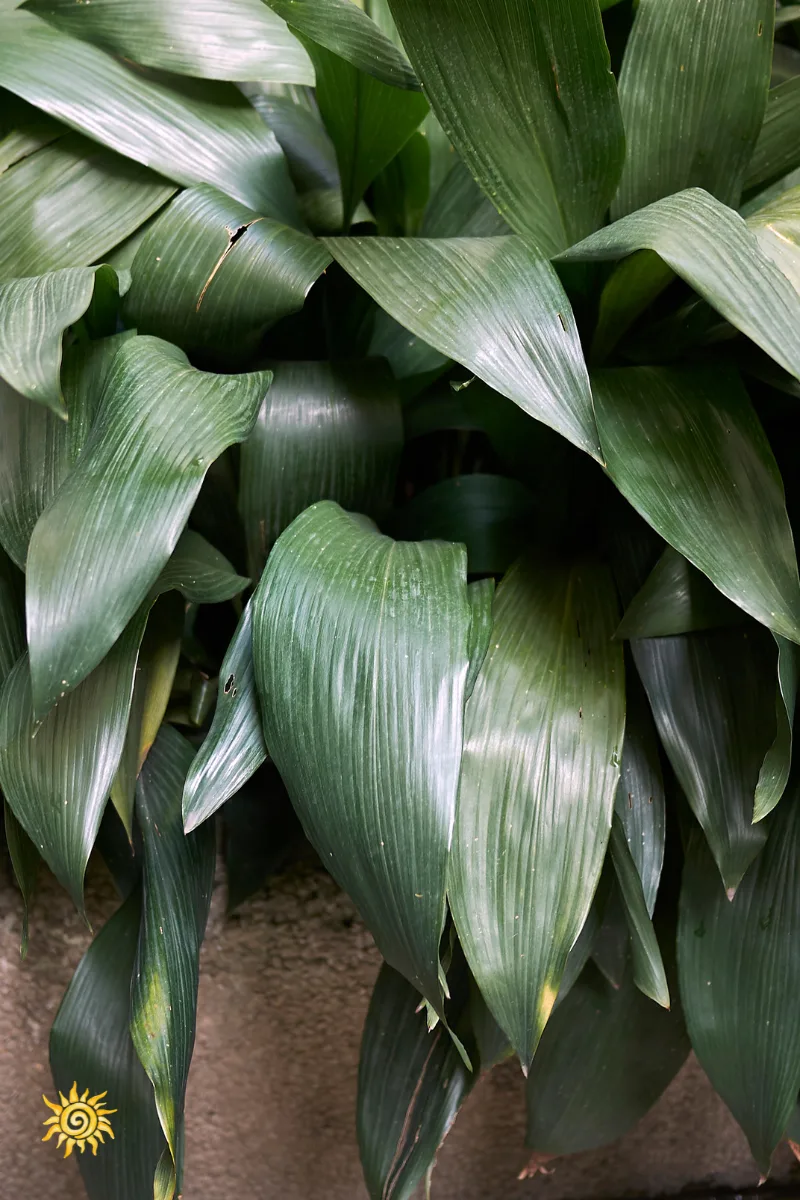
- Usually 60 cm–1.2 m tall and gradually widening into a substantial clump through underground rhizomes.
- Spacing
- About 45–60 cm apart for a shaded border, or farther apart if you want individual clumps to remain distinct.
- Growth habit
- Slow-spreading evergreen perennial with individual leaves rising directly from a tough creeping underground rhizome.
- Native range
- Southern Japan
- Natural habitat
- Subtropical forest floor and shaded woodland.
When to plant
Tropical
February–October
Subtropical
March–October
Temperate
September–November
Cool / mountain
September–November
Mediterranean
March–May, September–November
Plant or divide in mild weather, especially spring or early autumn. Established plants are tough, but new divisions settle fastest when extreme heat and frost are avoided.
Planting
Plant into shaded, well-drained soil or a sturdy pot with quality mix. Keep the rhizomes near the surface and water in well. Avoid a hot exposed position.
Position and light
Shade to bright indirect light. It is exceptionally tolerant of low light indoors and dry shade outdoors, but strong direct sun can scorch or bleach the leaves.
Soil
Use a quality free-draining potting mix indoors. In the garden, it tolerates ordinary soil well once established but performs best with some organic matter and reasonable drainage.
Watering
Water when the upper soil or potting mix has dried. Established plants tolerate dry periods, especially in shade, but new divisions need steadier moisture while roots re-establish.
Feeding
Feed lightly during spring and summer with a balanced fertiliser at the label rate. Established garden clumps generally need little more than organic mulch and occasional feeding.
Pruning
Remove old, spotted or snail-damaged leaves at the base. Divide congested clumps by cutting through the rhizomes, making sure each new section has healthy roots and shoots.
Propagation
Division is simple and reliable. Lift or unpot the clump, cut the rhizome mass into sections with roots and shoots, then replant at the same depth.
Common problems
Snails and slugs can shred new leaves. Scale and spider mites may occur in sheltered positions. Yellowing is often linked to wet soil, root damage or sudden exposure to too much sun.
Worth knowing
The flowers are easy to miss because they appear right at soil level beneath the leaves. The plant's real strength is foliage: it is one of the best choices for genuinely difficult dry shade.
Featured In

Grow Cast iron plant with Brancho
Add it to My Garden and Brancho works out what it needs next, timed for your climate.
How it grows around Australia
Growing this too? Share what you've noticed in your garden.
Grow a Little Wild
New plants to try, useful growing tips and a few garden jobs based on what you grow.