
Plant profile
Fiddle-leaf fig
Ficus lyrata
Also known as Fiddle leaf fig, Banjo fig.
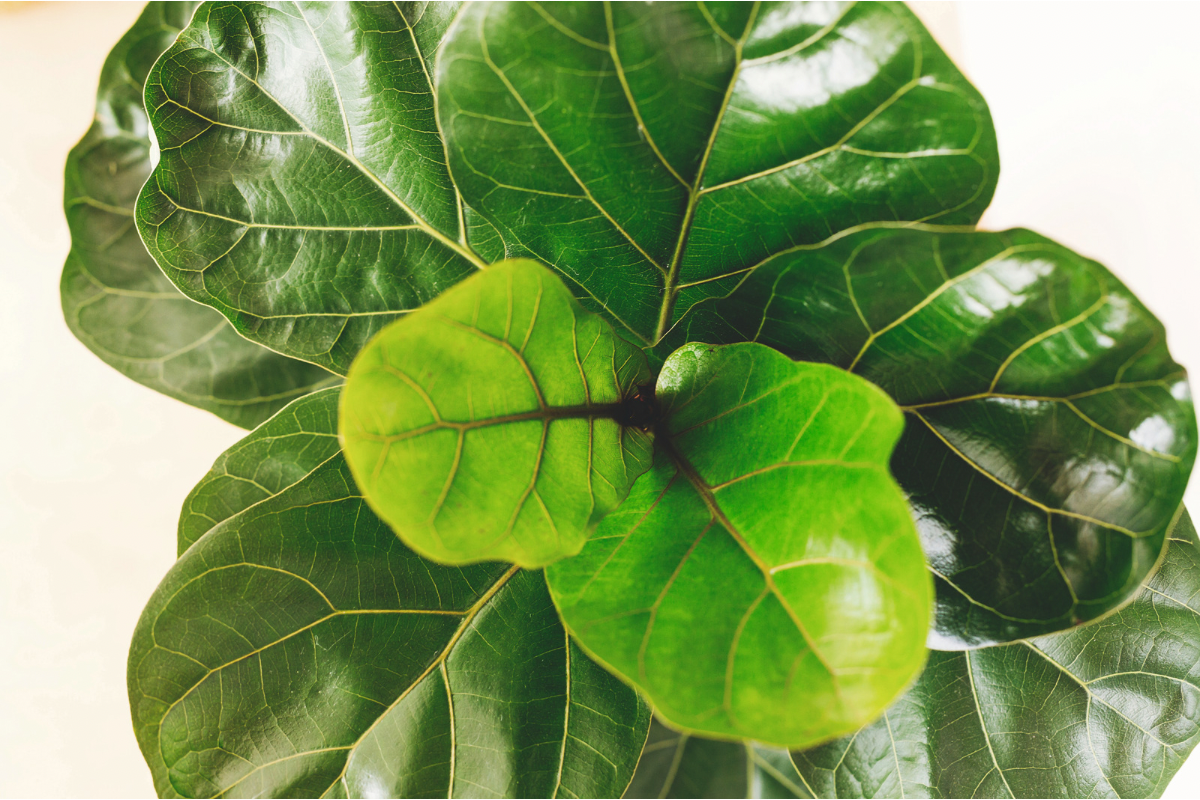
Fiddle-leaf fig is a bold indoor tree with large leathery leaves shaped a little like a violin. It can make an excellent tall houseplant, but it needs substantially more light than a ZZ plant or cast iron plant and grows best when watering and position stay reasonably consistent.
- Grows well in
- Tropical, Subtropical, Temperate
- Lifecycle
- Evergreen tropical tree
- Light
- Part shade
- Mature size
- Commonly kept around 1–3 m tall indoors; potentially a much larger tree outdoors in frost-free tropical and subtropical climates.
- Spacing
- One plant per pot; allow at least 60–100 cm for the broad leaves of a larger indoor specimen.
- Growth habit
- Upright evergreen tree with a woody trunk and very large leathery fiddle-shaped leaves.
- Native range
- Tropical West and west-central Africa.
- Natural habitat
- Wet tropical forest, where it grows as a tree and can begin life hemiepiphytically.
When to plant
Repot during warm active growth when roots have filled the pot. Spring to early summer is easiest in cooler parts of Australia; warm tropical homes have a broader window.
Position and light
Bright indirect light is best, with some gentle direct sun acceptable once the plant is acclimatised. A dark corner is not suitable. Turn the pot occasionally if growth leans strongly towards the window.
Soil
Use a good-quality free-draining indoor potting mix. The root zone needs both moisture and air, so avoid dense mix and pots without drainage.
Watering
Water thoroughly when the upper few centimetres of mix have dried, then let excess water drain. Check the pot before watering rather than following a calendar.
Feeding
Feed during active spring and summer growth with a balanced indoor-plant fertiliser at the label rate. Reduce feeding when growth slows.
Pruning
Remove damaged leaves cleanly. To control height or encourage branching, prune the stem during warm active growth. Milky sap appears at cuts, so gloves are useful if it irritates your skin.
Propagation
Propagate from stem cuttings or by air layering. A leaf without a piece of stem and a viable node may root but will not grow into a new branching plant.
Common problems
Brown leaf edges can come from dry conditions, while dark soft patches and leaf drop can follow prolonged wet mix. Sudden changes in light, temperature or watering can also cause leaf drop. Watch for scale, mealybugs and spider mites.
Safety notes
Ficus lyrata produces milky latex sap that can irritate skin and eyes. The plant can also cause illness if chewed by pets.
Worth knowing
Fiddle-leaf fig is a tropical tree rather than a naturally small houseplant. Indoors, pruning and pot size keep it manageable. It is less forgiving of dim rooms and erratic watering than several other plants in Brancho’s indoor shortlist.
Featured In

Grow Fiddle-leaf fig with Brancho
Add it to My Garden and Brancho works out what it needs next, timed for your climate.
How it grows around Australia
Growing this too? Share what you've noticed in your garden.
Grow a Little Wild
New plants to try, useful growing tips and a few garden jobs based on what you grow.