

Plants That Handle Heat
Hot-weather plants still need the right soil moisture, root space and establishment care. Heat tolerance tells you that a plant can keep growing through high temperatures once it is settled, not that a newly planted root ball can be left to dry out in a heatwave. 22 plants in the library.
22 plants
Succulent
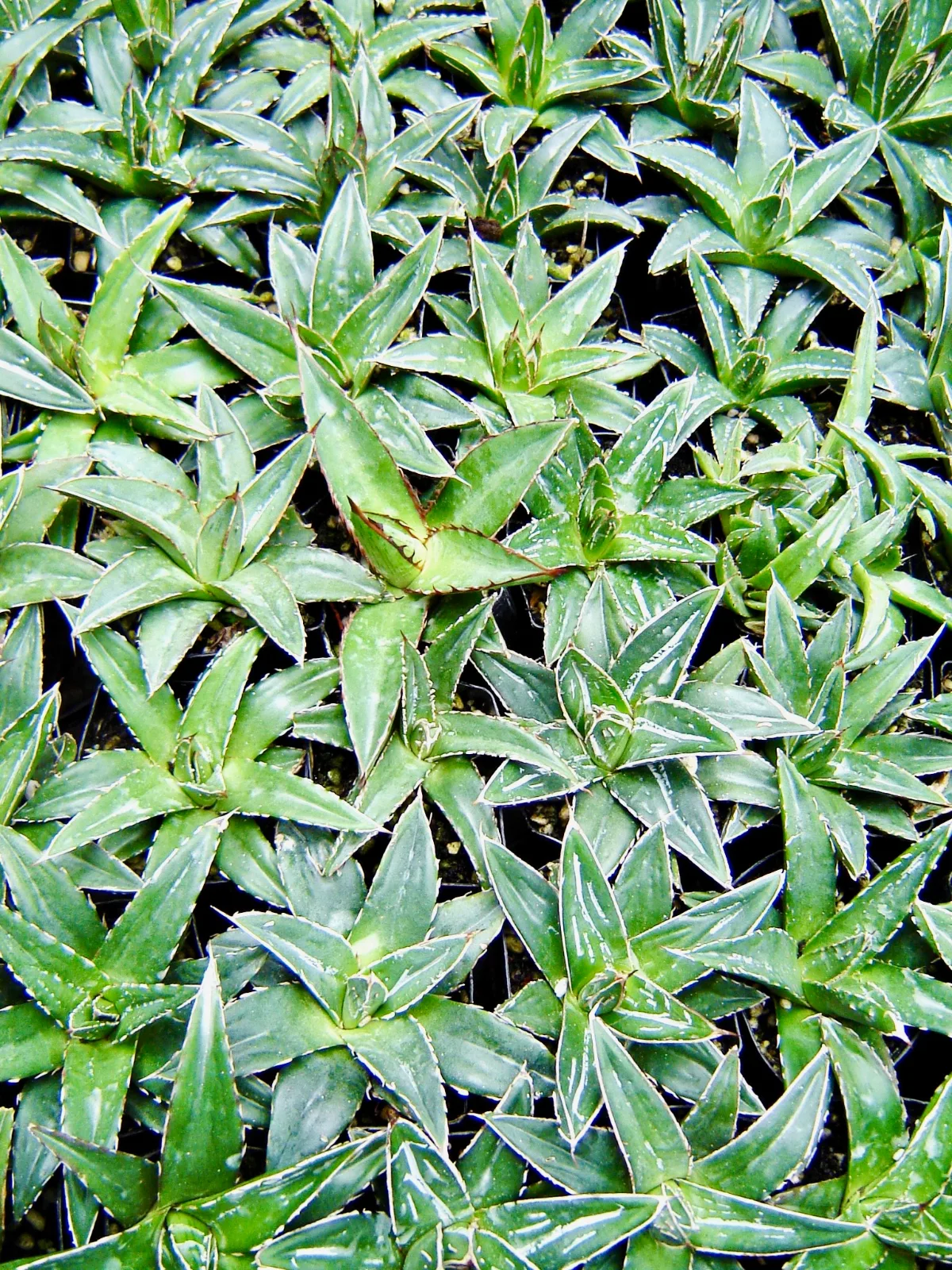
Agave
Agaves are architectural succulents with sculptural rosettes and excellent drought tolerance once established. They range from compact plants for pots and edges to dramatic garden specimens.
Herb & spice
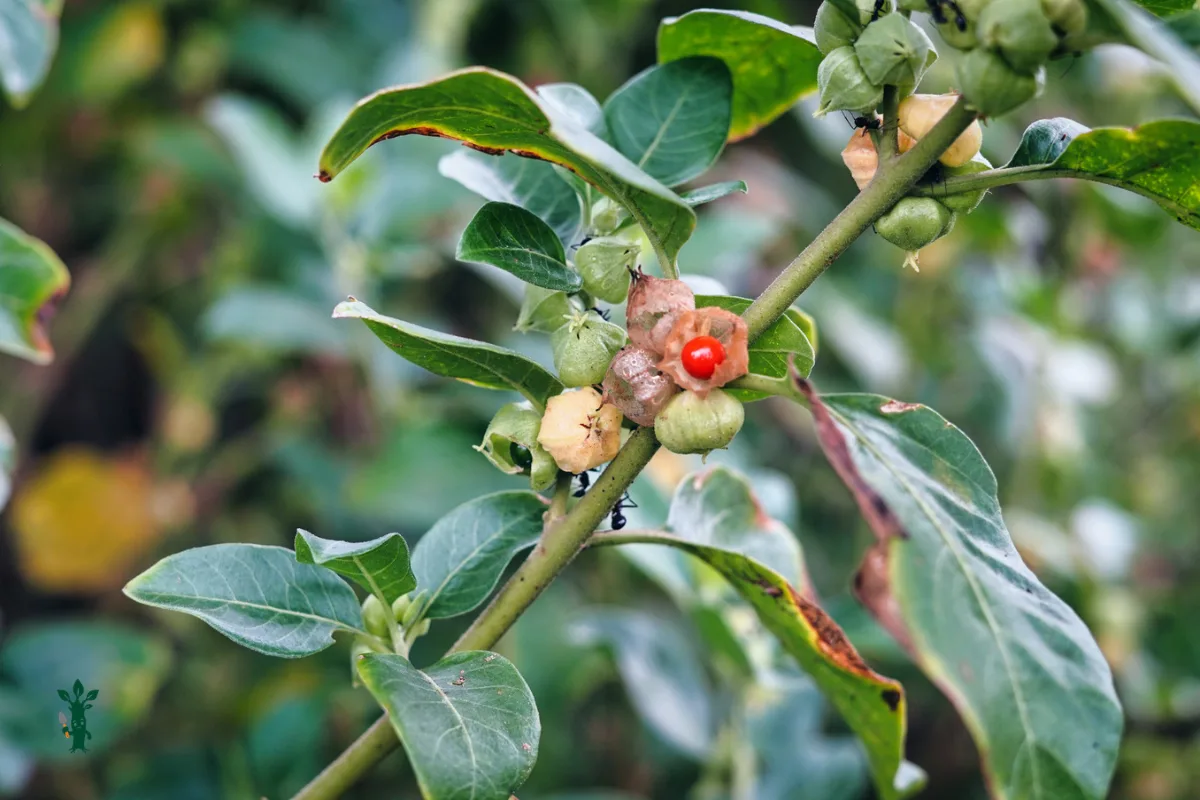
Ashwagandha
Ashwagandha is a bushy herb from the same plant family as tomatoes. It grows well through warm weather, with small greenish flowers followed by bright orange-red berries tucked inside papery husks. The roots have a long history in traditional Ayurvedic medicine. It's an interesting plant to grow from seed in a sunny bed with good drainage.
Fruit tree
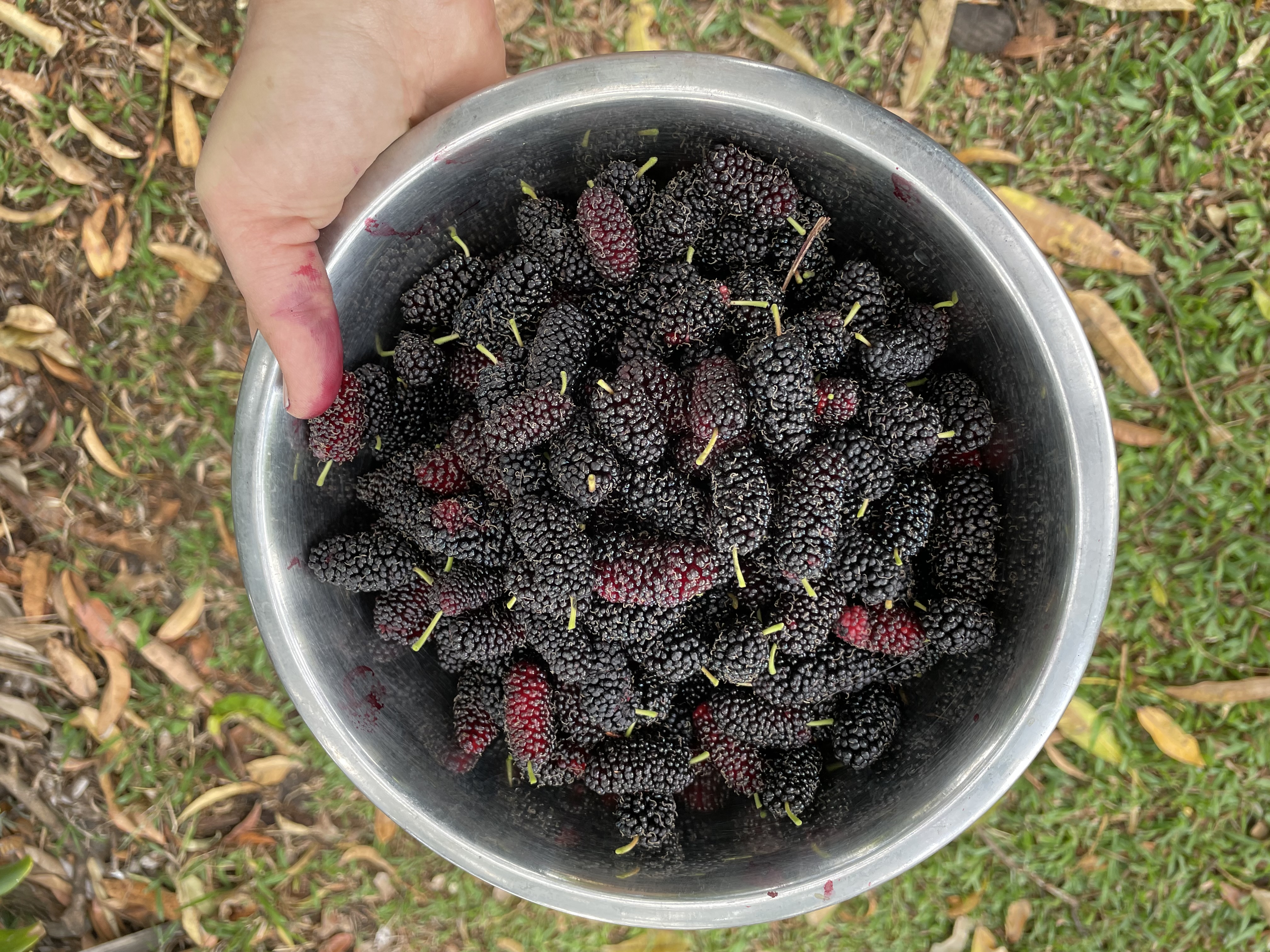
Black mulberry
Black mulberry is a deciduous fruit tree grown for intensely flavoured dark berries. It handles heat and dry conditions once established and can be kept to a practical picking height with regular pruning.
Succulent
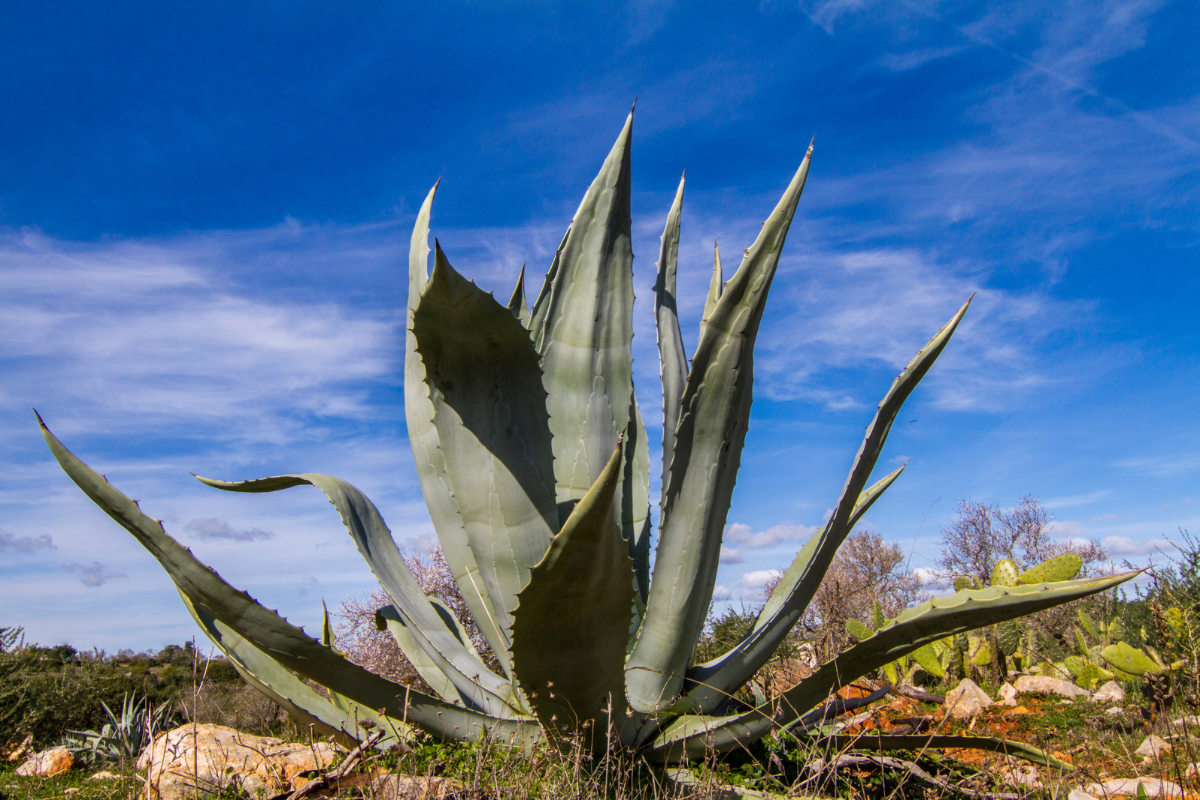
Century plant
Century plant is a large architectural agave with a bold rosette of blue-green leaves and a towering flower spike at maturity. Agave americana suits hot sunny dry gardens where there is ample room for its broad rosette and sharp leaf tips.
Ornamental
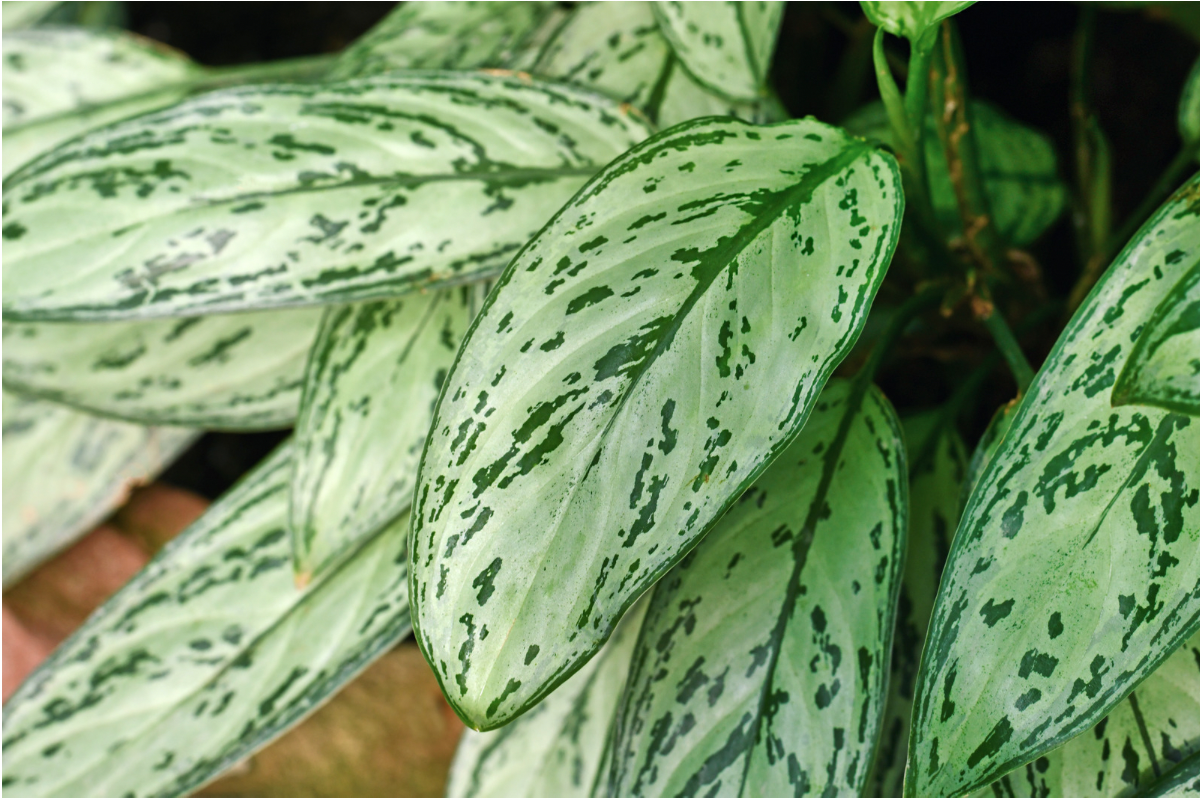
Chinese evergreen
Chinese evergreen is a compact tropical foliage plant grown for its patterned leaves and ability to handle lower indoor light than many houseplants. Green-leaved forms are the most tolerant of dimmer positions, while strongly variegated and coloured cultivars need brighter filtered light to keep their markings.
Ornamental
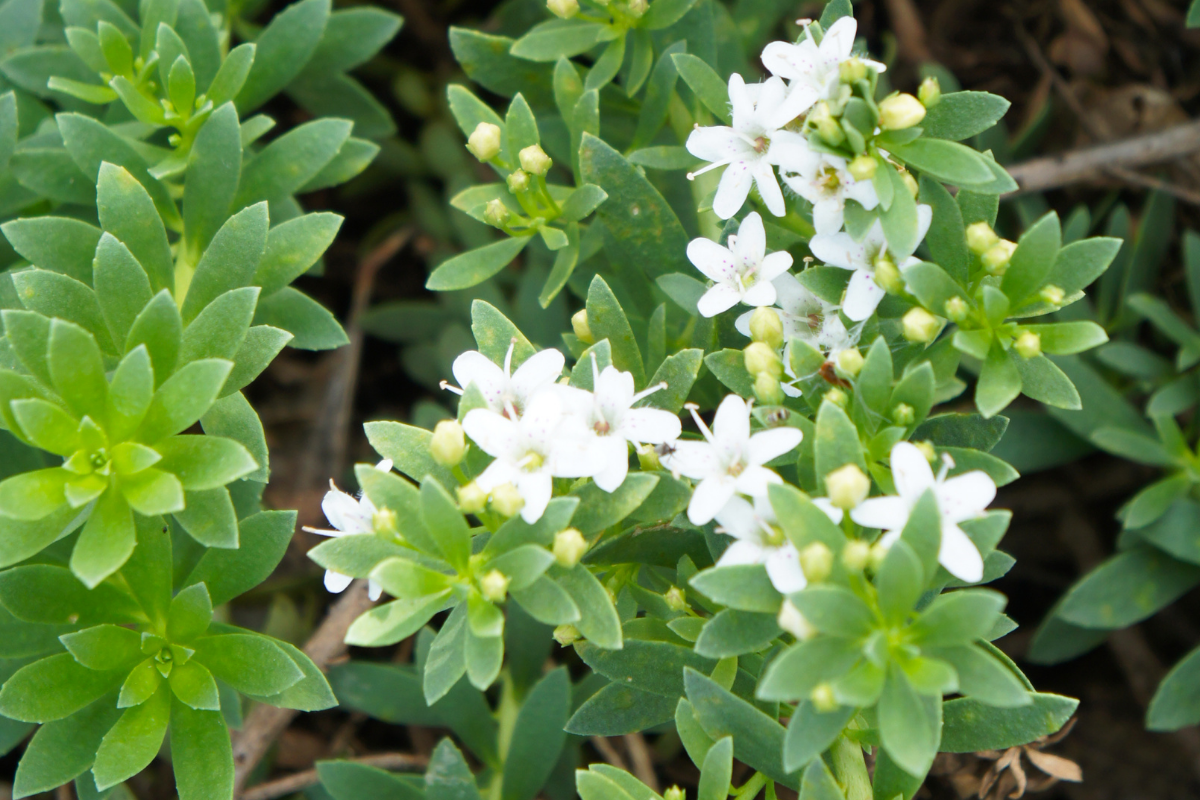
Creeping boobialla
A broad, very low native groundcover for sunny banks and open beds. Fine green foliage forms a dense mat and small white to pale pink flowers appear through the warmer months.
Herb & spice
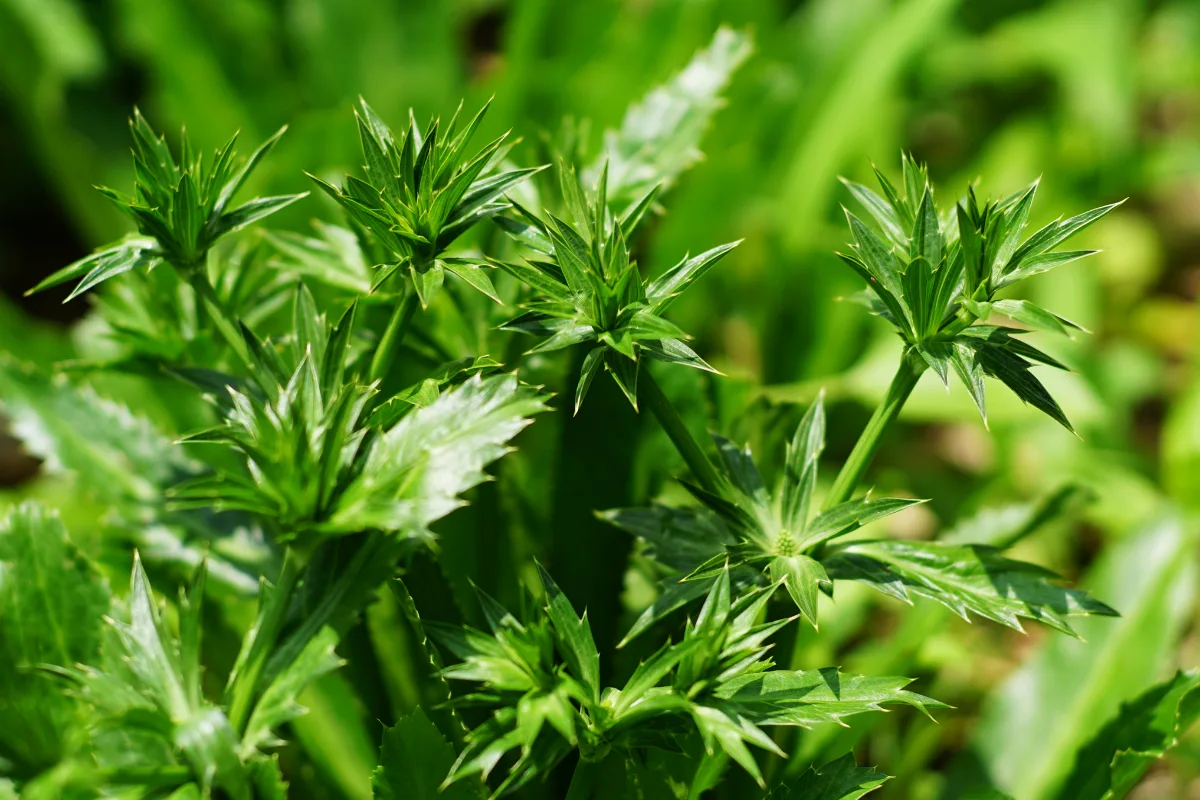
Culantro
Culantro tastes like coriander but stronger, and it keeps growing through the heat and humidity that make coriander bolt in a fortnight. One plant covers a lot of cooking.
Succulent
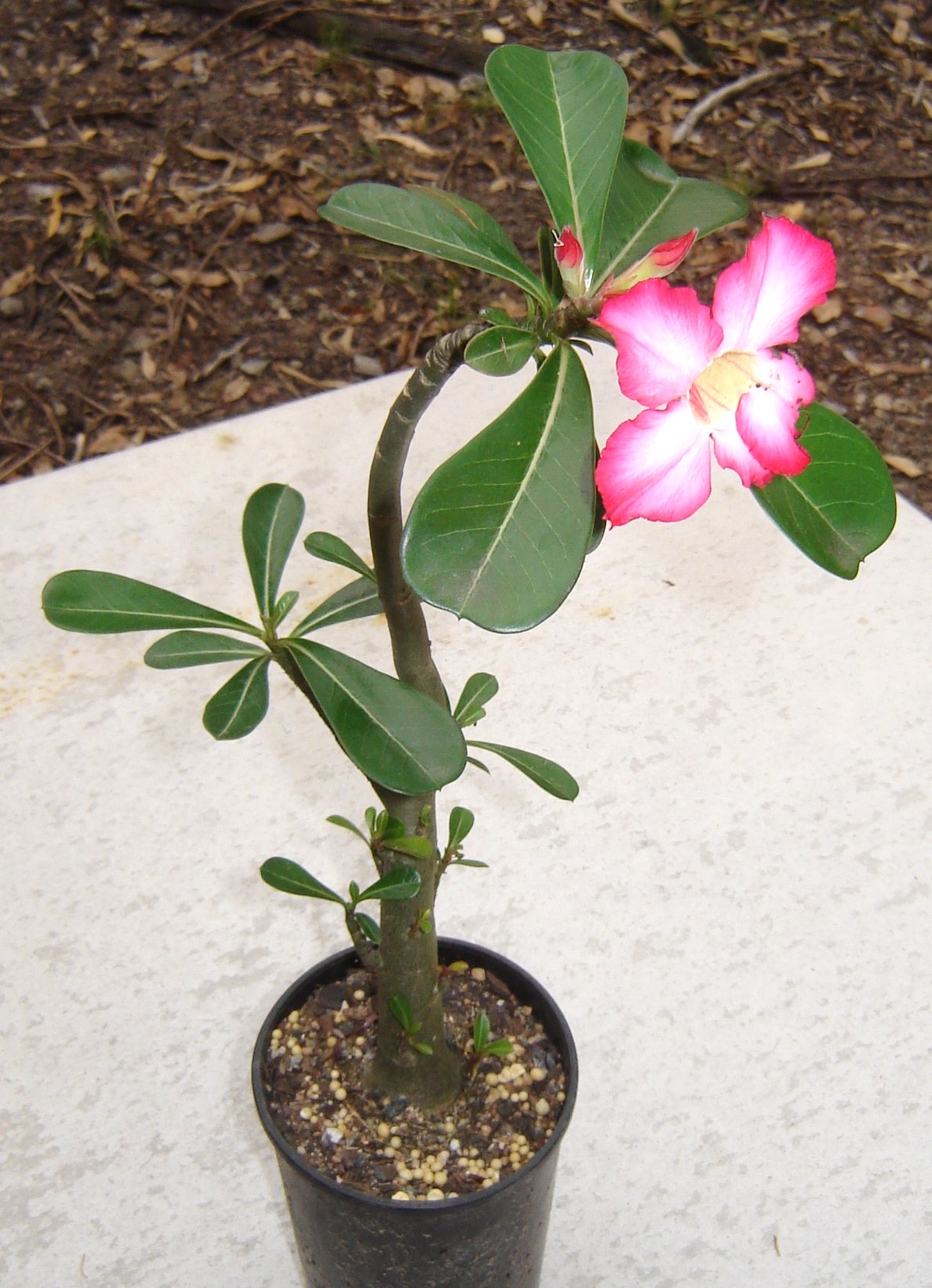
Desert rose
Desert rose combines a sculptural swollen trunk with gorgeous flowers in pink, red, white and other colours. It's a brilliant choice for a sunny, warm spot or a pot where you can admire that unusual shape. Give its roots an open, fast-draining mix and let the soil dry between waterings.
Ornamental
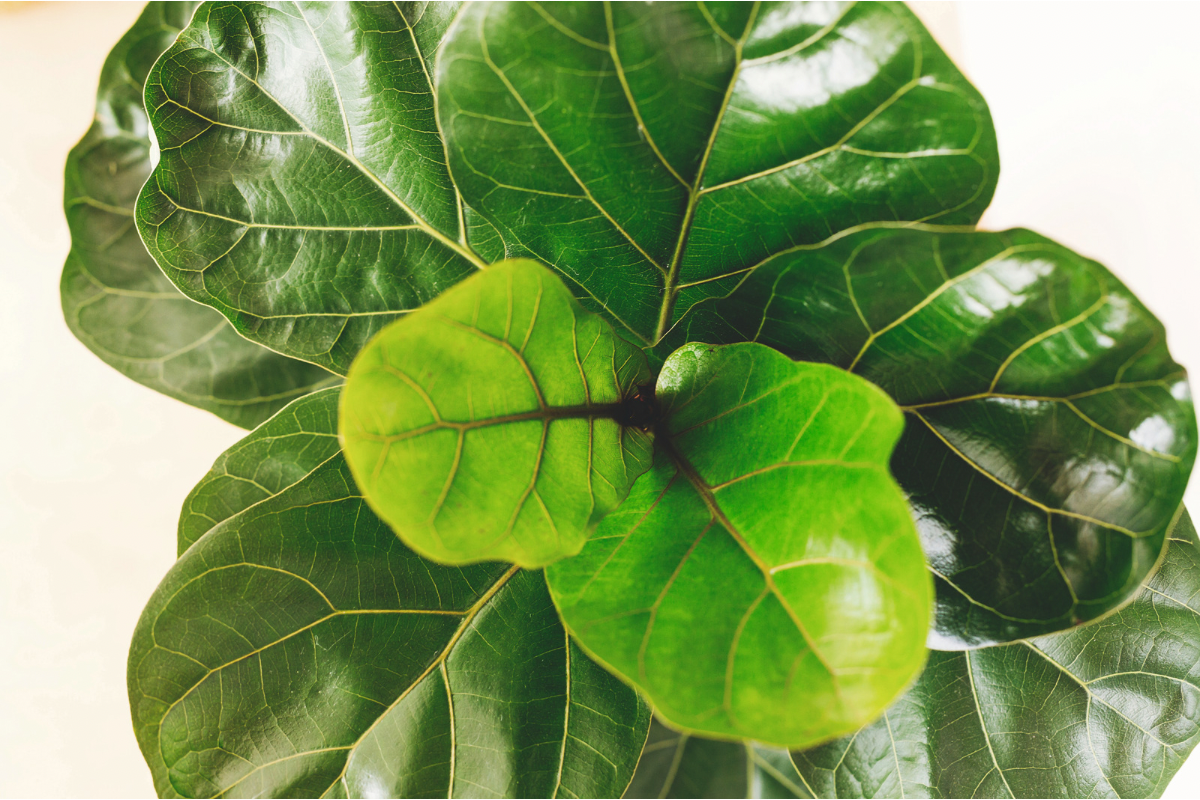
Fiddle-leaf fig
Fiddle-leaf fig is a bold indoor tree with large leathery leaves shaped a little like a violin. It can make an excellent tall houseplant, but it needs substantially more light than a ZZ plant or cast iron plant and grows best when watering and position stay reasonably consistent.
Vine
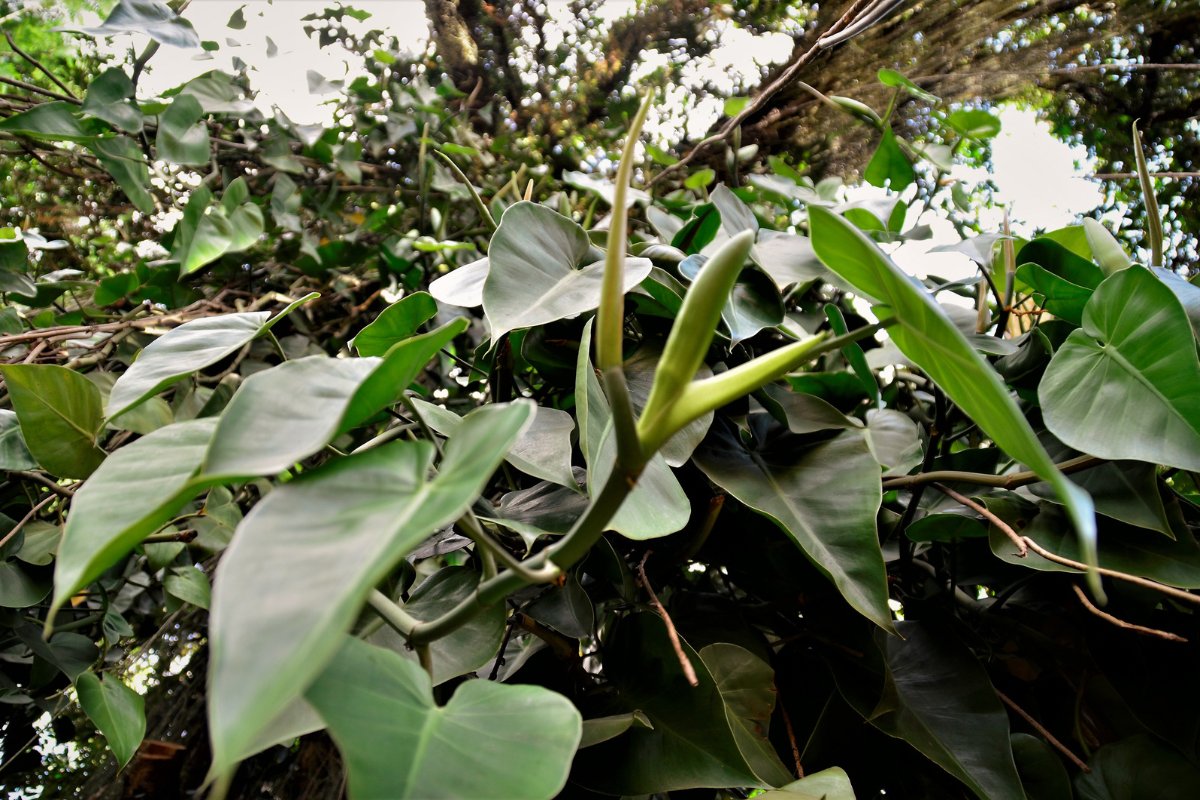
Heartleaf philodendron
Heartleaf philodendron is an easy trailing or climbing aroid with glossy heart-shaped leaves. It suits shelves and hanging pots, or it can be trained up a support for larger leaves. It handles moderate indoor light well, although brighter filtered light gives denser growth.
Succulent
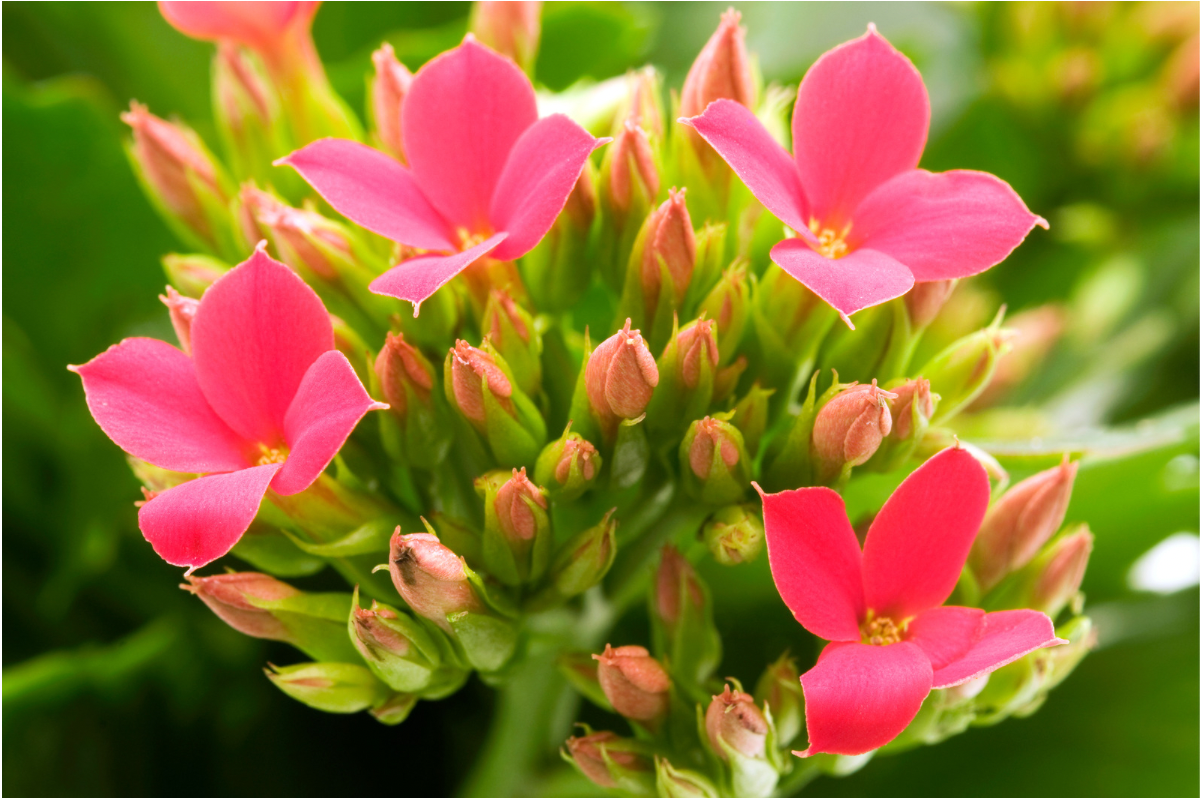
Kalanchoe
Kalanchoe is a compact flowering succulent grown for fleshy green leaves and long-lasting clusters of bright flowers. Kalanchoe blossfeldiana is the familiar florist and garden species, performing best with bright light, free-draining soil and a drier interval between waterings.
Vine
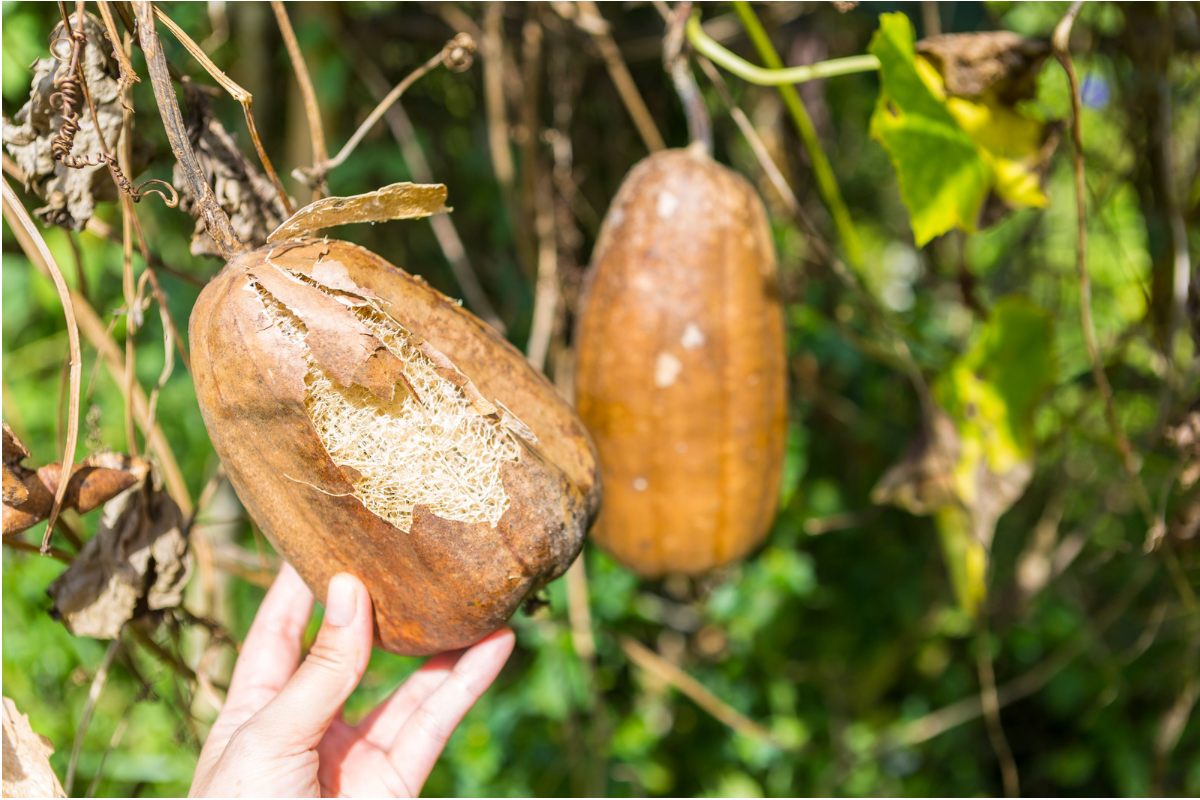
Loofah
Loofah is a vigorous warm-season vine grown for tender young fruits and the fibrous sponge inside mature fruits. Luffa aegyptiaca needs a long warm growing season, plenty of sun and a strong support for its large vines and hanging fruit.
Fruit tree
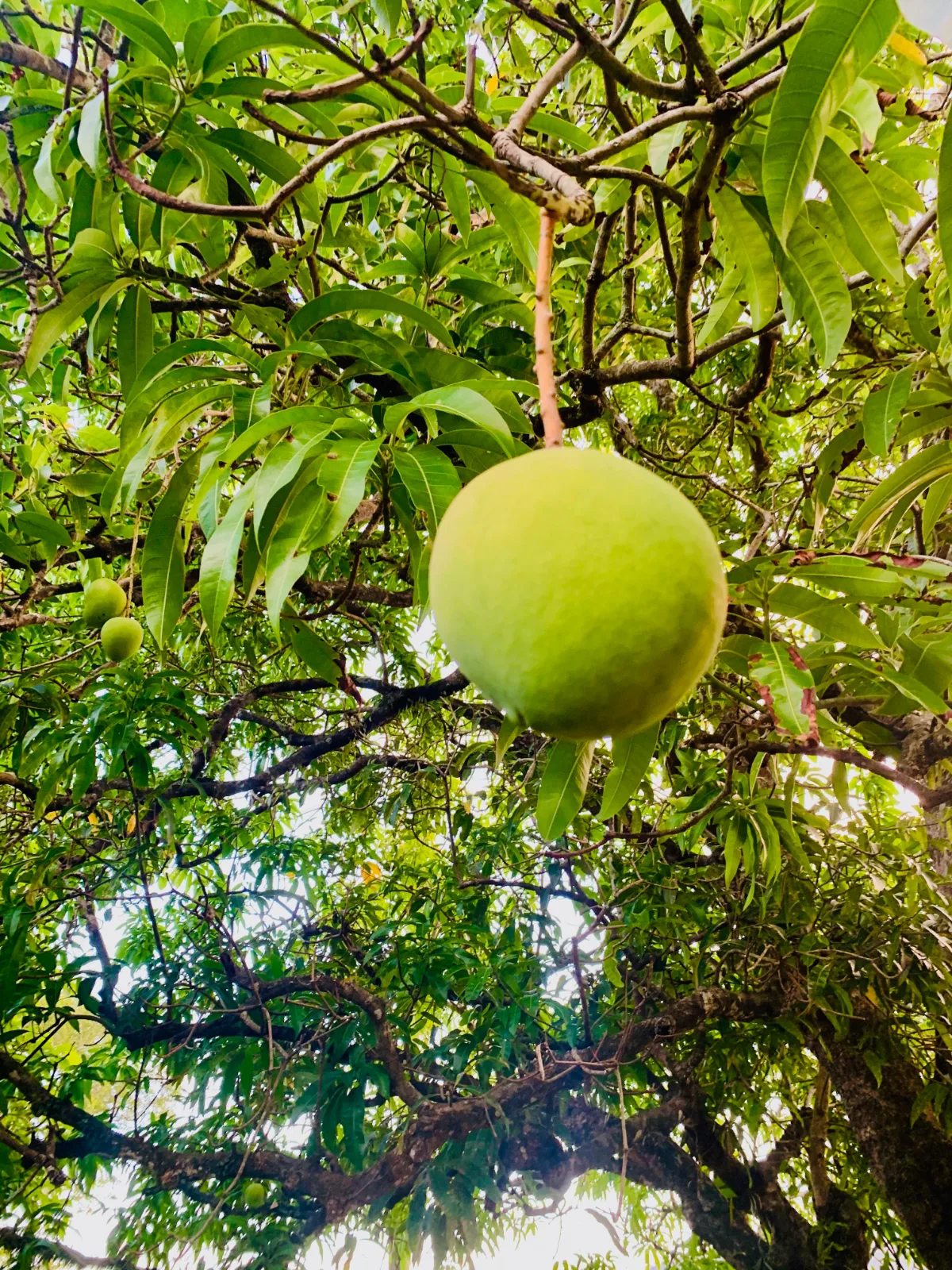
Mango
Mango trees need warmth, sun and good drainage. Pruning after harvest helps keep the tree at a useful size without removing the mature shoots needed for flowering.
Ornamental
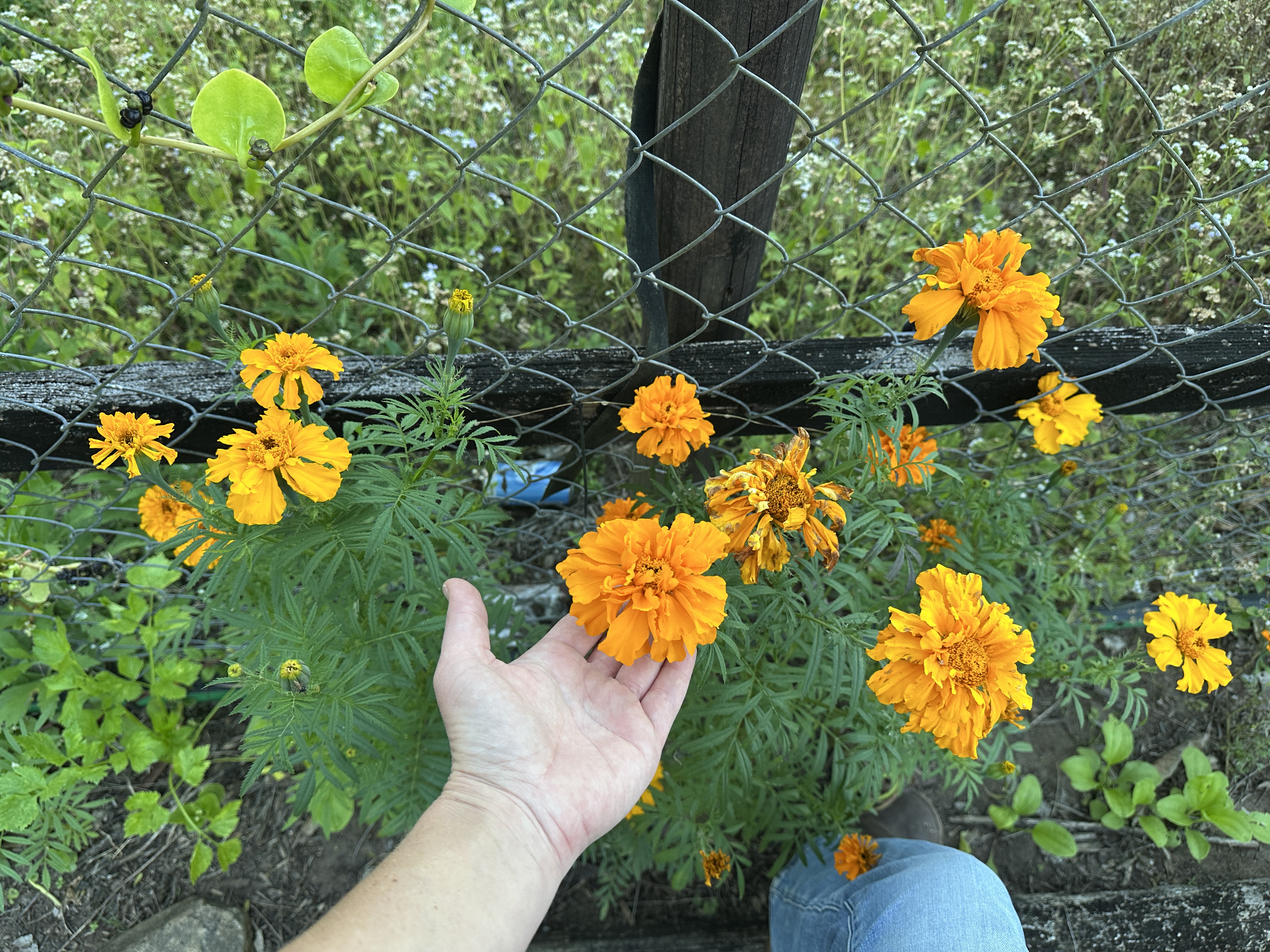
Marigold
Marigolds flower for months and handle hot, dry weather well. Grow them in veggie beds, flower gardens or pots, and remove spent flowers regularly to keep them producing.
Succulent
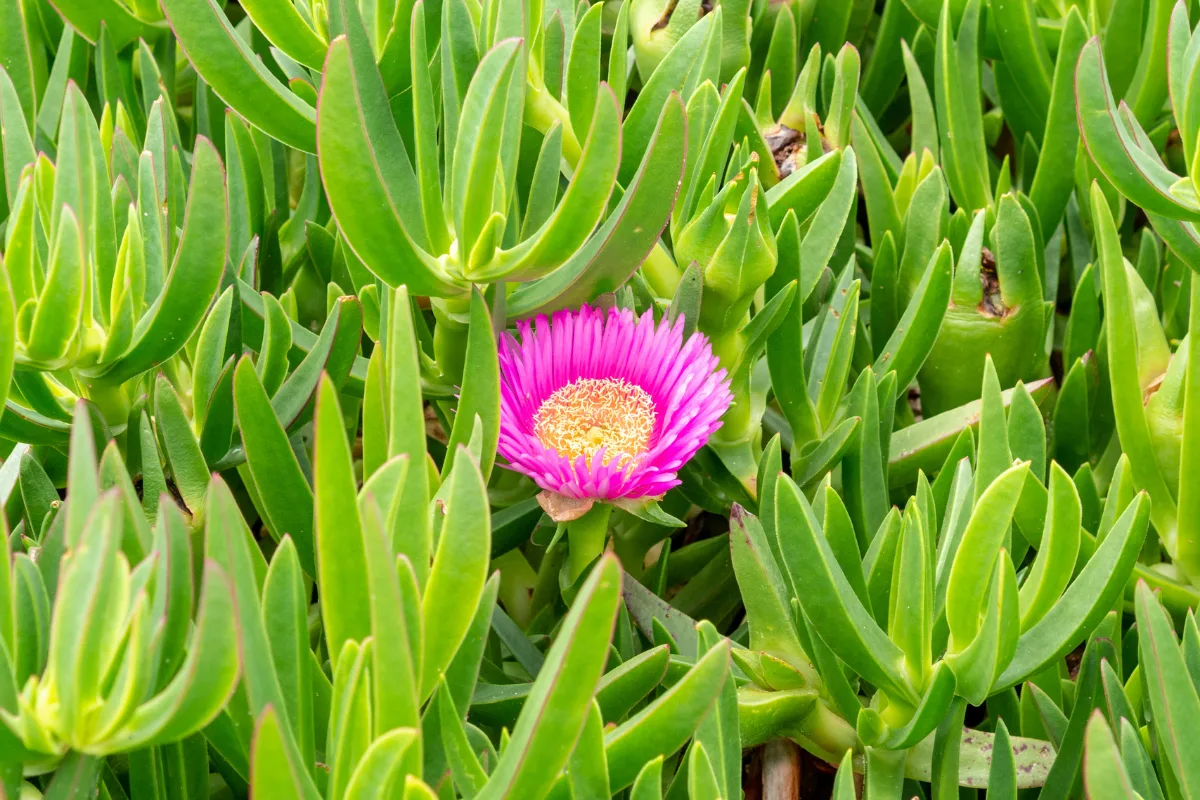
Native pigface
Native pigface makes a low carpet of fleshy leaves and bright pink-purple flowers in hot, exposed sites. It handles salt, wind and dry soil, and the true native species also has edible fruit and leaves.
Ornamental
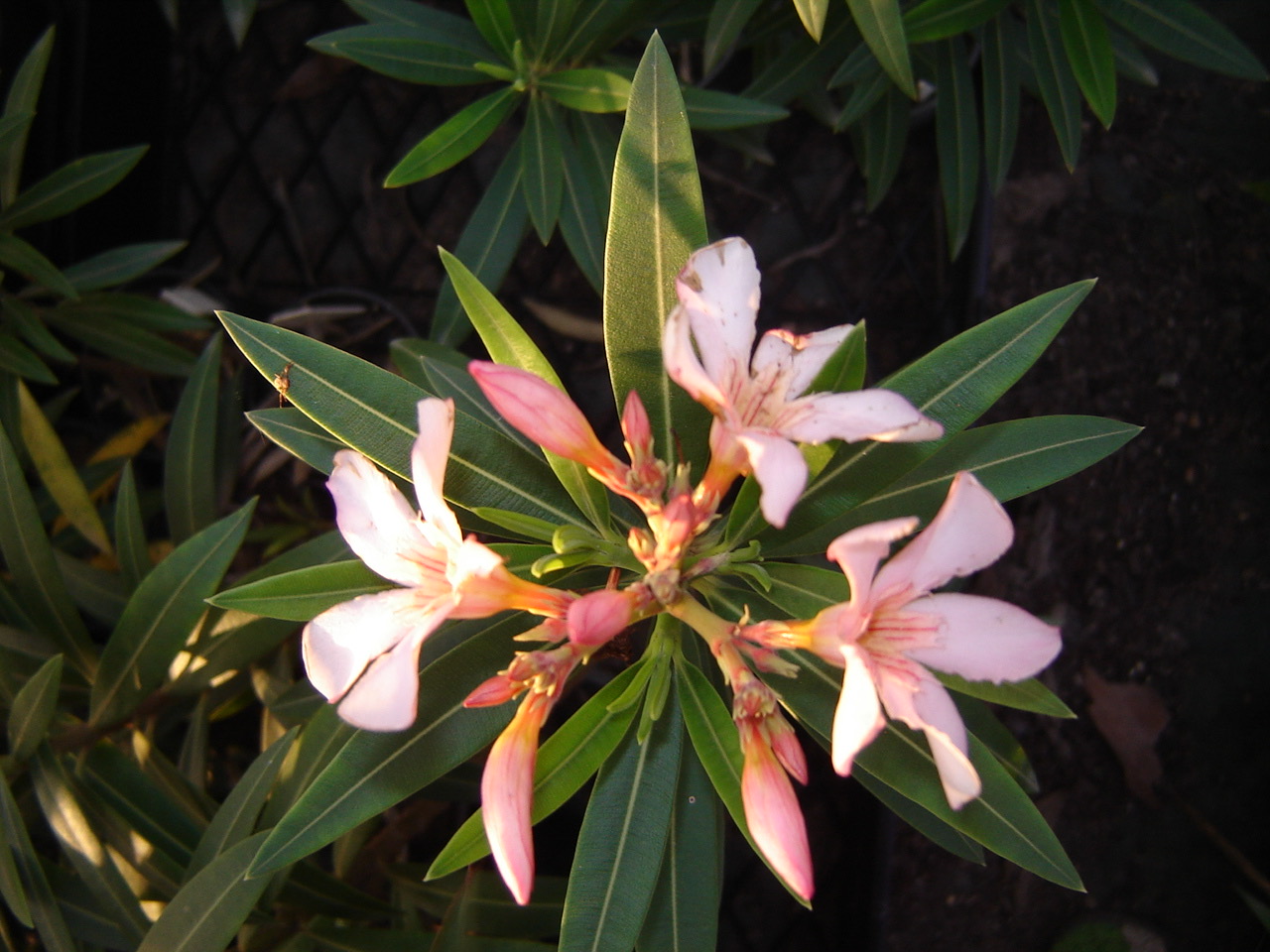
Oleander
Oleander is a tough evergreen shrub with long narrow leaves and clusters of pink, red, white or apricot flowers. It handles heat, dry conditions and regular pruning extremely well.
Ornamental
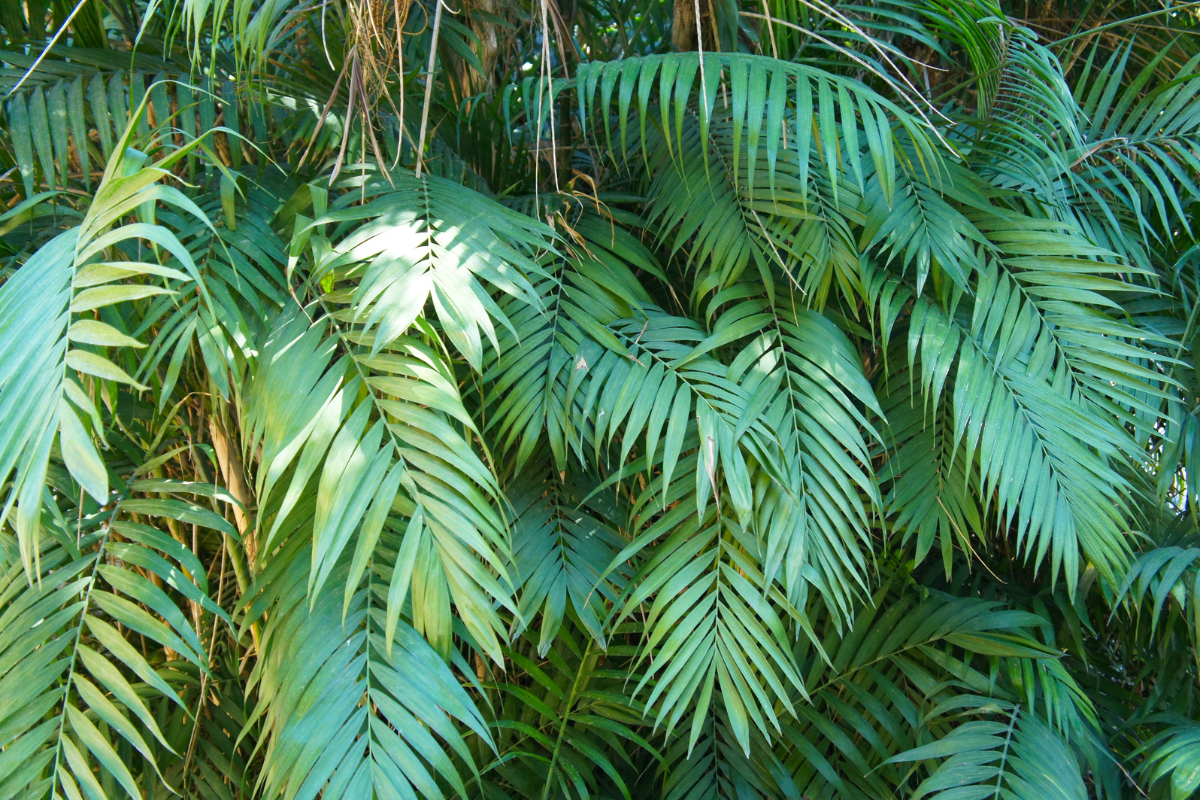
Parlour palm
Parlour palm is a slow-growing indoor palm with fine arching fronds and a much smaller footprint than most palms. It tolerates moderate indoor light, grows happily for years in a pot and does not need frequent repotting.
Veggie
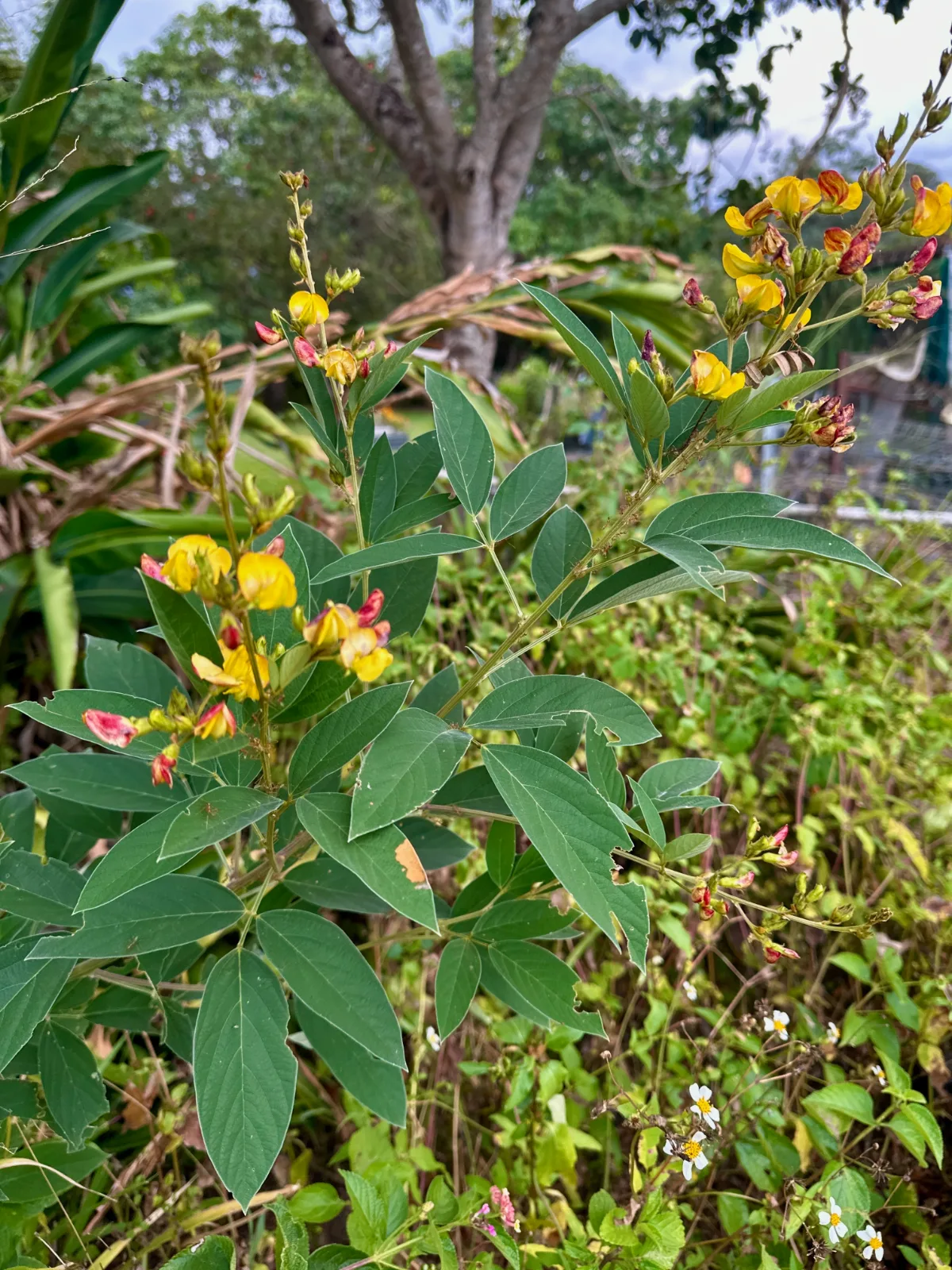
Pigeon pea
Pigeon pea is a short-lived shrub that gives you edible peas, light shelter for smaller crops and useful biomass for the soil. It handles heat and dry conditions well and works especially well in productive tropical and subtropical gardens.
Succulent
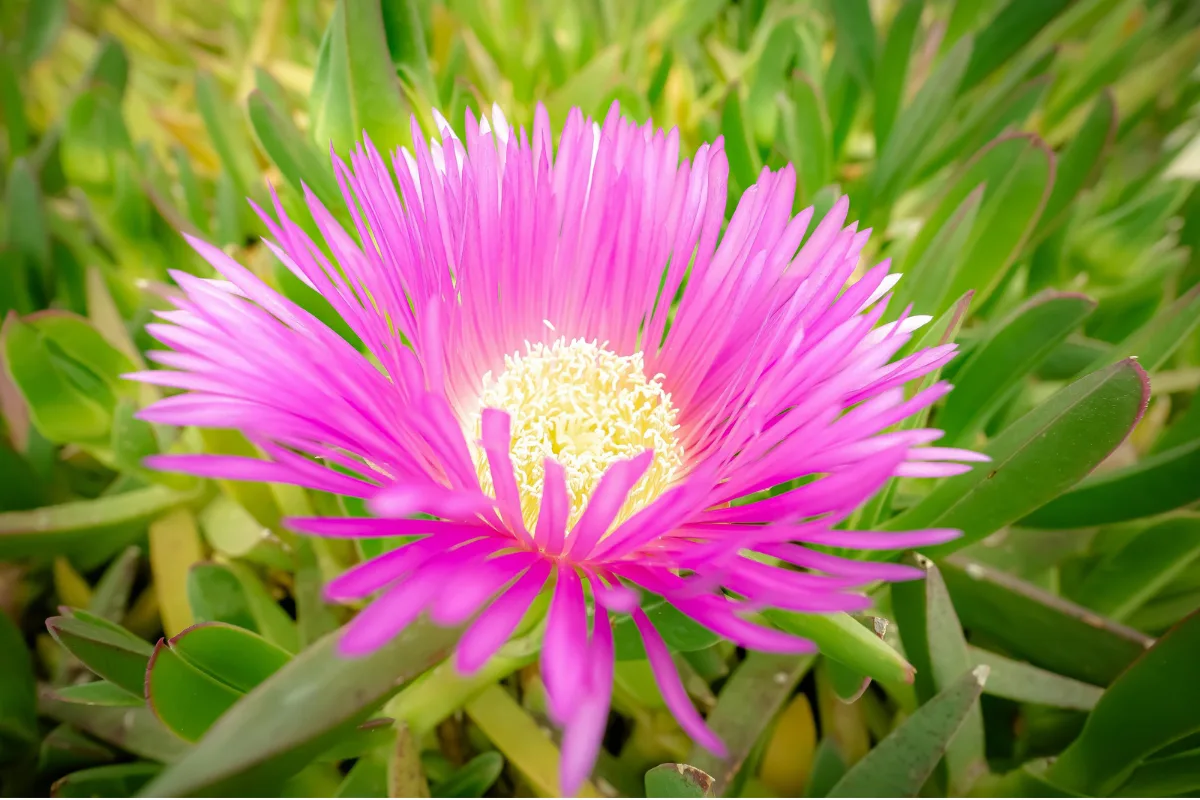
Pigface
A tough east-coast native succulent for exposed sunny ground, with thick triangular leaves and large pink-purple flowers. It is particularly useful on coastal banks and sandy sites.
Herb & spice
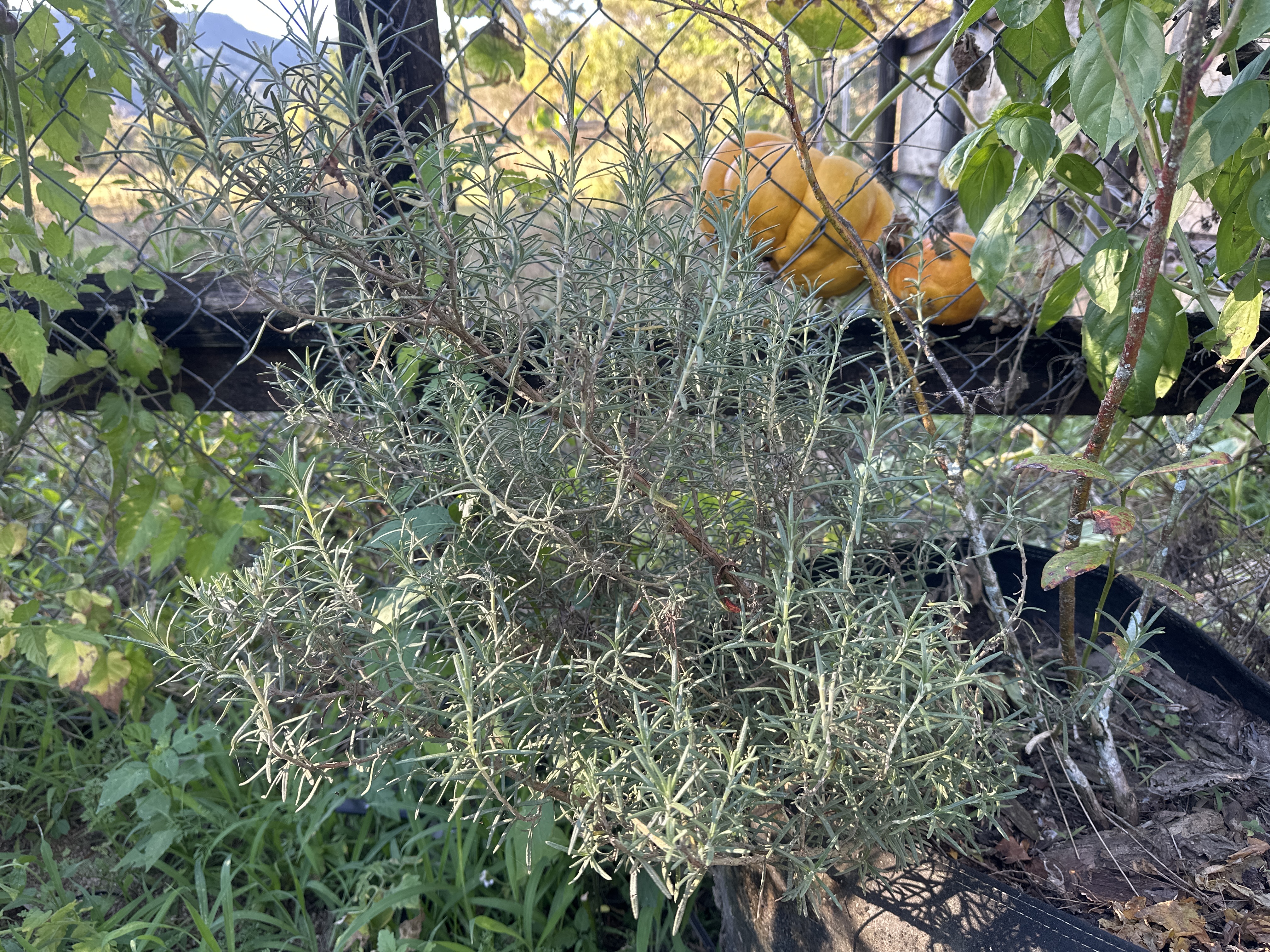
Rosemary
Rosemary is a woody perennial herb from the Mediterranean that grows well in sunny, well-drained gardens. Once established it needs little water or fertiliser, and you can harvest leafy stems throughout the year. It also grows readily from cuttings, so one good plant can supply plenty more.
Herb & spice
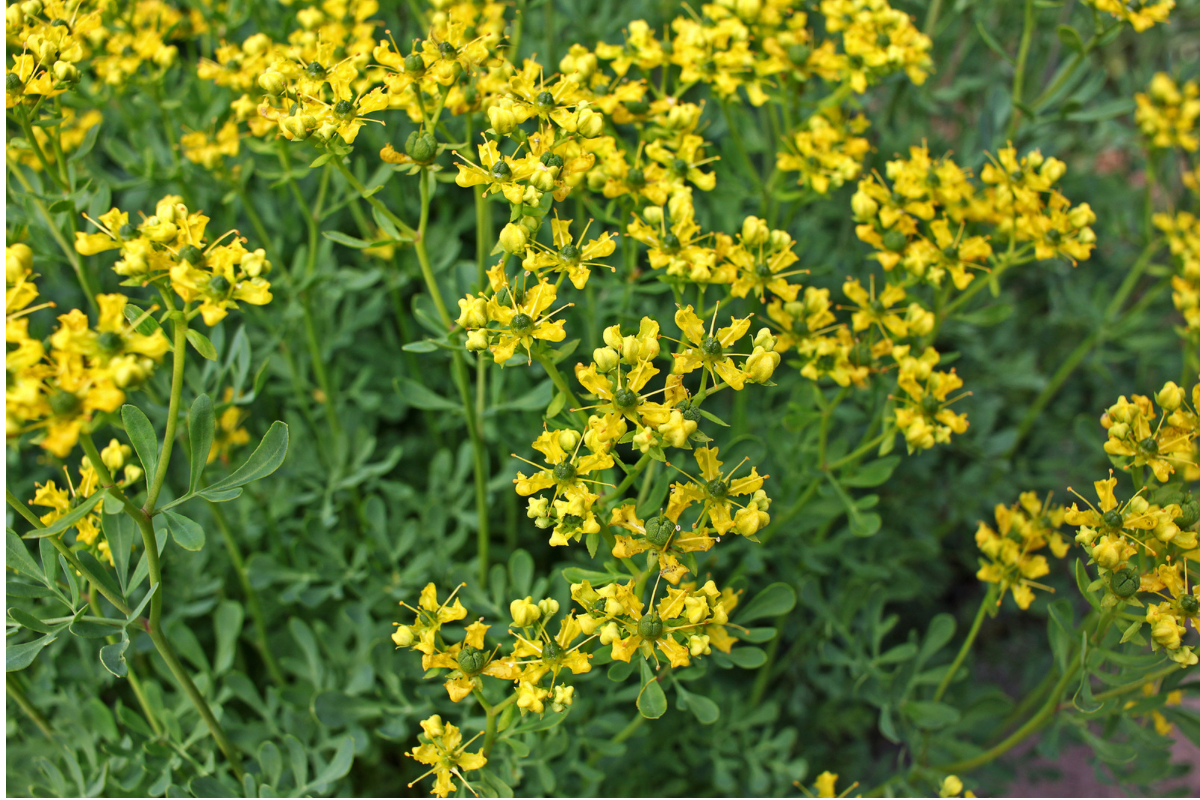
Rue
Rue is a small aromatic shrub with blue-green divided leaves and yellow summer flowers. Ruta graveolens has a long history in herb gardens but today is often grown ornamentally and should be handled carefully because its sap can irritate skin.
Ornamental
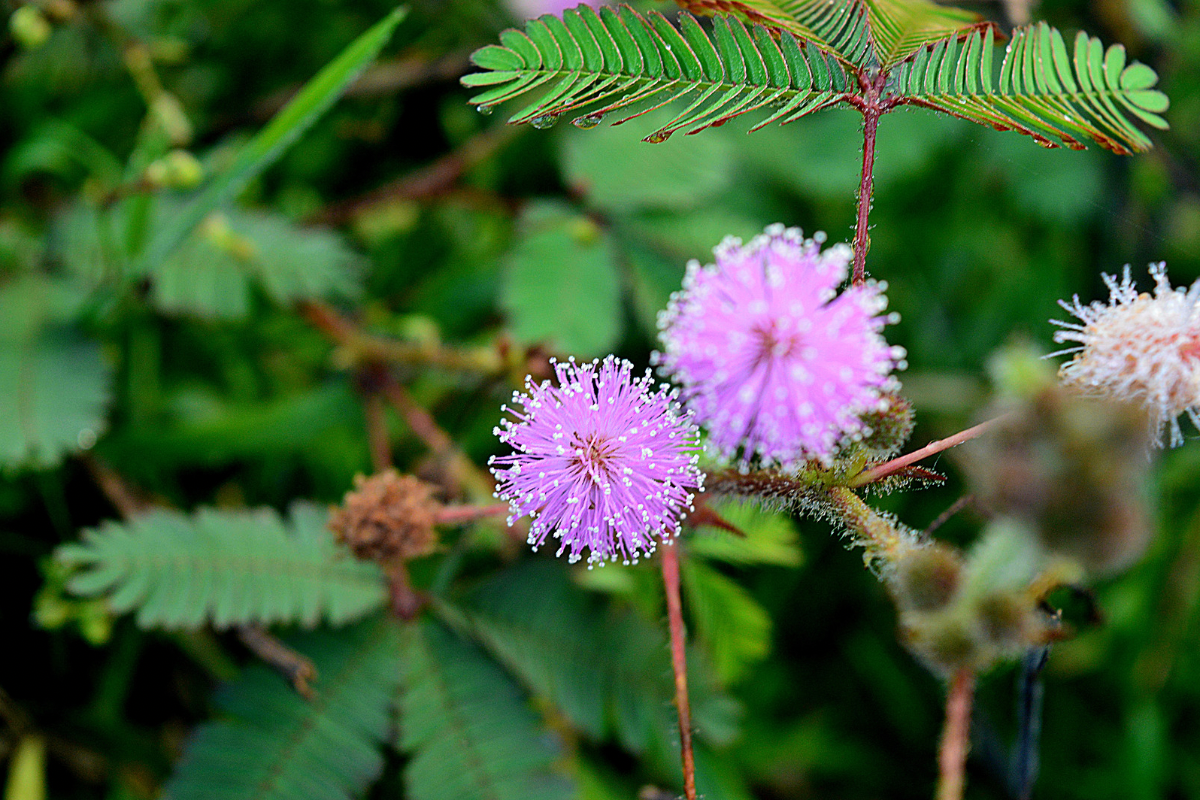
Sensitive plant
Sensitive plant is a low tropical legume famous for leaflets that fold rapidly when touched. Mimosa pudica grows as a short-lived perennial in warm climates or an annual where cold limits it, producing pink pom-pom flowers followed by prickly seed pods.
Before You Choose
Look at where the heat comes from. Open garden beds in full sun are different from narrow strips beside concrete, western walls or dark paving that radiate extra heat after sunset. Reflected heat can push leaf and soil temperatures well above the weather forecast.
Build the root system before the harshest part of the season if you can. Deep watering during establishment encourages roots beyond the original potting mix. Mulch keeps the surface cooler and slows evaporation, but leave a small gap around trunks and stems.
Morning sun with some afternoon protection can be useful for plants that handle warmth but still scorch in extreme western exposure. Other species genuinely perform best in full sun. Use the light information on each profile rather than treating heat tolerance as a substitute for light requirements.
Hot weather also changes watering frequency. Check the soil itself. Wind, humidity, plant size and soil type all affect how quickly moisture disappears. Pots and raised beds usually dry faster than plants in open ground. Compare drought, humidity and frost tolerance as well as heat before choosing.
Timing can make establishment much easier. If your climate gives you a milder wet season, autumn period or cooler stretch, use it to plant before the most punishing heat arrives. Where planting during hot weather is unavoidable, water the root ball thoroughly, shade sensitive new growth temporarily if needed and keep the surrounding soil evenly moist while roots move outward.