


Plant profile
Culantro
Eryngium foetidum
Also known as Sawtooth coriander, Ngo gai, Long coriander, Mexican coriander.
Culantro tastes like coriander but stronger, and it keeps growing through the heat and humidity that make coriander bolt in a fortnight. One plant covers a lot of cooking.
- Grows well in
- Tropical, Subtropical, Temperate
- Lifecycle
- Short-lived perennial, grown as an annual in cool areas
- Light
- Part shade, Shade
- Mature size
- 20 to 40 cm across, with flower stalks to 60 cm
- Spacing
- 20 to 25 cm apart
- Growth habit
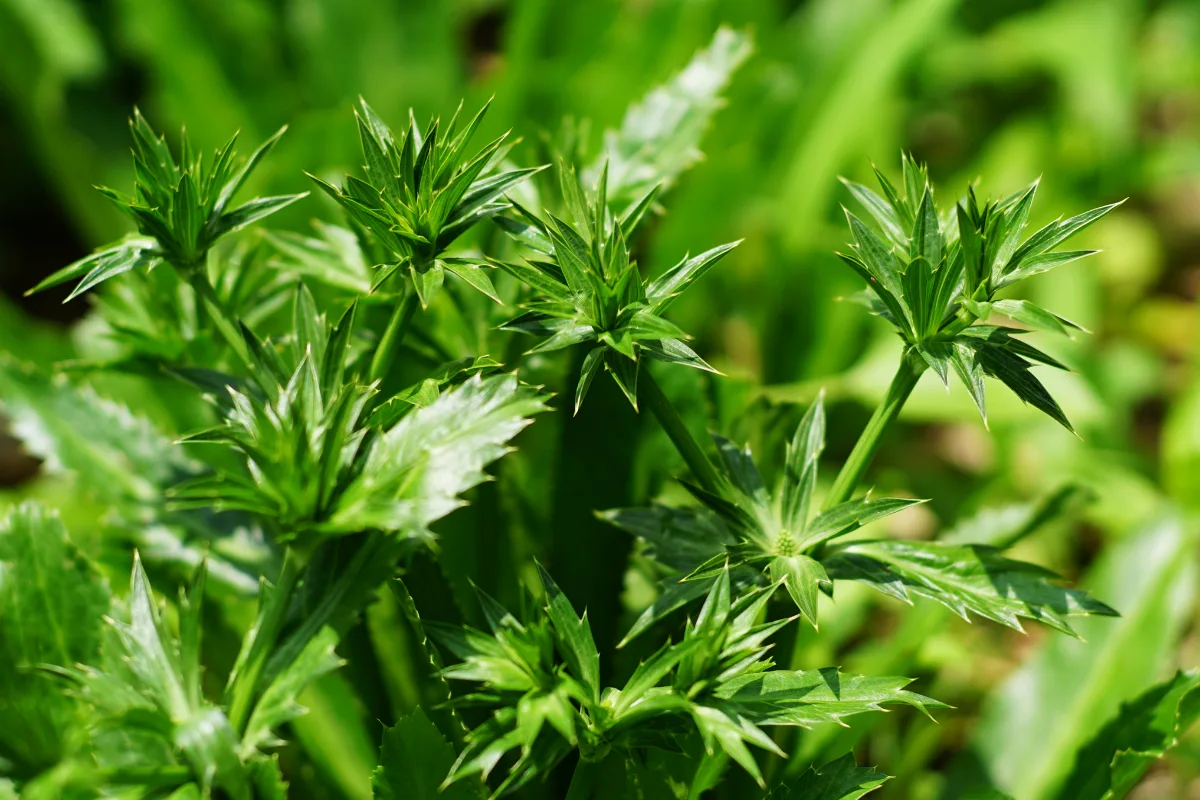
- Flat rosette of long, saw-edged leaves
- Native range
- Mexico through tropical America
- Natural habitat
- Wet tropical forest edges, moist open ground and disturbed shady sites.
When to plant
Tropical
January–December
Subtropical
August–March
Temperate
September–January
Tropical and subtropical: most of the year in a shaded bed. Temperate: spring to summer. Cool: warm months only, or a pot in a sheltered spot.
Planting
Sow seed on the surface or barely covered, because it needs light to germinate, and keep it damp. Germination is slow, often two to three weeks. Seedlings transplant well once they have a few leaves. It self-seeds happily in a warm shaded bed.
Position and light
Part shade to fairly deep shade. This is one of the few herbs that does better out of full sun, and shade delays flowering, which is exactly what you want.
Soil
Moist, compost-rich soil that holds water without going boggy.
Watering
Keep the soil damp. Dry soil sends the plant into flowering and the leaves get tough.
Feeding
Feed with a nitrogen-leaning liquid fertiliser every three to four weeks in the growing season for big soft leaves.
Pruning
Cut out the flower stalk as soon as it appears if you want to keep picking leaves. Letting one plant flower gives you seed for next season, so it is worth leaving one and cutting the rest.
Harvest
Pick outer leaves from the rosette and leave the centre to keep producing, or cut the whole rosette at the base for a big pick and let it reshoot. The flavour is much stronger than coriander, so use less. It holds its flavour in cooking better than coriander does.
Propagation
From seed, including its own. Collect seed from the dried flower head.
Common problems
Slow germination and impatience are the usual issues. Snails and slugs love the young rosettes in a shaded damp bed. Early flowering means too much sun or dry soil. The leaf edges are prickly, so use a knife rather than pulling by hand.
Safety notes
The leaf edges have small spines that can prick your fingers. Use as a culinary herb in normal food amounts.
Worth knowing
If coriander bolts within weeks in your climate, culantro is the practical replacement rather than another packet of coriander seed. It handles heat, humidity and shade.

Grow Culantro with Brancho
Add it to My Garden and Brancho works out what it needs next, timed for your climate.
How it grows around Australia
Growing this too? Share what you've noticed in your garden.
Grow a Little Wild
New plants to try, useful growing tips and a few garden jobs based on what you grow.