

Plants for Hedges
Hedges can mark a boundary, frame a path, divide a garden or give you privacy without a hard fence. The easiest hedges start with plants that naturally branch densely and respond well to trimming. Choose the finished height first, then look for a plant that reaches it without constant hard pruning. 14 plants in the library.
14 plants
Fruit tree
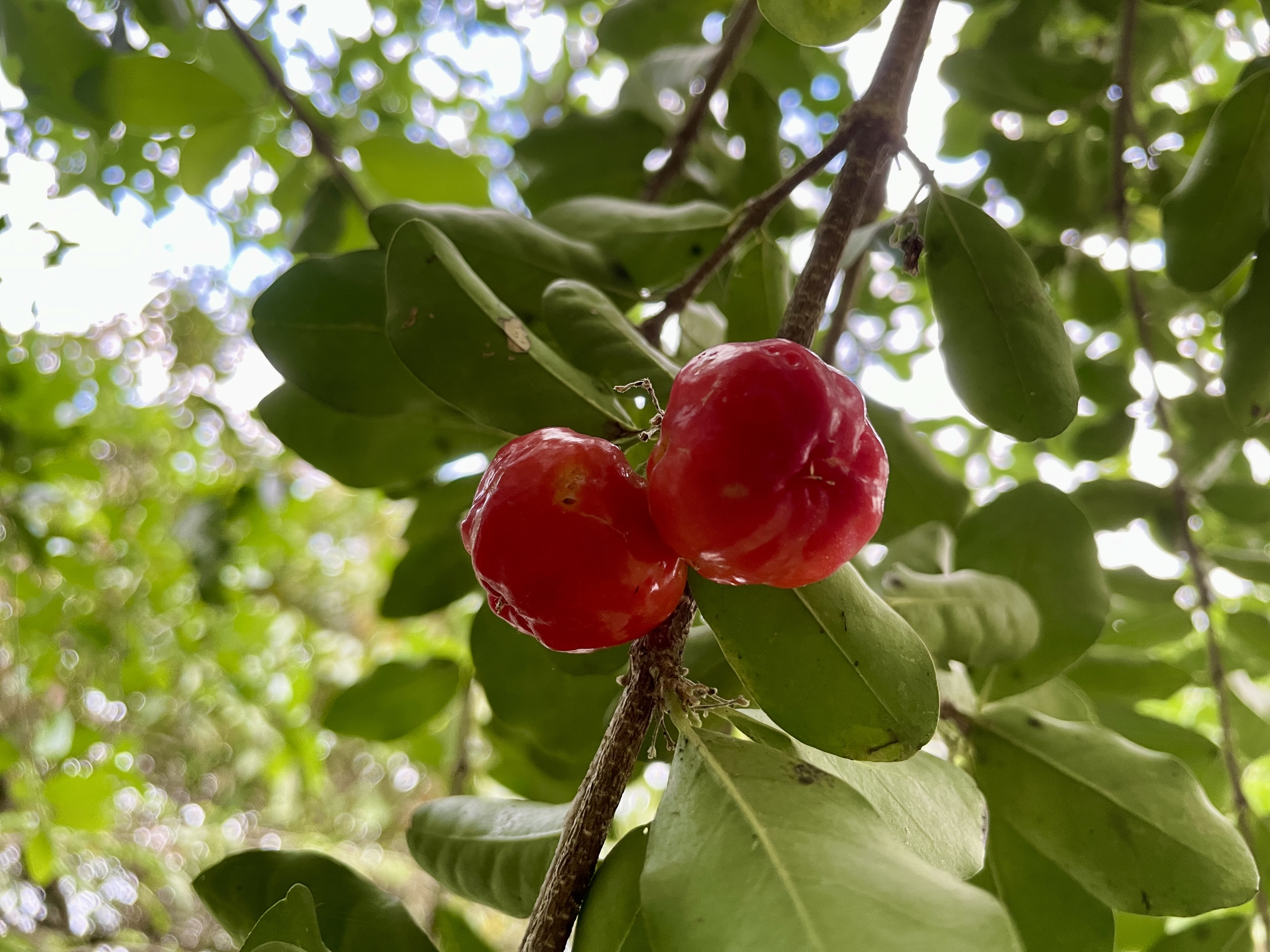
Acerola cherry
Acerola is a fast-growing tropical fruit shrub or small tree with bright red, tart-sweet fruit and very high vitamin C.
Herb & spice
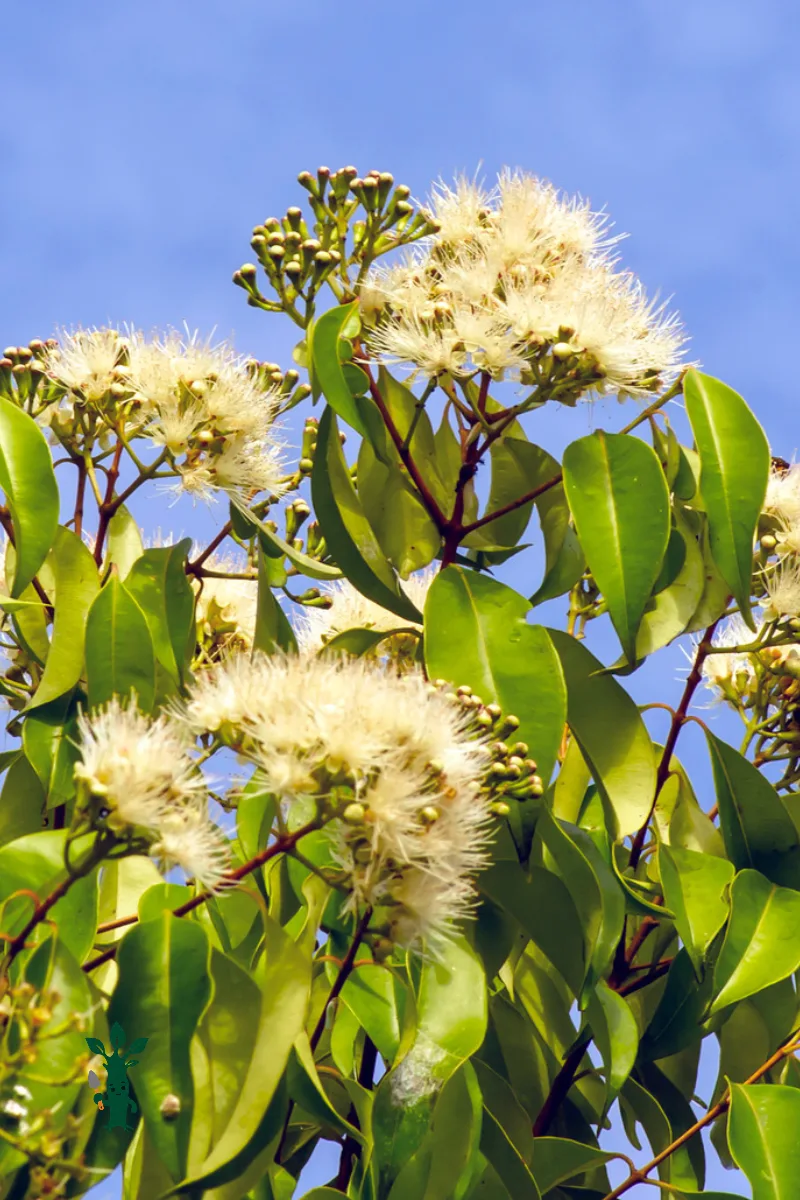
Anise myrtle
Anise myrtle is an Australian rainforest tree with aromatic leaves that smell and taste of aniseed or liquorice. It can be grown as a small tree, clipped screen or hedge and likes moisture while young.
Ornamental
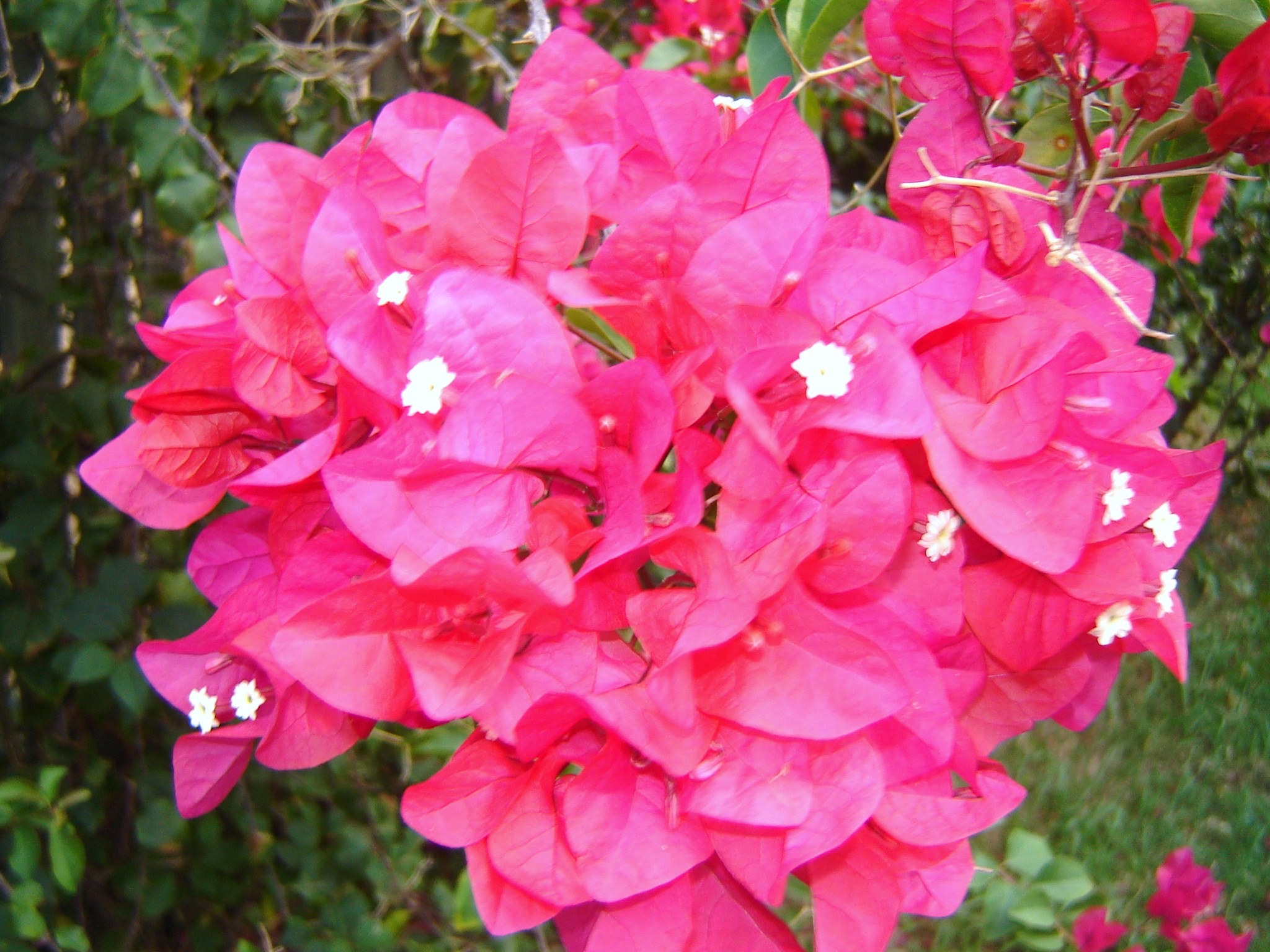
Bougainvillea
Bougainvillea is a thorny scrambling shrub or climber grown for brilliant coloured bracts. Heat, sun and fairly lean soil bring the strongest display.
Ornamental
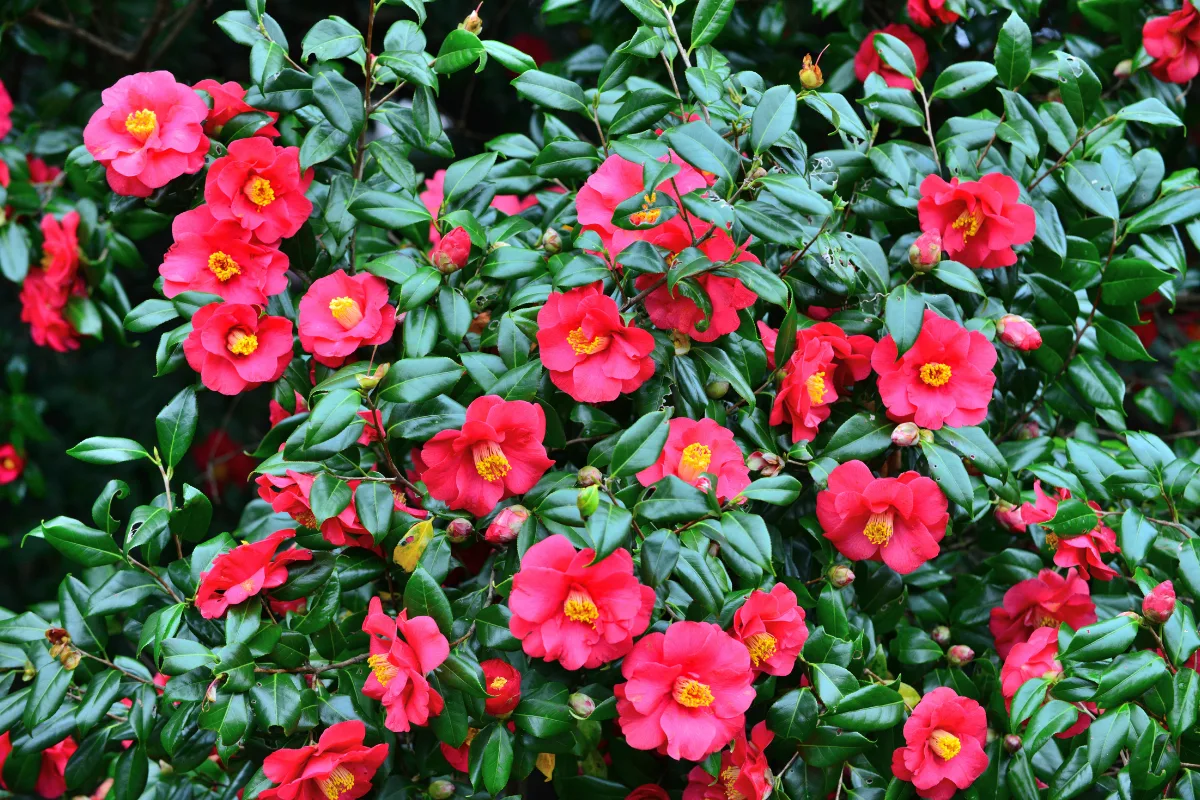
Camellia
Camellia japonica is an evergreen shrub grown for glossy foliage and winter flowers. It can grow well in subtropical gardens as long as the flowers and roots are protected from harsh heat.
Ornamental
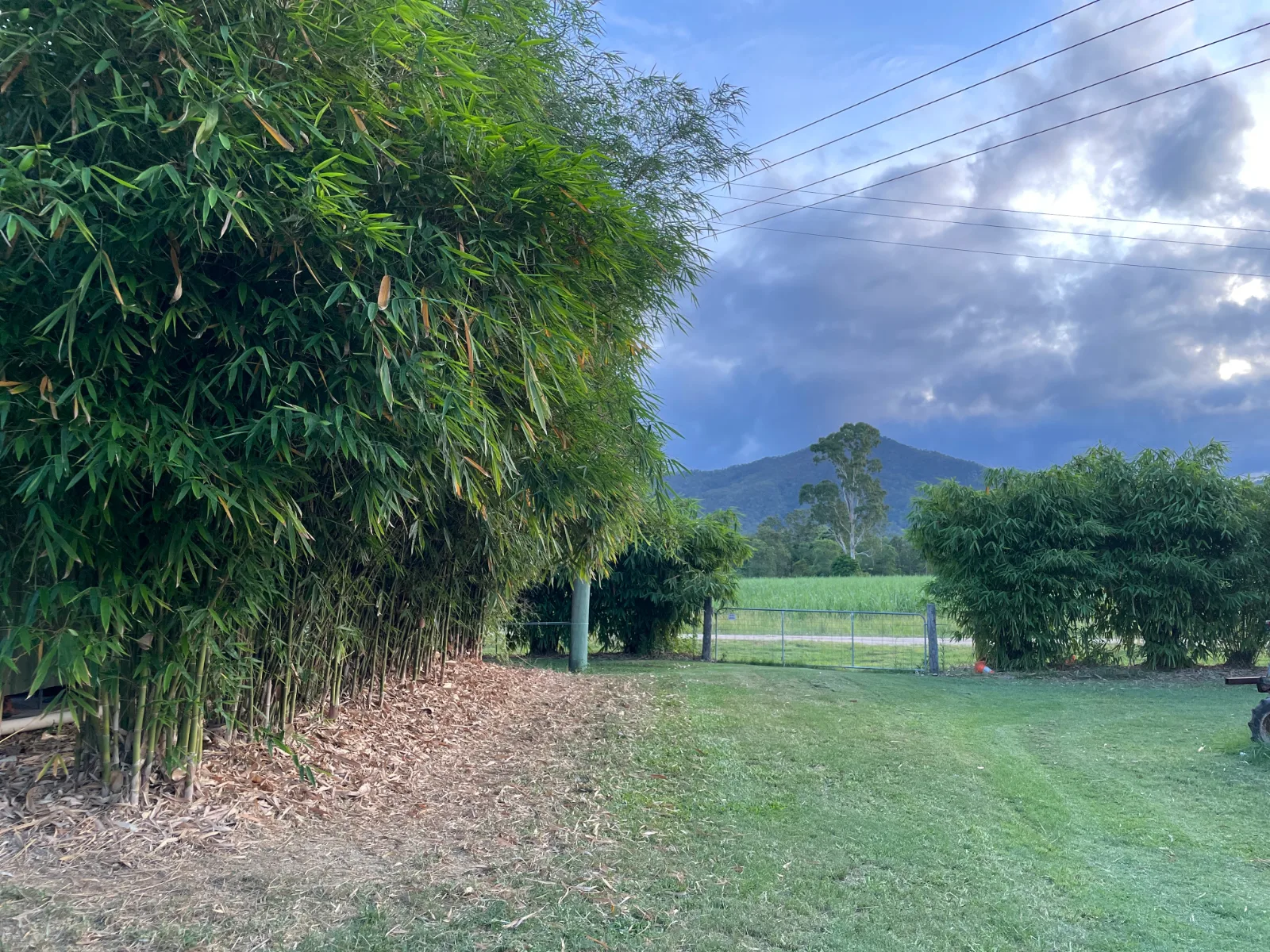
Clumping bamboo
Clumping bamboo can make a fast, dense screen in a warm garden. Choose a genuinely clumping species and check its mature height and width before planting, because some types become very large even though they do not send running rhizomes across the garden.
Ornamental
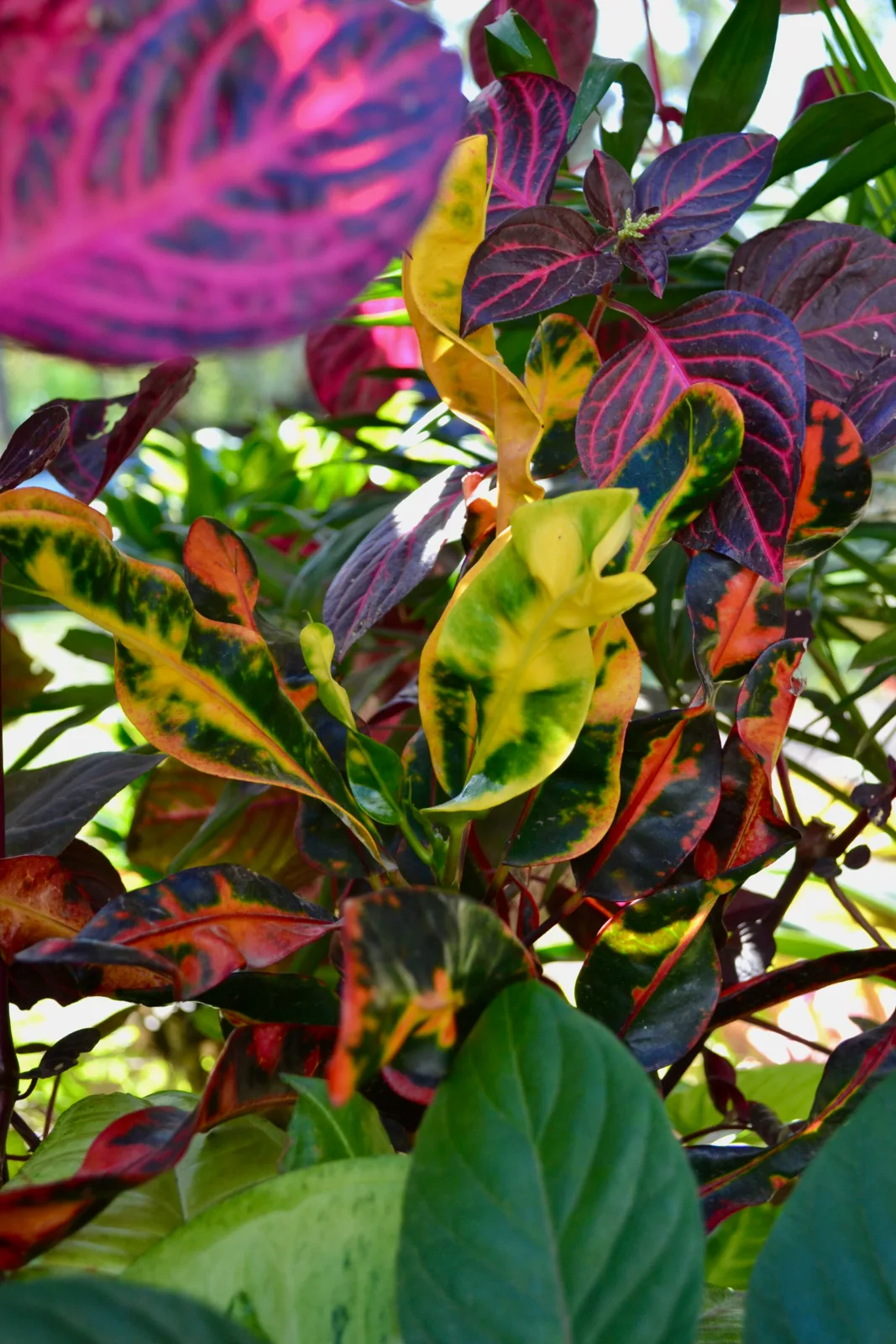
Croton
Croton is a warm-climate evergreen shrub grown for thick, colourful leaves in green, yellow, orange, red, pink and deep burgundy. The species is native to Queensland as part of a wider Malesian–south-west Pacific range, while garden crotons are highly selected cultivars. Outdoors they suit tropical and subtropical gardens; indoors they need strong light to hold their colour.
Fruit tree
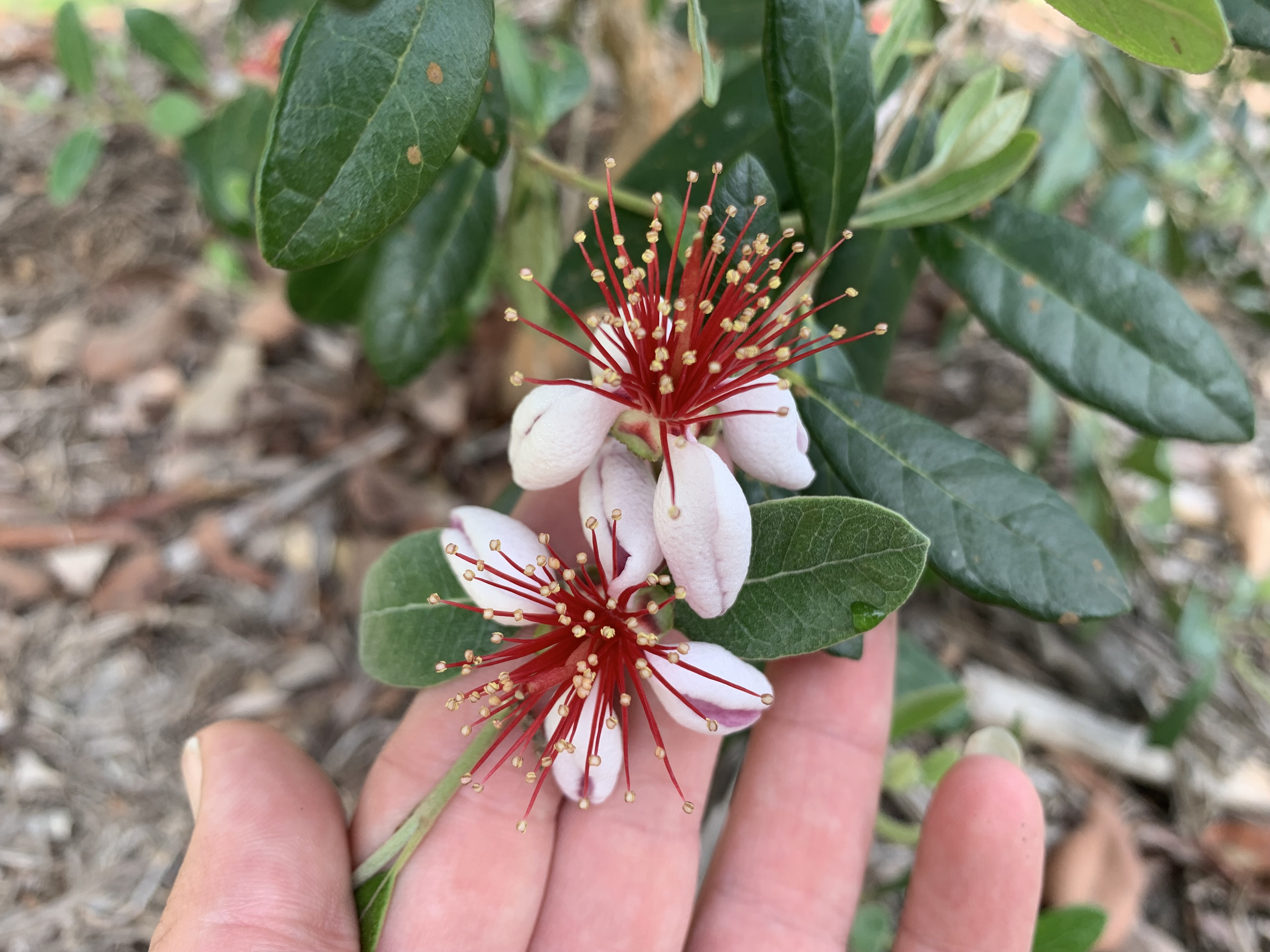
Feijoa
Feijoa is an evergreen subtropical fruit shrub or small tree with silver-backed leaves, edible flowers and fragrant green fruit. Cool winters, full sun and compatible pollination help it crop well.
Ornamental
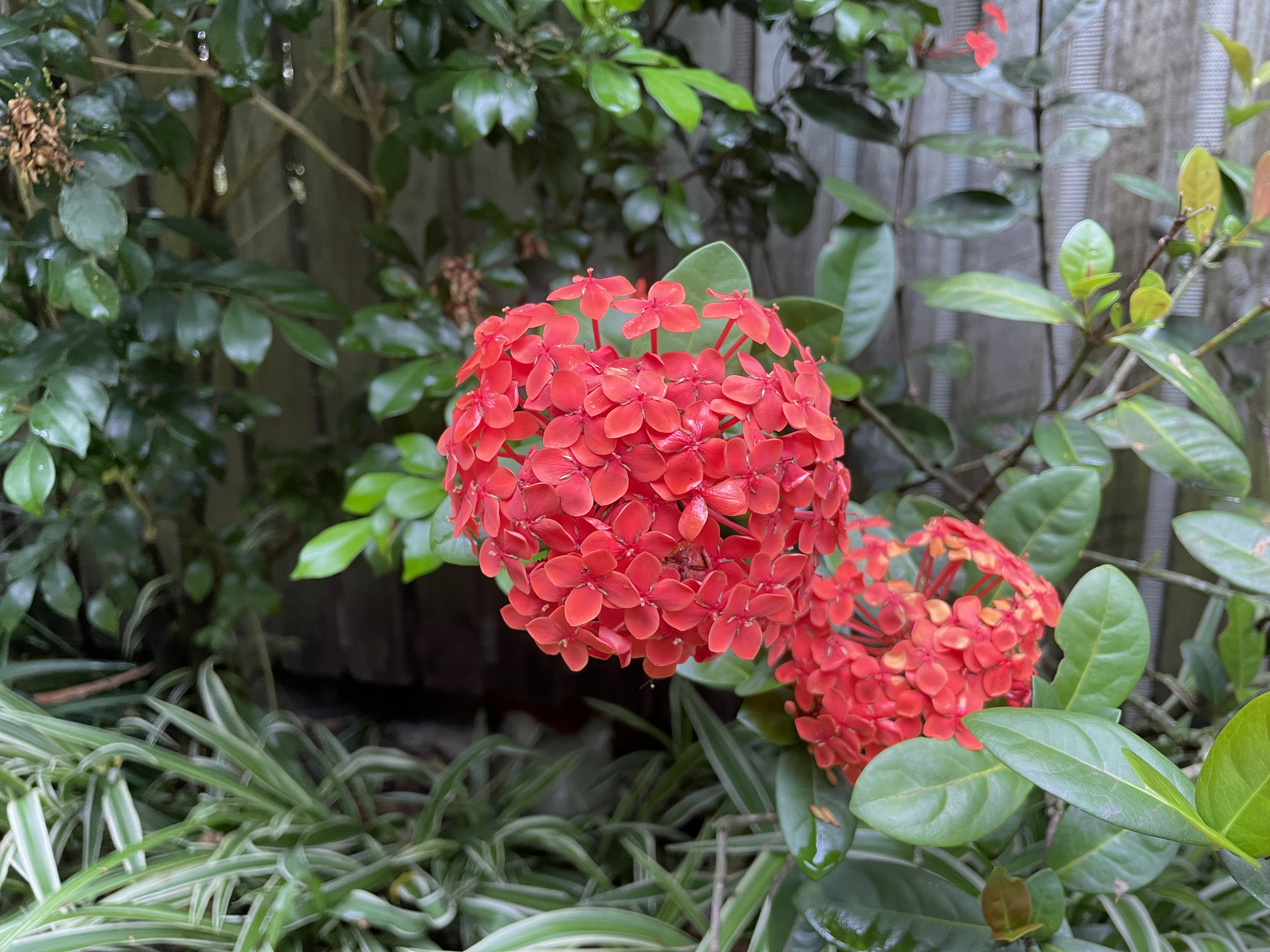
Ixora
Ixora is a tropical evergreen shrub grown for dense heads of red, orange, pink or yellow flowers. It flowers best with warmth, bright light and acidic soil.
Herb & spice
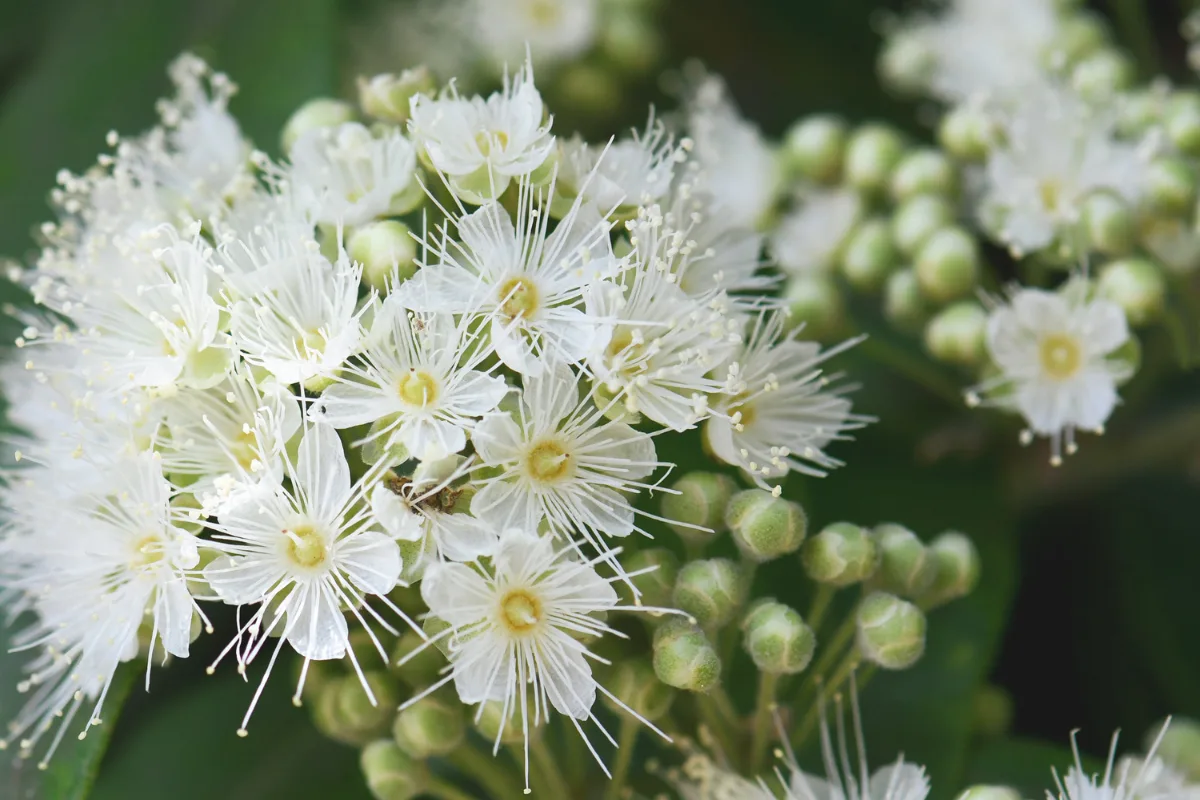
Lemon myrtle
Lemon myrtle is a Queensland rainforest tree famous for intensely lemon-scented leaves. It can be grown as a small tree, clipped shrub or hedge, and is particularly at home in warm, moist east-coast gardens.
Ornamental
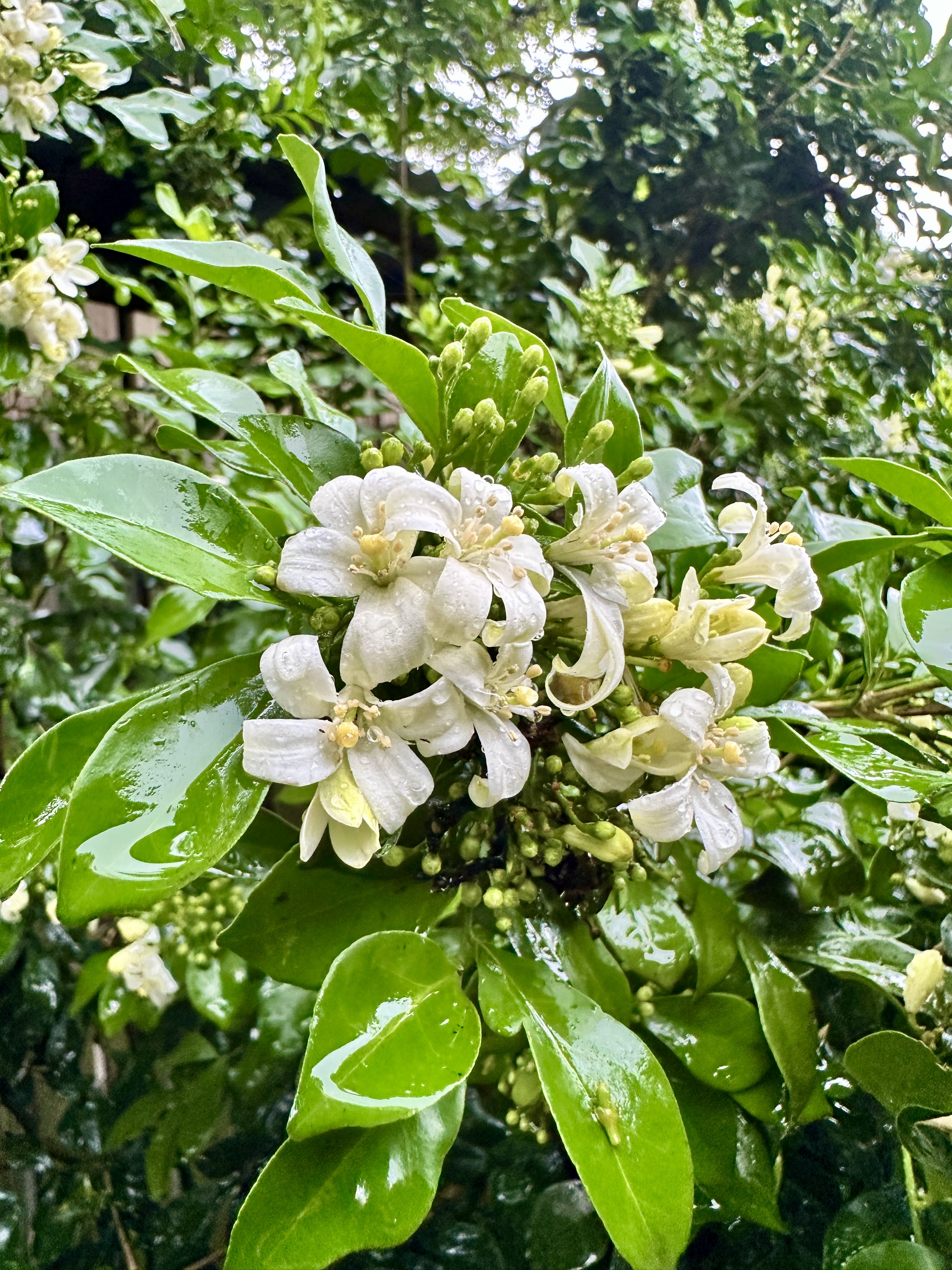
Murraya
Murraya is a dense evergreen shrub or small tree with glossy leaves and strongly scented white flowers. The common garden form 'Exotica' grows quickly in warm climates and is widely used for hedges, screens and clipped shapes around entrances, paths and outdoor living areas.
Fruit tree
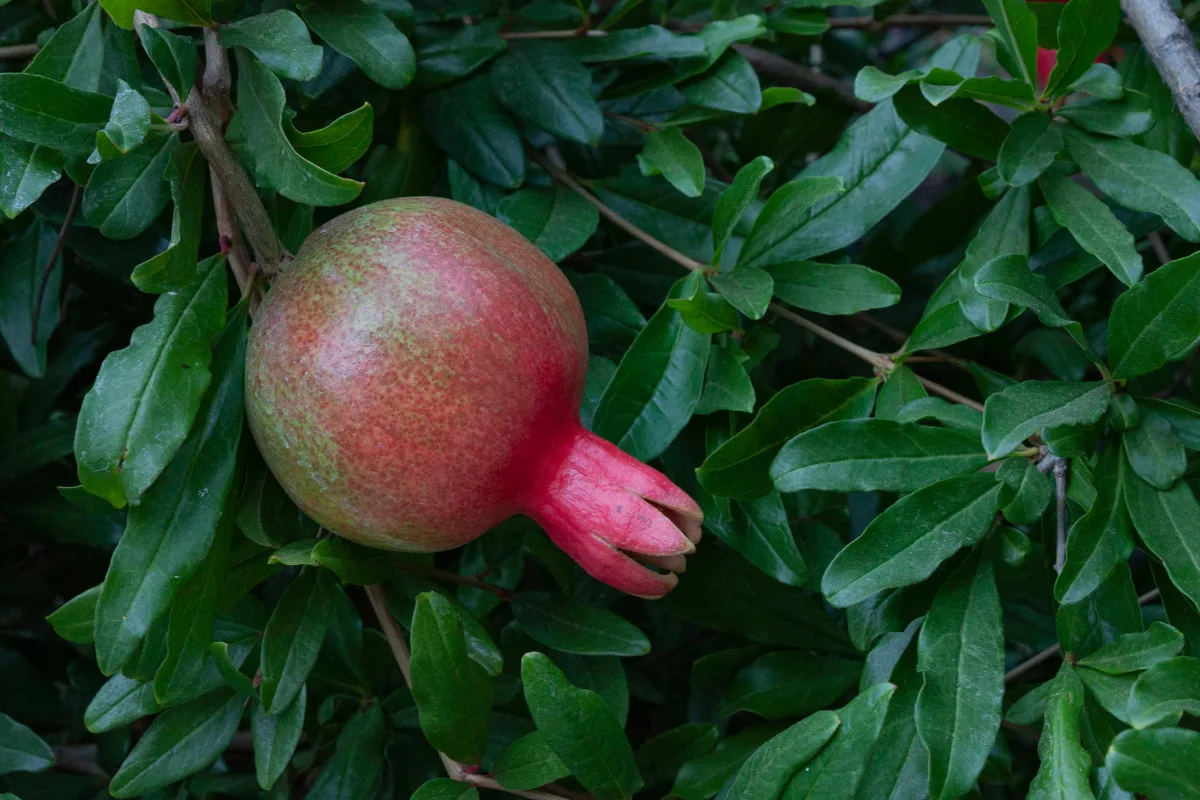
Pomegranate
Pomegranate is a tough deciduous shrub or small tree that likes sun, good drainage and warm summers. It can grow across much of Australia.
Ornamental
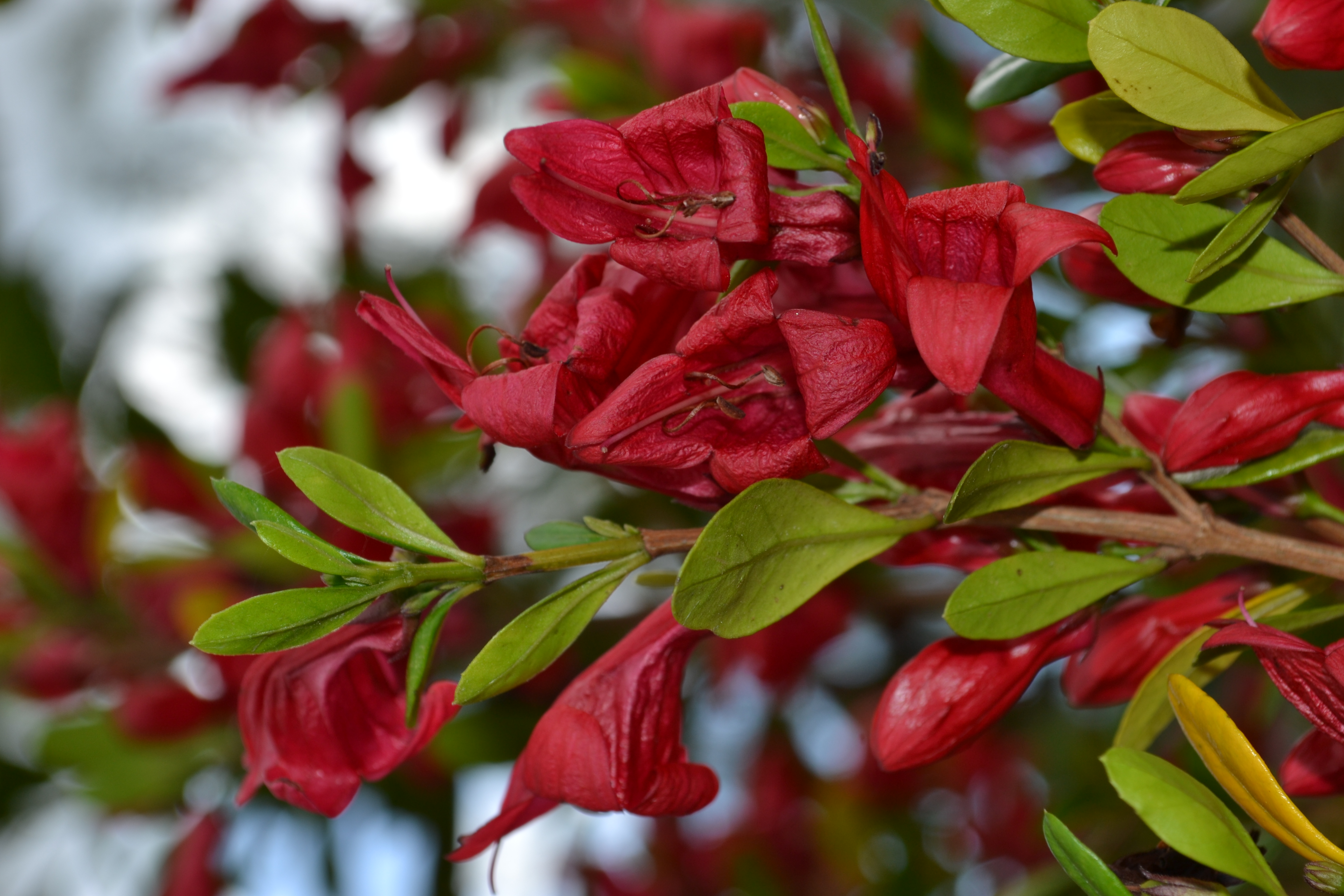
Scarlet fuchsia
Scarlet fuchsia is a Queensland native shrub with glossy leaves and deep red tubular flowers that draw nectar-feeding birds. It handles pruning well and can be grown as a specimen, screen or informal hedge.
Ornamental
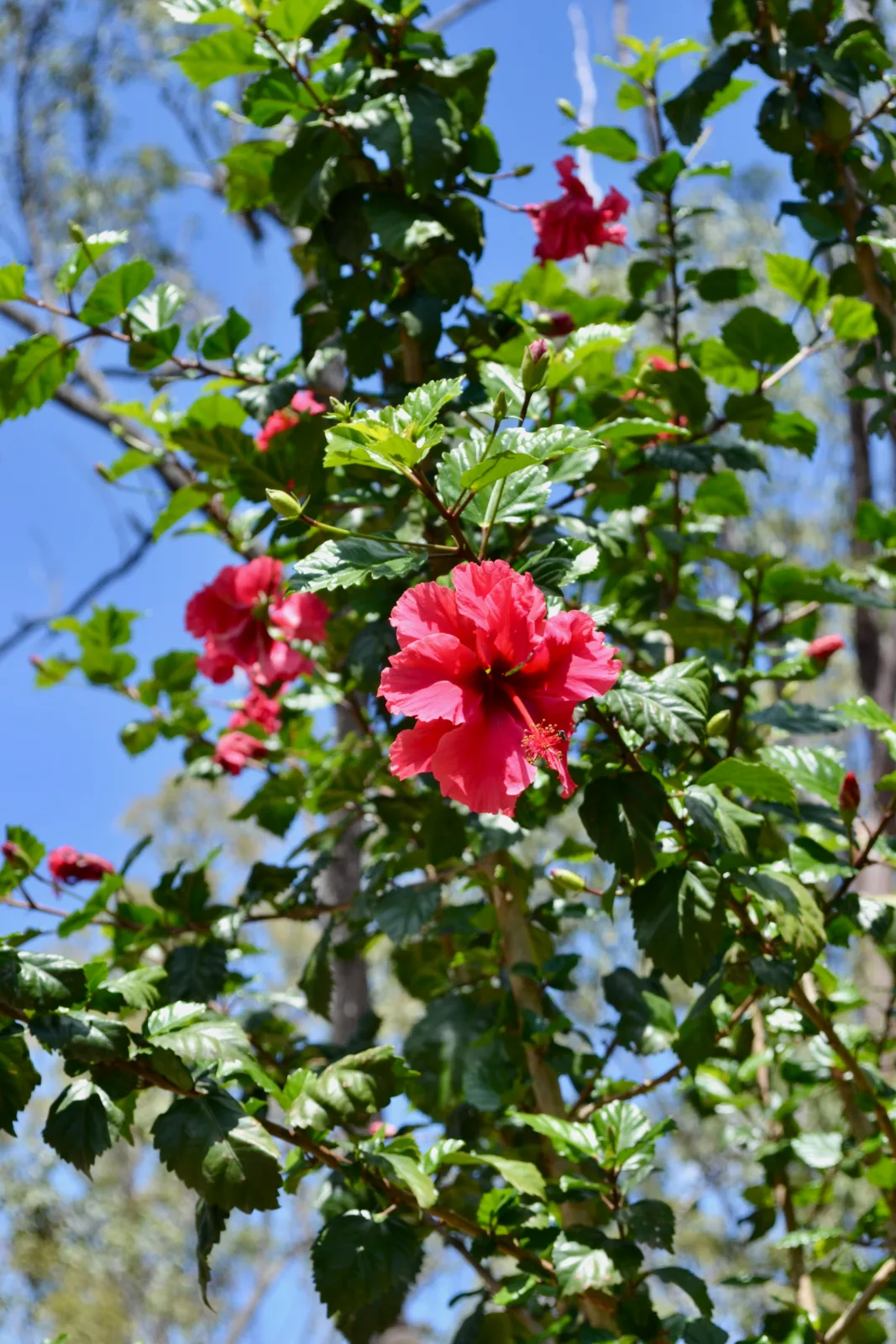
Tropical hibiscus
Hibiscus is a classic warm-climate shrub grown for large colourful flowers over a long season. It responds well to pruning, feeding and regular moisture and can be trained as a hedge, specimen shrub or small standard.
Fruit tree
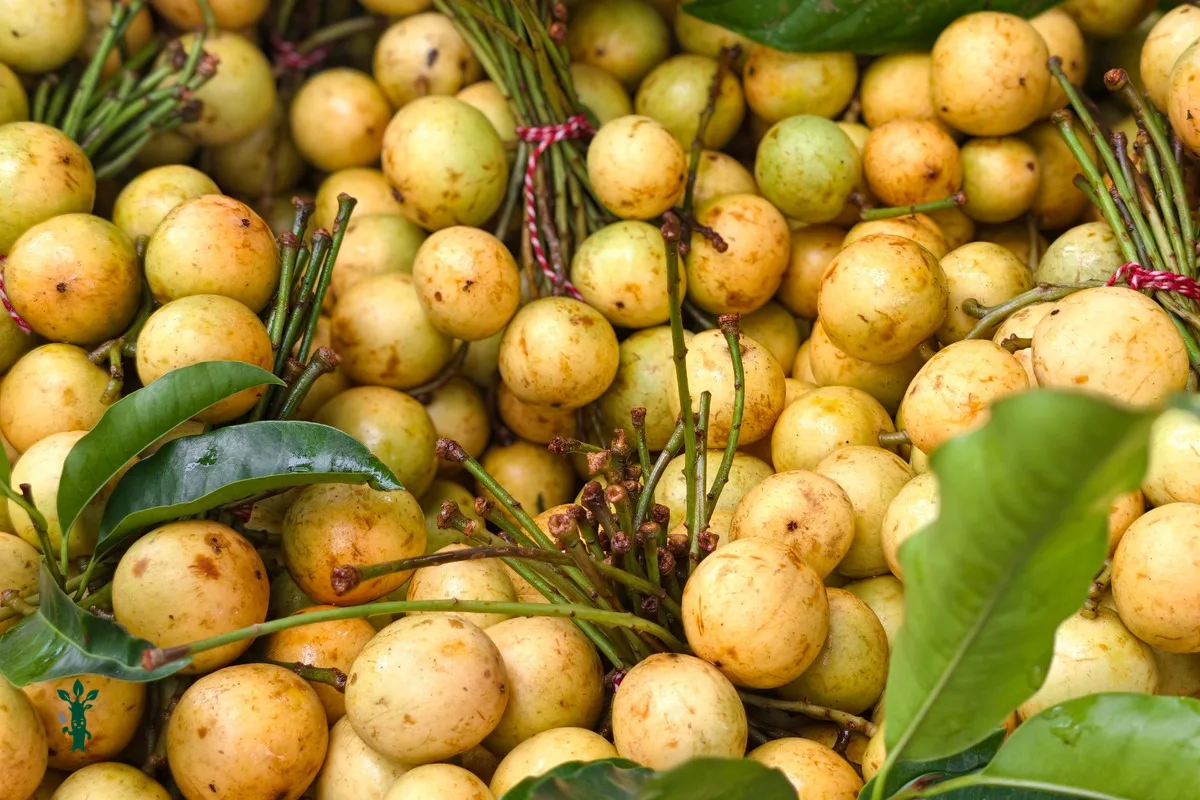
Wampee
Wampee is a handsome citrus relative with glossy compound leaves and bunches of small yellow fruit that range from tangy to sweet depending on the cultivar. It suits subtropical gardens particularly well, stays smaller than many tropical fruit trees and is an excellent choice if you enjoy unusual fruit that is good eaten freshly picked.
Before You Choose
A hedge is easier to manage when the plant’s natural habit is close to the shape you want. Low edging hedges need compact growth from the base. Taller privacy hedges need enough height, but they also need foliage that stays reasonably dense lower down.
Regular light pruning usually gives a better result than waiting until a hedge becomes oversized. Tip-pruning young plants encourages branching and helps the hedge fill from the base. Once the framework is established, trim often enough to keep the outline without repeatedly cutting back into old bare wood. Different plants respond differently to hard pruning, so check the profile before making a major cut.
Give each plant enough root space and avoid crowding the row against paving or a wall if the species eventually becomes broad. A hedge planted too tightly can look full quickly, but competition for water and nutrients can become obvious later. Mulch and steady watering during establishment help the whole row develop evenly.
Sunlight also affects density. Many flowering and fruiting hedge plants give their best display in good light, while shade-tolerant foliage plants are more useful beside buildings or under open tree cover. Use the profiles below to compare mature height and width, climate, light and pruning notes.
Before planting a long hedge, check how you will reach both sides for trimming and how fallen leaves or clippings will be collected. A narrow access strip can save a lot of awkward work later. If the hedge sits beside a neighbour, driveway or public path, allow enough setback that the finished width stays inside your space without constant severe cutting.