

Screening Plants
A good screen does more than hide a fence or block a view. You can use plants to make a boundary feel greener, soften a shed or create a more private part of the garden. Start with the height and width you actually need, then match the plant to your climate, light and available space. 15 plants in the library.
15 plants
Fruit tree
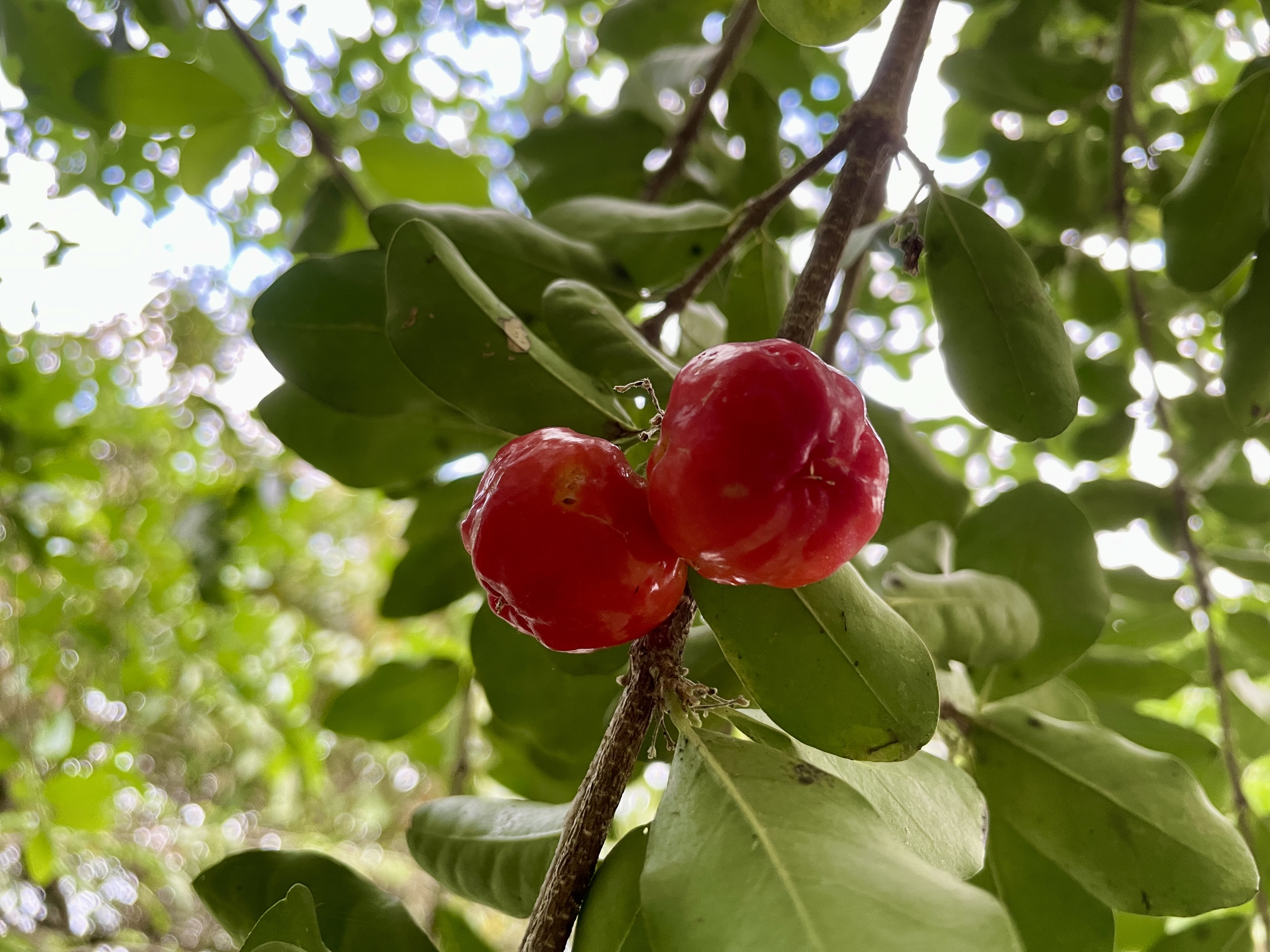
Acerola cherry
Acerola is a fast-growing tropical fruit shrub or small tree with bright red, tart-sweet fruit and very high vitamin C.
Herb & spice
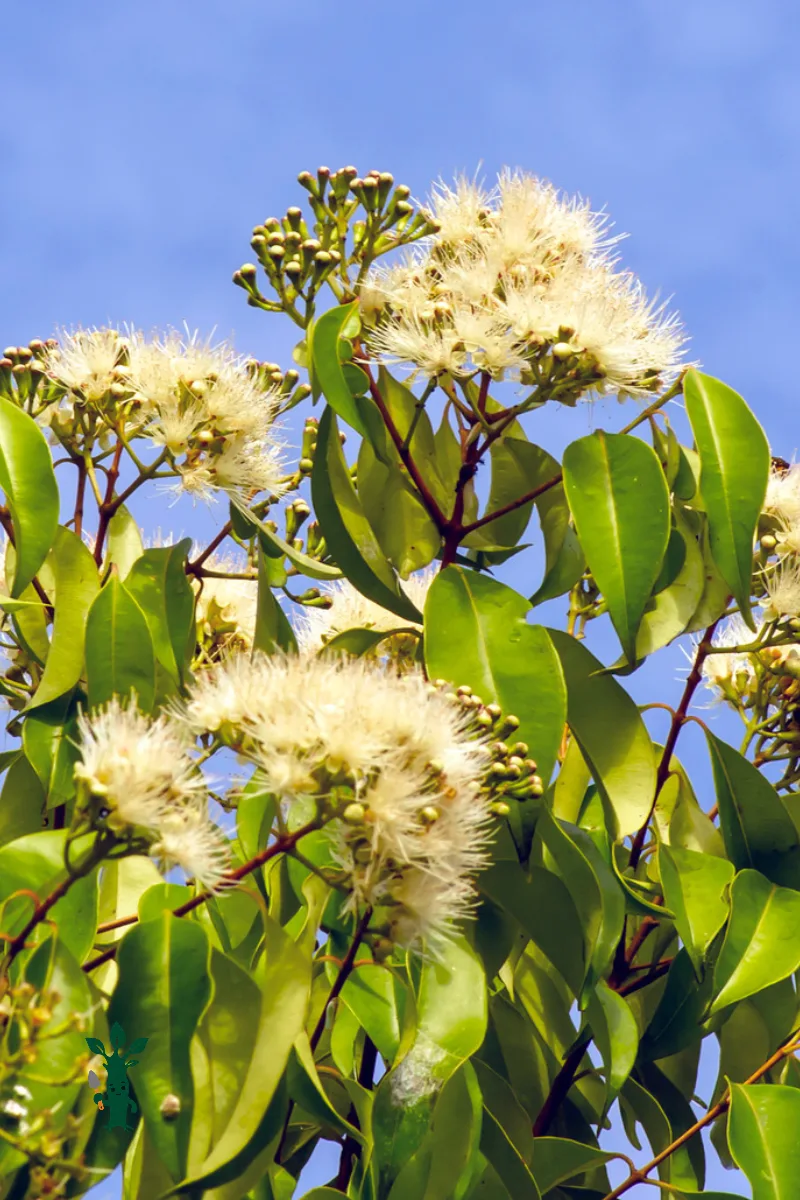
Anise myrtle
Anise myrtle is an Australian rainforest tree with aromatic leaves that smell and taste of aniseed or liquorice. It can be grown as a small tree, clipped screen or hedge and likes moisture while young.
Ornamental
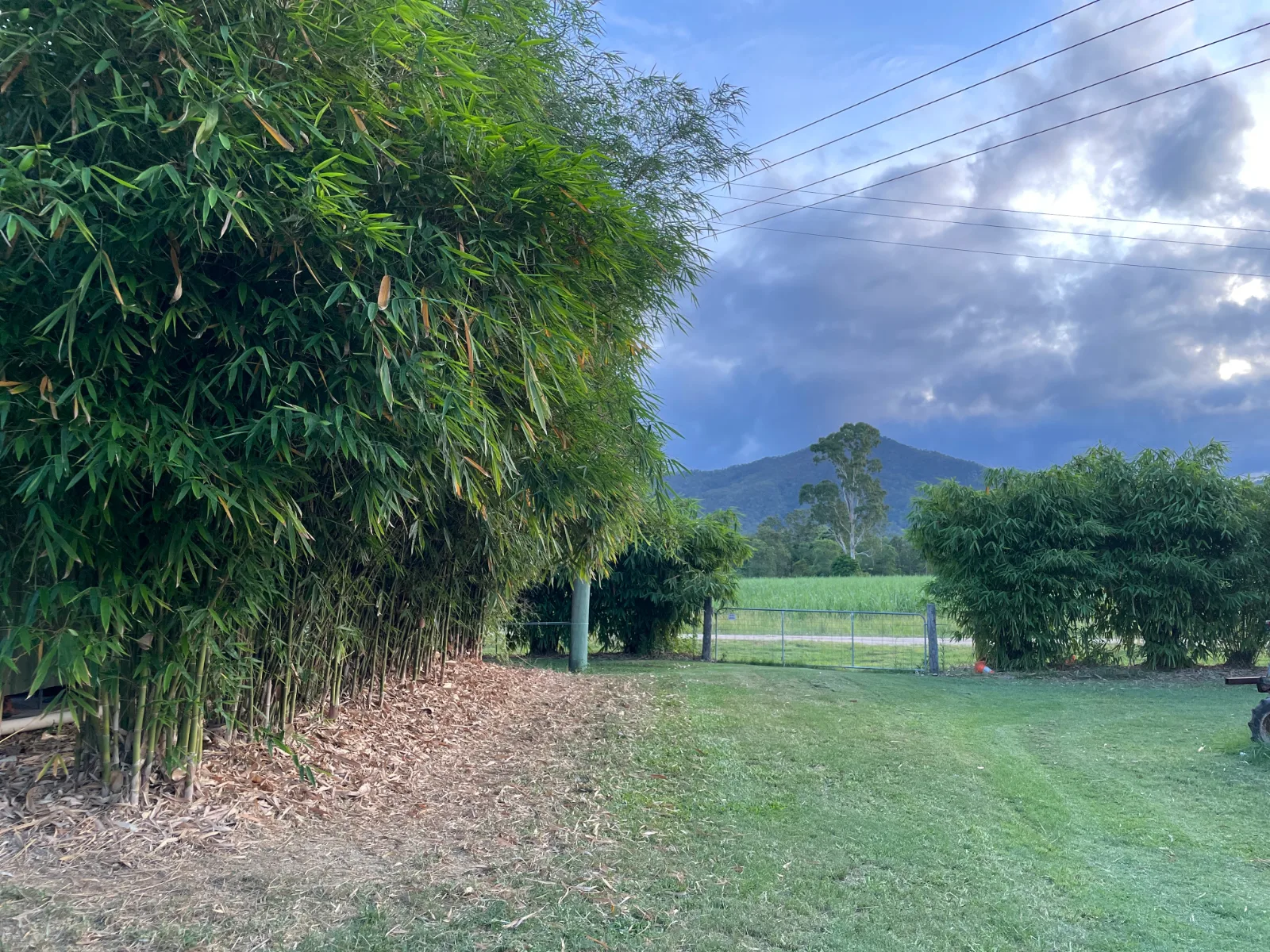
Clumping bamboo
Clumping bamboo can make a fast, dense screen in a warm garden. Choose a genuinely clumping species and check its mature height and width before planting, because some types become very large even though they do not send running rhizomes across the garden.
Fruit tree
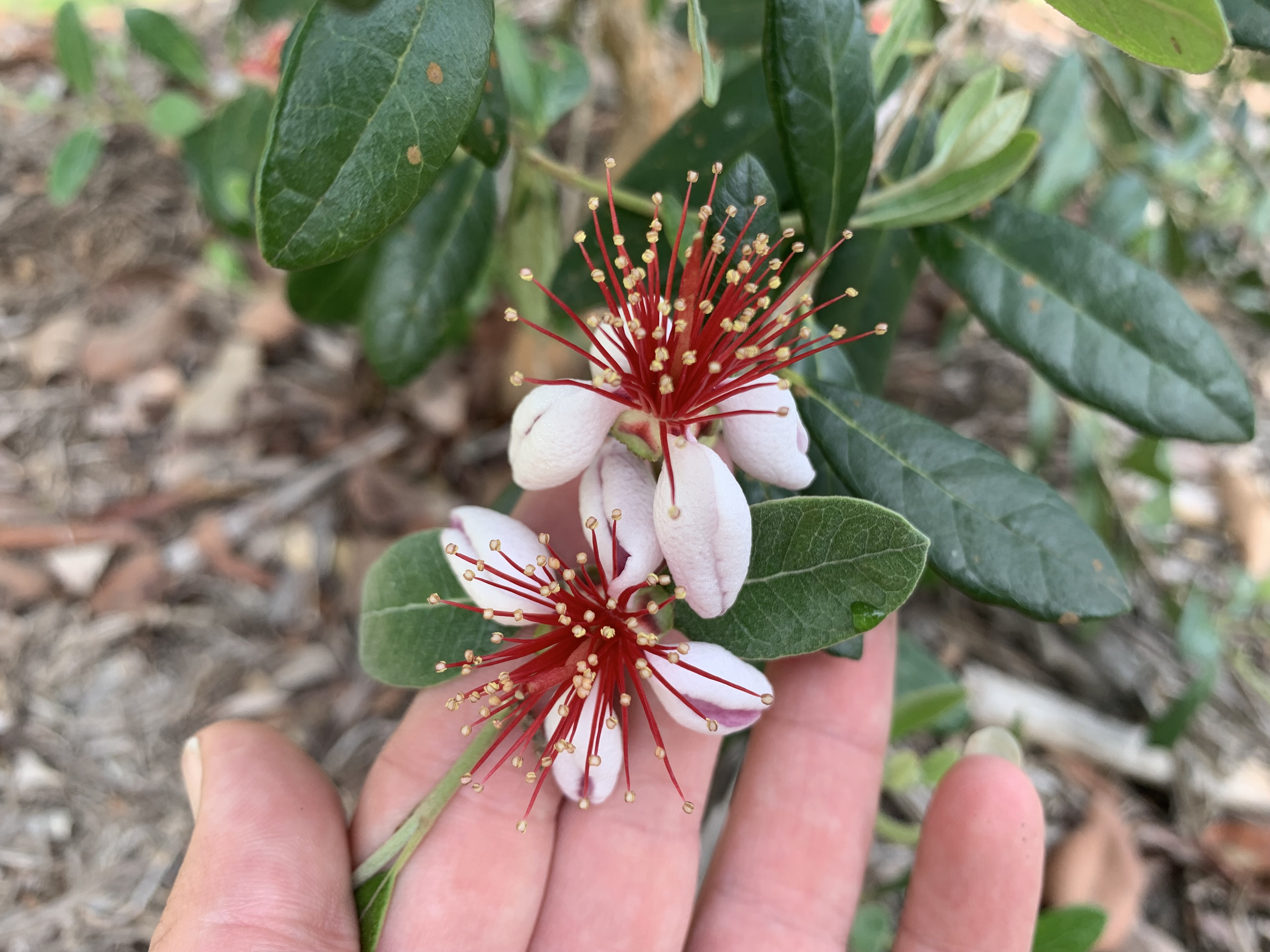
Feijoa
Feijoa is an evergreen subtropical fruit shrub or small tree with silver-backed leaves, edible flowers and fragrant green fruit. Cool winters, full sun and compatible pollination help it crop well.
Fruit tree
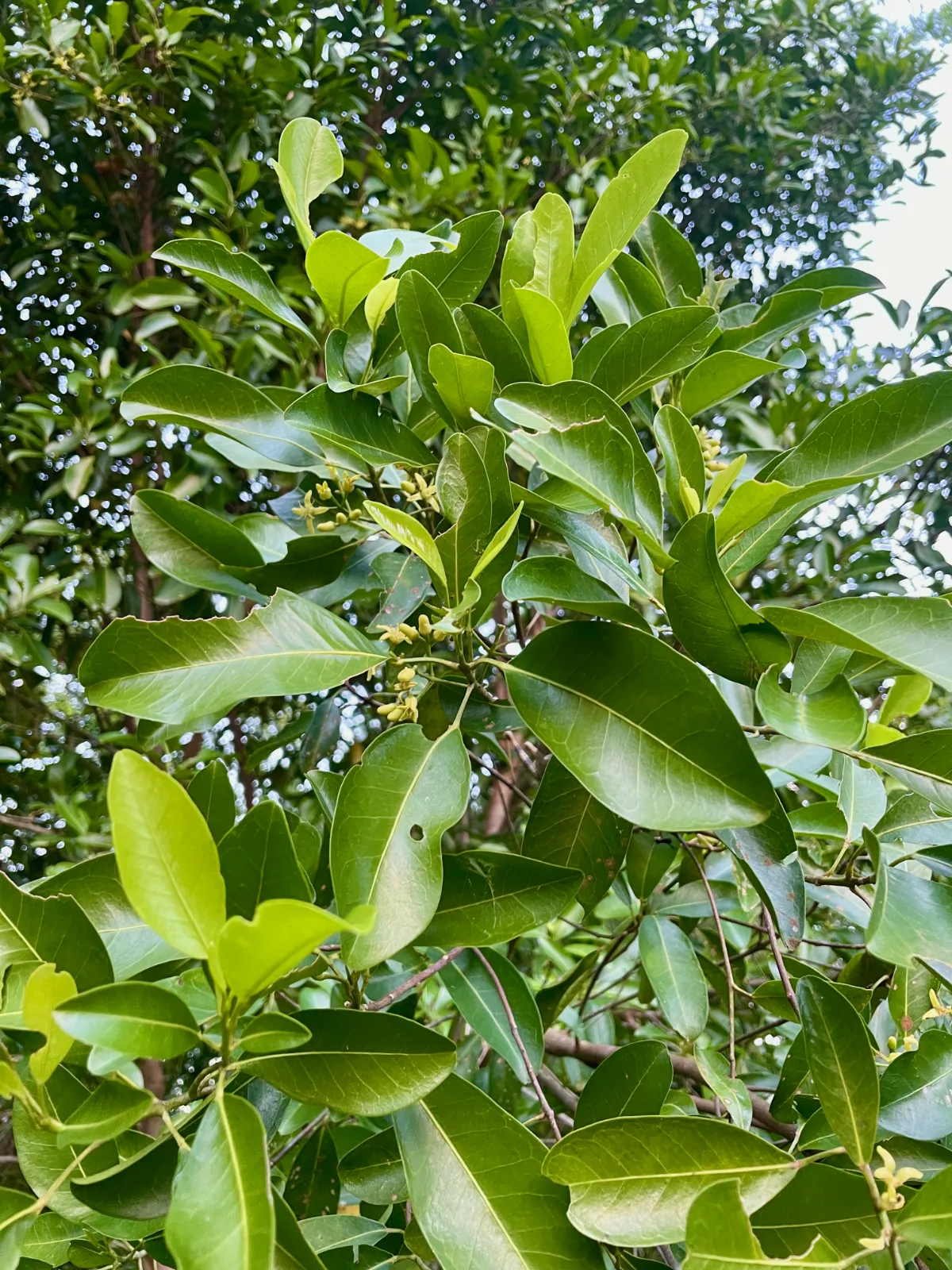
Fraser Island apple
Fraser Island apple is an Australian coastal rainforest tree, native to sheltered dune and littoral rainforest from central Queensland into northern New South Wales, with glossy leaves, fragrant cream flowers and small yellow fruit that can be used in preserves.
Ornamental
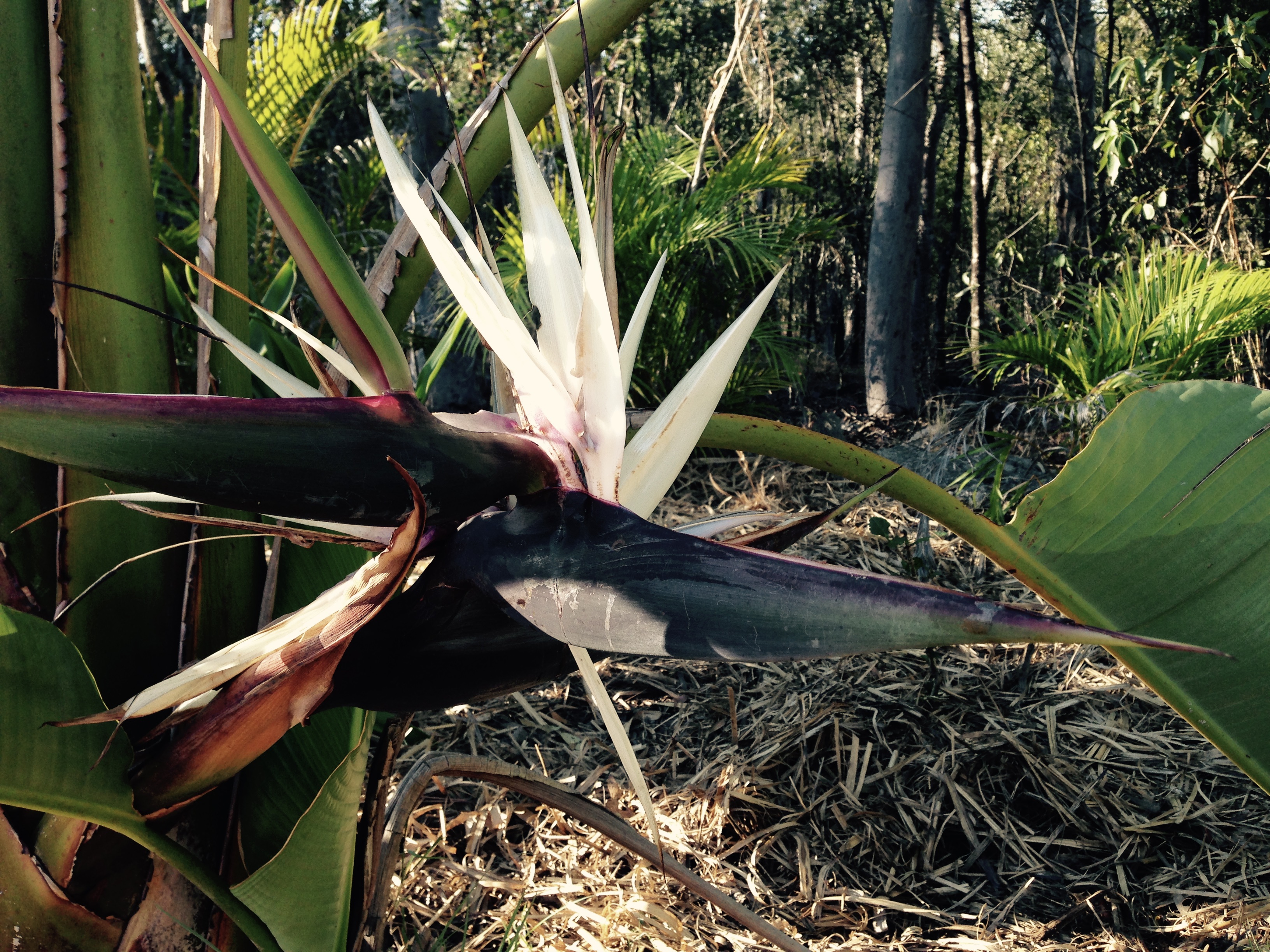
Giant bird of paradise
Giant bird of paradise grows into a tall multi-trunked clump with huge paddle-shaped leaves and white-and-blue flowers. It makes a dramatic foliage plant where there is enough room for its mature size.
Ornamental
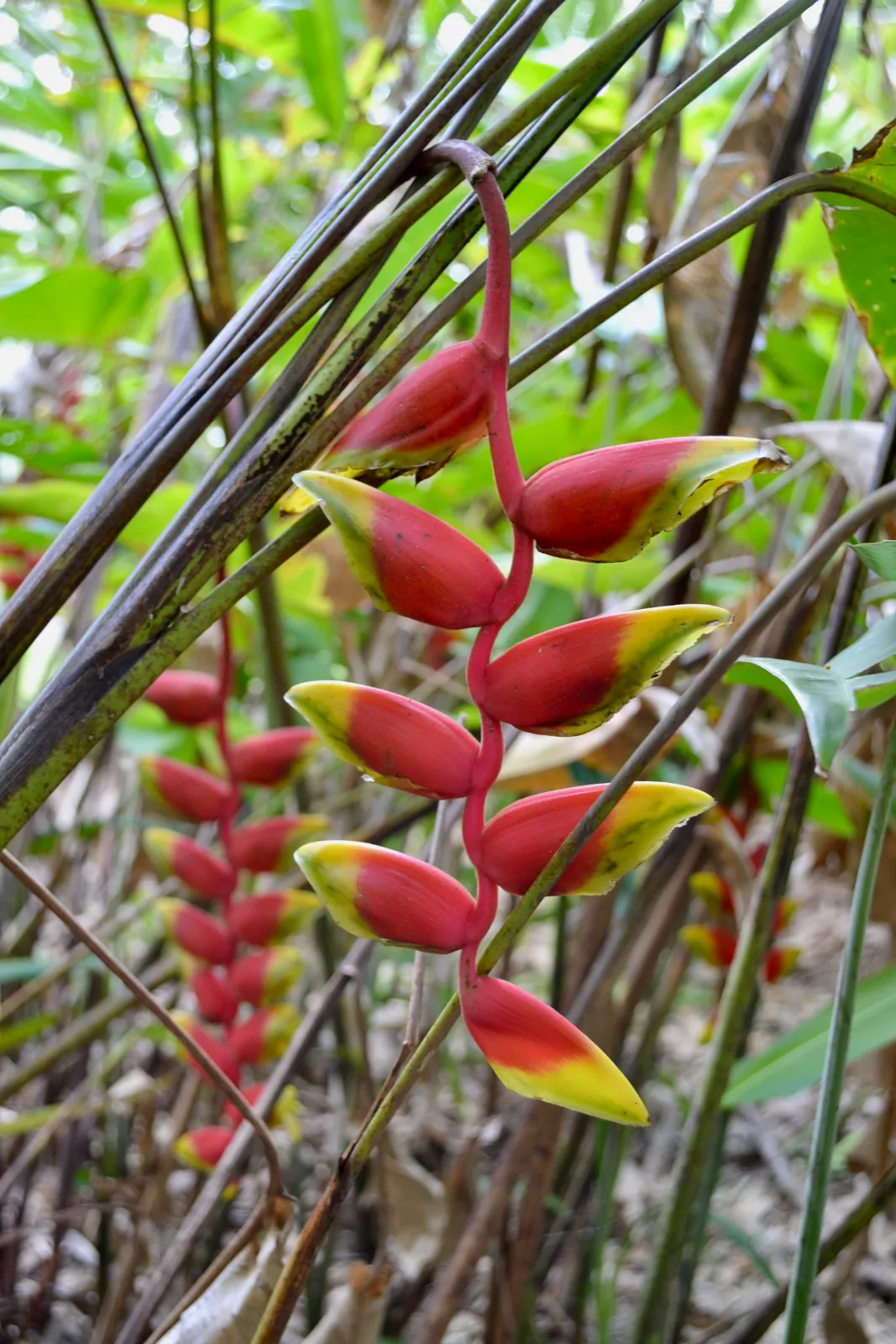
Heliconia rostrata
Heliconia rostrata is the classic hanging lobster-claw heliconia, with long pendulous red-and-yellow bracts below tall leafy stems. It grows best in warm, sheltered tropical and subtropical gardens with rich soil, regular moisture and good drainage. Give the clump room to widen and protect the large leaves from strong wind.
Ornamental
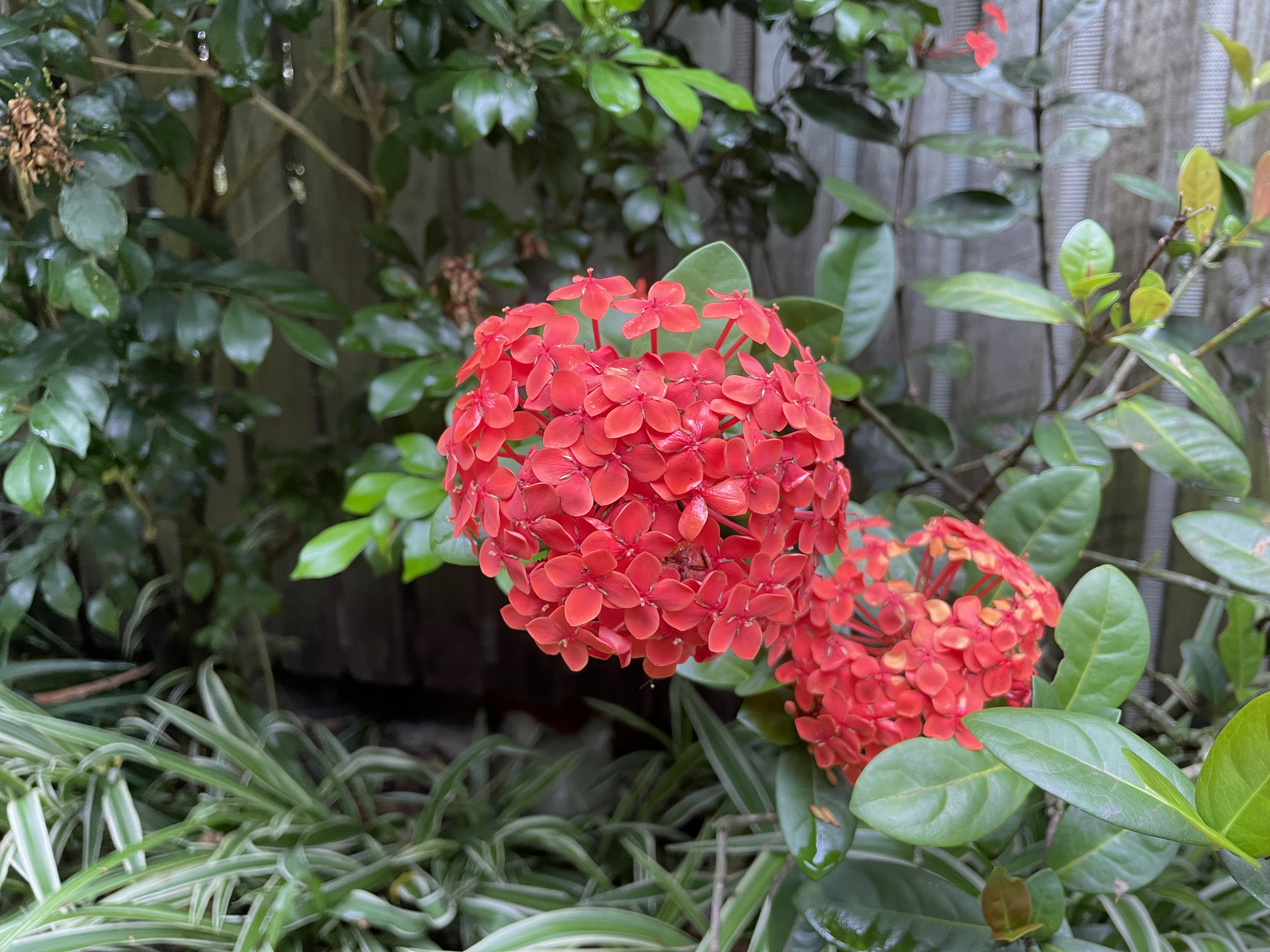
Ixora
Ixora is a tropical evergreen shrub grown for dense heads of red, orange, pink or yellow flowers. It flowers best with warmth, bright light and acidic soil.
Ornamental
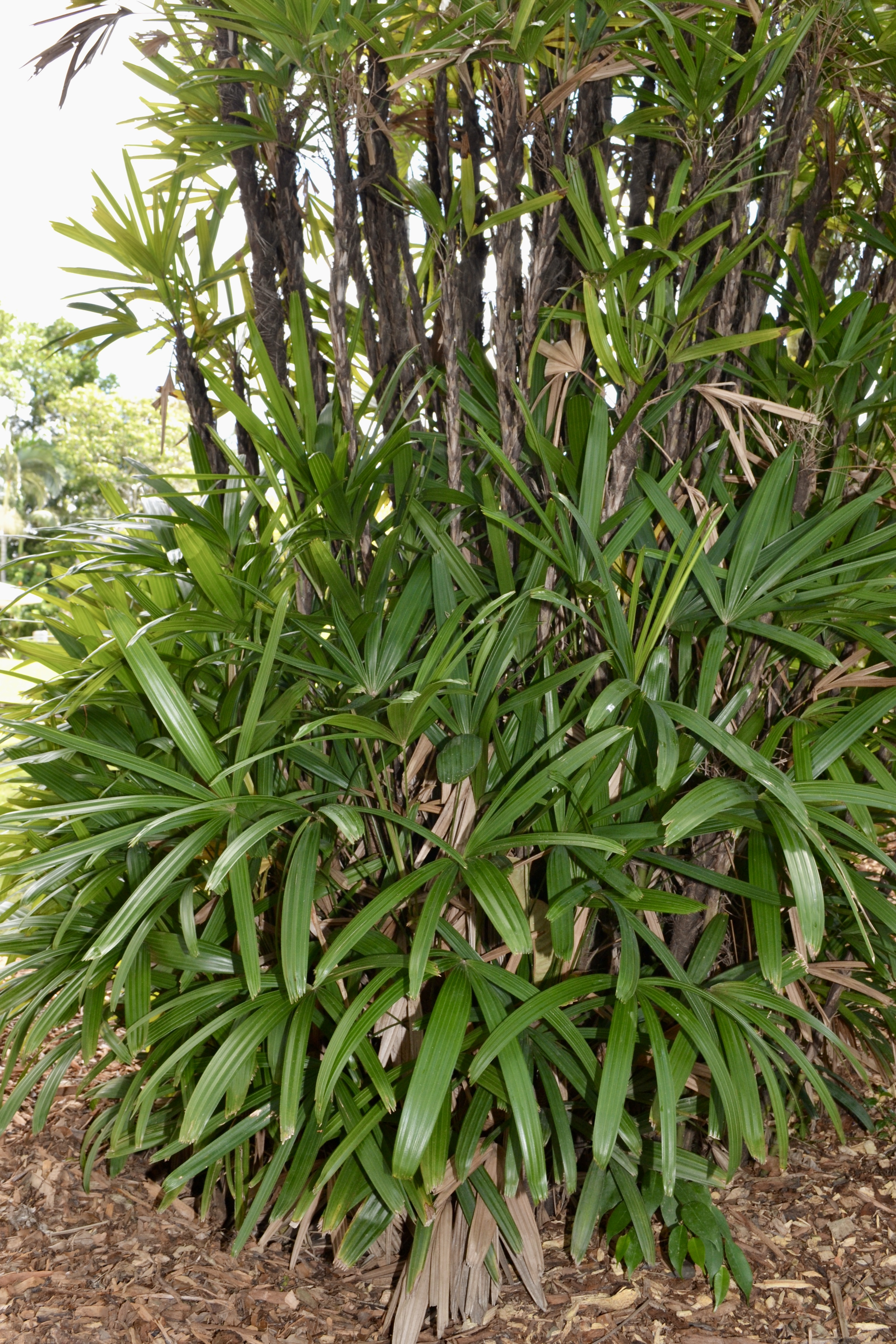
Lady palm
Lady palm is a clumping fan palm with slender cane-like stems and dark green leaves. It handles bright shade well and grows indoors or outside in warm sheltered gardens.
Fruit tree
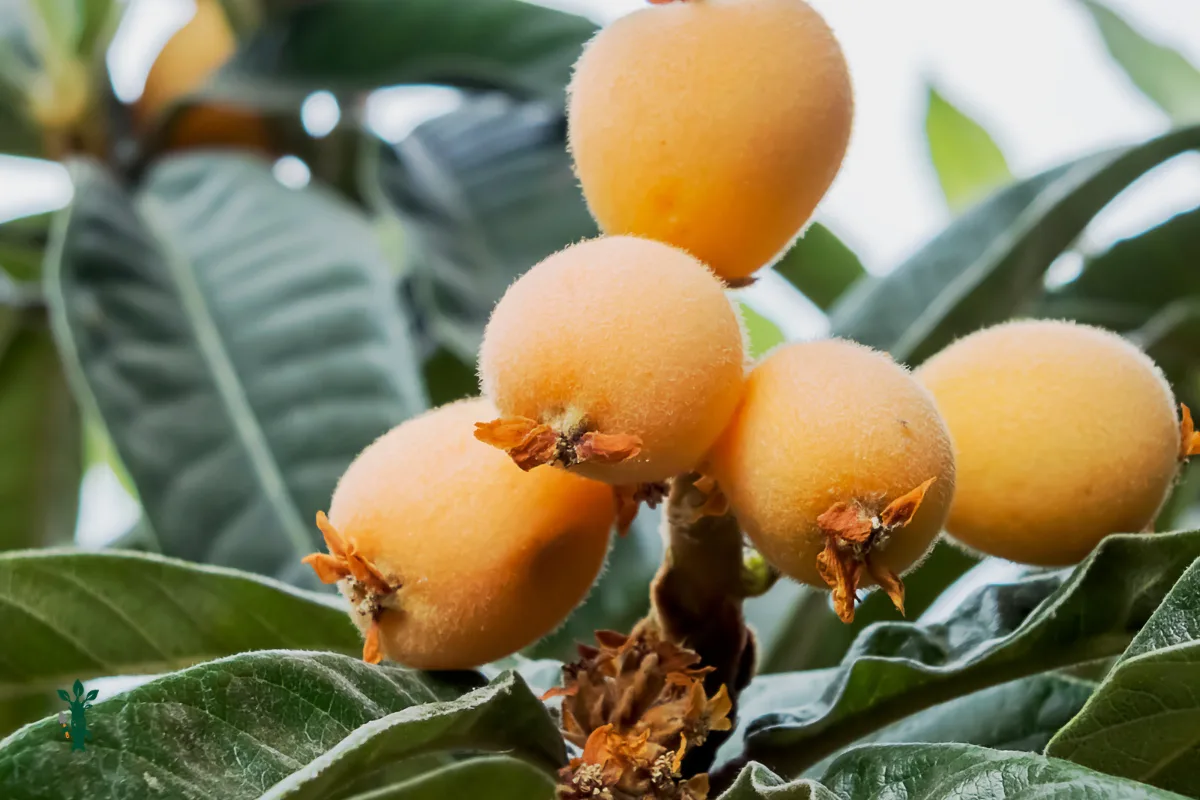
Loquat
Loquat is an evergreen fruit tree with fragrant winter flowers and orange spring fruit. It grows quickly in mild climates and can be pruned to keep the crop easy to reach.
Ornamental
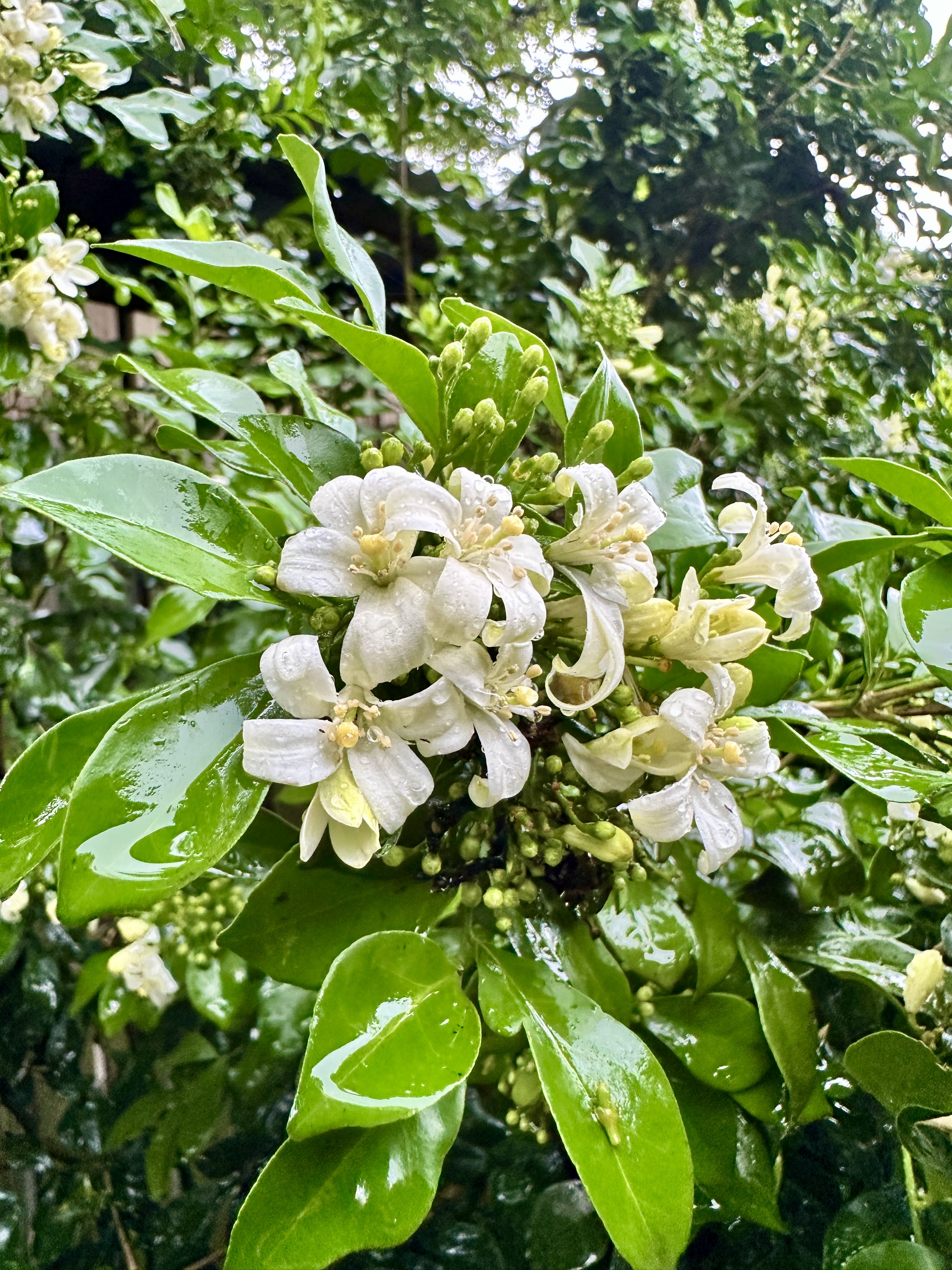
Murraya
Murraya is a dense evergreen shrub or small tree with glossy leaves and strongly scented white flowers. The common garden form 'Exotica' grows quickly in warm climates and is widely used for hedges, screens and clipped shapes around entrances, paths and outdoor living areas.
Ornamental
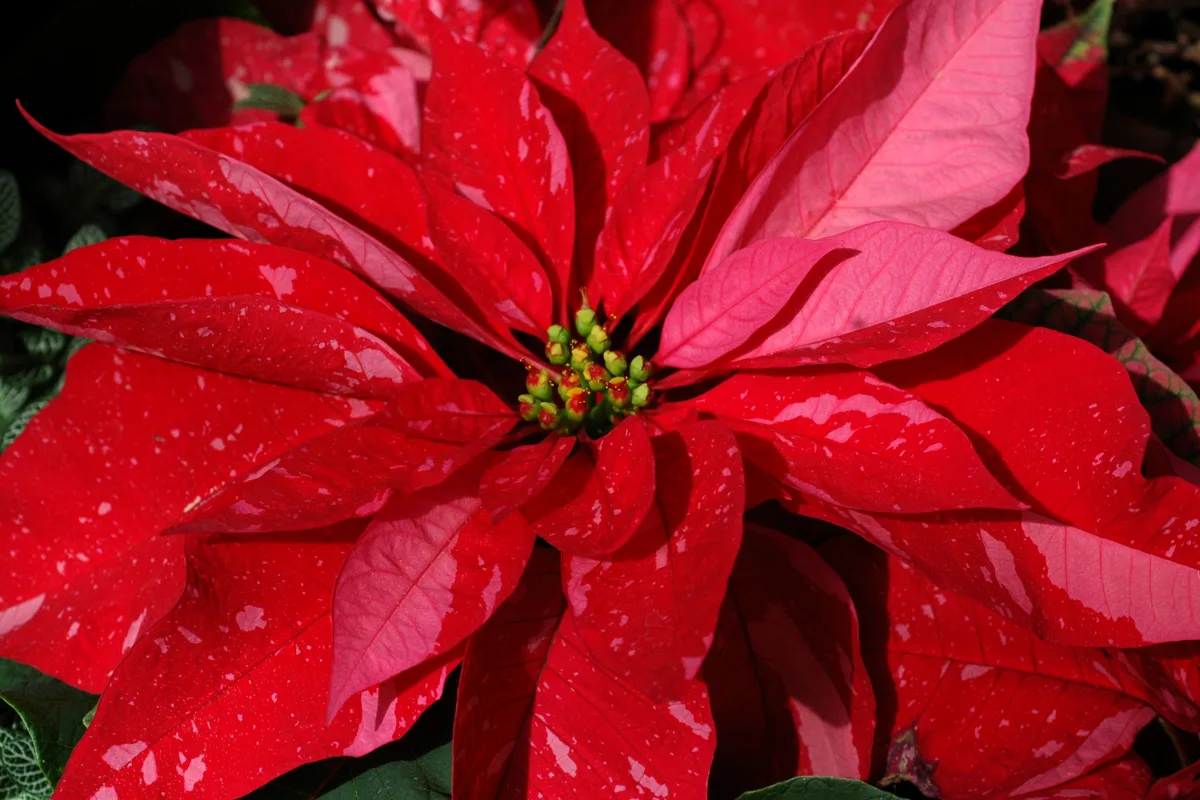
Poinsettia
Poinsettia is a warm-climate shrub best known for red, pink, cream or variegated winter bracts. A gift-sized pot can become a tall garden shrub in frost-free Australia, so prune after the colour finishes.
Ornamental
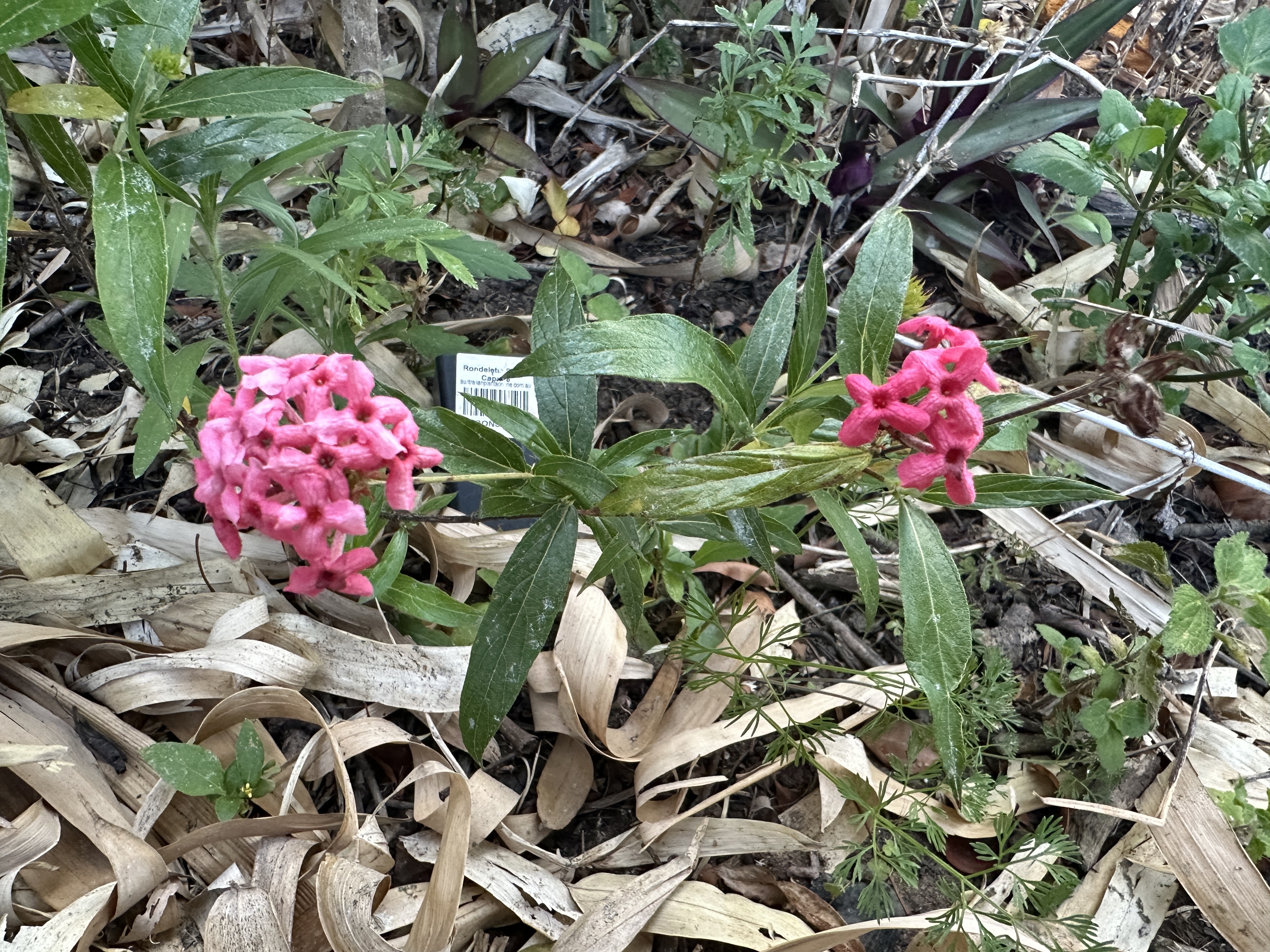
Rondeletia
Rondeletia amoena is a warm-climate evergreen shrub with rounded foliage and clusters of scented pink flowers with yellow throats. It makes a good informal screen or flowering shrub.
Ornamental
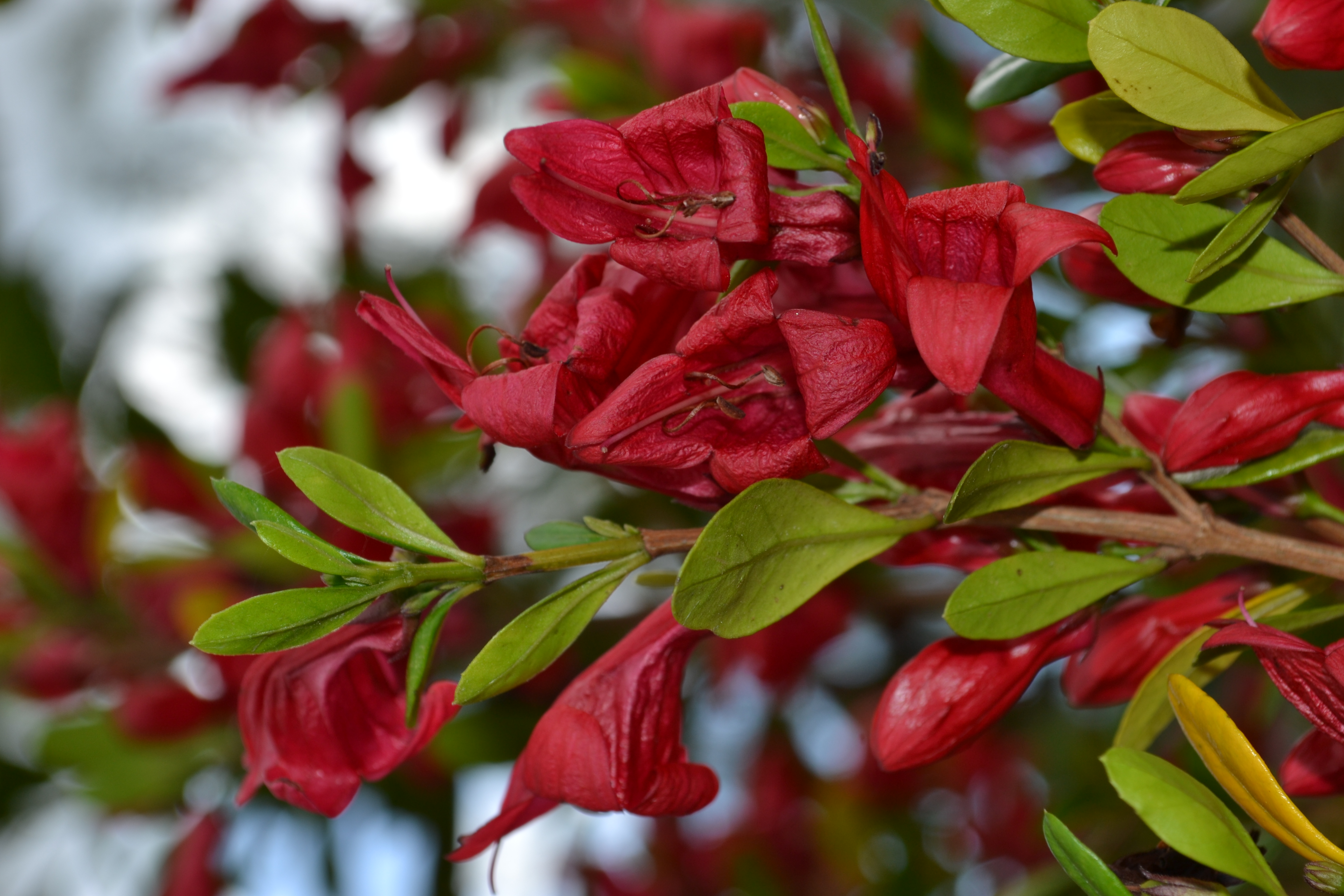
Scarlet fuchsia
Scarlet fuchsia is a Queensland native shrub with glossy leaves and deep red tubular flowers that draw nectar-feeding birds. It handles pruning well and can be grown as a specimen, screen or informal hedge.
Fruit tree
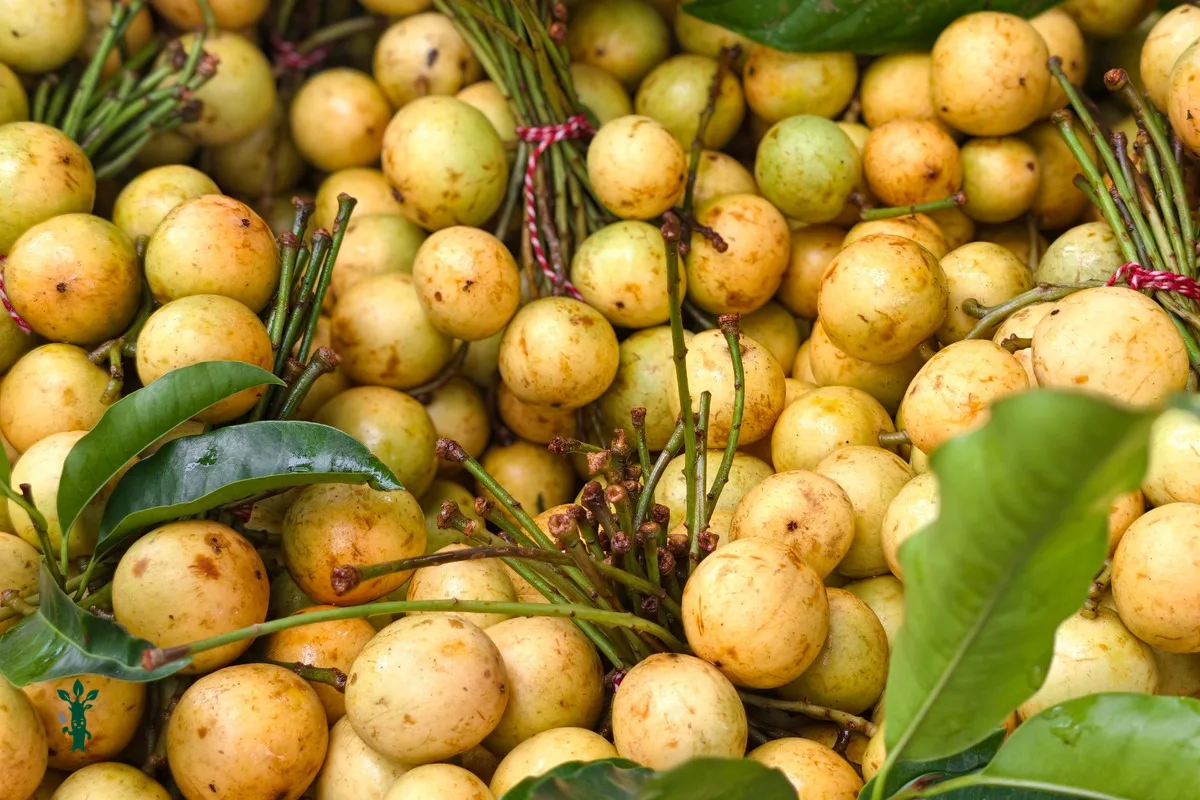
Wampee
Wampee is a handsome citrus relative with glossy compound leaves and bunches of small yellow fruit that range from tangy to sweet depending on the cultivar. It suits subtropical gardens particularly well, stays smaller than many tropical fruit trees and is an excellent choice if you enjoy unusual fruit that is good eaten freshly picked.
Before You Choose
Screening plants work best when you plan for their mature size from the beginning. A plant that naturally grows to the height you want usually needs less trimming than one you are constantly trying to hold down. Check the expected width as well. Narrow spaces beside driveways, paths and fences need a different choice from a broad boundary planting.
Think about how dense the screen needs to be. Evergreen foliage gives more reliable year-round cover, while an open canopy can still soften a view without making the garden feel enclosed. If wind is part of the reason for planting a screen, a slightly porous row of foliage often works better than a solid wall because it slows the air rather than forcing it sharply over the top.
Light and water make a big difference to how quickly a screen fills out. Full-sun plants usually thin out if they are squeezed into deep shade. Fast-growing plants also need enough moisture and nutrition while they establish. Once the roots are settled, you can usually reduce the extra care.
Spacing is worth getting right. Planting too closely can create a quick wall, but it also increases competition and makes pruning harder later. Use the mature width as a guide and allow enough room for air movement. Open the plant profiles below for mature size, climate, light, soil and pruning notes before you decide where each plant will go.
A screen also changes conditions around it. Dense foliage can cast shade, compete with nearby beds for water and redirect wind through gaps at the ends. Leave access for pruning and fence maintenance, and think about what will grow on the garden side once the screen is mature. If you are planting several species together, keep their growth rates and eventual heights reasonably compatible so one does not disappear behind the others.