

Cascading and Trailing Plants
Trailing plants are useful where you want growth to spill rather than climb. They can soften the edge of a raised bed, tumble over a retaining wall or hang from a large pot. Look at both the length of the trailing stems and the conditions at the edge, because exposed pots and walls can dry much faster than garden soil. 7 plants in the library.
7 plants
Ornamental
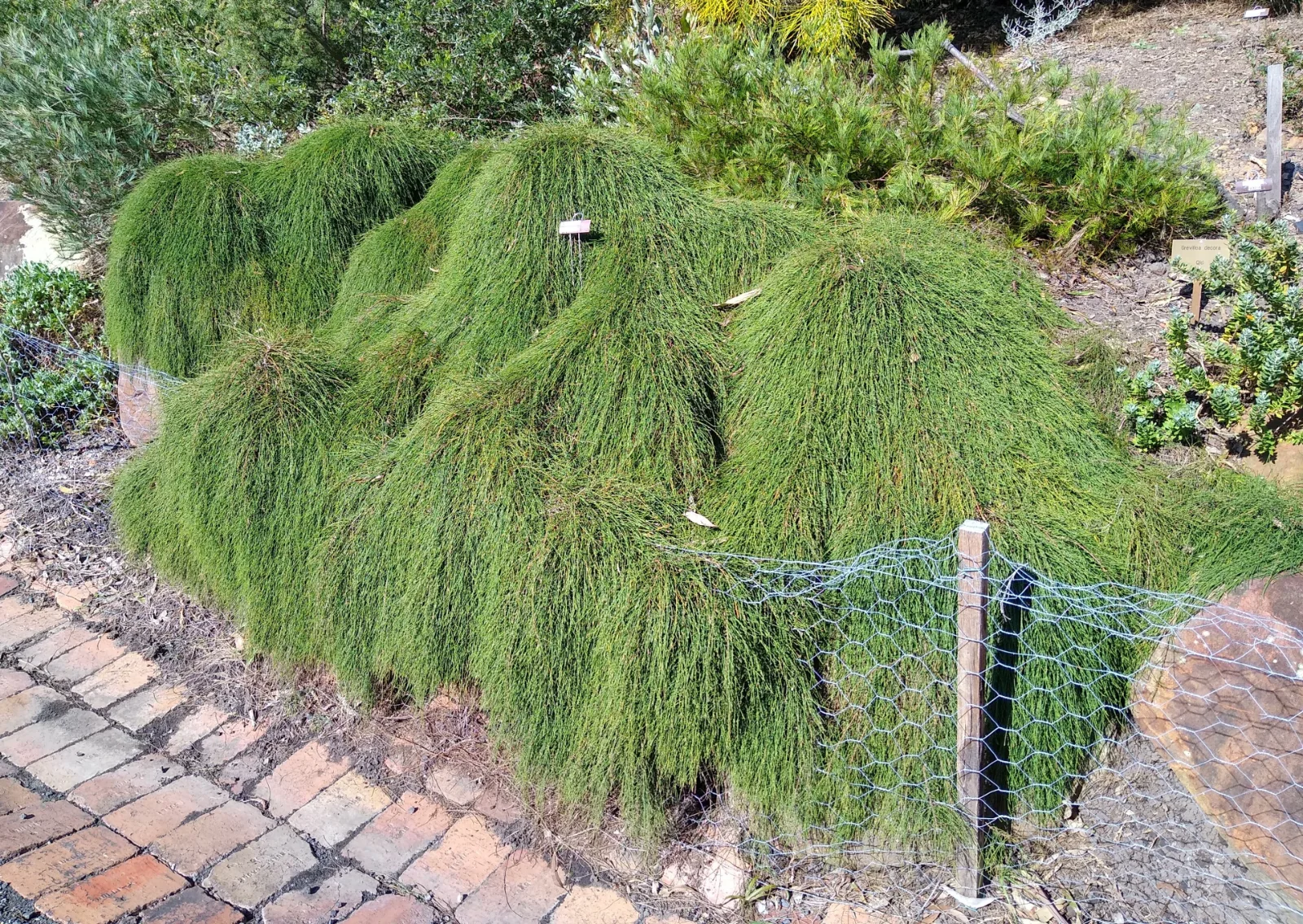
Cousin It
Cousin It is a low, cascading form of swamp she-oak that makes a dense curtain of fine green branchlets over banks, walls and large pots. It is grown for texture rather than flowers.
Ornamental
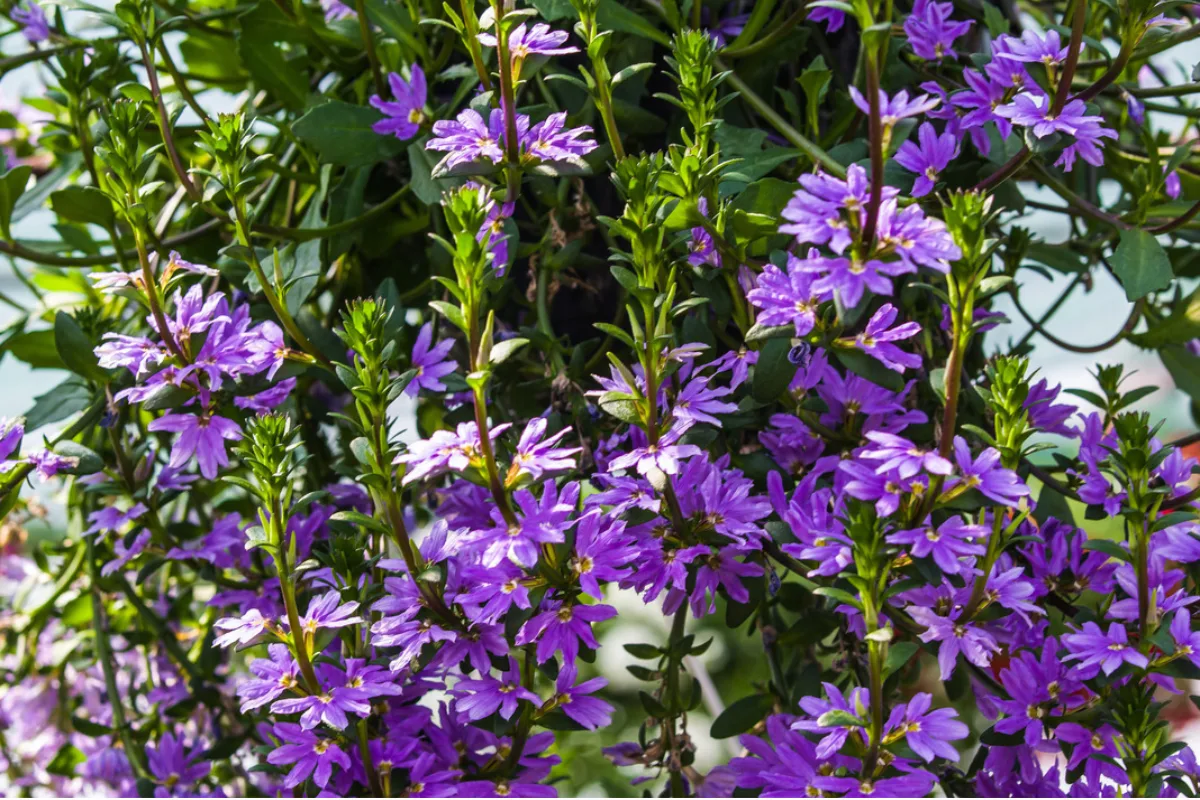
Fan flower
A flower-rich spreading native with distinctive fan-shaped blooms in mauve, purple, pink or white. It suits sunny borders, rockeries, hanging pots and the tops of retaining walls.
Vine
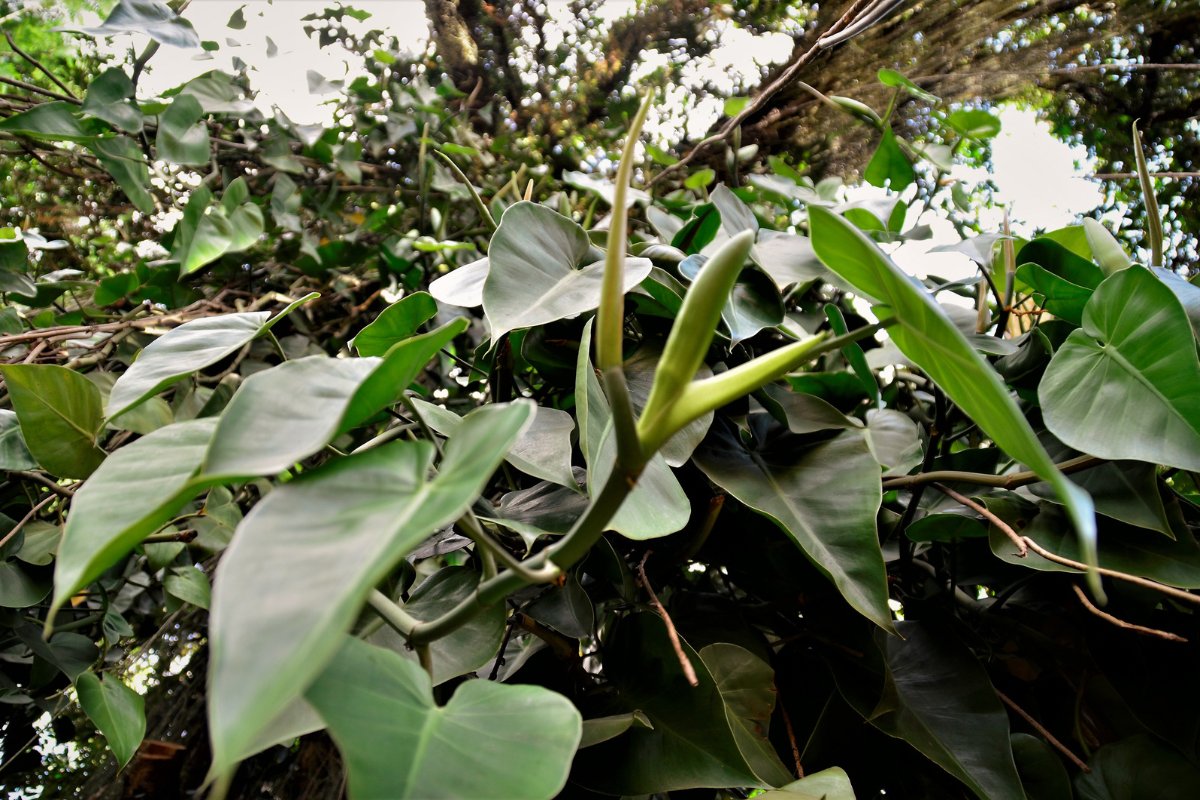
Heartleaf philodendron
Heartleaf philodendron is an easy trailing or climbing aroid with glossy heart-shaped leaves. It suits shelves and hanging pots, or it can be trained up a support for larger leaves. It handles moderate indoor light well, although brighter filtered light gives denser growth.
Ornamental
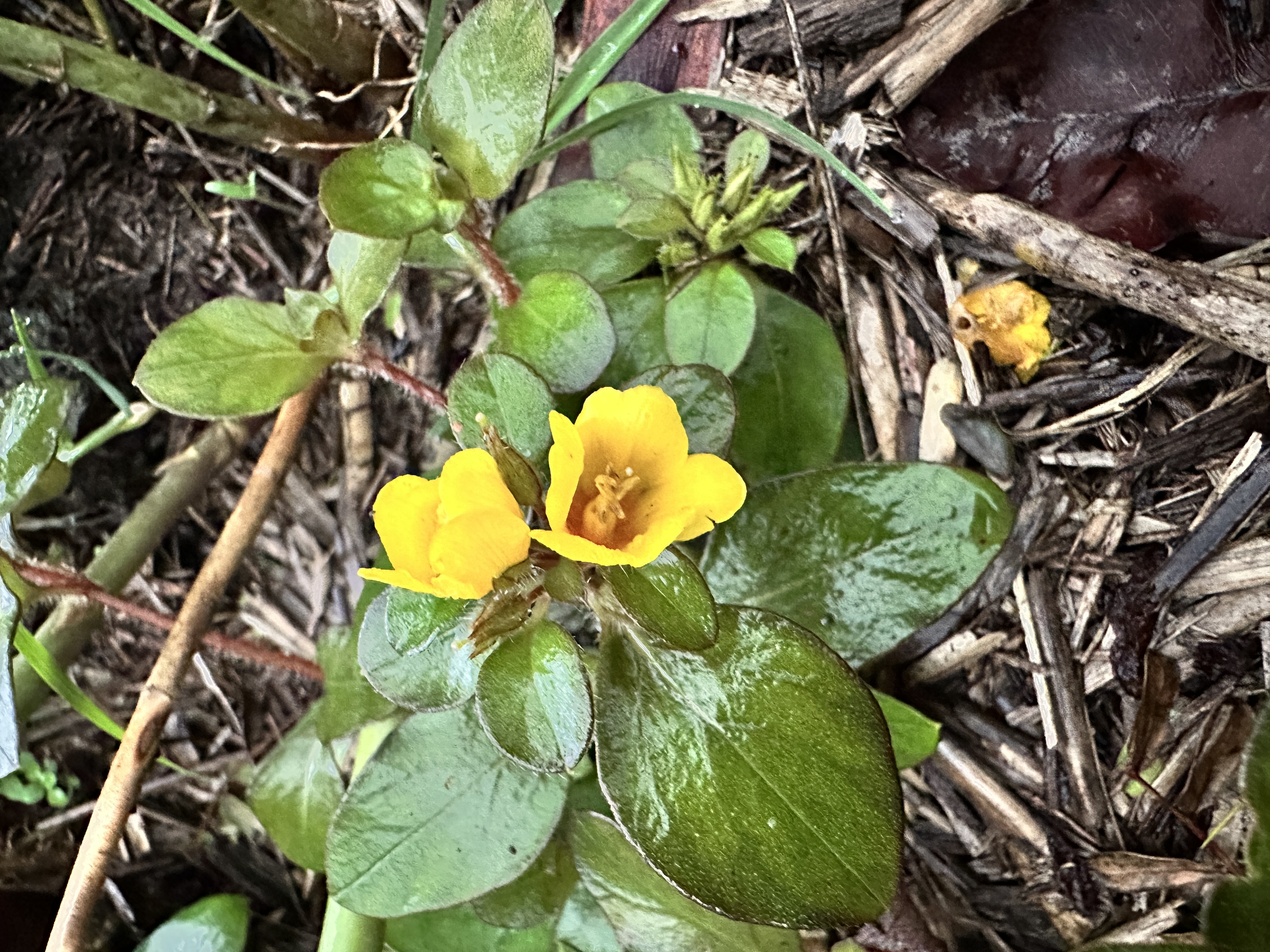
Lysimachia 'Golden Bells'
Lysimachia 'Golden Bells' is a low spreading perennial with bright green-gold foliage and yellow flowers. It works well as a groundcover or trailing plant.
Herb & spice
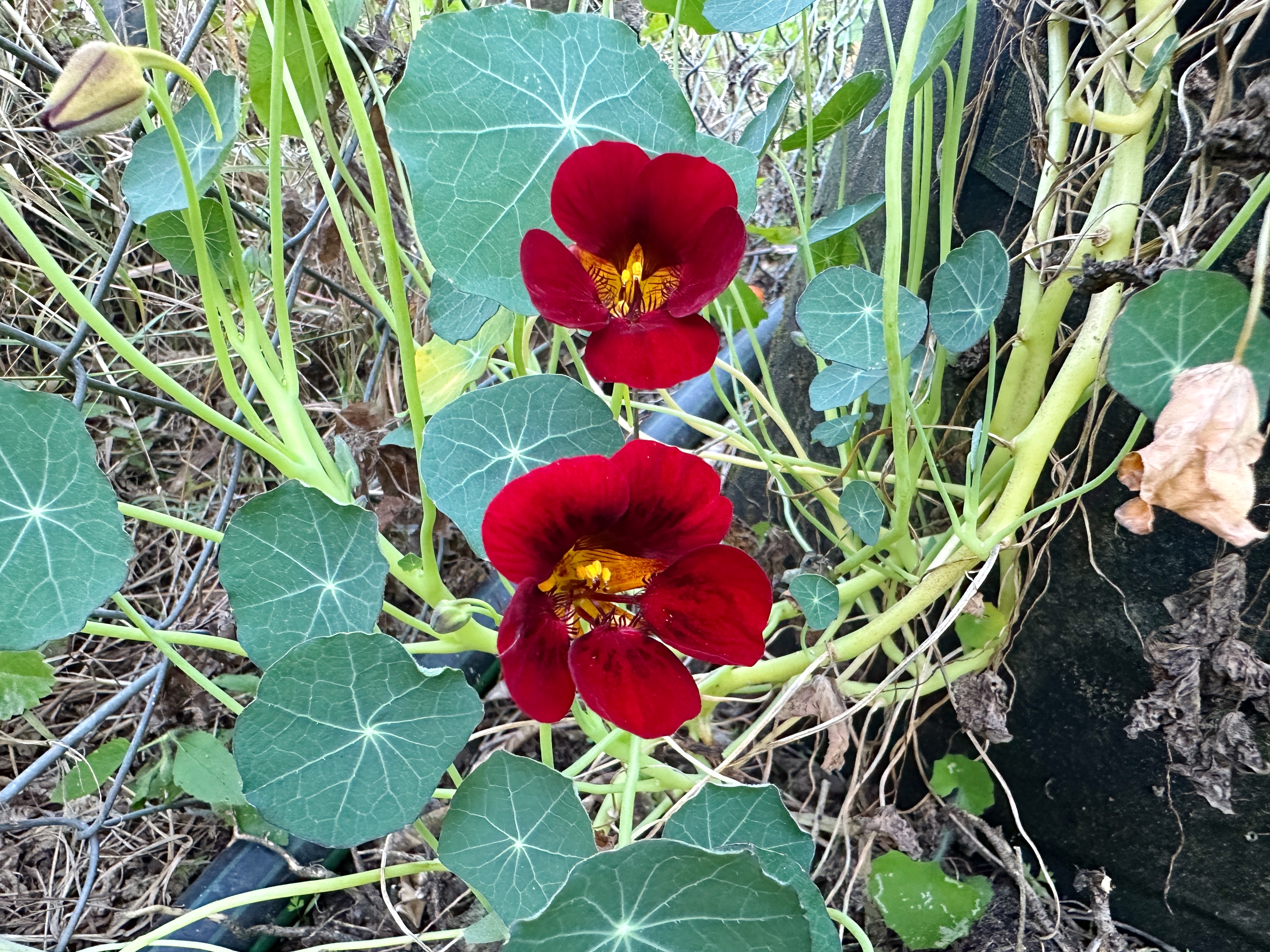
Nasturtium
Nasturtium is one of the easiest edible flowers to grow, and it does most of the work itself. Round leaves, peppery flowers, and seed that keeps coming up in the same bed year after year.
Ornamental
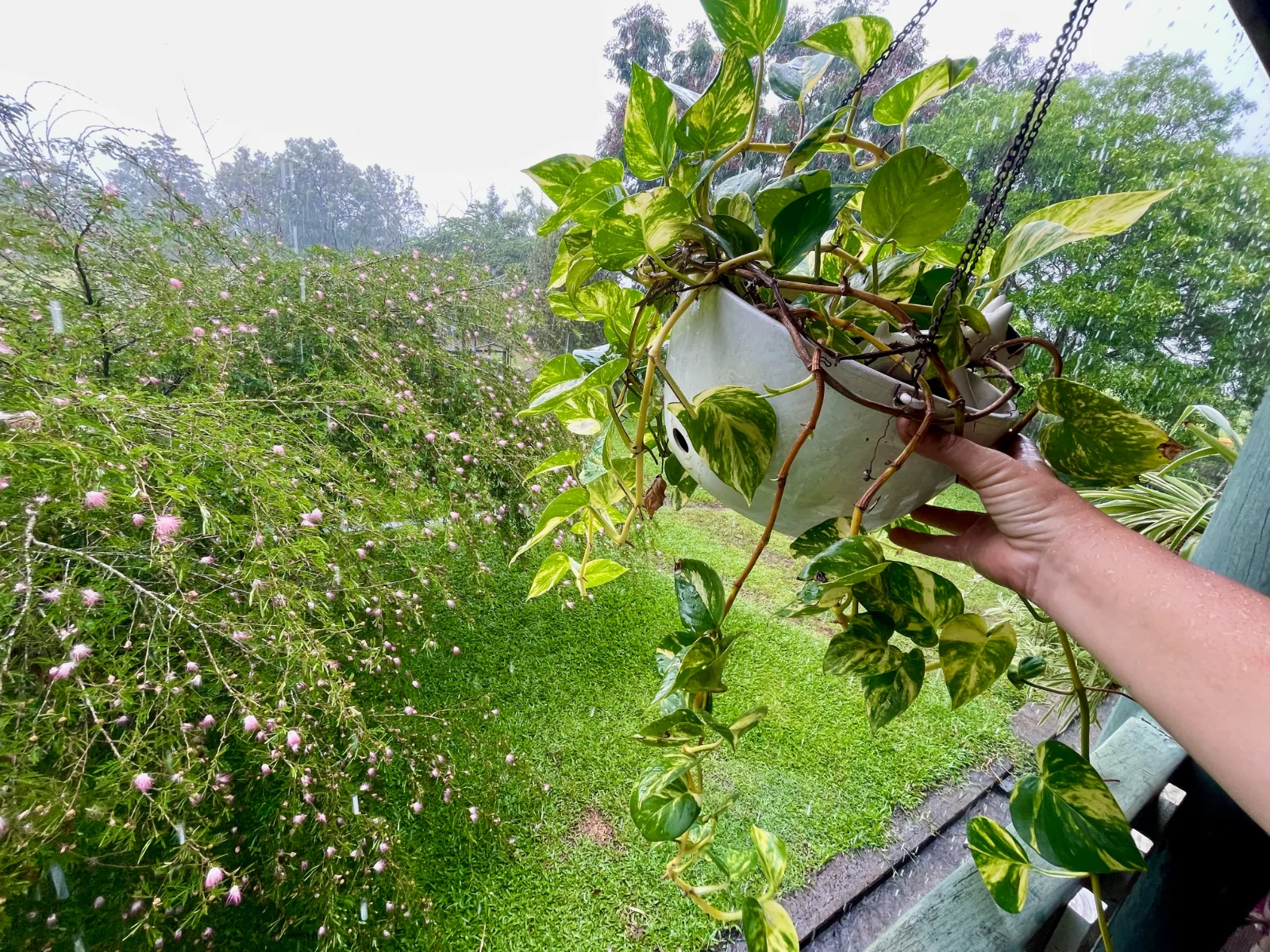
Pothos
Pothos is a tropical climber grown for glossy heart-shaped leaves. It can trail from a shelf or climb a support, where the leaves can become much larger.
Vine
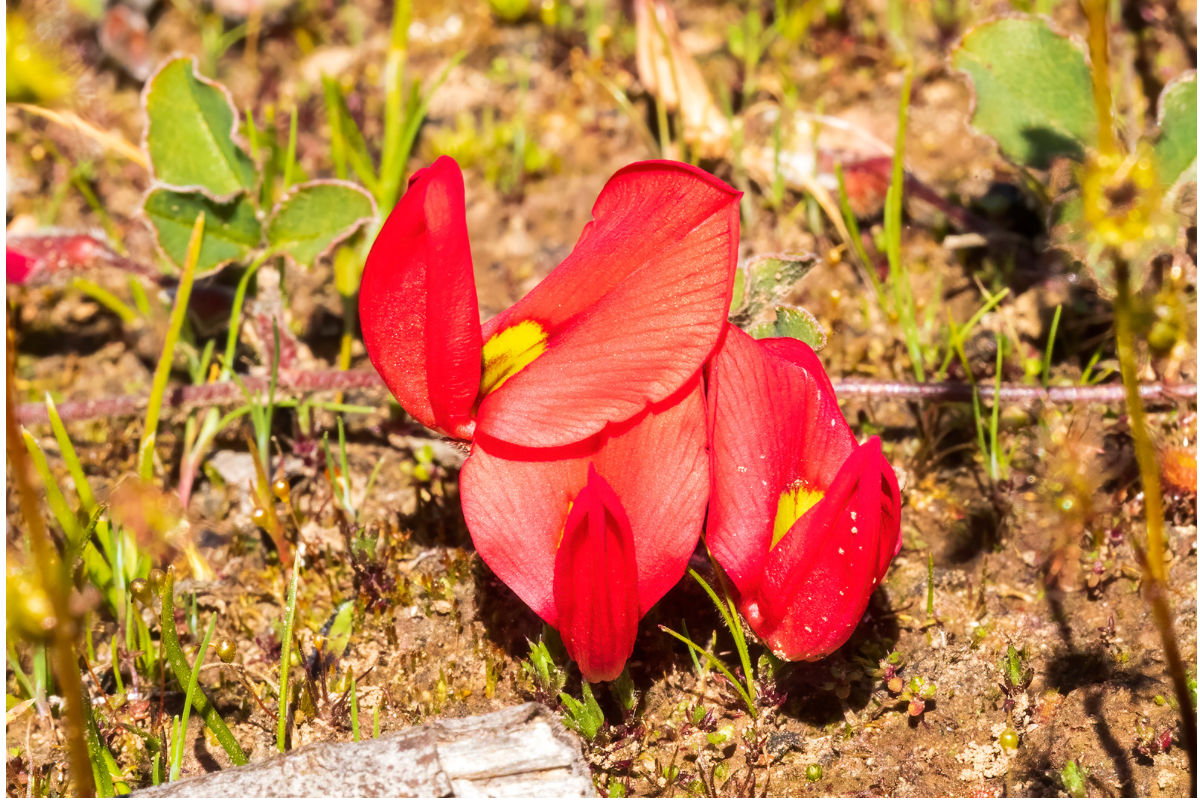
Running postman
Running postman is a low Australian native groundcover with vivid scarlet pea flowers in spring. Unlike many kennedias, it stays prostrate rather than climbing, so it can spill over banks, rocks, retaining walls and hanging baskets without adding much height.
Before You Choose
A good trailing plant should fit the scale of the spot. Short compact trailers work around pot rims and small walls. Longer stems suit hanging positions or broad retaining walls where you want the foliage to fall well below the planting level.
Watering often needs extra attention. Soil in pots, baskets and wall pockets can heat up and dry quickly, especially in wind. Use a potting mix that drains freely but still holds enough moisture for the plant you choose. A larger container usually gives more even moisture than a very small one.
Light also changes from the top to the face of a wall. The roots may sit in full sun while the hanging stems move into shade, or the reverse can happen under a verandah. Check the plant’s light range and place it where most of the foliage receives suitable conditions.
Trim trailing growth when it becomes uneven or starts covering paths, drains or nearby plants. Light trimming can encourage branching and keep the display fuller near the top instead of leaving all the foliage at the ends. Many trailing plants also work as groundcovers, so compare the mature spread as well as the hanging length.
Where trailing plants grow above a path or seating area, think about what will fall from them as well as how they look. Flowers, fruit, dry leaves and trimmed stems all drop somewhere. A plant that is perfect over a garden wall may be less convenient above an outdoor table. Keep the mature spread clear of steps, drains and places where wet foliage could make paving slippery.