

Plants for Wildlife Shelter
Wildlife shelter comes from structure: dense foliage, layered planting, safe gaps near the ground and branches that give birds, lizards and insects places to rest or hide. You do not need a huge garden, but you do need more than isolated plants surrounded by open space. 2 plants in the library.
2 plants
Ornamental
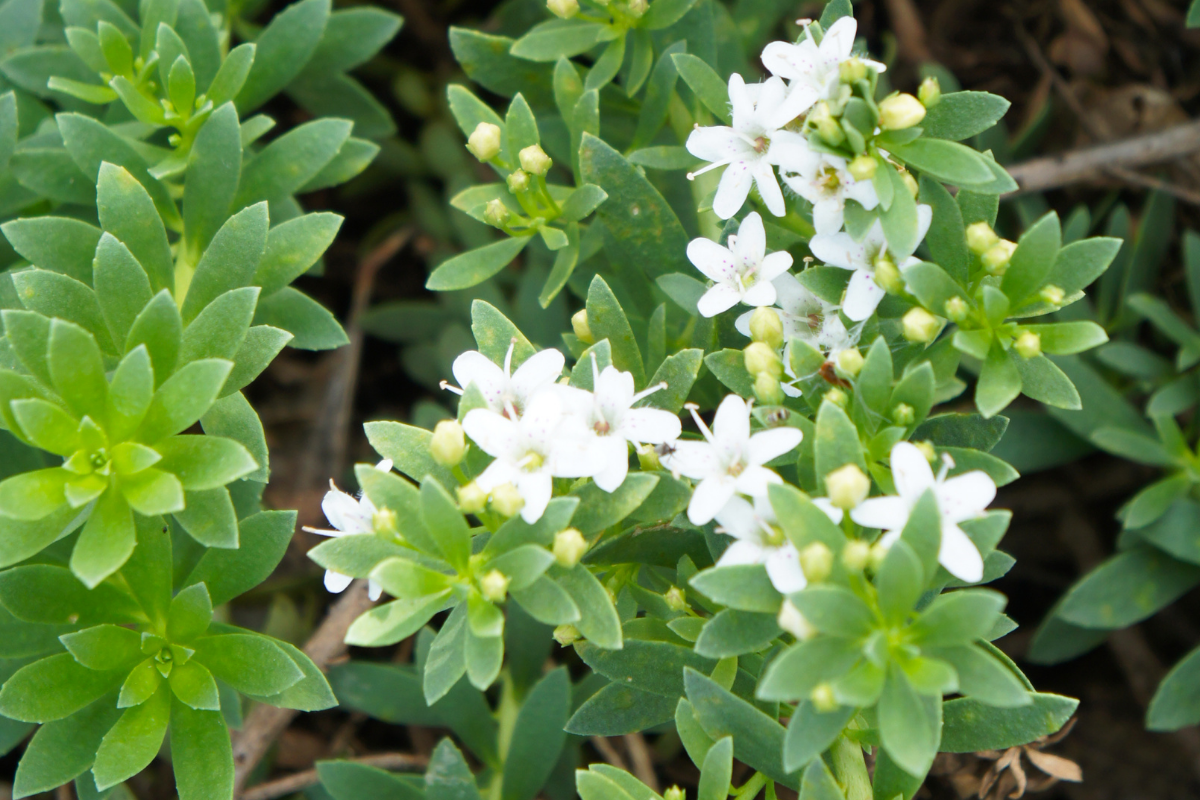
Creeping boobialla
A broad, very low native groundcover for sunny banks and open beds. Fine green foliage forms a dense mat and small white to pale pink flowers appear through the warmer months.
Vine
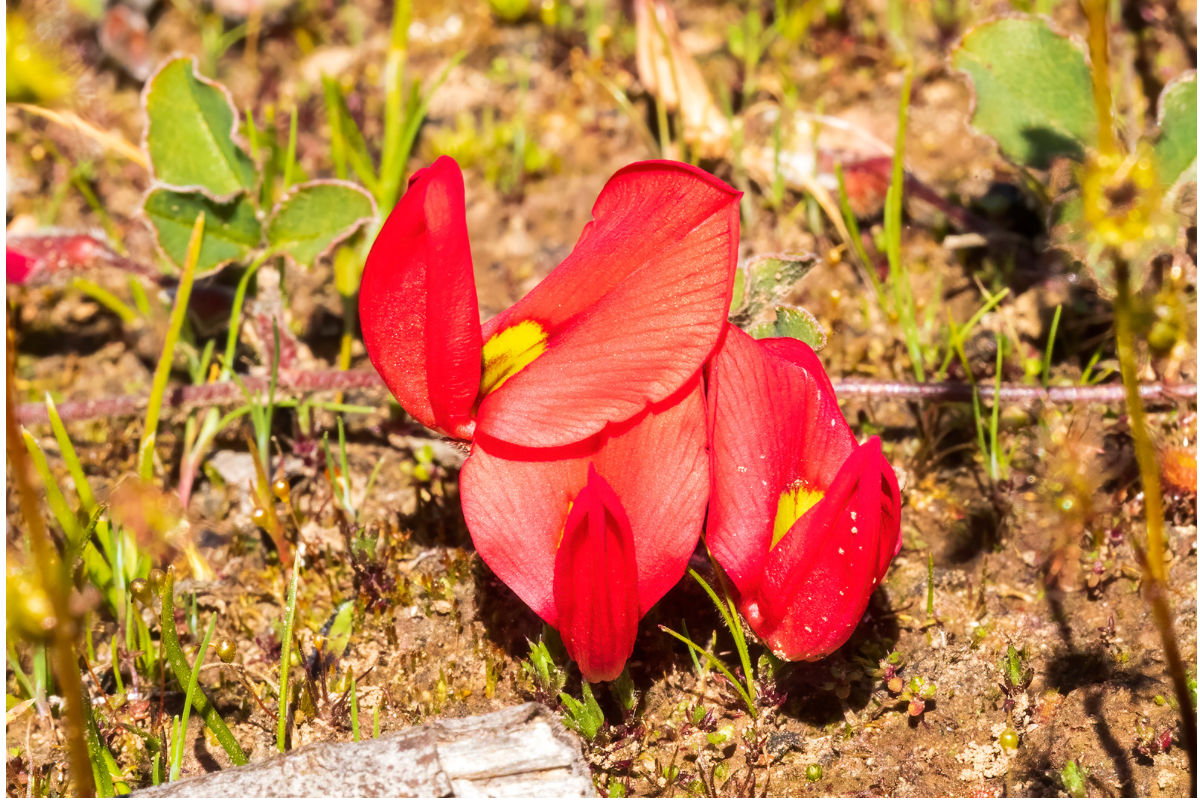
Running postman
Running postman is a low Australian native groundcover with vivid scarlet pea flowers in spring. Unlike many kennedias, it stays prostrate rather than climbing, so it can spill over banks, rocks, retaining walls and hanging baskets without adding much height.
Before You Choose
Use different heights where you can. Groundcovers protect the soil surface and create small sheltered spaces. Dense shrubs give small birds and reptiles cover. Taller shrubs and trees add perches and connect the lower layers with the canopy.
Evergreen foliage is useful because the shelter remains through the year, but deciduous and seasonal plants still contribute when combined with other layers. Thorny or tightly branched shrubs can provide especially secure nesting and refuge for some small birds, provided the plant suits the garden and can be maintained safely.
Leave a little complexity on the ground. Logs, rocks, leaf litter and mulch create cool protected spaces for insects and lizards. Keep these materials away from buildings where termite management or fire safety requires a clear zone.
Water and food improve the habitat further, but shelter often determines whether wildlife stays long enough to use them. A shallow water source placed close to cover is more useful to many small animals than one in the middle of an exposed lawn. This collection will grow as more profiles are reviewed.
Connections between planted areas matter. A dense shrub in one corner is useful, but several patches linked by smaller plants give wildlife more ways to move through the garden without crossing large open spaces. Even a narrow strip beside a fence can become part of that route. Keep domestic pet access and road exposure in mind when deciding where the safest cover should sit.