

Plants That Handle Wind
Windy sites expose leaves and stems to constant movement and can dry soil much faster than sheltered garden beds. Only a few Brancho plants are currently tagged specifically for wind, so this collection is small, but it will expand as more profiles are reviewed. 2 plants in the library.
2 plants
Fruit tree
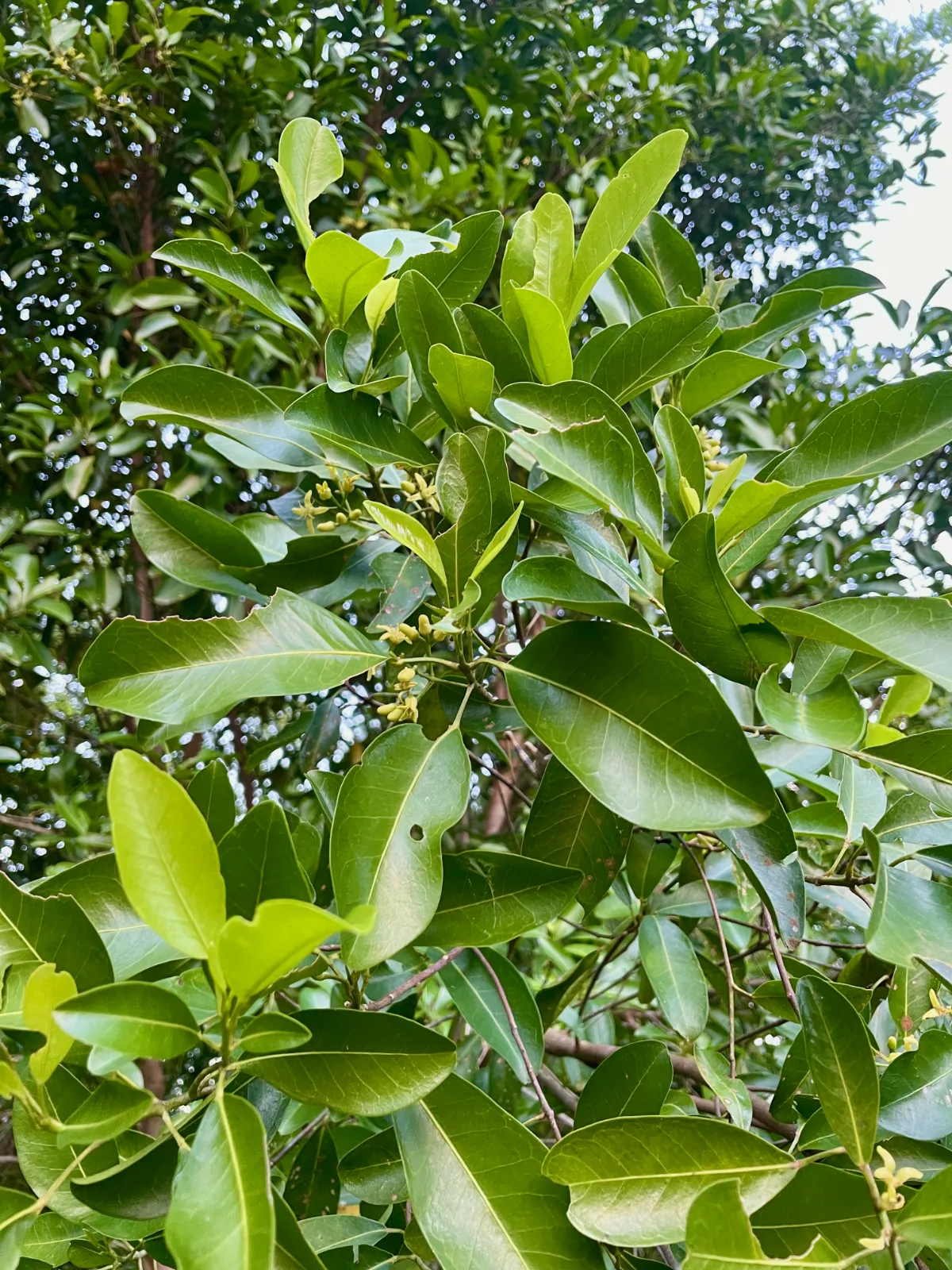
Fraser Island apple
Fraser Island apple is an Australian coastal rainforest tree, native to sheltered dune and littoral rainforest from central Queensland into northern New South Wales, with glossy leaves, fragrant cream flowers and small yellow fruit that can be used in preserves.
Succulent
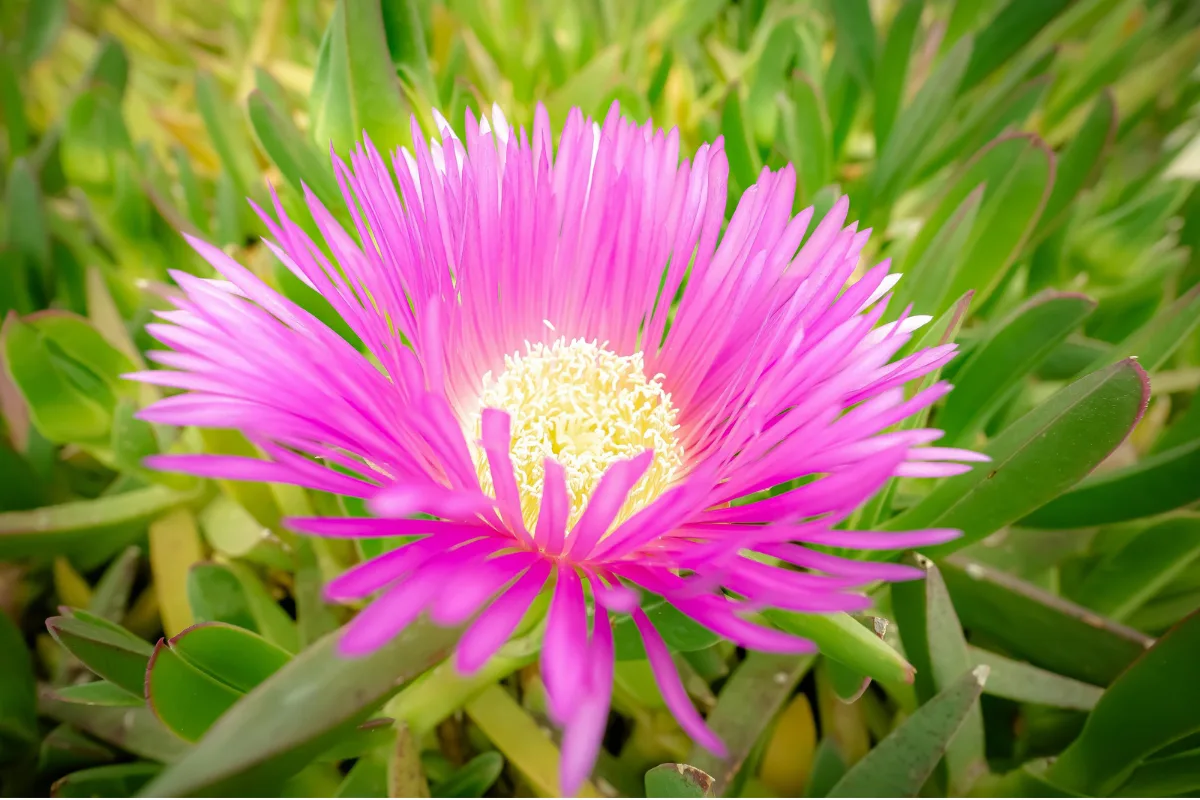
Pigface
A tough east-coast native succulent for exposed sunny ground, with thick triangular leaves and large pink-purple flowers. It is particularly useful on coastal banks and sandy sites.
Before You Choose
Start by looking at the type of wind you receive. Coastal wind can carry salt. Inland wind may be hot and dry. Storm exposure adds short periods of very high force. A plant that handles one of those conditions may not suit all three.
Flexible branching is useful in exposed positions because the canopy can move rather than acting like a rigid sail. Mature size matters too. Tall plants need enough root space and a stable root system, especially where soil is shallow or waterlogged.
New plants usually need more support than established ones. Stake only when necessary, and allow enough movement for the trunk and roots to strengthen. Check ties regularly so they do not rub or constrict the stem.
Wind increases evaporation from both foliage and soil. Mulch and deep establishment watering help roots spread into a larger volume of soil. In very exposed gardens, planting a tougher outer layer can create calmer conditions for more delicate plants behind it. Also check related traits such as coastal conditions, drought, heat and screening.
A windbreak does not need to be completely solid to make a noticeable difference. A layered planting with some air passing through can reduce wind speed without creating strong turbulence immediately behind it. If that is part of your plan, combine suitable plants at different heights and leave enough depth for them to develop natural canopies rather than clipping everything into one flat wall.