

Border Plants
Border plants help define the front of a bed, soften a path and create a clear transition between lawn, paving and taller planting. Height, spread and how neatly the plant holds its shape matter more here than they do in the middle of a large garden bed. 16 plants in the library.
16 plants
Ornamental
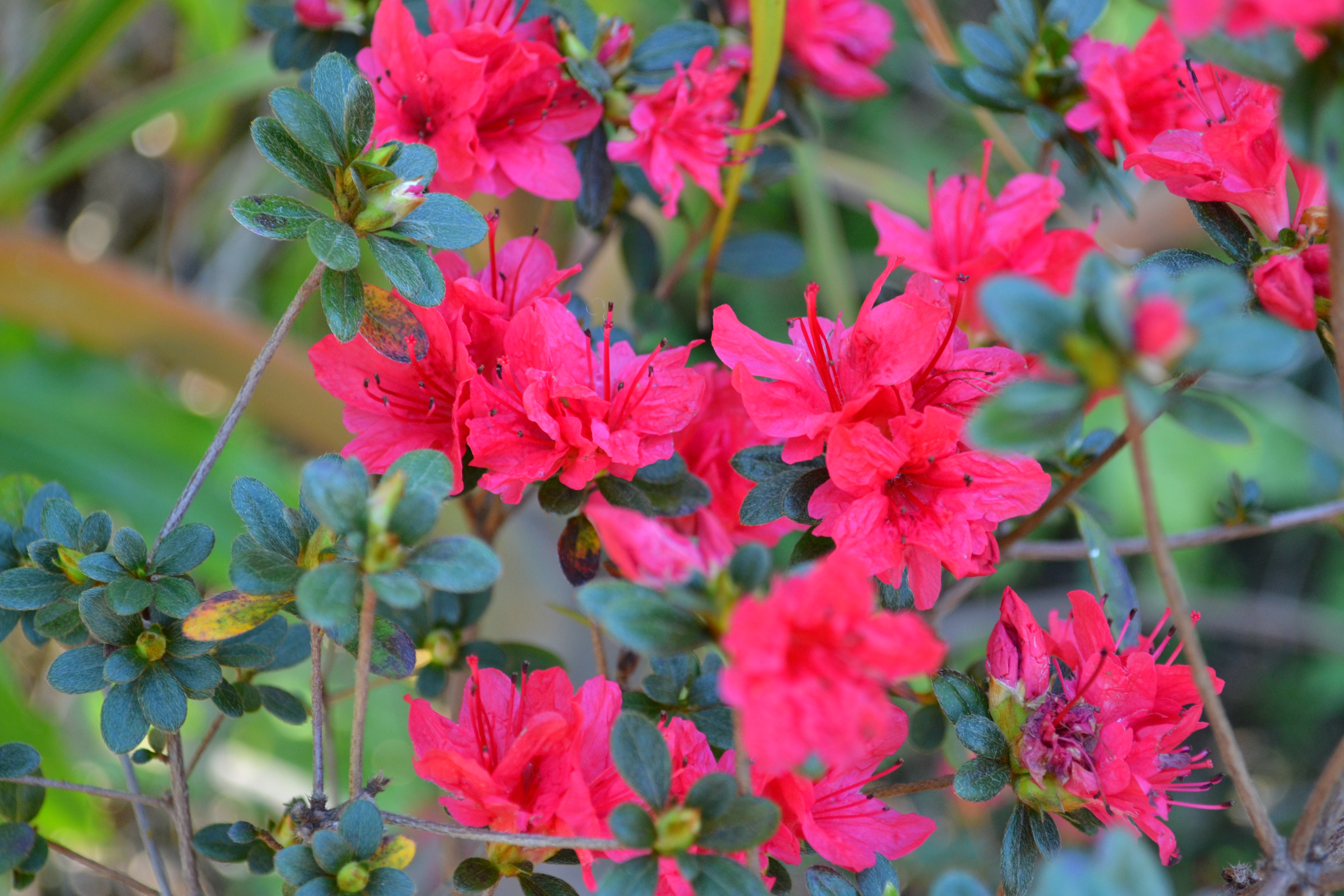
Azalea
Azaleas are compact rhododendrons grown for heavy late-winter and spring flowering. They do best in acidic, free-draining soil with steady moisture and bright filtered light rather than hot reflected sun.
Ornamental
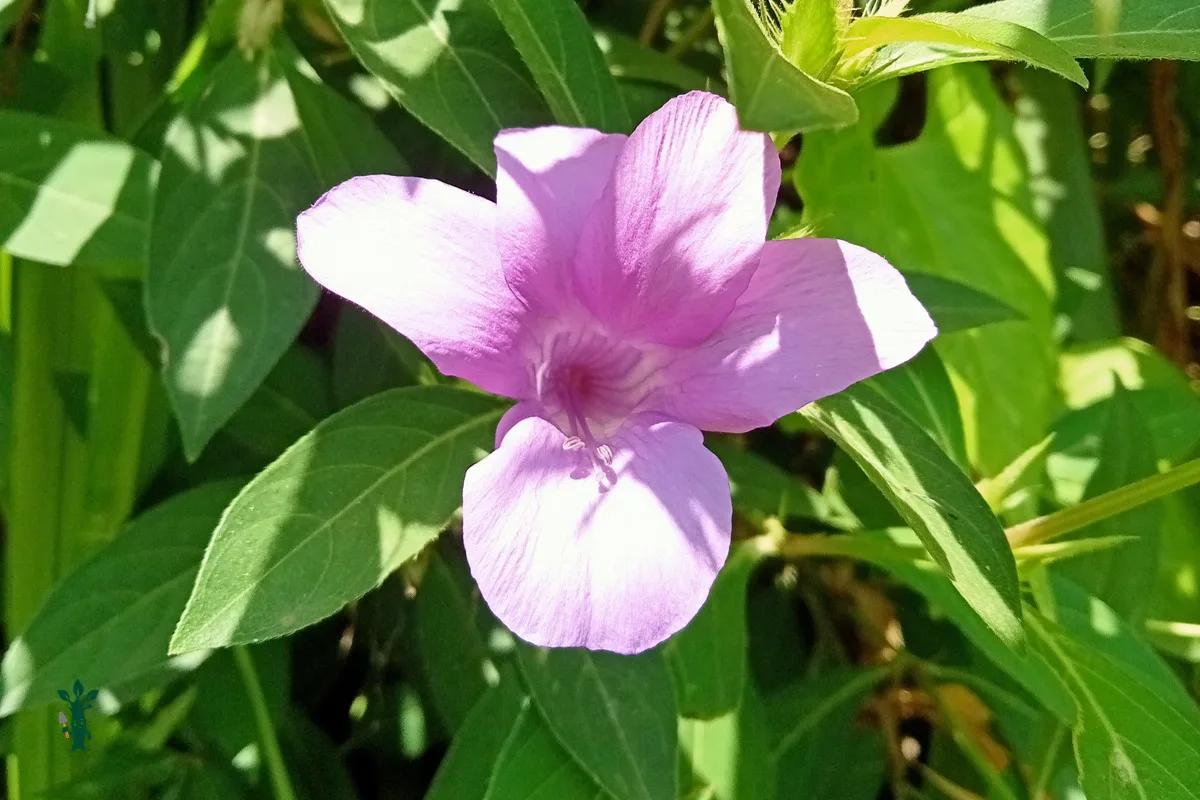
Barleria
Barleria obtusa is a spreading warm-climate shrub grown for its purple flowers through the cooler part of the year. It handles sun or part shade, responds well to pruning and can be kept as a rounded shrub rather than allowed to sprawl.
Succulent
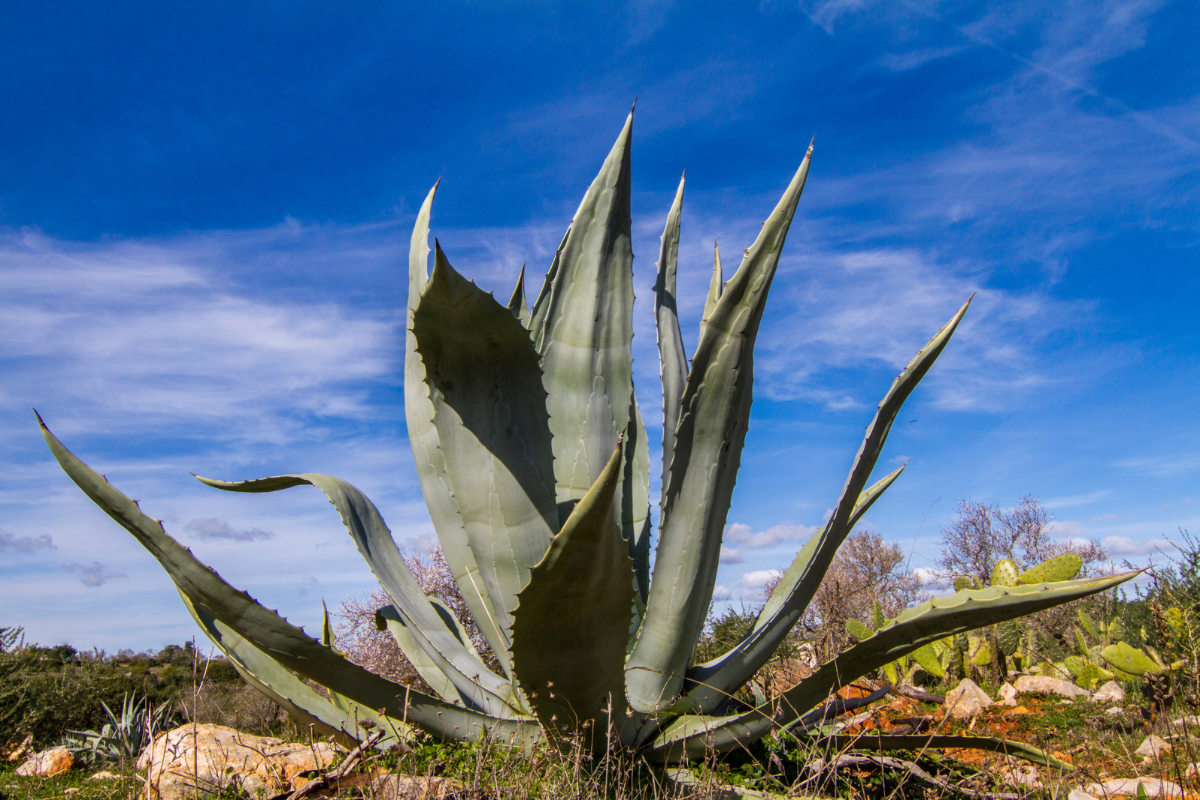
Century plant
Century plant is a large architectural agave with a bold rosette of blue-green leaves and a towering flower spike at maturity. Agave americana suits hot sunny dry gardens where there is ample room for its broad rosette and sharp leaf tips.
Ornamental
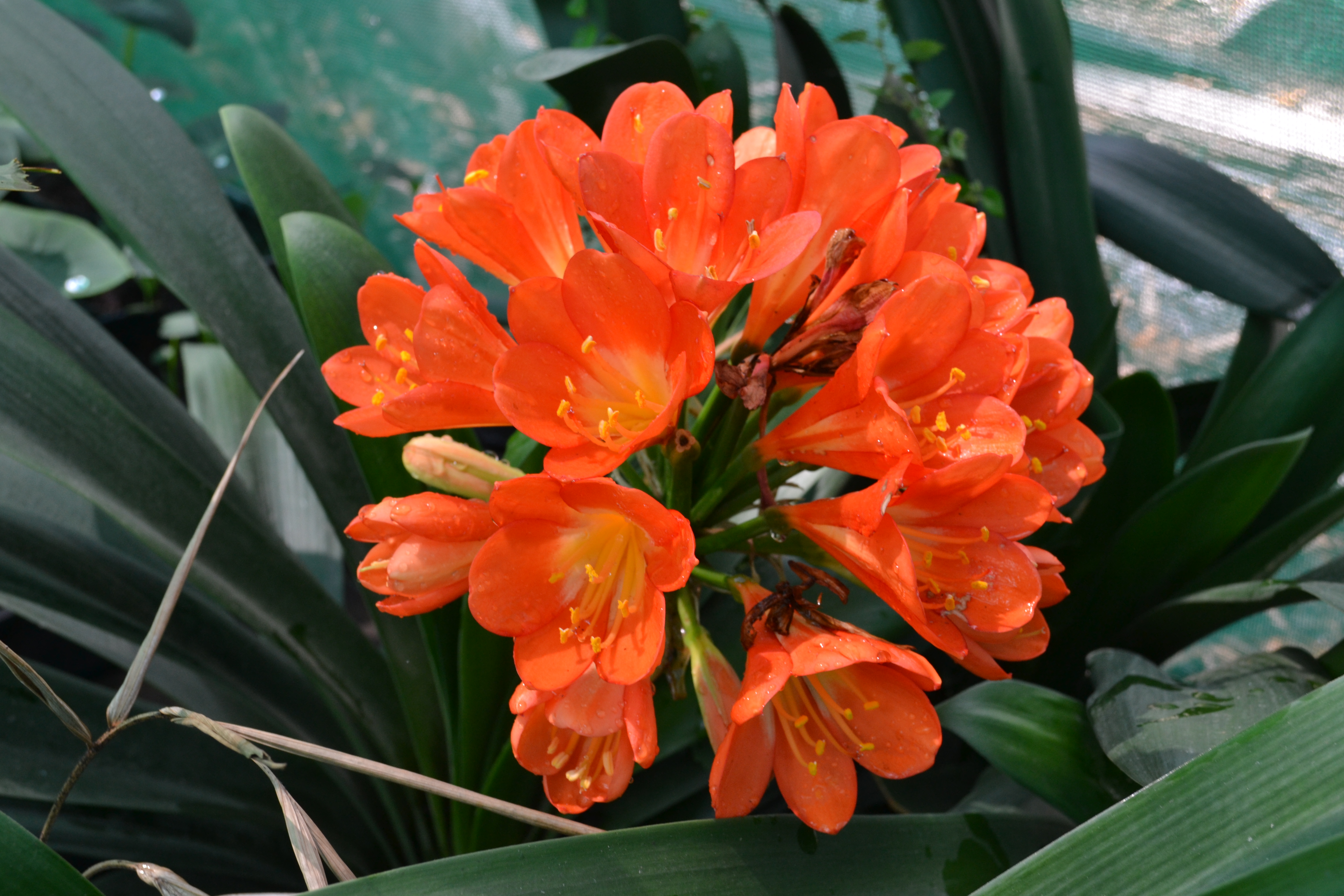
Clivia
Clivia is a long-lived shade plant with broad strappy leaves and bright flower heads in late winter and spring. Bright shade gives better flowering than deep, dark corners.
Herb & spice
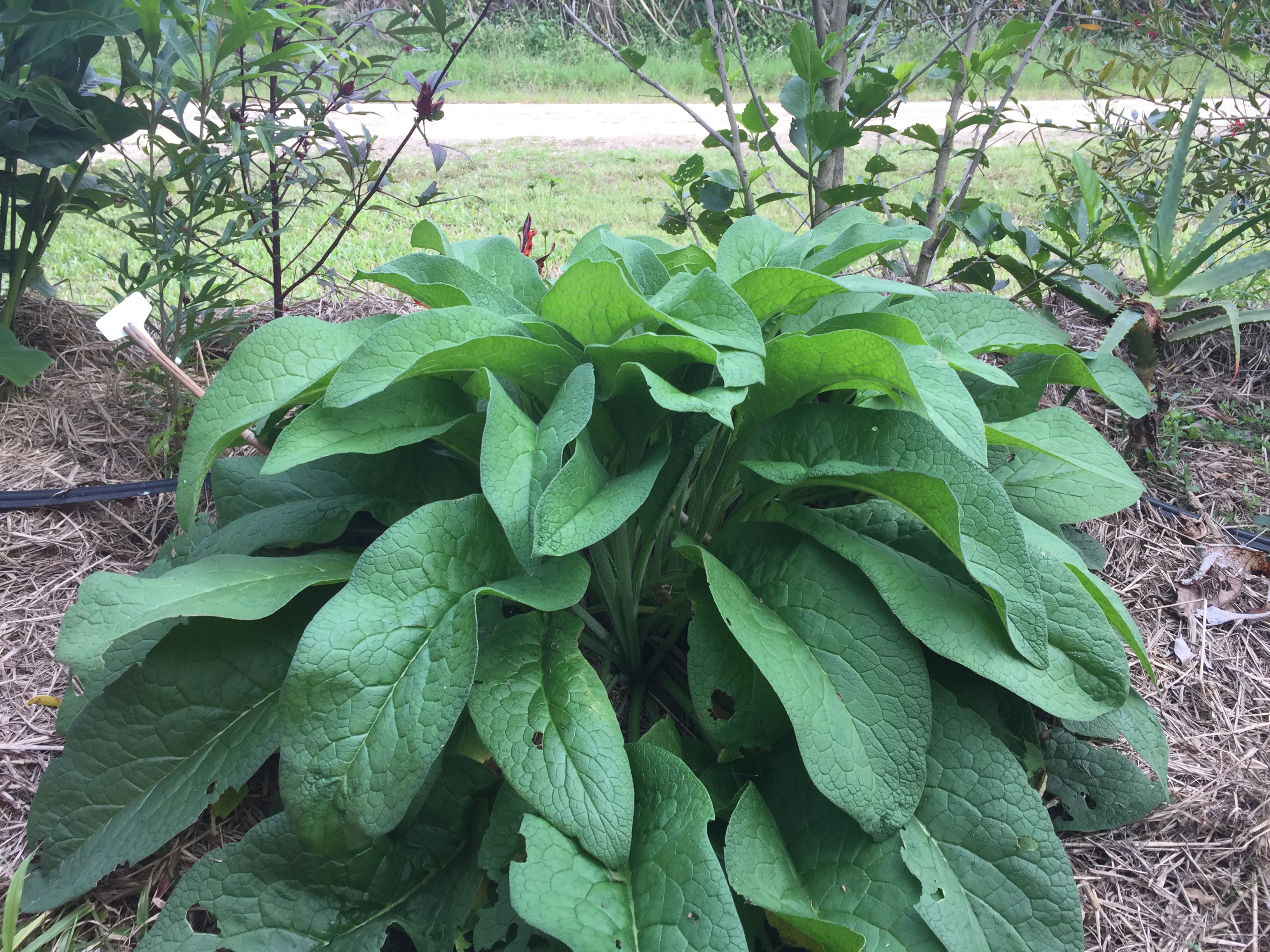
Comfrey
Comfrey is a deep-rooted perennial grown mainly for compost, mulch and biomass. It regrows quickly after cutting, so give it a permanent position rather than moving it around the garden.
Herb & spice
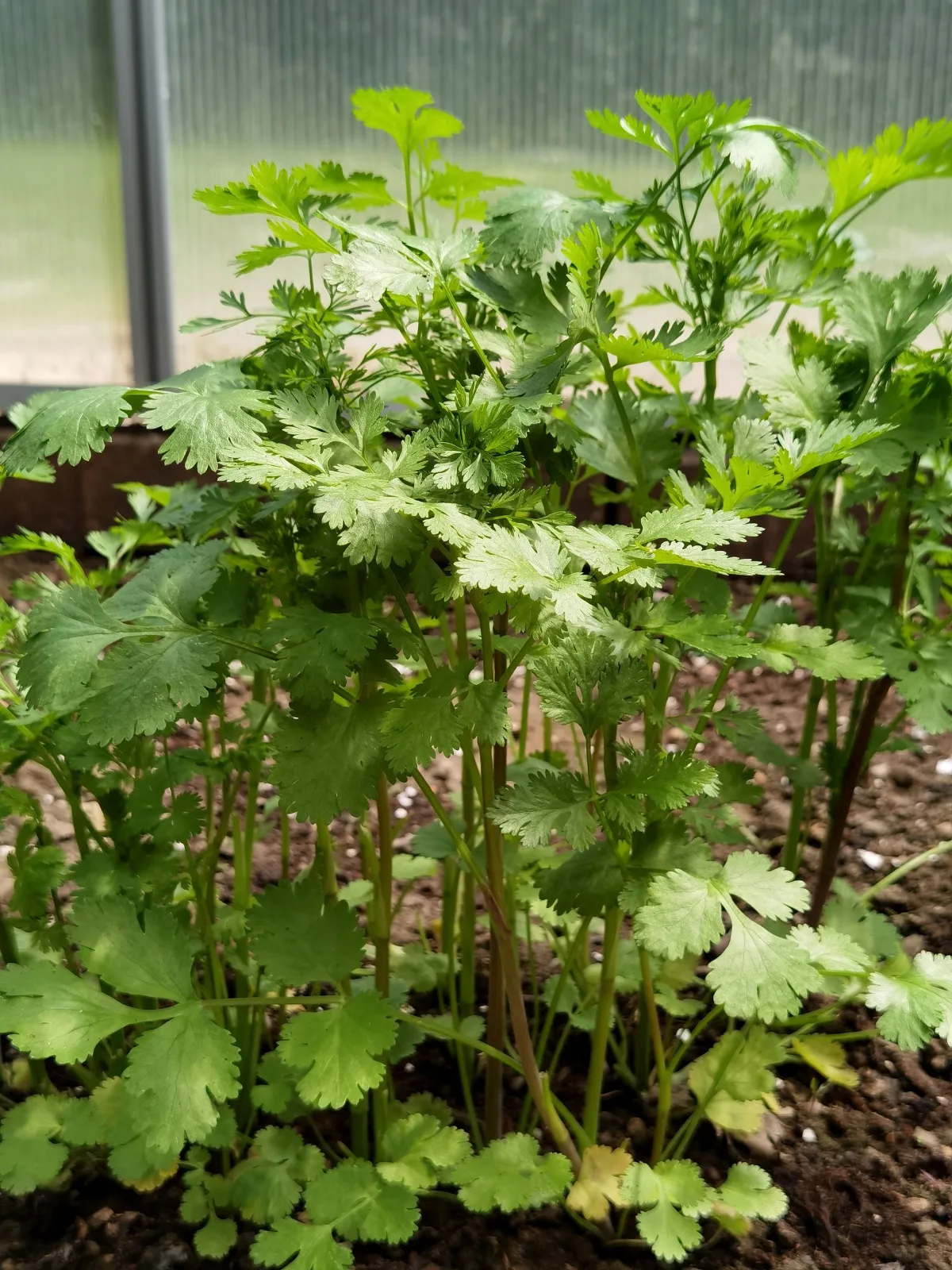
Coriander
Coriander is a quick herb that prefers mild conditions and steady moisture. Leaves, flowers and dry seed can all be useful.
Ornamental
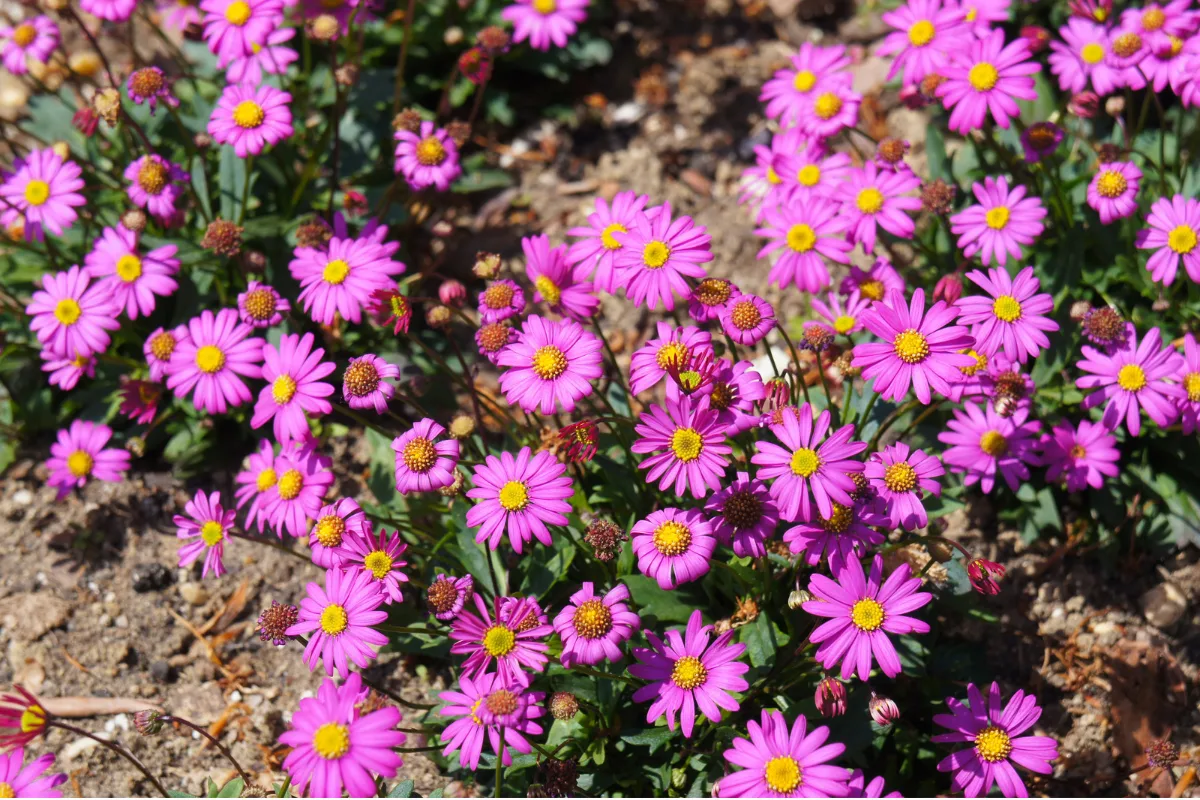
Cut-leaf daisy
A low native daisy with finely divided foliage and mauve, pink or white flowers. It works along paths, around rocks and at the front of mixed native beds without hiding smaller plants.
Ornamental
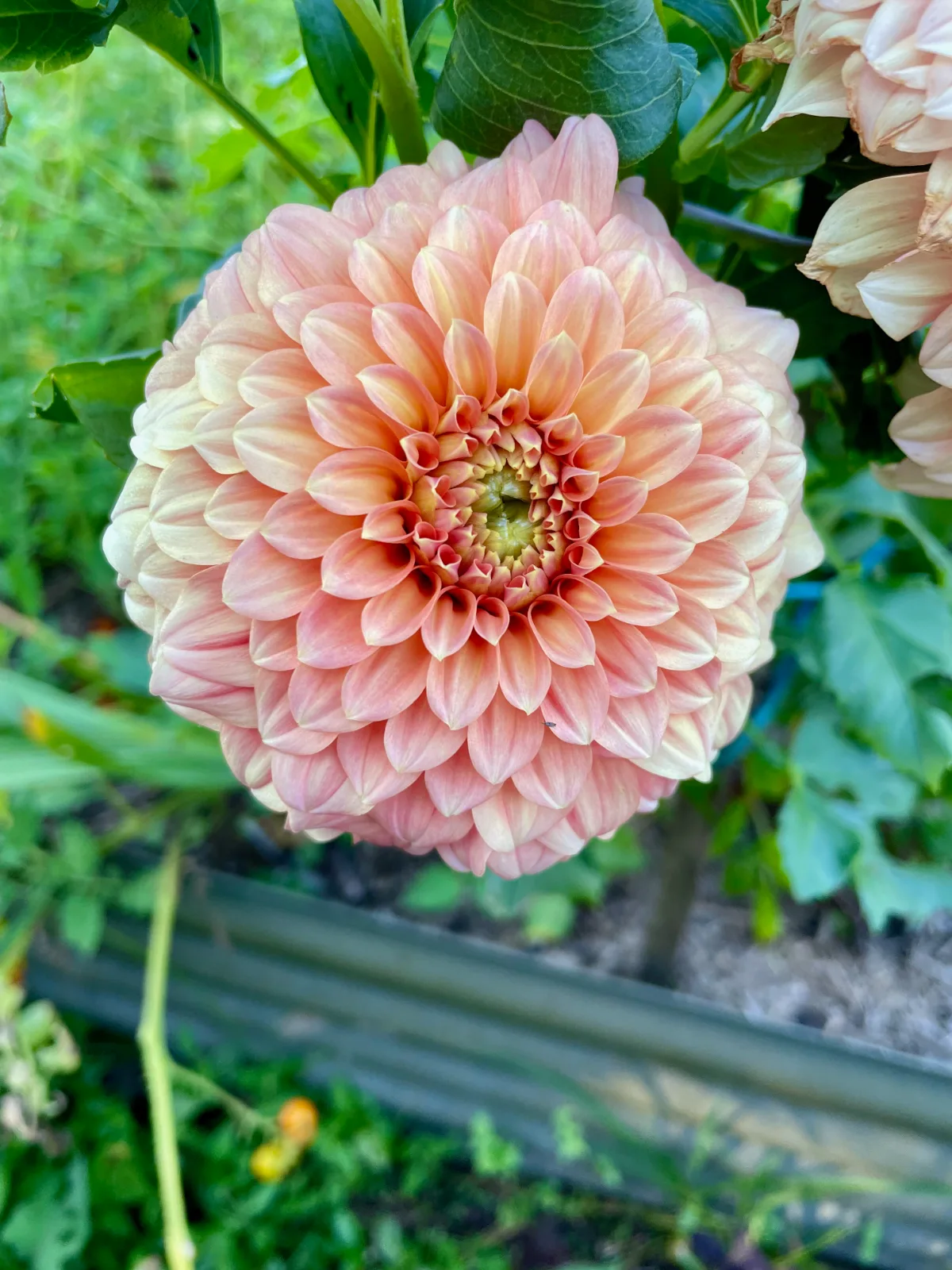
Dahlia
Dahlias are tuberous flowering perennials grown for summer and autumn colour. Tubers need protection from winter waterlogging and hard frost.
Veggie
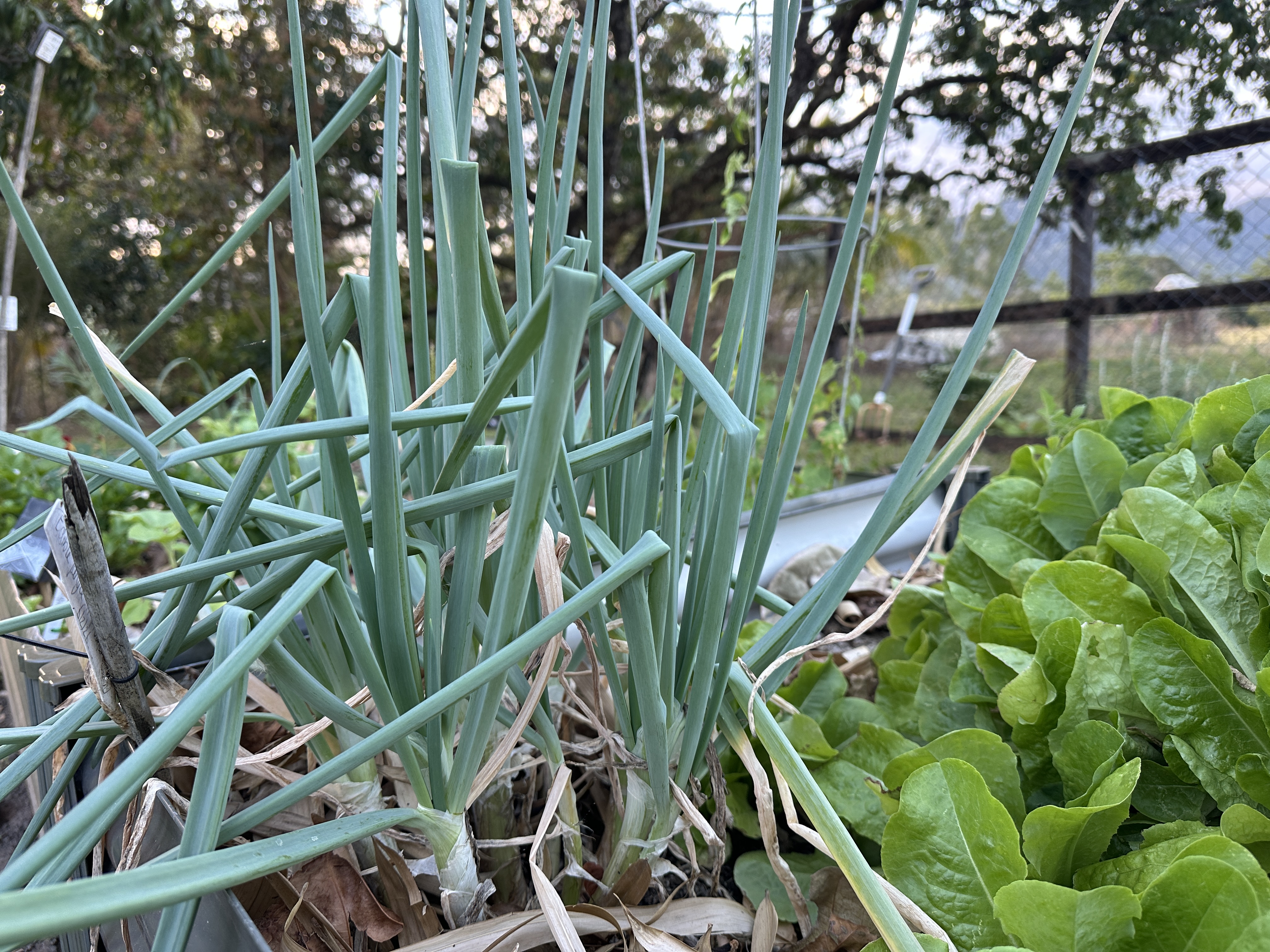
Egyptian walking onion
Egyptian walking onion is a perennial onion that makes clusters of bulbils at the top of its stalks. The bulbils bend to the ground and root, slowly moving the clump across the garden.
Ornamental
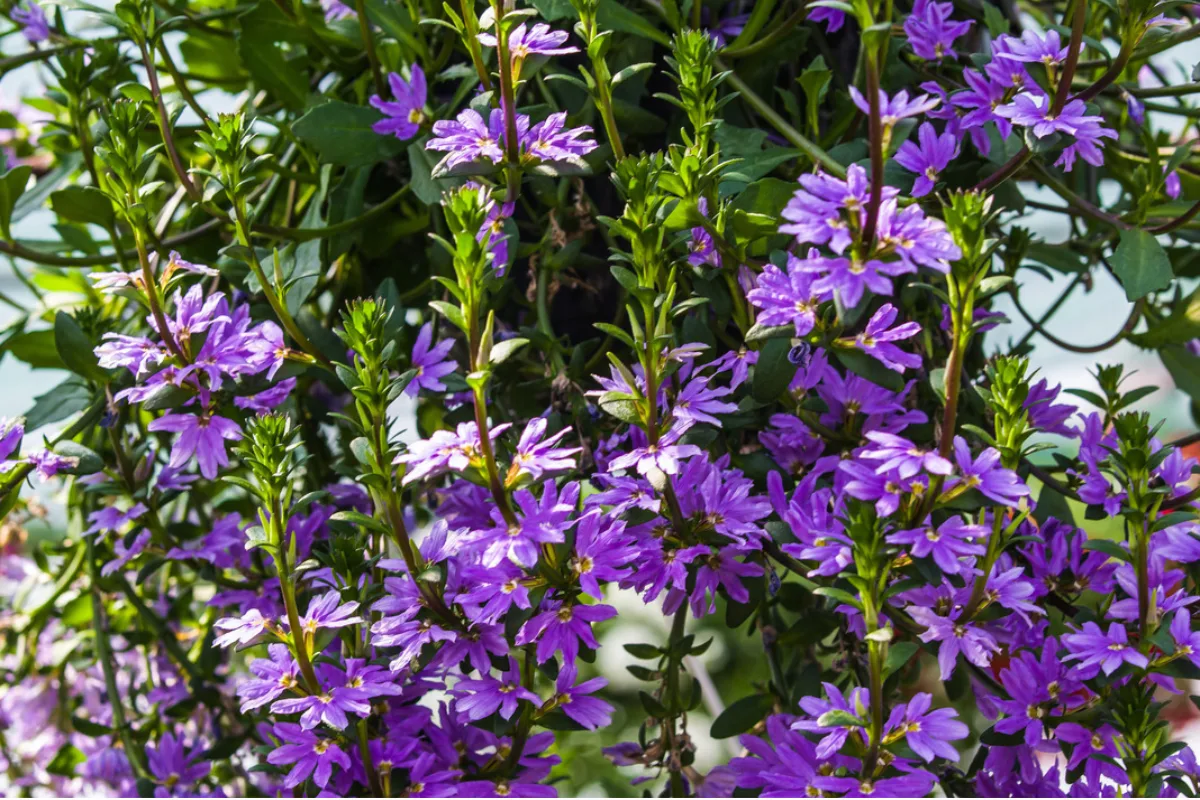
Fan flower
A flower-rich spreading native with distinctive fan-shaped blooms in mauve, purple, pink or white. It suits sunny borders, rockeries, hanging pots and the tops of retaining walls.
Herb & spice
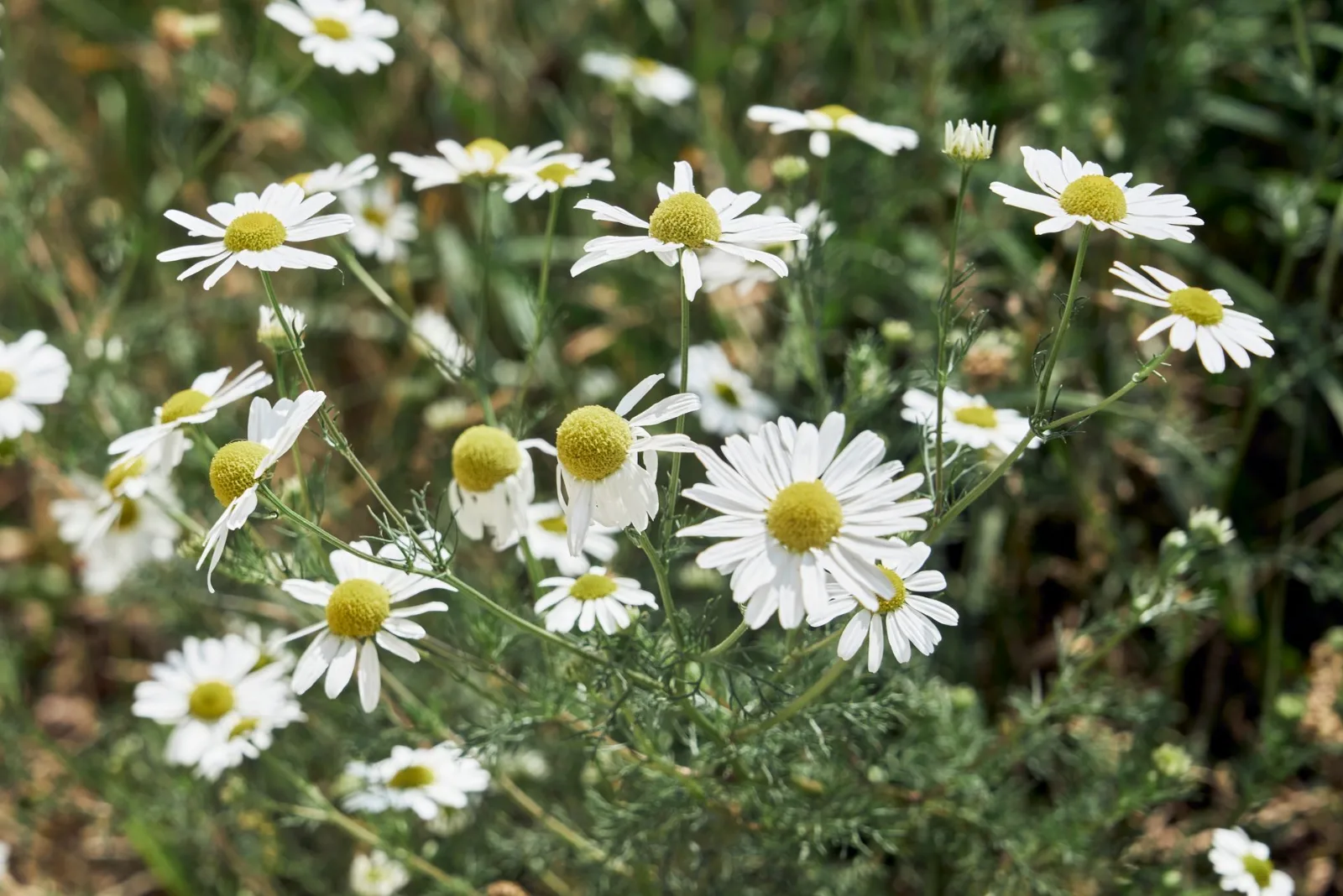
German chamomile
German chamomile is a fine-leaved annual that carries masses of small white-and-yellow flowers. It prefers mild weather, sun, good drainage and regular moisture, and the flowers are the part usually harvested.
Succulent
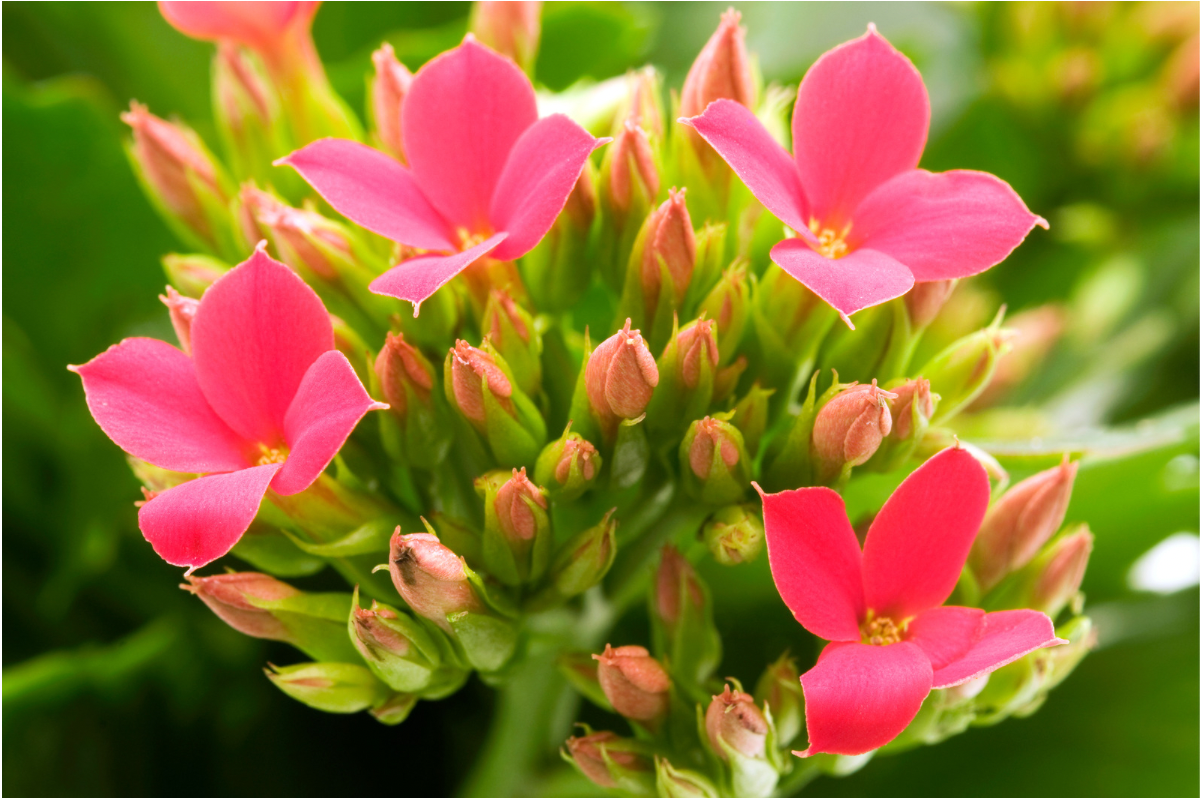
Kalanchoe
Kalanchoe is a compact flowering succulent grown for fleshy green leaves and long-lasting clusters of bright flowers. Kalanchoe blossfeldiana is the familiar florist and garden species, performing best with bright light, free-draining soil and a drier interval between waterings.
Ornamental
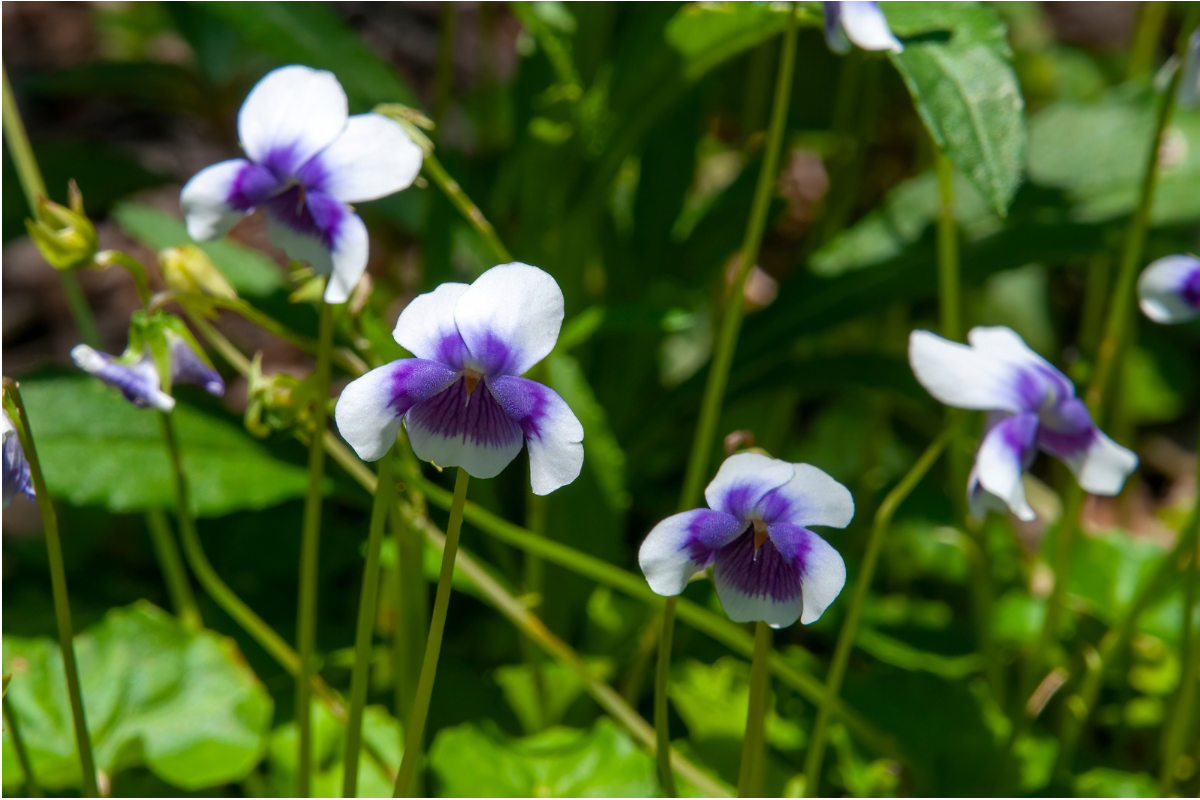
Native violet
A soft mat-forming native for sheltered shade, with small rounded leaves and white-and-mauve flowers. It is especially useful beneath shrubs, beside paths and around ferns where the soil stays moist.
Ornamental
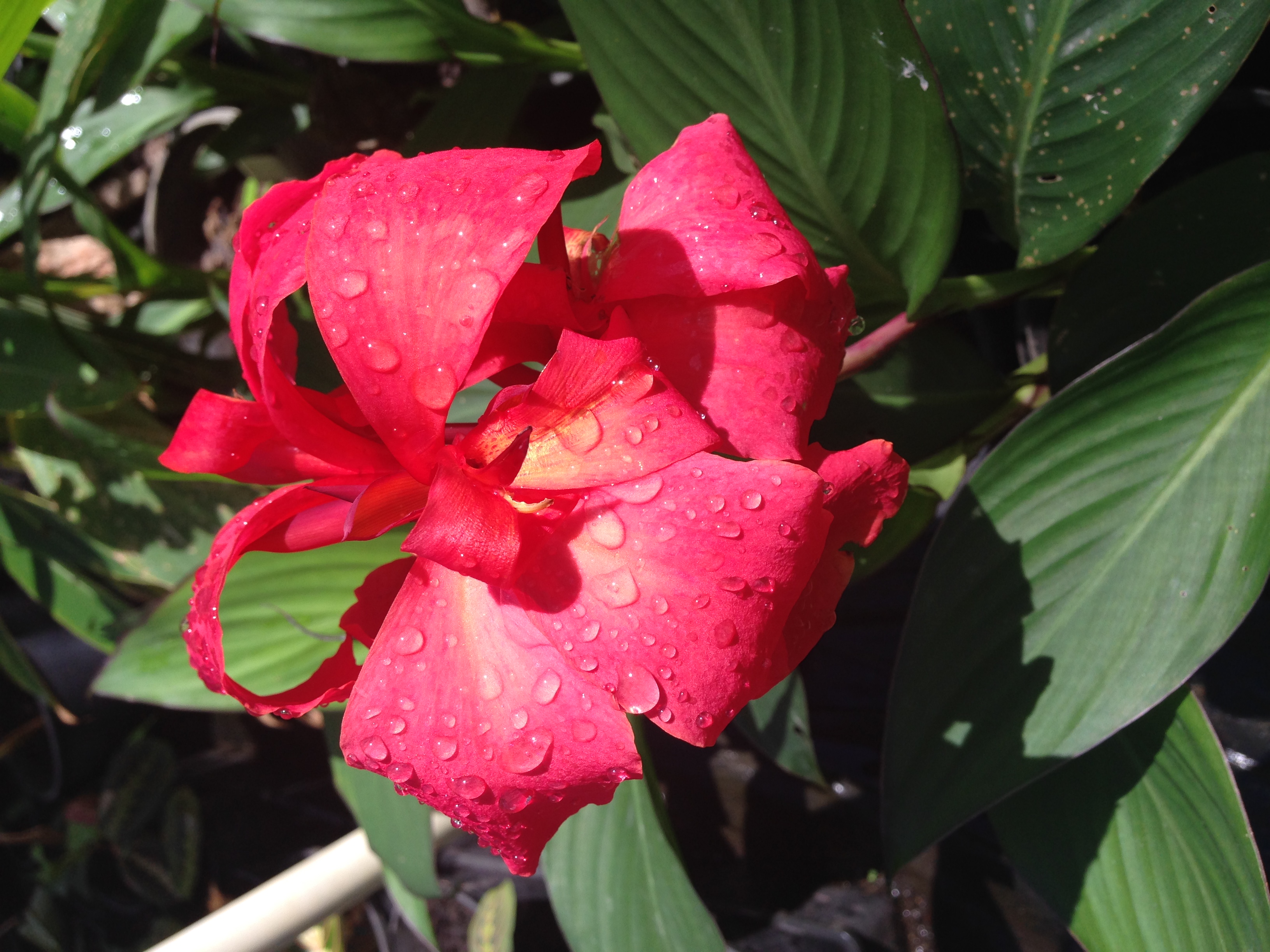
Ornamental canna
Ornamental cannas are bold flowering hybrids with large leaves and bright summer flowers. Cultivars vary widely in height, foliage colour and flower form.
Herb & spice
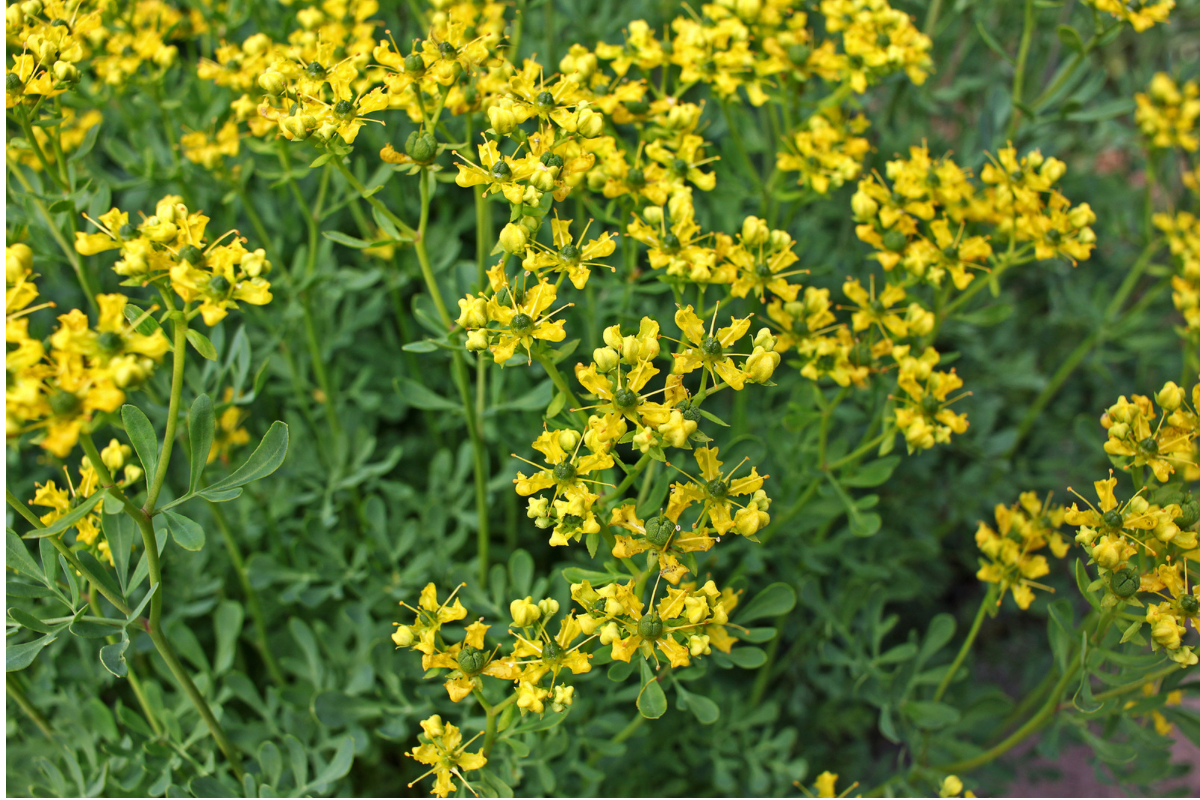
Rue
Rue is a small aromatic shrub with blue-green divided leaves and yellow summer flowers. Ruta graveolens has a long history in herb gardens but today is often grown ornamentally and should be handled carefully because its sap can irritate skin.
Ornamental
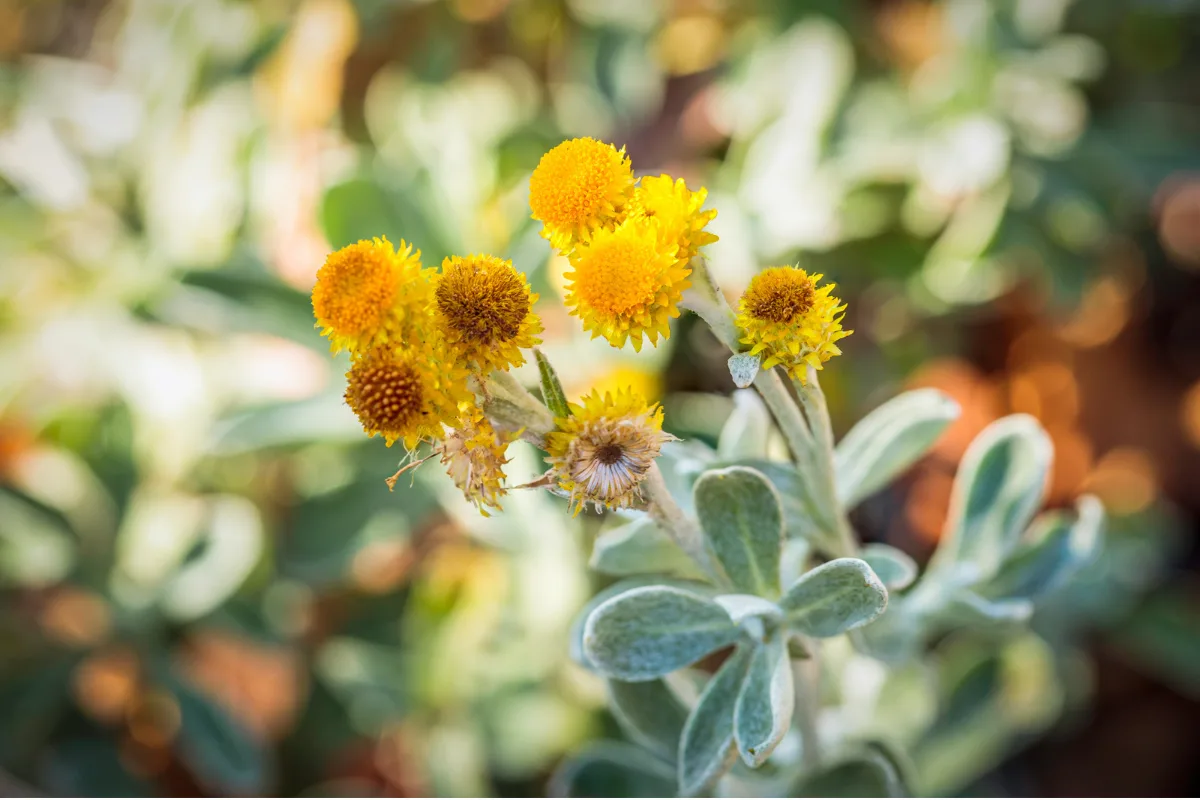
Yellow buttons
Golden papery flower heads sit above grey-green foliage on this extremely variable Australian native. Choose a low spreading form for groundcover use; upright forms behave more like small perennials.
Before You Choose
Think about the view from the path first. Low plants keep taller layers visible and make narrow beds feel wider. Slightly taller clumps can create rhythm along a long edge without needing to be clipped into a formal line.
Mature spread is important because border plants sit close to places you use. A plant that constantly flops across a path soon becomes annoying, even if it looks good elsewhere. Check whether it forms a clump, sends out runners or spreads on long stems, then allow enough room from paving.
Choose foliage and flowering season to suit the rest of the bed. Evergreen foliage can keep an edge defined throughout the year, while seasonal flowers add colour around productive or native plantings. Repeating the same plant at intervals can tie a mixed bed together.
Watering can vary sharply along edges. Paving reflects heat and can dry nearby soil, while lawn irrigation may keep another section much wetter. Match each plant to the conditions rather than forcing the same border choice around the whole garden. The profiles below give you height, spread, light, climate and other useful traits.
Borders are also a useful place to repeat plants already growing elsewhere in the garden. Repeating a foliage colour, flower colour or leaf shape can make separate beds feel connected without making them identical. Leave small gaps where you need access for hoses, edging or stepping into the bed, especially if the border will become dense at maturity.