
Plant profile
Ornamental canna
Canna × hybrida
Also known as Canna lily, Garden canna, Canna × generalis.
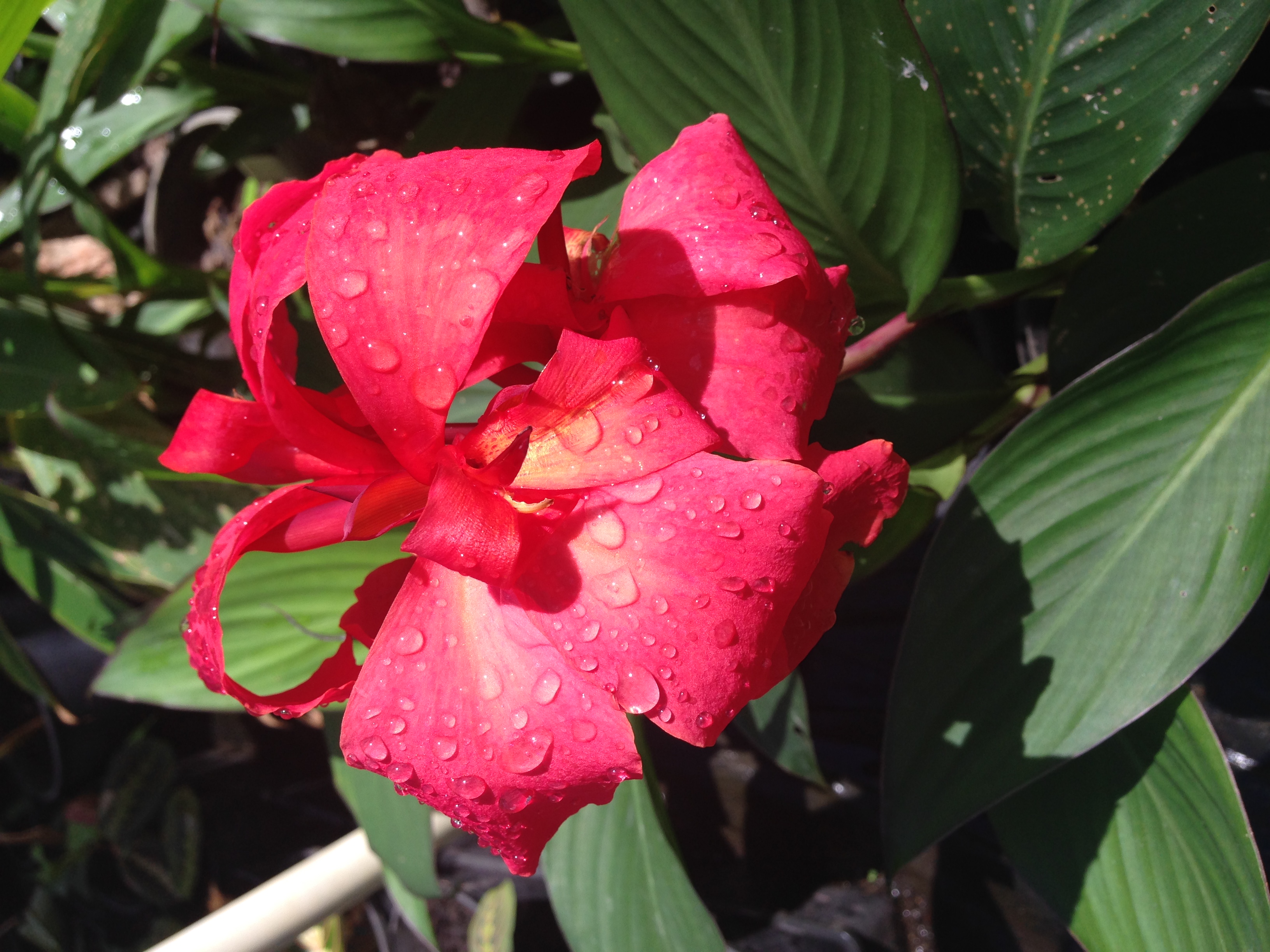
Ornamental cannas are bold flowering hybrids with large leaves and bright summer flowers. Cultivars vary widely in height, foliage colour and flower form.
- Grows well in
- Tropical, Subtropical, Temperate, Mediterranean
- Lifecycle
- Rhizomatous ornamental perennial
- Light
- Full sun, Part shade
- Mature size
- About 60 cm–2 m high depending on cultivar
- Spacing
- About 40–80 cm apart depending on cultivar
- Growth habit
- Rhizomatous clump with broad foliage and upright flower stems
- Native range
- Cultivated hybrids derived from Canna species native to tropical and subtropical America
- Natural habitat
- Parent species grow in warm forest margins, wetlands and open disturbed ground.
When to plant
Tropical
February–May, September–November
Subtropical
March–May, September–November
Temperate
September–November
Mediterranean
September–November
Tropical and subtropical: plant during warm weather. Temperate and Mediterranean: spring after frost risk.
Planting
Plant rhizomes into fertile, free-draining soil with the buds facing up. Space them for the mature clump rather than the first season's shoots.
Position and light
Full sun gives the strongest flowering; part shade is useful in hot climates.
Soil
Fertile soil with good drainage and regular organic matter.
Watering
Water regularly during active growth and flowering. Reduce watering when plants die back.
Feeding
Compost and a balanced feed during active growth support flowering.
Pruning
Remove spent flower stalks and cut old stems at ground level as they finish. Every few years, lift and split congested rhizomes if flowering drops or the centre becomes bare. Replant vigorous outer pieces and discard soft or damaged rhizome sections.
Propagation
Divide rhizomes and replant pieces with healthy buds.
Common problems
Canna rust, caterpillars, snails and rhizome rot can occur. Rust is most obvious as orange-brown pustules on the undersides of leaves in humid weather. Remove heavily affected foliage and avoid leaving old diseased leaves packed into the centre of the clump.
Worth knowing
Canna × generalis is a synonym of the accepted hybrid name Canna × hybrida. These are the large-flowered garden cannas rather than the edible arrowroot form. In cooler areas the foliage dies back after the first frost, and clumps can be lifted and stored over winter if hard frost is likely, then replanted once the soil warms in spring.
Grow Ornamental canna with Brancho
Add it to My Garden and Brancho works out what it needs next, timed for your climate.
How it grows around Australia
Growing this too? Share what you've noticed in your garden.
Grow a Little Wild
New plants to try, useful growing tips and a few garden jobs based on what you grow.