

Plant profile
Dahlia
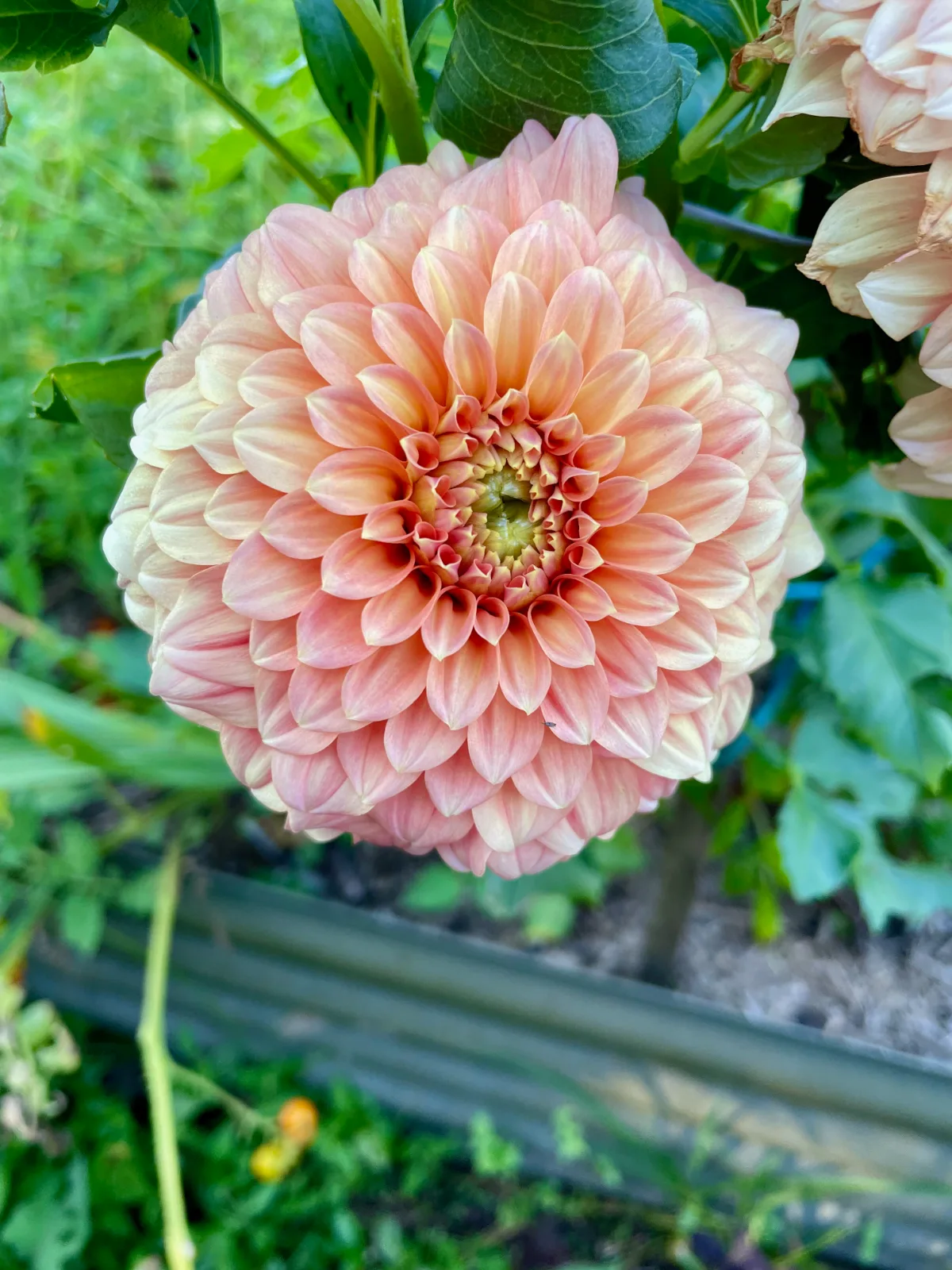
Dahlia spp. and cultivars
Also known as Dahlias.
Dahlias are tuberous flowering perennials grown for summer and autumn colour. Tubers need protection from winter waterlogging and hard frost.
- Grows well in
- Subtropical, Temperate, Cool / mountains, Arid / inland, Mediterranean
- Lifecycle
- Tuberous perennial with winter dormancy
- Light
- Full sun
- Mature size
- Extremely variable: compact bedding dahlias may stay around 30–50 cm tall, while large garden cultivars commonly reach 1–1.5 m or more.
- Spacing
- About 50–60 cm apart for ordinary garden dahlias; give very large cultivars more room.
- Growth habit
- Bushy herbaceous perennial growing from fleshy underground tubers, usually dying back during the cool season before reshooting.
- Native range
- Mexico to Colombia
- Natural habitat
- Sunny mountain slopes, open pine-oak woodland and forest clearings.
When to plant
Subtropical
August–October
Temperate
September–November
Cool / mountain
October–November
Arid inland
August–October
Mediterranean
September–November
Planting
Plant tubers in spring after frost risk into rich, well-drained soil.
Position and light
Full sun with good airflow.
Soil
Moist, humus-rich but well-drained soil.
Watering
Water after shoots are established and during active summer growth. Avoid soaking dormant tubers, and water deeply rather than lightly so moisture reaches the developing tuber cluster below ground.
Feeding
Feed during active growth with a balanced flowering fertiliser. A potassium-rich feed from mid-summer onward can help support strong stems and continued flowering into autumn.
Pruning
Remove spent flowers if you want a longer display and cut dead stems down after dieback. Pinching out the growing tip on young plants encourages bushier growth and more flowering stems later in the season. Deadheading regularly through the season also reduces the chance of grey mould developing on spent blooms in humid weather.
Harvest
Cut flowers for arrangements if wanted.
Propagation
Divide tubers so each division has a viable growing point, or use cuttings.
Common problems
Slugs, snails, earwigs, mildew, wind damage and tuber rot can occur.
Worth knowing
Dahlia hybrids derive from Mexican and Central American species and are frost-tender; in most of southern Australia the tubers are lifted and stored dry over winter, though in warm, well-drained gardens they can be left in the ground under a dry mulch. Flower forms range from single daisy types to large dinner-plate decoratives, and named cultivars are propagated by division or cuttings rather than seed, since seedlings do not come true to the parent plant.

Grow Dahlia with Brancho
Add it to My Garden and Brancho works out what it needs next, timed for your climate.
How it grows around Australia
Growing this too? Share what you've noticed in your garden.
Grow a Little Wild
New plants to try, useful growing tips and a few garden jobs based on what you grow.