

- Grows well in
- Tropical, Subtropical, Temperate, Cool / mountains, Mediterranean
- Lifecycle
- Evergreen clumping flowering perennial
- Light
- Part shade, Shade
- Mature size
- Usually 40–70 cm tall and 50–90 cm wide
- Spacing
- About 50–70 cm apart
- Growth habit
- Evergreen clump-forming perennial
- Native range
- South Africa and Eswatini
- Natural habitat
- Forest in dappled shade, from subtropical coastal forest to ravines in high-altitude forest; sometimes also grows in tree forks.
When to plant
Tropical
March–May
Subtropical
March–May
Temperate
March–May
Cool / mountain
September–November
Mediterranean
March–May
Plant or divide during mild weather, usually autumn or spring. In cold areas, wait until severe frost has passed.
Planting
Plant with the crown at soil level in a free-draining bed or pot. Leave room for offsets to form a wider clump over time.
Position and light
Bright shade or filtered light. Avoid harsh summer sun, especially in hot climates.
Soil
Fertile, free-draining soil with organic matter. Clivias tolerate root competition under trees once established.
Watering
Water while establishing and during active growth, then allow the surface to dry a little between waterings. Reduce water in cool dormant periods.
Feeding
A modest spring and autumn feed is enough in most gardens. Compost or a balanced controlled-release fertiliser can be used at the label rate.
Pruning
Remove dead leaves and old flower stalks when needed. Leave healthy foliage in place.
Propagation
Divide established clumps, keeping roots attached to each offset. Seed is slower but straightforward when fresh.
Common problems
Snails and slugs chew young leaves. Sun scorch, crown rot in poorly drained soil and failure to flower in very deep shade are common issues.
Safety notes
Clivia contains alkaloids and can cause illness if eaten, particularly the berries and roots.
Worth knowing
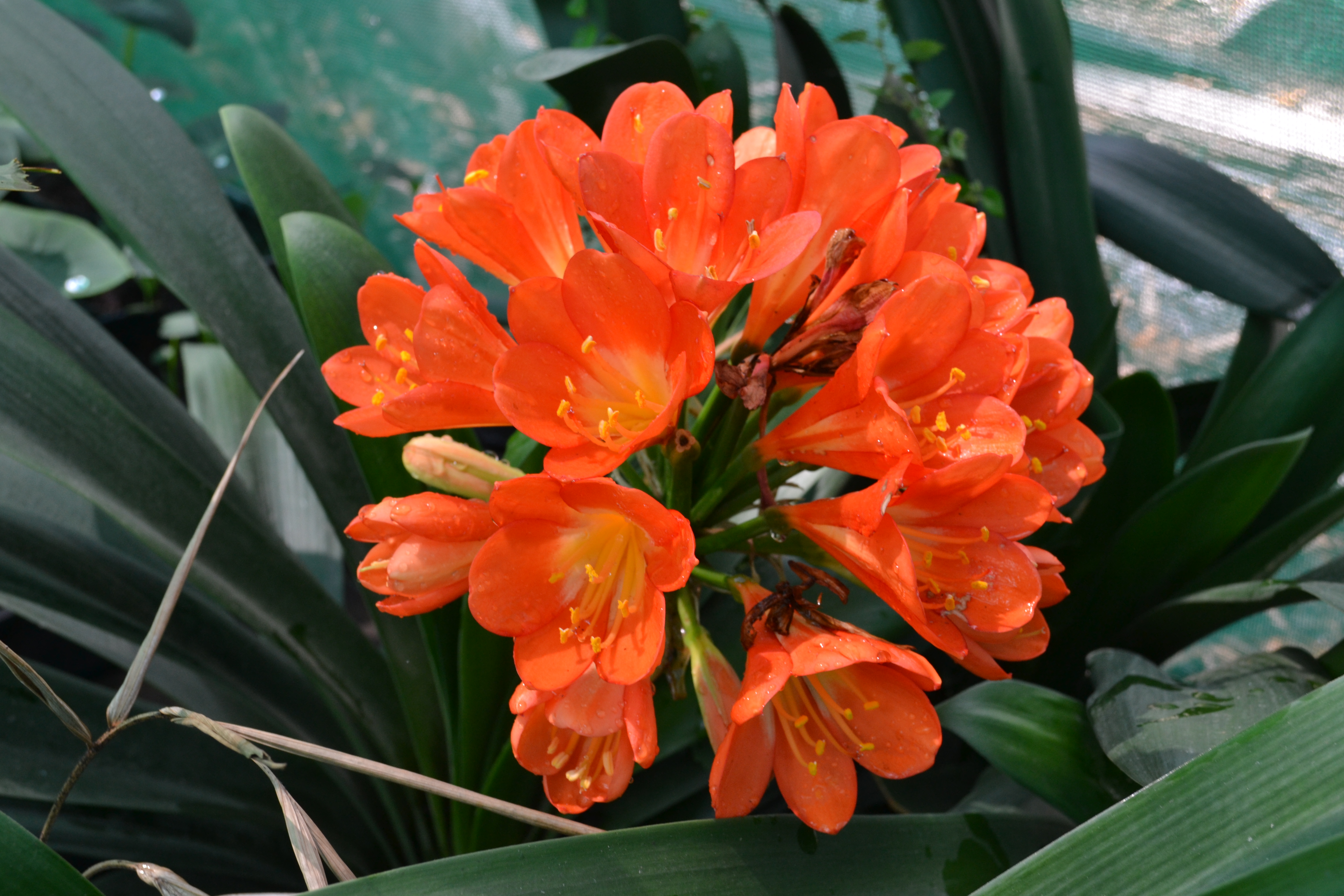
Clivia miniata is native to shaded forest understorey in South Africa, not Australia, and can naturalise in mild, frost-free areas with damp shady banks. Named colour forms, such as yellow or apricot flowering types, are usually kept true by division, since seed-grown plants vary in flower colour and form. Established clumps left undisturbed for many years in the same pot or garden bed continue to perform well, because the fleshy roots tolerate crowding better than most strap-leaved perennials.
Grow Clivia with Brancho
Add it to My Garden and Brancho works out what it needs next, timed for your climate.
How it grows around Australia
Growing this too? Share what you've noticed in your garden.
Grow a Little Wild
New plants to try, useful growing tips and a few garden jobs based on what you grow.