
Plants That Handle Frost
Frost tolerance varies from a light touch on the leaves to repeated hard freezes, so one label never tells the whole story. The plants below handle some frost once established, but your local minimum temperature, frost duration and position in the garden still matter. 13 plants in the library.
13 plants
Fruit tree
Apple
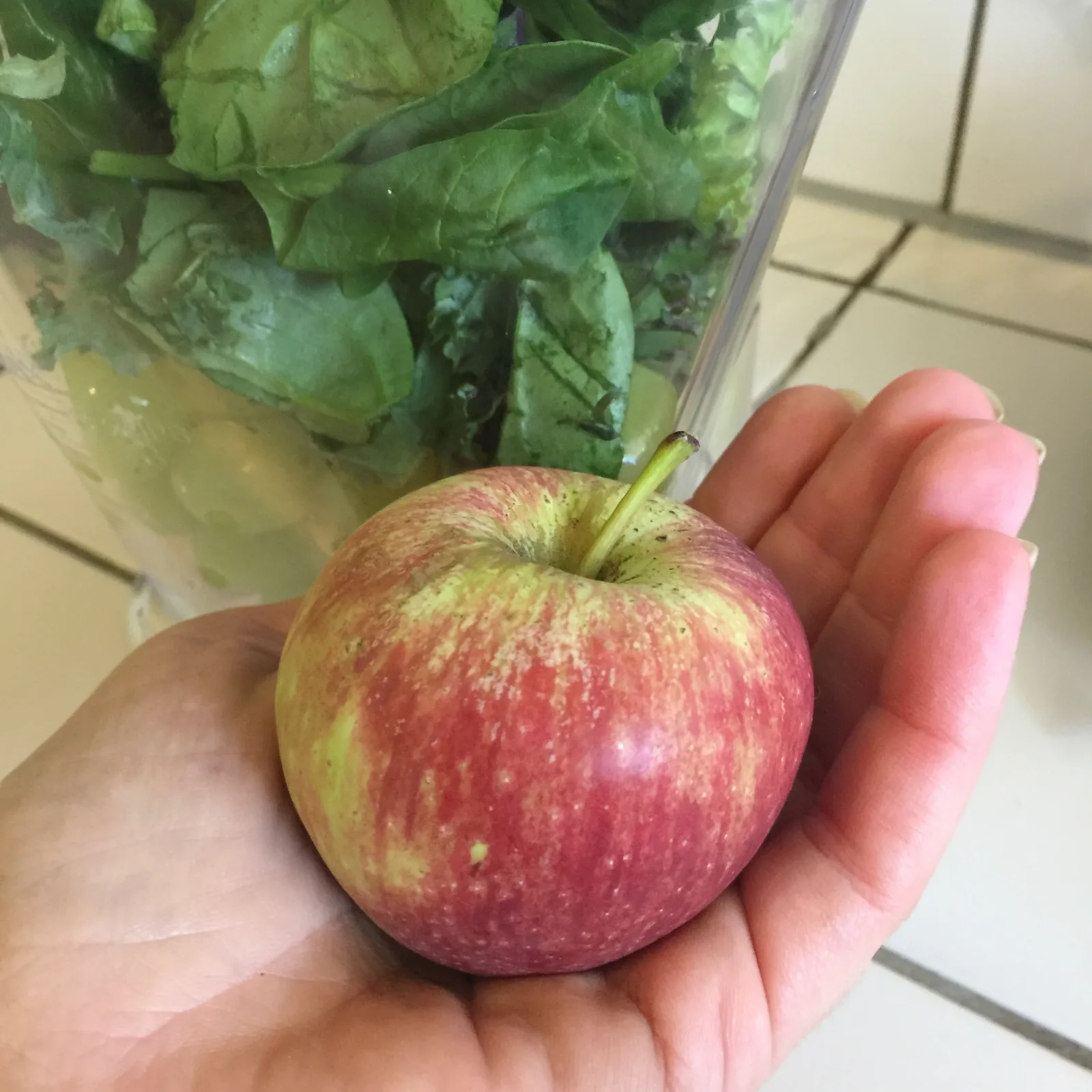
Apples range from low-chill subtropical cultivars to high-chill trees for cold districts. Choosing the right cultivar for your winter is the first step to getting reliable flowers and fruit.
Veggie
Bok choy
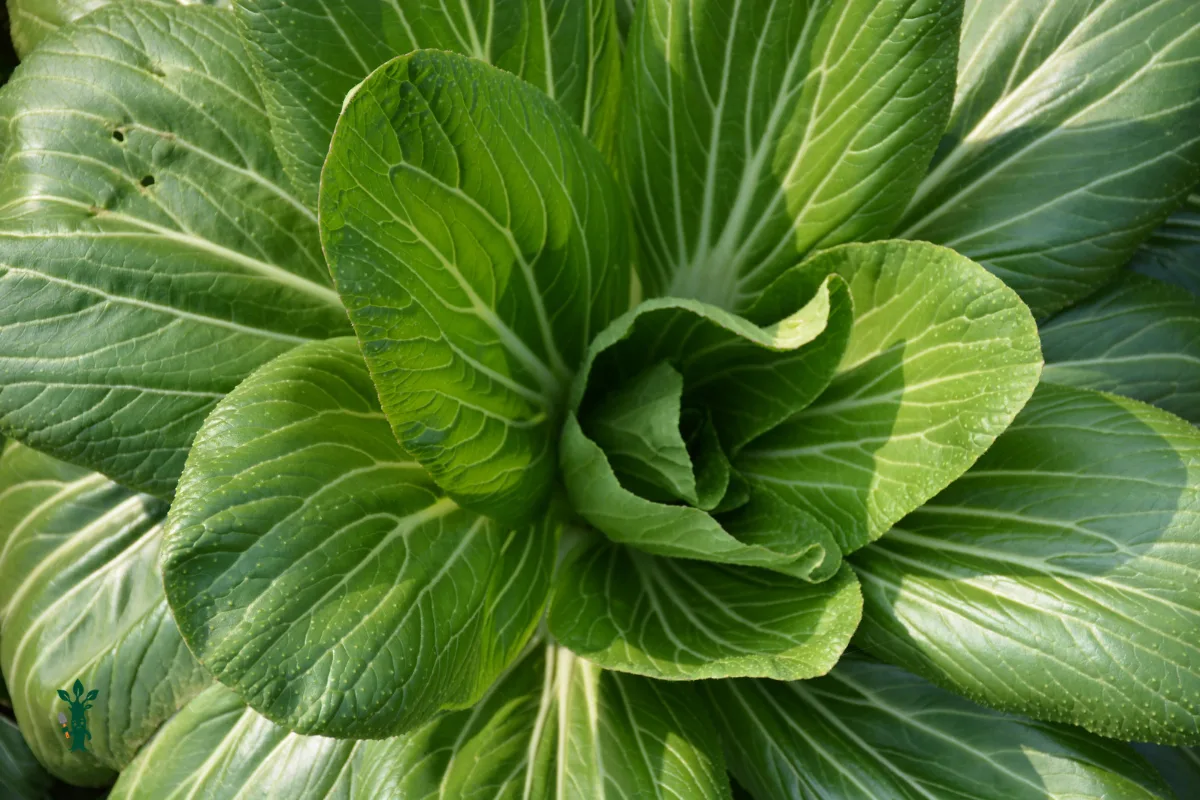
Bok choy is a quick Asian brassica grown for crisp white or green leaf stalks and tender leaves. It likes cool, steady growing conditions and can go from seedling to harvest in only a few weeks. Heat, drought and root stress encourage bolting, so fast uninterrupted growth gives the best plants.
Veggie
Brussels sprouts
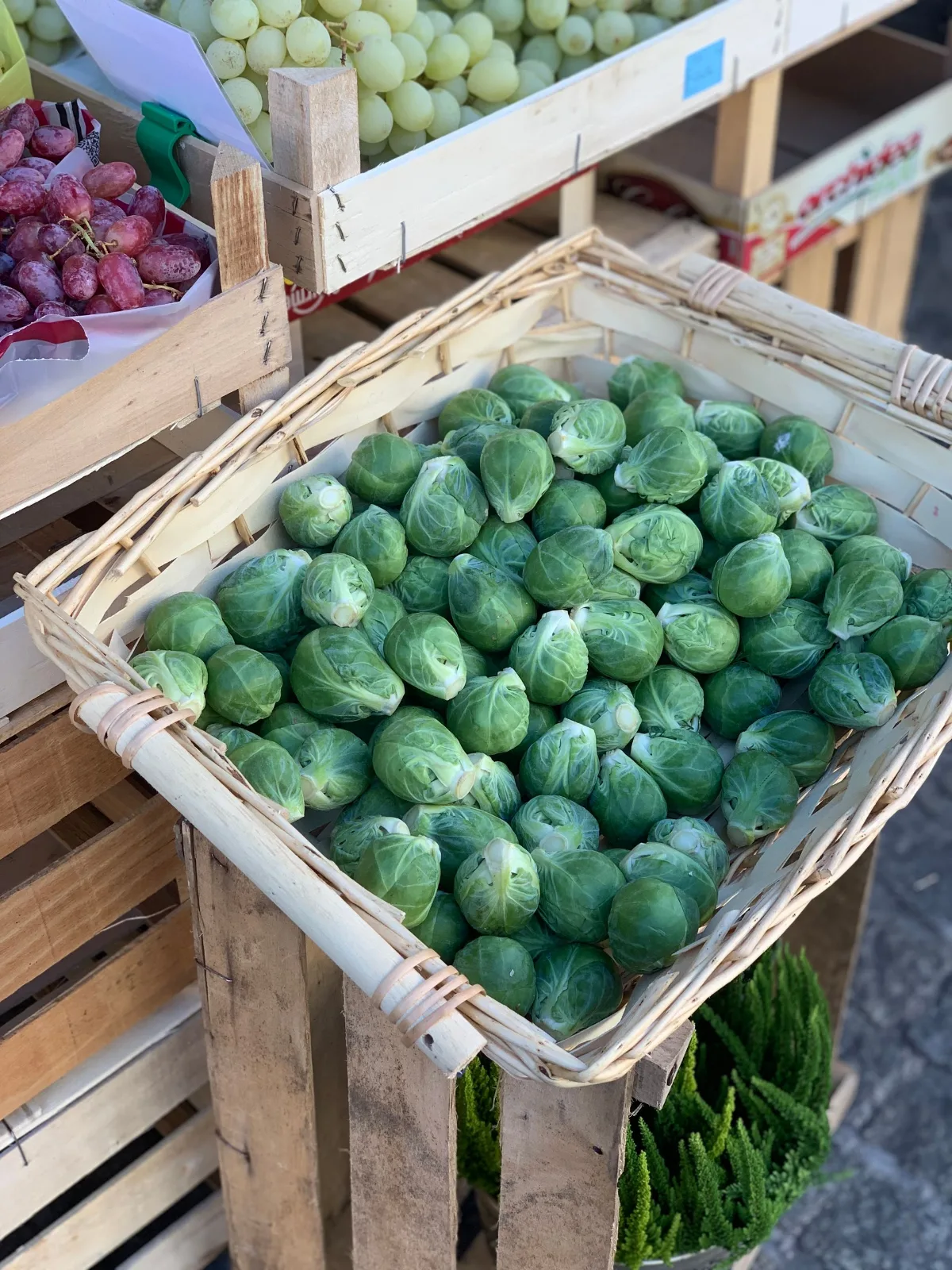
Brussels sprouts are a long cool-season brassica that forms small heads along a tall stem. Timing and steady feeding matter more than almost anything else.
Veggie
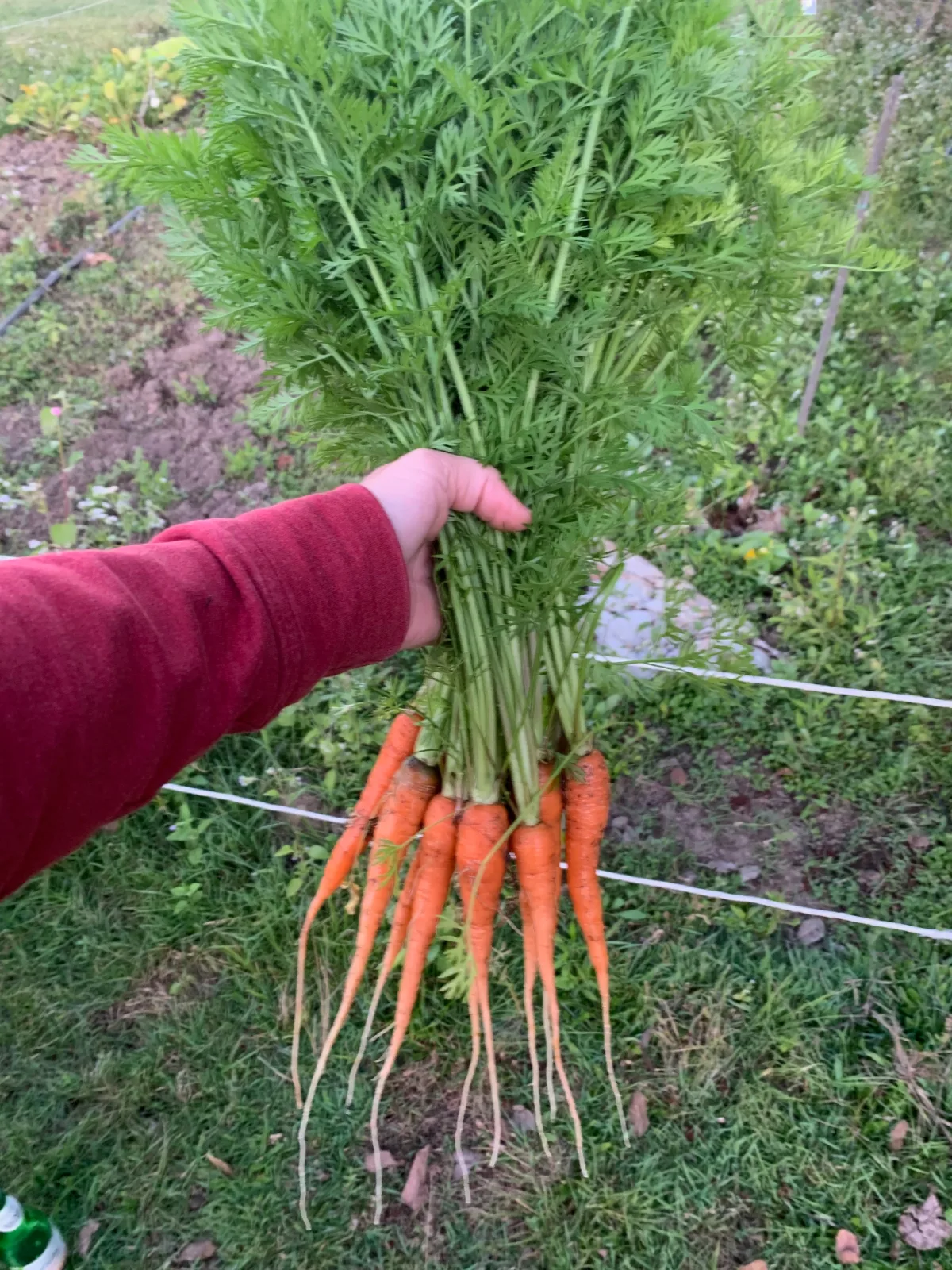
Carrot
Carrots are direct-sown root crops that need loose soil and steady moisture while the tiny seed is germinating.
Veggie
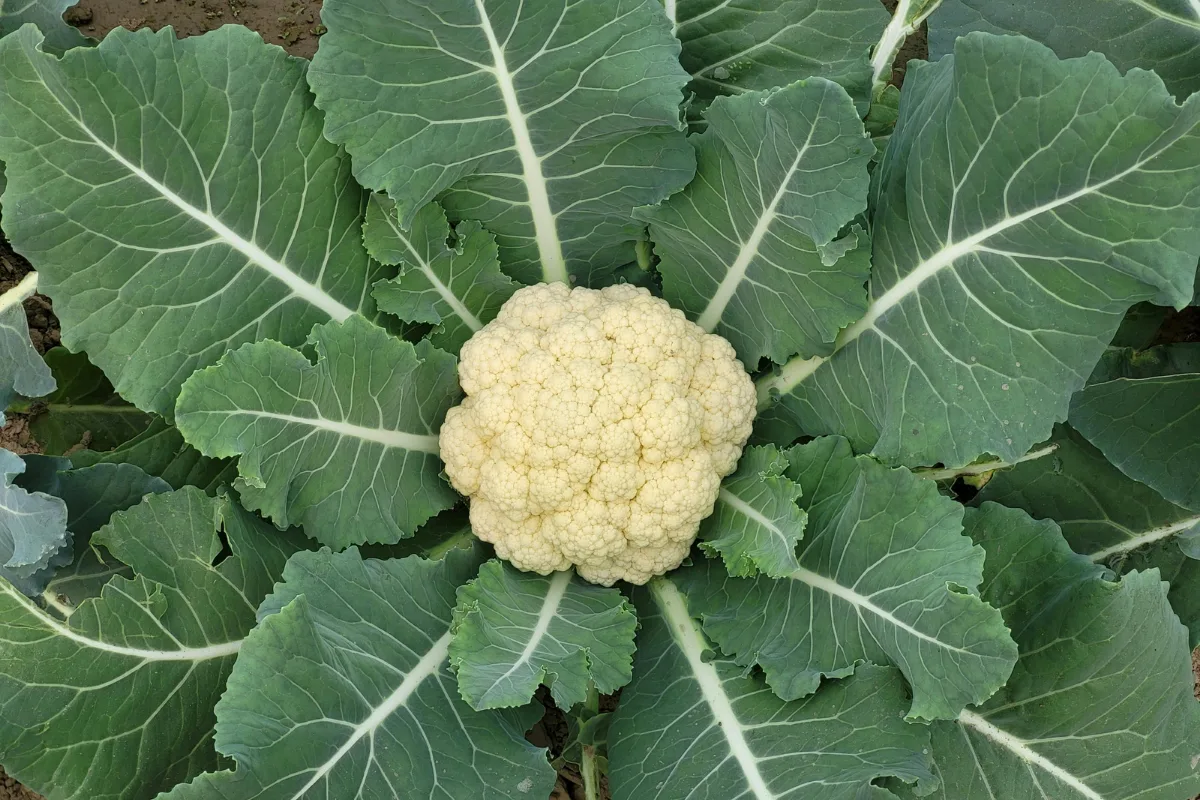
Cauliflower
Cauliflower is a cool-season brassica grown for its dense, immature flower head, or curd. It grows best when conditions stay steady: fertile soil, regular moisture and mild temperatures. Heat, drought or interrupted growth can lead to small, loose or uneven heads, so matching the variety and planting time to your climate makes a real difference.
Herb & spice
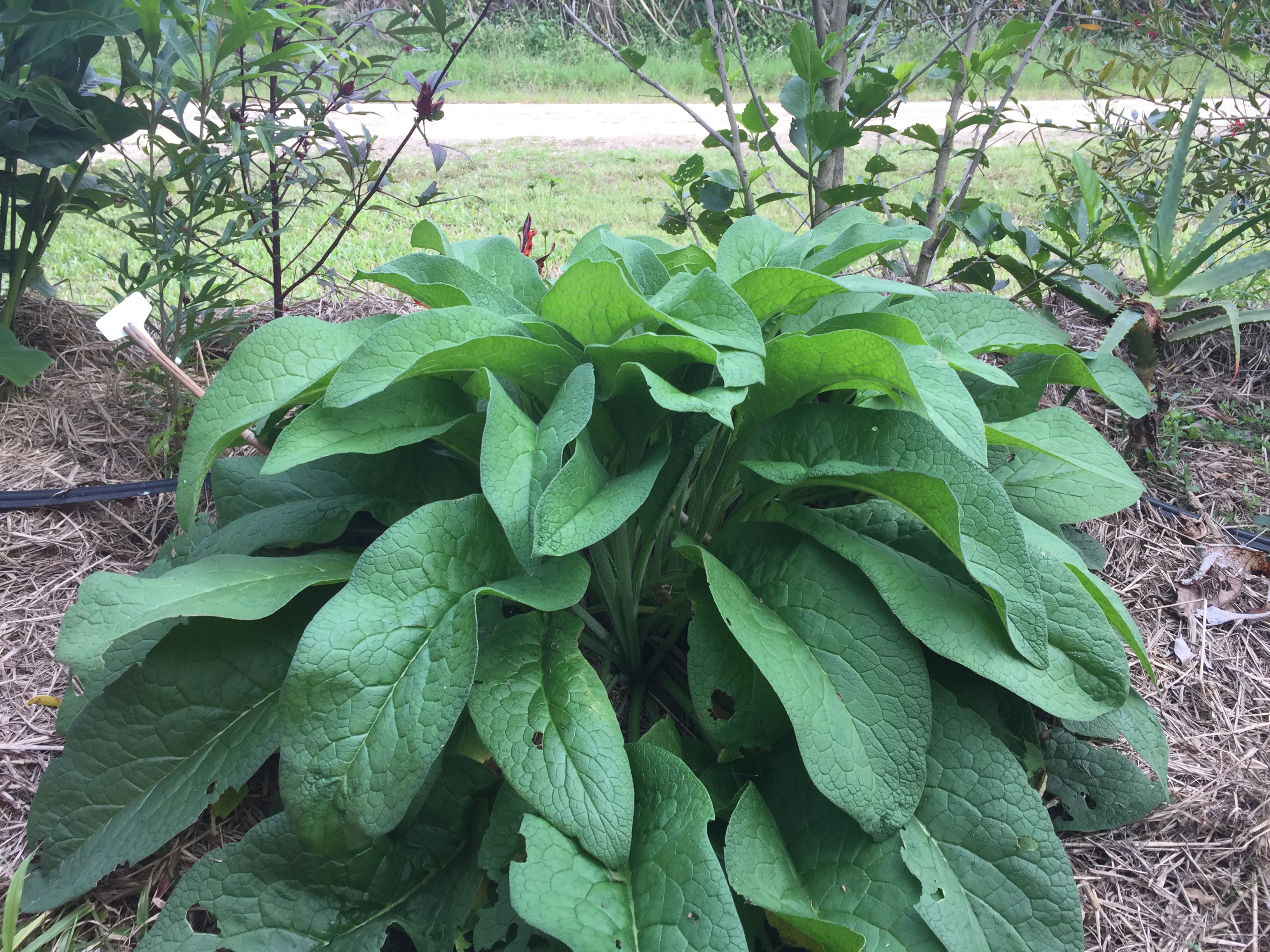
Comfrey
Comfrey is a deep-rooted perennial grown mainly for compost, mulch and biomass. It regrows quickly after cutting, so give it a permanent position rather than moving it around the garden.
Veggie
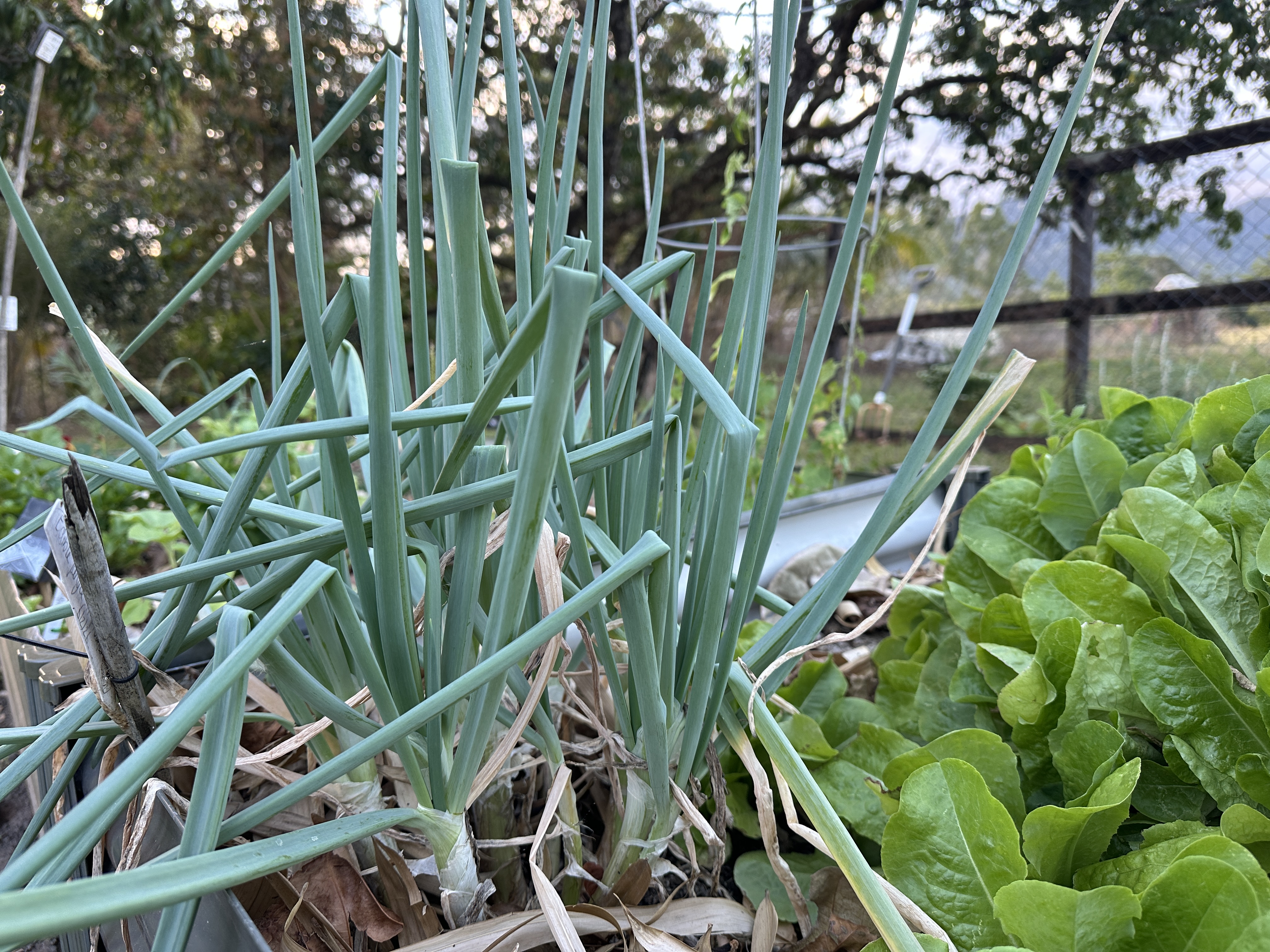
Egyptian walking onion
Egyptian walking onion is a perennial onion that makes clusters of bulbils at the top of its stalks. The bulbils bend to the ground and root, slowly moving the clump across the garden.
Veggie
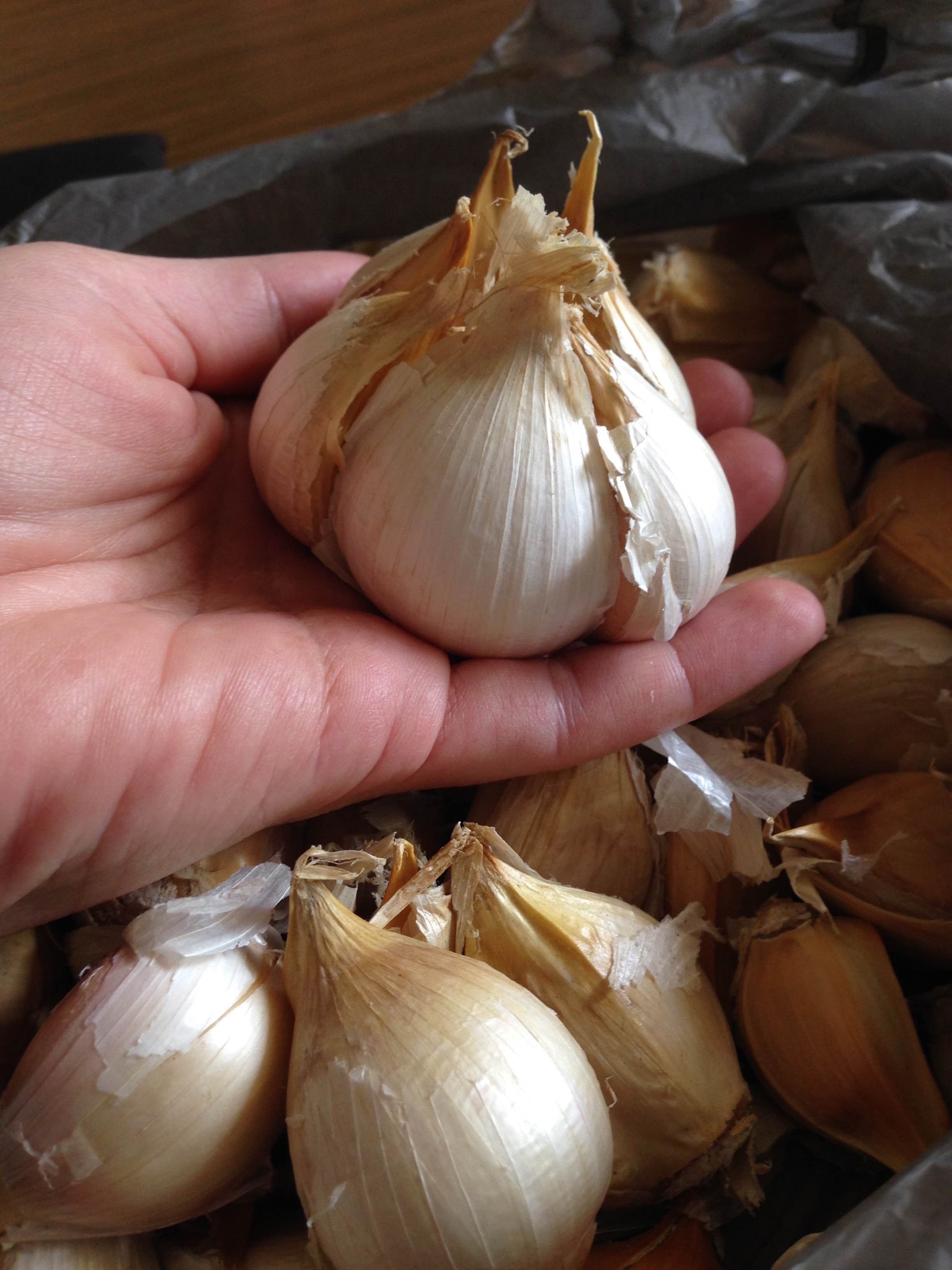
Elephant garlic
Elephant garlic grows huge mild cloves, but botanically it sits much closer to a leek than true garlic. You plant the cloves much like garlic, then give the bigger plant more room to build its bulb.
Fruit tree
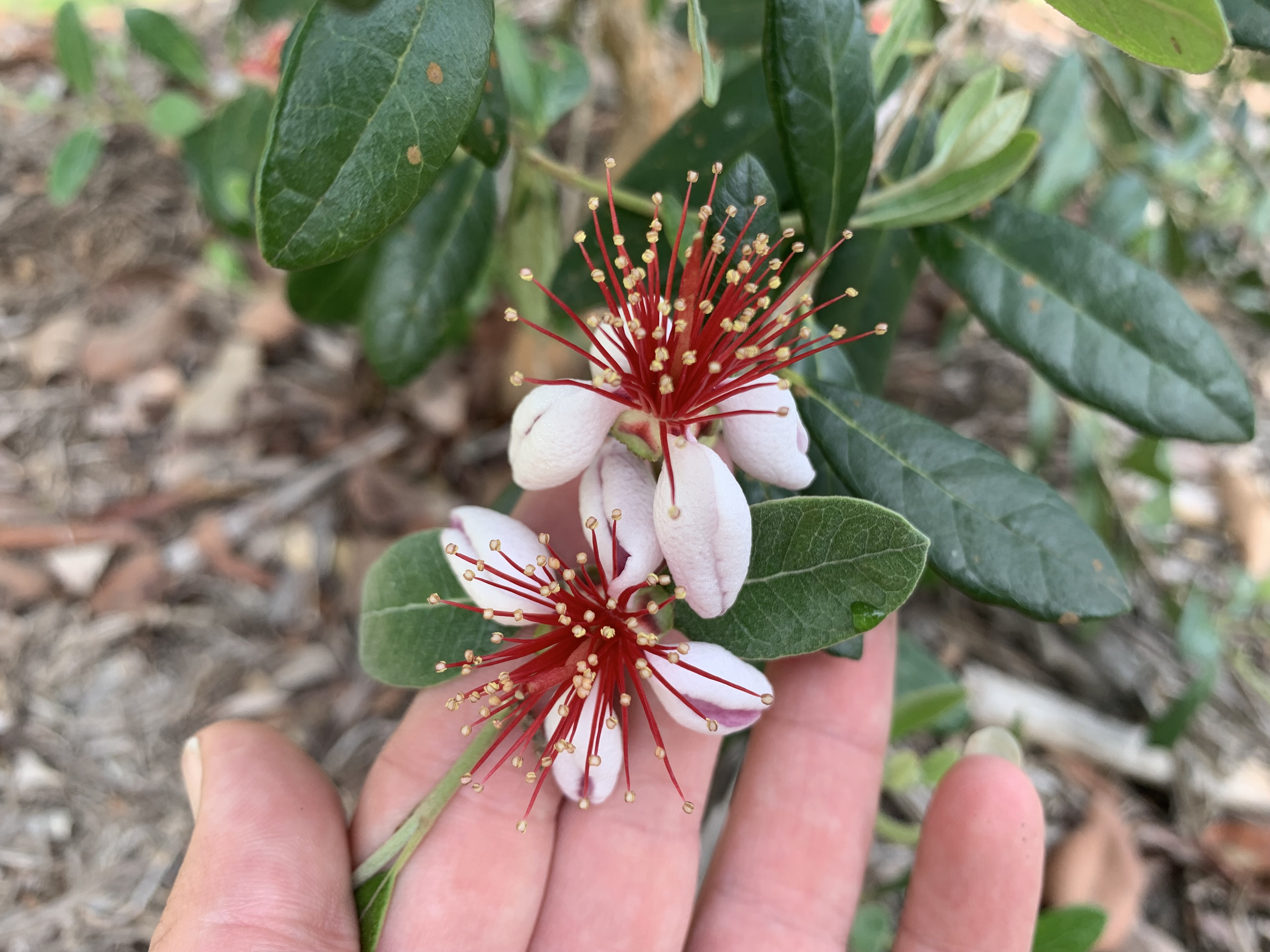
Feijoa
Feijoa is an evergreen subtropical fruit shrub or small tree with silver-backed leaves, edible flowers and fragrant green fruit. Cool winters, full sun and compatible pollination help it crop well.
Veggie
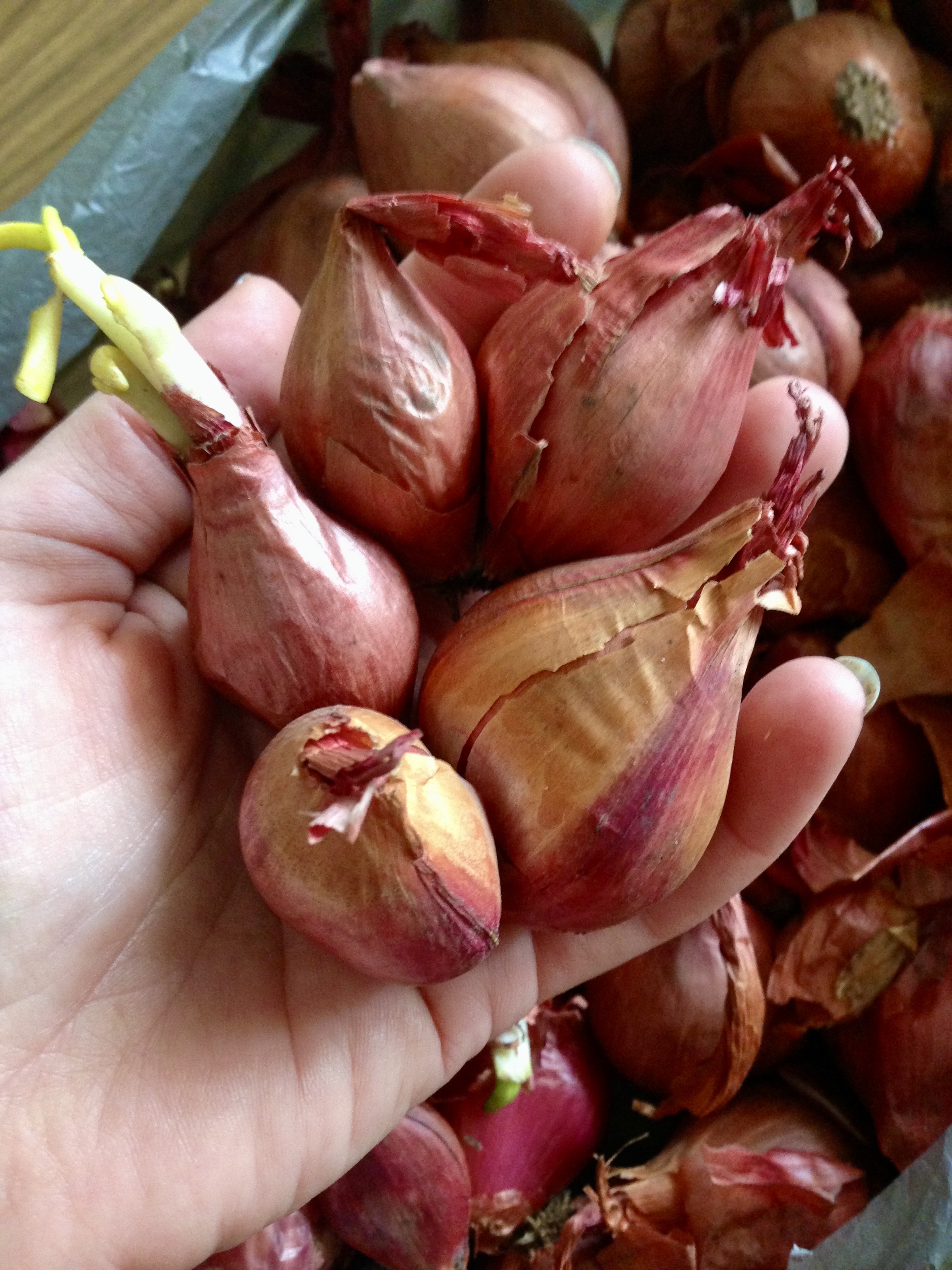
Onion
Bulb onions need the right day-length type for the local climate and a long growing season. Variety choice matters as much as planting date.
Veggie
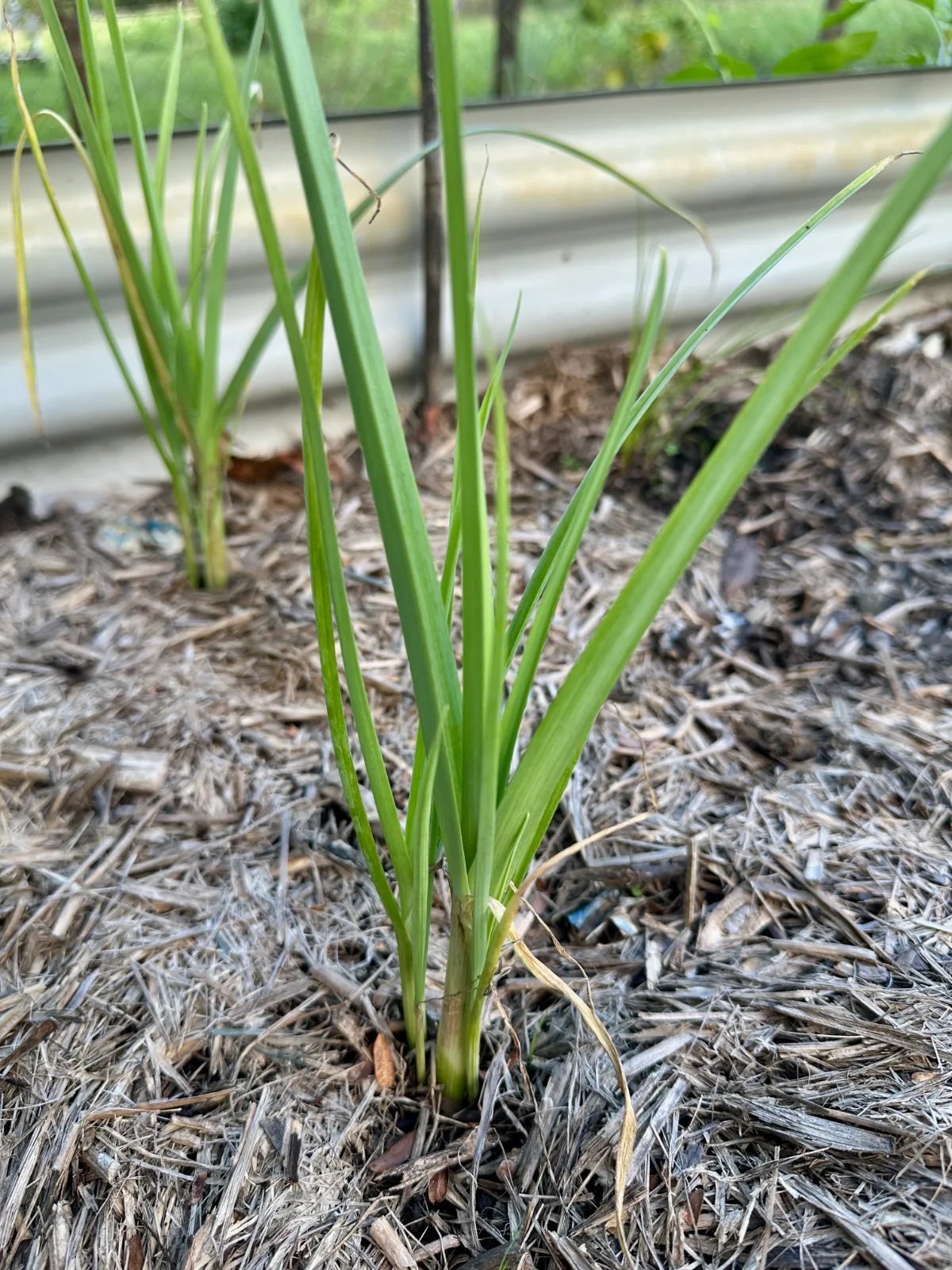
Perennial leek
Perennial leek is a clumping leek kept going by offsets rather than replanted from seed each year. You can harvest mature stems from the outside, divide off new offsets for another patch and leave the centre of the clump growing for future harvests.
Fruit & berry
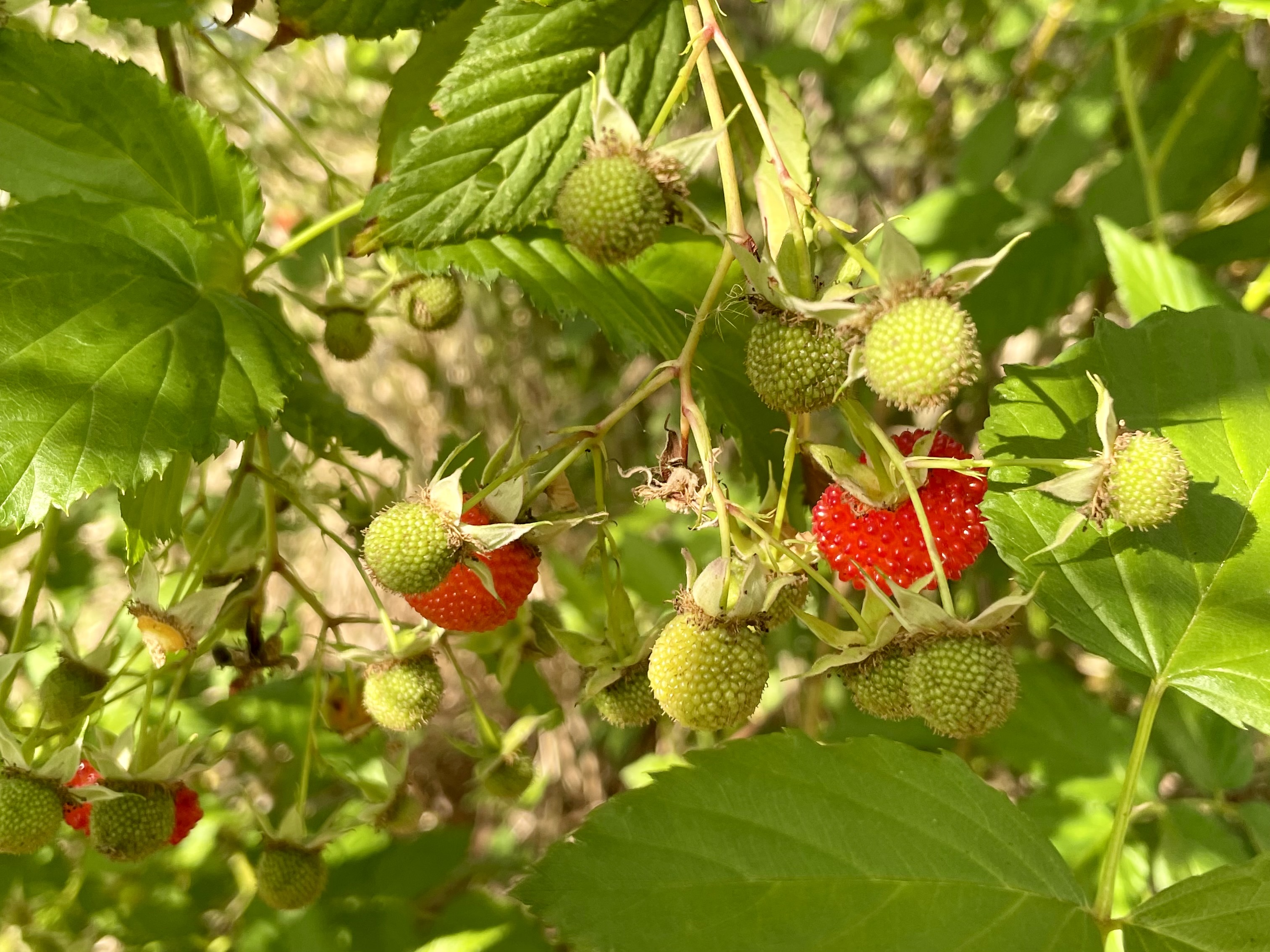
Raspberry
Raspberries are suckering cane fruits that perform best in cool and temperate climates. Pruning depends on whether the variety fruits on first-year or second-year canes.
Fruit tree
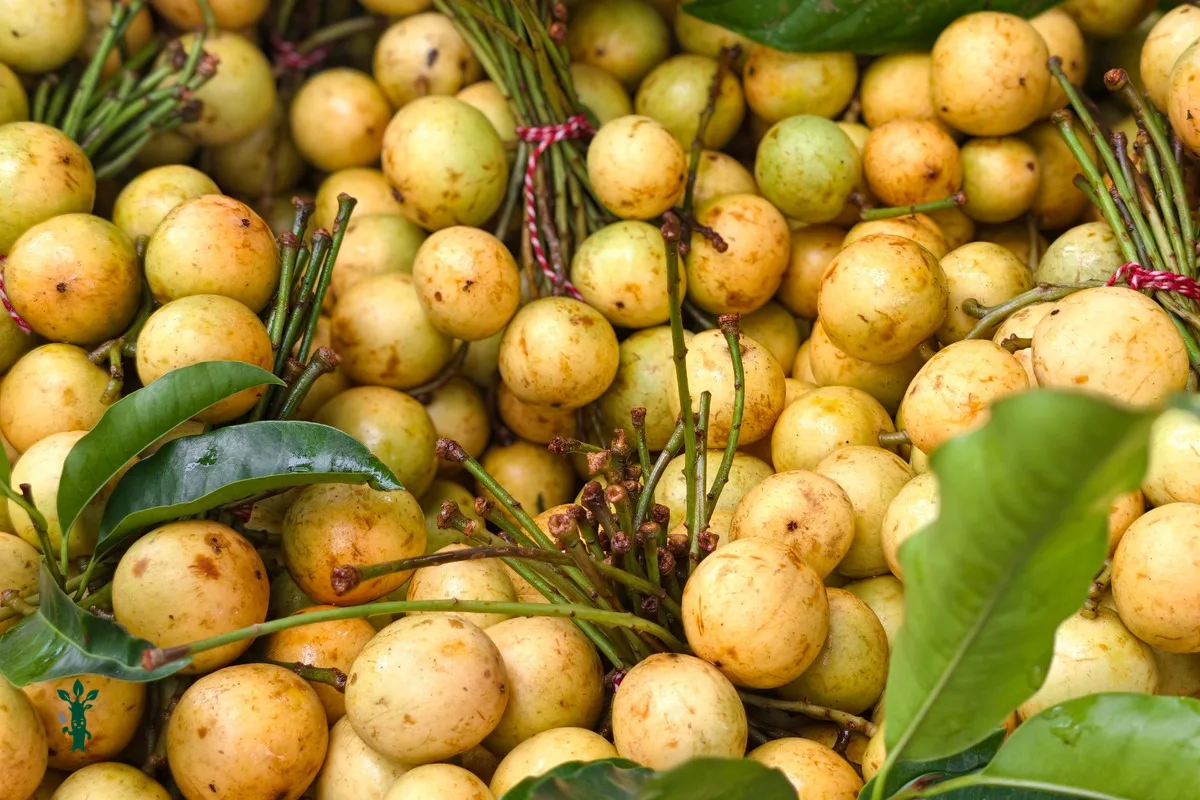
Wampee
Wampee is a handsome citrus relative with glossy compound leaves and bunches of small yellow fruit that range from tangy to sweet depending on the cultivar. It suits subtropical gardens particularly well, stays smaller than many tropical fruit trees and is an excellent choice if you enjoy unusual fruit that is good eaten freshly picked.
Before You Choose
Cold air settles in low areas, which is why one part of a property can frost while a nearby slope stays clear. Walls, tree canopies and buildings can also create warmer pockets. Use those differences when placing plants that sit near the edge of their cold tolerance.
Young growth is usually more vulnerable than hardened mature foliage. Avoid pushing very soft growth with heavy feeding just before the coldest part of the year. Newly planted specimens also have smaller root systems, so they often need more protection than established plants of the same species.
Water status matters. A healthy plant in suitable soil usually handles cold stress better than one already suffering from drought or waterlogging. Mulch protects the root zone from rapid temperature change, but keep it away from the crown and trunk where necessary.
After frost, wait until you can clearly see which stems are alive before doing major pruning. Damaged top growth can provide some temporary protection while the coldest weather is still passing. Check individual profiles for notes about light frost versus colder conditions, especially if your garden sits in a frost hollow.
Temporary protection can help small or valuable plants through an unusual cold night. Frost cloth works best when it reaches toward the ground so it traps some stored warmth rather than sitting tightly on the leaves. Remove or open coverings once conditions warm. For larger permanent plantings, choosing the right position and species is more reliable than planning to cover them every winter.