
Plant profile
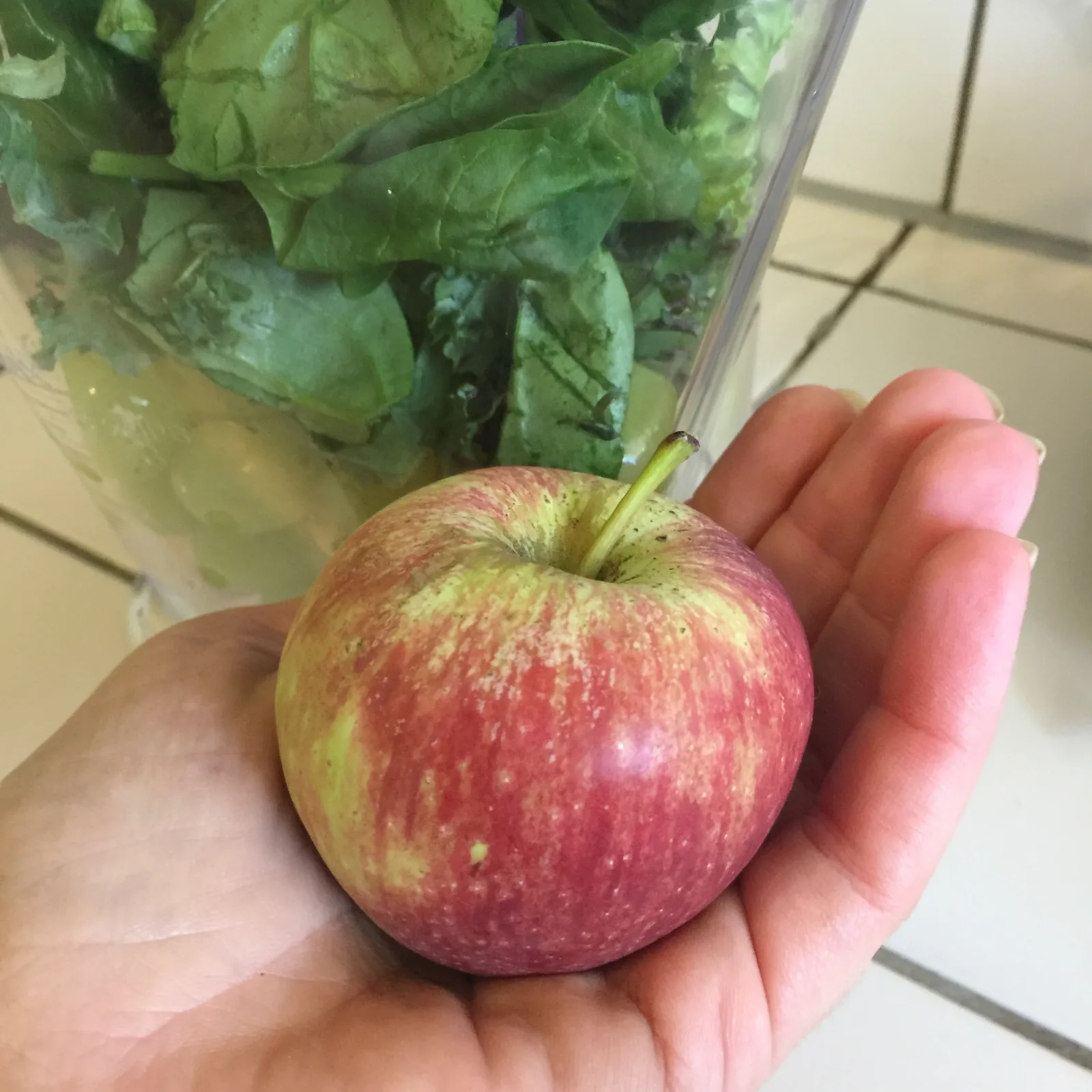
Apple
Malus domestica
Also known as Domestic apple, Eating apple.
Apples range from low-chill subtropical cultivars to high-chill trees for cold districts. Choosing the right cultivar for your winter is the first step to getting reliable flowers and fruit.
- Grows well in
- Subtropical, Temperate, Cool / mountains, Mediterranean
- Lifecycle
- Deciduous fruit tree
- Light
- Full sun
- Mature size
- Usually 2–6 m high in gardens depending on rootstock and pruning; seedling trees can grow larger
- Spacing
- About 2–5 m apart depending on rootstock and training system
- Growth habit
- Deciduous grafted fruit tree with spur- or tip-bearing cultivars
- Native range
- Afghanistan through Central Asia to Xinjiang
- Natural habitat
- Temperate woodland and mountain forest habitats.
When to plant
Subtropical
May–August
Temperate
May–August
Cool / mountain
June–August
Mediterranean
May–August
Subtropical: plant low-chill cultivars during winter. Temperate and cool: plant bare-root trees in winter or container trees during mild weather.
Planting
Plant a grafted tree in full sun while dormant or during mild weather. Keep the graft above soil level and choose the rootstock and cultivar for the final size and climate you want.
Position and light
Full sun with good airflow.
Soil
Deep, fertile, free-draining soil with compost and a slightly acidic to neutral pH.
Watering
Water regularly while young and keep moisture steady from flowering through fruit development.
Feeding
Add compost and use a balanced fruit-tree feed as growth starts. Avoid heavy nitrogen that drives soft leafy growth.
Pruning
Train young trees to a strong framework, then prune according to the fruiting habit of the cultivar and rootstock. Remove crowded, damaged and badly placed growth.
Harvest
Pick when fruit has developed the colour, flavour and firmness expected for the cultivar. Harvest timing varies widely between early and late apples.
Propagation
Named apples are grafted or budded. Seedlings do not come true to cultivar.
Common problems
Codling moth, fruit fly, apple scab, powdery mildew and woolly aphid can occur depending on district.
Safety notes
Apple flesh is edible. Seeds contain cyanogenic compounds; normal accidental seed consumption is not a concern, but do not deliberately eat large quantities of crushed seeds.
Worth knowing
Chill requirement varies by cultivar. Low-chill choices for warm districts include Anna, Dorsett Golden and Tropic Sweet. Cripps Pink is often treated as medium chill, while Gala and many traditional cool-climate cultivars need substantially more winter chill. Pollination also varies, so check a compatible flowering partner when the cultivar is not reliably self-fertile.
Grow Apple with Brancho
Add it to My Garden and Brancho works out what it needs next, timed for your climate.
How it grows around Australia
Growing this too? Share what you've noticed in your garden.
Grow a Little Wild
New plants to try, useful growing tips and a few garden jobs based on what you grow.